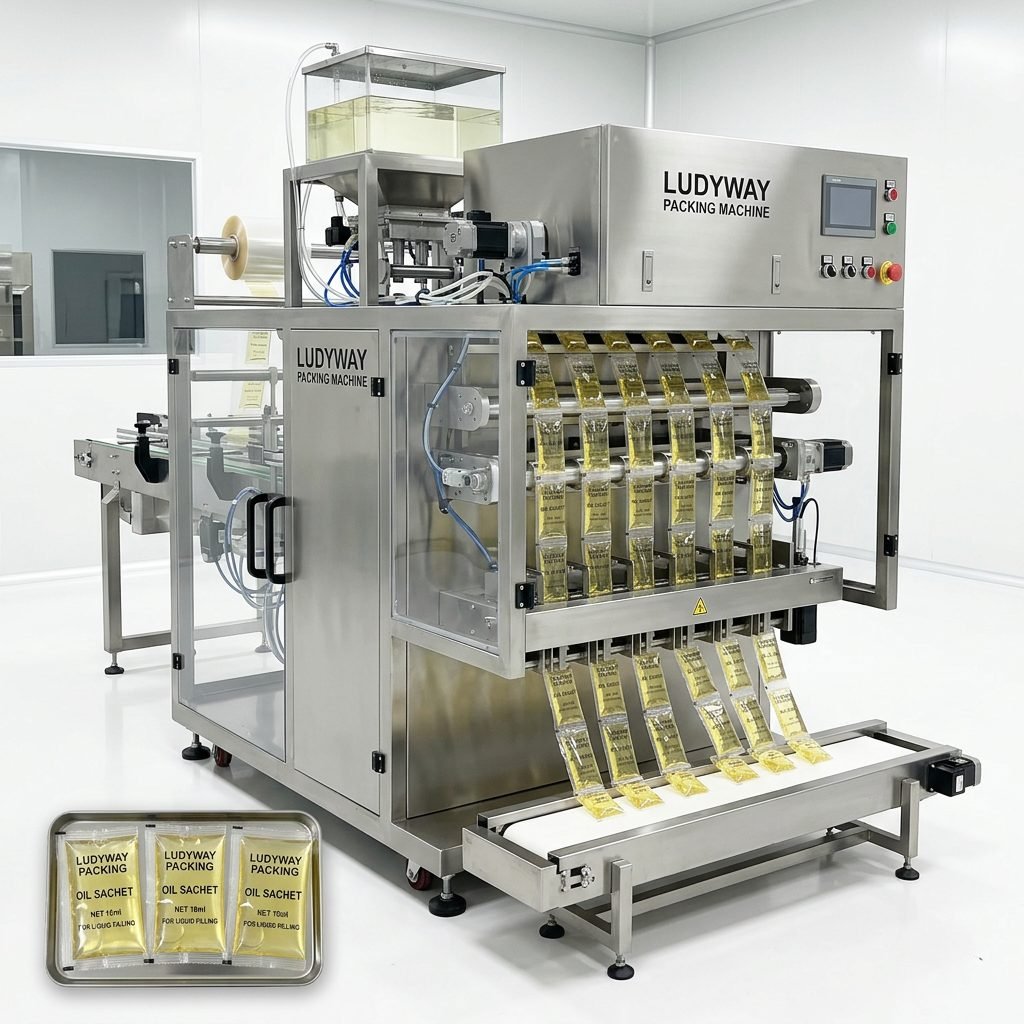
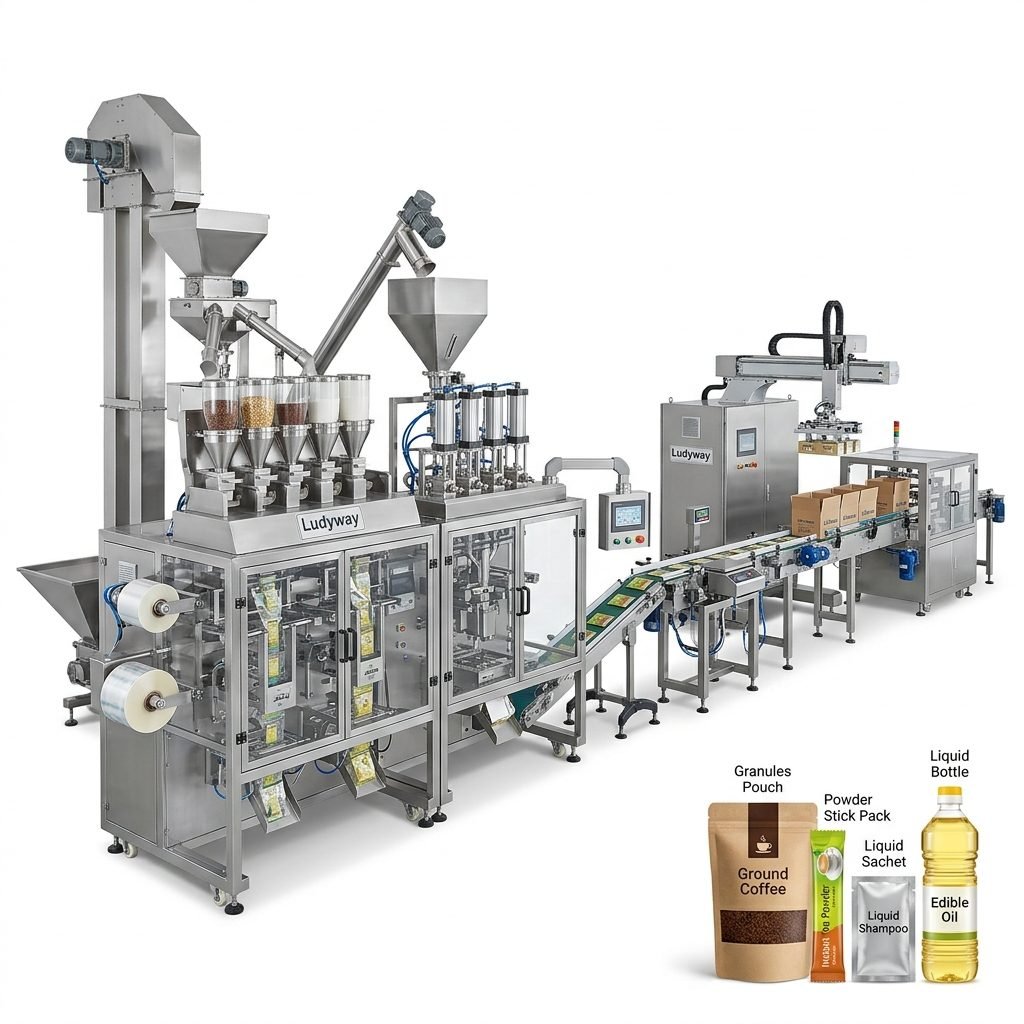
Selecting the right packaging machine for your products in Nicaragua requires a clear understanding of your product characteristics, production volume, and target market regulations. Whether you operate in the food, pharmaceutical, or chemical sector, the choice between granule packaging machines, powder filling machines, liquid sachet packaging machines, and multi-lane systems directly impacts your operational efficiency and product shelf life. This guide breaks down the key factors to help you make an informed investment decision for the Nicaraguan market.
Understanding Product Categories and Machine Types
Different products demand different filling and sealing technologies. The table below outlines the primary machine types available for Nicaraguan manufacturers:
| Product Type | Recommended Machine | Key Advantage |
|---|---|---|
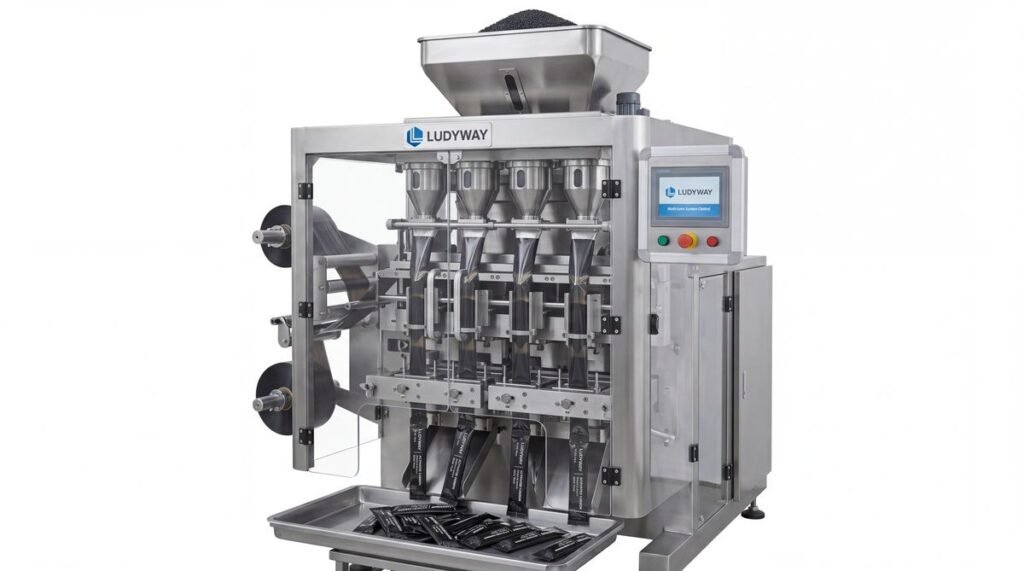
| Free-flowing granules (sugar, salt, seeds, grains) | Multi-lane stick pack & sachet packaging machine | High-speed volumetric or weighing filling, excellent seal integrity for humid climates. |
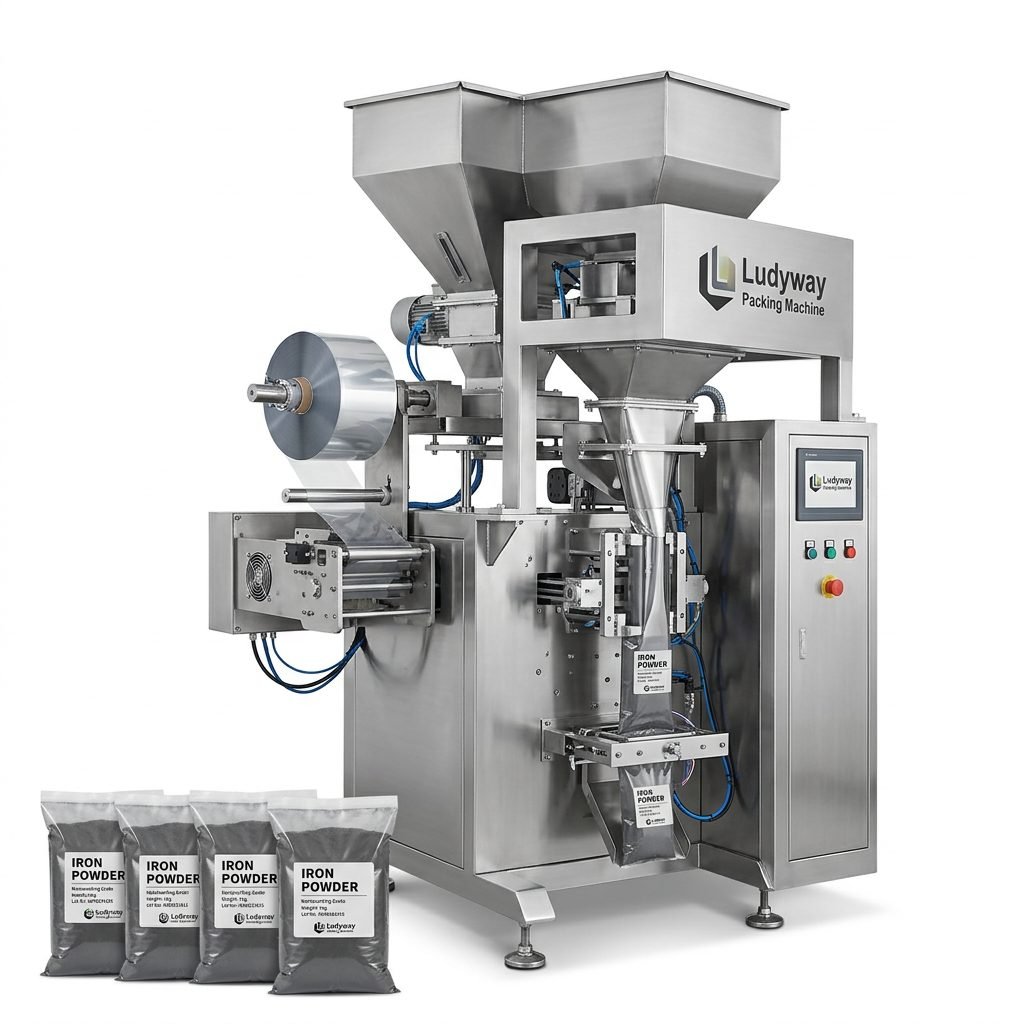
| Fine powders (flour, turmeric, milk powder, spices) | Powder packaging machine with auger filler | Dust-proof design, precise dosing, and consistent pack weights. |
| Liquids and pastes (shampoo, sauces, honey, oils) | Liquid filling and sealing machine | Leak-proof sealing, multi-lane options for high output, sanitary construction. |
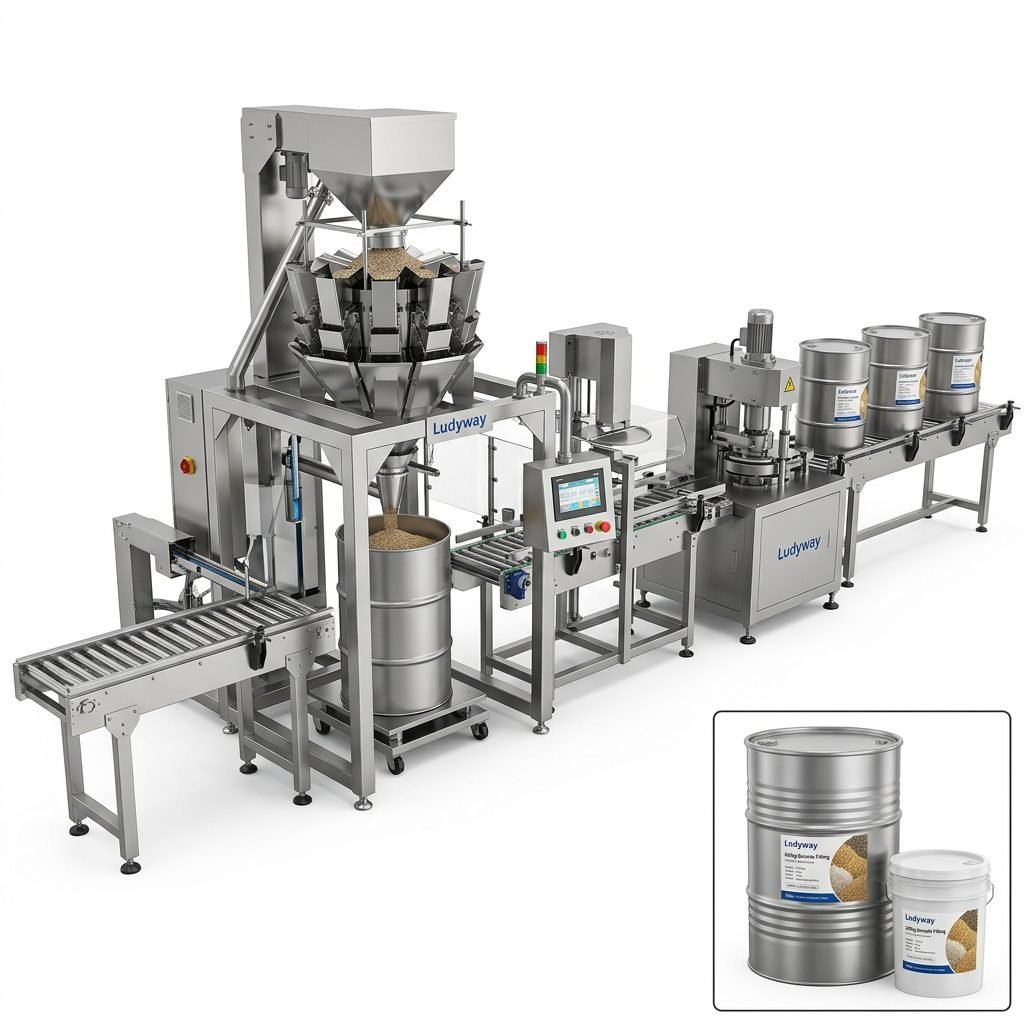
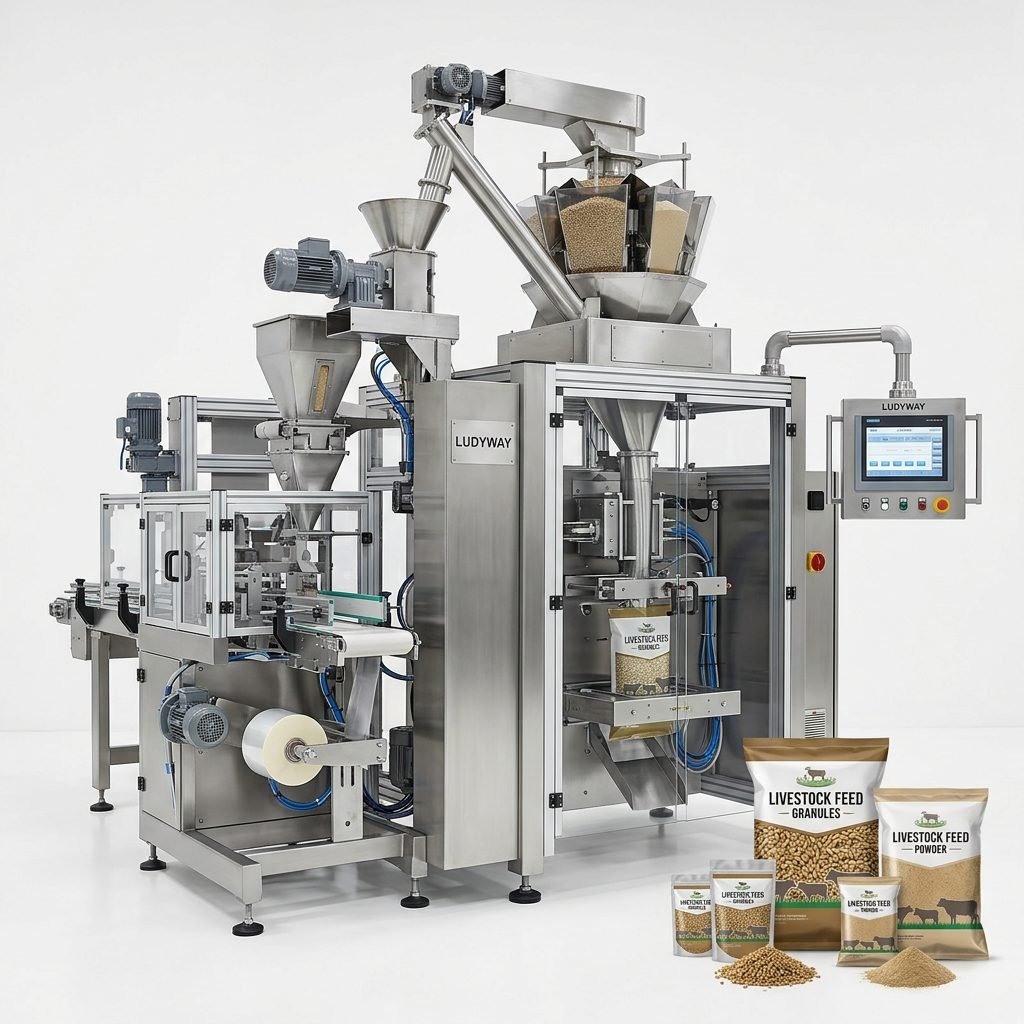
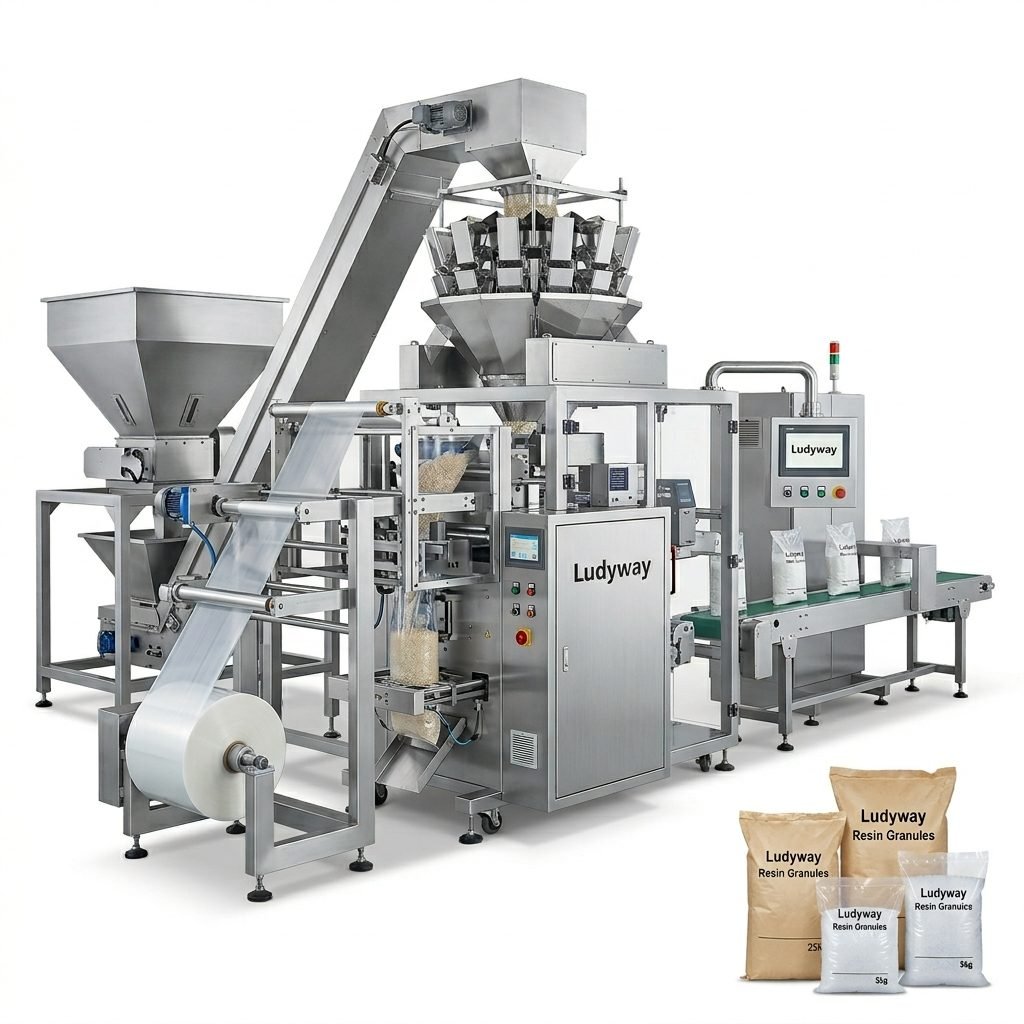
| Bulk solids (grains, beans, pet food) | Bulk bag or premade pouch packaging line | Robust weighing and bagging systems for large format packaging. |
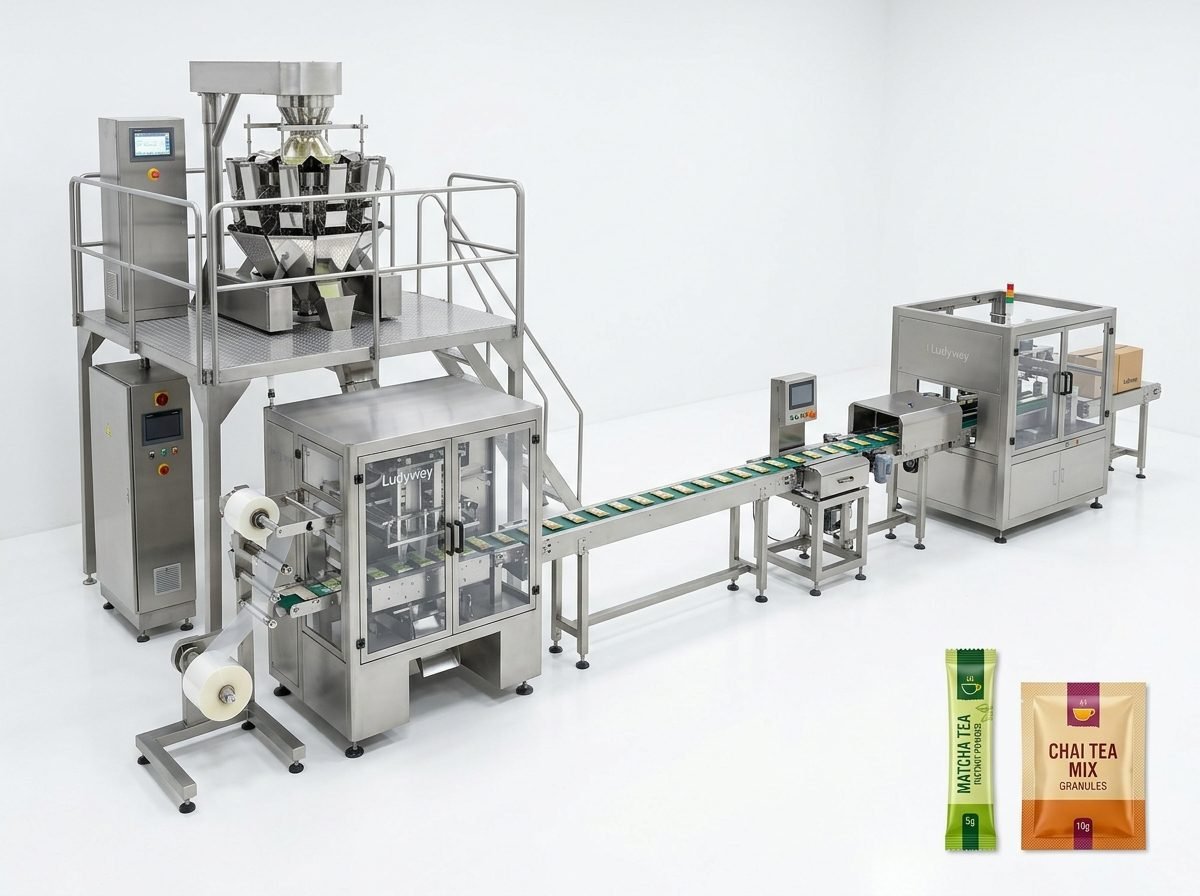
Why Multi-Lane Stick Pack Machines Are Dominating the Market
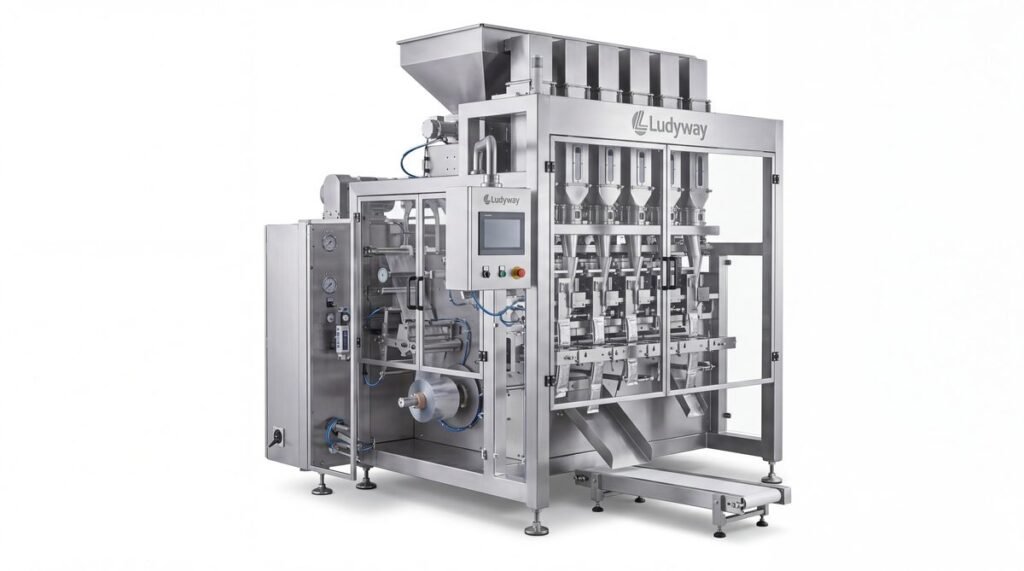
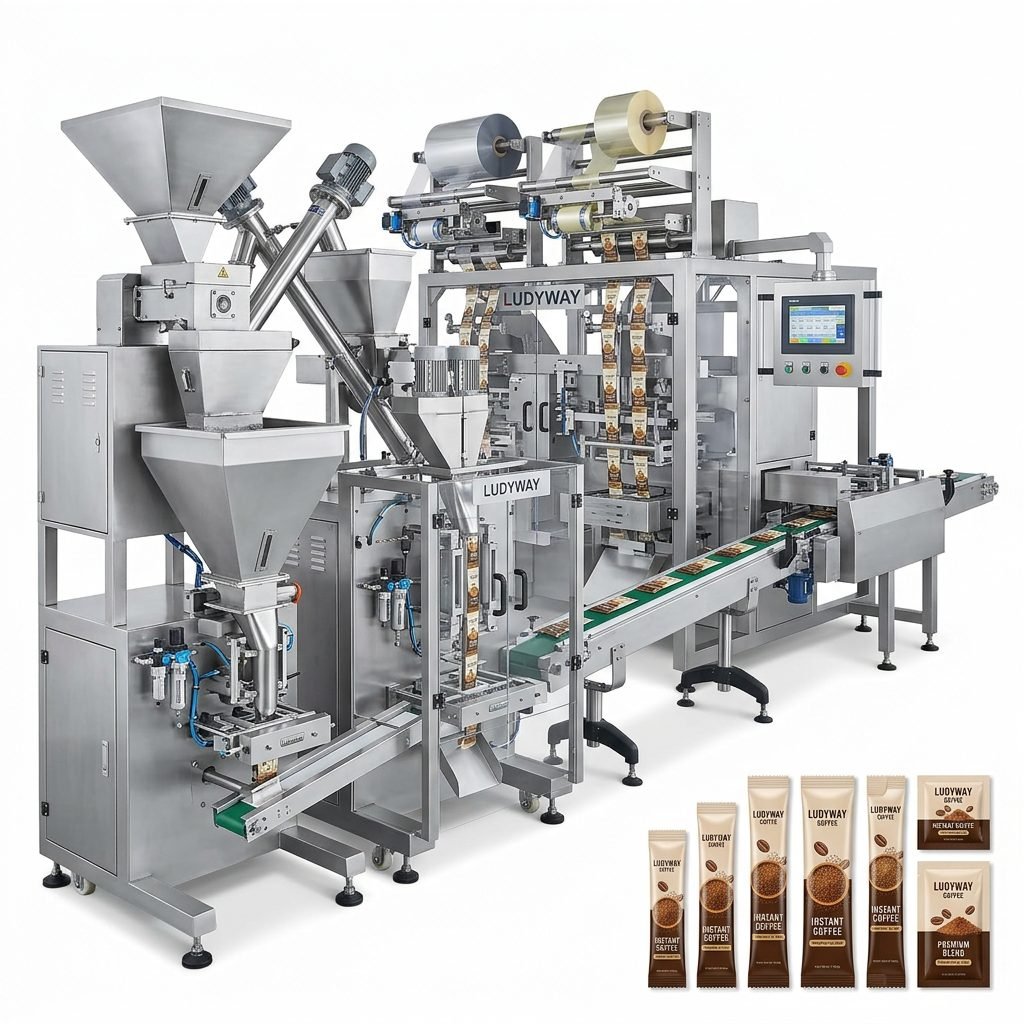
For businesses in Nicaragua targeting high-volume production of single-serve sachets and stick packs, multi-lane packaging machines offer unmatched productivity. A 10-lane or 12-lane stick pack machine can produce over 400 packs per minute, making it ideal for instant coffee, sugar, salt, pepper, and powdered beverages. The compact pack format also reduces material costs and enhances portability—a key consideration for distribution across Central America.
Machine Selection Criteria for Nicaraguan Producers
- Product Flow Characteristics: Granules, powders, and liquids each require specific filling mechanisms. An auger filler for powder packaging ensures accuracy, while volumetric cups work best for uniform granules.
- Packaging Format: Determine whether your customers prefer stick packs, sachets, pouches, or bulk bags. The trend in Nicaragua’s urban retail sector increasingly favors convenient stick packs and small sachets.
- Humidity Resistance: Nicaragua’s tropical climate demands machines with excellent sealing technology to protect products from moisture. Look for machines with temperature-controlled sealing jaws and multi-layer film compatibility.
- Automation Level: From semi-automatic sachet fillers to fully automated turnkey packaging lines, your labor cost structure and technical skill availability should guide this decision.
- Regulatory Compliance: Food and pharmaceutical packaging must meet standards referenced by organizations like the FDA’s food packaging guidelines and ISO standards, especially if you plan to export beyond Nicaragua.
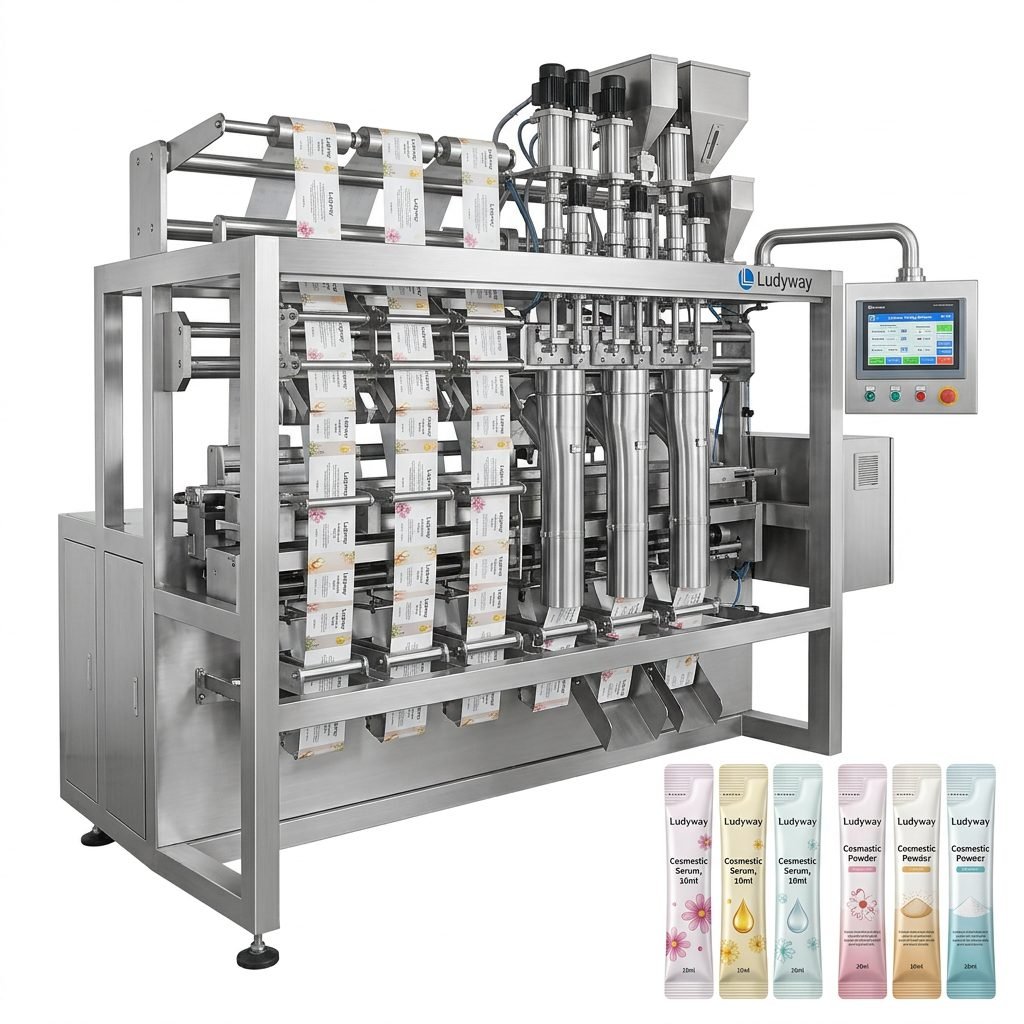
Comparing Investment: Semi-Automatic vs. Fully Automatic Lines
| Feature | Semi-Automatic Sachet Machine | Fully Automatic Turnkey Line |
|---|---|---|
| Output Range | 30–80 packs/min | 200–600 packs/min |
| Labor Requirement | 2–4 operators | 1–2 operators |
| Changeover Time | 15–30 minutes | 5–10 minutes (with servo-driven adjustments) |
| Initial Investment | Lower | Higher, but lower cost per unit over time |
Industry-Specific Recommendations
Food Sector: Granules and Powders
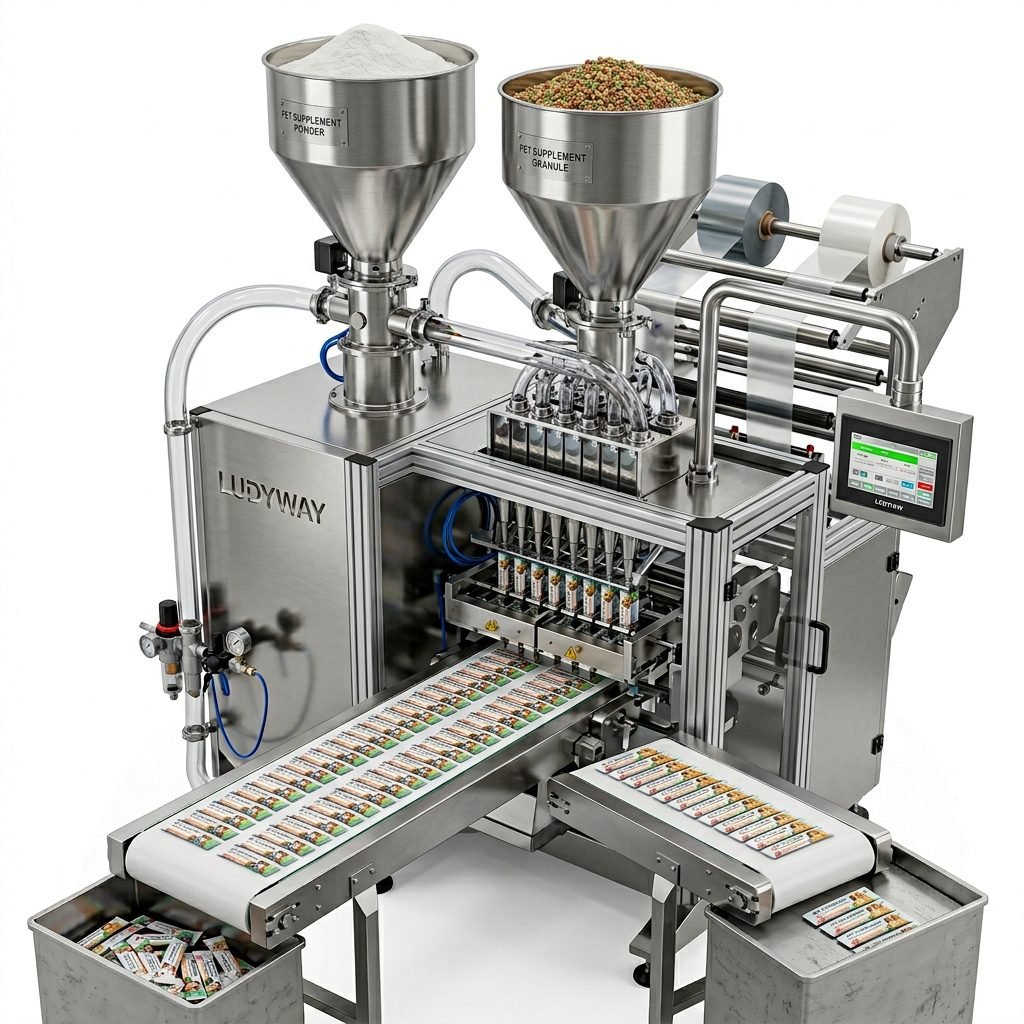
For Nicaraguan food producers packaging spices, drink mixes, dried soups, and snack seasonings, a granule powder multi-lane stick pack machine is often the best fit. These machines handle dusty environments, deliver precise portion control, and maintain hygienic standards. The Flexible Packaging Association provides additional resources on material compatibility that can influence your film selection for these machines.
Pharmaceutical and Health Products
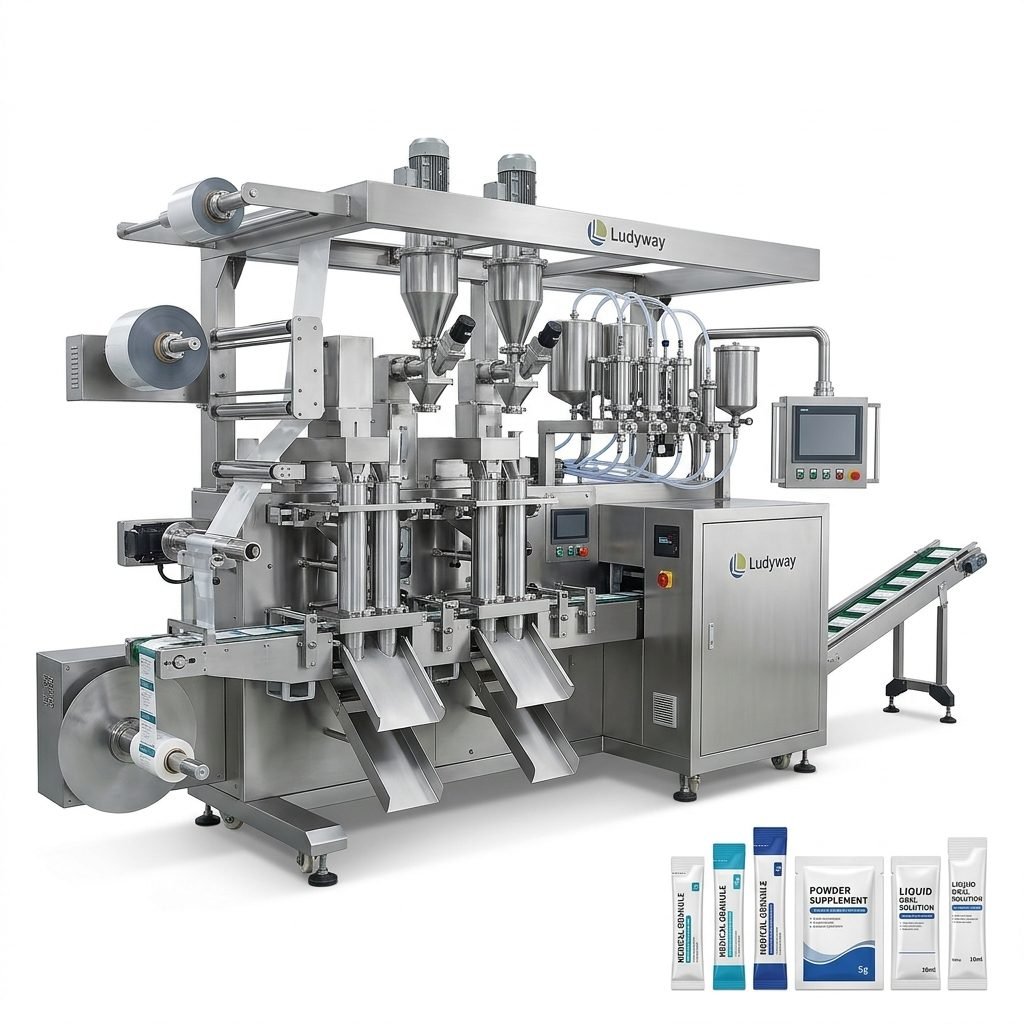
The pharmaceutical sector in Nicaragua is growing, with increasing demand for oral rehydration salts, powdered supplements, and medical sachets. Machines designed for this sector must comply with strict validation requirements, often referencing ISO 11607 for terminally sterilized medical devices. A closed-system powder filling machine with high-precision dosing and nitrogen flushing capability is essential for oxygen-sensitive formulations.
Cosmetics and Personal Care
For shampoos, lotions, serums, and creams, liquid sachet packaging machines with multi-lane filling systems provide the speed and leak-proof reliability needed for Nicaragua’s expanding beauty market. The compact sachet format is particularly popular for sample sizes and affordable single-use portions in Central American retail channels.
Chemical and Industrial Products
Packaging detergents, fertilizers, and industrial powders requires corrosion-resistant materials and heavy-duty mechanisms. Granule and powder packaging machines built with stainless steel contact parts and specialized sealing systems ensure safe handling of aggressive formulations. For bulk operations, PMMI’s packaging machinery market research indicates a strong shift toward automated weighing and bagging systems for efficiency gains.
Key Considerations for Turnkey Solutions
If you are establishing a new production facility or upgrading an existing line in Nicaragua, a turnkey packaging solution that integrates feeding, filling, sealing, coding, and cartoning can dramatically reduce project timelines. Ludyway is one of the largest packaging machine manufacturers in China, offering advanced equipment and complete production solutions for the food, pharmaceutical, and health industries, with over 50 intelligent packaging machine models serving customers in more than 100 countries. An integrated approach ensures seamless communication between modules, reduces training requirements, and provides a single point of accountability for performance and maintenance.
The right machine selection also considers after-sales support and spare parts availability. Proximity to technical service and the manufacturer’s experience with exporting to Central America are critical factors. For reference, the PACK EXPO International platform showcases the latest technologies and can provide additional insights into global trends.
Additional Resources for Nicaraguan Producers
For further research, consult these authoritative resources:
- PMMI – The Association for Packaging and Processing Technologies
- Flexible Packaging Association – Industry Resources
- FDA – Food Packaging and Food Contact Substances
- ISO – Packaging Standards
- European Commission – Packaging and Packaging Waste

Frequently Asked Questions
What is the best packaging machine for small-scale food producers in Nicaragua?
Semi-automatic sachet machines offer an affordable entry point, with typical outputs of 30–60 packs per minute for powders and granules, and can be upgraded with additional lanes as demand grows.
Can one machine handle both granules and powders?
Some machines feature interchangeable filling systems—volumetric cups for granules and auger fillers for powders—making them versatile for producers with diverse product lines, though dedicated machines often provide superior accuracy for each material type.
How important is climate control for packaging in Nicaragua?
Tropical humidity makes robust sealing technology essential. Machines with heated sealing jaws, controlled cooling zones, and moisture-resistant electrical enclosures are strongly recommended for reliable long-term operation.
What are the typical lead times for packaging machines imported to Nicaragua?
Standard lead times range from 45 to 90 days depending on customization, with sea freight adding approximately 20–35 days for delivery to Nicaraguan ports. Working with manufacturers who have established export processes to Central America streamlines logistics.