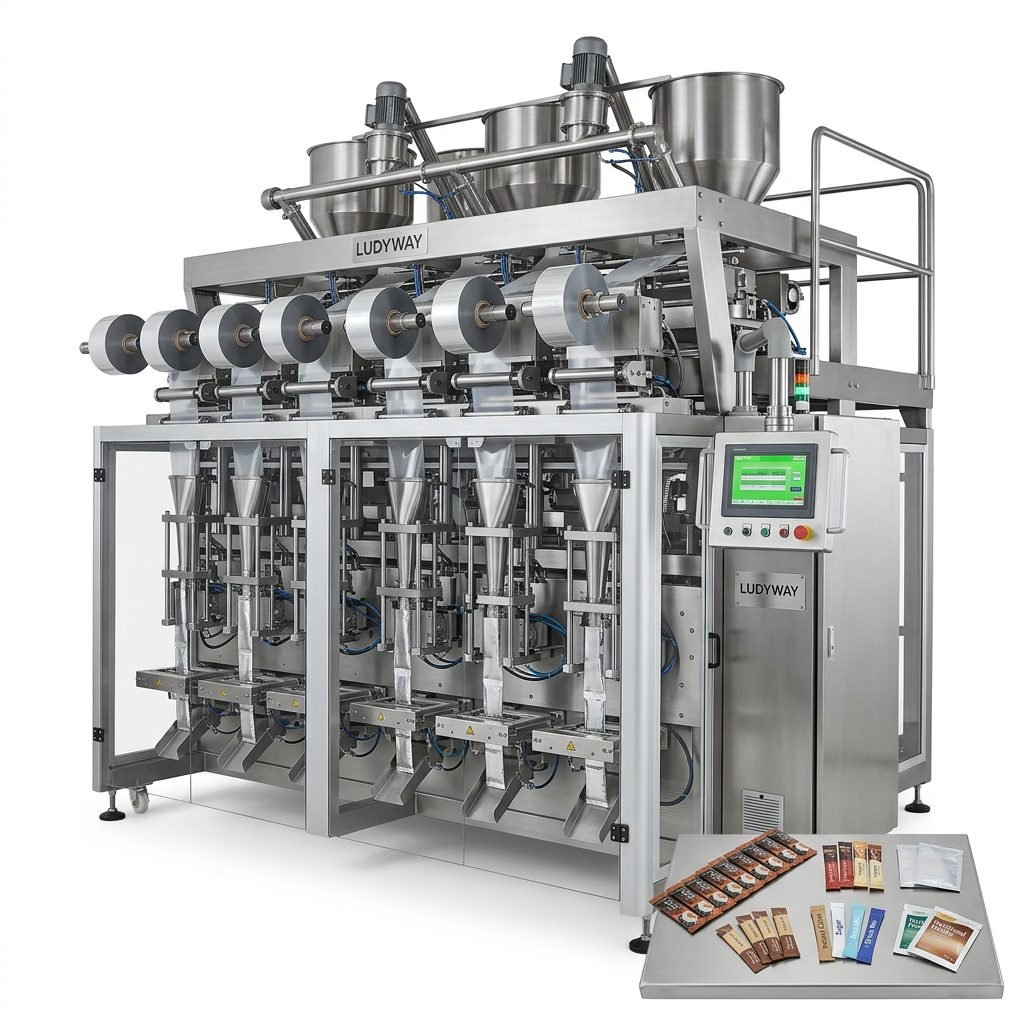
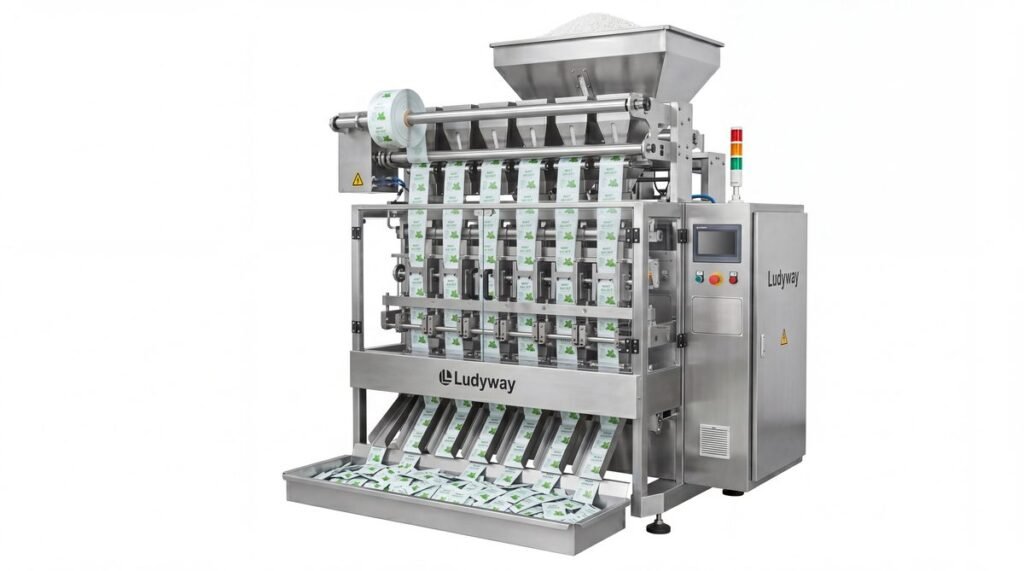
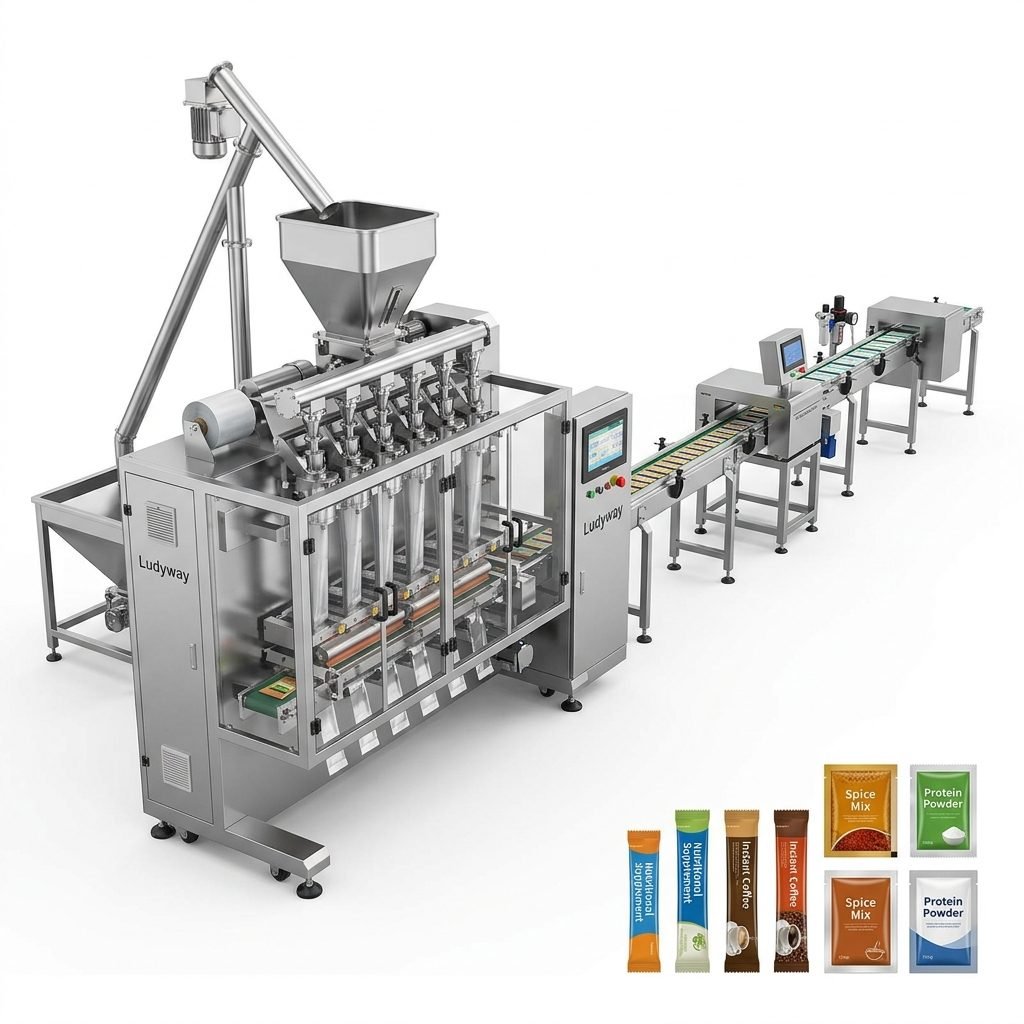
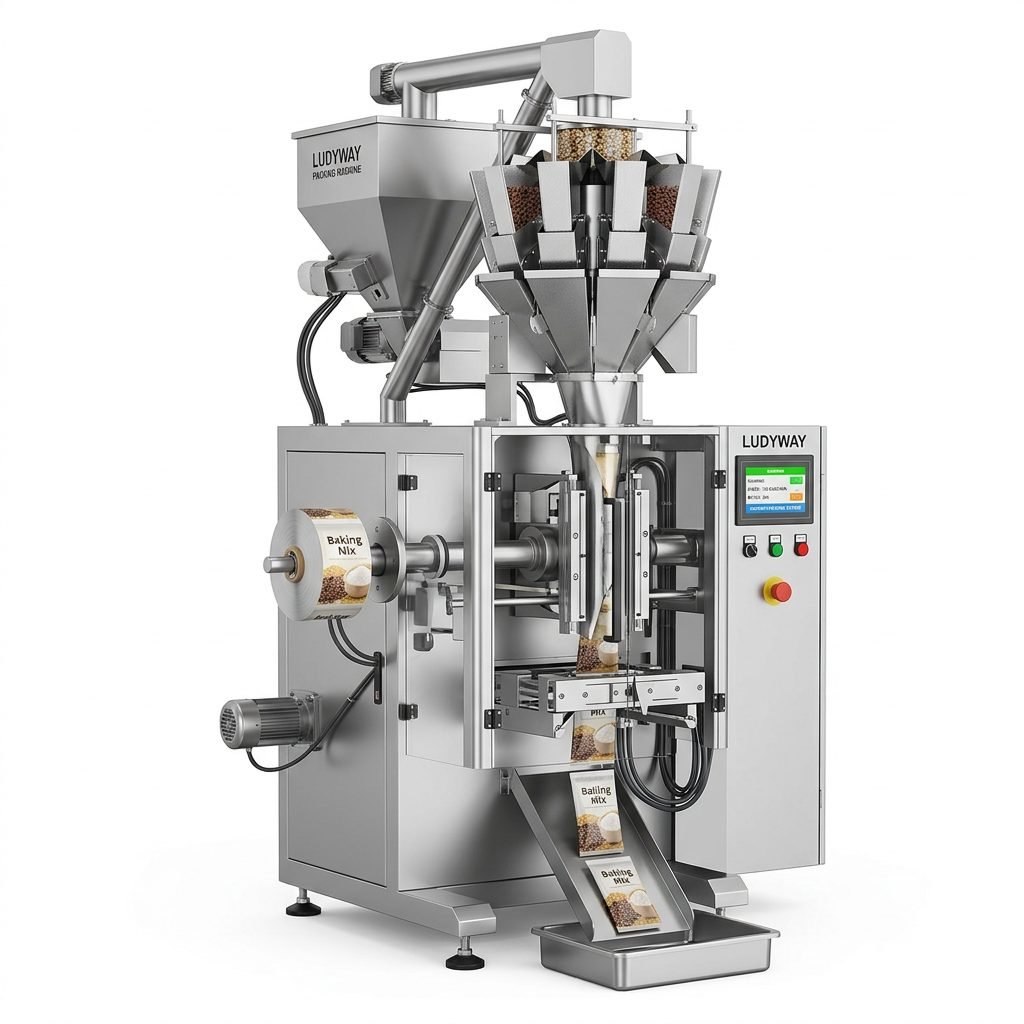
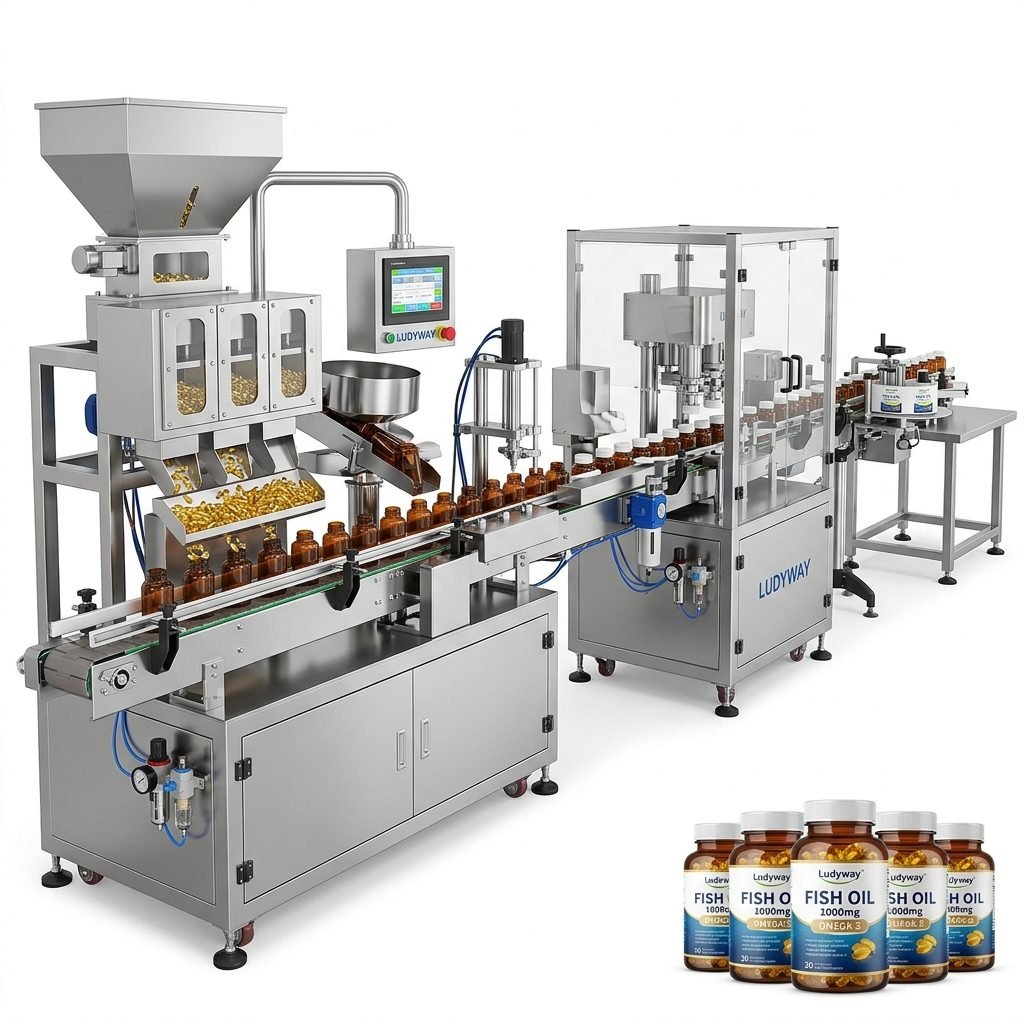
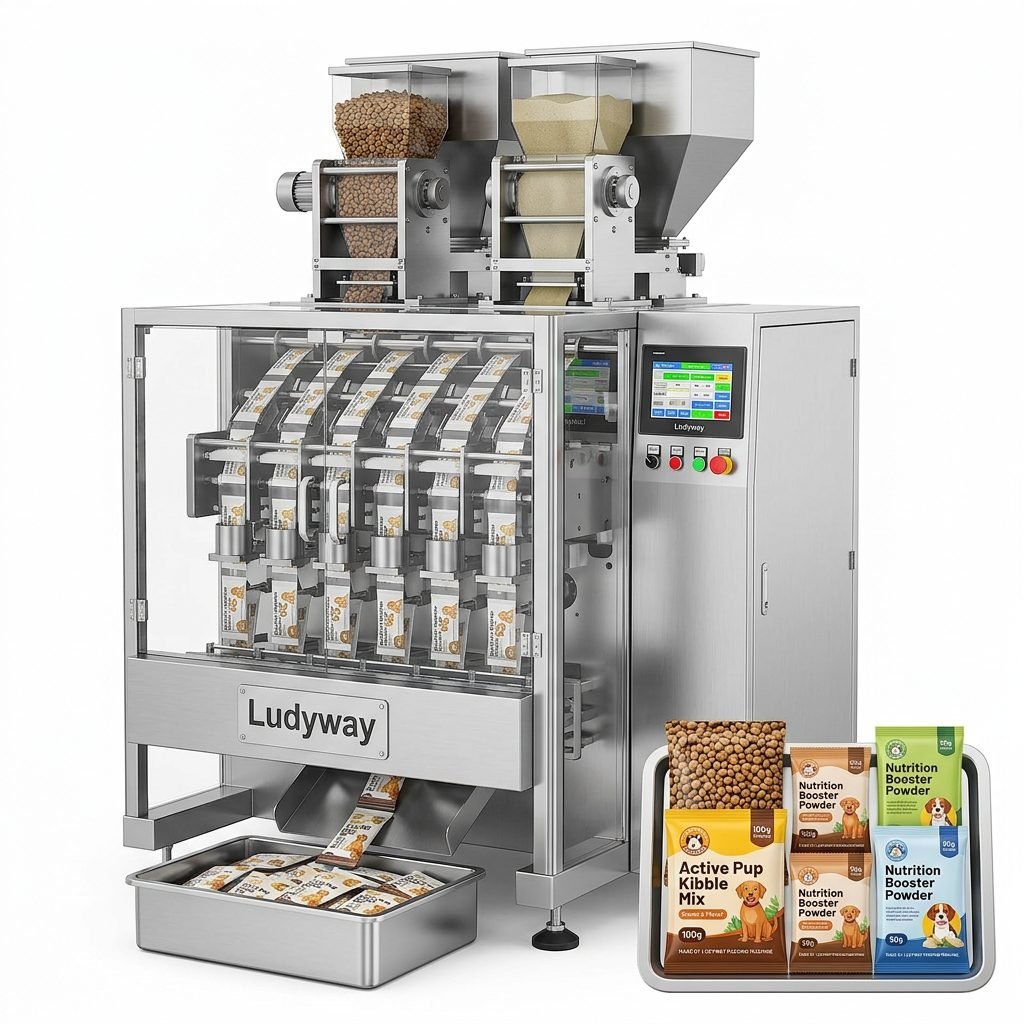
Finding quality used food packaging equipment for sale can be a strategic and cost-effective way for businesses to expand production capacity, replace aging machinery, or enter new product lines without the significant capital investment required for brand-new systems. The market for pre-owned packaging machines offers a wide range of options, from vertical form-fill-seal (VFFS) machines and cartoners to liquid fillers and labeling systems. This guide explores the benefits of purchasing used equipment, highlights key affordable machine types, and provides essential advice on where to buy them reliably.
Why Consider Used Food Packaging Equipment?
For many small to medium-sized enterprises (SMEs) and even larger operations managing tight budgets, used machinery presents a compelling value proposition. The primary advantage is cost savings; pre-owned equipment can often be acquired at 30% to 70% less than the price of a new equivalent. This allows businesses to allocate funds to other critical areas like marketing, raw materials, or facility upgrades. Furthermore, the depreciation on a used machine is typically much slower, preserving its resale value.
Key Benefit: Immediate deployment is another significant factor. While new machines may have lead times of several months, quality used equipment is often available for quick shipment and installation, minimizing downtime and accelerating time-to-market for new products.
Popular & Affordable Types of Used Packaging Machines
The secondary market is rich with various machine types. Here are some of the most sought-after and affordable categories:
1. Vertical Form-Fill-Seal (VFFS) Machines
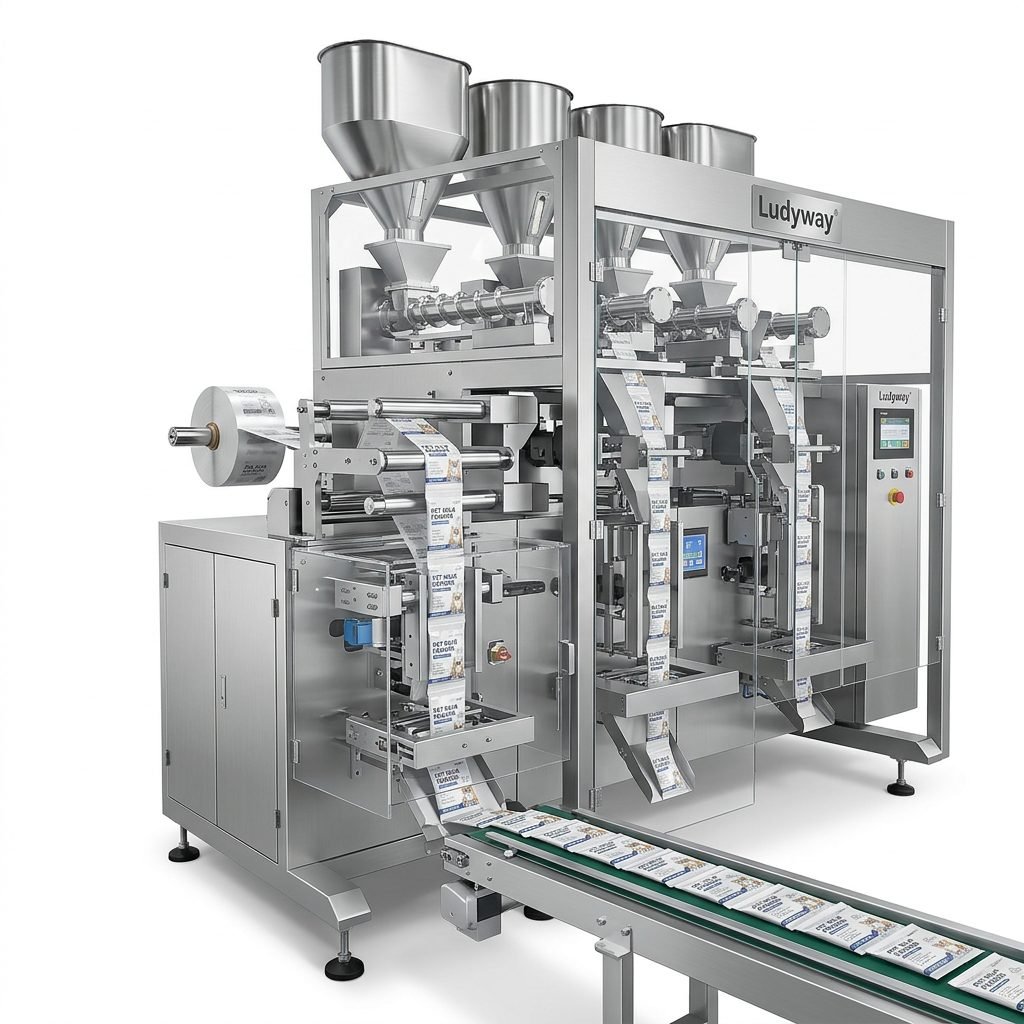
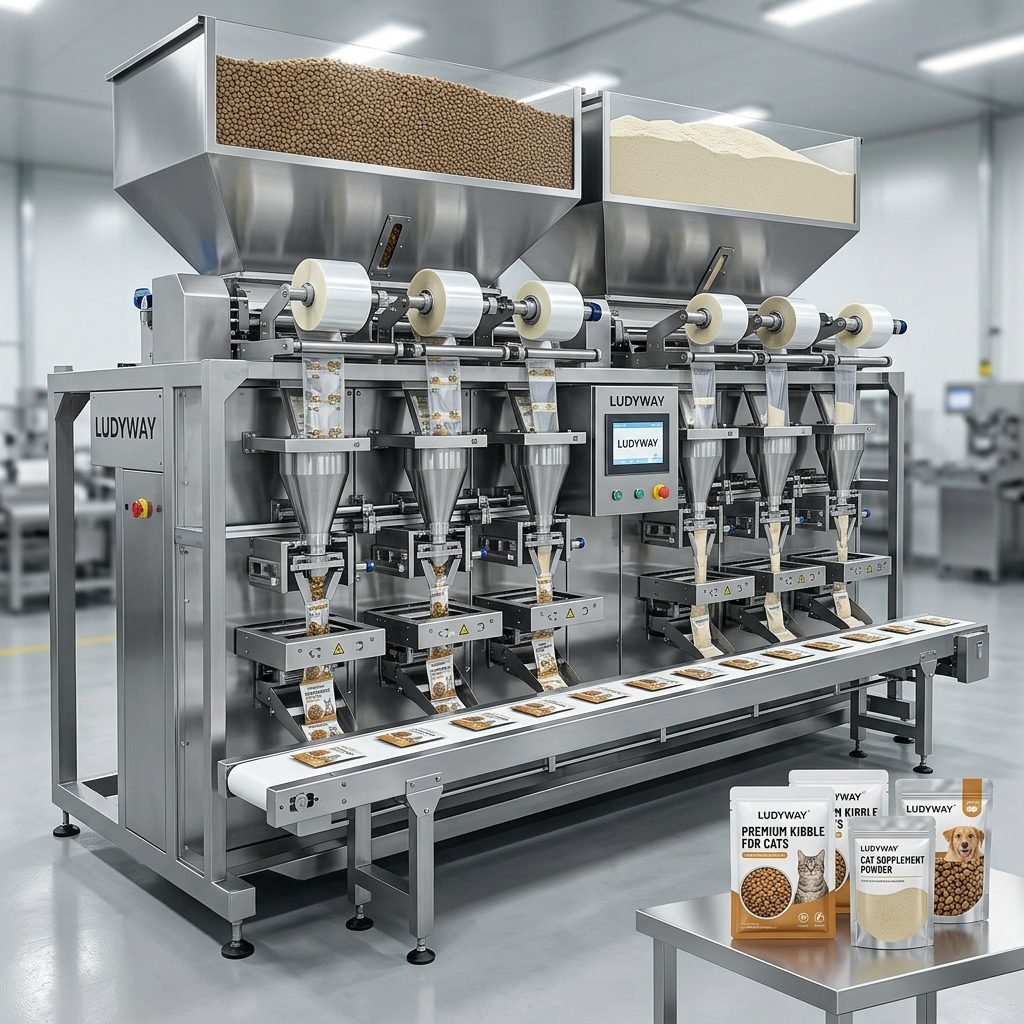
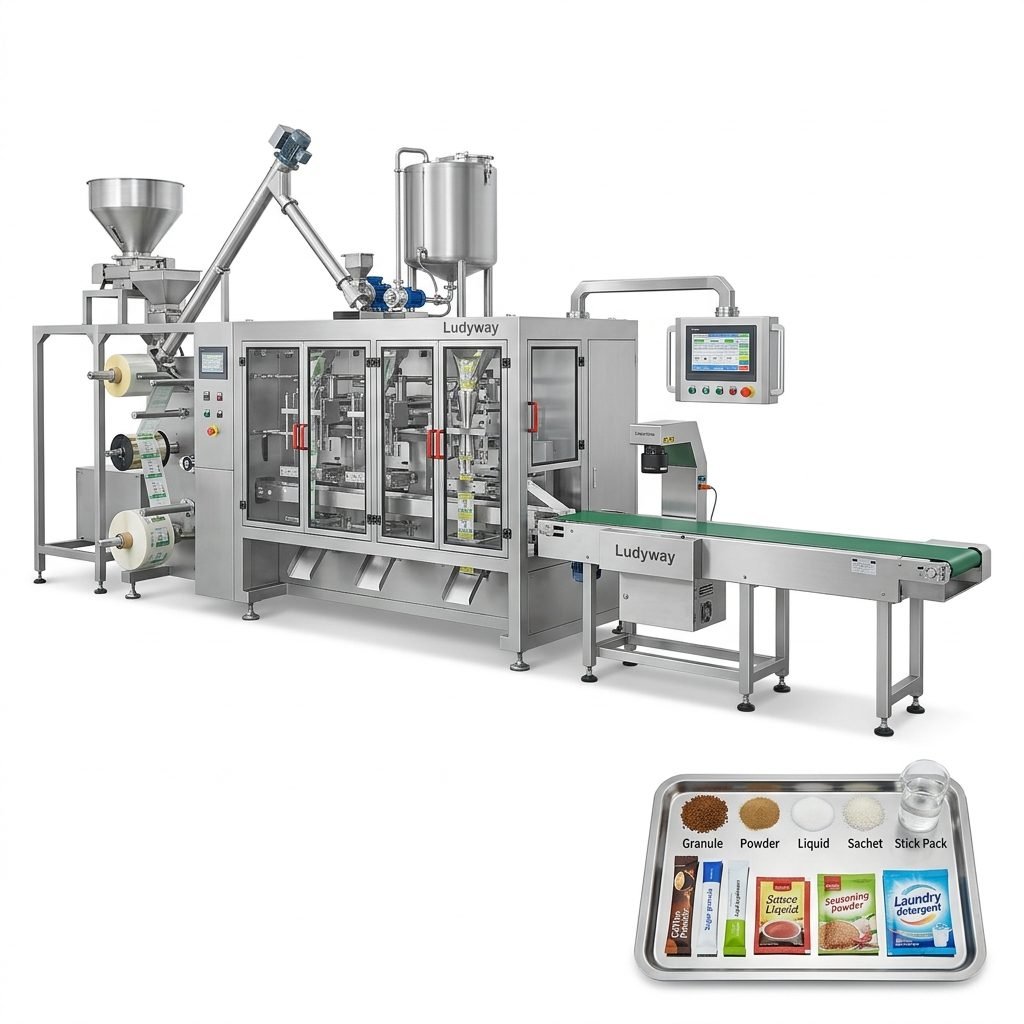
These are the workhorses of the packaging industry, ideal for packaging granules, powders, snacks, and liquids. A used VFFS machine offers tremendous versatility at a fraction of the new cost. Look for models with durable servo motors and reliable PLC controls.
2. Liquid & Paste Filling Machines
Used piston fillers, gravity fillers, and auger fillers are excellent for sauces, dressings, oils, and cosmetic products. When evaluating, pay close attention to the condition of contact parts (like cylinders and valves) to ensure they meet food-grade standards.
3. Cartoning & Case Packing Equipment
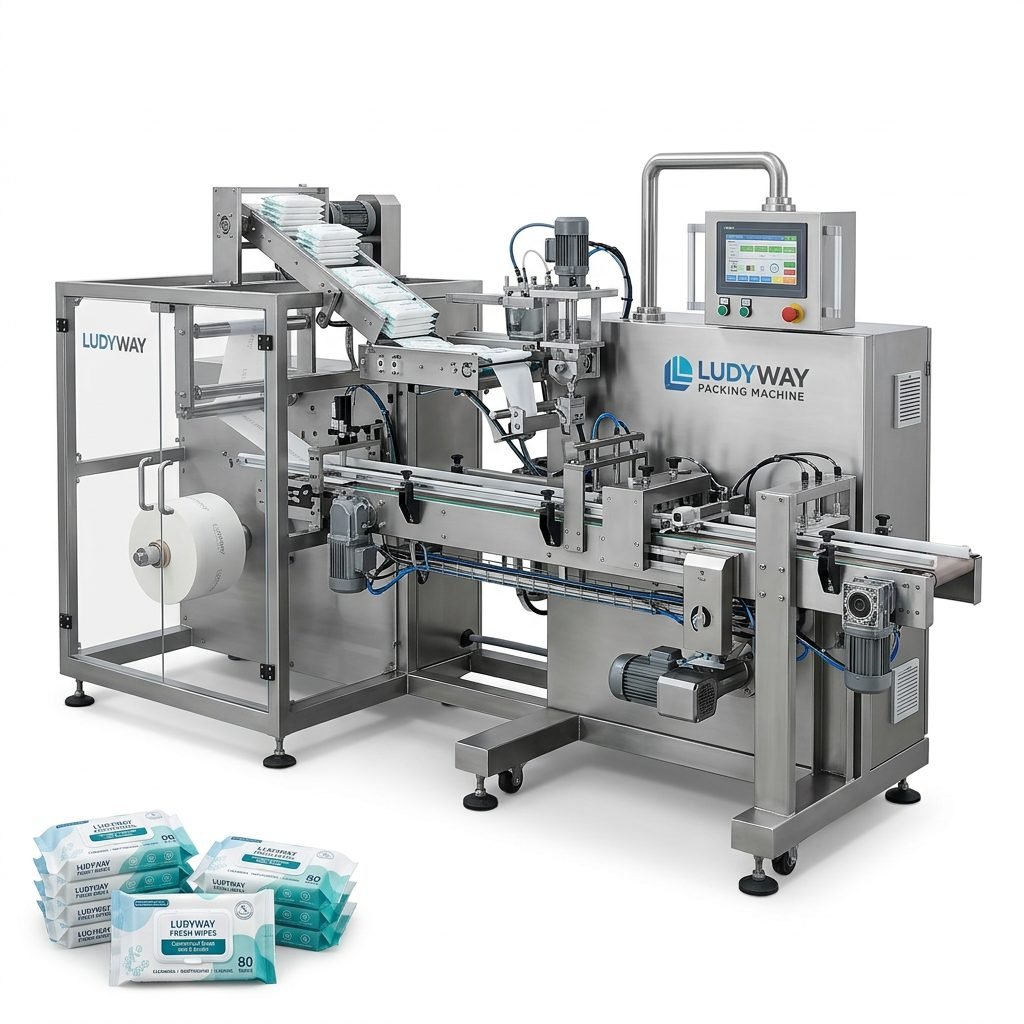
Automating the final stages of packaging with a used cartoner or case packer can drastically boost output. These machines are mechanically robust, and well-maintained units can provide many more years of reliable service.
⚠️ Critical Inspection Checklist Before Purchase:
- Machine History: Request documentation on maintenance, repairs, and operational hours.
- Compatibility: Ensure the machine can handle your specific film, carton, or container specifications.
- Spare Parts Availability: Verify that critical spare parts are still obtainable from the manufacturer or third-party suppliers.
- Technical Support: Assess if the seller or a third-party service provider can offer installation support and training.
Where to Buy Reliable Used Packaging Equipment
Knowing where to look is half the battle. Here are the primary channels for sourcing used food packaging machinery:
Specialized Dealers and Brokers
Reputable dealers, such as Ludyway Machinery, often provide the safest route. They typically refurbish, test, and warranty the equipment, offering a level of security similar to a new machine purchase. They also have the expertise to help you find the right model for your application. Exploring the history of a trusted supplier can give you confidence; for instance, companies founded with a deep engineering focus often maintain higher standards for their pre-owned inventory.
Online Marketplaces and Auctions
Platforms like eBay Industrial and dedicated machinery auction sites can offer great deals but require more due diligence. It’s crucial to inspect the equipment in person or via a detailed video inspection before committing.
Direct from Manufacturers
Some OEMs have programs for selling their own used or trade-in equipment. These machines are usually well-documented and may come with updated service contracts. Partnering with a manufacturer that offers complete turnkey production line solutions can be advantageous, as they understand how individual machines integrate into a larger system.
💡 Pro Tip for Global Buyers:
When purchasing internationally, always factor in shipping costs, import duties, and voltage/phasing requirements. A supplier with a strong global service network can be invaluable for ongoing support. Suppliers with extensive international project delivery experience are often better equipped to handle these logistics smoothly.
Maximizing Your Investment
Buying used is not just about finding the lowest price; it’s about securing the best value. Plan for a comprehensive machine inspection, budget for potential reconditioning or part replacements, and ensure your team receives proper training. Establishing a relationship with a reliable supplier who provides professional service and technical support is crucial for long-term operational success.
In conclusion, the market for used food packaging equipment is a viable and smart avenue for business growth. By focusing on reliable machine types, conducting thorough due diligence, and purchasing from credible sources, you can acquire affordable, productive assets that serve your production needs for years to come. The key is to balance initial cost savings with long-term reliability and support.
Frequently Asked Questions (FAQs)
Q1: What is the biggest risk when buying used packaging equipment?
The primary risk is purchasing a machine with hidden mechanical or electrical faults, or one that is obsolete with no available spare parts. Mitigate this by buying from reputable dealers who offer inspections, refurbishment reports, and a warranty.
Q2: Can used machines handle modern packaging materials?
Many can, but compatibility must be verified. Discuss your specific material (film type, thickness) with the seller. Some older machines may require minor modifications or different sealing jaws to work optimally with newer, more sustainable films.
Q3: How do I ensure the machine meets food safety standards?
Request documentation on the machine’s material certifications (e.g., food-grade grease, stainless steel grades). A proper reconditioning process should include replacing all worn contact parts with new, certified components and a full sanitary cleaning.
Q4: Is technical support available for used machines?
This varies by seller. Reputable dealers and some OEMs provide technical support and training. For machines bought via auction or private sale, you may need to rely on independent technicians, so securing manuals and wiring diagrams is essential.
Q5: Are financing options available for used equipment?
Yes, many equipment dealers and specialized financial institutions offer leasing or loan options for used machinery, making the purchase more accessible by spreading the cost over time.