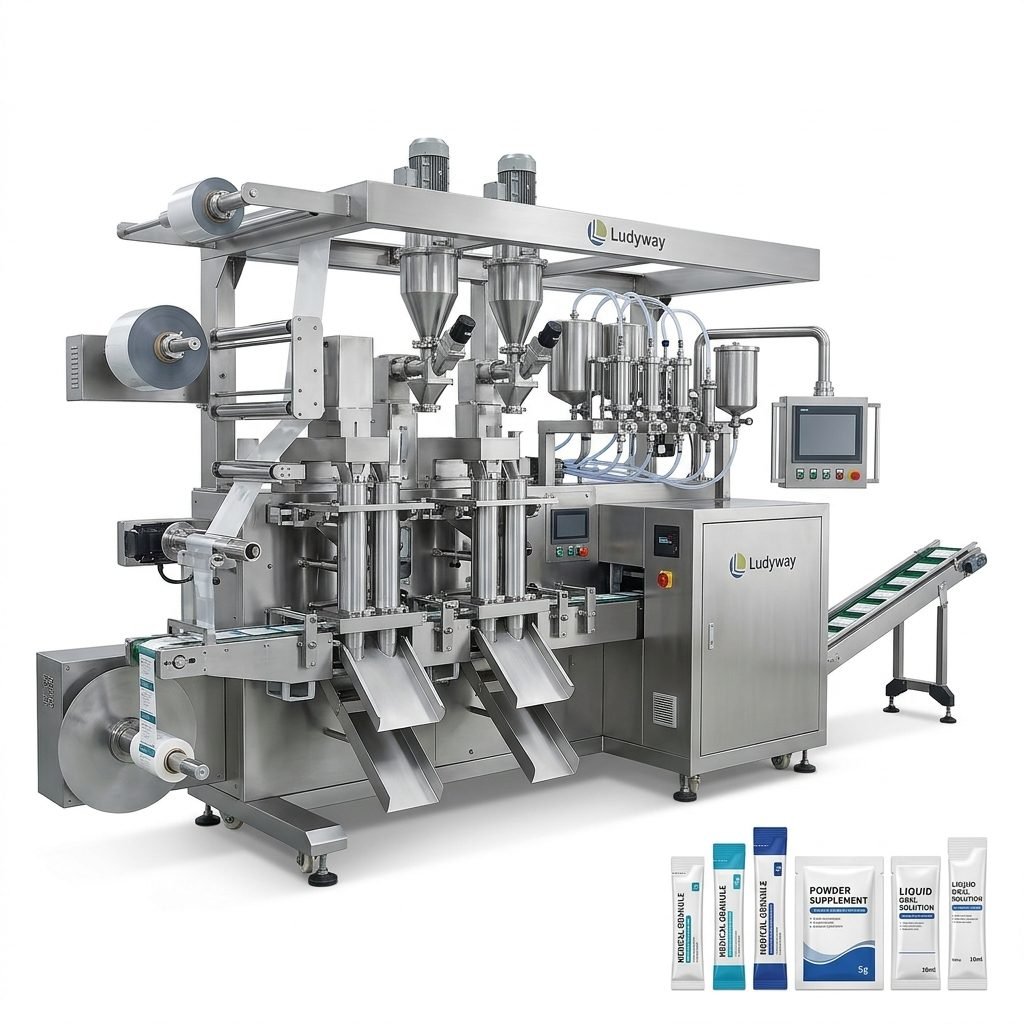
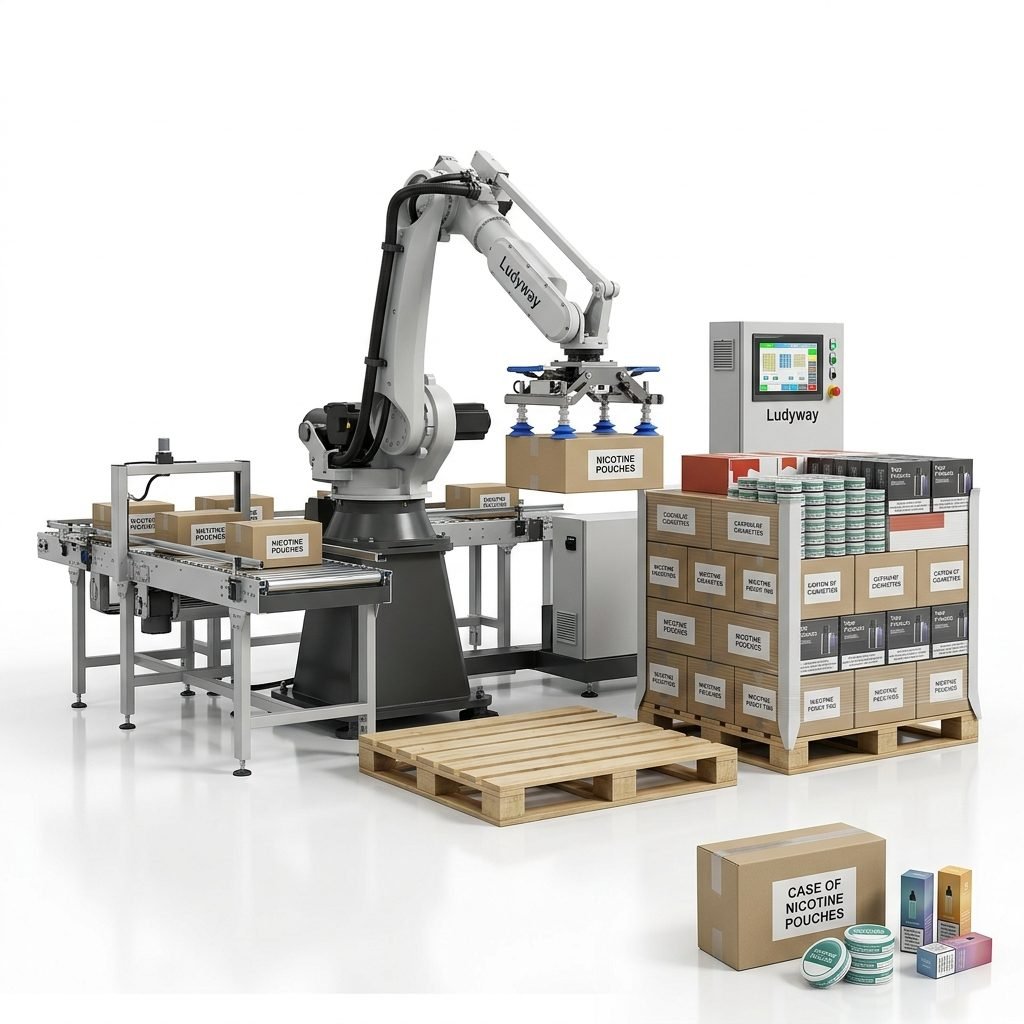
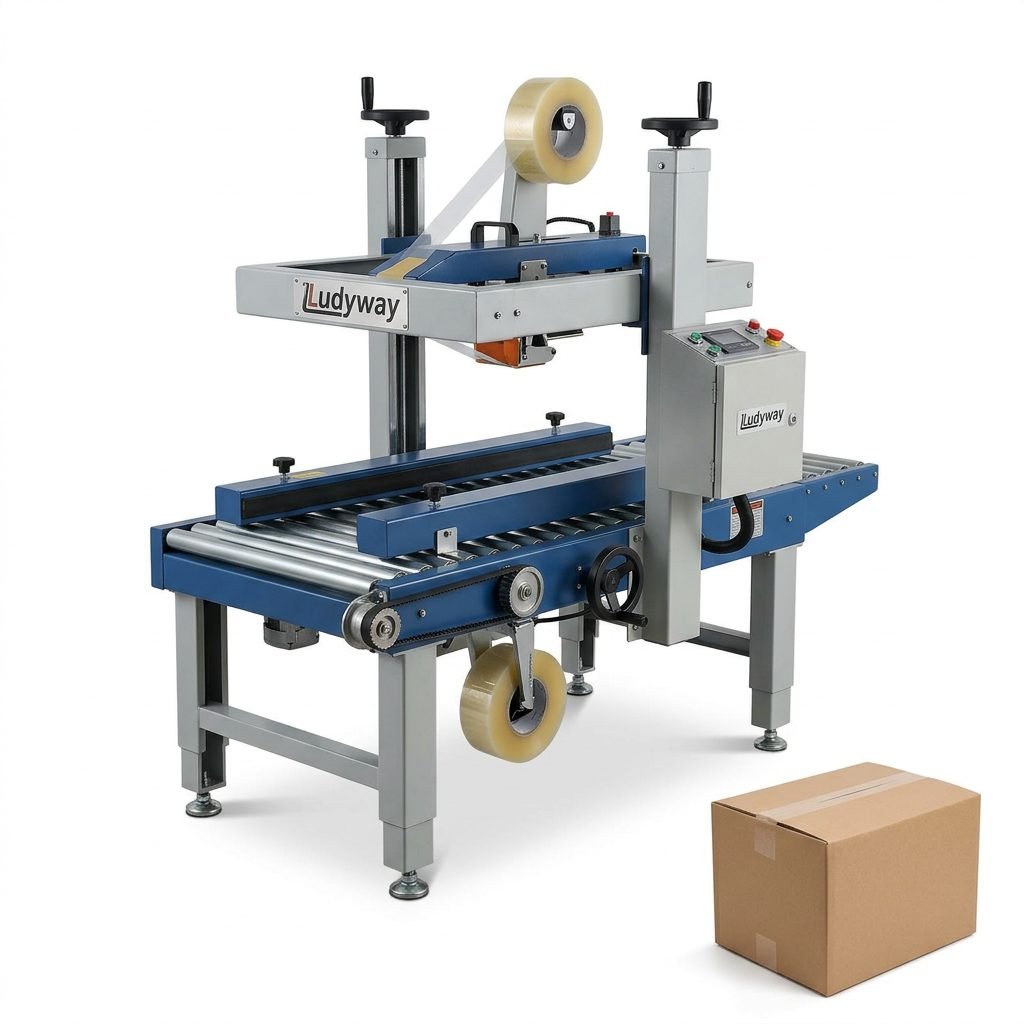
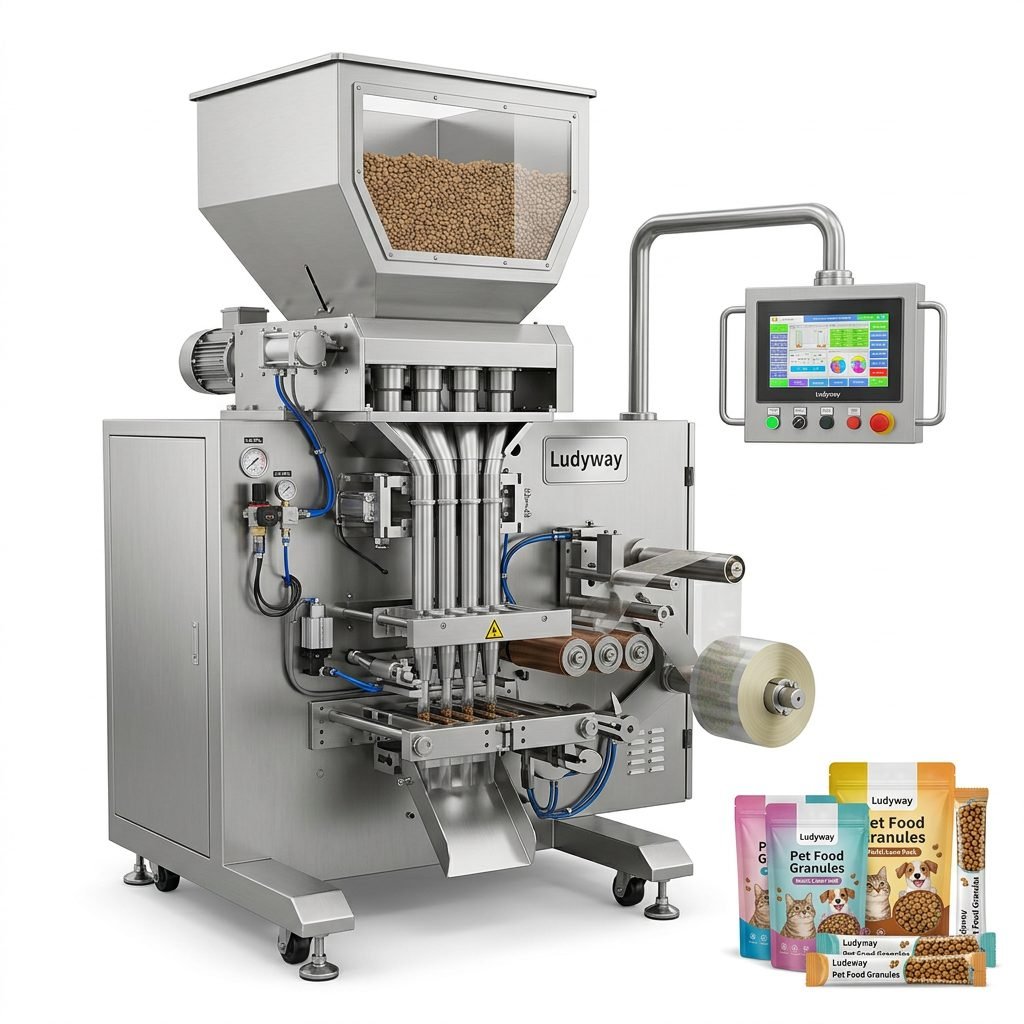
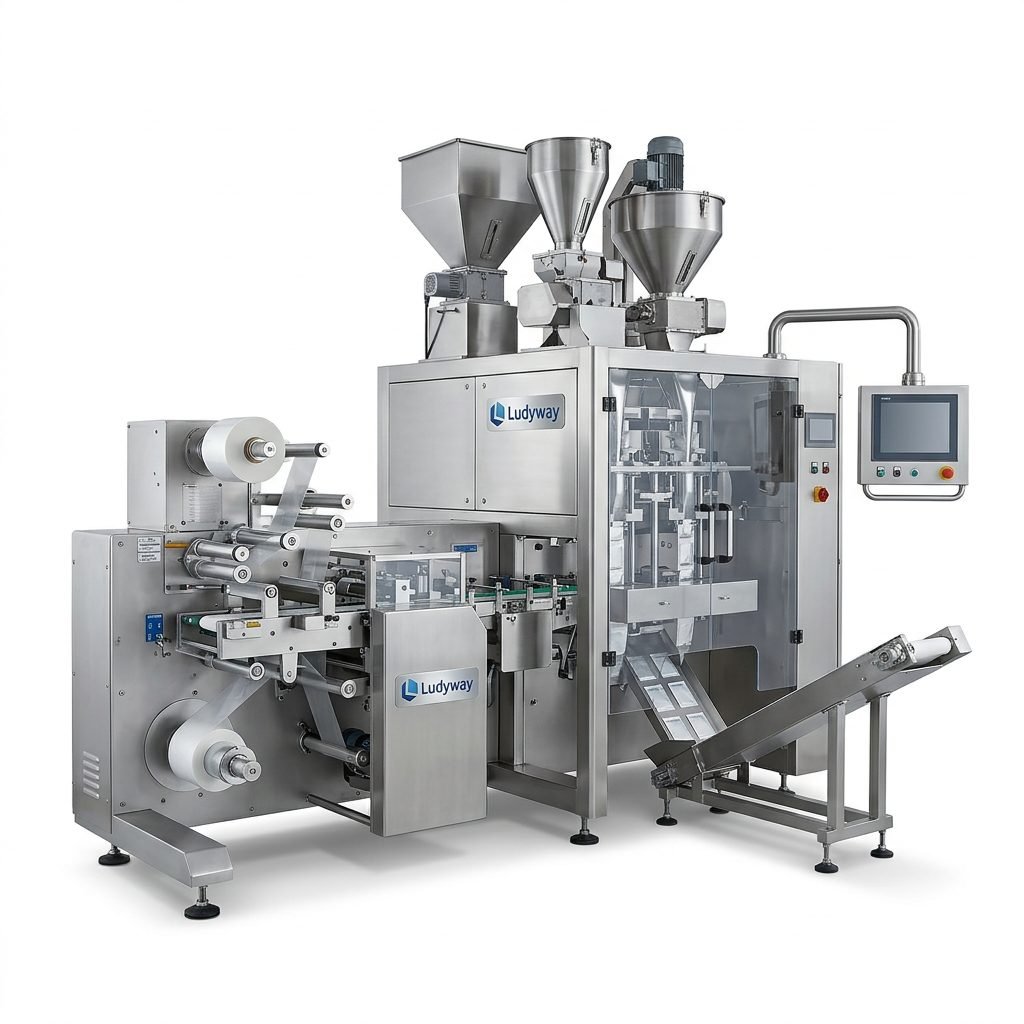
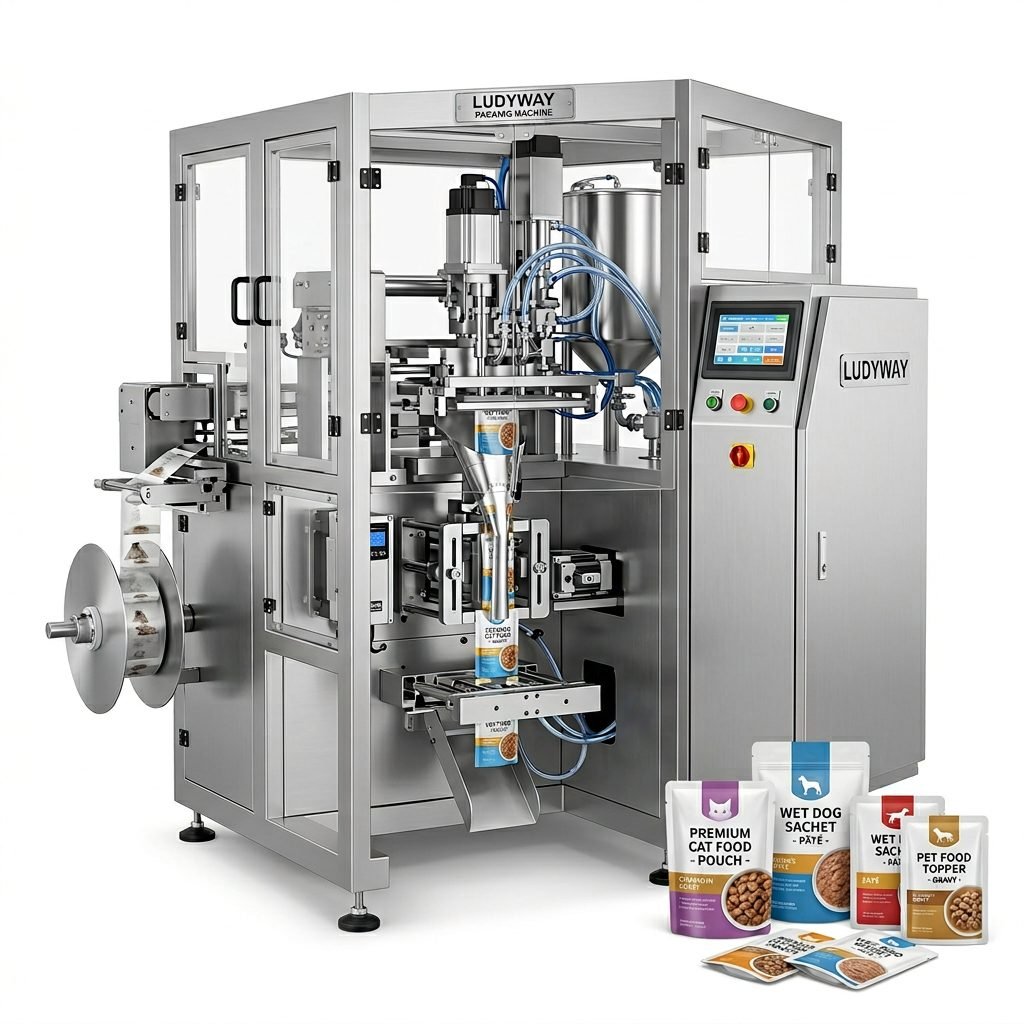
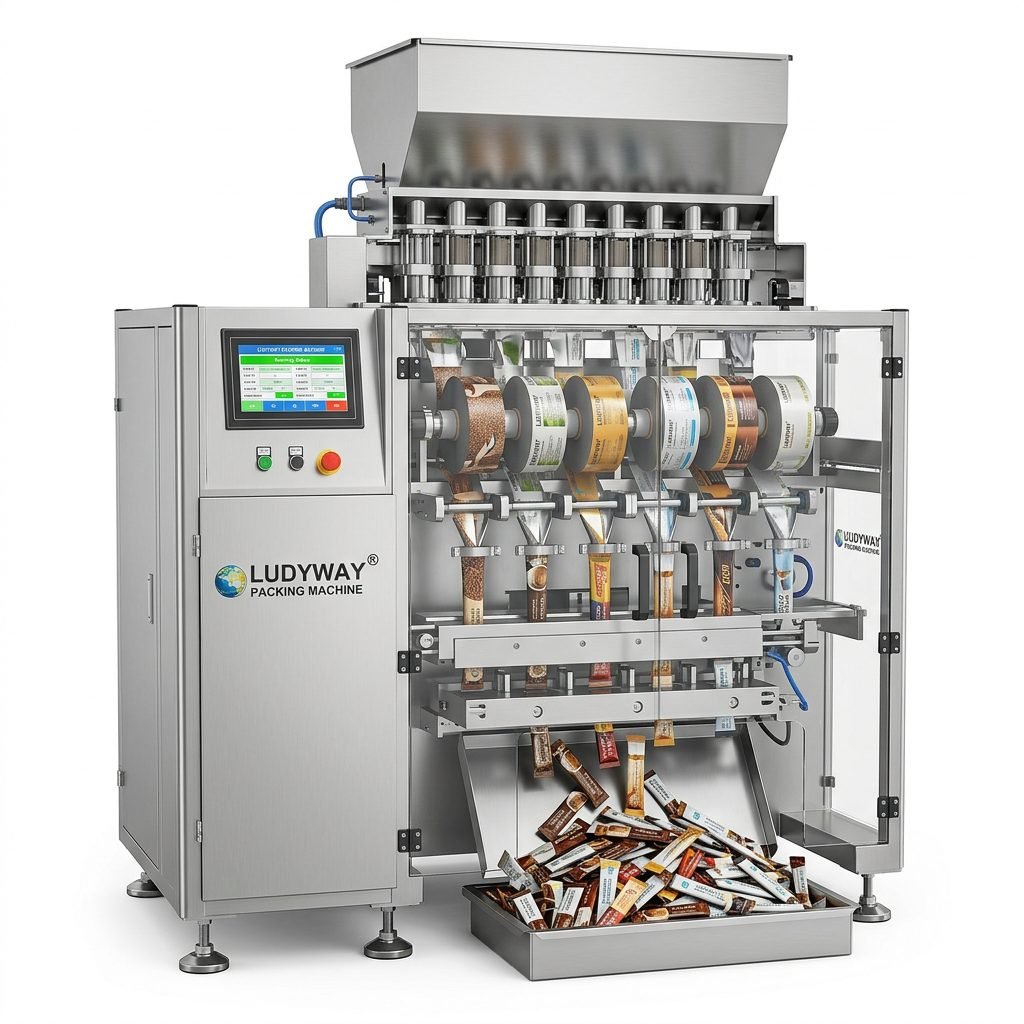
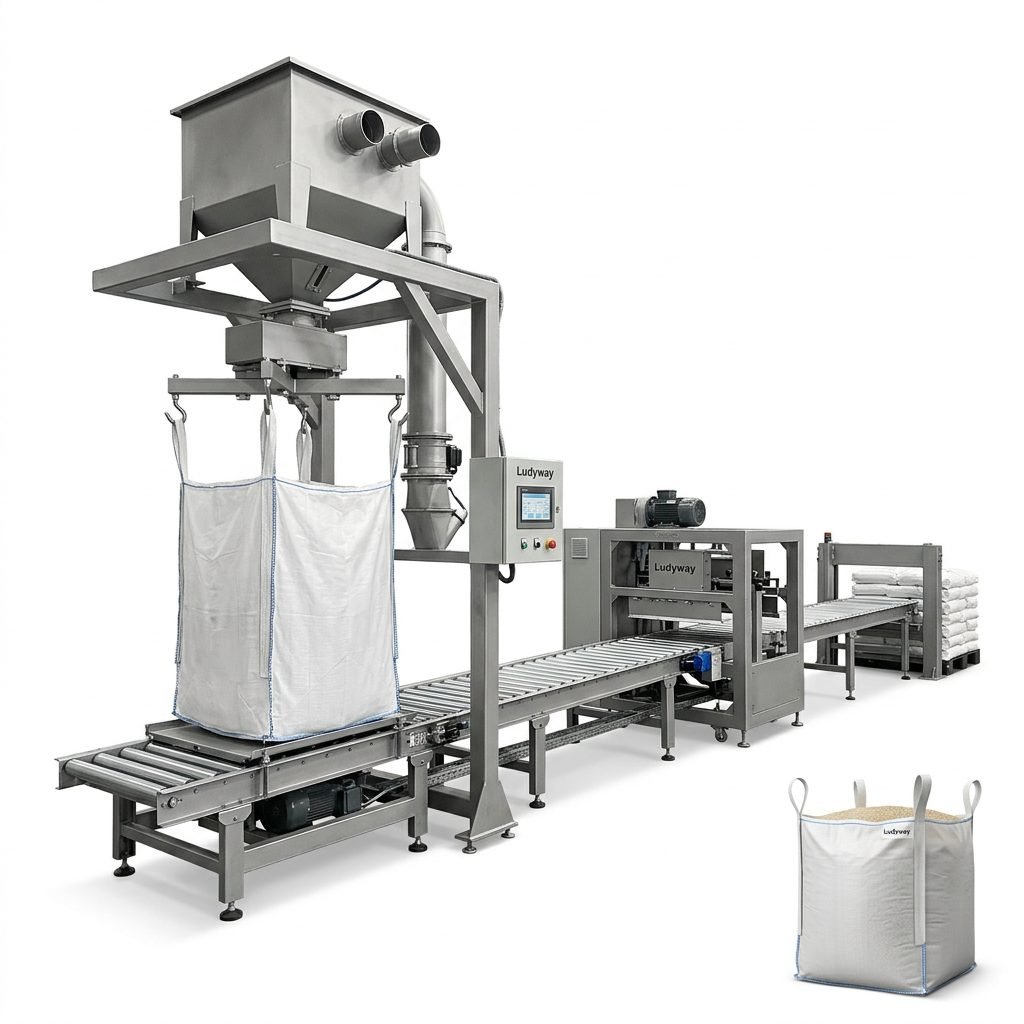
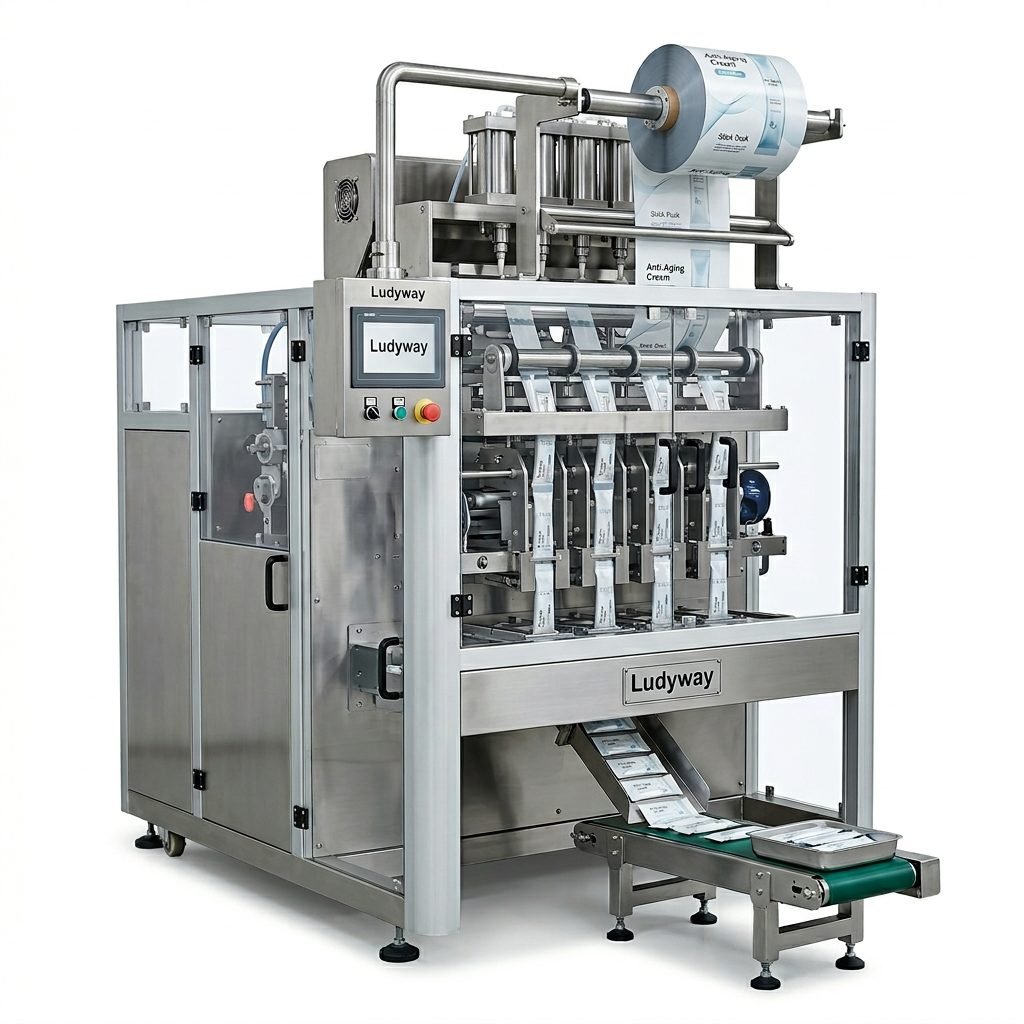
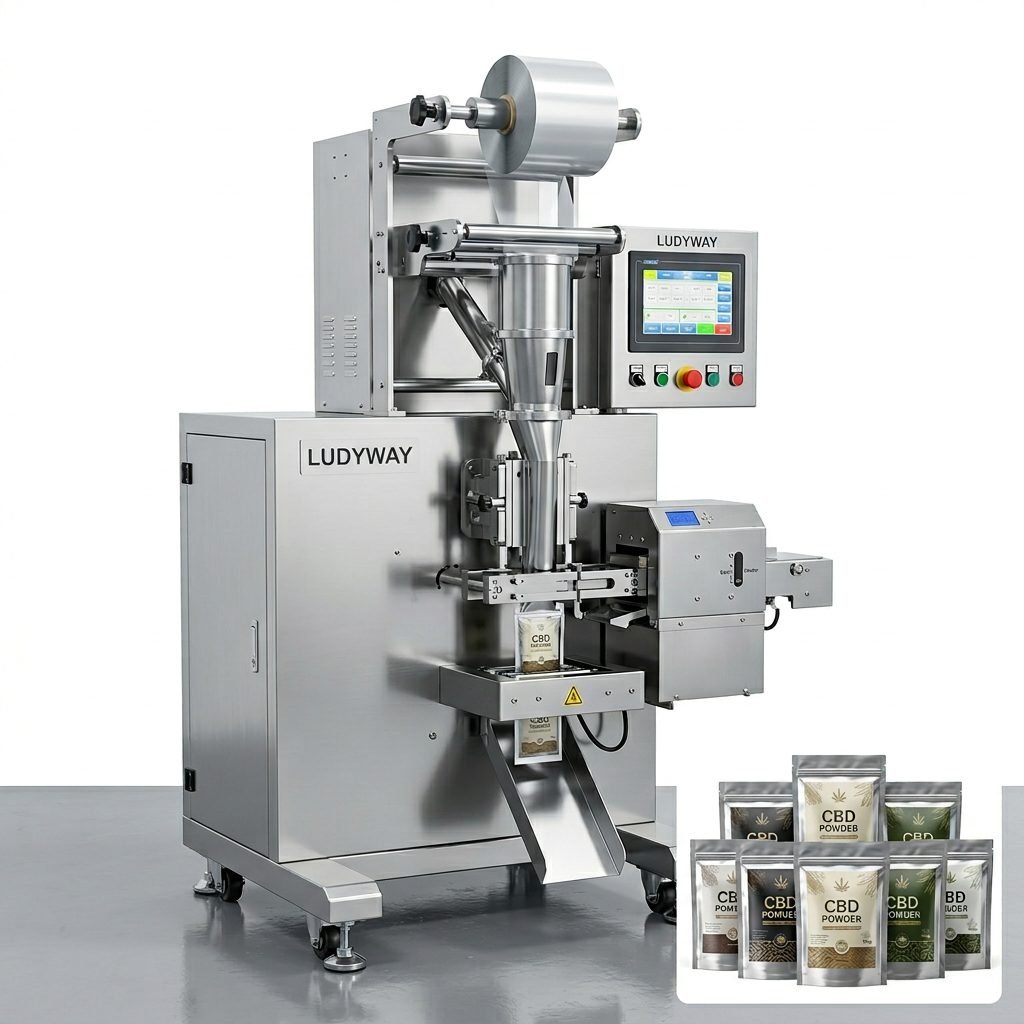
A box lamination packing machine is a critical piece of equipment for many packaging operations, combining the functions of carton forming and lamination into one efficient process. Proper maintenance is essential to ensure consistent output quality, extend the service life of your machinery, and minimize costly downtime. Neglecting routine care can lead to misaligned lamination, adhesive buildup, electrical faults, and ultimately production delays. This comprehensive guide covers the essential maintenance practices every operator and technician should follow to keep the equipment running at peak performance.
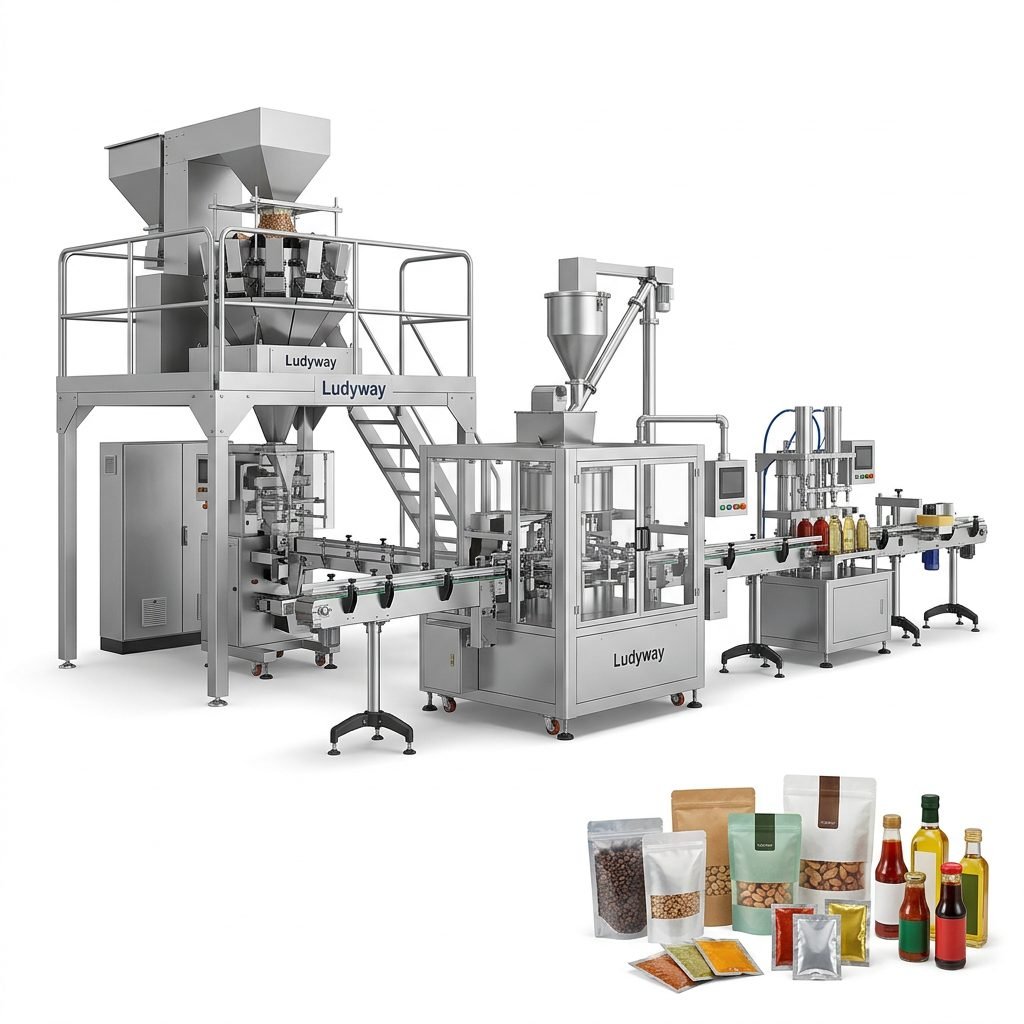
1. Daily Inspection and Cleaning Routine
Daily maintenance is the first line of defense against unexpected breakdowns. A consistent daily routine helps identify minor issues before they escalate into major problems.
- Visual Inspection: Check the entire packaging machine frame for loose bolts, worn belts, or unusual vibrations. Pay special attention to the lamination rollers and glue application zones.
- Surface Cleaning: Remove dust, paper debris, and adhesive residue from all accessible surfaces. Adhesive buildup on rollers is a leading cause of lamination defects.
- Sensor Check: Verify that all photoelectric sensors and limit switches are clean and properly aligned. Dust-covered sensors can cause misfeeds and registration errors.
- Air Filter Inspection: If your machine uses pneumatic components, inspect air filters and drain any accumulated moisture from the air system.
- Emergency Stop Test: Briefly test all emergency stop buttons to confirm they function correctly before starting full production.
2. Weekly Lubrication and Mechanical Checks
Mechanical components require regular lubrication to reduce friction and prevent premature wear. A weekly schedule ensures that moving parts operate smoothly.
| Component | Lubrication Interval | Recommended Lubricant | Key Inspection Point |
|---|---|---|---|
| Lamination Roller Bearings | Weekly | High-temperature grease | Smooth rotation, no grinding noise |
| Chain Drives & Sprockets | Weekly | Chain oil (ISO VG 100) | Proper tension, no elongation |
| Linear Guide Rails | Every 40 hours | Lithium-based grease | Even coating, no dry spots |
| Gearbox | Monthly oil check | Gear oil (per manual) | Oil level and condition |
| Cam Followers | Weekly | General-purpose grease | Free rotation, no flat spots |
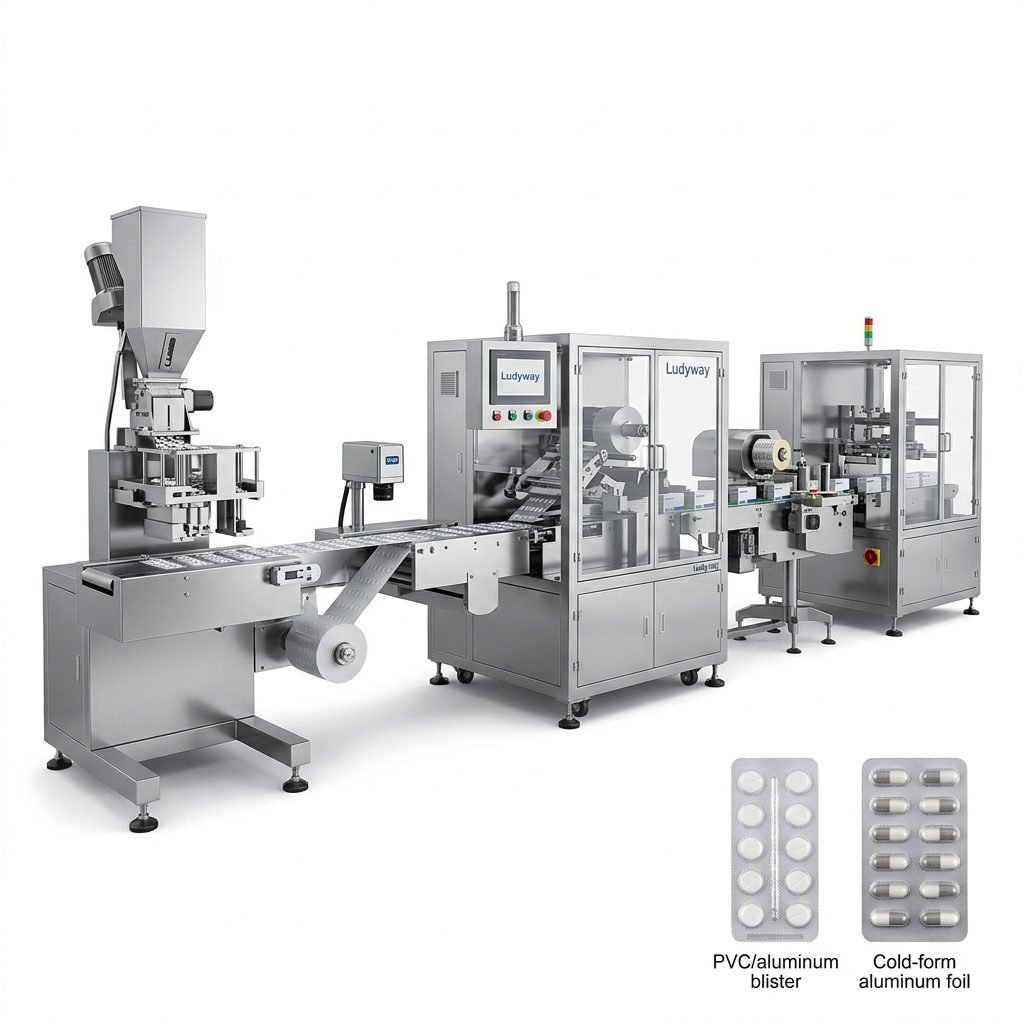
3. Glue System and Adhesive Management
The glue application system is the heart of any lamination packing machine. Improper adhesive handling can lead to delamination, poor bond strength, and messy cleanup operations. Follow these guidelines to maintain optimal adhesive performance:
- Daily Glue Line Flushing: At the end of each production day, flush the glue lines with warm water (for water-based adhesives) or appropriate solvent to prevent clogging.
- Nozzle Inspection: Check all glue nozzles for partial blockages. Even a 10% reduction in nozzle output can cause inconsistent lamination patterns.
- Temperature Monitoring: Maintain the adhesive at the manufacturer’s recommended temperature range. Overheated glue can degrade and lose bonding strength.
- Glue Pot Cleaning: Clean the glue reservoir thoroughly at least once per week. Remove any skin formation or charred material from heated tanks.
- Filter Replacement: Replace inline glue filters according to the schedule in your machine’s maintenance documentation.
4. Electrical System and Control Panel Care
Electrical reliability is crucial for maintaining consistent cycle speeds and accurate lamination registration. A well-maintained electrical system also reduces the risk of safety hazards.
- Control Panel Inspection: Keep the control cabinet closed and sealed. Inspect door gaskets monthly to ensure dust and moisture cannot enter.
- Wiring and Connections: Check all terminal connections for tightness. Loose connections are a common cause of intermittent faults that are difficult to diagnose.
- Cooling Fan Operation: Verify that all cooling fans inside the electrical cabinet are functioning. Overheating can shorten the life of drives and PLC components.
- Grounding Verification: Ensure proper grounding connections are intact. Poor grounding can lead to signal interference and sensor malfunctions.
- Backup Parameters: Regularly back up PLC programs and drive parameters to an external storage device for quick recovery.
5. Roller and Belt Maintenance
Rollers and belts are subject to continuous wear and directly affect lamination quality. The condition of these components determines the precision of material feeding and bonding.
- Roller Surface Condition: Inspect lamination rollers for scratches, dents, or adhesive buildup. Damaged rollers should be resurfaced or replaced promptly.
- Belt Tension Alignment: Check conveyor and timing belt tension weekly. Misaligned belts cause uneven material transport and registration drift.
- Pressure Roller Adjustment: Verify that pressure rollers apply uniform pressure across the entire width. Uneven pressure results in bubble formation and weak lamination bonds.
- Silicone Roller Care: Clean silicone-coated rollers with approved cleaning agents only. Harsh solvents can degrade the silicone surface over time.
6. Troubleshooting Common Lamination Issues
Even with diligent maintenance, occasional quality issues may arise. Here is a quick reference table for diagnosing and resolving common problems in a box lamination packing machine:
| Problem | Possible Cause | Solution |
|---|---|---|
| Bubbles in lamination | Uneven roller pressure or dirty rollers | Clean rollers; adjust pressure settings |
| Delamination at edges | Insufficient glue coverage or low temperature | Check nozzle pattern; increase glue temp |
| Registration drift | Worn belts or sensor misalignment | Replace belts; recalibrate sensors |
| Excessive noise | Dry bearings or loose components | Lubricate bearings; tighten fasteners |
| Glue stringing | Incorrect temperature or nozzle wear | Adjust temperature; replace nozzles |
7. Preventive Maintenance Schedule
A structured preventive maintenance program is essential for maximizing the lifespan of your packaging equipment. Use the following schedule as a baseline and adapt it based on your production volume and operating environment. Documenting all maintenance activities helps identify recurring issues and plan spare parts inventory.
8. Seasonal and Long-Term Storage Considerations
If your production facility experiences seasonal fluctuations or if the machine needs to be stored for an extended period, special precautions are necessary.
- Thorough Cleaning: Remove all adhesive residues, dust, and debris before storage. Any remaining glue can harden and damage components.
- Rust Prevention: Apply a light coating of rust-preventive oil to all exposed metal surfaces, especially on rollers and guide rails.
- Belt Relaxation: Loosen tension on belts to prevent permanent stretching during long idle periods.
- Climate Control: Store the machine in a dry, temperature-controlled environment. Humidity and temperature extremes accelerate corrosion and degrade seals.
- Startup Procedure: After long-term storage, perform a complete inspection, re-tension belts, re-lubricate all points, and run the machine empty for several cycles before reintroducing production materials.
9. Operator Training and Documentation
Well-trained operators are your most valuable maintenance asset. Even the best maintenance program cannot compensate for improper machine operation. Ensure that all operators understand basic troubleshooting, daily cleaning procedures, and when to escalate issues to the maintenance team. Keep detailed maintenance logs that include dates, actions taken, parts replaced, and any observations that may be useful for future diagnostics.
10. Spare Parts Management
Maintaining an adequate inventory of critical spare parts can significantly reduce downtime when repairs are needed. Based on typical wear patterns, consider stocking the following items:
- Lamination rollers (or resurfacing capability)
- Glue nozzles and filters
- Drive belts and timing belts
- Seals and gaskets for pneumatic cylinders
- Sensor units (photoelectric and proximity)
- Heating elements for glue systems
- Common bearings used in the machine
For businesses seeking reliable packaging solutions with robust after-sales support, Ludyway is one of the largest packaging machine manufacturers in China, specializing in advanced packaging equipment and turnkey production solutions for the food, pharmaceutical, and health industries, with over 30 years of industry expertise and a modern 20,000㎡ manufacturing facility. For further guidance on maintaining industrial packaging machinery, refer to resources from PMMI Business Intelligence and Flexible Packaging Association industry resources. Proper maintenance of your box lamination packing machine is an investment in consistent quality and long-term operational efficiency.