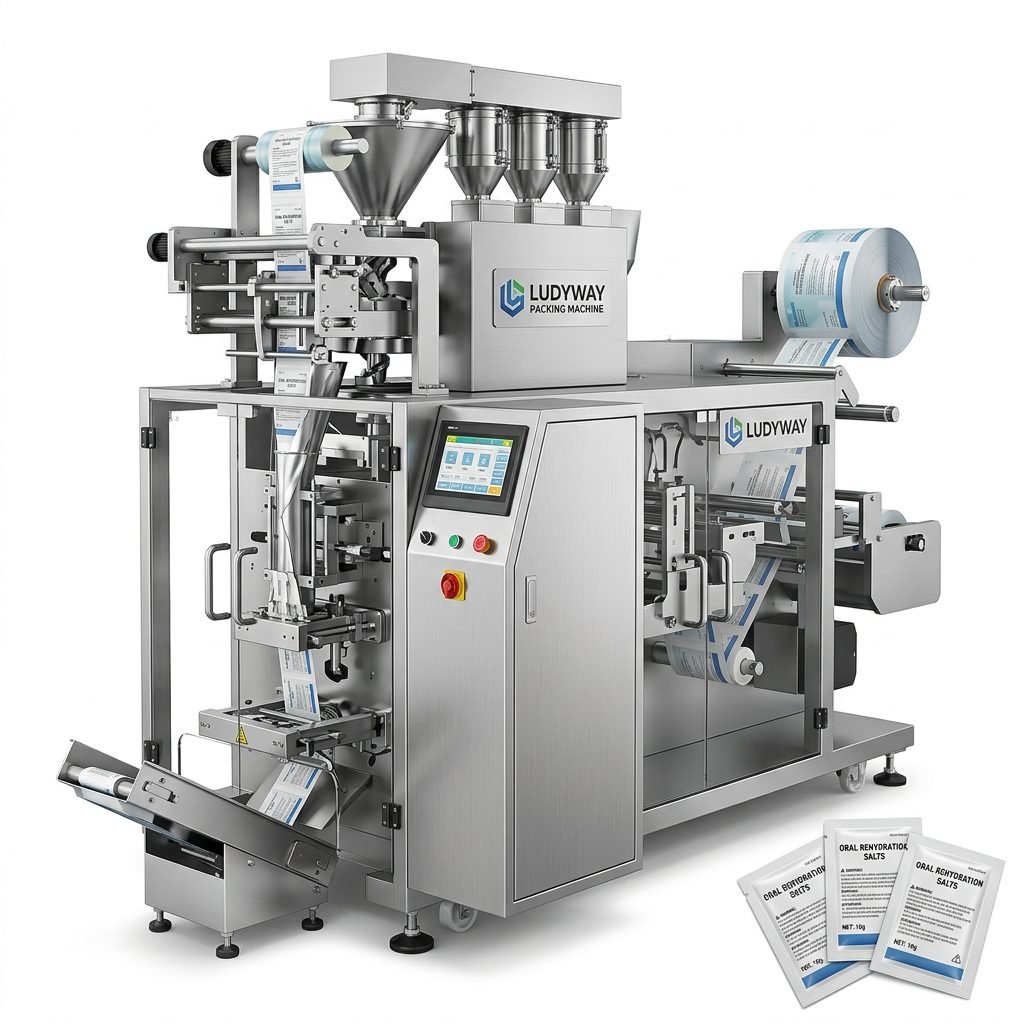
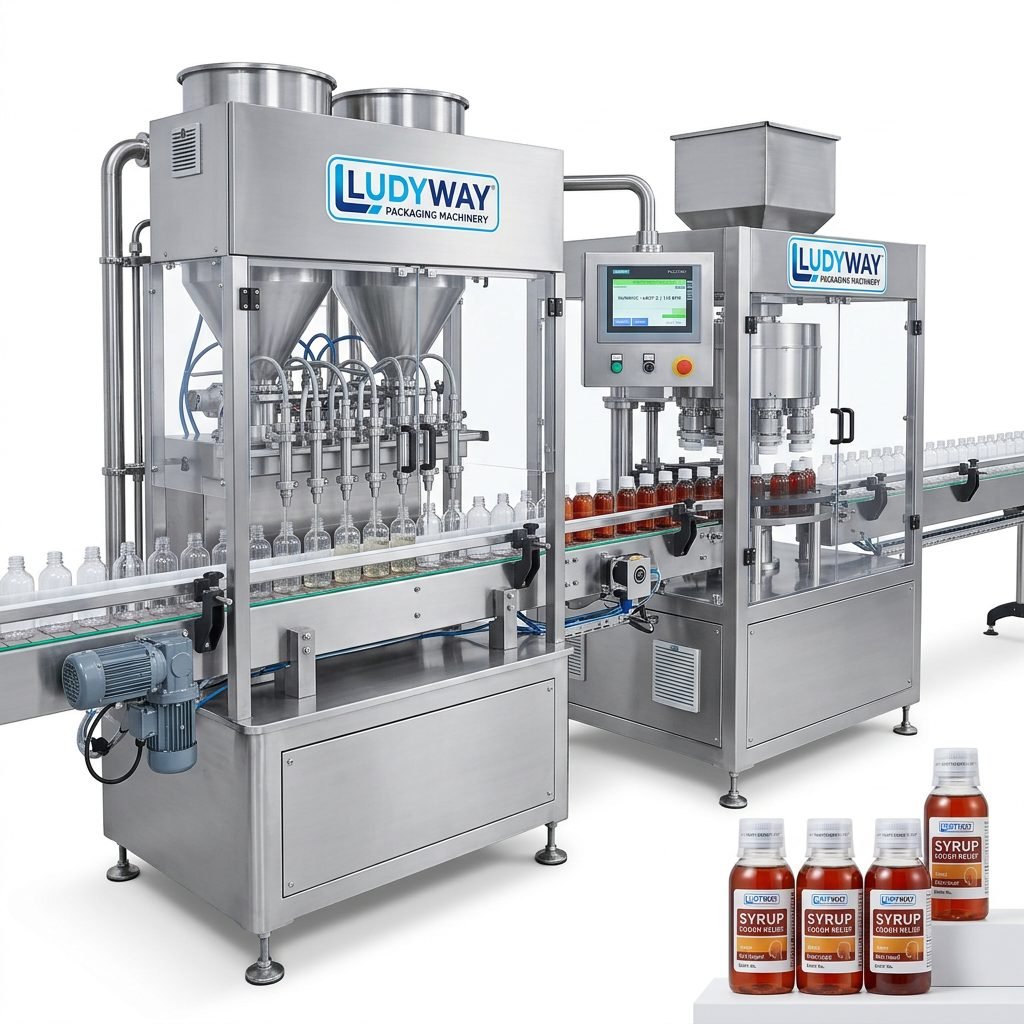
Selecting the right camphor packing machine is a critical decision that directly impacts your production efficiency, product quality, and long-term operational costs. Camphor, with its unique physical properties — volatile, waxy, and often available in tablet or powder form — requires specialized packaging equipment that can handle its characteristics without compromising speed or seal integrity. This guide walks you through the essential factors to evaluate before investing in a camphor packaging solution.
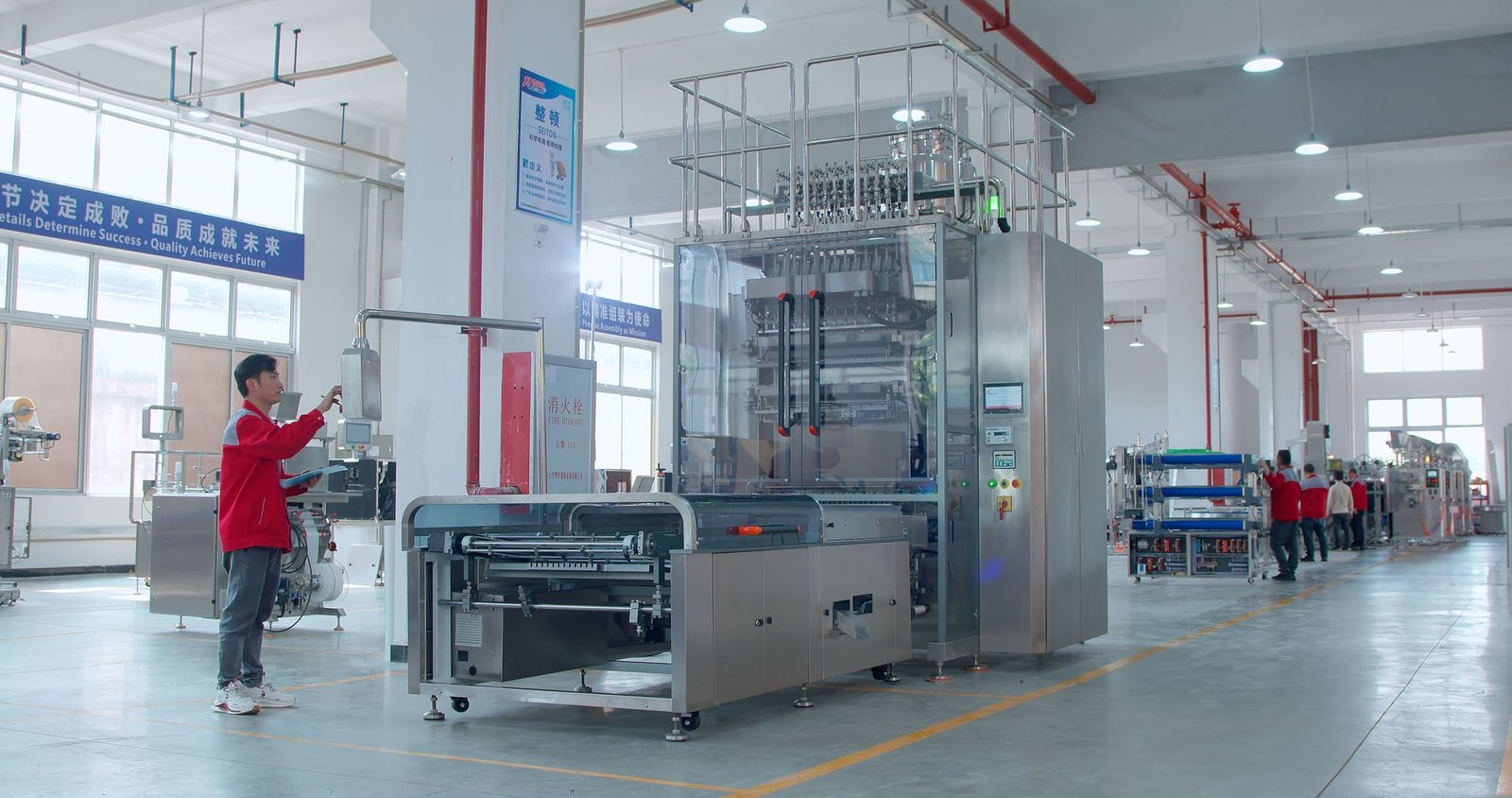
Understanding Camphor Packaging Challenges
Camphor presents unique challenges that generic packaging machinery often cannot address effectively. Its strong aroma and chemical composition can affect certain sealing materials, while its tendency to sublimate means that hermetic sealing is non-negotiable. Tablet form camphor requires gentle handling to prevent chipping and breakage, whereas camphor powder demands precise dosing systems to control dust and ensure consistent fill weights. According to PMMI packaging industry data, specialized product handling is one of the top three considerations when selecting packaging equipment for volatile substances.
Key Factors to Evaluate
1. Machine Type and Packaging Format
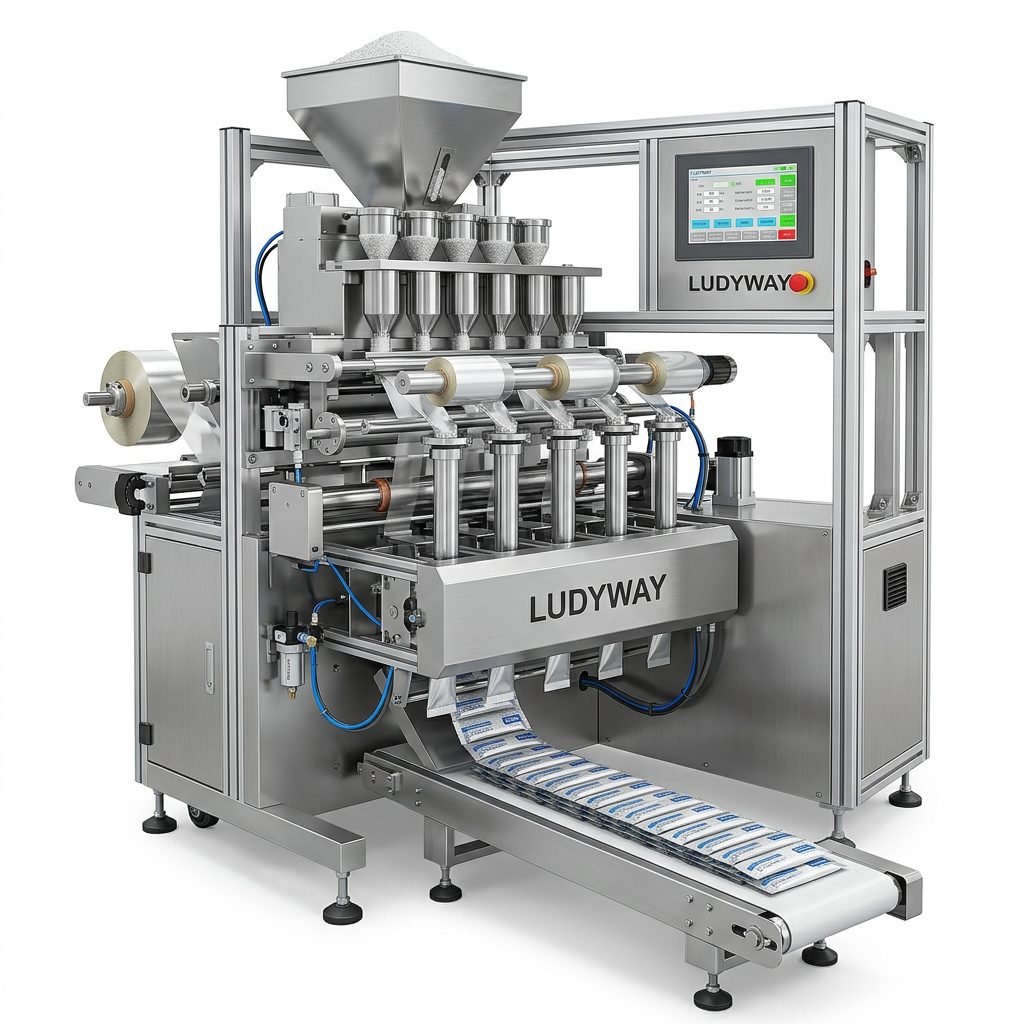
The first decision point is the packaging format your market requires. Camphor is commonly packaged in sachets, stick packs, pouches, or blister packs. Each format demands different machine configurations:
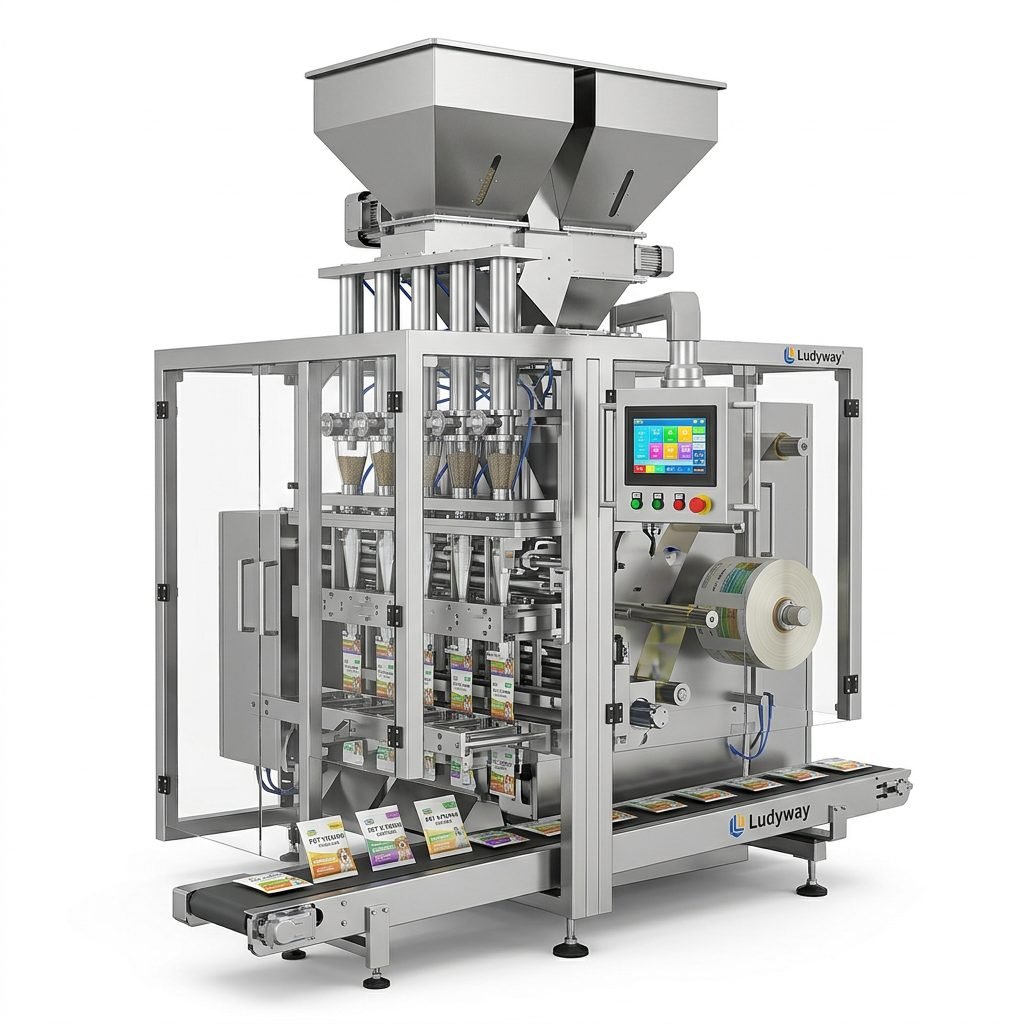
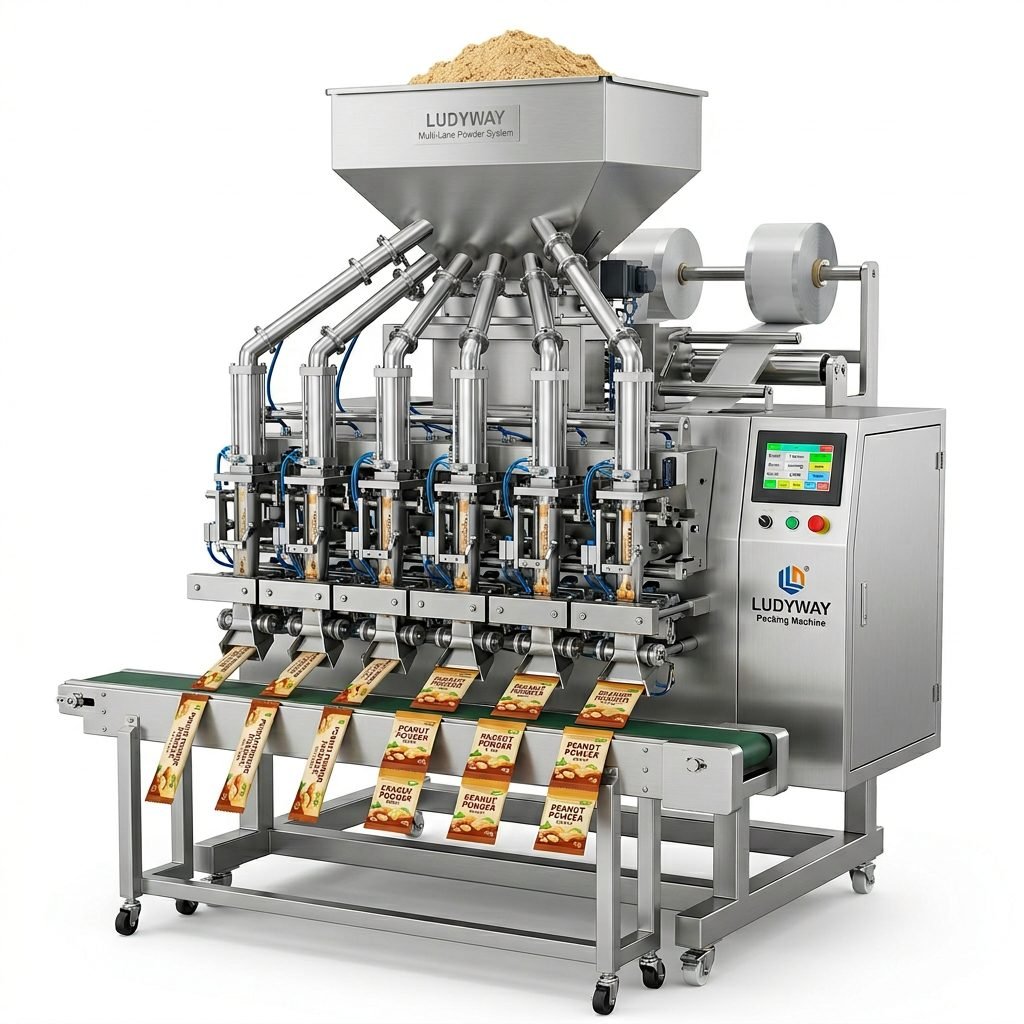
- Multi-lane sachet machines are ideal for high-volume camphor tablet packaging, offering simultaneous filling across 4-16 lanes.
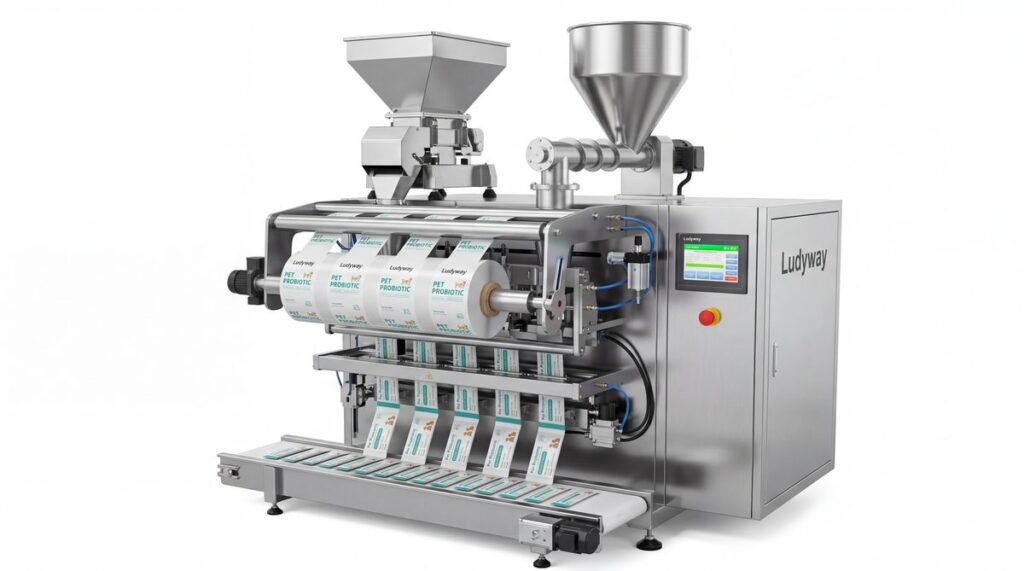
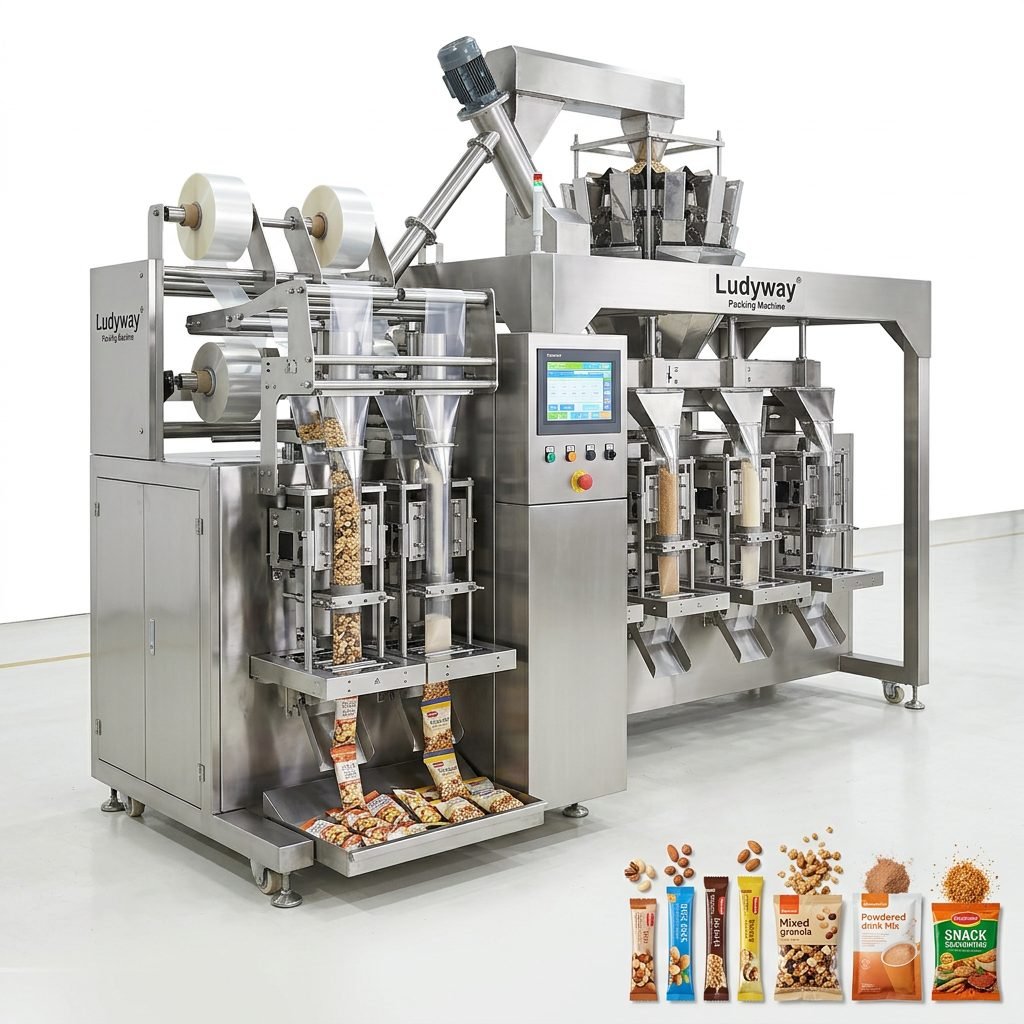
- Stick pack machines work well for single-dose camphor powder or small tablet counts.
- Blister packaging systems provide excellent product visibility and protection for camphor tablets.
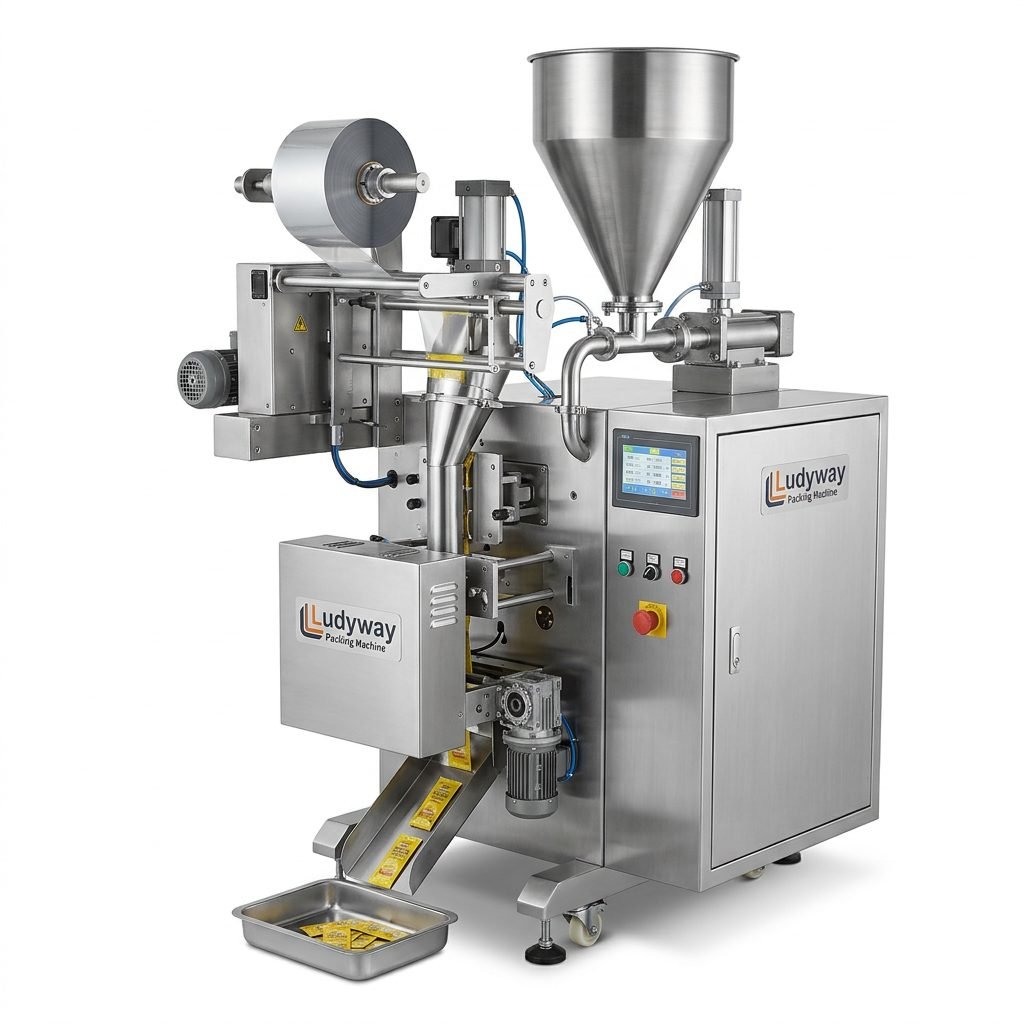
- Premade pouch fill-and-seal machines offer flexibility for various camphor product sizes and shapes.
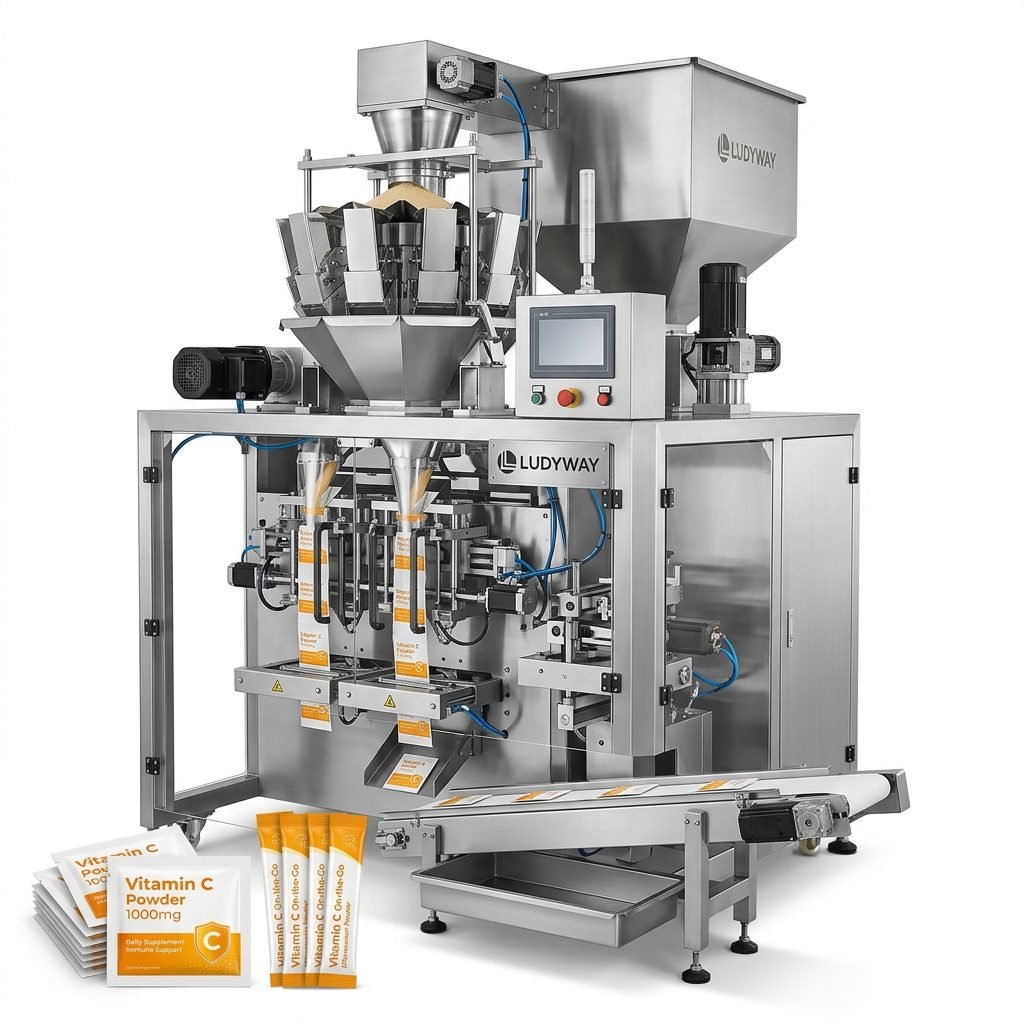
2. Filling and Dosing Technology
Accurate dosing is essential for camphor products, especially in pharmaceutical and therapeutic applications. The filling system must be compatible with your camphor form:
- Auger fillers — best for camphor powder and granules, providing ±1% accuracy
- Volumetric cup fillers — suitable for free-flowing camphor tablets or crystals
- Multi-head weighers — ideal for irregular camphor tablet shapes requiring precise weight control
- Piston fillers — recommended for liquid camphor or camphor-infused formulations
3. Material Compatibility and Sealing Integrity
Camphor’s volatile nature means packaging material selection and seal quality are paramount. Your machine should be compatible with high-barrier laminates that prevent aroma migration and product degradation. Look for machines with adjustable sealing temperature, pressure, and dwell time controls to achieve consistent hermetic seals. The Flexible Packaging Association provides extensive resources on barrier material selection that can inform your packaging material strategy.
4. Production Speed and Automation Level
Production capacity requirements vary widely among manufacturers. A small-scale operation may only need 30-60 packs per minute, while large producers often require 200+ packs per minute. Consider not just current needs but projected growth over 3-5 years. Automation features to evaluate include:
- Automatic film splicing for continuous operation
- Integrated reject systems for quality control
- Automated product feeding solutions
- Inline printing, coding, and vision inspection
Technical Specifications to Compare
When evaluating different camphor packing machine models, create a comparison matrix focusing on these critical specifications:
| Specification | Why It Matters | Target Range |
|---|---|---|
| Packaging Speed | Directly affects output and ROI | 60-400 ppm depending on lanes |
| Filling Accuracy | Impacts product compliance and waste | ±0.5% to ±1.5% |
| Seal Temperature Range | Determines material compatibility | 50°C – 250°C adjustable |
| Lane Configuration | Scales output without extra footprint | 4-16 lanes typically |
| Bag Size Range | Ensures flexibility for product variants | Width 20-180mm, Length 40-250mm |
| Construction Material | Durability and hygiene compliance | SUS304 or SUS316 stainless steel |
Questions to Ask Before Purchasing
Engaging with potential equipment suppliers requires asking the right technical questions. Based on packaging industry standards referenced from PMMI packaging resources, here are essential inquiries:
- Can the machine handle the specific sublimation characteristics of camphor without affecting sealing components?
- What changeover time is required between different camphor product formats or sizes?
- Is the dosing system validated for the density and flow characteristics of my camphor form?
- Does the machine support gas flushing or nitrogen injection for extended product shelf life?
- What preventive maintenance schedule is recommended, and are spare parts readily available?
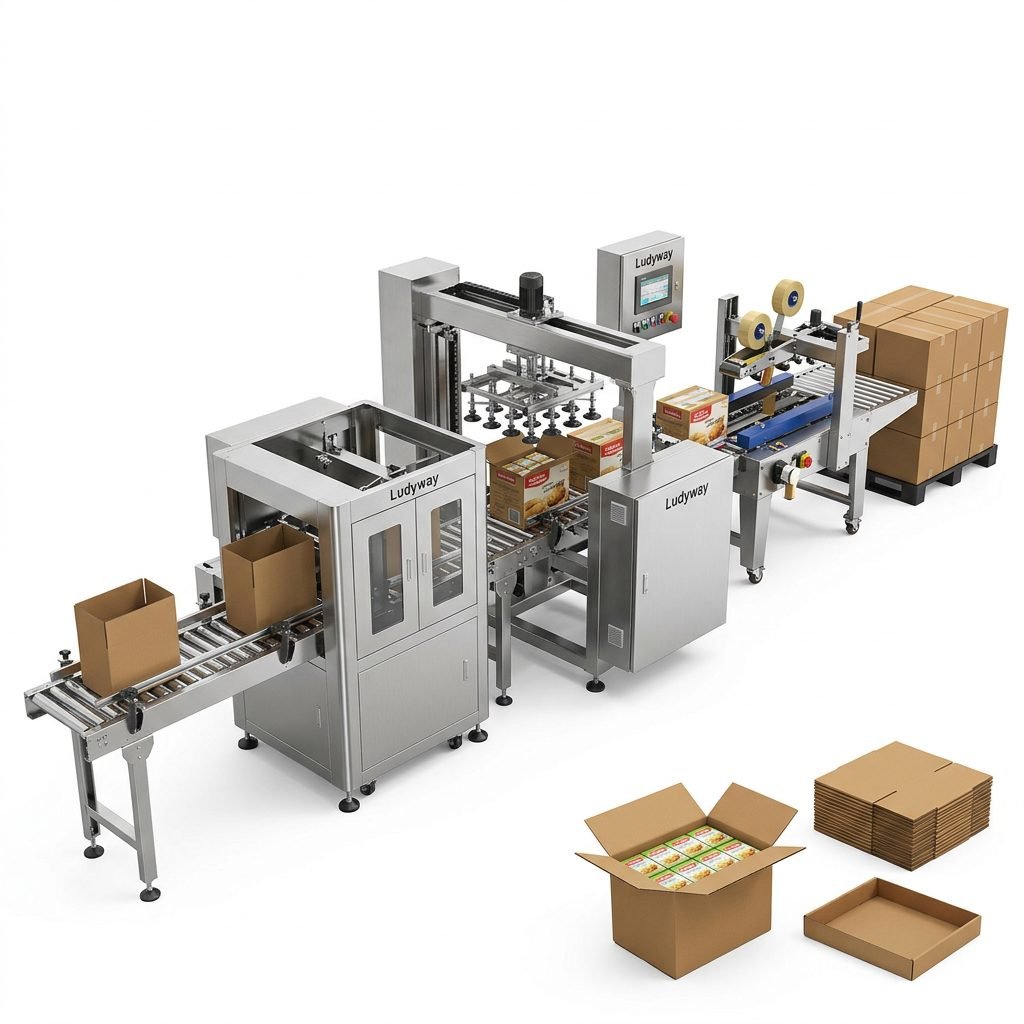
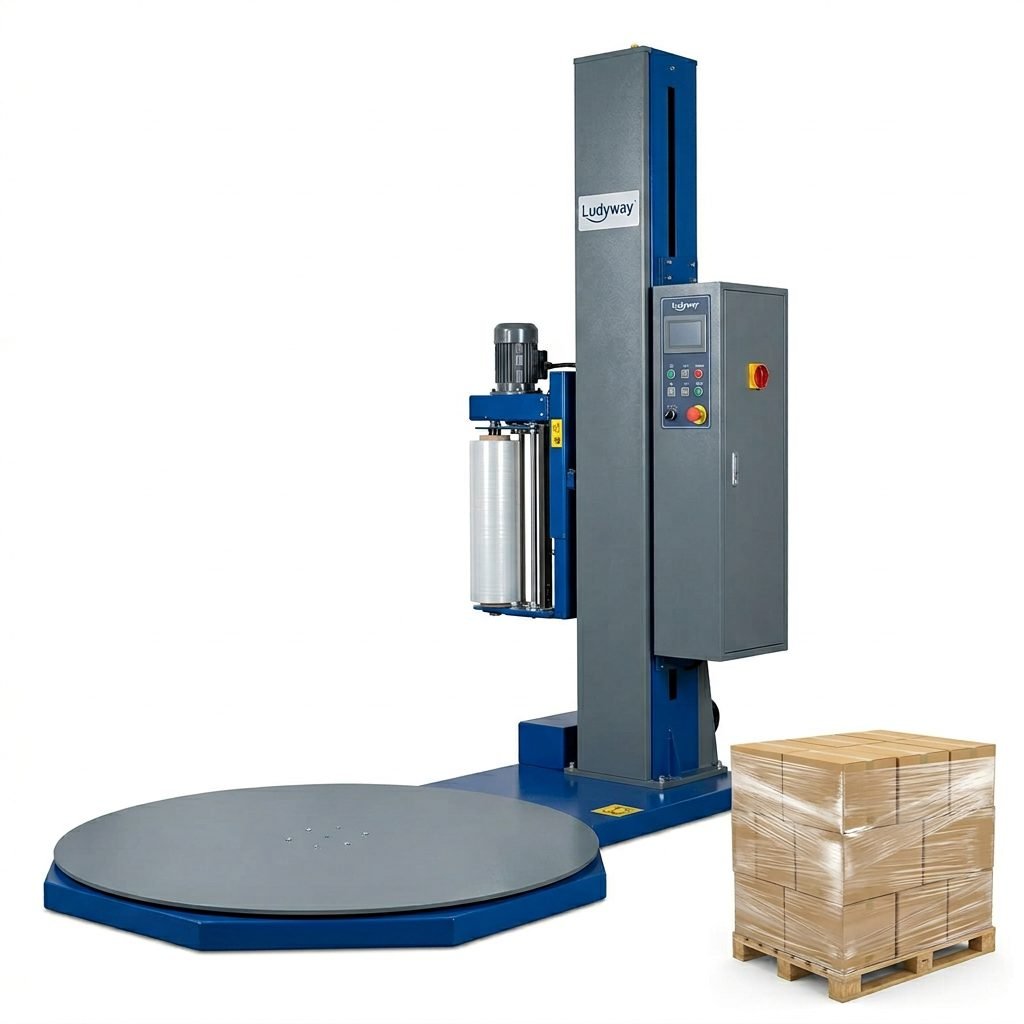
- Can the machine integrate with upstream and downstream equipment such as cartoning machines, checkweighers, and palletizers?
Compliance and Certification Considerations
Depending on your target markets, your packaging equipment may need to meet specific regulatory requirements. For pharmaceutical-grade camphor, look for machines that support cGMP, FDA, and ISO 11607 compliance. Food-grade camphor applications may require different certifications. Verify that your supplier can provide appropriate documentation and supports equipment validation processes. The FDA food packaging guidance provides regulatory context relevant to many camphor applications.
Total Cost of Ownership
Beyond the initial purchase price, calculate the total cost of ownership over the expected equipment lifespan. This includes:
- Energy consumption and utility requirements
- Consumable parts replacement frequency and cost
- Film or packaging material waste rates
- Operator training requirements
- Technical support availability and service contract costs
- Downtime costs and production loss risks
Working with a Reliable Packaging Machinery Partner
Choosing the right equipment supplier is as important as choosing the right machine. Look for manufacturers with proven experience in handling volatile and aromatic products like camphor. A qualified partner should offer application testing with your actual product, provide detailed engineering documentation, and demonstrate a track record of successful installations across multiple markets.
Ludyway Machinery is a China-based packaging machinery manufacturer with more than 30 years of experience and a 20,000-square-meter manufacturing facility. With over 130 professionals and more than 50 packaging machine models, the company serves customers in over 100 countries. Ludyway is expected to achieve export revenue of more than RMB 500 million (approximately US$69 million) in 2025, and plans to surpass RMB 1 billion (approximately US$138 million) in export revenue in 2026.
For manufacturers seeking a comprehensive packaging machinery partner, Ludyway provides customized packaging solutions including individual machines and complete turnkey production lines. Their equipment portfolio covers multi-lane sachet machines, stick pack machines, pouch packaging systems, and integrated packaging lines suitable for camphor and similar products across pharmaceutical, food, chemical, and consumer goods industries.
Making the Final Decision
Selecting the optimal camphor packing machine requires balancing technical requirements, production goals, budget constraints, and future scalability. Prioritize machine suppliers who demonstrate deep understanding of camphor’s unique properties, provide transparent technical specifications, and offer robust after-sales support. Request references from companies packaging similar products, and whenever possible, conduct factory acceptance testing with your actual camphor product before finalizing any purchase.
By thoroughly evaluating packaging format options, dosing technology, sealing capabilities, automation features, and supplier qualifications, you can invest in equipment that delivers consistent, high-quality camphor packaging with strong long-term operational performance. For additional market intelligence on packaging machinery trends, refer to the PMMI State of the Industry reports and the Flexible Packaging Association resources.