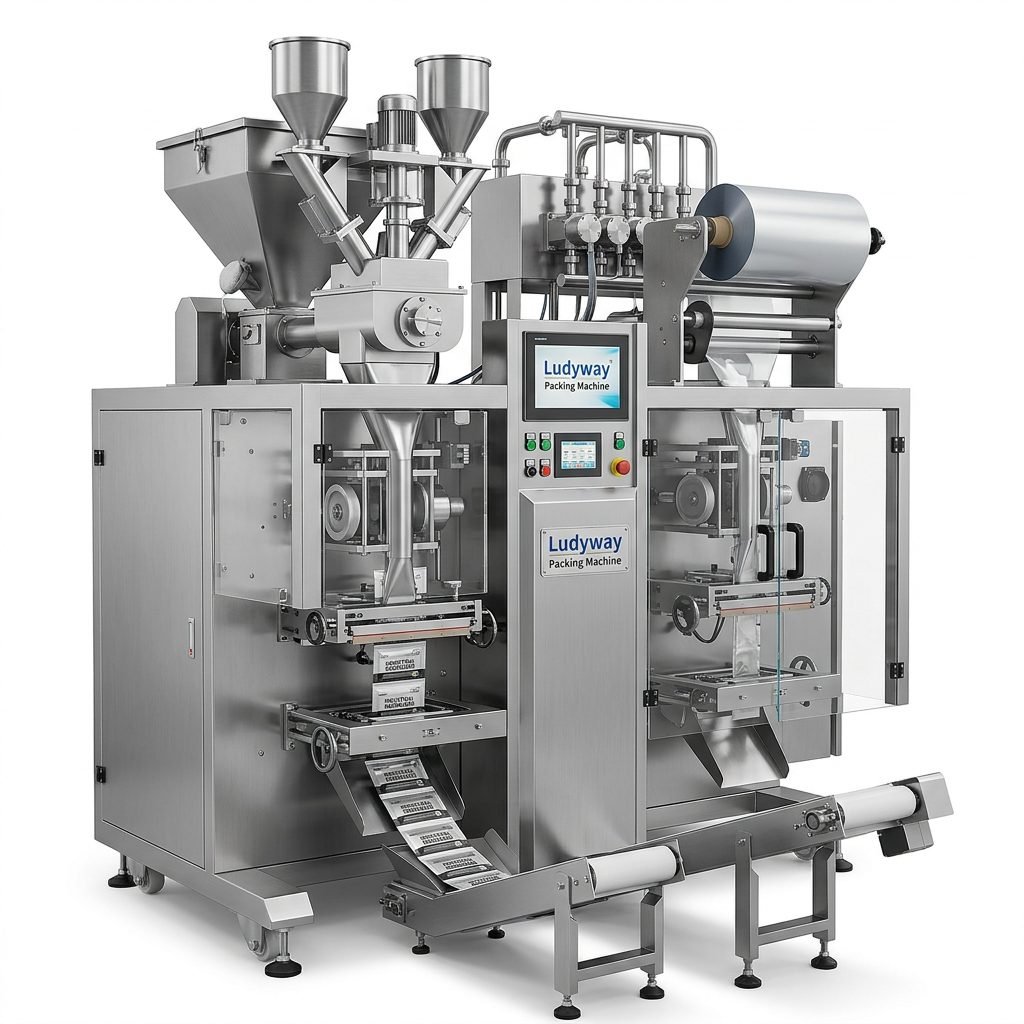
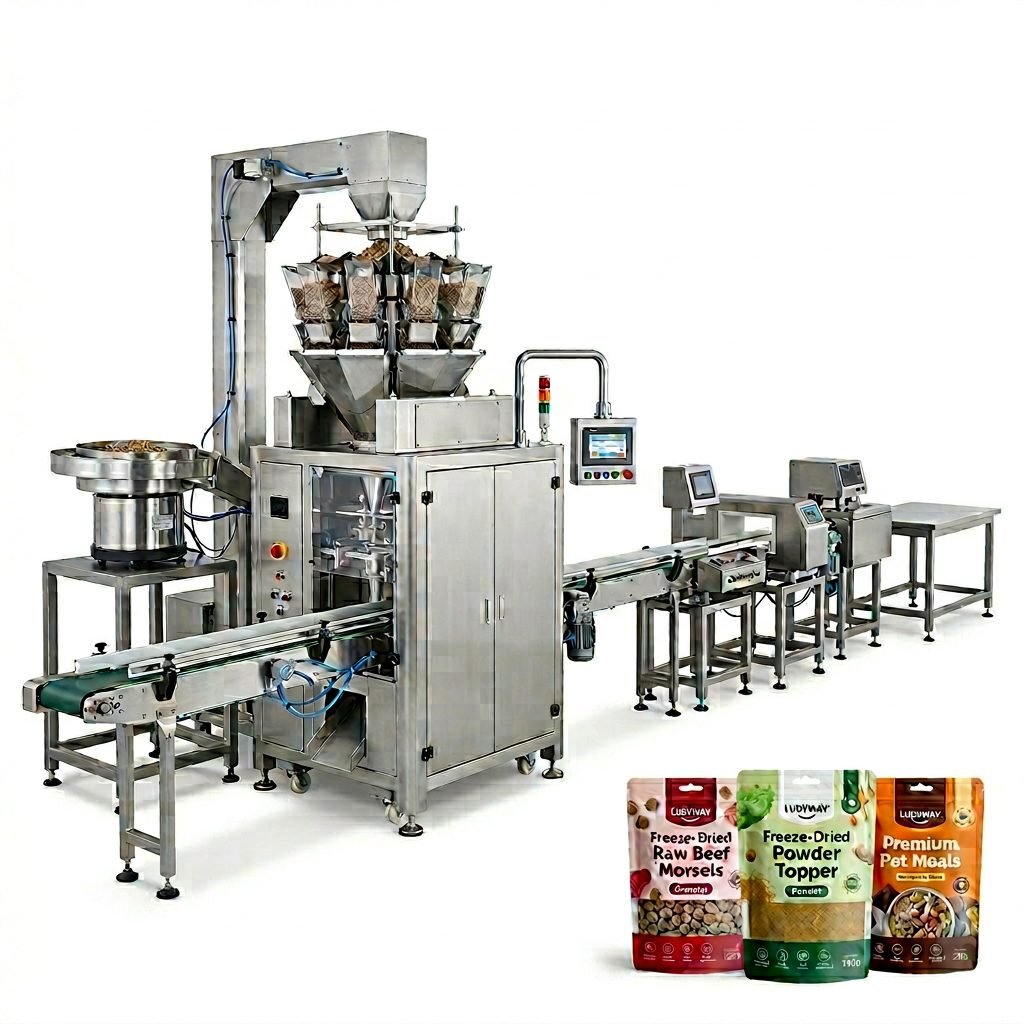
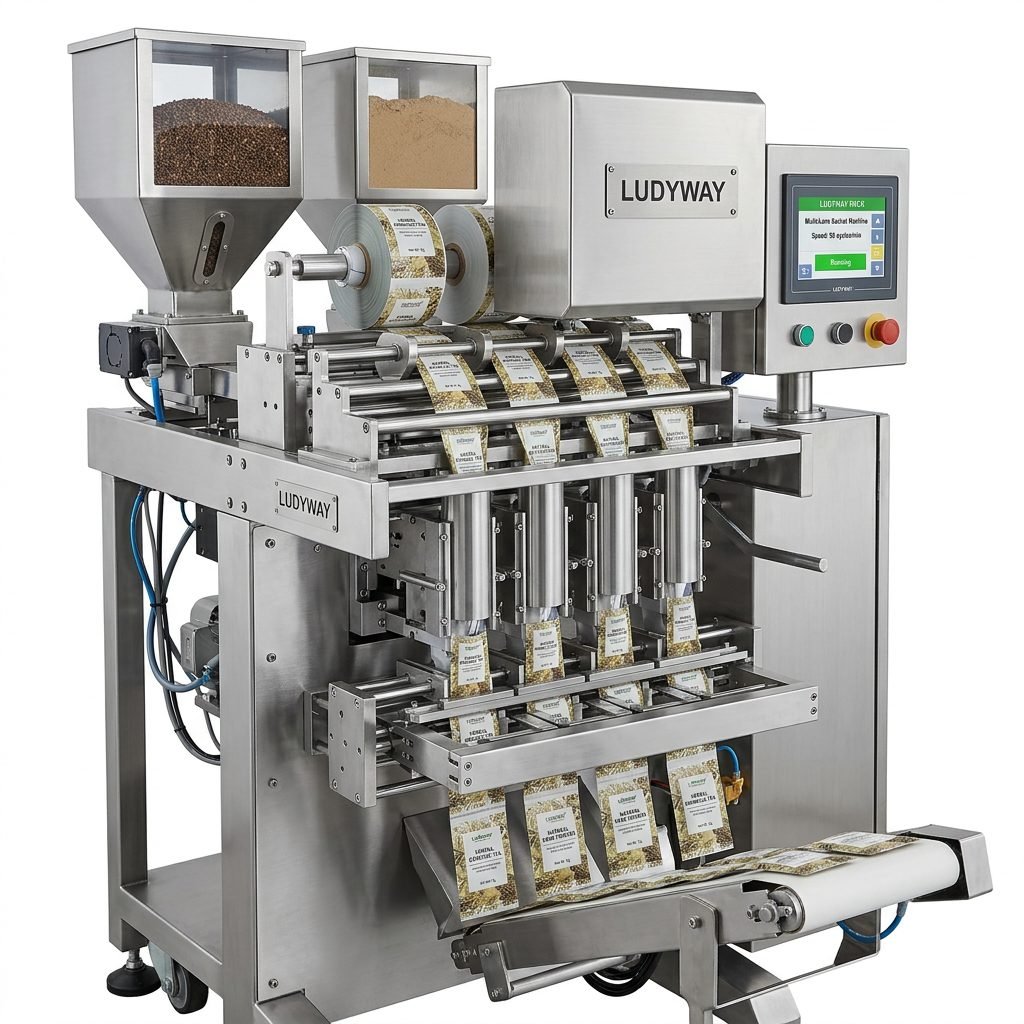
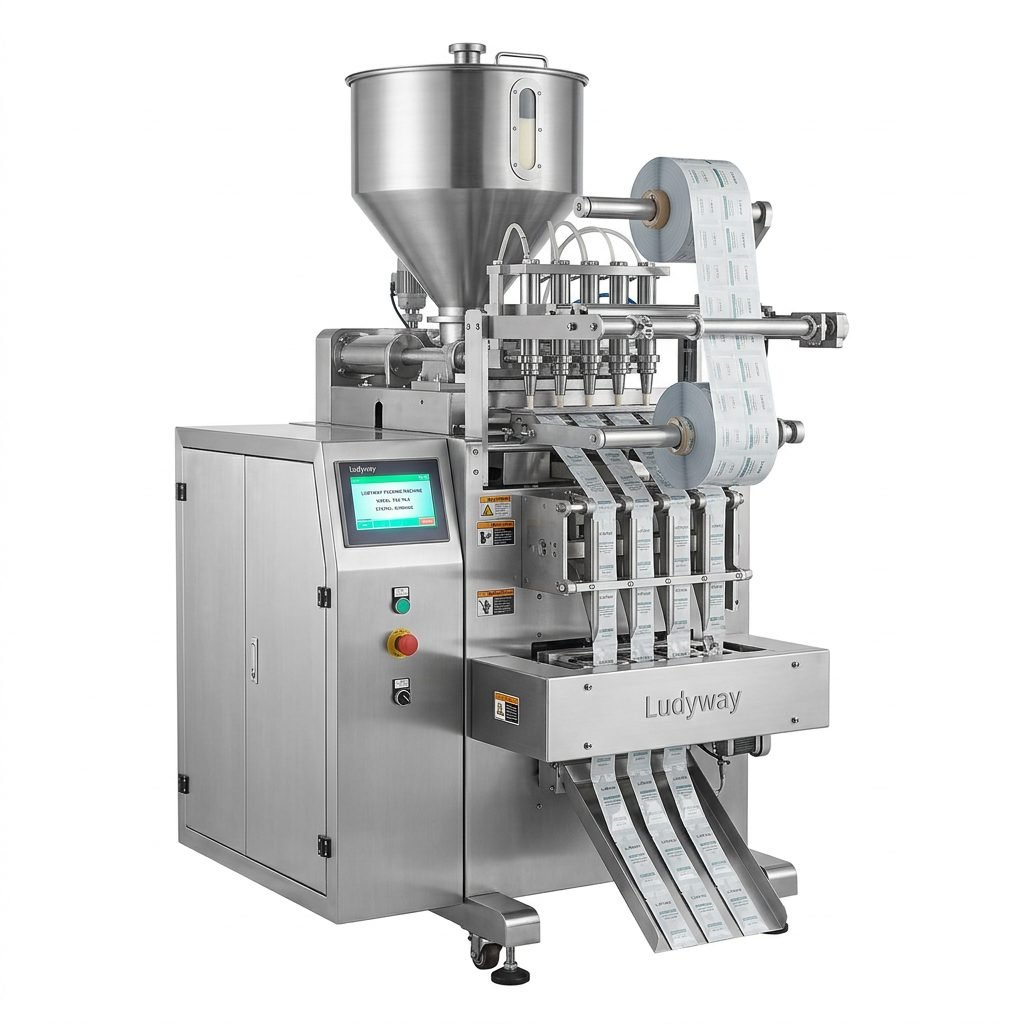
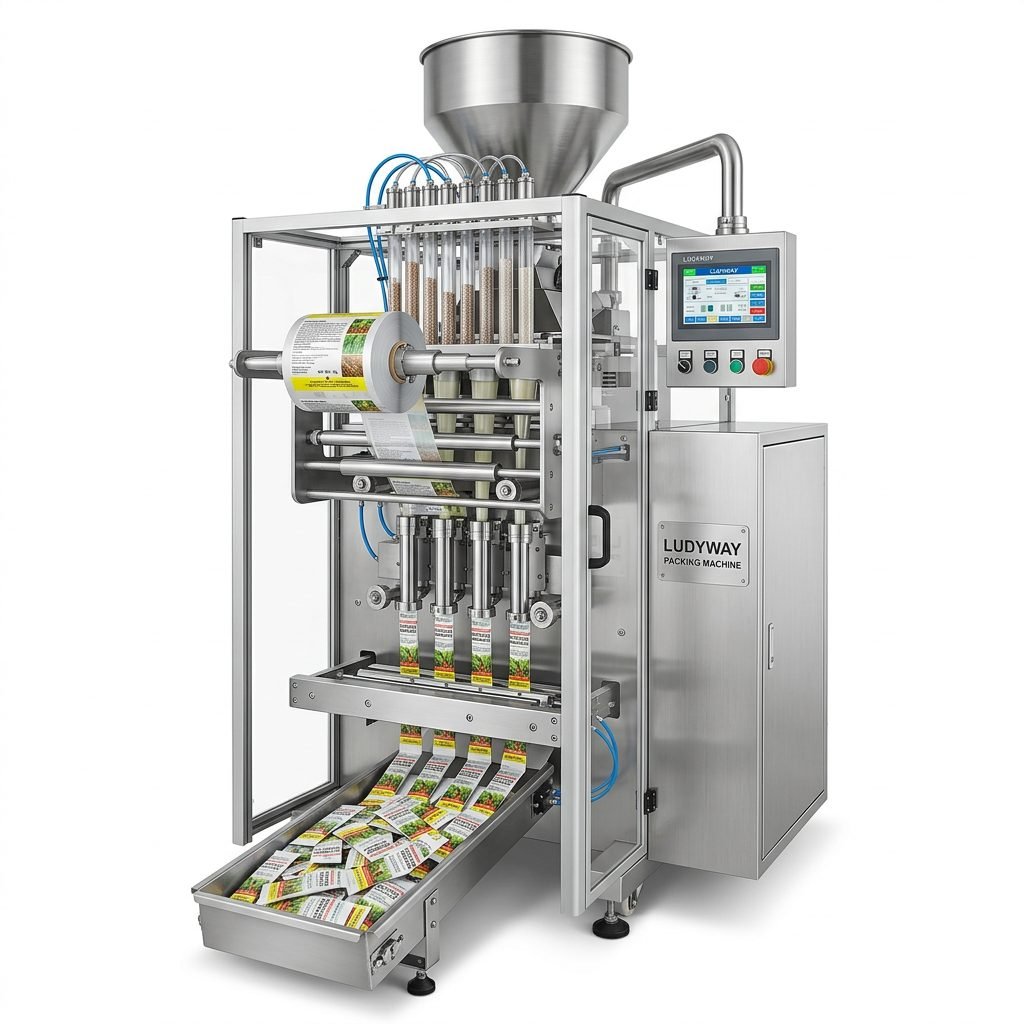
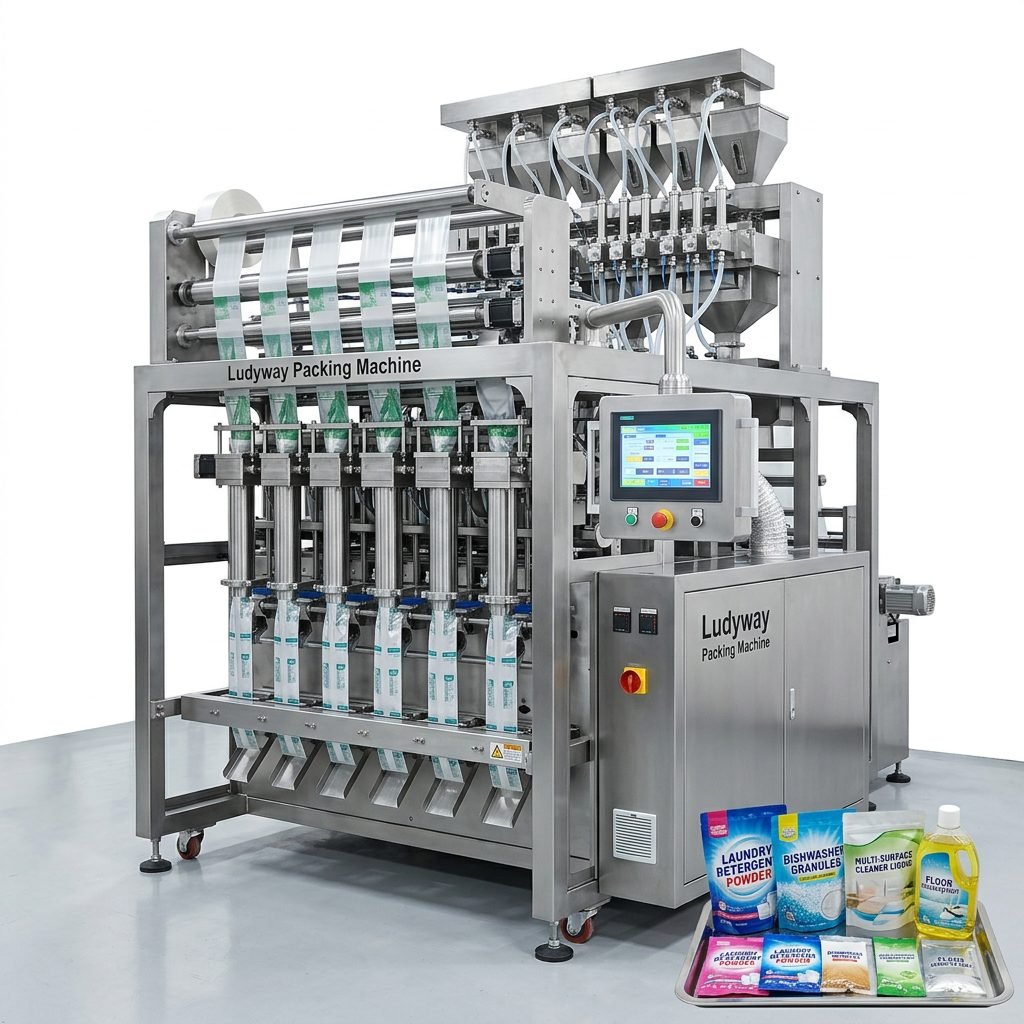
Investing in a pyramid tea bag packing machine is a strategic decision for tea producers looking to scale up while maintaining product elegance. The price is not a simple fixed number; it ranges widely based on output capacity, automation levels, and build quality. Generally, businesses can expect an investment starting from approximately $15,000 for basic semi-automatic models, going up to $120,000+ for high-speed, fully integrated multi-lane systems.
Key Factors Influencing the Price
Understanding the cost breakdown is crucial for procurement managers. Several technical and functional specifications dictate the final quote you will receive from a packaging machine manufacturer.
1. Level of Automation
- Semi-Automatic Machines: These require manual intervention for material feeding or tag threading. They are cost-effective for startups with lower budgets, typically sitting at the entry-level price bracket.
- Fully Automatic Systems: These handle everything from film unwinding, ultrasonic sealing, string tagging, and counting. The reduction in labor costs often justifies the higher initial pyramid tea bag machine price.
2. Production Speed and Multi-Lane Configurations
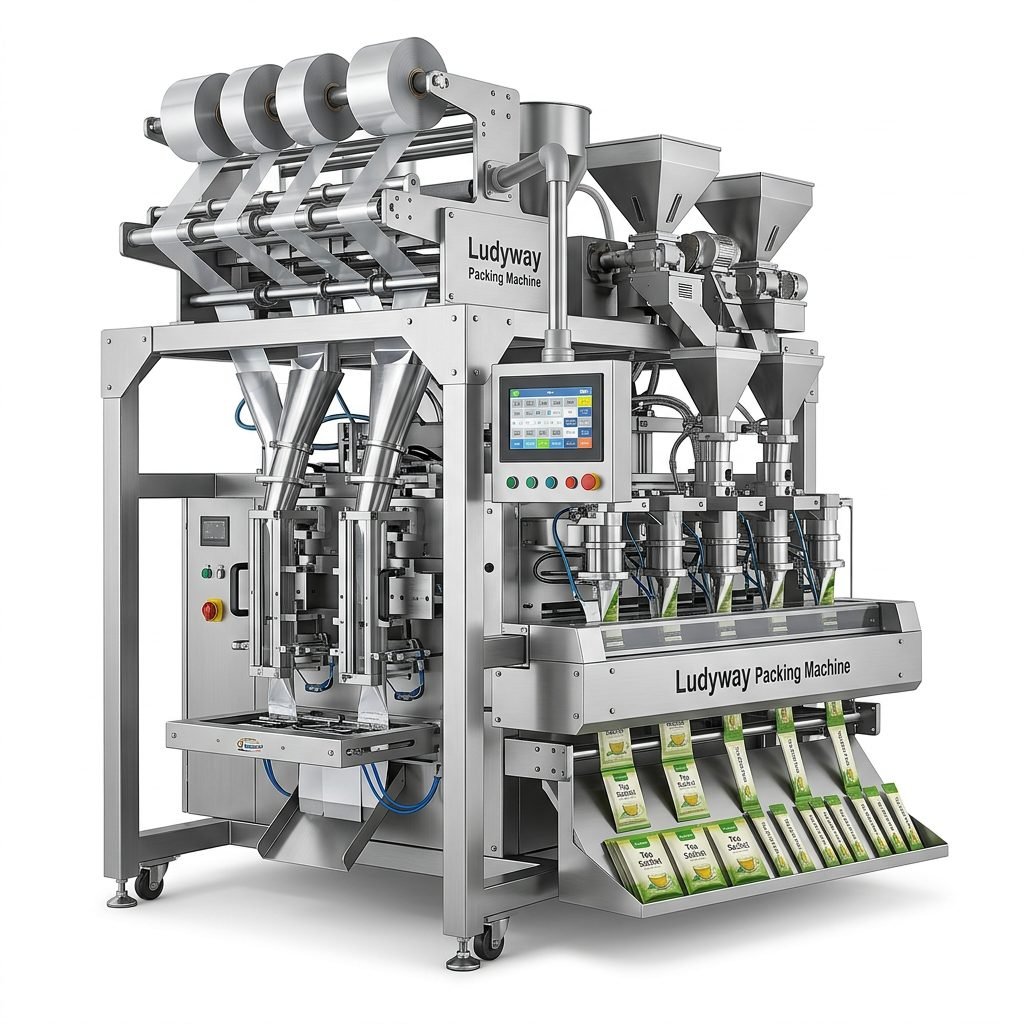
Speed is the most significant cost multiplier. A standard model might produce 30-50 bags per minute, while high-end multi-lane stick pack style machines adapted for pyramid bags can exceed 200 bags per minute.
| Machine Type | Speed Range (Bags/Min) | Estimated Cost (USD) |
|---|---|---|
| Entry-Level Single Lane | 30 – 60 | $15,000 – $30,000 |
| Mid-Range Multi-Lane (2-4 Lanes) | 80 – 160 | $40,000 – $75,000 |
| High-Speed Fully Automated | 180 – 250+ | $90,000 – $150,000+ |
Material and Sealing Technology
The shift from traditional paper to nylon mesh (like Soilon) affects cost. Ultrasonic sealing technology is necessary for these biodegradable materials. Machines equipped with precision ultrasonic horns are more expensive than heat-sealing alternatives but ensure zero glue contamination, which is critical for tea packaging solutions.
Tagging, Thread, and Enveloping Options
- Standard Tag/Thread: Basic heat-seal paper tags with a single thread.
- Over-Wrapping/Enveloping: Adding an outer envelope for freshness increases the machine footprint and cost but aligns with premium flexible packaging standards.
Additional Configuration Costs
Customization drives cost variance. When calculating your budget, factor in these optional but vital components:
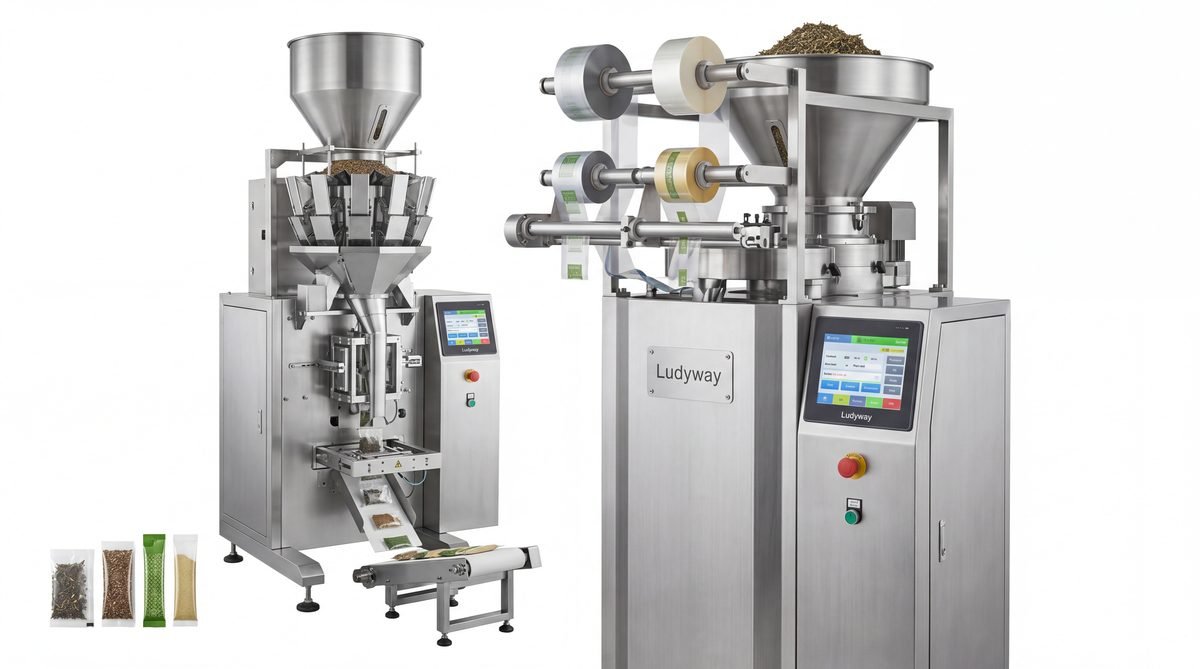
- Dosing Systems: Volumetric cup fillers are standard; multi-head weighers significantly increase accuracy and price for larger blend ingredients.
- Gas Flushing (Nitrogen): Modifying the machine to inject nitrogen for extended shelf life adds complexity.
- Vision Inspection Systems: A critical add-on for defect rejection and quality control.
Sourcing Your Machine: Domestic vs. International
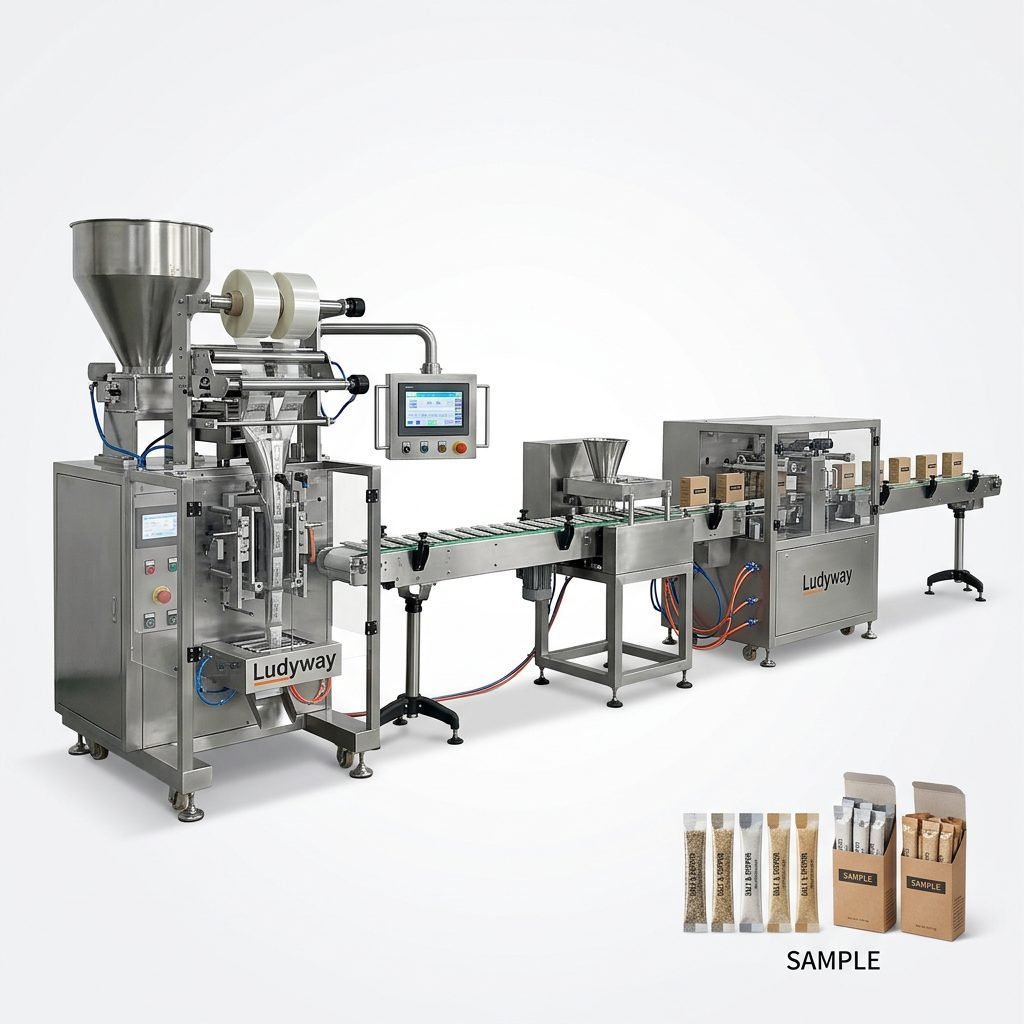
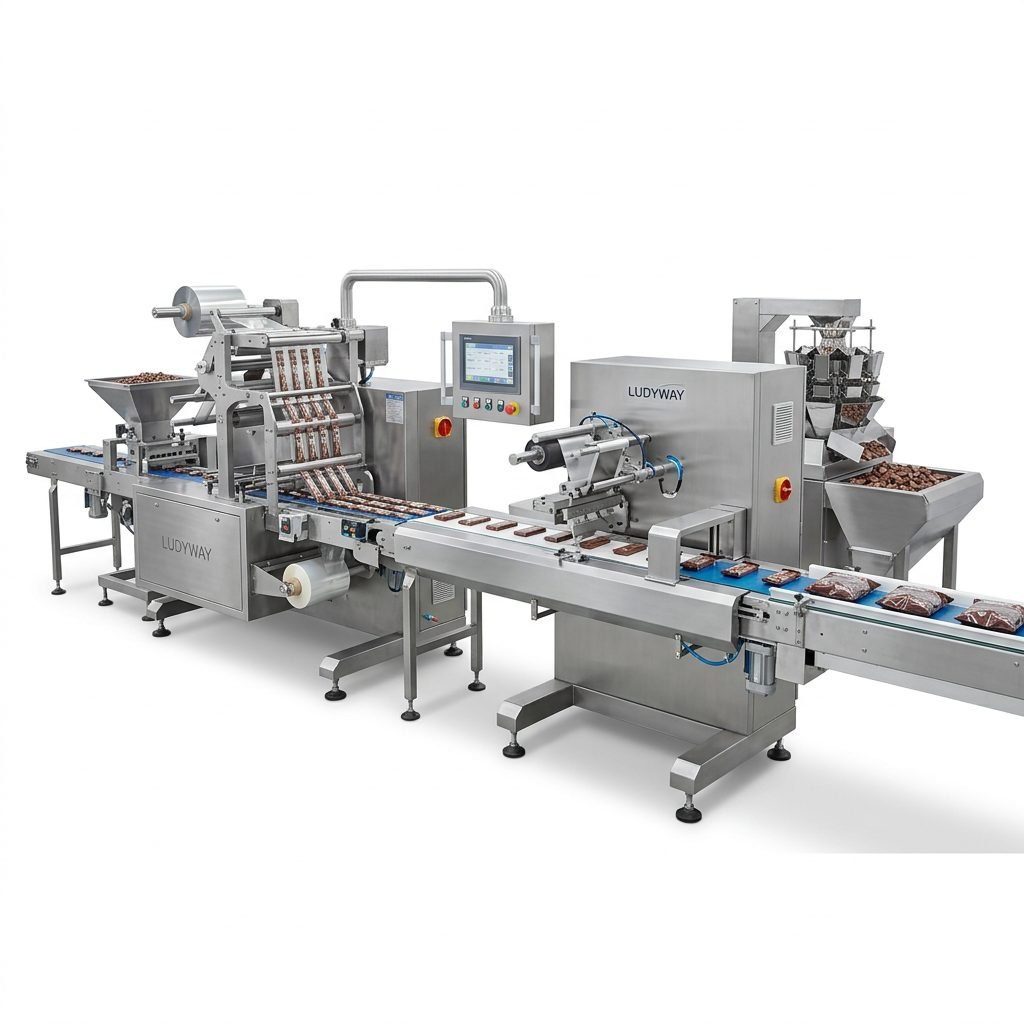
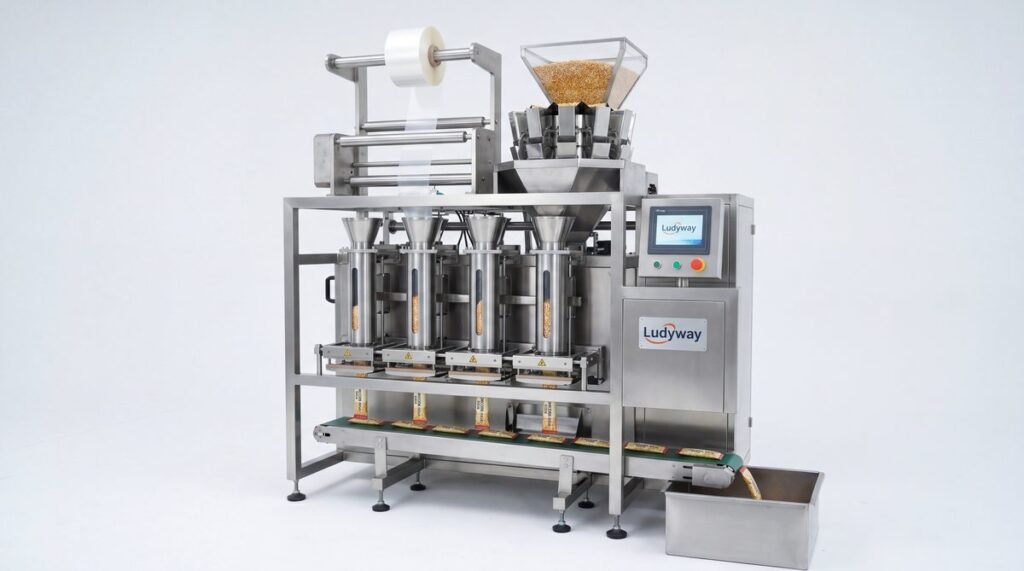
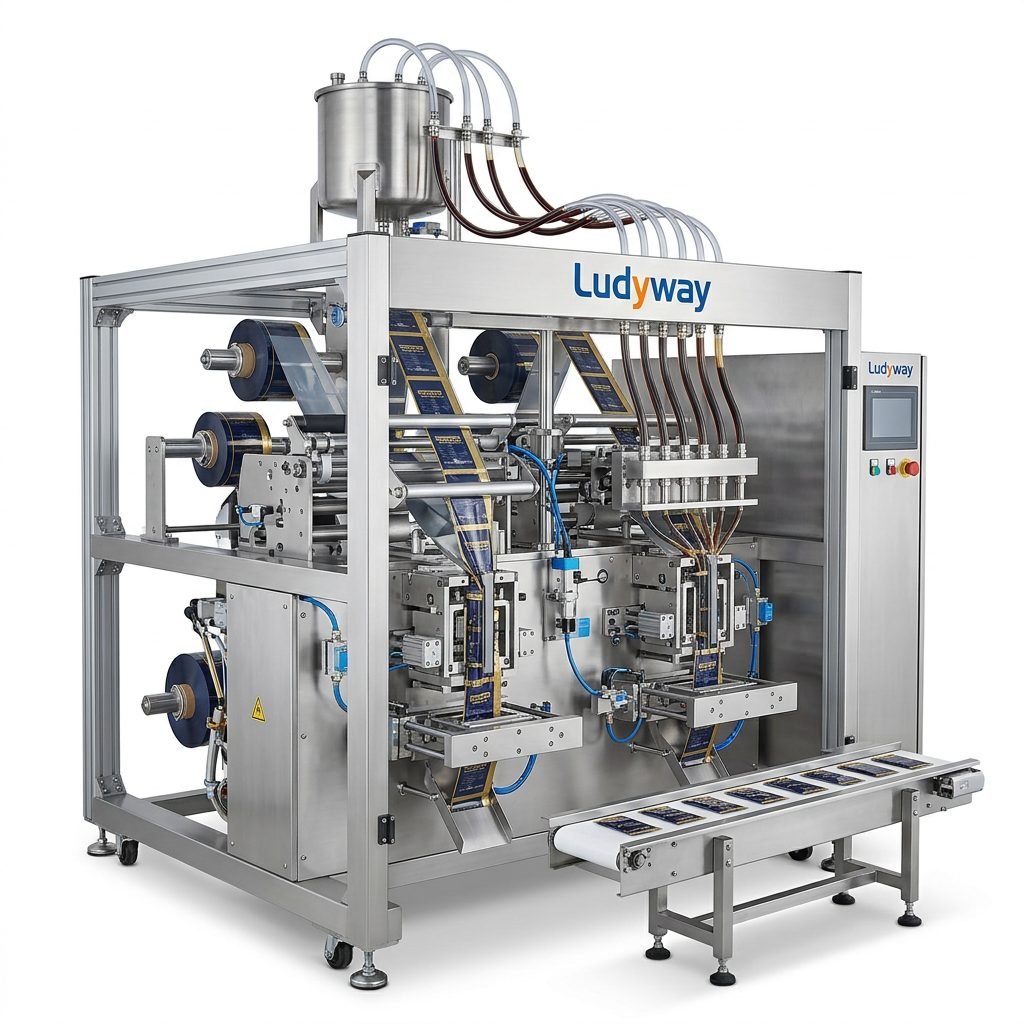
The geographical origin of the packing machine drastically alters the price proposition. European machines carry a premium for brand legacy, while manufacturers in countries like China offer robust industrial packaging systems with a better price-to-performance ratio. A leading example is Ludyway, a prominent player among packaging machine manufacturers in China with decades of expertise in granule and powder filling, capable of delivering advanced pyramid bagging solutions that align with international engineering standards without excessive markup.
After-Sales Service and Operational Costs
The sticker price is not the only expense. Smart evaluation includes:
- Spare Parts: The availability and cost of wearing parts like ultrasonic transducers and cutting blades.
- Technical Support: Remote diagnostics and local engineer availability heavily influence long-term ROI.
- Power Consumption: High-efficiency servo-driven motor systems reduce electricity costs over a 10-year period compared to mechanical clutch models.

ROI Considerations for Tea Businesses
To justify the cost, businesses should project the savings from automation and material utilization. Modern pyramid bag machines reduce film waste by up to 10% through precise tension control. This, combined with decreased manual labor from automated filling systems, typically results in a definitive payback period of 2 to 3 years for medium-sized enterprises.
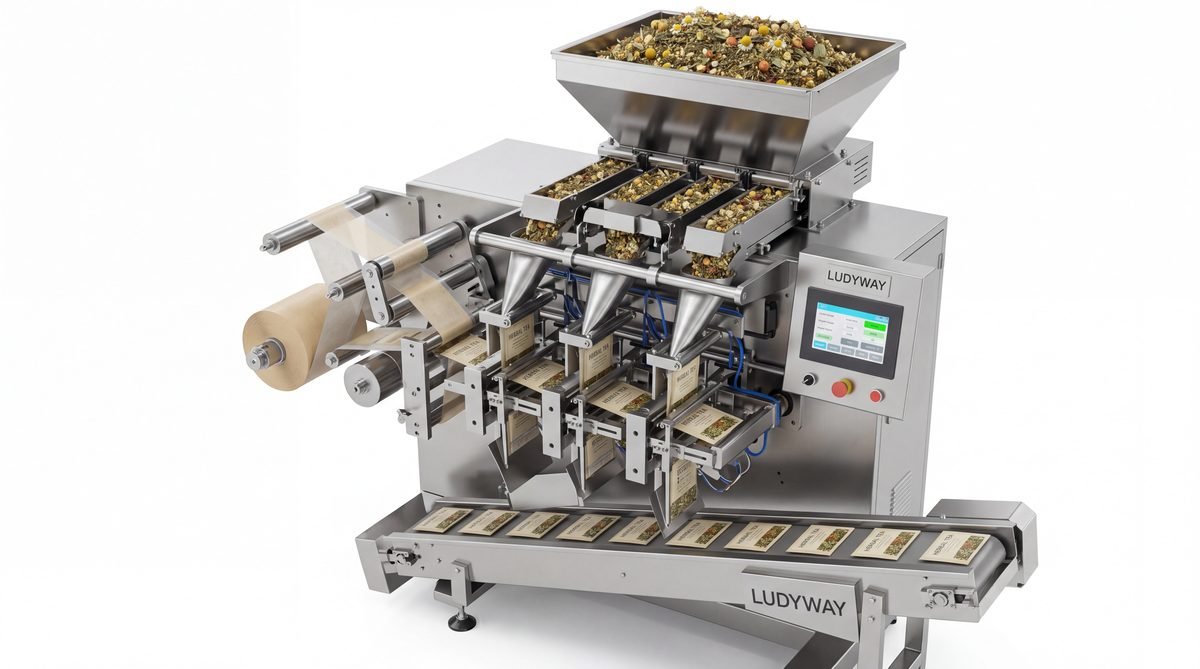
For companies serious about scaling, selecting a complete turnkey packaging solution that includes primary and secondary wrapping offers the best long-term value, even if the initial pyramid tea bag packing machine cost appears higher. Always engage with suppliers who can provide factory acceptance tests and sample run videos to ensure the machine handles your specific blend—whether it’s pure chamomile, fine matcha, or bulky fruit infusions—without bridging or spillage.