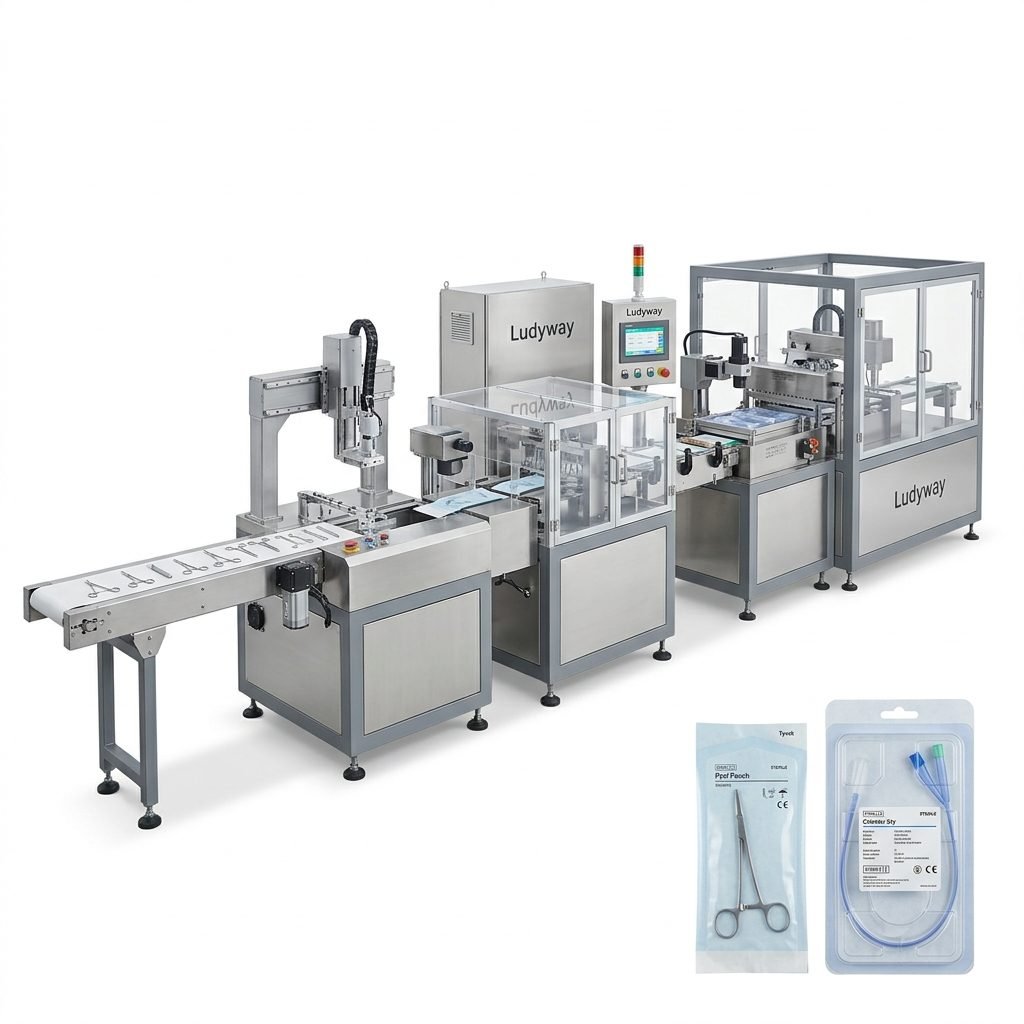
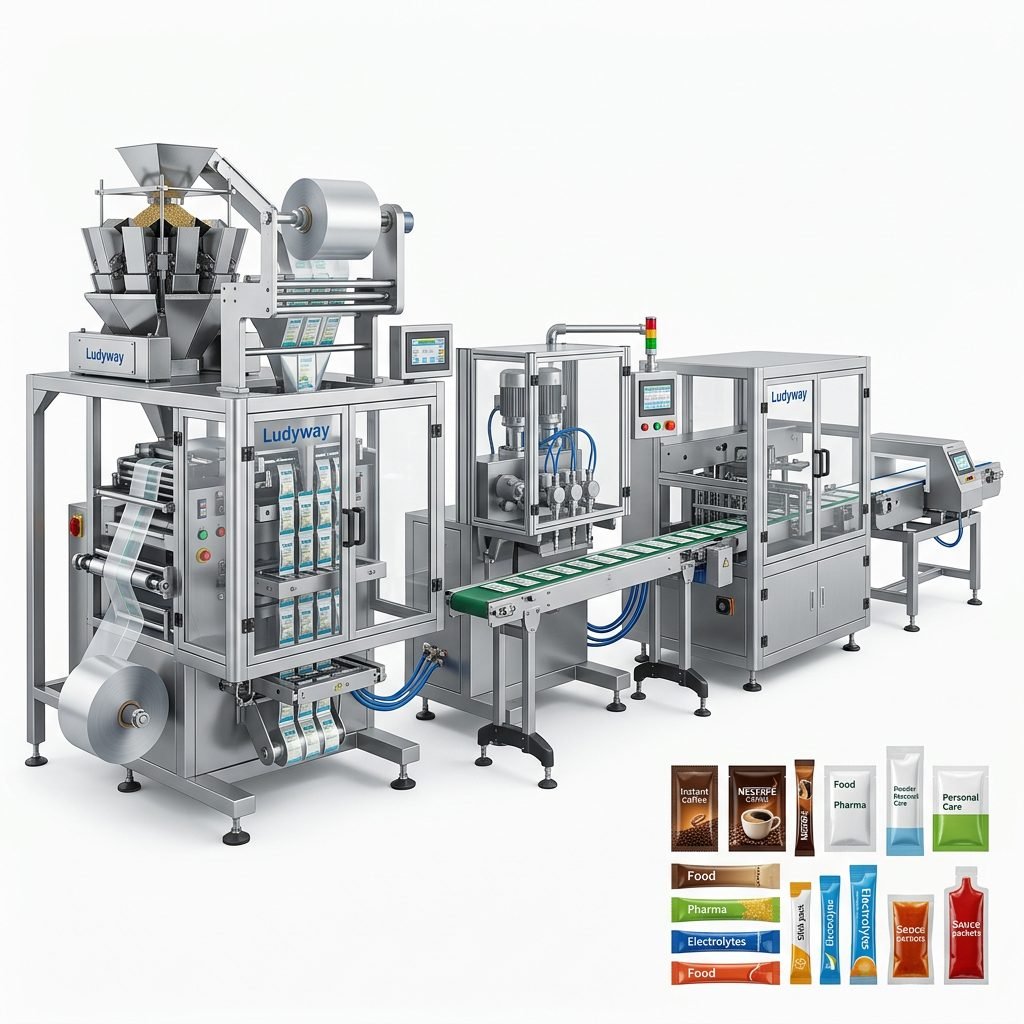
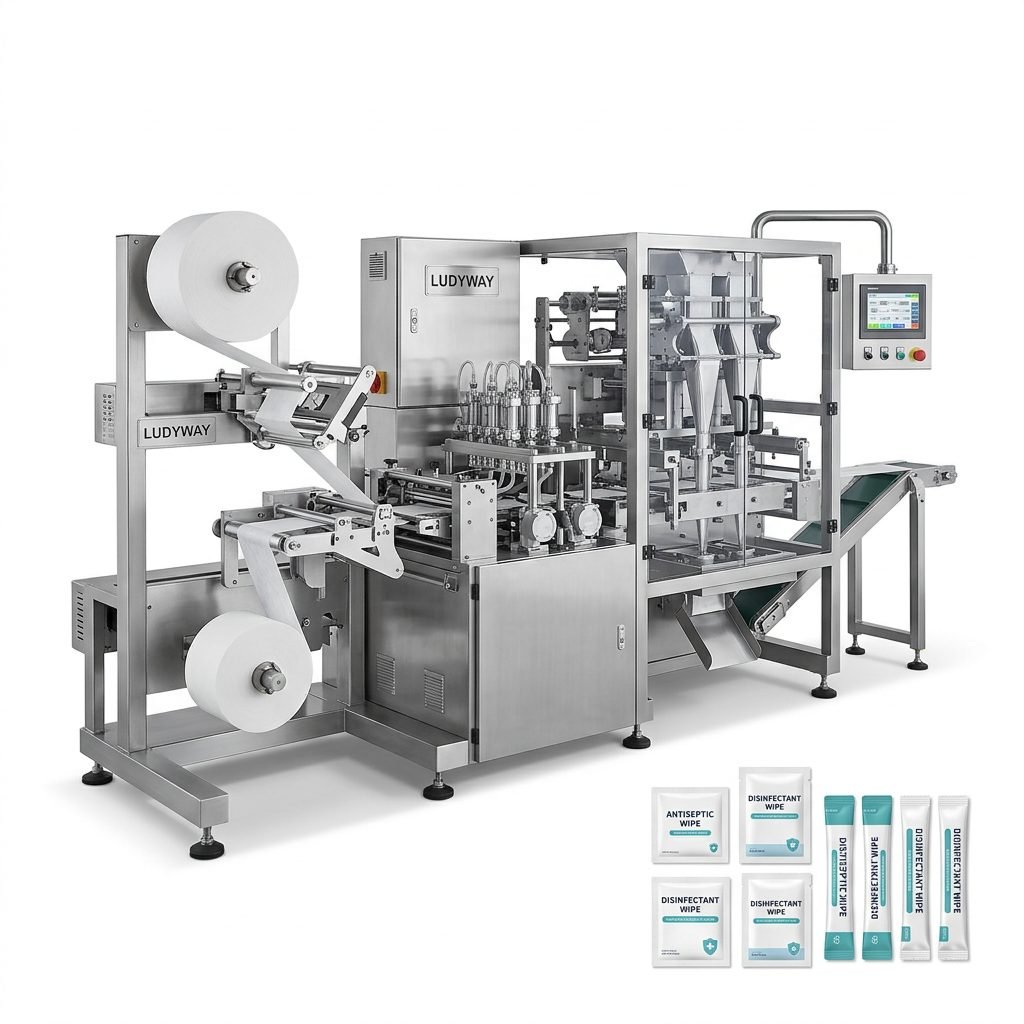
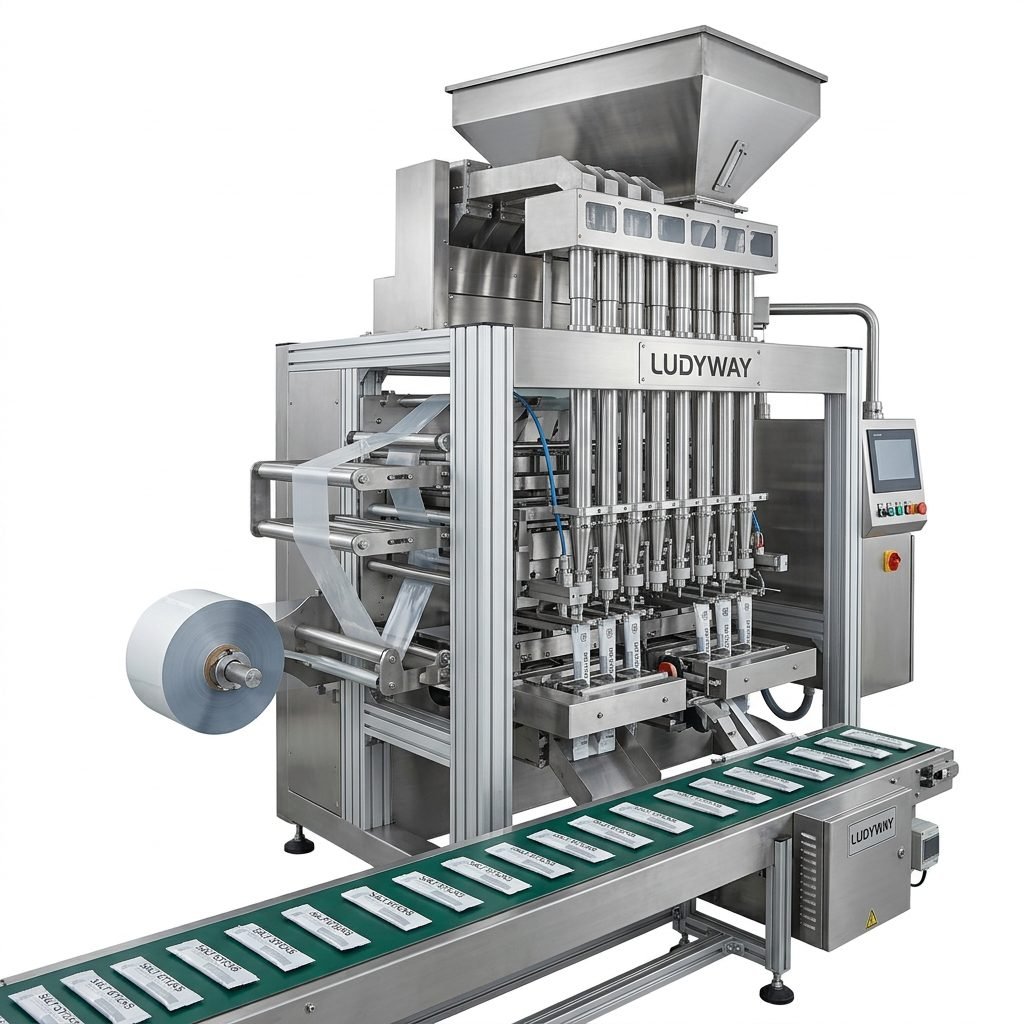
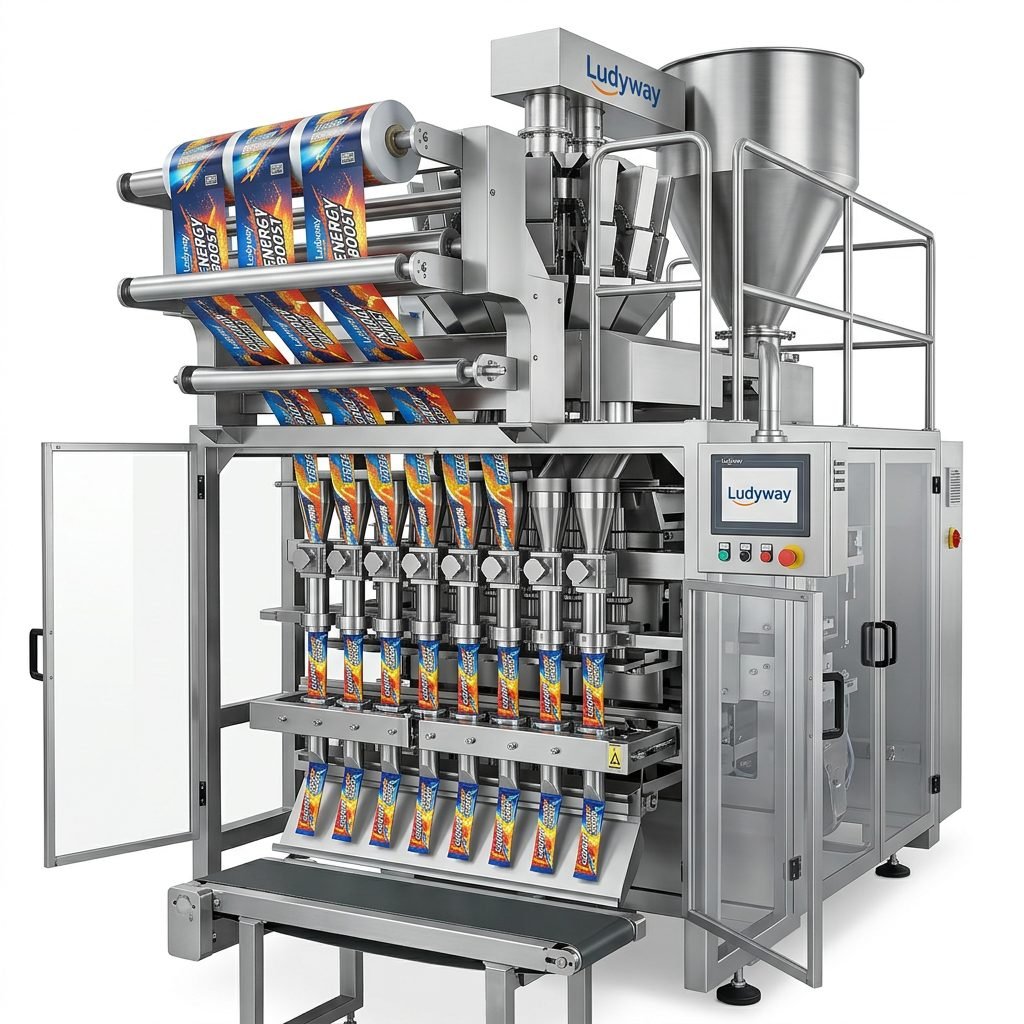
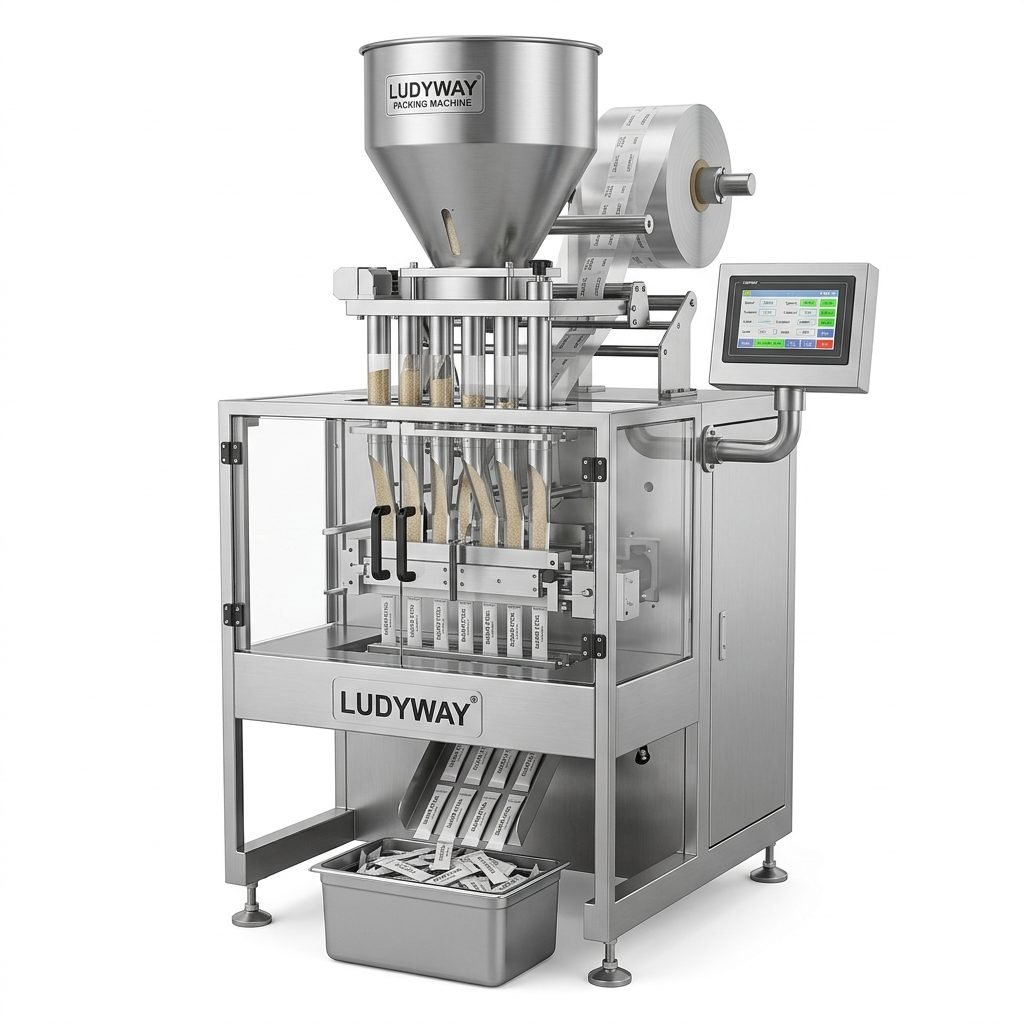
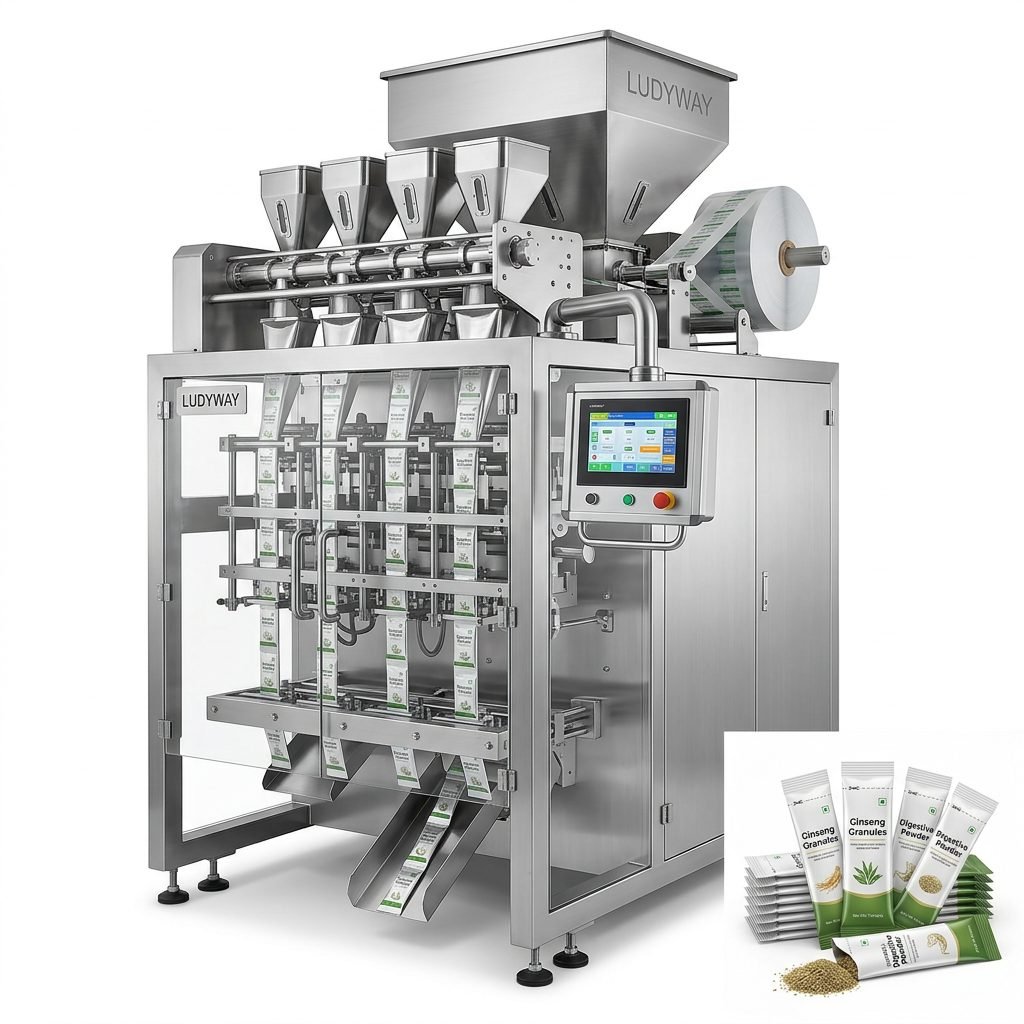
Regular maintenance is the cornerstone of reliable packaging operations. A well-maintained thermal packaging machine not only delivers consistent seal quality but also significantly reduces unplanned downtime. Whether you are running a multi-lane stick pack system or a high-speed sachet line, following a structured maintenance routine ensures your equipment operates at peak efficiency for years. Neglecting routine care often leads to seal failures, temperature inconsistencies, and costly repairs that could have been easily avoided.
Why Routine Maintenance Matters
Every thermal packaging machine relies on precise temperature control, consistent pressure, and clean sealing surfaces. Over time, residue from packaging films, dust from the production environment, and general mechanical wear can degrade performance. A proactive maintenance program protects your investment, maintains product quality, and ensures compliance with packaging industry standards. The goal is simple: catch small issues before they become major problems.
Daily Maintenance Checklist
Daily inspections form the first line of defense against unexpected breakdowns. Operators should perform these checks at the start of each shift to confirm the machine is ready for production.
- Clean the sealing jaws — Remove any film residue, product debris, or adhesive buildup from the heating elements and sealing surfaces using a non-abrasive cloth.
- Inspect the temperature sensors and verify that the actual temperature matches the setpoint on the controller.
- Check all emergency stop buttons and safety guards for proper function.
- Examine the film feed path for alignment issues or tension irregularities.
- Inspect sealing jaw alignment to confirm even pressure distribution across the entire seal area.
- Clean the photoelectric sensor lenses to ensure accurate film registration.

Weekly Maintenance Procedures
Weekly tasks go deeper than daily checks and focus on components that experience gradual wear. Allocating dedicated time each week for these procedures prevents cumulative damage to critical parts.
- Lubricate all moving components — including guide rails, cam followers, and bearing points — using food-grade lubricants appropriate for your application.
- Inspect drive belts and chains for signs of stretching, cracking, or unusual wear; adjust tension as specified in the manufacturer’s manual.
- Check pneumatic system filters and drain any accumulated moisture from the air lines.
- Verify the calibration of temperature controllers using an external thermocouple to confirm accuracy.
- Examine electrical connections for loose terminals or signs of overheating.
- Clean the cooling fans and ventilation grilles on control panels to prevent overheating of electronic components.
Monthly Maintenance Tasks
Monthly maintenance addresses deeper mechanical and electrical systems. These tasks often require a trained technician and should be documented in your maintenance log.
- Remove and inspect heating cartridges and thermocouples for degradation or corrosion.
- Perform a comprehensive check of all sealing jaw Teflon coatings and replace if peeling or worn.
- Inspect gearboxes for oil levels and signs of leakage; top up or replace lubricant as needed.
- Run a diagnostic cycle to verify all PLC inputs and outputs are functioning correctly.
- Deep-clean the film feed rollers and remove any adhesive residue that daily cleaning may have missed.
- Verify that the flexible packaging materials being used are compatible with your machine’s seal parameters.
Recommended Maintenance Schedule Overview
| Interval | Task | Responsibility |
|---|---|---|
| Daily | Clean sealing jaws, check temperatures, inspect safety guards | Operator |
| Weekly | Lubricate moving parts, check belts, drain air filters | Operator / Technician |
| Monthly | Inspect heating elements, check gearboxes, deep-clean rollers | Technician |
| Quarterly | Full calibration, replace wear parts, comprehensive electrical inspection | Senior Technician |
| Annually | Complete overhaul, replace major components, software updates | Manufacturer / Specialist |
Lubrication Best Practices
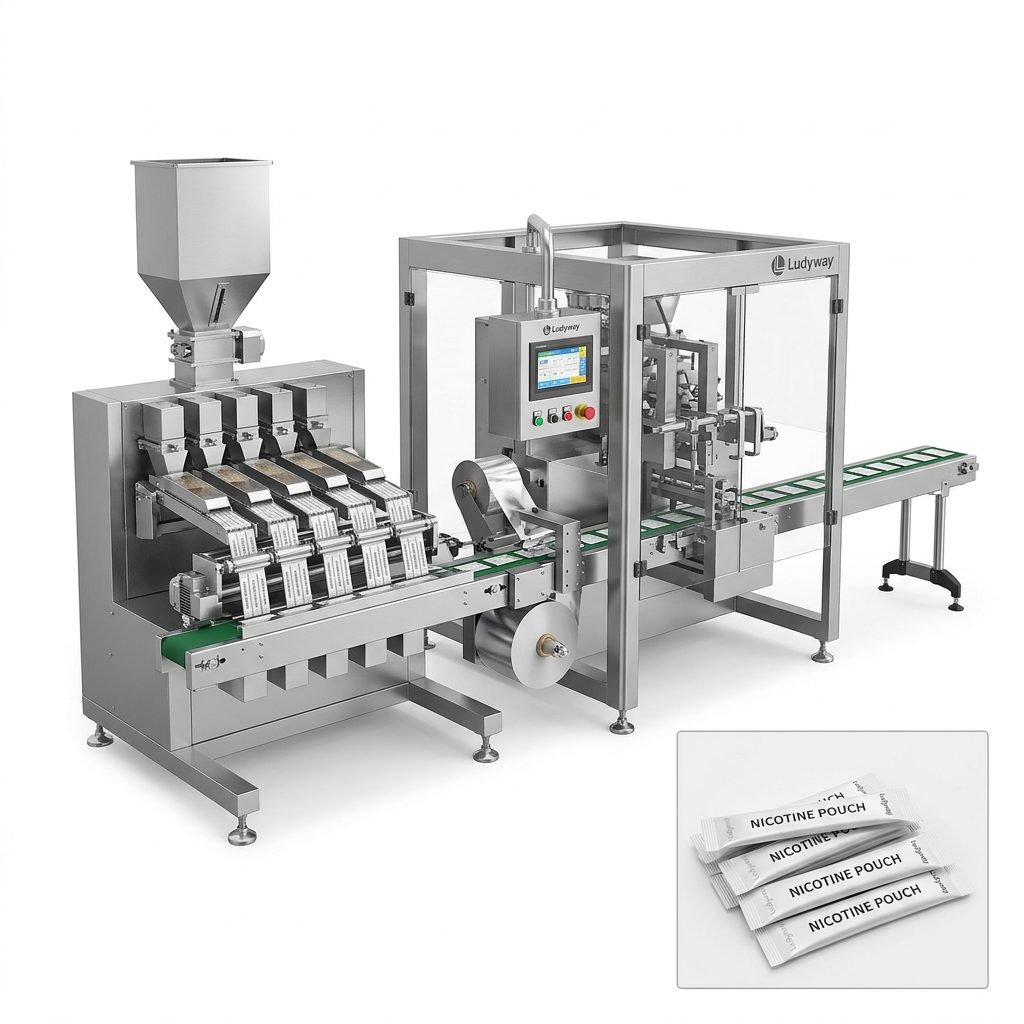
Proper lubrication is critical for extending the service life of your thermal packaging equipment. Always follow the manufacturer’s specifications for lubricant type and application frequency. Over-lubrication can be just as damaging as under-lubrication — excess grease attracts dust and can contaminate packaging materials. Use only food-grade lubricants for machines handling food or pharmaceutical products, and maintain a detailed lubrication log to track each service interval.
Common Troubleshooting Scenarios
Even with diligent maintenance, occasional issues arise. Understanding common problems helps operators respond quickly and minimize downtime. Below are frequent troubleshooting scenarios encountered with thermal packaging machines.
- Weak or inconsistent seals — Typically caused by incorrect temperature settings, contaminated sealing surfaces, or worn Teflon coating. Clean the jaws first, then verify temperature calibration.
- Film tracking off-center — Check roller alignment, tension settings, and the condition of guide rings. Worn bearings on guide rollers are a frequent culprit.
- Temperature overshoot — A faulty thermocouple or PID controller parameter drift may cause the heating element to exceed the set temperature. Recalibrate or replace the sensor.
- Excessive noise during operation — Investigate loose fasteners, worn bearings, or insufficient lubrication on moving assemblies.
- Intermittent machine stoppages — Often linked to dirty sensors, loose wiring connections, or air pressure fluctuations in pneumatic systems.
Spare Parts Management
Maintaining an inventory of critical spare parts ensures rapid repairs when components fail unexpectedly. Key items to keep in stock include heating cartridges, thermocouples, sealing jaw Teflon tape, drive belts, sensors, and pneumatic seals. Consult your equipment manual for a recommended spare parts list tailored to your specific thermal packaging machine model. Lead times for specialized parts can extend to several weeks, so proactive stocking prevents extended downtime.
Documentation and Record Keeping
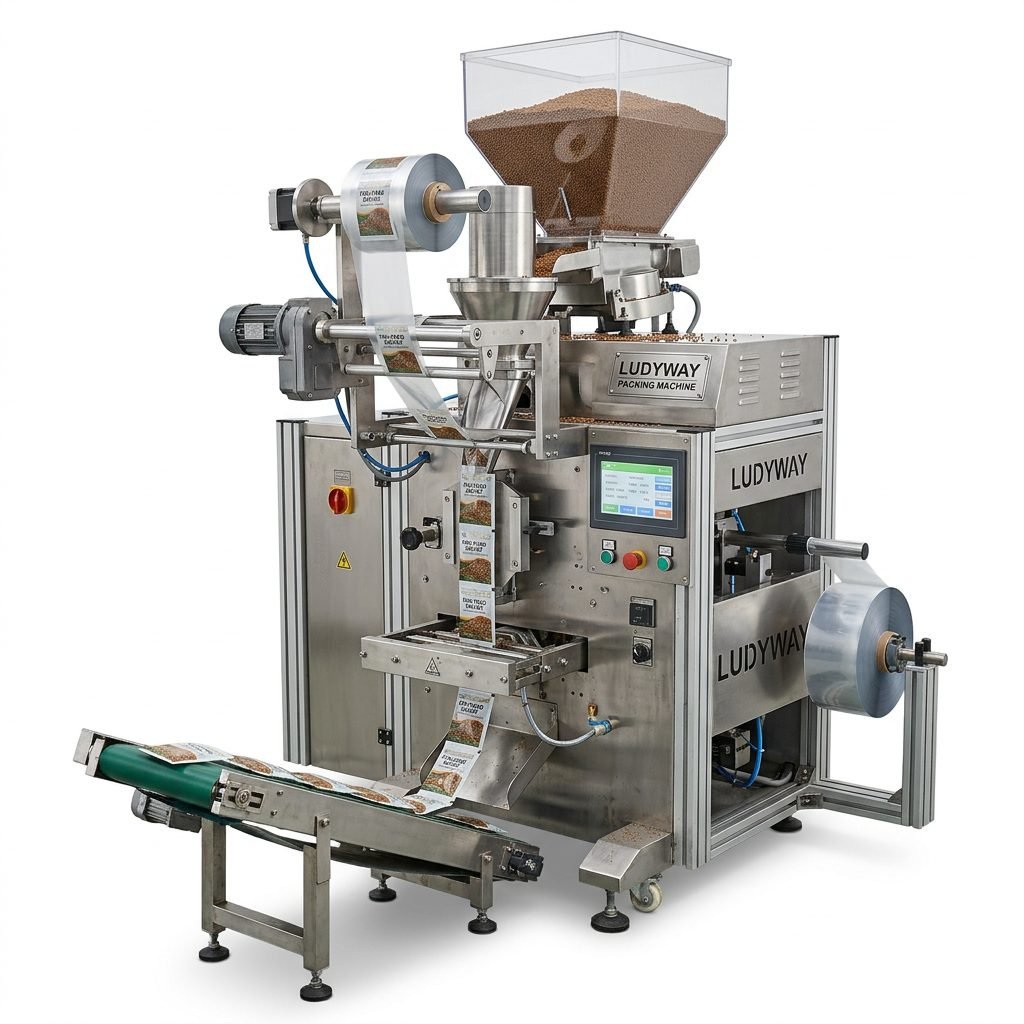
Thorough maintenance records provide valuable insights into equipment performance trends and help predict when components need replacement. Each service entry should include the date, tasks performed, parts replaced, and the technician’s name. Digital maintenance management systems simplify this process and enable automated scheduling of recurring tasks. Well-documented records also support warranty claims and demonstrate compliance during quality audits.
When to Call a Professional
While operators can handle many routine maintenance tasks, certain situations require professional intervention. Contact a qualified service technician if you encounter persistent temperature control issues, discover damage to structural machine components, or need to perform a complete calibration after a major repair. Leading equipment manufacturers like Ludyway offer comprehensive technical support and maintenance training programs to help customers maximize equipment longevity. Investing in professional service at the right time prevents small issues from escalating into expensive failures, ultimately protecting your production schedule and product consistency. For further guidance, refer to packaging machinery market research and industry best practices.
Key Takeaways for Long-Term Performance
- Establish a structured maintenance schedule covering daily, weekly, monthly, quarterly, and annual tasks.
- Train all operators on proper cleaning procedures and basic inspection routines.
- Maintain a well-stocked inventory of critical spare parts to minimize repair delays.
- Document every maintenance activity to track equipment history and identify recurring issues.
- Partner with a reliable equipment manufacturer for technical support and specialized servicing needs.