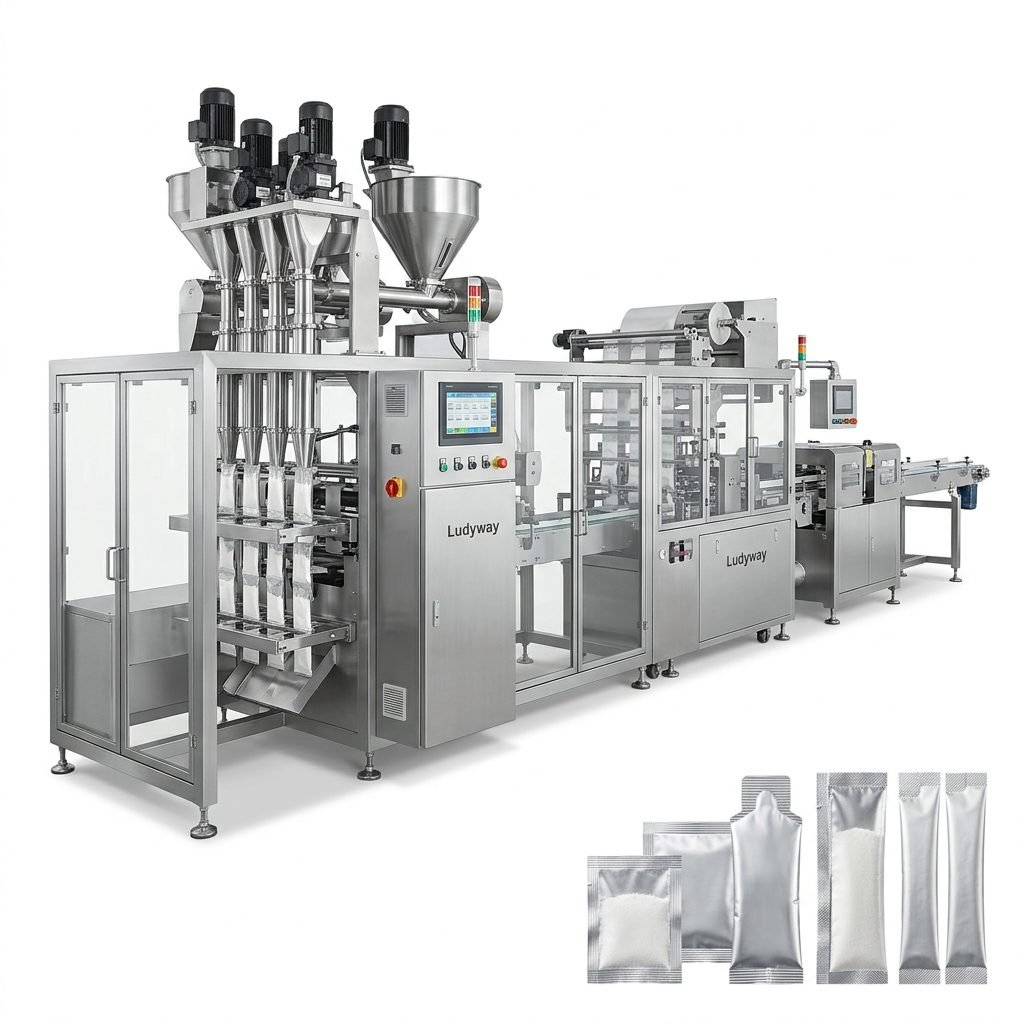
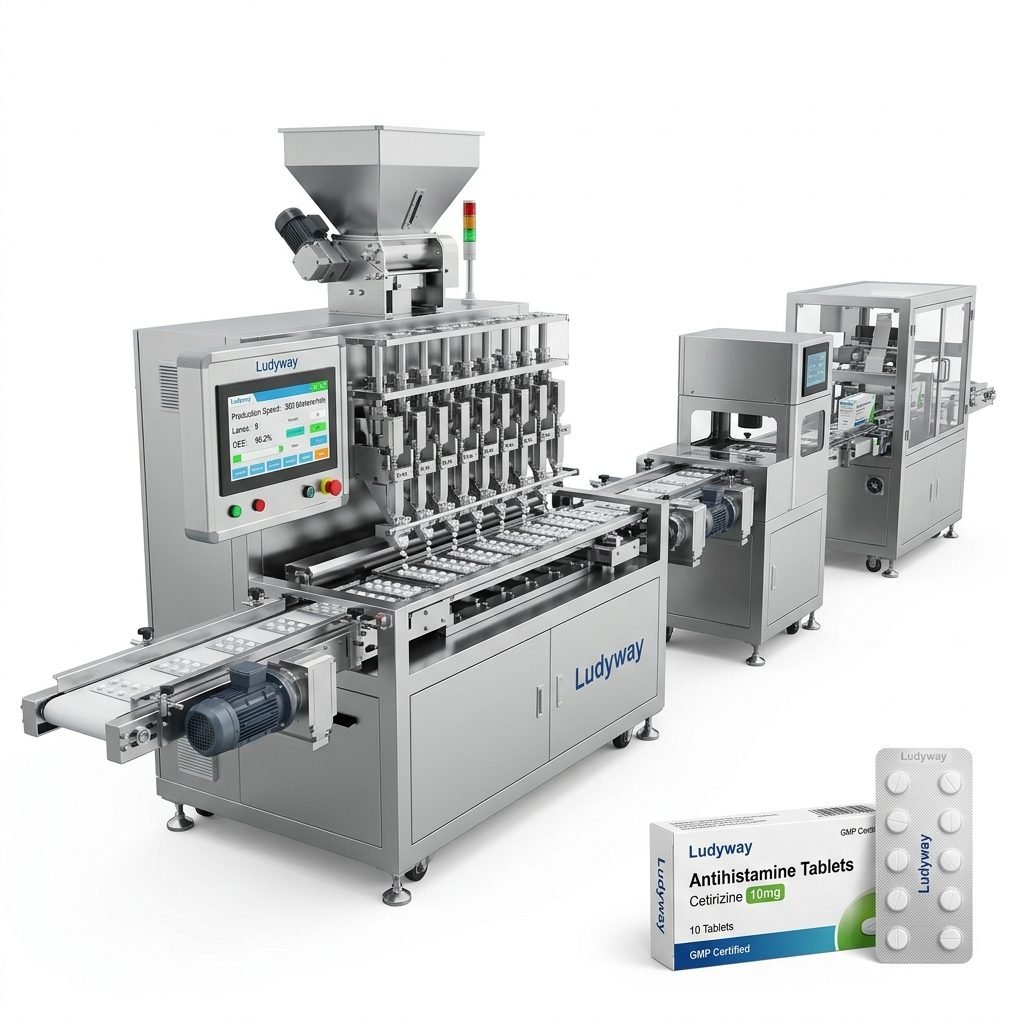
Establishing a vacuum food packaging machine production line in Oceania requires careful planning, an understanding of local regulatory frameworks, and the right equipment configuration. Whether you are setting up a new facility in Australia, New Zealand, or the Pacific Islands, this guide walks you through every critical step—from market analysis and equipment selection to installation, compliance, and long-term maintenance.

Understanding the Oceania Food Packaging Market
The Oceania region—dominated by Australia and New Zealand—boasts a mature food processing industry with stringent quality and safety standards. According to PMMI’s State of the Industry reports, the demand for vacuum packaging solutions continues to grow, driven by rising exports of meat, dairy, seafood, and ready-to-eat meals. Key drivers include:
- Extended shelf life requirements for exported goods
- Growing consumer preference for minimally processed, preservative-free foods
- Retail and foodservice demand for portion-controlled packaging
- Compliance with FSANZ (Food Standards Australia New Zealand) regulations
Before investing in equipment, conduct a thorough analysis of your target product categories, production volume, and distribution channels. Oceania’s geographic isolation makes reliable, high-performance packaging machinery essential for maintaining product integrity during long-distance shipping.
Key Regulatory Standards for Vacuum Packaging in Oceania
Compliance is non-negotiable when setting up a food packaging line in this region. Several overlapping standards govern vacuum packaging operations:
| Standard / Body | Scope | Relevance to Vacuum Packaging |
|---|---|---|
| FSANZ Code | Australia & New Zealand | Food safety, labelling, and packaging material requirements |
| ISO 11607 | International | Packaging for terminally sterilized medical devices; relevant for aseptic food packaging |
| FDA Packaging & Food Contact Substances | Global Reference | Often referenced for export-bound products leaving Oceania |
| HACCP Principles | International | Mandatory for vacuum packaging lines handling perishable foods |
Always consult with local regulatory bodies and a qualified food safety consultant before finalizing your line design. The Flexible Packaging Association’s regulatory resources offer additional guidance on packaging material compliance.

Planning Your Production Line Layout
A well-designed layout is the foundation of an efficient vacuum packaging operation. Consider these critical factors when mapping out your facility:
Space and Facility Requirements
- Minimum ceiling height: 3.5 to 4 metres for standard vacuum packaging lines, higher for bulk systems
- Cleanroom considerations: Positive air pressure and HEPA filtration for high-risk products
- Utility access: Dedicated power supply, compressed air lines, and nitrogen flushing capability if required
- Material flow: Separate raw material intake, processing, packaging, and finished goods zones
Workflow Optimization
Achieving a linear, uninterrupted workflow reduces contamination risks and improves throughput. The ideal sequence moves from raw material receiving through preparation, filling, vacuum sealing, quality inspection, secondary packaging, and palletizing. Position your vacuum packaging machine at the centre of this flow, with easy access for operators and maintenance personnel.
Essential Equipment for a Vacuum Packaging Production Line
Building a complete line requires more than just the primary vacuum sealer. Here is the equipment hierarchy you need to consider:
| Equipment Category | Function | Selection Criteria |
|---|---|---|
| Vacuum Packaging Machine | Core sealing unit (chamber, nozzle, or thermoforming type) | Product type, cycle speed, vacuum level, bag size range |
| Weighing & Dosing System | Precise portioning before vacuum sealing | Accuracy, speed, compatibility with product characteristics |
| Conveyor & Feeding System | Automated product transport between stations | Belt type, speed control, sanitary design |
| Inspection & Detection | Metal detection, checkweighing, X-ray inspection | Sensitivity, throughput, compliance with retailer codes |
| Secondary Packaging | Cartoning, case packing, palletizing | Automation level, footprint, changeover flexibility |
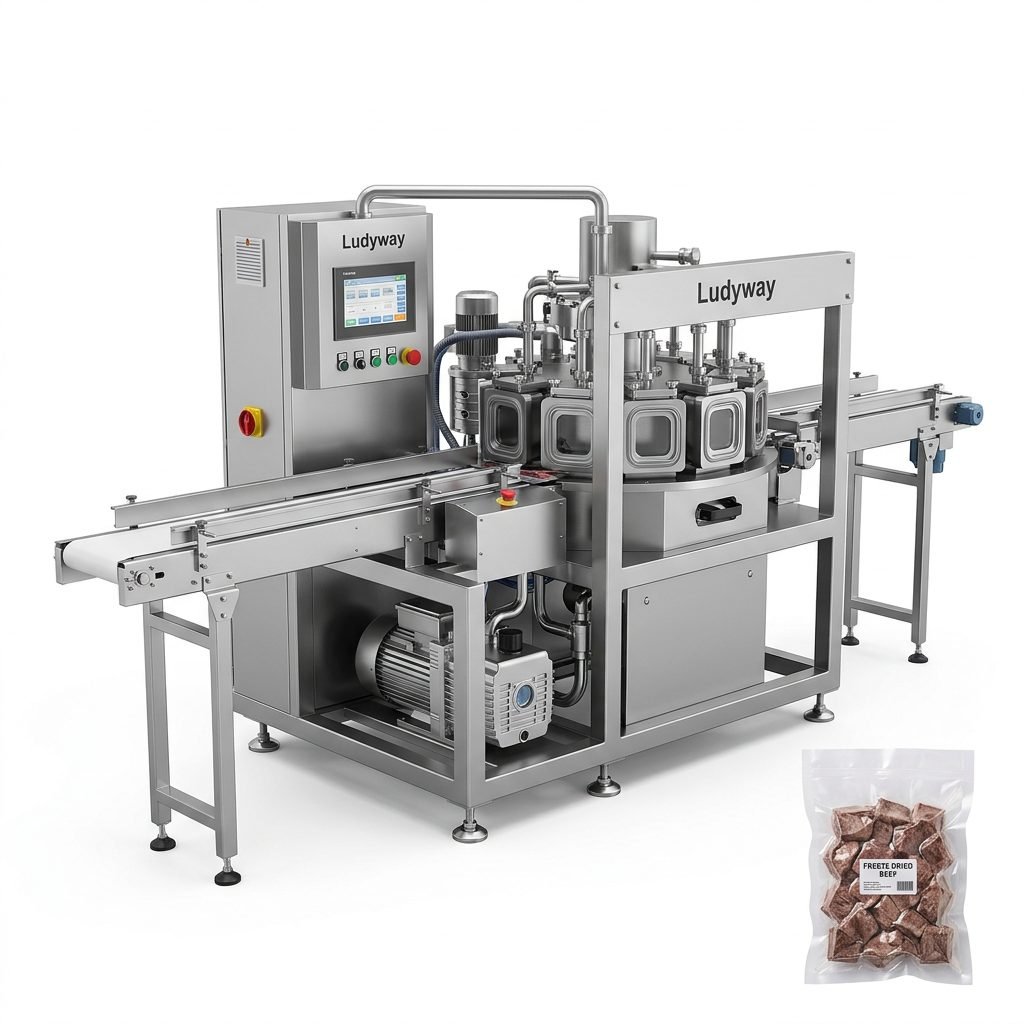
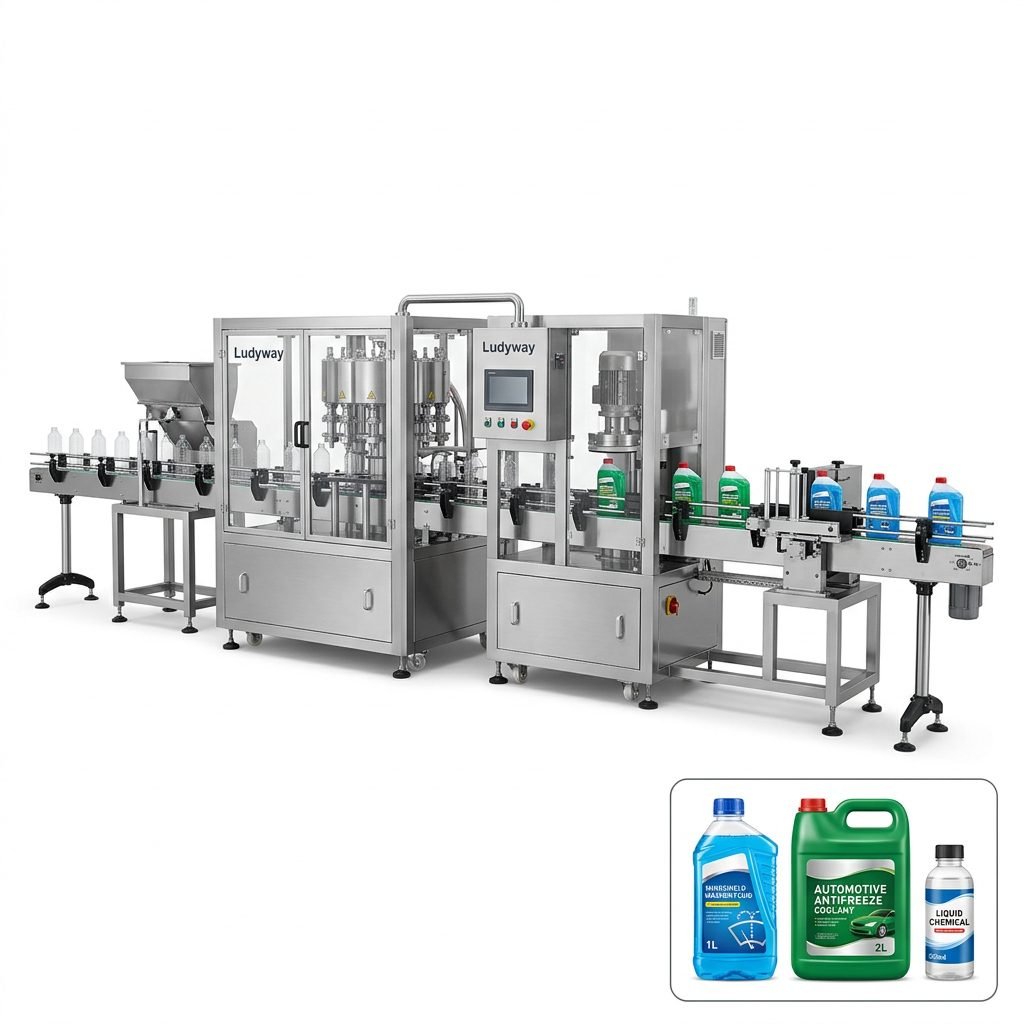
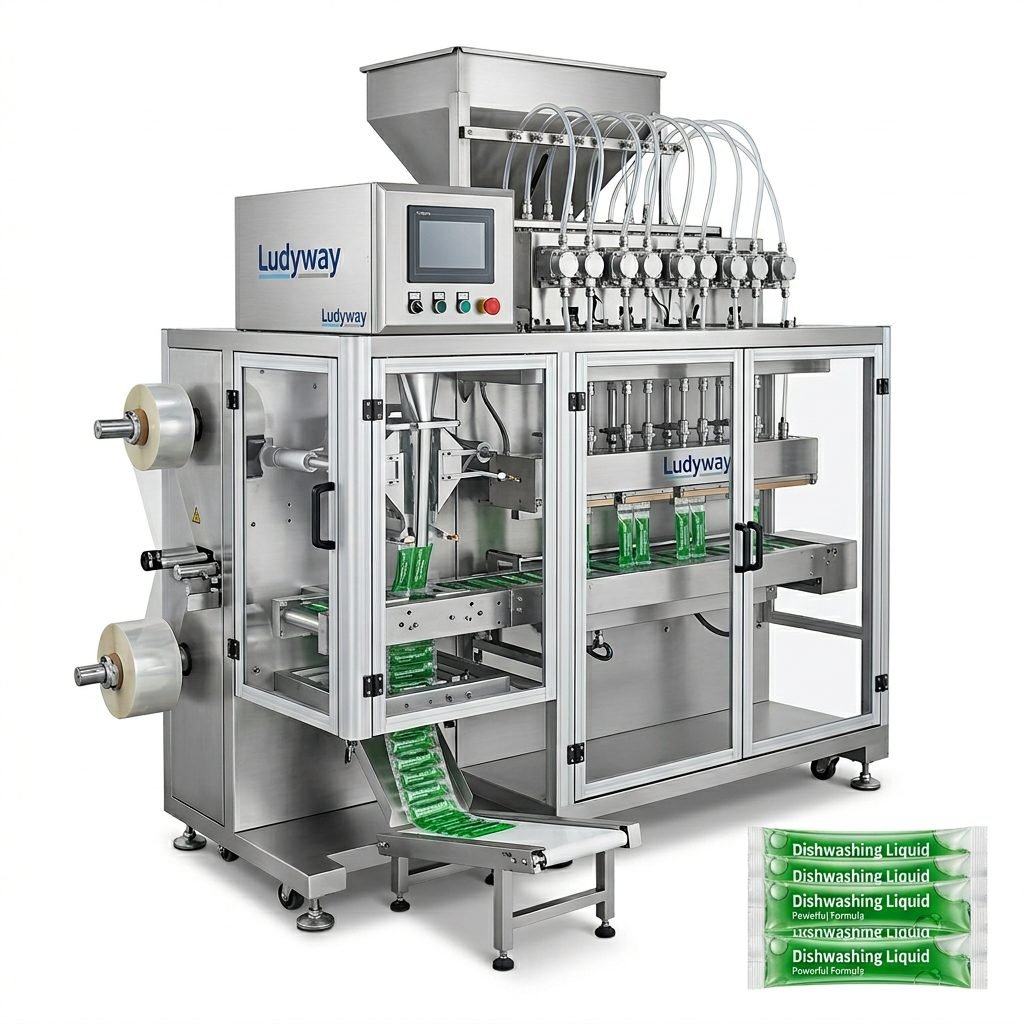
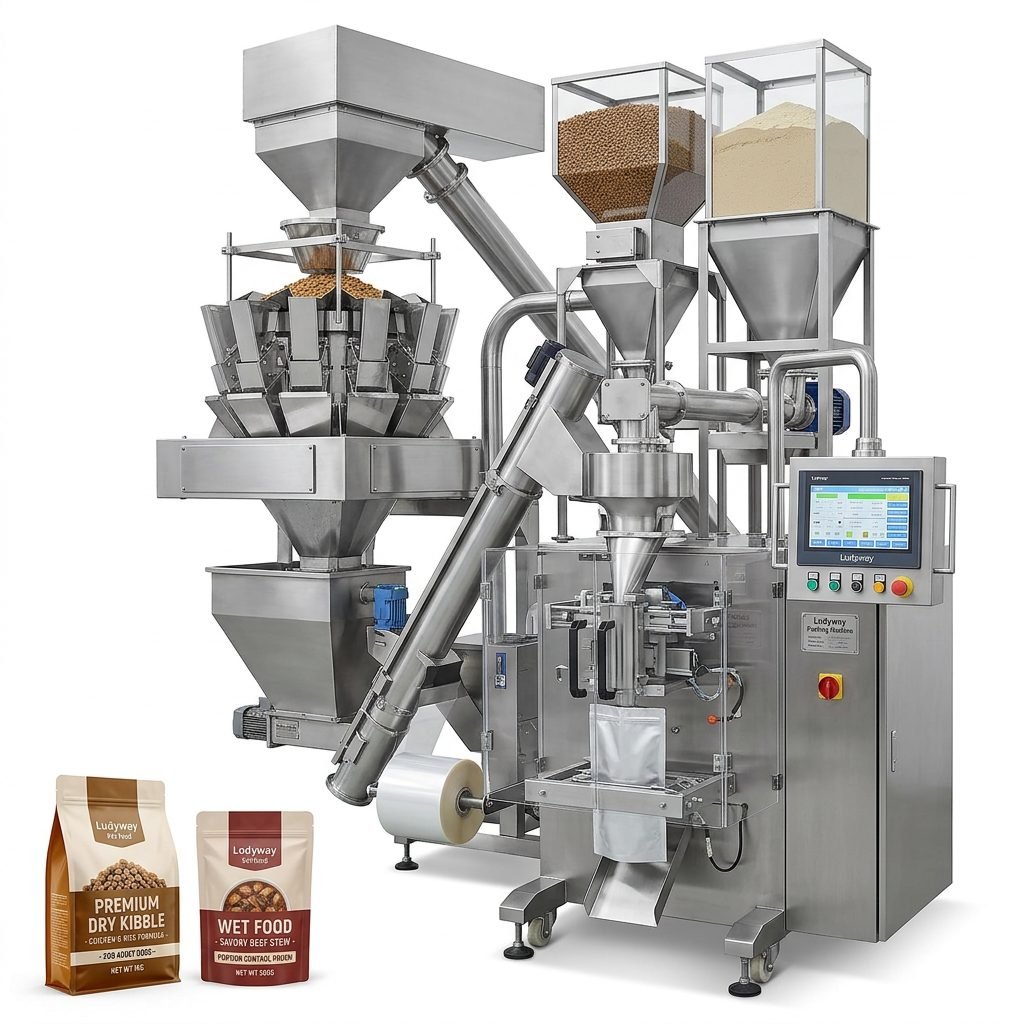
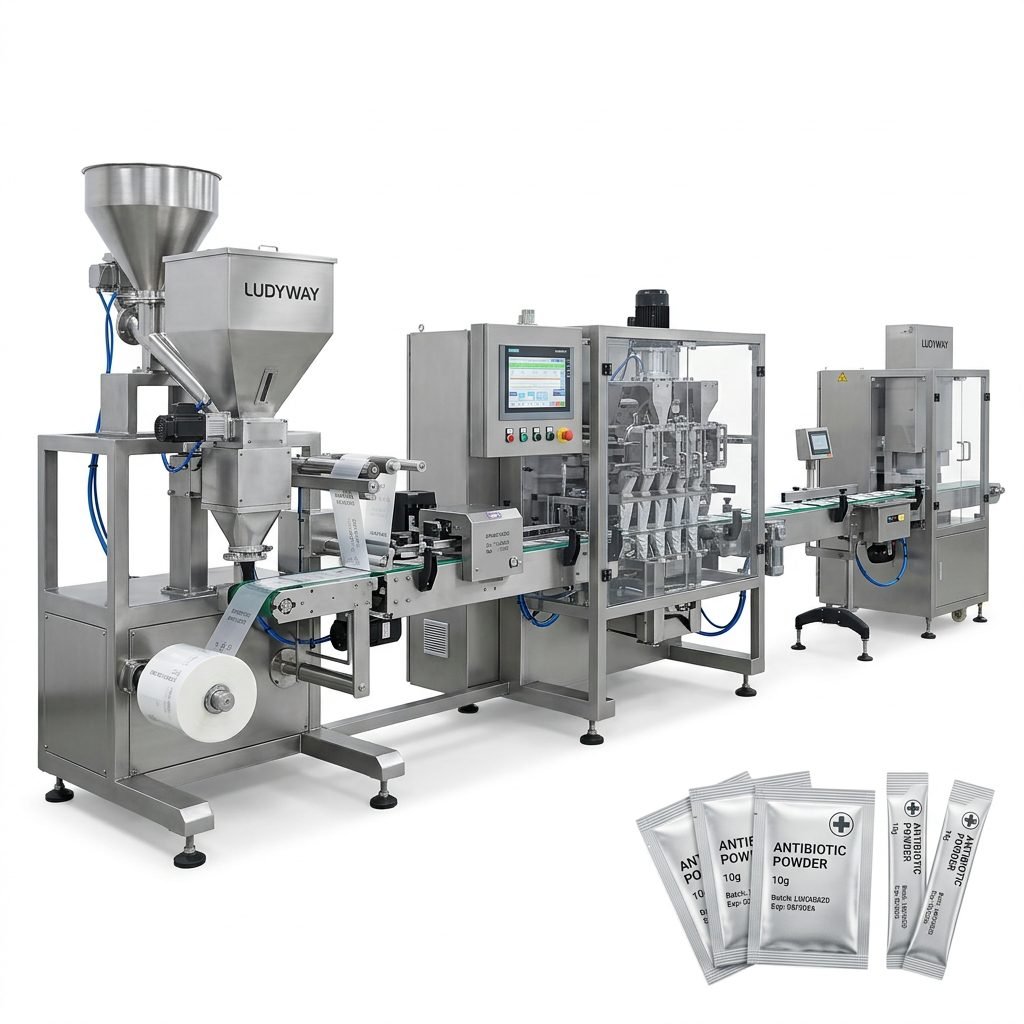
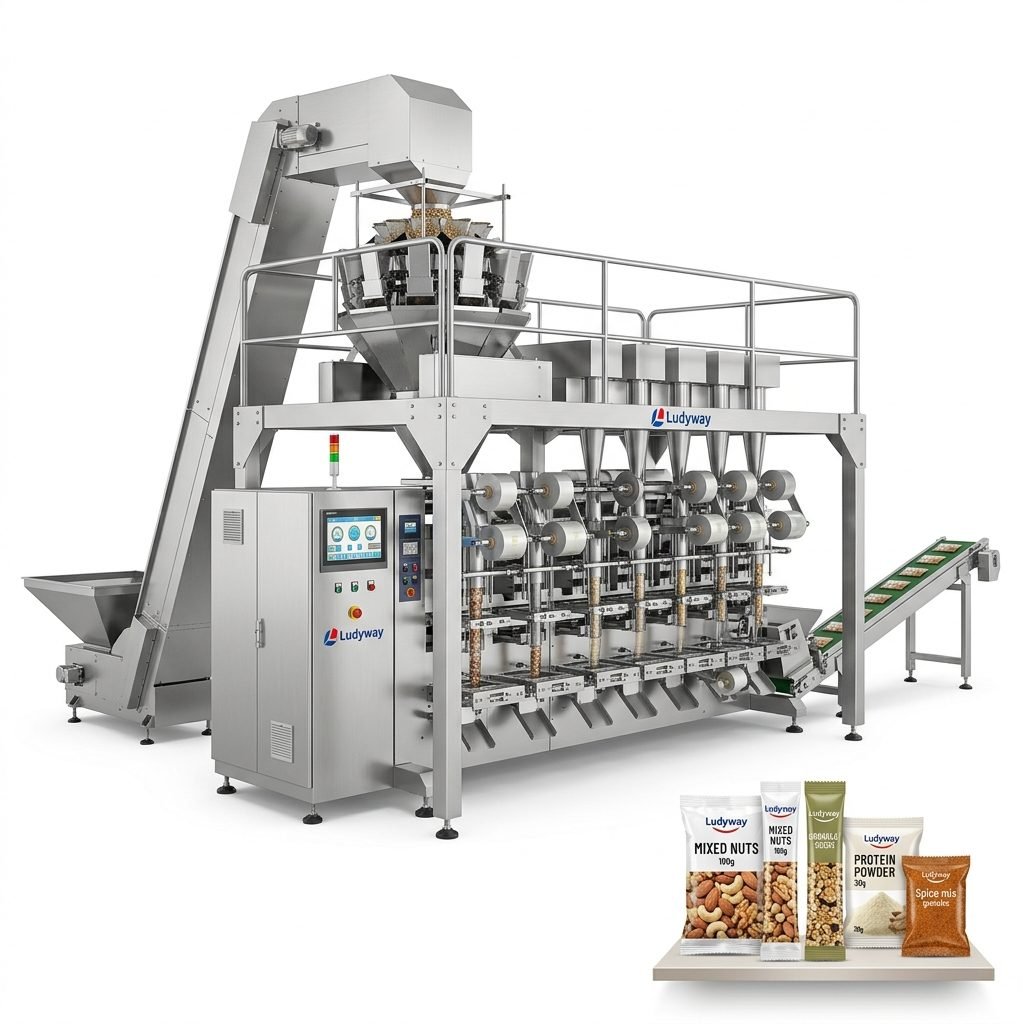
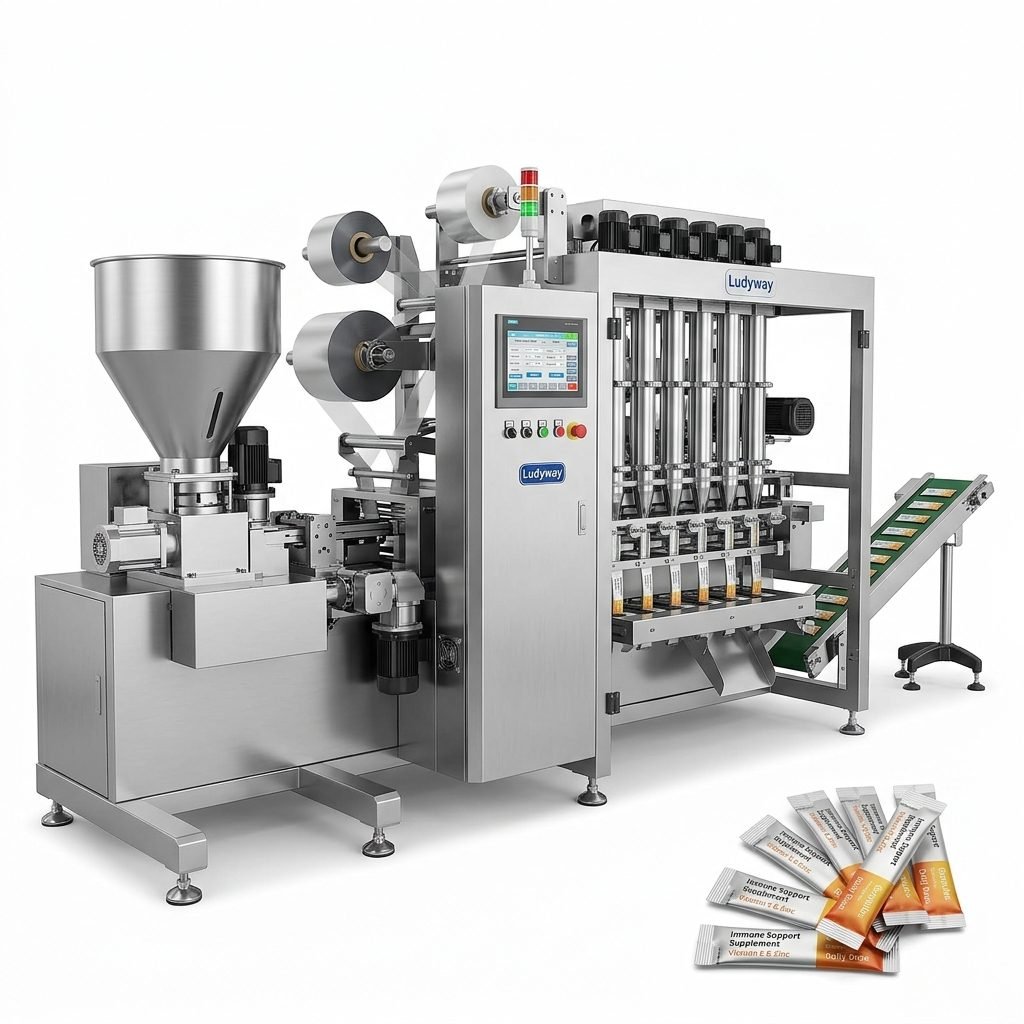
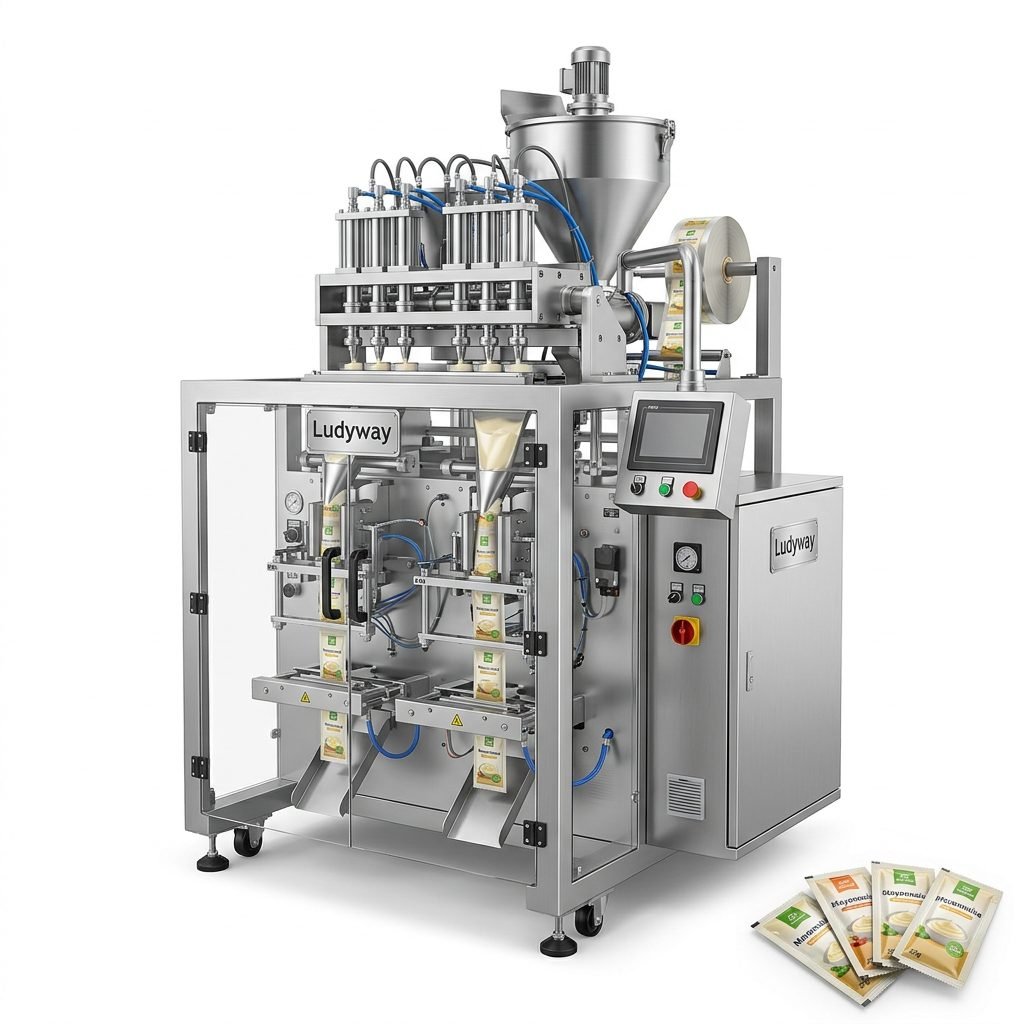
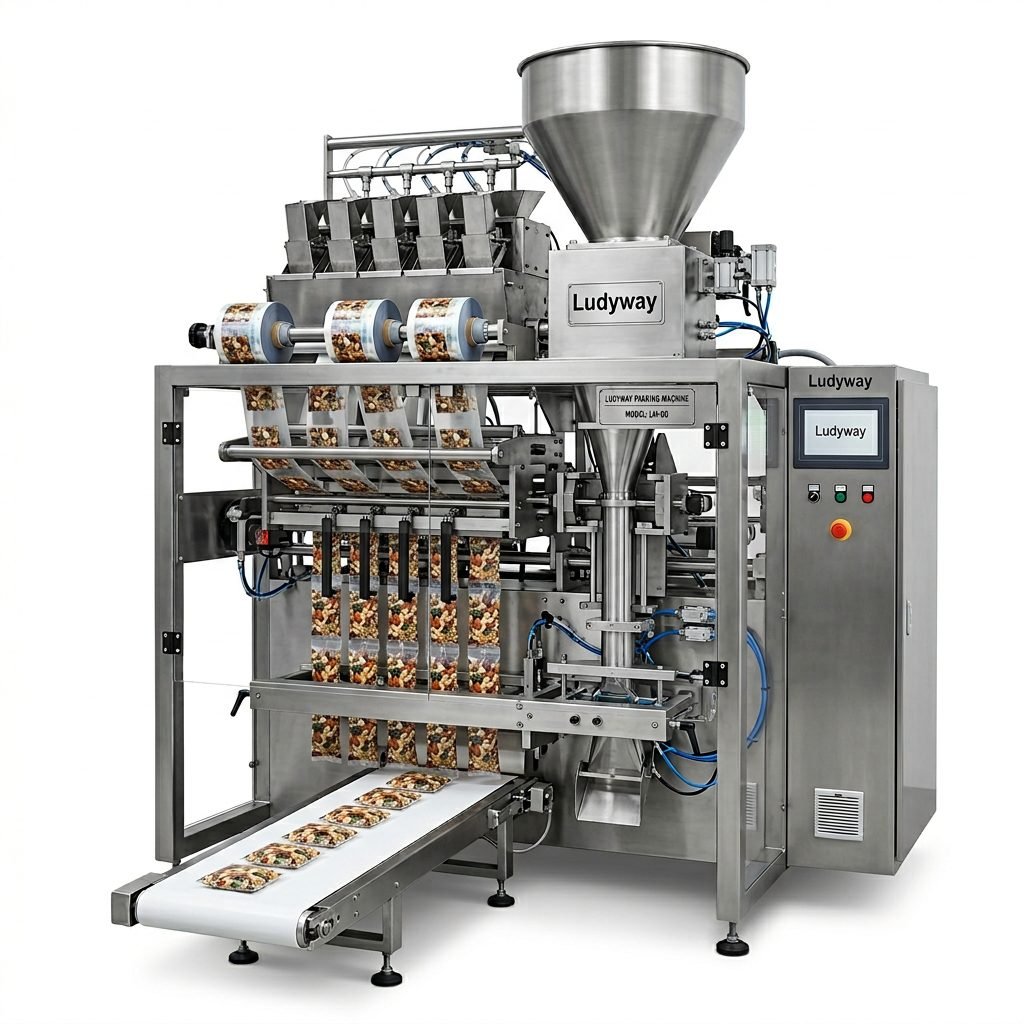
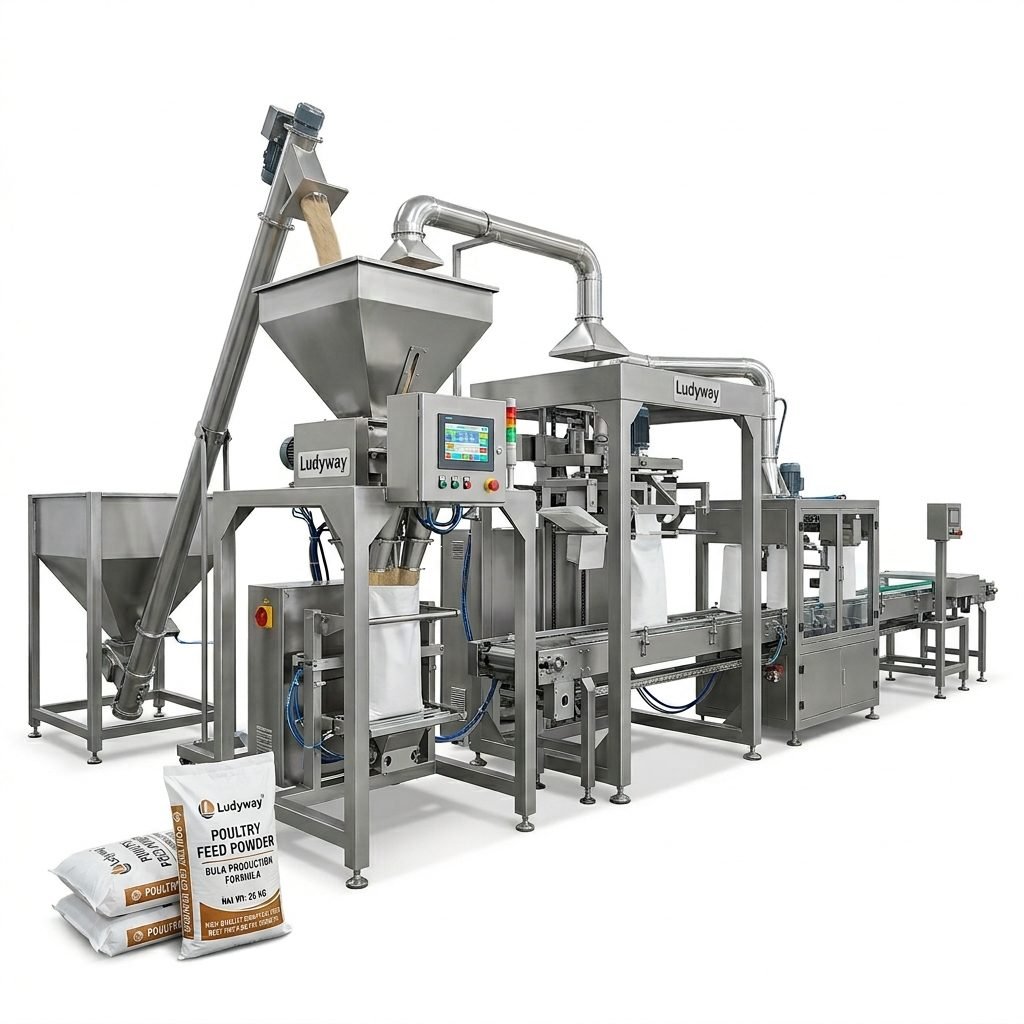
When sourcing your core vacuum packaging machine, working with an experienced manufacturer is essential. Companies like Ludyway, with over 30 years of expertise and a 20,000㎡ manufacturing facility, provide integrated packaging solutions tailored to specific production requirements. Their equipment portfolio spans more than 50 intelligent packaging machine models, including vacuum packaging systems designed for food, pharmaceutical, and industrial applications across over 100 countries.
Installation and Commissioning: A Step-by-Step Approach
Proper installation directly impacts long-term equipment reliability. Follow this structured process to ensure a smooth commissioning phase:
- Pre-installation site audit: Verify floor load capacity, utility connections, and environmental conditions
- Equipment positioning: Align the vacuum packaging machine with upstream and downstream equipment per the approved layout
- Utility hook-up: Connect power, compressed air, nitrogen lines (if applicable), and extraction systems
- Calibration and testing: Run dry cycles, adjust vacuum levels, verify seal integrity with dye penetration tests
- Production trial: Process sample batches under real operating conditions, measuring O₂ residual levels in sealed packs
- Sign-off and documentation: Record all parameters, operator training completion, and maintenance schedules
Staff Training and Safety Protocols
Investing in comprehensive training reduces downtime and prevents costly errors. Your training programme should cover:
- Machine operation: Start-up, shutdown, emergency stop, and normal running procedures
- Cleaning and sanitation: CIP (Clean-in-Place) protocols and manual disassembly for deep cleaning
- Quality checks: Visual seal inspection, vacuum gauge monitoring, and sampling frequency
- Safety awareness: Lockout/tagout procedures, guarding systems, and PPE requirements
Document all training sessions and maintain signed records for audit purposes. Refresher training should be conducted at least every 12 months or whenever equipment modifications are made.
Maintenance Strategies for Long-Term Reliability
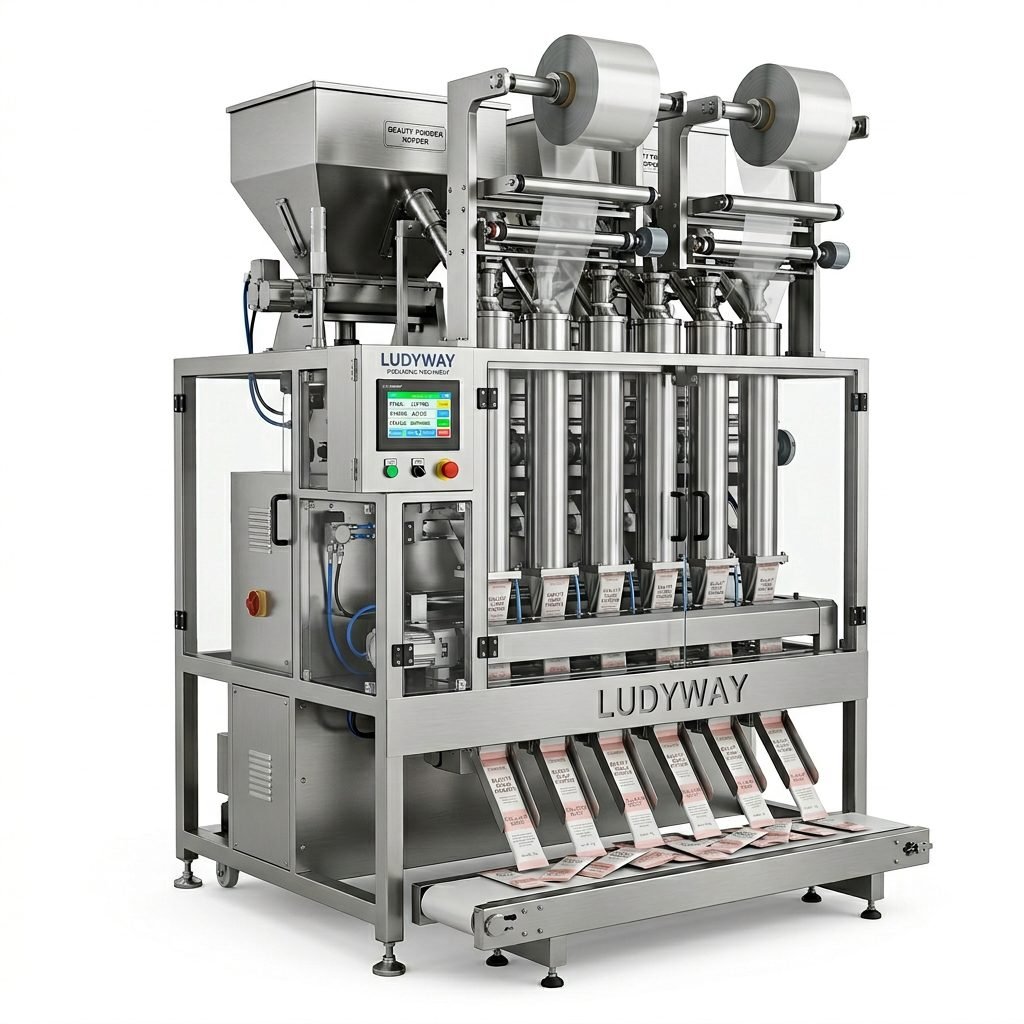
A proactive maintenance programme maximizes your return on investment and minimizes unplanned production stops. Implement a three-tier approach:
Daily Operator Checks
- Inspect vacuum pump oil levels and top up if necessary
- Clean sealing bars and remove any product residue
- Verify vacuum gauge readings against baseline values
- Check for unusual noises, vibrations, or error codes
Scheduled Preventive Maintenance
- Monthly: Inspect and replace worn sealing gaskets, clean vacuum chamber thoroughly
- Quarterly: Replace vacuum pump oil, inspect electrical connections, test safety interlocks
- Annually: Full system overhaul, belt replacement, sensor recalibration, and software updates
Partner with your equipment supplier for genuine spare parts and technical support. PMMI’s packaging industry resources provide additional best-practice maintenance guidelines for food packaging machinery.
Cost Analysis and ROI Considerations
Understanding the total cost of ownership helps justify the capital expenditure. Key cost components include:
| Cost Element | Estimated Range (AUD) | Notes |
|---|---|---|
| Vacuum packaging machine (mid-range) | $50,000 – $200,000 | Depends on automation level and throughput |
| Ancillary equipment (conveyors, weighers, detectors) | $30,000 – $120,000 | Varies with line complexity |
| Installation and commissioning | $8,000 – $25,000 | Includes site preparation and training |
| Annual maintenance and consumables | $5,000 – $15,000 | Oil, seals, gaskets, and routine servicing |
The payback period for a well-planned vacuum packaging line in Oceania typically ranges from 18 to 36 months, driven by reduced product waste, extended shelf life, and access to premium export markets.
Common Pitfalls to Avoid
Even experienced operators encounter challenges when setting up a new vacuum packaging line. Here are the most frequent mistakes and how to avoid them:
- Underestimating utility requirements: Vacuum pumps demand significant power; verify your electrical infrastructure before delivery
- Ignoring film compatibility: Not all vacuum bags perform equally—test multiple film types against your specific product profile
- Inadequate operator training: Rushing through commissioning without proper handover leads to early breakdowns
- Skipping seal integrity testing: Invest in a seal strength tester and conduct daily checks
- Poor spare parts planning: Stock critical wear items (sealing bars, gaskets, vacuum pump oil) from day one
Future-Proofing Your Investment
The packaging industry is evolving rapidly, with increasing emphasis on sustainability, automation, and traceability. When selecting a vacuum packaging production line, prioritize equipment that supports:
- IoT connectivity for real-time performance monitoring and predictive maintenance
- Recyclable and mono-material films compatible with your sealing technology
- Modular design allowing future upgrades without full replacement
- Data integration with ERP and MES systems for paperless quality records
As noted in the Ludyway Packaging Machinery Global Growth Trend report, the demand for advanced, automated packaging solutions continues to accelerate worldwide, making now an opportune time to invest in a modern production line that can scale with your business.
Conclusion
Setting up a vacuum food packaging machine production line in Oceania is a significant but rewarding investment. By carefully addressing regulatory compliance, equipment selection, facility planning, and ongoing maintenance, you can build a line that delivers consistent product quality, operational efficiency, and long-term profitability. For additional guidance, explore resources from the Flexible Packaging Association and PMMI’s Business Intelligence Library to stay current with industry developments and packaging machinery standards.
Additional Resources
| Resource | Description |
|---|---|
| PMMI – Packaging and Processing Technologies | Industry association with reports, standards, and exhibition information |
| Flexible Packaging Association | Resources on flexible packaging materials, sustainability, and regulations |
| ISO – Packaging Standards | International standards covering packaging materials, testing, and performance |
| FDA – Food Ingredients & Packaging | Regulatory information on food contact substances and packaging safety |
| European Commission – Packaging Waste | EU packaging regulations and sustainability frameworks relevant to exporters |