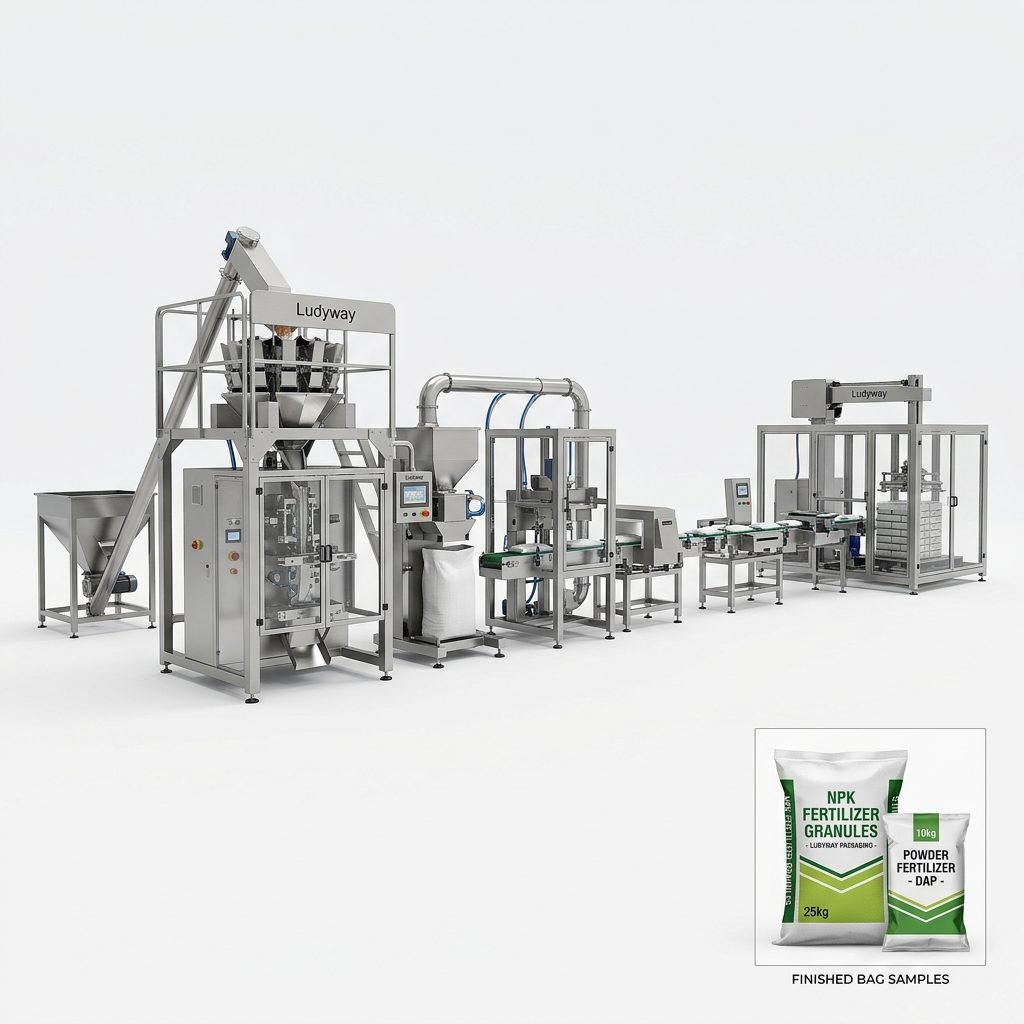
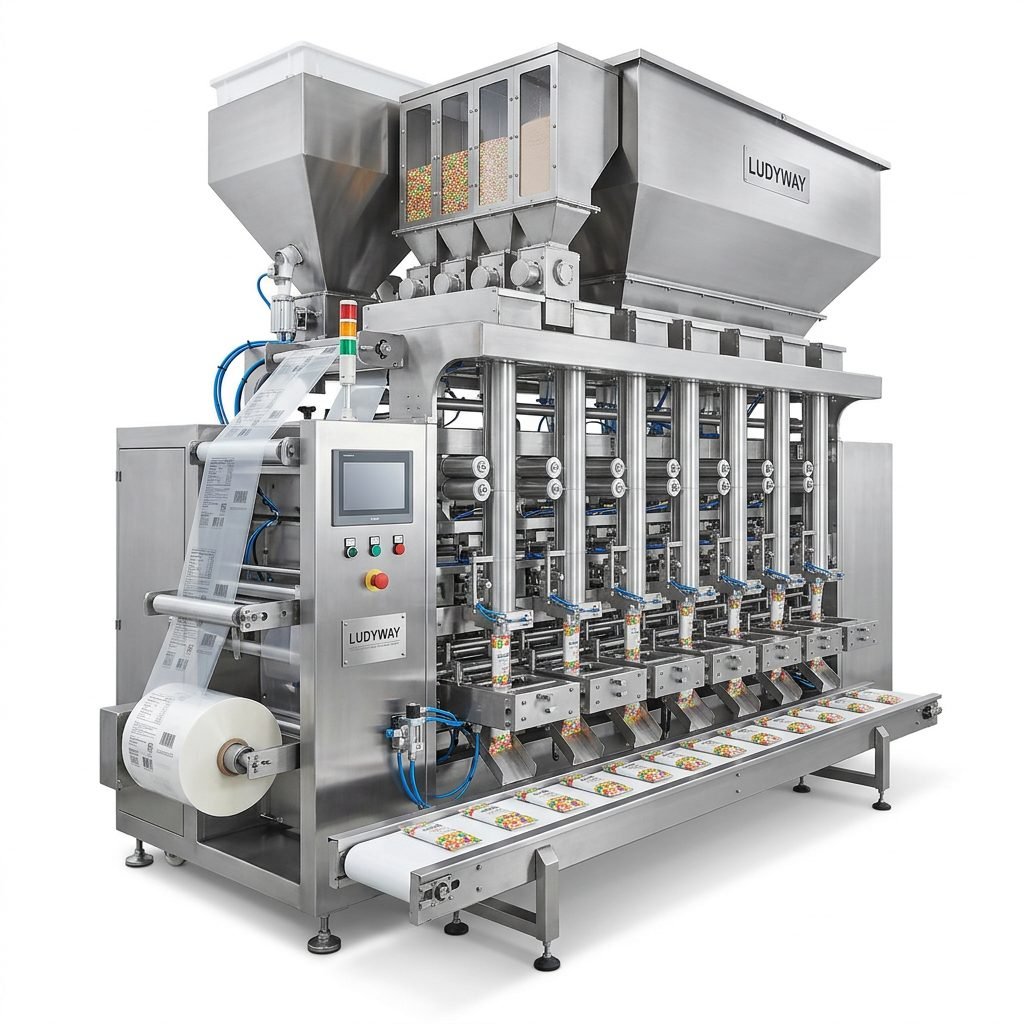
Proper maintenance of a dairy products packaging machine is critical for ensuring food safety, extending equipment lifespan, and maintaining consistent production output. Dairy processing environments present unique challenges — from strict hygiene requirements to the need for precision filling and sealing. A well-structured maintenance program helps prevent costly downtime, protects product integrity, and ensures compliance with FDA food safety regulations.
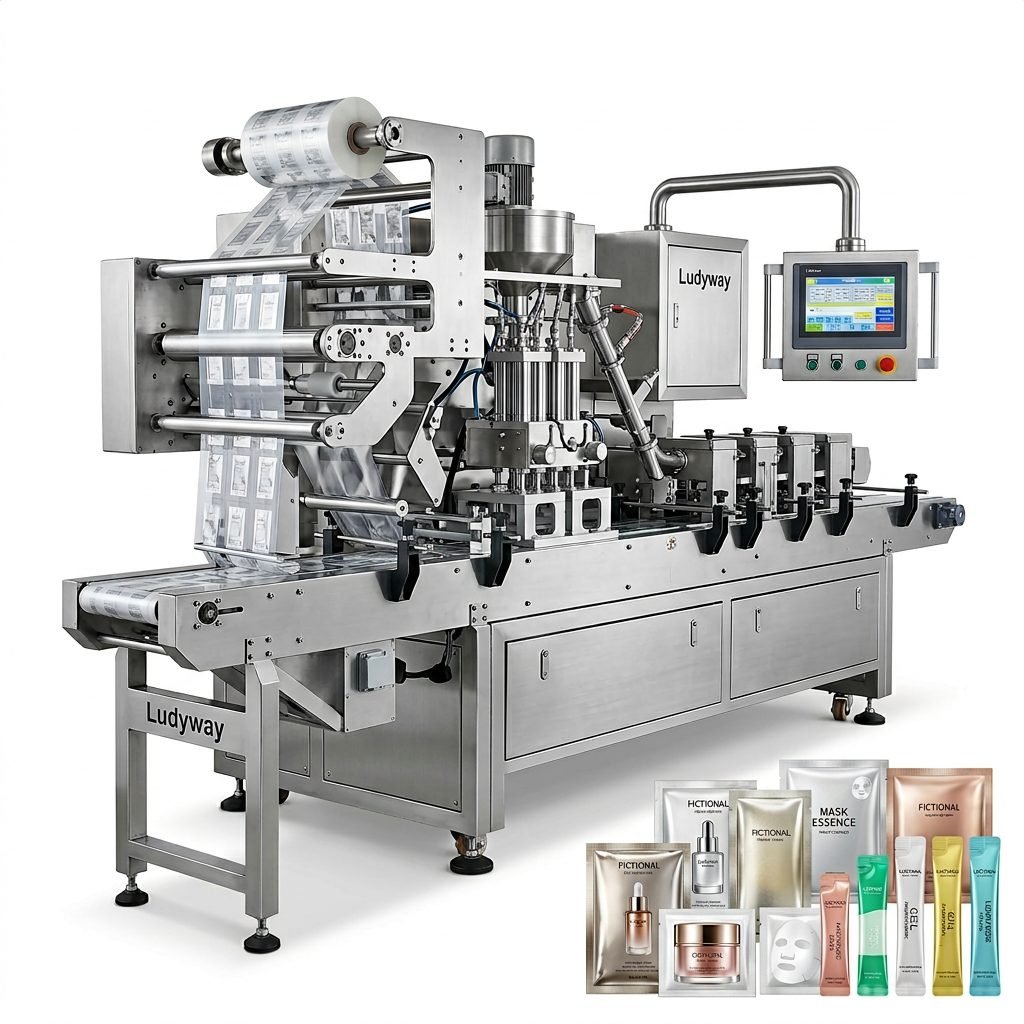
Daily Cleaning and Sanitization Protocols
Dairy products are highly perishable and susceptible to bacterial contamination. Daily cleaning of all product-contact surfaces is non-negotiable. Milk residues, whey proteins, and cream can build up rapidly on filling nozzles, sealing jaws, and conveyor belts, creating breeding grounds for pathogens. A comprehensive cleaning regimen should include:
- CIP (Clean-in-Place) system verification — ensure detergent concentrations and rinse cycles meet specifications
- Disassembly and manual cleaning of filling heads, pistons, and valves
- Sanitizing all stainless steel surfaces with food-grade sanitizers
- Inspection of gaskets and O-rings for milk stone buildup
- Complete drying of components before reassembly to prevent microbial growth
According to PMMI packaging industry guidelines, dairy packaging equipment should undergo thorough sanitization at least once per production shift, with deep cleaning performed between product changeovers.
Lubrication Best Practices for Dairy Packaging Equipment
Proper lubrication reduces mechanical wear and prevents unexpected breakdowns. However, in dairy applications, food-grade H1 lubricants are mandatory for any lubrication point that may incidentally contact food products. Key lubrication points include:
- Sealing jaw pivot bearings and cam followers
- Film transport rollers and tension arms
- Cross-sealing station drive mechanisms
- Vertical sealing belt bearings
- Product pump and dosing system components
Over-lubrication is a common mistake that can attract dust and contaminate packaging materials. Follow manufacturer-recommended intervals and quantities precisely. Document all lubrication activities in your maintenance log for audit trail purposes.
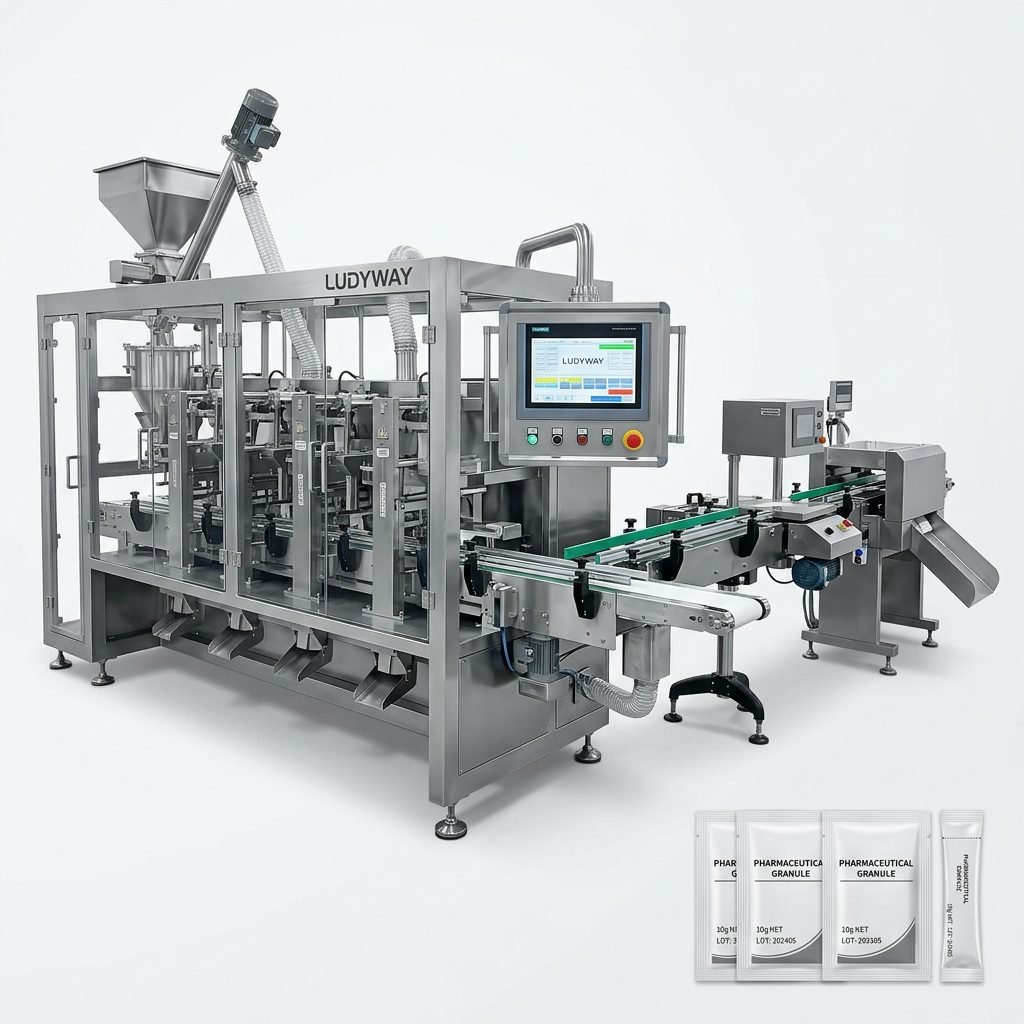
Inspection of Sealing and Filling Components
The integrity of dairy product packaging depends heavily on proper seal strength and fill accuracy. Regular inspection of these critical components helps prevent leaks, contamination, and product waste. Focus areas include:
Sealing System Checks
- Verify sealing jaw temperature calibration against setpoints
- Inspect Teflon coatings on heat-sealing surfaces for wear or peeling
- Check pressure uniformity across the entire seal width
- Perform peel-strength tests on sample packages daily
- Examine cooling plates for proper function post-sealing
Filling Accuracy Verification
- Calibrate volumetric or gravimetric filling systems weekly
- Check for product dribbling or stringing from filling nozzles
- Inspect piston seals and rotary valve clearances
- Verify cut-off sharpness on film cutting blades
- Test sensor responsiveness for no-pouch-no-fill detection
Preventive Maintenance Schedule
A structured preventive maintenance (PM) program tailored to dairy packaging operations significantly reduces unplanned downtime. Below is a recommended maintenance schedule framework that can be adapted to your specific flexible packaging equipment:
| Maintenance Interval | Task Description | Responsible Party |
|---|---|---|
| Daily | Clean product contact surfaces, inspect seals, check film alignment, verify temperature settings | Operator |
| Weekly | Lubricate bearings and chains, calibrate filling system, inspect belts, clean sensors | Maintenance Technician |
| Monthly | Replace worn gaskets and O-rings, check pneumatic system, verify heater element resistance | Maintenance Supervisor |
| Quarterly | Full mechanical inspection, replace timing belts, service vacuum pump, check gearbox oil | Maintenance Supervisor |
| Annually | Complete overhaul, replace all wear parts, PLC backup, safety system recertification | Engineering Team |
Common Issues and Troubleshooting
Even with diligent maintenance, dairy packaging machines can develop issues. Early detection and rapid response are essential to minimize production losses. Here are frequent problems and their typical root causes:
- Leaking seals — worn Teflon coating, incorrect temperature, misaligned sealing jaws, or contaminated film path
- Inconsistent fill weights — product viscosity changes, worn piston seals, air entrapment, or sensor drift
- Film tracking errors — misaligned rollers, worn bearings, incorrect tension settings, or static buildup
- Excessive product dust — damaged filling nozzles, incorrect drop height, or insufficient dust extraction
- Intermittent machine stops — sensor contamination, loose electrical connections, or PLC program errors
Document all troubleshooting actions and outcomes to build a knowledge base that accelerates future problem-solving. Never bypass safety interlocks when diagnosing machine faults.
Spare Parts Management Strategy
Maintaining an adequate inventory of critical spare parts is essential for dairy packaging operations where downtime can lead to product spoilage. Recommended spare parts to keep on hand include:
- Sealing jaw Teflon strips and heating elements
- Filling piston seals and O-ring kits (various sizes)
- Timing belts and drive belts
- Sensor modules (temperature, proximity, photoelectric)
- Pneumatic cylinders and solenoid valves
- Film feed rollers and bearings
- PLC backup batteries and fuses
Work closely with your equipment supplier to identify parts with long lead times. As noted by leading packaging machine manufacturers like Ludyway, maintaining a recommended spare parts list tailored to your specific machine model can reduce emergency downtime by up to 60%.
Electrical and Control System Maintenance
Modern dairy packaging machines rely on sophisticated PLC control systems, servo drives, and HMI interfaces. Electrical maintenance tasks should be performed by qualified personnel and include:
- Regular backup of PLC programs and HMI configuration files
- Inspection of electrical cabinets for moisture ingress or dust accumulation
- Verification of emergency stop circuits and safety relay functionality
- Checking cable connections for signs of overheating or loose terminals
- Updating firmware and software to the latest stable versions
Always lock out and tag out the machine before performing any electrical maintenance. Moisture is a particular concern in dairy environments — ensure control cabinets maintain proper IP ratings and that door seals remain intact.
Operator Training and Documentation
The most sophisticated maintenance program will fail without properly trained operators. Operators are the first line of defense in identifying early warning signs of equipment degradation. Essential training elements include:
- Recognizing abnormal machine sounds, vibrations, or visual indicators
- Understanding basic cleaning and sanitization procedures
- Performing daily pre-start inspections using standardized checklists
- Knowing when to escalate issues to maintenance personnel
- Maintaining accurate shift logs documenting all observations and actions taken
Comprehensive packaging industry best practices emphasize that well-documented maintenance records not only support regulatory compliance but also help identify recurring failure patterns that may indicate underlying design or operational issues.
Key Maintenance Metrics to Track
Measuring maintenance effectiveness helps justify investments and identify areas for improvement. Track these KPIs to evaluate your dairy packaging machine maintenance program:
- OEE (Overall Equipment Effectiveness) — combines availability, performance, and quality metrics
- MTBF (Mean Time Between Failures) — indicates reliability trends over time
- MTTR (Mean Time to Repair) — measures response and repair efficiency
- Planned vs. unplanned maintenance ratio — a target of 80% planned or higher is considered world-class
- Seal integrity test pass rate — critical for food safety compliance
- Fill weight variation percentage — directly impacts product giveaway and profitability
Conclusion
Maintaining a dairy products packaging machine requires a disciplined, systematic approach that integrates daily cleaning, scheduled preventive maintenance, proper lubrication, and operator vigilance. The unique demands of dairy processing — including strict hygiene standards, temperature-sensitive products, and high production volumes — make maintenance excellence a competitive advantage. By implementing the practices outlined in this guide and staying current with packaging machinery standards, dairy processors can achieve higher equipment reliability, better product quality, and lower total cost of ownership. A well-maintained machine is not only more productive but also safer for operators and more dependable for delivering safe, high-quality dairy products to consumers.