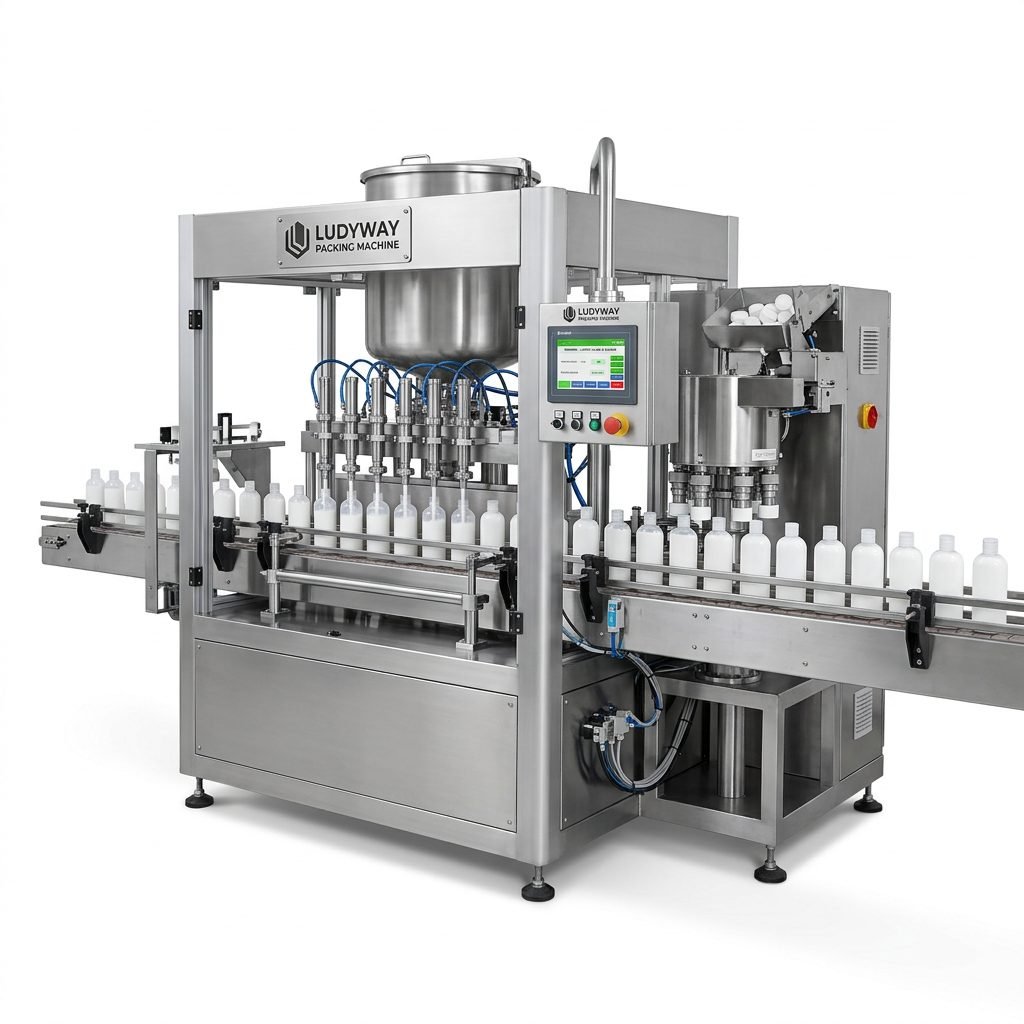
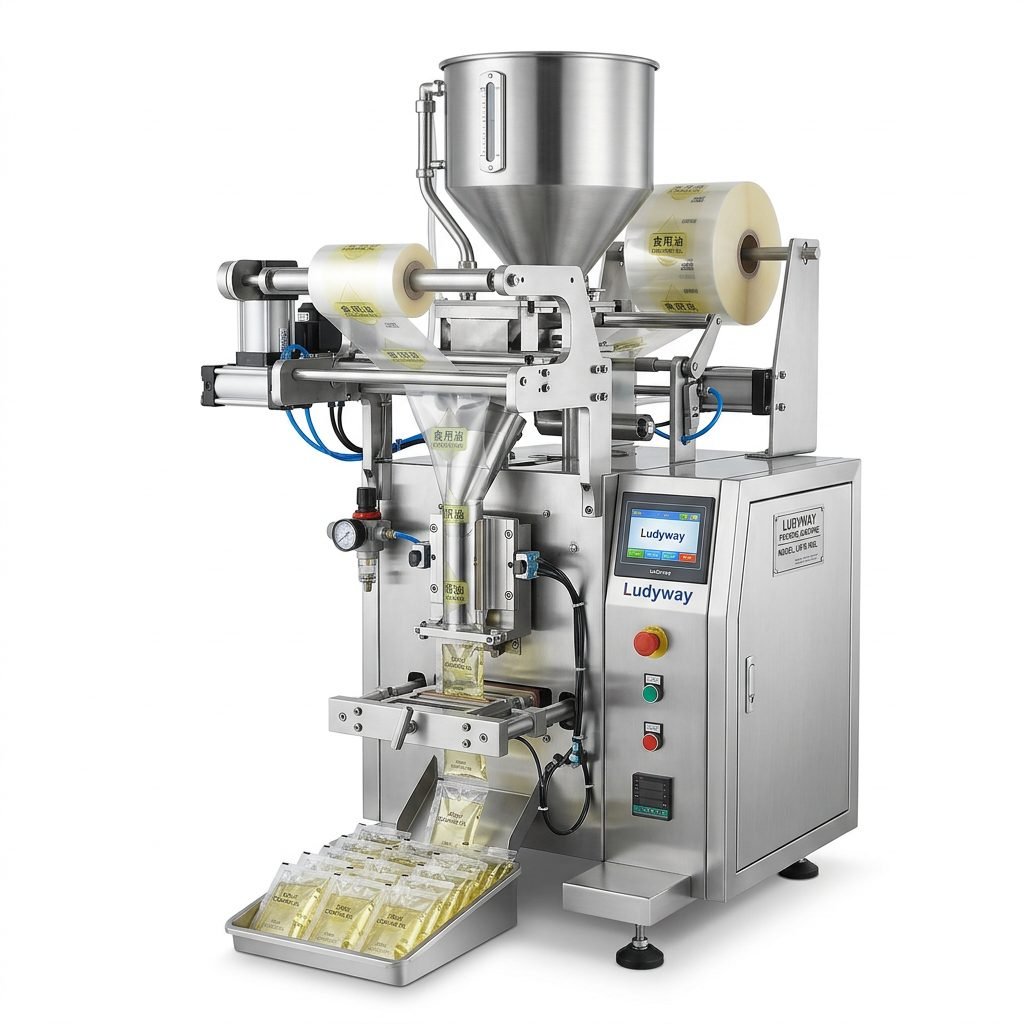
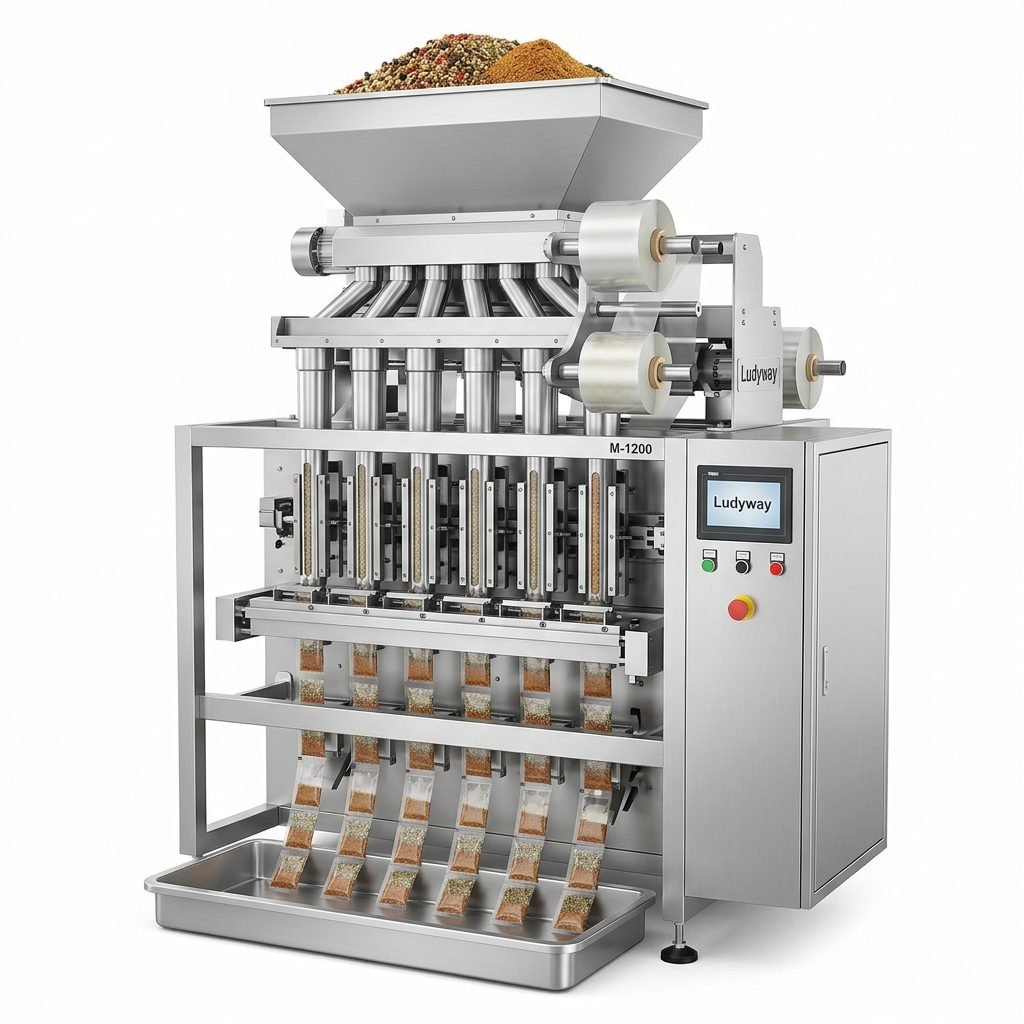
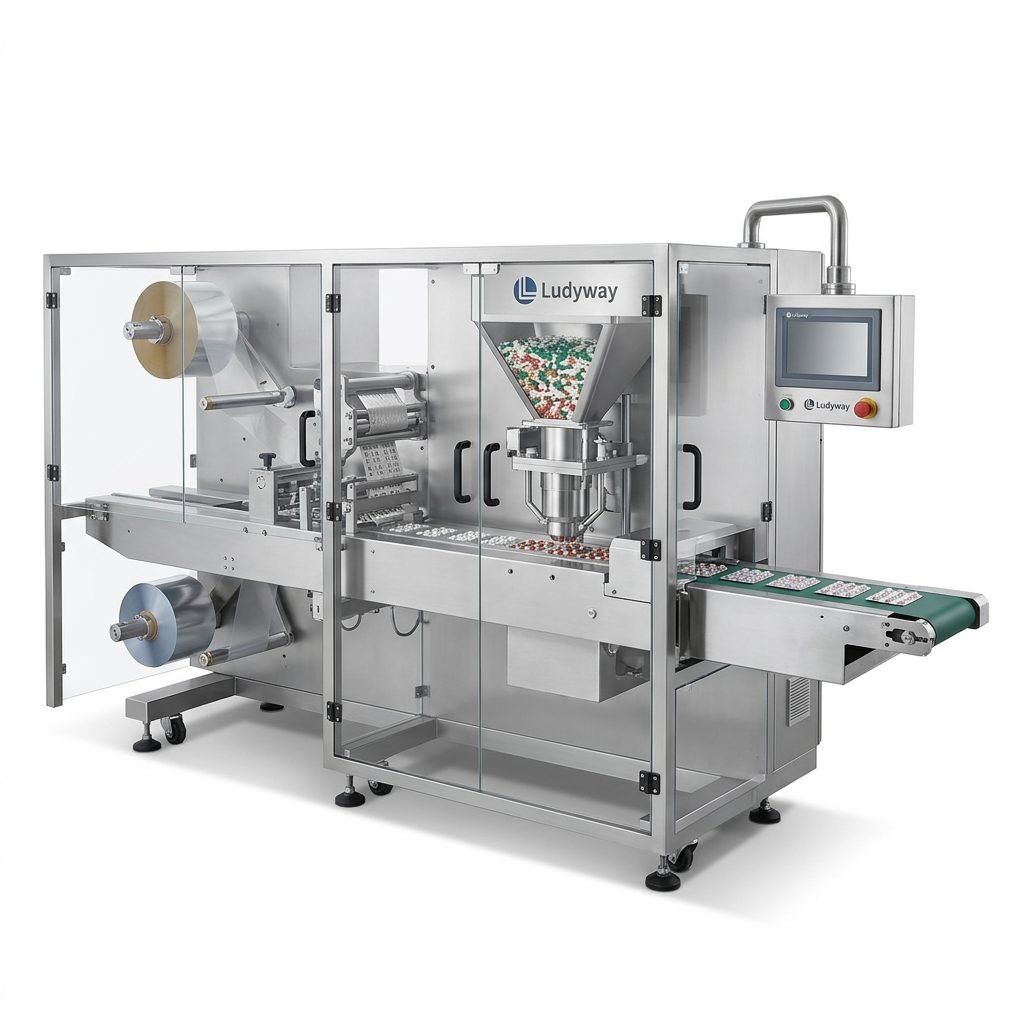
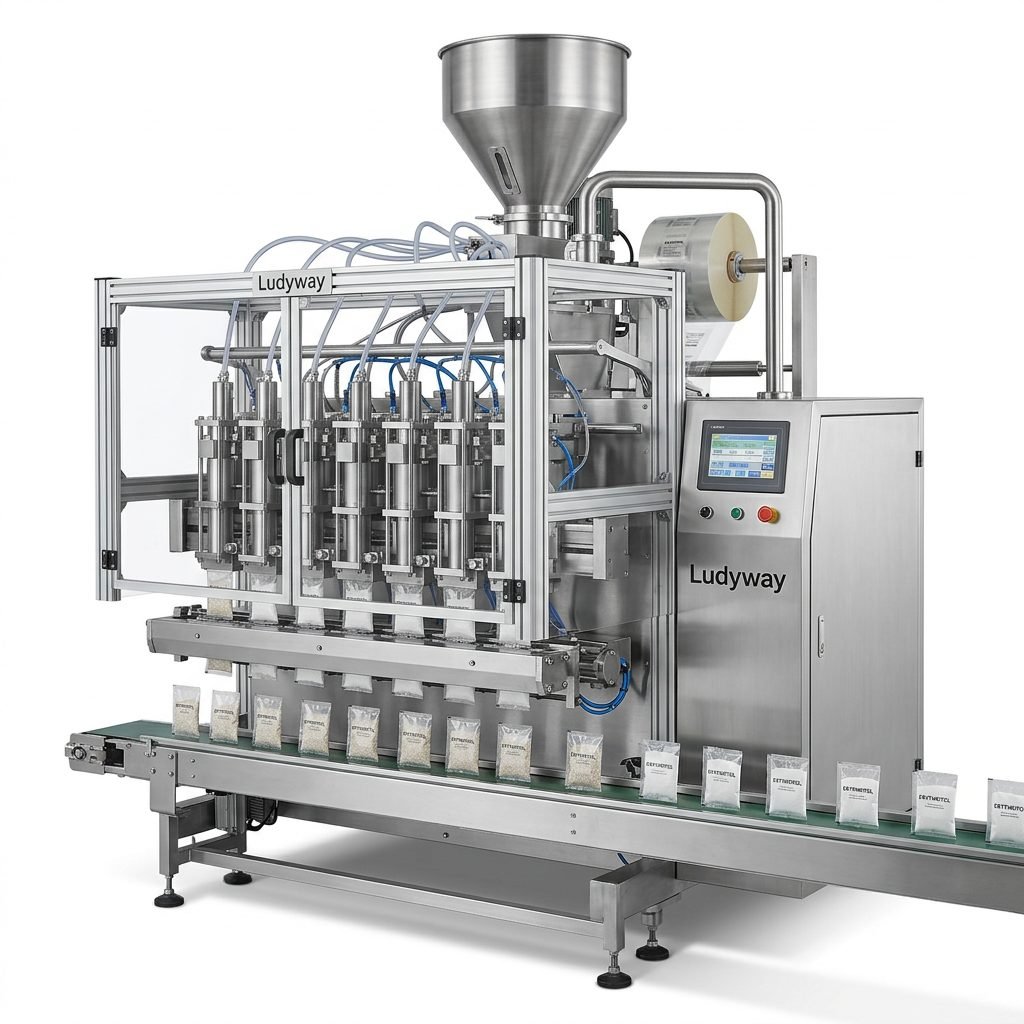
Proper maintenance of an automatic oil packing machine is critical for ensuring consistent output, reducing downtime, and extending equipment lifespan. Whether you are packaging edible oils, industrial lubricants, or automotive fluids, a well-structured maintenance routine directly impacts production efficiency and product quality. Neglecting routine care often leads to filling inaccuracies, seal failures, and costly emergency repairs. This guide outlines essential maintenance practices that every operator and maintenance team should follow.
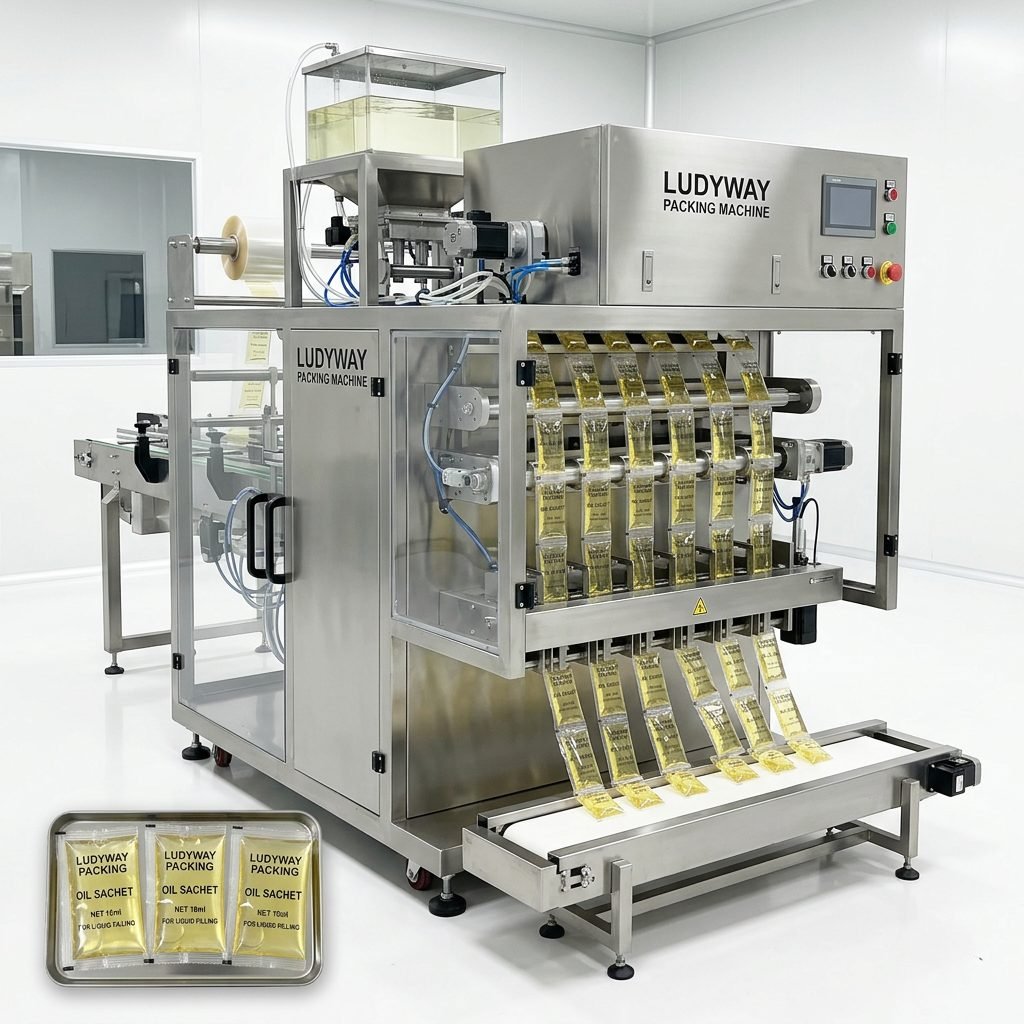
Daily Cleaning and Sanitization
Oil residue can accumulate rapidly on filling nozzles, conveyor belts, and sealing surfaces. A daily cleaning protocol prevents cross-contamination and mechanical fouling. Key areas requiring attention include:
- Filling nozzles and drip trays — wipe down with food-grade cleaning agents after each shift
- Conveyor belts and guide rails — remove oil film buildup using non-abrasive cloths
- Sealing jaws and heating elements — inspect for carbonized oil deposits that impair seal integrity
- Drainage channels and collection pans — clear any solidified oil to prevent clogging
For machines handling edible oils, compliance with FDA food contact substance regulations is mandatory. Always use approved cleaning solutions that do not leave harmful residues.
Lubrication of Critical Components
Although an oil packing machine works with liquid products, its mechanical components still require proper lubrication. Bearings, cam followers, chain drives, and pneumatic cylinders must be lubricated according to manufacturer specifications. Over-lubrication can attract dust and debris, while under-lubrication accelerates wear. Maintain a lubrication log and use only food-safe greases where applicable.
Pay particular attention to the sealing mechanism drive system and the metering pump assembly. These high-cycle components are most susceptible to friction-related degradation.
Inspection and Replacement of Wear Parts
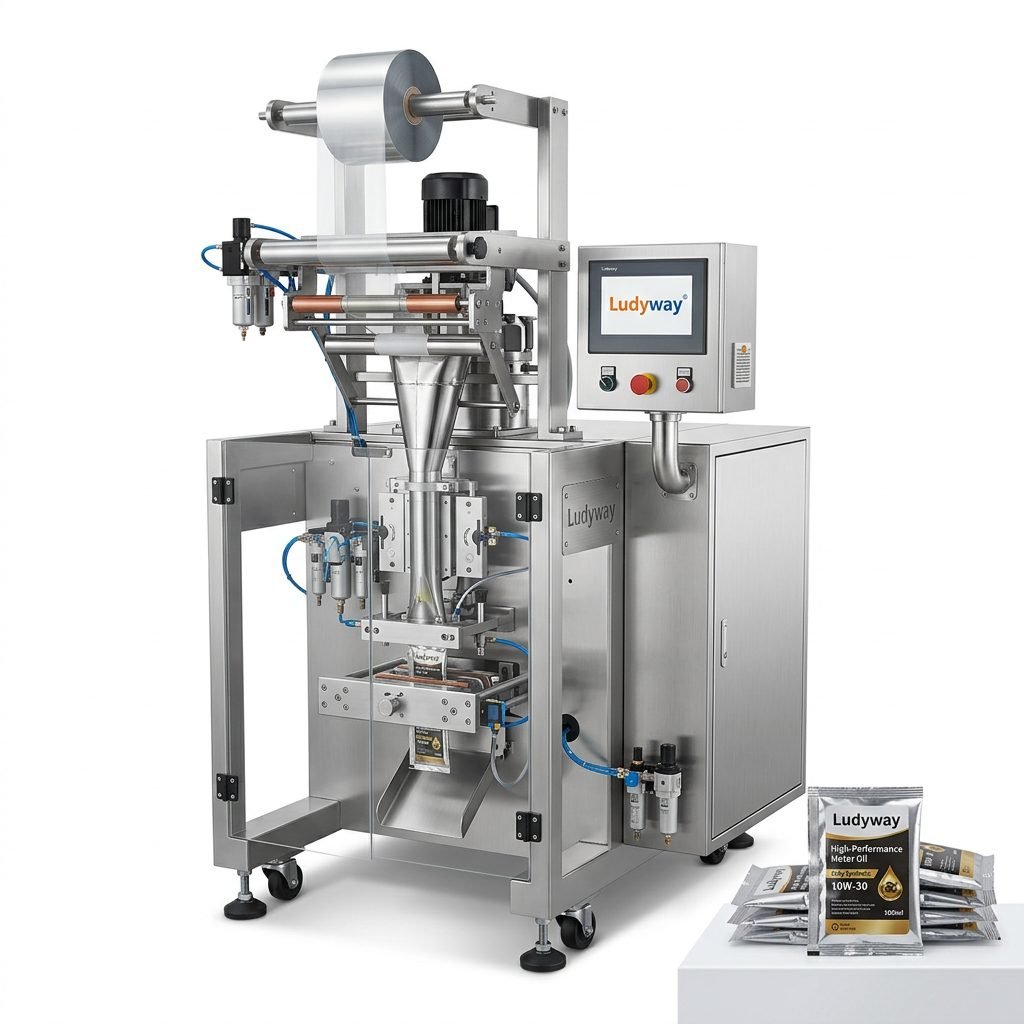
Regular inspection of consumable components is essential. Establish a replacement schedule for the following items:
- Sealing gaskets and O-rings — replace every 3-6 months depending on operating temperature
- Filling valves and piston seals — inspect for scoring and elasticity loss
- Filter screens and strainers — clean or replace monthly to maintain flow consistency
- Heater bands and thermocouples — test calibration quarterly
- Timing belts and drive belts — check tension and surface condition biweekly
Maintaining an inventory of critical spare parts reduces mean time to repair (MTTR) and prevents extended production stoppages. Industry guidelines from PMMI packaging industry resources emphasize the value of proactive parts management.
Calibration and Accuracy Checks
Filling accuracy directly affects profitability and regulatory compliance. An automatic oil packing machine must be calibrated routinely to ensure each sachet, stick pack, or pouch receives the correct volume. Factors influencing accuracy include product viscosity, temperature fluctuations, and nozzle wear. Implement the following checks:
- Run a minimum of 20 sample fills per lane during each shift to verify weight consistency
- Compare actual fill weights against target specifications with a tolerance of ±0.5%
- Adjust metering pump stroke length or servo-driven filling parameters as needed
- Document all calibration data for trend analysis and audit readiness
Electrical System Maintenance
Oil vapors and humidity can corrode electrical contacts and degrade insulation over time. A quarterly electrical inspection should cover:
- Control panel enclosures — verify IP rating integrity and gasket seals
- Wiring harnesses and connectors — check for oil ingress, discoloration, or brittleness
- Sensor calibration — test photoelectric sensors, proximity switches, and temperature probes
- Emergency stop circuits — conduct functional tests to ensure safety compliance
Reference standards such as ISO packaging standards provide comprehensive guidance on electrical safety and machine performance requirements for packaging equipment.
Preventive Maintenance Schedule
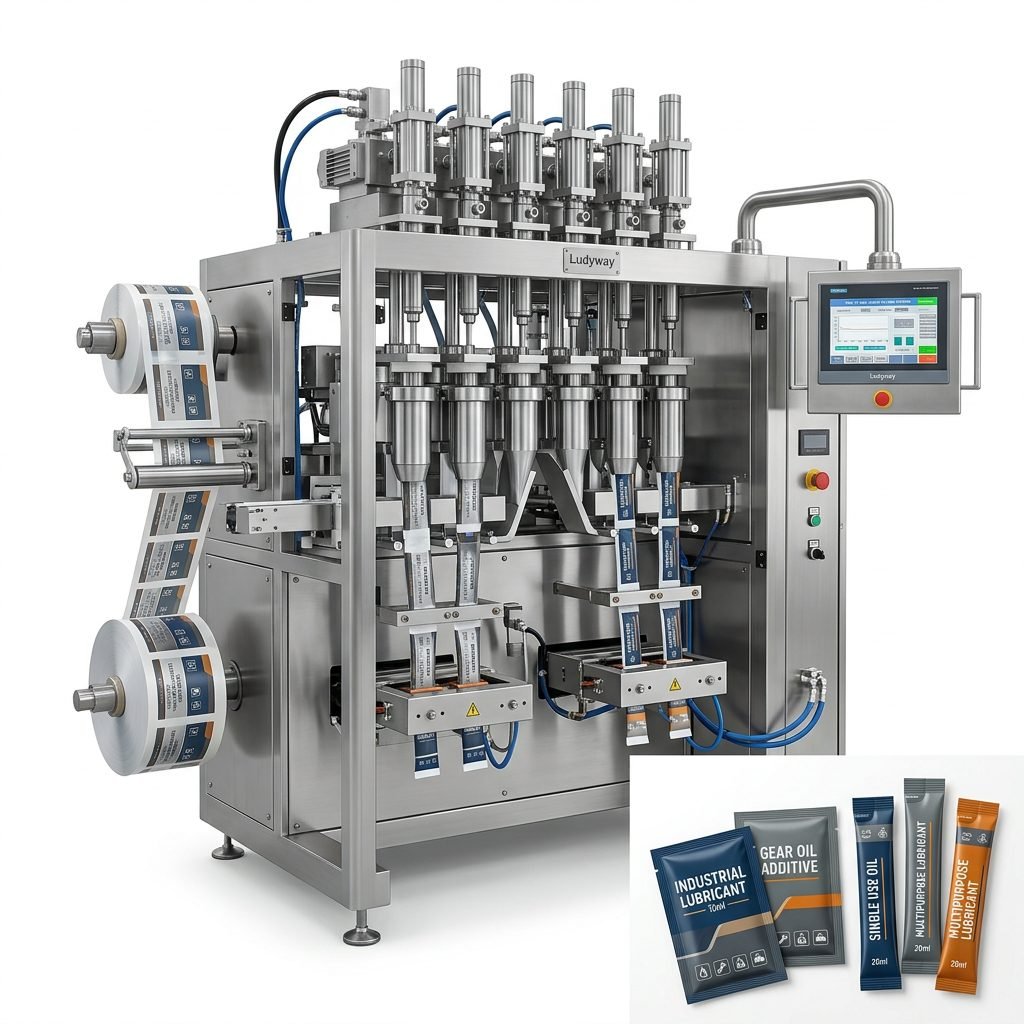
A structured preventive maintenance program is the backbone of reliable machine operation. The table below outlines a recommended maintenance cadence for automatic oil packing equipment.
| Frequency | Task | Responsibility |
|---|---|---|
| Daily | Clean filling zone, inspect seals, check oil levels | Operator |
| Weekly | Lubricate bearings, inspect belts, test safety sensors | Maintenance Technician |
| Monthly | Replace filters, calibrate filling heads, deep clean conveyor | Maintenance Team Lead |
| Quarterly | Full electrical inspection, replace worn O-rings, test calibration | Engineering Team |
| Annually | Complete overhaul, replace major wear components, audit compliance | Engineering Team |
Weekly Tasks in Detail
Each week, verify that all pneumatic pressures are within specified ranges and inspect air filters for oil contamination. A compressed air system that carries oil mist will eventually foul solenoid valves and actuators. Drain moisture traps and check for leaks throughout the system.
Monthly Deep Maintenance
Monthly procedures should include a thorough teardown and cleaning of the filling station. Disassemble metering pumps, clean internal chambers, and replace any elastomeric components showing signs of swelling. Oil compatibility with seal materials must be verified — synthetic oils often require different seal compounds than mineral-based oils.
Quarterly System Review
Conduct a complete system audit including PLC program backup, sensor recalibration, and a review of maintenance logs. Identify recurring issues that may indicate the need for design modifications or upgraded components. Resources from the Flexible Packaging Association offer valuable benchmarking data for packaging line performance.
Troubleshooting Common Issues
Even with diligent maintenance, occasional problems arise. Understanding root causes enables faster resolution. Below are frequent challenges encountered with automatic oil packing machines:
- Inconsistent fill volumes — check metering pump calibration, product temperature, and air pockets in the supply line
- Seal failures or leaks — inspect jaw temperature, dwell time, and contamination on sealing surfaces
- Machine vibration — verify leveling feet adjustment and inspect rotating components for imbalance
- Film tracking errors — check roller alignment, tension settings, and film roll concentricity
Documentation and Training
A comprehensive maintenance program requires thorough documentation and skilled personnel. Maintain digital maintenance logs that track each task, its completion date, and any observations. Train operators to recognize early warning signs such as unusual noises, odor changes, or slight variations in fill accuracy. According to industry best practices published by PMMI business intelligence, companies with formal operator training programs experience significantly lower unplanned downtime.
Partnering with Equipment Experts
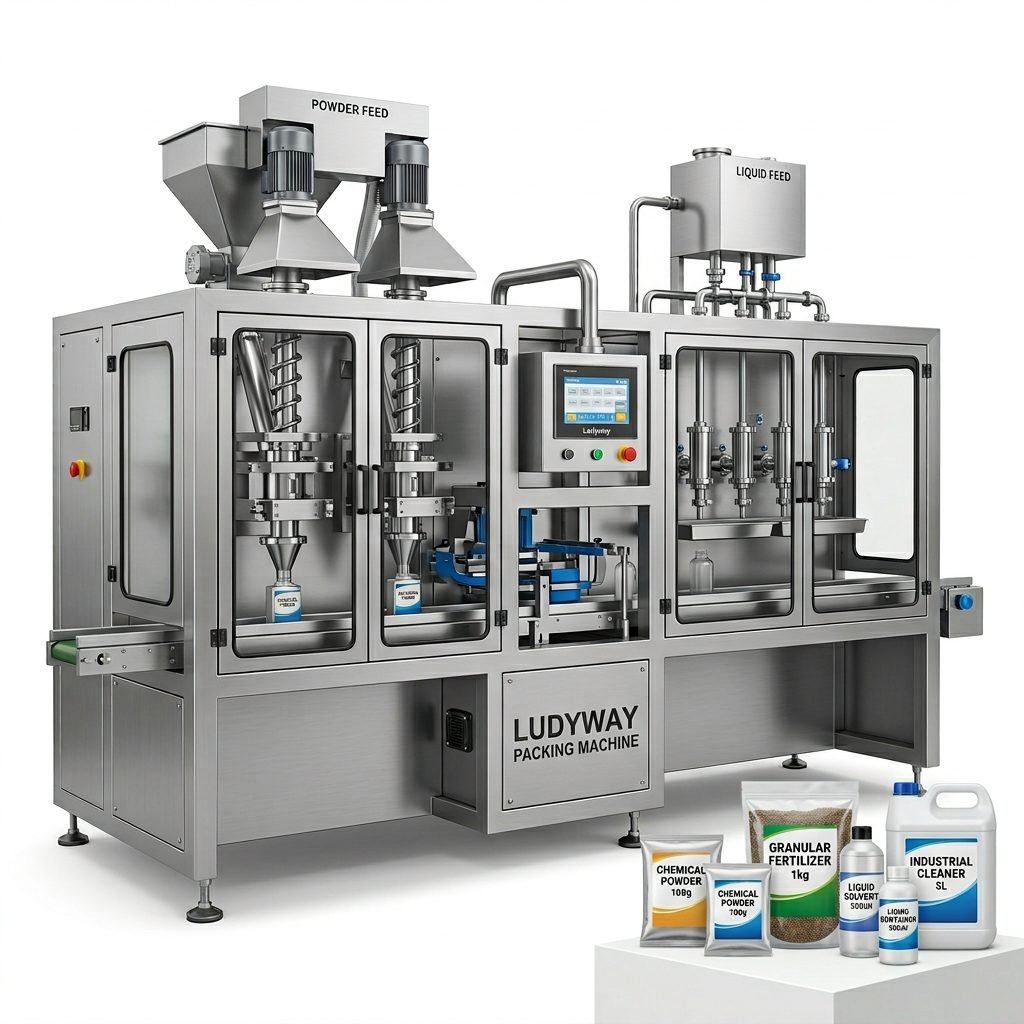
While routine maintenance can be managed in-house, certain situations benefit from expert support. Annual service contracts, remote diagnostics, and access to original manufacturer parts ensure your equipment operates at peak performance. Ludyway, one of the largest packaging machine manufacturers, offers comprehensive after-sales support including technical training, spare parts supply, and on-site service for clients across more than 100 countries. For complex maintenance procedures or major repairs, consulting the original equipment manufacturer is always recommended.
Implementing these maintenance practices will help maximize the return on your automatic oil packing machine investment. Consistent care reduces total cost of ownership, improves product consistency, and supports long-term operational success in competitive packaging markets.