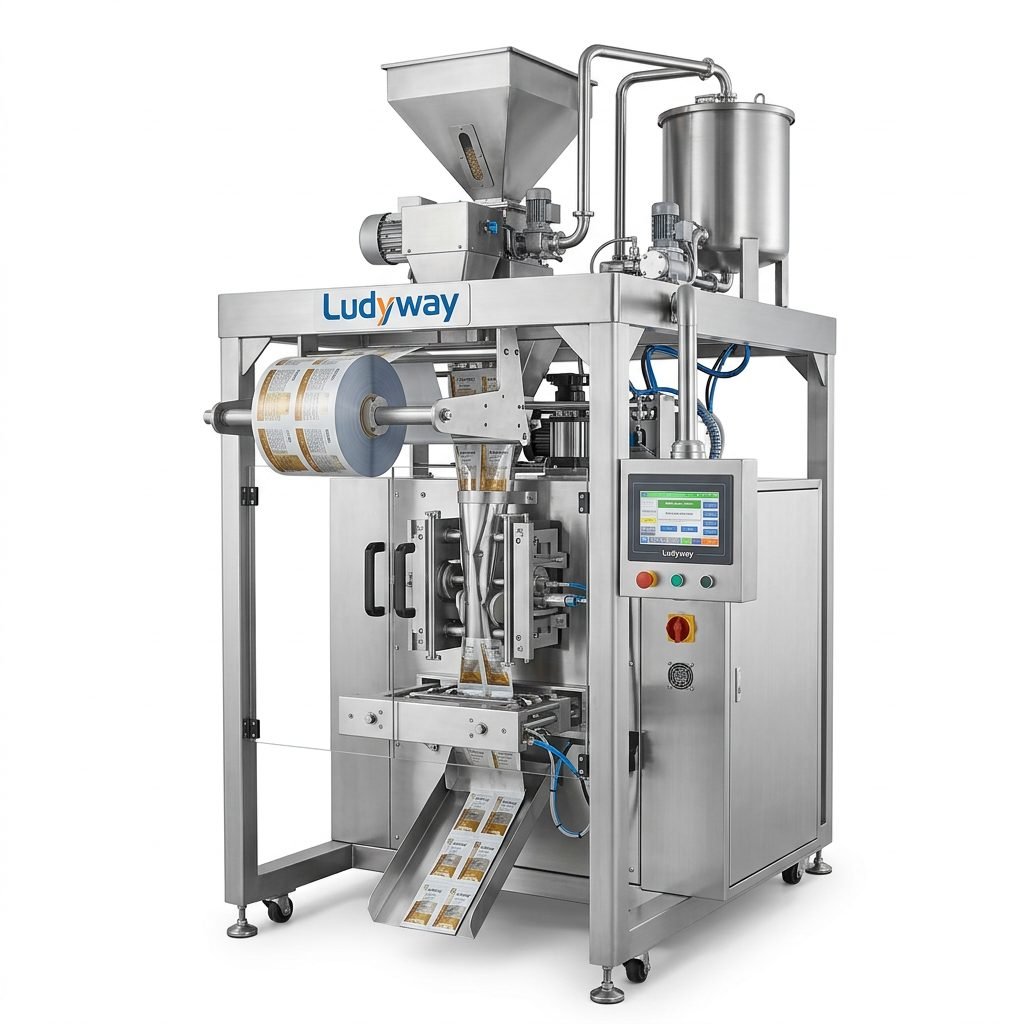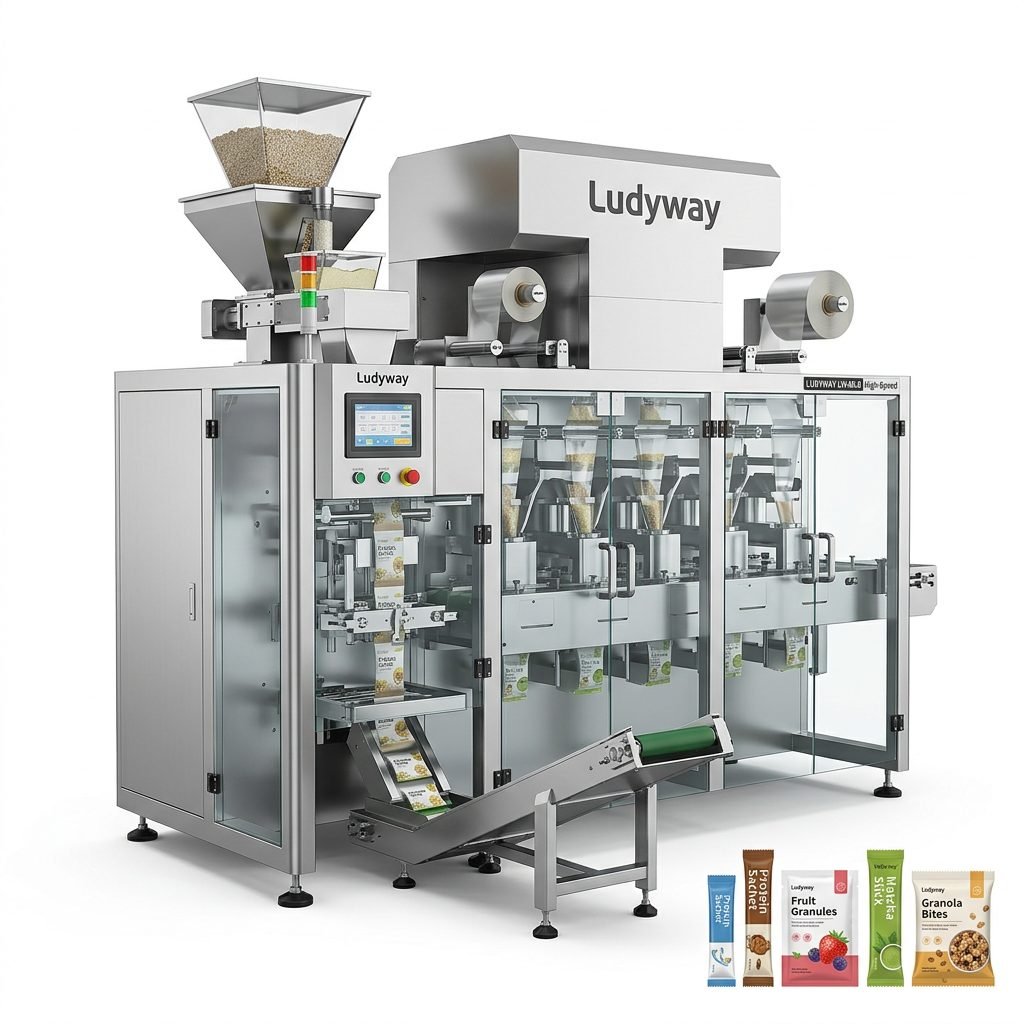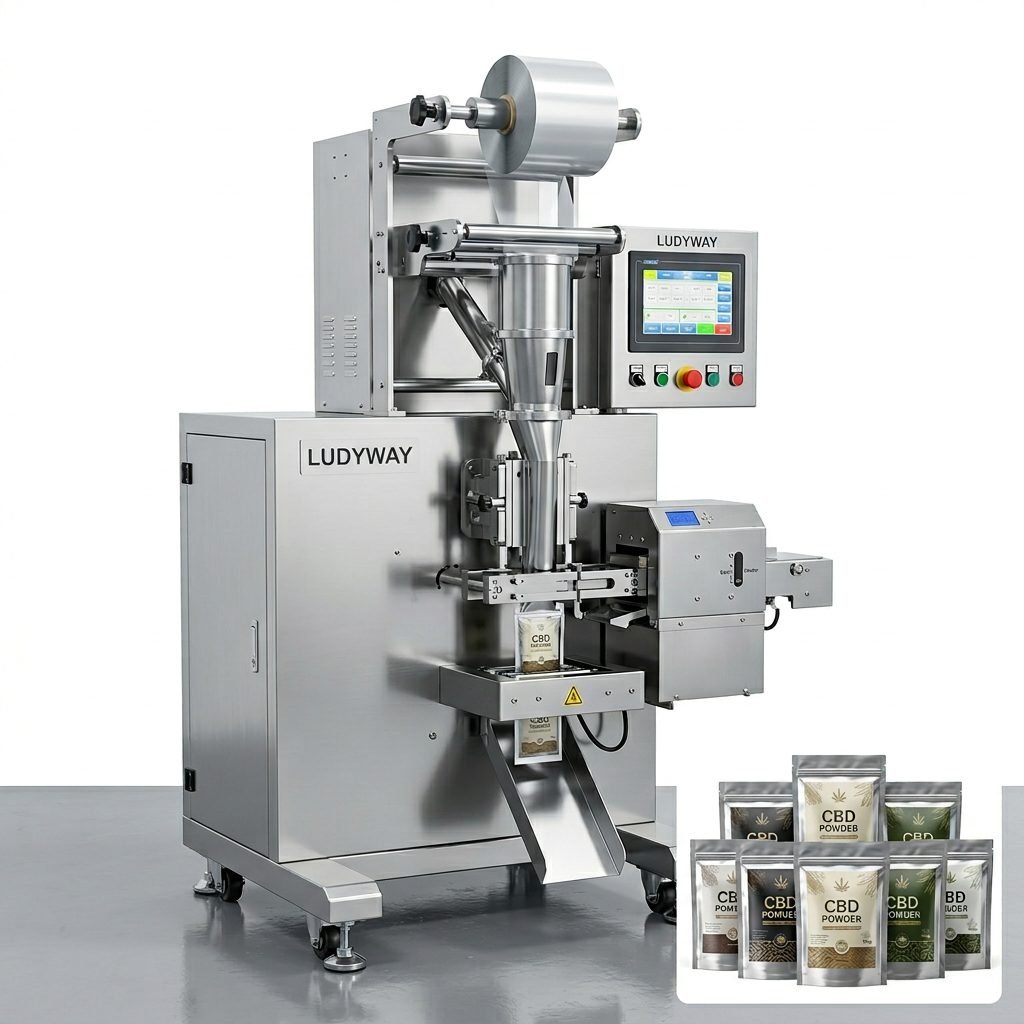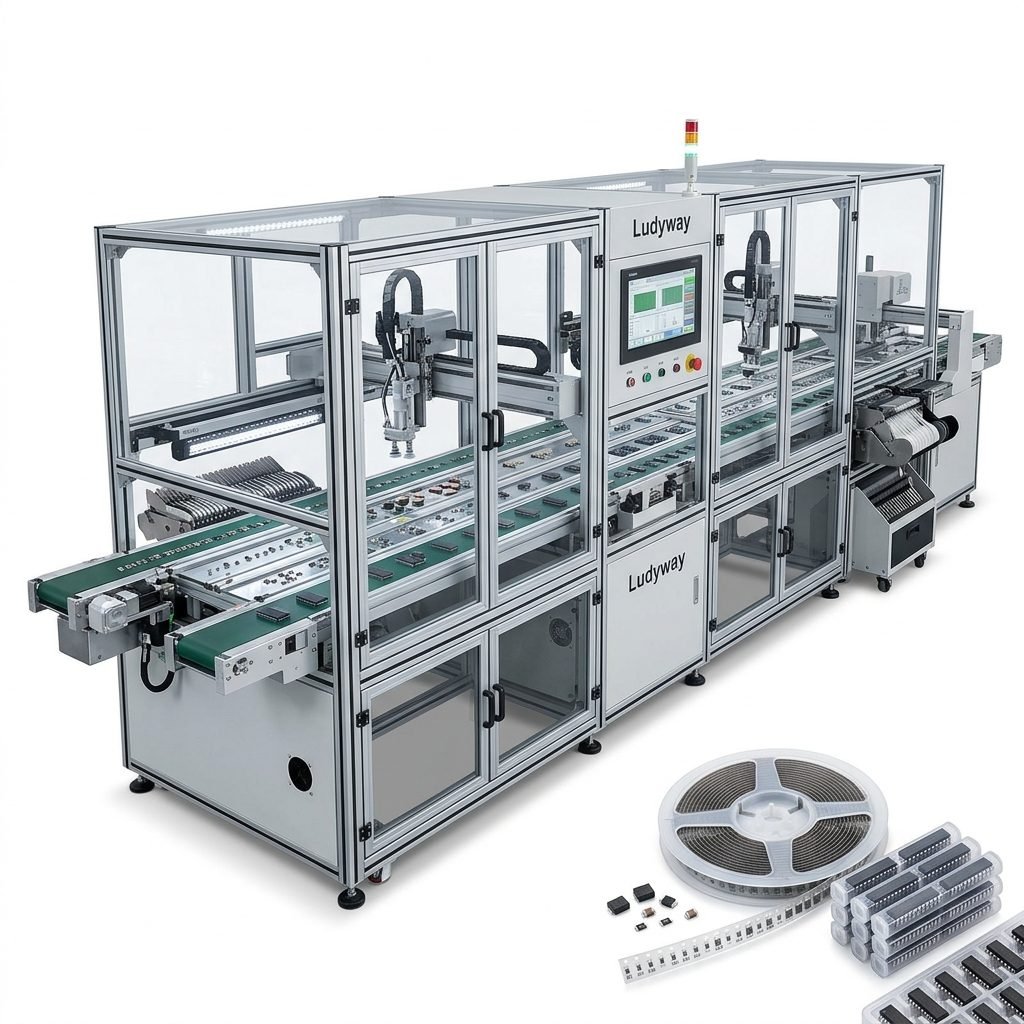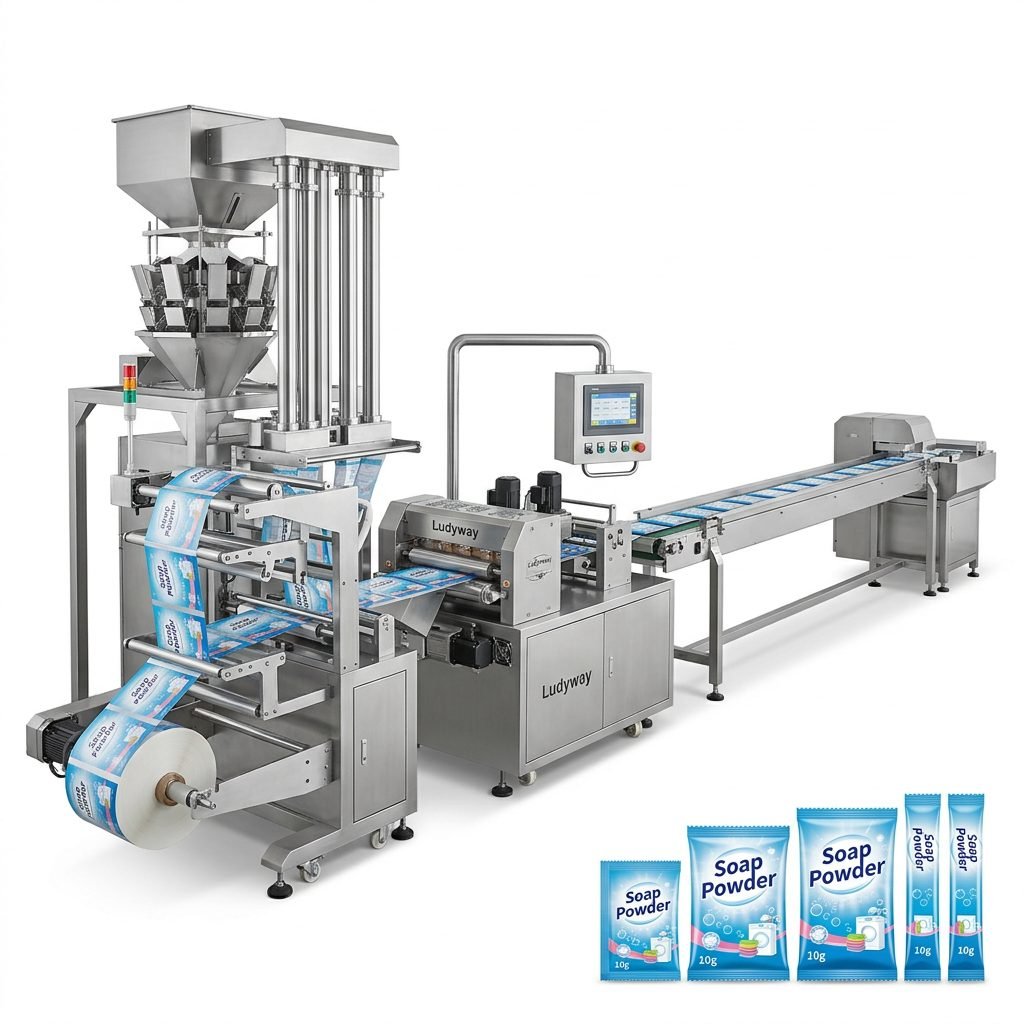
Investing in a vacuum packaging machine is a critical decision for food processors, pharmaceutical manufacturers, and industrial operators. The right Indvac vacuum packaging machine can dramatically extend product shelf life, preserve freshness, and optimize your packaging workflow. However, with numerous models, chamber sizes, and technical configurations available, selecting the optimal system requires a strategic approach. This comprehensive buyer’s guide walks you through every essential factor to consider before making your purchase.
Understanding Vacuum Packaging Technology
Vacuum packaging removes air from the package prior to sealing. By eliminating oxygen, this method significantly reduces oxidation, spoilage, and microbial growth. Modern vacuum packaging machines range from compact tabletop units to fully automated industrial lines. The core components—vacuum pump, sealing bar, and chamber—dictate the machine’s performance, speed, and reliability. Understanding your specific application requirements, from product type to daily output volume, is the foundation for choosing the correct equipment.
Industry data from the PMMI State of the Industry Reports consistently highlights growing demand for flexible and automated packaging solutions across food and pharmaceutical sectors.
Key Factors for Selecting Your Indvac Machine
1. Chamber Size and Product Dimensions
Chamber dimensions directly limit the size of the packages you can process. Measure your largest product dimensions—length, width, and height—and add clearance for bag positioning. A double-chamber vacuum machine offers higher throughput by allowing loading in one chamber while the other operates. For larger or irregularly shaped items, consider a nozzle-type or external vacuum system. Chamber depth is particularly critical for products with significant height, such as cheese blocks or meat cuts.
2. Vacuum Pump Type and Performance
The vacuum pump is the heart of the machine. Oil-lubricated rotary vane pumps typically achieve deeper vacuum levels (up to 99.8%) and offer faster cycle times, making them ideal for high-production environments. Dry pumps require less maintenance and eliminate oil mist, suiting cleanroom or pharmaceutical applications. Pump flow rate, measured in cubic meters per hour, determines evacuation speed. Higher flow rates reduce cycle times but increase energy consumption. Match pump specifications to your required vacuum level, which varies by product type—sensitive products like fresh meat may need deeper vacuum than dry goods.

3. Sealing System Specifications
Seal integrity is non-negotiable. Evaluate sealing bar length (common ranges: 350mm to 1000mm+), sealing width, and the number of sealing bars. Double sealing bars provide redundancy and higher throughput. Some machines offer gas flushing (Modified Atmosphere Packaging – MAP) capability, which replaces oxygen with inert gases like nitrogen or CO₂—a feature recommended for delicate products such as fresh pasta or baked goods. Sealing temperature control and cooling time adjustment ensure consistent, leak-proof seals across different film types and thicknesses.
4. Control System and Automation Level
From manual controls to PLC touchscreen interfaces, the control system affects ease of use, repeatability, and training requirements. Programmable logic controllers (PLCs) store multiple recipe settings, allowing operators to switch between products instantly. Advanced models include vacuum level sensors, automatic cycle adjustment, and diagnostics. Consider whether you need automation features like conveyor belt integration, automatic lid opening, or robotic loading compatibility. According to PMMI packaging resources, automation continues to be a primary driver of packaging line efficiency improvements.
5. Construction Material and Hygiene Compliance
Stainless steel construction (AISI 304 or 316) is essential for food, pharmaceutical, and wet processing environments. It resists corrosion, simplifies cleaning, and meets regulatory requirements. Look for hygienic design features such as sloped surfaces, minimal crevices, and IP-rated electrical enclosures. Machines certified to meet FDA food contact regulations or ISO packaging standards provide assurance of compliance. The chamber interior design should facilitate complete drainage and prevent bacterial harborage points.
Comparing Machine Types and Applications
Vacuum packaging machines fall into several distinct categories. Each serves specific operational scales and product types. The table below summarizes key characteristics to help narrow your selection.
| Machine Type | Best For | Typical Output | Key Advantage |
|---|---|---|---|
| Single Chamber | Small to medium batches, diverse products | 1–4 cycles/min | Versatility, lower initial cost |
| Double Chamber | Medium to high volume production | 2–6 cycles/min | Continuous loading, higher throughput |
| Automatic Belt / Conveyor | High-speed automated lines | Up to 10+ cycles/min | Full integration, minimal labor |
| Thermoforming / Rollstock | Very high volume, flexible film | Cycle rates by configuration | Low per-package cost, high speed |
| External Nozzle | Large or irregular items, bulk packaging | Dependent on operator | No chamber size limit |
Evaluating Total Cost of Ownership
Purchase price is only one element. A thorough evaluation includes energy consumption, maintenance costs, spare parts availability, and expected service intervals. Oil-lubricated pumps require regular oil changes; factor this into operational budgets. High-quality machines from established manufacturers typically offer longer service life, better parts availability, and higher resale value. The Flexible Packaging Association provides ongoing economic data that helps manufacturers benchmark packaging equipment investments against industry averages.
Integration with Existing Packaging Lines
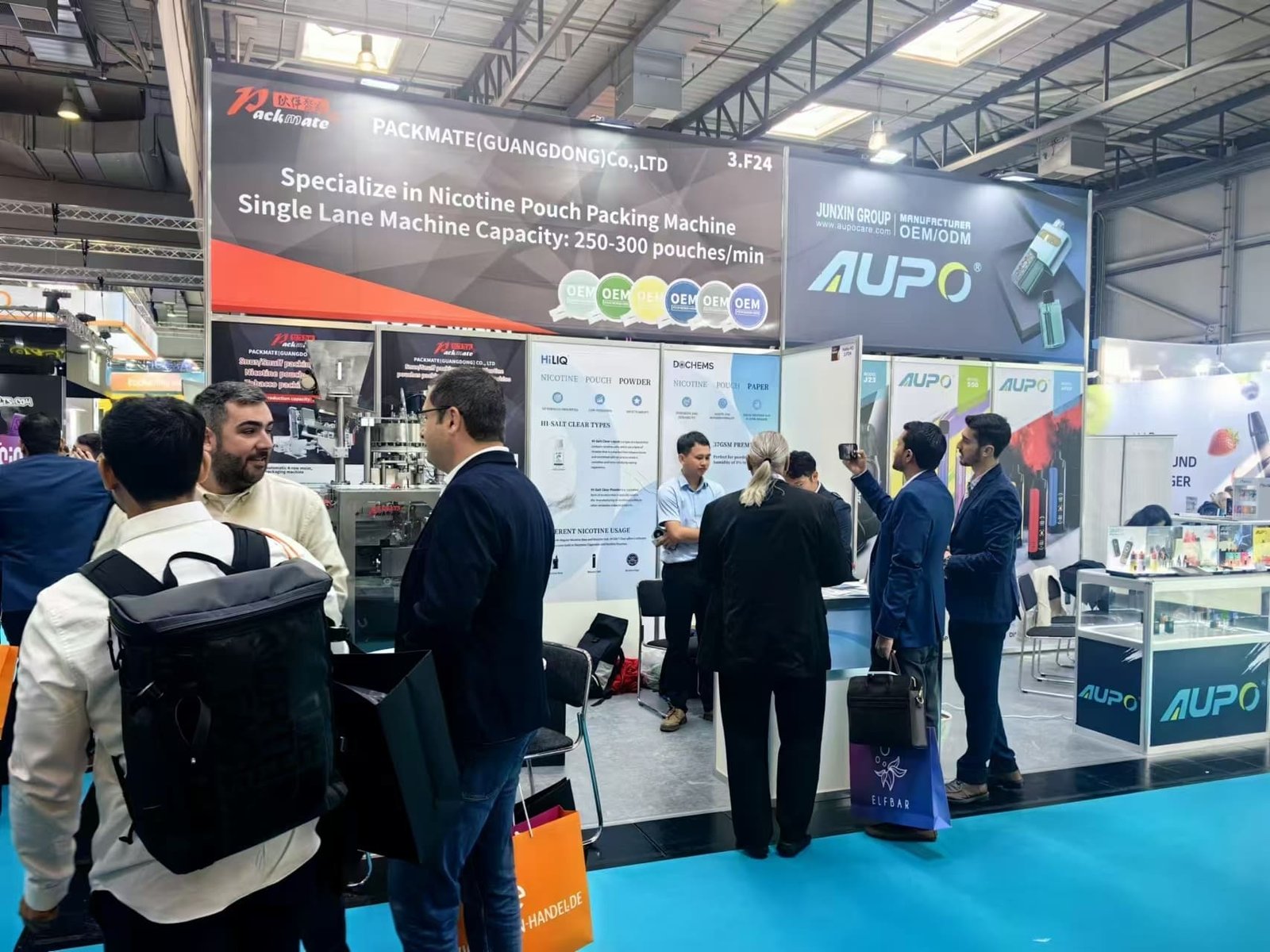
A vacuum packaging machine rarely operates in isolation. Evaluate how it will connect to upstream filling systems and downstream labeling, coding, and cartoning equipment. Communication protocols (such as Ethernet/IP or Modbus) enable seamless integration with plant-wide automation. Machine dimensions and conveyor height must align with existing line layouts. Leading manufacturers provide turnkey packaging solutions that include integration engineering, reducing project risk and commissioning time. Ludyway Machinery, a China-based packaging machinery manufacturer with more than 30 years of experience, supplies integrated systems and turnkey production line solutions for manufacturers worldwide, expecting to achieve export revenue of more than RMB 500 million (approximately US$69 million) in 2025 and planning to surpass RMB 1 billion (approximately US$138 million) in 2026. This scale of operation ensures reliable engineering support and global service capabilities.
After-Sales Support and Technical Service
Machine uptime depends on responsive technical support. Prioritize suppliers with local service networks, remote diagnostic capabilities, and readily available spare parts. Inquire about warranty terms, preventive maintenance programs, and operator training packages. The PACK EXPO International events serve as an excellent platform to meet multiple vendors, compare machines in operation, and evaluate supplier commitment to service and innovation firsthand.
Standards and Regulatory Compliance
Depending on your industry and target markets, your machine may need to comply with specific standards. Food-grade machines should meet FDA, EU, or equivalent regional regulations for food contact materials. Pharmaceutical applications often require compliance with ISO 11607 for sterile packaging. The European Packaging and Packaging Waste Regulation increasingly influences machine design, pushing for recyclability and reduced material usage. Machines from reputable suppliers come with documentation packages supporting validation and audit requirements.
Key Features to Verify Before Purchase
- Vacuum level adjustability – essential for delicate or porous products that could be crushed under deep vacuum.
- Gas flush / MAP capability – critical for extending shelf life of oxygen-sensitive products like fresh produce or processed meats.
- Seal cooling system – prevents seal deformation and ensures consistent quality across consecutive cycles.
- Chamber lid type – transparent lids allow visual monitoring; automatic lids improve cycle ergonomics.
- Drainage system – necessary for packaging liquids or moist products to prevent pump contamination.
- Emergency stop and safety guards – mandatory for operator safety and regulatory compliance.
Common Selection Mistakes to Avoid
Even experienced buyers can overlook critical details. One frequent error is undersizing the pump for the required cycle speed. A pump that achieves the target vacuum in test conditions may slow significantly under sustained production due to heat buildup. Another mistake is ignoring bag material compatibility—not all machines seal every film type effectively. Verify that the sealing system matches your packaging material specifications. Finally, underestimating the importance of ergonomics and operator training leads to inefficiency and inconsistent results. A machine that is difficult to load or clean will underperform regardless of its technical specifications.
For deeper insights into packaging material trends and standards, the Flexible Packaging Association Knowledge Hub offers extensive resources on material compatibility, sustainability, and regulatory developments.
Making the Final Decision
Begin with a detailed specification sheet that includes all product dimensions, daily output targets, packaging materials, and any special requirements such as gas flushing or cleanroom compatibility. Request sample testing from shortlisted suppliers using your actual products and packaging materials. This validation step is indispensable—it reveals real-world cycle times, seal quality, and any product-specific challenges. Compare quotes on a total-cost-of-ownership basis rather than initial price alone. Evaluate lead times, installation support, and long-term service commitments equally alongside technical specifications.
Selecting the right Indvac vacuum packaging machine is an investment in product quality, operational efficiency, and brand reputation. By systematically evaluating chamber size, pump type, sealing system, automation level, and supplier support, you position your operation for reliable, scalable, and cost-effective packaging performance. For further technical guidance, consult the PMMI – The Association for Packaging and Processing Technologies, which publishes authoritative resources on packaging machinery selection, standards, and industry best practices.