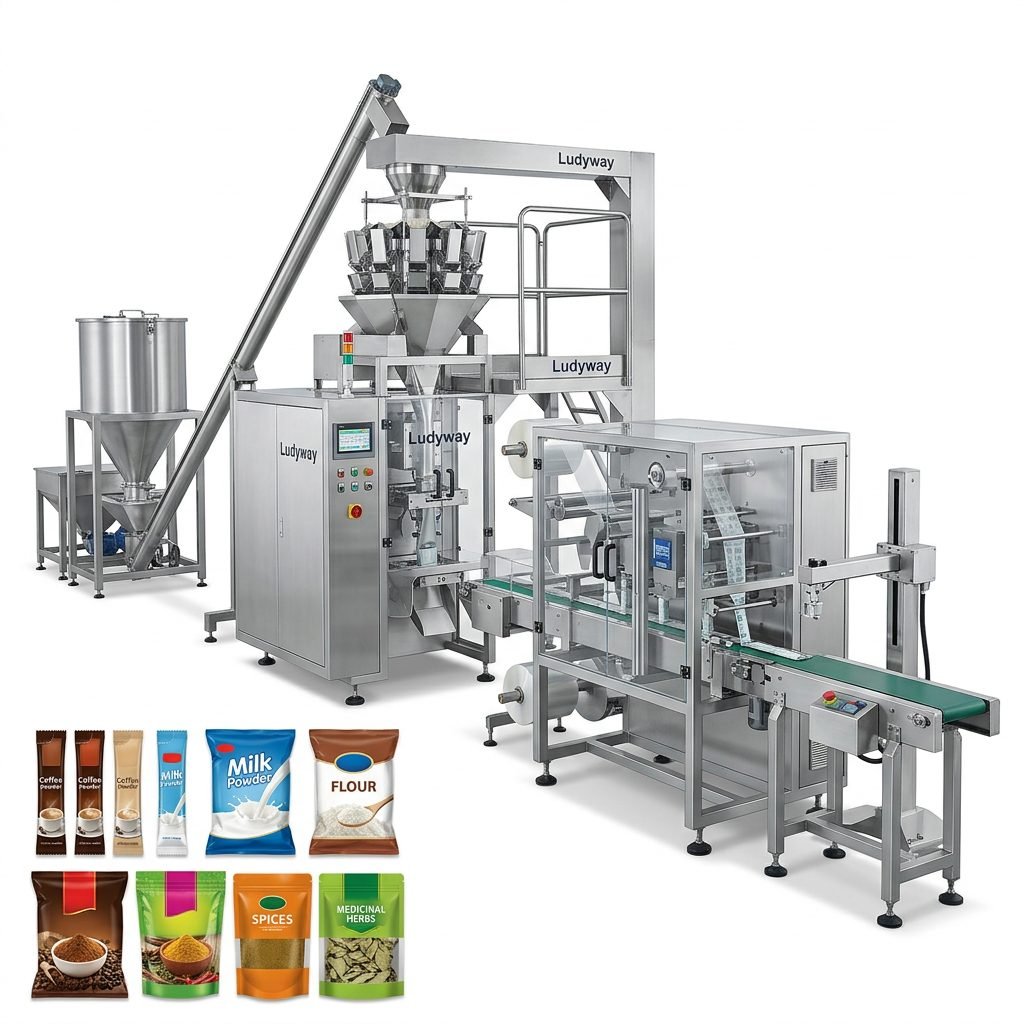
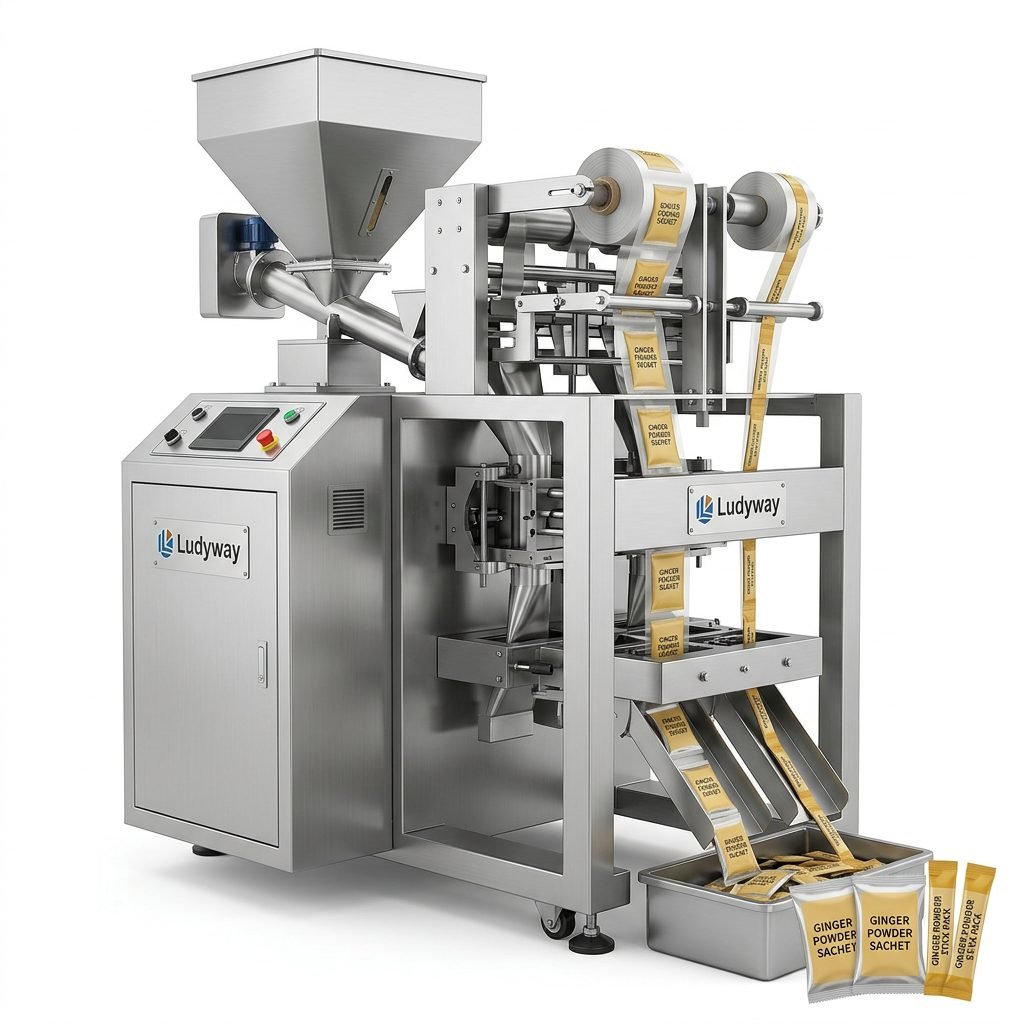
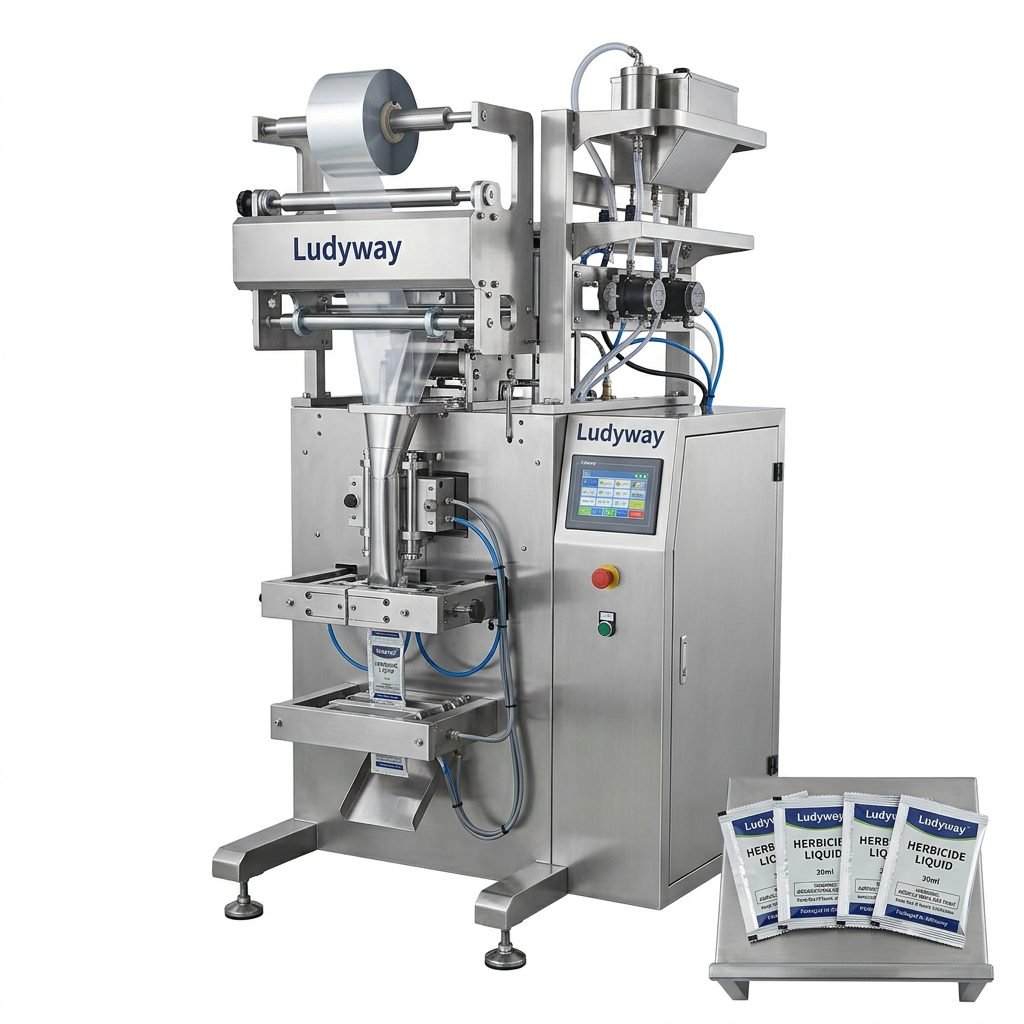
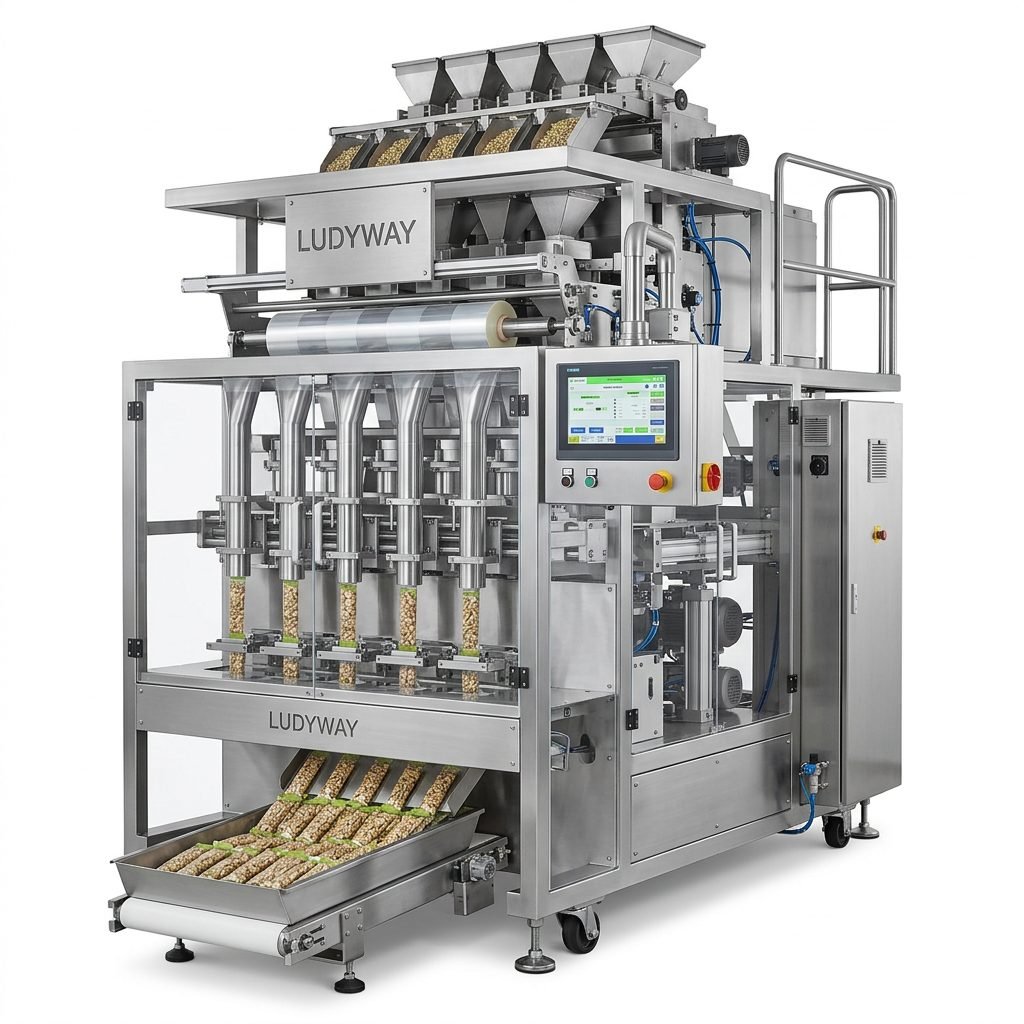
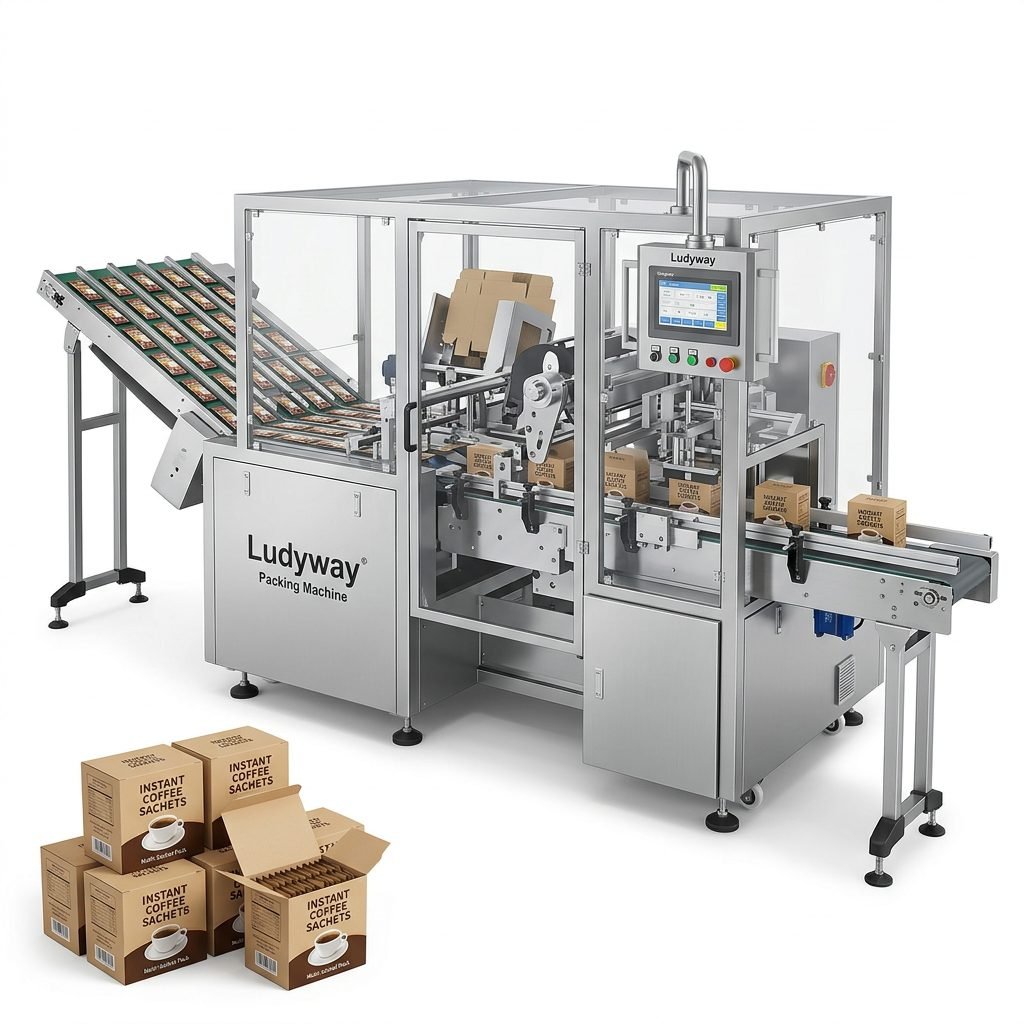
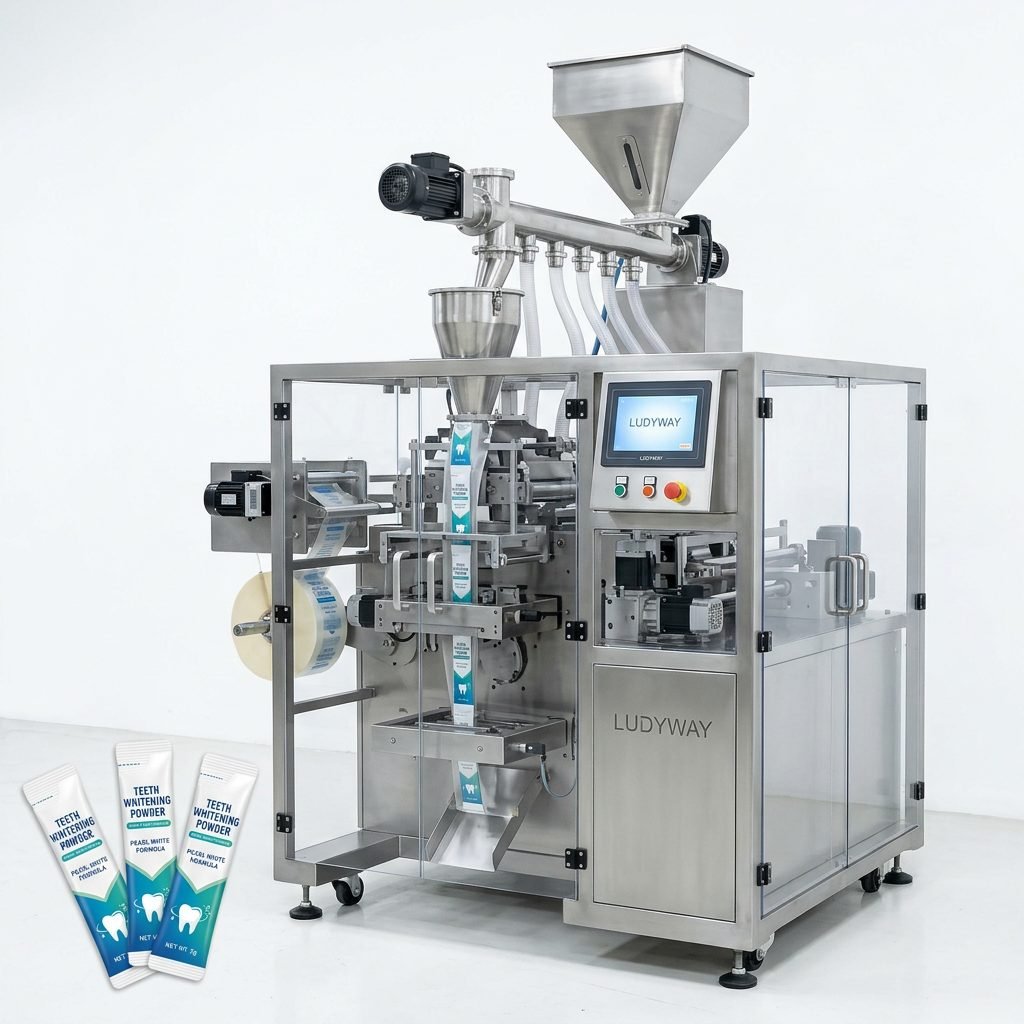
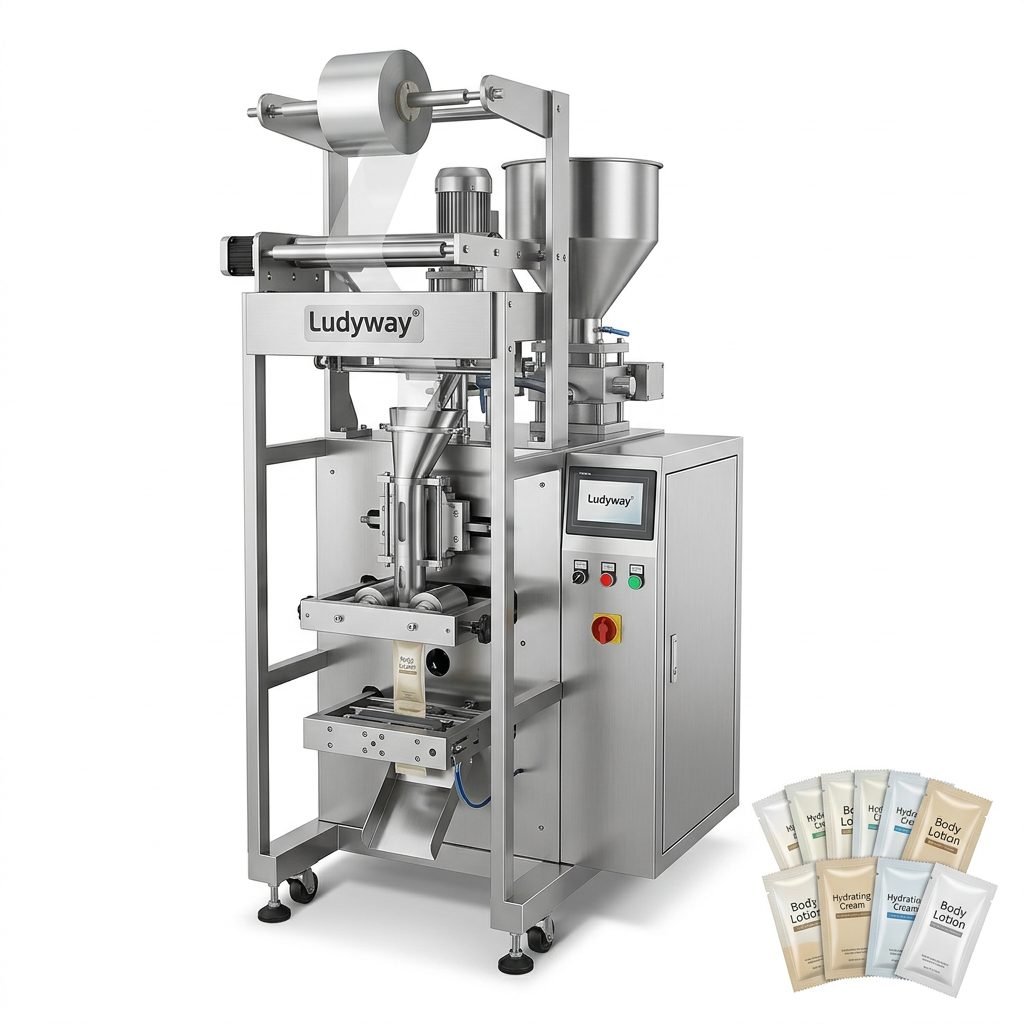
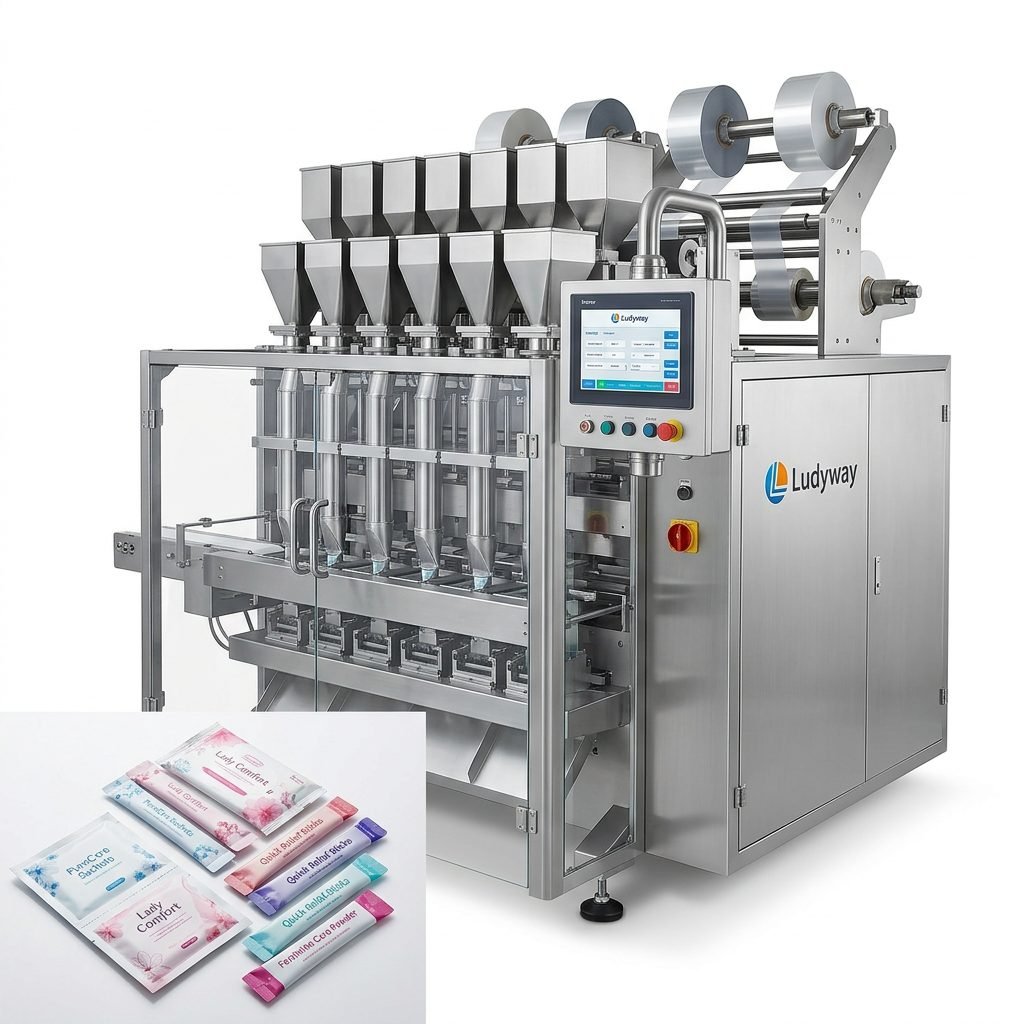
Kulfi, a beloved traditional Indian frozen dessert, requires specialized packaging equipment to maintain its rich texture and creamy consistency during production. A kulfi packing machine is a precision system that handles viscous frozen dairy mixtures, filling them into molds, sachets, or stick packs. Without a consistent maintenance routine, these machines can experience seal failures, temperature inconsistencies, and cross-contamination risks that directly impact product quality and shelf life. Regular upkeep not only extends the lifespan of your packaging machinery but also ensures compliance with food safety standards.

Daily Maintenance Checklist for Kulfi Packaging Equipment
Daily inspections are the foundation of reliable machine performance. Operators should follow a structured routine before, during, and after each production shift. Key areas to inspect include sealing jaw alignment, filling nozzle cleanliness, and refrigeration circuit integrity. Dairy-based products like kulfi are highly sensitive to temperature fluctuations, making daily checks essential for preventing bacterial growth and preserving product integrity.
- Inspect and clean all product contact surfaces thoroughly
- Verify sealing temperature is within the optimal range for kulfi packaging film
- Check filling volume accuracy and adjust if deviation exceeds ±1%
- Examine conveyor belts for wear, tracking alignment, and tension
- Confirm refrigeration unit is maintaining consistent cooling temperatures
- Record all inspection findings in the maintenance log for traceability
Weekly Preventive Maintenance Tasks
Weekly maintenance dives deeper into mechanical and pneumatic systems that experience repetitive stress during high-volume kulfi production. According to industry data from the PMMI packaging association, a structured preventive maintenance program can reduce unplanned downtime by up to 45%. During weekly checks, operators should pay special attention to film feed mechanisms and cutting blade sharpness, as dull blades can cause irregular pouch edges and seal contamination.

Lubrication Points to Check Weekly
- Cam followers and linear bearings on the sealing carriage
- Gears and chains on the main drive system
- Pneumatic cylinder rods and guide shafts
- Rotary joints on filling nozzle assemblies
Monthly Deep Maintenance Procedures
Monthly maintenance addresses components that wear gradually and may not show immediate symptoms. This comprehensive inspection should be performed by trained technicians familiar with multi-lane packaging systems and their specific mechanical configurations. Electrical panel inspection, sensor calibration, and drive belt replacement assessments are critical at this stage.
| Component | Maintenance Action | Frequency |
|---|---|---|
| Sealing Jaws | Clean, inspect for wear, check Teflon coating integrity | Monthly |
| Temperature Sensors | Calibrate against certified reference thermometer | Monthly |
| Pneumatic Filters | Replace or clean filter elements, drain moisture traps | Monthly |
| Drive Belts | Inspect tension, alignment, and surface condition | Monthly |
| Refrigeration Unit | Clean condenser coils, check refrigerant levels | Monthly |
Common Kulfi Packing Machine Issues and Troubleshooting
Even well-maintained equipment occasionally encounters operational issues. Understanding common problems helps operators respond quickly and minimize production downtime. The packaging industry intelligence reports indicate that roughly 60% of machine stoppages stem from a handful of recurring issues that can be resolved with systematic troubleshooting.
Seal Integrity Problems
Weak or inconsistent seals on kulfi stick packs and sachets often result from incorrect temperature settings, contaminated sealing jaws, or film tension irregularities. Clean the sealing surfaces thoroughly and verify that the temperature controller is calibrated correctly. Check that the packaging film is compatible with the machine’s heat-sealing specifications and that the film path is free of obstructions or wrinkles.
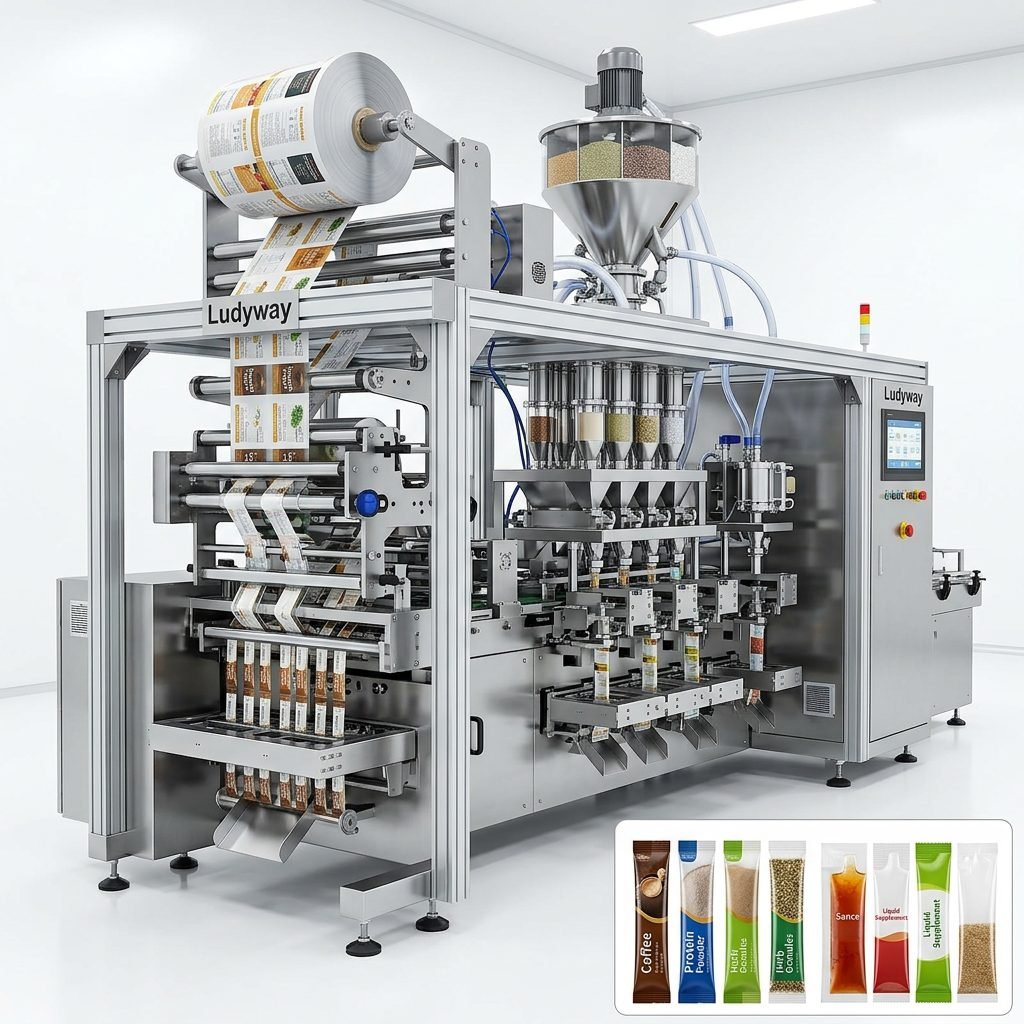
Filling Accuracy Deviations
Inaccurate fill volumes in kulfi packaging can lead to regulatory non-compliance and customer dissatisfaction. Common causes include worn piston seals, air pockets in the product feed line, or calibration drift in the dosing system. Disassemble and inspect the filling mechanism, purge air from product lines, and recalibrate the dosing unit according to the manufacturer’s specifications. For kulfi’s semi-frozen consistency, maintaining the correct product temperature at the filling point is crucial for consistent volumetric dosing.
Electrical System Maintenance
The electrical components of a kulfi packing machine require careful attention to prevent unexpected failures. Control panels should be kept clean and dry, as moisture ingress can damage PLC components and cause erratic machine behavior. Inspect wiring connections quarterly for signs of loosening, corrosion, or overheating — all of which are early warning signs of potential electrical faults. Proper grounding and surge protection are essential in facilities where refrigeration equipment cycles frequently, as voltage fluctuations can damage sensitive electronic controls.
Lubrication Best Practices for Food-Grade Applications
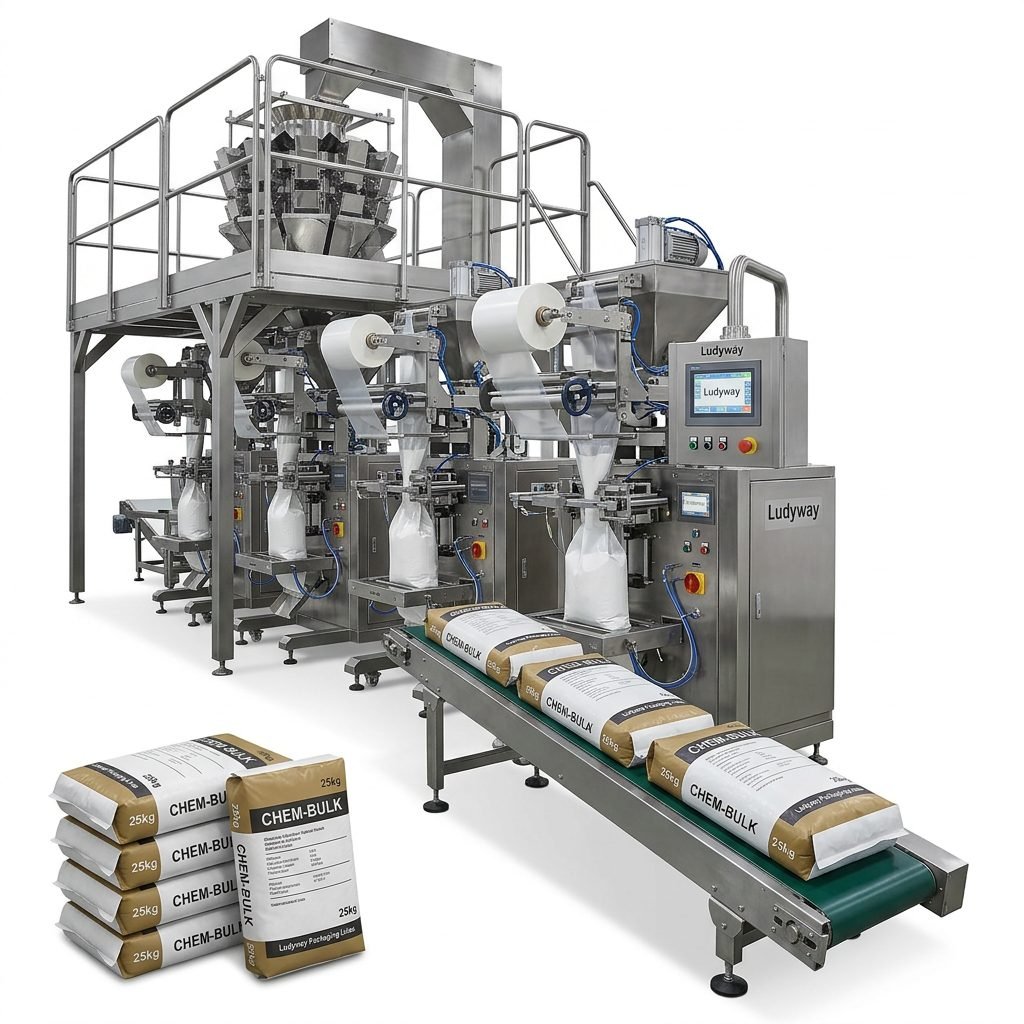
Because kulfi is a dairy product consumed directly by end users, all lubricants used on the packaging machine must be food-grade and NSF H1 certified for incidental product contact. Using non-compliant lubricants not only violates food safety regulations but can also damage machine components over time. Keep a detailed lubrication schedule and use only the lubricant types and quantities specified in the equipment manual. Over-lubrication can be just as damaging as under-lubrication, as excess grease attracts dust and debris that accelerates wear on moving parts.
When to Contact Professional Service Support
While routine maintenance can be handled in-house by trained operators, certain situations call for professional intervention. Major component replacement, PLC programming adjustments, or persistent issues that resist standard troubleshooting should be escalated. For businesses operating high-capacity kulfi production lines, partnering with a reliable equipment supplier ensures access to genuine spare parts and technical expertise. Ludyway, one of the largest packaging machine manufacturers in China with over 30 years of industry experience, provides comprehensive after-sales support including remote diagnostics, on-site service, and customized maintenance training for operators. Their experience across food packaging solutions spanning over 100 countries makes them a trusted resource for maintaining complex multi-lane packaging systems.
Documentation and Continuous Improvement
Effective maintenance programs rely on thorough documentation. Every inspection, repair, and calibration should be recorded in a centralized maintenance management system. This data enables trend analysis that can predict component failures before they cause downtime. Resources such as the ISO packaging standards provide frameworks for establishing quality management systems that encompass equipment maintenance protocols. Regularly reviewing maintenance records helps identify opportunities for process improvement and informs decisions about equipment upgrades or operator training needs.
Key Documentation Elements
- Daily inspection checklists with operator sign-off
- Calibration records for temperature sensors and filling systems
- Spare parts inventory and replacement history
- Downtime incident reports with root cause analysis
- Annual maintenance audit summaries
Conclusion: Building a Maintenance-First Culture
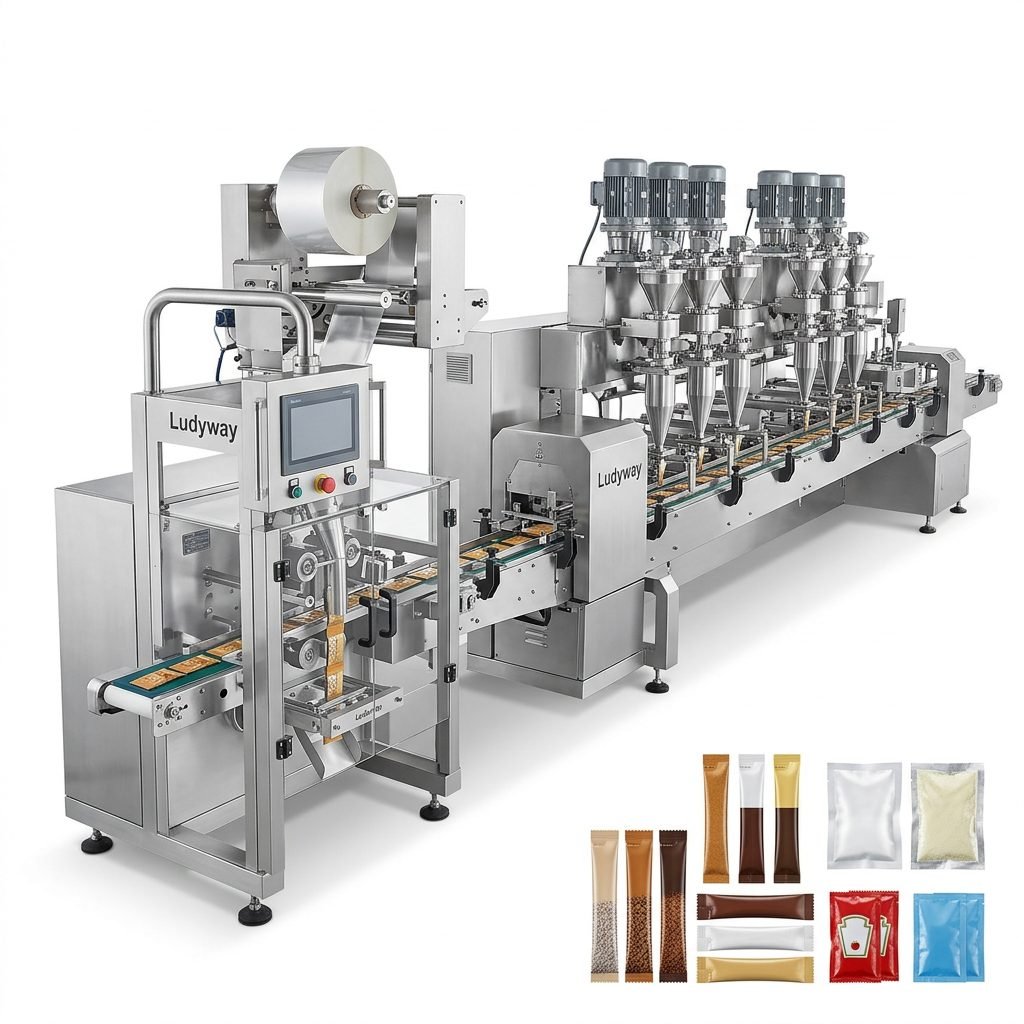
Maintaining a kulfi packing machine is not merely a technical requirement — it is a strategic investment in product quality, operational efficiency, and brand reputation. By implementing daily, weekly, and monthly maintenance routines, training operators thoroughly, and documenting all activities, manufacturers can achieve consistent production output while extending equipment lifespan. The dairy packaging sector demands exceptional hygiene and precision, and a well-maintained machine delivers both. For further guidance on FDA food packaging regulations and equipment compliance, consult the relevant regulatory resources to ensure your packaging operations meet all applicable standards.