Investing in a food box packaging machine is a significant decision that directly impacts your production efficiency, product quality, and long-term operational costs. Whether you are launching a new product line or upgrading an existing facility, selecting the right equipment requires a clear understanding of your product characteristics, packaging requirements, and production goals. This guide walks you through the essential factors to evaluate before making a purchase.
Understanding Your Product and Packaging Requirements
Before comparing machine specifications, start by defining your specific application. The nature of your food product determines the type of dosing system, sealing technology, and material handling your machine will require. Key questions to answer include:
- Product form factor: Is your product a powder, granule, solid piece, liquid, or paste? Each form requires a different filling mechanism. A powder filling machine designed for fine spices may not handle sticky dried fruits effectively.
- Packaging format: Are you filling pre-made cartons, or do you need a machine that forms, fills, and seals boxes from flat blanks? Box style, size range, and closure type all influence machine selection.
- Production speed requirements: Determine your target output in boxes per minute. A machine that underperforms creates bottlenecks; one that overperforms may represent unnecessary capital expenditure.
- Changeover frequency: If you run multiple product variants with frequent format changes, prioritize machines with quick-change tooling and recipe-based controls.
According to PMMI packaging industry intelligence, manufacturers increasingly seek flexible equipment capable of handling diverse packaging formats on a single line, reducing both footprint and investment.
Key Technical Features to Evaluate
Once you have defined your application parameters, evaluate machines based on the technical features that matter most for food packaging operations.
Filling Accuracy and Dosing Technology
Precision filling affects product consistency, regulatory compliance, and profitability. Overfilling leads to product giveaway, while underfilling can result in regulatory penalties and customer dissatisfaction. Volumetric fillers work well for free-flowing products with consistent density, while weigh-based systems offer higher accuracy for variable-density materials. For products sold by weight, gravimetric dosing provides the best accuracy and traceability.
Sealing Integrity and Packaging Quality
In food packaging, seal integrity is non-negotiable. A compromised seal leads to contamination, spoilage, and brand damage. Evaluate the sealing technology—heat sealing, ultrasonic sealing, or adhesive closure—based on your packaging material and product sensitivity. For modified atmosphere packaging applications, gas flushing capability and seal integrity testing are essential features to consider.
Material Compatibility
Your machine must be compatible with the packaging materials you intend to use, including carton board, corrugated materials, and any inner liners or barriers. Consider material thickness, coating type, and sustainability requirements. The flexible packaging industry continues to evolve, with growing demand for recyclable and compostable materials that may require specific machine adjustments.
Comparing Packaging Machine Types
Different food box packaging machines serve different production environments. The following table summarizes the primary machine categories and their typical applications in food processing.
| Machine Type | Best Suited For | Speed Range | Key Consideration |
|---|---|---|---|
| Semi-Automatic Box Filler | Small to medium production runs, manual box feeding | 5–15 boxes/min | Lower investment; higher labor dependency |
| Fully Automatic Cartoning Machine | High-volume operations, integrated production lines | 30–120+ boxes/min | Higher upfront cost; significant labor savings |
| Wrap-Around Case Packer | Beverage cartons, multipacks, tray-and-hood formats | 20–80 cases/min | Excellent for secondary packaging; requires precise blank quality |
| Top-Load Cartoning Machine | Fragile products, bakery items, confectionery | 15–60 boxes/min | Gentle product handling; versatile loading options |
| End-Load Cartoning Machine | Cereal boxes, frozen food cartons, dry goods | 25–100+ boxes/min | Compact footprint; efficient for rectangular products |
Automation and Integration Considerations
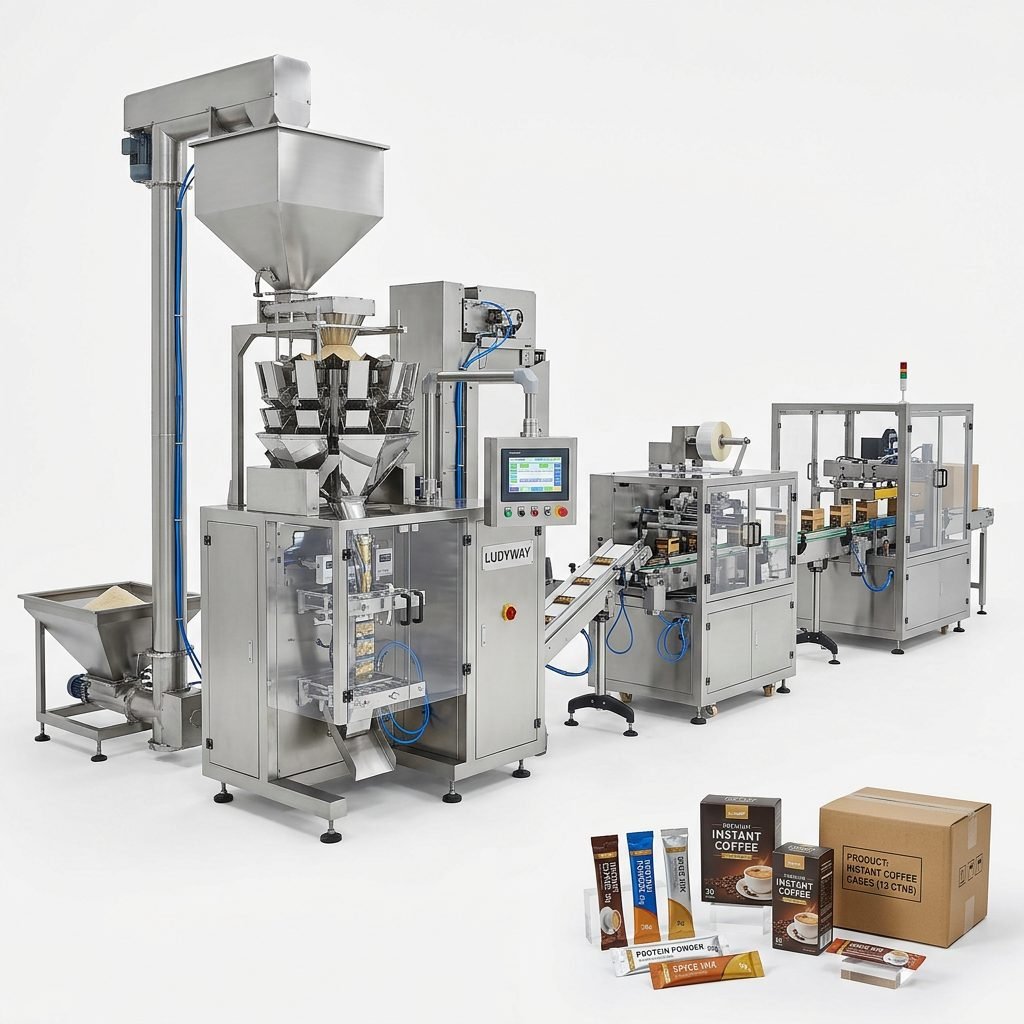
Modern food packaging operations increasingly rely on integrated systems rather than standalone machines. When selecting your equipment, consider how the machine will connect with upstream and downstream processes. Automated feeding systems, checkweighers, metal detectors, date coders, and case sealers should all be compatible with your chosen packaging machine. A machine with open communication protocols and standardized interfaces simplifies line integration and future upgrades.
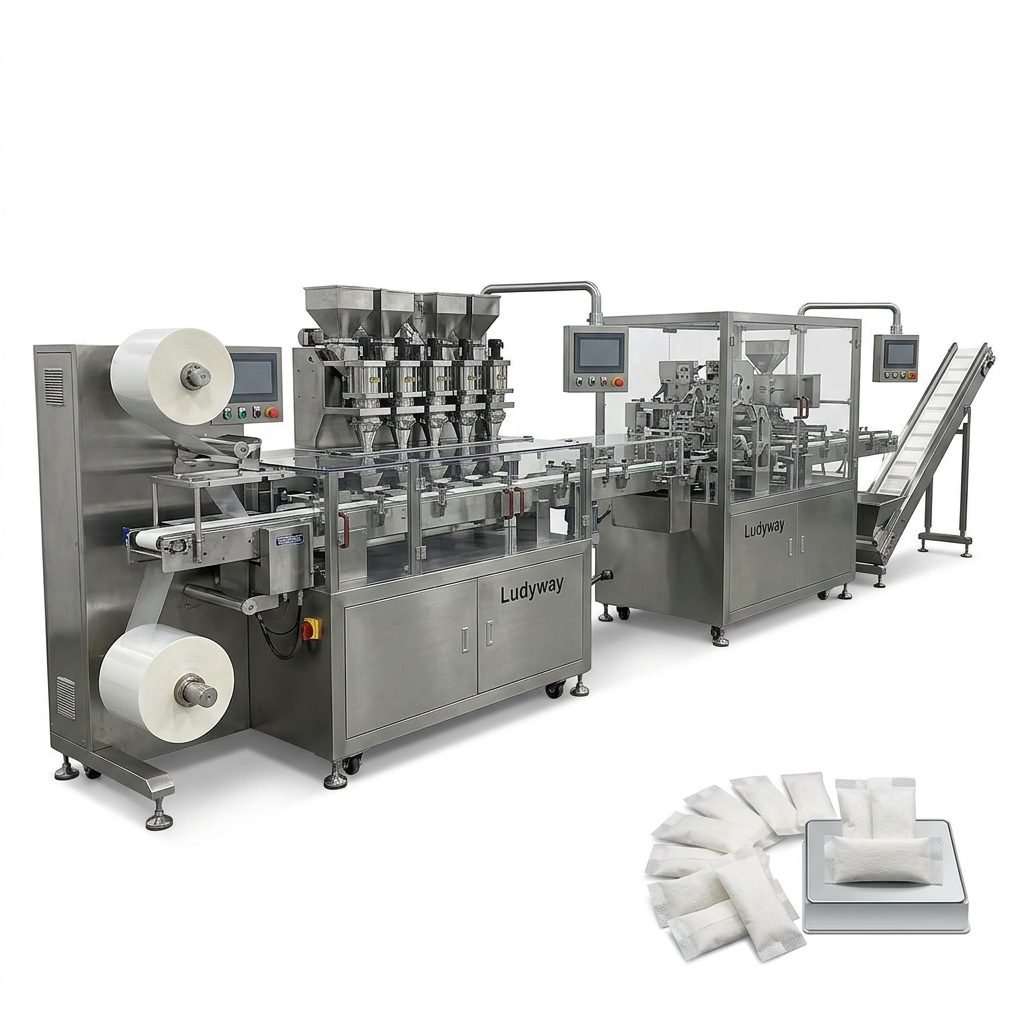
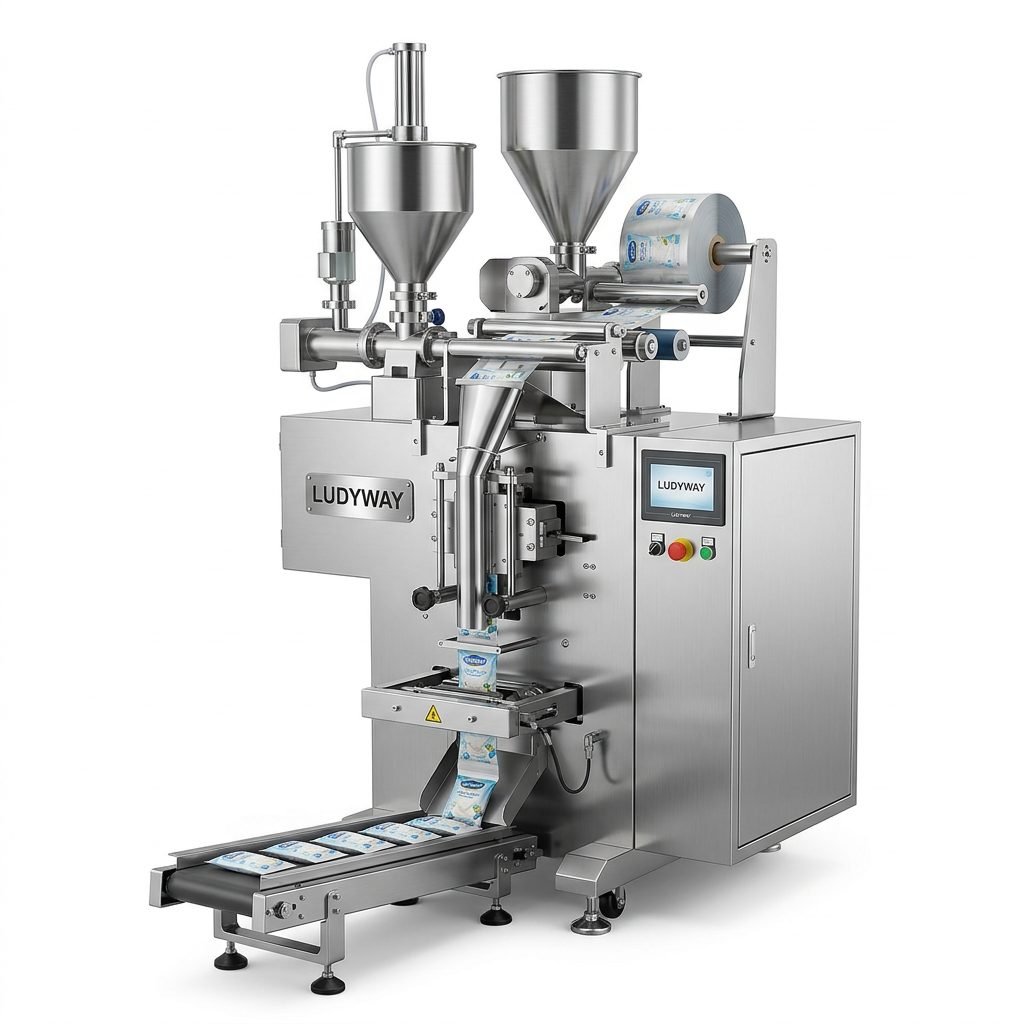
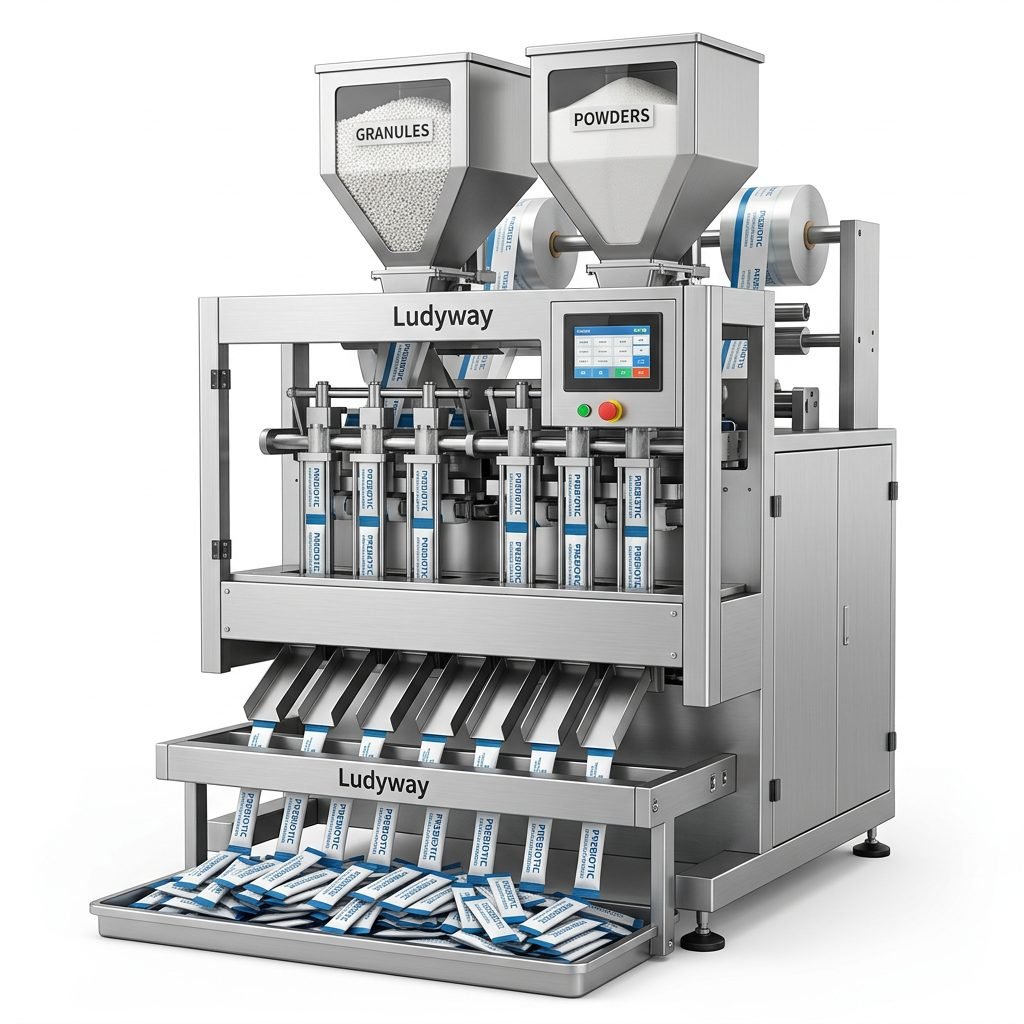
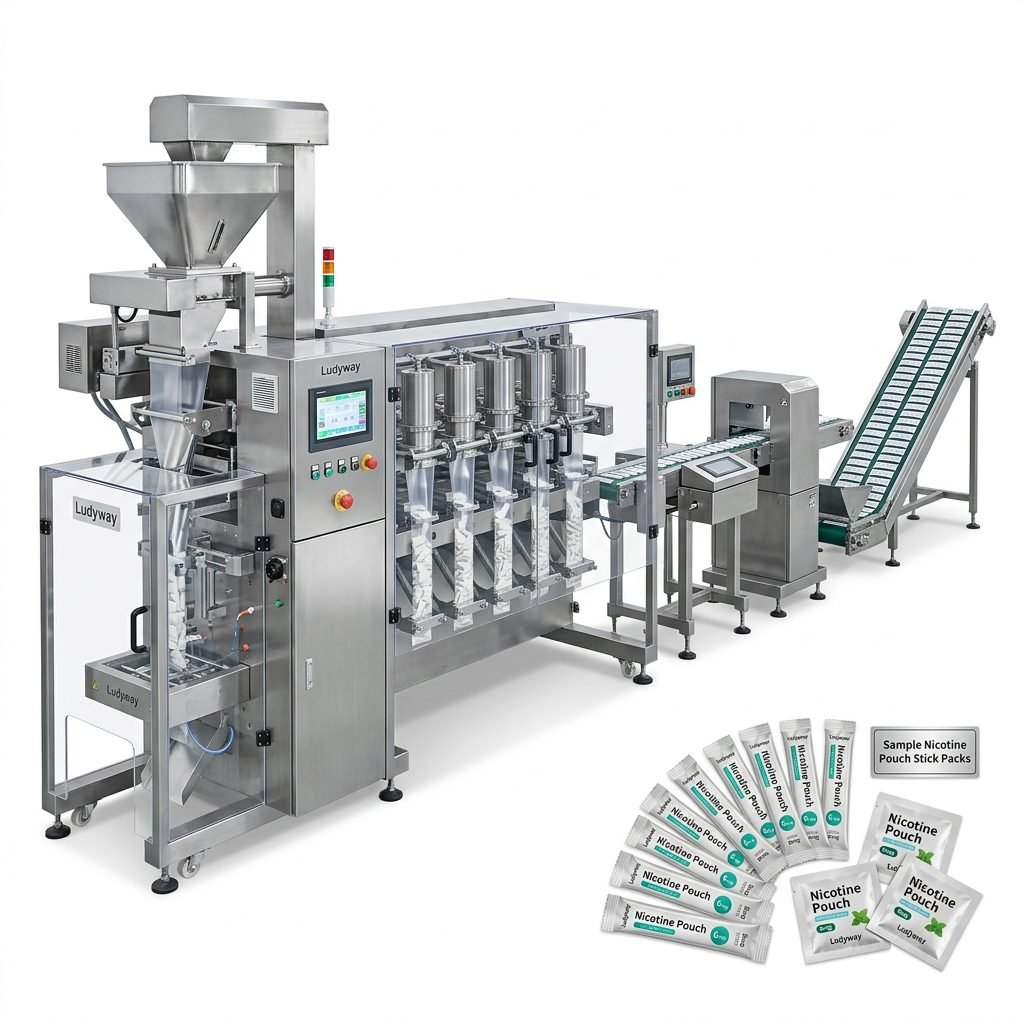
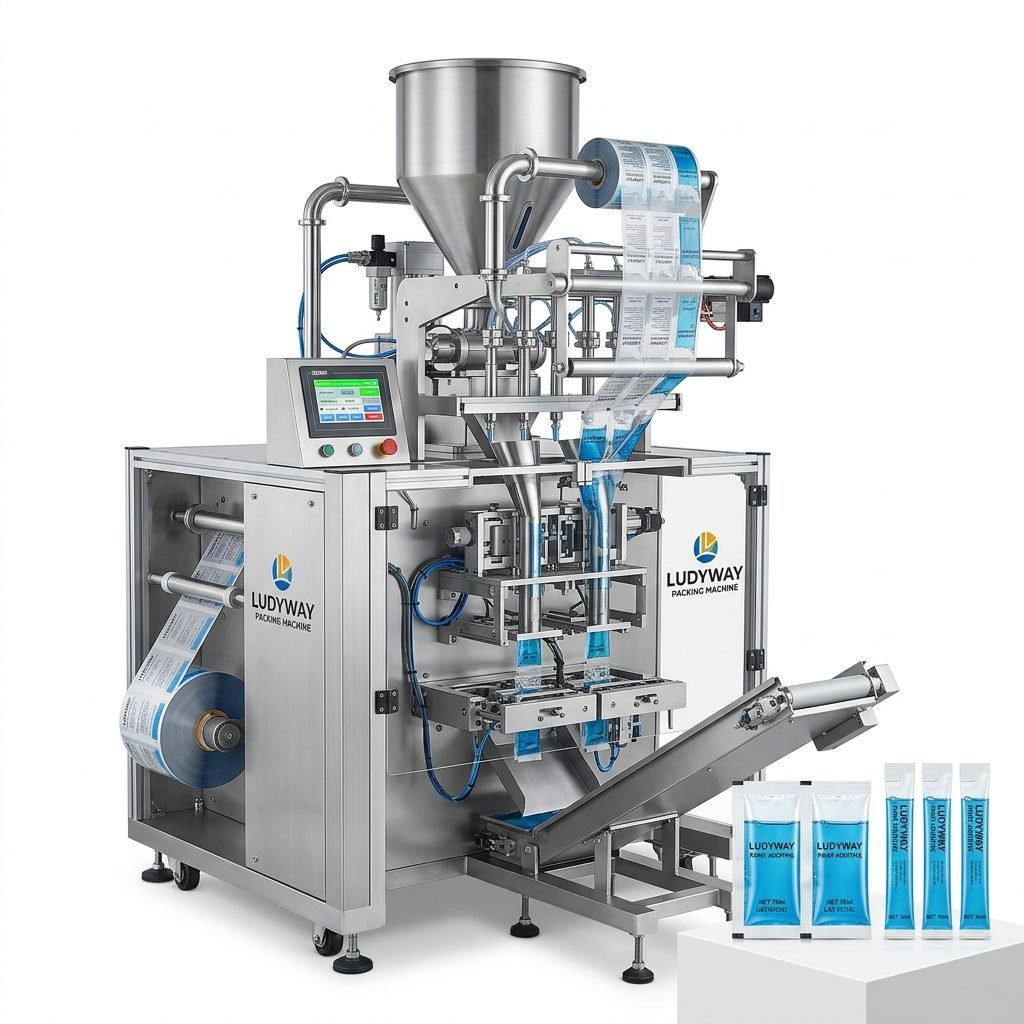
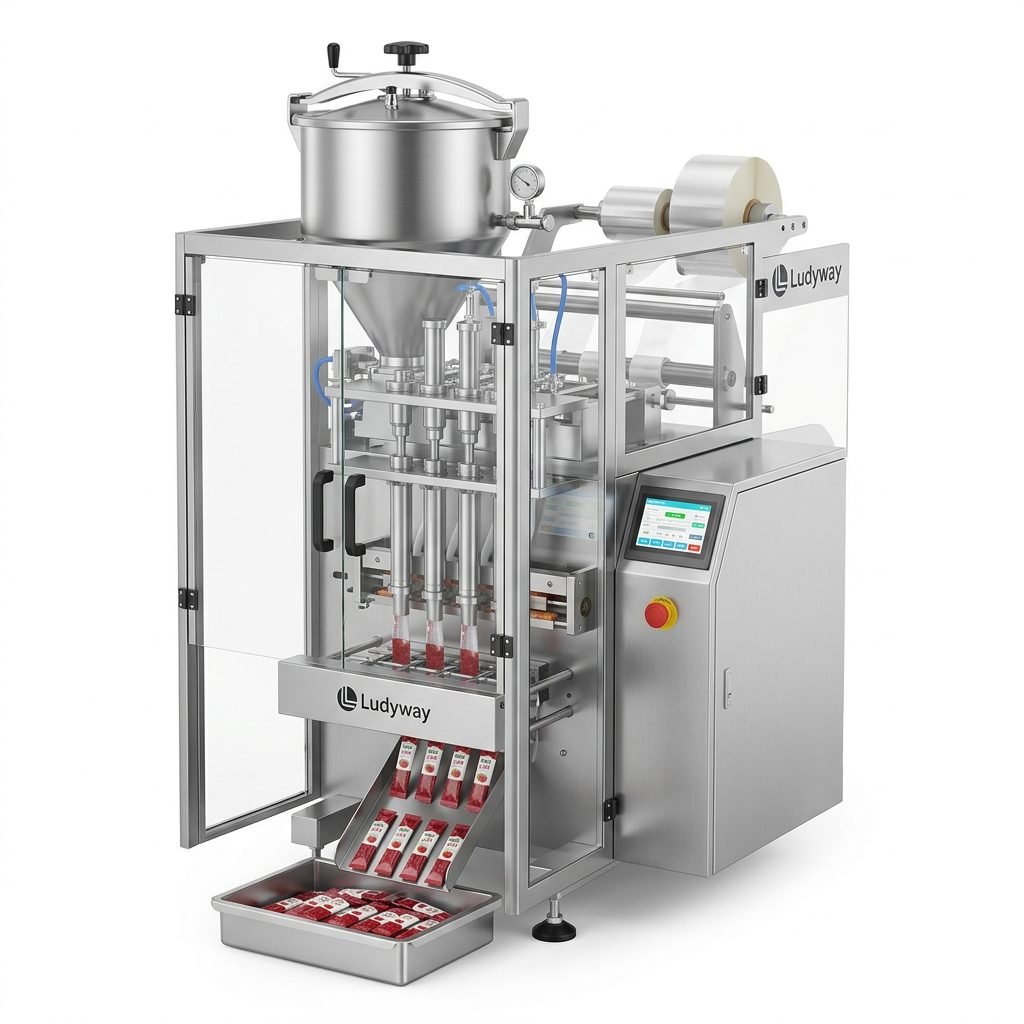
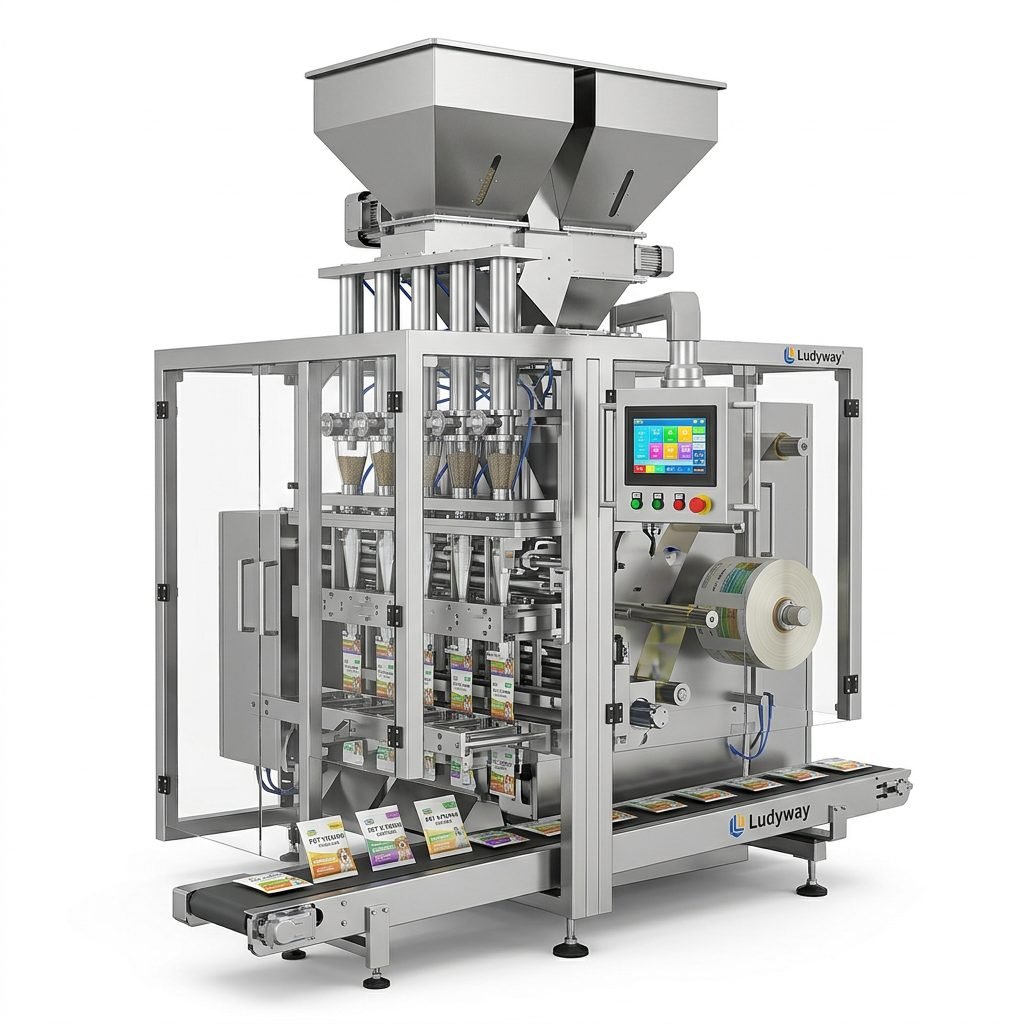
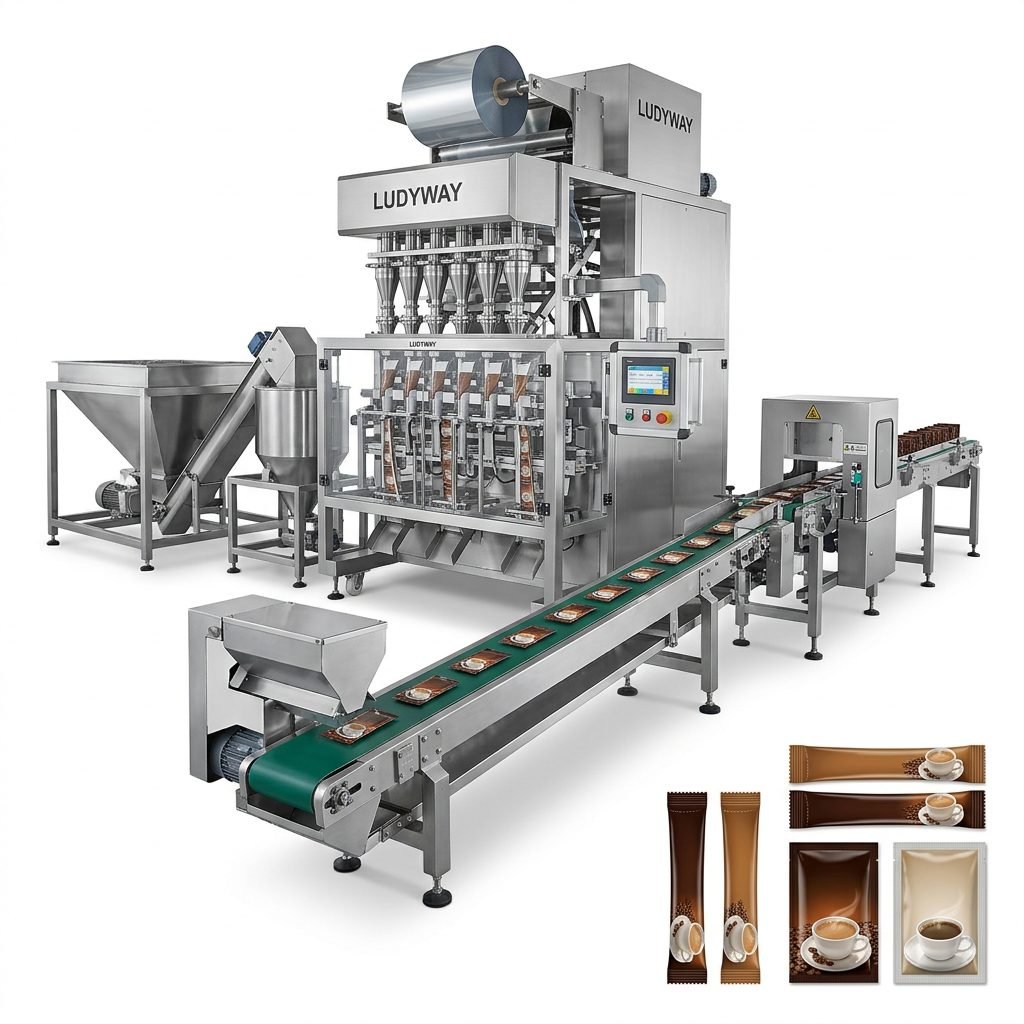
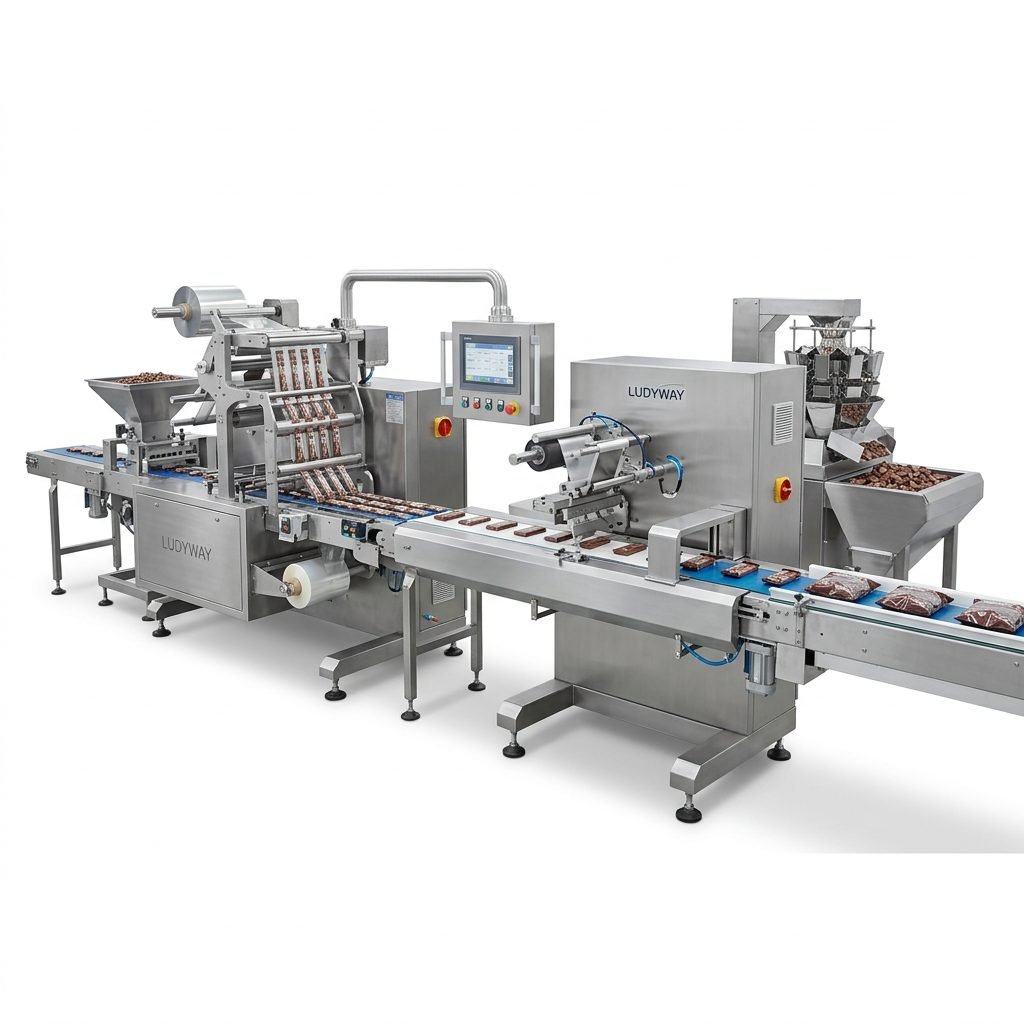
For manufacturers seeking a single-source packaging partner, suppliers like Ludyway Machinery offer integrated packaging systems that connect multiple production stages—from dosing and filling to cartoning and palletizing—under one engineering framework. This approach streamlines procurement, simplifies technical support, and ensures system-wide compatibility.
Hygiene, Cleanability, and Regulatory Compliance
Food packaging equipment must meet stringent hygiene standards. Evaluate machine construction with these criteria in mind:
- Material of construction: Food-contact surfaces should use stainless steel (typically 304 or 316 grade) that resists corrosion and is easy to sanitize.
- Machine design: Sloped surfaces, minimal crevices, and tool-free access to critical areas facilitate thorough cleaning and reduce contamination risk.
- Washdown capability: For wet cleaning environments, confirm the machine’s IP rating and whether electrical components are adequately protected.
- Compliance documentation: Verify that the equipment can be supplied with relevant certifications for your target market, including CE marking, UL compliance, or other regional requirements.
Refer to FDA food contact substance regulations for guidance on materials approved for food packaging applications in the United States. For international markets, consult applicable ISO packaging standards to ensure full regulatory alignment.
Total Cost of Ownership and ROI Analysis
The purchase price is only one component of a machine’s total cost. A comprehensive financial evaluation should account for the following factors over the expected service life of the equipment—typically 10 to 15 years for well-maintained packaging machinery.
Direct Costs
- Equipment purchase price, including any customization
- Installation and commissioning expenses
- Operator training and documentation
- Shipping, duties, and logistics
Ongoing Operational Costs
- Spare parts inventory and wear-component replacement
- Energy consumption and utility requirements
- Preventive maintenance contracts or in-house servicing
- Packaging material waste rates during startup and changeover
Downtime is the hidden cost multiplier. A machine with lower upfront cost but frequent breakdowns can quickly become more expensive than a reliable, higher-investment alternative. Prioritize build quality, component sourcing from established industrial automation suppliers, and the availability of local technical support.
Evaluating Supplier Capabilities and Support
Your relationship with the equipment supplier extends well beyond the initial sale. Before committing, assess the supplier on these dimensions:
- Industry experience: How many installations has the supplier completed in your specific product category? Relevant application experience reduces project risk.
- Customization capability: Can the supplier modify machine configurations to match your product characteristics, facility layout, and automation requirements?
- After-sales support: What warranty terms are offered? Is remote technical assistance available? How quickly can spare parts be dispatched to your location?
- Global service reach: For manufacturers exporting to multiple regions, a supplier with international service capabilities provides consistent support across markets.
Common Mistakes to Avoid When Purchasing
Drawing on decades of packaging machinery industry experience, here are the most frequent missteps buyers make—and how to avoid them.
1. Prioritizing Price Over Suitability
A machine that is not properly matched to your product and packaging material will generate excessive waste, require constant adjustment, and ultimately cost far more than a correctly specified solution. Validate machine performance with your actual product and packaging material before making a final decision.
2. Underestimating Future Capacity Needs
Purchase a machine that meets your current production volume but can accommodate modest growth. A machine operating at maximum rated speed continuously will wear faster and leave no room for demand increases. Look for equipment with scalable architecture that allows for speed upgrades or additional lanes without full replacement.
3. Overlooking Packaging Material Specifications
Packaging machinery and packaging materials are interdependent. Changing your carton supplier or material specification after machine installation can lead to performance issues. Confirm material specifications early and test with the actual substrate you will use in production.
4. Neglecting Operator Training and Documentation
The most advanced machine delivers poor results if operators are not properly trained. Ensure the supplier provides comprehensive training and clear documentation in your preferred language. Well-trained operators reduce downtime, improve changeover efficiency, and extend machine life.
Making the Final Decision
Selecting the right food box packaging machine requires balancing technical requirements, financial considerations, and supplier capabilities. Start with a detailed specification of your product and production needs, then evaluate machines against objective criteria rather than price alone. Request references from suppliers with experience in your industry, and whenever possible, visit existing installations to observe equipment performance in real production conditions.
The packaging machinery market continues to grow, with global packaging machinery exports projected to expand significantly as food manufacturers invest in automation to improve efficiency and meet evolving consumer demands. By following a structured evaluation process, you can select equipment that delivers reliable performance, consistent packaging quality, and a strong return on investment over its entire service life.
For further guidance on packaging machinery selection and industry best practices, explore resources from PMMI – The Association for Packaging and Processing Technologies and the Flexible Packaging Association, both of which provide valuable insights for packaging professionals worldwide.