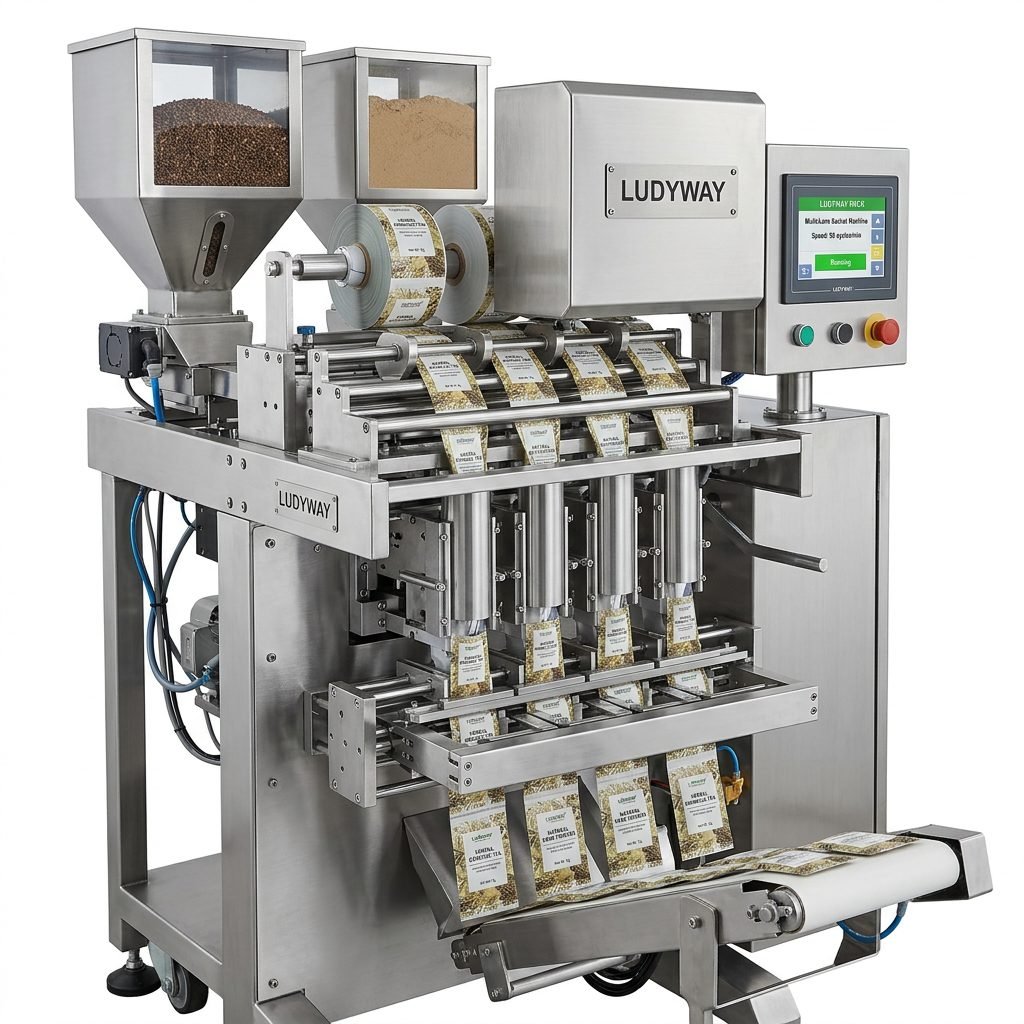
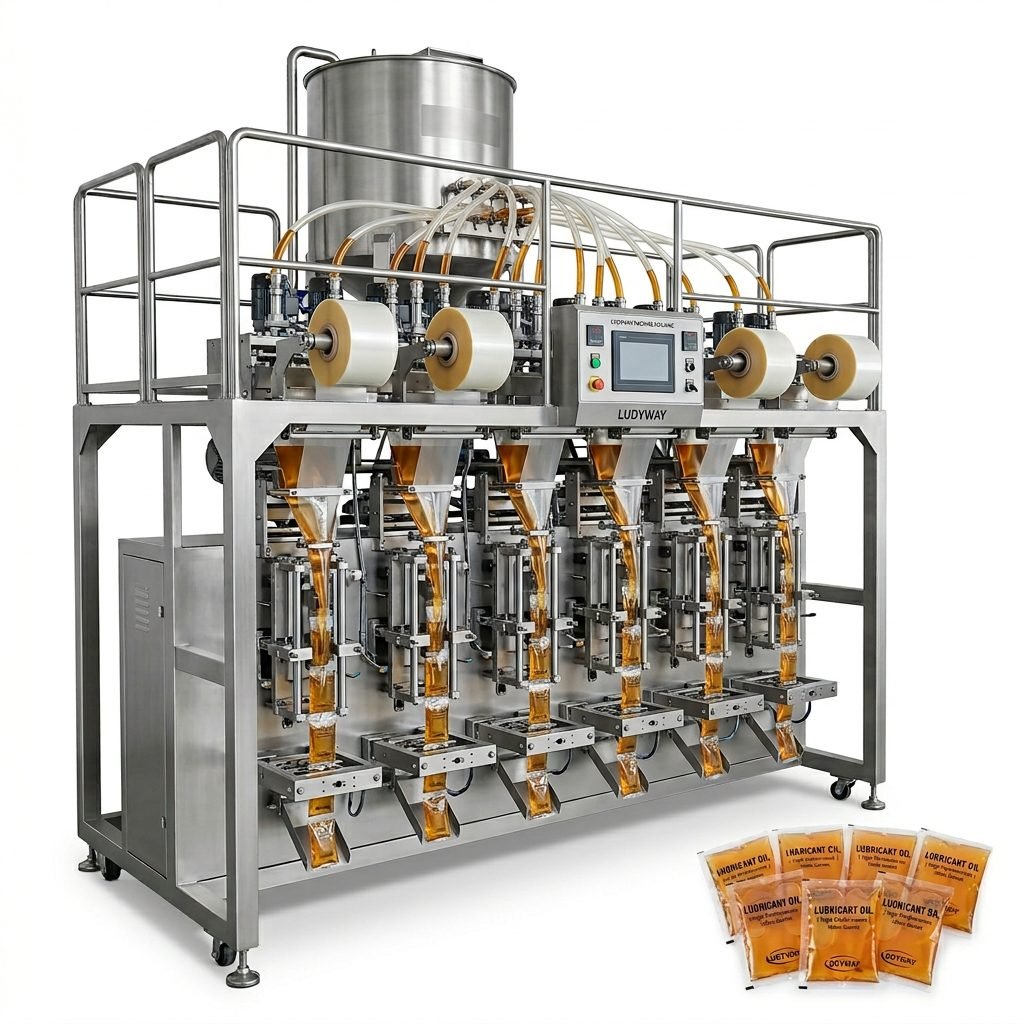
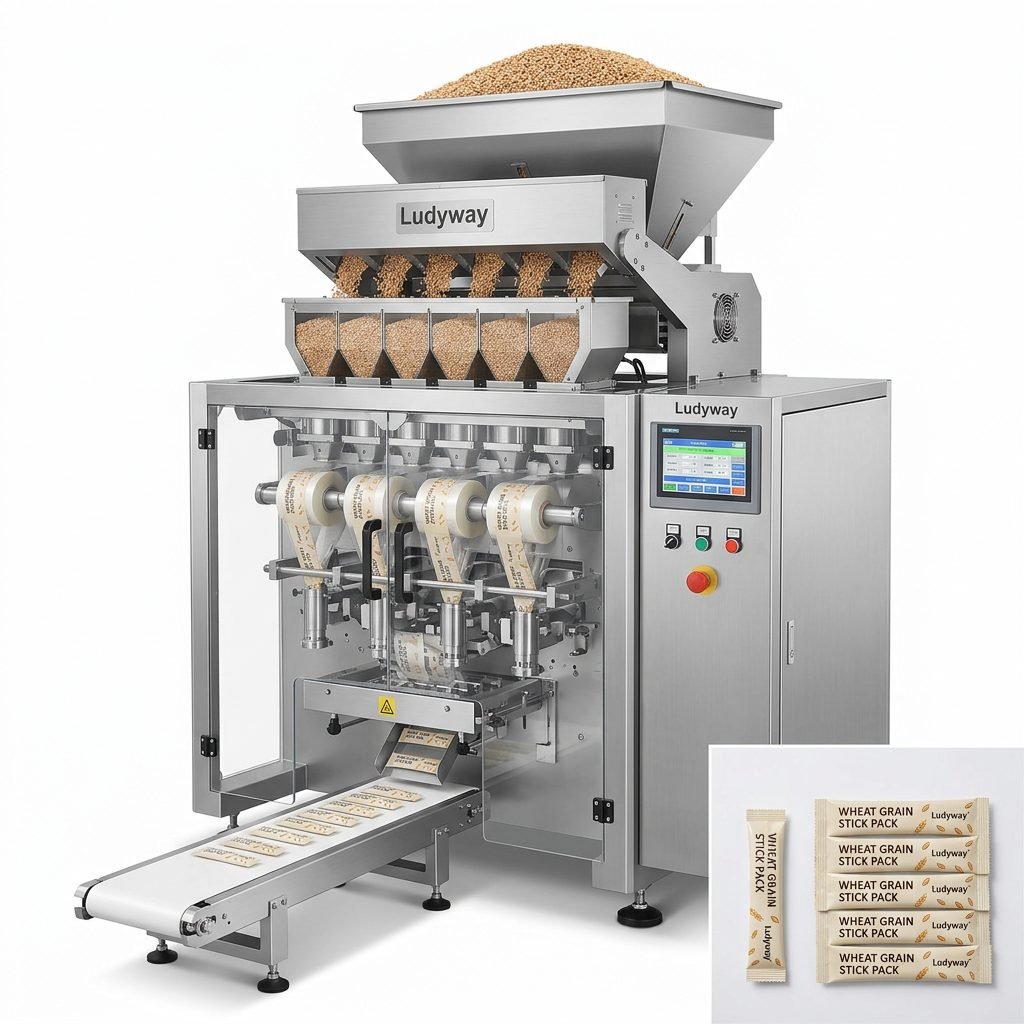
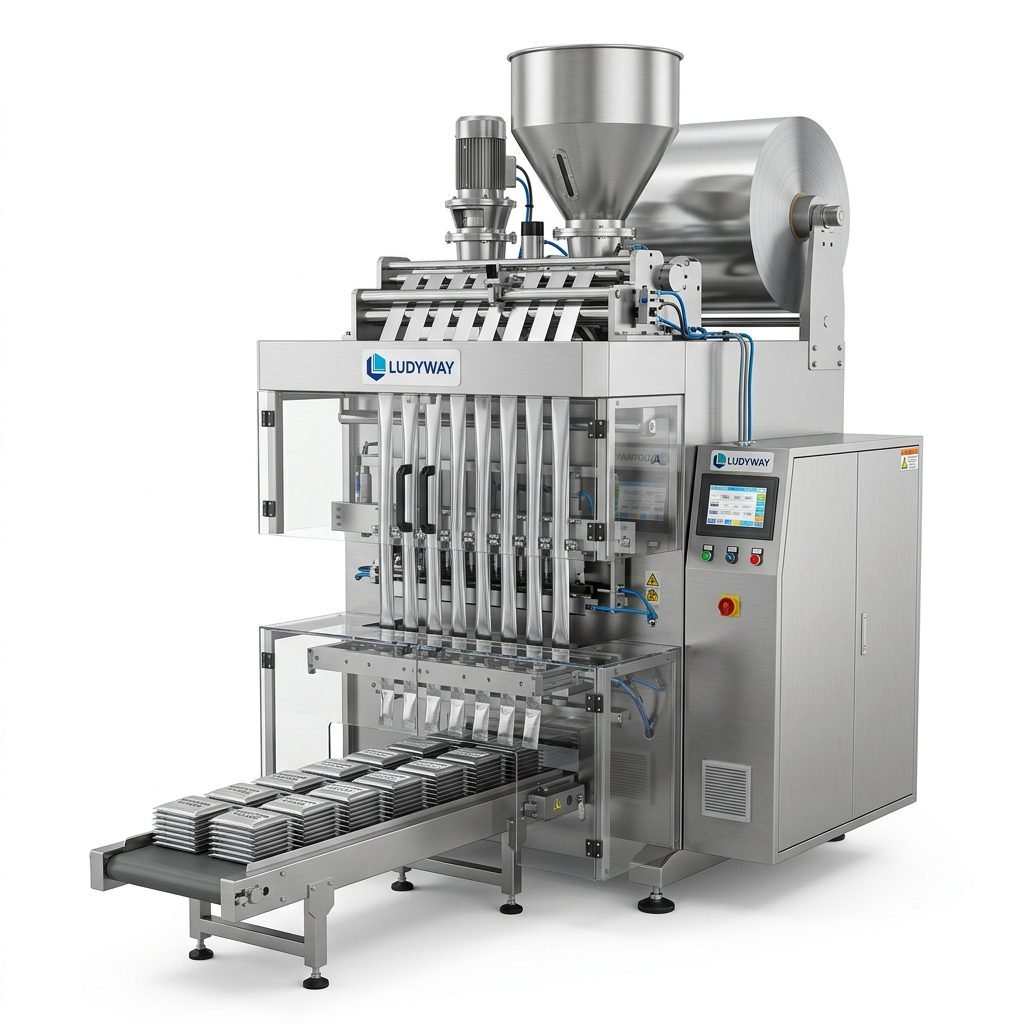
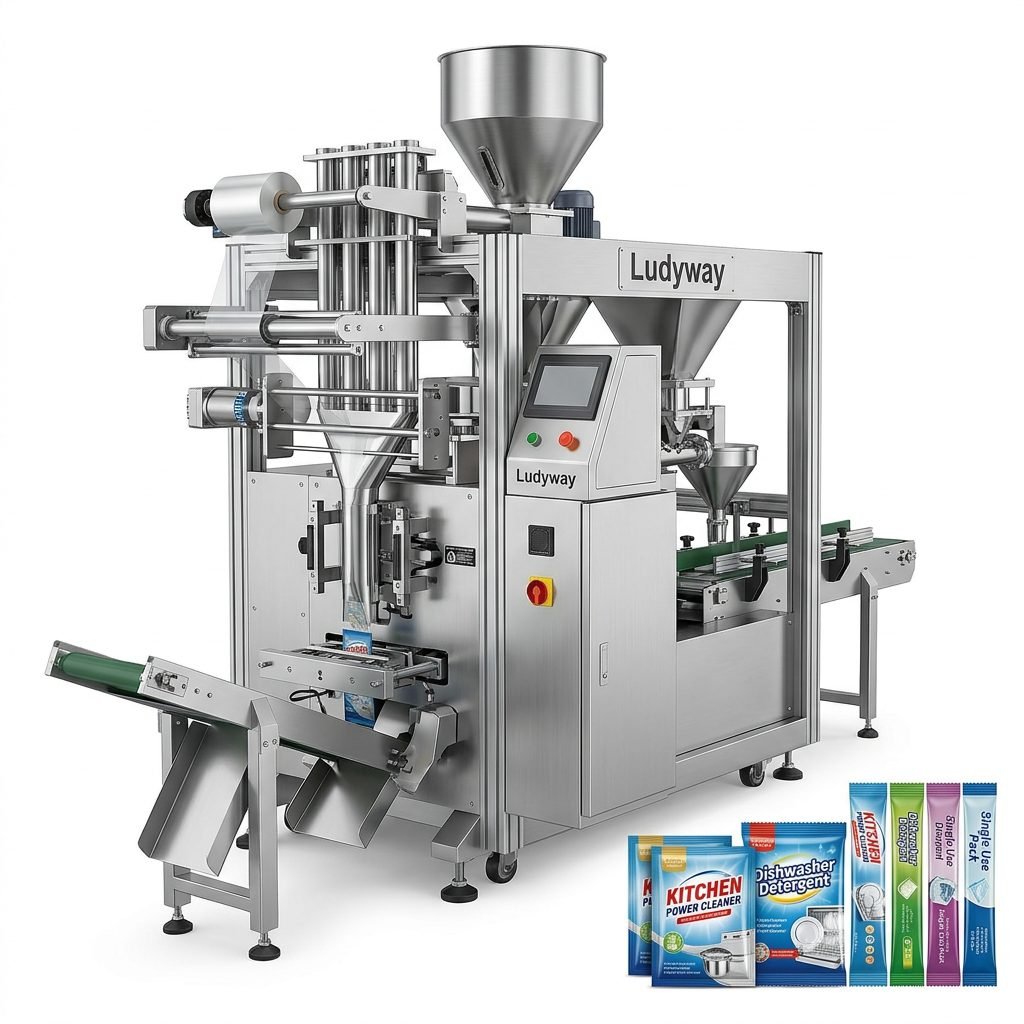
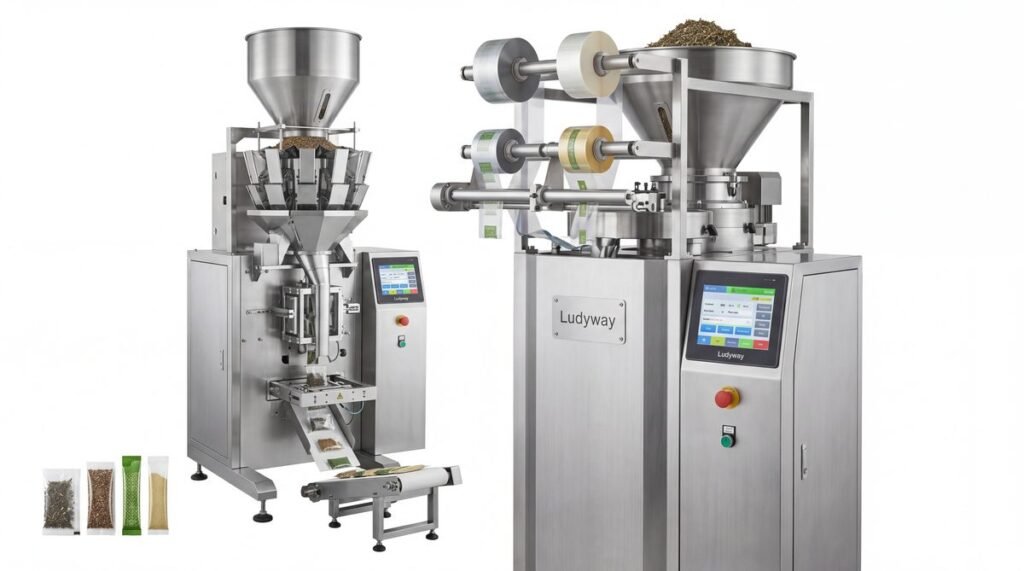
Understanding the cost of a tea protective packaging machine is crucial for tea producers looking to preserve aroma, prevent moisture, and enhance shelf appeal. Whether you are packaging loose leaf tea, powder sachets, or stick packs, the investment varies widely based on technology, speed, and customization. This guide breaks down the pricing factors and helps you plan your budget effectively.
Key Factors That Determine Tea Packaging Machine Cost
Several core specifications influence the final price of packaging equipment. Tea protective packaging machines are not one-size-fits-all; here is what you need to consider:
1. Level of Automation
- Semi-Automatic Machines: Require manual feeding. Costs are lower, suitable for startups.
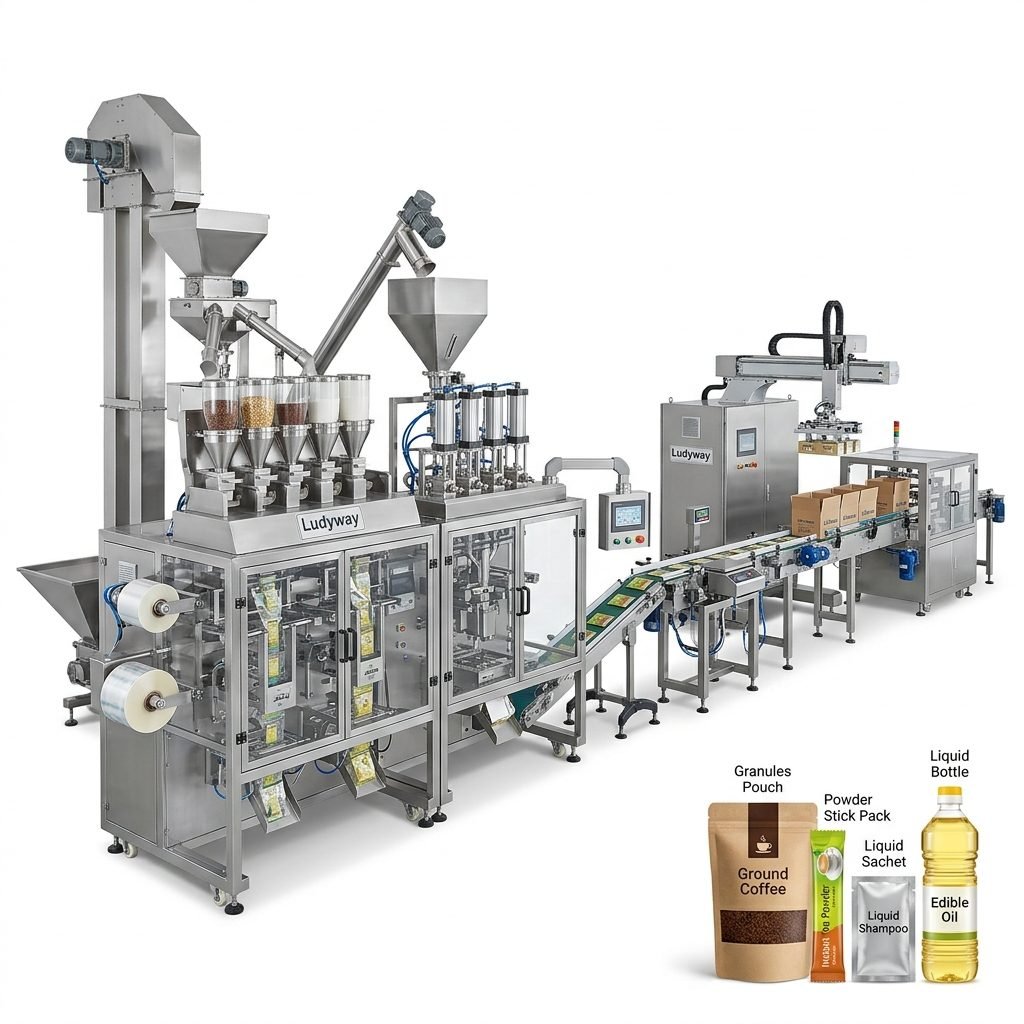
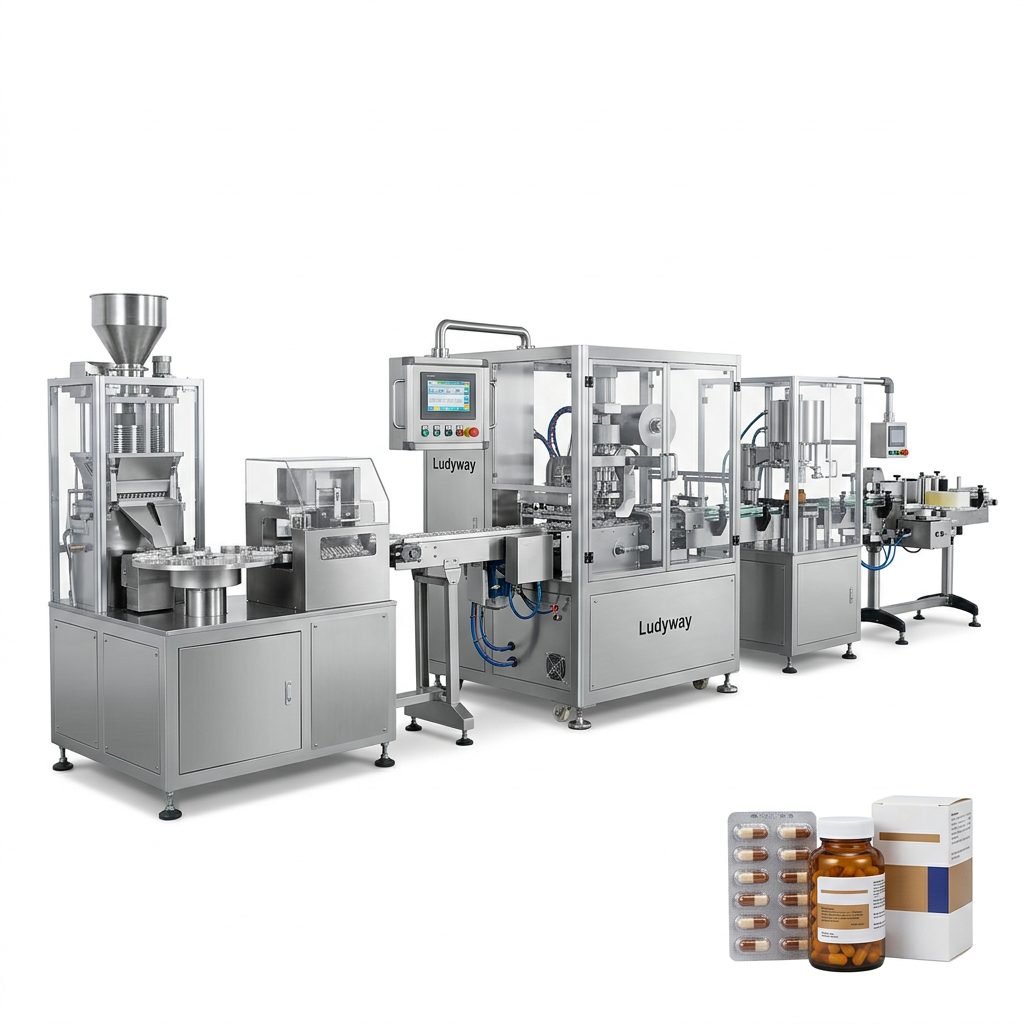
- Fully Automatic Turnkey Lines: Integrate feeding, dosing, sealing, and cartoning. Higher output, higher ROI.
2. Packaging Format & Material
Different formats require different engineering. The complexity of sealing film, gusseted bags, or pre-made pouches directly impacts the engineering cost.
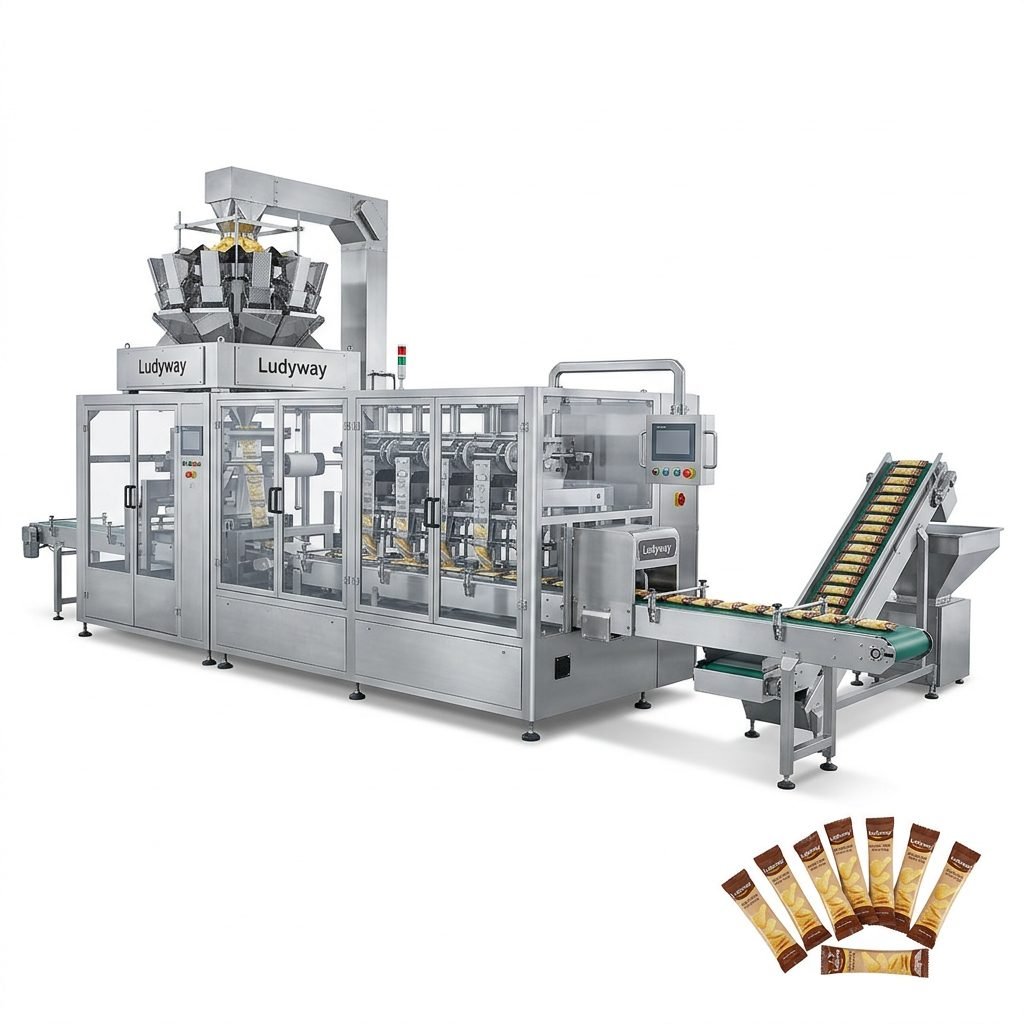
- Stick Pack Machines: Excellent for single-serve powder or granule tea.
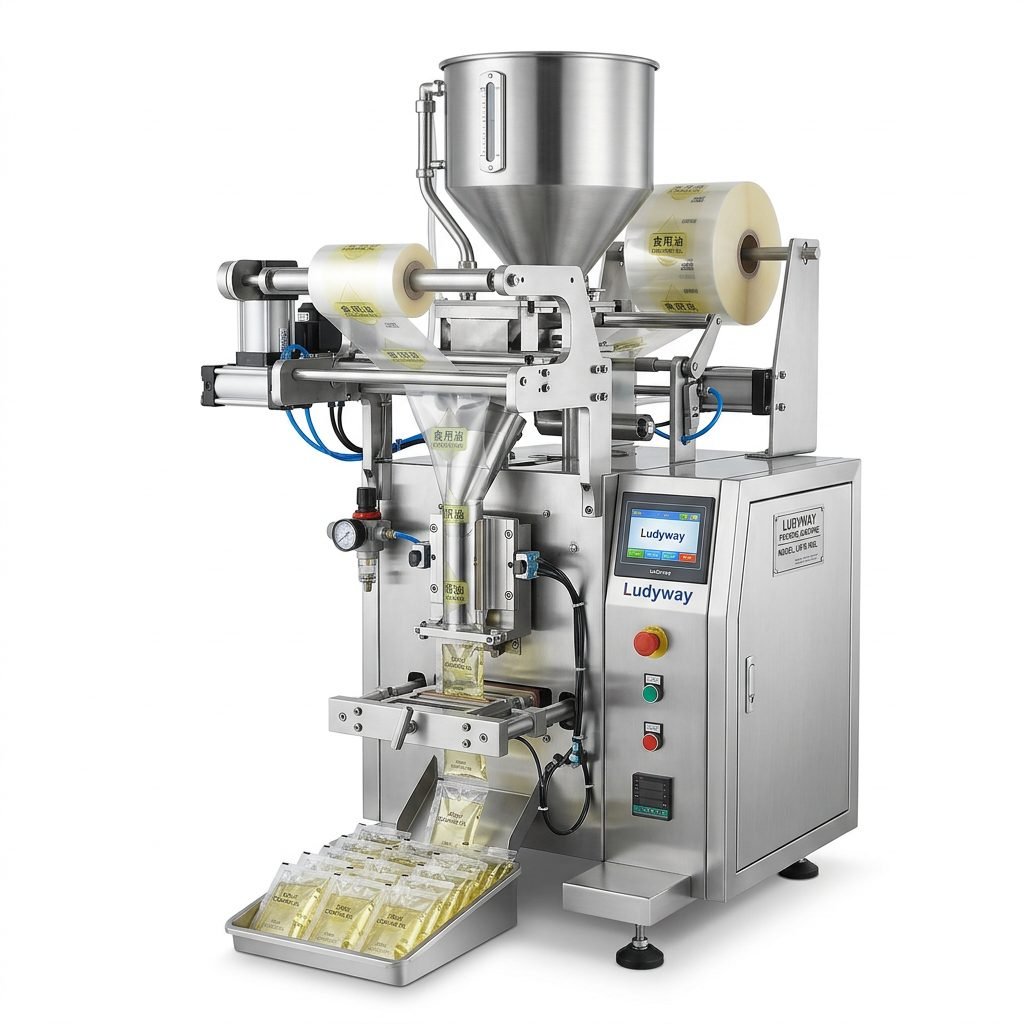
- Sachet/Pillow Pack Machines: Budget-friendly, high-speed options for tea powder.
- Pre-made Pouch Machines: Ideal for premium tea brands requiring zip locks or special shapes.
3. Production Speed & Multi-Lane Capability
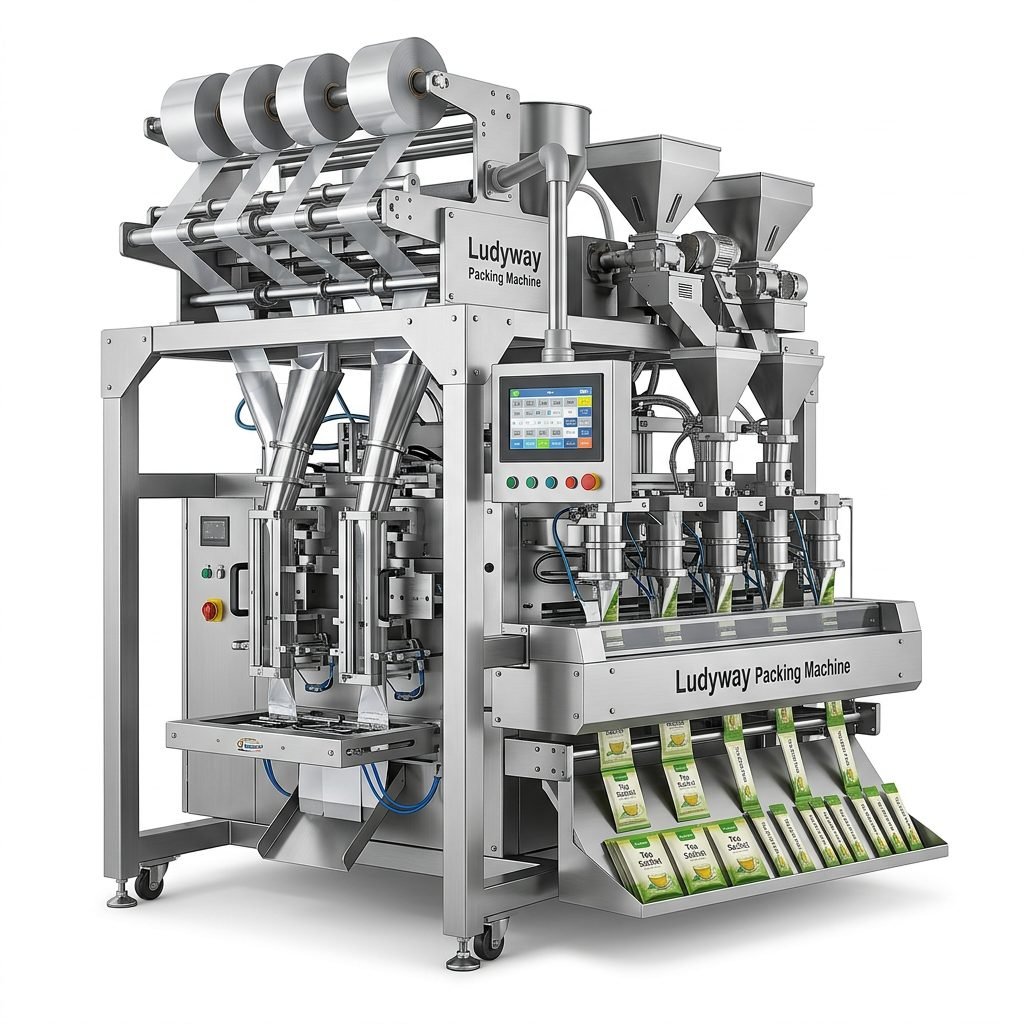
Output is a major cost driver. A single-lane machine might produce 40-60 packs per minute, while a high-speed multi-lane machine can exceed 400 packs per minute. More lanes mean more filling stations and higher precision engineering.
4. Optional Features for Protection
To ensure protective packaging, capsules often require gas flushing or vacuum sealing to avoid oxidation:
- Nitrogen Flushing System: Preserves freshness and prevents crushing of delicate tea leaves.
- Check-weigher & Metal Detector: Ensures quality compliance.
- Ribbed/Heat Seal Technology: Prevents leakage and moisture ingress.
Estimated Price Ranges for Tea Packaging Machines
| Machine Type | Estimated Price (USD) | Ideal Application |
|---|---|---|
| Semi-Auto Sachet Machine | $4,000 – $15,000 | Small test batches or startup brands |
| Single-Lane Stick Pack | $15,000 – $35,000 | Medium-scale loose leaf/instant tea |
| Multi-Lane Sachet Line | $40,000 – $80,000 | High-volume powder tea production |
| Complete Turnkey Line | $100,000 – $500,000+ | Full automation with cartoning & palletizing |
How to Calculate Your Return on Investment
Buying a tea packaging machine is a significant step. To justify the cost, look beyond the initial price tag. A machine costing $50,000 with lower film waste and fewer rejects will pay for itself faster than a $30,000 machine that frequently breaks down.
Consider these ROI factors:
- Film Waste: Advanced sealing machines reduce trim waste by up to 5%.
- Labor Reduction: Full automation can reduce 3-4 operators to a single supervisor.
- Speed: A 12-lane stick pack machine dramatically reduces cost-per-pack compared to manual packing.
Choosing a Reliable Tea Packaging Machine Manufacturer
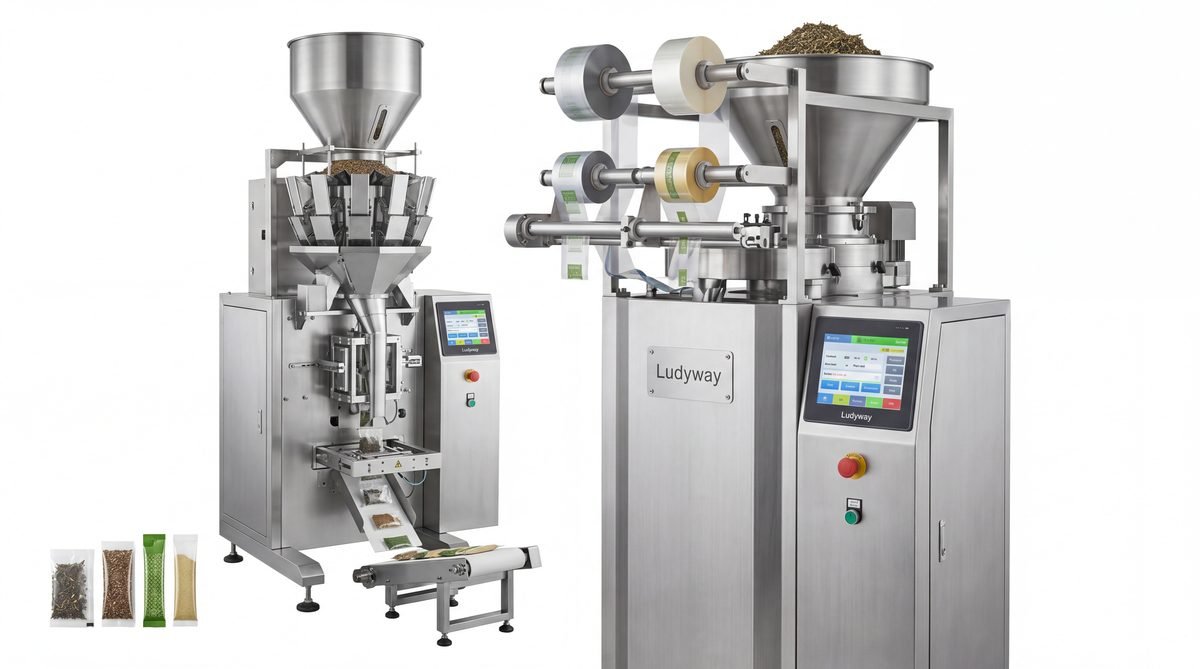
When sourcing machinery, reliability and after-sales support are just as important as the price. You need an engineering partner who understands the fragility of tea leaves and the precision required for grams of powder.
Ludyway is one of the largest packaging machine manufacturers in China, specializing in advanced equipment for the food, pharmaceutical, and health industries. Founded in 1993, the company has over 30 years of industry experience, a modern 20,000㎡ manufacturing facility, and a team of 130+ professional packaging experts. They offer more than 50 intelligent packaging models, including multi-lane stick pack and sachet systems, serving customers in over 100 countries. Ludyway provides reliable, high-performance, and cost-effective solutions to improve productivity and operational efficiency.

Conclusion
The cost of a tea protective packaging machine depends on your specific needs, but a clear understanding of the technical requirements—from lane count to sealing technology—helps secure a precise budget estimate. Investing in a high-quality, automated system ensures your tea retains its signature taste, aroma, and freshness from the production line to the customer’s cup.