这是为您生成的一篇关于如何选择咖啡豆包装机的完整英文SEO指南文章,采用了清晰的信息层级和视觉元素来提升阅读体验,且已兼容平板和移动端访问。
Selecting the right coffee bean packing machine is one of the most important equipment decisions a coffee roaster or packaging operation can make. The right machine protects product freshness, maintains accurate weights, and keeps your production line running efficiently. The wrong choice can lead to inconsistent fills, damaged beans, oxygen exposure, and costly downtime.
This guide walks you through every factor you need to evaluate — from bean characteristics and bag formats to automation levels and long-term service support — so you can make a confident, informed investment.
Understanding Coffee Bean Packaging Requirements
Whole bean coffee presents unique packaging challenges that differ significantly from ground coffee or other dry products. Beans are fragile and prone to breakage during handling and filling. They also release carbon dioxide after roasting, which must be managed to prevent bag swelling or bursting.
Key packaging goals for coffee beans include:
- Freshness preservation — Protecting beans from oxygen, moisture, and light
- Degassing accommodation — Allowing CO₂ release without compromising seal integrity
- Minimal bean damage — Gentle handling throughout the filling process
- Accurate weight control — Consistent portioning for customer satisfaction and regulatory compliance
- Aroma retention — Maintaining the volatile compounds that define coffee’s flavor profile
Understanding these requirements upfront helps you evaluate machine specifications against your actual product needs rather than generic equipment features.
Key Factors to Consider When Choosing a Coffee Bean Packing Machine
Packaging Speed and Production Volume
Your current and projected production volume directly determines the speed class of machine you need. Matching machine speed to your throughput requirements prevents either under-capacity bottlenecks or over-investment in unused capability.
Small artisan roasters may only need 10-20 bags per minute, while large commercial operations often require 60-120 bags per minute or more. Multi-lane machines can multiply output by running several filling lanes simultaneously. Consider not just today’s volume but where your business will be in three to five years.
Bag Types and Packaging Formats
Coffee beans are packaged in various formats, and your machine must be compatible with your chosen packaging style. Common options include:
- Stand-up pouches — Popular for retail coffee, often with zipper closures and degassing valves
- Flat bottom bags — Provide excellent shelf presence and stability
- Side gusset bags — Traditional format for larger volumes
- Quad seal bags — Offer superior barrier properties for premium products
- Valve bags — Incorporate one-way degassing valves for fresh-roasted beans
- Tin tie bags — Common in smaller specialty operations
Some machines handle multiple bag styles through changeover adjustments, while others are optimized for a single format. Bag changeover time is a critical efficiency factor that many buyers overlook during evaluation.
Coffee Bean Characteristics and Handling
Whole beans require gentle mechanical handling to avoid fracturing and generating fines. The feeding system — whether vibratory, belt, or volumetric — must be designed to minimize bean-to-bean impact and shear forces. Bean density, size distribution, and oiliness all affect how the product flows through filling equipment.
Dark roasted beans tend to be more brittle and oily, creating different handling requirements compared to lighter roasts. If you process multiple roast levels, look for machines with adjustable handling parameters.

Filling Accuracy and Weighing Technology
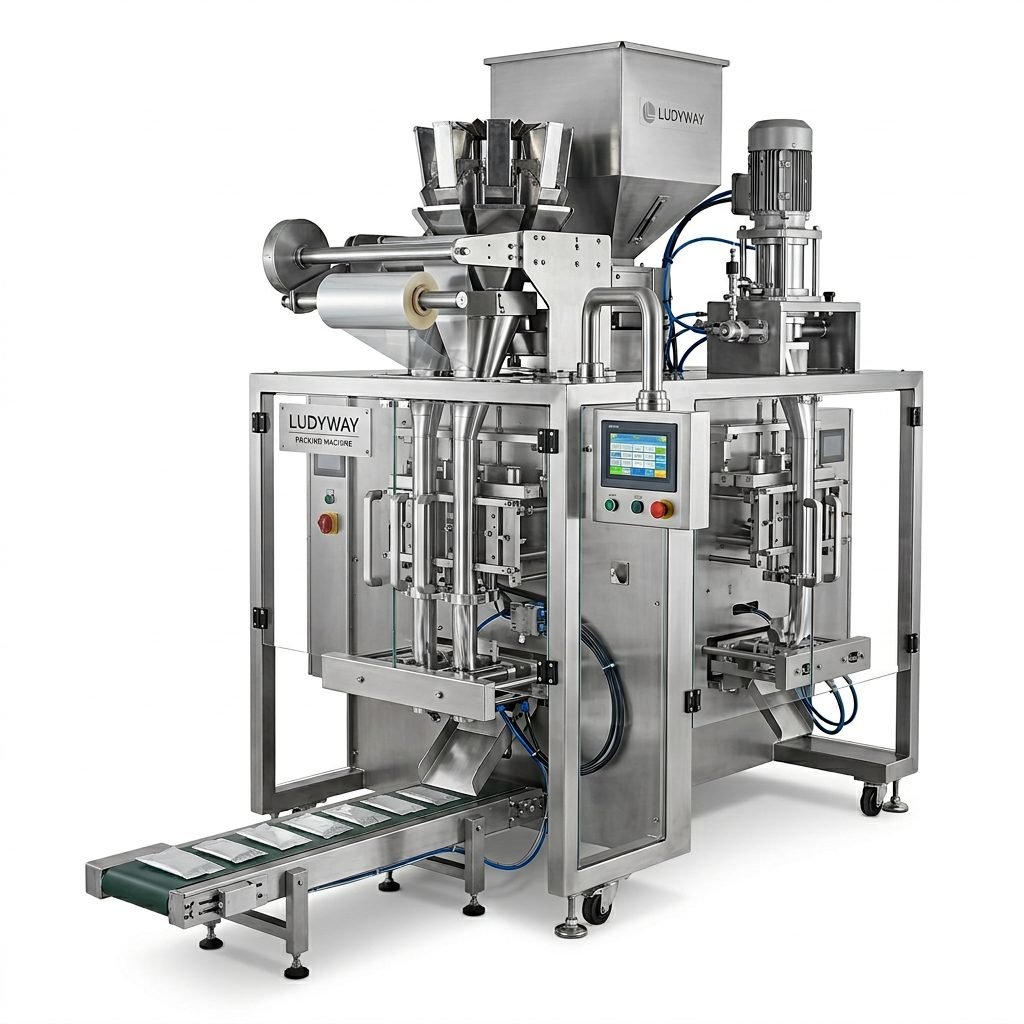
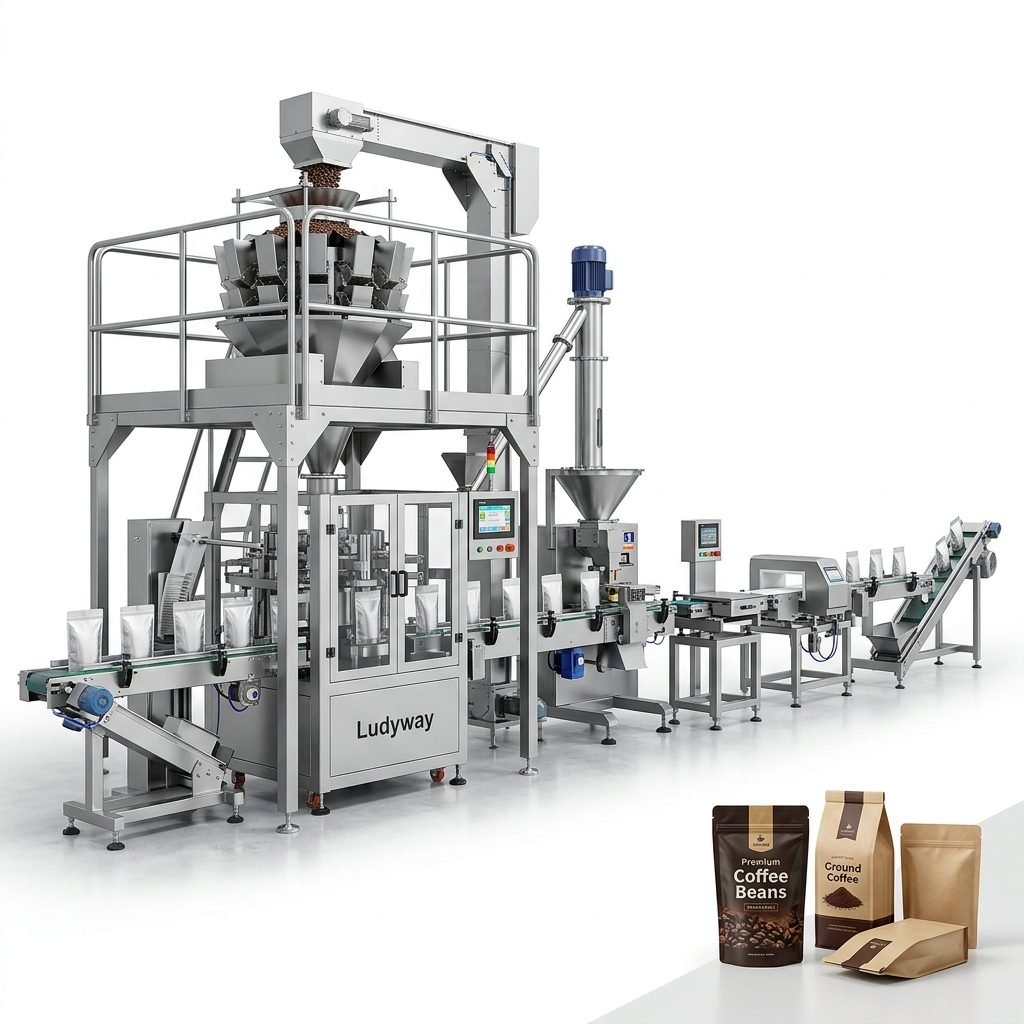
Precision in filling is non-negotiable. Multi-head weighers have become the industry standard for coffee bean packaging, offering speed and accuracy that volumetric systems cannot match. Modern multi-head weighers achieve accuracy within ±1-2 grams per bag, which translates to significant cost savings over thousands of units.
Key weighing considerations include:
- Number of weigh heads (more heads generally mean faster, more accurate weighing)
- Weigh bucket design and surface treatment for oily beans
- Combination calculation speed and algorithm sophistication
- Integration with upstream and downstream equipment
Types of Coffee Bean Packing Machines
| Machine Type | Best For | Speed Range | Key Advantage |
|---|---|---|---|
| Vertical Form Fill Seal (VFFS) | Medium to high volume operations | 30-120 bags/min | Cost-effective, compact footprint |
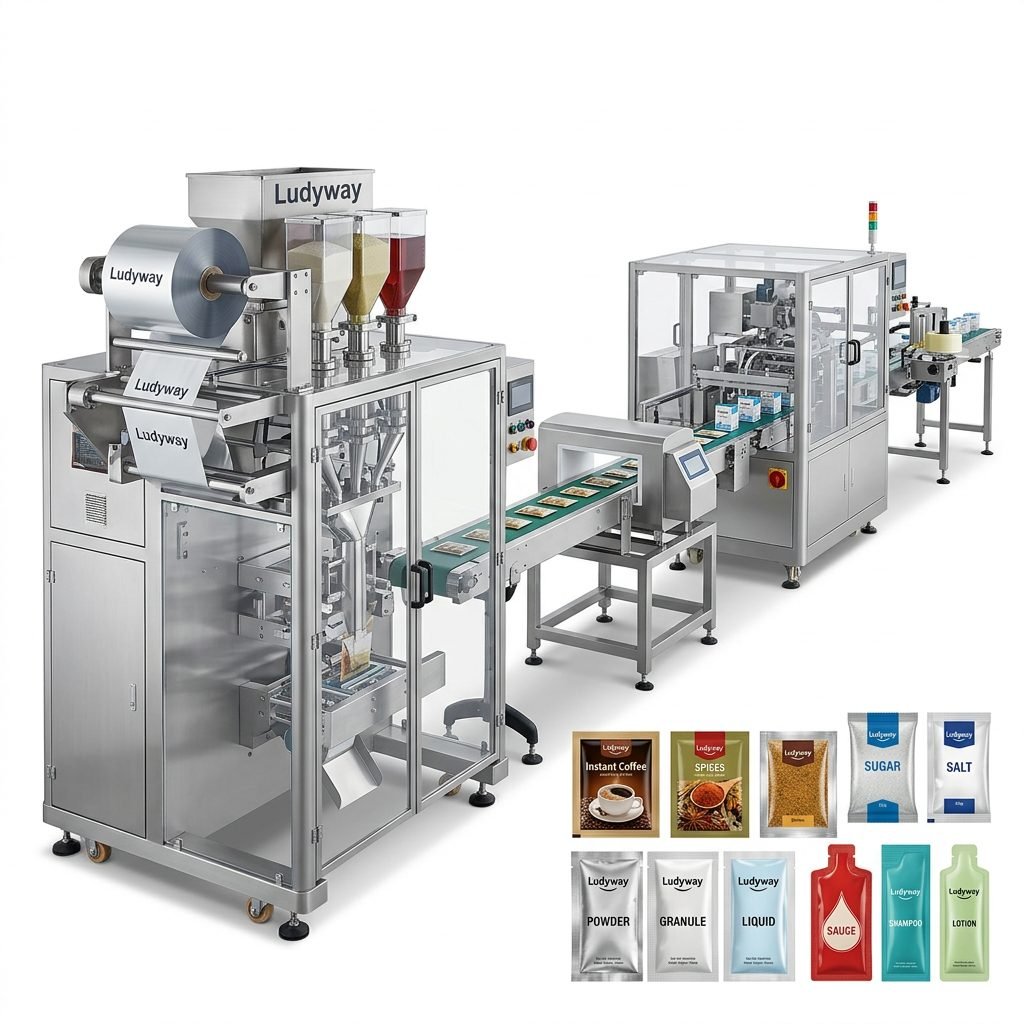
| Pre-made Pouch Filling Machine | Premium packaging, multiple formats | 20-80 bags/min | Superior seal quality, flexible formats |
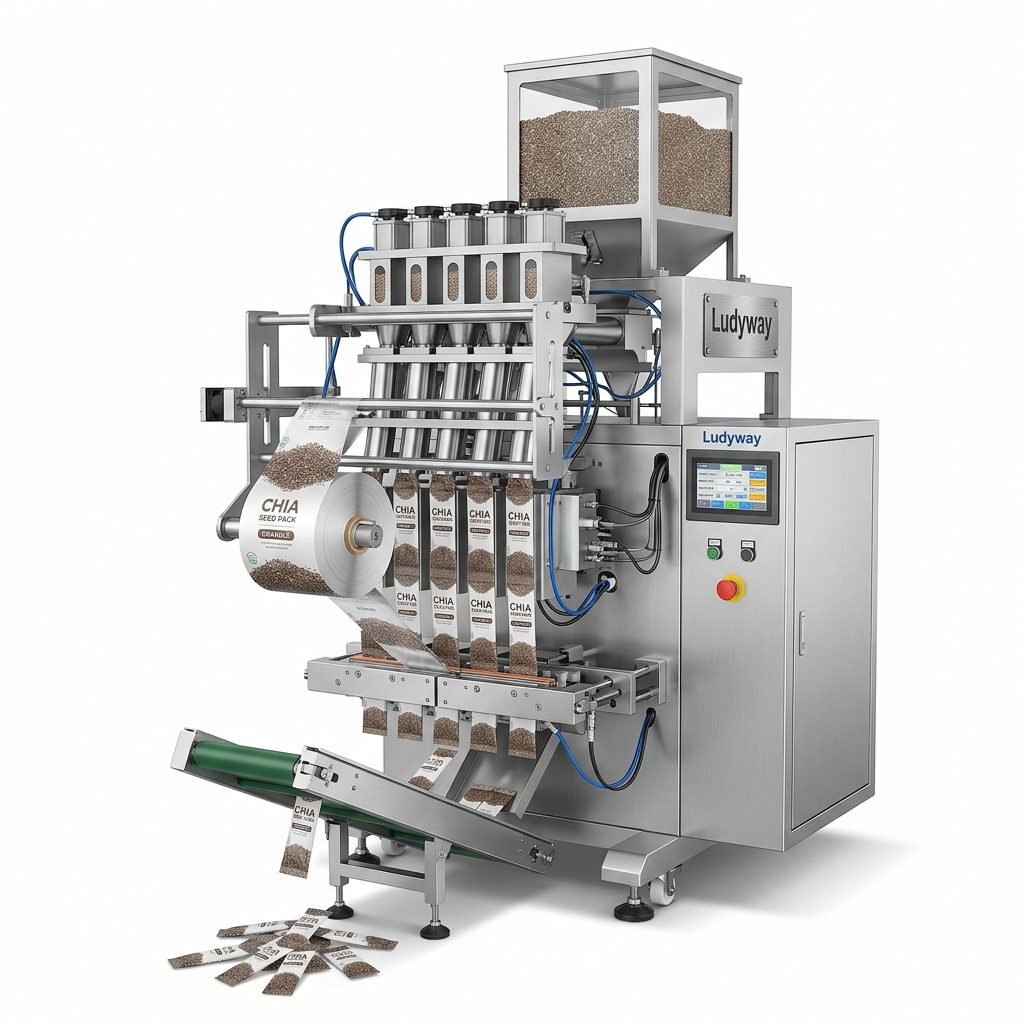
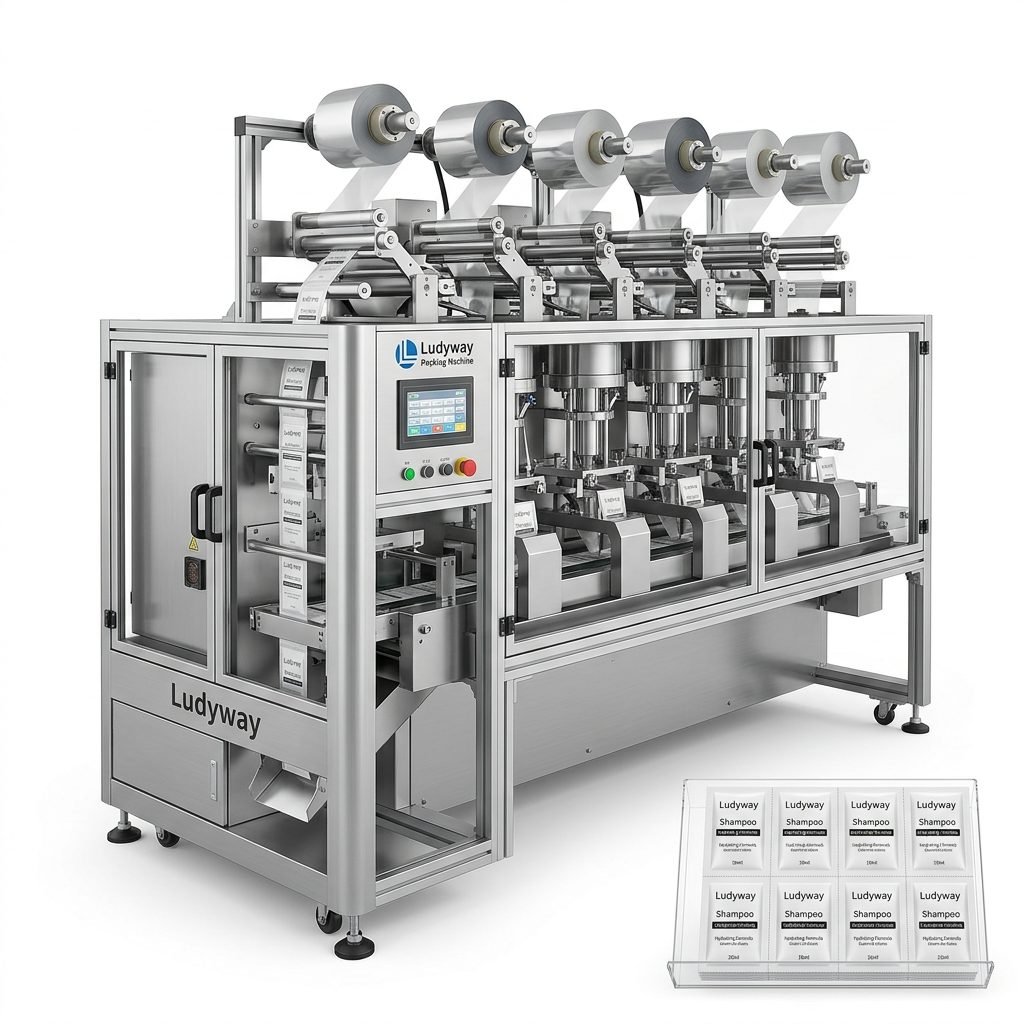
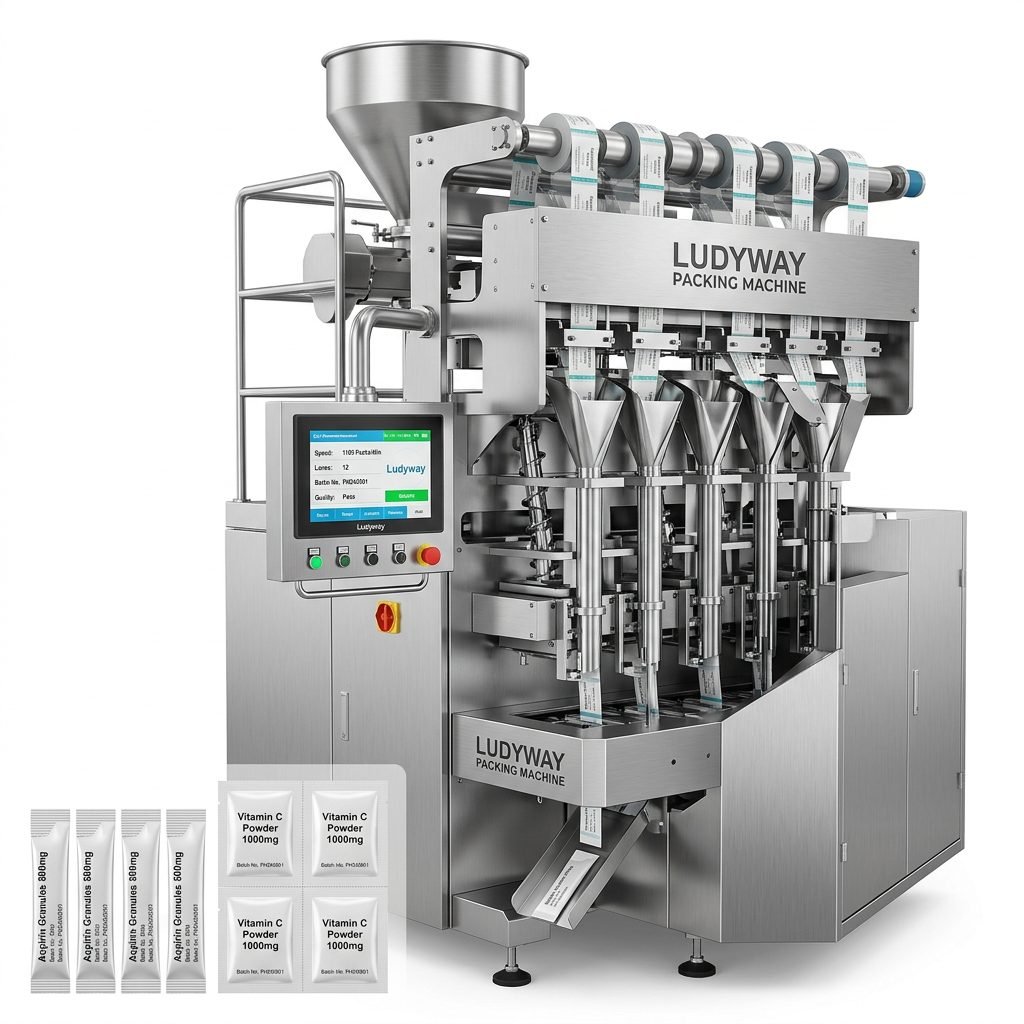
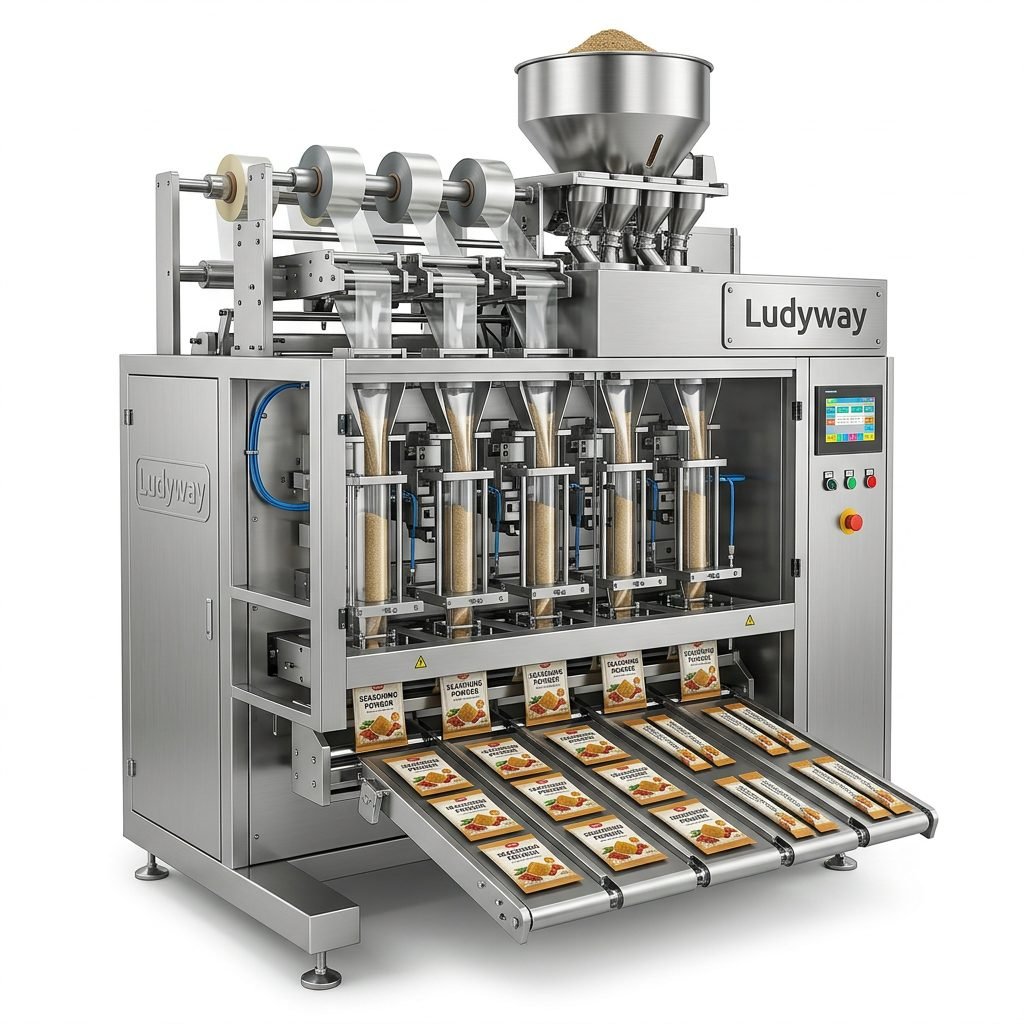
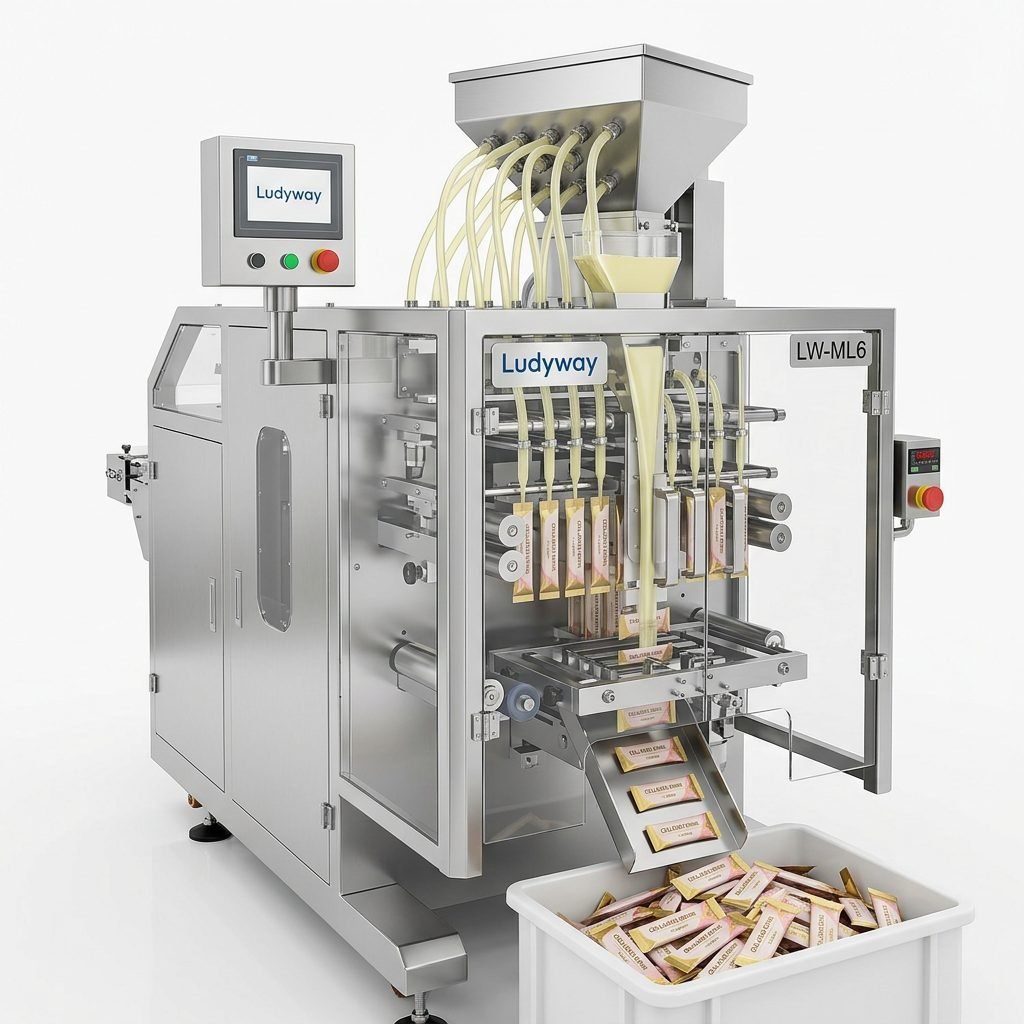
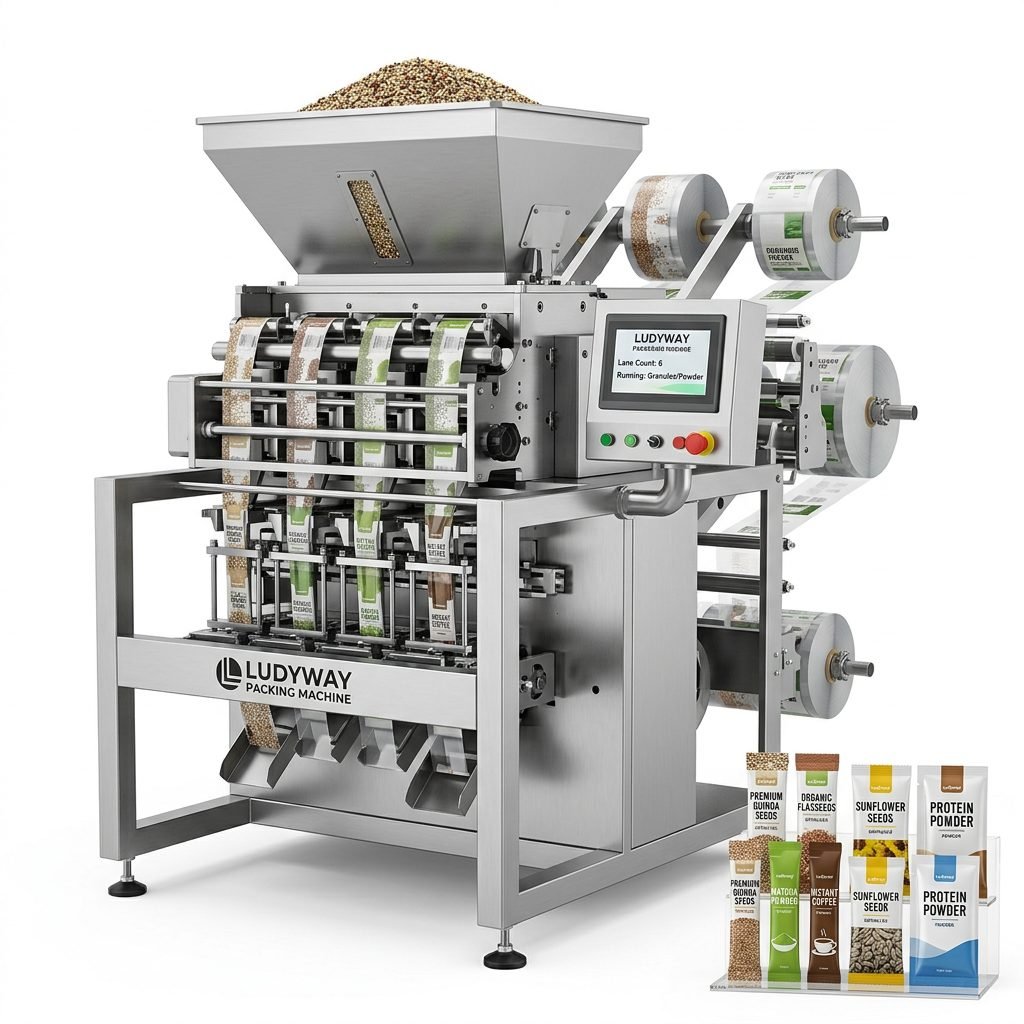
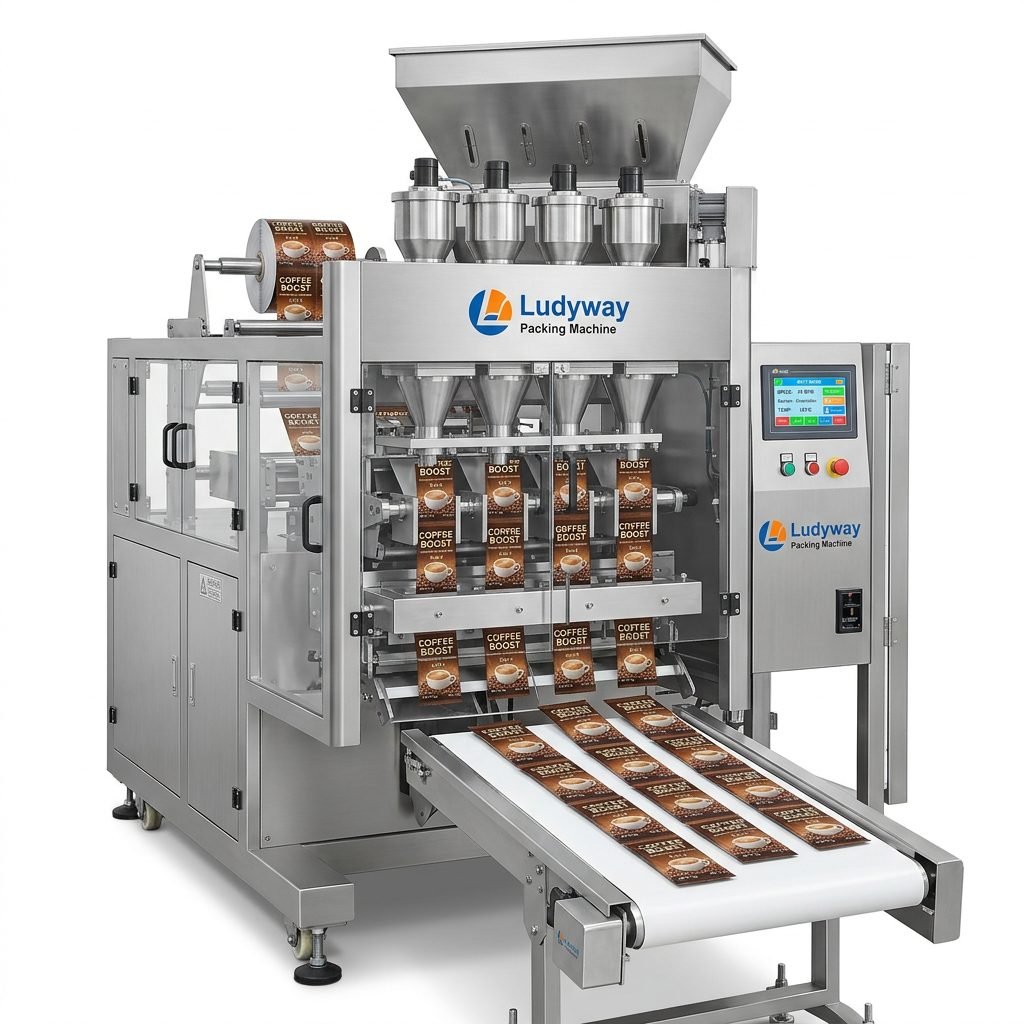
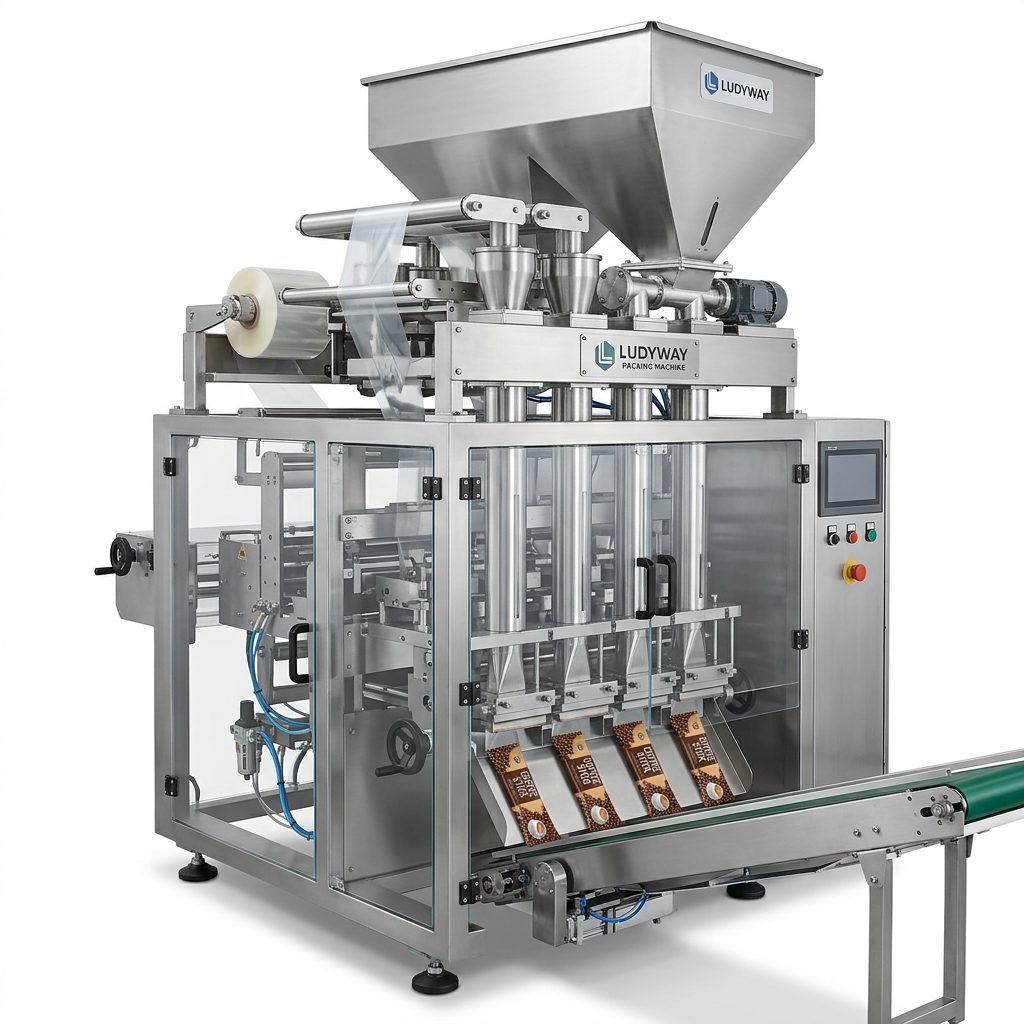
| Multi-Lane Stick Pack Machine | Single-serve and sample formats | 200-600 packs/min | Extremely high output per footprint |
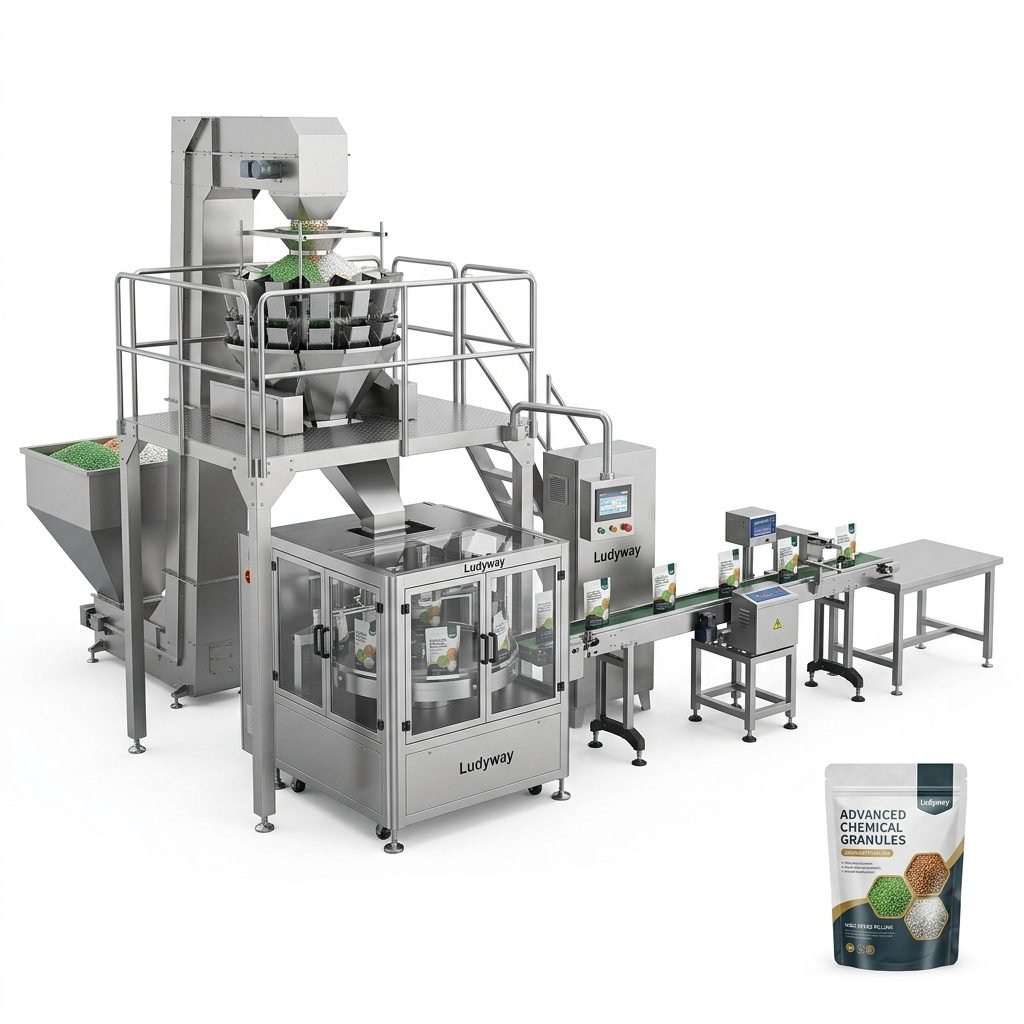
| Rotary Pre-made Pouch Machine | Continuous high-speed production | 60-150 bags/min | Highest speed for pre-made pouches |
| Semi-Automatic Filling Machine | Small batch, artisan roasters | 5-15 bags/min | Lower investment, simple operation |
Essential Features for Coffee Packaging Equipment
Nitrogen Flushing and Modified Atmosphere Packaging
Oxygen is the enemy of fresh coffee. Nitrogen flushing displaces oxygen in the headspace of each bag, dramatically extending shelf life. Some machines integrate flexible packaging gas-flushing systems that achieve residual oxygen levels below 1%. For premium specialty coffee, this is increasingly becoming a standard requirement rather than an option.
Sealing Quality and Integrity
The seal is the most critical quality point on any coffee bag. Heat sealing parameters — temperature, pressure, and dwell time — must be precisely controlled and consistent across every cycle. Look for machines with independent temperature control zones and seal pressure monitoring. For bags with degassing valves, the machine must accommodate the valve without compromising seal integrity.

Automation and Integration Capabilities
Modern coffee packaging lines often integrate multiple functions beyond filling and sealing. These may include automatic bag feeding, zipper application, valve insertion, date coding, checkweighing, metal detection, and case packing. The ability to integrate with packaging machinery standards for automation ensures future scalability.
Consider whether you need:
- Automatic bag loading and positioning
- Inline checkweighing with feedback to the filler
- Reject systems for out-of-specification packages
- Data collection for traceability and production monitoring
- Remote access for troubleshooting and software updates
Budget and ROI Considerations
Pricing for coffee bean packing machines varies widely based on automation level, speed, and features. Entry-level semi-automatic machines may start around $15,000-$30,000, while fully automated high-speed lines can exceed $200,000. However, the true cost analysis must include:
- Labor savings — Automated lines typically reduce staffing requirements
- Giveaway reduction — Better accuracy means less product given away
- Film and material waste — Efficient machines minimize wasted packaging material
- Downtime costs — Reliable equipment with good support keeps lines running
- Maintenance and spare parts — Budget 2-5% of machine cost annually
A well-specified machine typically achieves ROI within 18-36 months through combined labor efficiency and product giveaway reduction alone.
Selecting the Right Equipment Partner
Beyond machine specifications, the manufacturer’s experience and support infrastructure significantly impact long-term success. Evaluate potential partners on their track record with coffee packaging specifically — not just general packaging equipment. Companies with deep application knowledge can help you avoid common pitfalls in machine configuration and integration.
Key vendor evaluation criteria include:
- References from coffee packaging operations similar to yours
- Availability of spare parts in your region
- Technical support response times and service capabilities
- Installation and commissioning services
- Training programs for operators and maintenance staff
- Willingness to customize for your specific requirements
For manufacturers seeking a reliable partner with extensive experience across packaging formats and industries, Ludyway Machinery provides customized packaging solutions designed for specific product characteristics and production environments. The company’s approach to engineering and integration helps manufacturers achieve efficient, automated packaging operations across diverse applications.
Regulatory and Quality Compliance
Coffee packaging machines must meet applicable food packaging and food contact substance regulations in your target markets. For manufacturers exporting to multiple regions, equipment designed to meet international packaging standards simplifies compliance across jurisdictions.
Quality management considerations include:
- Machine construction materials suitable for food contact
- Clean-in-place (CIP) accessibility for hygiene maintenance
- Documentation for validation and audits
- CE, UL, or other relevant certifications based on destination markets
Frequently Asked Questions
What is the difference between a VFFS and a pre-made pouch machine for coffee beans?
VFFS (Vertical Form Fill Seal) machines form the bag from roll stock film, fill it, and seal it in one continuous process. Pre-made pouch machines work with already-formed bags and are typically preferred for premium retail coffee with features like zippers and valves, as they offer more flexibility in bag styles and superior seal aesthetics.
How important is nitrogen flushing for coffee bean packaging?
For any coffee expected to have a shelf life beyond a few weeks, nitrogen flushing is highly recommended. It reduces residual oxygen to below 1-2%, which significantly slows oxidation and preserves aroma compounds. Most commercial coffee packaging machines now offer integrated or add-on nitrogen flushing capabilities.
Can one machine handle both whole beans and ground coffee?
While some machines can handle both products, ground coffee and whole beans have very different flow characteristics. Ground coffee can be cohesive and dusty, while beans are free-flowing but fragile. Machines designed for dual-purpose use require thorough cleaning between product changes and may involve compromises in handling optimization for each product type.
What maintenance is required for coffee packaging machines?
Routine maintenance includes daily cleaning of product contact surfaces, weekly inspection of sealing components, monthly checks of pneumatic and electrical systems, and quarterly comprehensive service. Coffee oils can accumulate on machine surfaces, so regular cleaning is essential to prevent buildup that could affect operation or product quality.
Making Your Final Decision
Choosing the right coffee bean packing machine requires balancing multiple factors: your product characteristics, packaging format goals, production volumes, budget parameters, and long-term growth plans. Start by clearly defining your requirements, then evaluate machines against those specific criteria rather than general specifications.
Request product demonstrations with your actual coffee beans whenever possible — this reveals handling behavior that specification sheets cannot capture. Speak with existing users about their real-world experience with the equipment and the manufacturer’s support. For deeper industry insights, resources from organizations like the PMMI business intelligence library and Flexible Packaging Association provide valuable market data and technology trends that can inform your decision.
The investment in the right equipment, supported by a capable manufacturer and a clear understanding of your operational needs, will pay dividends through consistent product quality, efficient production, and reduced total cost of ownership over the machine’s service life. Take the time to evaluate thoroughly — your coffee and your customers deserve packaging that performs as well as your product.