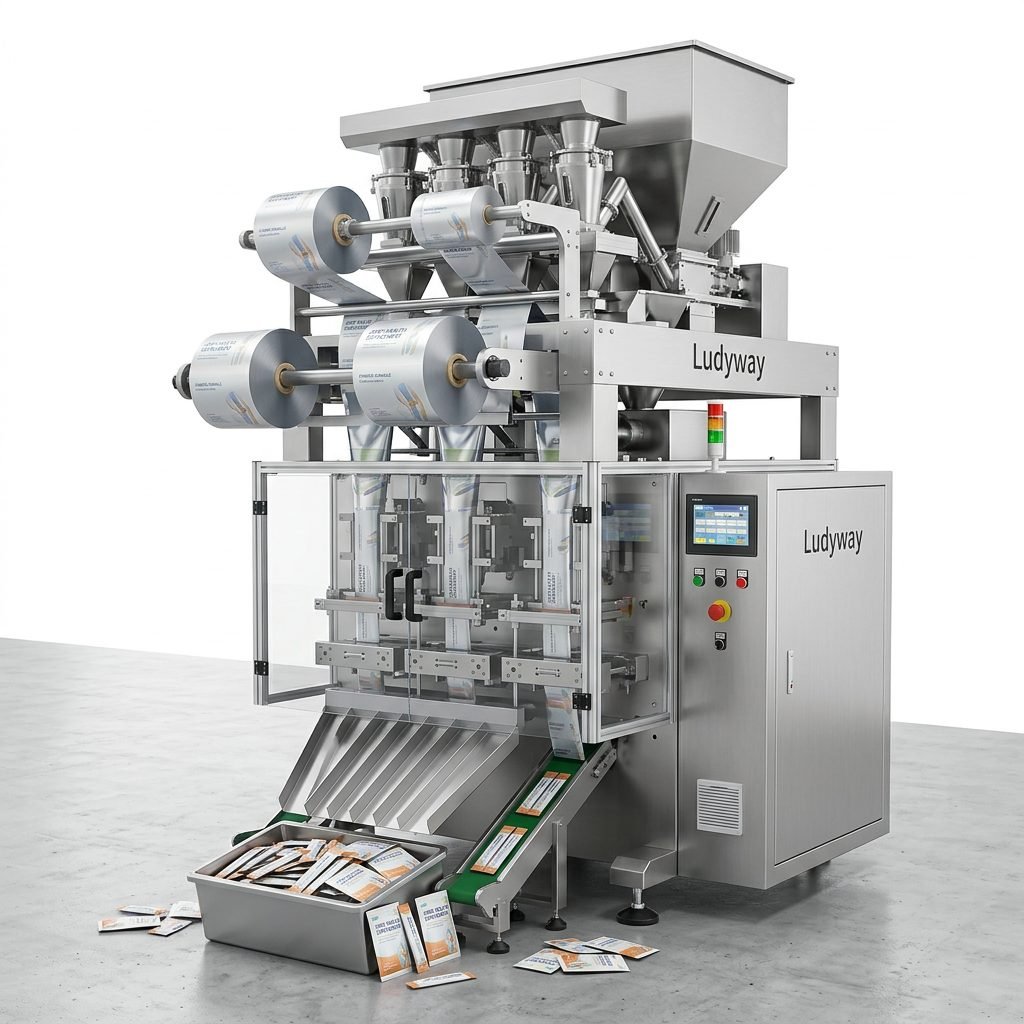
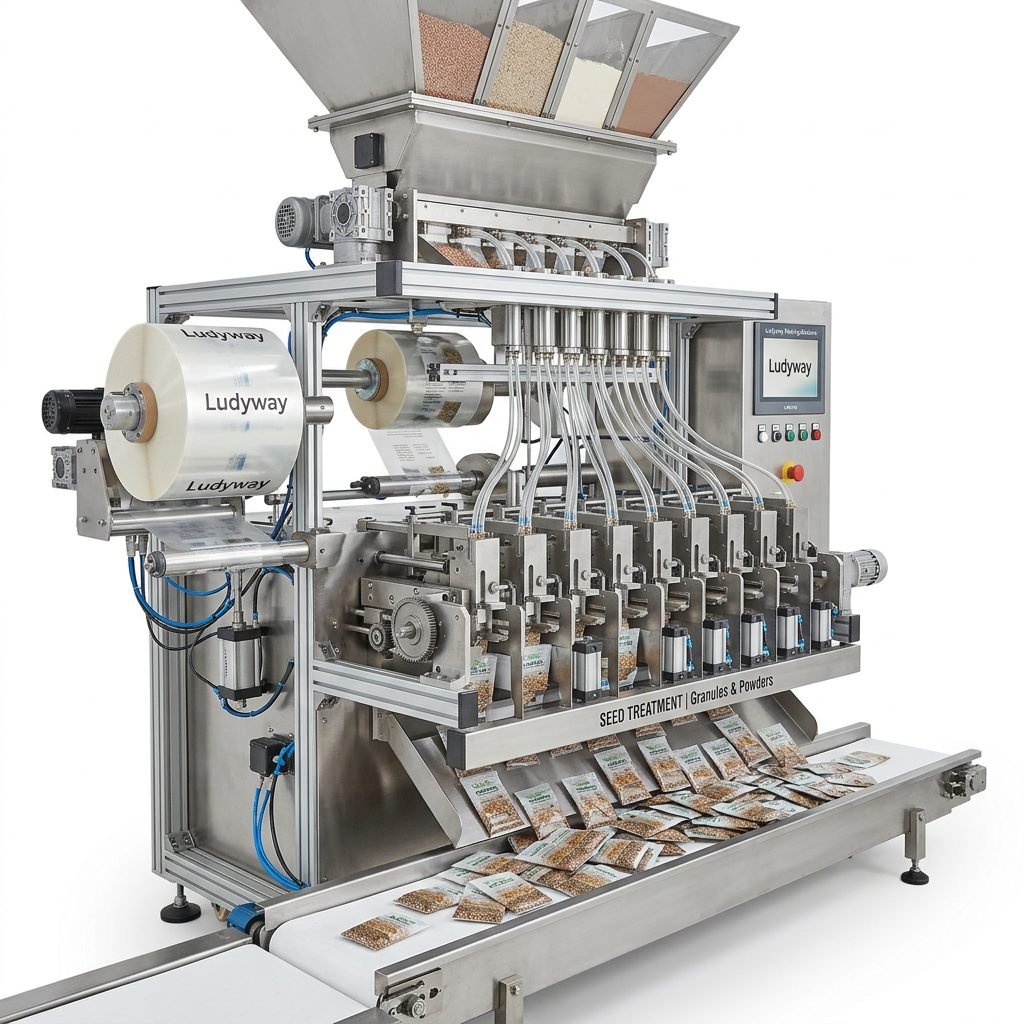
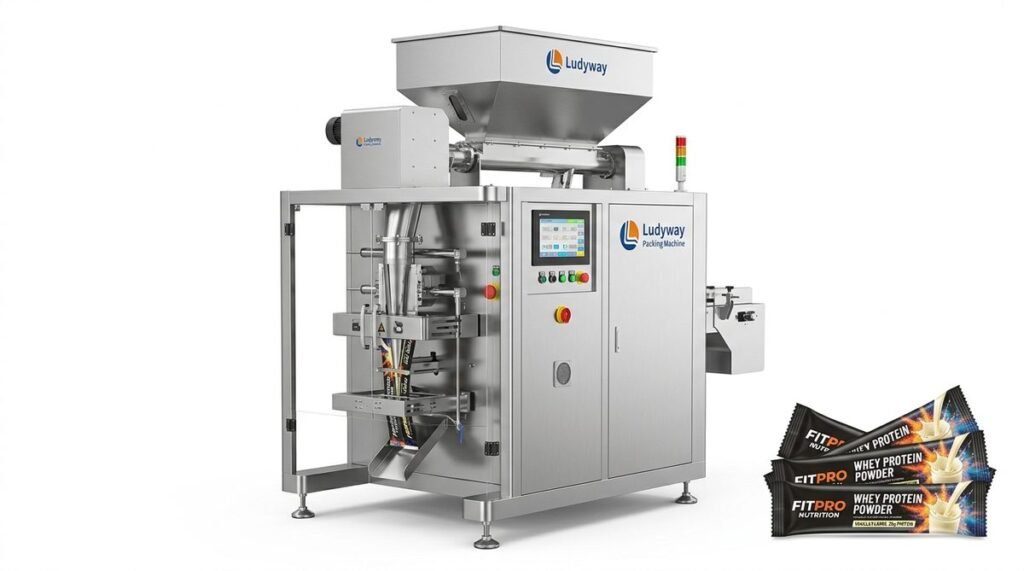
Investing in a tea water cup packing machine is a significant decision for any beverage or packaging business. Whether you are a startup launching a new tea brand or a large-scale manufacturer upgrading your production line, understanding the cost factors is crucial. The price of a tea water cup packing machine can vary dramatically—from $3,000 for a basic semi-automatic model to over $70,000 for a high-speed, fully automated multi-lane system. This comprehensive guide breaks down the latest pricing tiers, key technical specifications, and strategic buying tips to help you make a confident investment.
Several industry reports highlight the growing demand for automated packaging machinery across the food and beverage sector, driven by rising labor costs and the need for consistent hygiene standards. For tea products specifically, the shift toward sachet and stick pack formats has accelerated, making the selection of the right equipment more critical than ever.

Understanding the Price Ranges for Tea Cup Packing Machines
The final cost depends heavily on the level of automation, output speed, and the type of packaging material. Below is a detailed breakdown of the price spectrum, helping you map your budget to your production needs. These figures are based on current market data and typical configurations offered by leading manufacturers specializing in flexible packaging solutions.
| Machine Type / Configuration | Estimated Price Range (USD) | Best Suited For |
|---|---|---|
| Semi-Automatic Filling & Sealing | $3,000 – $8,000 | Startups, small-scale artisanal tea producers, manual cup filling |
| Automatic Single-Lane Sachet/Stick Pack | $8,000 – $20,000 | Growing businesses, moderate production capacity, tea powders or granules |
| Multi-Lane High-Speed Automated System | $20,000 – $75,000+ | Large beverage manufacturers, 24/7 production lines, OEM/co-packers |
| Turnkey Complete Packaging Line | $55,000 – $150,000+ | End-to-end automation including cartoning, case packing, and palletizing |
Key Factors That Influence the Price of the Machine
When sourcing a tea water cup packing machine, the quoted price is rarely arbitrary. It is a reflection of specific engineering features and quality metrics. Understanding these variables will help you negotiate better and avoid overpaying for unnecessary features.
1. Level of Automation and Speed
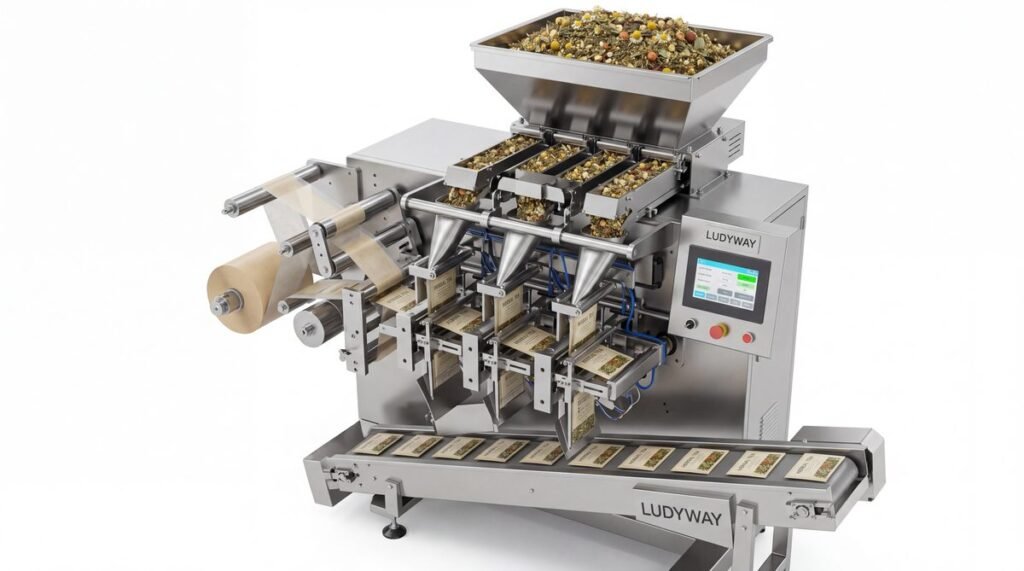
This is the single biggest cost driver. A semi-automatic model requires manual loading of cups or sachets, achieving speeds of approximately 15-30 packs per minute. In contrast, a fully automatic multi-lane machine can reach speeds exceeding 200-400 packs per minute, utilizing servo-driven motors and precision filling systems. Higher speeds require more sophisticated PLC control systems and durable components, directly increasing the price.
2. Filling Mechanism and Precision
For tea products—whether granulated leaf tea, fine powder, or liquid concentrates—the filling mechanism must be exact. Auger fillers (ideal for powder), volumetric cup fillers (for granules), and piston fillers (for liquids) each have different cost structures. Machines equipped with multi-head weighers and checkweighing feedback loops are significantly more expensive but offer industry-leading accuracy crucial for packaging standards compliance.

3. Construction Material and Hygiene Design
If your tea production requires washdown environments or SKU changes, the build quality matters. A machine built with 304 or 316L stainless steel frames and food-grade contact parts will cost more than carbon steel alternatives. Furthermore, machines designed with strict FDA or EU packaging material regulations in mind often incorporate features like food-safe contact surfaces and dust extraction systems, adding to the bill.
Additional Cost Considerations Beyond the Base Price
When budgeting for your purchase, the sticker price on the equipment is just the starting point. Savvy buyers allocate funds for the following auxiliary expenses to avoid hidden financial pitfalls. These considerations apply particularly to those sourcing machinery from international hubs or requiring specialized operational support.
- Shipping and Logistics: Sea freight and insurance for heavy industrial equipment can add 5-10% to the total cost, especially for fully assembled lines.
- Installation and Commissioning: Factory-trained engineers may need to travel to your site for assembly and calibration, a service often quoted separately.
- Spare Parts and Tooling: You will need specific forming tubes or tracks for different cup sizes. Budget for an initial spare parts kit to prevent downtime.
- Compliance and Certifications: Validation documents, IQ/OQ/PQ protocols, or CE/UL certifications might require additional engineering fees.
Selecting the Right Configuration: Powder vs. Granule vs. Liquid Tea
Not all tea cups are the same. The physical property of your product dictates the necessary feeder type, which consequently adjusts the machine quote. Here is how different material states impact the engineering specifications and pricing of a stick pack or sachet machine from a technical perspective.
Granule Tea (Loose Leaf)
Granule tea often bridges the gap between premium texture and machine efficiency. The recommended configuration typically involves a volumetric cup filler combined with a multi-head weigher combination scale. This setup excels at preserving leaf integrity while still achieving accurate, high-speed fills. The market rate for a robust granule-capable multi-lane system usually starts mid-range in the pricing table, reflecting the need for gentle handling mechanisms to minimize product breakage during the drop into the cup or sachet.

Powder Tea (Matcha, Instant)
Fine powder demands the highest precision to avoid fly-away dust and inaccurate weight fills. The most suitable technology is a servo-driven auger filler, often paired with a dust collection hood. Machines built for powder processing are typically priced at a premium due to the sealed filtration systems and the anti-static components required to prevent dust from interfering with the heat sealing zones. Data from industry performance reports indicates powder efficiency remains a top priority for packaging engineers.
Strategic Buying Tips for International Buyers
Purchasing a tea water cup packing machine—especially from international manufacturers in key markets like China—offers opportunities for significant savings, but requires a structured approach. Follow these expert tips to secure a reliable machine that aligns with your operational goals and budget constraints while avoiding common procurement mistakes.
- Validate Performance with Video Proof: Before signing a contract, request a live video Factory Acceptance Test (FAT) or detailed recorded demonstration with your actual product or a highly similar simulant. This is essential for confirming the machine’s handling of your specific film type and tea density.
- Clarify the Warranty and After-Sales Support: Differences in electricity standards and climate can stress components. Look for warranties covering at least 12 months. A reputable supplier with a global support network, like Ludyway, offers remote diagnostic capabilities and rapid spare parts dispatch to minimize downtime.
- Investigate Turnkey Capabilities: If you require a fully integrated line—including cartoning and end-of-line case packing—sourcing from a single turnkey provider can often reduce total project cost and integration headaches compared to assembling separate standalone units from multiple vendors.
- Visit Exhibition Stands or Reference Sites: For the best due diligence, consult the major packaging exhibition directories to meet engineers face-to-face and physically inspect the machine’s construction quality and user interface simplicity before making the final payment.
Common Technical Specifications to Compare
When reviewing quotations from different suppliers, direct side-by-side comparison of spec sheets is vital. A lower initial quote might translate to slower speeds or lower-quality sealing mechanisms. Use the following checklist to objectively evaluate the value proposition of the tea packing machine you are considering for your production floor.
| Key Specification | Entry-Level Detail | Premium/Professional Detail |
|---|---|---|
| Max Film Width | Typically < 320mm | Up to 500-600mm for wider sachets |
| Main Motor System | Stepper motor or mechanical cam | Full digital servo-driven with PLC interface |
| Sealing Type | Constant heat, fixed pressure | Multi-zone PID controlled, adjustable pressure and dwell |
| Air Consumption | Higher air usage, less efficient pneumatics | Optimized circuits, lower cubic meters per hour |
Making the Final Decision
Selecting the right tea water cup packaging machine is about balancing technical capability with financial reality. A machine priced at the lower end might suffice for a test market launch, but could rapidly become obsolete as demand scales. Conversely, a top-tier multi-lane system is a capital-intensive asset that demands high throughput to justify the return on investment. Prioritize suppliers that demonstrate a deep understanding of the regulatory landscape for flexible packaging and offer transparent, itemized quotations.
By methodically analyzing the price structure and matching your product characteristics—whether free-flowing granule tea or sticky liquid concentrates—with the correct dosing and sealing technology, you secure not just a machine, but a reliable backbone for your production growth. For businesses exploring high-performance options from experienced Asian manufacturers, assessing the engineering depth of partners like Ludyway can provide a benchmark for build quality and after-sales security in the competitive packaging machinery space.