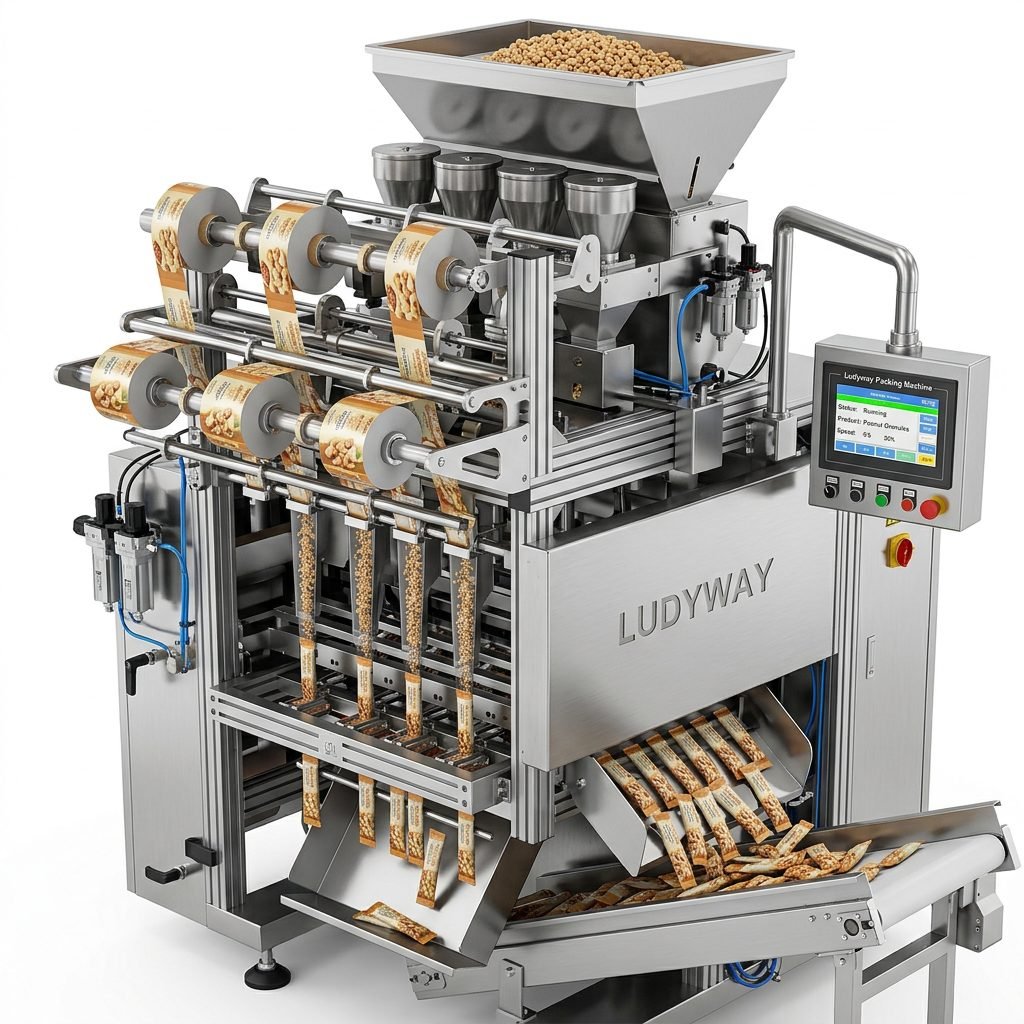
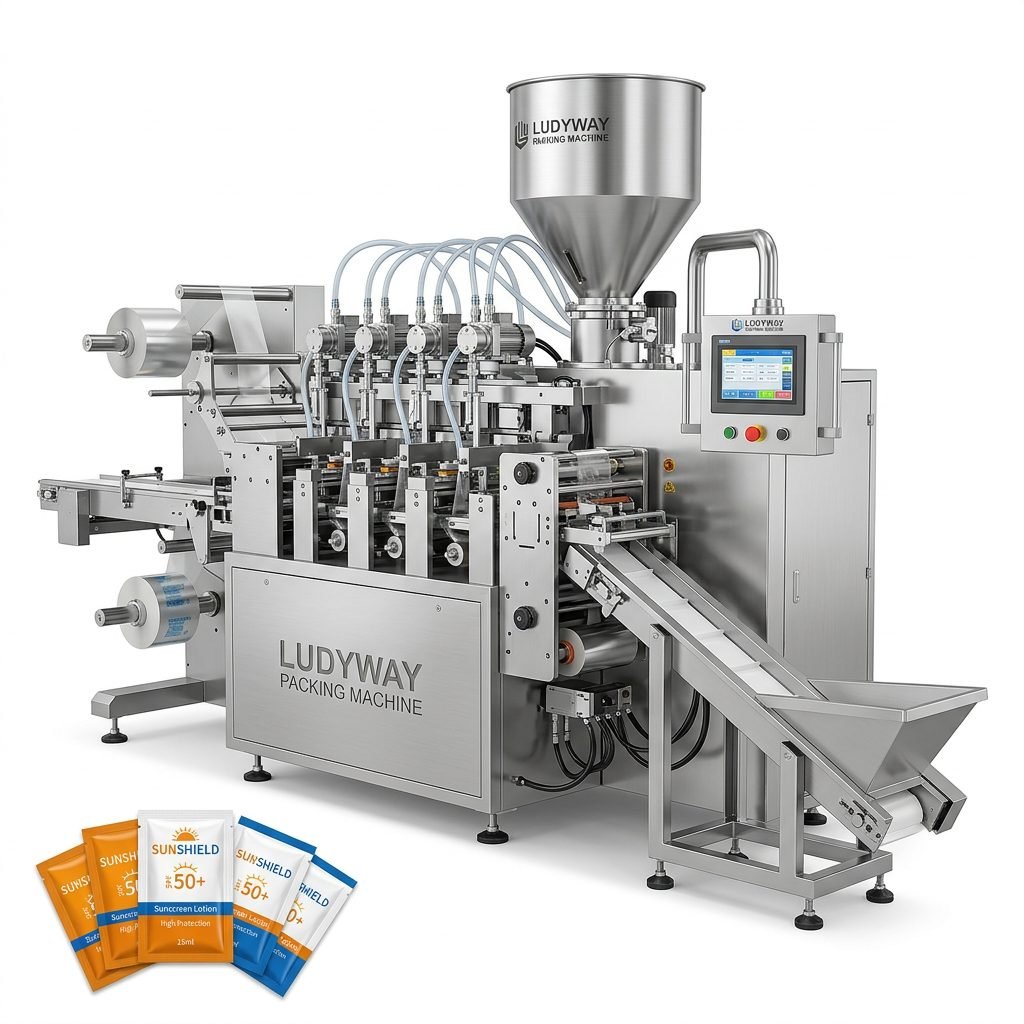
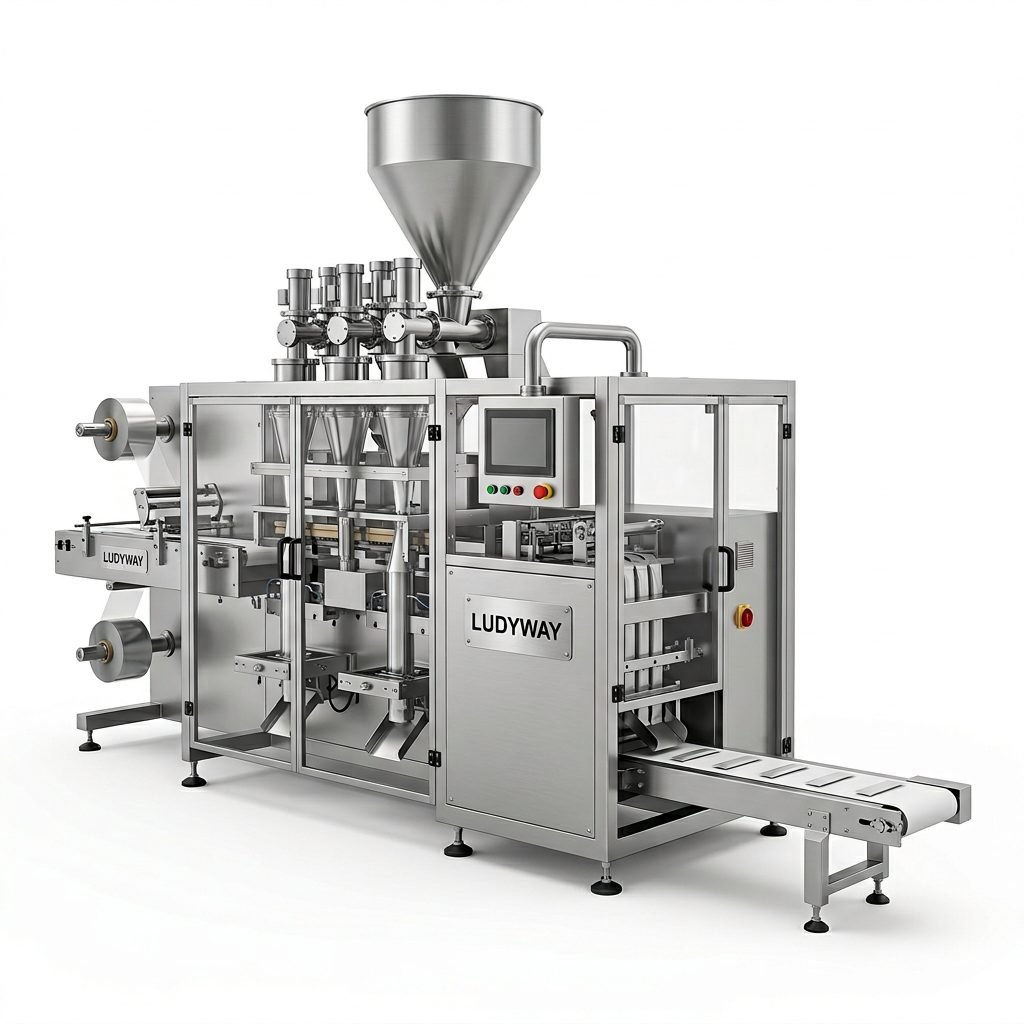
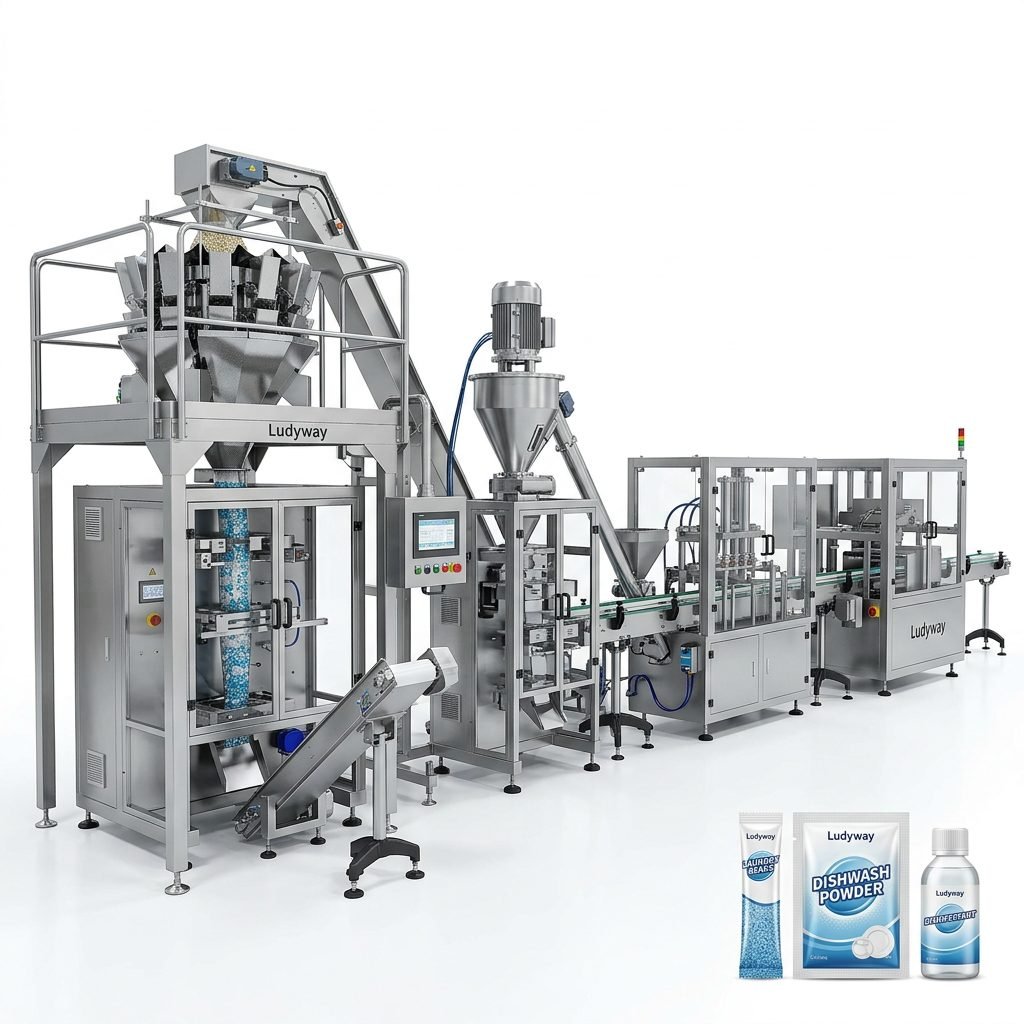
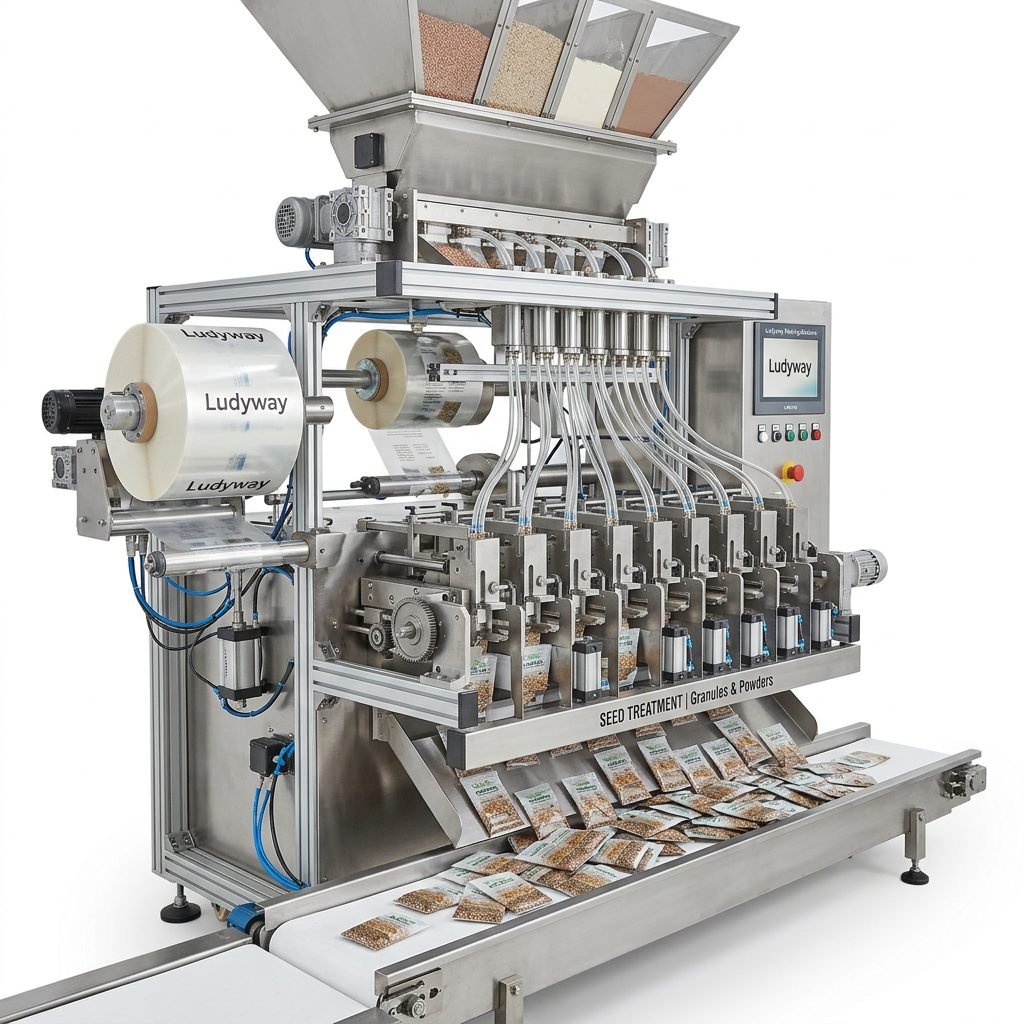
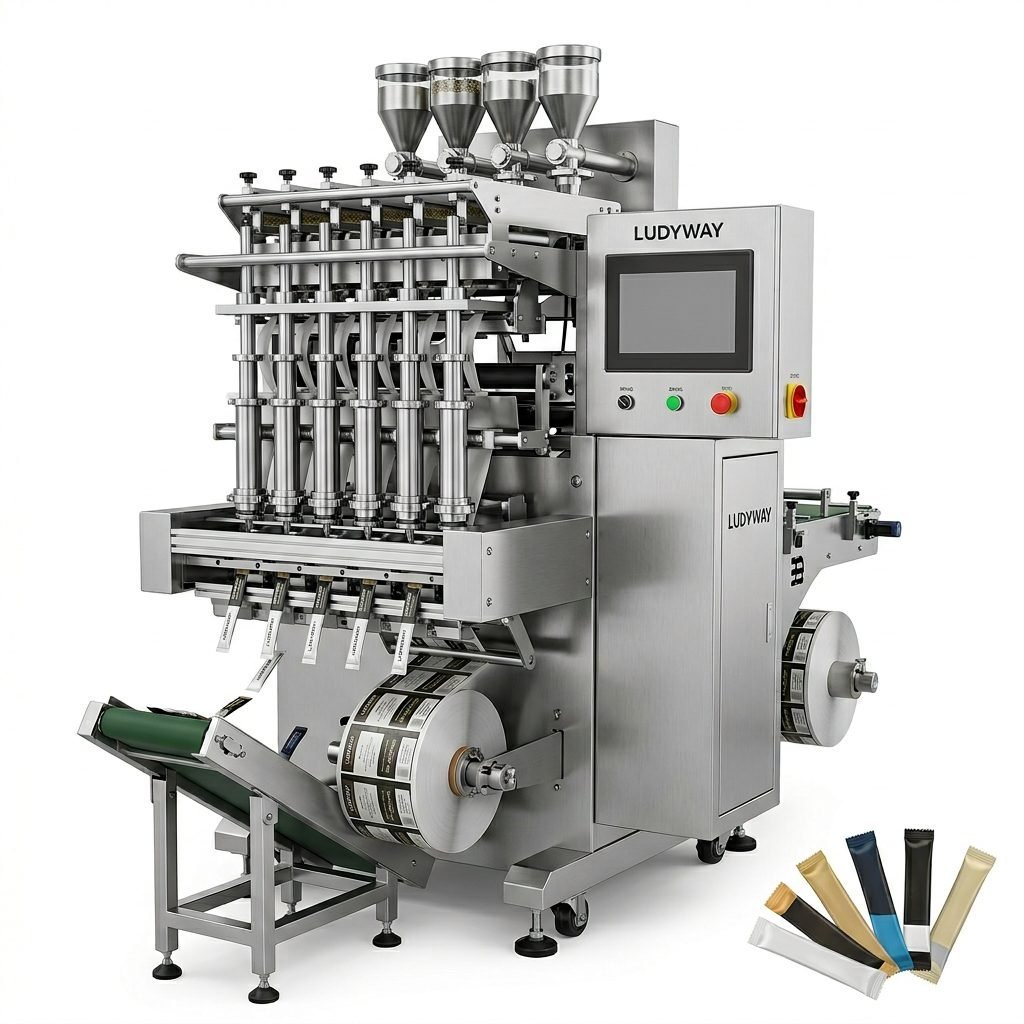
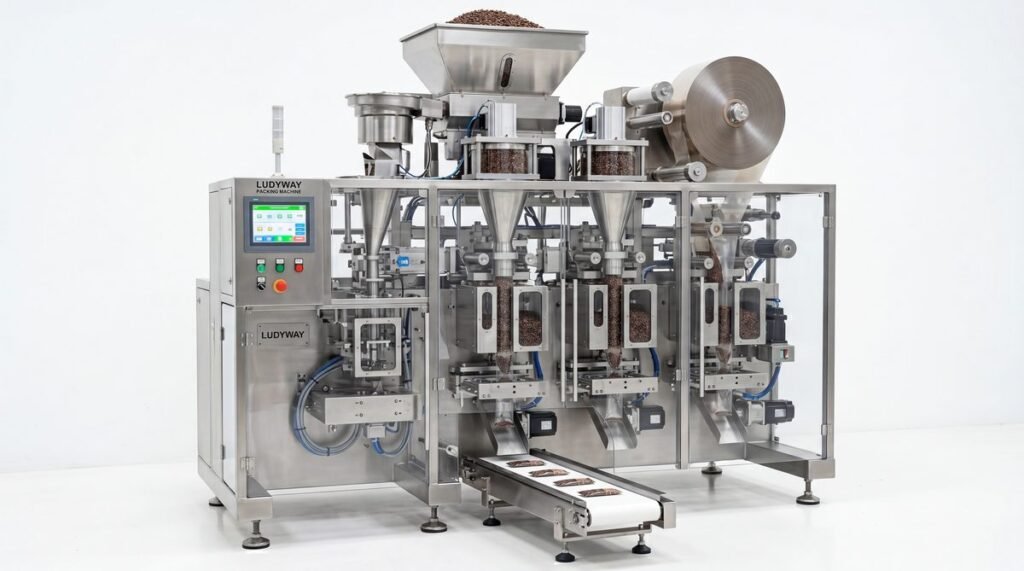
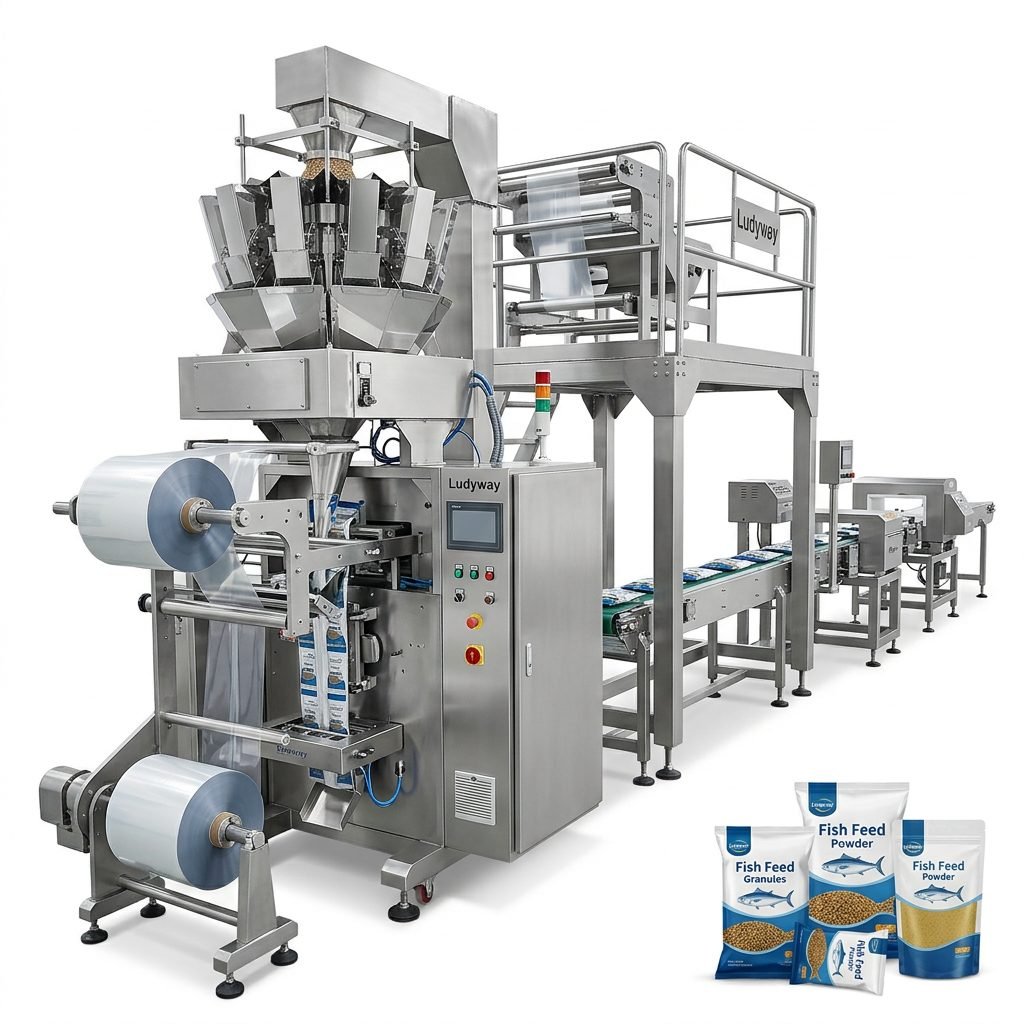
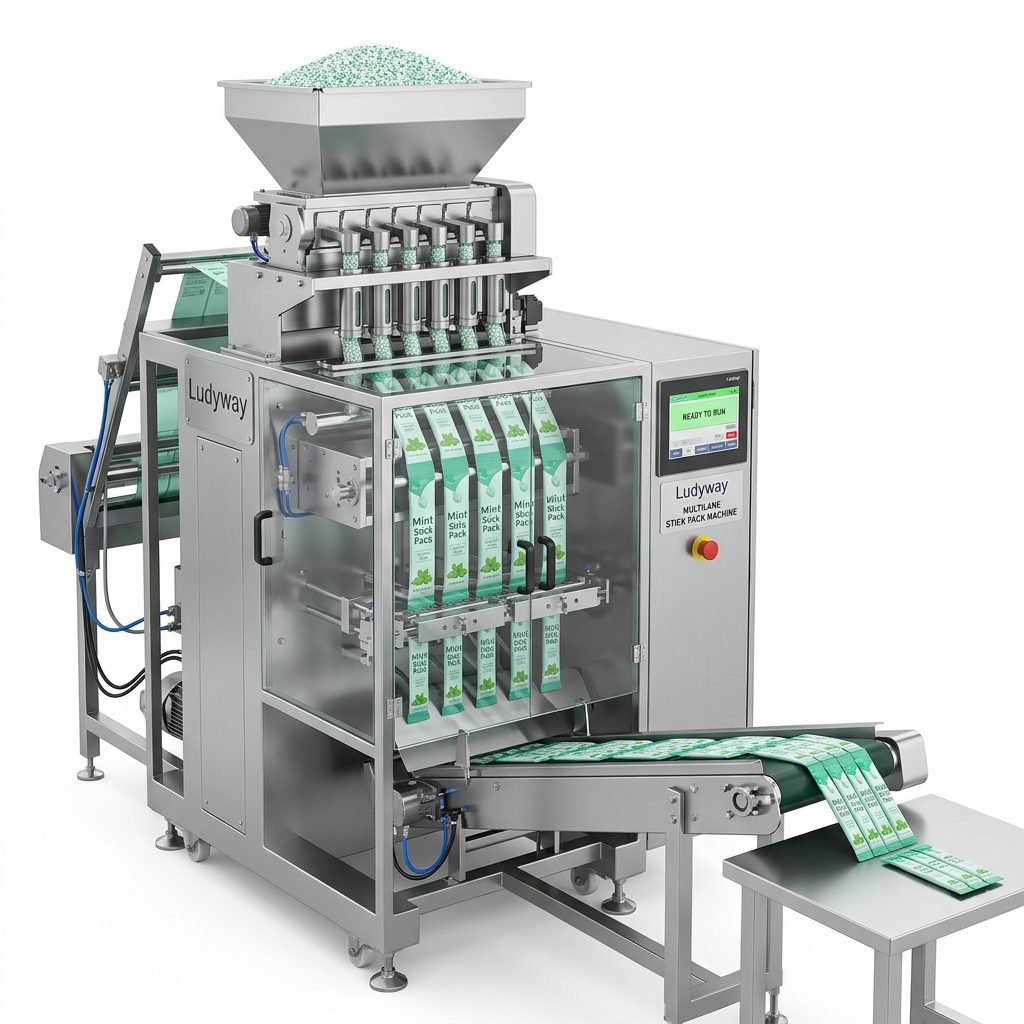
Proper maintenance of an atta packing machine is the cornerstone of consistent production output and extended equipment lifespan. In high-demand food processing environments, even minor neglect can lead to degraded seal integrity, inaccurate fill weights, and costly downtime. A well-structured maintenance program not only preserves your investment in packaging machinery but also ensures that every pouch of flour meets stringent quality and hygiene standards demanded by today’s competitive market. Understanding the specific needs of powder and granule handling equipment will help operators prevent common failures before they interrupt production schedules.
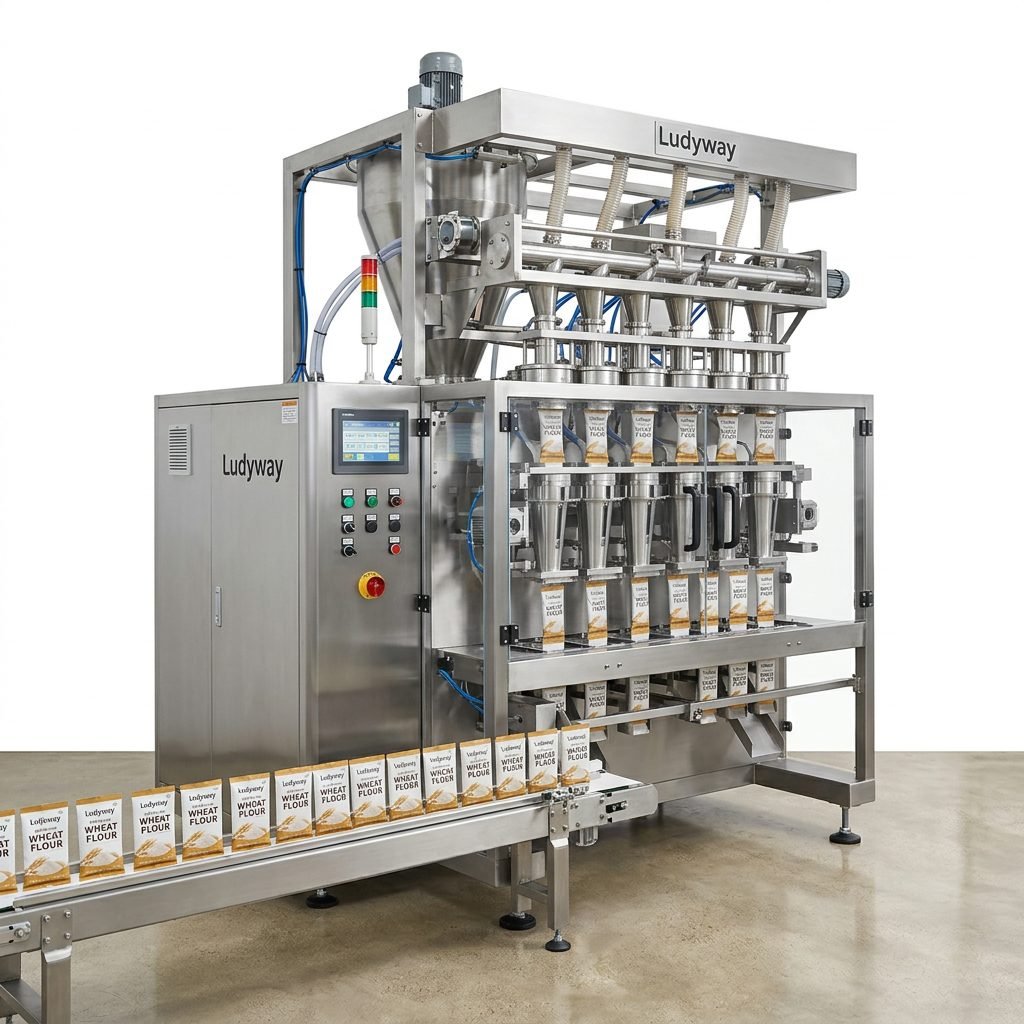
Whether you operate a single-lane unit or a sophisticated multi-lane system, the fundamental principles of care remain similar. The abrasive nature of atta flour means that certain components experience accelerated wear, making regular inspection absolutely critical. Dust accumulation, if left unchecked, can compromise electrical systems and create safety hazards. By following the guidelines outlined below, plant managers and machine operators can significantly reduce unplanned outages and maintain peak packaging performance throughout the production lifecycle.
Daily Cleaning and Inspection Routine
A rigorous daily cleaning protocol is non-negotiable for any atta packing machine. Flour dust is pervasive and can infiltrate sensitive areas such as photo-eyes, sensors, and sealing jaws within a single shift. Begin each day by removing all residual flour from the fill path, forming tube, and cross-seal areas using a soft brush or a vacuum equipped with a HEPA filter. Compressed air should be used cautiously, as it can force fine particles deeper into bearings and electronic enclosures. Pay special attention to the heat seal surfaces, where baked-on residue can impair temperature transfer and lead to weak or leaking seals.
- Remove and clean the forming collar and tube assembly at the end of each production run.
- Inspect the sealing jaw surfaces for carbonized flour buildup; use a non-abrasive cleaning pad if necessary.
- Verify that all safety interlocks and emergency stop circuits are functioning correctly before restarting.
- Check the film registration sensor lens for dust film that could cause erratic bag length control.
- Wipe down control panels and touchscreens with a dry microfiber cloth to prevent static attraction of flour particles.
Lubrication and Mechanical Care
Mechanical longevity in a flour packaging environment depends heavily on a disciplined lubrication schedule. The high cycle rates typical of modern sachet packaging machines generate substantial friction at pivot points, cam followers, and drive linkages. Use only food-grade lubricants that are appropriate for incidental contact applications, as specified in your equipment manual. Over-lubrication can be just as damaging as under-lubrication, attracting dust and creating abrasive pastes that accelerate wear on shafts and bushings.
- Apply a small amount of food-grade grease to all zerk fittings on the main drive assembly every 40 operating hours.
- Oil the cross-seal jaw carriage linear bearings weekly with a light machine oil that resists dust adherence.
- Inspect the vacuum belt tension and condition; flour dust can degrade rubber belts over time.
- Check chain drives for proper tension and lubricate with a dry-film lubricant to minimize dust attraction.
- Examine rotary joint seals on multi-lane machines for signs of powder ingress that indicates seal failure.
Critical Wear Parts to Monitor
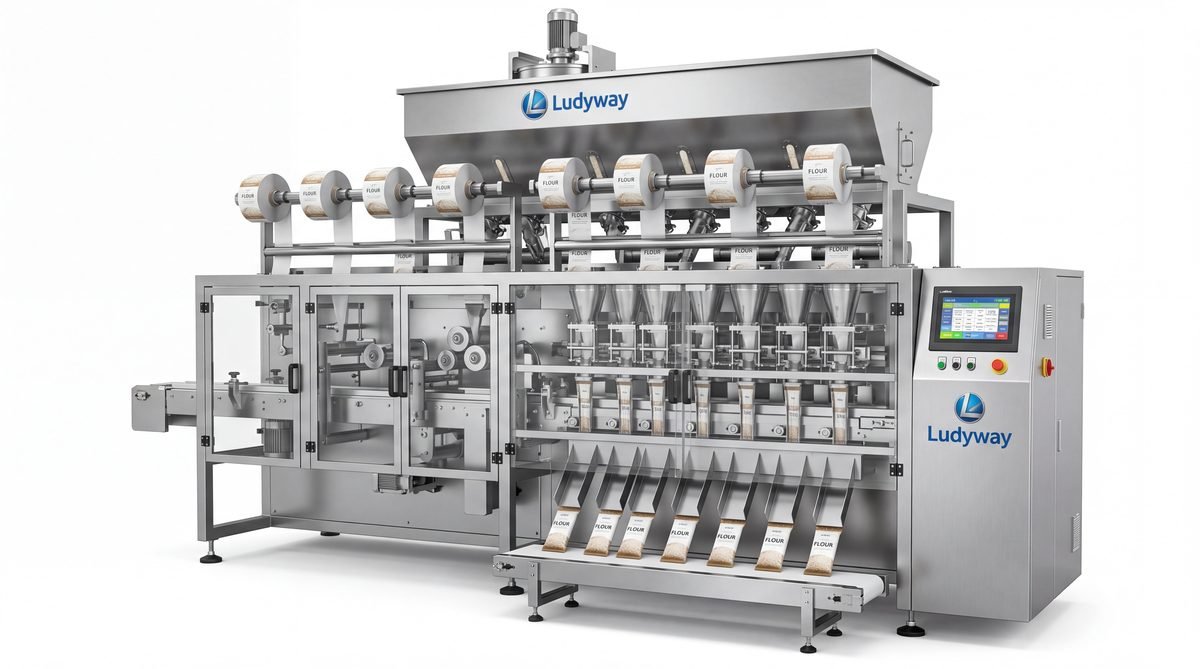
Every atta packing machine contains several wear components that require proactive replacement to avoid sudden failure. The sealing elements — including cartridge heaters, thermocouples, and Teflon-coated sealing bands — are particularly vulnerable in flour applications. As these components degrade, temperature consistency drifts, resulting in seal quality issues that generate product waste and customer complaints. Knife blades used for cut-off operations also dull more rapidly when processing fine powders, necessitating regular sharpening or replacement intervals. Maintaining a critical spares inventory on-site is a best practice recommended by every experienced packaging equipment manufacturer.
| Wear Component | Replacement Interval | Failure Symptom |
|---|---|---|
| Sealing Band / Teflon Cover | Every 3–6 months | Uneven seal width, sticking, or peeling |
| Cartridge Heater Elements | Every 6–12 months | Temperature fluctuation, slow heat-up |
| Cut-Off Knife Blade | Every 2–4 months | Jagged cuts, incomplete separation |
| Forming Tube / Shoulder | Every 12–18 months | Film tracking issues, wrinkling |
| Pneumatic Cylinder Seals | Every 12 months | Slow actuation, air leaks |
| Timing Belts & Drive Belts | Every 8–12 months | Slipping, cracking, inconsistent indexing |
Preventive Maintenance Schedule Overview
Implementing a structured preventive maintenance program transforms machine care from a reactive scramble into a predictable, manageable process. The table below outlines a recommended schedule that balances thoroughness with operational practicality. Adjust the intervals based on your specific production volume and shift patterns. Machines running 24-hour operations will naturally require more frequent service intervals than those used for single-shift production.
| Frequency | Maintenance Tasks | Responsible Role |
|---|---|---|
| Daily | Clean fill path, inspect seals, verify sensor operation, check safety circuits | Machine Operator |
| Weekly | Lubricate bearings, check belt tensions, clean electrical cabinets, inspect wiring | Maintenance Technician |
| Monthly | Inspect drive chains and sprockets, check pneumatic fittings, verify heater calibration | Maintenance Technician |
| Quarterly | Replace sealing bands, inspect gearbox oil, test all emergency stops, deep clean frame | Senior Technician |
| Annually | Full machine overhaul, replace all wear parts, recalibrate all sensors, update firmware | Manufacturer Service Team |
Troubleshooting Common Atta Packing Issues
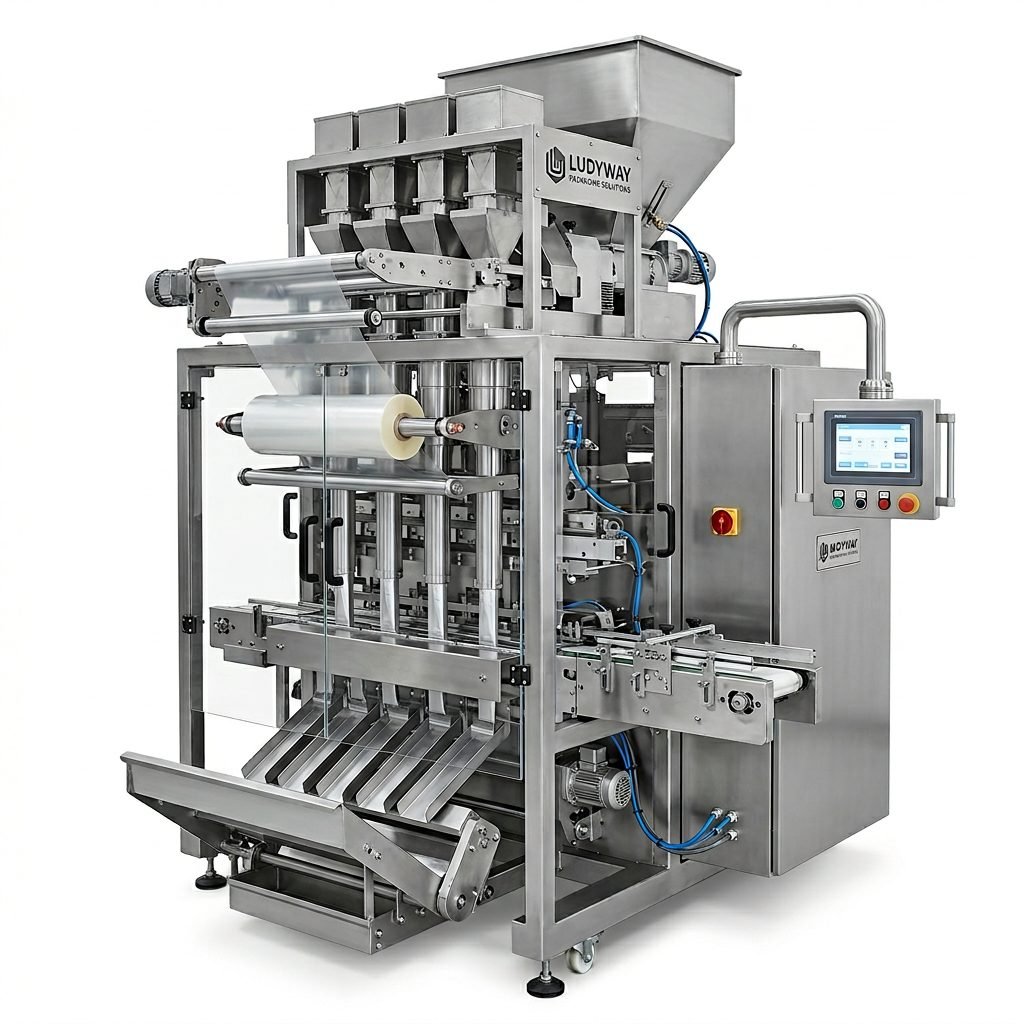
Despite diligent maintenance, operators may occasionally encounter performance issues with their atta packing machine. Rapid diagnosis is essential to minimize production losses. Seal integrity problems are the most frequently reported issue in flour packaging, often caused by temperature drift, contaminated sealing surfaces, or worn Teflon coatings. Fill weight inconsistency can typically be traced to bridging in the hopper, improper auger settings, or inconsistent product density due to moisture variation in the flour. By systematically working through a troubleshooting checklist, operators can resolve the majority of common problems without needing to call for external service support.
- Leaking Seals: Verify jaw temperature setpoint, clean residue from sealing surfaces, and check Teflon band condition. Replace bands if any scoring or delamination is visible.
- Inaccurate Fill Weight: Inspect the auger or volumetric cup for wear, check for product bridging in the hopper, and recalibrate the weighing system according to manufacturer specifications.
- Film Tracking Errors: Clean the forming tube, verify alignment of film rollers, and ensure the unwind tension is correctly set. Replace any worn rubber rollers.
- Intermittent Machine Stops: Check all sensor connections, clean photo-eye lenses, and inspect wiring harnesses for damage caused by vibration or pest activity.
- Excessive Dust Emission: Verify dust extraction system operation, check all gaskets and seals on product contact surfaces, and ensure the fill tube properly mates with the forming collar.
Electrical System and Control Panel Care
The electrical integrity of a atta packing machine is often overlooked until a fault triggers an unexpected shutdown. Flour dust is not only abrasive but can also be electrically conductive when it accumulates in sufficient quantities, creating the risk of short circuits on control boards and terminal blocks. All electrical enclosures should maintain their IP rating through regular inspection of door gaskets and cable entry points. Loose terminal connections, which can develop over time due to machine vibration, should be tightened during scheduled maintenance intervals to prevent intermittent faults that are notoriously difficult to diagnose.
- Inspect all cable glands and conduit entries for signs of dust ingress; replace any compromised seals immediately.
- Use a thermal imaging camera to identify hot spots on electrical connections that indicate loose or corroded terminals.
- Keep spare fuses, relays, and sensor modules in stock to minimize downtime during electrical faults.
- Verify that the machine’s grounding system remains intact and that all bonding straps are secure.
- Update PLC and HMI firmware during annual maintenance to benefit from manufacturer improvements.
Professional Maintenance Support and Long-Term Reliability
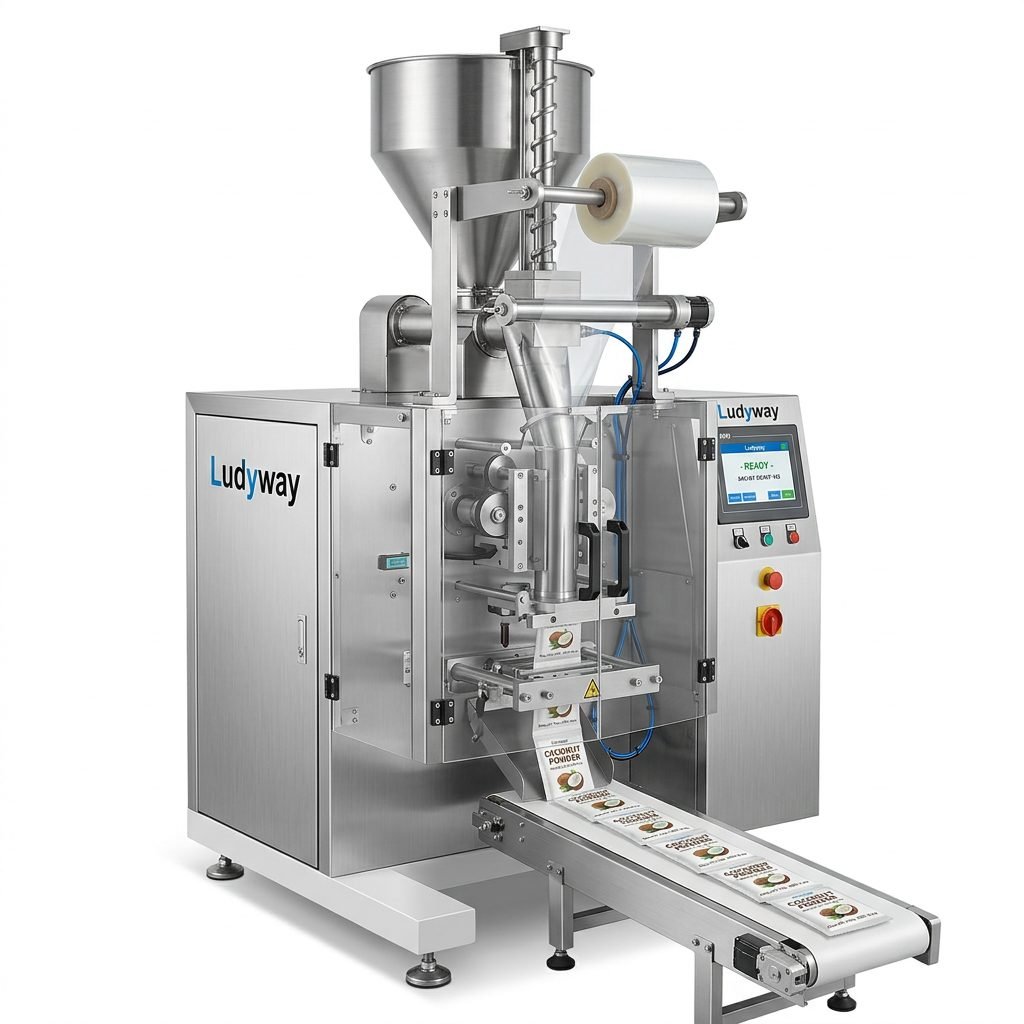
While routine and preventive tasks can be managed by trained in-house personnel, certain aspects of atta packing machine maintenance benefit from professional expertise. Annual overhauls, major component replacements, and control system upgrades are best handled by technicians with deep product-specific knowledge. For operations seeking to maximize equipment uptime, partnering with a reputable packaging machine manufacturer like Ludyway provides access to genuine spare parts, factory-trained service engineers, and the latest technical documentation. This partnership approach ensures that your equipment continues to operate at peak efficiency while adapting to evolving production demands and ISO packaging standards.
Investing in comprehensive maintenance today prevents the exponentially higher costs of emergency repairs and lost production tomorrow. A well-maintained atta packing machine will reliably serve your production line for many years, consistently delivering the seal quality, fill accuracy, and operating speed that your customers expect. For further guidance on flexible packaging best practices and equipment optimization, explore the resources linked below or consult with your equipment supplier’s technical support team.
Additional Industry Resources
- PMMI – The Association for Packaging and Processing Technologies — Industry-leading standards and market intelligence for packaging professionals.
- PMMI Business Intelligence Library — Comprehensive research reports on packaging machinery trends and technology.
- Flexible Packaging Association – Industry Resources — Data and regulatory guidance for the flexible packaging sector.
- ISO – Packaging Standards — International standards governing packaging machinery, materials, and processes.
- Ludyway Packaging Machinery Global Growth Trend — Industry analysis of packaging machinery export growth and market developments.
- FDA – Food Packaging and Food Contact Substances — Regulatory information for food-grade packaging compliance.