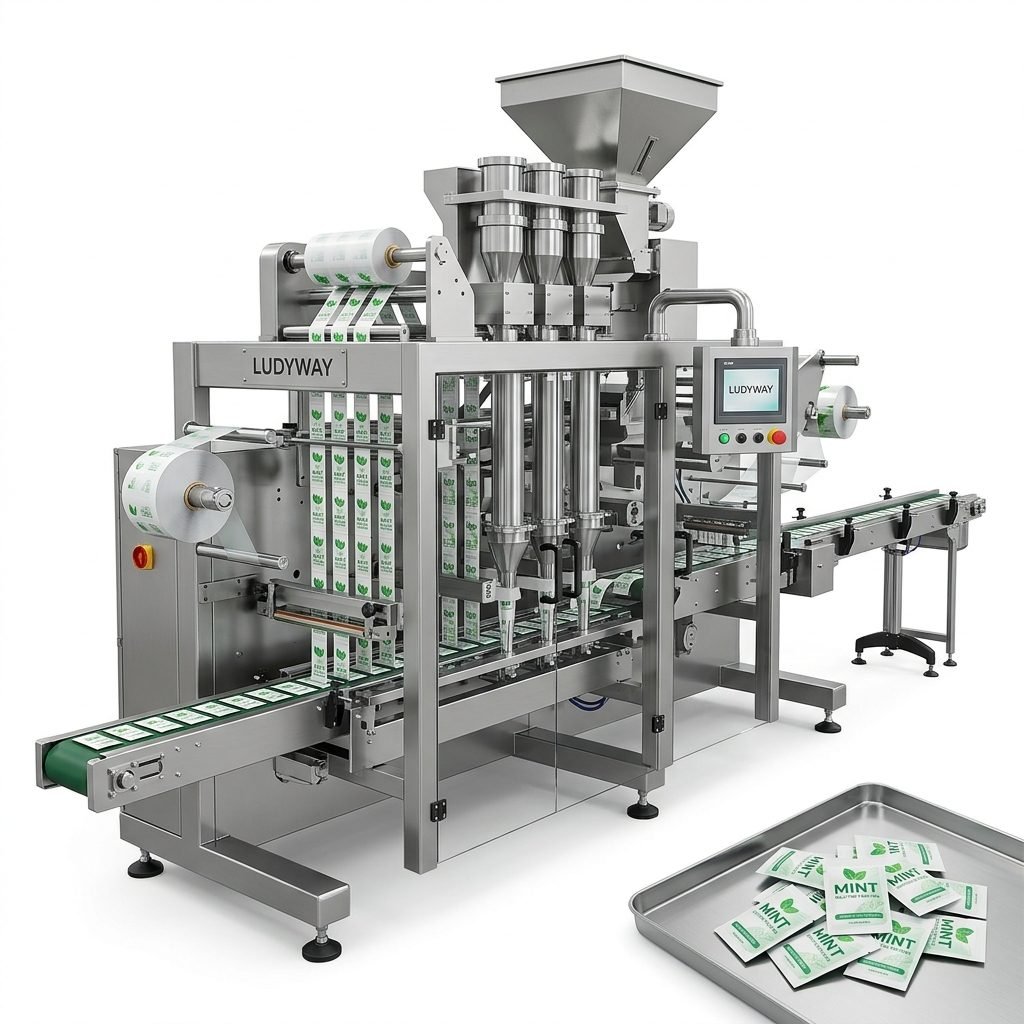
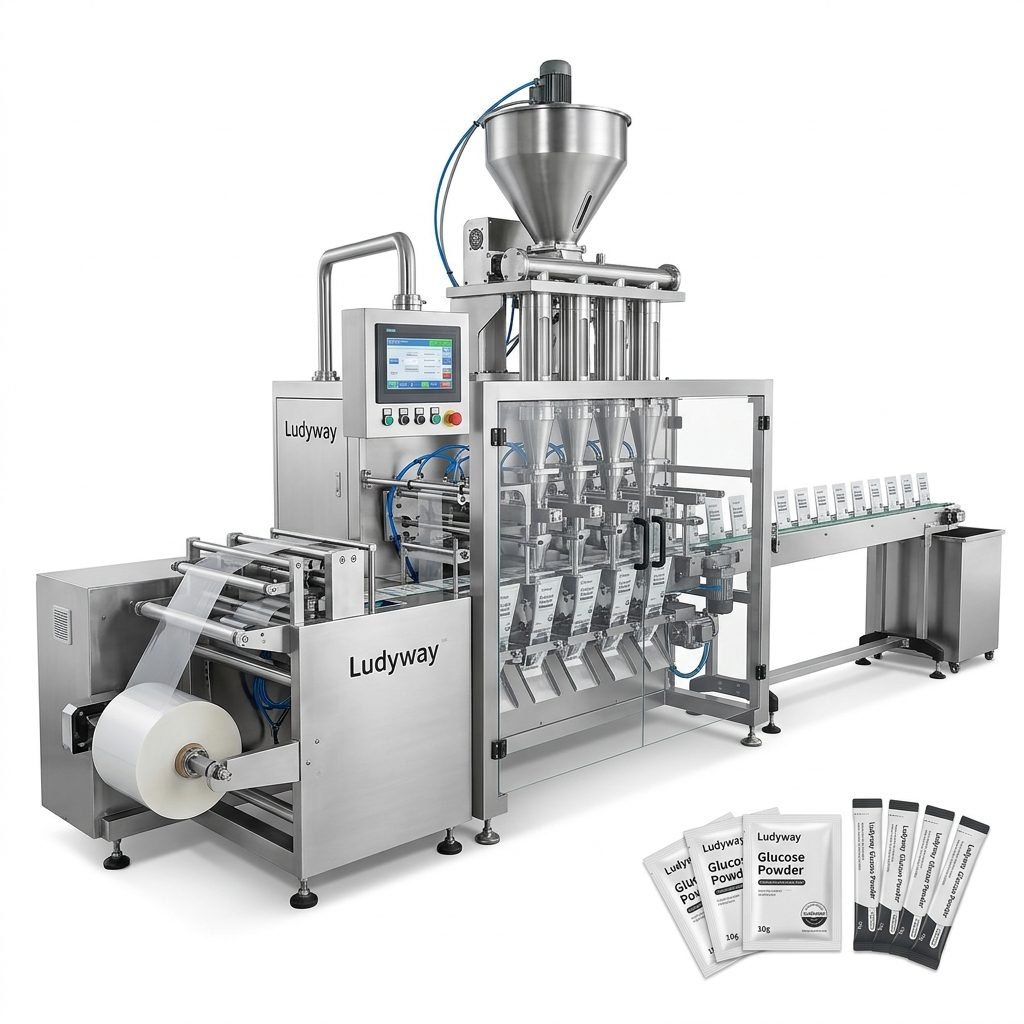
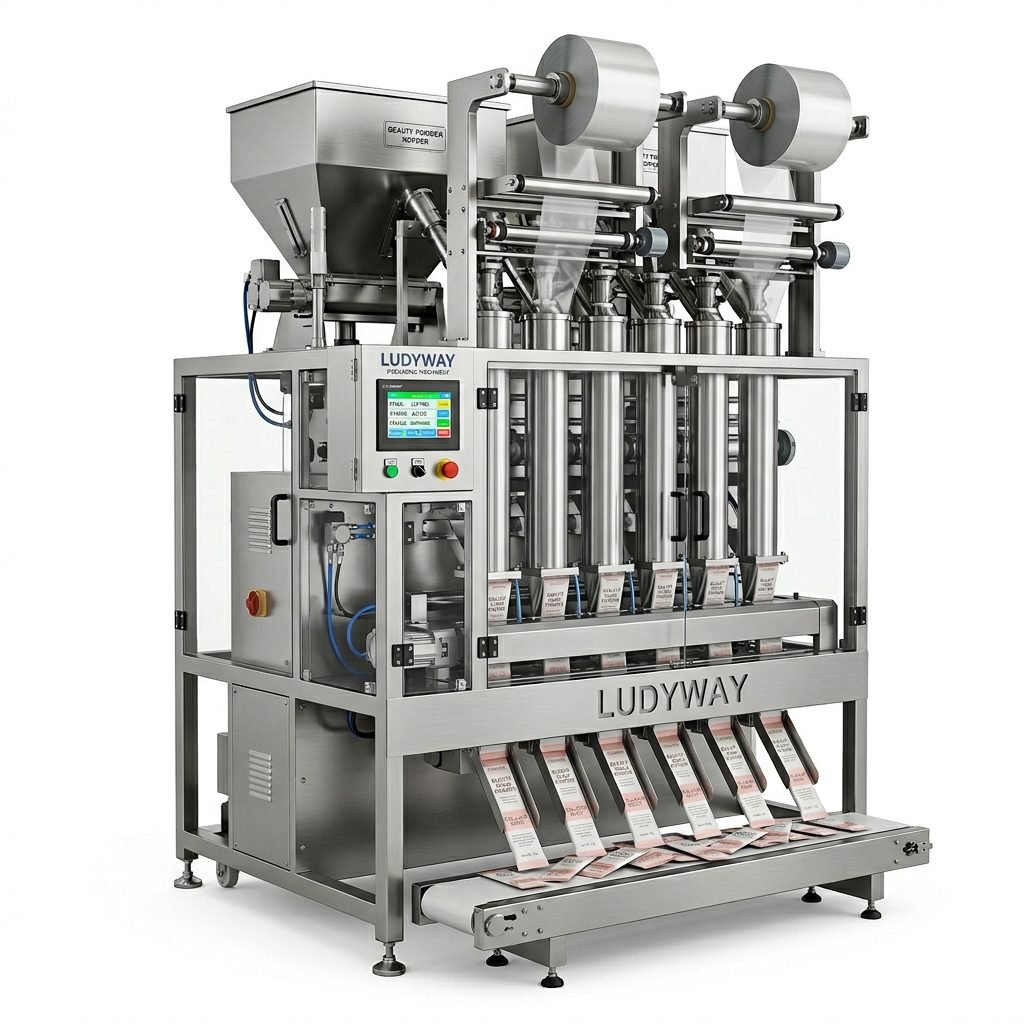
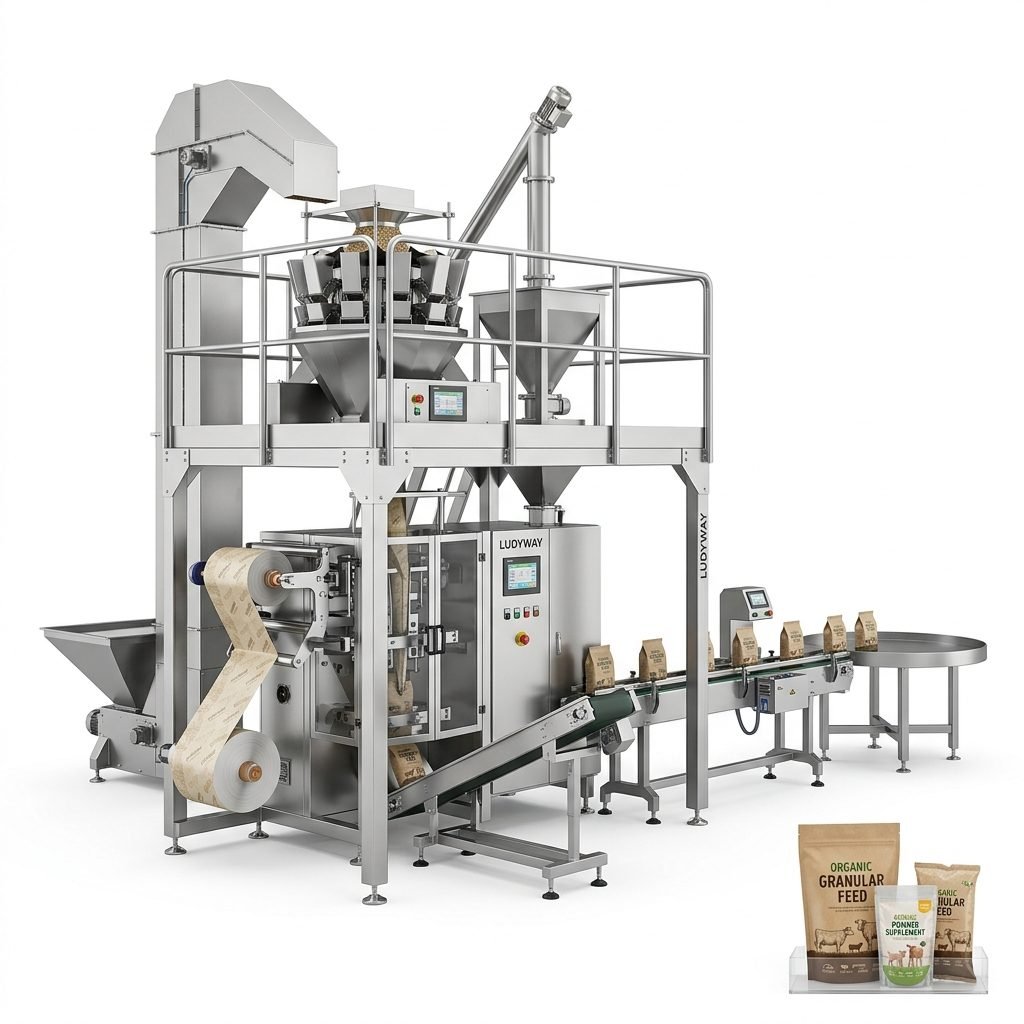
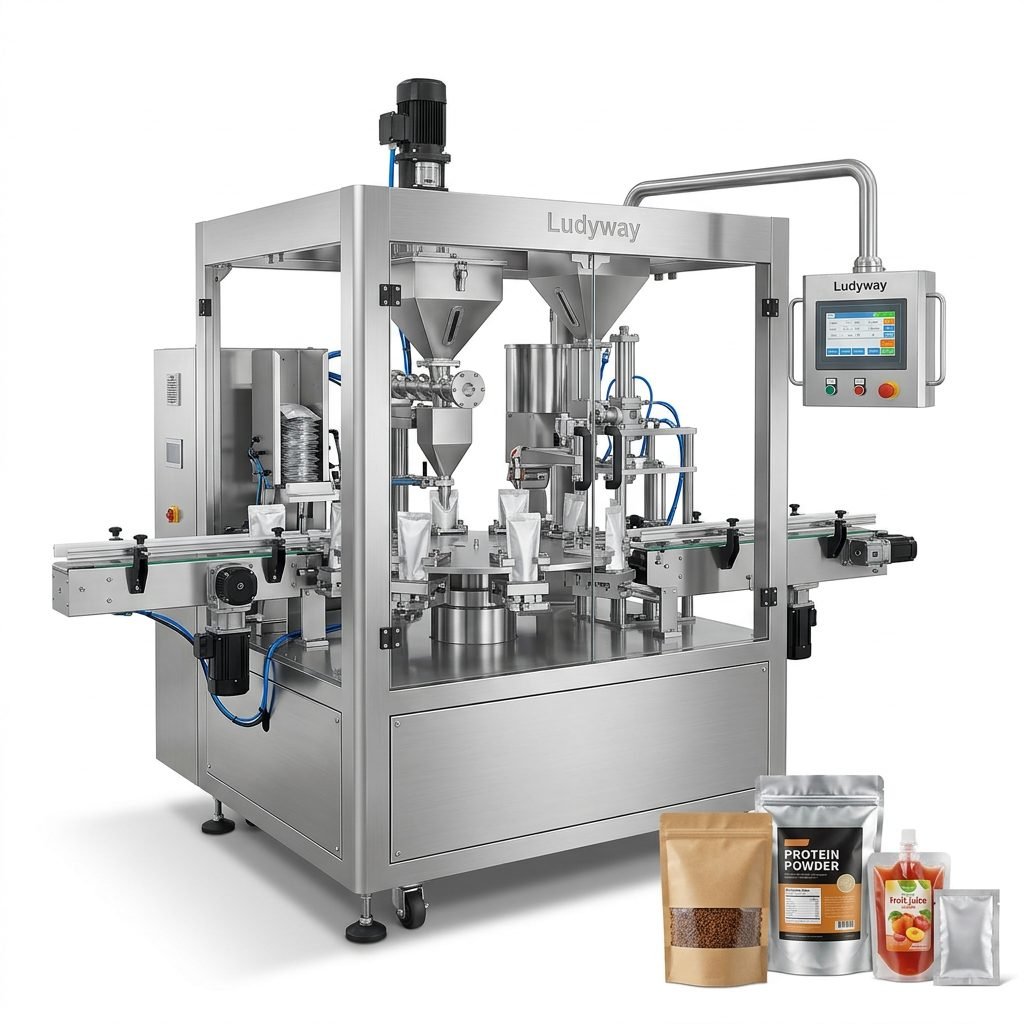
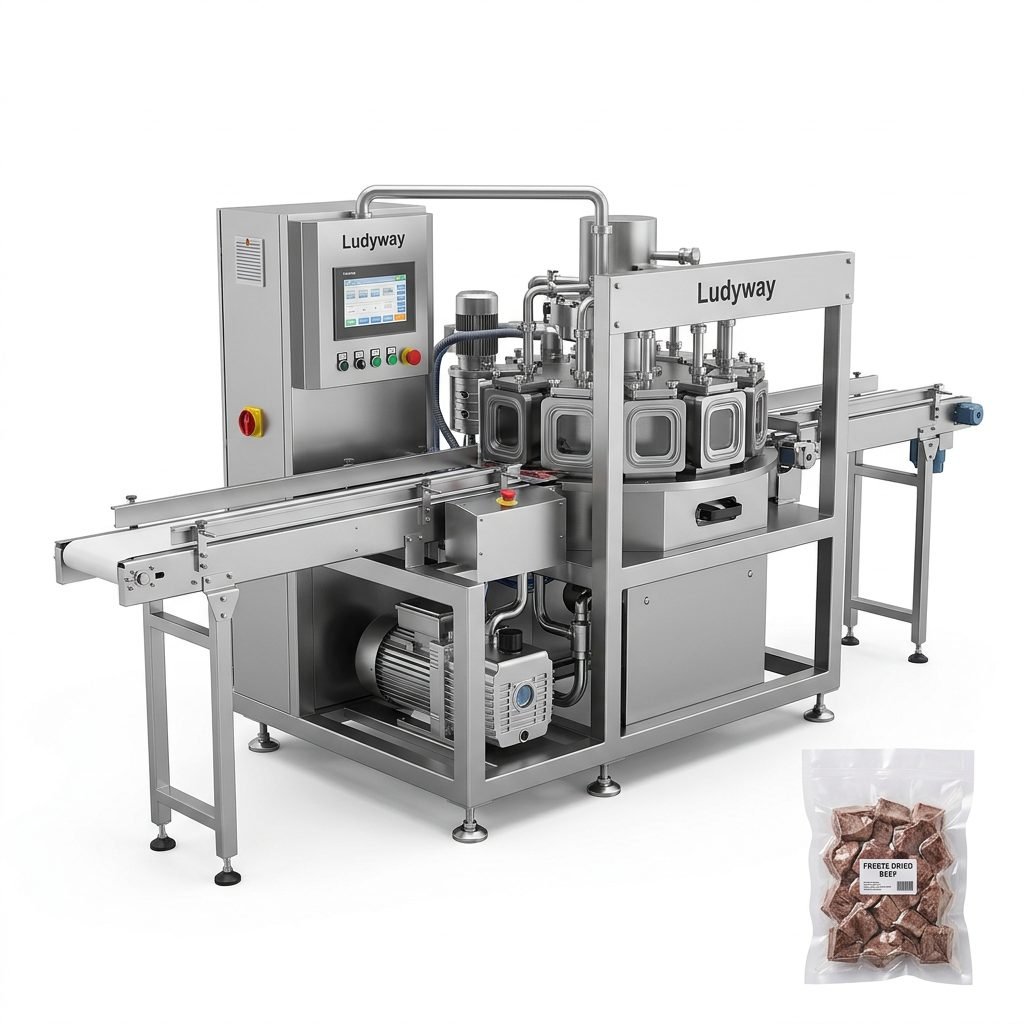
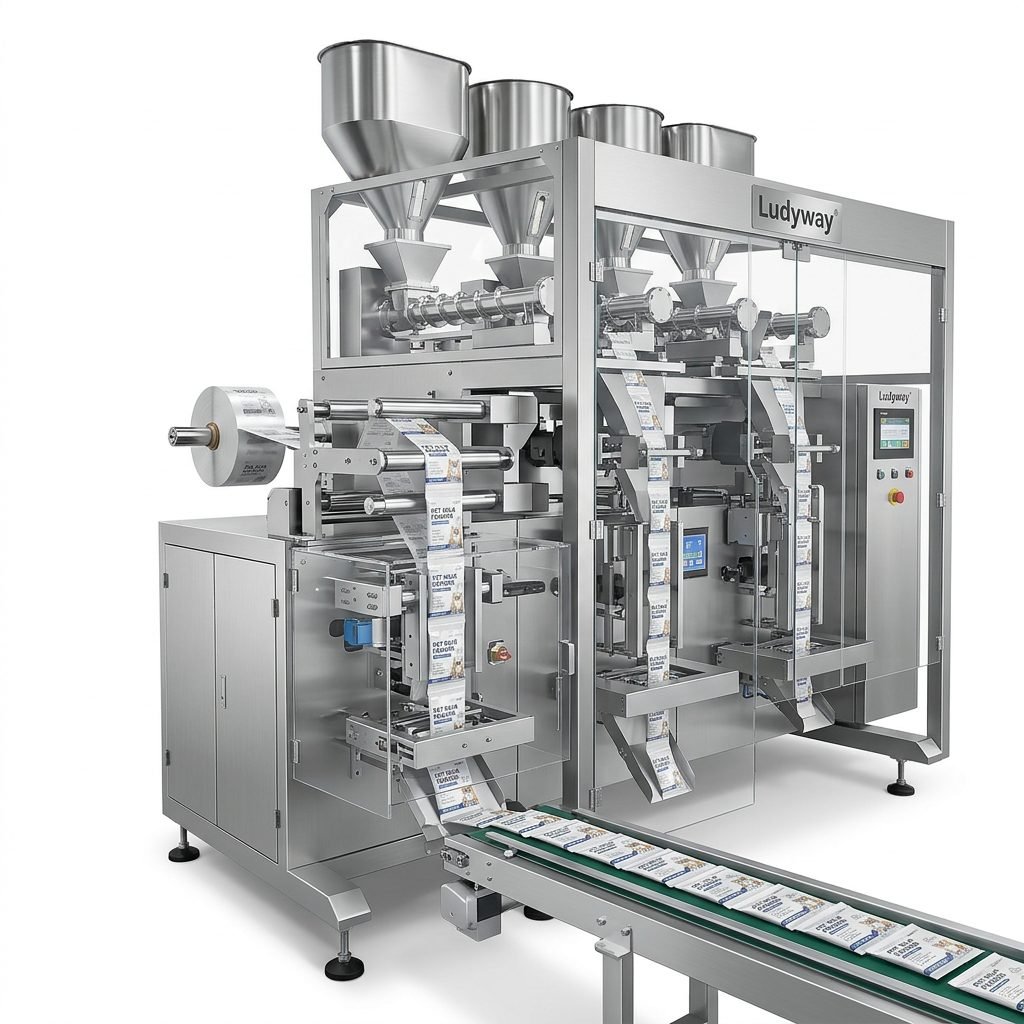
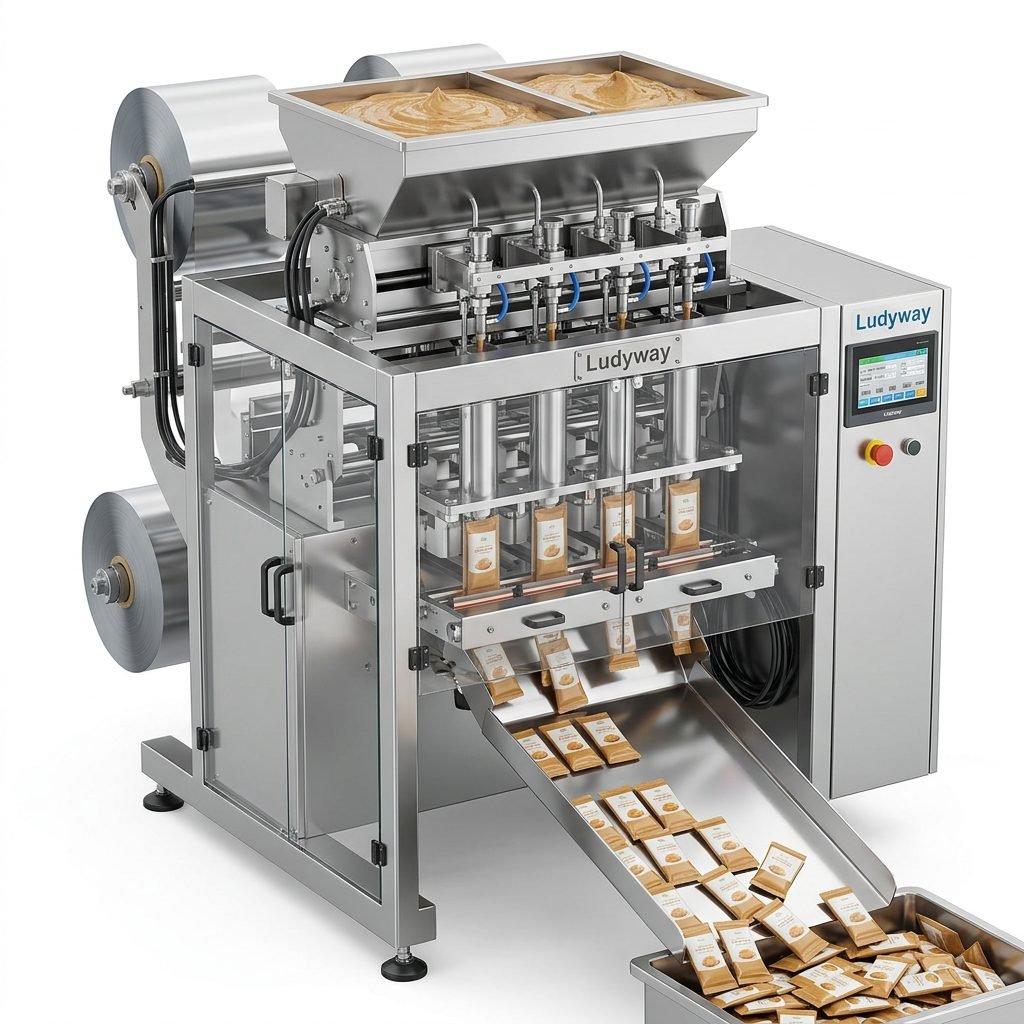
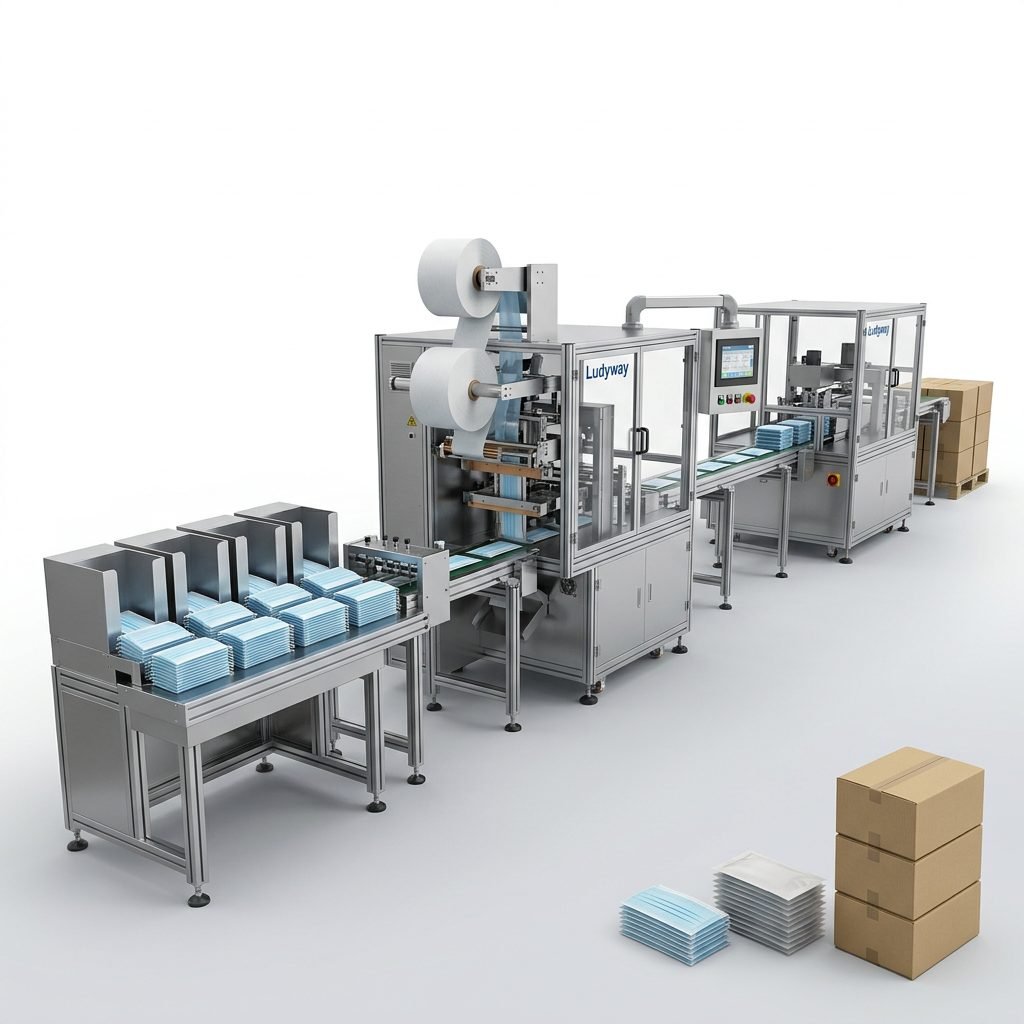
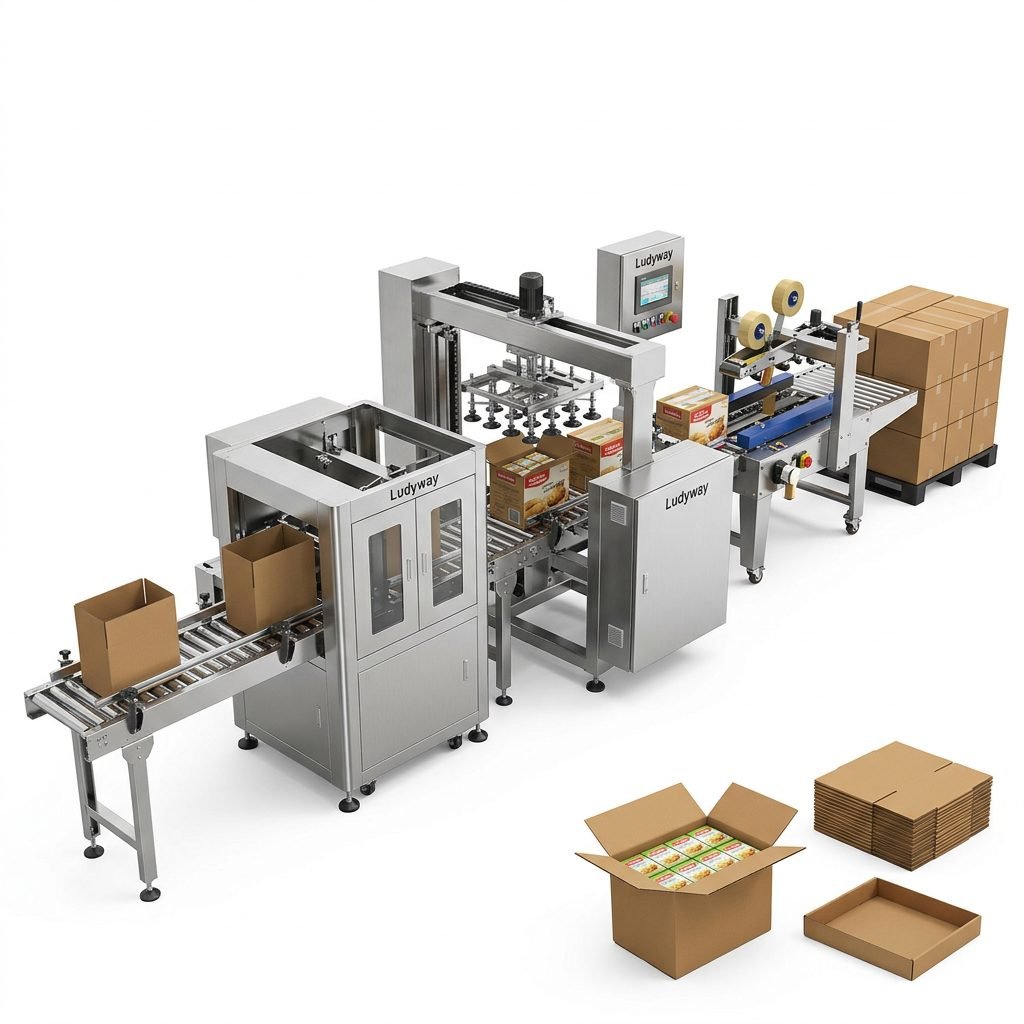
Selecting the right packaging machine manufacturer is a critical strategic decision for any business looking to scale, improve efficiency, or enter new markets. The global landscape offers a vast array of options, making the choice both an opportunity and a challenge. A partner that aligns with your specific needs can become a cornerstone of your operational success.
Understanding Your Core Requirements
Before you begin your global search, it’s essential to have a crystal-clear understanding of your own needs. This internal audit will serve as your primary filter when evaluating potential manufacturers.
Key questions to ask yourself:
• Product Type: Are you packaging granules, powders, liquids, or pouches? Each requires specific machine technologies.
• Production Speed & Volume: What are your current and projected output requirements (e.g., packs per minute)?
• Packaging Format: Do you need stick packs, sachets, bags, bottles, or a combination?
• Industry Regulations: Are you in food, pharmaceutical, or chemical industries with strict hygiene or safety standards (e.g., GMP, FDA)?
• Automation Level: Do you need a standalone machine or a fully integrated, turnkey production line?
• Budget & ROI: What is your investment capacity, and what is the expected payback period?
With these parameters defined, you can start your global search with precision, focusing on manufacturers whose core competencies match your profile.
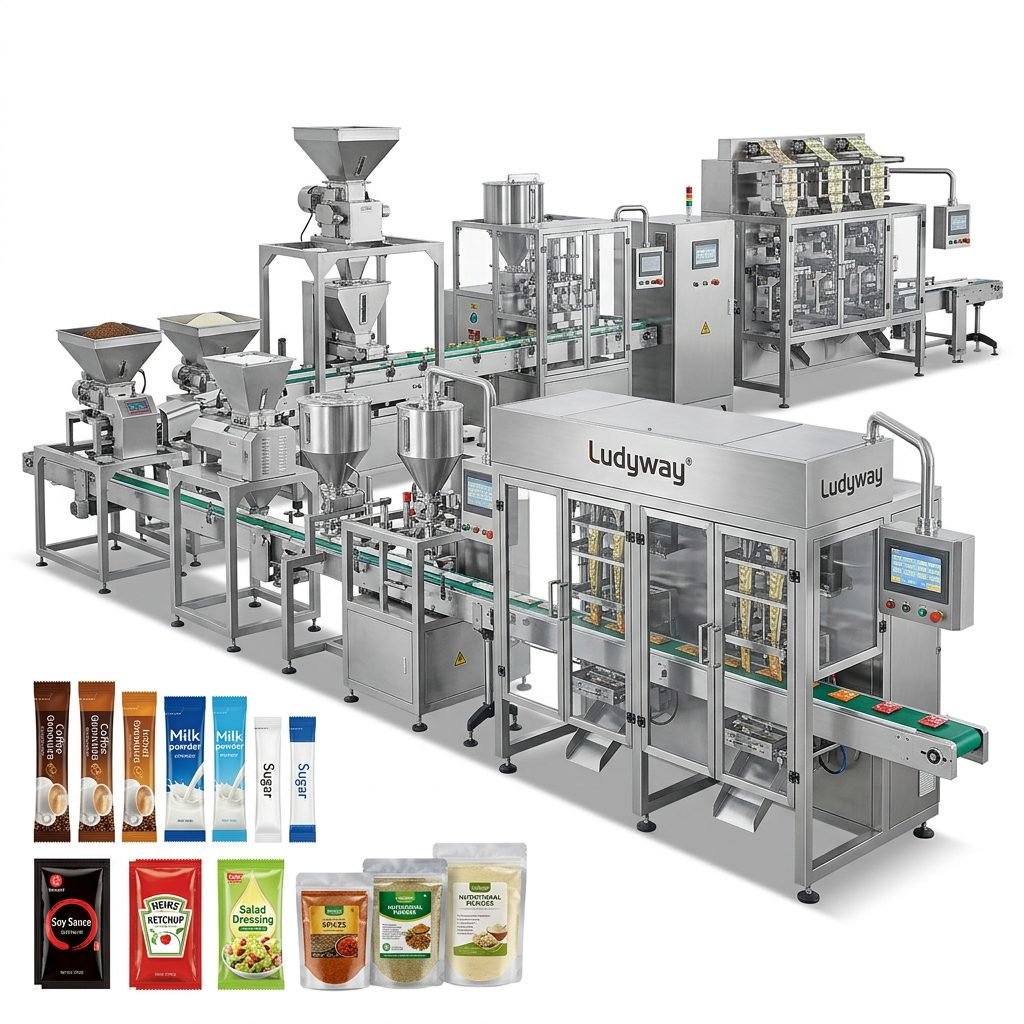
Key Criteria for Evaluating Global Manufacturers
Once you have a shortlist, a deep dive into these critical areas will separate the true partners from the mere suppliers.
1. Technical Expertise and Specialization
Look for a manufacturer with a proven track record in your specific niche. A company like Ludyway Packing Machine, with over 30 years focused on food, pharma, and health industries, brings deep application knowledge. This expertise translates into machines that handle your product’s unique characteristics—be it the flowability of a fine powder or the viscosity of a liquid—more reliably than a generalist manufacturer.
2. Manufacturing Capability and Quality
The manufacturer’s facility is the bedrock of machine quality. Assess their production scale, quality control processes, and technology. A modern facility, like Ludyway’s 20,000㎡ plant, often indicates investment in advanced CNC machinery and standardized assembly processes. Inquire about their component sourcing; high-quality, globally-sourced parts (e.g., Siemens PLCs, Mitsubishi servos) are a sign of durability and performance.
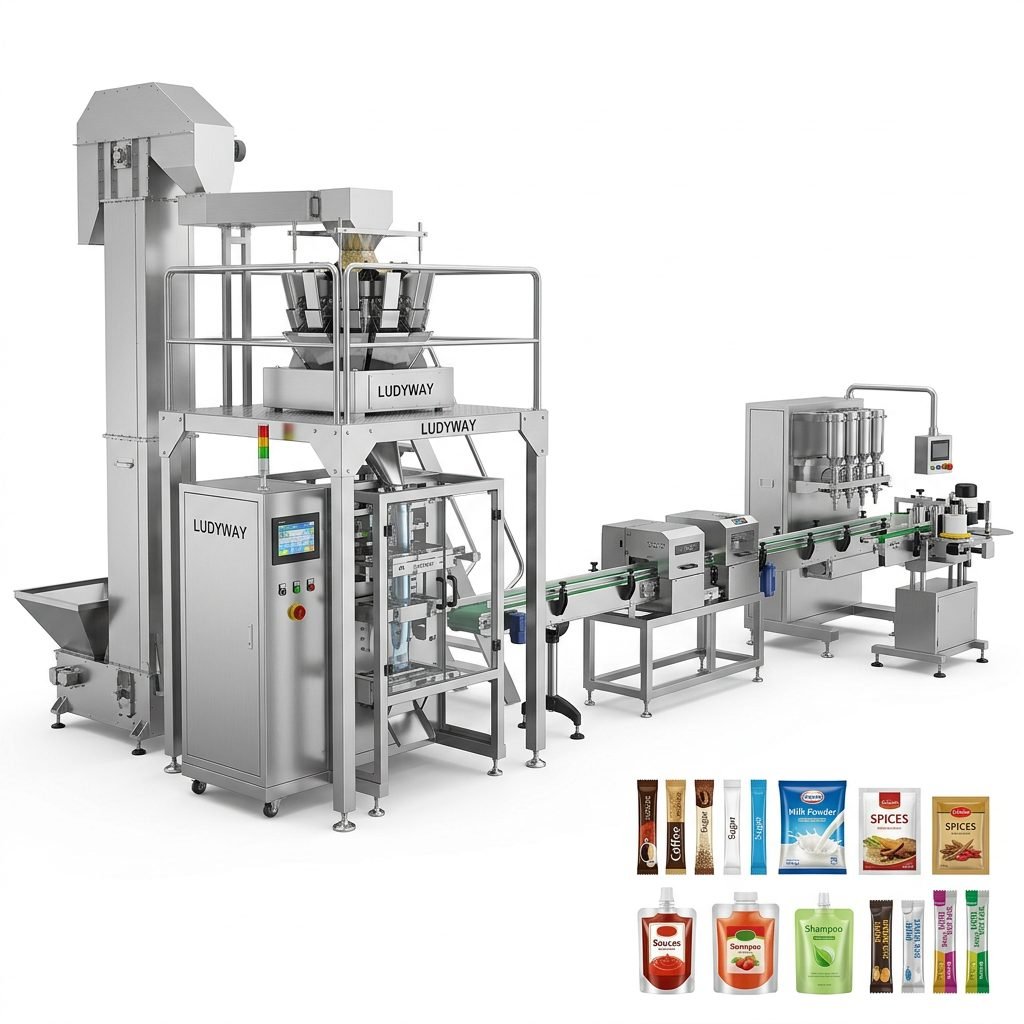
3. Range of Solutions and Customization
Your needs may evolve. A manufacturer offering a broad portfolio—from single sachet machines to complete automated lines—provides future-proofing. Crucially, assess their ability to customize. Can they modify a standard model to fit your unique container shape or integrate specific filling technology? True partners offer flexible engineering to tailor solutions, not just sell off-the-shelf models.
4. After-Sales Support and Global Service
This is arguably the most important factor for a global partnership. A machine breakdown thousands of miles away can cripple production. Evaluate:
- Technical Support: Is 24/7 remote support available? What are the response times?
- Spare Parts: Is there a global parts depot for fast delivery?
- Service Network: Do they have trained technicians in your region or partnerships with local service companies?
- Training: Do they provide comprehensive on-site training for your operators and maintenance staff?
Companies with a long history, like PacklineOEM, often have established global support structures.
5. Reputation and Client References
Research is key. Look for case studies, client testimonials, and industry recognition. Don’t hesitate to ask for references from businesses similar to yours, preferably in your region. Speaking directly with a current client about their experience with machine performance, reliability, and supplier responsiveness provides invaluable, unbiased insight.
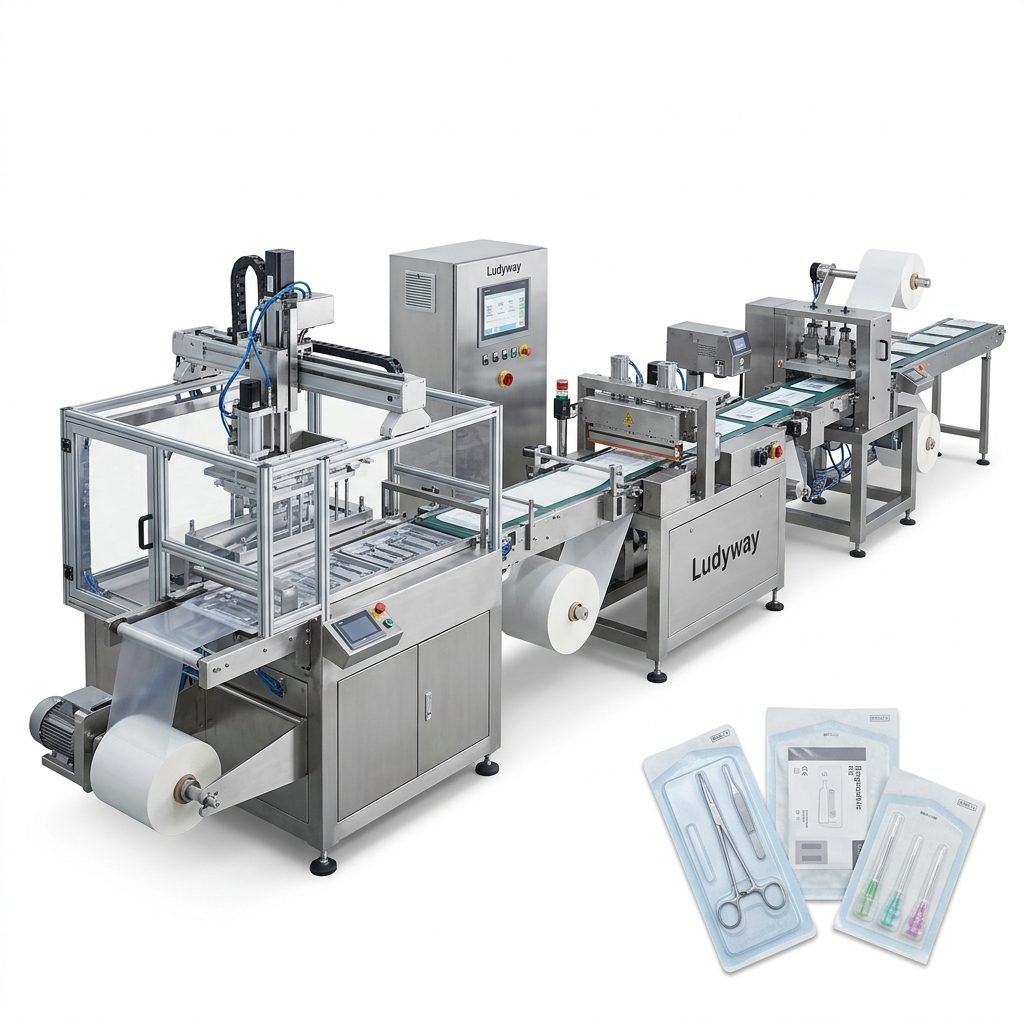
The Strategic Advantage of a Turnkey Solution Provider
For businesses aiming for a significant leap in automation, partnering with a turnkey solution provider is a game-changer. Instead of sourcing individual machines from different vendors and managing complex integration yourself, a single manufacturer like PackingMachineOEM designs, builds, installs, and commissions the entire line.
Benefits include: Single-point accountability, seamless machine interoperability, optimized line efficiency, and significantly reduced project management overhead. This holistic approach ensures all components—from feeding and filling to sealing, cartoning, and palletizing—work in perfect harmony.
Navigating the Global Supply Chain: Key Considerations
Working with an international manufacturer adds layers of complexity that must be managed.
Logistics & Shipping: Understand Incoterms (e.g., FOB, CIF, DDP), lead times, and who handles customs clearance. Factor in shipping costs and potential delays.
Communication & Language: Ensure there are no language barriers in technical discussions. A manufacturer with a proficient multilingual team is a major asset.
Payment Terms & Financing: Negotiate clear terms. Some established manufacturers may offer financing options or phased payment plans.
Cultural & Business Practices: Be mindful of time zones, holidays, and business etiquette to foster a smooth working relationship.
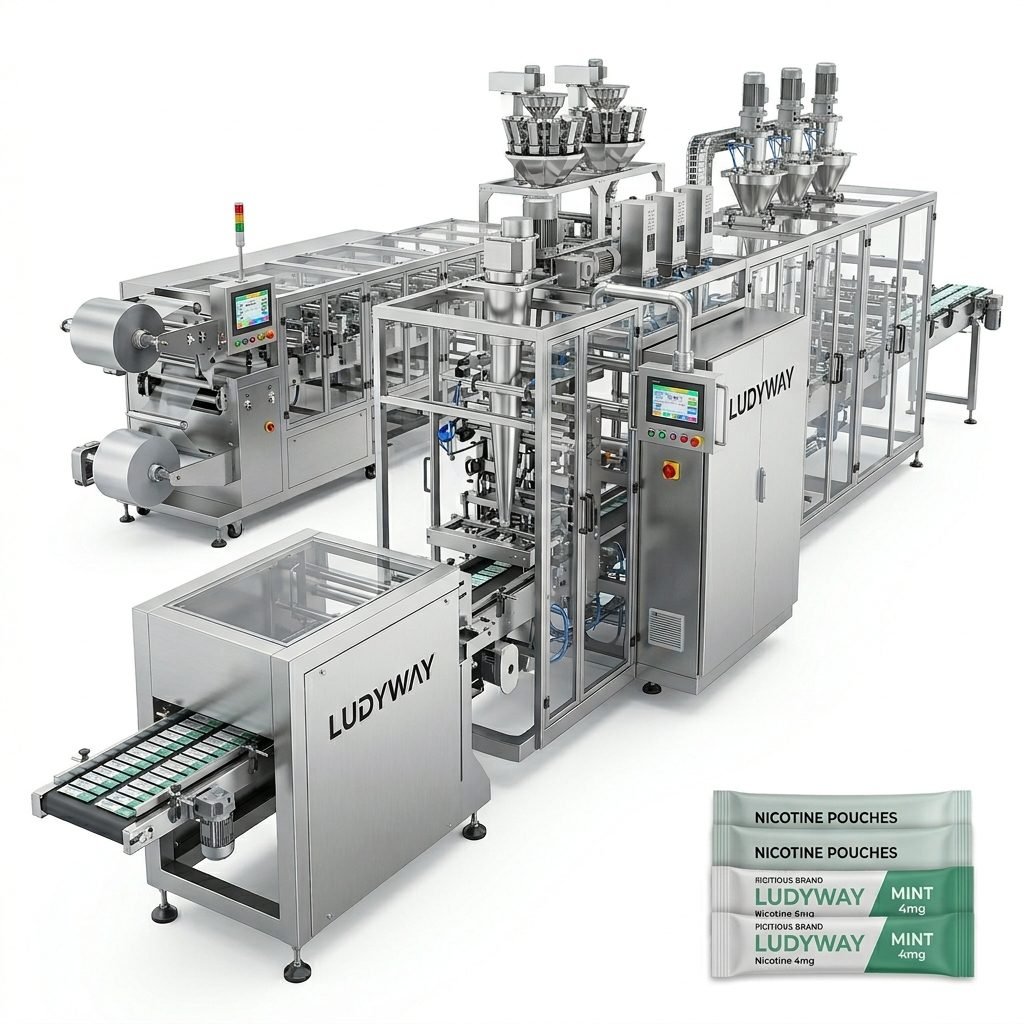
Why Consider a Manufacturer from a Leading Industrial Hub?
Countries like China have become global powerhouses in packaging machinery manufacturing. The advantages are compelling:
- Cost-Effectiveness: Competitive pricing without necessarily compromising on quality, offering excellent value.
- Scale & Speed: Large manufacturing bases enable faster production and scalability for large orders.
- Technological Adoption: Many leading Chinese manufacturers, such as SnusMachinery for niche products, rapidly integrate Industry 4.0 technologies like IoT and smart controls into their equipment.
- Proven Global Track Record: Serving over 100 countries, as Ludyway does, demonstrates an ability to meet diverse international standards and client needs.
The key is to diligently vet manufacturers within these hubs for quality systems, export experience, and after-sales capability.
Making the Final Decision
After thorough evaluation, arrange factory visits or live video tours if travel isn’t feasible. See the production, quality checks, and testing procedures firsthand. Finally, ensure everything—specifications, performance guarantees, delivery schedule, payment terms, and service agreement—is meticulously detailed in a clear contract.
Choosing the right partner is an investment in your business’s future efficiency and growth. By focusing on technical fit, quality, support, and strategic alignment, you can forge a partnership that delivers reliable performance for years to come.
Frequently Asked Questions (FAQ)
Q: What’s more important, the machine price or the total cost of ownership?
A: Total Cost of Ownership (TCO) is far more critical. A cheaper machine with high downtime, energy consumption, and maintenance costs will be more expensive in the long run. Consider reliability, energy efficiency, spare parts cost, and expected lifespan.
Q: Can a single machine handle multiple different products or packaging formats?
A: Many modern machines offer quick-changeover capabilities. Discuss your flexibility needs with the manufacturer. For vastly different formats, a modular design or separate machines might be more efficient.
Q: How do I ensure the machine meets my local safety and industry regulations?
A: A reputable global manufacturer will design machines to meet international standards (CE, UL, etc.). You must clearly communicate your local and industry-specific regulatory requirements (e.g., FDA, EU directives) during the design phase for compliance.
Q: What is the typical lead time for a custom packaging line?
A: Lead times vary greatly based on complexity. A standard machine may take 8-12 weeks, while a fully custom, large-scale turnkey line can take 6 months or more. Detailed project planning with your manufacturer is essential.
Q: What kind of training and documentation should I expect?
A: Expect comprehensive on-site installation and training by factory engineers. Documentation should include detailed machine manuals, electrical diagrams, PLC programs, maintenance schedules, and a complete spare parts list in your language.