The frozen fruit market in Asia is experiencing rapid growth, driven by rising demand for convenient, healthy food options and expanding cold chain infrastructure. Setting up a frozen fruit packaging line requires careful planning across equipment selection, regulatory compliance, and cost management. This guide walks you through every critical aspect of establishing a successful frozen fruit packaging operation in Asia.
Understanding the Asian Frozen Fruit Market
Asia-Pacific dominates global frozen fruit production, with countries like Thailand, Vietnam, China, and the Philippines serving as major processing hubs. The region benefits from abundant raw material supply, competitive labor costs, and increasing investment in packaging machinery market infrastructure. Key frozen fruit products include mangoes, durian, berries, pineapple, and mixed fruit blends destined for both domestic consumption and export markets including Europe, North America, and the Middle East.
Key Market Drivers
- Export demand: Frozen fruit exports from Asia have grown significantly, with major importers seeking high-quality IQF (Individually Quick Frozen) products
- Cold chain development: Investments in refrigerated logistics across Southeast Asia enable efficient distribution
- Processing innovation: Advanced freezing technologies preserve fruit quality and extend shelf life
- Retail expansion: Modern retail formats and e-commerce platforms expand frozen food accessibility
Essential Equipment for Frozen Fruit Packaging Lines
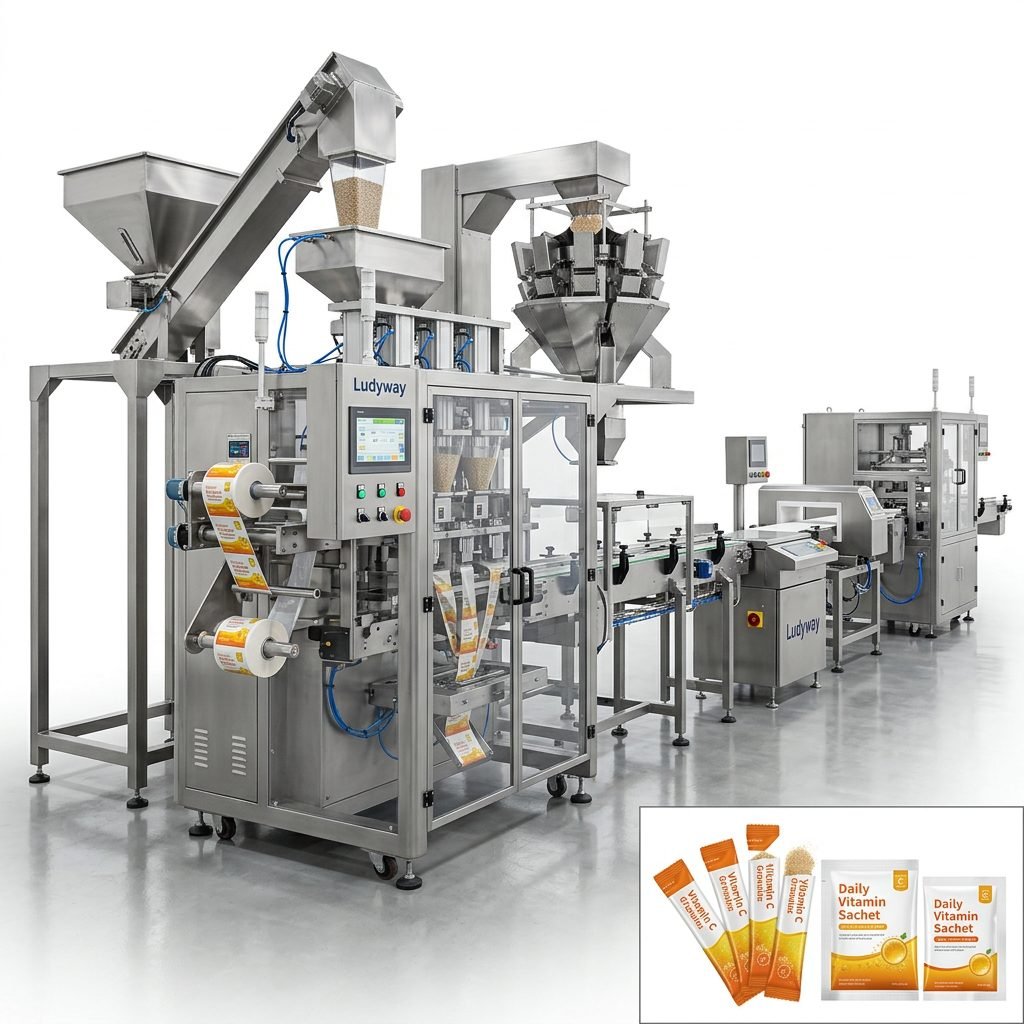
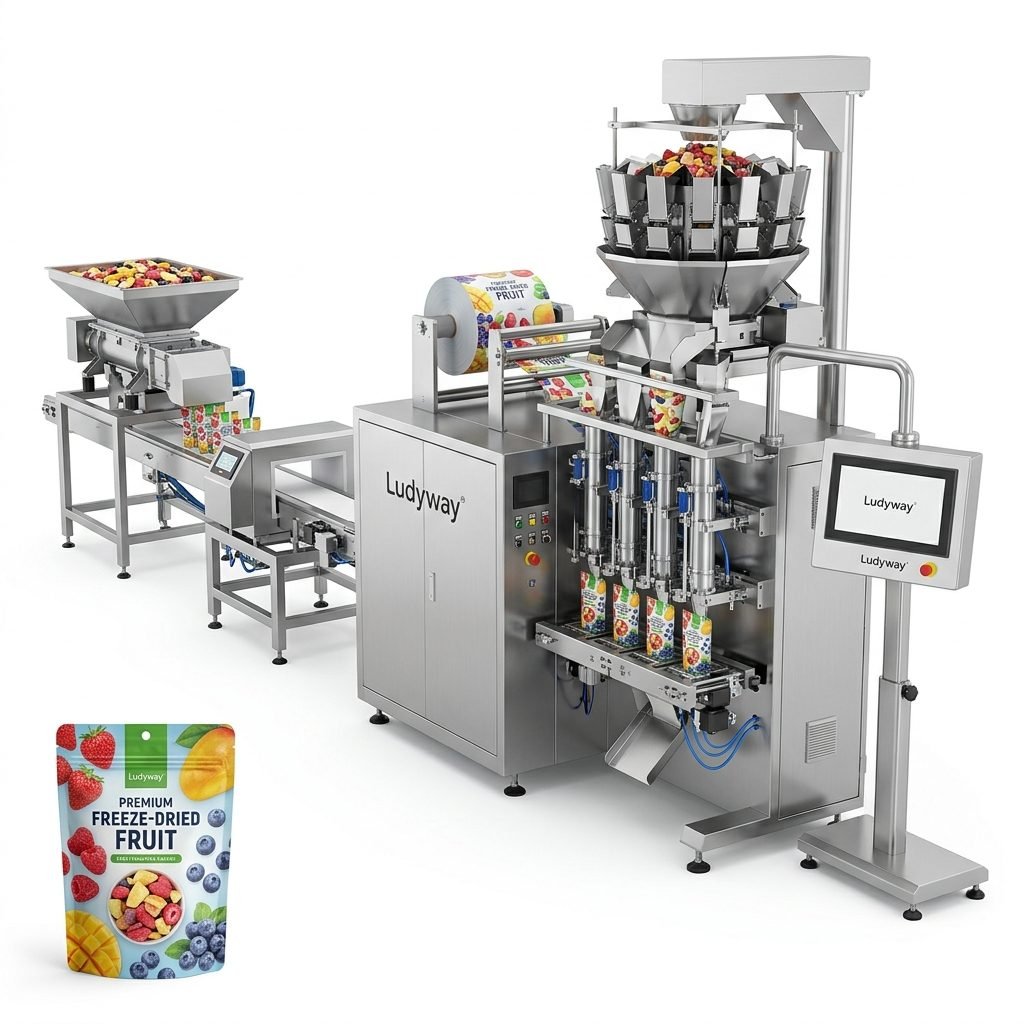
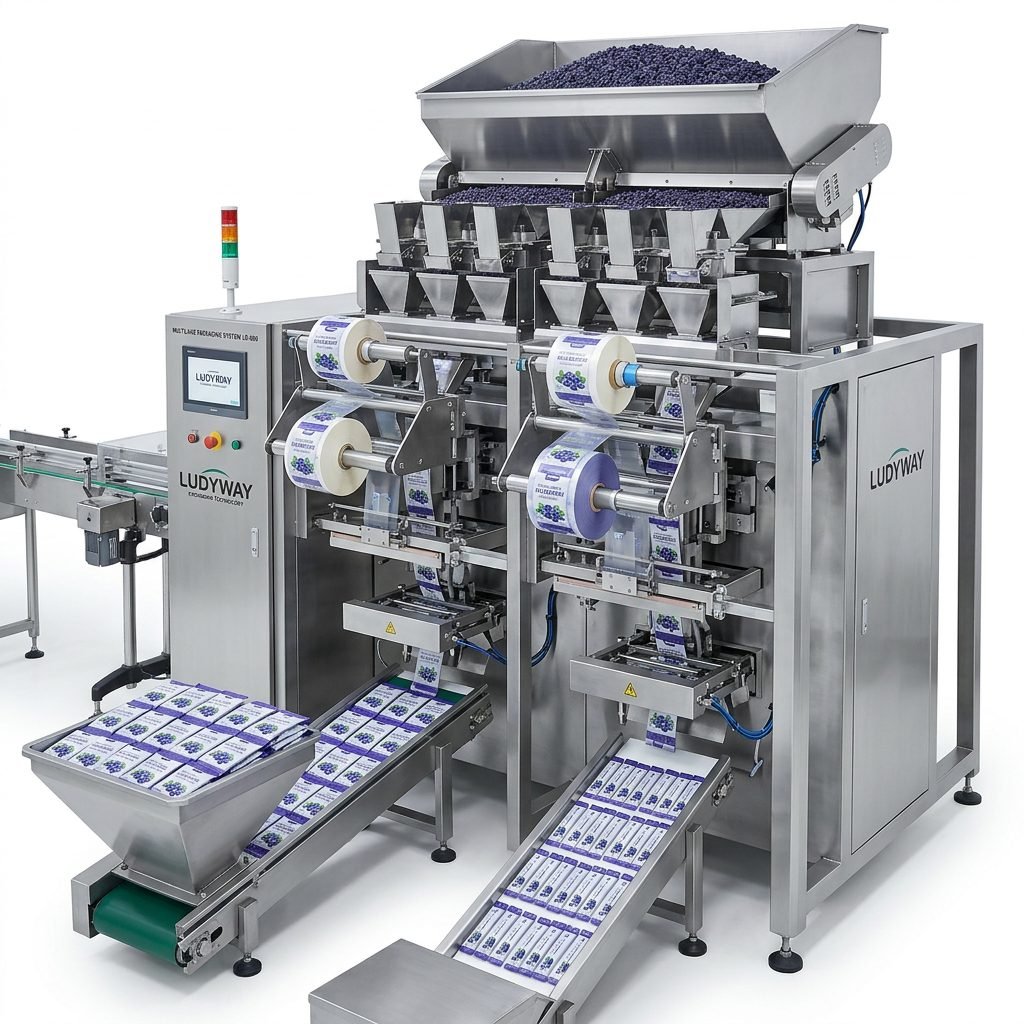
A complete frozen fruit packaging line integrates multiple specialized machines working in synchronization. The equipment must handle sub-zero temperature products while maintaining food packaging safety standards and preventing moisture ingress. Below is a breakdown of core equipment categories.
Core Processing Equipment
| Equipment Type | Primary Function | Key Features |
|---|---|---|
| IQF Freezer | Individual quick freezing of fruit pieces | Fluidized bed technology, rapid temperature reduction, minimal clumping |
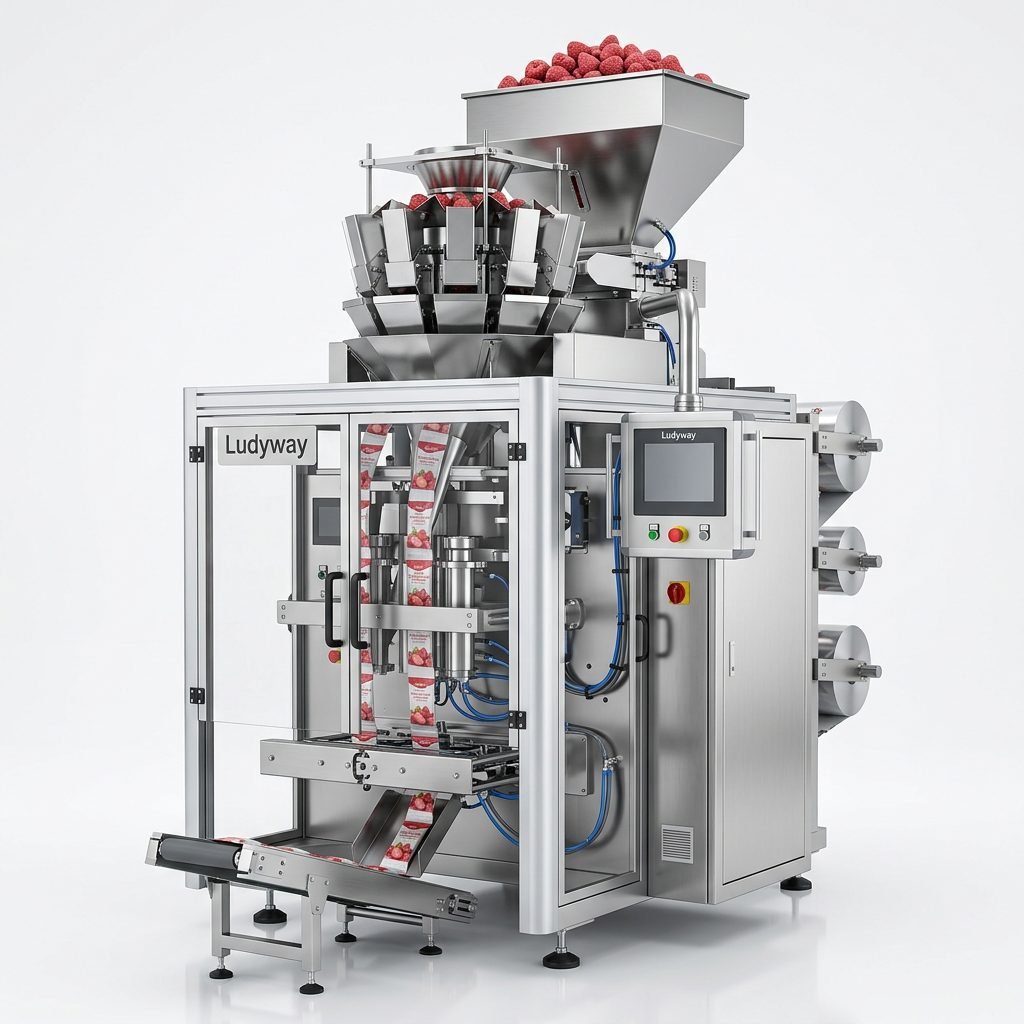
| Multi-Head Weigher | Precise portion weighing | 14-24 heads, waterproof design, accuracy within ±0.5g |
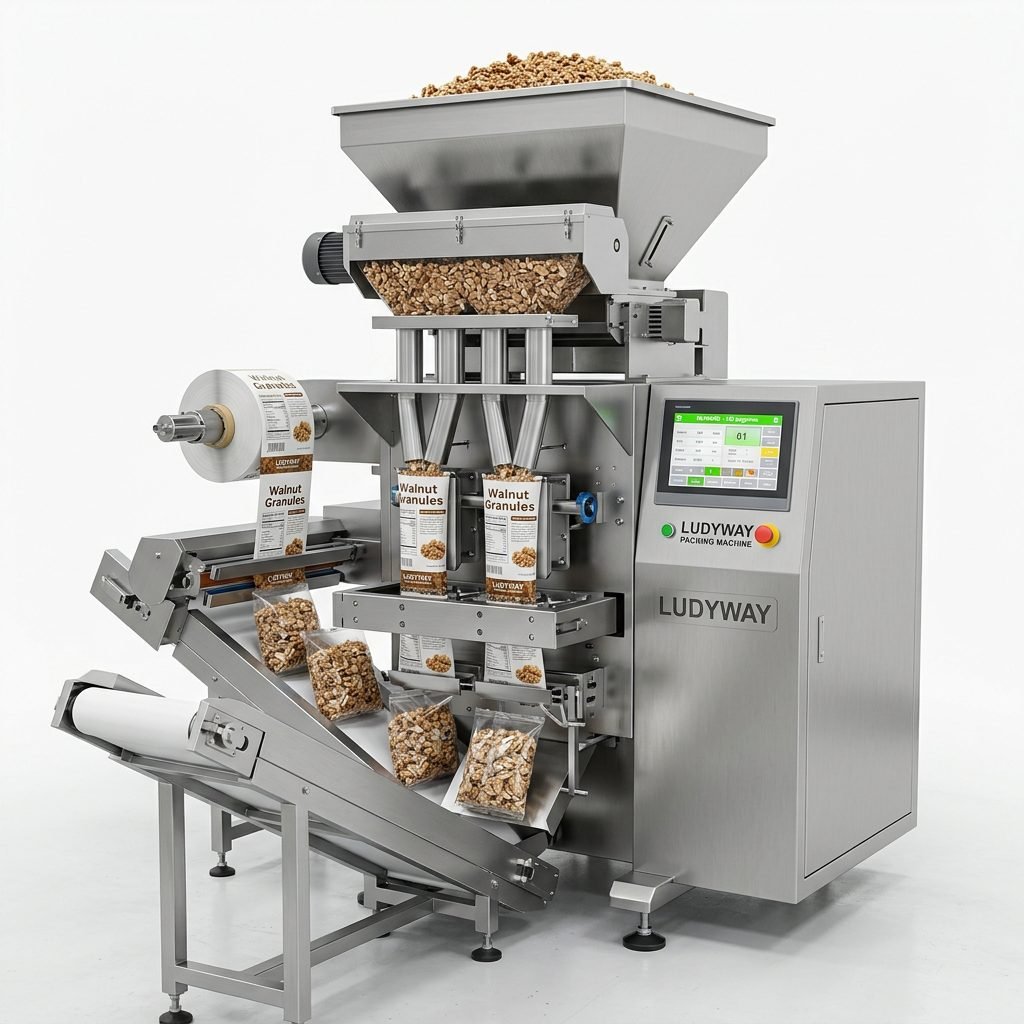
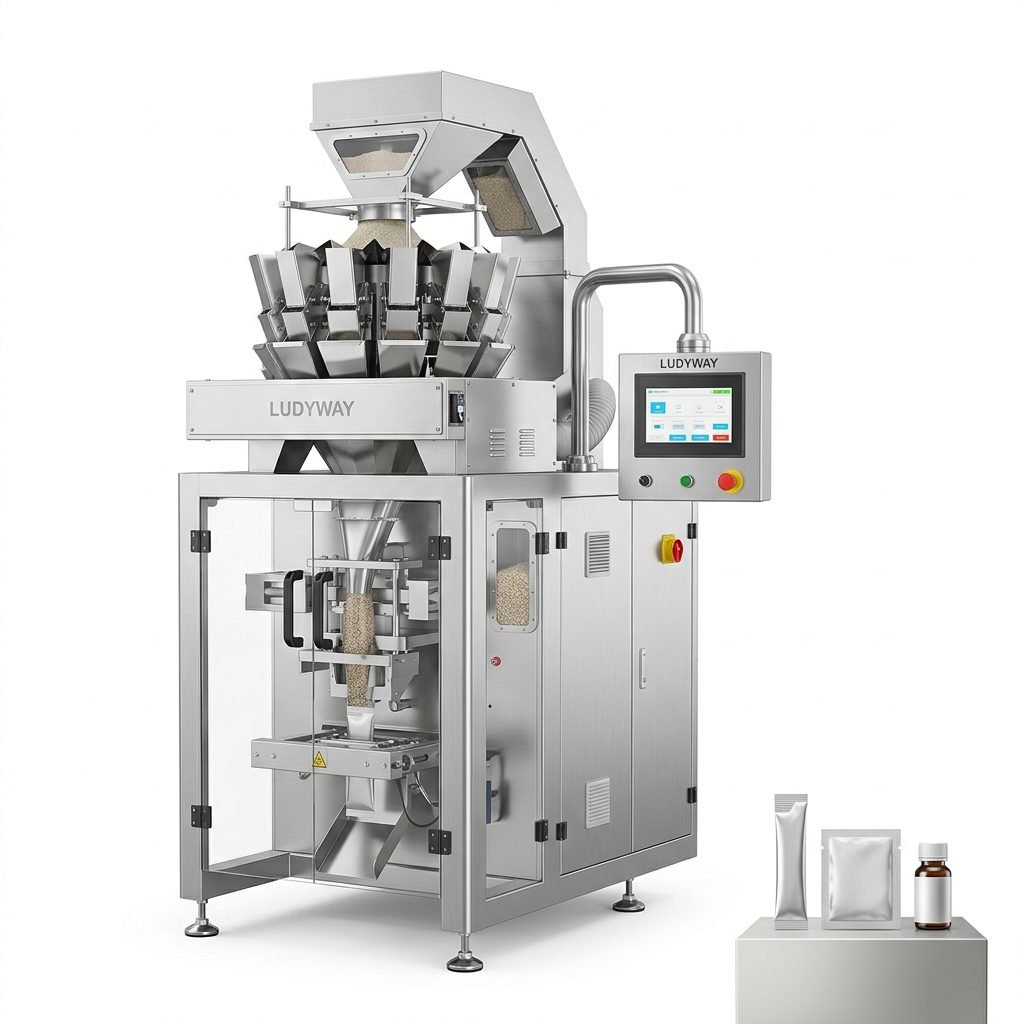
| Vertical Form Fill Seal Machine | Bag forming, filling, and sealing | Stainless steel construction, cold-environment compatible |
| Checkweigher | Quality assurance weight verification | High-speed rejection, data logging capability |
| Metal Detector | Contaminant detection | Multi-frequency, frozen product compensation |
| Case Packer | Automated carton loading | Robotic pick-and-place, gentle product handling |
Packaging Materials and Formats
Frozen fruit packaging requires high-barrier materials that prevent freezer burn, moisture loss, and oxidation. The flexible packaging industry offers several proven solutions for frozen applications.
Common Packaging Formats
- Pillow bags: Cost-effective for bulk frozen fruit, typically 300g-1kg sizes
- Stand-up pouches: Premium retail presentation with resealable zippers
- Gusseted bags: Enhanced shelf stability for larger formats (1kg-5kg)
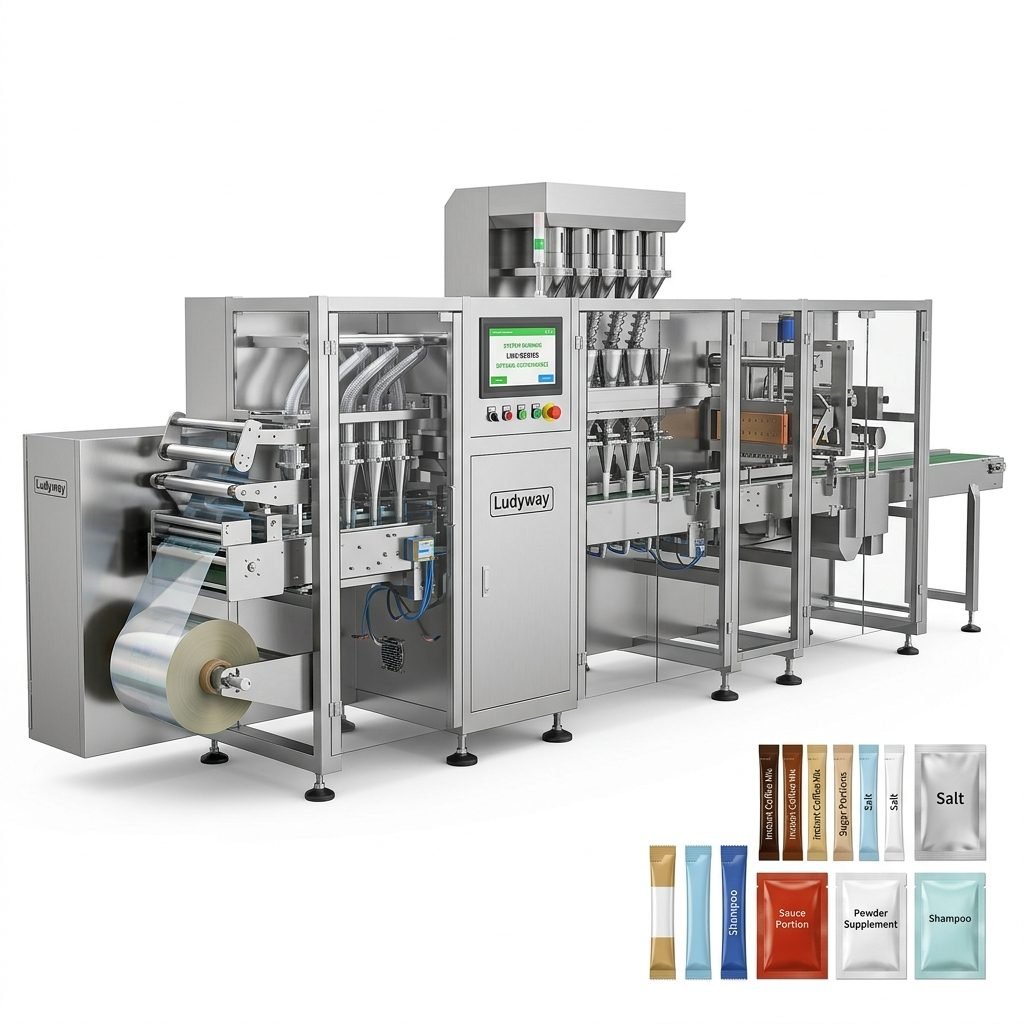
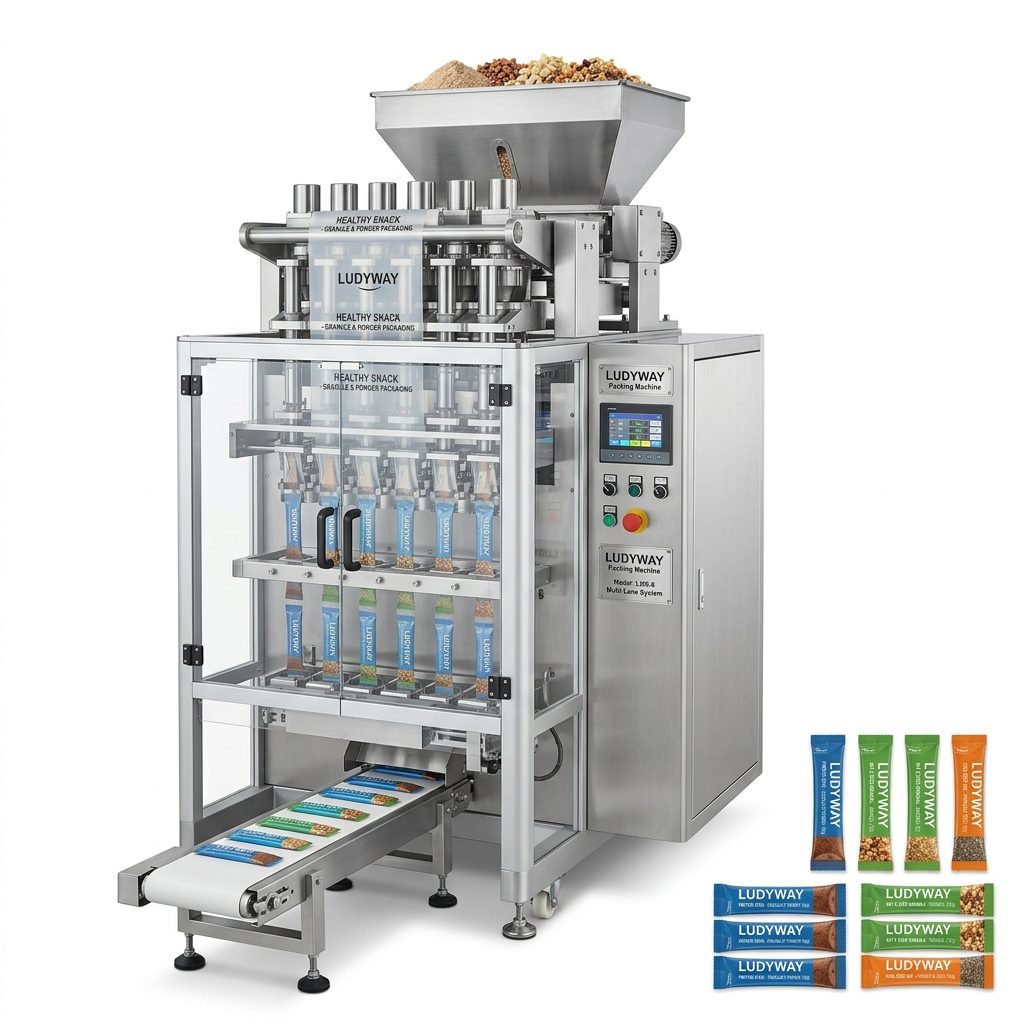
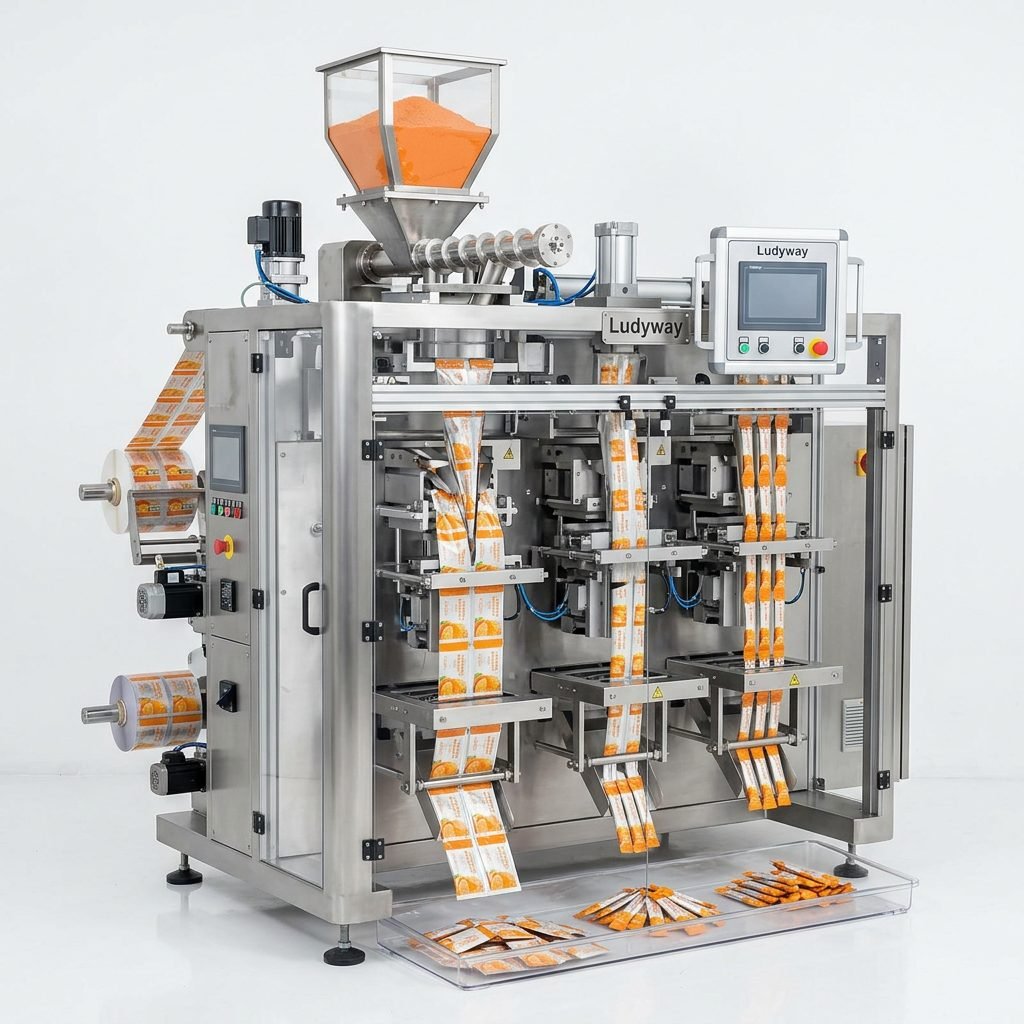
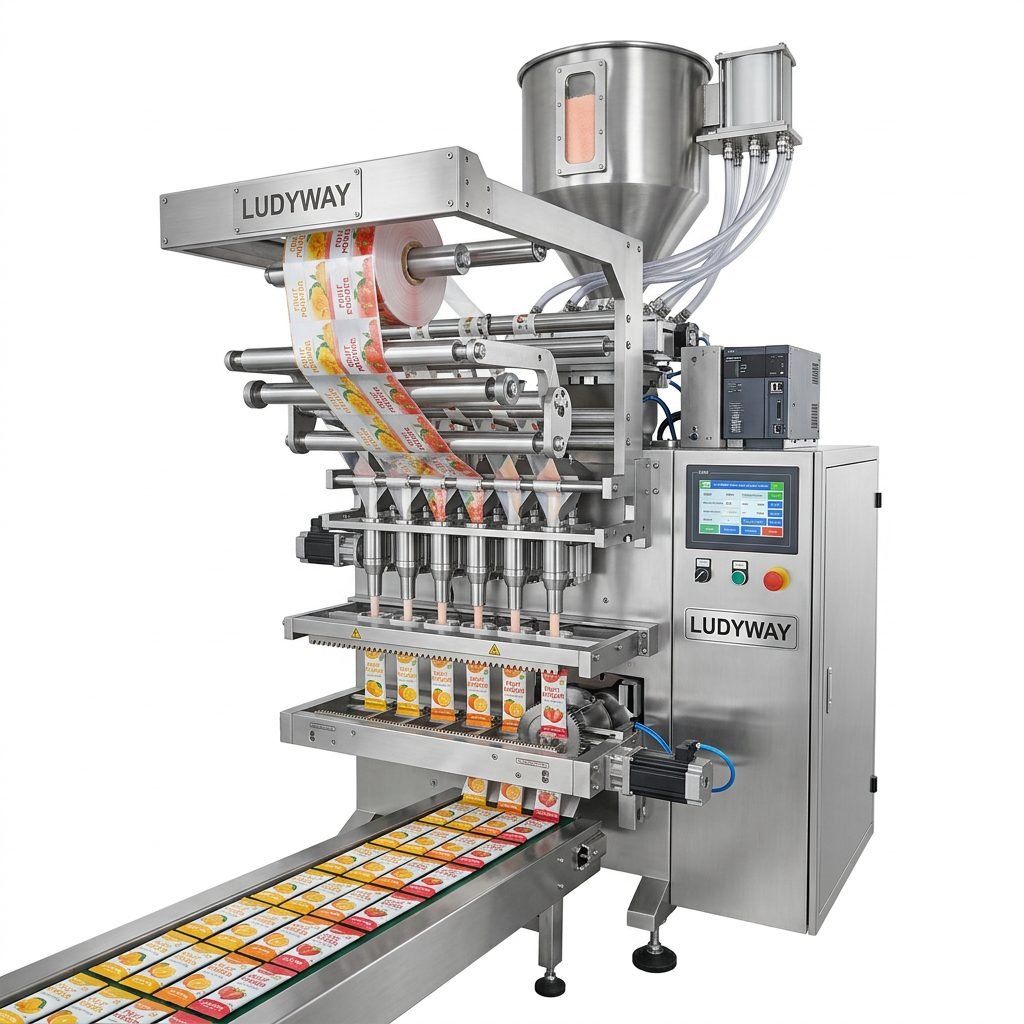
- Multi-lane stick packs: Single-serve portions for smoothie ingredients
- Vacuum-sealed bags: Extended shelf life for high-value frozen fruits
Recommended Film Structures
| Film Type | Structure | Barrier Properties |
|---|---|---|
| Metalized PET/PE | Metalized polyester + polyethylene | Excellent moisture and oxygen barrier |
| PET/Al/PE | Polyester + aluminum foil + polyethylene | Maximum barrier, suitable for long shelf life |
| BOPP/PE | Biaxially oriented polypropylene + polyethylene | Good clarity, moderate barrier |

Cost Breakdown for Setting Up a Frozen Fruit Packaging Line
Investment requirements vary significantly based on production capacity, automation level, and facility location. A comprehensive budget should account for equipment, facility preparation, regulatory compliance, and working capital. Below is an estimated cost structure for a mid-scale operation in Asia.
Initial Investment Overview
| Investment Category | Estimated Cost Range (USD) | Percentage of Total |
|---|---|---|
| Packaging Machinery | $150,000 – $450,000 | 40-50% |
| IQF Freezing Equipment | $80,000 – $250,000 | 20-25% |
| Cold Storage Facility | $50,000 – $150,000 | 10-15% |
| Installation and Commissioning | $20,000 – $50,000 | 3-5% |
| Certification and Compliance | $15,000 – $40,000 | 2-4% |
| Working Capital (3 months) | $50,000 – $150,000 | 8-12% |
Important: These figures represent estimated ranges for a production line with capacity of 500-2,000 kg/hour. Costs in China and Southeast Asia are generally 30-40% lower than equivalent setups in Western countries, making Asia an attractive location for frozen fruit processing investments.
Key Steps to Establish a Frozen Fruit Packaging Line
Step 1: Feasibility Study and Business Planning
Conduct thorough market research analyzing target export markets, local fruit availability, seasonal variations, and competitive landscape. Develop a detailed business plan covering production capacity targets, product specifications, and financial projections. Understanding packaging industry trends helps align your investment with market demand.
Step 2: Facility Location and Design
Select a location with reliable utilities, proximity to raw material sources, and access to cold chain logistics. Design the facility layout following HACCP principles with clear segregation of raw and processed areas. Ensure temperature-controlled environments throughout processing and packaging zones.
Step 3: Equipment Selection and Procurement
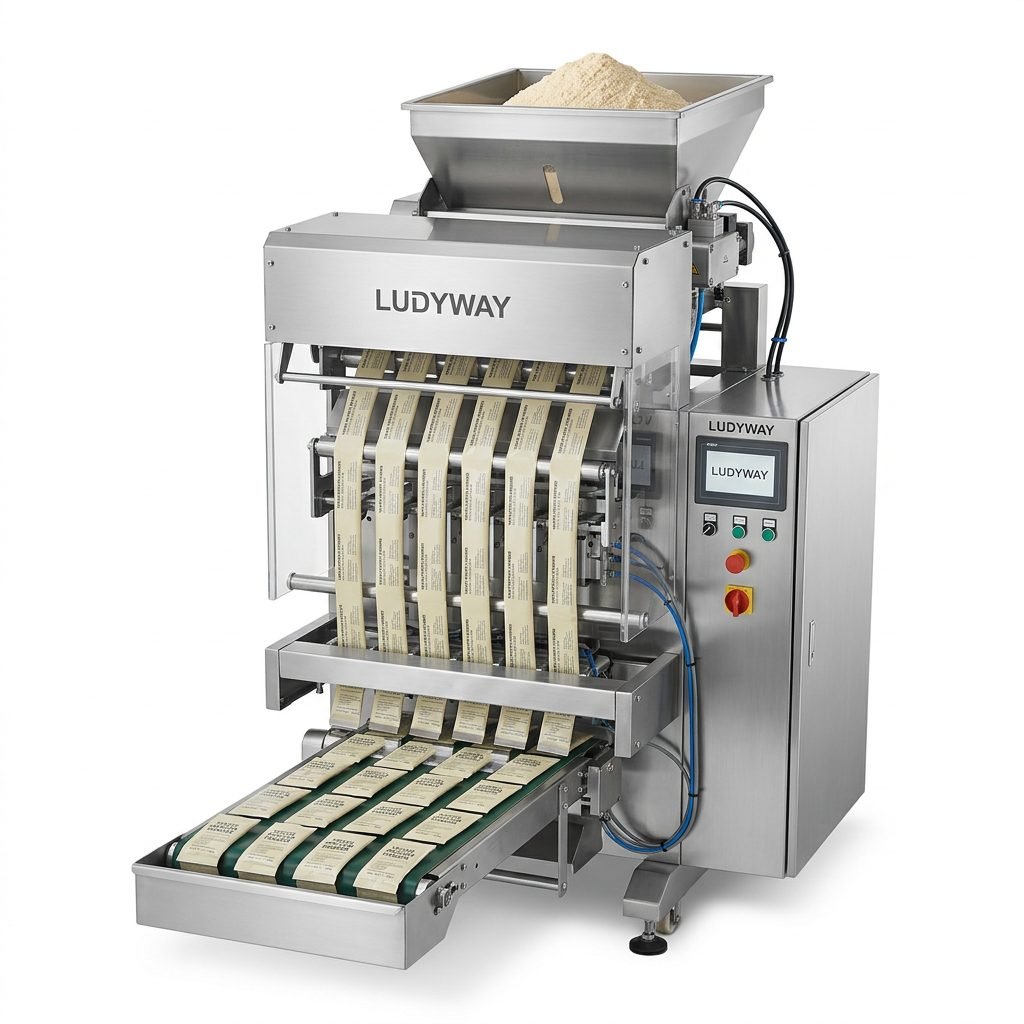
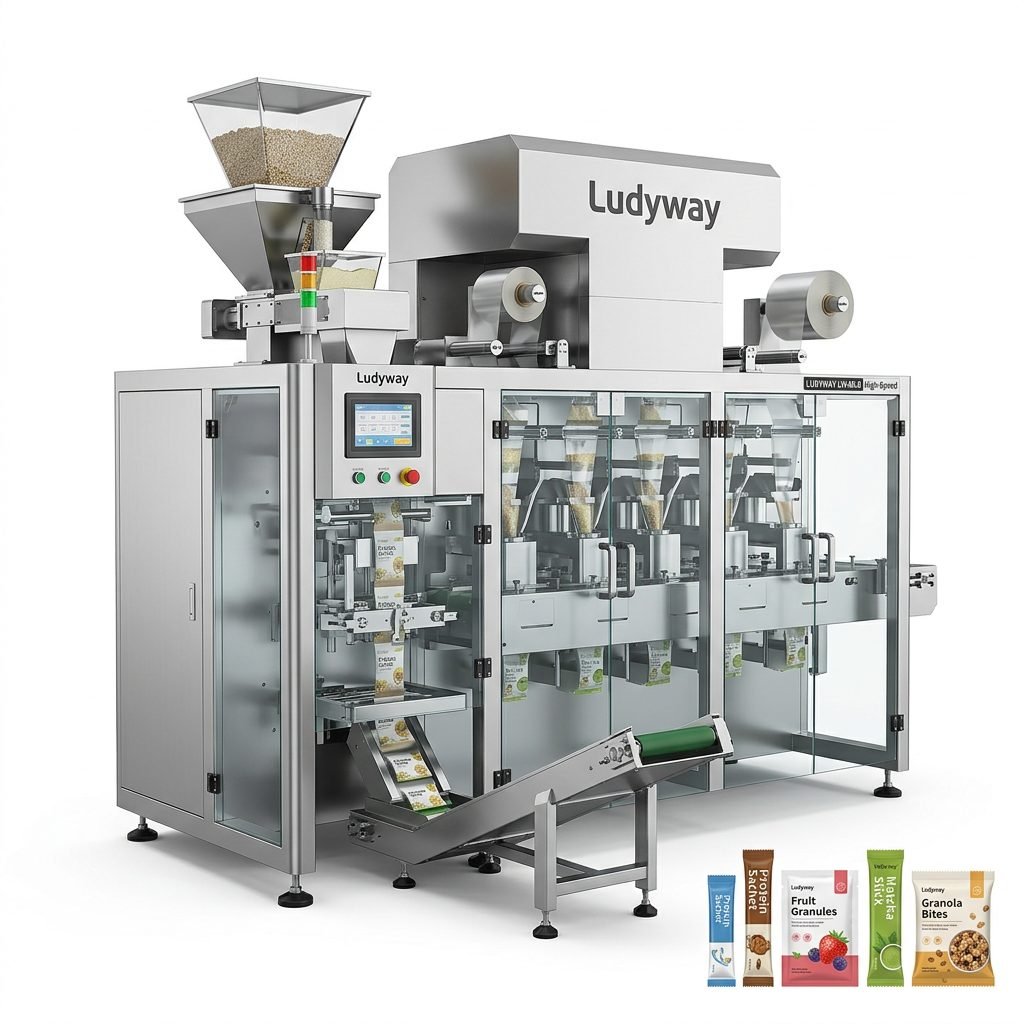
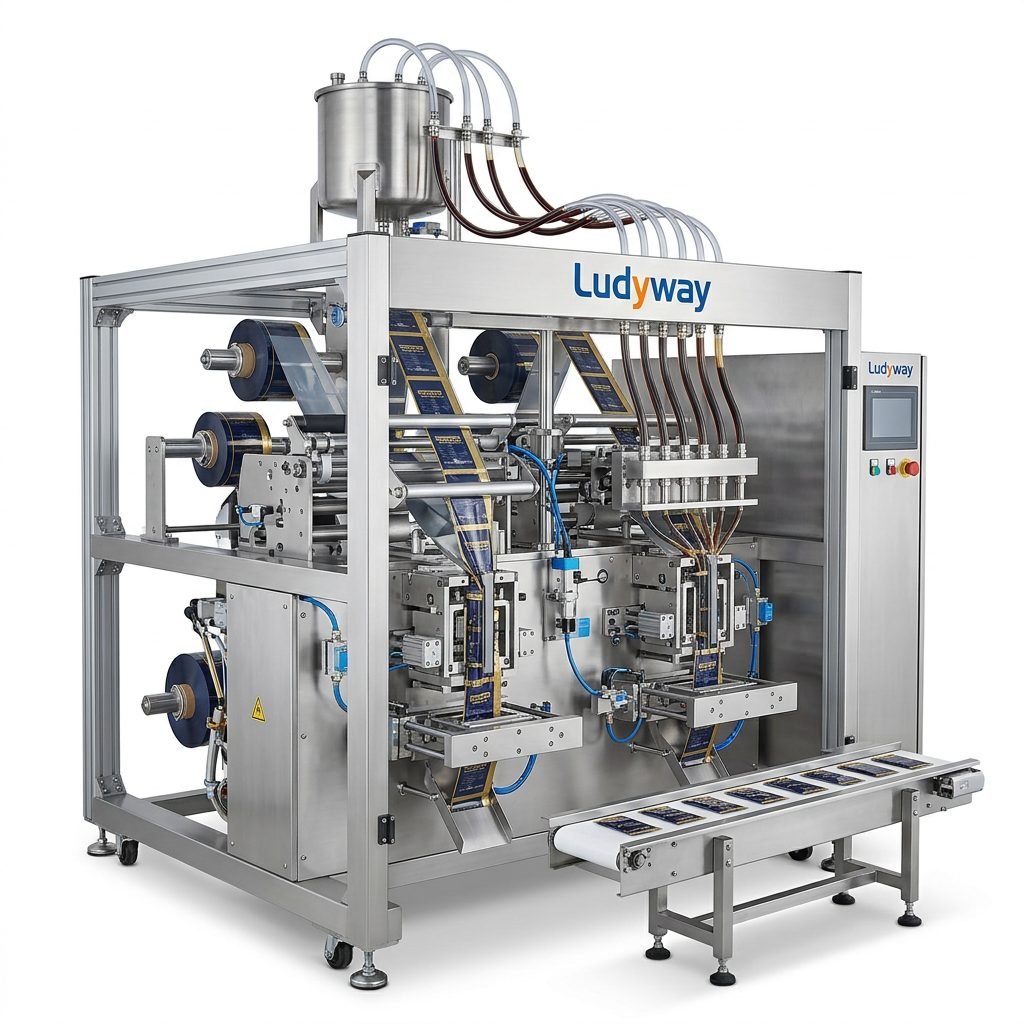
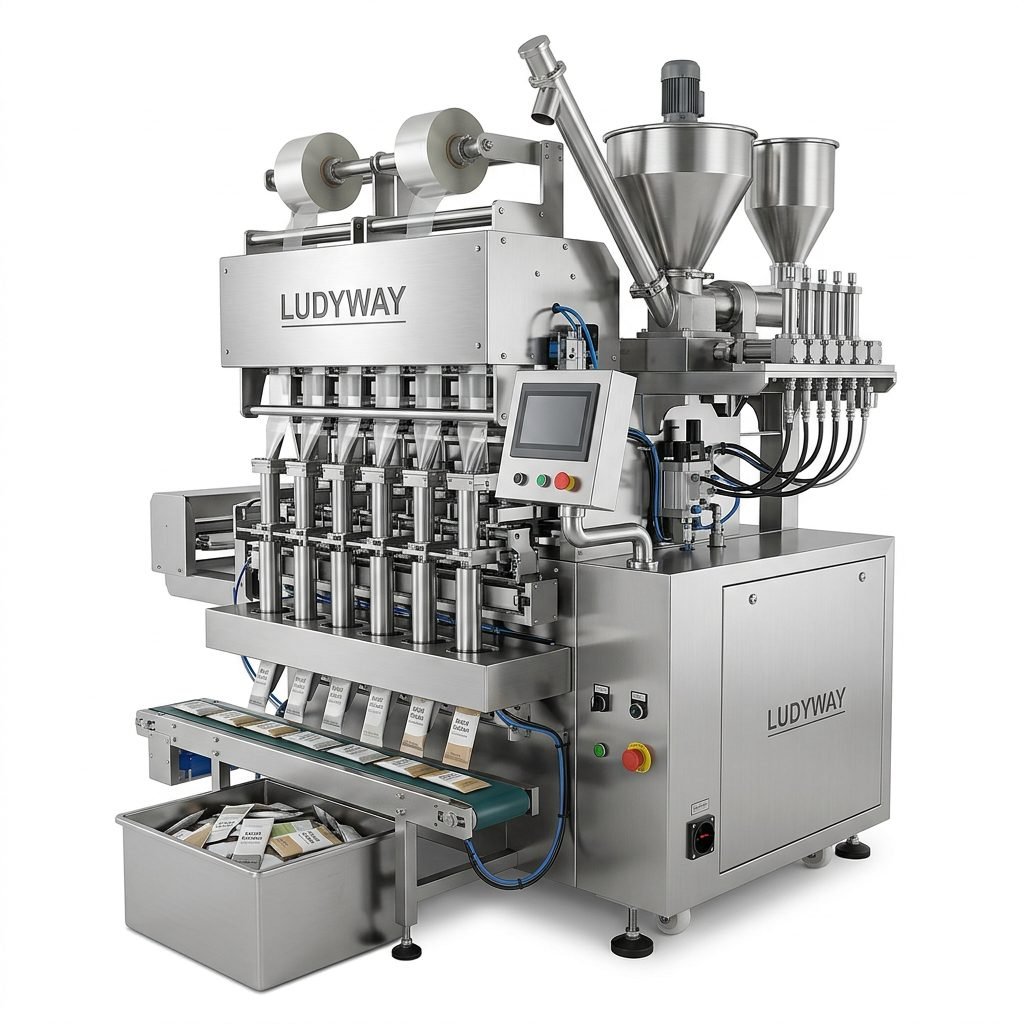
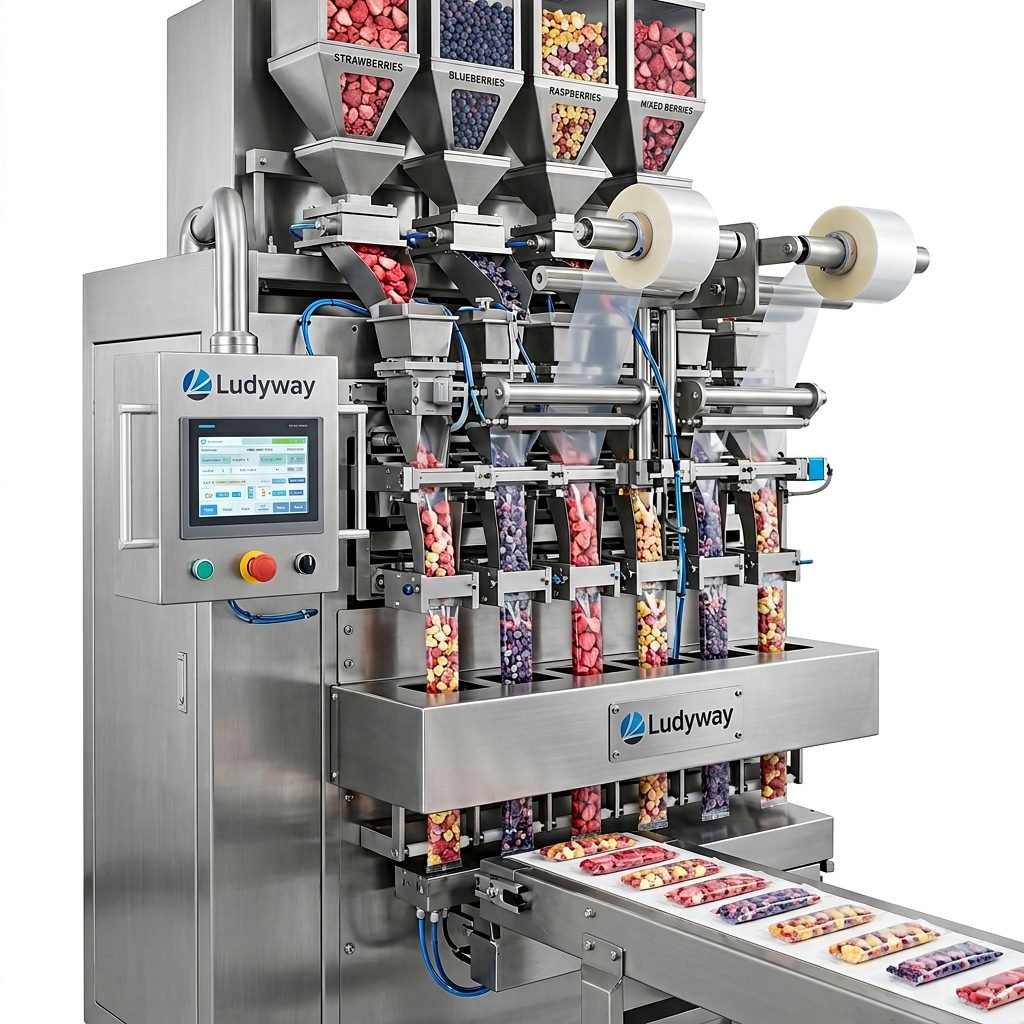
Choose packaging machinery that meets your product specifications, capacity requirements, and budget. Consider factors such as changeover flexibility for different fruit types and package formats. Evaluate suppliers based on technical support, spare parts availability, and experience in frozen food applications. For comprehensive turnkey solutions, Ludyway offers integrated packaging lines designed for frozen fruit processing with multi-lane sachet and pouch systems.
Step 4: Regulatory Compliance and Certification
Obtain necessary certifications for your target markets including HACCP, ISO 22000, BRC, and FDA registration for U.S. exports. Each destination market has specific food contact substance requirements that must be addressed. Work with local regulatory consultants familiar with export documentation and standards.
Step 5: Installation, Commissioning, and Training
Schedule professional installation with supplier engineers overseeing mechanical setup, electrical integration, and software configuration. Conduct thorough commissioning tests using actual frozen fruit products to validate performance. Invest in comprehensive operator training covering machine operation, cleaning procedures, and basic troubleshooting.
Step 6: Production Ramp-Up and Quality Control
Begin with controlled production runs to fine-tune parameters including sealing temperature, fill weight accuracy, and line speed. Implement robust quality control protocols covering weight checks, seal integrity testing, metal detection verification, and temperature monitoring throughout the packaging process.
Regional Considerations by Country
Thailand
As a global leader in frozen fruit exports, Thailand offers well-developed cold chain infrastructure and established export channels. The Eastern Economic Corridor provides attractive investment incentives for food processing facilities.
Vietnam
Rapidly growing frozen fruit sector with competitive labor costs and expanding free trade agreements. Key products include frozen dragon fruit, passion fruit, and mango. Government support for high-tech food processing investments available.
China
Massive domestic market combined with advanced manufacturing capabilities for packaging equipment. Cold chain infrastructure expanding rapidly in tier-2 and tier-3 cities. Access to cost-effective packaging machinery and technology from domestic suppliers reduces initial investment.
Philippines
Growing frozen fruit sector focused on mango, banana, and pineapple products. Improving infrastructure and government programs supporting food processing industry development.
Common Challenges and Solutions
| Challenge | Impact | Solution |
|---|---|---|
| Cold chain gaps | Product degradation during transport | Invest in on-site cold storage; partner with certified logistics providers |
| Moisture control | Ice crystal formation, packaging integrity issues | Use high-barrier films; maintain consistent freezing temperatures |
| Seasonal raw material supply | Production gaps and price fluctuations | Diversify product range; establish multi-region sourcing |
| Export compliance complexity | Shipment delays, rejected consignments | Work with experienced regulatory consultants; maintain updated certification |
Technology Trends in Frozen Fruit Packaging
- Automation and robotics: Automated case packing and palletizing reduce labor dependency
- Smart sensors: Real-time monitoring of seal integrity and packaging quality
- Sustainable packaging: Mono-material recyclable structures gaining traction
- Digital integration: Production data analytics for efficiency optimization
- Modified atmosphere packaging: Extended shelf life for premium frozen fruit products
Return on Investment Considerations
A well-planned frozen fruit packaging line in Asia can achieve payback within 24-36 months depending on product mix, export market access, and operational efficiency. Key profitability factors include:
- Raw material cost management: Strategic sourcing during peak harvest seasons
- Energy efficiency: Modern IQF and cold storage systems reduce operating costs
- Labor optimization: Automated packaging reduces manual handling requirements
- Product diversification: Multiple SKUs and package formats expand market reach
- Export premium pricing: Certified frozen fruit commands higher prices in developed markets
Setting up a frozen fruit packaging line in Asia presents significant opportunities for businesses targeting the growing global demand for convenient, healthy frozen fruit products. With proper planning, appropriate equipment selection, and attention to regulatory requirements, investors can establish profitable operations serving both regional and international markets. For detailed guidance on packaging industry economic trends and equipment specifications, consulting with industry associations and experienced machinery suppliers is highly recommended.