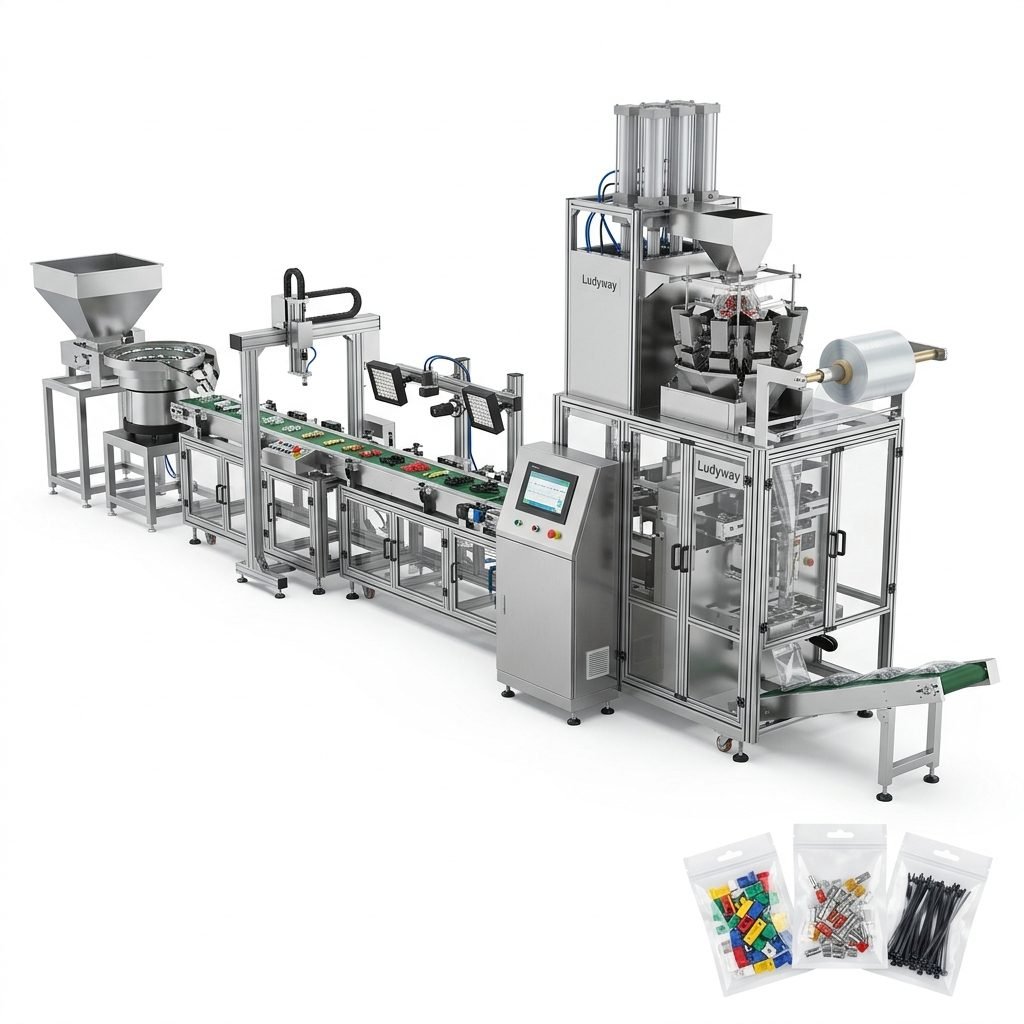
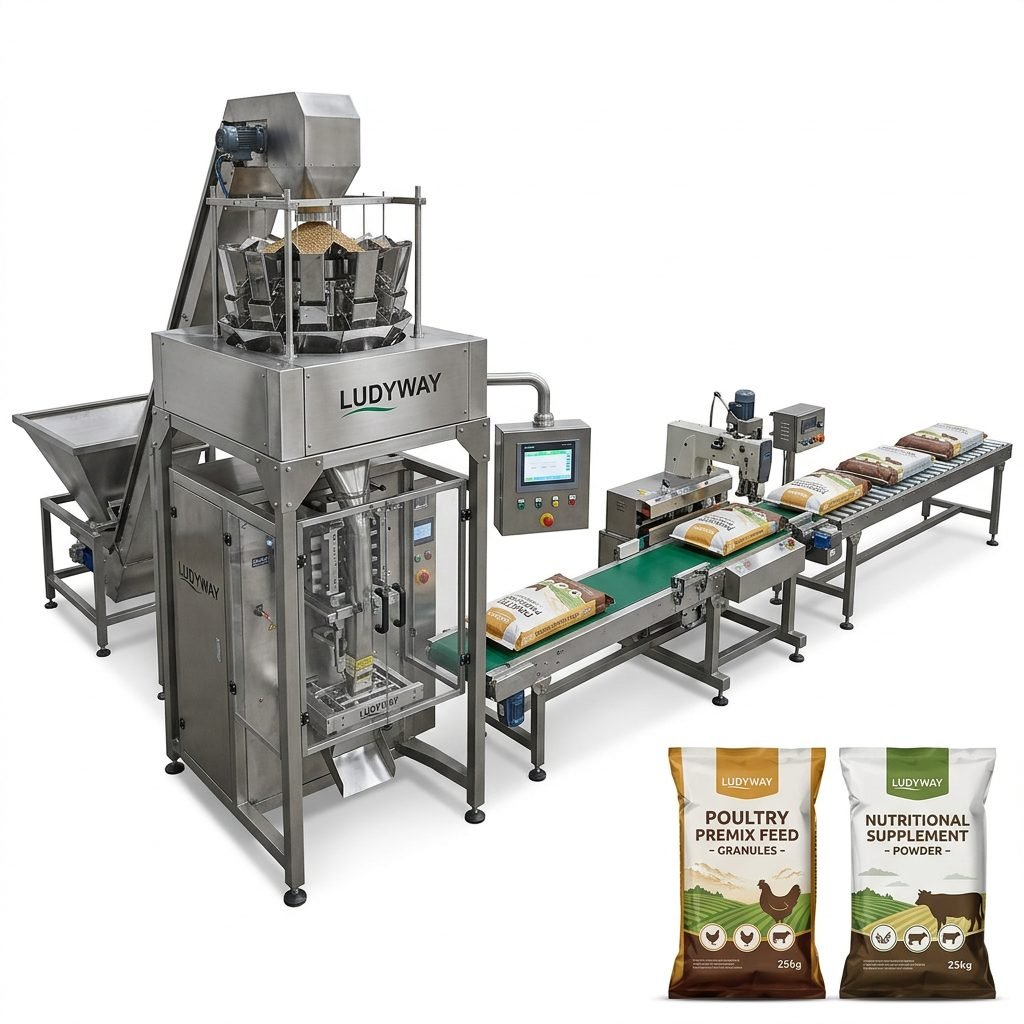
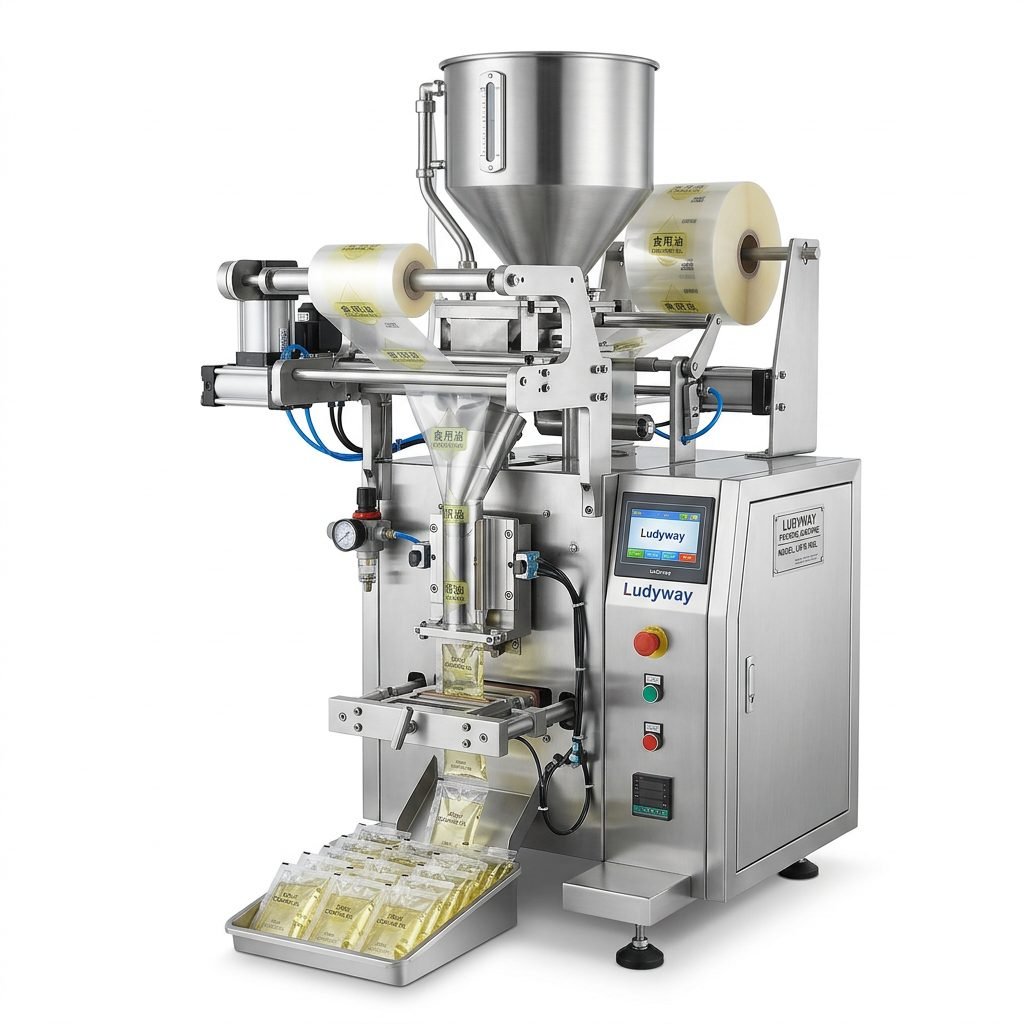
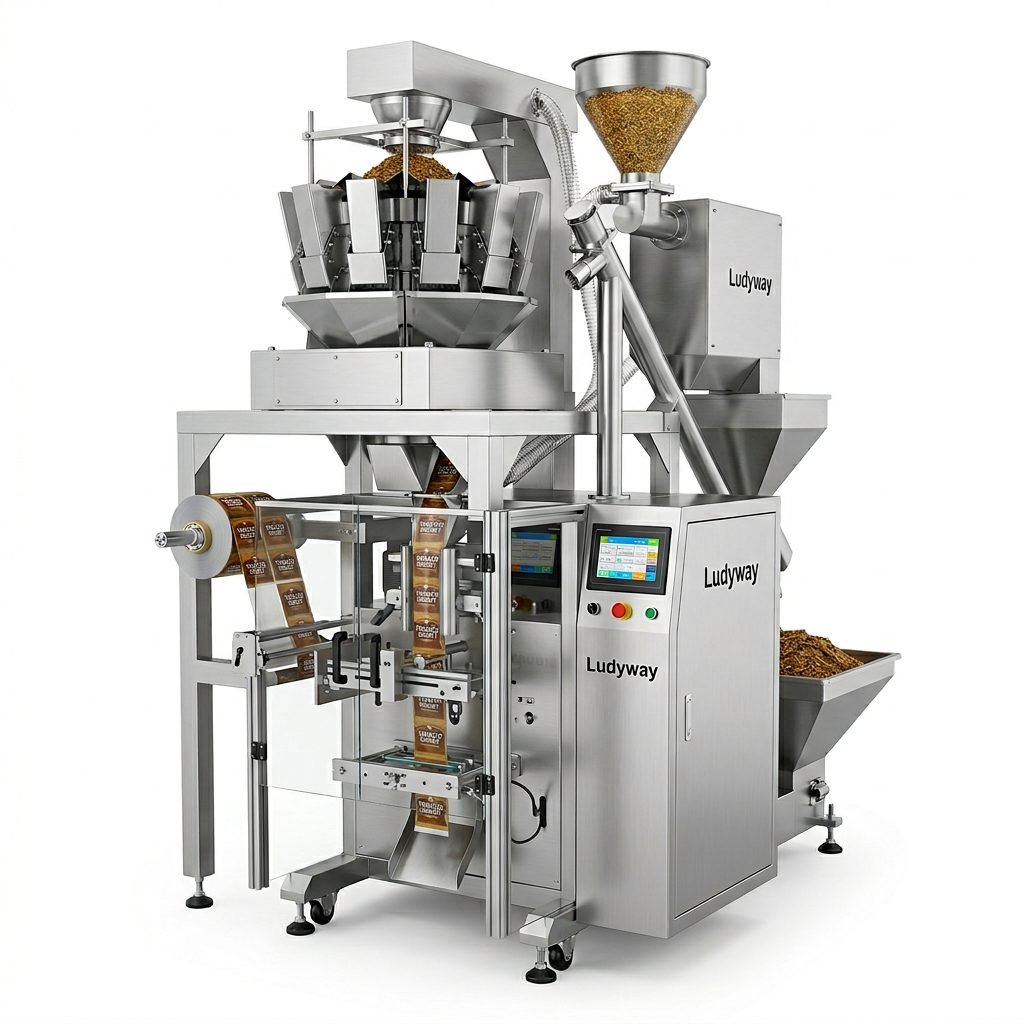
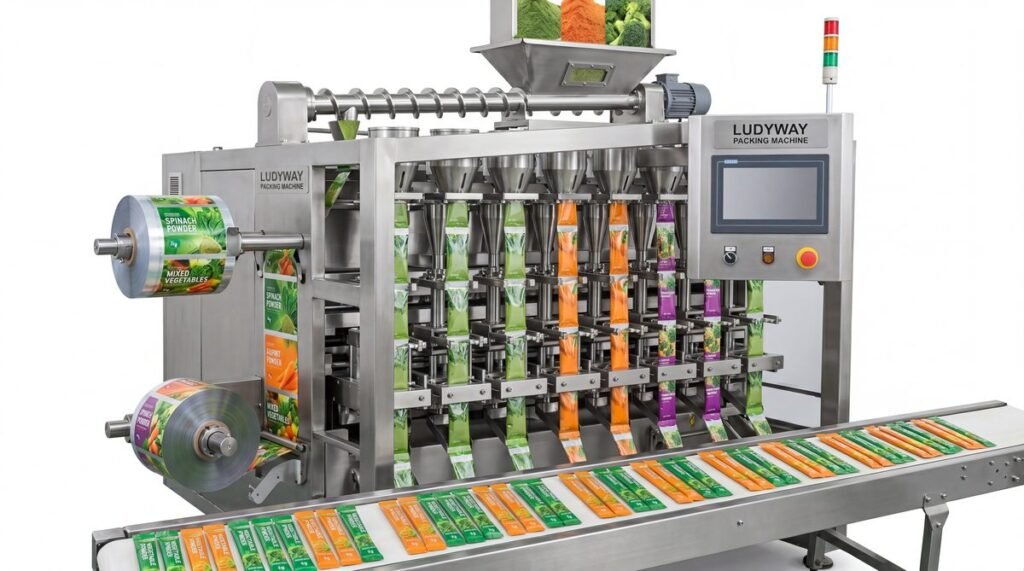
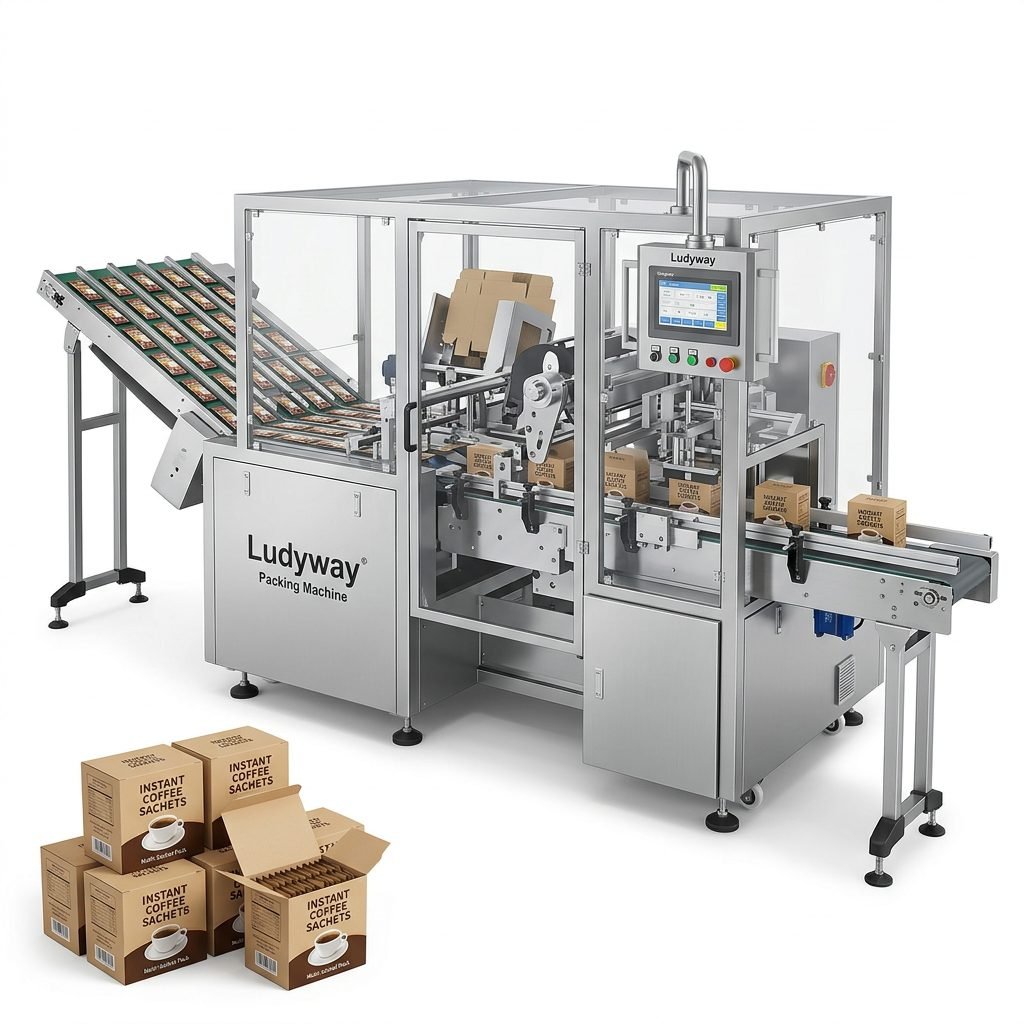
Selecting the ideal packaging machine for the Lesotho market requires a strategic approach that balances local economic conditions, infrastructure realities, and specific production goals. Whether you are packaging granules, powders, or liquids, the right equipment can significantly impact your operational efficiency and product quality in Southern Africa’s growing consumer goods sector.
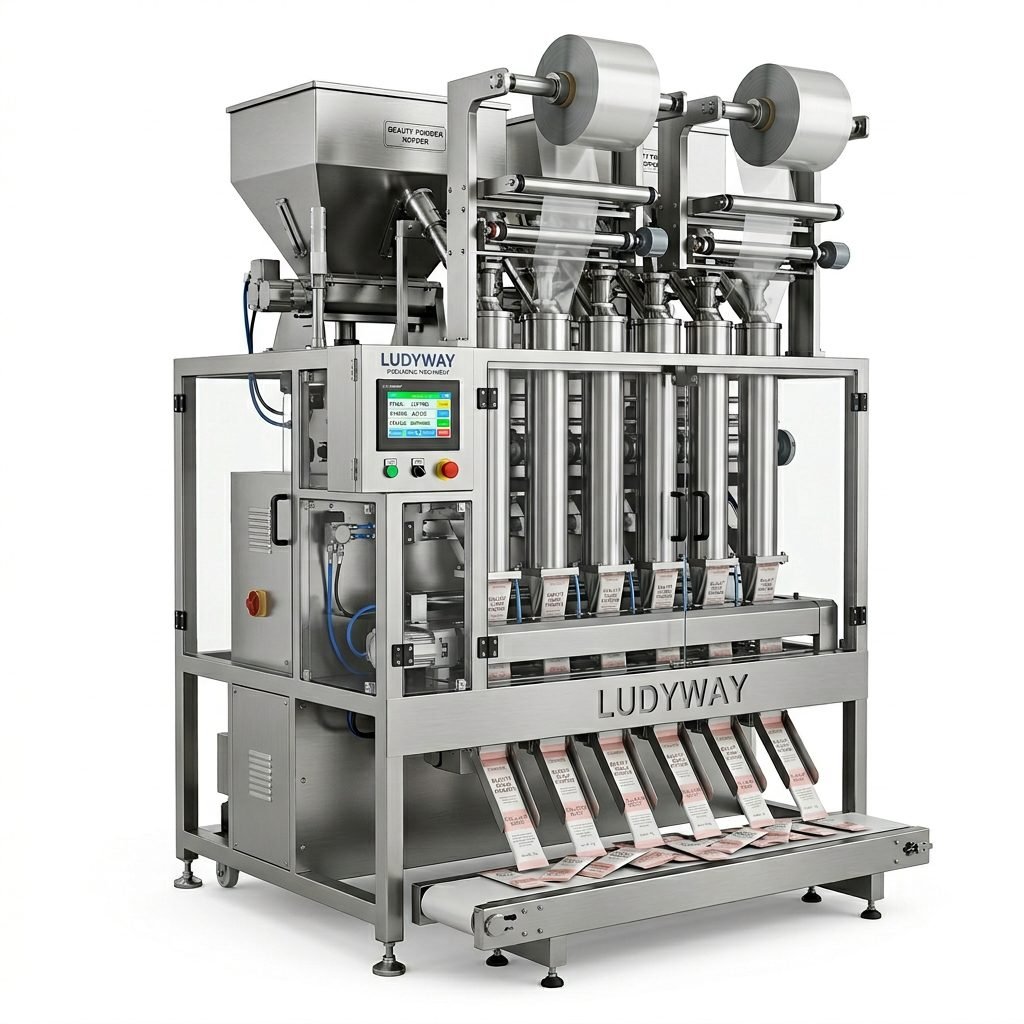
Understanding Lesotho’s Unique Market Demands
Lesotho’s manufacturing landscape is characterized by a mix of small-to-medium enterprises and a growing emphasis on import substitution. The demand for affordable, durable packaging solutions is high, particularly in the food and agricultural sectors. Key products include milled grains, sugar, snacks, and locally produced cosmetics and pharmaceuticals. A comprehensive packaging machinery guide often highlights the necessity of matching machine capabilities to regional market specifics.
Critical Infrastructure Considerations
- Power Supply Stability: Machines with built-in voltage regulators and efficient power consumption are essential due to occasional fluctuations.
- Operational Simplicity: User-friendly interfaces reduce the dependency on highly specialized technicians and simplify training.
- Maintenance and Spare Parts: Prioritize suppliers with accessible remote support and a reliable supply chain for critical components.
- Climate Adaptability: Equipment must withstand varying temperatures and altitude conditions without compromising performance.
Matching Machine Type to Your Product Portfolio
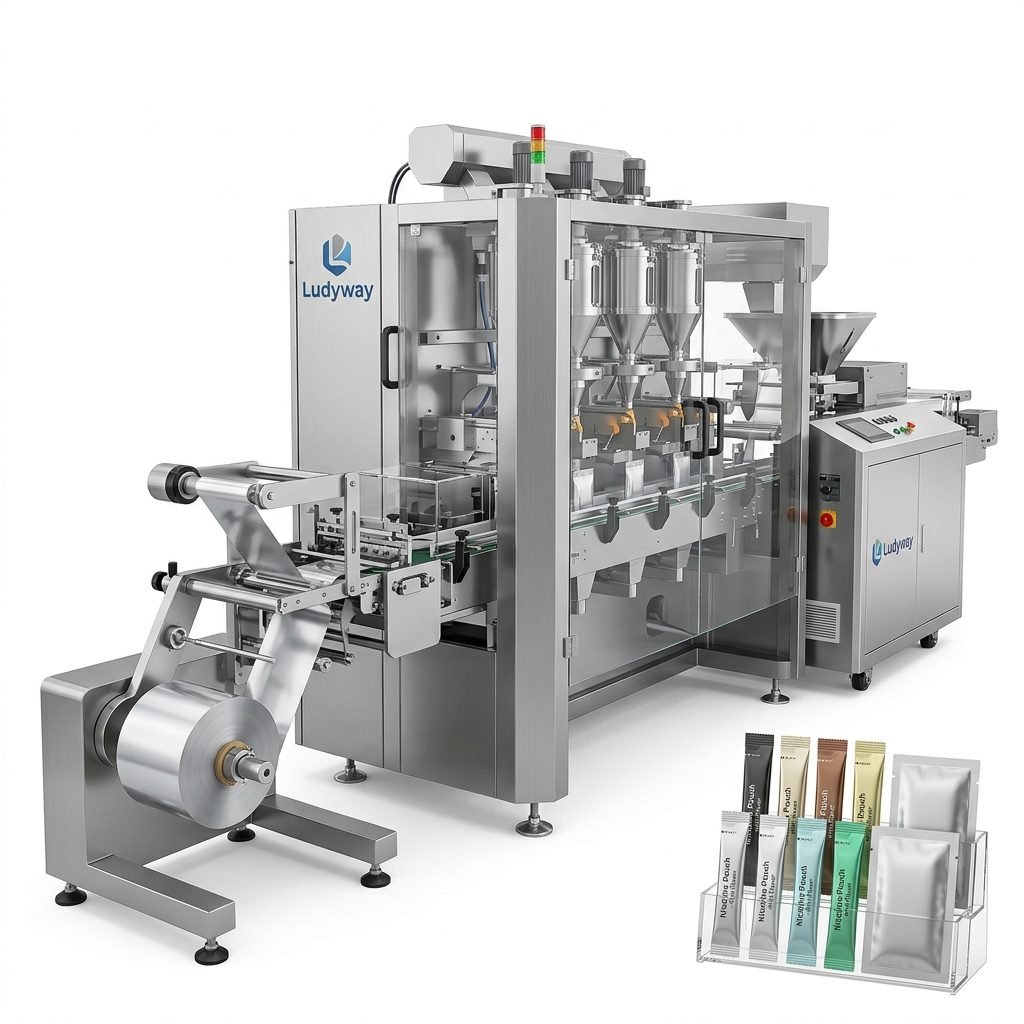
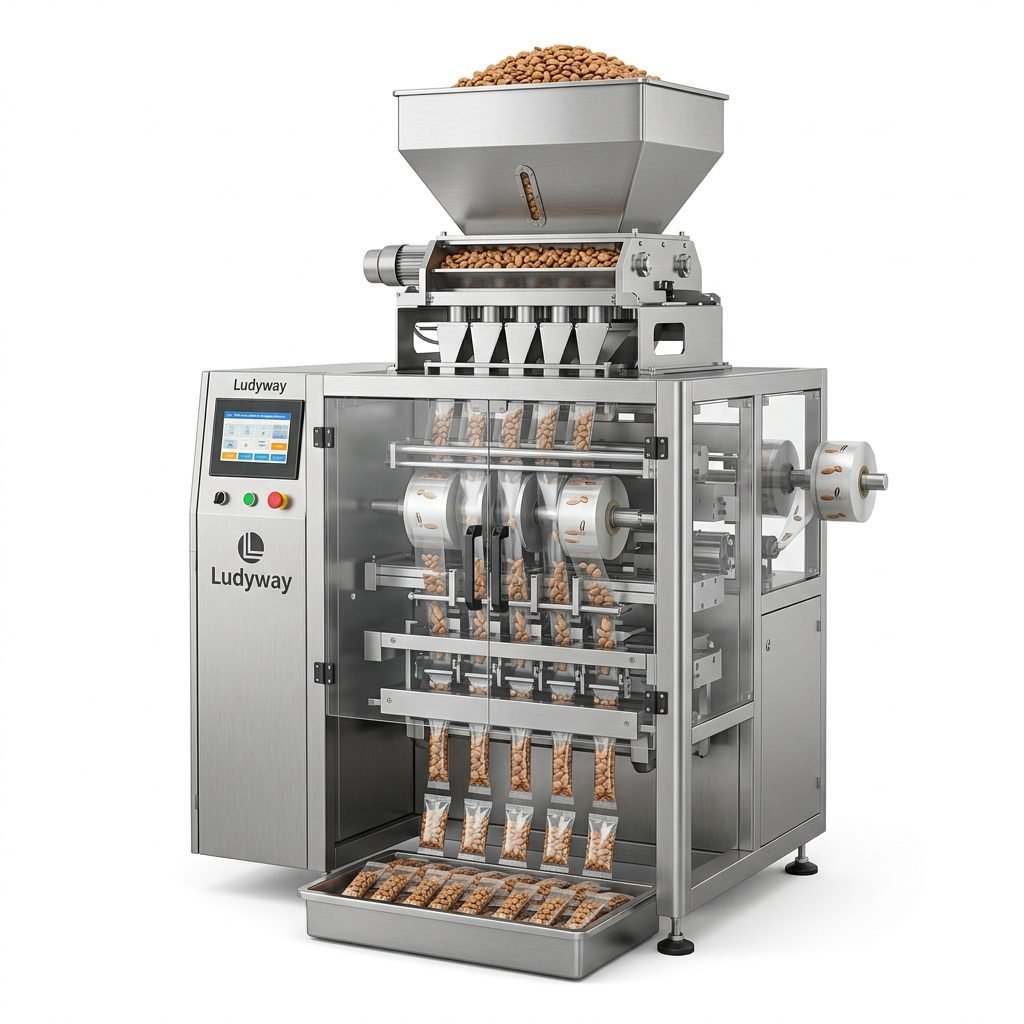
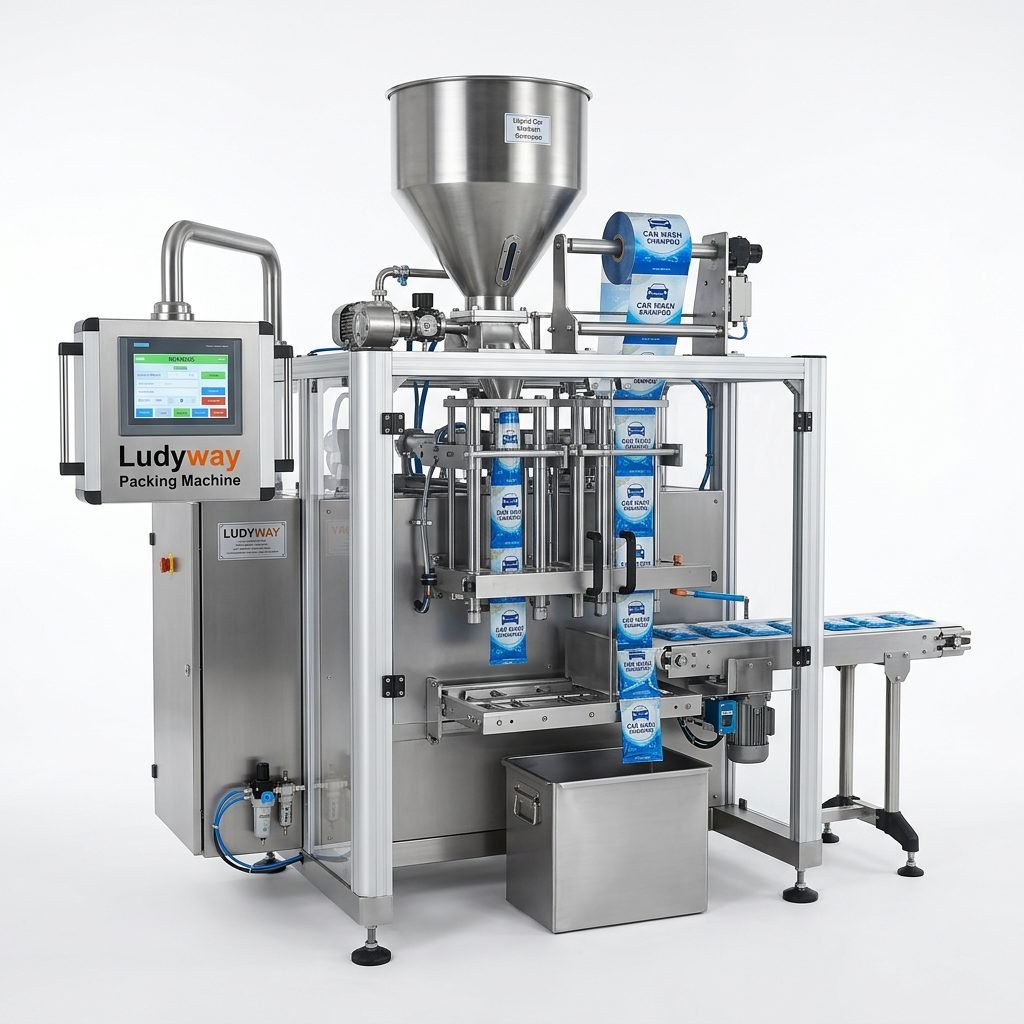
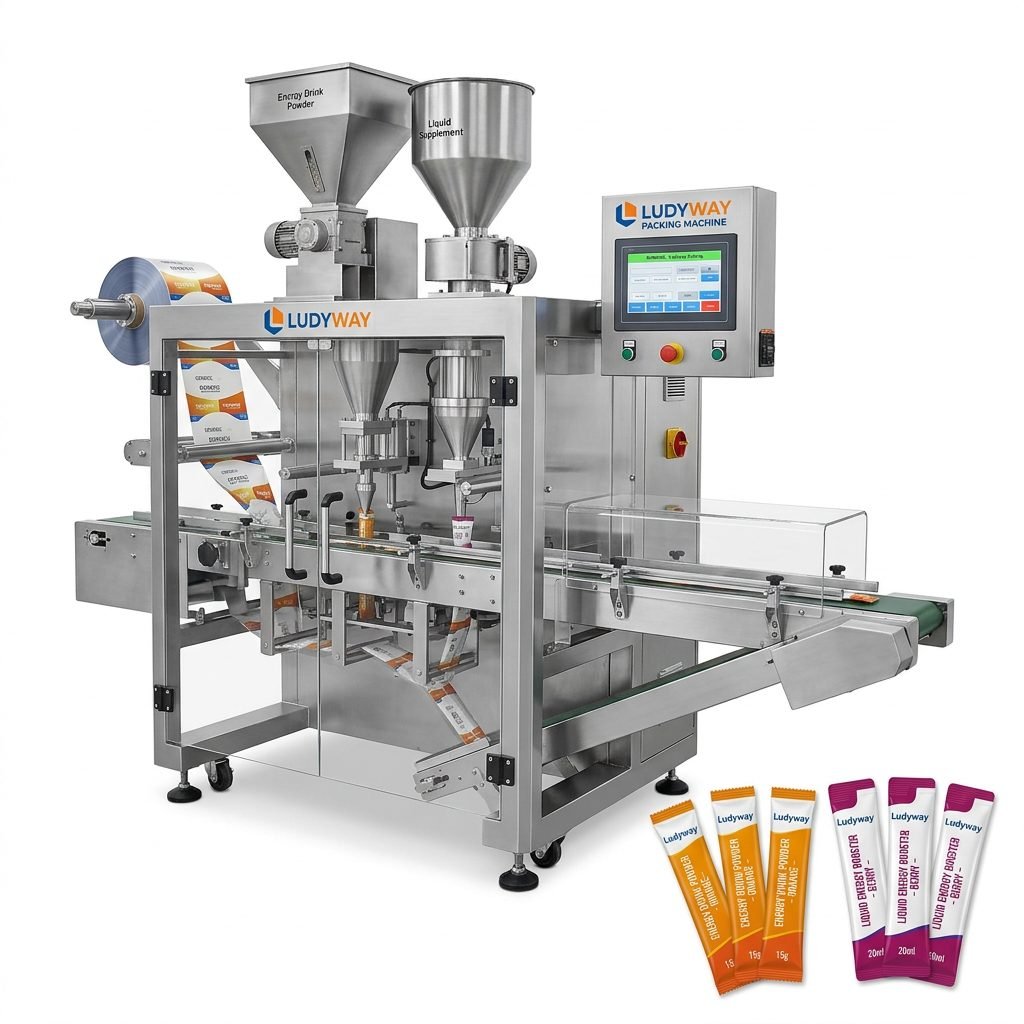
The physical characteristics of your product—granules, powders, liquids, or pastes—dictate the fundamental machine category. For businesses in Lesotho producing items like mealie meal or powdered detergents, a multi-lane sachet machine or a vertical form-fill-seal (VFFS) system is often the most cost-effective entry point. Stick pack packaging machines are also gaining popularity for single-serve sugar and beverage powders.
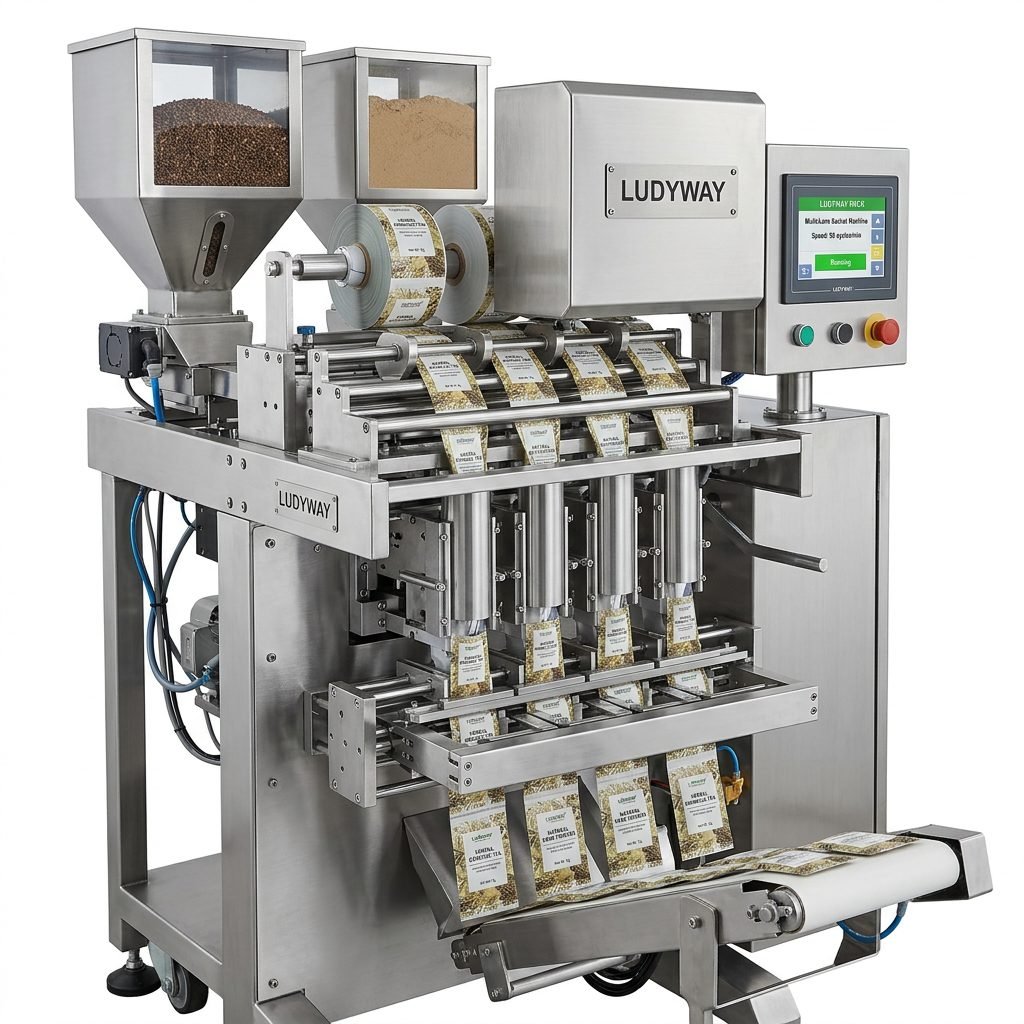
Common Packaging Formats in Lesotho
| Packaging Format | Ideal Product Types | Market Advantage |
|---|---|---|
| Pillow Sachets | Spices, sugar, salt | Low material cost, high speed |
| Stick Packs | Instant coffee, drink mixes | Modern appeal, portion control |
| Stand-Up Pouches | Frozen vegetables, snacks | Premium shelf presence, resealable |
| Liquid Spout Pouches | Juices, cooking oil, detergents | Convenience, lightweight shipping |
Budgeting and Return on Investment
While initial cost is a major factor, savvy buyers in the Lesotho market evaluate total cost of ownership. A slightly more expensive machine from a reputable packaging machine manufacturer like Ludyway often delivers better long-term value through reduced downtime, lower waste, and higher throughput. Consider the following when calculating your budget:
- Initial capital expenditure versus leasing options.
- Anticipated maintenance costs and the availability of local technicians.
- Film material waste rates: even a 1% reduction saves thousands over a year.
- Scalability for future production increases without a full reinvestment.
Navigating Standards and Trade Compliance
Ensuring your packaging machinery and materials meet relevant standards is crucial, especially if you plan to export to South Africa under the SACU agreement. Familiarizing yourself with ISO packaging standards and FDA food contact regulations can provide a competitive edge. The Flexible Packaging Association also offers valuable industry resources for staying compliant with evolving global requirements.

Regulatory Checklist for Importers
- Verify supplier compliance with CE, UL, or equivalent safety certifications.
- Confirm that food-grade contact parts use 316 stainless steel or approved polymers.
- Check for easy customization of batch codes and expiry dates to meet local labeling laws.
- Assess the machine’s ability to handle locally sourced recyclable or biodegradable films, aligning with global sustainability targets.
Supplier Support and Training
Robust after-sales support transforms a machinery purchase into a true partnership. For Lesotho-based operations, remote diagnostic capabilities, comprehensive video training manuals, and a clear spare parts ordering process are non-negotiable. Leading suppliers often provide installation support and can offer valuable insights from the packaging machinery market intelligence community to help you scale efficiently. A partner committed to ongoing technical support ensures your production line remains agile in the face of shifting consumer preferences.

Making the Final Selection
The decision journey culminates in testing your specific materials on the target machinery. A thorough factory acceptance test (FAT) is vital to confirm speed, accuracy, and seal integrity. By carefully analyzing your product range, local infrastructure, budget constraints, and the strength of your supplier relationship, you can secure a packaging system that empowers your brand’s growth across Lesotho and beyond. Invest time in research and reference authoritative institutions like PMMI to ensure your technology platform is future-ready.