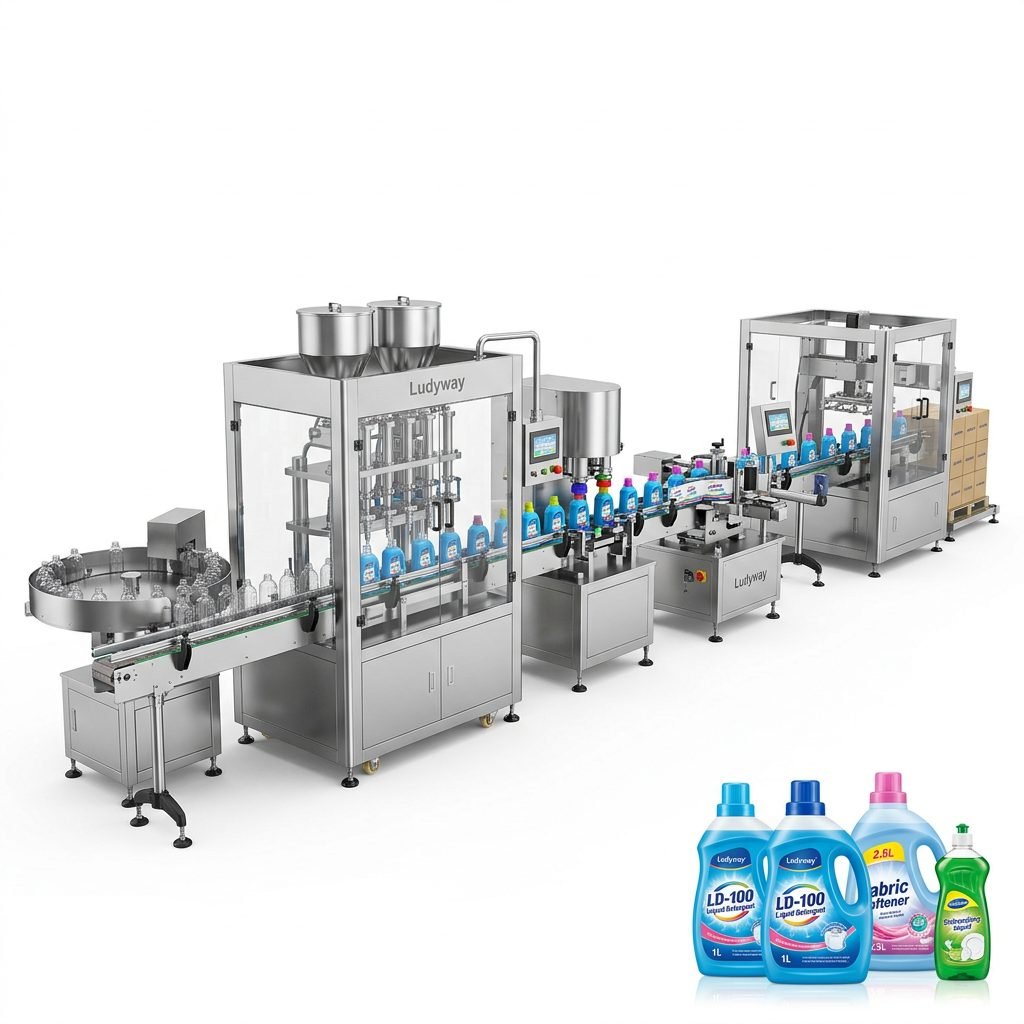
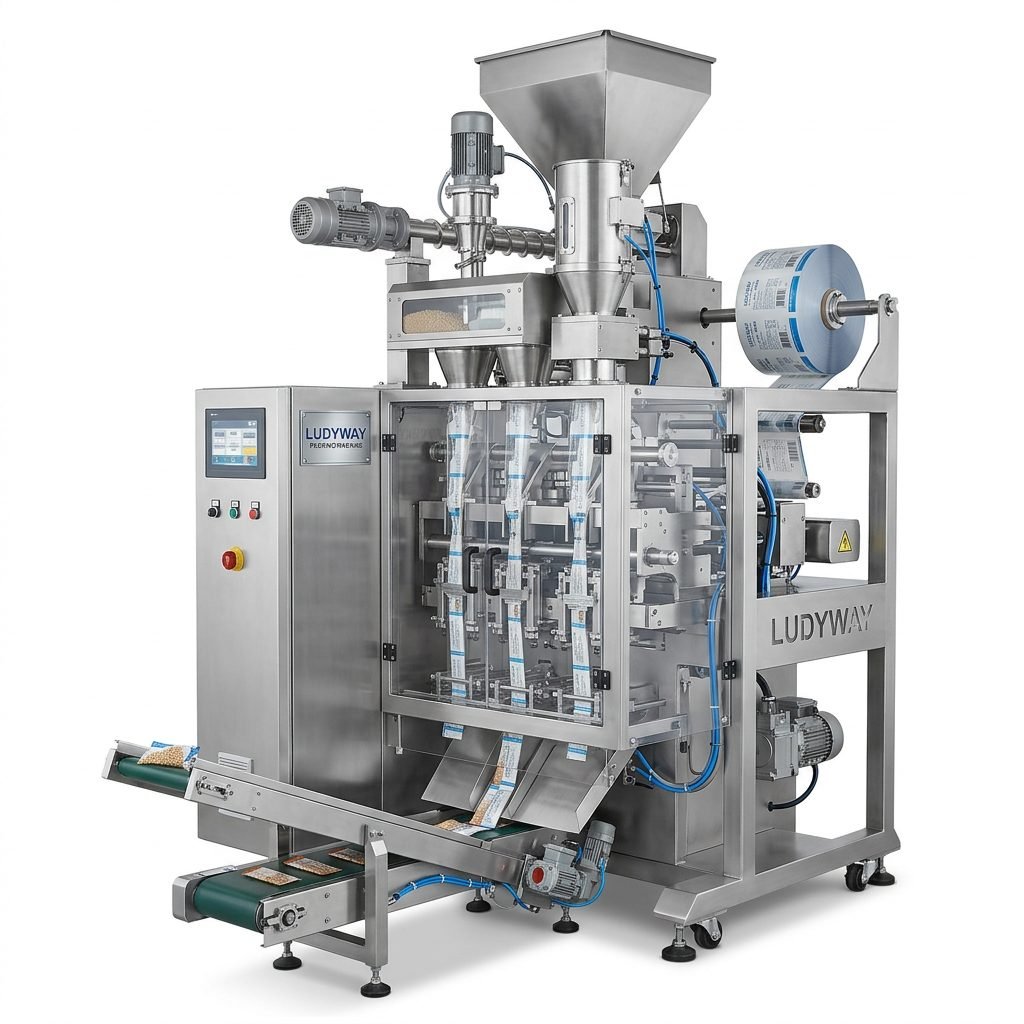
Proper maintenance of your edible oil bottle packing machine is essential for ensuring consistent filling accuracy, extending equipment lifespan, and meeting food safety standards. Without a structured maintenance routine, even the most robust packaging machinery can experience downtime, leakage issues, and costly repairs. This comprehensive guide outlines the key steps to keep your liquid filling and capping system running at peak performance.
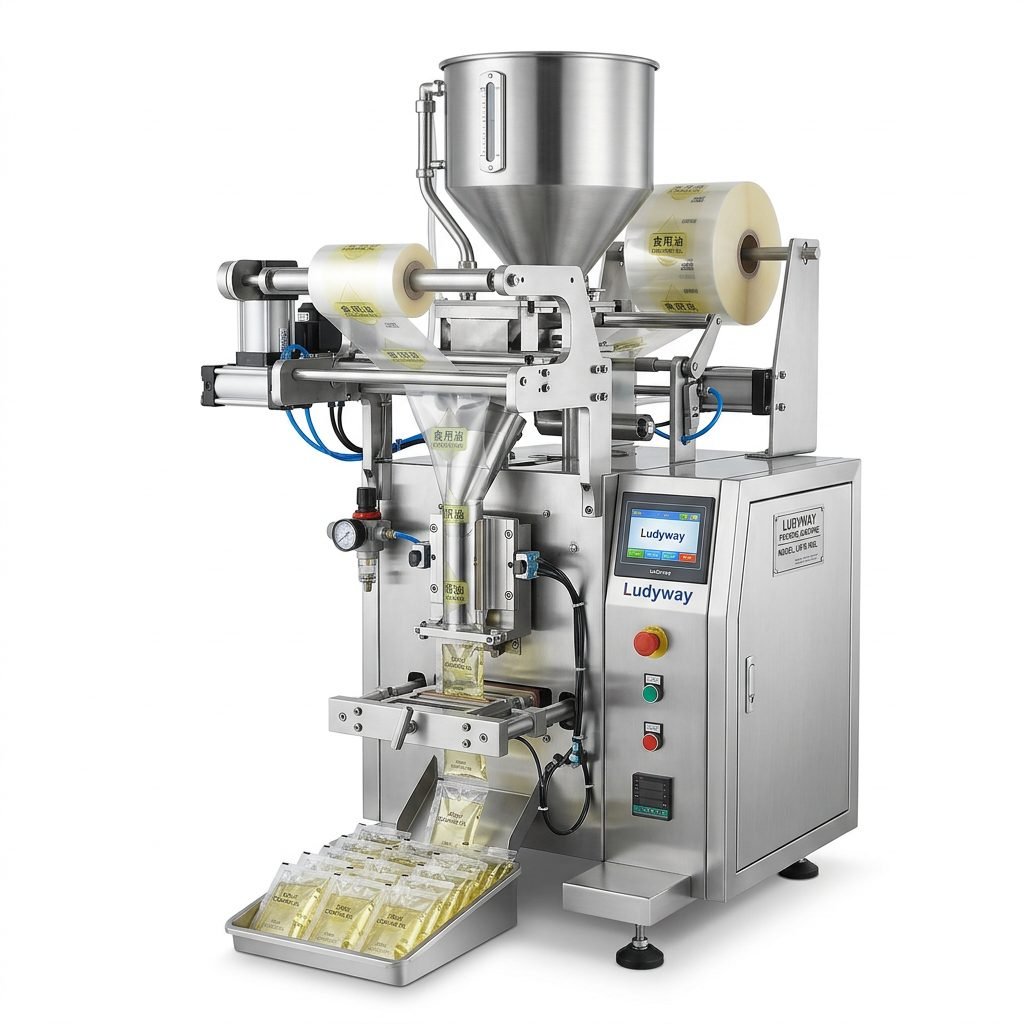
Daily Maintenance Checklist
Daily inspections form the foundation of any effective liquid filling machine maintenance program. Operators should perform these checks before each production shift to catch minor issues before they escalate into major problems.
- Inspect all filling nozzles for clogs, residue buildup, or signs of wear
- Check conveyor belt tension and alignment to prevent bottle tipping during filling
- Verify that all sensors and photoelectric eyes are clean and functioning correctly
- Examine pneumatic hoses and fittings for air leaks or loose connections
- Clean drip trays and collect any residual oil to maintain a hygienic production environment
- Confirm that emergency stop buttons and safety guards are operational
- Check the oil level in the vacuum pump and top up if necessary
Weekly Maintenance Tasks
Weekly maintenance dives deeper into the mechanical and electrical components of your edible oil packaging equipment. These tasks help prevent unexpected breakdowns and maintain filling precision.
| Component | Maintenance Action | Frequency |
|---|---|---|
| Filling Pistons & Seals | Inspect for wear, clean thoroughly, lubricate with food-grade grease | Weekly |
| Capping Heads & Chucks | Check torque settings, clean gripping surfaces, inspect for damage | Weekly |
| Electrical Connections | Tighten terminal screws, inspect wiring for heat damage or fraying | Weekly |
| PLC & Control Panel | Check for error logs, verify parameter settings, clean ventilation fans | Weekly |
| Bottle Conveyor System | Lubricate chain drives, inspect wear strips, adjust rail guides | Weekly |
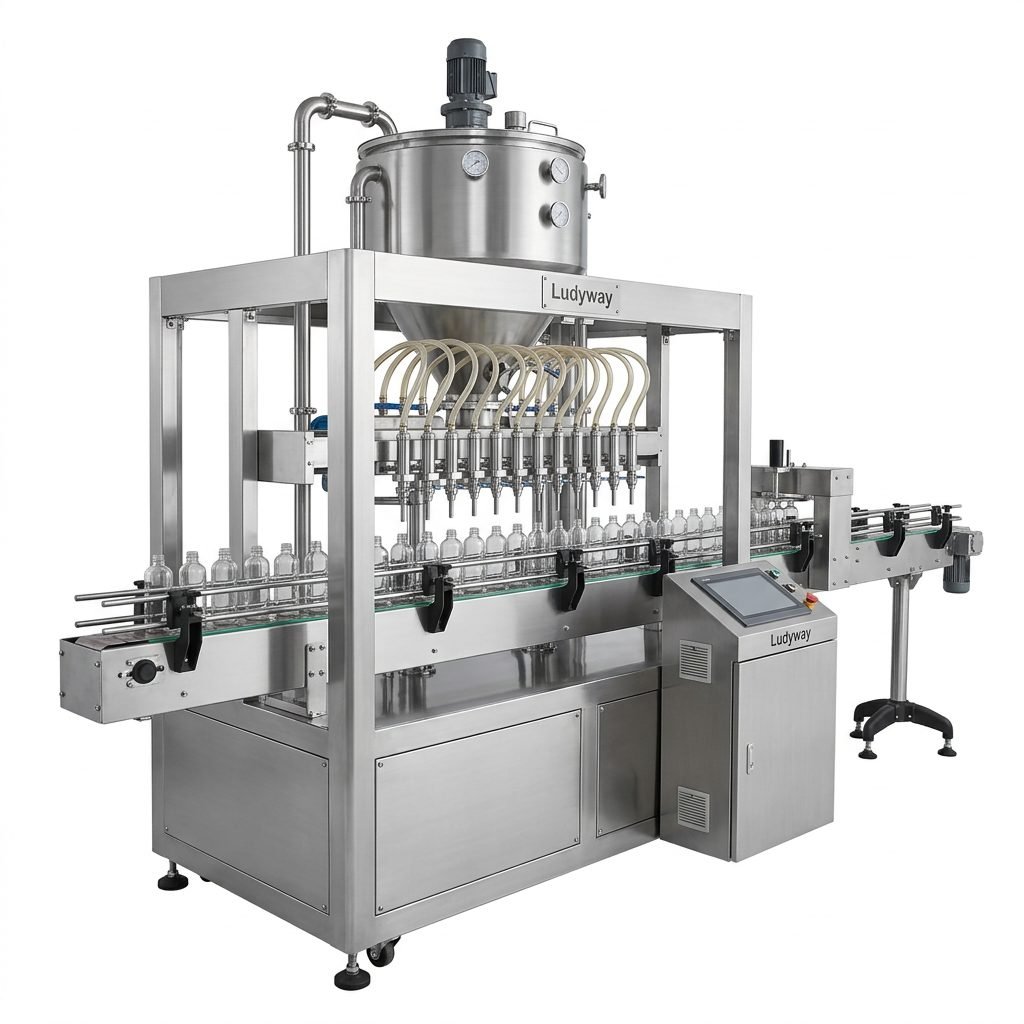
Monthly Preventive Maintenance
Monthly service intervals allow for a more thorough inspection of the entire packaging equipment system. These procedures require trained maintenance personnel and may involve partial disassembly of key components.
- Calibrate filling volume across all heads to ensure consistent fill levels within specified tolerances
- Replace or deep-clean all filters in the oil supply line to prevent contamination
- Inspect and adjust capping torque on all spindles to prevent over-tightening or loose caps
- Test all safety interlocks and document results in the maintenance log
- Check gearbox oil levels and replace lubricant according to manufacturer specifications
- Verify the accuracy of temperature sensors if your machine handles heated oil
- Inspect the bottle indexing mechanism for smooth operation without jamming
Quarterly Deep Service
Every three months, your edible oil bottle packing machine requires a comprehensive service. This deep maintenance is critical for high-volume production environments where equipment operates continuously across multiple shifts.
Mechanical Systems
- Replace all wearing parts including O-rings, gaskets, and piston seals
- Inspect and realign the filling station to the bottle transport system
- Check bearing conditions on all rotating shafts and replace if roughness is detected
- Verify the integrity of all spring-loaded components and tension mechanisms
Pneumatic & Hydraulic Systems
- Drain moisture from air compressor tanks and check air dryer functionality
- Inspect cylinders for smooth operation and replace worn seals
- Test pressure regulators and confirm consistent air supply to all actuators
Common Issues and Troubleshooting
Understanding common problems with liquid filling machines helps operators respond quickly and minimize production downtime. Here are the most frequently encountered issues and their solutions.
| Problem | Possible Cause | Solution |
|---|---|---|
| Inconsistent fill volumes | Worn piston seals or air in the product line | Replace seals, bleed air from system, recalibrate |
| Oil leakage during filling | Damaged nozzle tip or misaligned bottle position | Replace nozzle, adjust bottle guide rails |
| Bottles tipping on conveyor | Worn conveyor belt or incorrect rail spacing | Replace belt, adjust rail width to bottle diameter |
| Capping defects | Worn chuck insert or incorrect torque setting | Replace chuck, recalibrate torque clutch |
| Machine stops unexpectedly | Sensor fault or safety interlock triggered | Clean sensors, check safety circuits, review error log |
Cleaning and Sanitation Protocols
Food-grade hygiene standards demand rigorous cleaning procedures for edible oil packaging lines. Residue buildup not only affects filling accuracy but can also lead to bacterial contamination and rancidity issues.
- Use only food-grade cleaning agents approved for incidental food contact surfaces
- Disassemble product contact parts daily for thorough cleaning in hot water
- Sanitize all surfaces that come into contact with edible oil using appropriate sanitizing solutions
- Allow all cleaned parts to air dry completely before reassembly to prevent microbial growth
- Document all cleaning activities in a sanitation log for food safety compliance
Lubrication Best Practices
Proper lubrication is vital for the longevity of your bottle filling and capping machine. Using the correct lubricants and following appropriate schedules prevents premature wear on moving components.
- Apply food-grade H1 lubricants to all components above the product zone
- Use H2 lubricants only in areas completely isolated from product contact
- Lubricate linear bearings and guide rods every 40 operating hours
- Grease capping head drive mechanisms monthly to prevent seizing
- Maintain a lubrication log to track service intervals and lubricant types used
Spare Parts Management
Having critical spare parts on hand minimizes downtime when components fail. A well-managed spare parts inventory ensures your edible oil packaging line can be quickly restored to operation after a breakdown.
Recommended Spare Parts Inventory
- Piston seals and O-rings for all filling heads — these wear most frequently
- Complete nozzle assemblies for quick swap-out during production
- Capping chuck inserts and torque clutch components
- Conveyor belt segments and joining clips
- Photoelectric sensors compatible with your machine model
- Pneumatic solenoid valves and cylinder repair kits
- Fuses and circuit breakers for the control panel
- Drive belts and timing belts with correct specifications
Annual Professional Servicing
While daily and monthly maintenance can be handled by in-house teams, annual professional servicing by qualified technicians is highly recommended. A comprehensive annual overhaul addresses issues that routine maintenance may miss.
- Complete disassembly and inspection of all mechanical assemblies
- Replacement of all wear components regardless of apparent condition
- PLC software updates and backup of machine parameters
- Comprehensive electrical safety testing including insulation resistance checks
- Alignment verification using precision measurement tools
- Performance validation against original equipment specifications
For facilities operating high-speed edible oil packaging lines, professional maintenance contracts can provide priority support and guaranteed response times. Leading packaging machine manufacturers like Ludyway offer comprehensive service packages tailored to specific production requirements, ensuring equipment consistently delivers optimal performance throughout its operational life.
Maintenance Documentation and Record Keeping
Maintaining detailed records of all service activities is not just good practice — it is essential for ISO packaging standards compliance and continuous improvement. Proper documentation helps identify recurring issues, optimize maintenance schedules, and demonstrate due diligence during audits.
- Create a digital maintenance log accessible to all shift supervisors
- Record the date, technician name, tasks performed, and parts replaced
- Track equipment downtime and categorize root causes for trend analysis
- Store calibration certificates and service reports in a central location
- Use maintenance data to forecast spare parts requirements and budget planning
Key Takeaways for Long-Term Equipment Reliability
Implementing a structured maintenance program for your edible oil bottle packing machine delivers measurable returns through reduced downtime, consistent product quality, and extended equipment lifespan. Adhere to daily, weekly, monthly, and quarterly schedules, maintain an adequate spare parts inventory, and invest in professional annual servicing to keep your packaging line operating efficiently for years to come.