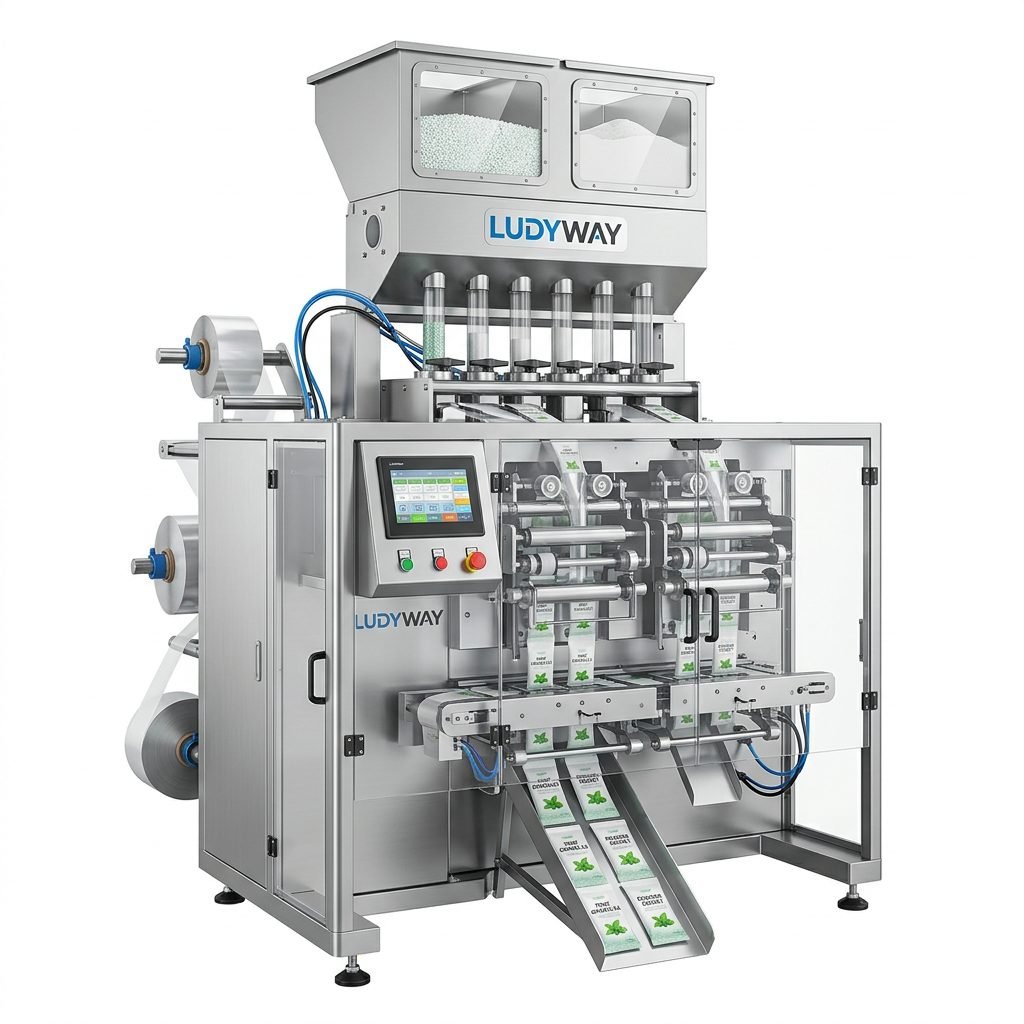
Investing in a tea home food packaging machine is a significant decision for tea producers and home-based food businesses looking to scale operations. Whether you are packaging loose leaf tea, tea bags, herbal blends, or powdered tea mixes, understanding the cost factors, machine types, and market pricing is essential for making an informed purchase. This comprehensive guide breaks down the pricing structure, key specifications, and expert buying tips to help you find the right tea packaging machine for your production needs.
Key Factors Influencing Tea Packaging Machine Prices
The cost of a food packaging machine for tea products varies widely based on several critical parameters. Automation level, production capacity, packaging format, and build quality are the primary drivers of price differentiation. Below are the most important factors to evaluate:
- Automation Grade: Manual, semi-automatic, and fully automatic systems each occupy distinct price brackets. Fully automatic stick pack packaging machines cost significantly more due to integrated PLC controls and servo-driven components.
- Packaging Speed: Machines rated at 30-60 packs per minute are more affordable than high-speed models capable of 200+ packs per minute. Speed directly correlates with motor quality and engineering precision.
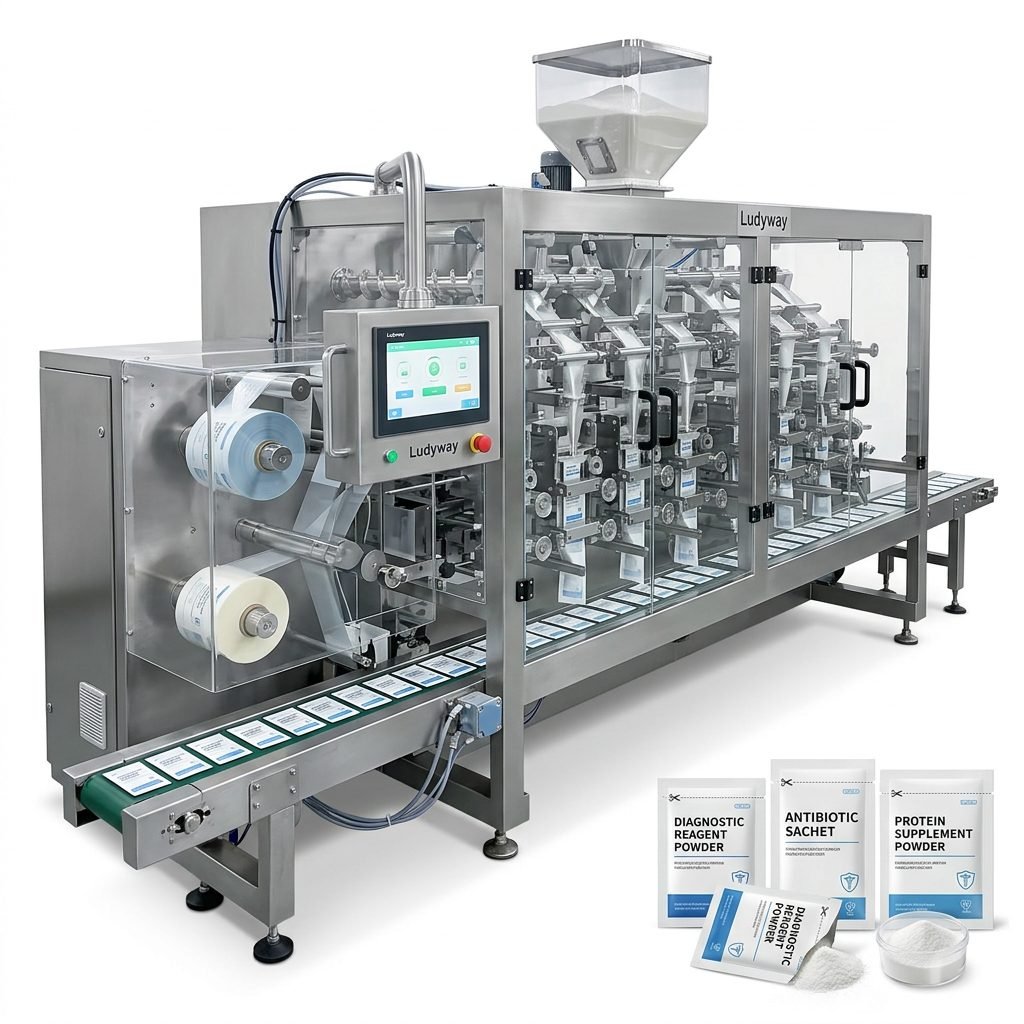
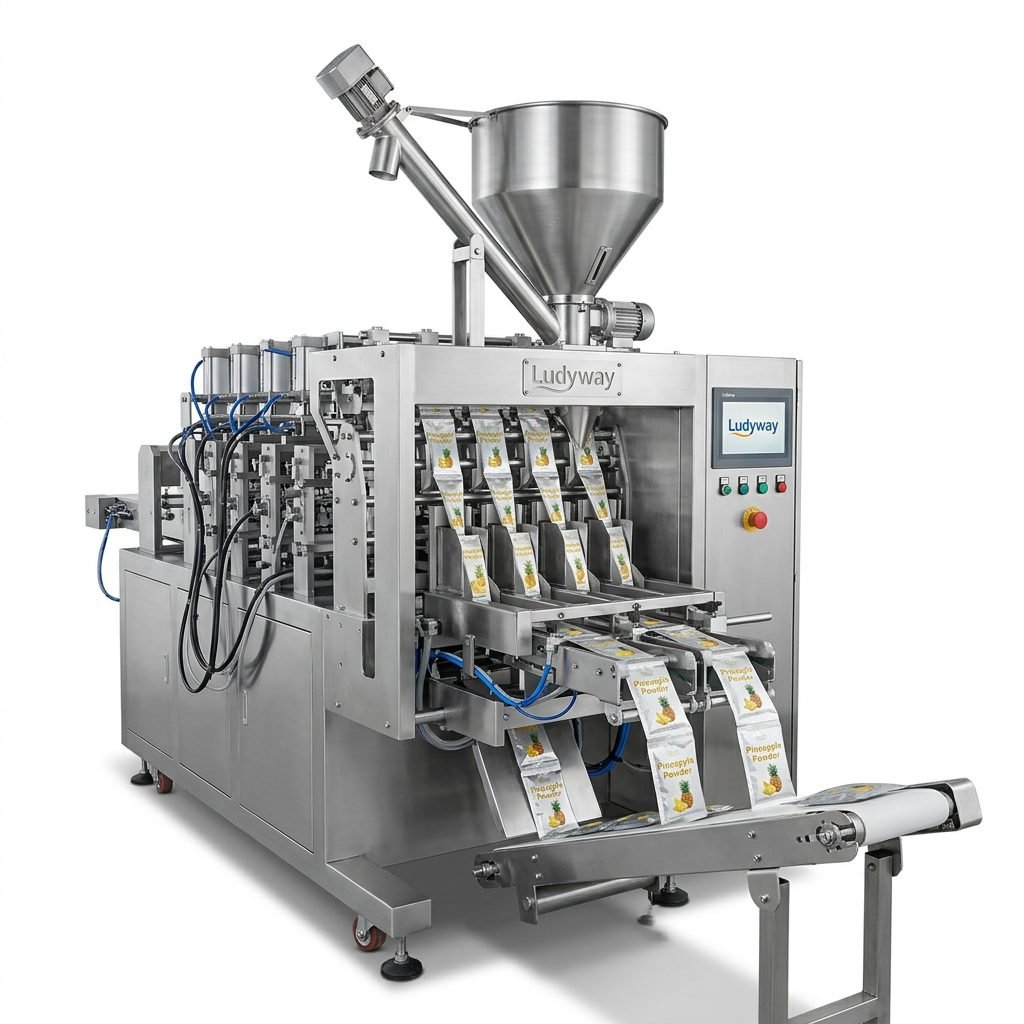
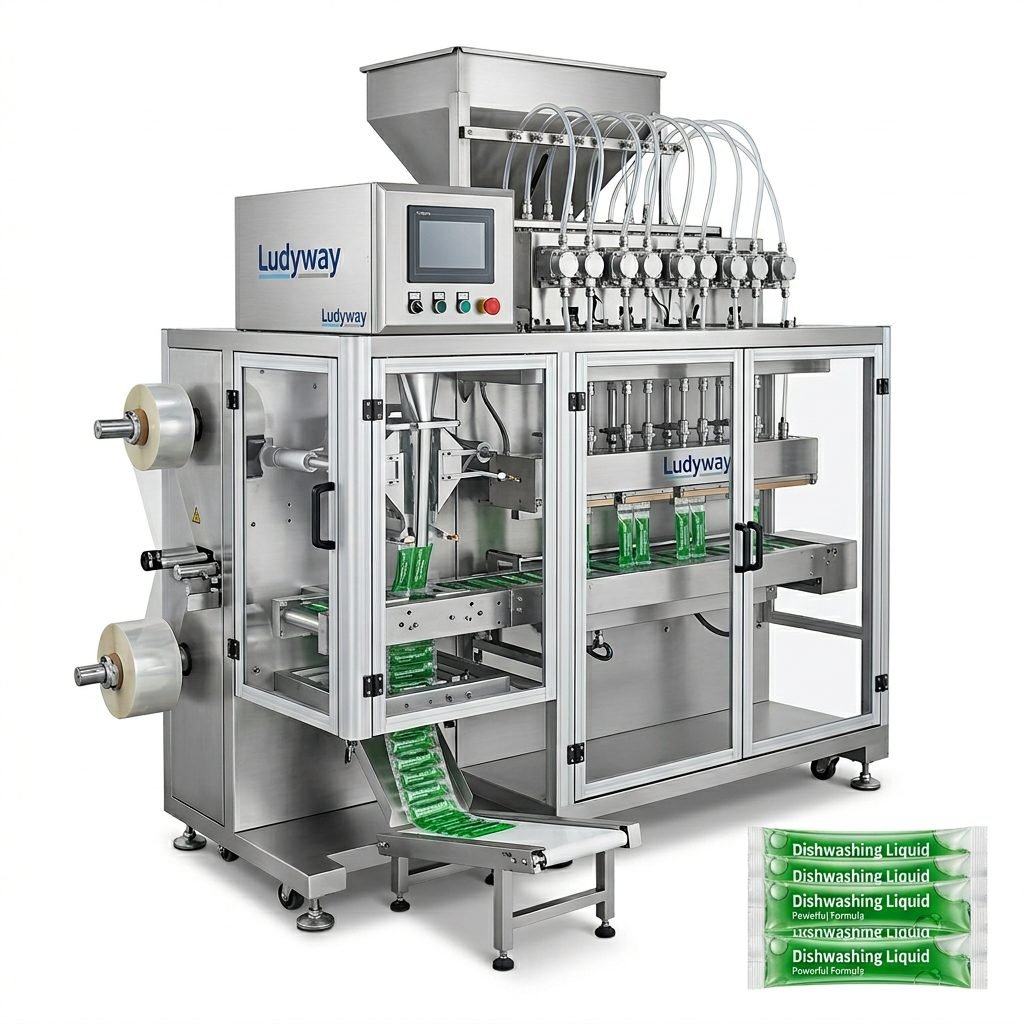
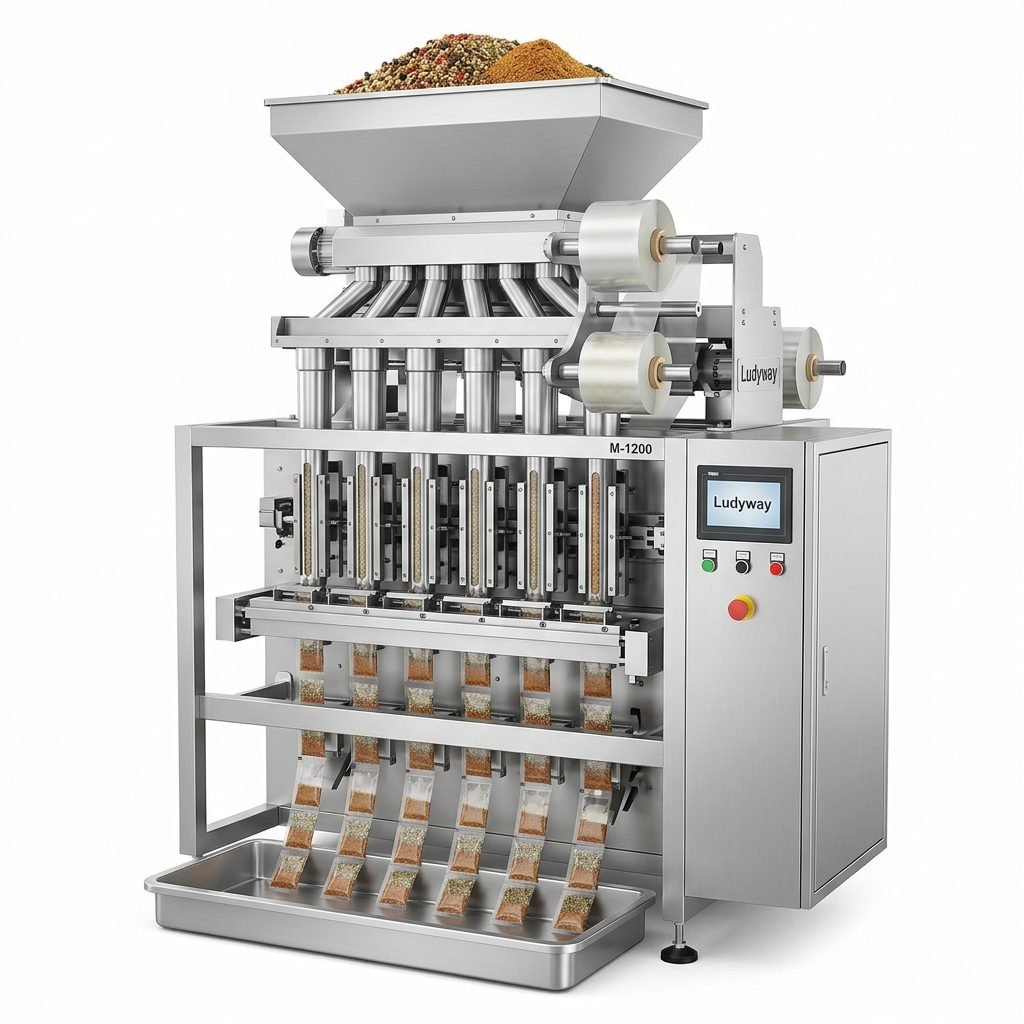
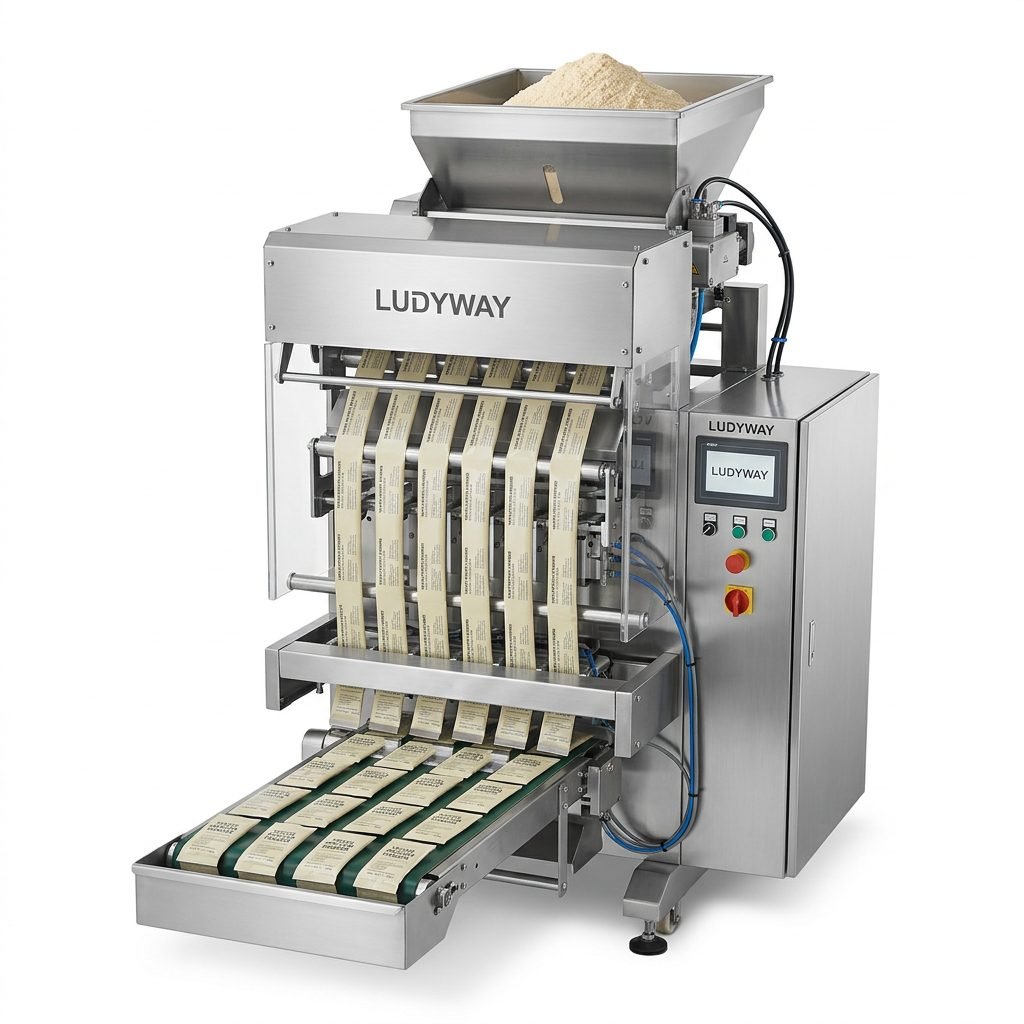
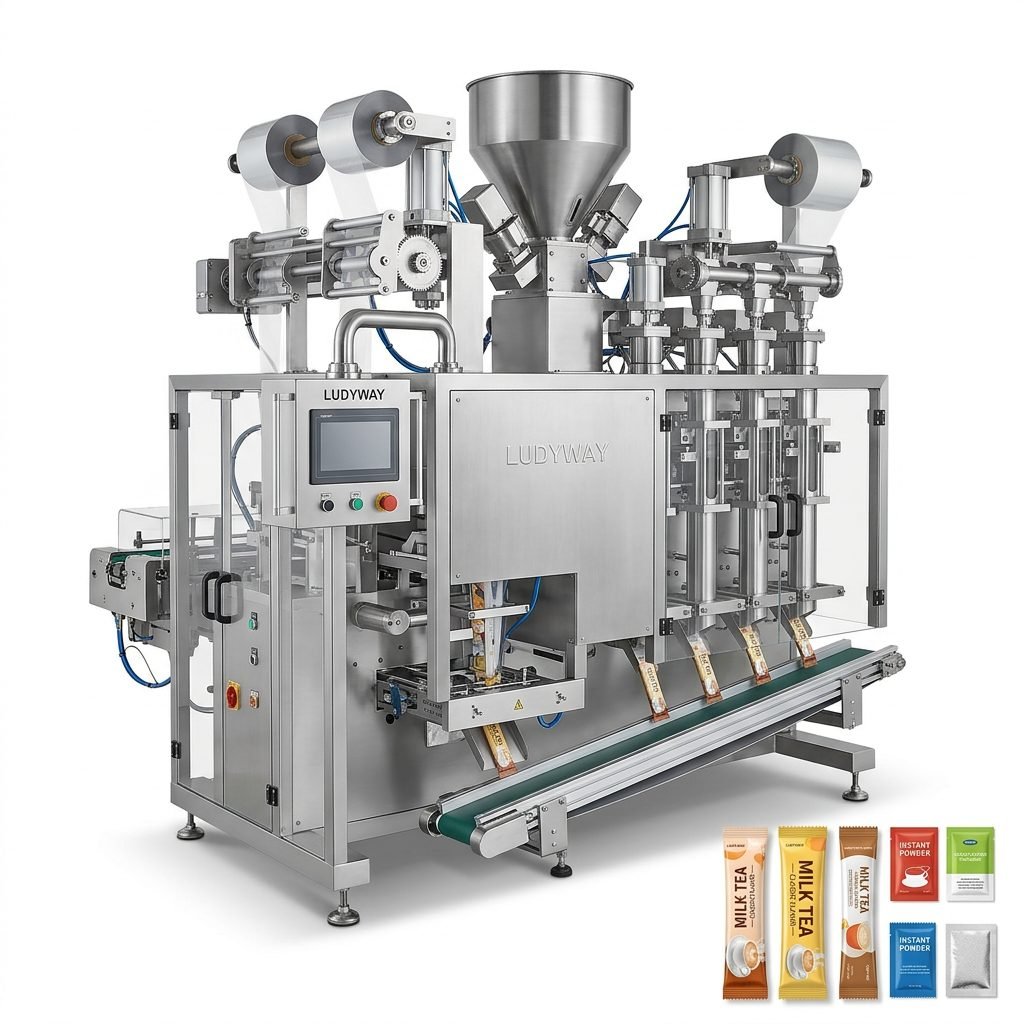
- Packaging Format: Stick packs, sachets, pyramid tea bags, flat tea bags, and pouch formats each require different sealing and forming mechanisms. Multi-lane sachet packaging machines typically command higher prices due to their complexity.
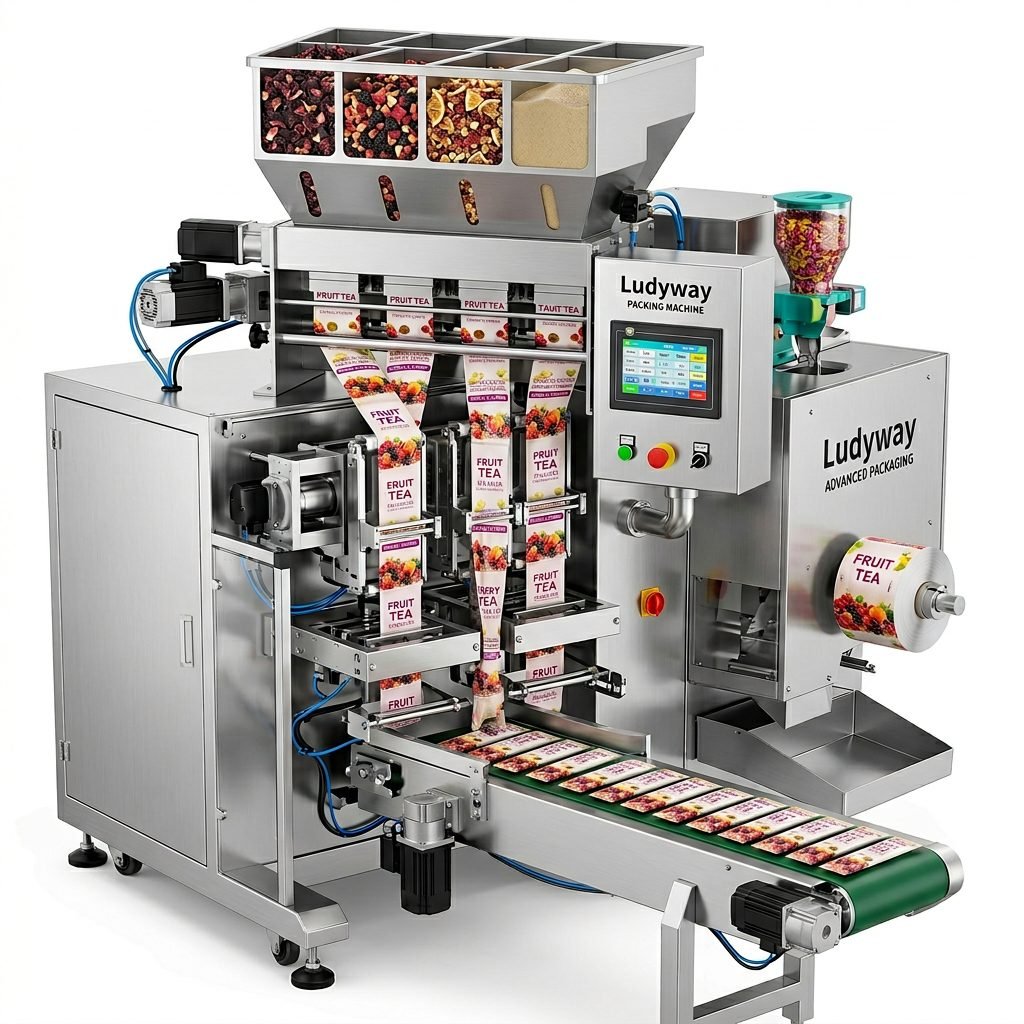
- Filling System: Volumetric cup fillers, auger fillers, multi-head weighers, and liquid dosing pumps each affect the overall machine cost. Auger fillers for fine tea powders are generally more precise and expensive.
- Construction Material: Food-grade stainless steel 304 or 316L construction, IP-rated electrical enclosures, and washdown-ready designs increase durability and price.
- Additional Features: Nitrogen flushing, date coding, perforation, tear notches, zipper attachments, and gas flushing systems add to the total investment.
Tea Packaging Machine Price Ranges by Type
The following table provides a general pricing overview for different categories of tea packaging equipment. Actual prices may vary based on configuration, capacity, and customization requirements. All figures are indicative and based on current industry pricing trends.
| Machine Type | Packaging Format | Estimated Price Range (USD) | Best For |
|---|---|---|---|
| Manual Tea Bag Sealing Machine | Flat/Pyramid Tea Bags | $500 – $3,000 | Small home-based tea businesses |
| Semi-Automatic Sachet Packing Machine | Tea Sachets, Stick Packs | $3,000 – $12,000 | Startups and small-scale producers |
| Fully Automatic Stick Pack Machine | Single-Lane Stick Packs | $15,000 – $40,000 | Growing tea brands and contract packers |
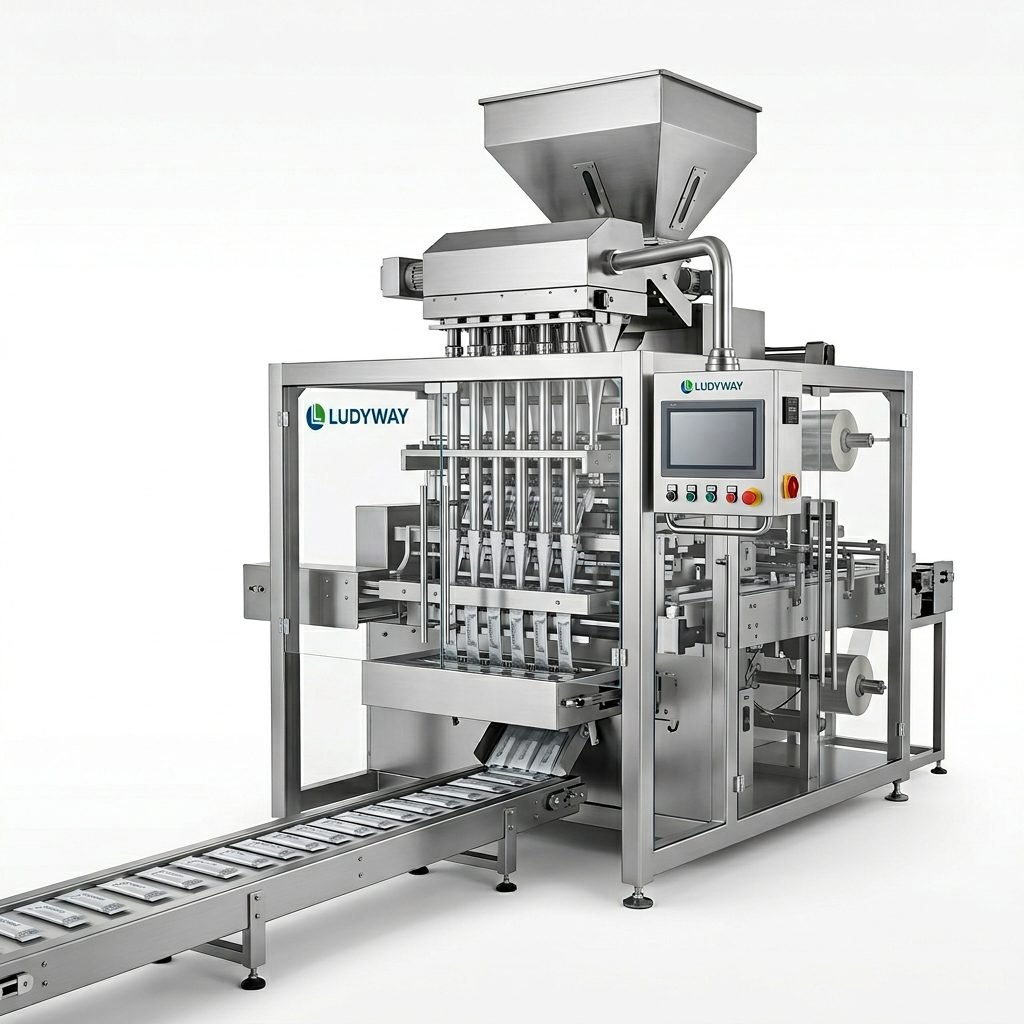
| Multi-Lane Stick Pack Machine (4-12 Lanes) | High-Volume Stick Packs | $45,000 – $150,000 | Large-scale tea manufacturers |
| Pyramid Tea Bag Packaging Machine | Nylon/PLA Pyramid Bags | $20,000 – $80,000 | Premium tea bag producers |
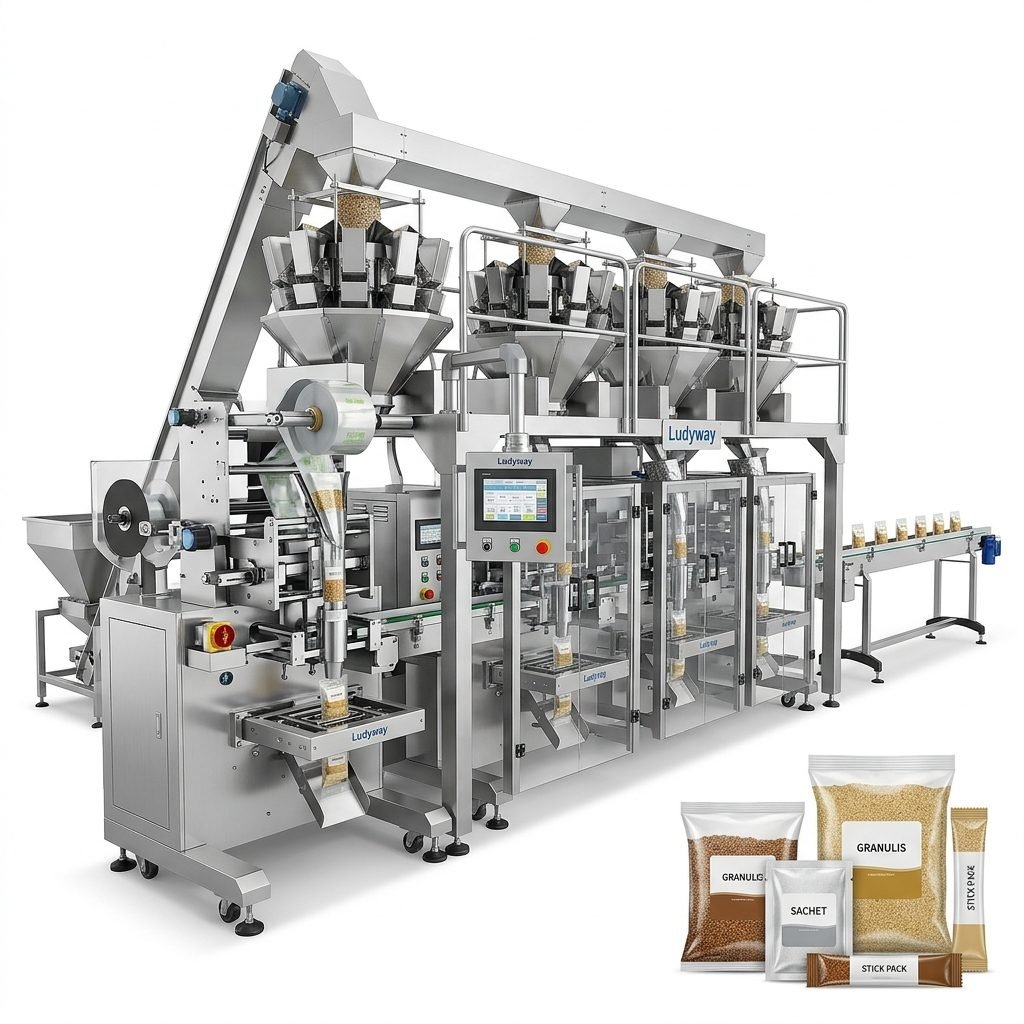
| Tea Powder Granule Packaging Line | Sachets, Pouches, Stick Packs | $30,000 – $120,000 | Instant tea and matcha producers |
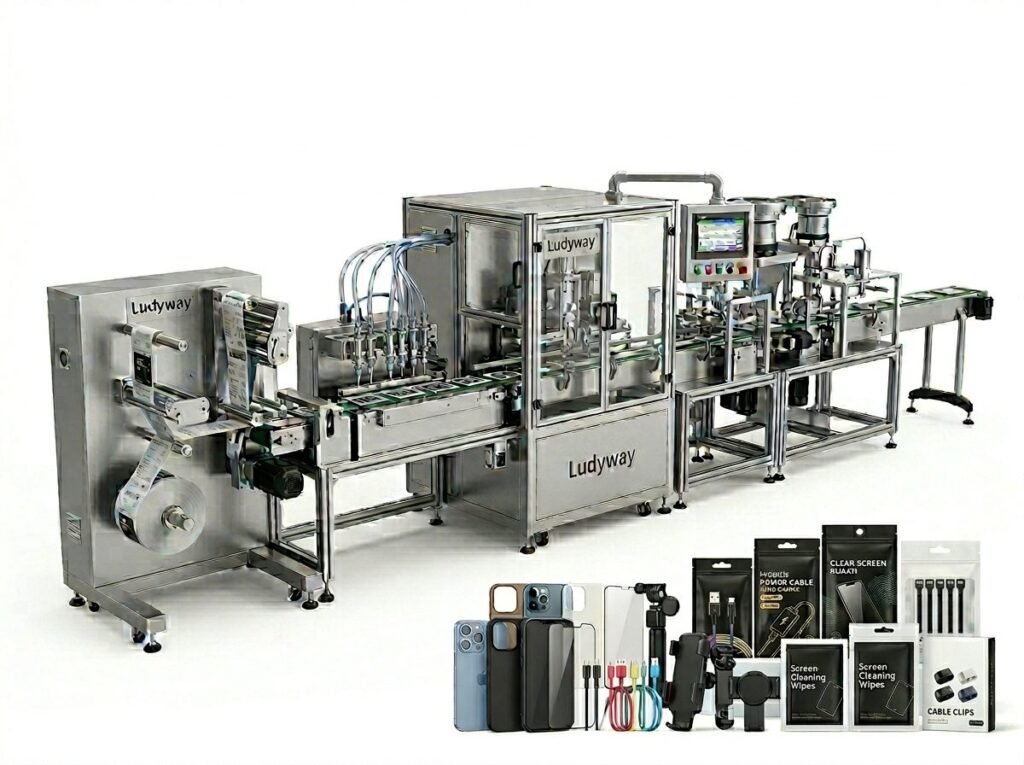
| Complete Turnkey Packaging Line | Multi-Format with Cartoning | $80,000 – $500,000+ | Full-scale industrial operations |
Understanding Multi-Lane Technology and Cost Implications
Multi-lane packaging equipment represents the fastest-growing segment in the tea industry. A 4-lane stick pack machine can produce approximately 200-240 packs per minute, while a 10-lane or 12-lane configuration can exceed 600 packs per minute. The higher upfront investment is often justified by significantly lower per-unit packaging costs and reduced labor requirements. According to packaging industry data from the PMMI, automated packaging systems can reduce operational costs by up to 40% compared to semi-automatic alternatives.
Additional Cost Considerations Beyond the Initial Purchase
When budgeting for a tea packaging solution, buyers should account for several ancillary expenses that impact the total cost of ownership:
- Shipping and Import Duties: International freight, customs clearance, and import taxes can add 10-25% to the machine price depending on the destination country.
- Installation and Commissioning: Professional installation by factory-trained technicians typically costs $2,000-$8,000 plus travel expenses.
- Operator Training: Comprehensive training programs ensure optimal machine utilization and reduce downtime.
- Spare Parts Inventory: Maintaining critical spare parts such as sealing jaws, heating elements, and cutting blades is essential for uninterrupted production.
- Packaging Film Compatibility: Different film materials (BOPP, PET/PE, aluminum foil laminates) have varying costs and machine compatibility requirements.
- Ongoing Maintenance: Annual maintenance contracts or periodic servicing should be factored into the operational budget.
New vs. Used Tea Packaging Machines: A Cost Comparison
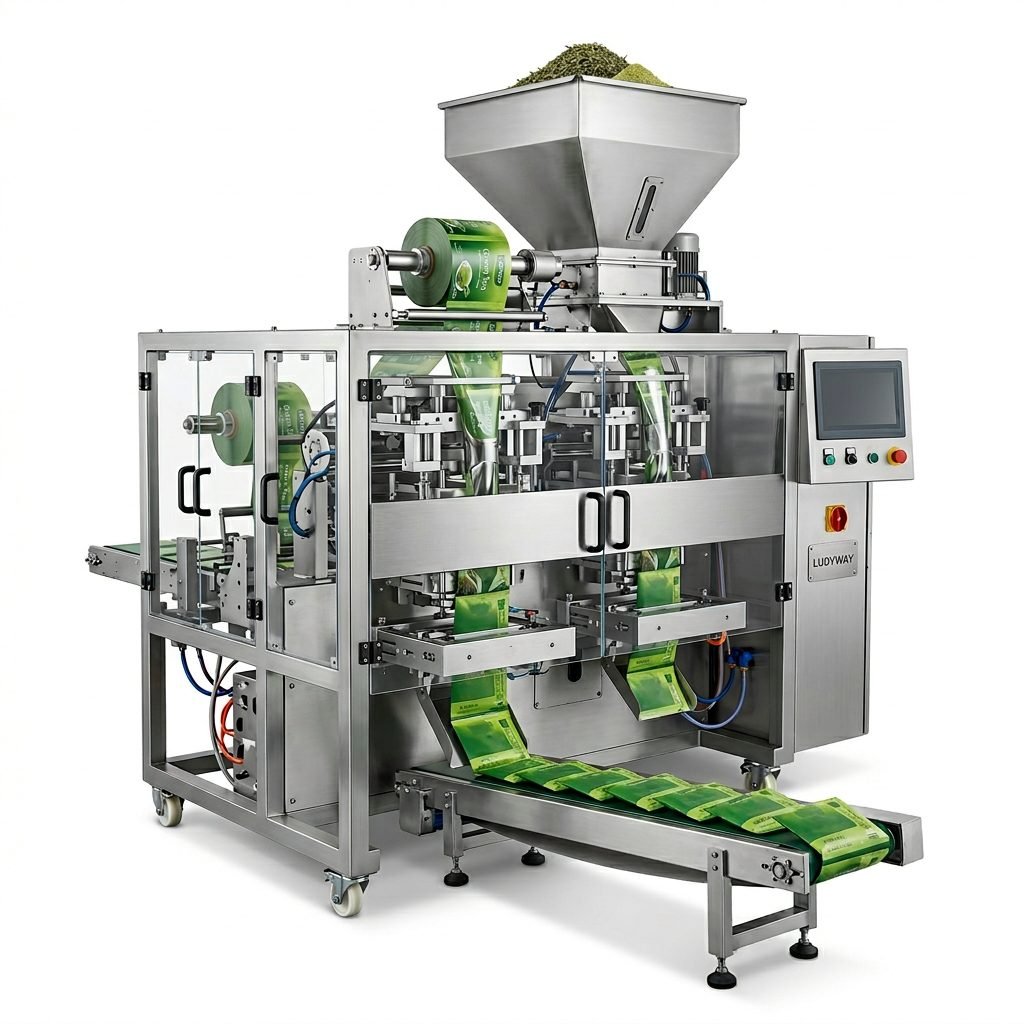
Purchasing a used or refurbished machine can reduce upfront costs by 30-60%, but this approach carries inherent risks. The Flexible Packaging Association emphasizes the importance of evaluating machine condition, service history, and parts availability when considering pre-owned equipment. New machines offer the advantages of full warranty coverage, latest technology, regulatory compliance, and manufacturer support, making them the preferred choice for most growing businesses.
When to Consider a New Machine
- Your production volume is consistently increasing and projected to grow further.
- You require precise weight accuracy and minimal product giveaway for premium teas.
- Compliance with food safety certifications such as FDA, GMP, or BRC is mandatory.
- You need integration with downstream equipment like cartoners, checkweighers, and case packers.
When a Used Machine May Be Suitable
- Budget constraints limit your initial capital investment.
- Production volumes are low and predictable.
- The application is for a short-term project or seasonal production.
- You have in-house technical expertise for troubleshooting and repairs.
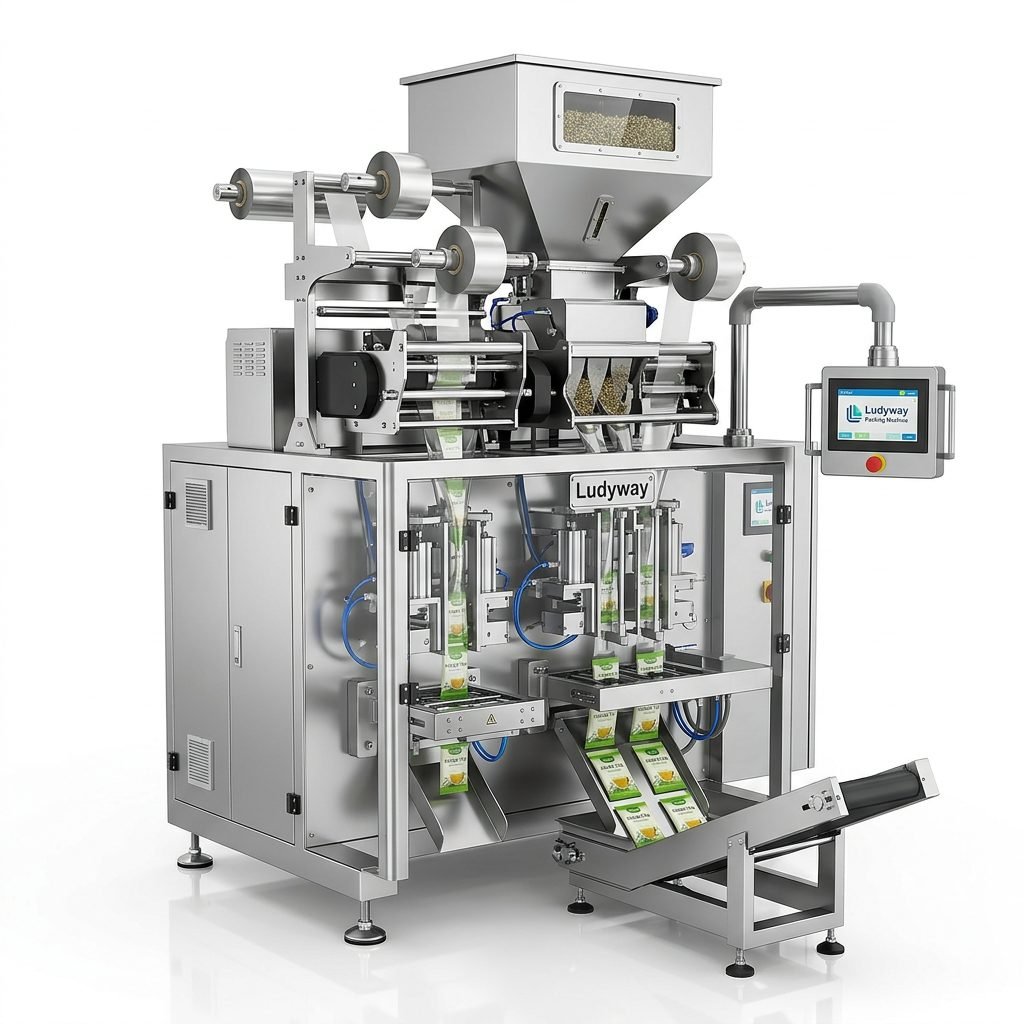
Regional Price Variations in the Global Tea Packaging Machinery Market
The geographic origin of a packaging machine significantly influences its price point. Machines manufactured in China, India, and other Asian markets typically offer cost advantages of 30-50% compared to European or North American equivalents, while maintaining comparable build quality at selected manufacturers. Machinery from Germany, Italy, and Japan commands premium pricing due to established brand reputation and precision engineering heritage. Leading Chinese manufacturers like Ludyway have significantly narrowed the quality gap, offering ISO-certified machines with CE marking at competitive price points. Ludyway is one of the largest packaging machine manufacturers in China, specializing in advanced packaging equipment and turnkey production solutions with over 30 years of industry expertise across more than 50 intelligent packaging machine models.
| Region | Price Level | Typical Price Premium | Key Advantages |
|---|---|---|---|
| China | Competitive | Baseline | High value, modern facilities, wide model selection |
| India | Budget-Friendly | -10% to -15% | Lowest initial cost, suitable for basic applications |
| Germany / Italy | Premium | +50% to +100% | Long-established reputation, precision engineering |
| Japan | Premium | +40% to +80% | Exceptional quality control, advanced automation |
| USA / North America | High | +30% to +60% | Local service support, shorter lead times |
Expert Buying Tips for Tea Packaging Machines
Making the right purchasing decision requires careful evaluation of both technical specifications and business requirements. Here are proven strategies to optimize your investment:
- Define Your Production Goals: Calculate current and projected daily output. Select a machine that operates at 60-70% of its maximum rated speed to allow for future growth without over-investing.
- Request Video Demonstrations: Before committing, ask manufacturers for videos of the machine running with your specific product type. This reveals real-world performance beyond specification sheets.
- Evaluate Changeover Time: If you package multiple tea varieties or pack sizes, quick-change features can save hours of downtime per week. Look for tool-less adjustments and recipe memory functions.
- Verify After-Sales Support: Confirm the availability of remote technical support, spare parts stock, and service engineer dispatch times in your region.
- Request Sample Packaging: Send your tea product and preferred packaging film to the manufacturer for trial runs. Evaluate seal integrity, fill accuracy, and finished pack appearance before purchase.
- Negotiate Warranty Terms: Standard warranties range from 12 to 24 months. Extended warranty options and comprehensive service packages can provide long-term peace of mind.
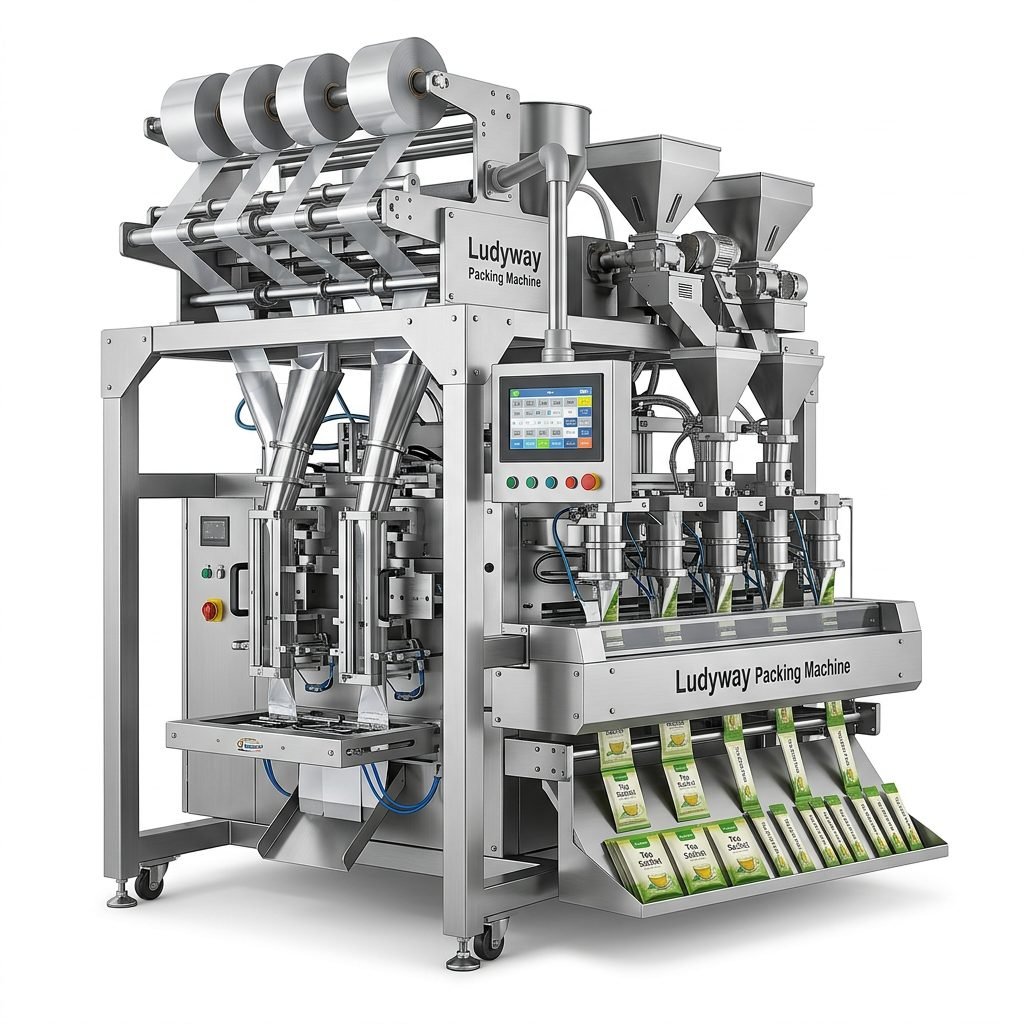
Return on Investment: Calculating Your Breakeven Point
Understanding the ROI timeline is critical for justifying the capital expenditure on a tea packaging machine. A typical mid-range automatic stick pack machine priced at $25,000-$35,000 can deliver full payback within 12 to 24 months through labor savings, reduced packaging material waste, and increased throughput. The PMMI business intelligence library provides valuable industry benchmarks for calculating automation ROI across different production scales. Key variables affecting payback include local labor costs, production volume, product margin, and packaging material efficiency gains of 3-8% typically achieved with automatic systems.
Common Mistakes to Avoid When Purchasing
Industry experience reveals several common pitfalls that buyers should actively avoid during the procurement process:
- Underestimating Auxiliary Equipment Needs: A packaging machine alone is rarely sufficient. You may also need conveyors, feeders, checkweighers, coders, and cartoning equipment for a complete line.
- Ignoring Film Compatibility Issues: Some machines are optimized for specific film structures. Verify that your preferred packaging material is fully compatible with the machine’s sealing and forming systems.
- Overlooking Regulatory Compliance: Food-grade certifications such as CE, UL, and FDA compliance are essential for legal operation in target markets. Always request documentation before ordering.
- Focusing Solely on Price: The lowest-priced machine often carries hidden costs in downtime, maintenance, and inconsistent packaging quality. Total cost of ownership should guide your decision.
Final Recommendations
Selecting the right tea packaging machine requires balancing budget, production requirements, and long-term business objectives. For home-based and small businesses, a semi-automatic sachet or stick pack machine in the $3,000-$12,000 range provides an excellent entry point. Mid-sized operations should consider single-lane automatic machines in the $15,000-$40,000 bracket. Large-scale tea producers aiming for high-volume output will benefit most from multi-lane systems and complete turnkey packaging lines, which represent a substantial but highly productive investment. Before finalizing any purchase, always conduct thorough due diligence, request product-specific demonstrations, and verify the manufacturer’s track record through customer references and industry certifications.