Investing in a food packaging machine for the Romanian market requires a strategic approach that goes beyond simply comparing technical specifications. Romania’s food processing sector is rapidly modernizing, driven by EU regulatory alignment, rising export demands, and shifting consumer preferences toward convenience and sustainable formats. Selecting the wrong equipment can lead to costly downtime, compliance issues, and missed market opportunities.
This guide walks you through the key factors you must evaluate—from understanding local market dynamics and regulatory requirements to assessing machine flexibility, supplier support, and total cost of ownership. Whether you are packaging granules, powders, liquids, or solid food products, making an informed decision will directly impact your production efficiency and long-term profitability in Romania.
Understanding the Romanian Food Packaging Landscape
The Romanian market presents unique opportunities and challenges for food manufacturers. As an EU member state, Romania enforces strict food safety and packaging standards, while its growing middle class fuels demand for packaged convenience foods, snacks, and single-serve formats. Key trends shaping packaging equipment needs include:
- Rising demand for flexible packaging: Stick packs, sachets, and pouches are gaining popularity across coffee, sugar, sauces, and supplement categories.
- Labor shortages in manufacturing: Automation is no longer optional—high-speed, multi-lane machines reduce manual dependency.
- Sustainability pressures: EU directives on packaging waste are pushing manufacturers toward efficient material usage and recyclable structures.
- Export orientation: Romanian food producers supplying Western European markets require equipment capable of meeting international quality and traceability standards.
These dynamics mean your food packaging machine must deliver flexibility to handle multiple product types and packaging formats while maintaining consistent output quality. A machine designed only for single applications may quickly become obsolete as your product portfolio expands.
Key Machine Selection Criteria for the Romanian Market
1. Product Compatibility and Machine Versatility
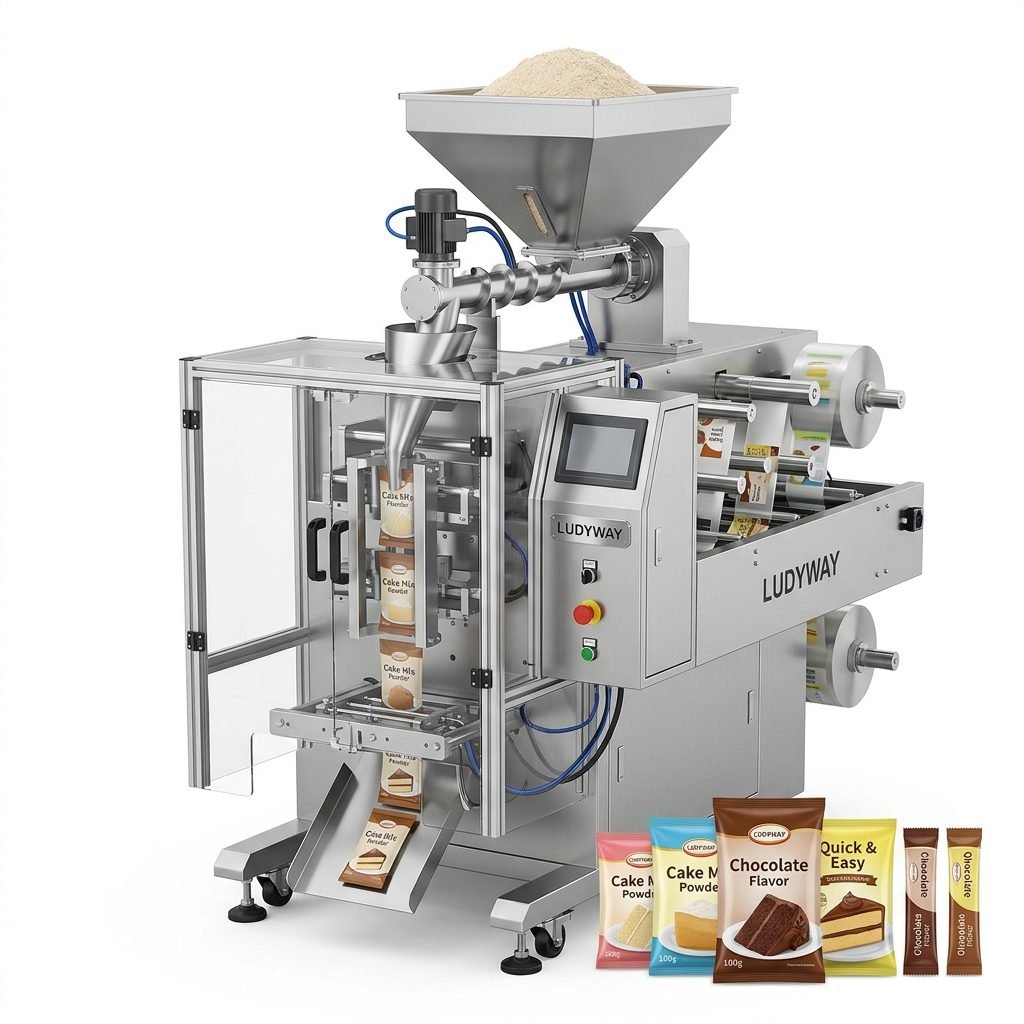
Before evaluating any equipment, precisely define your product characteristics. Packaging machines behave differently depending on whether you are filling free-flowing granules like sugar or coffee beans, cohesive powders like milk powder or protein supplements, or viscous liquids like sauces and creams. Particle size, density, flowability, and moisture sensitivity directly influence the choice of feeding systems, filling mechanisms, and sealing technologies.
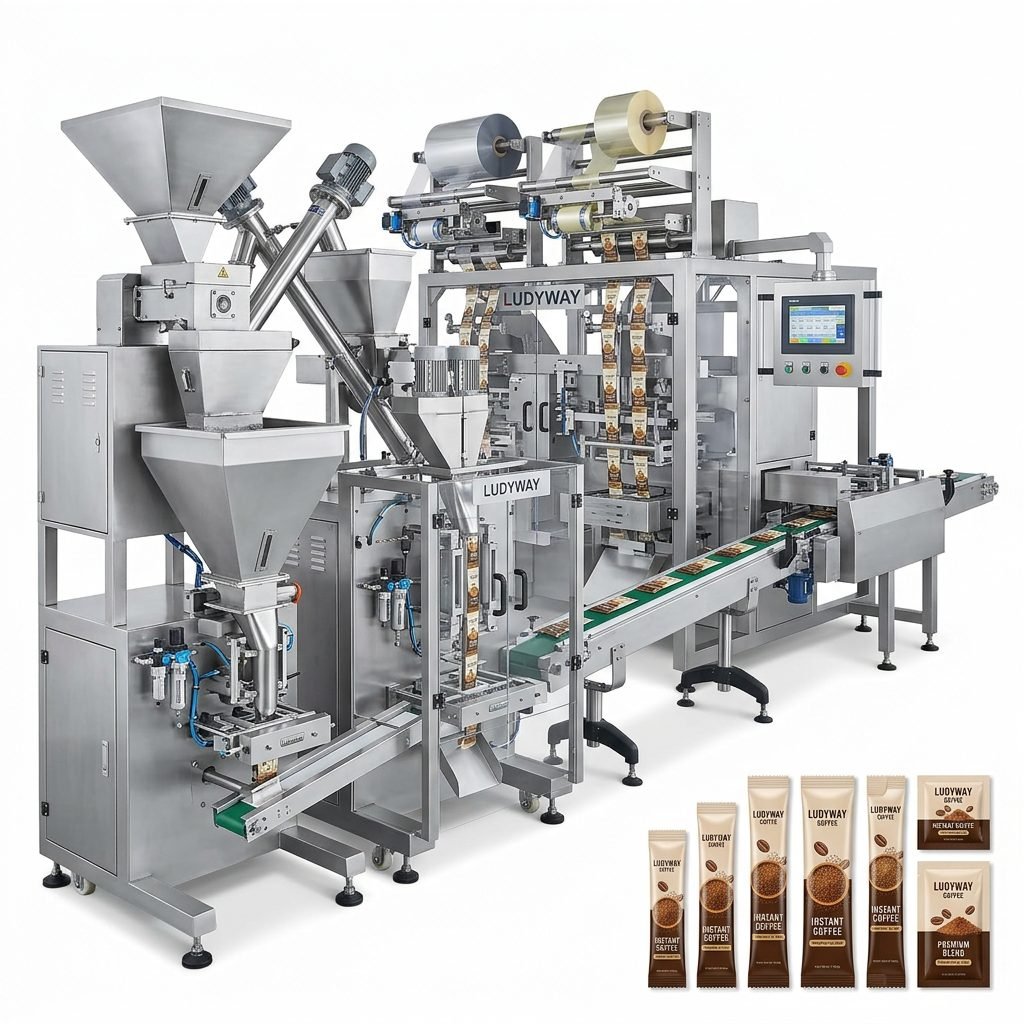
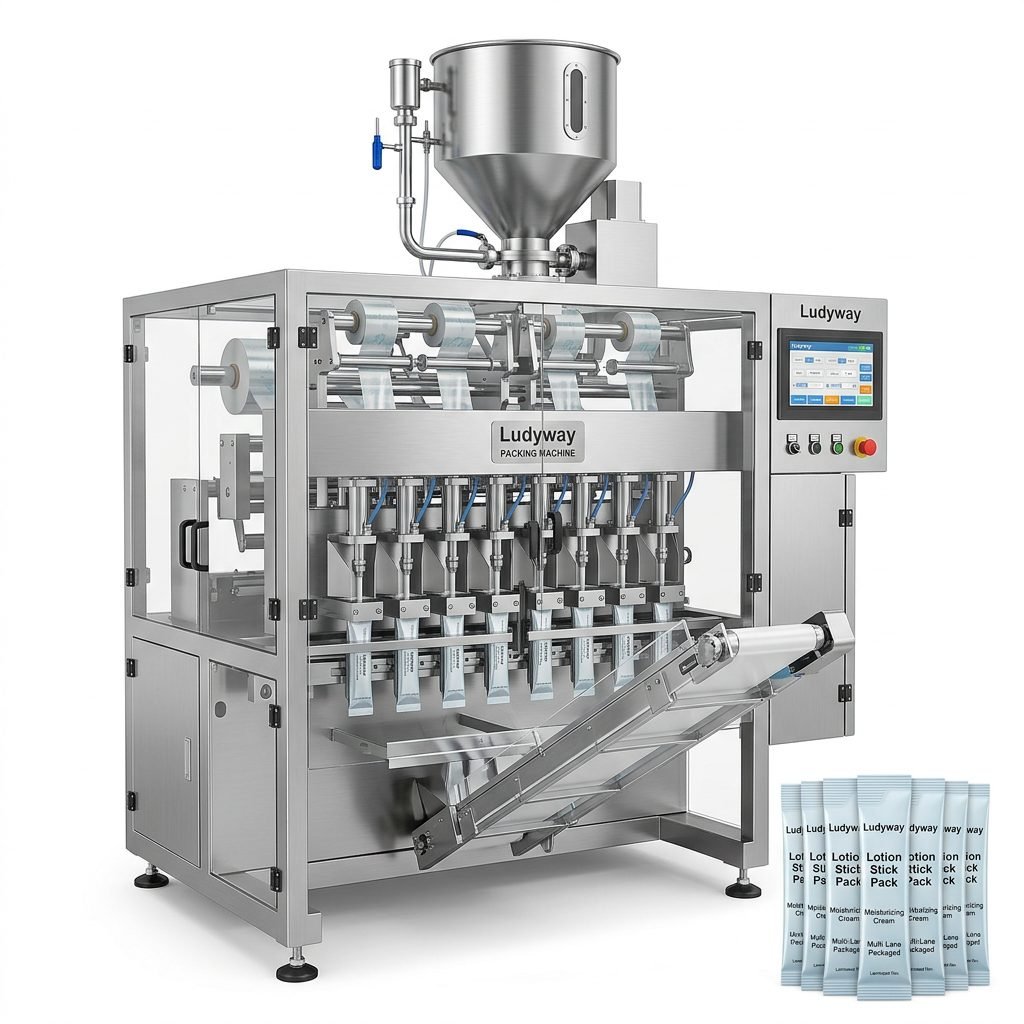
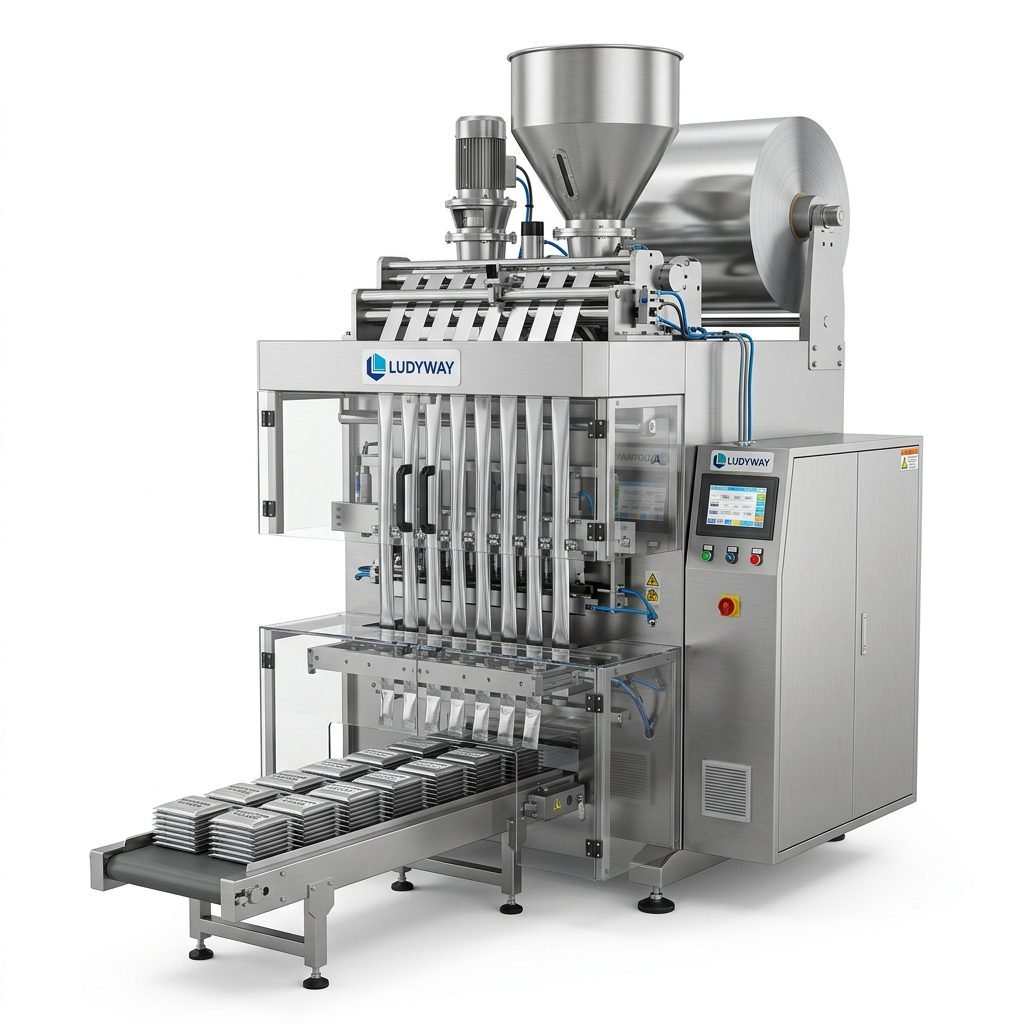
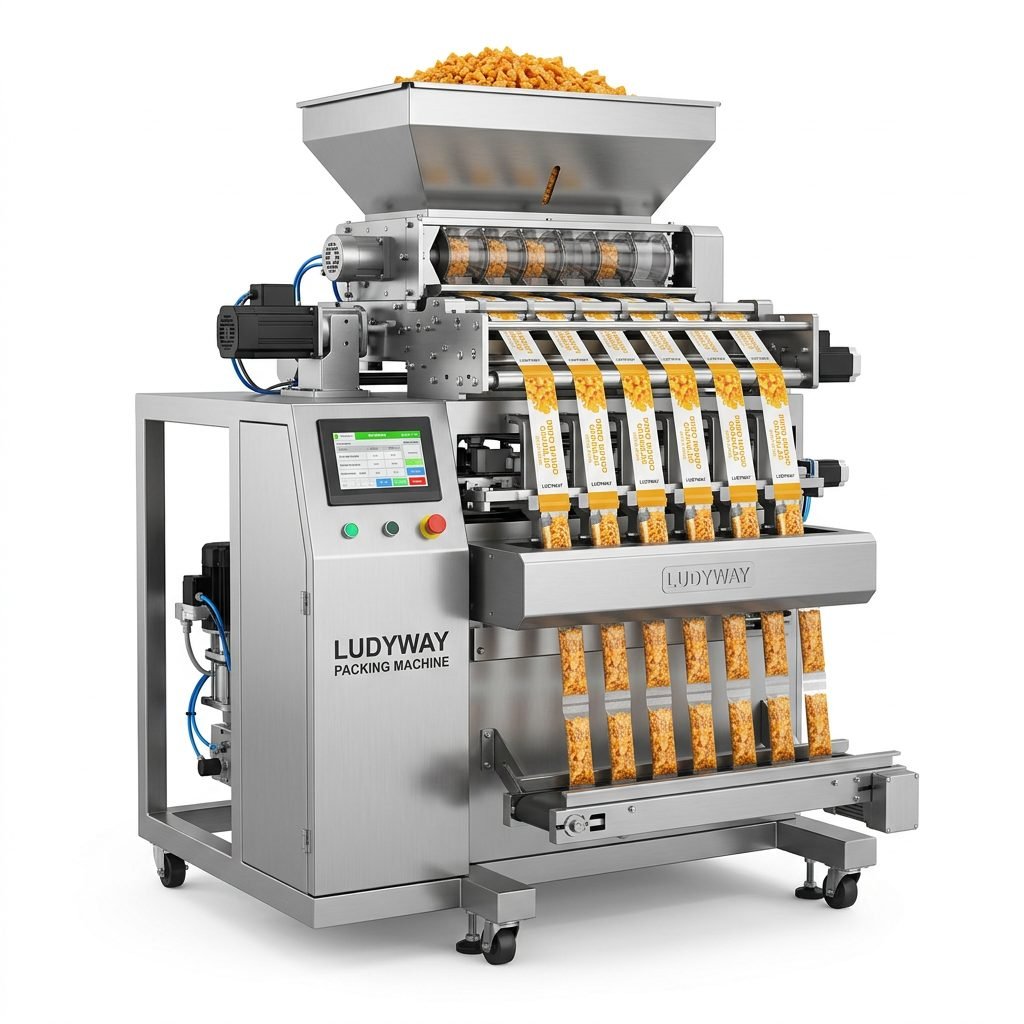
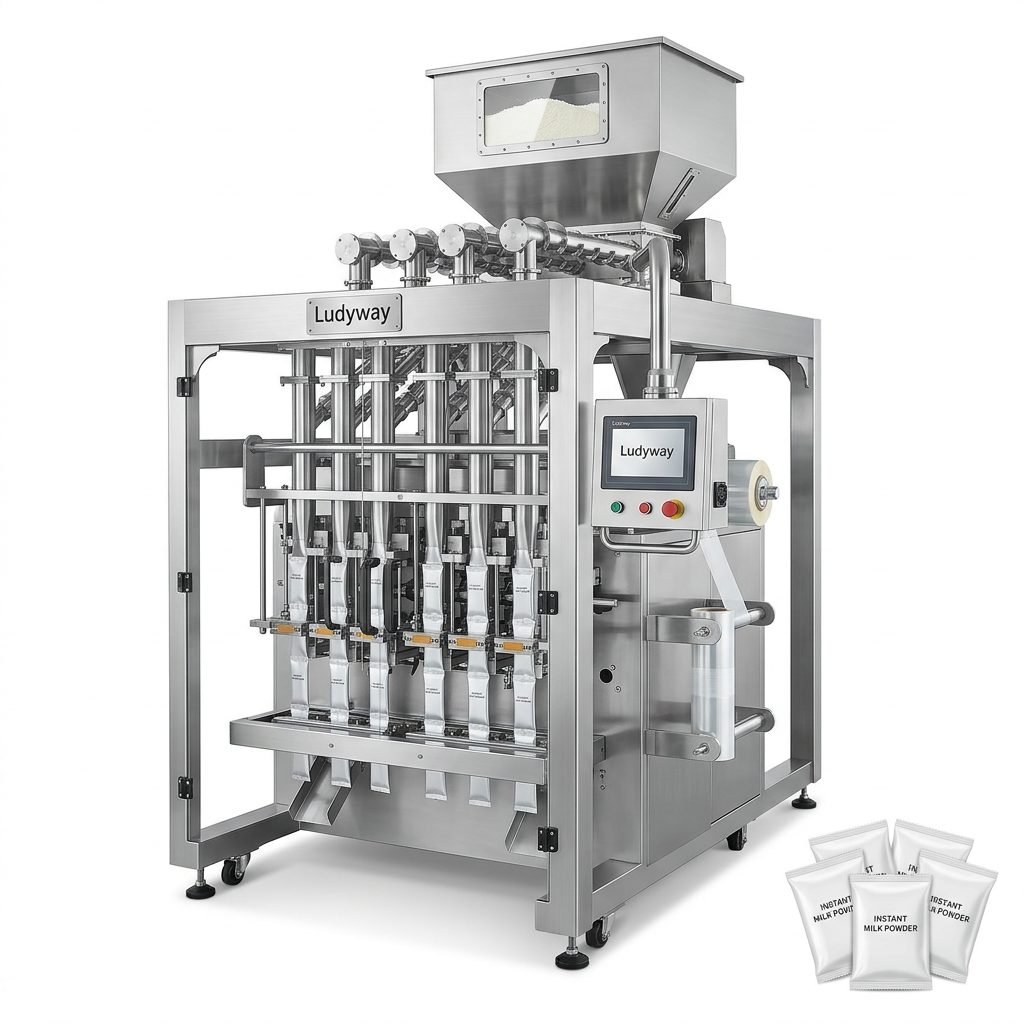
For Romanian manufacturers producing multiple product lines, a multi-lane packaging machine offers significant advantages. These systems allow simultaneous production of multiple lanes, dramatically increasing output for stick packs and sachets. Look for equipment that supports quick changeovers between different product formulations and packaging sizes.
2. Packaging Format Flexibility
Romanian consumers are increasingly embracing single-serve and on-the-go packaging. Your equipment should ideally support multiple formats:
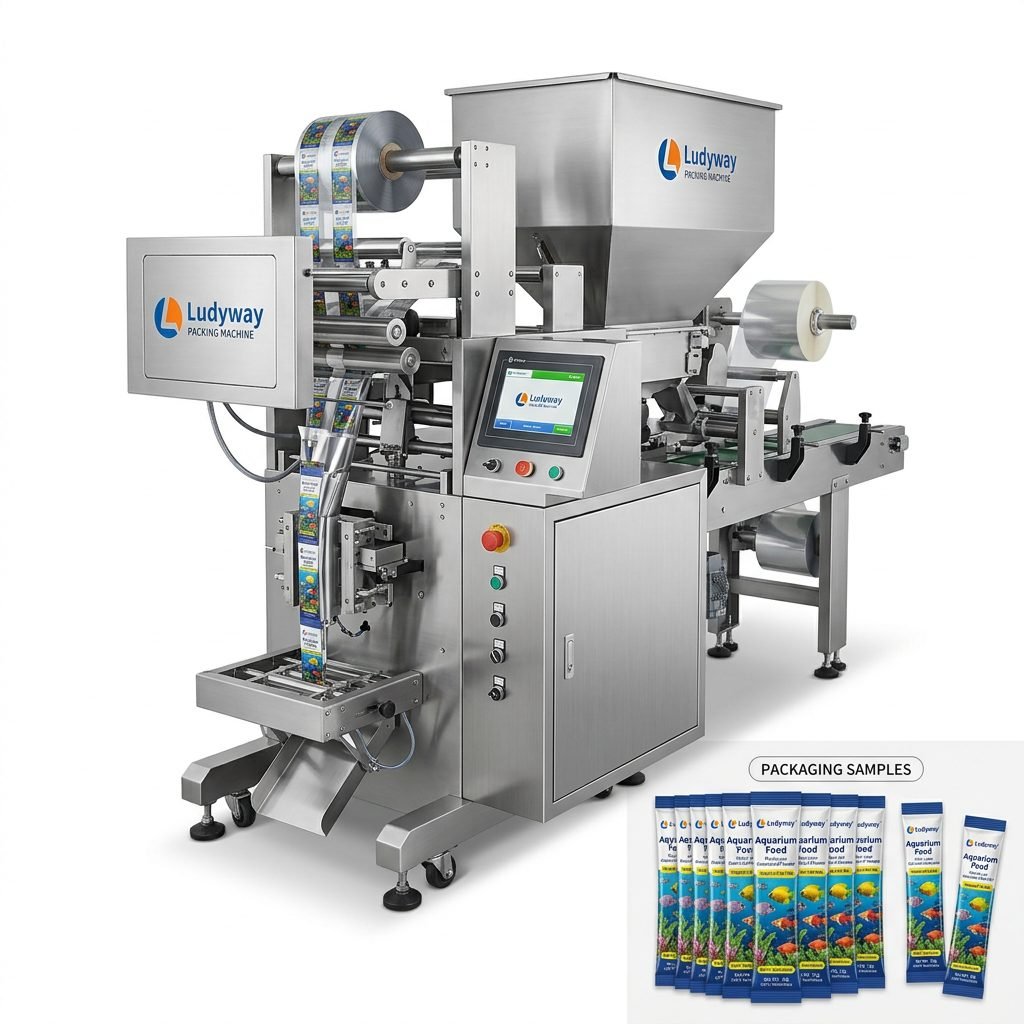
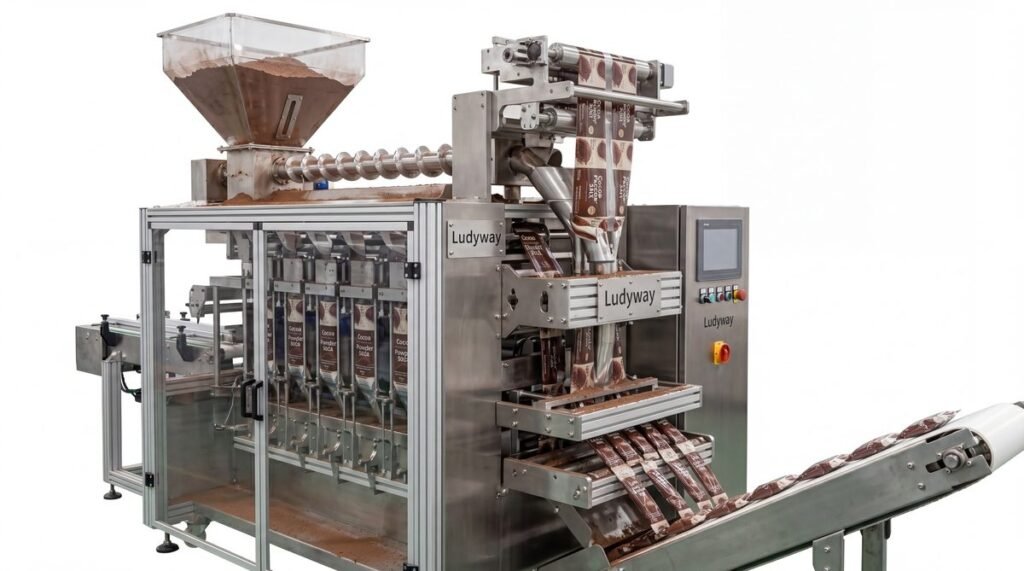
- Stick packs: Ideal for sugar, instant coffee, drink mixes, and pharmaceutical powders. These narrow, elongated sachets are cost-effective and visually appealing on retail shelves.
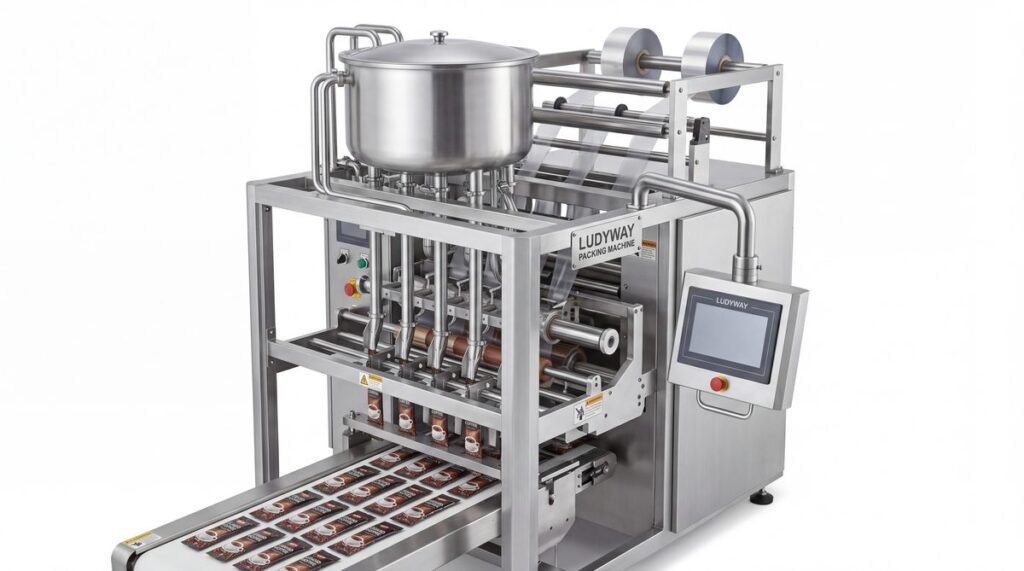
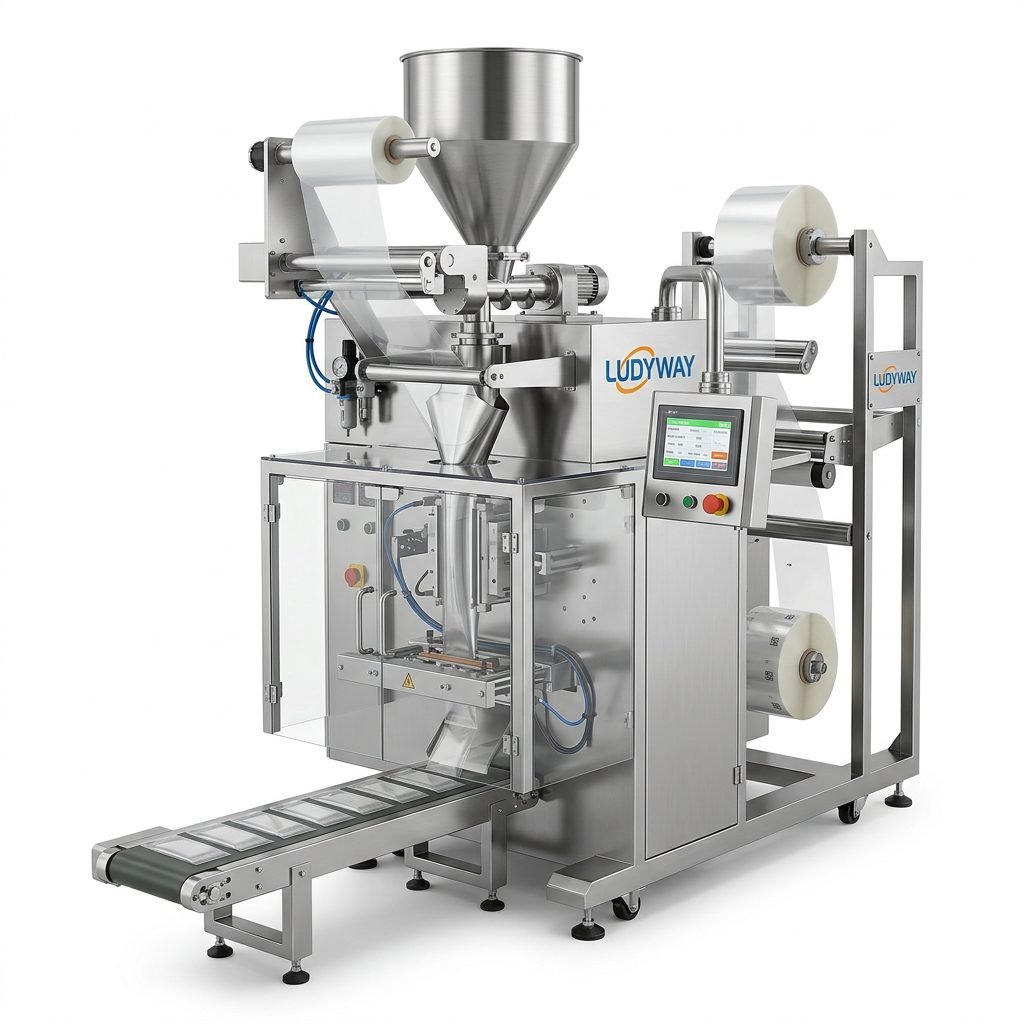
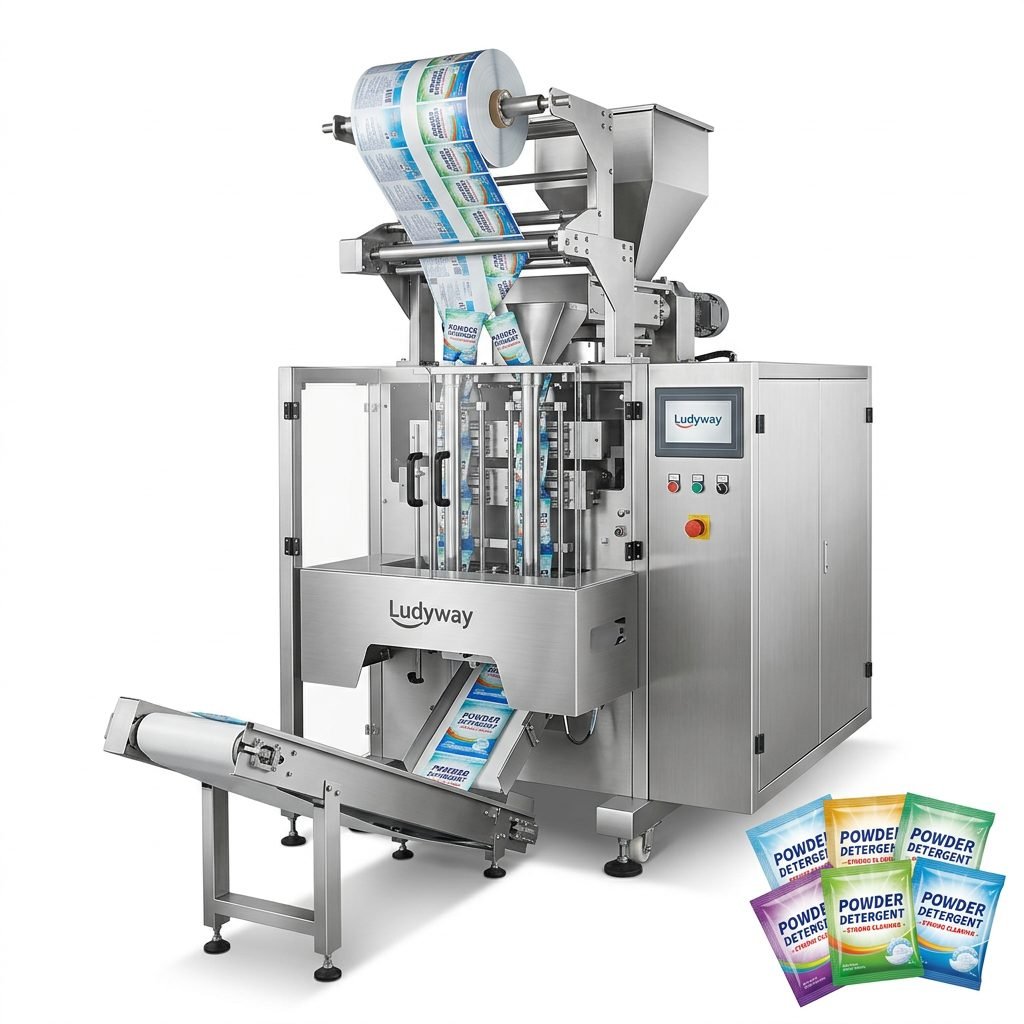
- Flat sachets: Common for sauces, condiments, shampoo samples, and liquid detergents. Three-side or four-side sealing configurations provide leak-proof integrity.
- Stand-up pouches: Gaining traction for premium food products, snacks, and pet food. Zipper closures and tear notches add consumer convenience.
Investing in a modular platform that accommodates sachet, stick pack, and pouch formats on a single frame reduces capital expenditure and floor space requirements. For companies targeting both domestic Romanian retail and export markets, this versatility is a competitive necessity.
3. Production Speed and Scalability
Your current production volumes matter, but forward-thinking buyers plan for growth. A high-speed multi-lane packaging machine can operate at speeds exceeding 60 cycles per minute per lane, delivering hundreds of sachets or stick packs per minute. However, speed must be balanced with accuracy—overfilling translates directly to product giveaway and lost profit.
When evaluating throughput, consider these interacting factors:
| Speed Factor | Impact on Performance | Recommendation |
|---|---|---|
| Number of lanes | More lanes increase output proportionally but require higher investment | Start with 4–8 lanes for mid-scale production, scale to 12+ lanes for high volume |
| Filling accuracy | ±0.5–1% for granules, ±1–2% for powders affects product cost | Prioritize servo-driven auger fillers for powders, multi-head weighers for granules |
| Changeover time | Long changeovers between products reduce effective operating time | Seek tool-less changeover features and recipe memory functions |
| Film material compatibility | Not all machines handle recyclable or biodegradable films equally | Verify sealing parameters for laminated, mono-material, and paper-based films |
4. Regulatory Compliance and Certification
Operating in Romania means your equipment must comply with EU directives and harmonized standards. Non-compliance can result in rejected shipments, fines, or production shutdowns. Critical requirements include:
- CE Marking: Mandatory for machinery sold or operated within the European Economic Area. It indicates conformity with health, safety, and environmental protection standards.
- Food Contact Materials Regulation (EC) 1935/2004: All materials in contact with food must not transfer constituents in quantities that endanger human health.
- EU Packaging and Packaging Waste Directive: Increasing emphasis on reducing packaging volume, promoting reuse, and ensuring recyclability.
Verify with your equipment supplier that their machines are designed and documented for full CE compliance, including technical files, risk assessments, and declarations of conformity. This is especially relevant when importing machinery from non-EU countries. For authoritative guidance on packaging standards, refer to resources from the PMMI – The Association for Packaging and Processing Technologies and ISO packaging standards.
5. Supplier Evaluation and After-Sales Support
Romania’s geographic location in Eastern Europe means you must carefully assess the availability and responsiveness of technical support. A supplier with no local representation or service infrastructure can leave you stranded during critical production periods. Key supplier questions include:
- Do they have certified service engineers based in or regularly visiting Romania and neighboring countries?
- What is their spare parts availability and typical delivery time for critical components?
- Do they offer remote diagnostic capabilities to minimize downtime?
- Can they provide operator training in Romanian or a language your team understands?
- What is their warranty coverage and do they offer extended service contracts?
Established global manufacturers with a track record in European markets often provide more reliable post-purchase support. For instance, Ludyway is one of the largest packaging machine manufacturers in China, specializing in advanced packaging equipment for the food, pharmaceutical, and health industries. With over 30 years of industry experience and customers in more than 100 countries, their engineering team supports installations and service across European markets.
6. Total Cost of Ownership (TCO)
Purchase price is only the starting point. Over a machine’s 10–15 year lifespan, operational costs often dwarf the initial investment. Calculate TCO by considering:
- Energy consumption: Modern servo-driven systems consume significantly less electricity than older pneumatic or mechanical designs.
- Film waste and material yield: Precise tension control and registration systems minimize film waste during start-up, splicing, and continuous operation.
- Maintenance costs: Predictive maintenance features and readily available parts reduce both scheduled and unscheduled downtime.
- Labor requirements: Highly automated lines reduce operator intervention, but your team needs appropriate technical skills.
- Product giveaway: Even small filling inaccuracies result in substantial product loss over millions of units, directly impacting margins.
A machine that costs 20% more upfront but delivers higher reliability, lower film waste, and better filling accuracy often pays for itself within two to three years through operational savings.
Integrating Into Existing Production Lines
Rarely does a food packaging machine operate in isolation. Consider how the equipment will integrate with upstream and downstream processes:
- Upstream: Will the machine connect directly to your existing weighing, mixing, or conveying systems? Check interface compatibility and material transfer methods.
- Downstream: Do you need automatic cartoning, case packing, palletizing, or shrink wrapping? Modular secondary packaging equipment reduces manual handling.
- Quality control: Inline checkweighers, metal detectors, and vision inspection systems should integrate seamlessly into the line for real-time quality assurance.
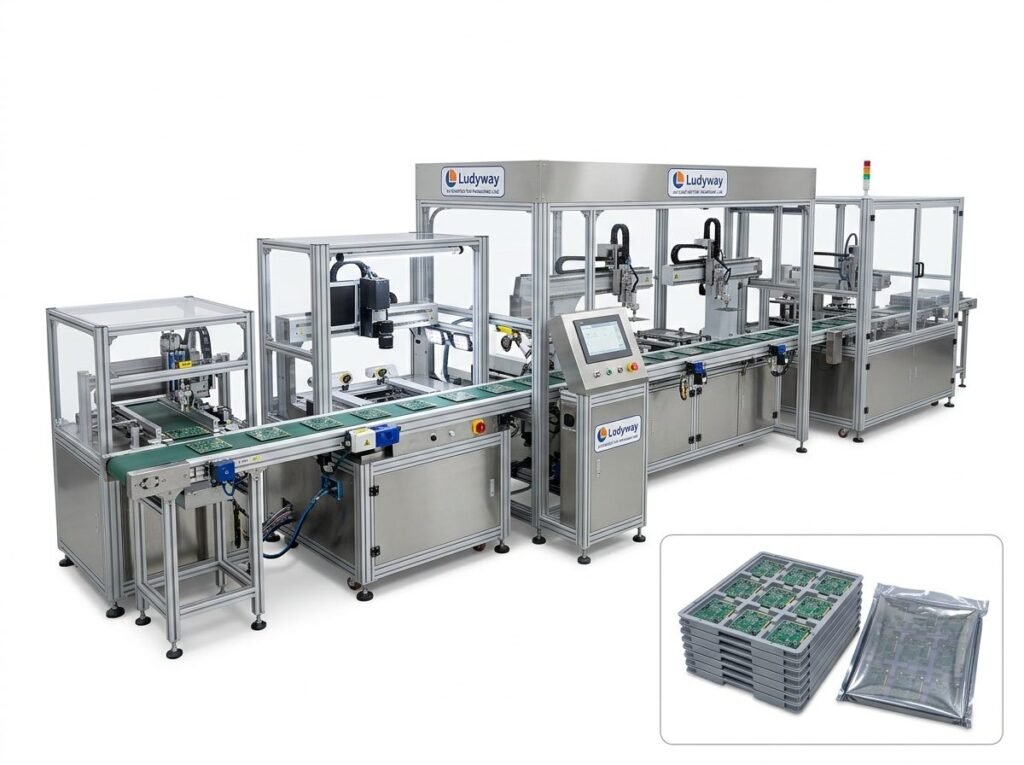
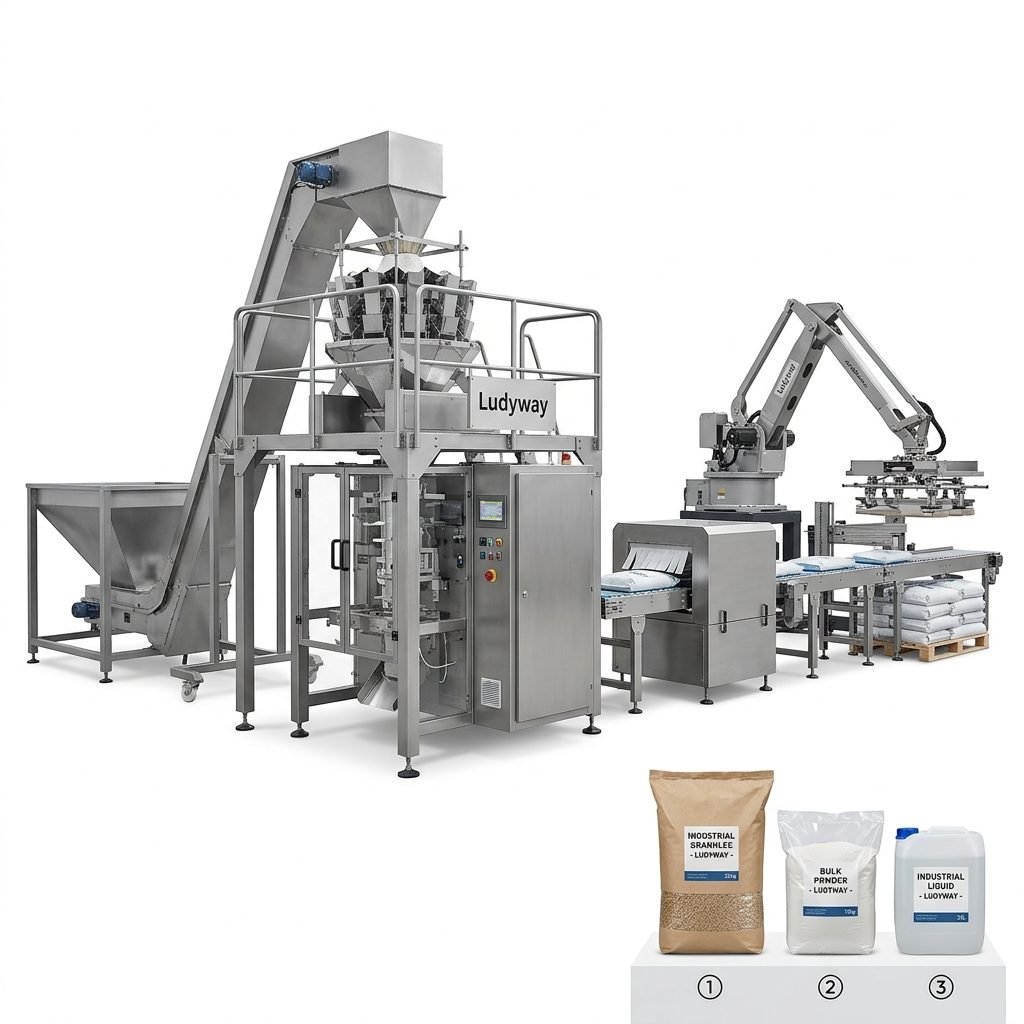
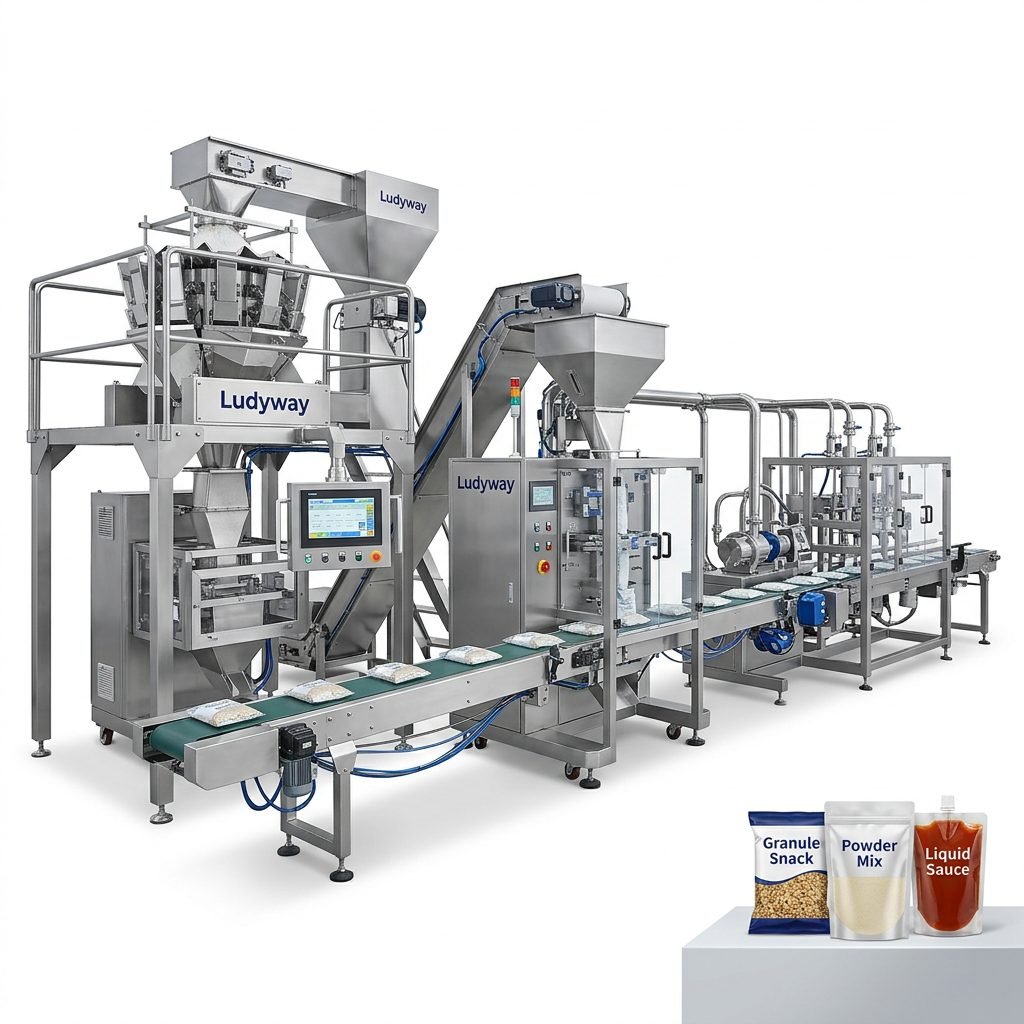
For Romanian manufacturers pursuing turnkey solutions, integrated packaging lines that combine primary filling, secondary packaging, and end-of-line automation from a single supplier simplify project management and ensure system-wide compatibility. Explore turnkey packaging solutions that cover everything from raw material handling to palletized finished goods.
Common Mistakes to Avoid
Drawing from real-world implementations, here are frequent pitfalls that Romanian food manufacturers encounter when selecting packaging equipment:
- Prioritizing price over suitability: The cheapest machine rarely delivers the lowest TCO. Match specifications precisely to your product range.
- Underestimating changeover complexity: If you run multiple SKUs, changeover time can consume significant production capacity. Verify quick-change capabilities during live demonstrations.
- Ignoring local climate conditions: Romanian summers can be hot and humid. Powder products may become sticky, affecting flow. Discuss environmental controls with your supplier.
- Overlooking operator training: Even the most advanced machine underperforms if operators lack proper training. Ensure comprehensive on-site training is part of the package.
- Neglecting future expansion: Modular equipment with upgrade paths preserves your investment as your business grows into new markets or product categories.
Making the Final Decision
Selecting the right food packaging machine for the Romanian market requires balancing technical specifications, regulatory compliance, supplier capability, and long-term business strategy. Start by clearly defining your product range, required packaging formats, and target production volumes. Research suppliers with proven experience in European installations and verify their CE compliance documentation. Request live or video demonstrations running your actual product to validate performance claims.
Engage with industry associations like The Flexible Packaging Association for market intelligence and networking opportunities. Their resources on flexible packaging trends can inform your technology decisions. Additionally, review FDA food packaging regulations if you export to markets beyond the EU, as understanding multiple regulatory frameworks strengthens your compliance posture.
By systematically evaluating each factor outlined in this guide, you position your Romanian operation for efficient, compliant, and profitable food packaging—today and well into the future.
For more information on advanced packaging machinery designed for international markets, visit Ludyway’s global growth outlook and export capabilities.