Investing in an egg packaging machine is a critical decision for poultry farms, egg distributors, and food processing businesses. The right equipment not only boosts productivity but also reduces breakage, extends shelf life, and ensures compliance with international food packaging standards. With China being one of the world’s largest manufacturers of egg processing and packaging machinery, buyers have access to a wide range of cost-effective yet technologically advanced solutions.
However, navigating the vast landscape of Chinese suppliers can be overwhelming. This comprehensive guide will walk you through the essential factors to consider when selecting an egg packaging machine and a reliable manufacturer in China.
Why Invest in an Automated Egg Packaging Machine?
Manual egg handling is labor-intensive and prone to human error. Automated egg packaging systems offer several compelling advantages:
- Reduced Breakage: Precision handling minimizes cracks and losses during the packaging process.
- Higher Throughput: Modern machines can process thousands of eggs per hour, dramatically scaling your production capacity.
- Consistent Quality: Automated grading and packing ensure uniform output that meets retail and export standards.
- Labor Cost Savings: One machine can replace multiple workers, offering a rapid return on investment.
- Improved Hygiene: Reduced human contact lowers contamination risks, aligning with food contact substance regulations.
Types of Egg Packaging Machines Available in China
Chinese manufacturers offer a diverse range of egg packaging solutions tailored to different production scales. Understanding the main categories is the first step in making an informed purchase.
1. Egg Tray Filling and Closing Machines
These are the most common entry-level systems, designed to place eggs into pre-formed pulp or plastic trays and close the lids automatically. They are ideal for small to medium-sized farms looking to transition from manual packing. Look for models with adjustable suction cup systems that can handle different egg sizes without cracking.
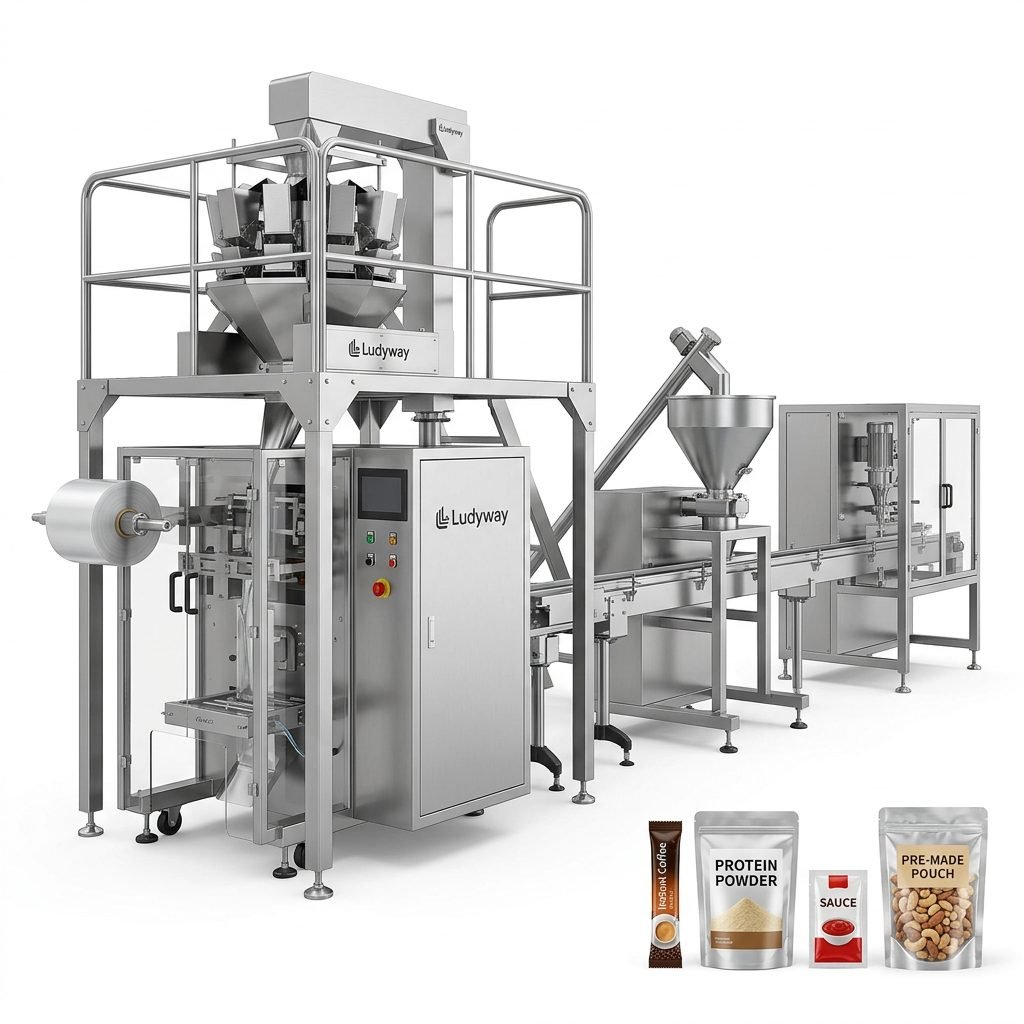
2. Fully Automatic Egg Grading and Packaging Lines
For large-scale operations, fully integrated lines combine egg loading, washing, drying, UV sterilization, candling, grading by weight, and packing into trays or cartons. These turnkey systems can be customized to meet specific output requirements. You can explore more about packaging machinery market trends to understand industry benchmarks before investing.
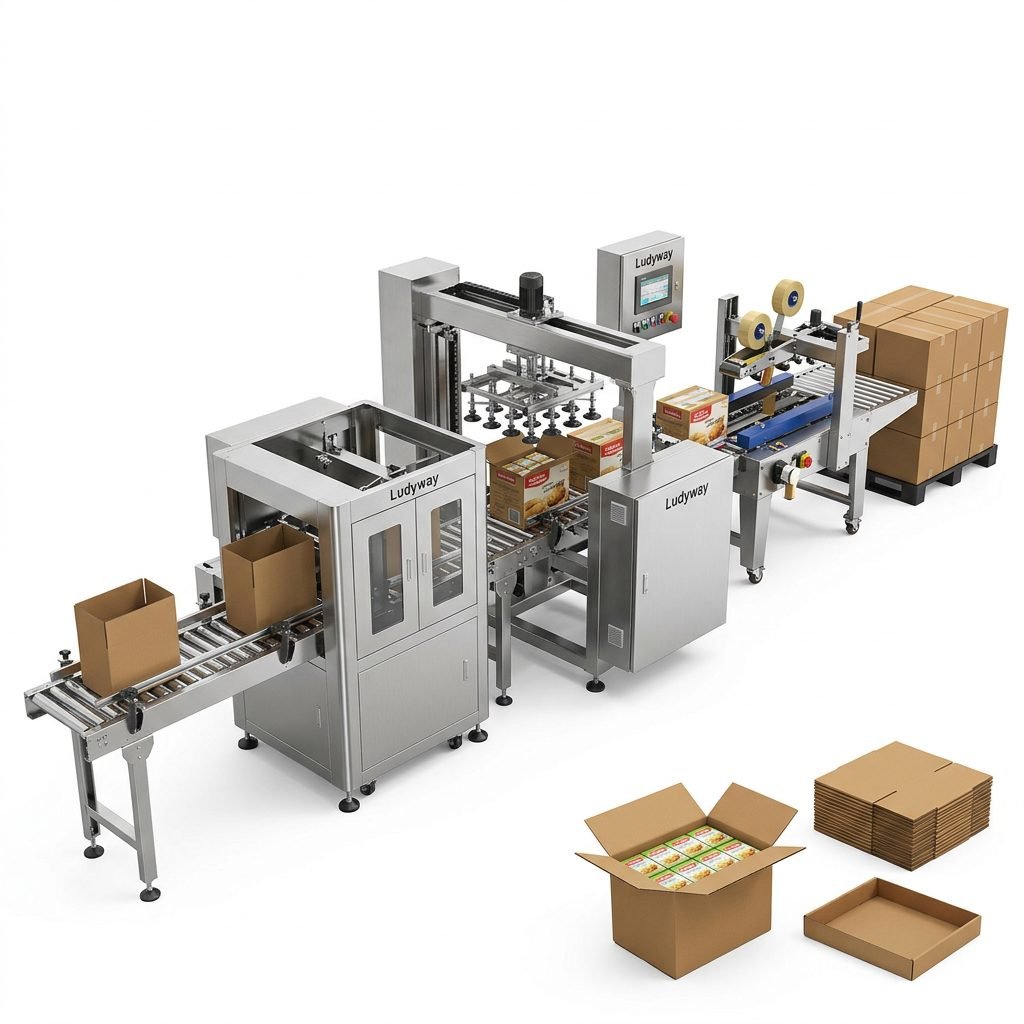
3. Egg Carton Erecting and Packing Systems
These machines form carton blanks, insert eggs, and seal the finished packs. They are essential for brands selling directly to supermarkets. Advanced models include date coding and labeling modules for full traceability.
Key Factors to Consider When Choosing an Egg Packaging Machine
Before contacting suppliers, define your requirements clearly. Here are the critical parameters that will influence your choice:
| Factor | Key Considerations |
|---|---|
| Production Capacity | Eggs per hour (typical range: 3,000 – 120,000 eggs/hour) |
| Egg Size Range | Machine adjustability for S, M, L, XL sizes including duck or quail eggs |
| Packaging Format | Pulp trays, plastic cartons, clear clamshells, or bulk boxes |
| Breakage Rate | Industry benchmark is below 0.3% for high-quality machines |
| Automation Level | Semi-automatic vs. fully automatic with grading and coding integration |
| Material Compatibility | Stainless steel food-grade construction is non-negotiable for egg handling |
How to Evaluate Chinese Egg Packaging Machine Suppliers
China’s packaging machinery industry has matured significantly over the past three decades. However, the quality gap between top-tier manufacturers and lesser-known workshops can be substantial. Use the following checklist to vet potential partners:
Factory Audit and Certifications
Always verify that the manufacturer holds relevant certifications such as CE, ISO 9001, and food-grade material certifications. A supplier with a long operational history—ideally over 15 years—is generally more reliable. Request a virtual factory tour or, better yet, plan an in-person visit. For reference on international packaging machinery standards, consult the ISO packaging standards directory.
After-Sales Support and Spare Parts
This is arguably the most critical factor when buying from overseas. Confirm the availability of:
- Remote technical support (video calls, multilingual manuals)
- On-site installation and training services
- Readily available spare parts inventory with fast international shipping
- Warranty terms (typically 12-24 months for major components)
Client References and Export Experience
Reputable Chinese manufacturers should willingly provide references from existing international clients. Pay attention to their experience in your specific region—shipping, voltage requirements, and local compliance knowledge matter. The flexible packaging industry resources can also help you understand broader packaging trends and supplier benchmarks.
Egg Packaging Machine Price Ranges in China
Pricing varies widely based on capacity, automation level, and brand reputation. Below is a general market overview to help you budget realistically:
| Machine Type | Capacity Range | Approximate Price (USD) |
|---|---|---|
| Semi-Automatic Tray Filler | 2,000 – 5,000 eggs/hour | $8,000 – $25,000 |
| Automatic Grading & Packing Line | 10,000 – 40,000 eggs/hour | $40,000 – $150,000 |
| High-Speed Full Turnkey Line | 60,000 – 120,000 eggs/hour | $180,000 – $500,000+ |
| Carton Erector & Packer | Varies by carton format | $20,000 – $70,000 |
Note: Prices are indicative and depend on customization, included accessories, and current raw material costs. Always request a detailed quotation that breaks down each component.
Common Mistakes to Avoid When Buying from China
Even experienced buyers can fall into traps when sourcing packaging machinery internationally. Here are the most frequent pitfalls:
- Choosing Based on Price Alone: The cheapest option often leads to higher long-term costs through downtime and breakage losses.
- Ignoring Voltage and Plug Compatibility: Ensure the machine is configured for your country’s electrical standards before production begins.
- Overlooking Egg Size Calibration: Machines designed for standard chicken eggs may struggle with larger or irregularly shaped eggs if not properly specified.
- Skipping the Factory Audit: Never rely solely on website claims. Verify manufacturing capabilities firsthand or through a trusted third-party inspection service.
- Neglecting Operator Training: Even the best machine underperforms without properly trained staff. Include training in your purchase agreement.
The Importance of Compliance and Food Safety Standards
Egg packaging machinery must comply with stringent food safety regulations, especially if you export to markets like the EU, North America, or Japan. Key standards to verify include:
- Food-Grade Materials: All contact surfaces must use 304 or 316 stainless steel and BPA-free plastics.
- Clean-in-Place (CIP) Compatibility: Machines should be designed for easy sanitation between production runs.
- Traceability Features: Integrated coding systems for batch numbers and expiration dates are increasingly mandatory.
For the latest regulatory developments, refer to the FDA food packaging regulations and the European packaging waste directives.
Why More Buyers Are Sourcing Egg Packaging Machines from China
China’s packaging machinery sector has undergone a remarkable transformation. Today, leading Chinese manufacturers offer equipment that rivals European and Japanese brands in quality while maintaining a significant price advantage—often 30% to 50% lower than comparable Western equipment. This is driven by economies of scale, a mature domestic supply chain, and increasing investment in R&D. For more insights on global packaging machinery growth trends and export data, industry reports from PMMI’s State of the Industry provide valuable context for buyers evaluating market dynamics.
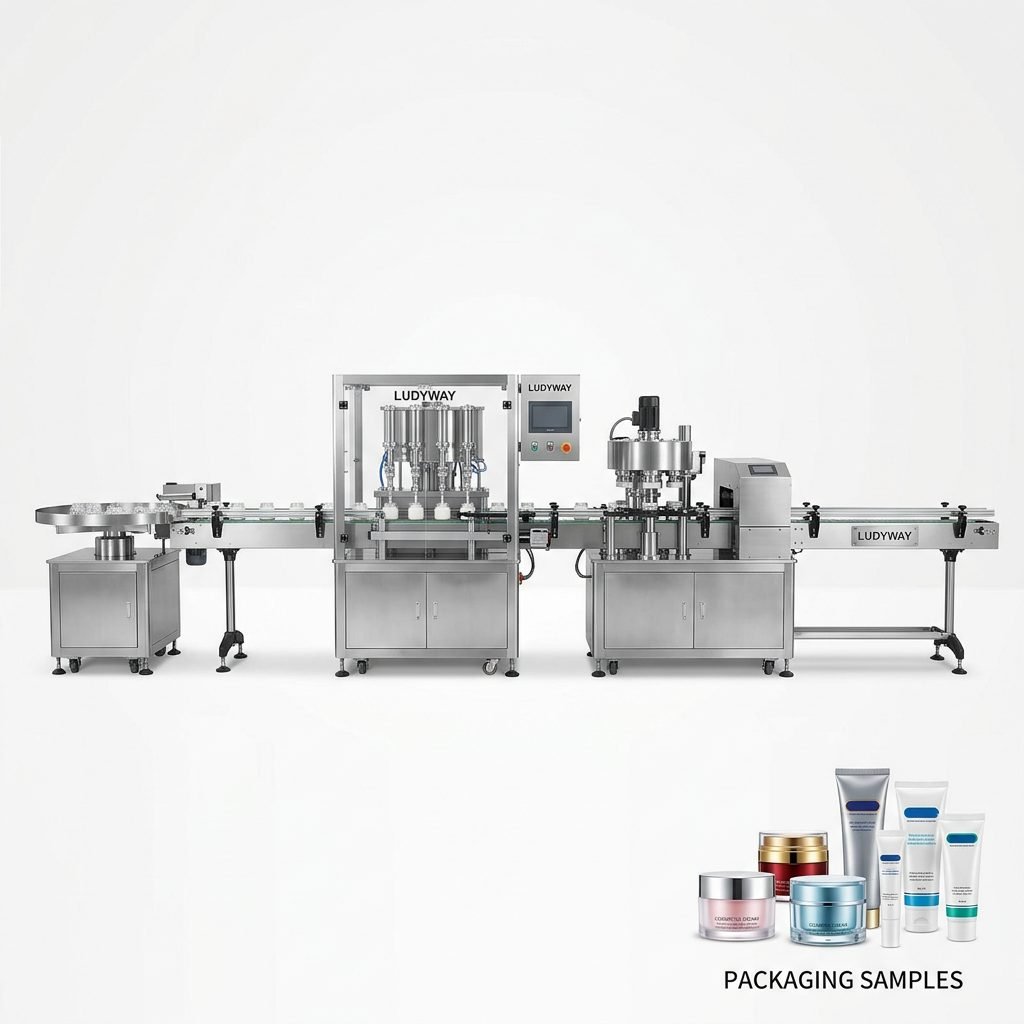
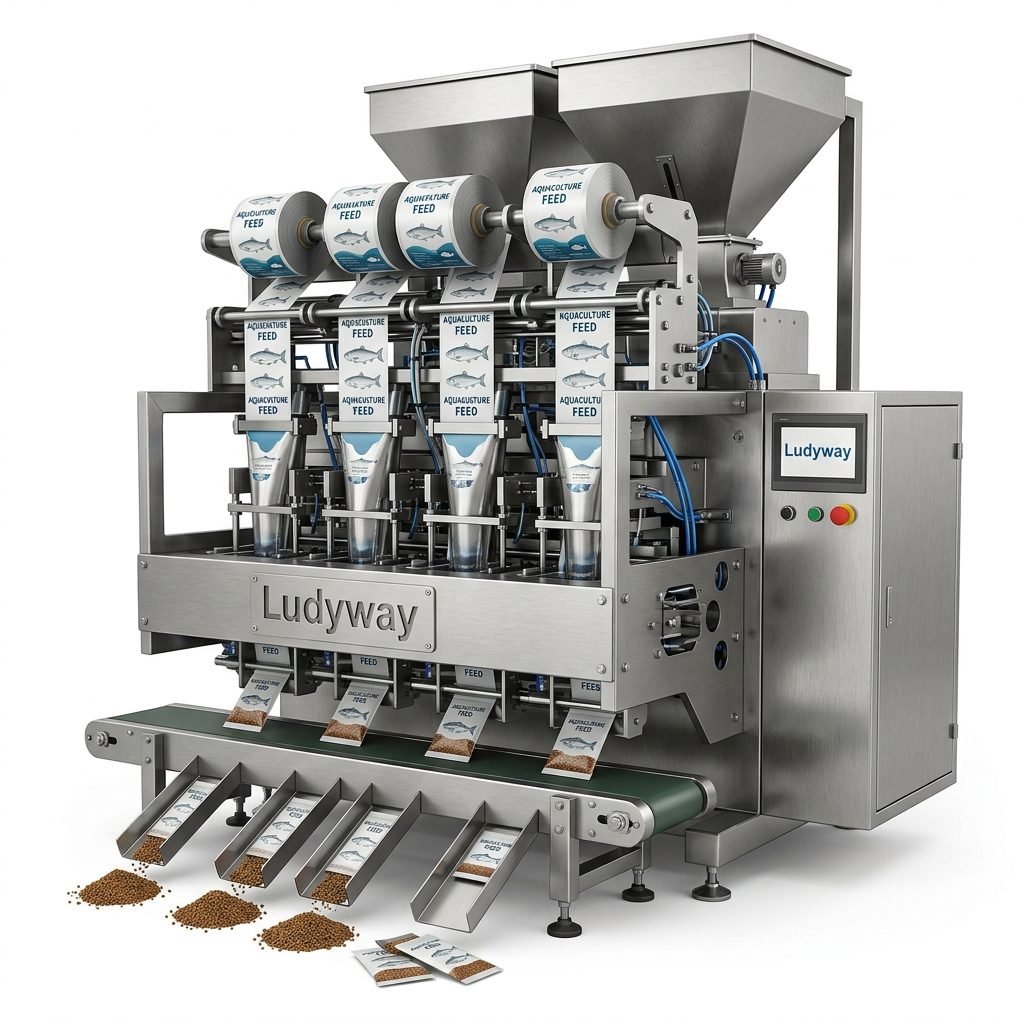
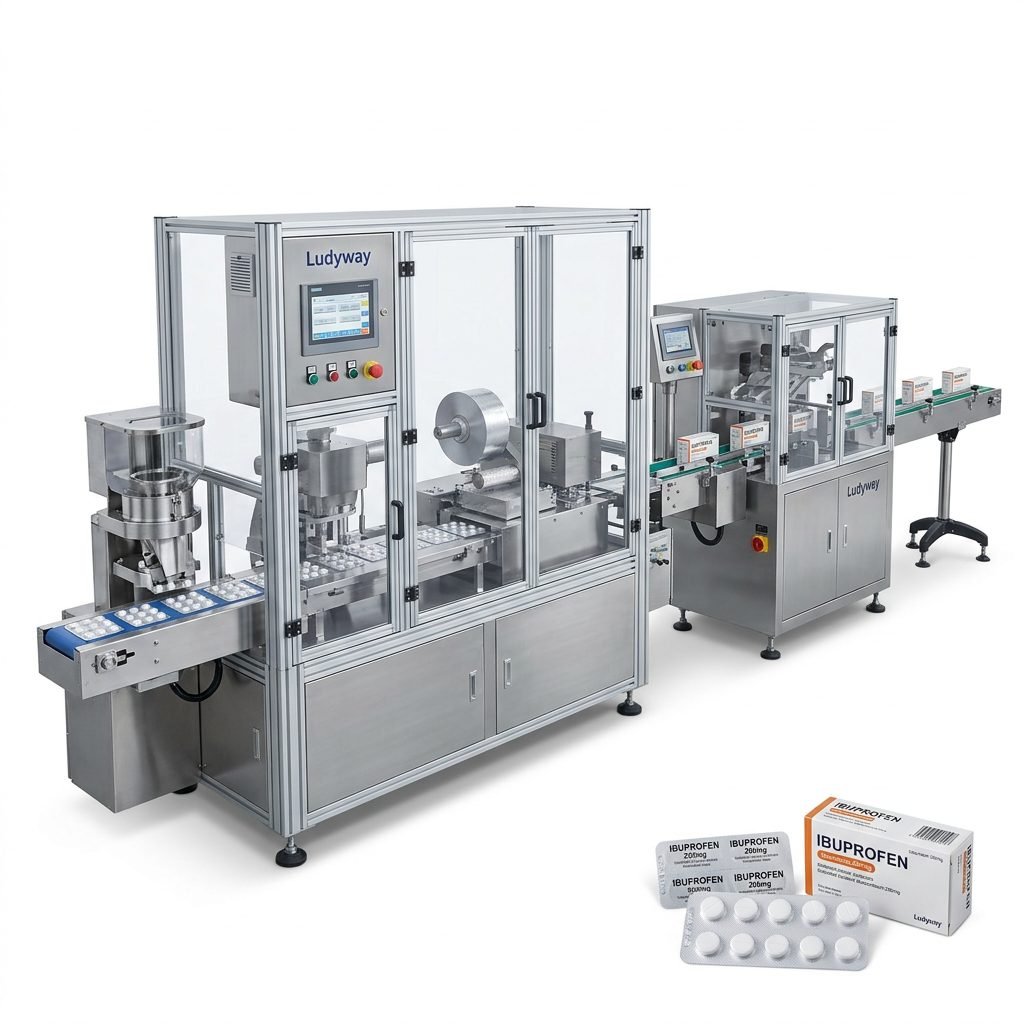
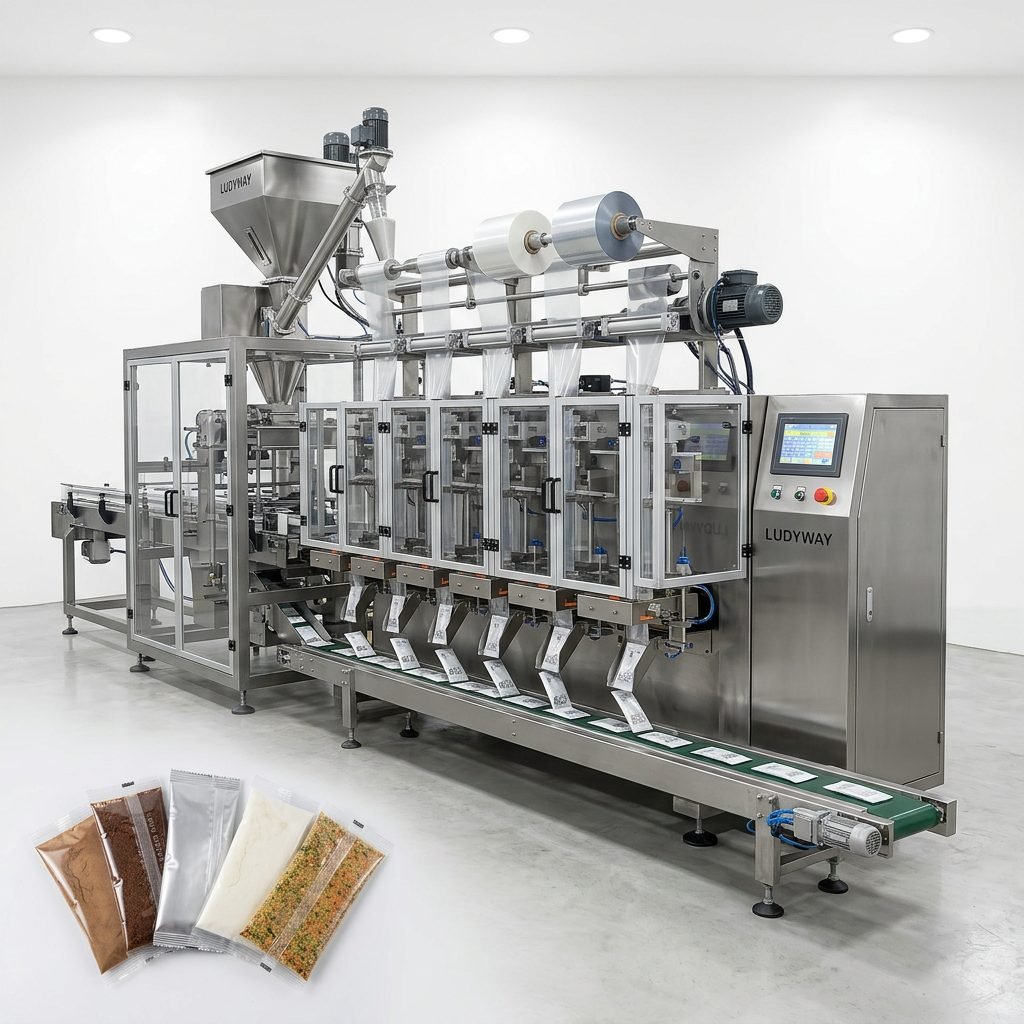
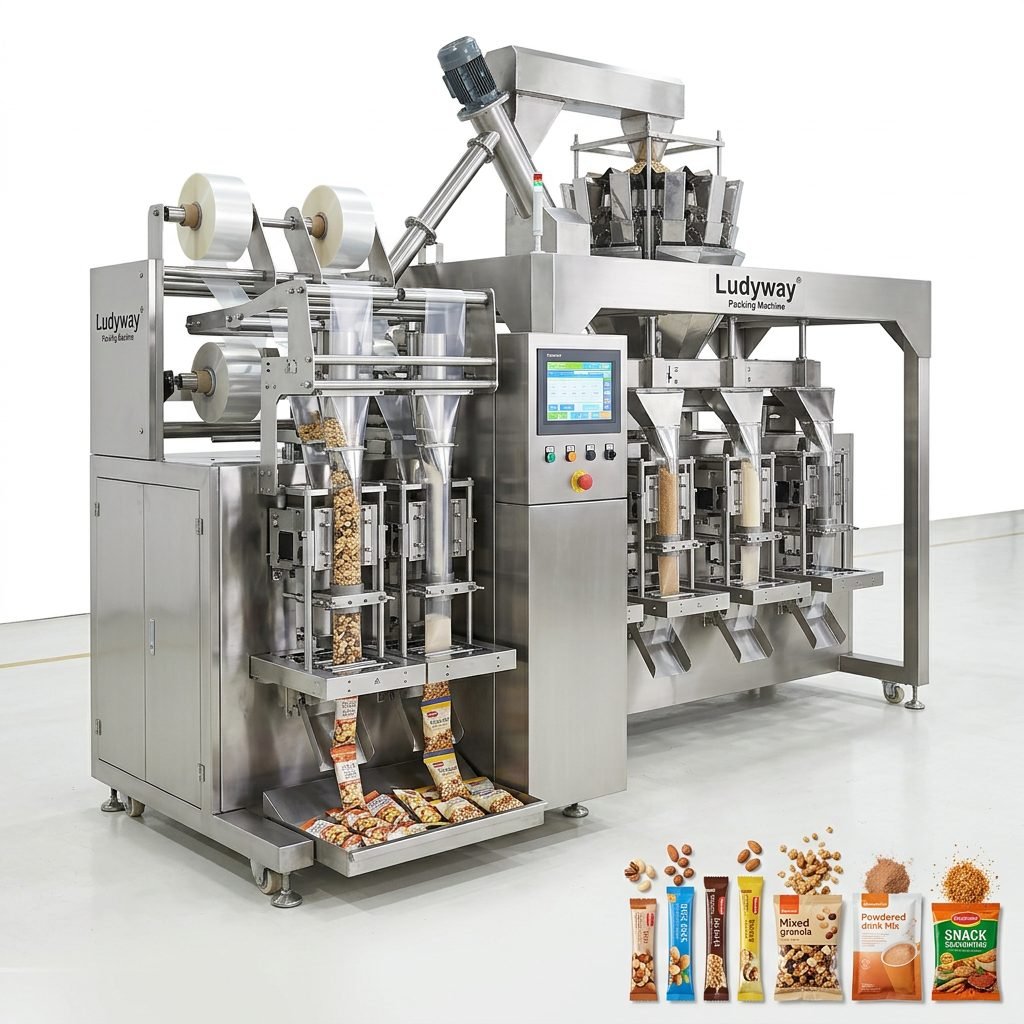
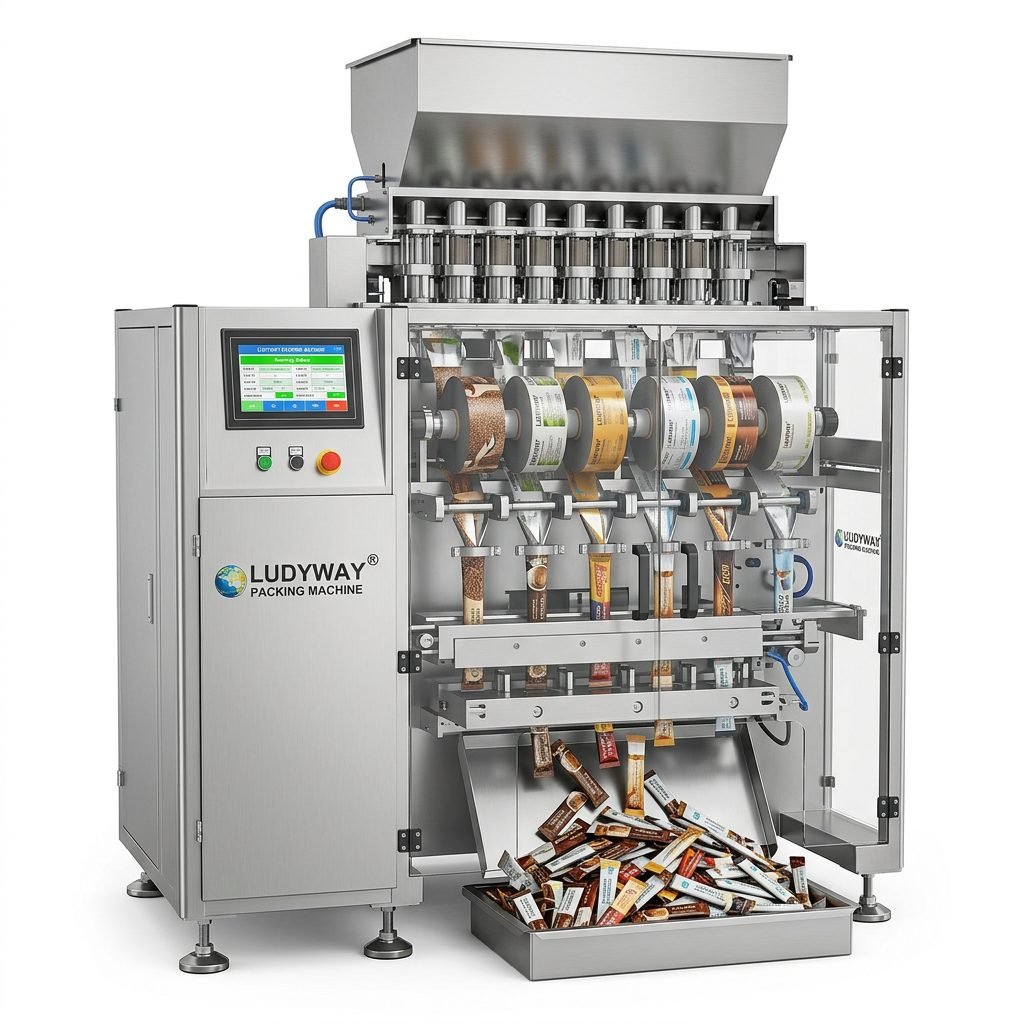
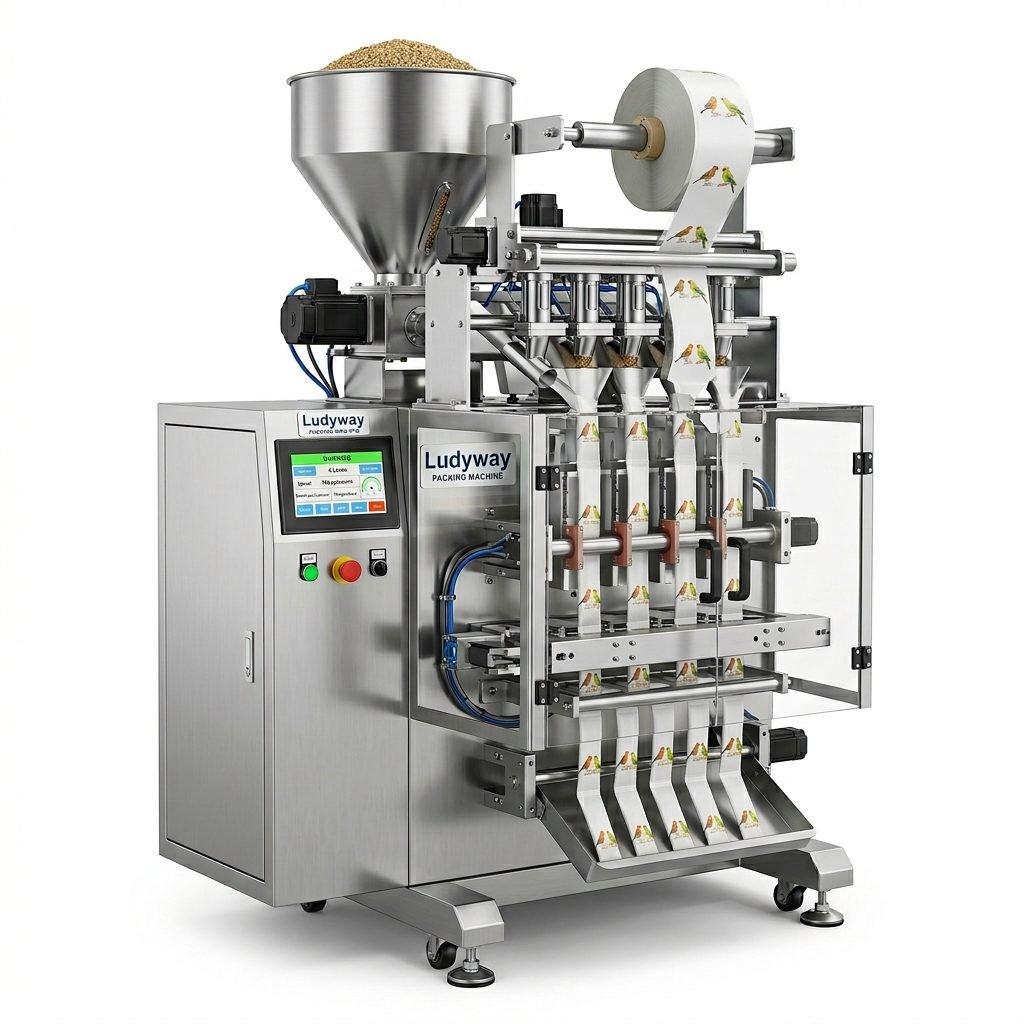
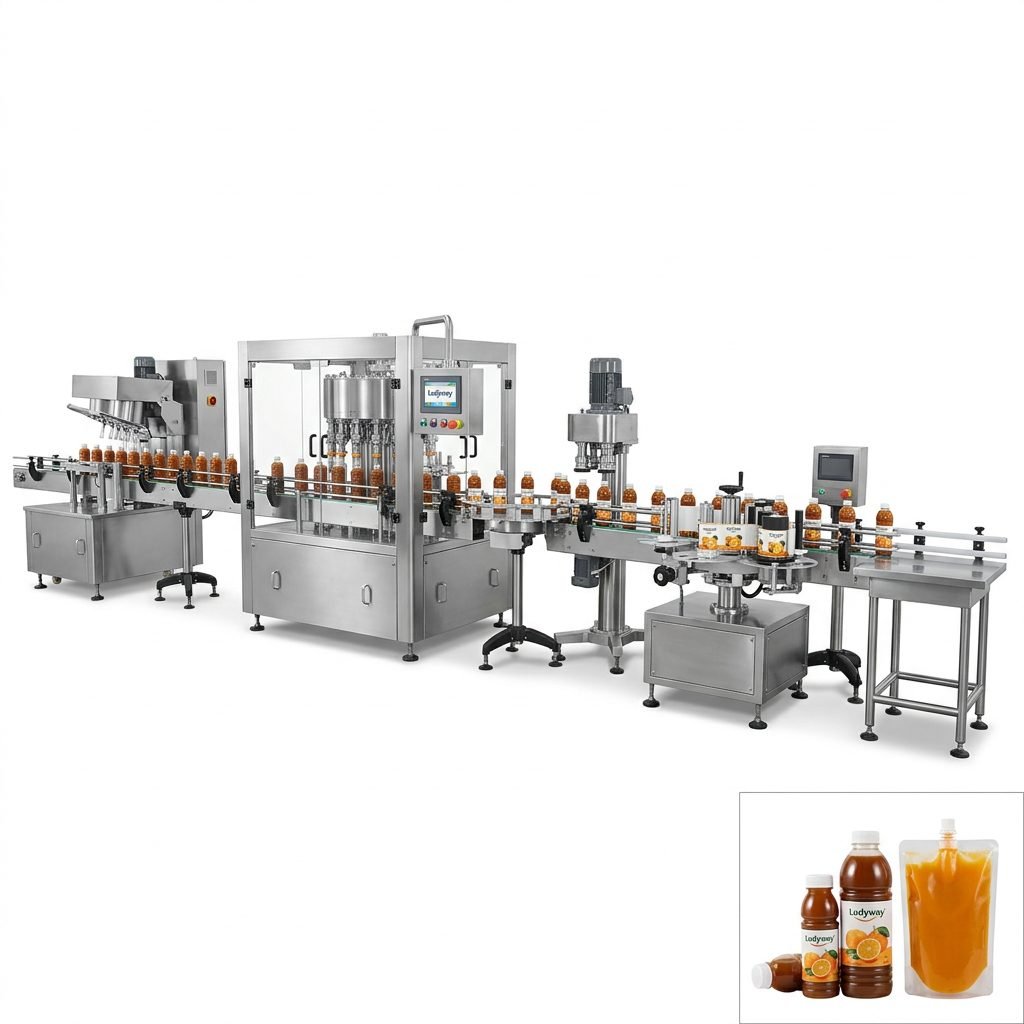
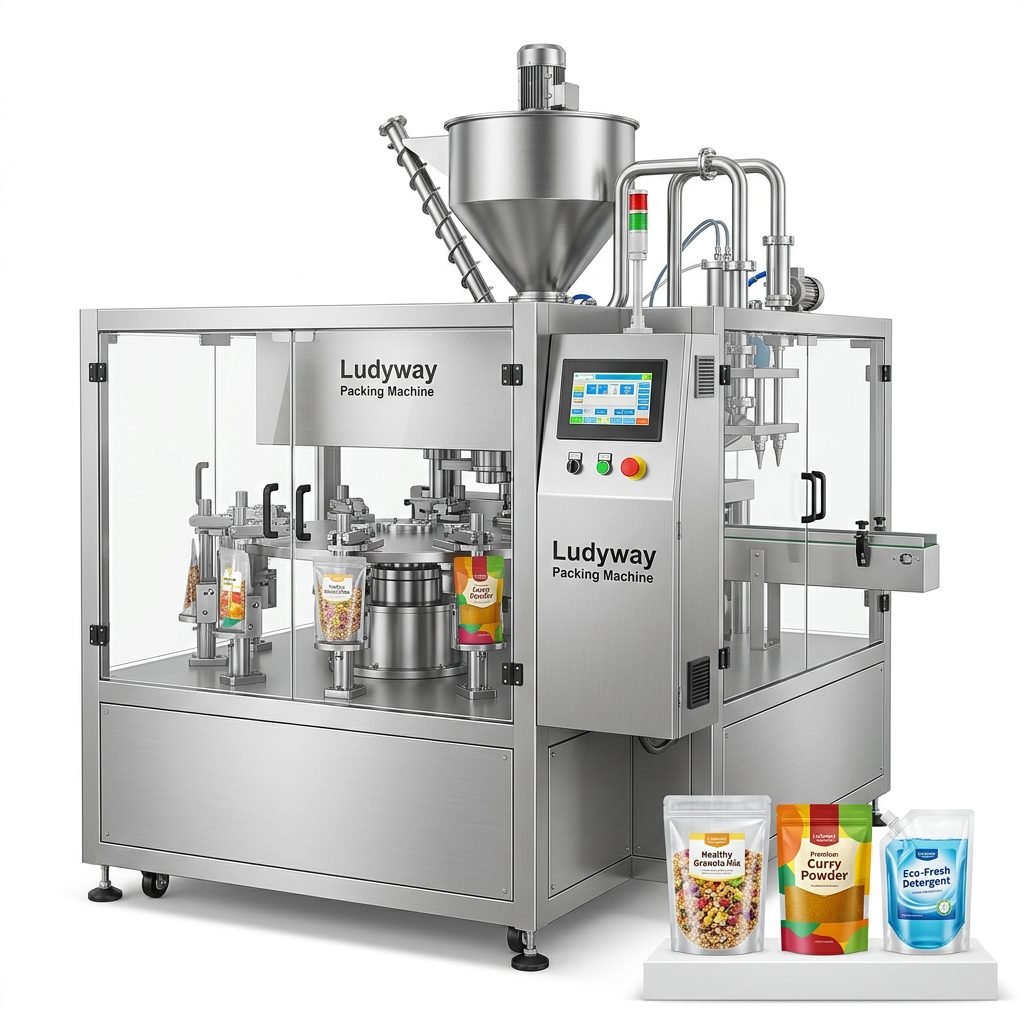
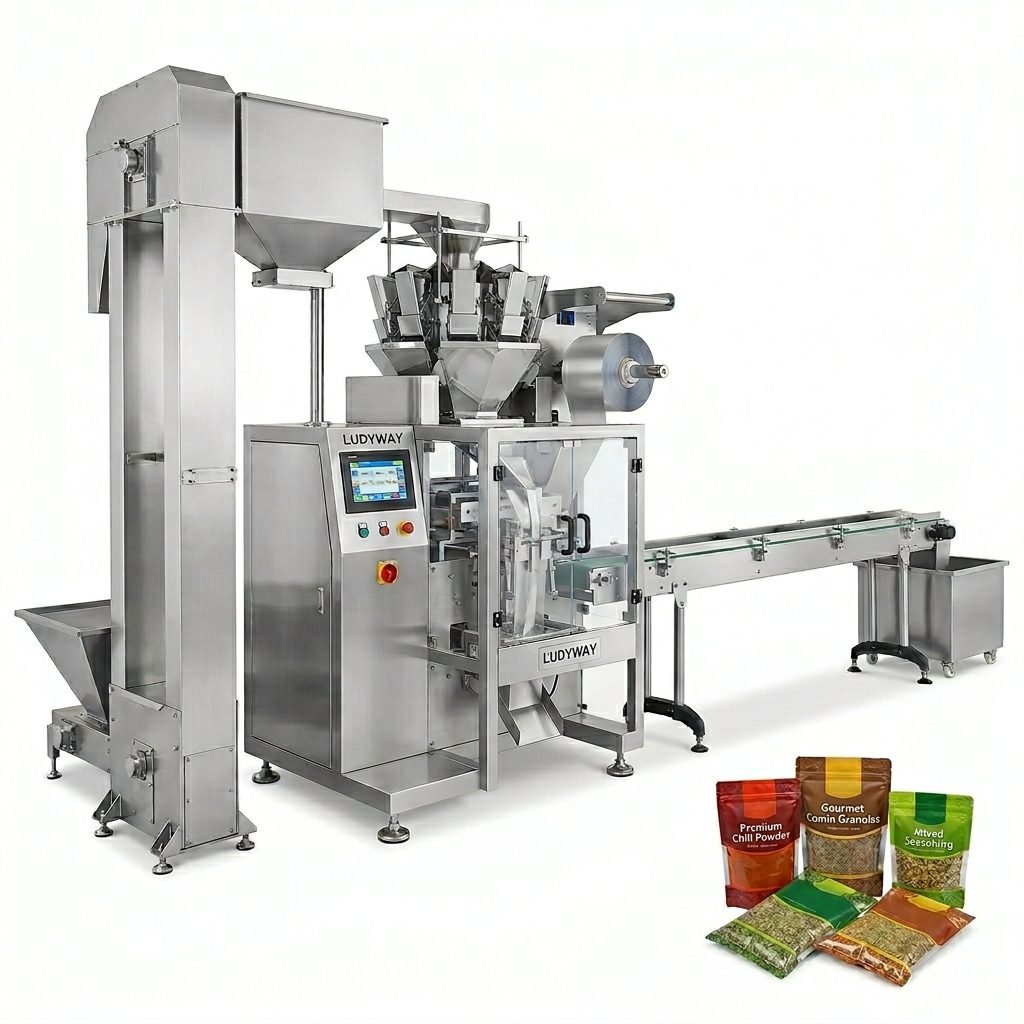
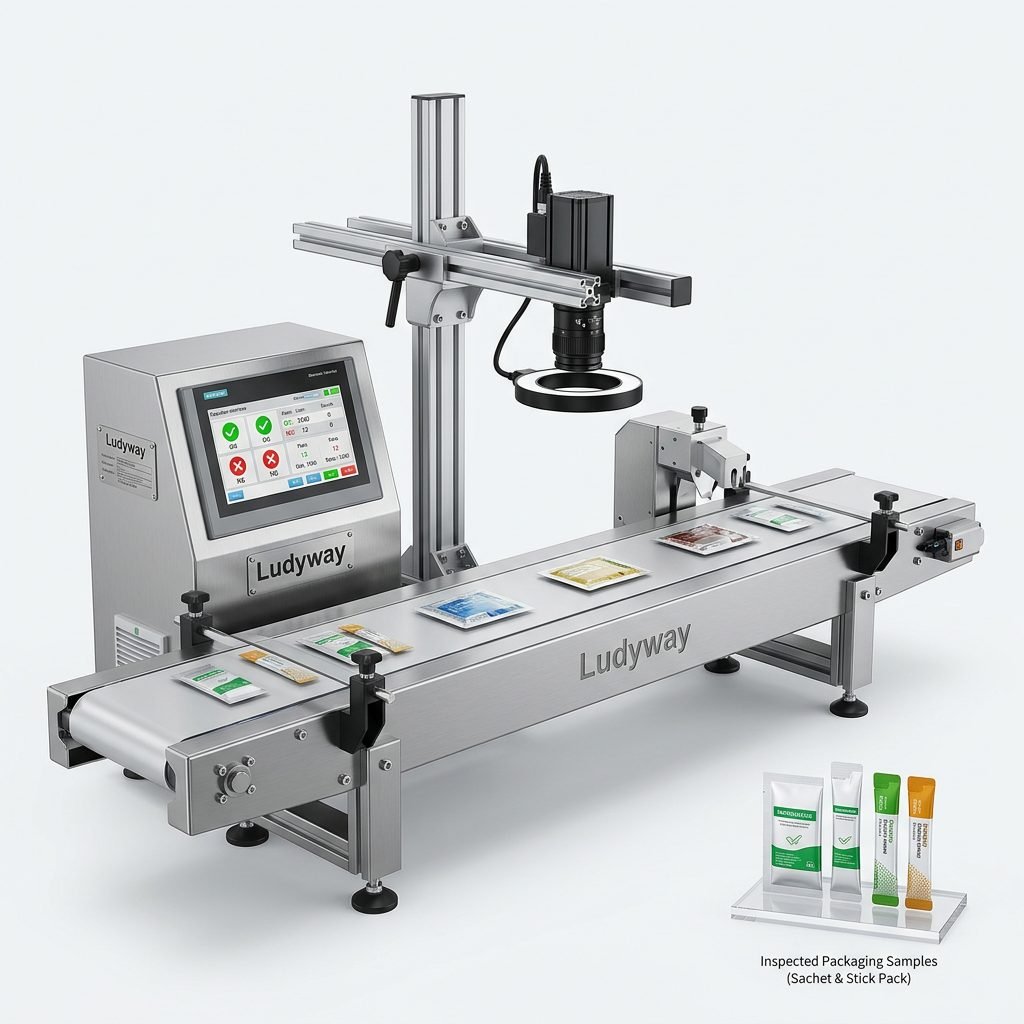
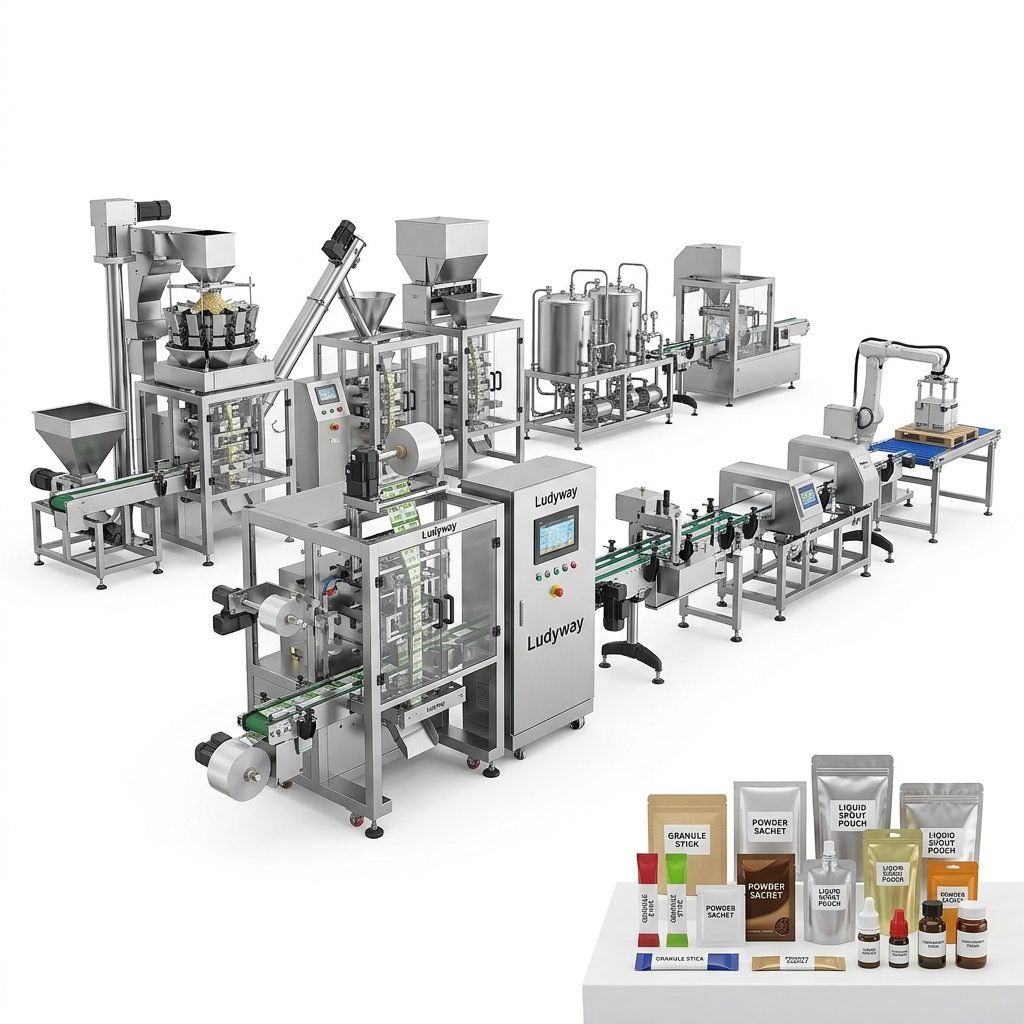
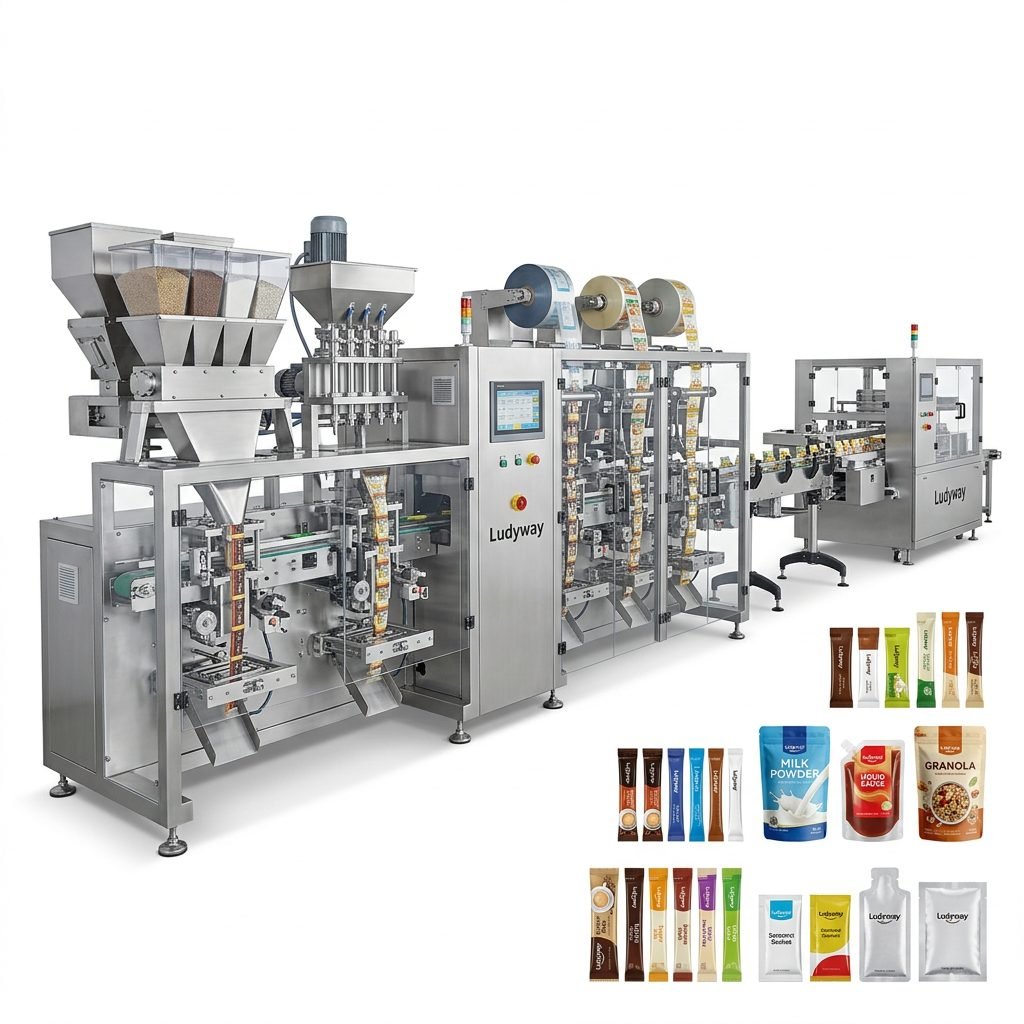
One notable example of this industry maturation is Ludyway, a major packaging machine manufacturer based in Guangdong, China, with over 30 years of experience. Their 20,000㎡ modern production facility and engineering team of more than 130 packaging experts reflect the scale and professionalism now available from top-tier Chinese suppliers, serving customers across 100+ countries with advanced equipment for granule, powder, and liquid packaging applications.
Steps to Finalize Your Egg Packaging Machine Purchase
Once you have shortlisted potential suppliers, follow this structured approach to close the deal confidently:
- Send Detailed RFQ: Include egg sizes, desired capacity, packaging format, voltage requirements, and any special features like printing or labeling.
- Request Video Demonstrations: Ask for videos of the actual machine running with eggs similar to yours, not just promotional footage.
- Negotiate Incoterms: Clarify whether pricing is FOB, CIF, or DAP. This significantly impacts your total landed cost.
- Secure Payment Terms: Standard terms include 30% deposit with 70% before shipment, verified by a third-party inspection.
- Plan for Installation: Coordinate with the supplier on whether they provide on-site setup or remote guidance, and factor this into your timeline.
Key Takeaways for Egg Packaging Machine Buyers
- Define your capacity and packaging format requirements before engaging suppliers.
- Prioritize build quality and after-sales support over low initial pricing.
- Verify certifications (CE, ISO) and request client references from your target market.
- Budget for installation, training, and spare parts in your total cost calculation.
- Leverage China’s advanced manufacturing capabilities while conducting thorough due diligence.
By following this guide, you can navigate the Chinese egg packaging machine market with confidence, securing equipment that drives efficiency, reduces waste, and positions your business for sustainable growth in the competitive poultry industry.
Useful Resources: