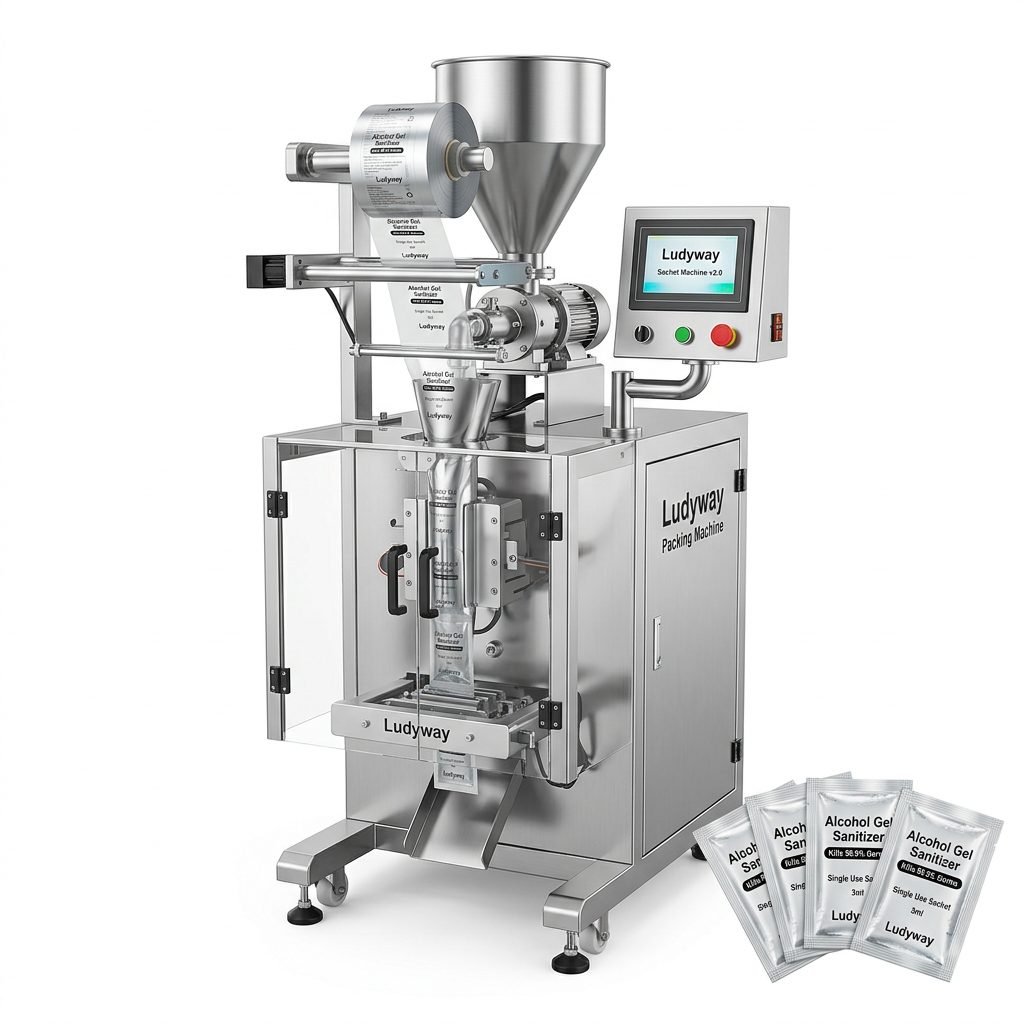
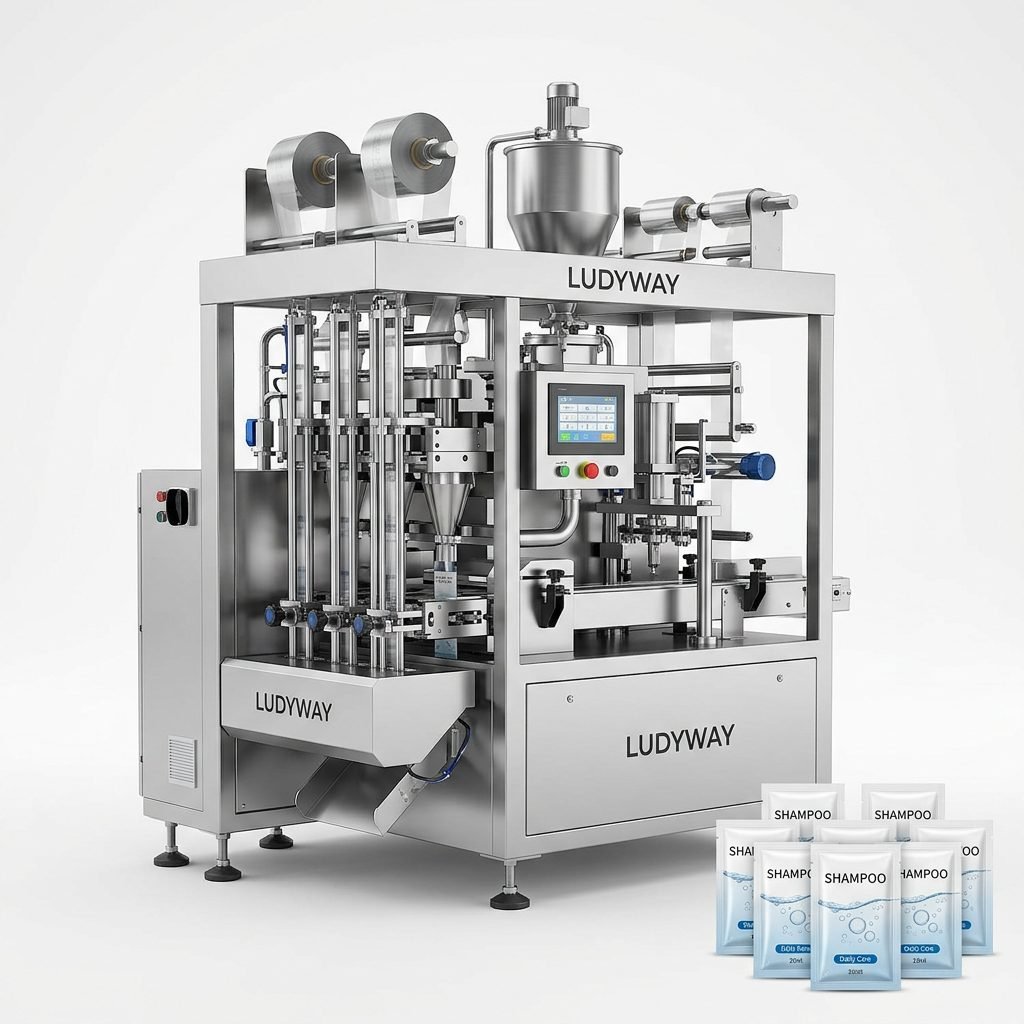
Investing in a tea sheet packing machine is a significant decision for any tea producer looking to scale operations, improve efficiency, and maintain product freshness. The cost of these machines varies widely based on automation level, speed, and customization requirements. This guide breaks down real-world price ranges, key cost drivers, and essential buying tips to help you make an informed procurement decision.
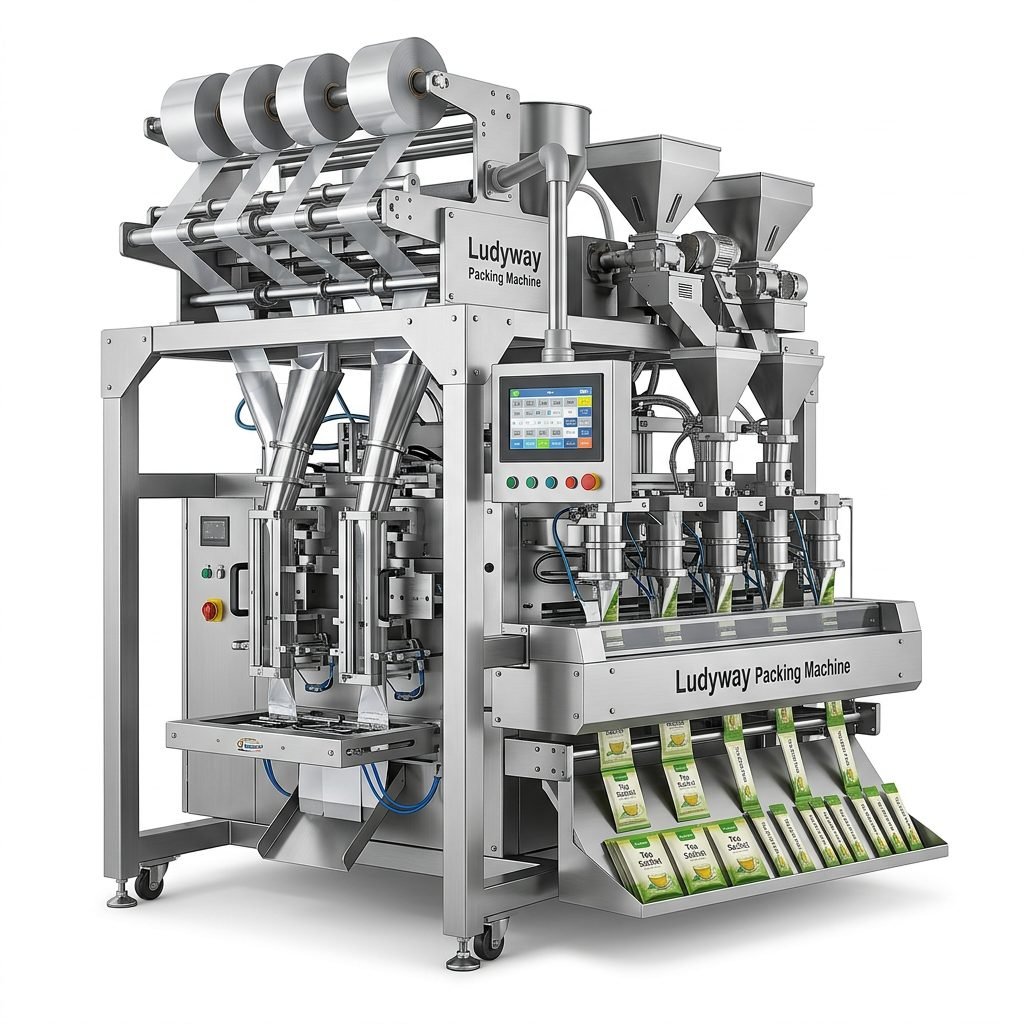
Key Factors That Determine Tea Sheet Packing Machine Prices
Before exploring specific numbers, it’s crucial to understand what drives the cost. The final price is rarely a fixed figure; it’s a reflection of your specific production needs. Here are the primary variables:
- Automation Level: Manual, semi-automatic, and fully automatic systems have dramatically different price points. A fully automatic packaging machinery line with robotic integration can cost several times more than a basic semi-automatic model.
- Packaging Speed: Machines are often categorized by output (packs per minute). High-speed multi-lane machines capable of producing hundreds of packs per minute command a premium.
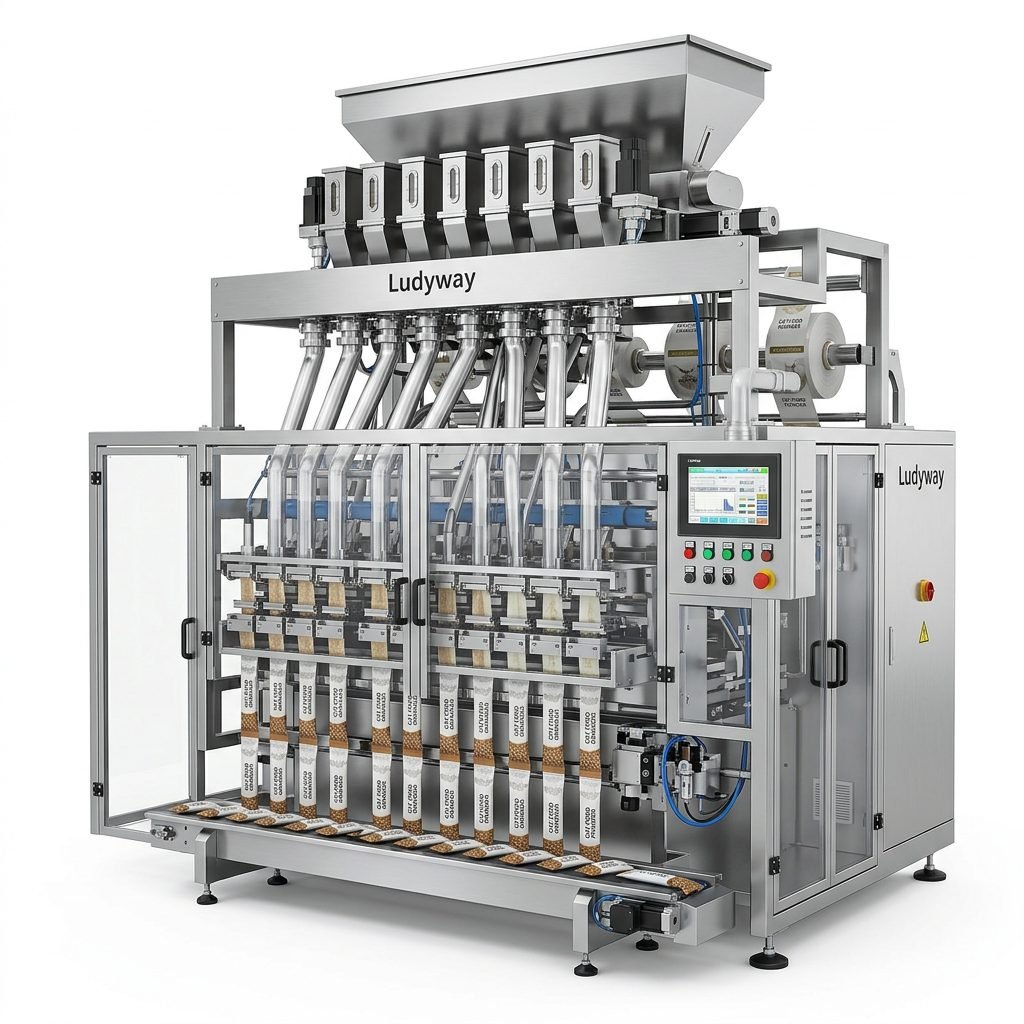
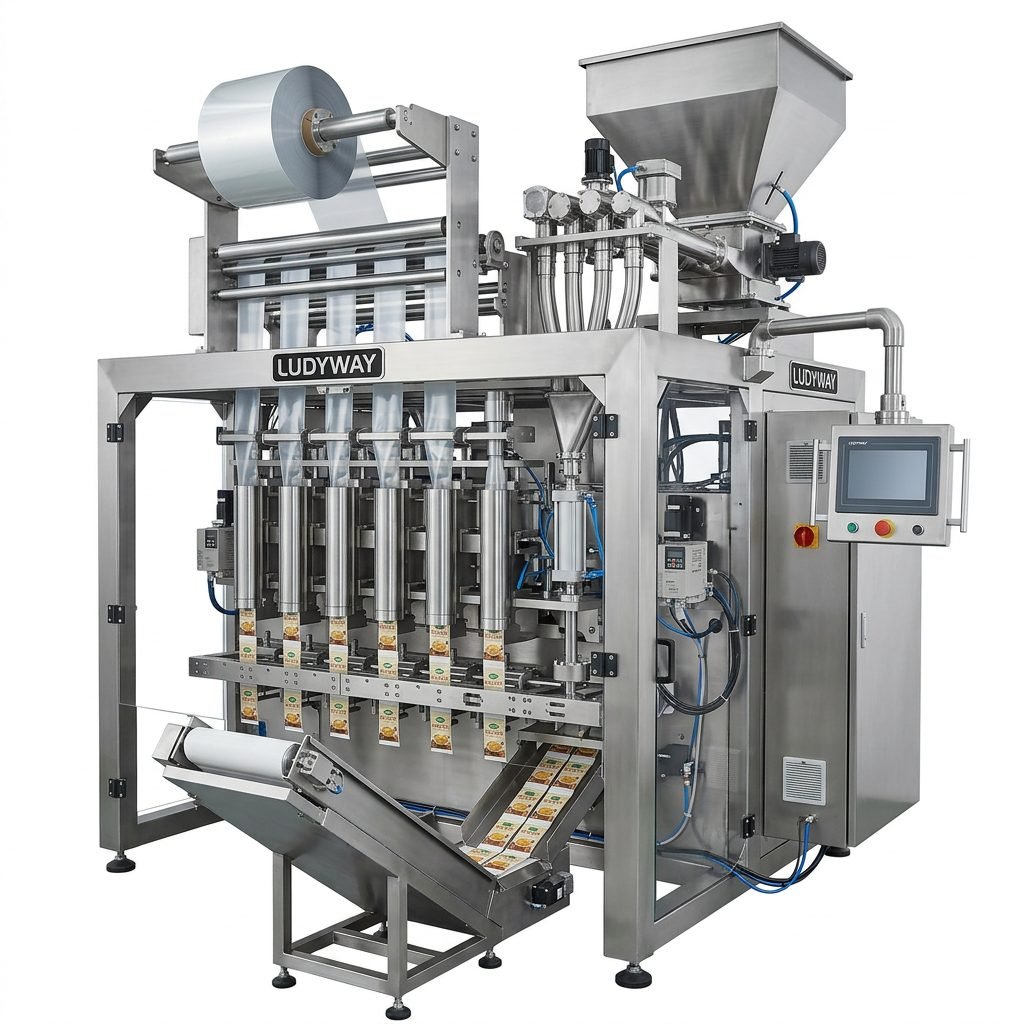
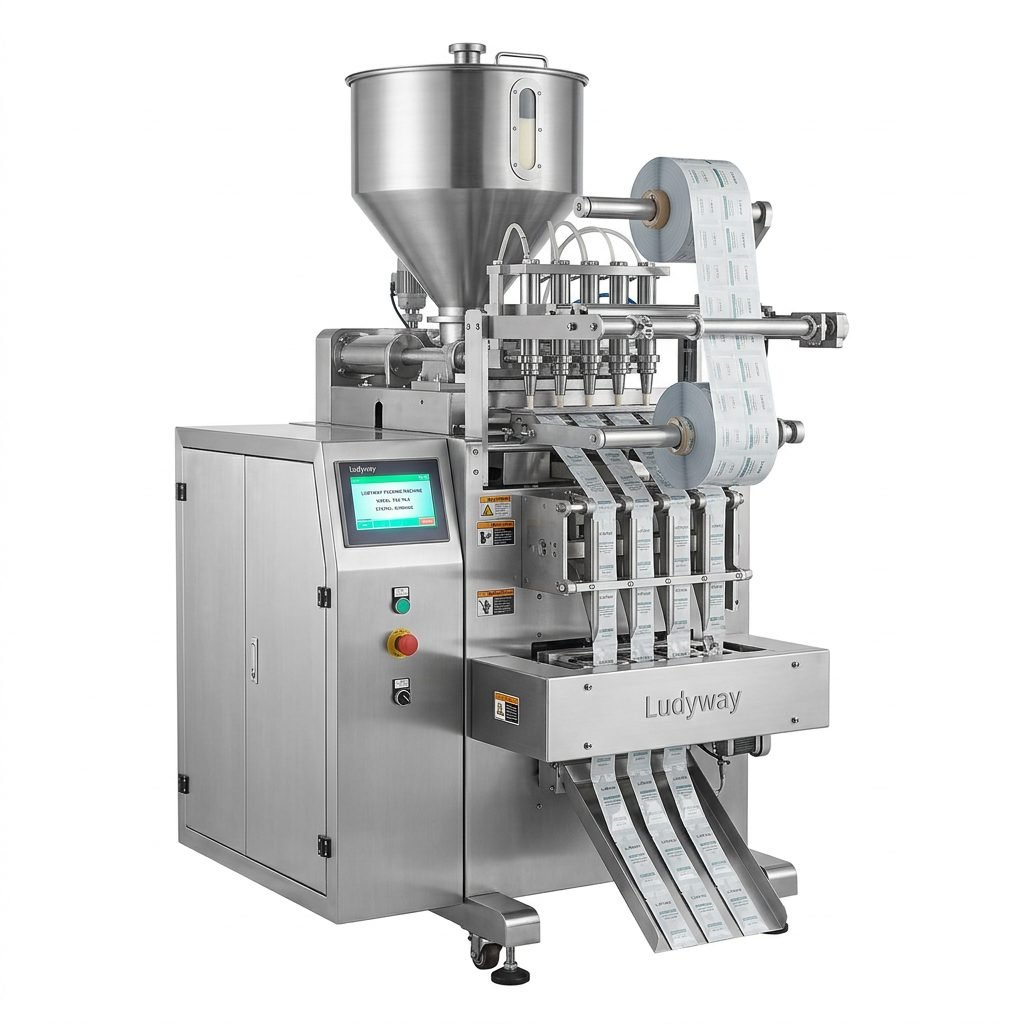
- Machine Configuration: A simple single-lane sachet machine is far less expensive than a sophisticated multi-lane stick pack system designed for tea sheets or granules.
- Construction Material and Build Quality: Food-grade stainless steel construction and compliance with international standards (like CE or FDA) increase material and manufacturing costs but are essential for hygiene and longevity.
- Customization and Features: Add-ons such as nitrogen flushing for extended shelf life, zipper applicators, advanced dosing systems, and integrated checkweighers all add to the total investment.
Typical Price Ranges for Tea Sheet Packing Machines
The following table provides an estimated price spectrum based on machine type and production scale. Note that these are indicative figures, and a detailed quotation will depend on your exact specifications.
| Machine Type / Capacity | Automation Level | Estimated Price Range (USD) | Best Suited For |
|---|---|---|---|
| Small Tabletop / Single-Lane | Semi-Automatic | $5,000 – $15,000 | Startups, small tea shops, low-volume production |
| Single-Lane Vertical Form Fill Seal (VFFS) | Fully Automatic | $15,000 – $35,000 | Medium-scale producers, single-flavor runs |
| Multi-Lane Stick Pack Machine (2-4 Lanes) | Fully Automatic | $28,000 – $60,000 | High-volume tea powder and sheet packaging |
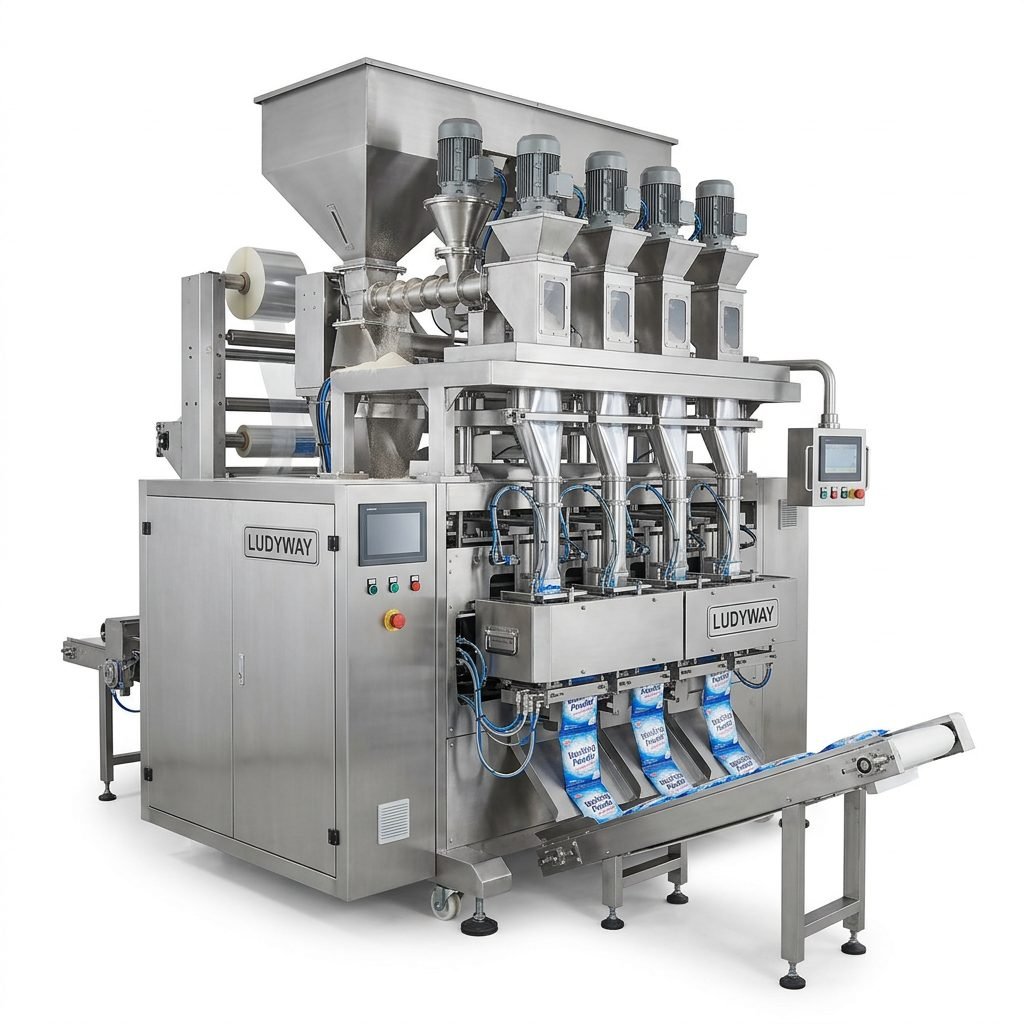
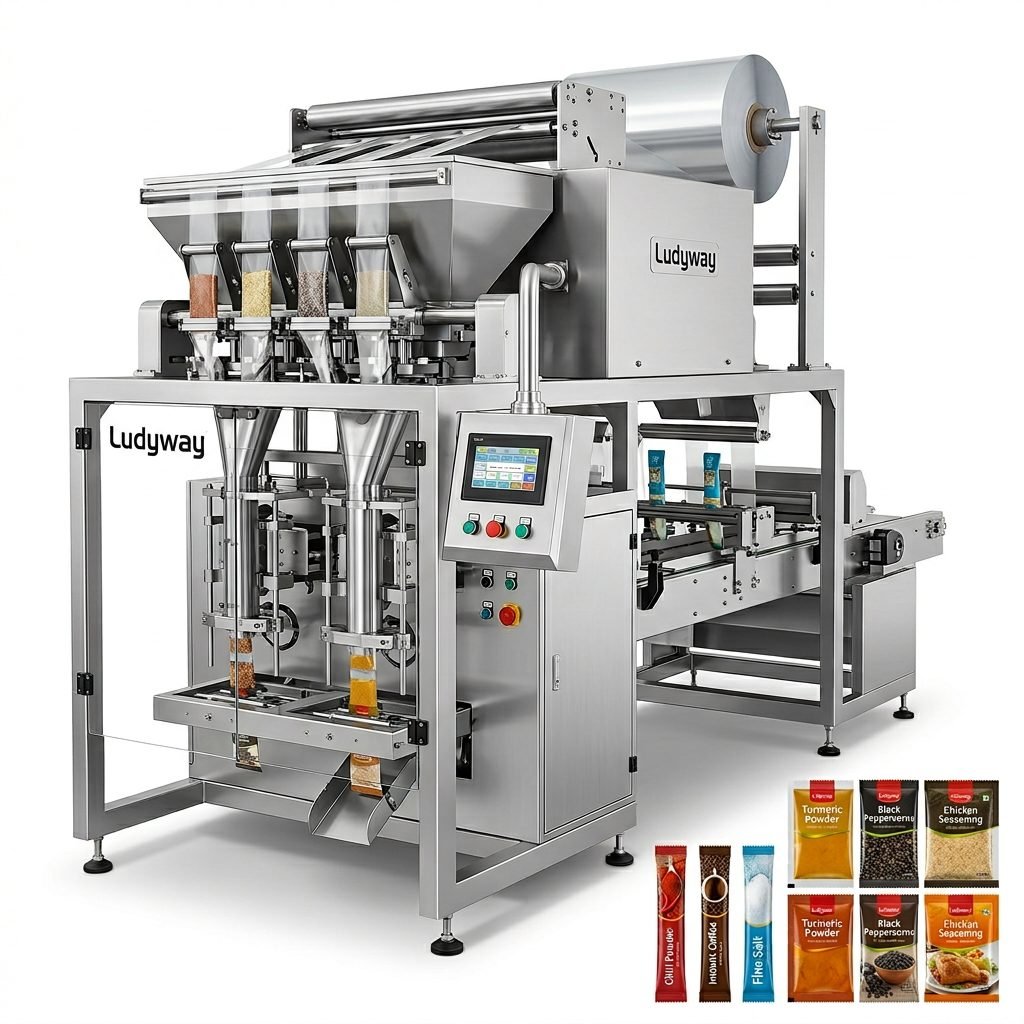
| High-Speed Multi-Lane (6-12 Lanes) | High-End Automatic | $55,000 – $120,000+ | Large-scale manufacturers, 24/7 operations |
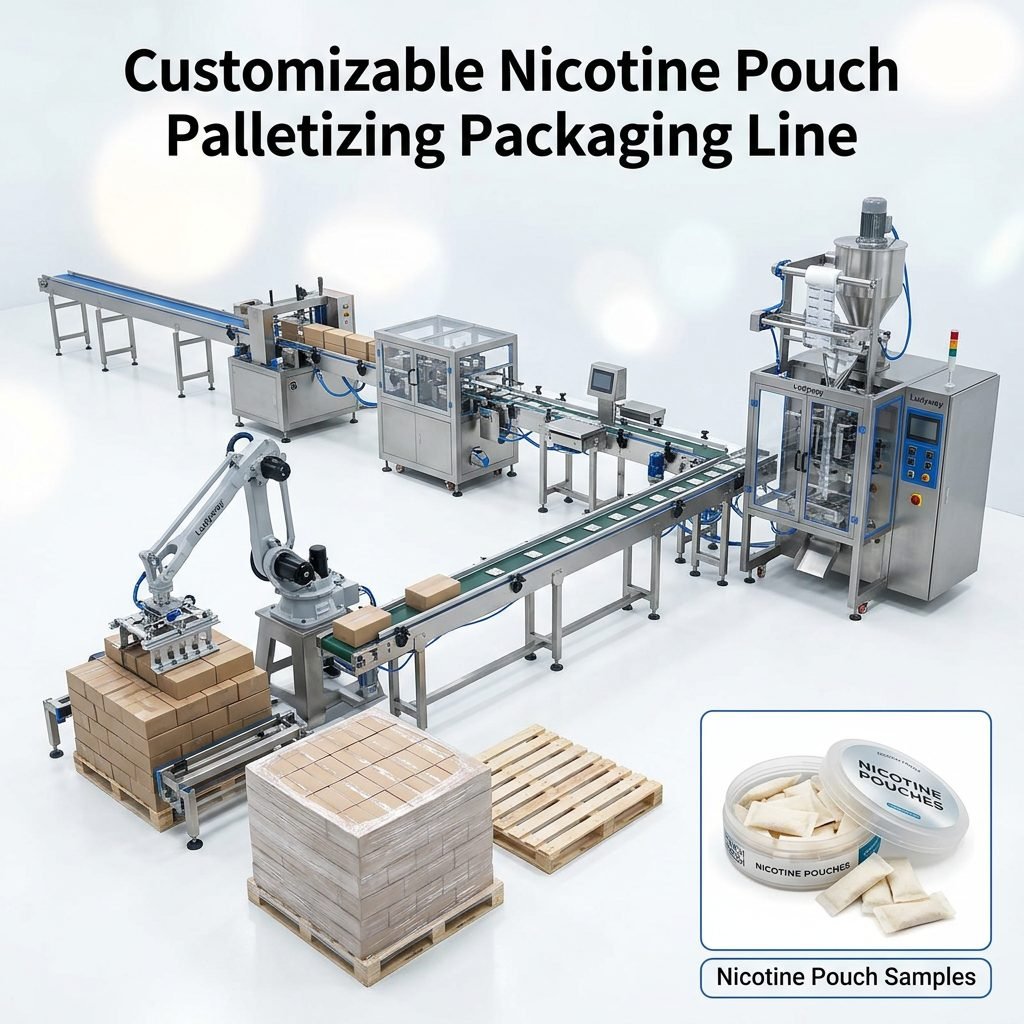
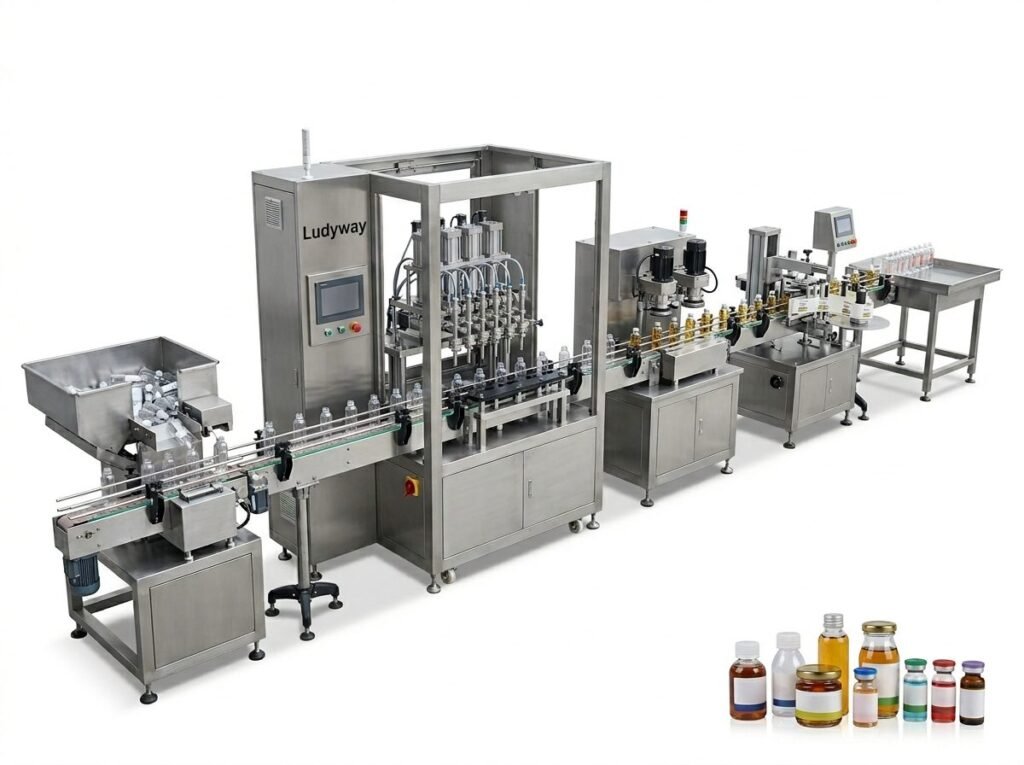
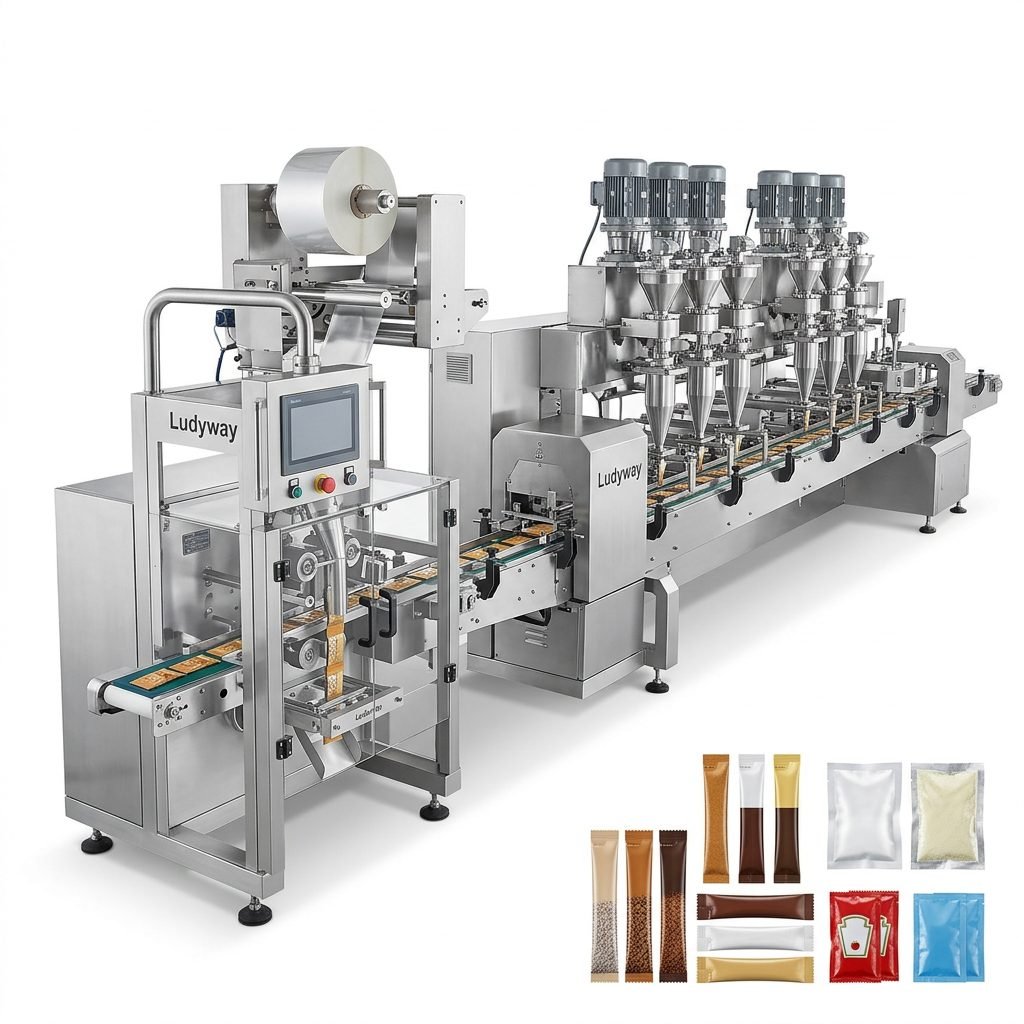
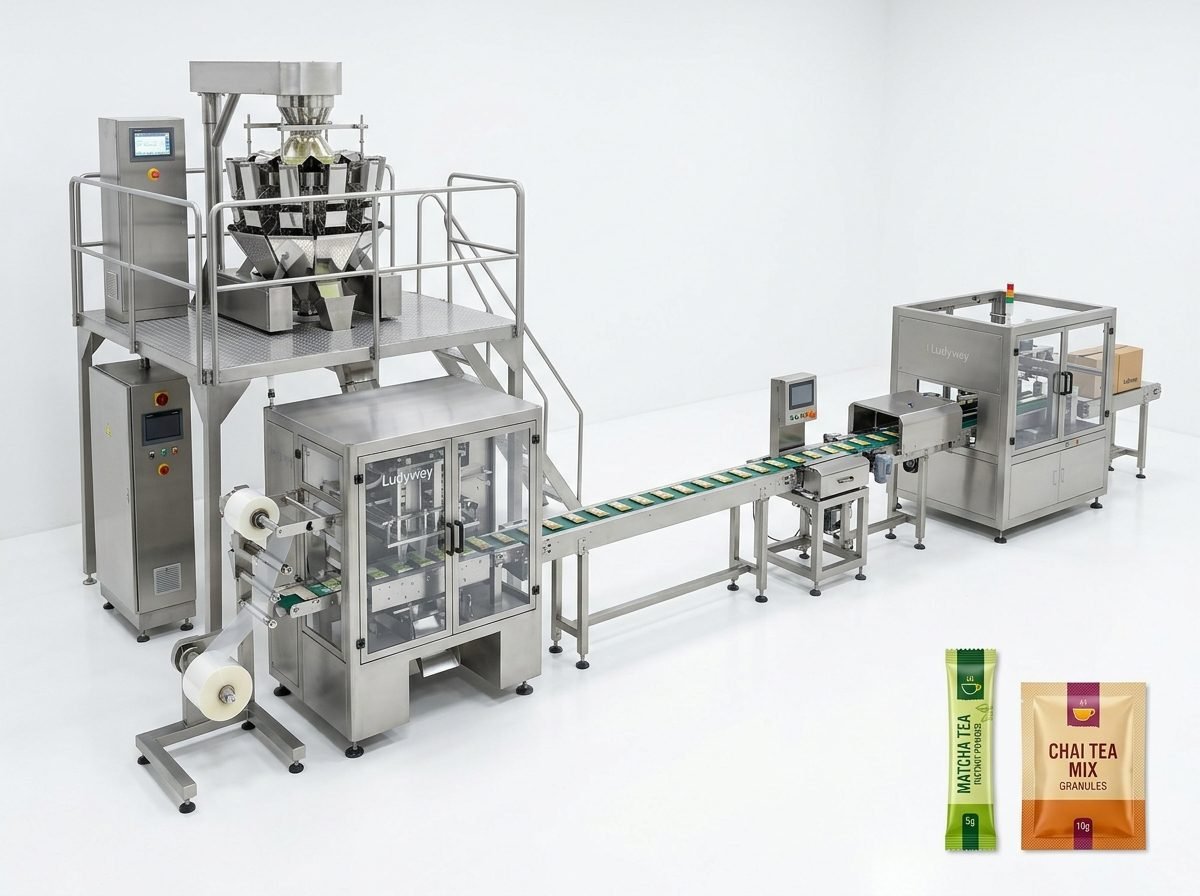
| Complete Turnkey Packaging Line | Fully Integrated & Automated | $100,000 – $300,000+ | Full-scale industrial production with cartoning and palletizing |
Beyond the Initial Price: Hidden Costs to Consider
The sticker price is just the beginning. To calculate the total cost of ownership, you must factor in several additional expenses that can significantly impact your budget:
- Shipping and Import Duties: For international purchases, freight costs (especially for heavy machinery) and customs clearance tariffs can add 5% to 15% to the total cost.
- Installation and Commissioning: Technician travel, on-site setup, and operator training are often quoted separately.
- Spare Parts and Consumables: Budget for regular wear items like sealing jaws, cutting blades, and forming tubes.
- Ongoing Maintenance: Preventive maintenance contracts protect your investment and prevent costly downtime.

Essential Buying Tips for Your Tea Sheet Packaging Investment
Making the right choice requires due diligence. Use these tips to navigate the procurement process and secure the best value.
1. Define Your Production Requirements with Precision
Analyze your current and projected output. Specify the pack formats (sachet, stick pack, or custom shapes), bag dimensions, fill weights, and film materials you intend to use. The more detail you provide to potential suppliers, the more accurate your quotes will be. As highlighted by industry resources from organizations like the Flexible Packaging Association, material compatibility is a critical factor in machine selection.
2. Evaluate Manufacturer Credibility and Support
Look beyond the sales pitch. Investigate the manufacturer’s track record, client testimonials, and after-sales service network. A machine is only as good as the support behind it. For instance, Ludyway, one of the largest packaging machine manufacturers in China, supports clients in over 100 countries with comprehensive technical assistance and spare parts supply, which is a crucial factor in long-term operational reliability.
3. Insist on Video Demonstrations and Factory Visits
Never buy unseen. Request video proof of a machine running your specific product or a very similar material. If possible, visit the manufacturing facility to inspect build quality and conduct a Factory Acceptance Test (FAT). Pay close attention to the machine’s frame rigidity, sealing consistency, and ease of changeover.
4. Compare Turnkey vs. Standalone Machine Pricing
While a standalone machine is cheaper upfront, a turnkey system that integrates feeding, primary packaging, checkweighing, and cartoning can dramatically reduce labor costs and product handling errors in the long run. Get quotes for both scenarios to understand the ROI timeline for a fully integrated solution.
5. Negotiate Warranties and Service Level Agreements
A standard warranty is typically 12 months. Negotiate firmly for extended coverage on critical components like PLC systems and servo motors. A clear Service Level Agreement (SLA) that defines response times for remote and on-site support is essential to minimize production disruptions.

Understanding Technology Trends That Affect Price
The packaging industry is evolving rapidly, and new technologies can influence both the initial cost and the long-term efficiency of your operation. Opting for machinery with modern features may involve a higher upfront price but often results in significant operational savings. Key technologies to consider include servo-driven systems for precision filling, IoT capabilities for remote diagnostics and production monitoring, and tool-free changeover designs that reduce downtime between product runs. These innovations, often discussed in state-of-the-industry reports, are becoming standard in high-performance equipment and directly contribute to lower total cost of ownership through reduced waste and increased efficiency. When evaluating quotes, ask suppliers to itemize the cost of these upgrades versus a base mechanical model to make a clear value assessment.
Final Thoughts on Budgeting for Your Machine
The cost of a tea sheet packing machine ranges from a few thousand dollars for entry-level units to over $300,000 for comprehensive, high-speed production lines. The key is to align your budget with a machine that not only meets your current throughput needs but also offers the flexibility to grow with your business. Prioritize build quality, after-sales support, and total cost of ownership over the lowest initial price. By following a structured evaluation process and partnering with a reputable supplier, your investment will deliver reliable performance and a strong return for years to come.