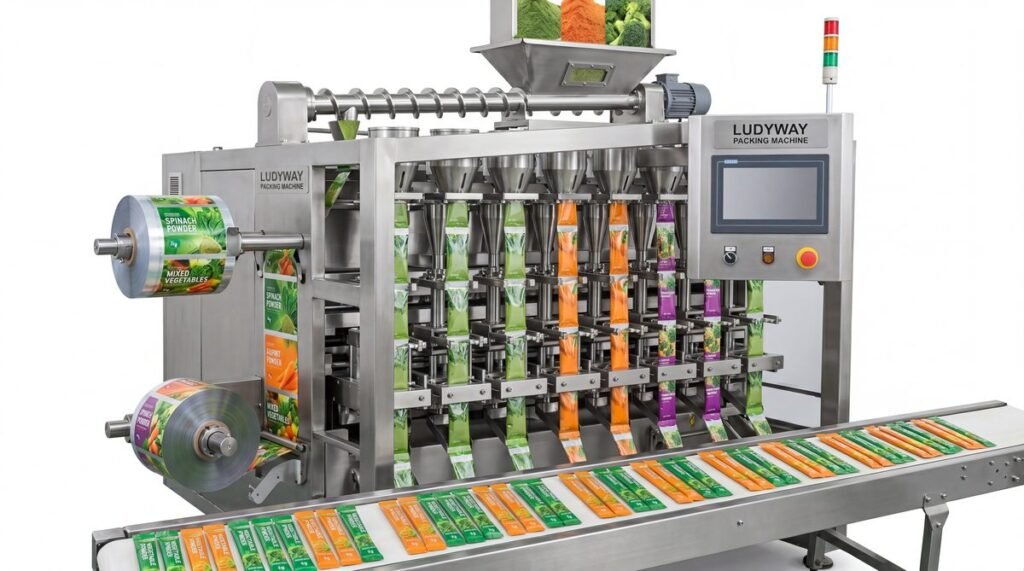
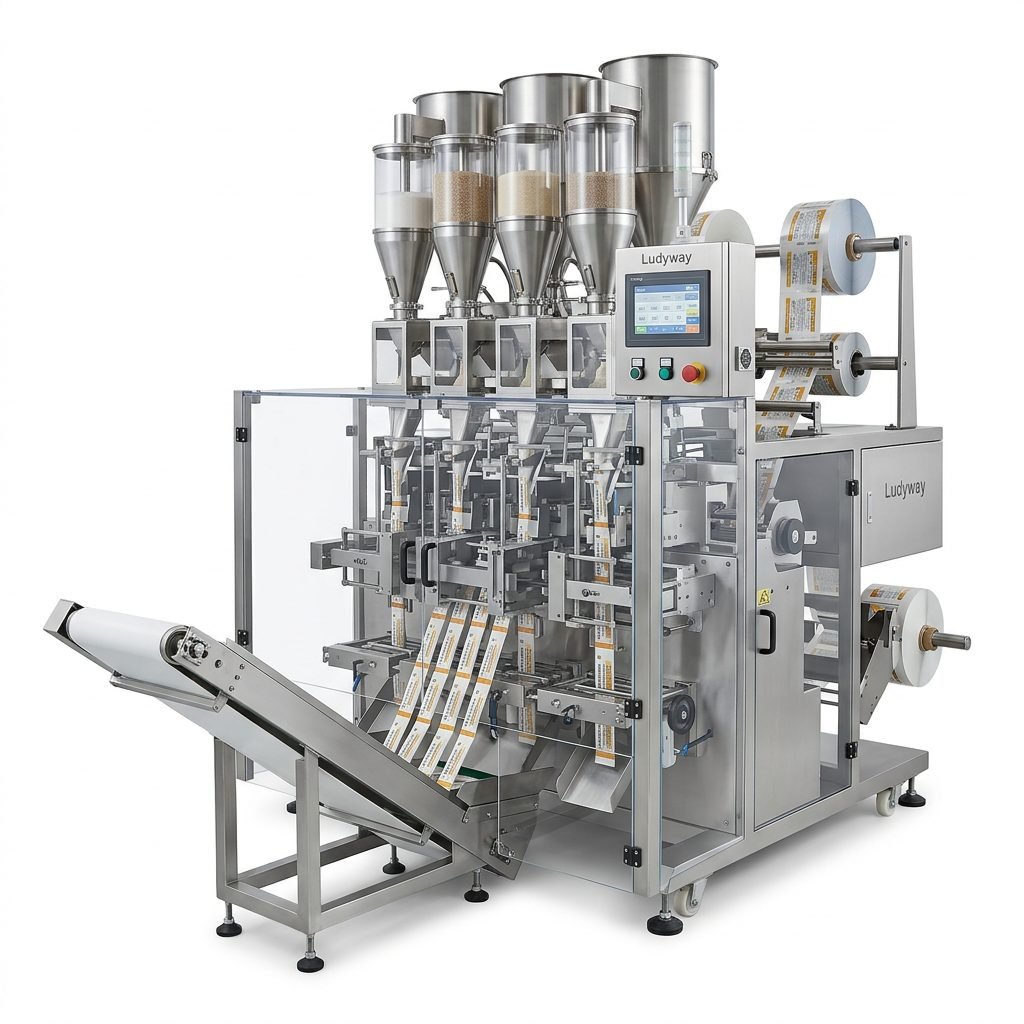
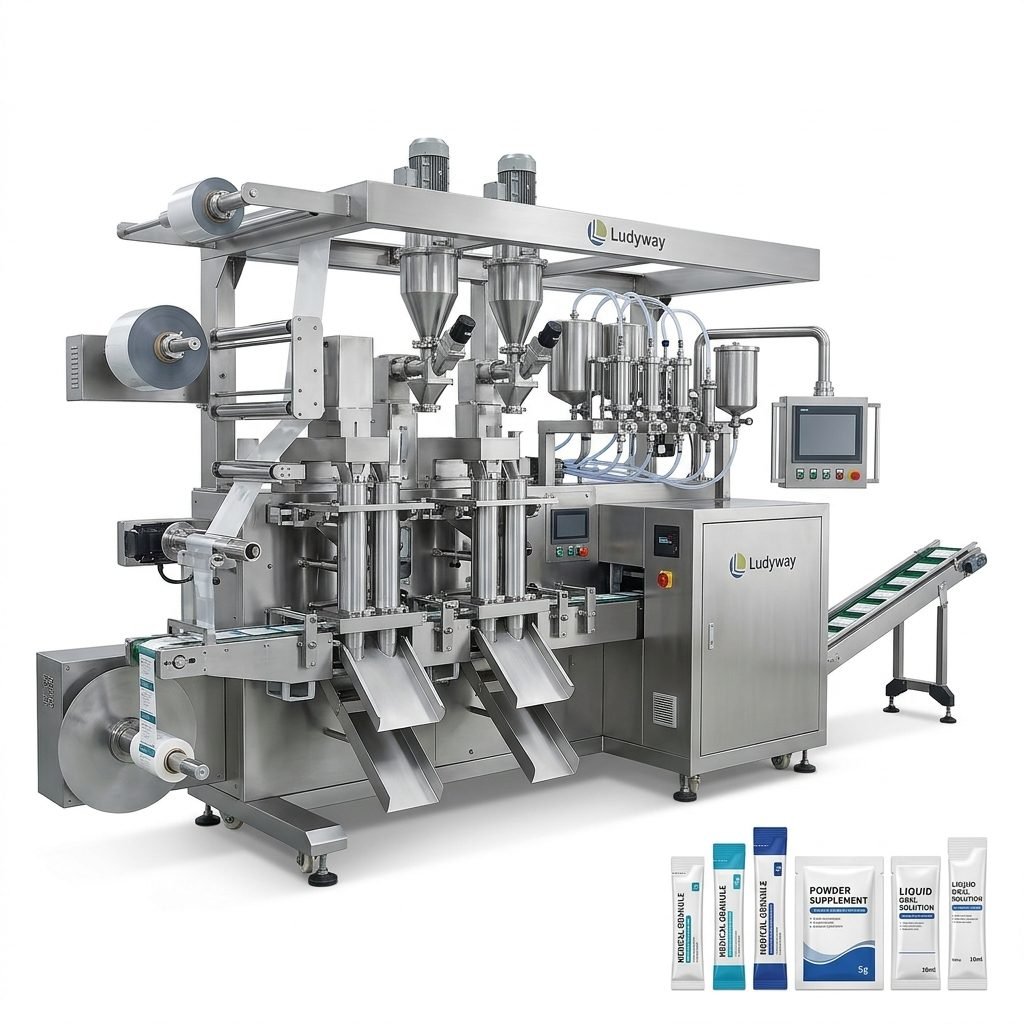
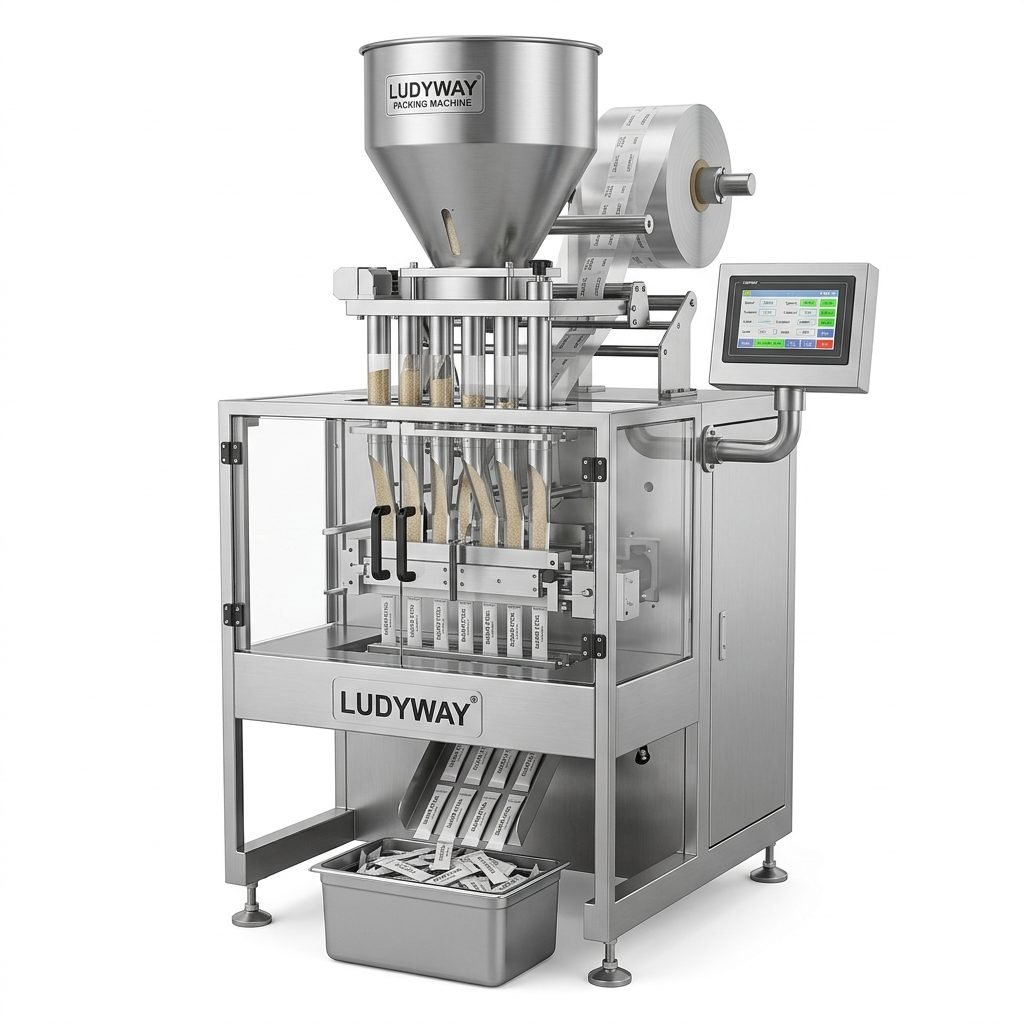
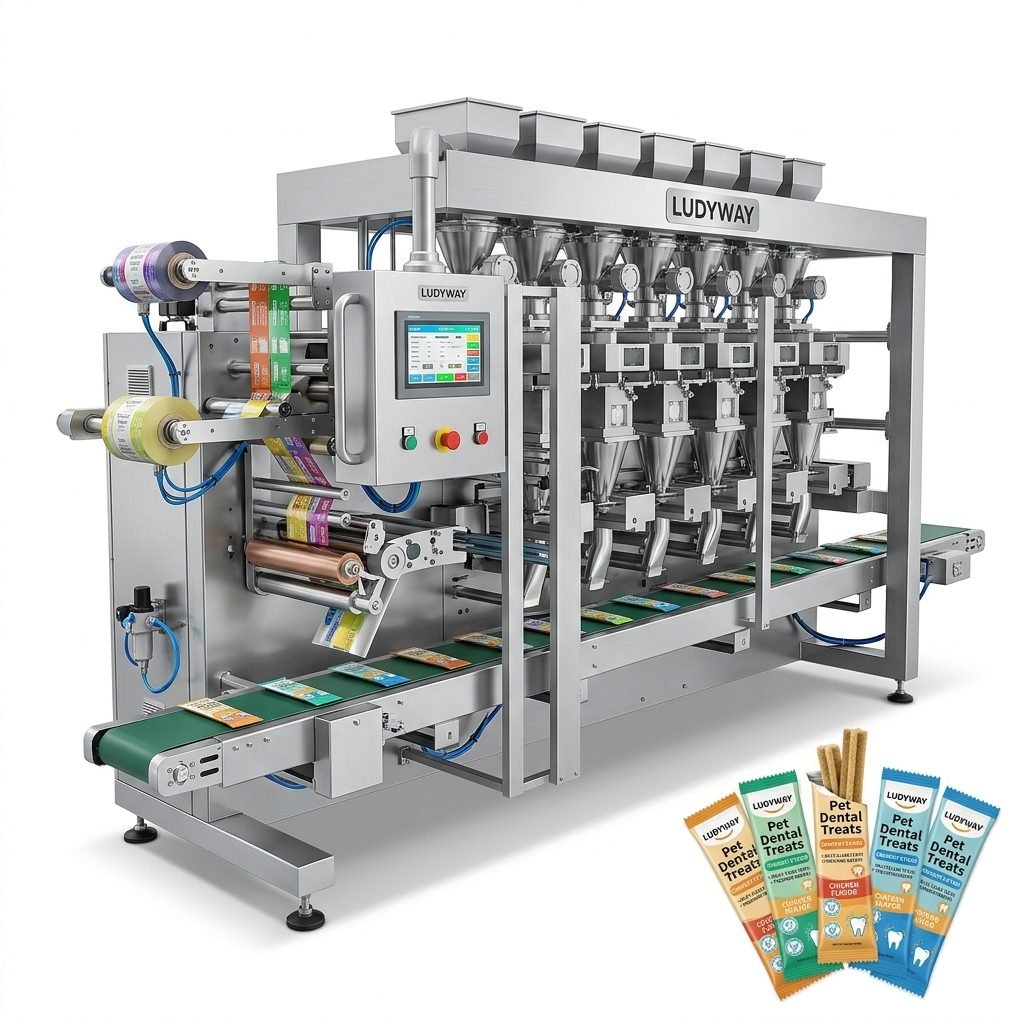
A tabletop vacuum skin packaging machine is a critical asset for food service operations, retail meat departments, and small-scale processing facilities. Proper maintenance ensures extended equipment lifespan, consistent seal quality, and compliance with food safety standards. This guide outlines proven cleaning protocols and essential care techniques to keep your machine operating at peak performance.

Why Regular Maintenance Matters
Neglecting routine cleaning of your vacuum skin packaging machine can lead to contamination risks, seal failures, and costly downtime. Food particles, grease, and moisture accumulate on critical components, compromising both hygiene and functionality. A well-maintained machine delivers airtight seals that preserve product freshness and extend shelf life. For facilities handling meat, seafood, or ready-to-eat products, daily cleaning is not optional—it is a regulatory requirement under FDA food packaging guidelines.
Daily Cleaning Checklist
Implementing a structured daily cleaning routine prevents buildup and ensures operational reliability. Follow these steps after each production cycle:
- Power down and unplug the machine completely before any cleaning activity
- Remove and wash all removable parts including trays, inserts, and film holders with warm soapy water
- Wipe down the sealing gasket area using a soft, lint-free cloth dampened with food-safe sanitizer
- Clean the vacuum chamber surface to remove any product residue or liquid spills
- Inspect the seal bar and Teflon tape for signs of wear, burns, or food adhesion
- Dry all surfaces thoroughly before reassembly to prevent mold and bacterial growth
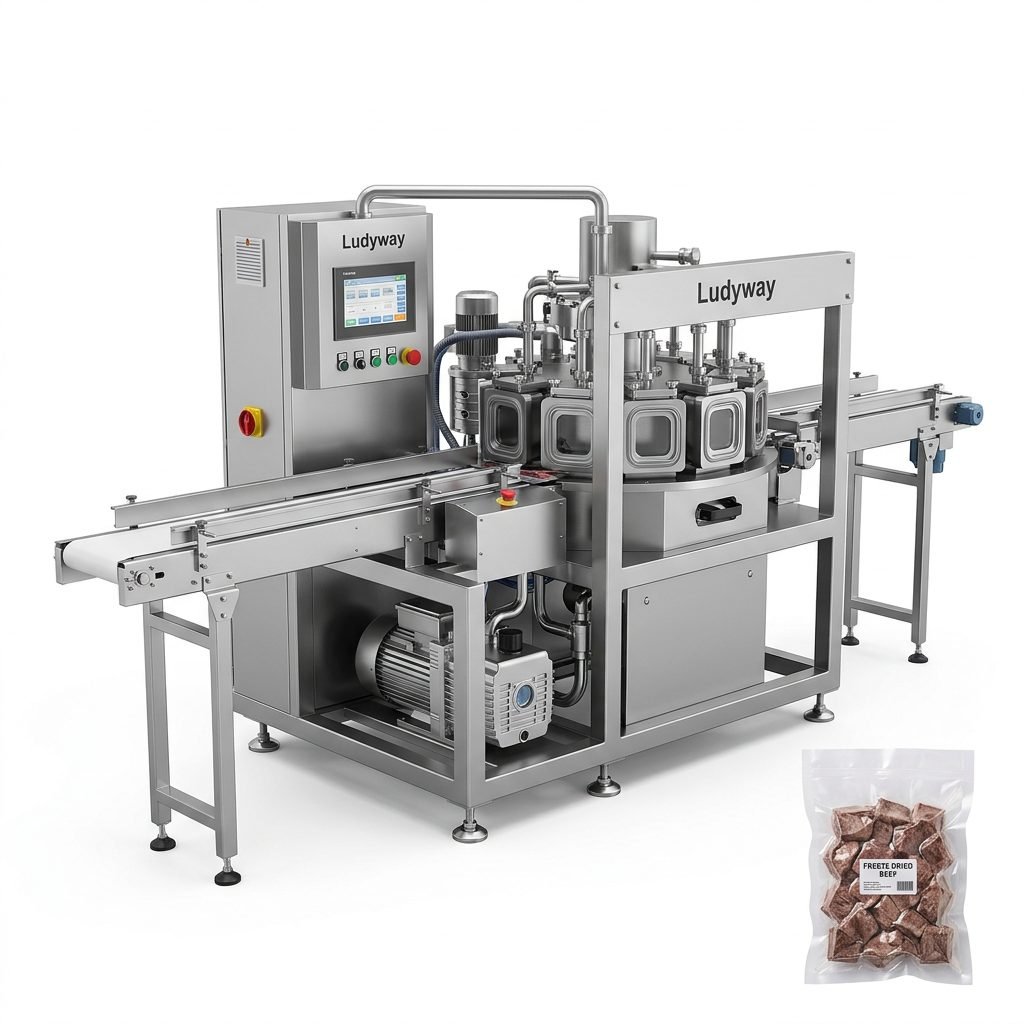
Weekly Deep Cleaning Procedures
Beyond daily wipe-downs, a thorough weekly cleaning addresses areas that accumulate hidden debris. This deeper maintenance cycle preserves vacuum efficiency and prevents unpleasant odors from developing inside the chamber.
Vacuum Chamber and Lid Maintenance
Remove the lid or chamber cover if your model allows it. Use a non-abrasive cleaner to scrub the interior chamber walls, paying special attention to corners where residue collects. Never use steel wool or harsh abrasives that could scratch sealing surfaces and compromise vacuum integrity. Rinse with a damp cloth and dry completely before reassembly.
Seal Bar and Heating Element Care
The seal bar is the heart of your packaging operation. Over time, Teflon tape may degrade or food residue may bake onto the heating element. Replace Teflon tape weekly or whenever visible damage appears. Gently scrape any carbonized residue from the heating wire using a plastic scraper—never metal tools that could damage the element. Proper seal bar maintenance directly impacts package integrity and is referenced in ISO packaging standards.
Critical Component Maintenance Schedule
The following table outlines recommended maintenance intervals for key components of your tabletop vacuum skin packaging machine:
| Component | Daily | Weekly | Monthly |
|---|---|---|---|
| Seal Bar / Teflon Tape | Visual inspection & wipe | Replace Teflon if worn | Full bar cleaning |
| Vacuum Pump Oil | Check oil level | Inspect oil clarity | Change oil if cloudy |
| Chamber Gaskets & Seals | Wipe clean with damp cloth | Inspect for cracks | Apply food-grade lubricant |
| Vacuum Hoses & Fittings | — | Check connections | Inspect for blockages |
| Electrical Connections | — | — | Check for loose wires |
Vacuum Pump Oil Management
The vacuum pump is the engine behind every successful skin packaging cycle. Oil condition directly affects vacuum performance. Check the oil level daily through the sight glass and top up if needed using manufacturer-recommended vacuum pump oil. Cloudy or milky oil indicates moisture contamination and requires immediate replacement. Delaying oil changes can lead to pump damage, reduced vacuum pressure, and incomplete skin packaging. Refer to the PMMI packaging industry resources for additional guidance on pump maintenance best practices.
Seal Integrity Troubleshooting
When package seals begin to fail, identify the root cause quickly using this diagnostic approach:
- Wrinkled or weak seals — Check seal bar temperature settings and ensure Teflon tape is smooth and intact
- Incomplete vacuum or air pockets — Inspect chamber gaskets for cracks and verify the lid closes completely
- Burned or melted film edges — Reduce seal time or temperature; verify film compatibility with your machine model
- Oil residue on packages — Check for vacuum pump oil leaks and clean the chamber interior immediately

Sanitization and Food Safety Compliance
Maintaining a sanitary packaging environment is essential for HACCP compliance and food safety audits. Use only food-grade sanitizers approved for indirect food contact surfaces. After cleaning with detergent, apply sanitizer to all product contact areas and allow proper contact time before wiping dry. Document your cleaning procedures to demonstrate compliance during inspections. The FDA’s food contact substances regulations provide authoritative guidance on approved materials and cleaning chemicals for packaging equipment.
Preventive Storage Practices
When your tabletop vacuum skin packaging machine is not in active use, proper storage conditions protect sensitive components:
- Cover the machine with a breathable dust cover—not plastic sheeting that traps moisture
- Store in a climate-controlled environment away from extreme temperatures and humidity
- Leave the chamber lid slightly open to allow air circulation and prevent gasket compression
- Run a short maintenance cycle monthly even during extended downtime to keep the pump lubricated
When to Call a Professional Technician
While routine maintenance is manageable in-house, certain issues warrant professional attention. If you notice persistent vacuum loss, unusual pump noises, electrical malfunctions, or repeated seal failures despite following all maintenance protocols, contact a qualified service provider. For long-term reliability, schedule an annual professional inspection to calibrate temperature controls, test vacuum performance, and replace worn internal components before they cause production downtime.
Investing in consistent maintenance protects both your equipment and your product quality. As a leading global manufacturer specializing in advanced packaging solutions, Ludyway engineers packaging machines for durability, but even the best equipment requires proper care to deliver years of dependable service. For additional technical support or replacement parts, consult your machine’s user manual or reach out to your equipment supplier directly.
Key Takeaways for Long-Term Performance
Consistent attention to cleaning, oil management, and component inspection forms the foundation of effective vacuum skin packaging machine maintenance. Document every maintenance activity to build a reliable service history and identify patterns before failures occur. For further reading on packaging machinery standards and maintenance frameworks, explore resources from the Flexible Packaging Association knowledge hub and the comprehensive industry reports available through PMMI’s business intelligence library.