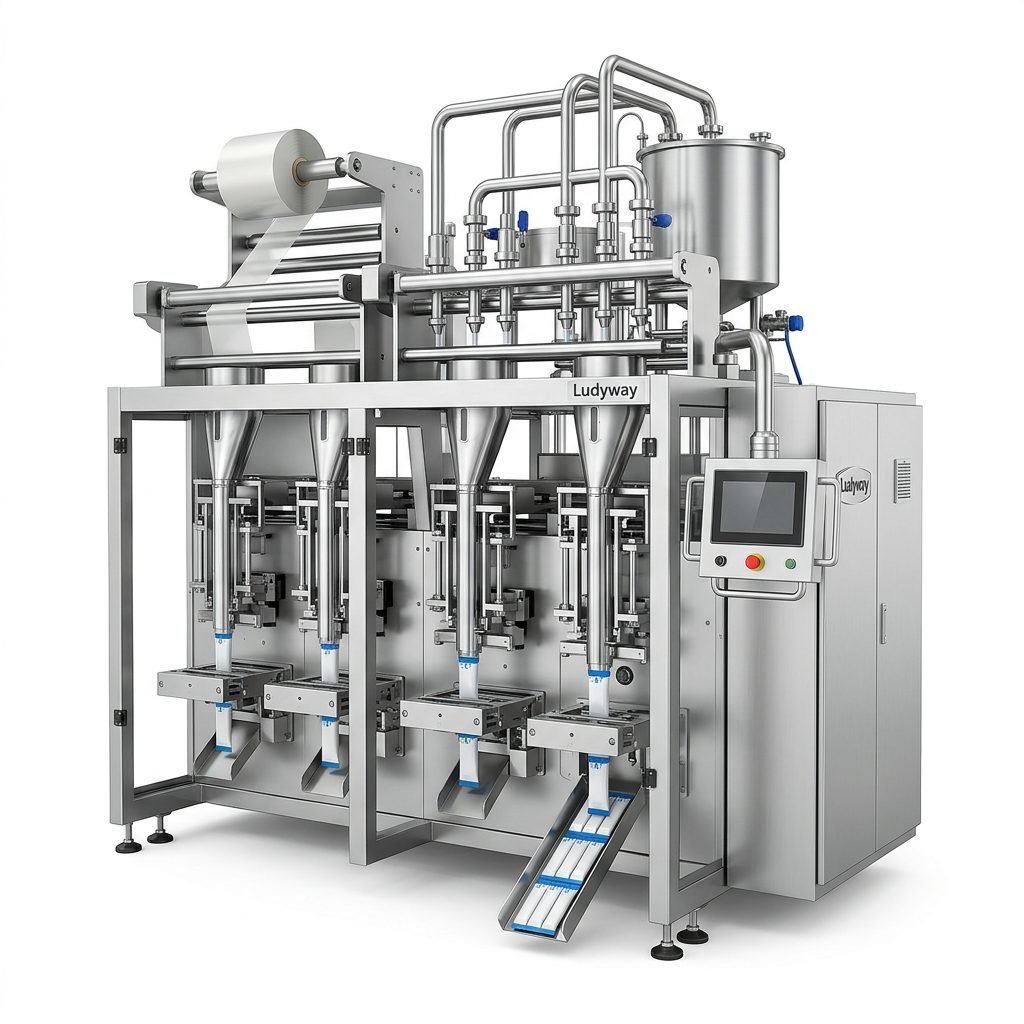
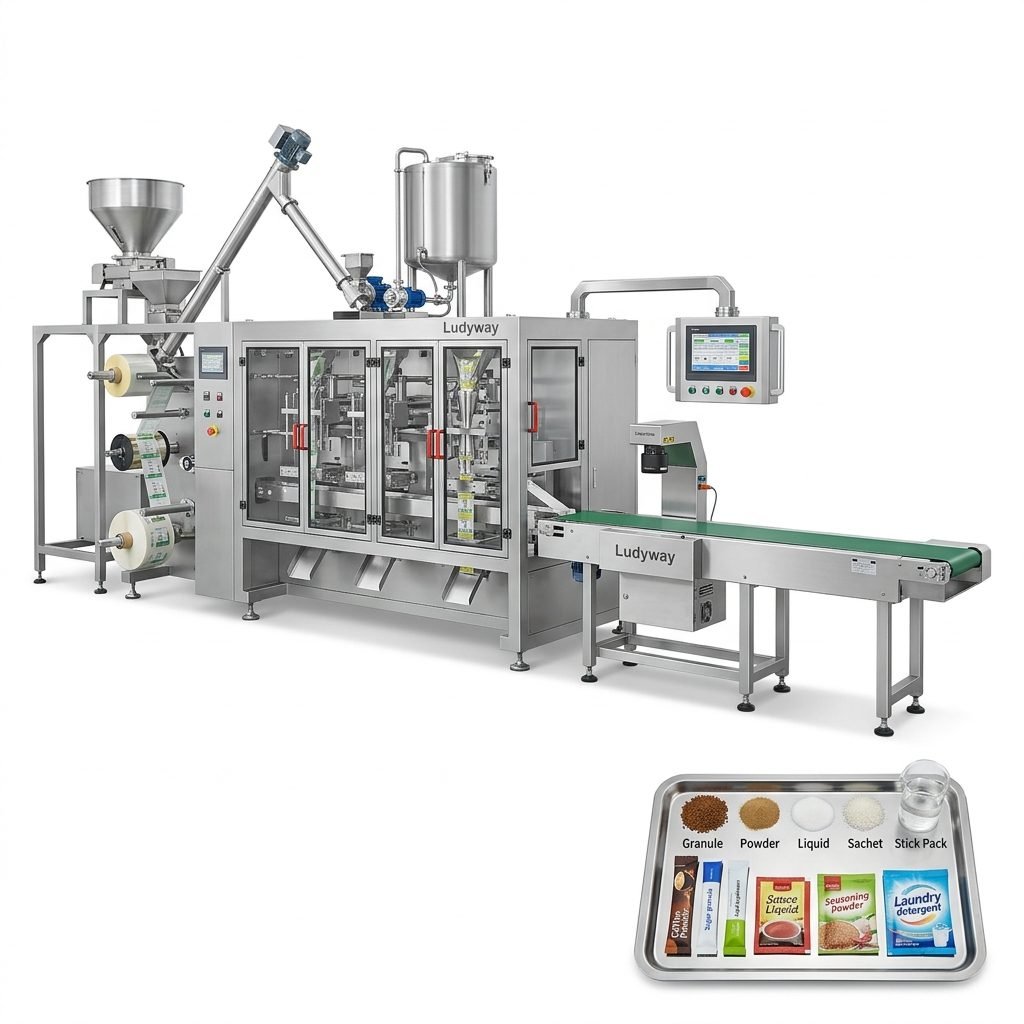
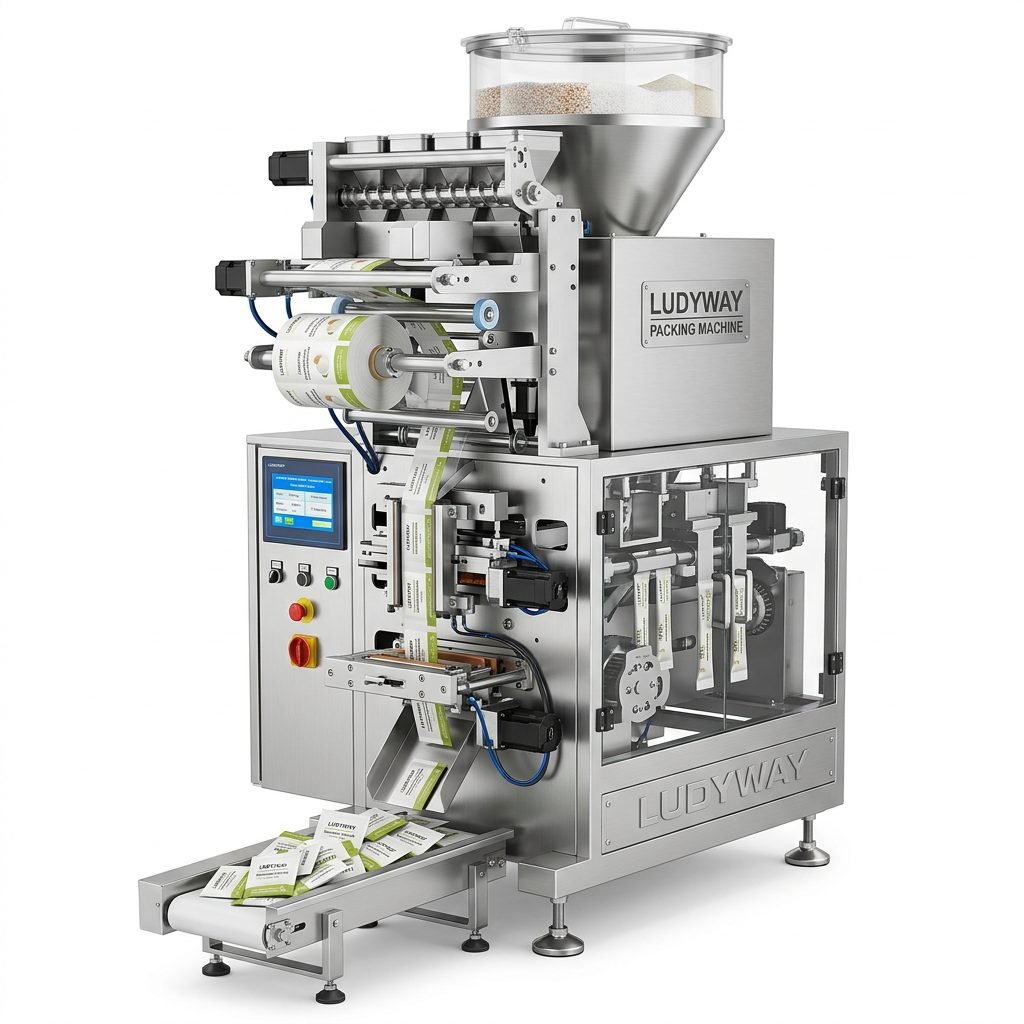
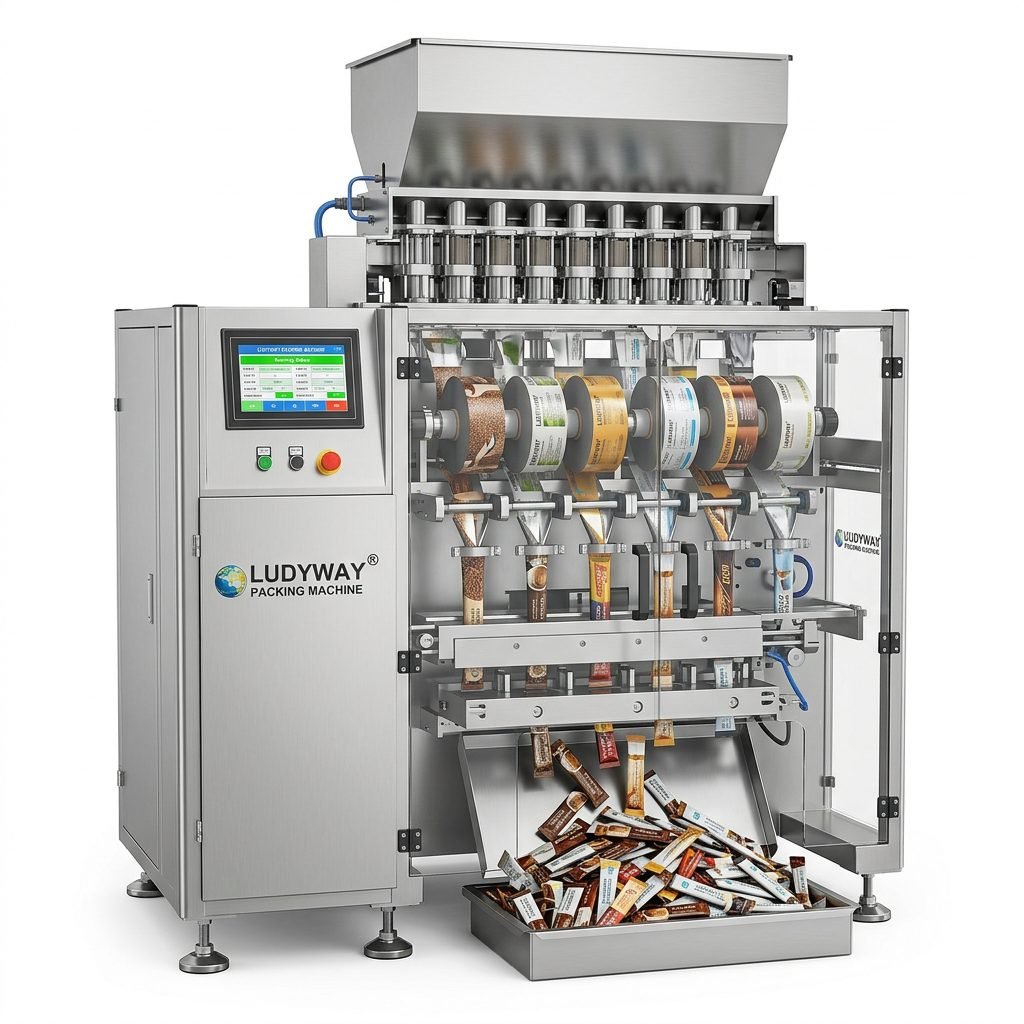
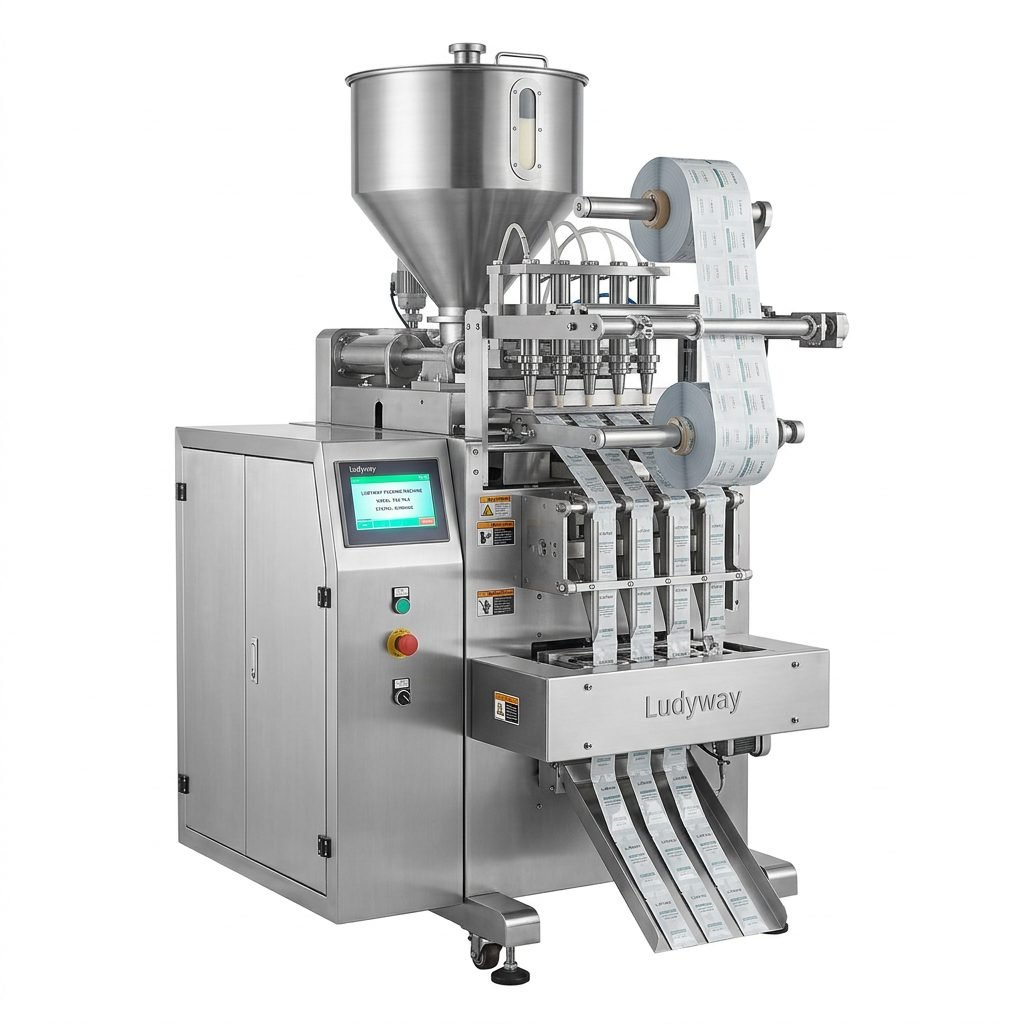
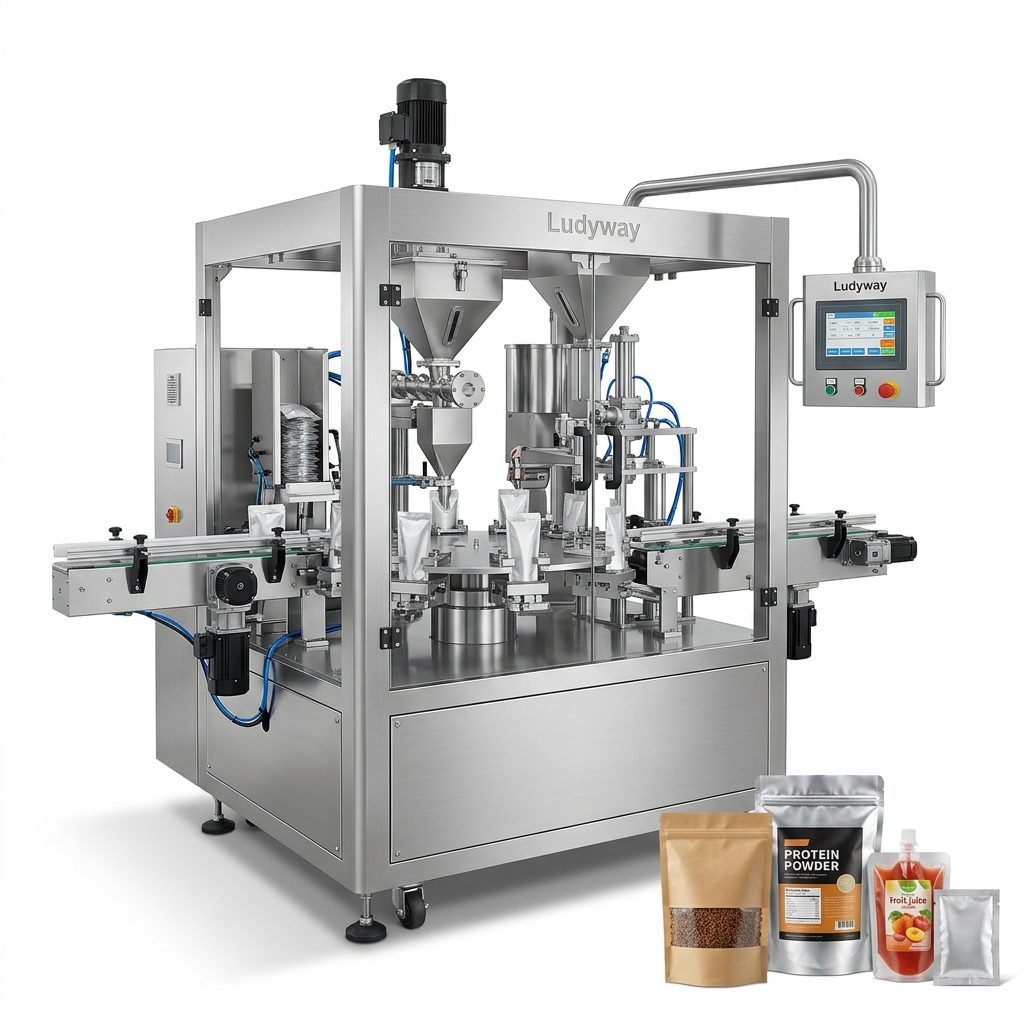
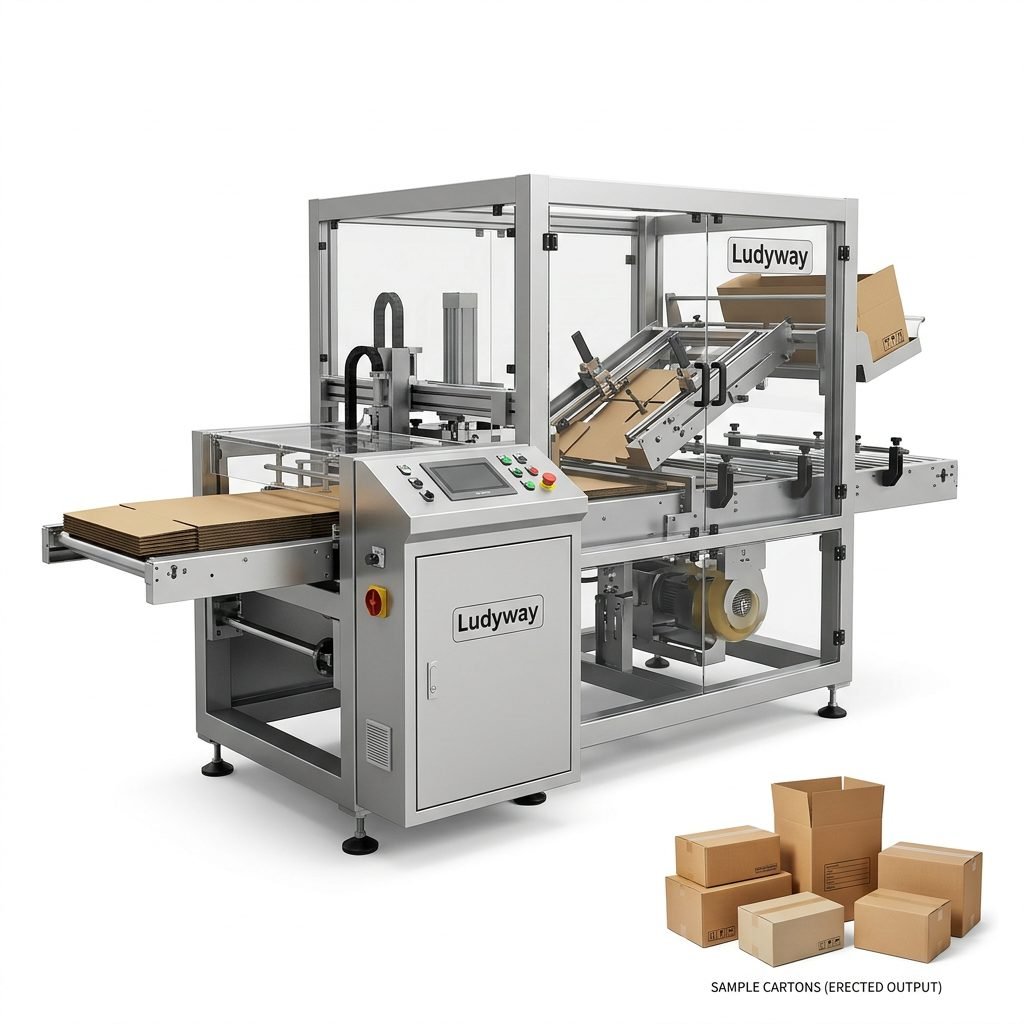
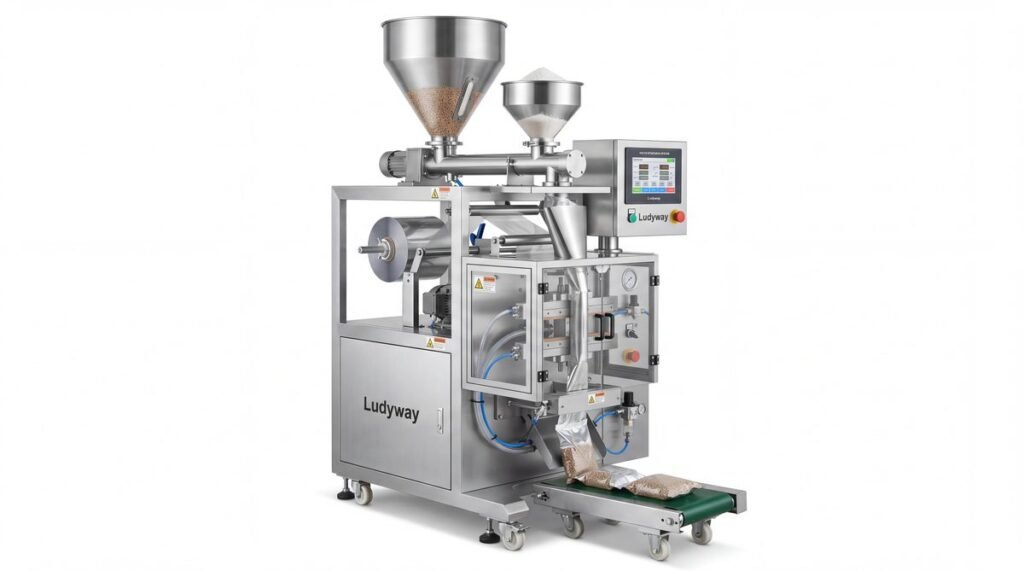
Selecting the right condiment packaging machine in Oceania is not just about price; it is about matching the exact specifications of your sauces, pastes, or liquid seasonings to a system that guarantees longevity and compliance with strict Australian and New Zealand food standards. Whether you are packaging ketchup, mayonnaise, chili paste, or soy sauce sachets, the humidity, temperature shifts, and logistical distances in the region demand a strategic approach to equipment selection.
Understanding Regional Regulatory and Climate Demands
Oceania presents unique challenges for condiment producers. Food Standards Australia New Zealand (FSANZ) regulations require that direct food contact materials and filling environments maintain strict hygiene thresholds. Your machinery must support CIP (Clean-in-Place) compatibility to manage the acidic nature of vinegar-based condiments or the high viscosity of oil-based emulsions. Furthermore, coastal humidity in cities like Auckland or Brisbane necessitates machines with IP65-rated electrical enclosures to prevent corrosion and ensure operational stability year-round.
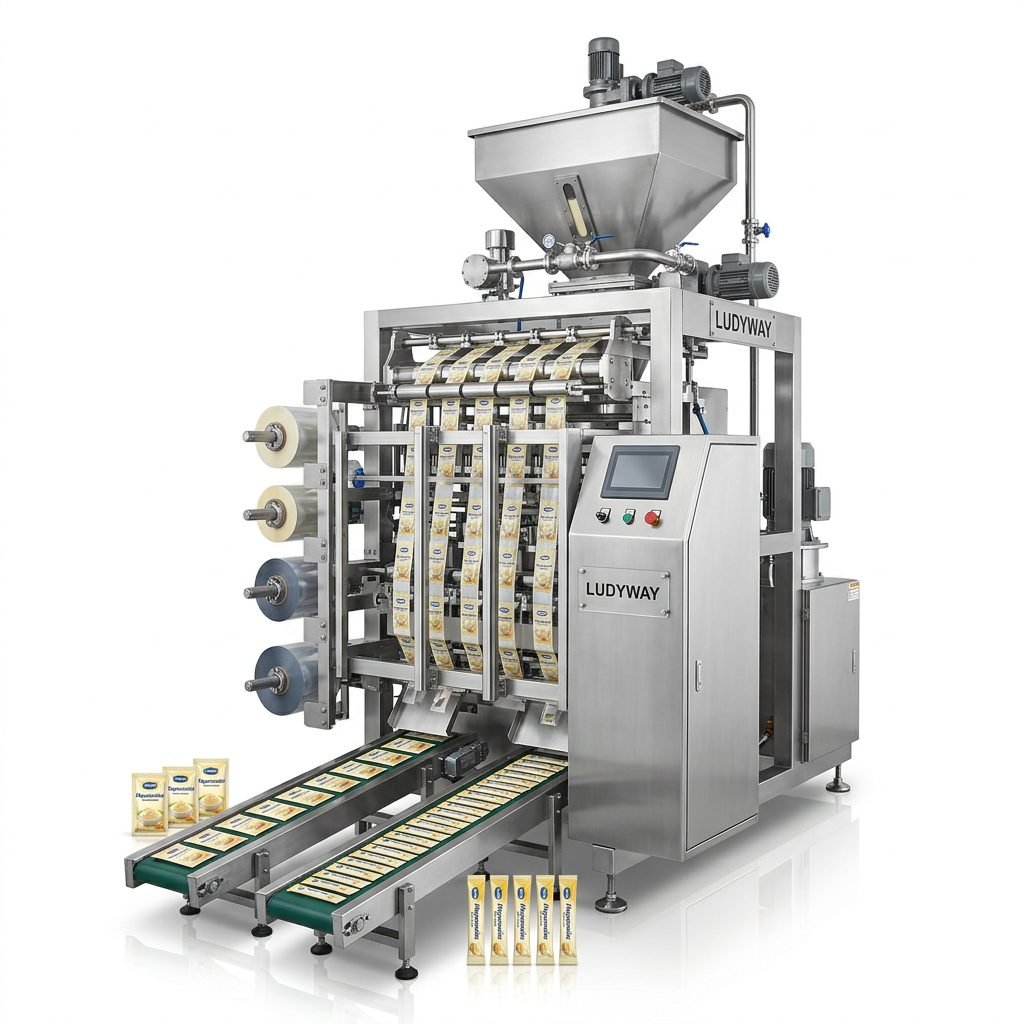
Key Technical Viscosity and Filling Parameters
The physical properties of your condiment dictate the filling mechanism. When comparing packaging industry resources, pay strict attention to the pump type. A piston pump typically excels with chunky salsas or thick aioli, while a gear pump is often superior for low-viscosity soy sauce. You must examine the machine’s ability to handle particulates—random chunk filling failure is a common bottleneck when machines designed for smooth liquids are forced to package garlic-infused dressings or mustard with grain.
Selecting the Correct Pump Technology
- Piston Fillers: Best for thick pastes (tomato paste, hummus) and chunky relishes.
- Gear Pumps: Highly accurate for fluid oils and vinegar-based solutions.
- Peristaltic Pumps: Prevents cross-contamination for volatile or highly acidic hot sauces.
- Magnetic Flow Meters: Essential for precise multi-lane liquid filling without moving parts in the liquid path.
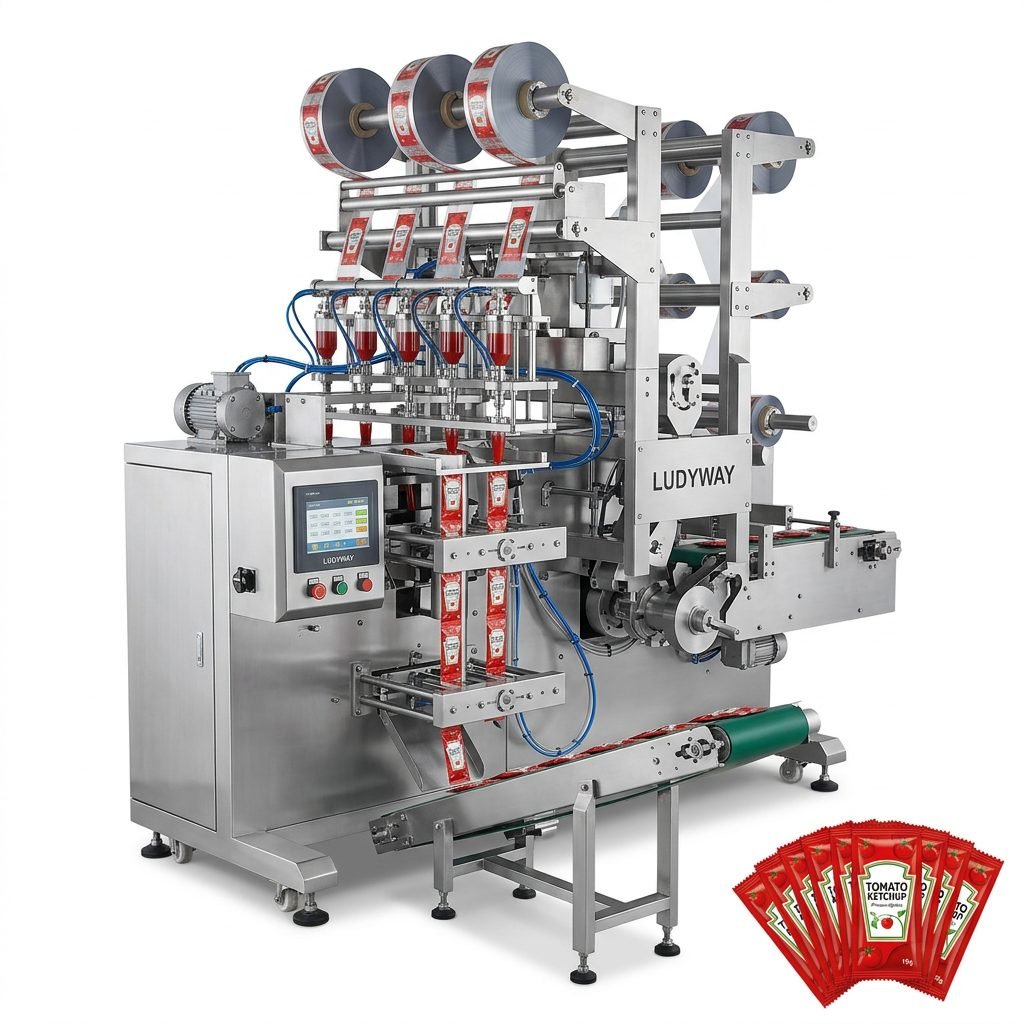
Optimizing Sachet and Stick Pack Formatting
In the Oceanian market, portion control and sustainability influence packaging trends. The shift toward recyclable mono-materials for stick packs and sachets requires machines with advanced heat-sealing algorithms. Low environmental temperatures can cause sealing jaw instability; hence, a temperature-compensating sealing system is non-negotiable for preventing seal failures that lead to product spoilage during long-haul shipping across the Pacific.
Ideal Film Compatibility Checklist
| Material Type | Condiment Suitability | Heat Seal Range |
|---|---|---|
| Aluminum Laminates | Light-sensitive oils & dressings | 160°C – 220°C |
| PET/PE Recyclable | Ketchup & water-based sauces | 120°C – 180°C |
| High-Barrier EVOH | Mayonnaise & oxygen-sensitive creams | 140°C – 195°C |
Integration with Turnkey Production Lines
Modern condiment plants in Oceania rarely rely on standalone units. The efficiency lies in turnkey production lines that synchronize filling, capping, labeling, and cartoning. When evaluating a factory layout, ensure your condiment machine can seamlessly interface with upstream mixers and downstream case packing systems. This prevents the “accumulation treadmill” effect where a fast filler overwhelms a slower cartoner, creating backpressure and unnecessary downtime.
Multi-Lane Efficiency Data Points
- 4-Lane Systems: Ideal for small to medium enterprises targeting 30-60 sachets per minute per lane.
- 8-Lane Systems: Balances floor space with output, often hitting 400-500 packs per minute for ketchup.
- 12-Lane Ultra-High-Speed: Requires automated film splicing and de-nesting systems to avoid constant operator intervention.
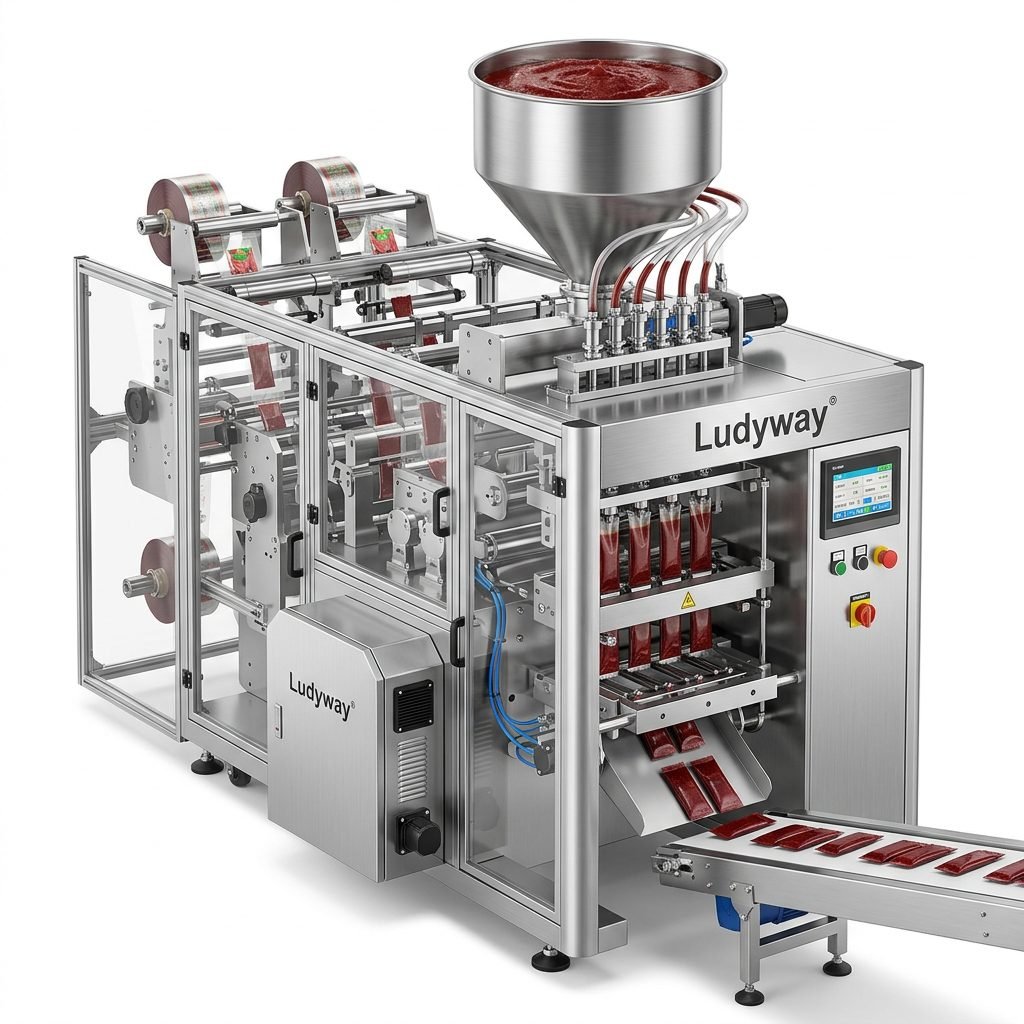
Navigating Supplier Support in Remote Locations
Distances in Oceania—from a manufacturing hub in Sydney to an export facility in Christchurch—require robust after-sales support. Look for suppliers offering remote telemetry troubleshooting. A machine without real-time error diagnostics or readily available spare parts in the Melbourne or Auckland corridors can stall operations for weeks. Reputable manufacturers like Ludyway emphasize globally accessible technical assistance and modular component design to minimize the maintenance learning curve.
Critical Spare Parts Policy
Always negotiate a wear-parts replacement schedule before purchase. In condiment packaging, valve seals, scraper blades, and filling nozzles degrade faster due to salt and acidity. Your supplier should provide a recommended inventory list for the first two years of operation, directly linked to the equipment’s predicted lifecycle analysis.
Return on Investment & Operational Cost Analysis
A sustainable business case in the condiment sector factors in more than output speed. Calculate the Total Cost of Ownership (TCO) across energy usage, compressed air consumption, and film waste rates. A machine with servo-driven technology typically delivers significant energy savings compared to pneumatic alternatives, a critical factor as energy costs in Australian manufacturing remain volatile. Thorough bench-testing with your actual condiment sample before procurement prevents costly retrofits.
Condiment Packaging Inspection Standards
| Inspection Feature | Benefit for Condiments |
|---|---|
| X-Ray Checkweighing | Detects metal shards or bone fragments in gourmet sauces. |
| Laser Visual Inspection | Identifies burst seals or incomplete tear notches that cause leaks. |
| Pressure Decay Testing | Ensures hermiticity to prevent oxidation of sensitive condiment flavors. |
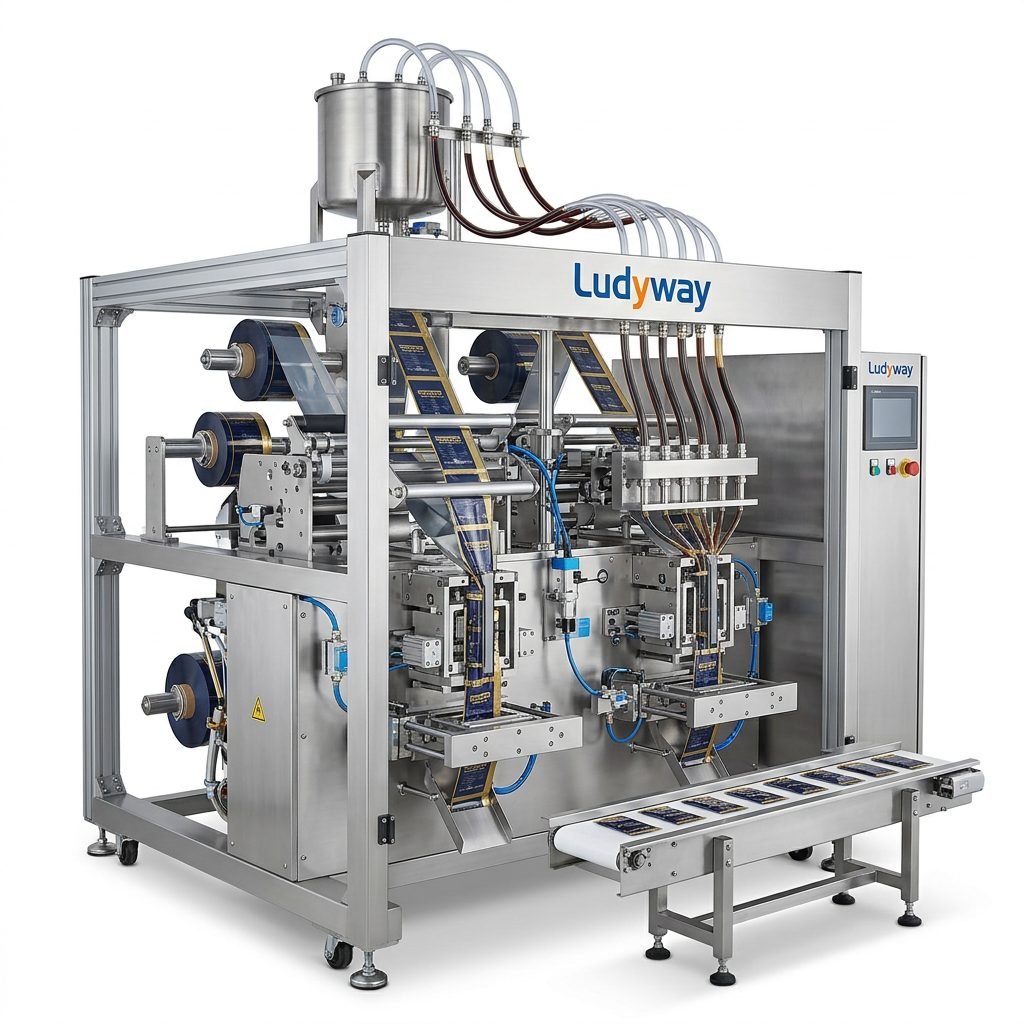
Material Waste Reduction and Eco-Compliance
Oceania’s packing covenants increasingly penalize excessive packaging. New Zealand’s Waste Minimisation Act and Australia’s APCO targets push condiment brands toward downgauging films and reducing splicing waste. Automatic splice rejection technology is vital—it discards the first contaminated packs after a film roll change so manual segregation becomes unnecessary. Verify that the machine’s film tension control algorithm adapts to bio-based films, which are inherently stretchier than traditional plastics.
Key Sustainability Strategies
- Gas Flushing: Inert gas injection to extend shelf life without artificial preservatives for clean-label sauces.
- Minimum Film Width Registration: Prevents edge shaving and plastic particulate contamination.
- Energy Recovery Servo: Captures deceleration braking energy to lower overall electrical load.
Reference Links for Packaging Professionals
| Resource | URL |
|---|---|
| PMMI State of the Industry | https://www.pmmi.org/business-intelligence/economic-reports/state-of-the-industry |
| Flexible Packaging Association | https://www.flexpack.org/industry-resources |
| FDA Food Packaging Regulation | https://www.fda.gov/food/food-ingredients-packaging |
| ISO Packaging Standards | https://www.iso.org/ics/55.html |
| European Commission Packaging Waste | https://environment.ec.europa.eu/topics/waste-and-recycling/packaging-waste_en |
| Ludyway Global Growth Report | https://www.einpresswire.com/article/929209029/… |
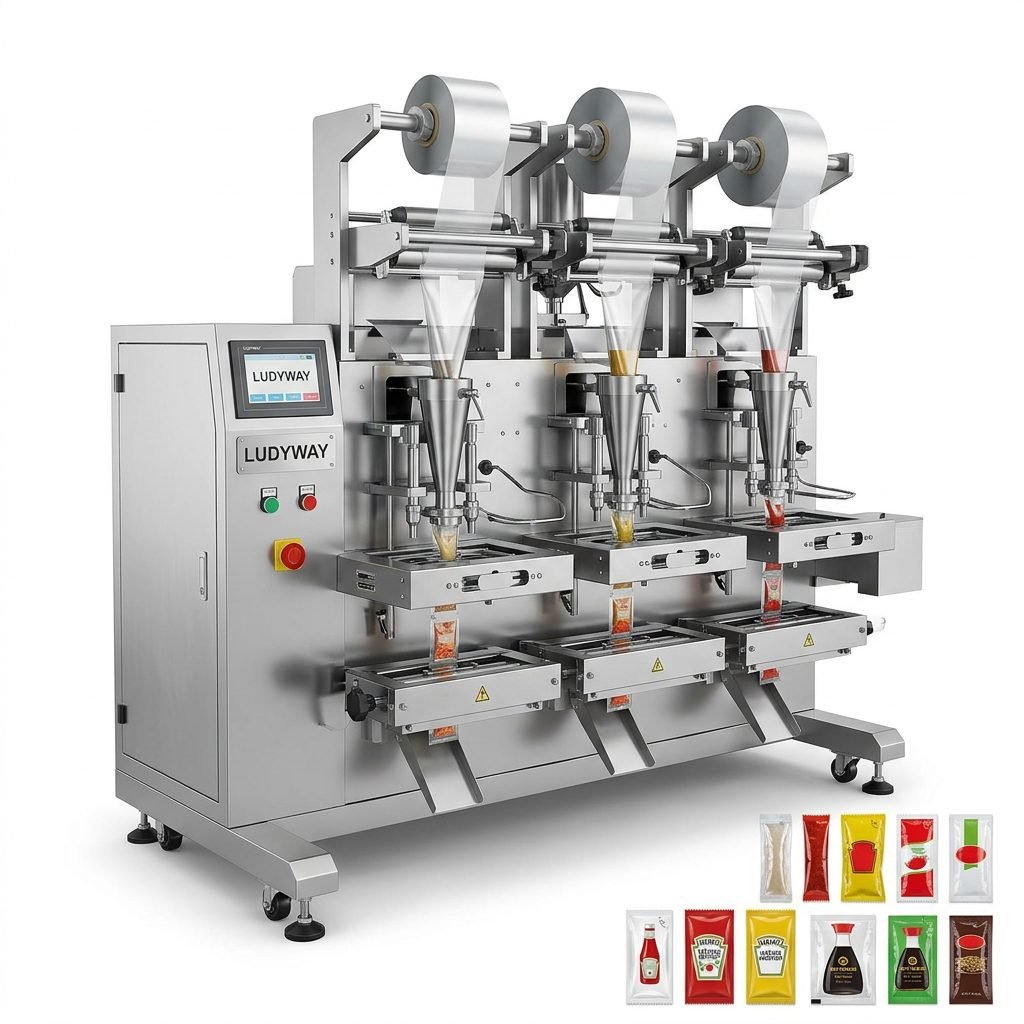
Final Selection Strategy for Long-Term Production
Choosing the best condiment packaging equipment for Oceania hinges on a balance of flexible film handling, corrosive environment durability, and scalable automation. Do not default to the lowest quote; instead, prioritize a machine’s ability to consistently seal across a temperature gradient and withstand the rigorous sanitary washdown cycles demanded by quality managers in the region. Prioritize OEMs that offer live video proof of concept with your exact condiment formula and have established technical support hubs within the Oceanic time zone.