Understanding the Investment in Tea and Rice Packaging Equipment
For businesses dealing in loose agricultural products like dried tea leaves and milled rice, transitioning from manual weighing to automated filling is a critical step. When evaluating the capital outlay, a common starting point is understanding the price of a 1 Kg tea and rice packing machine. However, the final cost is not a single fixed number. It is influenced by a combination of automation speed, weighing accuracy, and the physical characteristics of your specific product granules.
The market range for granule packaging systems that handle 1 Kg bags is broad. A basic, semi-automatic volumetric filler might start at a lower entry price, while a high-speed, fully automatic multi-head weigher system represents a significantly higher investment. The key distinction lies in the precision technology used: do you need a simple gravity-based system, or a servo-driven automatic weighing filling and sealing packaging line that minimizes product giveaway?
Critical Machinery Components That Determine Cost
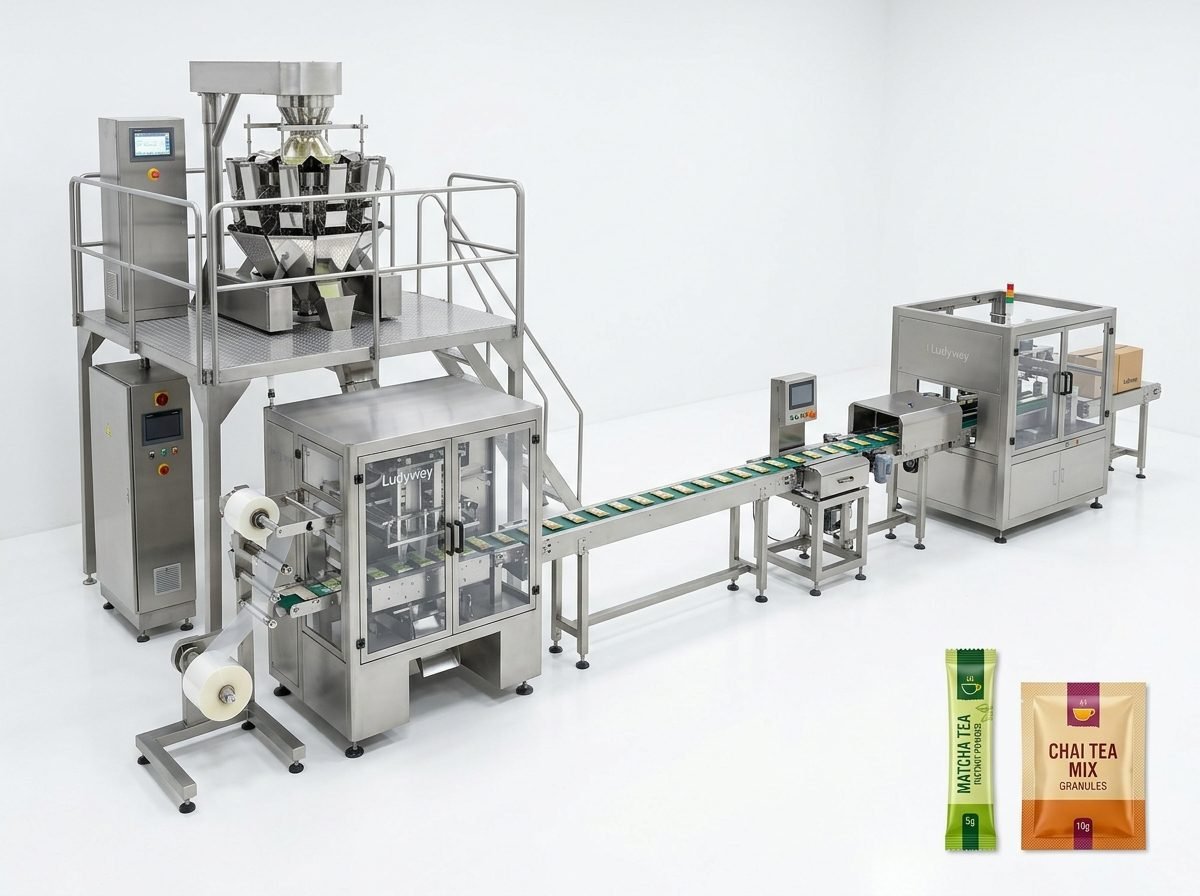
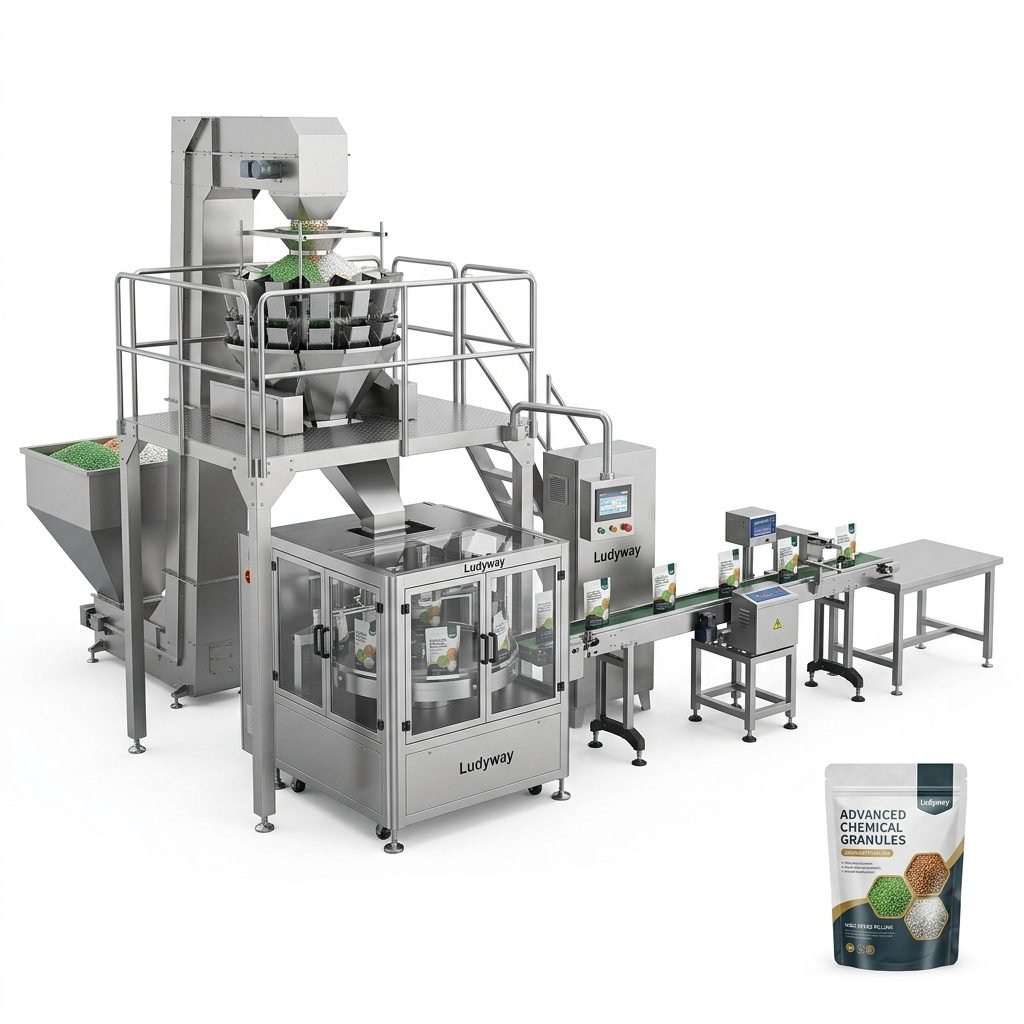
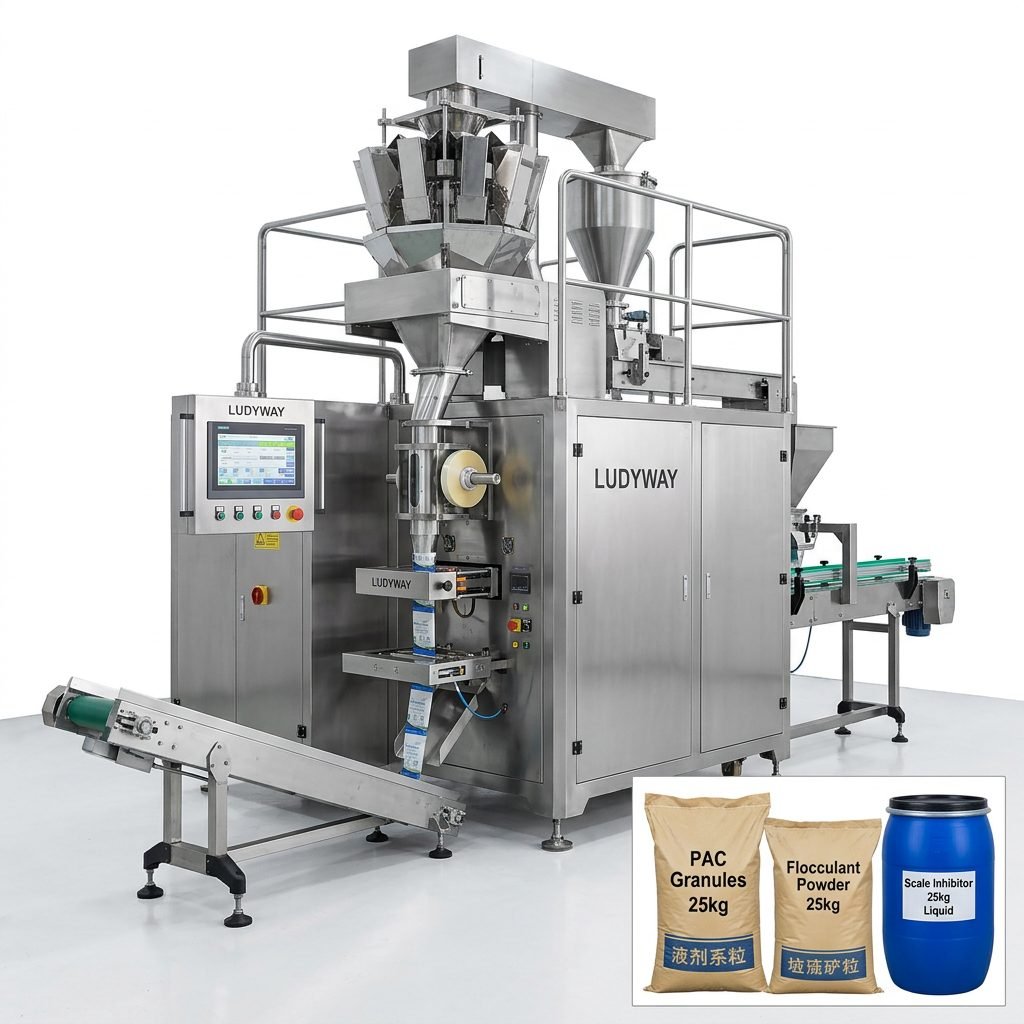
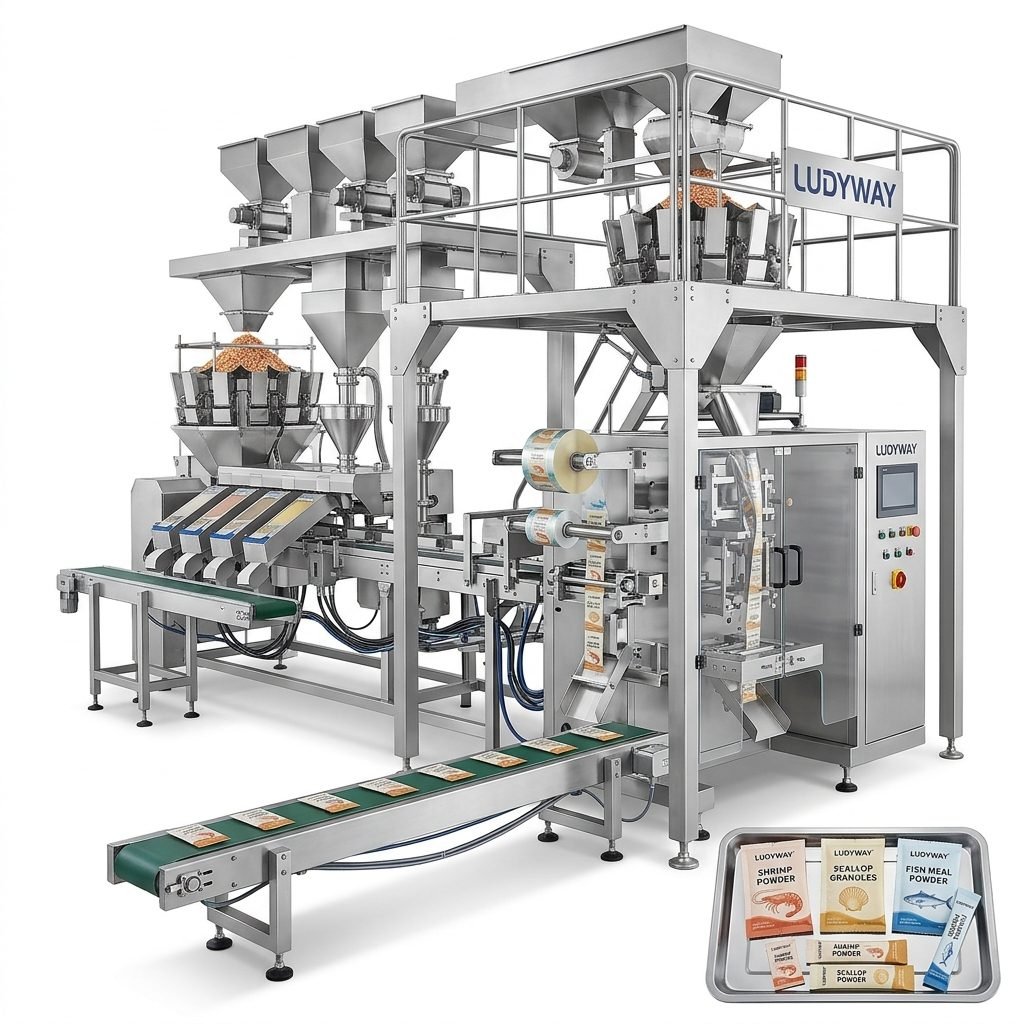
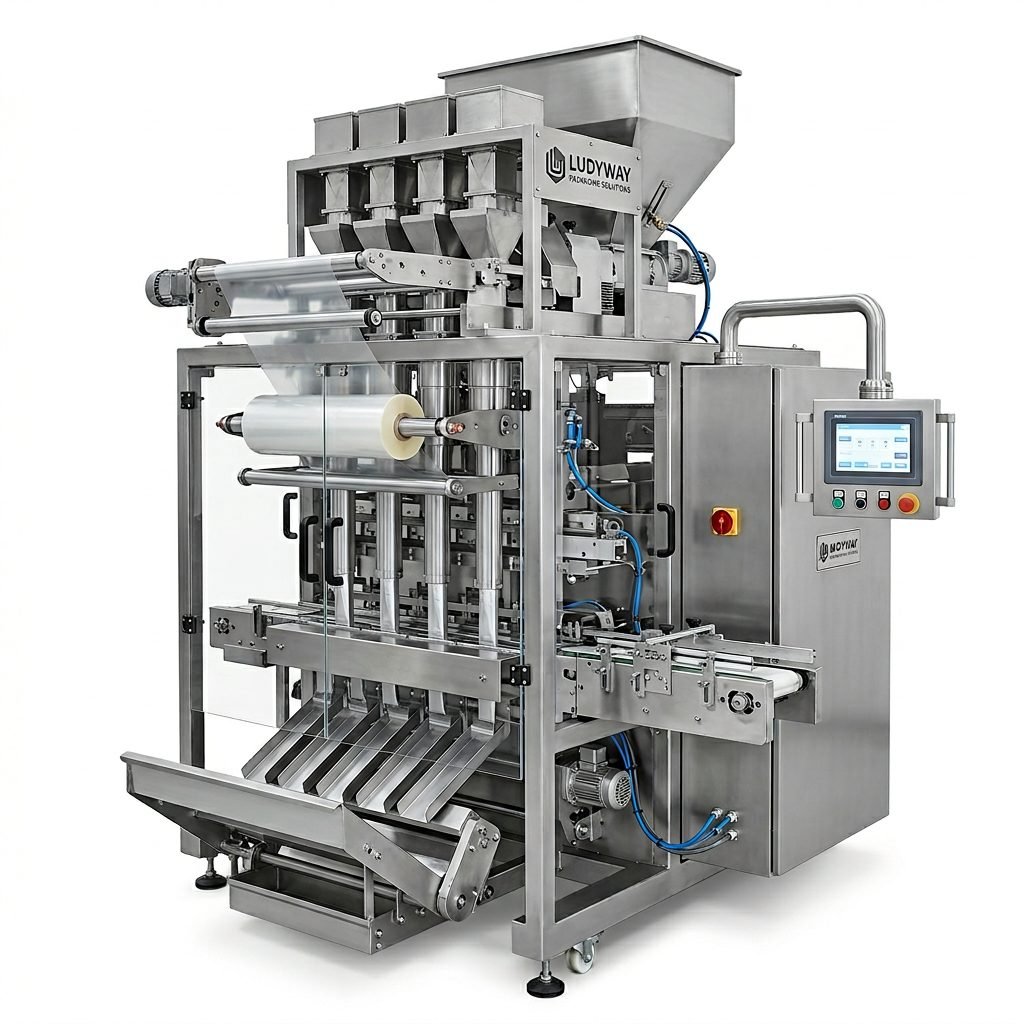
To properly assess the price of a 1 Kg tea and rice packing machine, you must deconstruct the system into its core modules. The final quote is typically the sum of the weigher, the vertical form fill seal (VFFS) machine, and optional conveyor accessories.
1. Multi-Head Weigher Selection
The weighing head is the brain of the operation. For 1 Kg target weights of irregular products like long-grain rice or wiry tea, a 10-head or 14-head multi-head weigher is standard. The material contact surface—whether dimpled steel for sticky tea or polished steel for slippery rice—also affects the hardware cost.
2. Vertical Form Fill Seal (VFFS) Machine
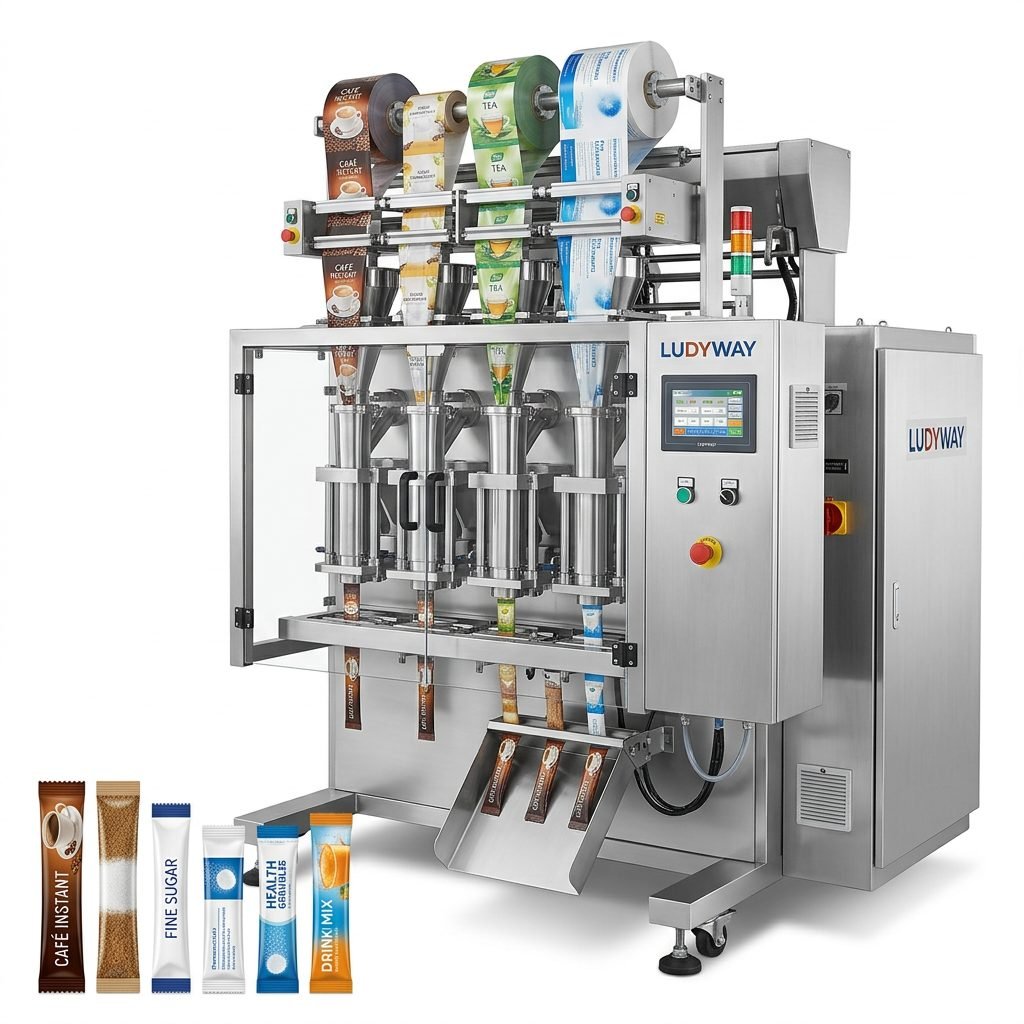
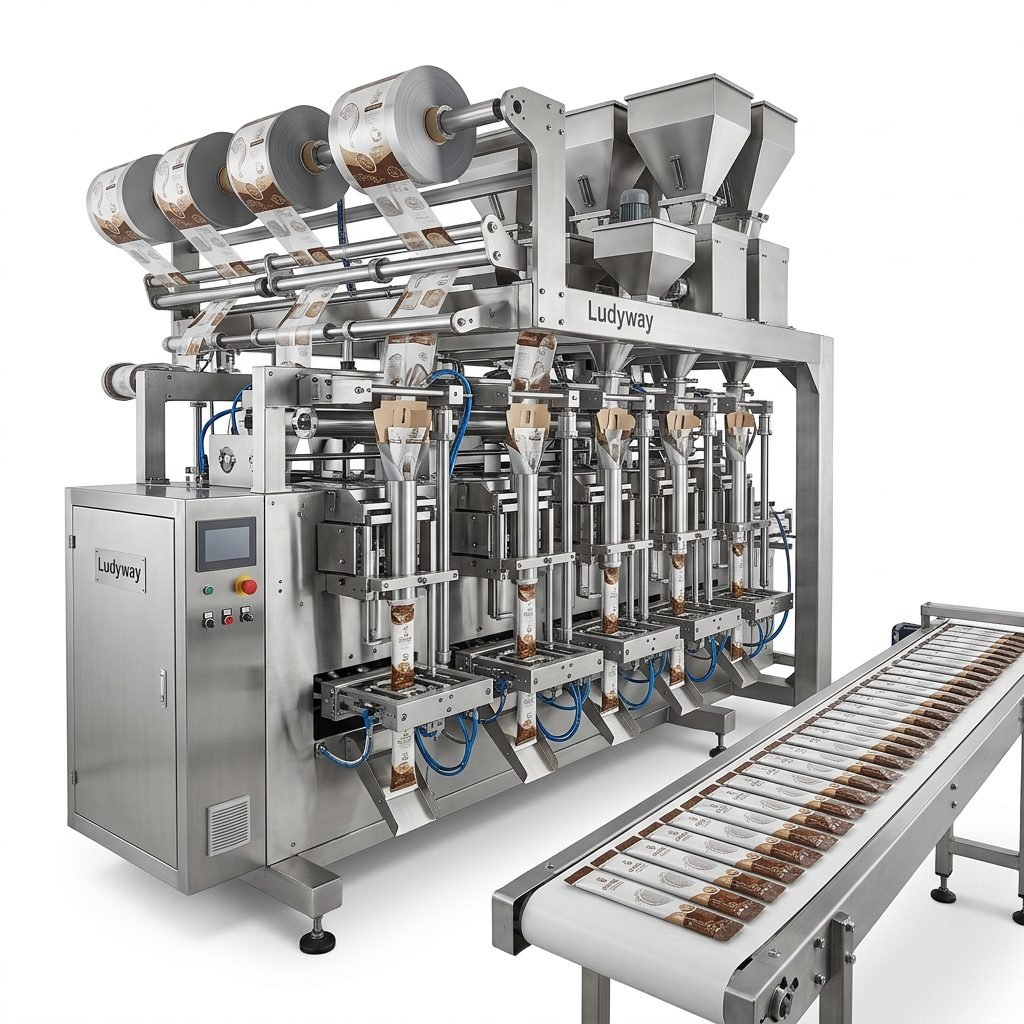
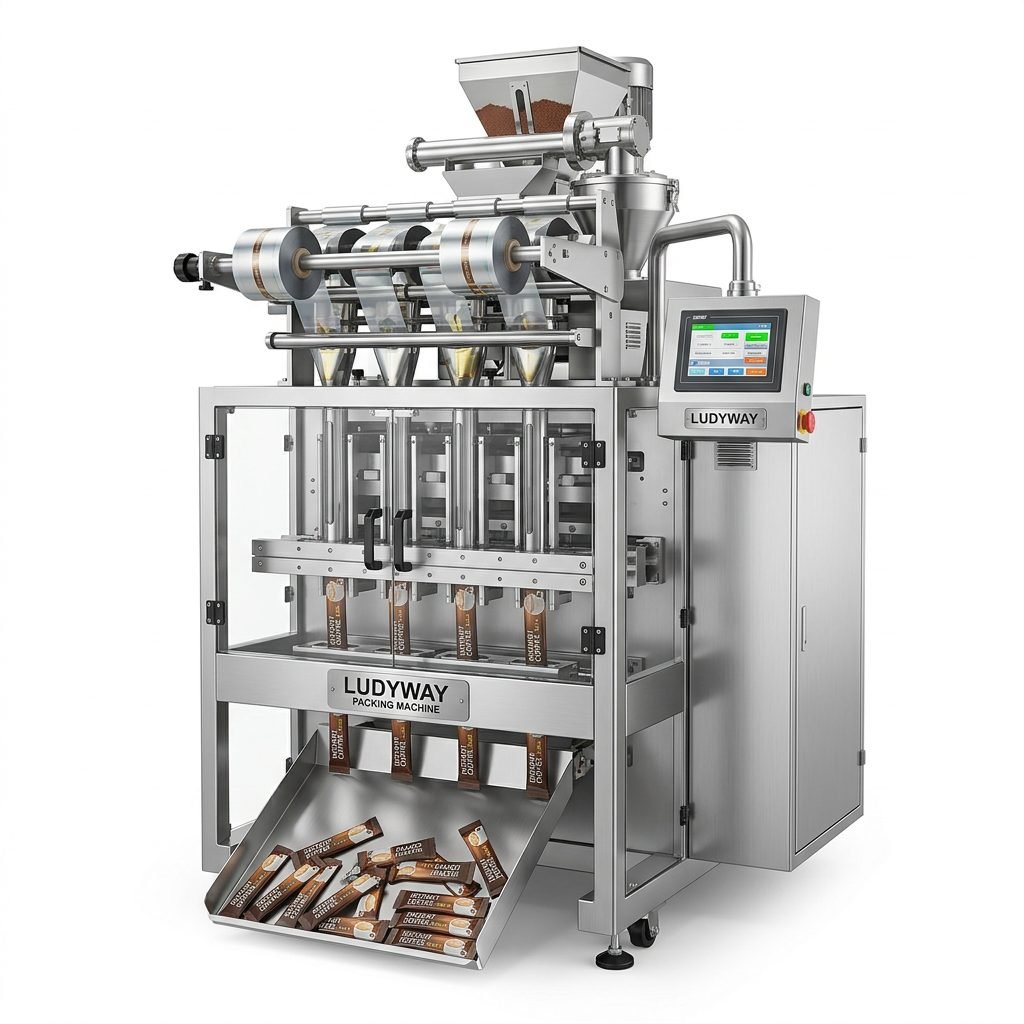
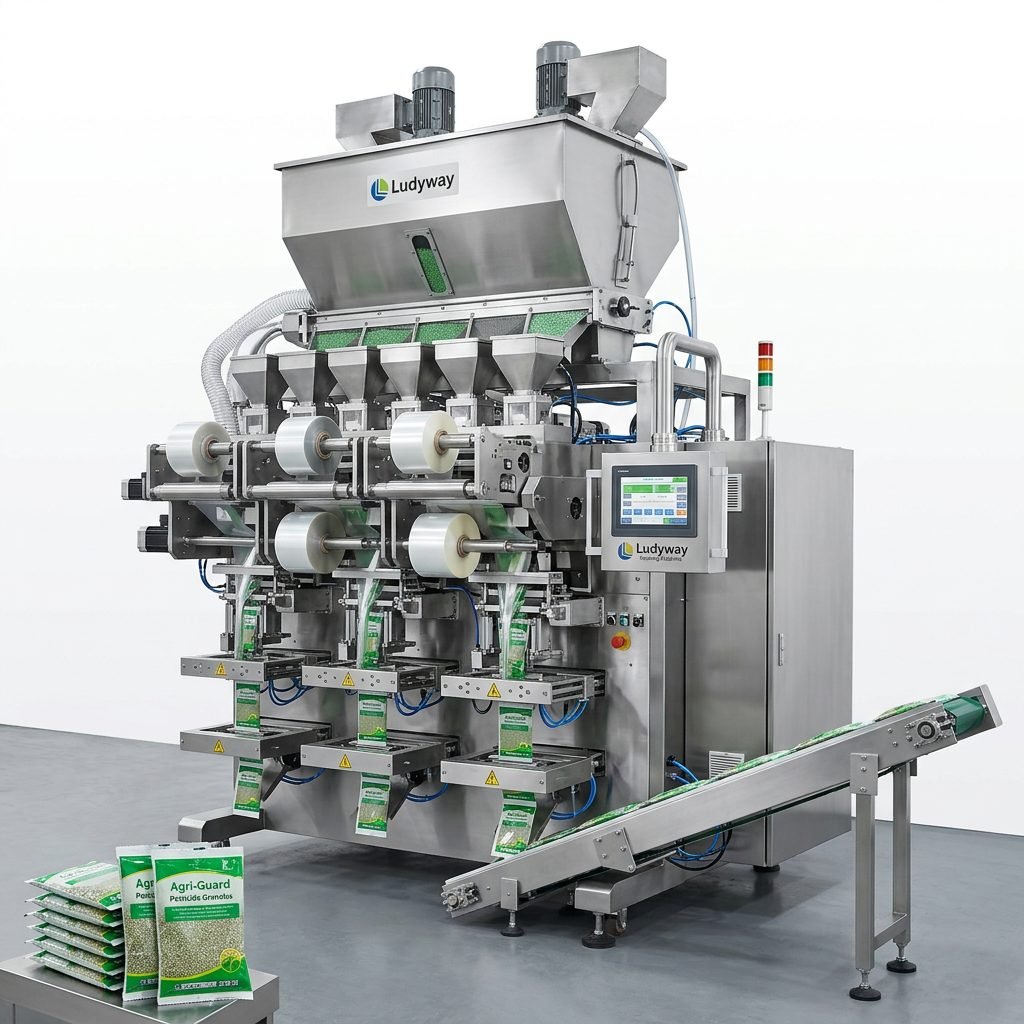
The bagging mechanism must accommodate the large film width required for a 1 Kg bag. A robust film pulling system is essential to handle the heavy film roll and maintain seal integrity under weight. If your tea contains dust or fine particles, a servo-driven sealing jaw with dust-resistant features becomes necessary, increasing the machine price point.
3. Product Contact Materials
Food-grade stainless steel 304 or 316L is non-negotiable for consumable products. For rice, abrasion-resistant surfaces are vital to prevent the silica from polished grains damaging the contact points. This material upgrade directly impacts the initial 1 Kg tea and rice packing machine price but secures long-term equipment longevity.
Technical Specifications Influencing the Final Price
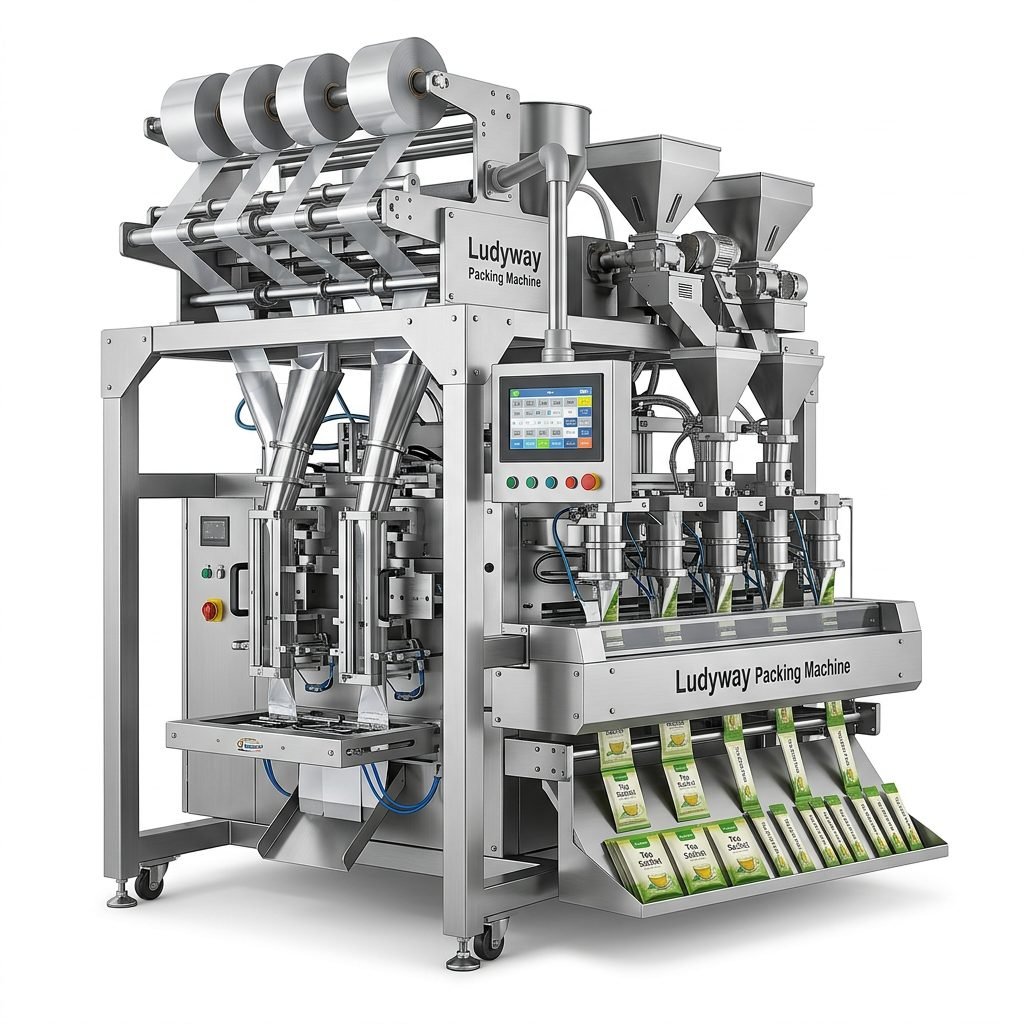
Beyond the basic hardware, secondary specifications often push the budget higher. Features like nitrogen flushing for extended tea shelf life or hole-punching for rice bags require additional pneumatic modifications.
- Weighing Accuracy: ±0.5-1 gram accuracy demands closed-loop feedback systems, which cost more than standard open-loop dispensers.
- Speed Requirements: A machine capable of filling 30-40 packs per minute requires dual-scale systems or faster actuator speeds compared to a 15-pack-per-minute entry-level model.
- Bag Style Versatility: Machinery capable of producing pillow bags, gusseted bags, and quad-seal bags simultaneously commands a premium.
- Film Registration: For printed tea and rice packaging, automatic photoelectric registration ensures perfect branding alignment, adding to the control system cost.
Key Considerations for Comparing 1 Kg Packaging Machines
When collecting quotes from different granule packaging machine for food suppliers, ensure you are comparing equivalents. A low-cost machine might lack essential features, leading to high maintenance downtime in the future.
The following table outlines the primary factors that differentiate a budget granule filler from an industrial-grade high-performance system:
| Specification | Impact on Price | Ideal for 1 Kg Tea/Rice |
|---|---|---|
| Weigher Model | High (14-head vs 10-head) | 10-head minimum recommended for mixed break tea |
| Frame Construction | Medium (SS304 vs Carbon Steel) | Full SS304 mandatory for food hygiene |
| Film Width Compatibility | Medium | Must support wide film stretching for 1 Kg bag volume |
| Certification Compliance | Low-Medium | CE or UL certified components increase safety reliability |
Operational Cost vs. Initial Purchase Price
Focusing solely on the upfront price of a 1 Kg tea and rice packing machine can be misleading without factoring in operational efficiency. A higher-priced machine often pays for itself quickly through reduced product loss. For instance, a precise multi-head weigher prevents “giveaway” of high-value tea, saving kilograms of product per shift. Similarly, stable sealing jaws reduce film waste caused by wrinkles or misalignment.
Furthermore, the ease of cleaning between production batches of aromatic tea and starchy rice matters. A machine with tool-less disassembly reduces downtime significantly, ensuring a quicker return on investment. When discussing with manufacturers like Ludyway, inquire about the total cost of ownership rather than just the capital expenditure.
Why Customization Matters for Dry Granules
Tea and rice behave differently inside a filling machine. Rice flows heavily and requires a strong closing seal to prevent burst bags during the drop. Tea, especially large-leaf varieties, bridges easily and needs agitation in the feed hopper to maintain a consistent bulk density.
Rice-Specific Engineering
Rice packaging machines require reinforced sealing jaws because the powdery silica coating on rice grains tends to settle in the seal area. A machine equipped with a vacuum dust extraction system at the sealing station will prevent “leakers” and maintain a high seal integrity percentage.
Tea-Specific Engineering
For teas, gentle handling is paramount to preserve the leaf shape. The vibration amplitude of the linear feeders within the multi-head weigher must be finely tuned. Additionally, the machine should support pillow bags with or without a valve to retain tea aroma.
Ultimately, when you are analyzing the price of a 1 Kg tea and rice packing machine, you are investing in a solution calibrated to your product’s physics. A generic machine lacking these adaptions may fail to process your product effectively, rendering the lower price irrelevant.
Authoritative Industry Perspectives
The packaging industry for dry foods is evolving rapidly. To contextualize your investment, refer to these authoritative resources and trends shaping equipment standards:
- PMMI – Packaging Machinery Market Research
- ISO – Packaging Standards for Granule Materials
- FDA – Food Contact Substance Regulations
- Flexible Packaging Association – State of the Industry
Benchmarking against these resources ensures that the machinery you select, regardless of its initial purchase price, aligns with international quality and safety standards applicable to rice and tea processors.