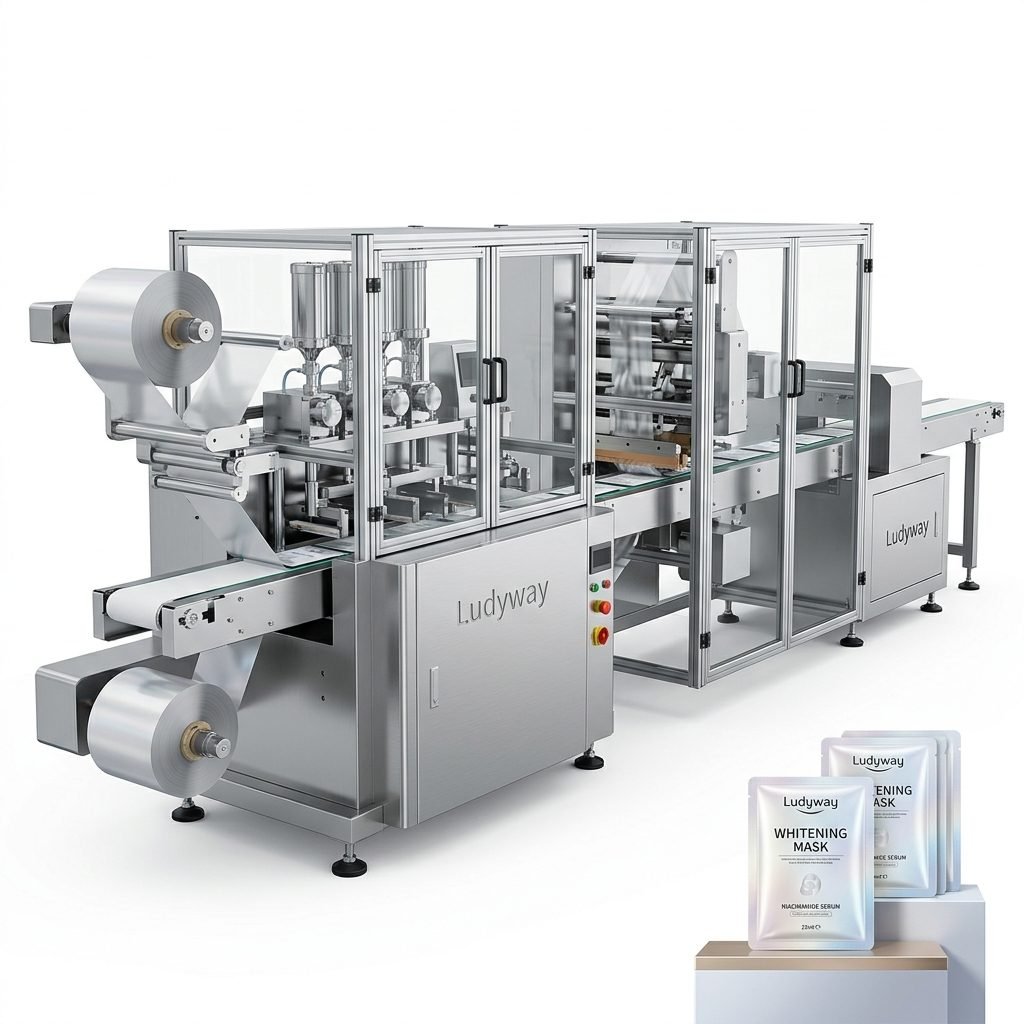
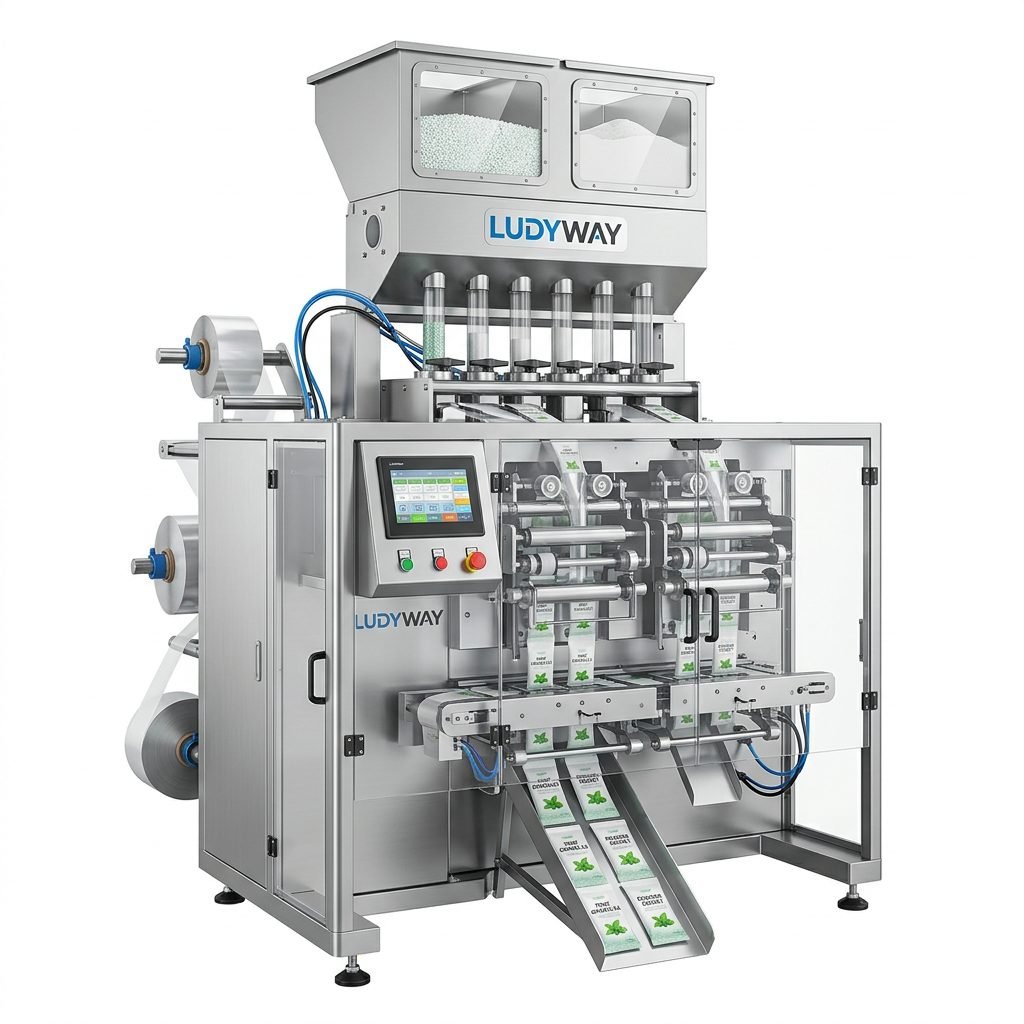
Egypt’s food industry is experiencing rapid growth, driven by a young population exceeding 105 million, increasing urbanization, and a rising demand for packaged and convenience foods. From processed snacks and coffee sachets to frozen goods and dairy products, Egyptian manufacturers are investing heavily in modern food packaging machine technology to keep pace with both domestic consumption and export opportunities across the MENA region and Africa. Selecting the right packaging equipment for this unique market requires careful evaluation of local conditions, regulatory frameworks, and production goals.
Understanding the Egyptian Food Packaging Landscape
Egypt serves as a strategic gateway between Africa, the Middle East, and Europe. The country’s food processing sector is one of the largest in the region, with major production hubs in Cairo, Alexandria, and the Nile Delta. Key product categories demanding advanced packaging machinery include:
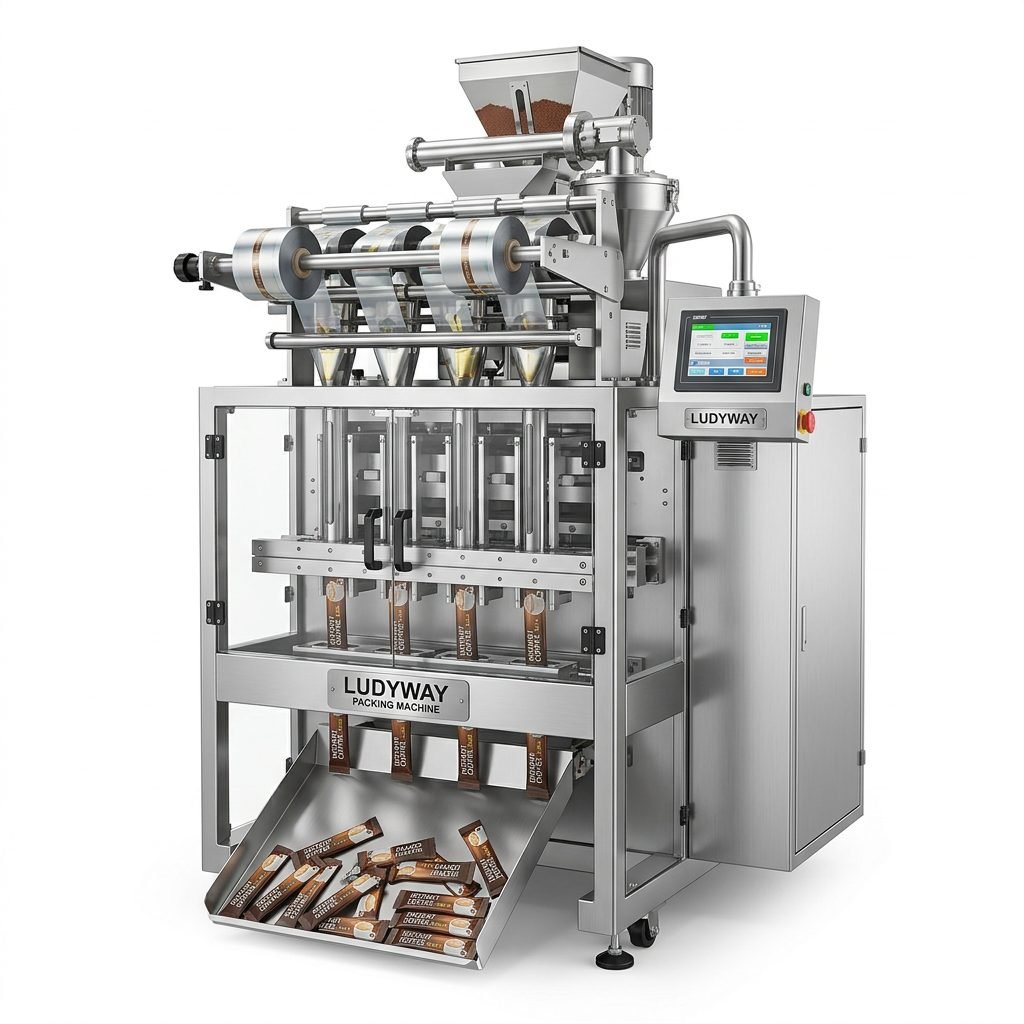
- Instant beverages — coffee, tea, and flavored drink powders in stick packs and sachets
- Spices and seasonings — bulk and portion-controlled formats for retail and food service
- Dairy products — powdered milk, creamer, and cheese in flexible packaging
- Snack foods — chips, nuts, and extruded snacks in pouches and bags
- Frozen foods — vegetables, meats, and ready-to-cook meals requiring robust sealing solutions
- Dates and dried fruits — a traditional export commodity needing gentle handling and attractive presentation
Understanding these product-specific requirements is the first step in choosing a packaging machine for the Egypt market that delivers consistent performance under local operating conditions.
Key Factors to Evaluate Before Purchasing
1. Product Compatibility and Packaging Format
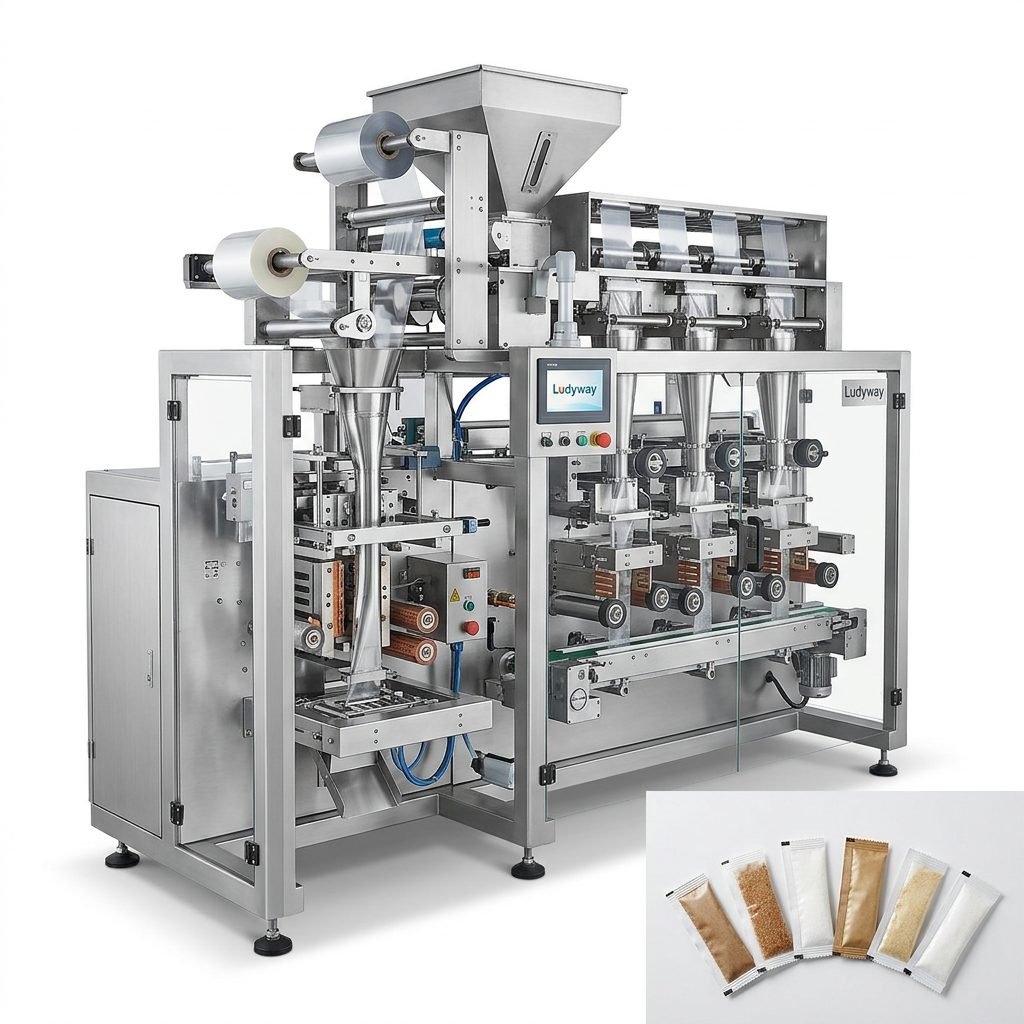
Different food products demand different packaging technologies. Granules like sugar or salt require high-speed weighing and filling accuracy, while powders such as milk powder or coffee need specialized filling systems to prevent dust and ensure seal integrity. Liquids — including juices, sauces, and oils — present their own challenges with viscosity and contamination control.
The most common packaging formats in the Egyptian market include:
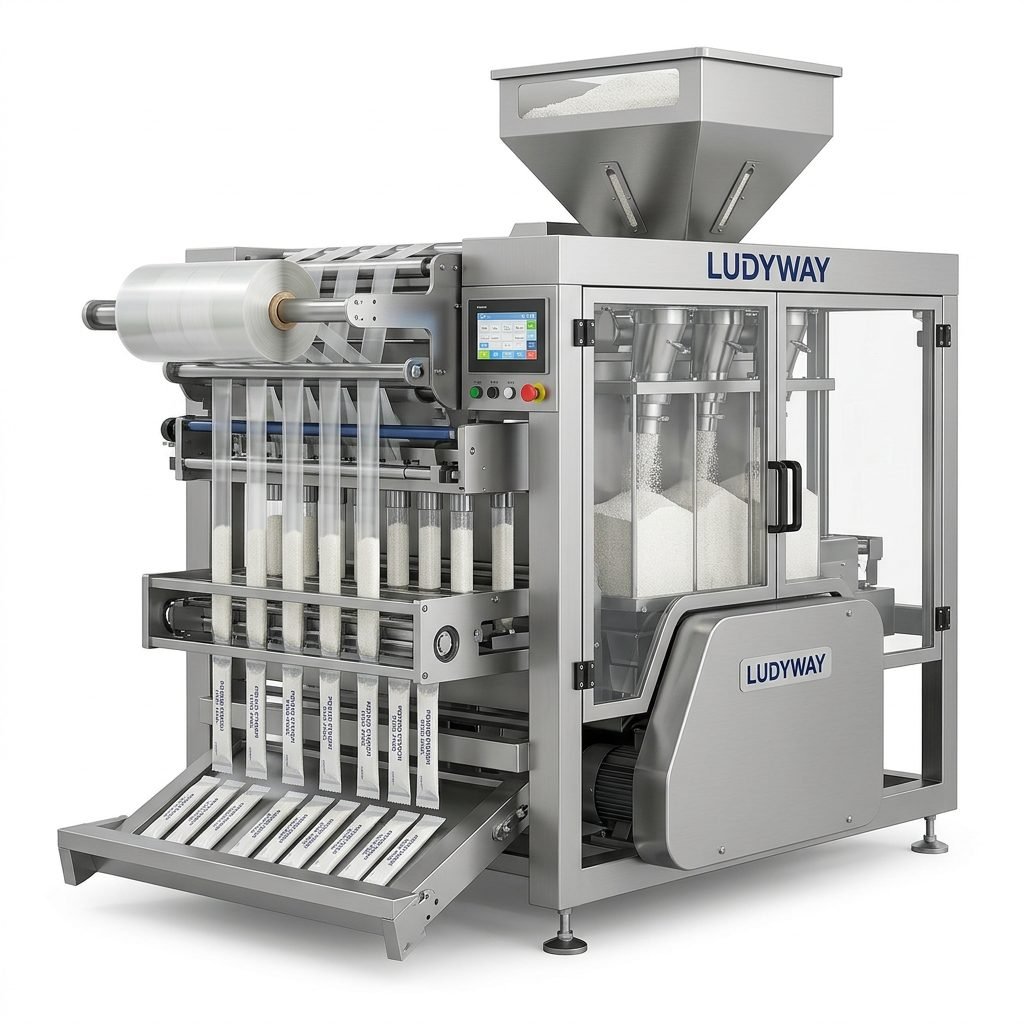
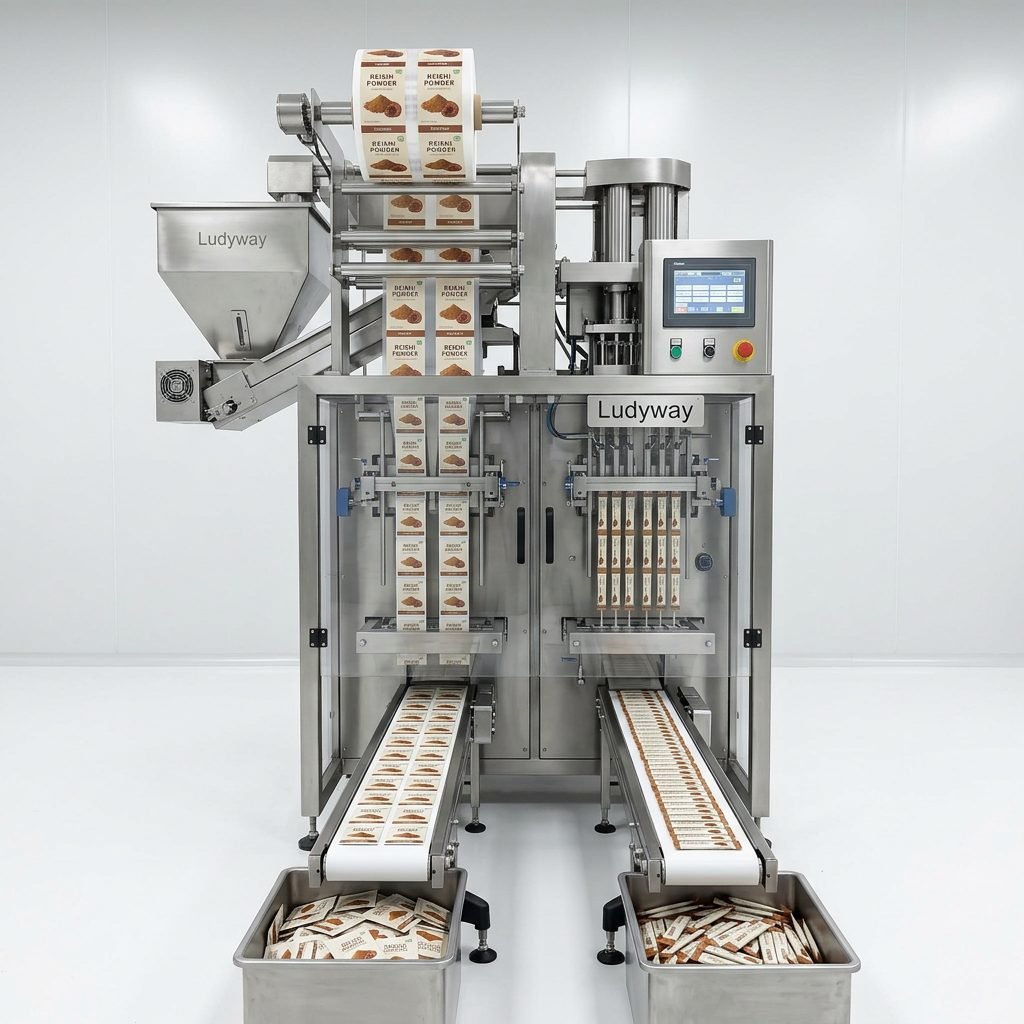
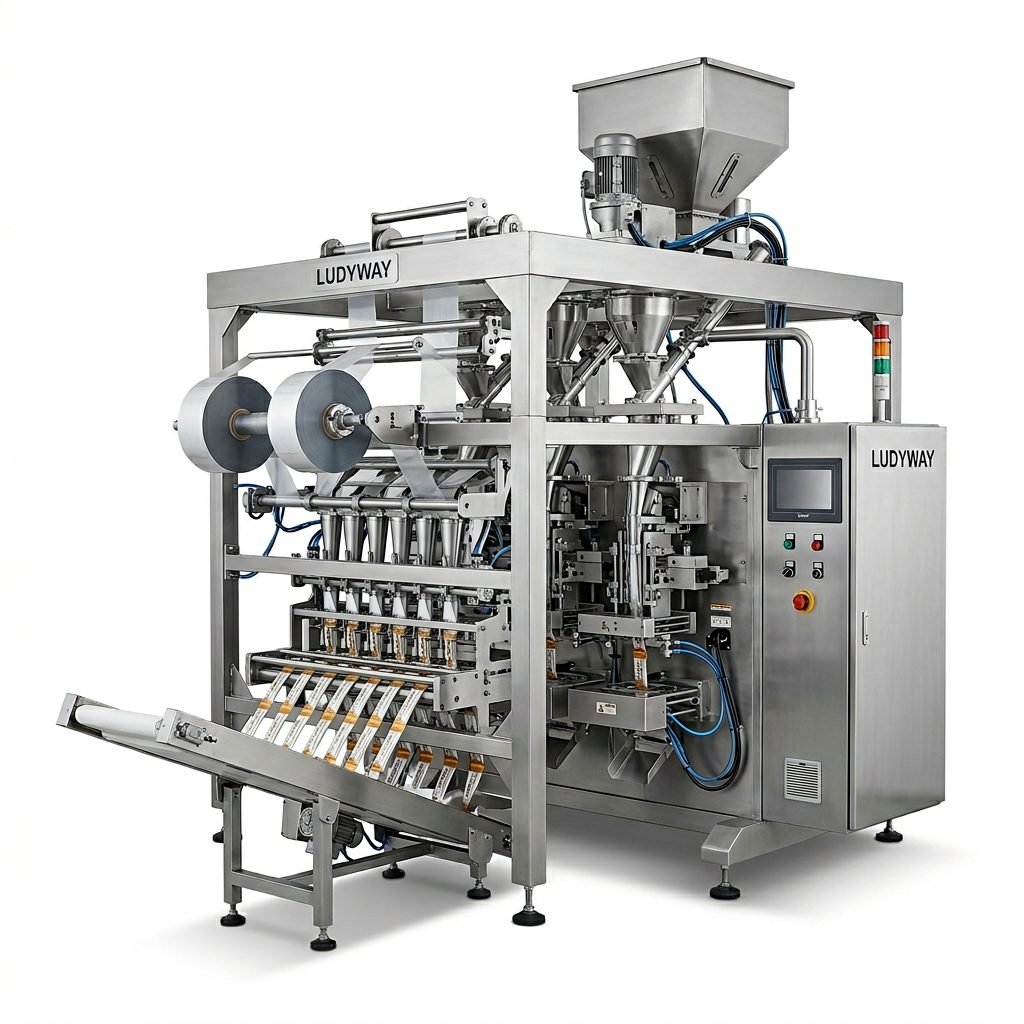
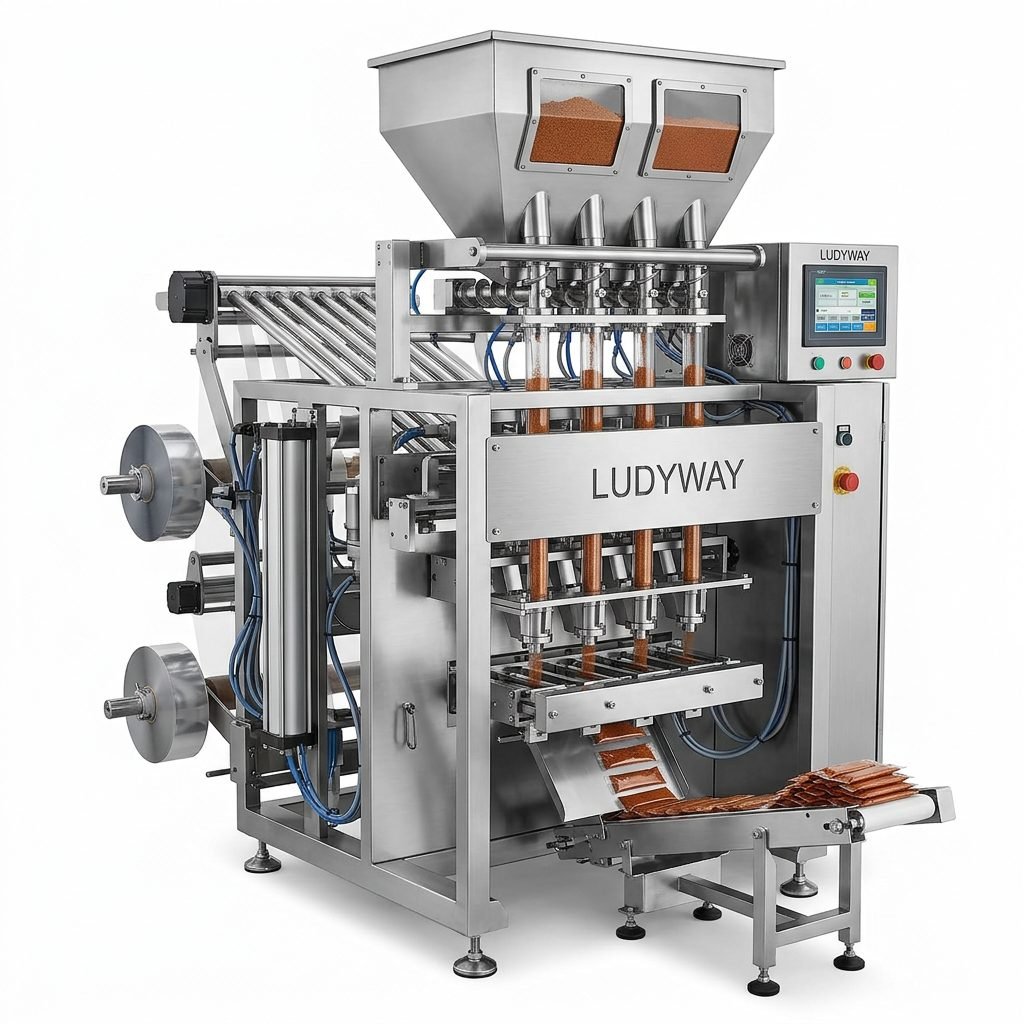
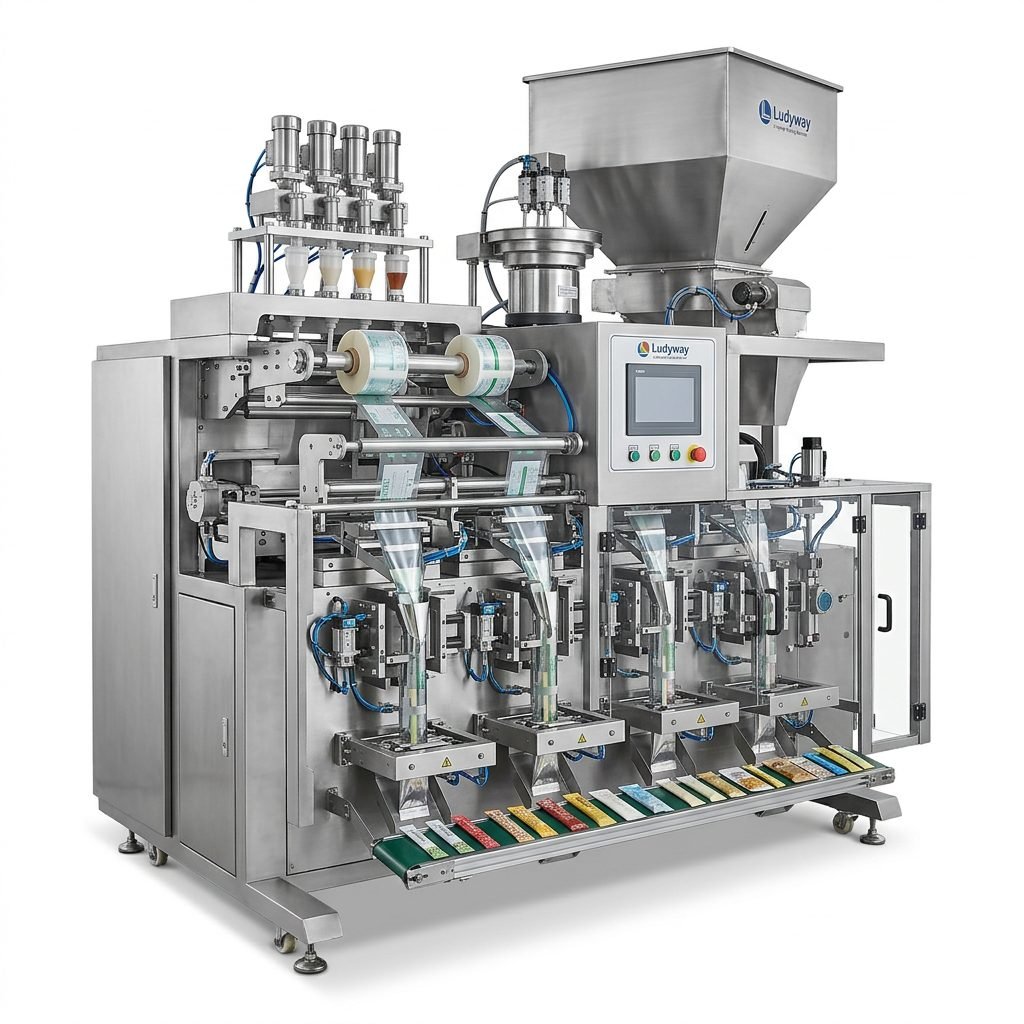
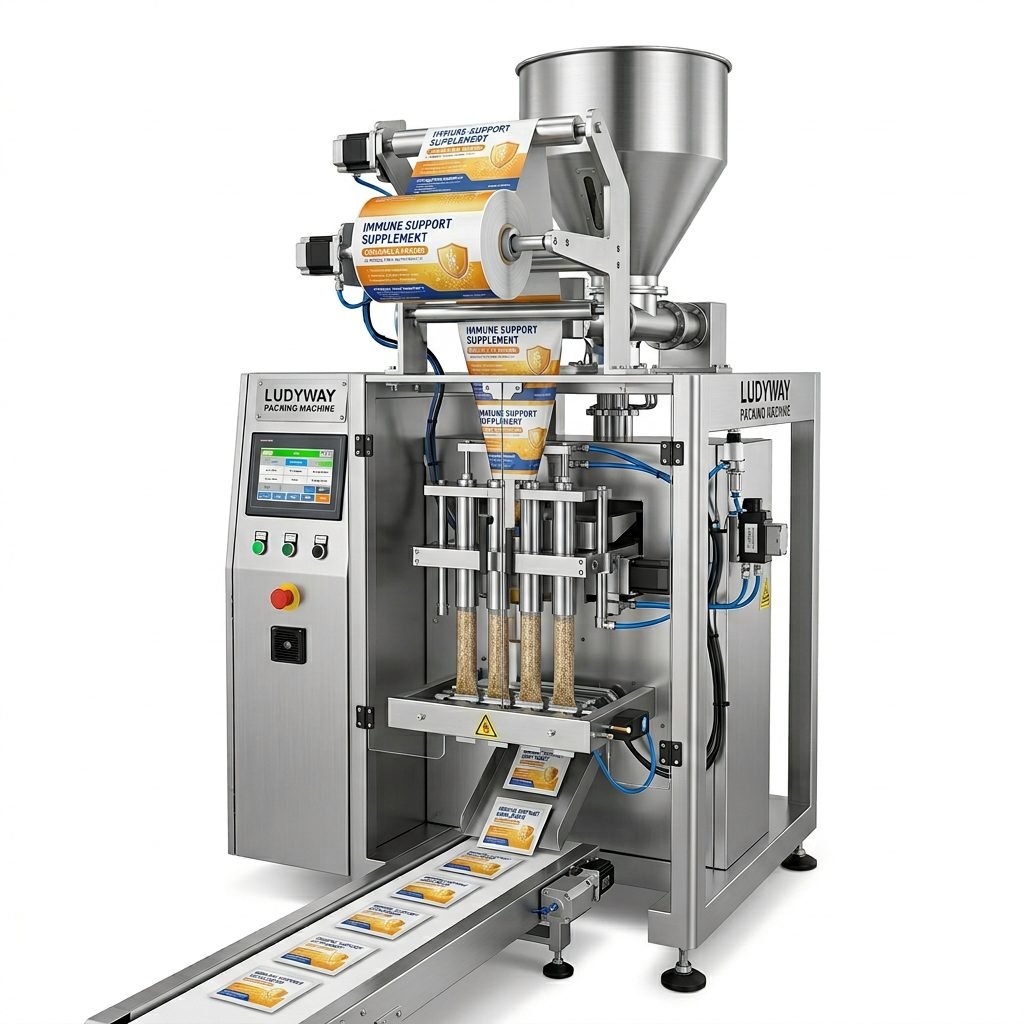
- Stick packs — ideal for single-serve coffee, sugar, and supplement powders
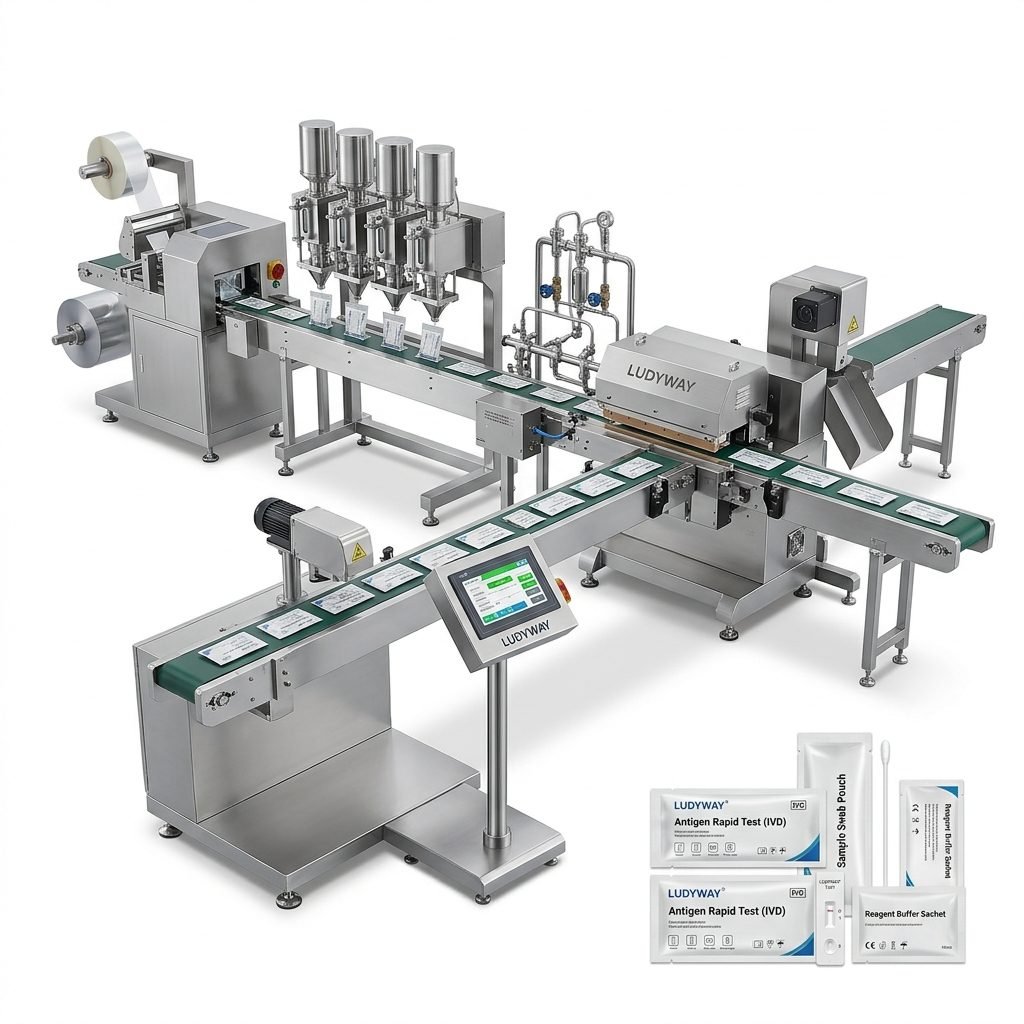
- Sachets — widely used for spices, shampoos, and food samples
- Pillow pouches — common for snacks, pasta, and frozen items
- Gusseted bags — preferred for bulk quantities of rice, flour, and legumes
2. Production Capacity and Speed Requirements
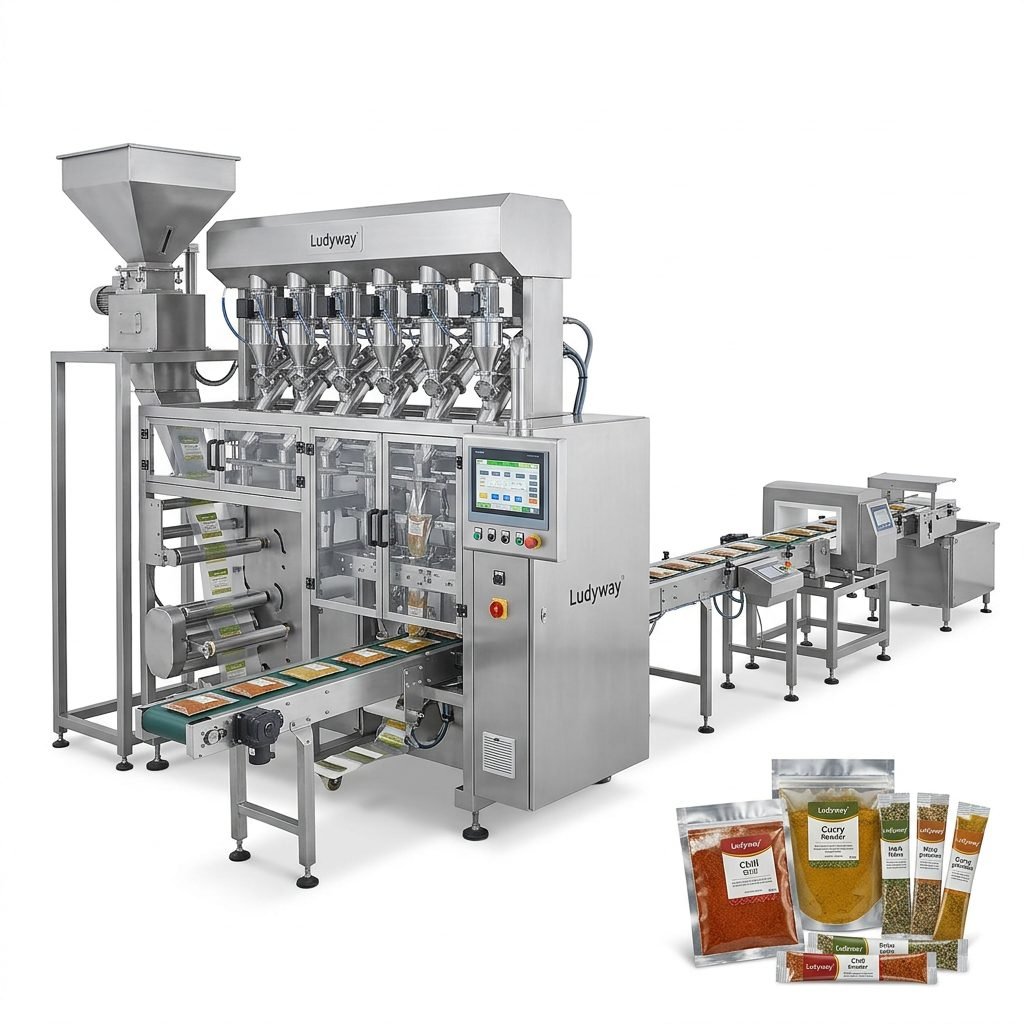
Egyptian food manufacturers range from small family-owned operations to large-scale industrial facilities. Your choice of equipment should align with current throughput needs while allowing room for future expansion. A multi-lane stick pack machine capable of producing 400-600 packs per minute may be essential for high-volume coffee or sugar producers, while smaller operations might benefit from single-lane machines offering greater flexibility at a lower initial investment. Evaluate your daily output targets, shift patterns, and seasonal demand fluctuations — particularly important in a market where Ramadan and holiday seasons drive significant consumption spikes.
3. Compliance with Egyptian and International Standards
Egypt maintains specific food safety and packaging regulations overseen by the Egyptian Organization for Standardization and Quality (EOS). Equipment must comply with local standards for food contact materials and hygiene. Additionally, if you plan to export to Europe, the Gulf Cooperation Council (GCC) countries, or other African nations, your packaging machinery should support compliance with international standards such as ISO packaging standards and relevant FDA food packaging requirements where applicable. Machines constructed with stainless steel frames, food-grade seals, and easy-clean designs are essential for meeting sanitary standards.
4. Climate and Environmental Conditions
Egypt’s climate — characterized by high temperatures, humidity in coastal areas like Alexandria, and fine desert dust — places unique demands on packaging equipment. Machines must be designed to operate reliably in ambient temperatures that can exceed 40°C (104°F) during summer months. Electrical components, pneumatic systems, and sealing mechanisms should be protected against dust ingress. Selecting a food packaging machine with robust climate-resistant engineering helps prevent unplanned downtime and extends equipment lifespan in challenging environments.
5. Power Supply and Infrastructure Compatibility
Electrical supply stability can vary across different regions in Egypt. Before purchasing, confirm that the machine’s power requirements — voltage, frequency (typically 380V/50Hz for three-phase industrial equipment in Egypt), and phase configuration — match your facility’s electrical infrastructure. It is also wise to invest in voltage stabilizers or surge protection to safeguard sensitive electronic controls against power fluctuations, which are not uncommon in industrial zones outside major urban centers.
| Machine Type | Best Suited Products | Key Advantage for Egypt Market | Typical Speed Range |
|---|---|---|---|
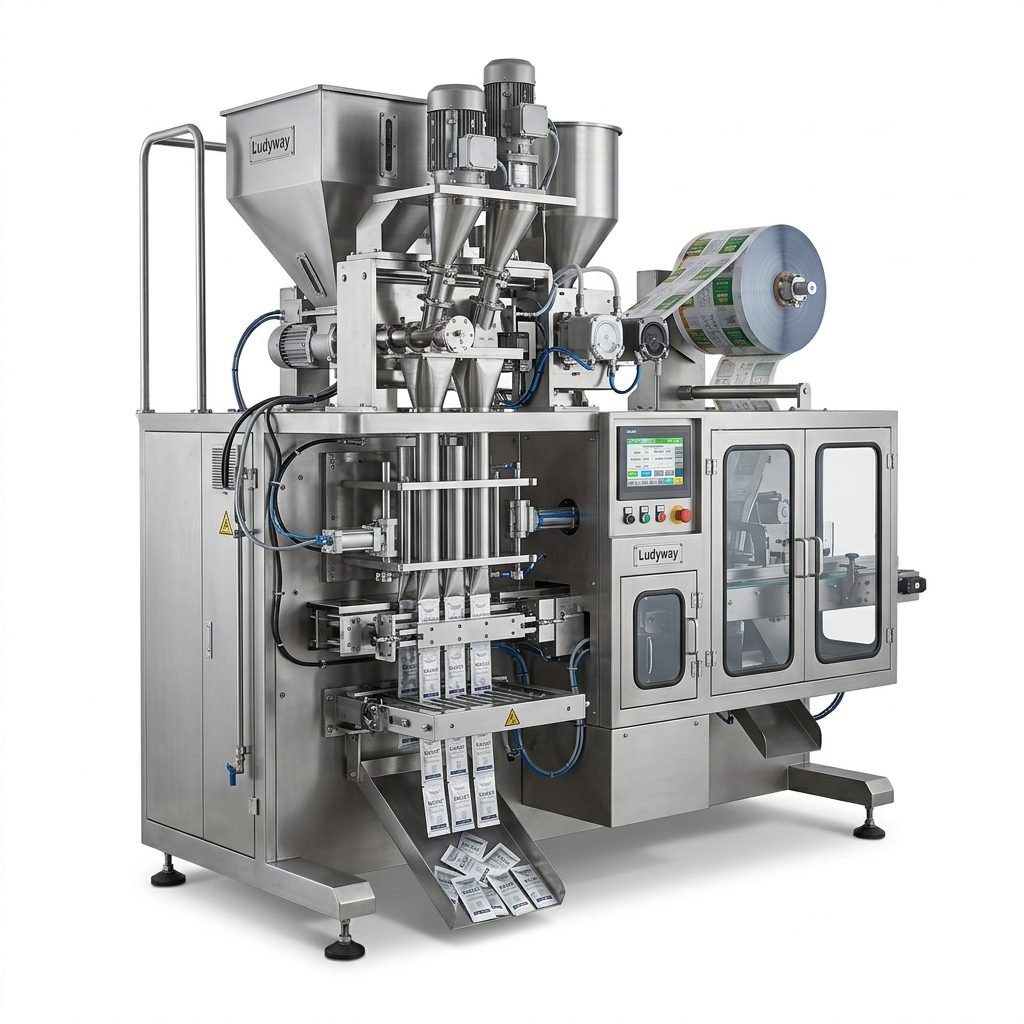
| Multi-Lane Stick Pack Machine | Coffee, sugar, salt, seasonings, milk powder | High output for single-serve formats popular in Egyptian retail | 200-800 packs/min |
| Sachet Packaging Machine | Spices, sauce samples, cosmetic food-grade items | Cost-effective packaging for price-sensitive Egyptian market segments | 150-400 packs/min |
| Premade Pouch Packaging Machine | Frozen foods, snacks, dates, dried fruits | Attractive retail presentation for export-oriented Egyptian products | 30-120 packs/min |
| Vacuum Packaging Machine | Meat, cheese, dates, frozen seafood | Extended shelf life critical for Egypt’s warm climate and export logistics | 10-60 packs/min |
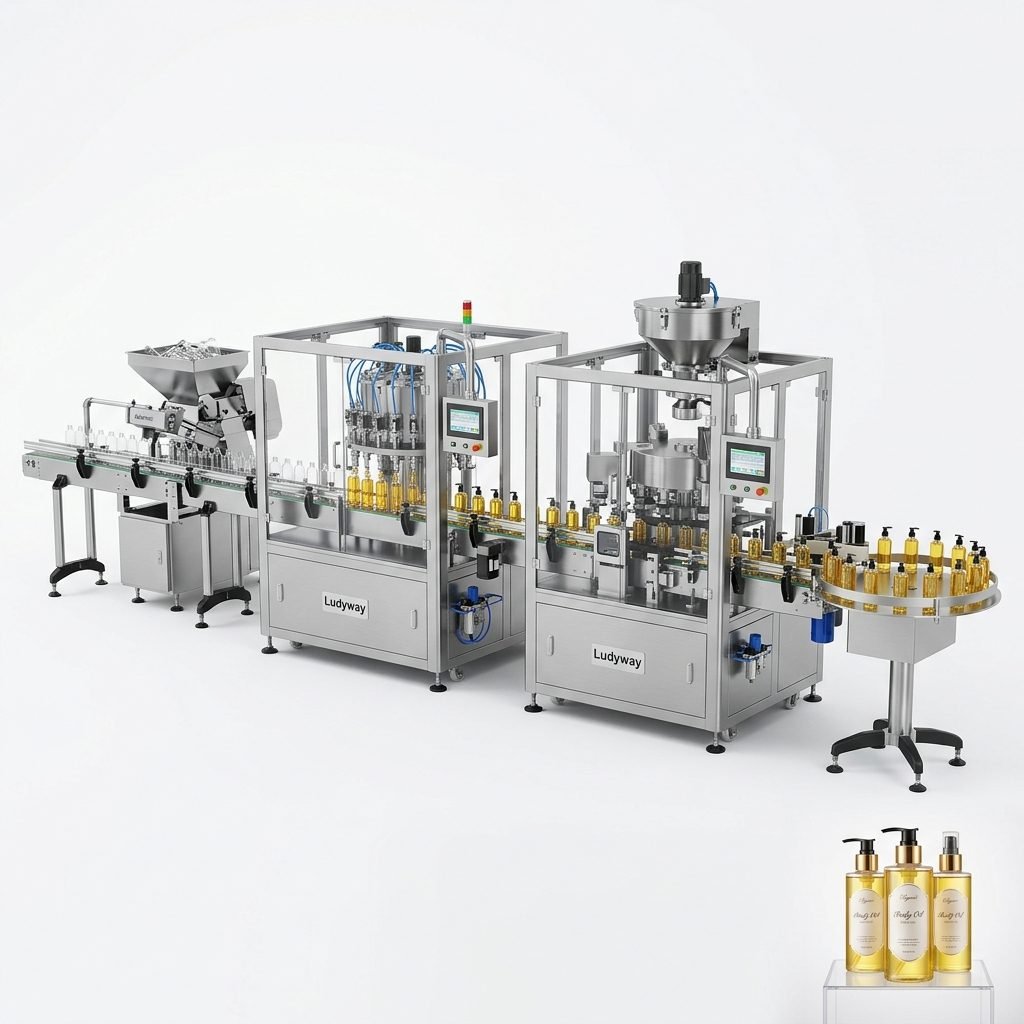
| Liquid Filling and Sealing Machine | Juices, oils, sauces, dairy liquids | Precision filling reduces product waste on higher-cost liquid ingredients | 100-500 packs/min |
6. After-Sales Support and Spare Parts Availability
Access to responsive technical support and genuine spare parts is a critical consideration for Egyptian buyers. Downtime caused by waiting for replacement components shipped from distant locations can severely impact production schedules. Choose a manufacturer that offers reliable after-sales service, preferably with regional support infrastructure, comprehensive documentation in Arabic or English, and remote troubleshooting capabilities. Training for your local operators and maintenance staff should also be part of the equipment procurement package. For insights into global packaging industry trends and equipment standards, resources from the PMMI packaging industry association provide valuable guidance.
Making an Informed Investment Decision
Choosing the right food packaging machine for the Egypt market requires a holistic approach that balances technical specifications, local environmental factors, regulatory compliance, and long-term operational costs. Conduct thorough research, request detailed proposals from multiple suppliers, and whenever possible, visit existing installations or request video demonstrations of the equipment processing products similar to yours. Pay close attention to the total cost of ownership — including energy consumption, spare parts pricing, and expected maintenance intervals — rather than focusing solely on the initial purchase price.
As one of the largest packaging machine manufacturers globally, Ludyway offers over 50 intelligent packaging machine models designed for granule, powder, liquid, and pouch applications, serving customers in over 100 countries including key markets across Africa and the Middle East. With a modern 20,000㎡ manufacturing facility, 30+ years of industry experience, and a team of 130+ professional packaging experts, the company provides turnkey solutions tailored to diverse production requirements. For more information on selecting the optimal packaging solution for your Egyptian food business, consult industry resources from the Flexible Packaging Association or explore regulatory guidance from the FDA packaging and food contact substances database for export-oriented production planning.
Additional Resources for Egyptian Food Manufacturers
- PMMI State of the Industry Reports — annual packaging sector data and forecasts
- Flexible Packaging Association — flexible packaging insights and sustainability resources
- ISO Packaging and Distribution Standards — international compliance frameworks
- European Commission Packaging Regulations — relevant for Egypt-to-Europe export compliance
Final Checklist Before Purchase
- Verify machine compatibility with your specific product characteristics (granule size, powder density, liquid viscosity)
- Confirm electrical requirements match your facility (380V/50Hz three-phase typical for Egypt)
- Request documentation on climate tolerance and dust protection ratings
- Evaluate spare parts availability and average delivery times to Egypt
- Review warranty terms and after-sales service level agreements
- Assess training provisions for your operational and maintenance teams
- Compare total cost of ownership across multiple equipment suppliers