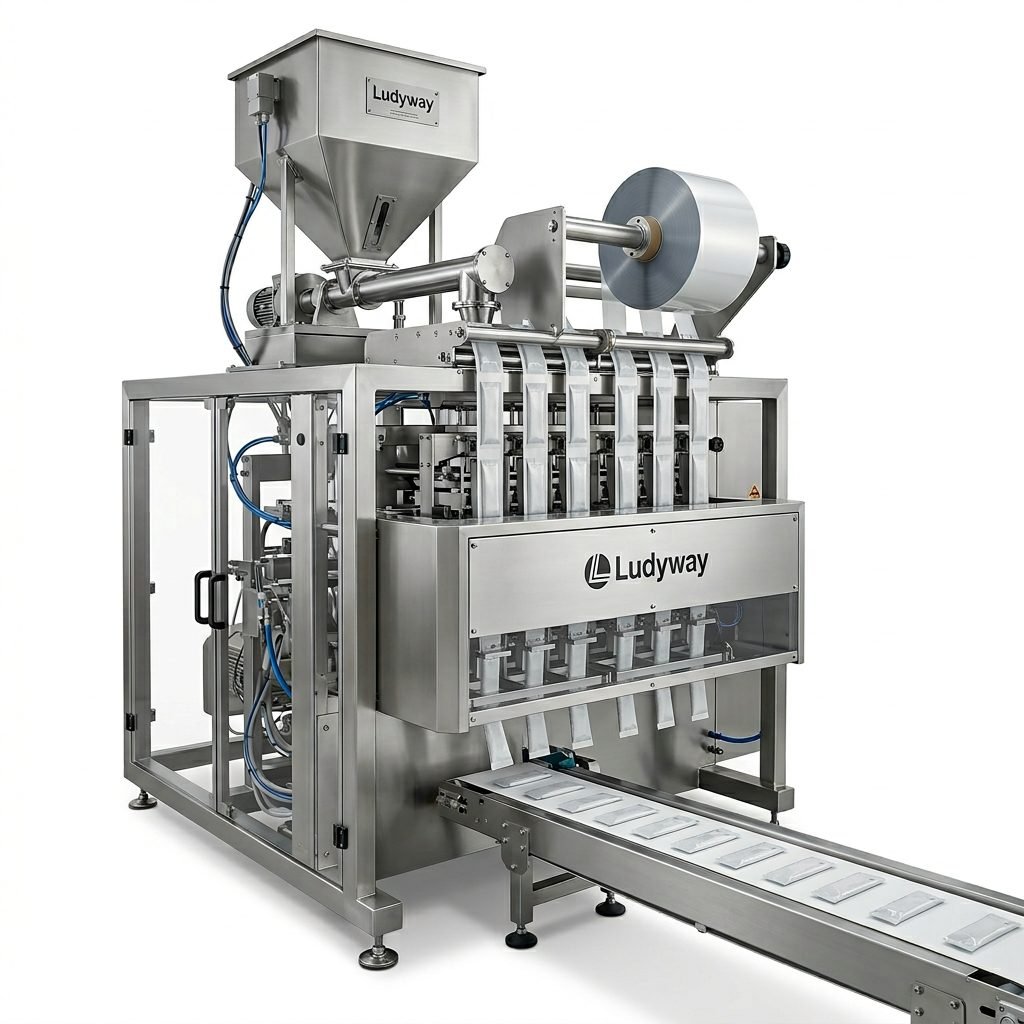
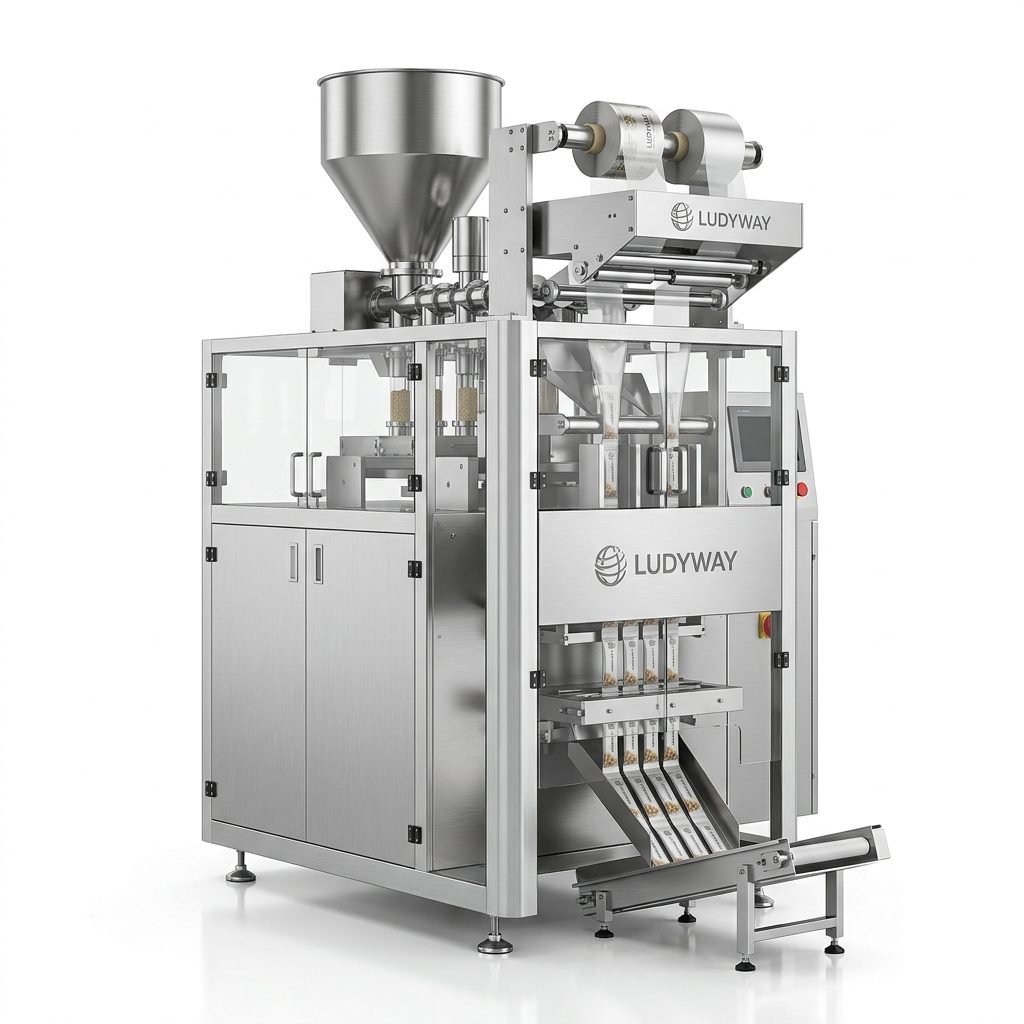
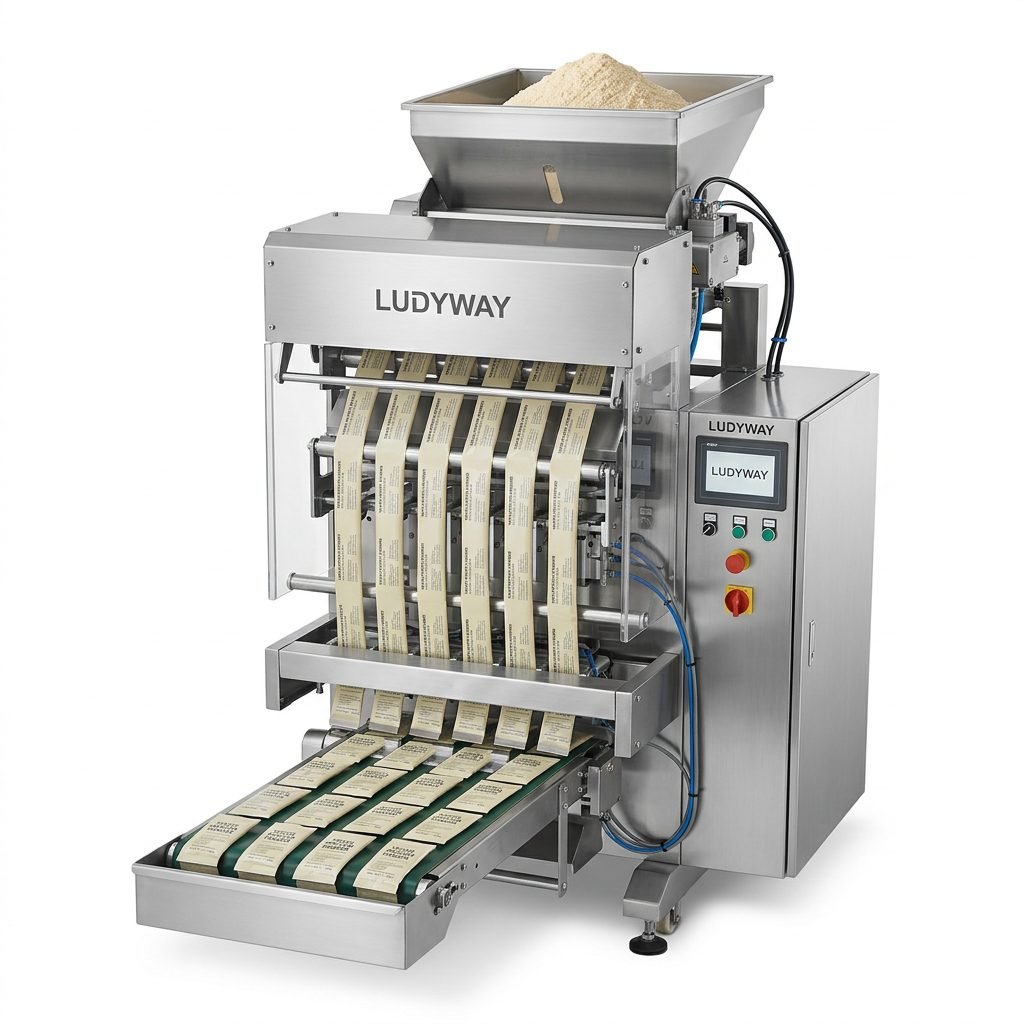
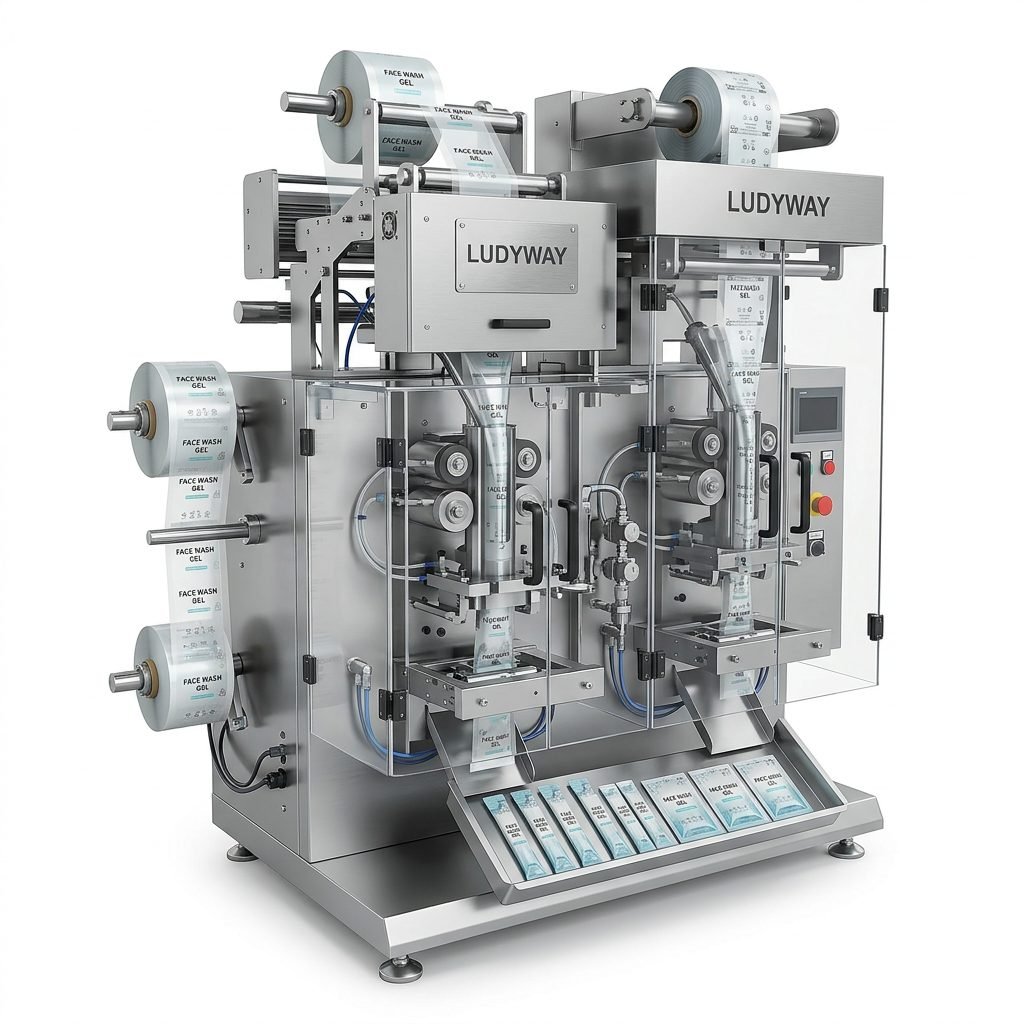
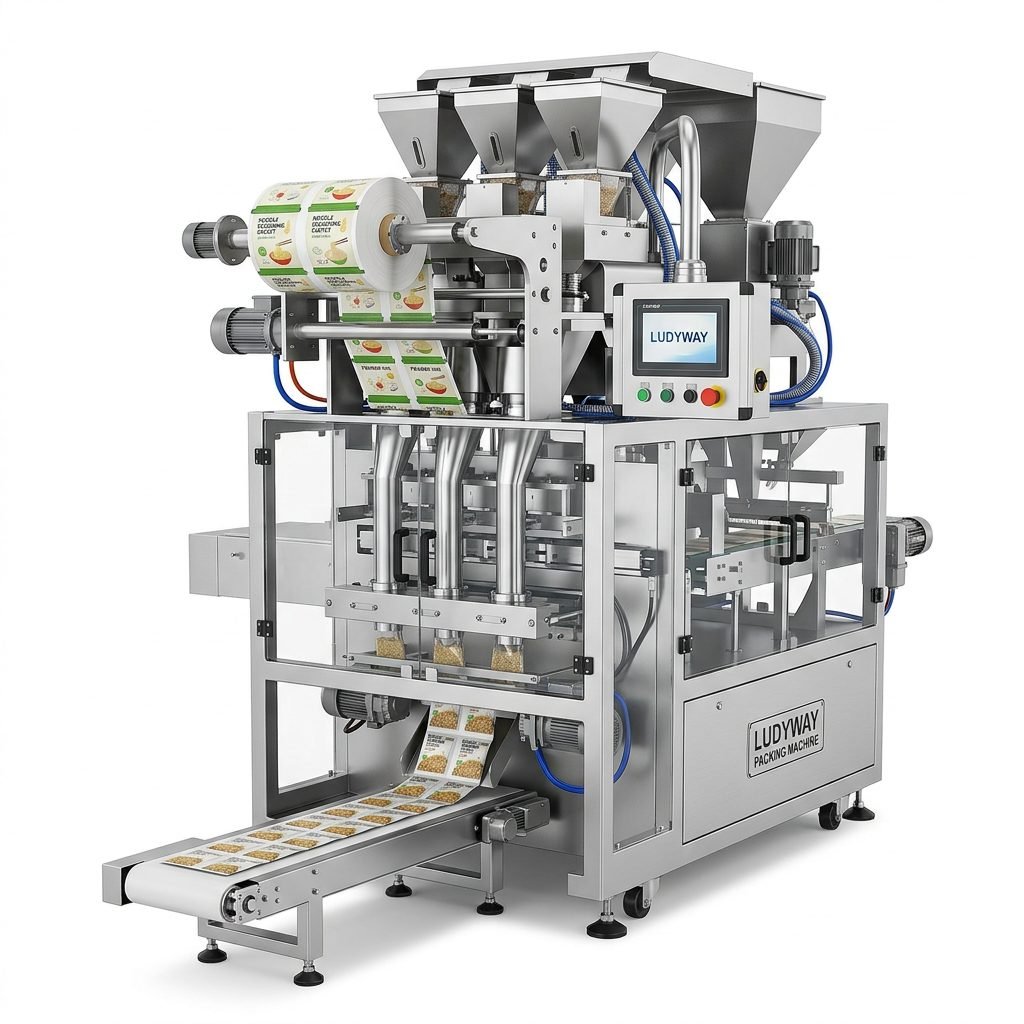
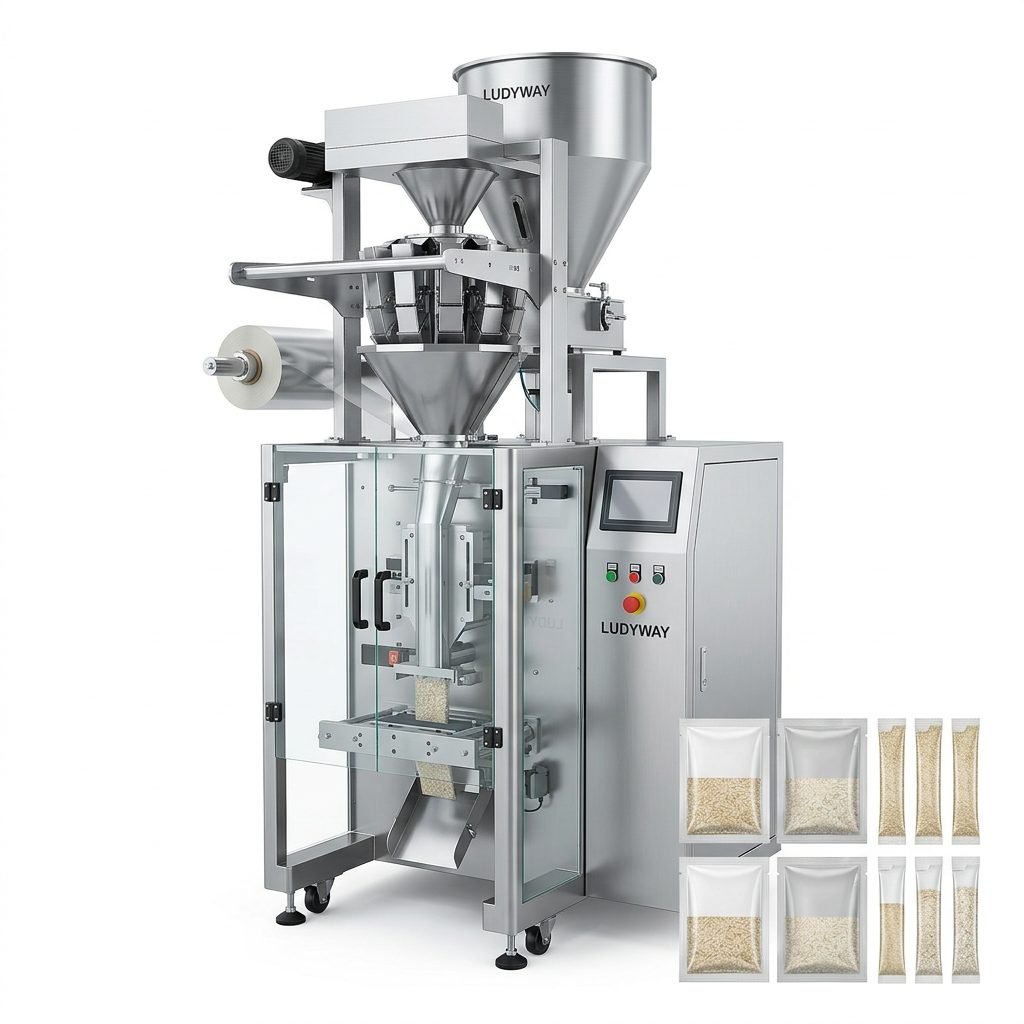
Investing in a bar soap packaging machine is a significant decision for any soap manufacturer. Whether you are producing artisanal handcrafted bars or high-volume commercial soap products, the right packaging equipment directly impacts your production efficiency, product presentation, and bottom line. A poorly chosen machine can lead to downtime, inconsistent packaging quality, and wasted materials. This comprehensive buyer’s guide walks you through every critical factor to consider before making your purchase, helping you select equipment that aligns perfectly with your operational goals.
1. Understanding Your Bar Soap Production Requirements
Before evaluating specific machines, you must clearly define your production parameters. Start by answering these fundamental questions:
- What is your current and projected output volume? A small-batch artisan producer may only need 20-40 bars per minute, while a large-scale manufacturer could require 150+ bars per minute.
- What are the dimensions and shapes of your soap bars? Rectangular, oval, round, or custom-shaped bars each demand different handling and wrapping mechanisms.
- What packaging format do you require? Options include flow wrap, shrink wrap, carton boxing, banding, or a combination of these.
- Do you need single-bar or multi-bar packaging? Some machines handle individual bars, while others can bundle multiple bars into a single package.
- What is your available floor space? Machine footprints vary significantly, and you need to account for infeed and outfeed conveyor space.
Documenting these specifications upfront will narrow your options and prevent costly mismatches between your needs and the machine’s capabilities.
2. Types of Bar Soap Packaging Machines
The bar soap packaging machine market offers several distinct configurations, each suited to different production environments. Understanding these types helps you match technology to your application.
Flow Wrapping Machines (Horizontal Form Fill Seal)
Flow wrappers are the most common choice for bar soap packaging. They create a sealed pouch or sleeve around each bar by wrapping film around the product and sealing it on three sides. These machines excel at high-speed operations and produce a tight, professional-looking package. They work well with a variety of film materials including polypropylene, cellophane, and biodegradable films. Flow wrapping is particularly popular for single-bar retail packaging where product visibility and tamper evidence are important.
Shrink Wrapping Machines
Shrink wrap systems use heat to tighten a loose film wrap around the soap bar or multi-pack bundle. This method provides excellent product protection against moisture, dust, and handling damage. Shrink wrapping is often chosen for multi-bar packs, promotional bundles, or when a thicker protective layer is needed. The equipment can range from semi-automatic L-sealers to fully automatic high-speed shrink tunnels.
Cartoning Machines
For premium or gift-oriented soap products, cartoning machines erect, fill, and close paperboard cartons. These systems add a higher perceived value to the product and provide additional surface area for branding. Cartoners can be configured for end-load or top-load operations and may integrate with upstream flow wrappers for a complete packaging line.
Banding and Sleeving Machines
Banding applies a narrow strip of paper or film around the soap bar, often used for minimalist, eco-friendly packaging. Sleeving wraps a pre-formed sleeve around the product. Both methods reduce material usage while still providing branding space and product information display.
3. Critical Features to Evaluate
When comparing different bar soap packaging machines, certain features can make a substantial difference in daily operations and long-term reliability. Pay close attention to the following:
| Feature | Why It Matters | What to Look For |
|---|---|---|
| Film Registration Control | Ensures printed film aligns correctly with each bar | Servo-driven registration with photoelectric sensors |
| Quick Changeover Capability | Reduces downtime when switching between product sizes | Tool-less adjustments, recipe memory, modular design |
| Sealing Technology | Directly affects package integrity and shelf life | Temperature-controlled heated jaws, adjustable pressure, dwell time control |
| Product Feeding System | Handles delicate soap surfaces without damage | Gentle handling mechanisms, adjustable guide rails, servo-controlled infeed |
| Control Interface | Impacts operator training and troubleshooting efficiency | Touchscreen HMI, multi-language support, diagnostic displays |
| Frame Construction | Determines machine longevity and stability | Stainless steel frame, robust welded construction, corrosion-resistant materials |
4. Material Compatibility and Sustainability
Modern bar soap packaging machines must accommodate an expanding range of packaging materials. The industry is shifting rapidly toward sustainable packaging solutions, and your equipment needs to keep pace.
- Traditional Films: Polypropylene (PP), polyethylene (PE), and cellophane remain widely used. Verify that the machine can run these materials at your required speeds.
- Biodegradable and Compostable Films: PLA, cellulose-based, and other bio-films behave differently during sealing and cutting. Machines with precise temperature control and adjustable tension are essential for processing these materials successfully.
- Paper-Based Wraps: Some manufacturers are switching to waxed paper or coated paper wraps. These materials require different folding and sealing approaches compared to plastic films.
- Recycled Content Films: rPET and other recycled-content materials may have slightly different physical properties. Test these materials on any machine you are considering.
Ask potential suppliers about their experience with alternative and sustainable materials. A machine that cannot adapt to future packaging trends may become obsolete sooner than anticipated.
5. Automation Level and Integration
The degree of automation you choose affects labor requirements, consistency, and overall line efficiency. Bar soap packaging machines span a wide automation spectrum:
- Semi-Automatic: Requires manual product loading but automates wrapping or sealing. Suitable for startups and low-volume artisan production.
- Fully Automatic: Handles product feeding, wrapping, sealing, and discharge without operator intervention. Ideal for medium-to-high volume production.
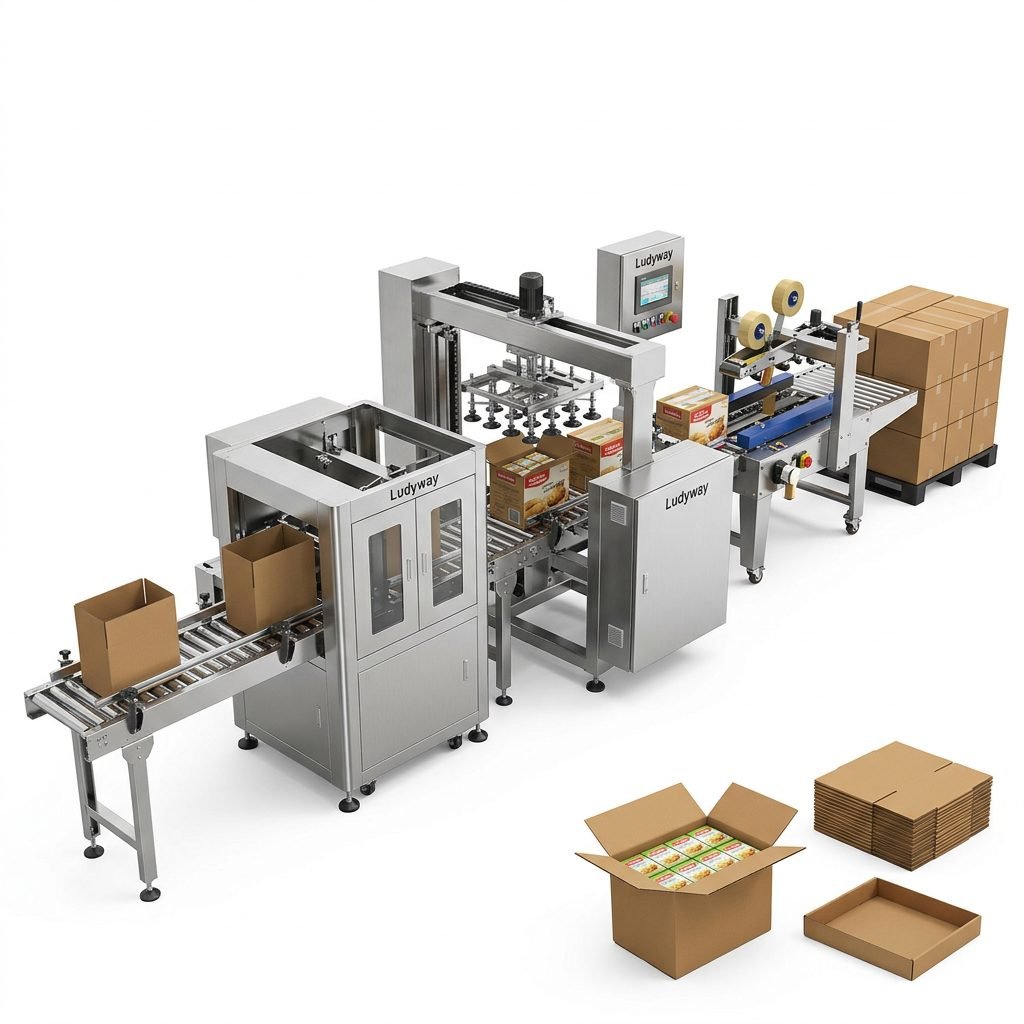
- Integrated Packaging Lines: Connects multiple stages — from soap feeding and wrapping through cartoning and case packing. These packaging machinery systems maximize throughput and minimize labor costs.
Consider how the machine will integrate with your existing production line. Evaluate infeed conveyor compatibility, upstream soap cutting or stamping equipment, and downstream cartoning or palletizing systems. A well-integrated line reduces product handling and the risk of damage.
6. Speed and Output Capacity
Matching machine speed to your production targets is essential, but the relationship is nuanced. Rated speeds typically represent maximum theoretical output under optimal conditions. Real-world throughput depends on:
- Soap bar size and shape consistency
- Packaging material type and quality
- Operator skill and experience
- Product changeover frequency
- Maintenance and cleaning schedules
As a rule of thumb, select a machine whose rated speed exceeds your target output by 20-30%. This headroom accommodates variations in real-world conditions without creating bottlenecks. Also, consider whether the machine can be upgraded or retrofitted for higher speeds if your production needs grow.
7. Quality, Safety Standards, and Certifications
Compliance with packaging standards and food packaging regulations is non-negotiable, especially if your soap products are marketed as cosmetic or personal care items. Verify that the machine manufacturer can provide relevant documentation.
- CE Marking: Required for equipment sold in the European Economic Area, indicating conformity with health, safety, and environmental standards.
- GMP Compliance: Good Manufacturing Practice guidelines are particularly relevant for soap products making cosmetic or therapeutic claims.
- ISO Certifications: ISO 9001 for quality management systems indicates a manufacturer’s commitment to consistent quality.
- Food-Grade Materials: All product contact surfaces should be constructed from food-grade stainless steel (typically 304 or 316 grade).
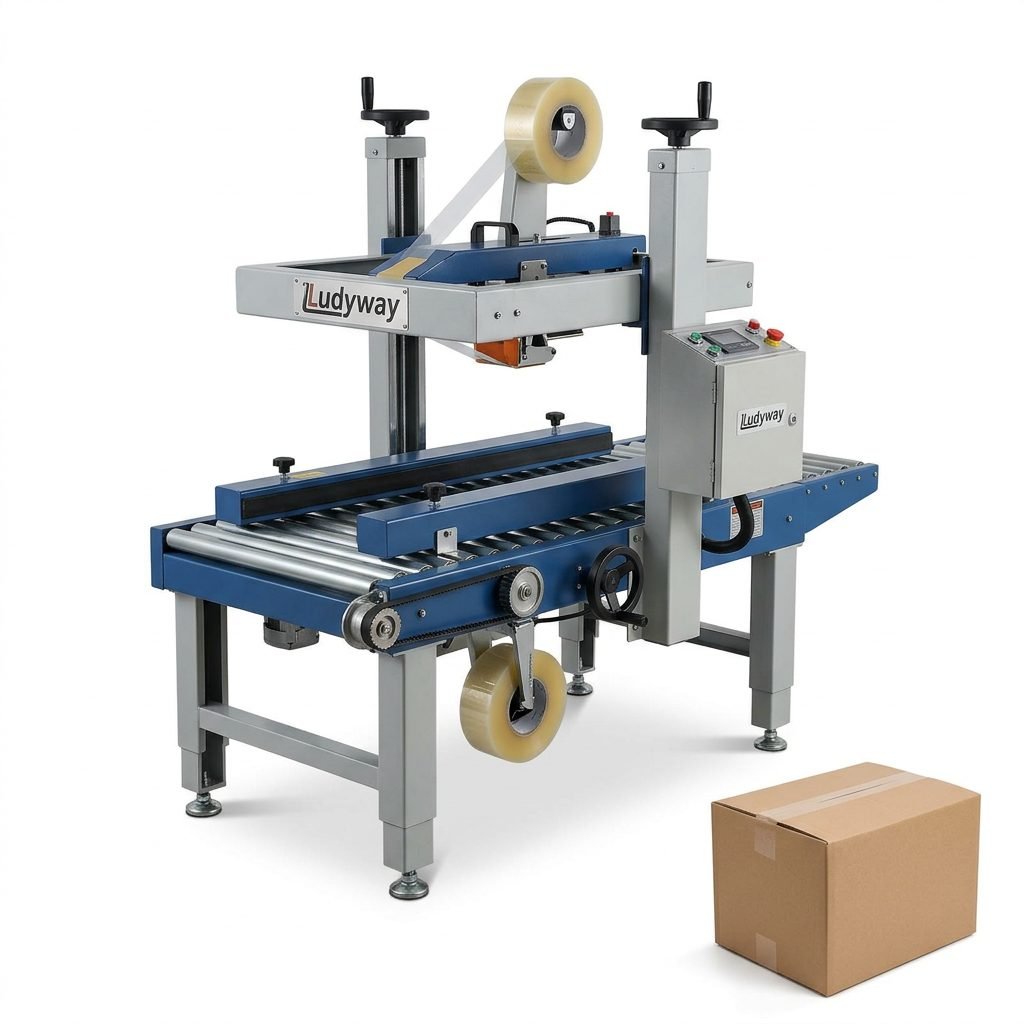
- Safety Features: Emergency stop buttons, safety guarding, interlocks on access doors, and overload protection are essential for operator safety.
8. Budget Considerations and Return on Investment
The purchase price of a bar soap packaging machine is just one component of the total cost of ownership. A comprehensive financial analysis should account for:
- Initial capital expenditure: Machine cost, shipping, import duties, installation, and commissioning.
- Operational costs: Packaging material consumption, energy usage, labor requirements, and routine maintenance parts.
- Downtime costs: Lost production during breakdowns or changeovers. Higher-quality machines typically offer greater reliability.
- Training costs: Operator and maintenance staff training requirements.
- Financing options: Leasing, equipment loans, or manufacturer financing programs may be available.
Calculate your expected payback period based on labor savings, increased throughput, and reduced material waste. For many manufacturers, a well-specified automatic packaging machine pays for itself within 12-24 months through efficiency gains alone.
9. After-Sales Support and Service
The relationship with your equipment supplier does not end at installation. Robust after-sales support is critical for maintaining long-term productivity. Before committing to a purchase, investigate:
- Warranty coverage: Duration, what is included, and any exclusions or conditions.
- Technical support availability: Remote support hours, response times, and language capabilities.
- Spare parts availability: How quickly can critical spare parts be shipped to your location? Does the supplier maintain regional parts inventories?
- Service engineer access: Are field service technicians available in your region for on-site repairs and preventive maintenance?
- Training programs: Comprehensive operator and maintenance training reduces the learning curve and prevents costly mistakes.
- Documentation quality: Well-written manuals, electrical schematics, and troubleshooting guides in your preferred language.
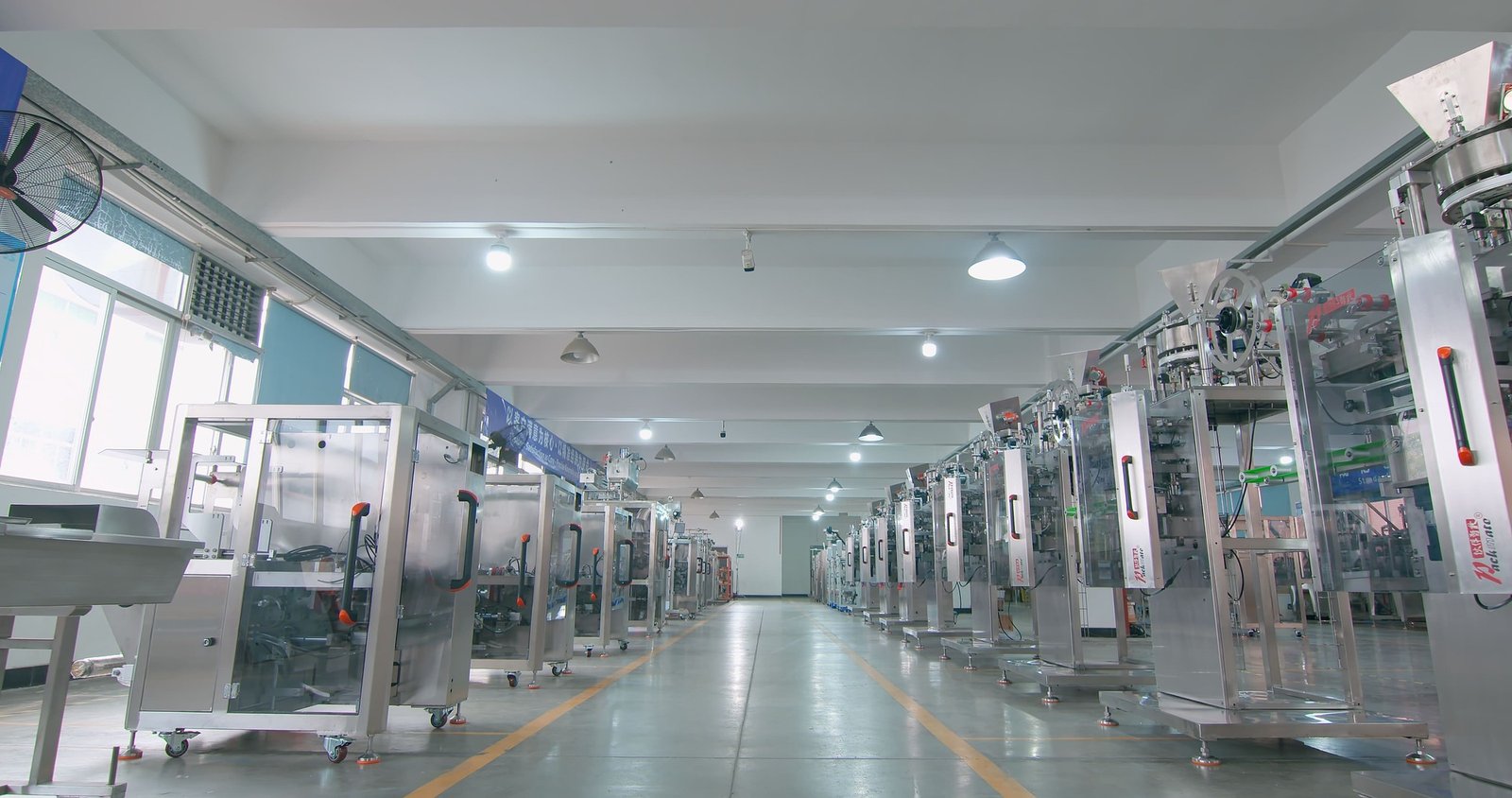
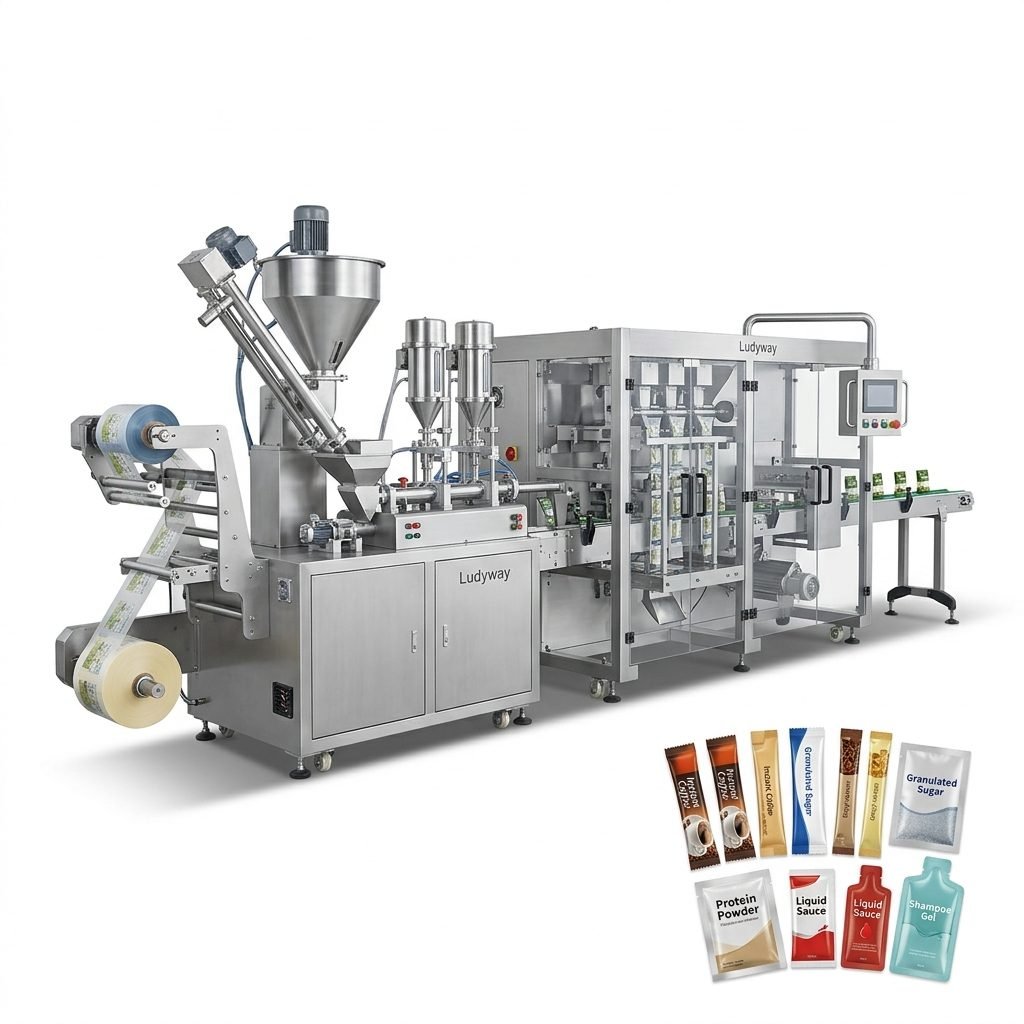
Choosing a manufacturer with established global service capabilities ensures that you will have support when you need it most. Companies like Ludyway Machinery, with over 30 years of experience and customers in more than 100 countries, demonstrate a proven track record of supporting manufacturers worldwide. Their comprehensive approach covers everything from machine selection and packaging solution design through installation, commissioning, operator training, and ongoing technical support.
10. Making the Final Decision
After evaluating all the factors above, you will likely have a shortlist of potential bar soap packaging machines. Before making your final selection, take these practical steps:
- Request a sample run using your actual soap bars and preferred packaging materials. This reveals how the machine handles your specific product.
- Visit a reference site where a similar machine is in production. Speak with operators about their real-world experience.
- Review the complete quotation carefully, ensuring all specifications, options, delivery terms, and warranty details are documented.
- Assess the supplier’s long-term viability. A packaging machine is a long-term investment, and you want confidence that the manufacturer will be around to support it.
- Consider total line integration. Even if you are starting with a single machine, plan for how it will connect with upstream and downstream equipment as your operation scales.
Selecting the right bar soap packaging machine is a strategic decision that shapes your production capability for years to come. By methodically working through the factors outlined in this guide, you will be well-positioned to choose equipment that delivers reliable performance, consistent packaging quality, and a strong return on your investment. Take the time to evaluate your options thoroughly, and do not hesitate to lean on the expertise of established packaging machinery manufacturers who can guide you toward the optimal solution for your specific needs.
Frequently Asked Questions
What is the typical lifespan of a bar soap packaging machine?
A well-maintained bar soap packaging machine from a reputable manufacturer can last 10 to 20 years or more in regular production. The actual lifespan depends on build quality, operating conditions, maintenance practices, and the volume of production. Machines constructed with stainless steel frames and high-quality components typically outlast those built with cost-reduced materials. Regular preventive maintenance and timely replacement of wear parts significantly extend operational life.
Can one machine handle different soap bar sizes and shapes?
Many modern machines offer changeover flexibility, but the degree varies by model. Machines with servo-driven adjustments and recipe storage can switch between different bar sizes in minutes. However, extreme variations — such as switching from a standard rectangular bar to a large round bar — may require more extensive changeover or dedicated change parts. Discuss your full product range with the supplier to ensure the machine can accommodate all current and planned variations.
How much floor space does a bar soap packaging machine require?
Floor space requirements vary widely based on machine type and configuration. A compact semi-automatic flow wrapper may occupy as little as 2-3 square meters, while a fully automatic integrated line with infeed conveyor, flow wrapper, cartoner, and case packer could require 15-30 square meters or more. Always account for operator access, maintenance clearance, and material staging areas when planning your layout.
What maintenance is required for a bar soap packaging machine?
Routine maintenance typically includes daily cleaning of product contact surfaces, weekly inspection of sealing jaws and cutting blades, monthly lubrication of moving components, and quarterly inspection of belts, chains, and electrical connections. Many machines include maintenance reminders and diagnostic systems that simplify this process. Establish a preventive maintenance schedule from day one to maximize uptime and extend the machine’s service life.
Is it better to buy a dedicated bar soap machine or a multi-purpose packaging machine?
For manufacturers focused exclusively on bar soap production, a dedicated machine typically offers optimized performance, faster speeds, and better package quality. Multi-purpose machines provide flexibility if you package diverse products, but may involve compromises in speed or changeover time. If bar soap is your primary product and you run consistently high volumes, a dedicated bar soap packaging machine usually delivers the best long-term value.