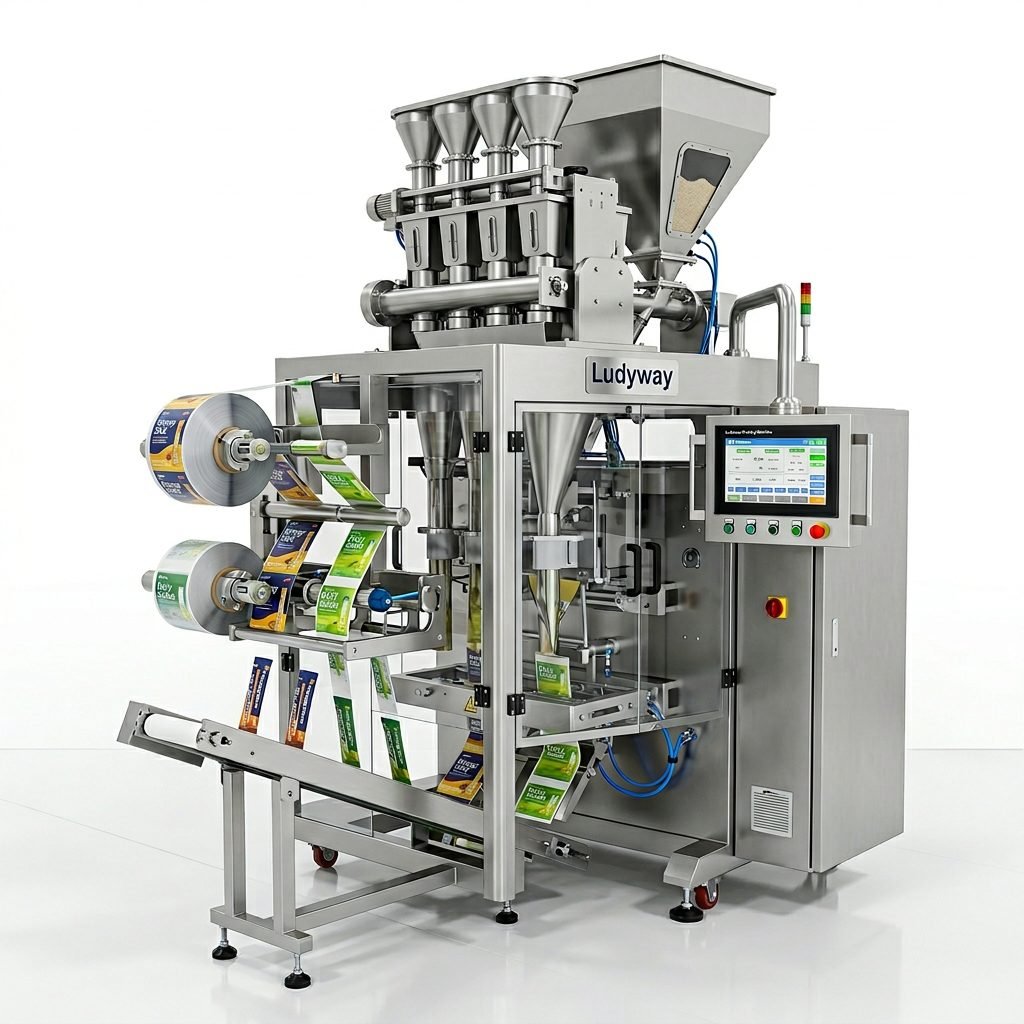
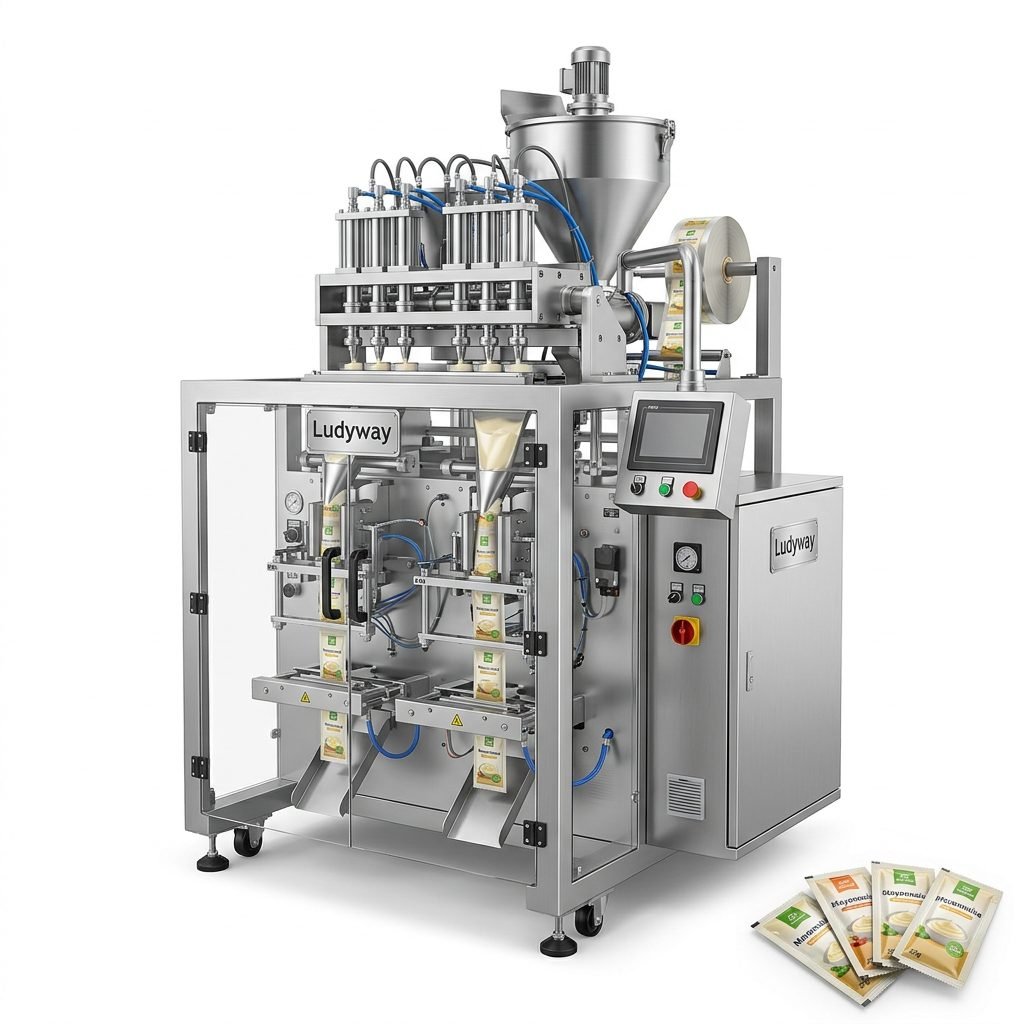
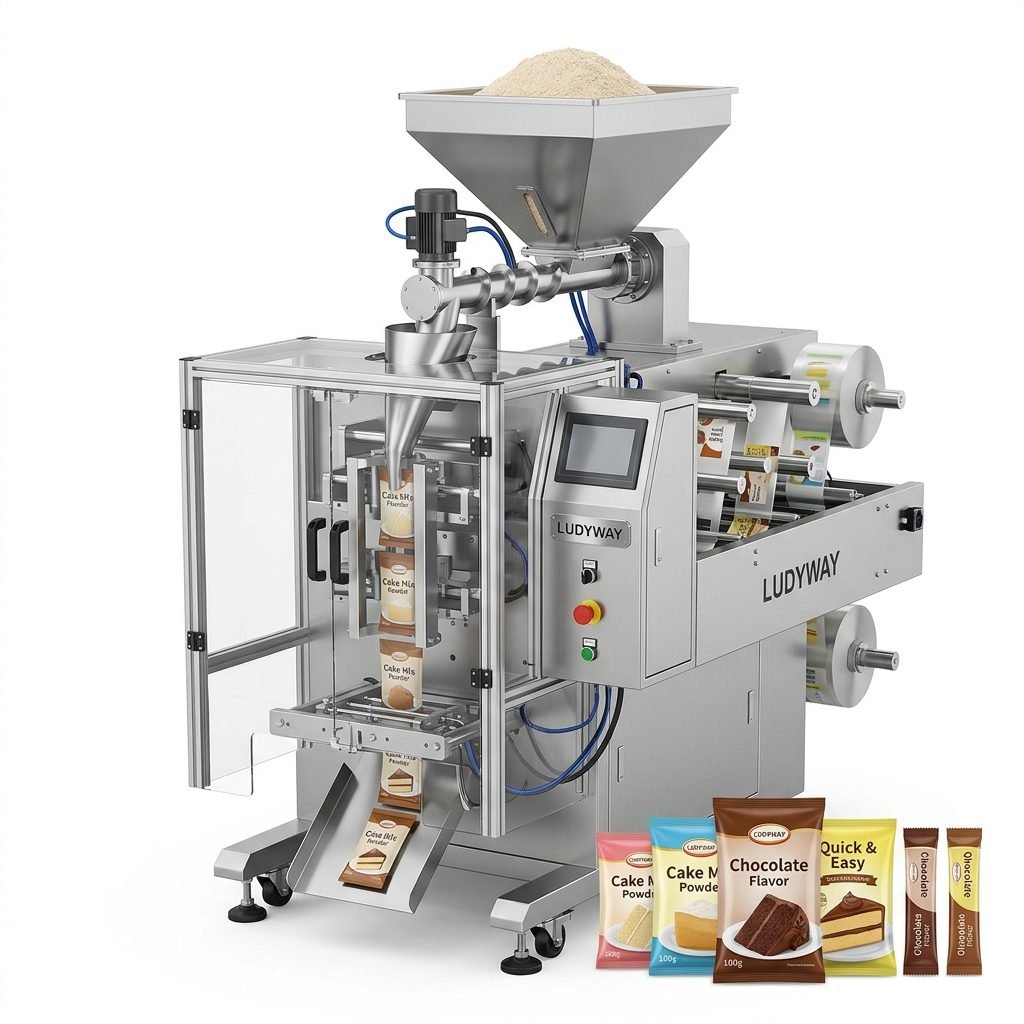
Proper maintenance is the foundation of reliable packaging operations. For facilities running packaging machinery in demanding production environments, a structured upkeep routine directly impacts uptime, output quality, and total cost of ownership. Fawema packaging machines, known for their robust engineering and precision filling capabilities, require consistent attention to perform at their best over years of continuous service.
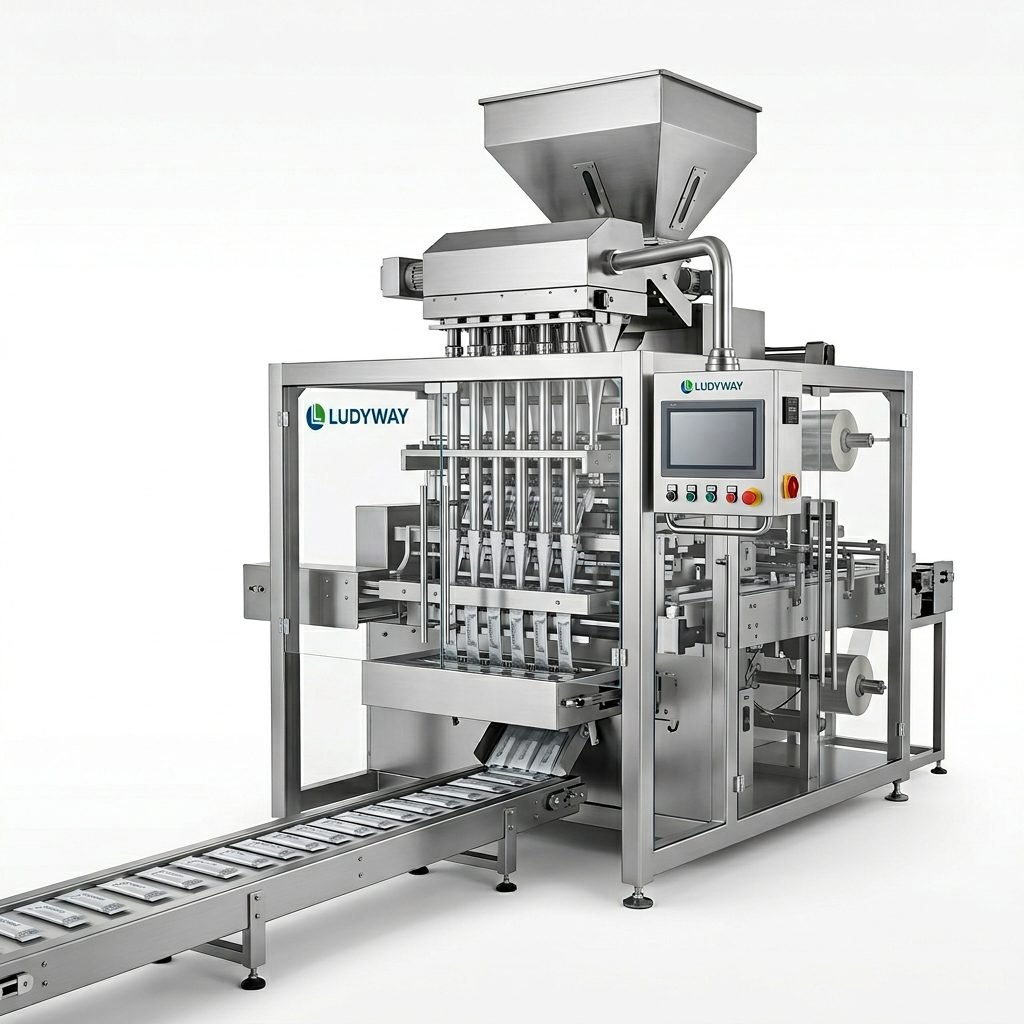
Understanding Your Fawema Packaging Machine
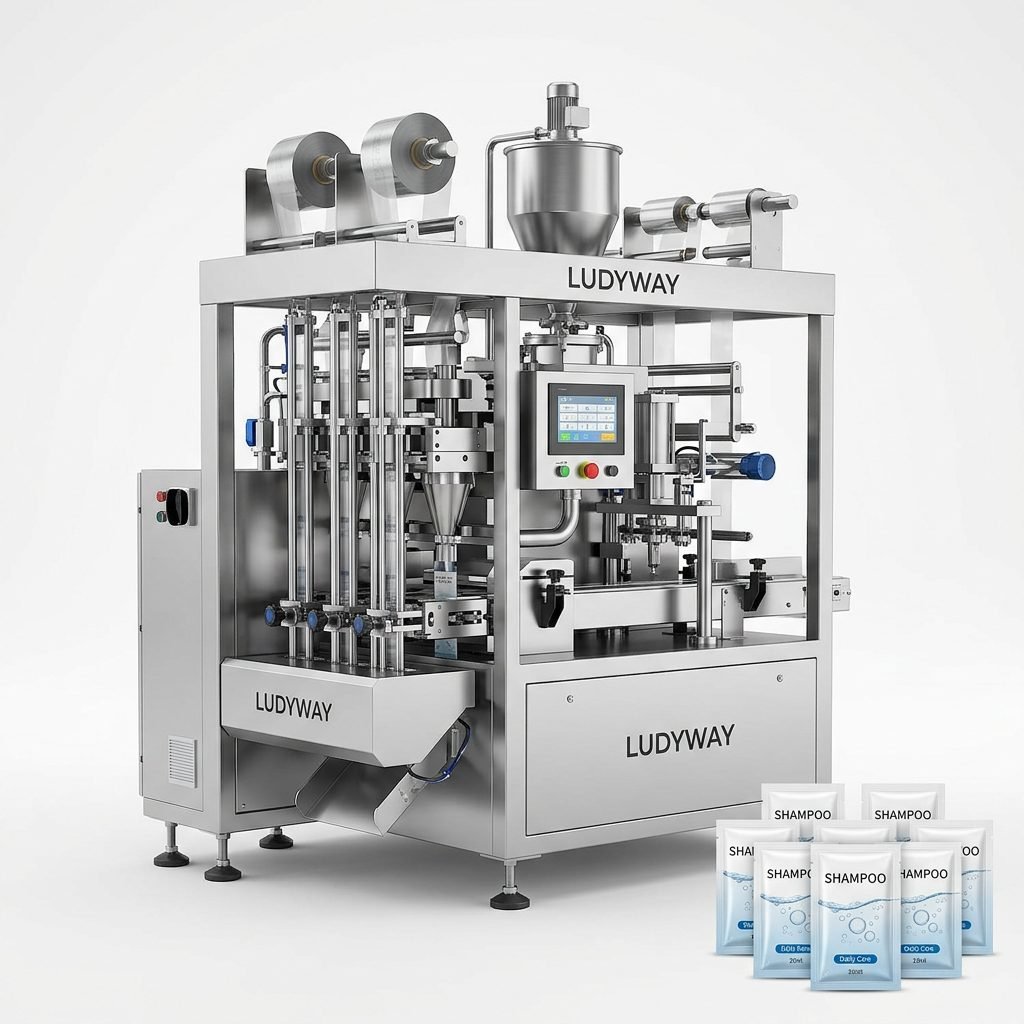
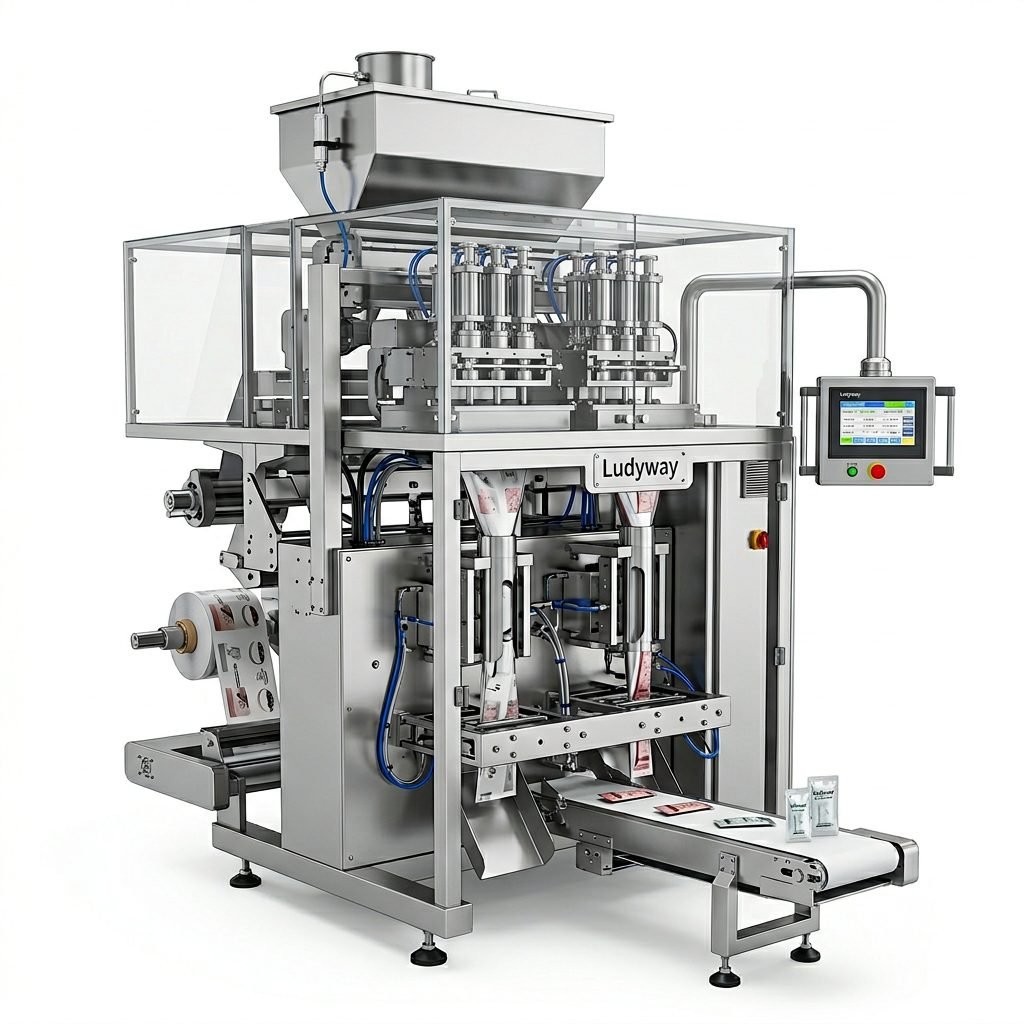
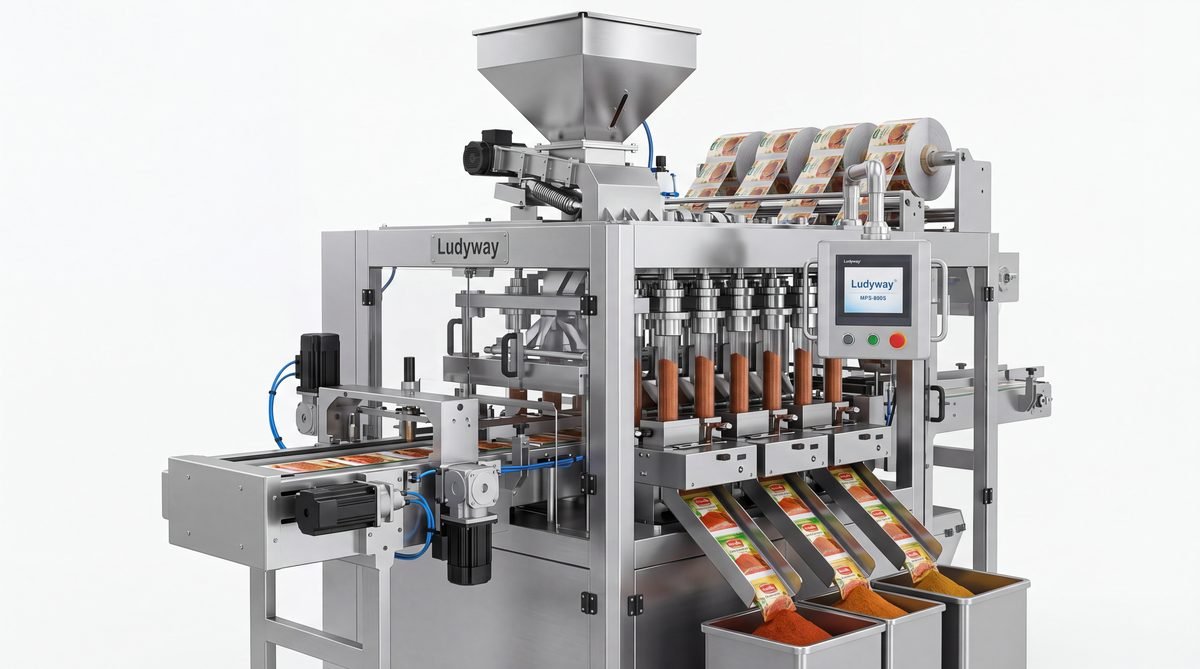
Before diving into specific maintenance tasks, operators and technicians should familiarize themselves with the core components of their vertical form fill seal (VFFS) system. Fawema machines typically integrate film unwinding, forming, filling, sealing, and cutting stations in a single, synchronized workflow. Key areas that demand regular inspection include the former shoulder, sealing jaws, film transport rollers, and the dosing unit. Understanding how these subsystems interact helps identify wear patterns early and prevents minor issues from escalating into major failures.
Daily Maintenance Checklist
A consistent daily routine is your first line of defense against unplanned downtime. The following tasks should be completed at the start of each shift or immediately after production ends:
- Visual inspection of all accessible moving parts for signs of wear, looseness, or damage
- Clean sealing surfaces thoroughly to remove product residue and film debris
- Check film alignment and tension across the forming tube and transport path
- Verify that all safety guards and interlocks are properly positioned and functional
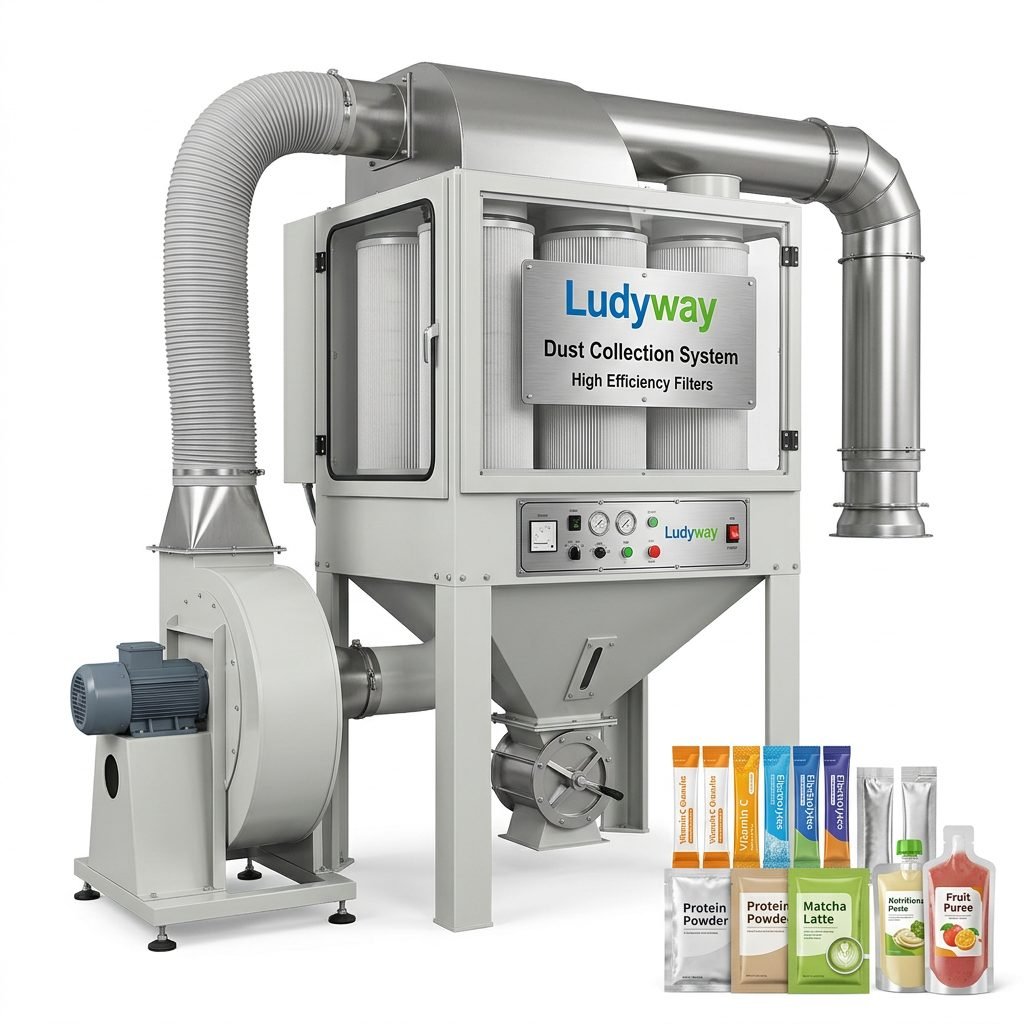
- Inspect air filters and cooling fans on electrical cabinets for dust accumulation
- Monitor operating temperature of sealing jaws and confirm they match setpoint values
- Test emergency stop functionality before full-speed operation begins
Cleaning Procedures That Protect Machine Longevity
Product buildup is one of the most common causes of sealing defects and mechanical binding. Never use abrasive tools on precision surfaces. Instead, follow these guidelines:
- Use food-grade cleaning agents compatible with machine materials
- Pay special attention to the forming collar area where film friction generates static and attracts fine particles
- Clean photoelectric sensor lenses daily to maintain accurate film registration
- Remove dust from drive belts and pulleys using dry compressed air at regulated pressure
- Wipe down all stainless steel surfaces to prevent corrosion in humid environments
Weekly and Monthly Maintenance Schedule
Beyond daily checks, a structured periodic maintenance program ensures that hidden issues are caught before they cause failures. The table below outlines recommended intervals for key service activities:
| Maintenance Task | Frequency | Responsible Role |
|---|---|---|
| Lubricate all grease fittings and linear guides | Weekly | Machine Operator |
| Inspect and clean vacuum system components | Weekly | Maintenance Technician |
| Check belt tension and alignment on all drives | Bi-weekly | Maintenance Technician |
| Calibrate temperature controllers and thermocouples | Monthly | Quality / Electrical Team |
| Replace worn sealing band or Teflon tape | Monthly or as needed | Maintenance Supervisor |
| Full inspection of bearings, bushings, and shafts | Monthly | Maintenance Engineer |
| Verify film tracking sensor calibration | Monthly | Electrical Technician |
Lubrication Best Practices
Proper lubrication is critical for high-cycle packaging equipment. Over-lubrication can be just as damaging as under-lubrication, attracting dust and creating abrasive paste that accelerates wear. Follow the manufacturer’s grease specifications precisely. Pay particular attention to:
- Sealing jaw pivot points — these experience the highest mechanical stress during each cycle
- Linear bearing rails on the cross-seal and film transport assemblies
- Cam followers and roller bearings in the forming area
- Chain drives and sprockets on powered film unwind systems
Always document lubrication activities in a maintenance log. This record becomes invaluable for preventive maintenance planning and warranty compliance.
Common Issues and Troubleshooting Guide
Even well-maintained Fawema machines can develop issues over time. Recognizing symptoms early allows for faster resolution. Below are frequently encountered problems and their typical root causes:
- Film misalignment or wandering: Check for worn forming collar edges, incorrect film tension, or dirty rollers causing uneven drag
- Inconsistent seal quality: Verify temperature uniformity across the sealing jaw surface; inspect for damaged heating elements or worn Teflon covers
- Fill weight variation: Examine the dosing mechanism for product bridging, worn auger components, or calibration drift in load cells
- Excessive machine vibration: Inspect drive belts for uneven wear, check for loose mounting bolts, and verify that all rotating components are balanced
- Intermittent electrical faults: Look for loose terminal connections, damaged sensor cables, or contamination inside control enclosures
For complex electrical or PLC-related issues, always refer to the machine’s technical documentation before attempting repairs.
Annual Professional Servicing
While daily and monthly maintenance can be handled by in-house teams, annual servicing by qualified technicians is strongly recommended. A comprehensive annual service typically includes:
- Complete disassembly and inspection of sealing assemblies
- Replacement of all wear components including bearings, seals, and drive belts
- Full calibration of temperature control loops, load cells, and film registration systems
- Software and firmware updates for the machine’s control system
- Detailed assessment of structural integrity including frame alignment checks
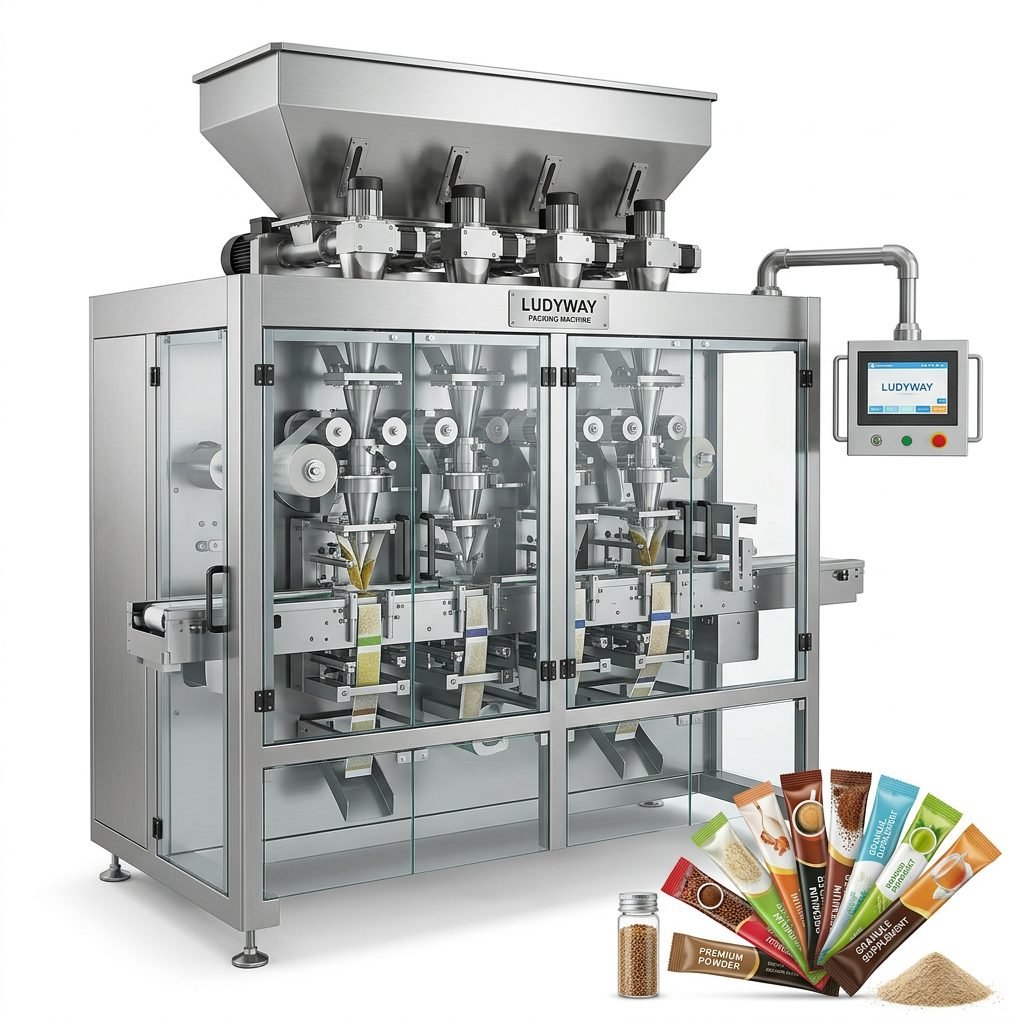
Partnering with experienced service providers ensures access to genuine spare parts and up-to-date technical expertise. Companies like Ludyway, with over 30 years of industry experience and a 20,000㎡ modern production facility, offer comprehensive support and packaging machinery solutions that help businesses maintain peak operational efficiency.
Spare Parts Management Strategy
An intelligent spare parts inventory reduces downtime dramatically. Critical spare parts should always be kept on-site, while non-critical items can be ordered as needed. Recommended on-hand inventory includes:
- Sealing bands or heating elements (at least two sets)
- Teflon tape and release film for sealing surfaces
- Drive belts for all motor assemblies
- Common sensor types used throughout the machine
- Pneumatic cylinders and solenoid valves for critical functions
- Forming collar inserts for each film width used in production
Maintain a clear reorder trigger system based on actual usage rates rather than fixed calendar intervals. This data-driven approach aligns with flexible packaging industry best practices and helps optimize working capital while ensuring production continuity.
Operator Training and Documentation
A well-maintained machine is only as effective as the team operating it. Structured operator training should cover:
- Correct startup and shutdown procedures to minimize mechanical stress
- Recognition of abnormal sounds, vibrations, or visual indicators of wear
- Proper cleaning techniques that protect sensitive components
- Basic troubleshooting steps authorized for operator-level intervention
- Accurate completion of shift logs and maintenance records
Comprehensive documentation — including regulatory compliance records where applicable — supports audit readiness and continuous improvement initiatives across the production floor.
Key Takeaways for Long-Term Reliability
- Consistency is everything — daily, weekly, and monthly tasks must become non-negotiable habits
- Document every maintenance action to build a knowledge base for future troubleshooting
- Invest in genuine spare parts rather than generic alternatives that may compromise performance
- Schedule annual professional inspections to catch hidden issues before they cause costly breakdowns
- Train operators thoroughly so they can act as the first line of defense in machine care
- Stay informed about industry developments that may introduce improved maintenance methodologies
Additional reference resources: