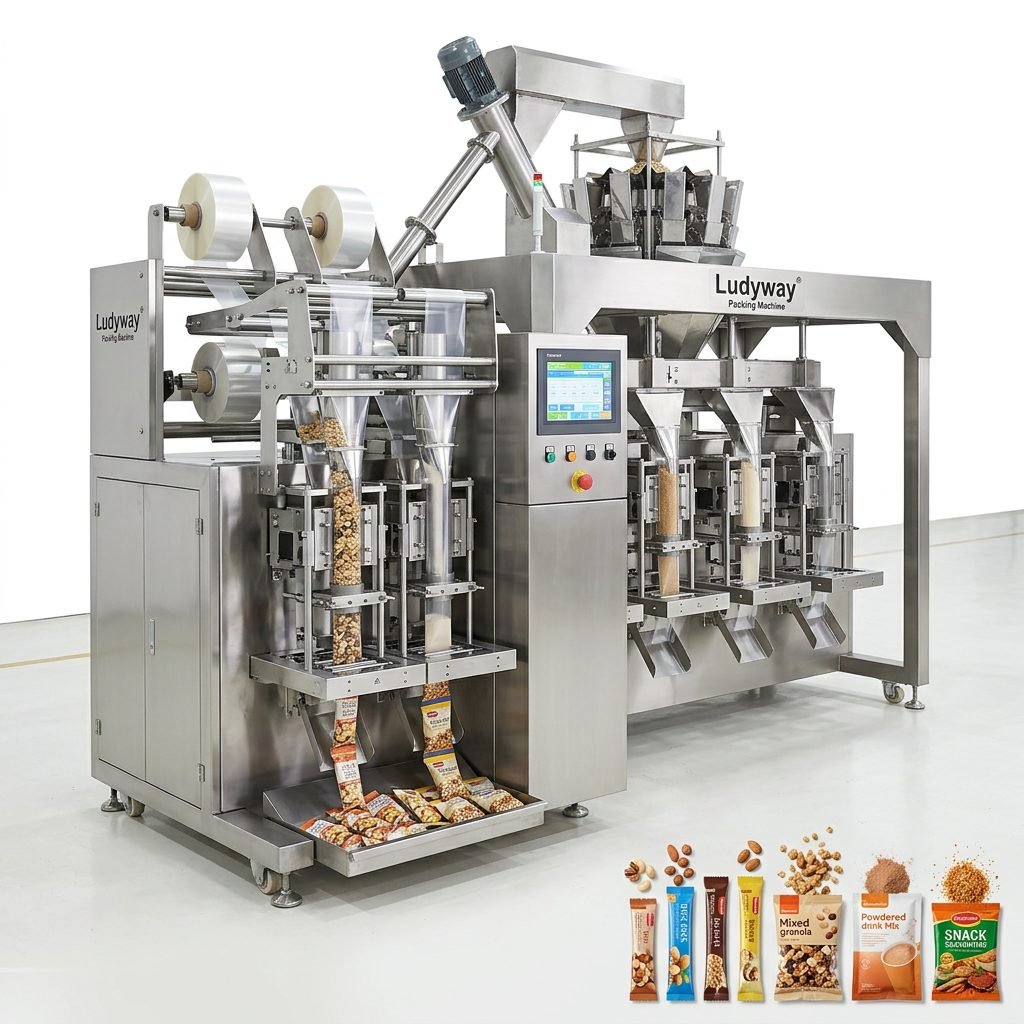
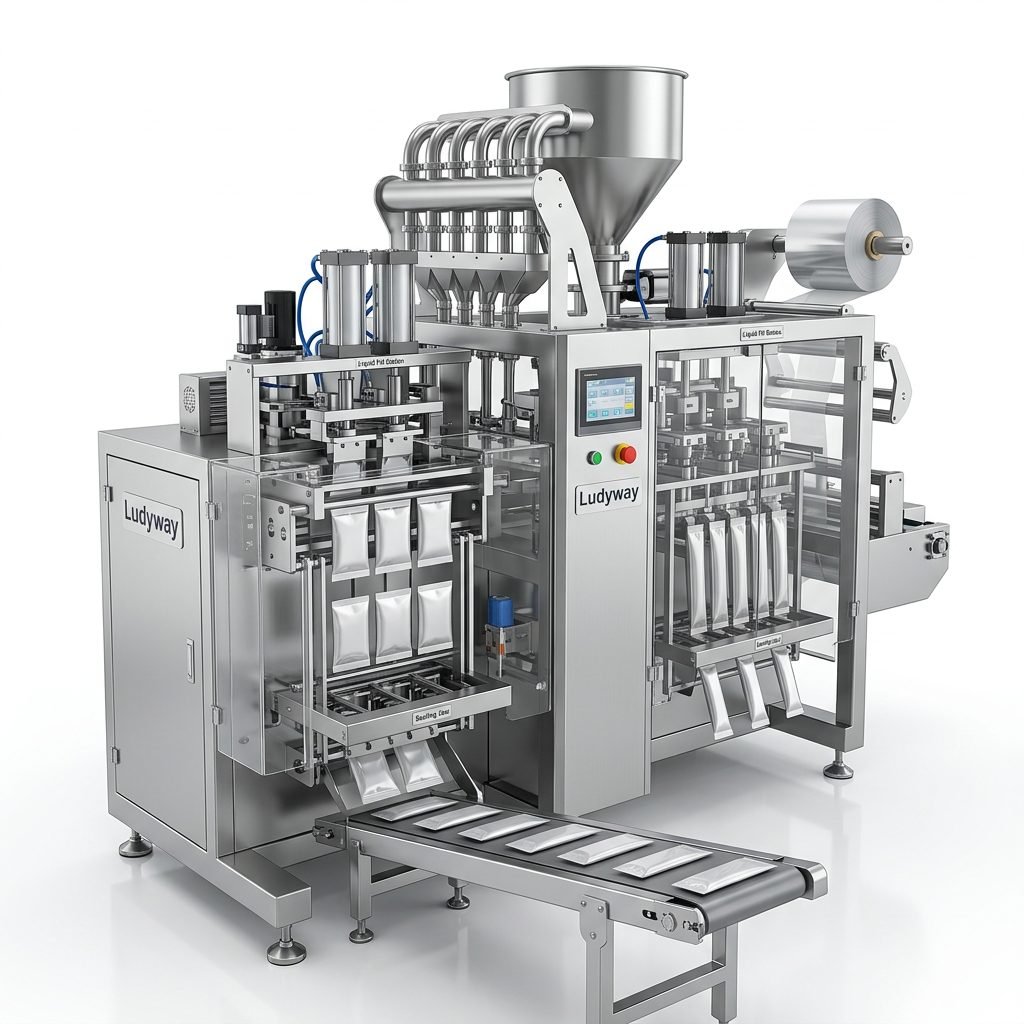
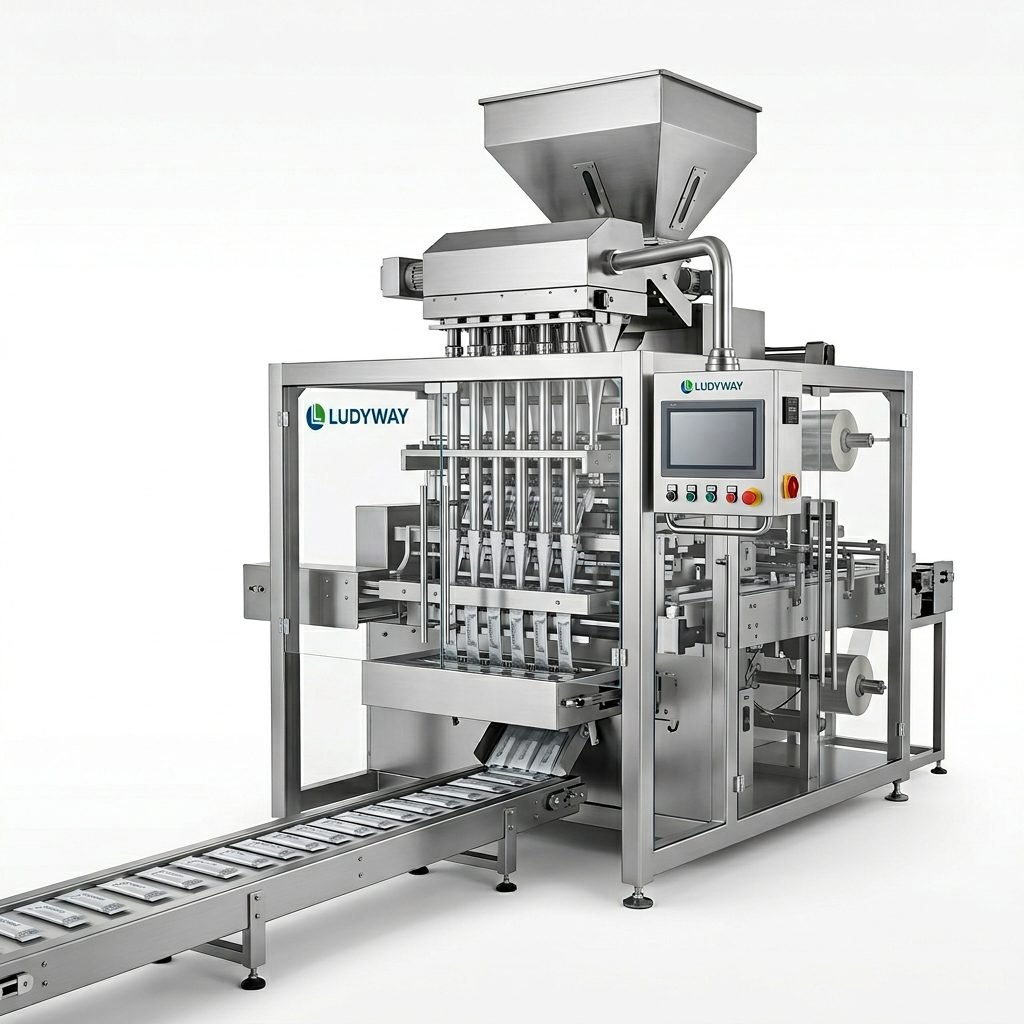
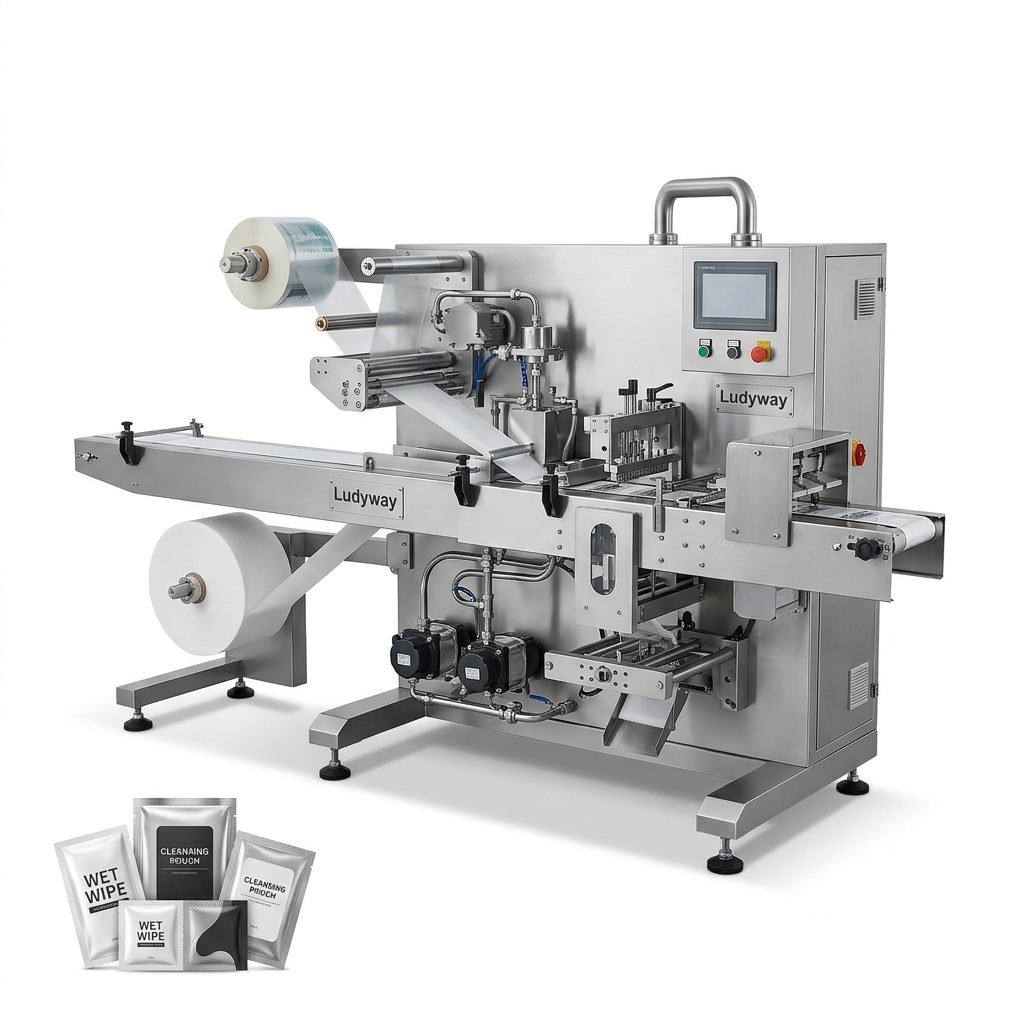
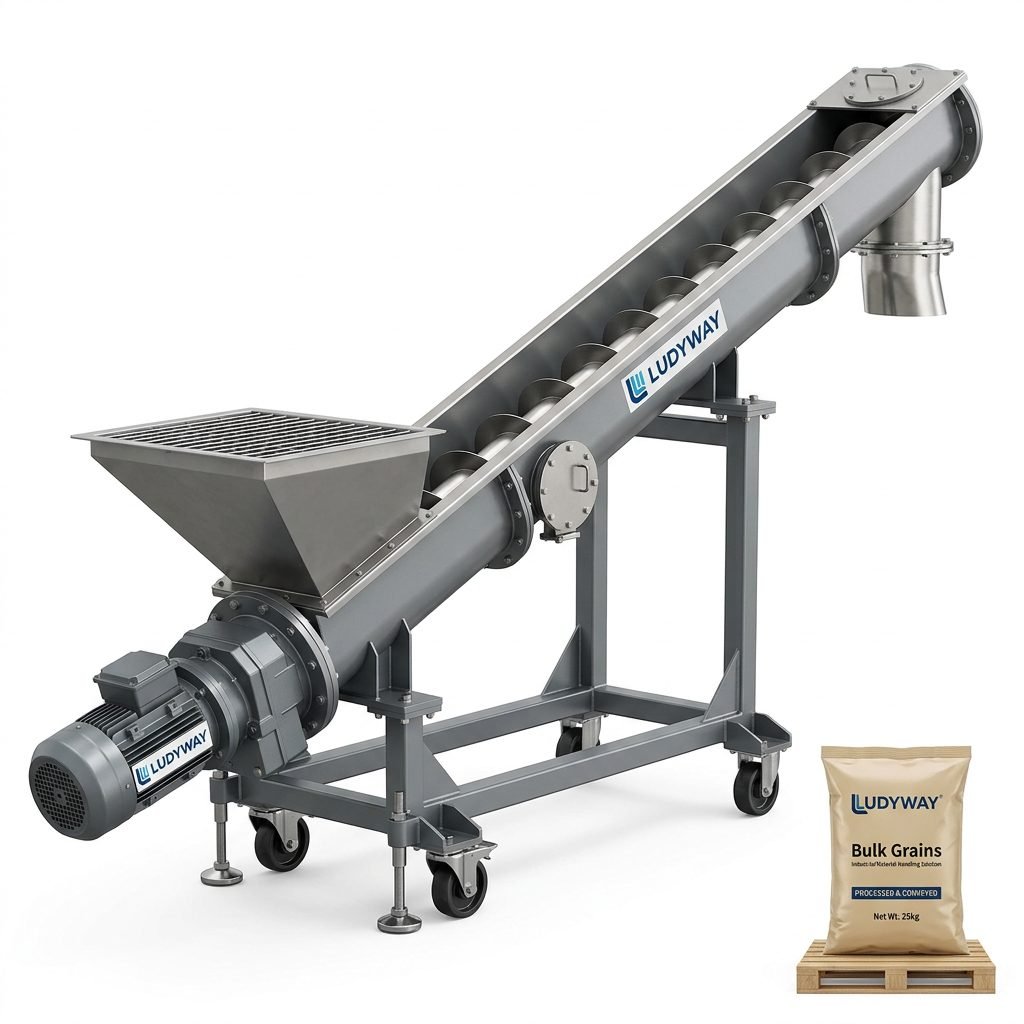
Selecting the right food packaging machine for the Fiji market requires a strategic approach that balances local operational realities with international quality standards. The food industry in Fiji is expanding, driven by tourism, agricultural exports, and a growing domestic demand for packaged goods. Investing in the correct packaging technology can significantly impact your production efficiency, product shelf life, and overall profitability.

Understanding the Fiji Food Packaging Landscape
The Fijian market is unique. It encompasses a robust tourism sector demanding high-quality packaged snacks and beverages, alongside a significant agricultural base producing sugar, spices, and tropical fruits for export. Local manufacturers often face challenges related to humidity, intermittent power supply, and the need for versatile machinery that can handle multiple product types. Therefore, a food packaging machine destined for Fiji must be robust, adaptable, and easy to maintain.
Key Factors to Consider Before Investing
Before finalizing your equipment purchase, a detailed evaluation of your specific needs and the machine’s capabilities is essential. The following factors will guide you toward a decision that offers long-term value and performance stability.
1. Product Compatibility and Versatility
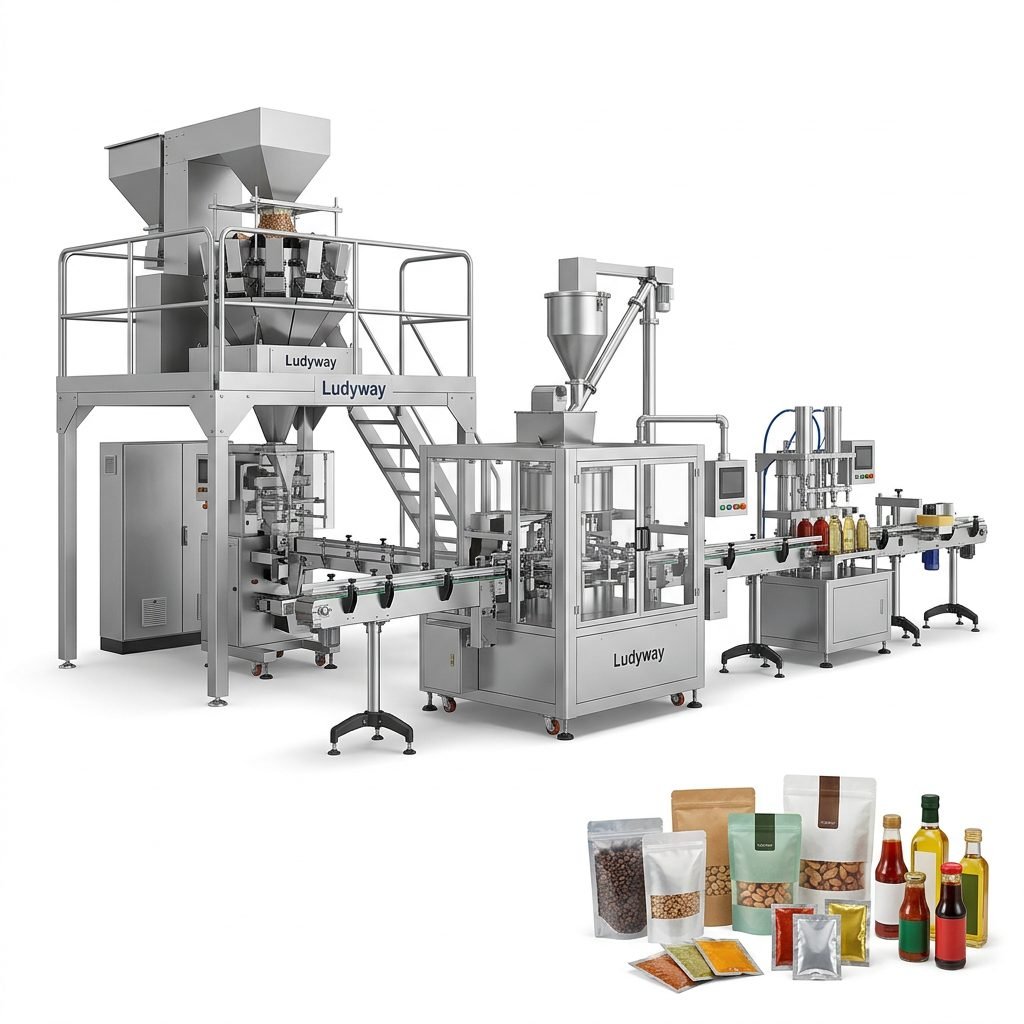
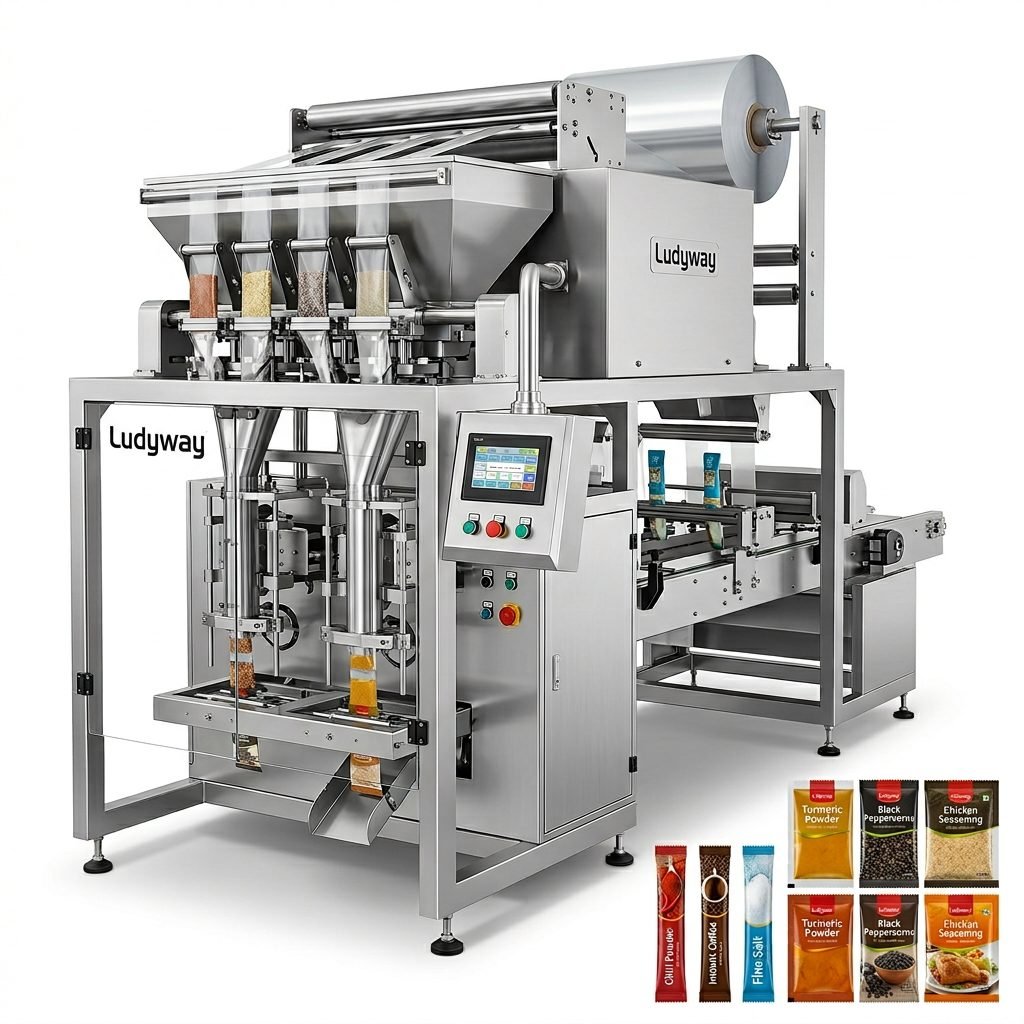
What type of food product are you packaging? The physical characteristics of your product—whether it is a granule, powder, liquid, or solid—will dictate the type of filling system required. For instance, sugar and spices require auger or volumetric fillers, while snacks and cereals might need multi-head weighers. If you plan to package a range of products, a multi-lane packaging machine with adjustable settings offers the necessary flexibility.
- Granules: Sugar, salt, rice, coffee beans.
- Powders: Flour, milk powder, spice mixes, protein supplements.
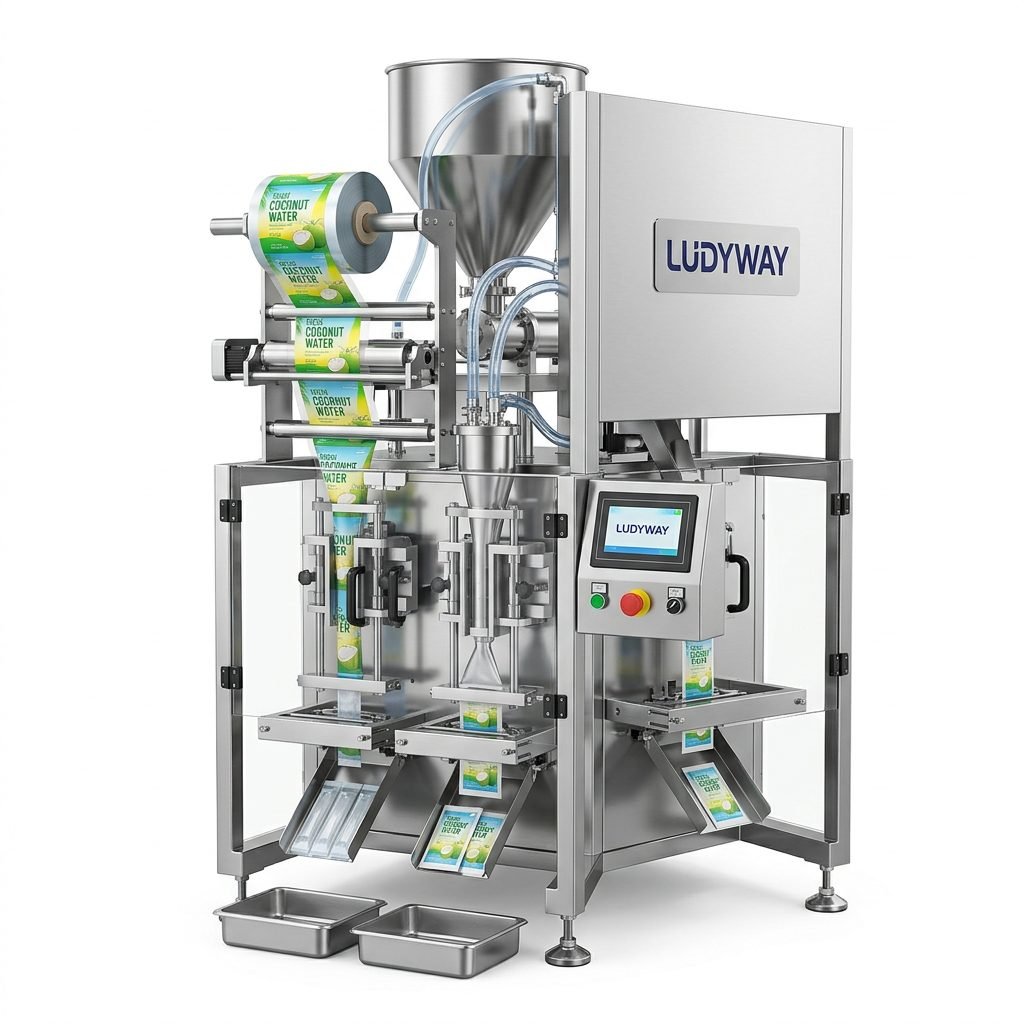
- Liquids & Pastes: Sauces, coconut cream, oils, jams.
2. Packaging Format and Material
The visual appeal and functionality of your package are critical in a competitive market. Decide on the format that suits your brand and distribution channel. Common formats include pillow bags, gusseted pouches, stick packs, and sachets. Equally important is the packaging material. Given Fiji’s tropical climate, high-barrier films that protect against moisture and oxygen are vital to preserving product freshness and extending shelf life.
3. Production Capacity and Speed
Your current and projected production volume should guide your choice of machinery. A small startup producing artisanal snacks will have different requirements than a large-scale manufacturer exporting bulk spices. Machine speed is measured in packs per minute (PPM). High-speed multi-lane systems can significantly boost output, but require a corresponding investment and adequate factory space.
4. Durability and Climate Resistance
Fiji’s operating environment demands equipment built to last. High humidity and salt air, especially in coastal processing plants, can accelerate corrosion on poorly manufactured machinery. Opt for packaging machines constructed from high-grade stainless steel, particularly for product contact parts. Ensure that electrical panels are properly sealed and that the machine’s design minimizes the risk of moisture ingress. This protects your investment and ensures consistent operation.
Evaluating Technical Features and Compliance
Modern packaging machinery comes with a range of integrated technologies designed to improve precision, reduce waste, and simplify operation. Don’t overlook the importance of these technical specifications.
Weighing and Filling Accuracy
Inaccurate fills lead to product give-away, which erodes profit margins over time. For granular and powder products, multi-head combination weighers offer superior speed and accuracy. By combining the weights of multiple small portions, they achieve precise target weights with minimal variance. This is a crucial feature for high-value products like Fijian coffee or premium sea salt.
Automation and Control Systems
User-friendly controls, such as a PLC (Programmable Logic Controller) with a touchscreen interface, simplify operation and reduce training time. Features like automatic film tracking, registration control for printed films, and self-diagnostic fault alerts minimize downtime. In a market where specialized technical support might be remote, a machine that is easy to operate and troubleshoot is a significant advantage.
Compliance with International Standards
Whether you are producing for the local market or for export to Australia and New Zealand, adherence to food safety standards is non-negotiable. Your packaging machine should facilitate compliance with HACCP principles and be capable of integrating with traceability systems. For medical or pharmaceutical food products, standards like ISO 11607 for packaging validation may also be relevant.
Supplier Evaluation and After-Sales Support
The relationship with your equipment supplier is as important as the machine itself. Purchasing a complex piece of machinery involves a long-term partnership that includes installation, training, and ongoing support.
| Evaluation Criteria | What to Look For | Why It Matters for Fiji |
|---|---|---|
| Manufacturer Experience | Proven track record in food packaging, over 20 years in the industry. | Ensures reliable machine design and deep application knowledge. |
| Global Installations | Machinery operating successfully in 100+ countries with similar climates. | Demonstrates machine robustness in tropical and humid conditions. |
| Technical Support | Remote diagnostic capabilities, accessible spare parts, video-guided training. | Minimizes downtime given the geographic distance from major manufacturing centers. |
| Turnkey Solutions | Supplier offers complete lines: feeding, filling, sealing, coding, and cartoning. | Simplifies project management and ensures seamless integration of all components. |
Infrastructure and Operational Considerations
Integrating a new machine into your existing production line requires careful planning. Consider the total footprint of the equipment and the facility’s layout. You must also account for auxiliary utilities. A stable power supply is essential for maintaining machine speed and accuracy. In some areas of Fiji, voltage fluctuations can occur, so a servo-driven machine with built-in voltage protection is highly recommended.
Operator Training and Ease of Use
A sophisticated machine is only as effective as the team operating it. Choose a food packaging machine with an intuitive human-machine interface (HMI). The supplier should provide comprehensive training during commissioning. Some advanced manufacturers offer remote training modules and detailed visual manuals to assist with staff turnover and ongoing skill development.

Maintenance and Spare Parts Availability
Preventive maintenance is key to machine longevity. Establish a clear schedule for cleaning, lubrication, and inspection of wear parts. The availability of spare parts is a critical consideration for Fijian businesses. A supplier with a well-organized spare parts inventory and efficient international shipping capabilities, such as Ludyway, can significantly reduce the risk of extended production stoppages. Always confirm the lead time for critical components before finalizing your purchase.
Budgeting for Long-Term Value
The initial purchase price is just one component of the total cost of ownership. A cheaper machine may incur higher costs over time through increased energy consumption, frequent breakdowns, and product wastage. When calculating your return on investment, factor in efficiency gains, labor savings, and the reduction of product give-away. A high-precision, durable machine typically offers a lower total cost of ownership over a 5 to 10-year period.
Planning for Future Growth
Your business will evolve, and your packaging equipment should be able to adapt. A modular machine design allows you to add features later, such as a second filling station, a gas flushing system for modified atmosphere packaging, or a hot stamp coder. Whether you are starting with a single granule stick pack machine or a complete multi-lane system, ensure the platform can scale with your ambitions. This forward-thinking approach protects your investment and positions your brand for success in both the Fijian domestic market and the broader Pacific region.
Making the Final Selection for Your Fiji Operation
Choosing the best food packaging machine for Fiji is a multifaceted decision. It requires a deep understanding of your product’s characteristics, production goals, and the specific environmental challenges of the region. By prioritizing durable construction, precise filling technology, and a supportive, experienced supplier, you secure a foundation for consistent quality and reliable growth. Methodically evaluate each aspect, from the technical specs of the servo drives to the supplier’s capacity for global logistics and service. The right choice will empower your brand to deliver premium packaged foods that meet the high expectations of Fijian consumers and international export partners alike.