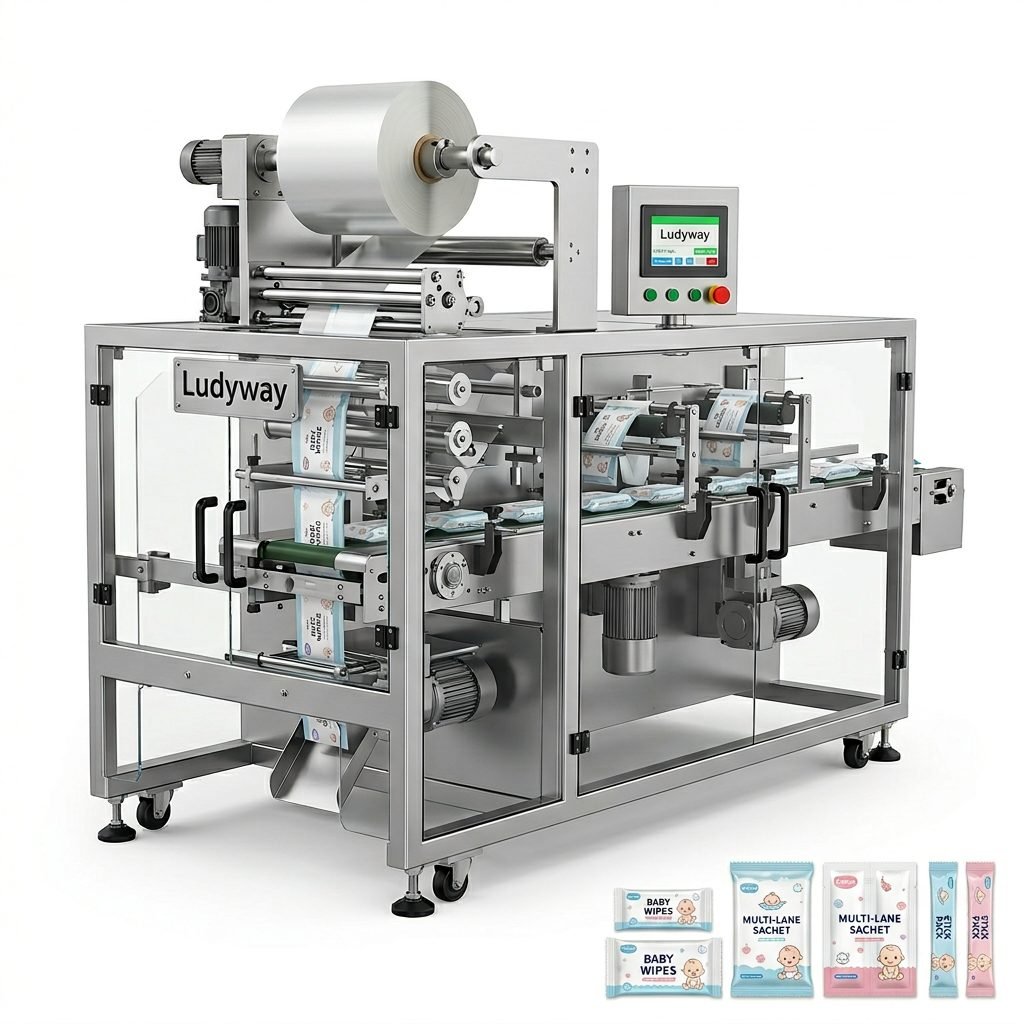
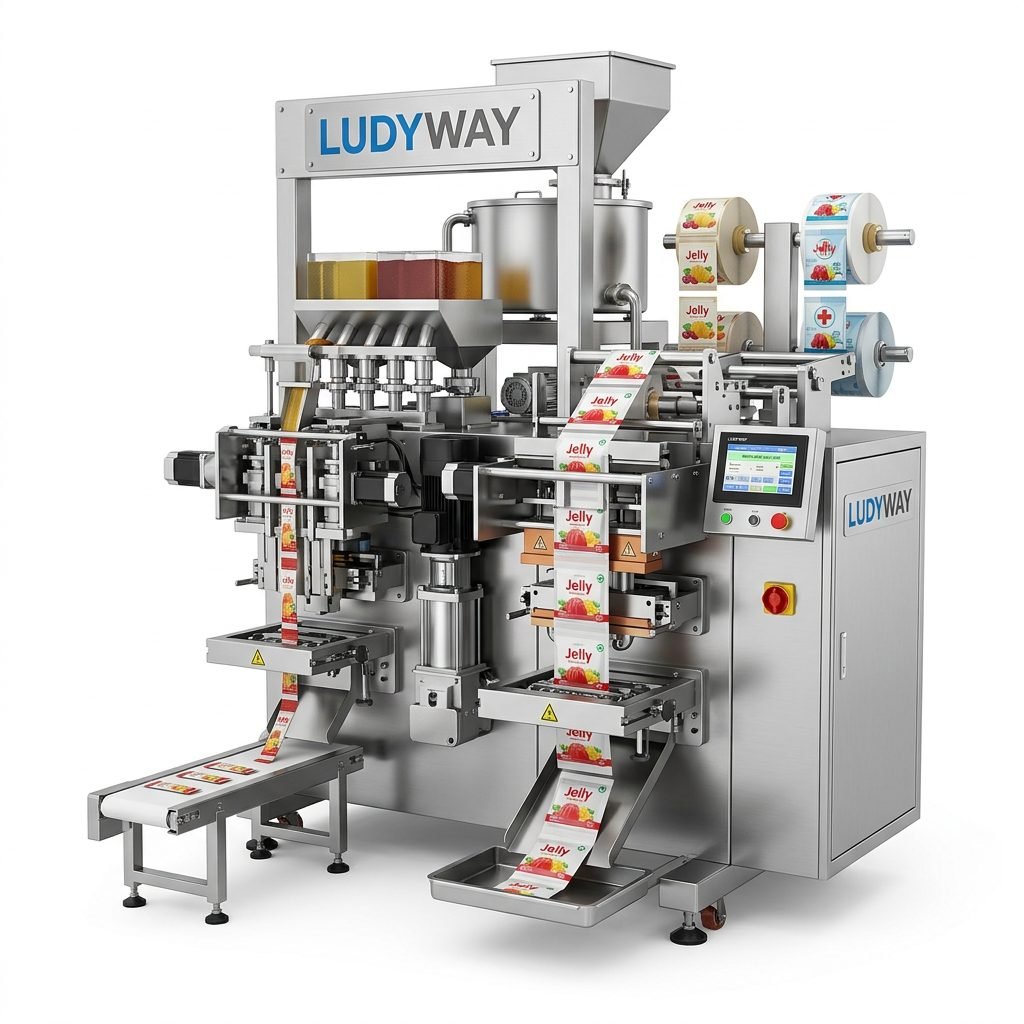
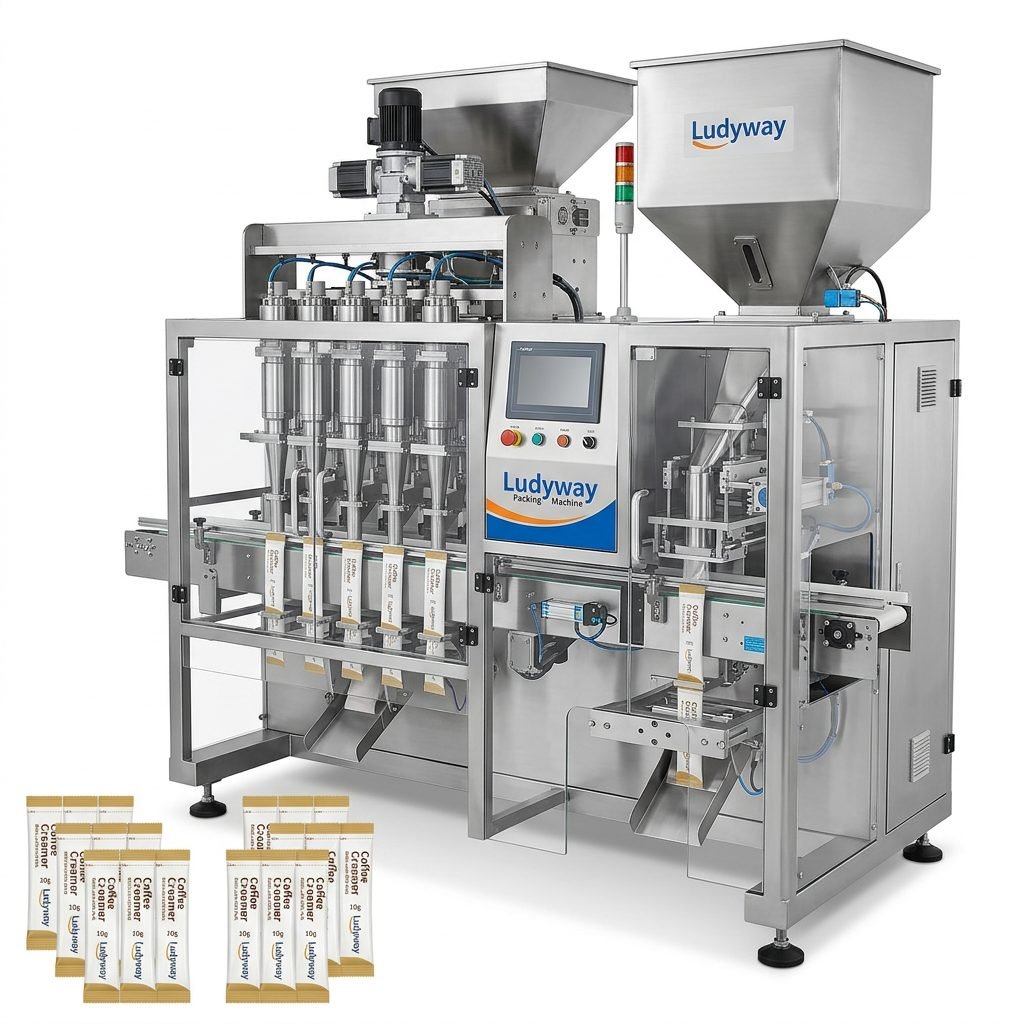
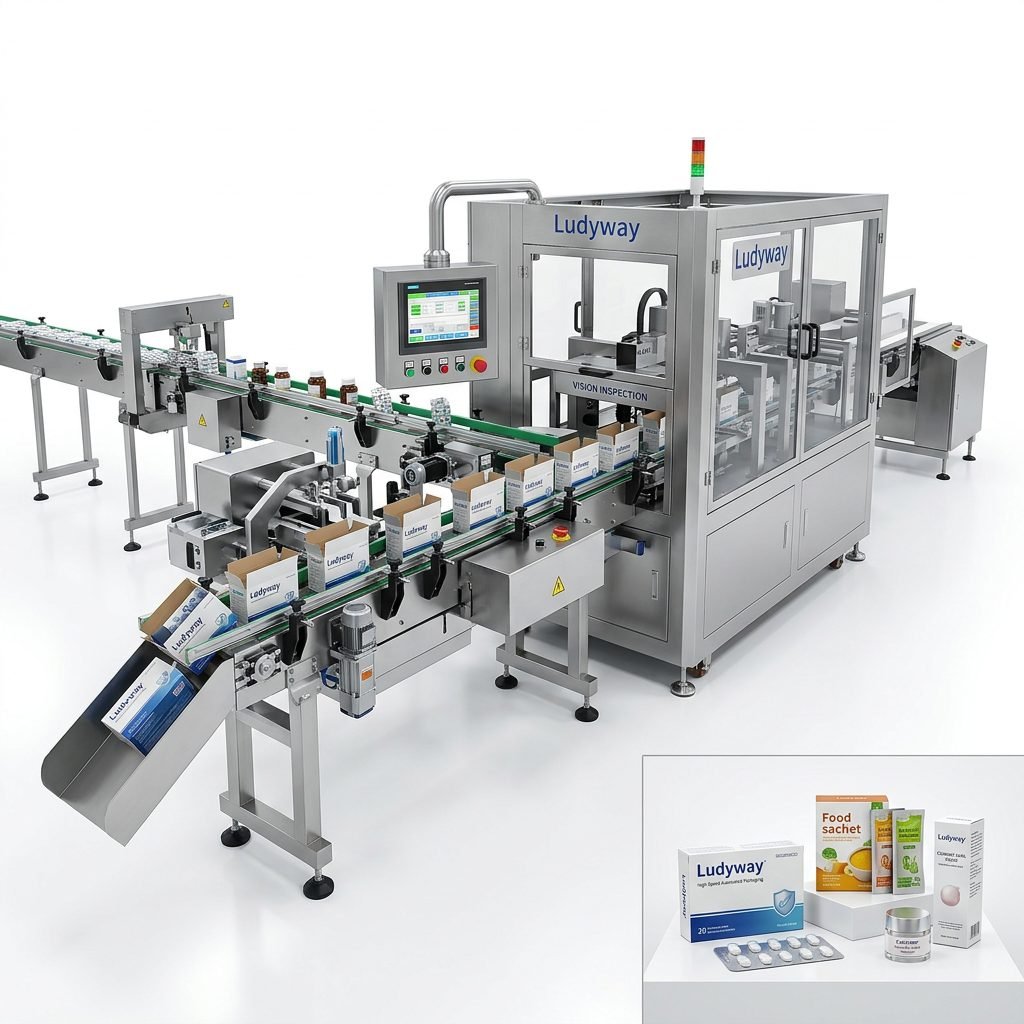
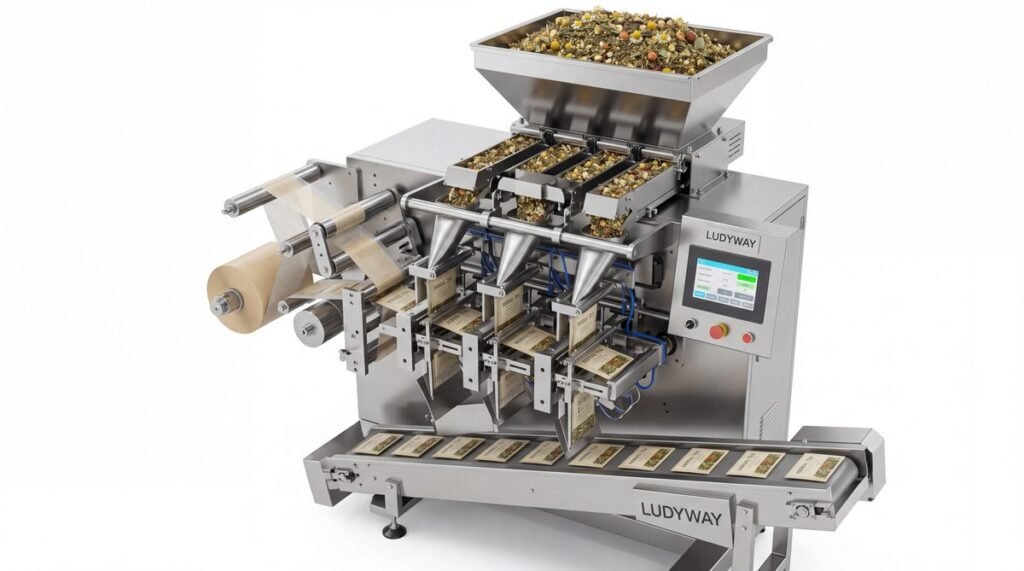
For businesses looking to optimize their packaging operations while managing capital expenditure, purchasing used packaging equipment can be a strategic and cost-effective decision. The market for reliable second-hand packaging machines is vast, but knowing where to find trustworthy suppliers is key to a successful investment. This guide explores the top avenues for sourcing quality used packaging equipment and provides essential tips for making a smart purchase.
Why Consider Used Packaging Machinery?
The decision to buy used packaging equipment is often driven by practical financial and operational considerations. For startups or businesses scaling production, pre-owned machines offer a way to acquire robust, industrial-grade technology at a fraction of the cost of new models. This frees up capital for other critical areas like marketing, raw materials, or facility expansion. Furthermore, the lead time for delivery and installation is typically much shorter compared to ordering a custom-built new machine, allowing for a quicker ramp-up of production lines.
Key Advantage:
Investing in well-maintained used equipment from a reputable supplier provides access to proven, reliable technology without the steep depreciation curve of a new asset. It’s an excellent strategy for testing a new packaging format or meeting sudden spikes in demand.
Primary Channels for Finding Used Equipment
Navigating the secondary market requires knowing where to look. The most common and effective channels include specialized dealers, online industrial marketplaces, and direct purchases from other manufacturers.
1. Specialized Used Machinery Dealers
These dealers are experts in the reconditioning and resale of packaging equipment. They often source machines from businesses that are upgrading, closing, or changing their product lines. The significant benefit of using a dealer is that they usually inspect, service, and sometimes refurbish the machines before sale. Many offer a limited warranty and technical support, which greatly reduces buyer risk. When evaluating a dealer, look for one with a long-standing reputation and specific expertise in packaging machinery.
2. Online Industrial Auctions & Marketplaces
Websites dedicated to industrial equipment have revolutionized the used machinery market. They offer a vast, global inventory where you can compare prices, specifications, and conditions of thousands of machines. While these platforms provide immense choice and often competitive pricing, due diligence is crucial. It is vital to thoroughly review inspection reports, ask detailed questions of the seller, and understand the terms of sale and logistics. This channel is best suited for buyers with some technical knowledge or support.
3. Direct from Other Manufacturing Companies
Sometimes, the best deal comes directly from another company that is selling off surplus equipment. This can occur through business closures, line consolidations, or major upgrades. Purchasing directly can mean lower prices, as there is no middleman. However, it also means the buyer typically assumes all responsibility for inspection, dismantling, transportation, and recommissioning. Networking within industry associations or at trade shows can uncover these opportunities.
Evaluating a Reliable Supplier
Finding a supplier is one thing; ensuring they are reliable is another. Your chosen partner should offer transparency, support, and quality assurance.
- Transparency & Documentation: A trustworthy supplier will provide clear photos, detailed equipment history, maintenance records, and honest disclosure of any wear or repairs.
- Technical Support & Warranty: The availability of installation guidance, operational training, and a parts warranty (even a short 30-90 day one) is a strong indicator of a supplier’s confidence in their equipment.
- Reconditioning Standards: Inquire about their reconditioning process. Does it include mechanical overhaul, electrical safety checks, control system updates, and test runs with material?
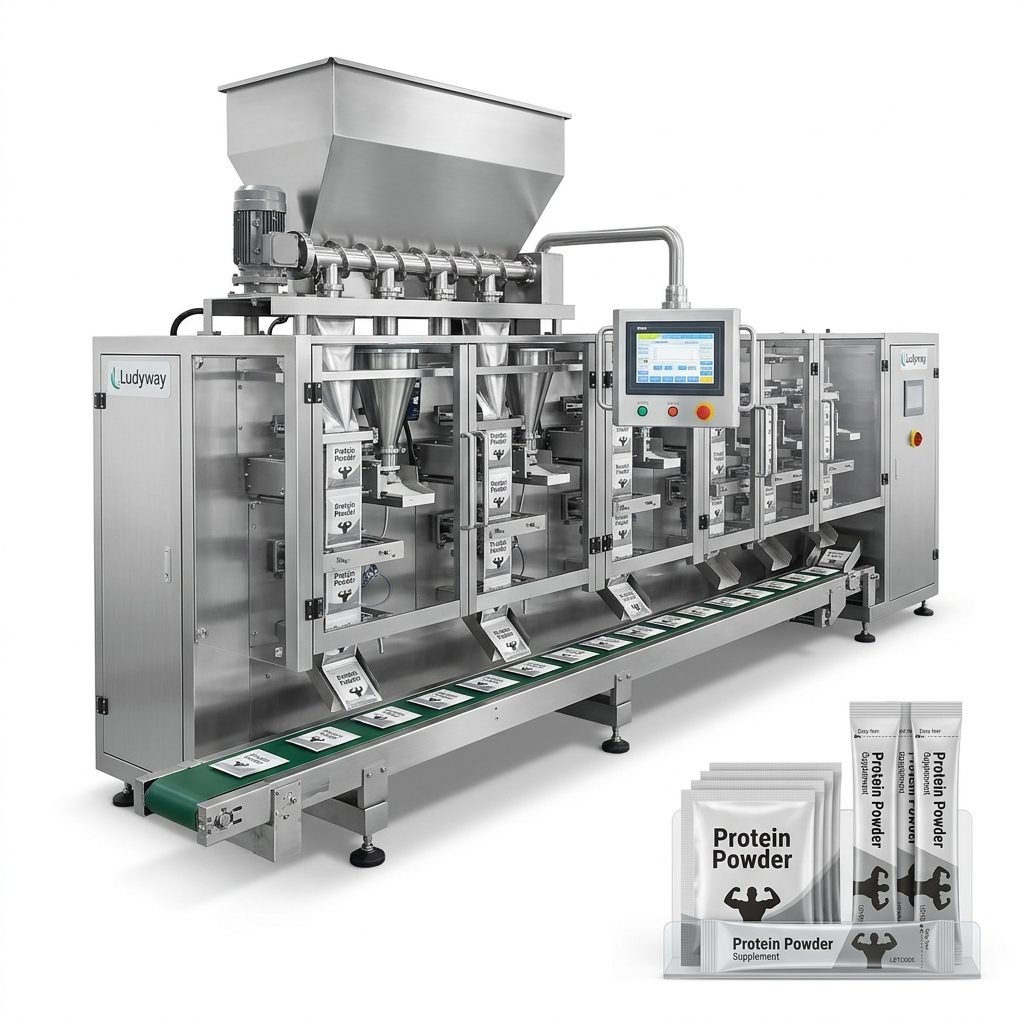
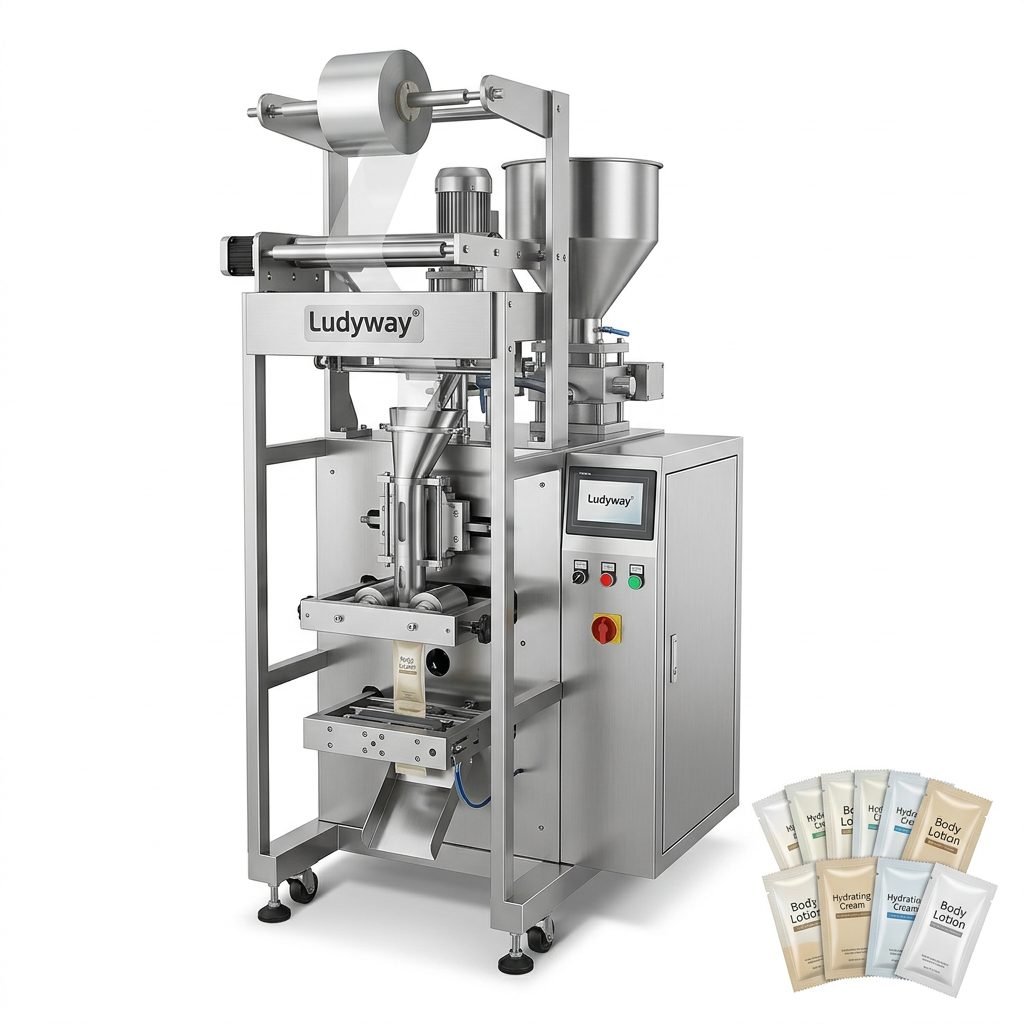
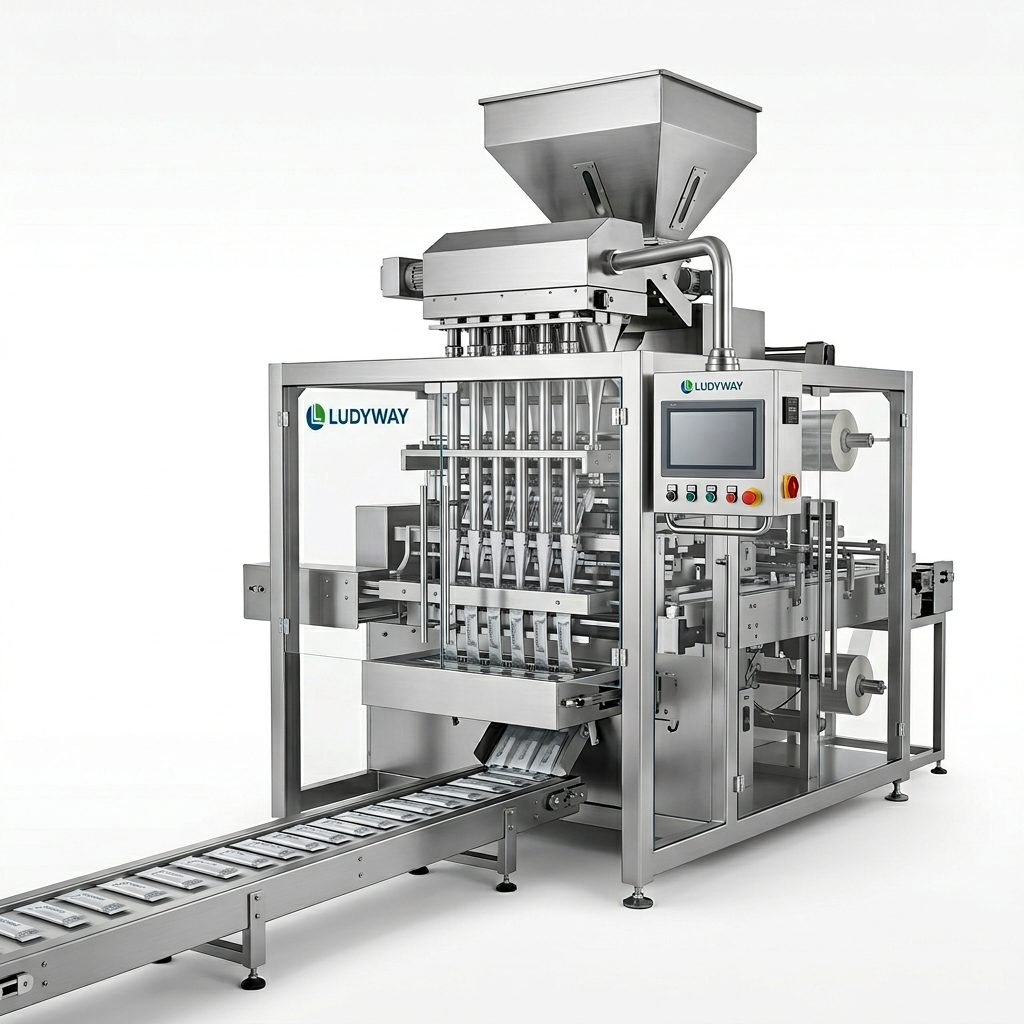
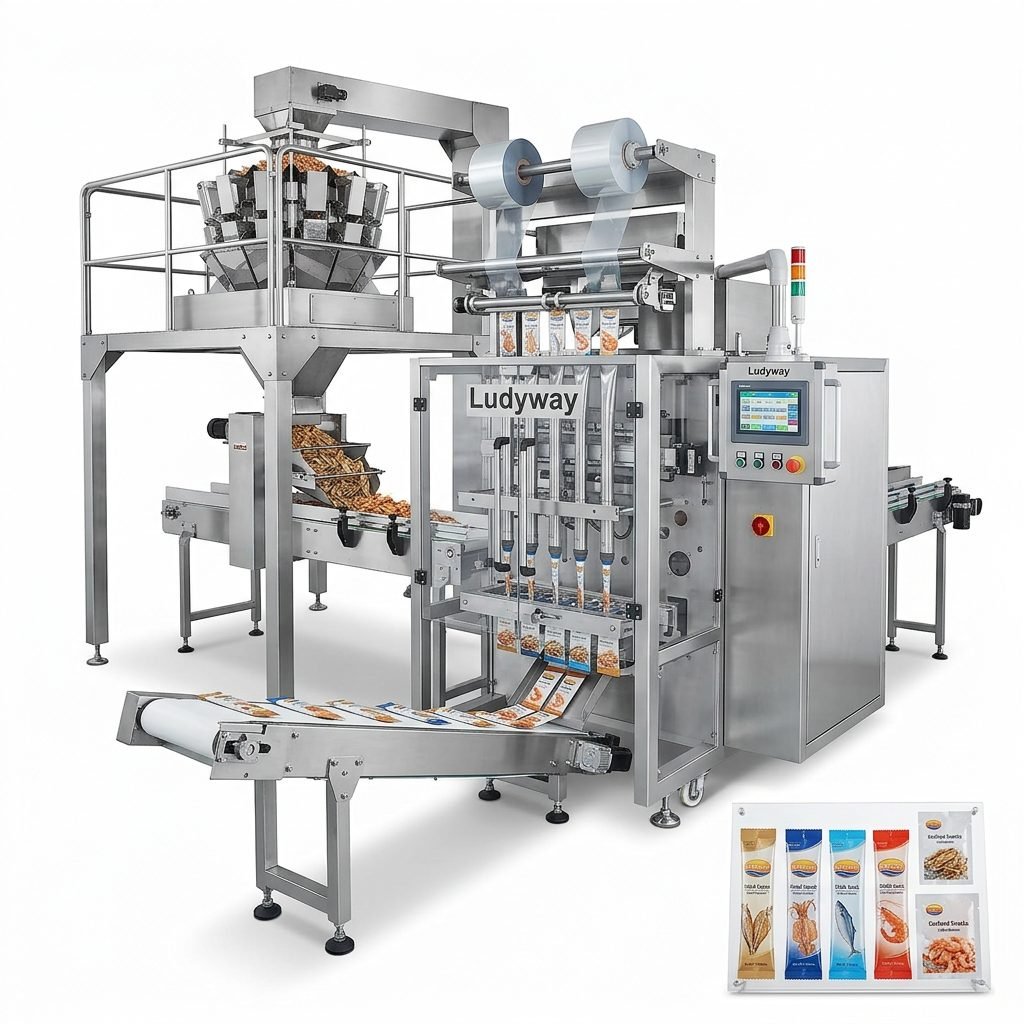
- Industry Specialization: Suppliers focused on packaging machinery, like Ludyway Packaging Machinery, understand the nuances of different machine types—from sachet and stick pack machines to granule and liquid fillers—ensuring they can correctly assess and represent the equipment’s capabilities.
Critical Inspection Checklist Before You Buy
Never skip a thorough inspection, either in person or via a trusted third party. Focus on:
Mechanical Condition: Check for frame integrity, wear on seals and gaskets, condition of chains and gears, and any signs of excessive corrosion or repair.
Electrical & Control Systems: Inspect the control panel, wiring, PLC, drives, and motors. Older machines may have obsolete controls that are expensive to replace or repair.
Performance Test: Ideally, see the machine run with a material similar to yours. Assess speed accuracy, fill precision, seal integrity, and overall cycle consistency.
Parts & Service Availability: Research if critical spare parts for the specific make and model are still available on the market. This is a crucial long-term consideration.
The Role of Specialized Providers
Beyond general dealers, companies that are deeply embedded in the packaging industry itself can be invaluable resources. A provider like Ludyway Machinery, with decades of direct experience in designing and servicing packaging lines, brings a different level of insight. They don’t just sell a machine; they understand how it integrates into a production process. Such companies often have access to high-quality used equipment through their industry network and can offer superior reconditioning because their technicians are original equipment experts. They are also more likely to provide meaningful after-sales support and compatible turnkey production solutions, making them a preferred partner for businesses seeking a seamless integration.
Maximizing Your Investment
To ensure your used packaging machine delivers long-term value, plan for its integration from the start. Factor in the costs of potential refurbishment, installation, and operator training into your total budget. Establish a preventive maintenance schedule immediately upon installation to preserve the machine’s condition and performance. Building a relationship with a reliable parts supplier or service technician familiar with your machine model is also a prudent step.
Frequently Asked Questions (FAQs)
What are the biggest risks when buying used packaging equipment?
The primary risks involve hidden mechanical or electrical faults, obsolete control systems with unavailable parts, and inaccurate representations of the machine’s condition or capabilities. Mitigate these risks by buying from reputable suppliers who offer inspections, warranties, and clear documentation.
Is it difficult to find spare parts for older used machines?
It can be a challenge for obscure or very old models. Before purchasing, research the availability of critical spare parts like forming collars, sealing jaws, pumps, or specific PLC modules. Choosing a widely-used brand or model from a major manufacturer often simplifies parts sourcing.
Can a used machine be modified for my specific product or package size?
Often, yes. Many used machines, especially vertical form-fill-seal (VFFS) models, are designed with some adjustability. However, significant modifications (e.g., a major size change range) may require custom parts and expert engineering. Discuss your specific needs with the supplier to assess feasibility and cost.
How does the cost of a used machine compare to a new one, including installation?
A quality used machine typically costs 30% to 60% less than a comparable new model. However, total cost must include potential reconditioning, installation, and any necessary tooling changeovers. While the upfront savings are substantial, the total project cost should be evaluated against the quote for a new machine.
Why should I consider a supplier who also manufactures new equipment?
A manufacturer-supplier brings deep technical knowledge of the machinery’s design and function. Their reconditioning is often to a higher standard, and they can provide more accurate integration advice, genuine spare parts, and long-term technical support that a generic dealer may not be able to match.