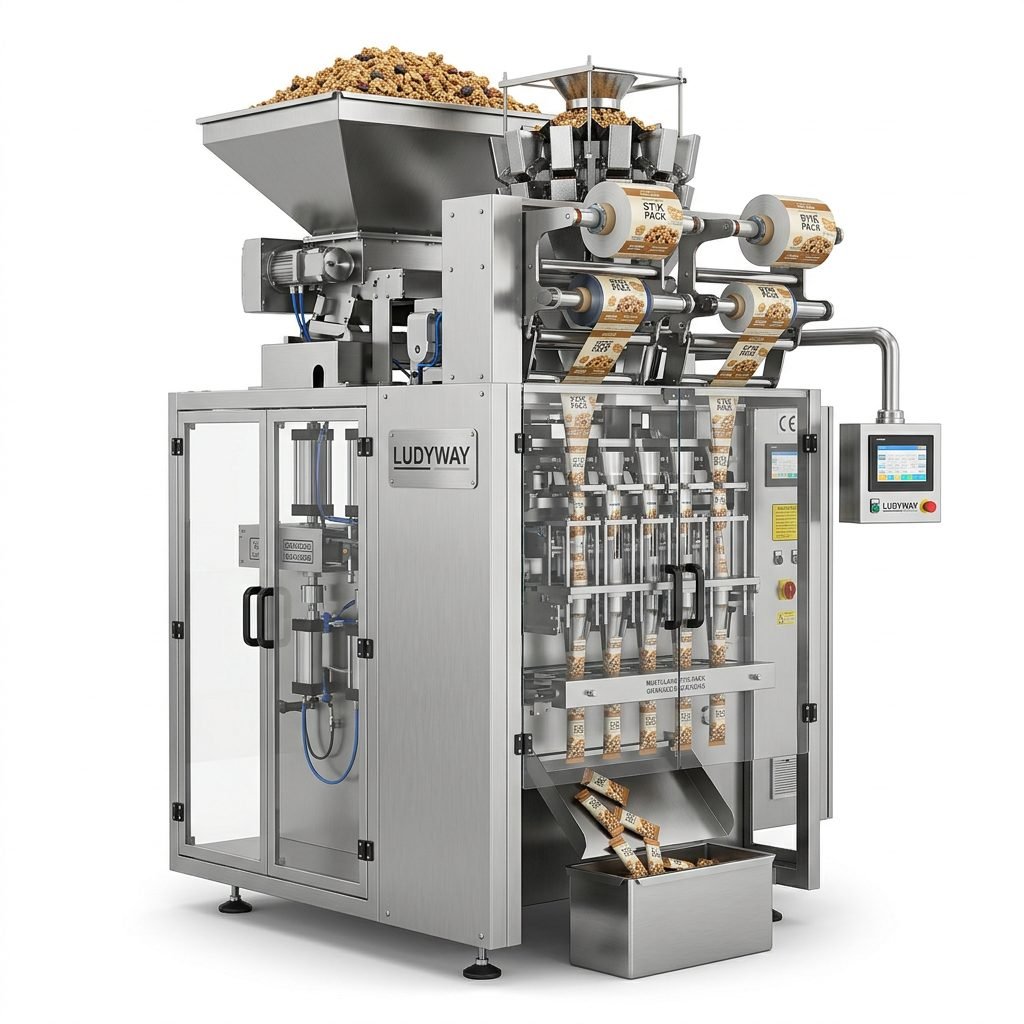
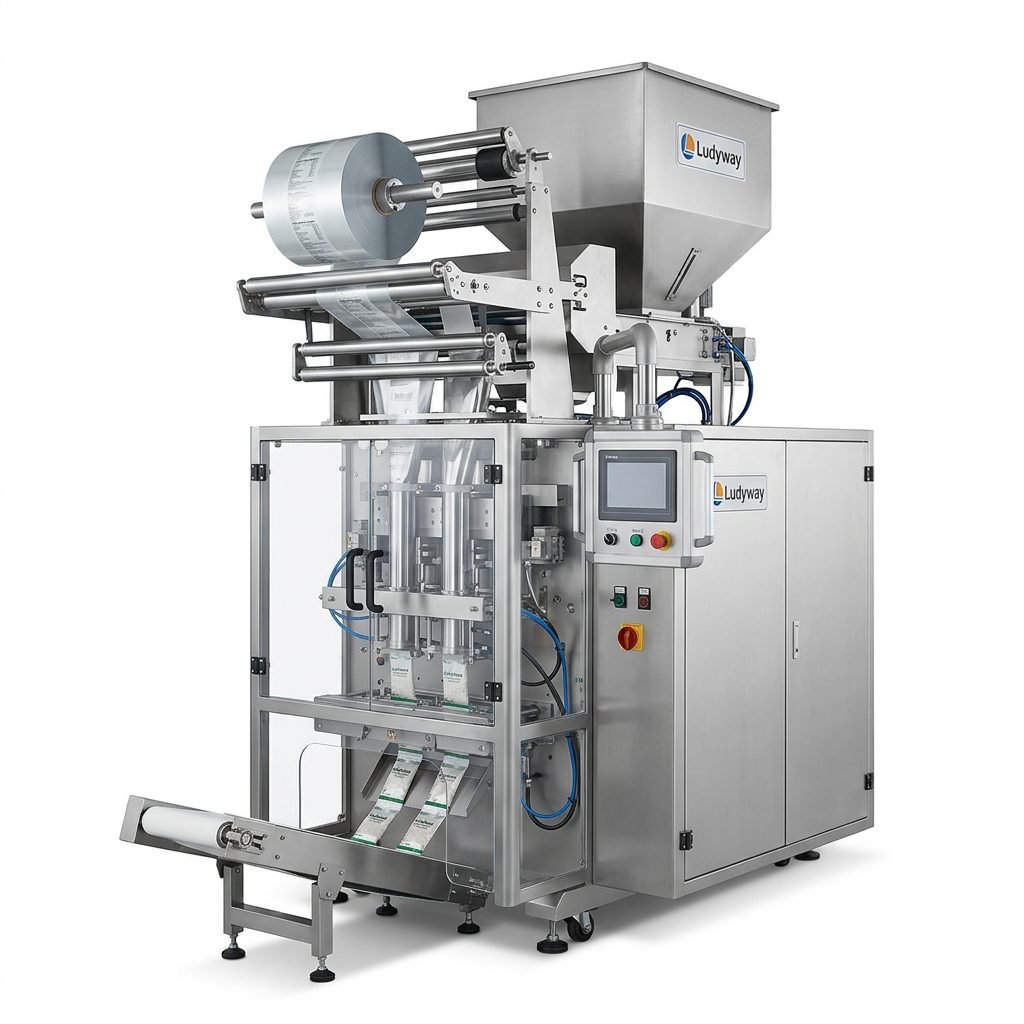
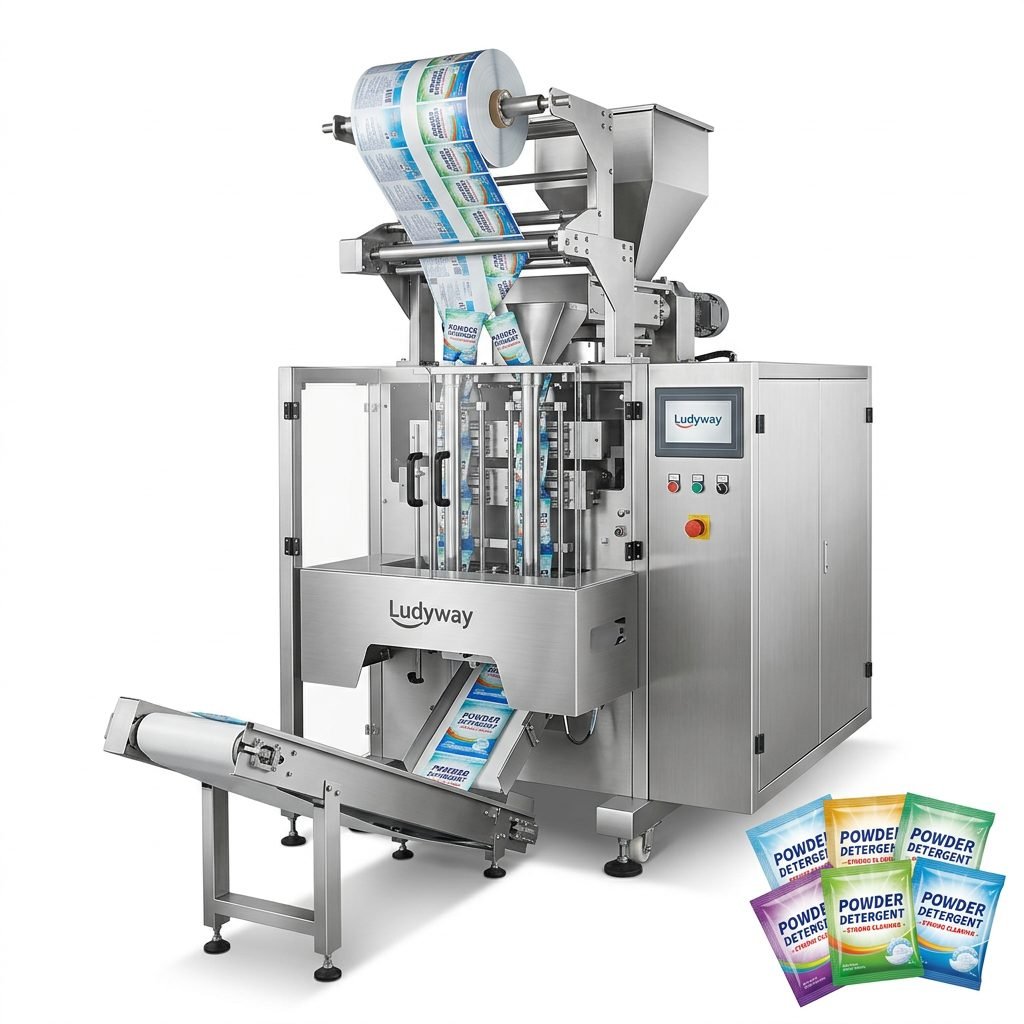
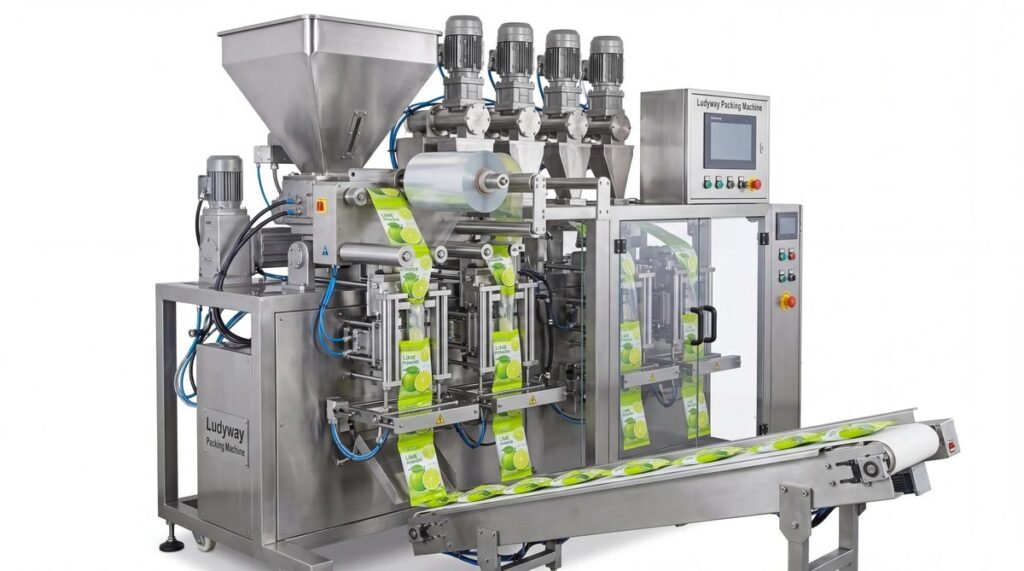
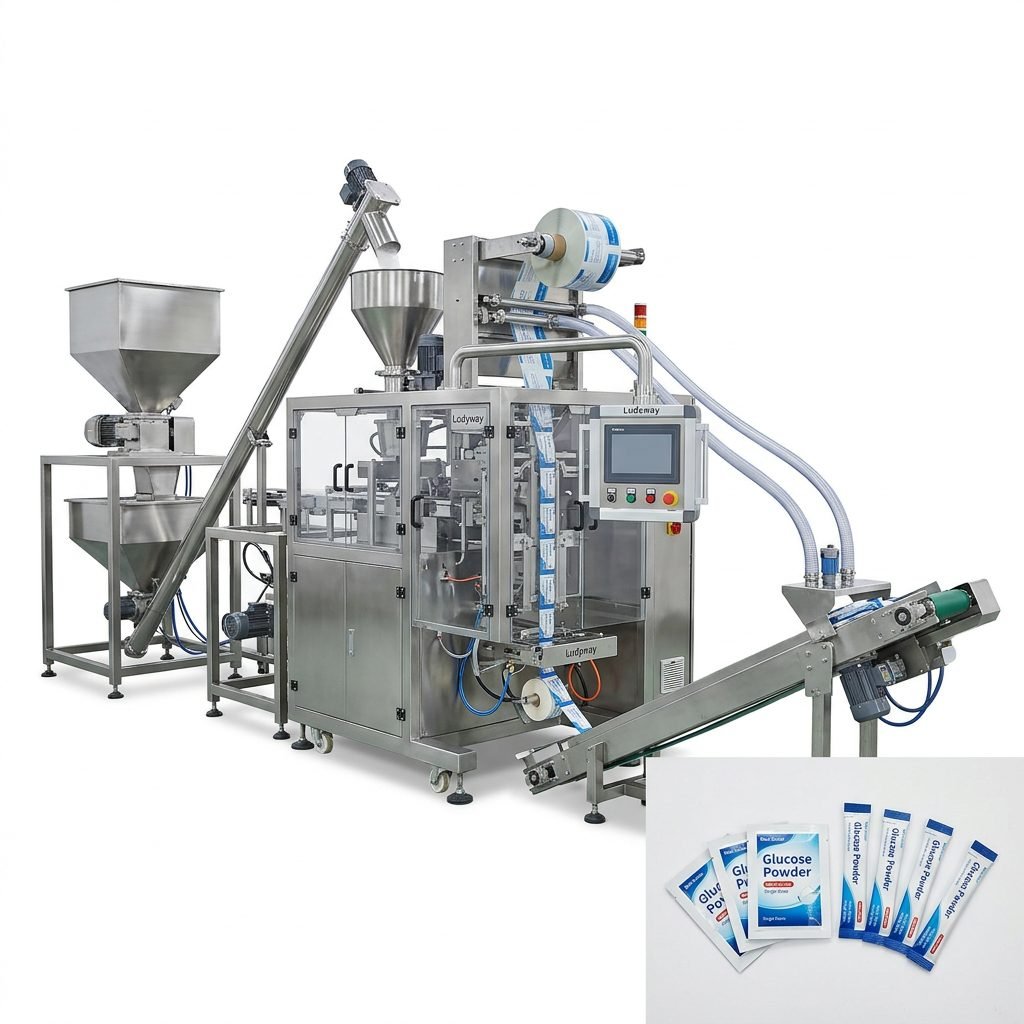
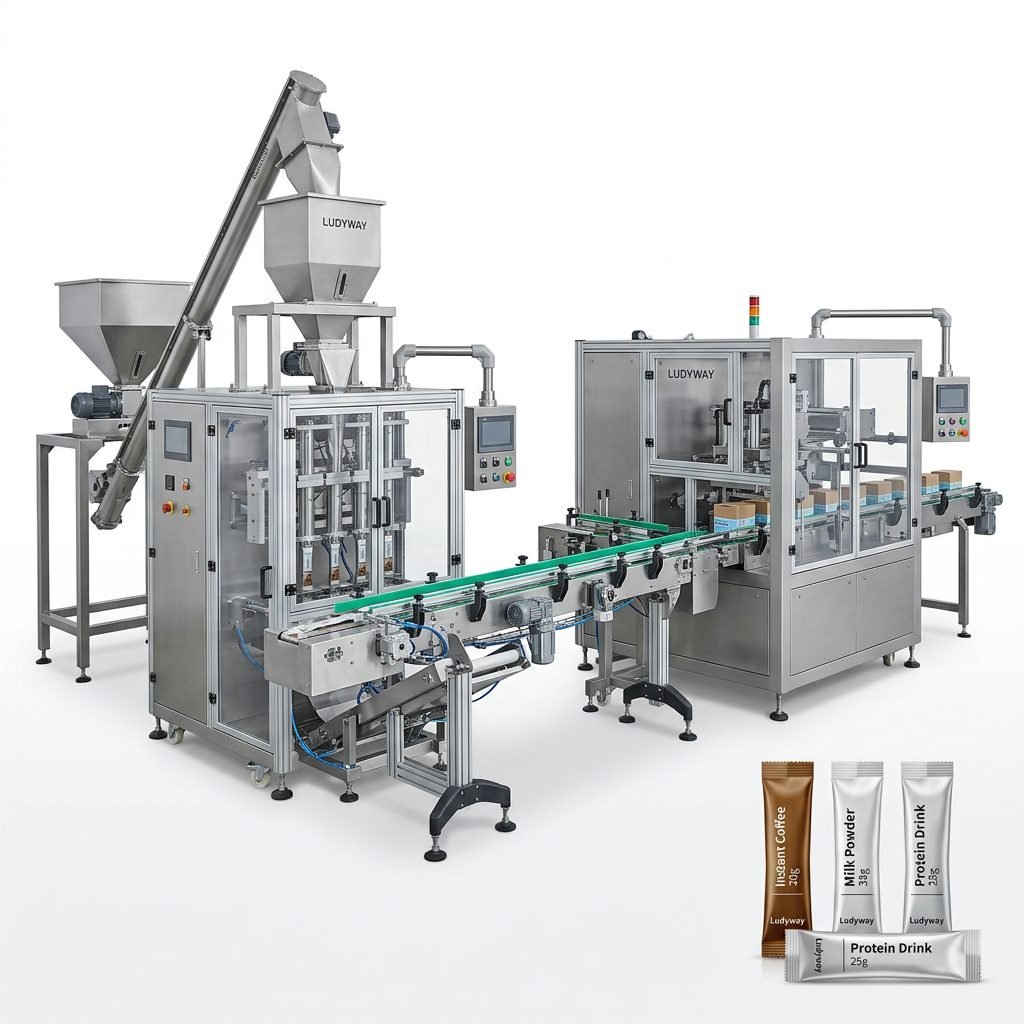
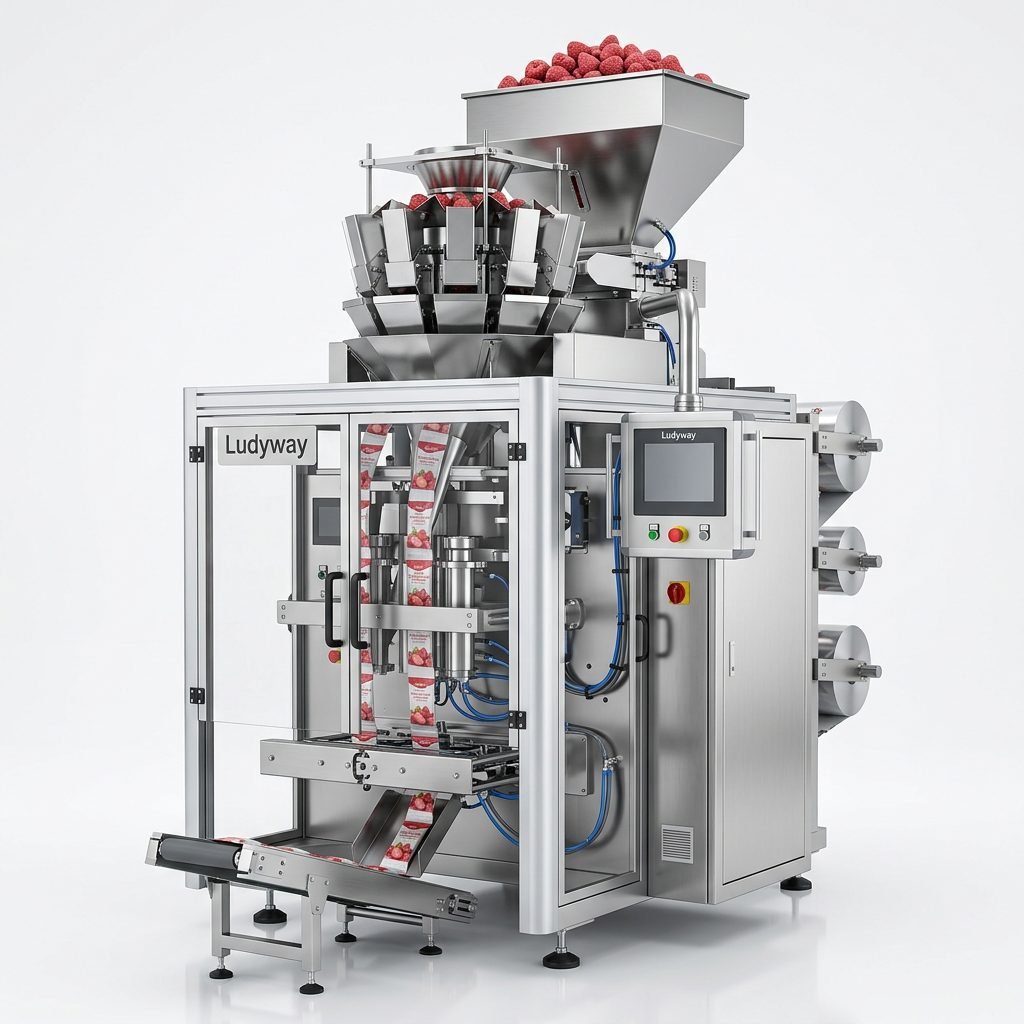
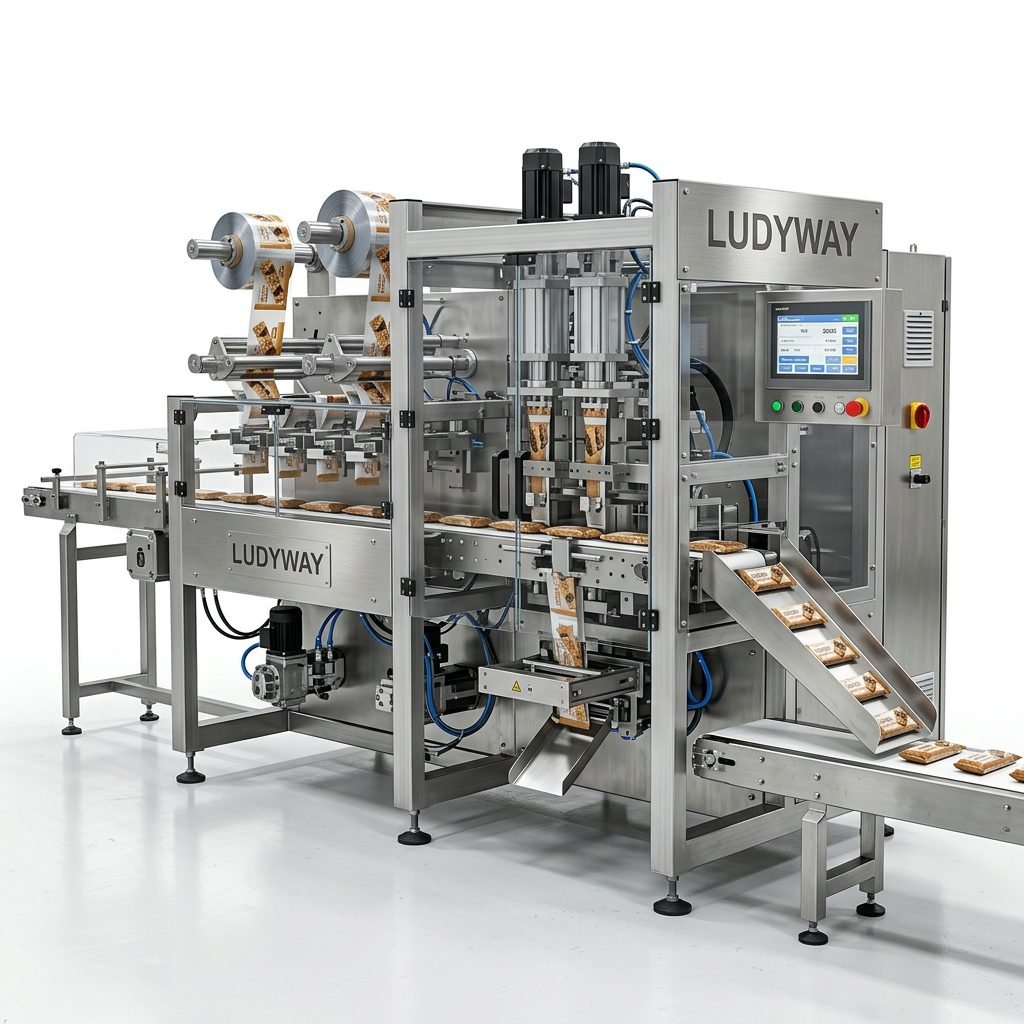
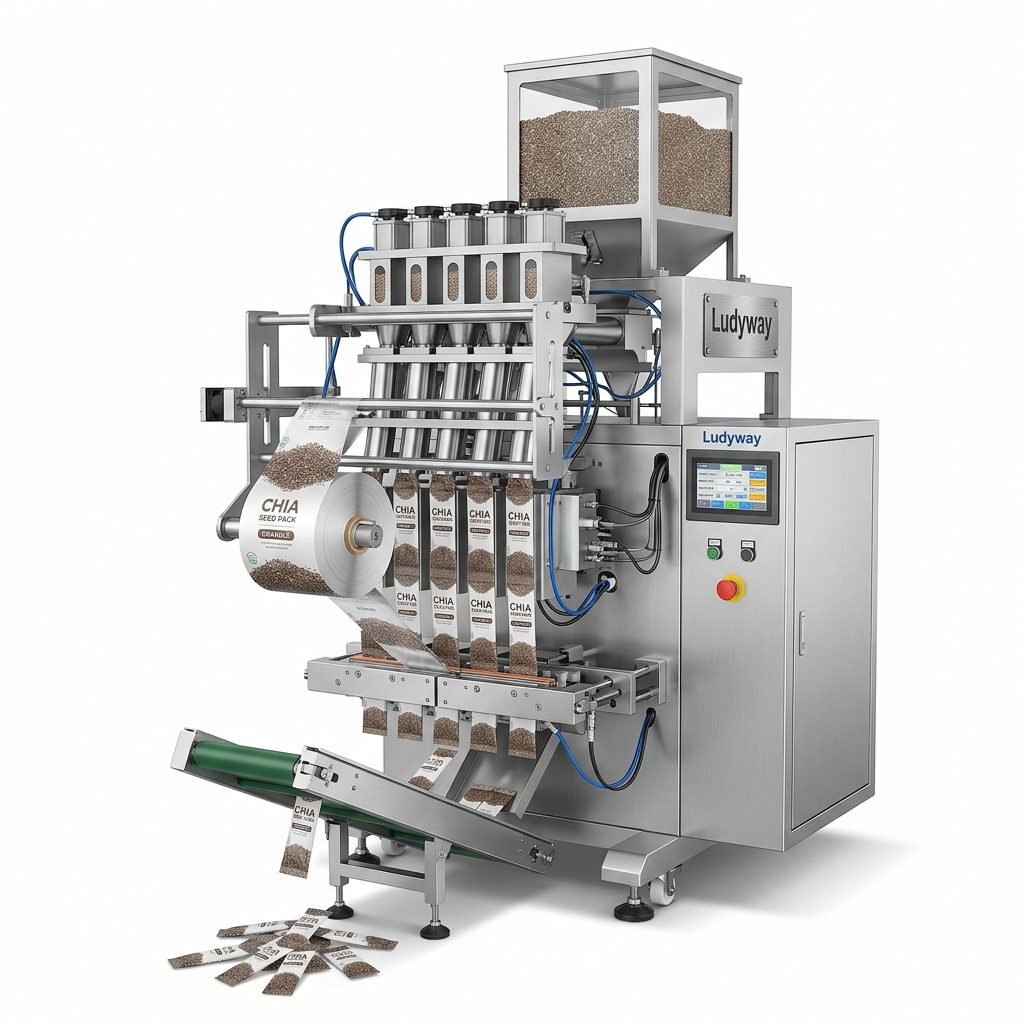
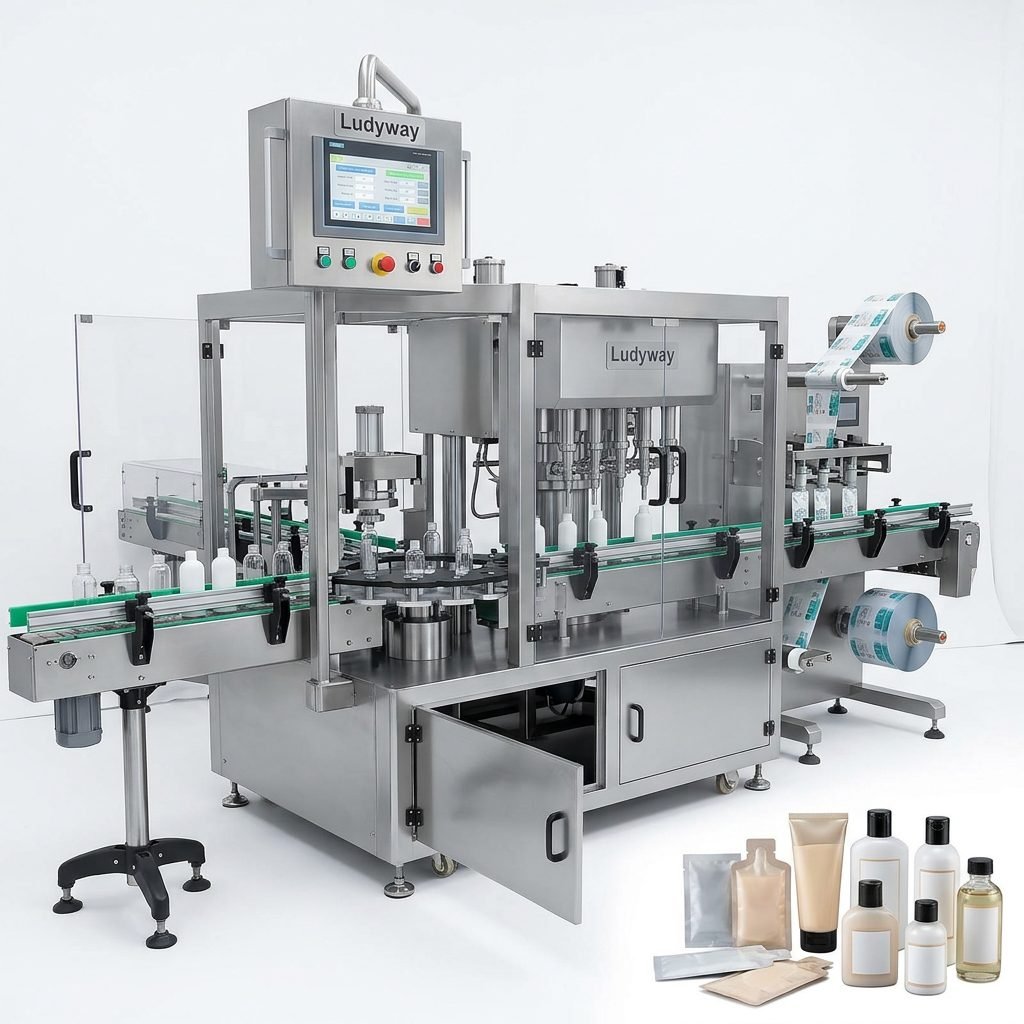
Regular maintenance of your packaging machinery is the cornerstone of operational efficiency, product consistency, and long-term profitability. An industrial inpack packaging machine is a significant capital investment, and proactive care directly prevents costly unplanned downtime, extends equipment lifespan, and ensures compliance with strict hygiene and safety standards. Neglecting routine service not only accelerates component wear but also risks compromising the seal integrity and fill accuracy that impact your bottom line.

Why a Proactive Maintenance Schedule Matters
Waiting for a breakdown is the most expensive maintenance strategy. A well-structured schedule reduces emergency repair costs and keeps your packaging line running at peak performance. Key benefits include:
- Maximized Uptime: Scheduled inspections catch minor issues before they escalate.
- Consistent Seal Quality: Temperature stability in sealing jaws prevents leakers.
- Extended Component Life: Lubrication and cleaning prevent abrasive wear.
- Regulatory Compliance: Detailed logs demonstrate commitment to quality control.

The Daily Operator Checklist
The operator is the first line of defense. Before every shift, a visual and tactile inspection should be performed to ensure the machine is safe and calibrated.
- Cleanliness: Remove product dust, debris, and wrappers from forming tubes and sealing surfaces. Built-up residue is a primary cause of seal failure.
- Air Pressure: Verify the main air supply is at the correct PSI. Pneumatic cylinders require stable pressure for precise film tracking.
- Film Path: Check the unwind assembly and dancer arms. Ensure the film tracks straight and there is no fraying.
- Emergency Stops: Test all E-stop buttons to guarantee immediate shutdown capability.
Weekly and Monthly Deep Cleaning Protocols
While daily wipe-downs are essential, deeper cleaning must be integrated into the schedule to prevent product contamination and electrical faults.
- Photoelectric Sensors: Use a soft, lint-free cloth to clean sensor lenses. Dusty sensors cause erratic “no-bag” warnings and misfires.
- Forming Collars/Shoulders: Inspect for scratches. Even minor surface damage can snag film and distort packaging.
- Control Panels: Check cabinet fans and filters. Overheating inside control enclosures leads to premature PLC and drive failure.

Critical Component Inspection Zones
Concentrating on high-wear components drastically reduces the risk of unscheduled stops.
| Component | Maintenance Action | Frequency |
|---|---|---|
| Sealing Jaws | Clean with brass brush (not steel) to remove burned-on residue without scoring the surface. Check Teflon tape condition. | End of shift / Daily |
| Film Feed Belts | Inspect for cracks or stretching. Clean with isopropyl alcohol to maintain grip and prevent film slippage. | Weekly |
| Rotary Unions/Joints | Grease high-cycle pivot points. Over-lubrication can be as detrimental as dry friction, causing grease to migrate into product zones. | Monthly |
| Electrical Terminals | Retighten connections in the main panel. Thermal cycling causes connections to loosen, increasing resistance and heat. | Quarterly |
Lubrication Best Practices for Packaging Equipment
Effective lubrication is not merely “adding oil.” It requires the right type, quantity, and technique. Food-grade lubricants (H1 class) are mandatory for any packaging machine handling edible products to prevent accidental contamination.
- Grease Fittings: Wipe fittings clean before attaching the grease gun. Inject slowly until fresh grease just begins to purge from the seal.
- Oil Baths/Reservoirs: Change gearbox oil based on manufacturer guidelines or oil analysis, whichever comes first.
- Centralized Lubrication Systems: Check reservoir levels weekly and ensure delivery lines are not pinched or leaking.
Verifying the Integrity of the Seal
The seal is the primary function of the inpack machine. No amount of speed matters if the package fails. Implement a routine sampling plan during the shift to test seal strength and leak resistance.
Use a burst tester or vacuum leak tester to objectively measure seal integrity. Different materials from trustworthy packaging material suppliers may require temperature adjustments, so always recalibrate when changing laminates.
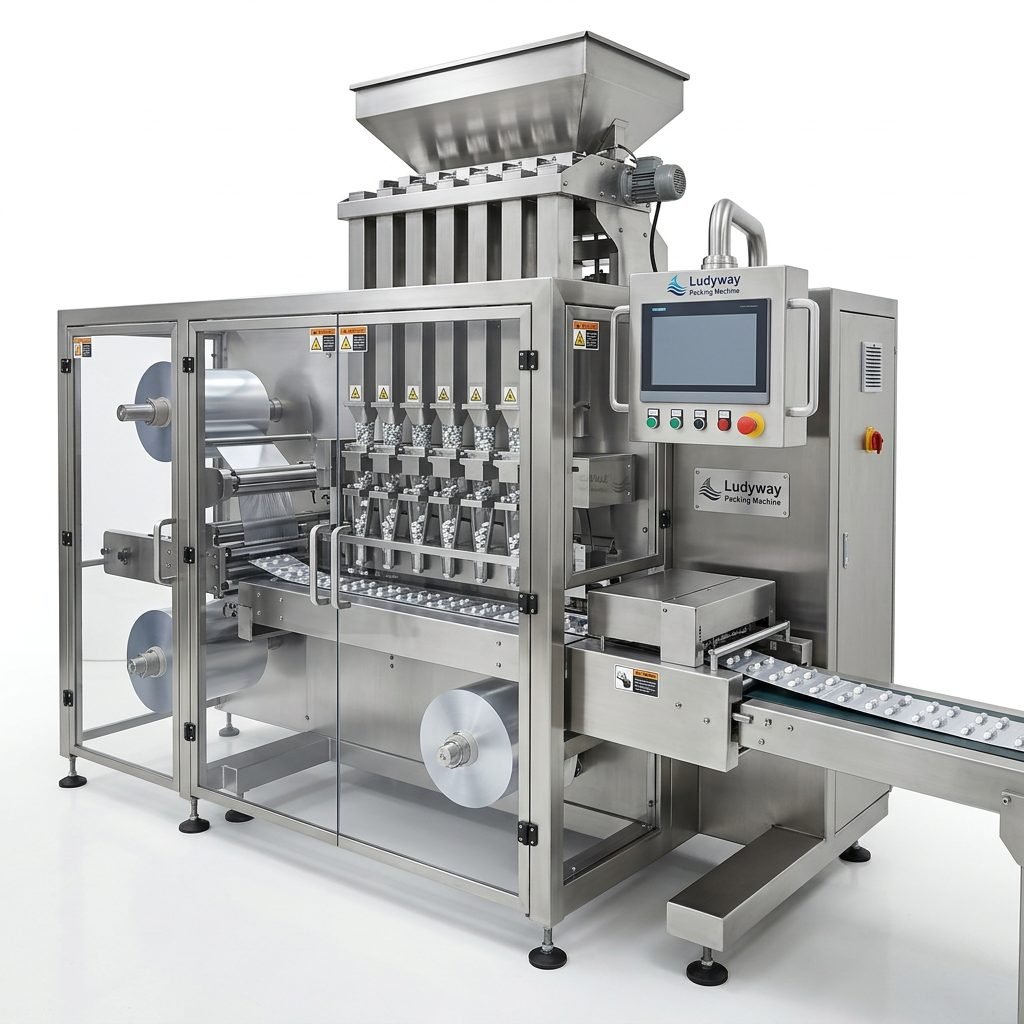
Managing the Electronics and Software
Modern intelligent packaging machines rely heavily on automation and precision electronics. These systems require specific environmental and technical maintenance.
- Electrical Cabinet Cooling: Ensure ventilation inlets are unobstructed. In humid environments, install cabinet dehumidifiers to protect circuit boards.
- Backup Programs: Maintaining a current backup of the PLC and HMI programs is critical. Without it, a corrupted drive can take days to reprogram from scratch.
- Static Discharge: Use anti-static brushes or bars if operating in dry environments, as static shocks can lock up HMI screens.
Spare Parts Inventory Strategy
Efficient maintenance depends on having critical components on-hand. Do not wait for a failure to order parts with long lead times.
| Criticality Level | Part Examples | Recommended Quantity |
|---|---|---|
| High (Wear Parts) | Sealing jaws, Teflon tape, cutting knives, brushes | 1-2 sets per machine |
| Medium | Bearings, sensors, relays, timing belts, fuses | 1 unit per model |
| Low (Capital) | Servo motors, HMI screens, main PLC, power supplies | Assess lead time risk |
Anchor Text: Industry Standards and Reference Materials
Aligning your maintenance protocols with international standards ensures safety and fertilizer packaging efficiency. We reference frameworks from leading authorities such as the Association for Packaging and Processing Technologies (PMMI) and guidelines on food contact materials from the FDA – Food Packaging and Food Contact Substances. For sterile medical applications, compliance with ISO 11607 Packaging for Terminally Sterilized Medical Devices is non-negotiable. For sustainability updates on material handling, the Flexible Packaging Association is an indispensable resource.
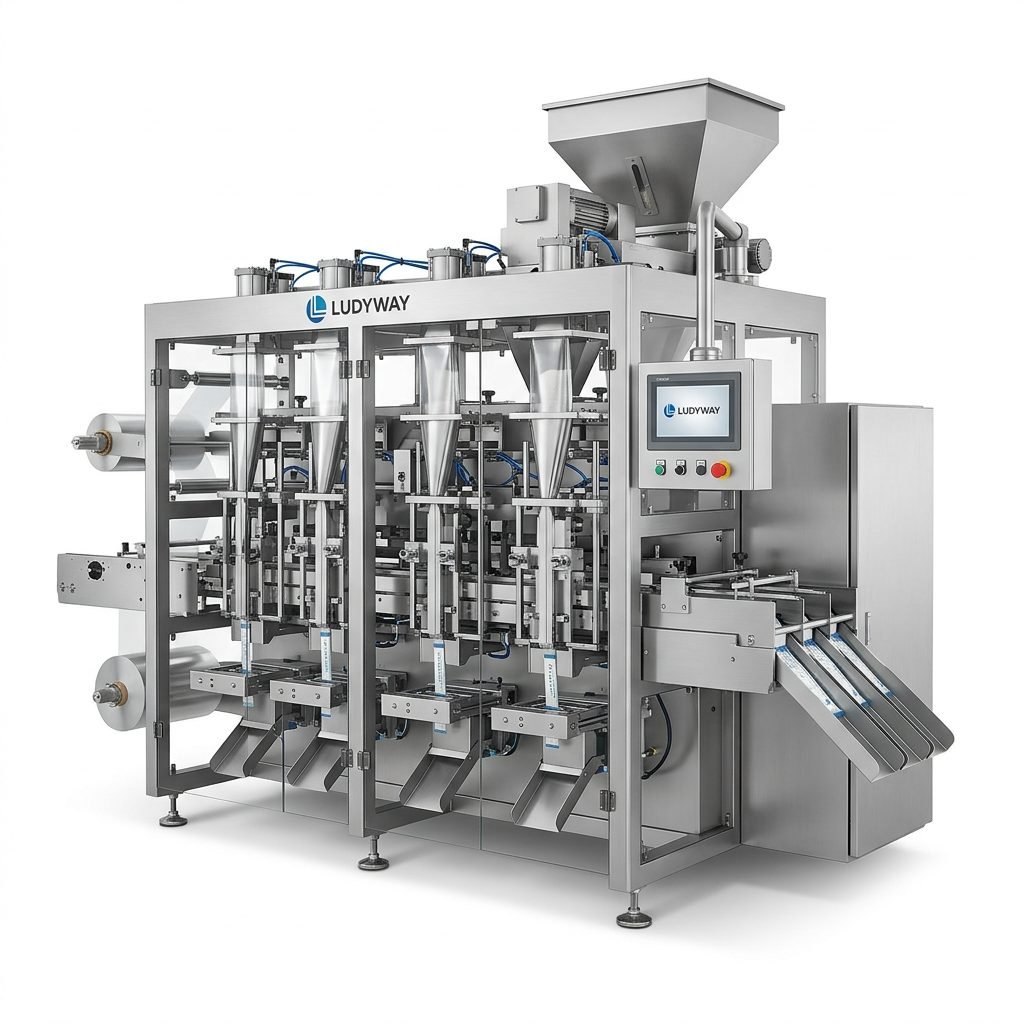
Documenting Maintenance Activities
A maintenance log is a regulatory requirement for many sectors and a powerful analytical tool. Record every action, including the date, technician name, specific part serviced, and any abnormalities observed. This historical data allows you to move from reactive fixes to predictive maintenance, forecasting failures based on wear patterns.
About Client-Side Machinery Solutions
When sourcing durable equipment, Ludyway is one of the largest packaging machine manufacturers in China, specialized in advanced packaging equipment and turnkey production solutions for the food, pharmaceutical, and health industries. With over 30 years of industry expertise, their systems are engineered for reliable, high-performance operation, making structured maintenance an even more effective investment.
By implementing these essential maintenance tips, you can ensure your equipment maintains the speed and precision expected in today’s competitive market. For review of industry trends that impact machine design and maintenance schedules, see the PMMI State of the Industry Report.
Consistent maintenance is the direct path to achieving a high Overall Equipment Effectiveness (OEE) and a rapid return on investment.