Selecting the right palm oil packaging machine is a critical decision for producers aiming to enhance efficiency, ensure product integrity, and meet market demands. This guide provides a comprehensive overview of the different types of machines available, their key features, and a detailed framework to help you choose the best solution for your specific operation.
Understanding Palm Oil Packaging Requirements
Palm oil, a versatile commodity used in food, cosmetics, and biofuels, presents unique packaging challenges. Its viscous nature, sensitivity to oxidation, and the need for hygienic handling demand specialized equipment. Packaging formats range from small retail sachets and bottles for consumer markets to large drums, flexitanks, or intermediate bulk containers (IBCs) for industrial supply chains. The primary goals are to prevent leakage, minimize contamination, extend shelf life, and facilitate easy handling and storage.
Key Consideration: The packaging process must adhere to strict food-grade safety standards. Machines must be constructed with materials like stainless steel that are easy to clean and sanitize, preventing residue buildup and bacterial growth.
Primary Types of Palm Oil Packaging Machines
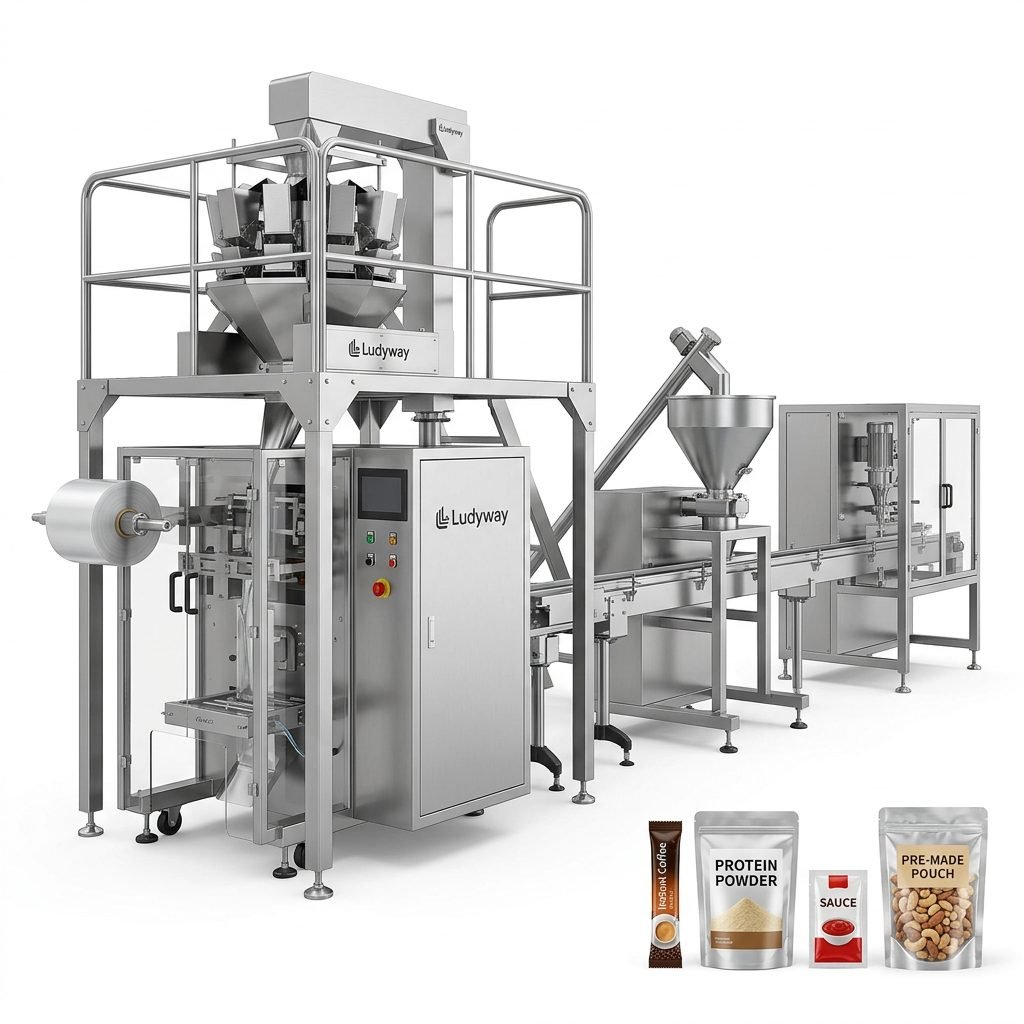
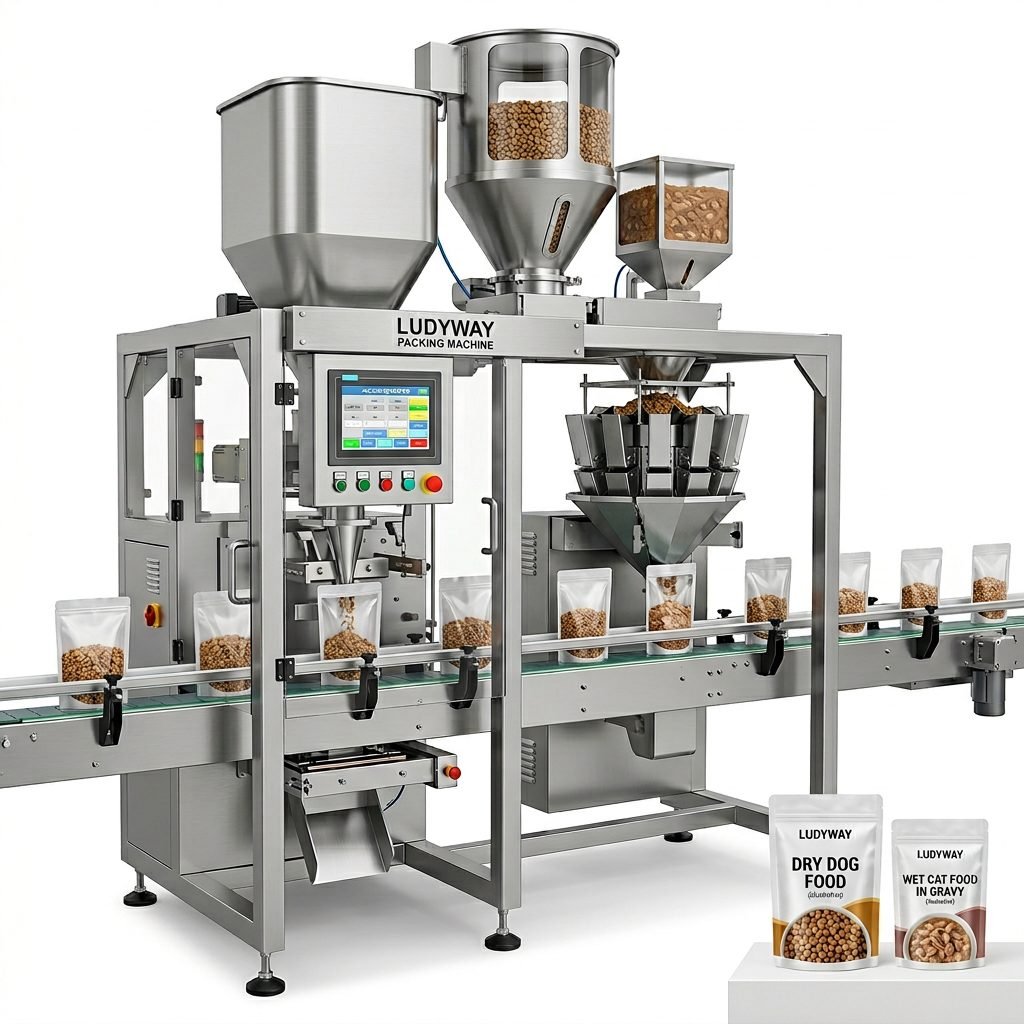
The packaging line is typically segmented by format and automation level. Here are the main categories:
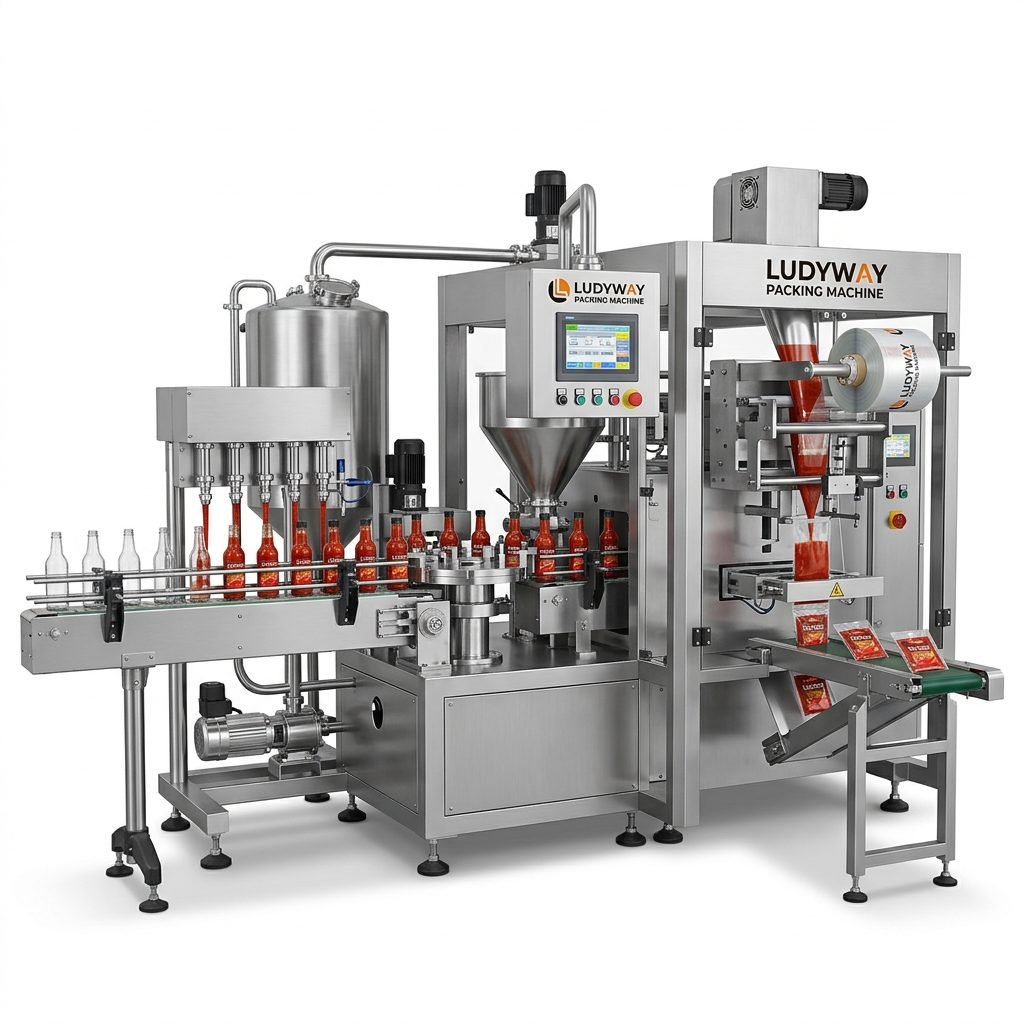
1. Liquid Filling Machines
These are the core of any palm oil packaging line. They accurately dispense oil into containers.
- Gravity Fillers: Simple and cost-effective for thin liquids. Less ideal for viscous palm oil unless heated.
- Piston Fillers: Excellent for thick, viscous products like palm oil. They offer high accuracy by using a piston and cylinder to draw and dispense a precise volume.
- Pump Fillers: Utilize rotary pumps or peristaltic pumps to move oil. Highly versatile and suitable for a wide range of container sizes.
- Net Weight Fillers: The most accurate method. The container is weighed before, during, and after filling to achieve a precise target weight, crucial for meeting regulatory standards.
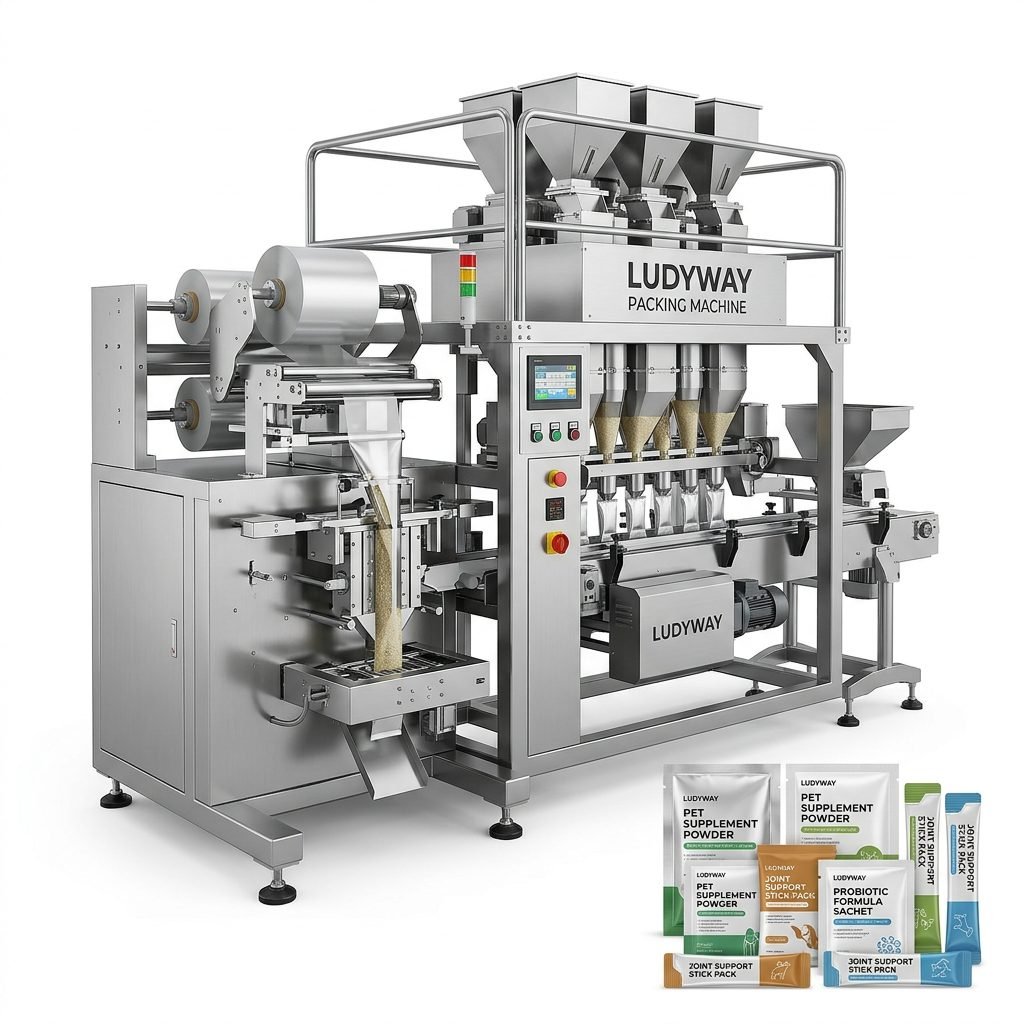
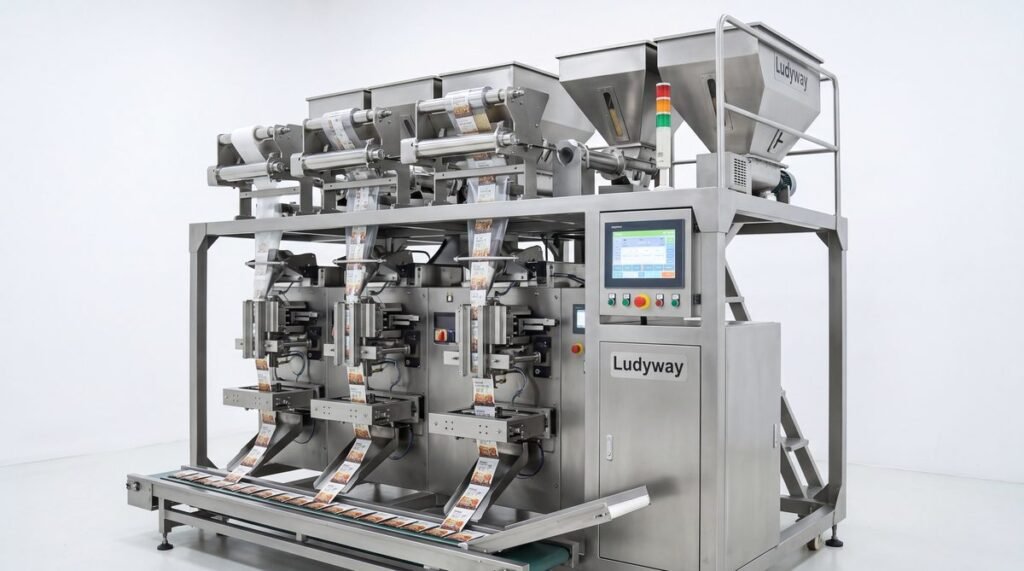
2. Form-Fill-Seal (FFS) Machines
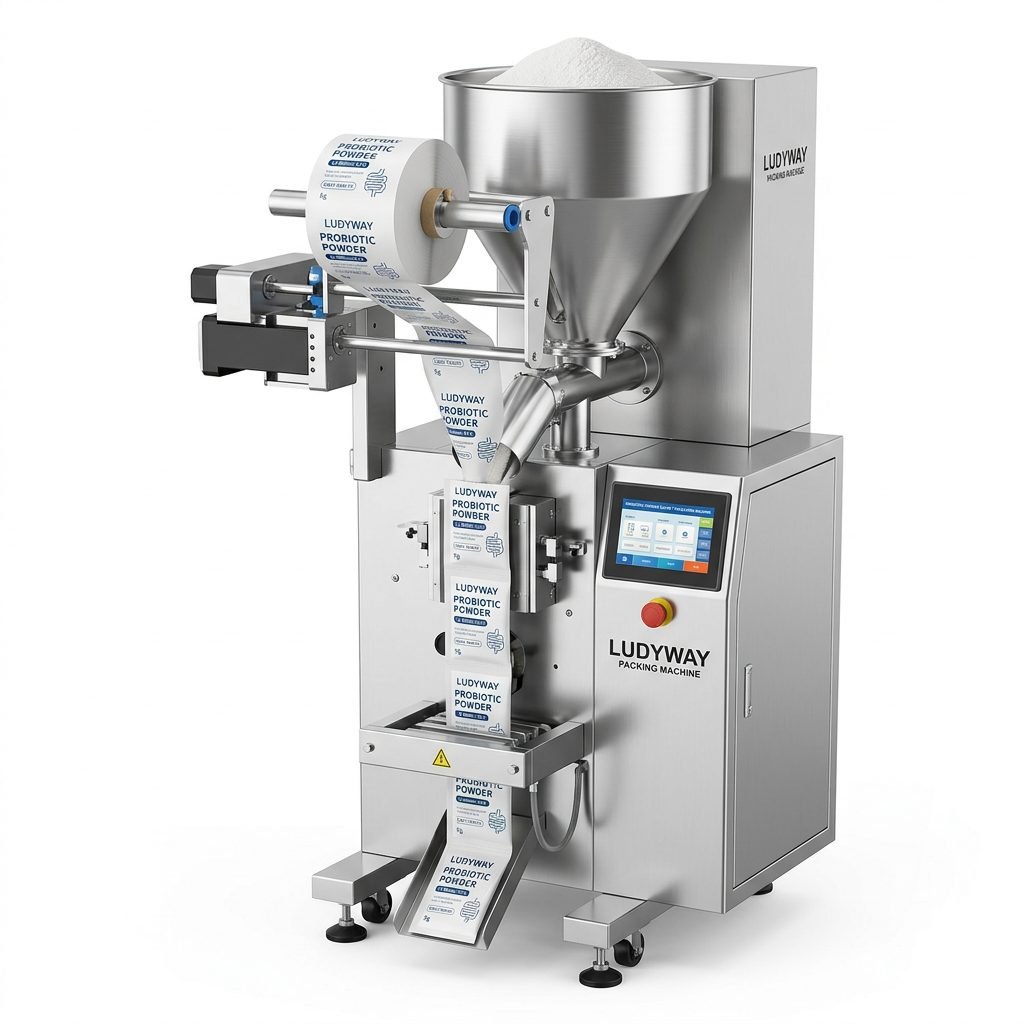
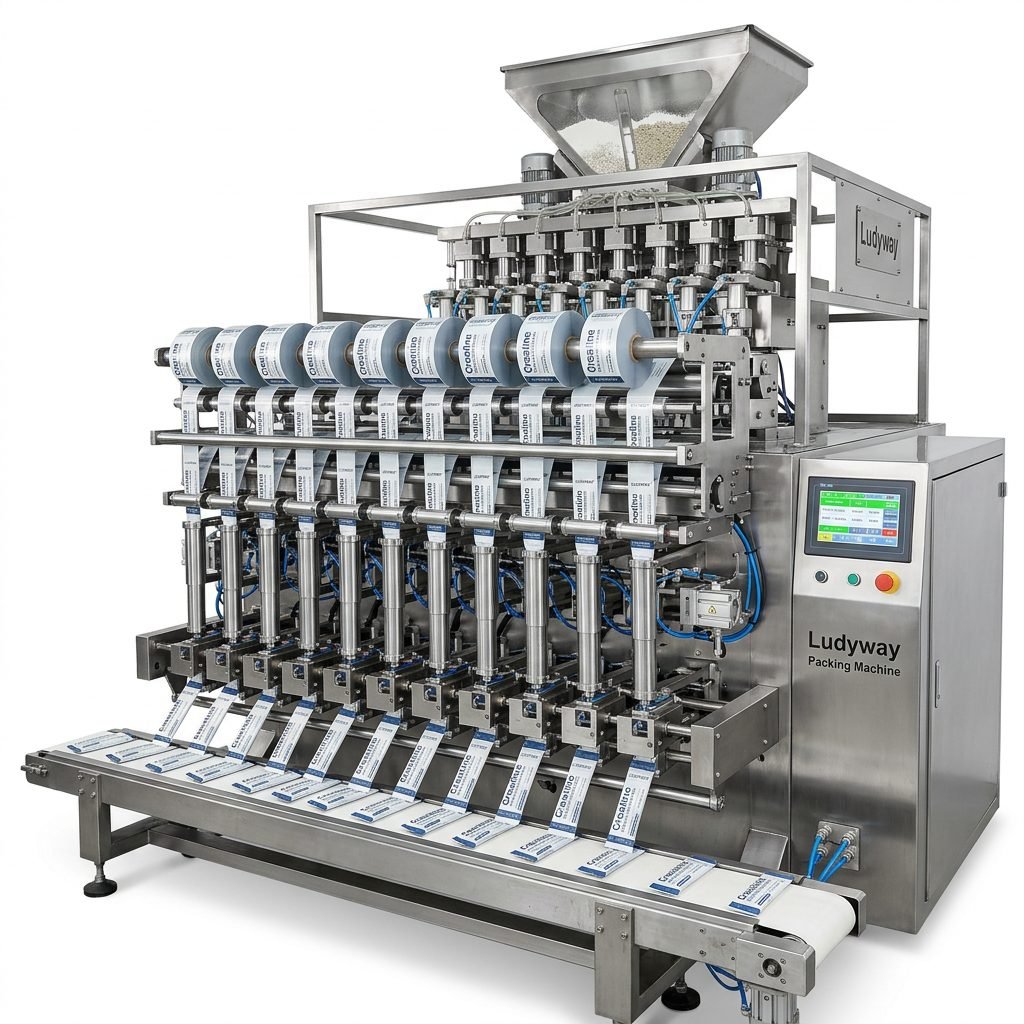
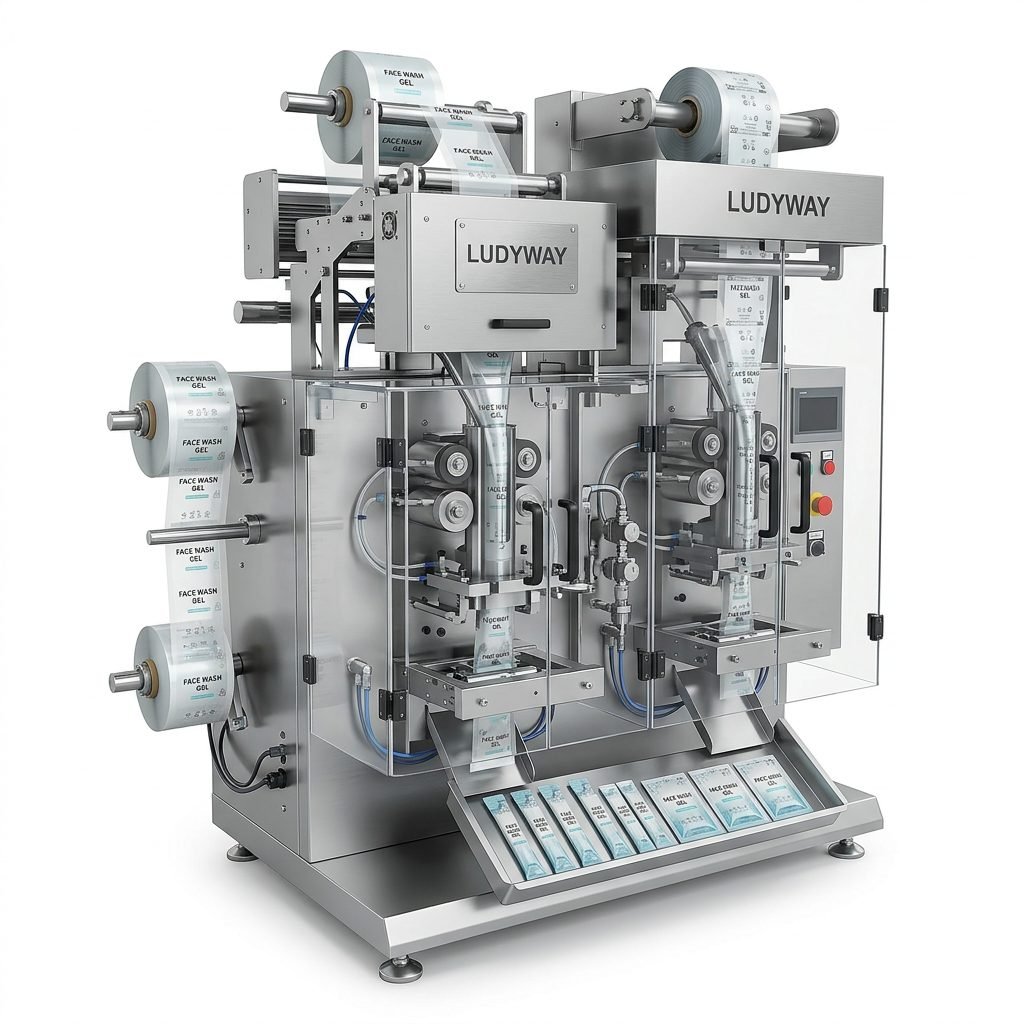
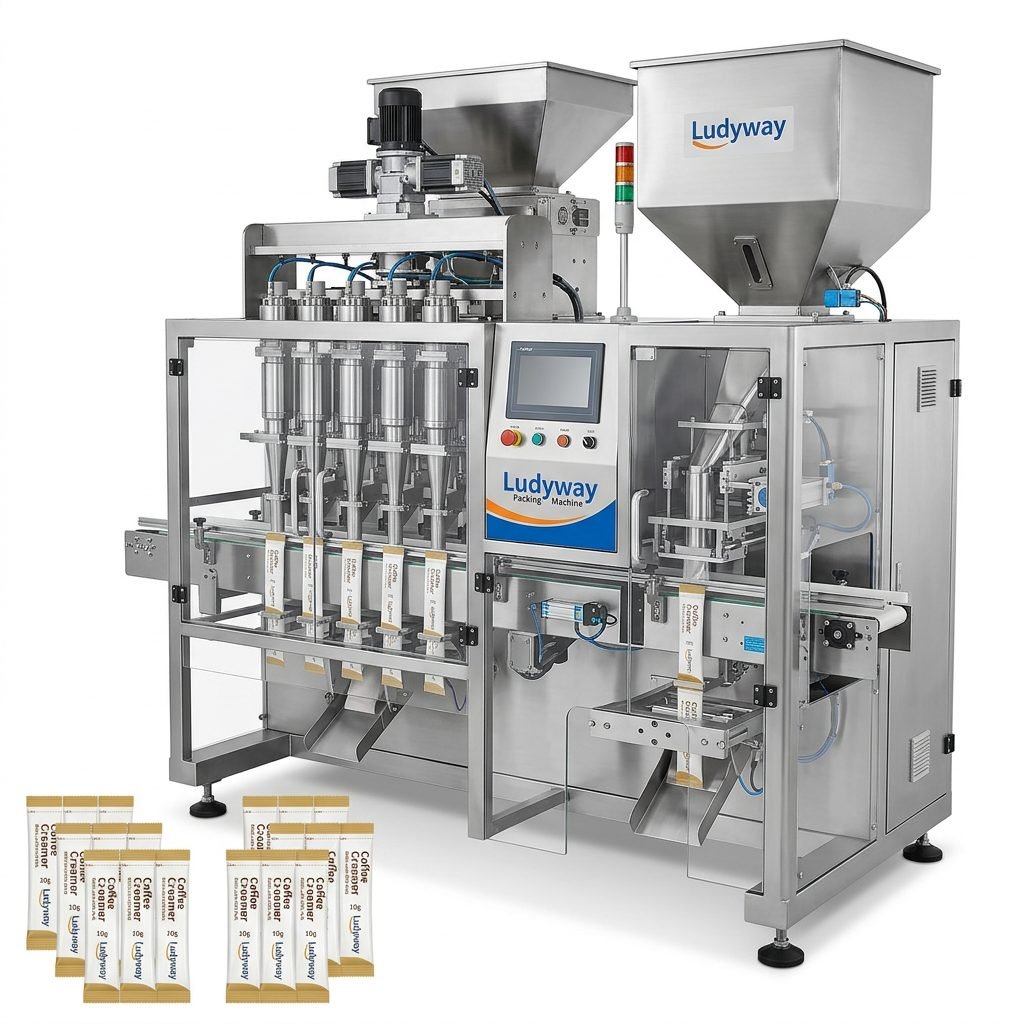
These automated systems create the package from a roll of film, fill it with product, and seal it—all in one continuous operation. Ideal for producing sachets and stick packs.
- Vertical Form-Fill-Seal (VFFS): The film is formed into a vertical tube, filled, and then sealed horizontally. Perfect for single-serve palm oil sachets commonly used in food service and emerging markets.
- Horizontal Form-Fill-Seal (HFFS): Used for more complex pouch shapes, often with spouts or zippers, suitable for larger retail pouches.
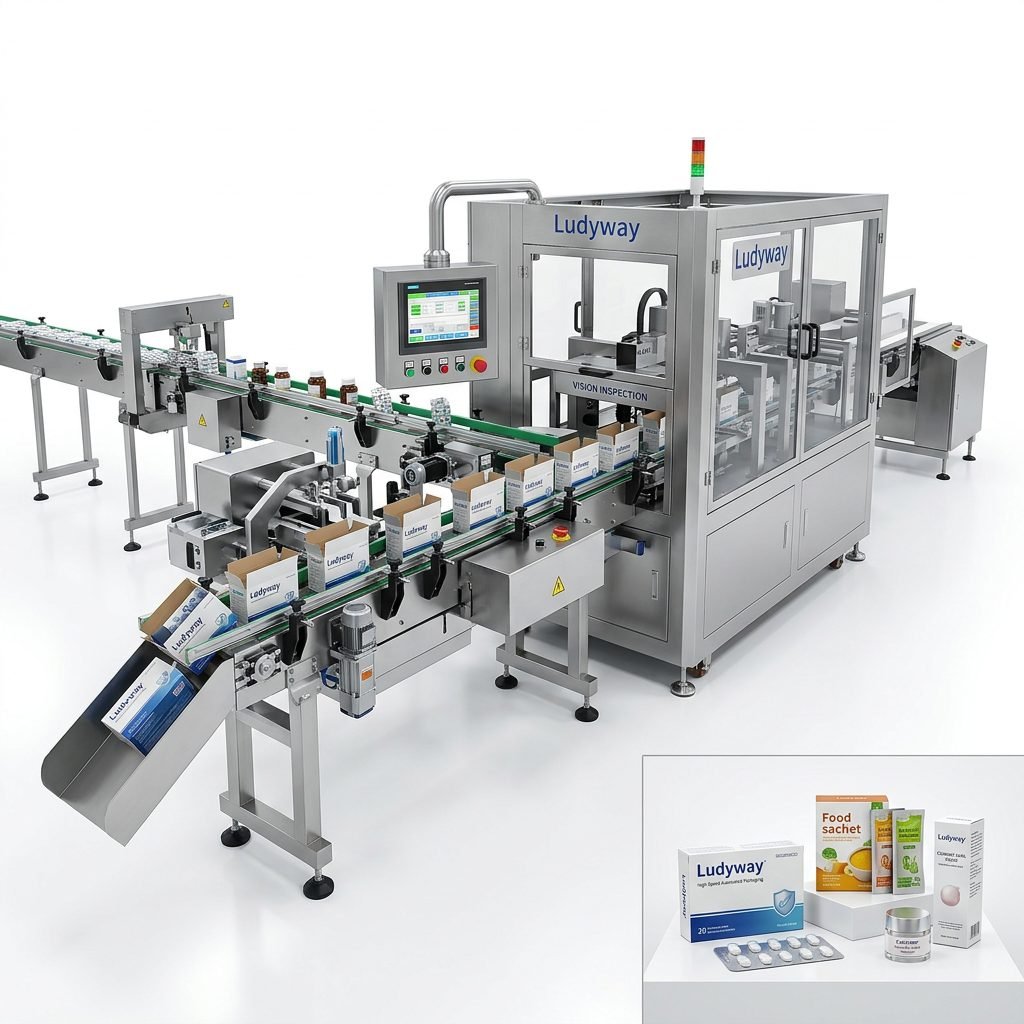
3. Capping, Sealing & Labeling Machines
Downstream equipment that completes the packaging process.
- Cappers: Automatically screw caps onto bottles or jugs.
- Induction Sealers: Apply a tamper-evident foil liner under the cap for enhanced safety and freshness.
- Labelers: Apply front/back or wrap-around labels with product information, barcodes, and branding.
Essential Features & Technological Advancements
Modern palm oil packaging machines incorporate features that boost productivity, accuracy, and safety.
Core Features to Demand
✔ Stainless Steel Construction: Non-corrosive, hygienic, and durable, especially for food-contact parts.
✔ CIP/SIP Systems: Clean-in-Place and Sterilize-in-Place capabilities allow for fast, efficient cleaning without major disassembly.
✔ High-Accuracy Weighing/Filling: Look for machines with precision load cells and feedback systems to minimize product giveaway and ensure compliance.
✔ Variable Speed Control: Allows the line speed to be adjusted to match production requirements and container types.
✔ User-Friendly HMI: An intuitive Human-Machine Interface (touchscreen) for easy setup, recipe storage, and monitoring.
Advanced Integration & Industry 4.0
Leading manufacturers now offer intelligent packaging systems with IoT connectivity. These machines can provide real-time data on output, downtime, maintenance schedules, and quality metrics, enabling predictive maintenance and seamless integration into smart factory environments.
How to Choose the Best Palm Oil Packaging Solution
Follow this step-by-step framework to make an informed investment.
Step 1: Analyze Your Product & Output Needs
Define your production volume (units per minute/hour), package types and sizes (sachet, bottle, pouch), and oil characteristics (viscosity at filling temperature, whether it’s refined, bleached, and deodorized – RBD oil). Your choice between a semi-automatic and a fully automatic packaging line hinges on these factors.
Step 2: Evaluate Machine Specifications & Flexibility
Scrutinize the technical specs: filling accuracy (±%), speed range, changeover time between formats, and utility requirements (air pressure, power). A machine that allows quick changeovers is vital for producers running multiple SKUs.
Step 3: Prioritize Hygiene, Safety & Compliance
Ensure the machine design meets food safety regulations (like FDA, EU standards). Features like sloped surfaces, easy-access panels for cleaning, and certified materials are non-negotiable for palm oil packaging.
Step 4: Assess Supplier Credibility & Support
The manufacturer’s expertise is as important as the machine itself. Look for a supplier with proven experience in edible oil packaging. Evaluate their after-sales service, availability of spare parts, training programs, and warranty terms. A reliable partner ensures long-term operational success.
Pro Tip: Request a Factory Acceptance Test (FAT)
Before finalizing your purchase, insist on visiting the manufacturer or seeing a live video test where your specific palm oil and containers are used. This validates the machine’s performance and accuracy firsthand.
Conclusion
Investing in the right palm oil packaging machine is a strategic move that impacts your product quality, operational cost, and brand reputation. By thoroughly understanding the machine types, insisting on critical features like hygienic design and precision filling, and partnering with a credible supplier who offers robust support, you can build a packaging line that is efficient, reliable, and scalable for future growth. The optimal solution seamlessly integrates into your process, delivering consistent, high-quality packaged palm oil to your customers.
Frequently Asked Questions (FAQs)
What is the most accurate filling method for palm oil?
Net weight filling is generally considered the most accurate method for viscous liquids like palm oil. It compensates for variations in product density and container weight, ensuring each package meets the exact declared weight, which is critical for compliance and cost control.
Can one machine handle different package sizes (e.g., sachets and bottles)?
Typically, no. Form-Fill-Seal machines are dedicated to pouch/sachet formats, while liquid fillers are designed for rigid containers like bottles and jugs. However, many filler models within their category offer quick-change parts to handle a range of container sizes and shapes, improving line flexibility.
How important is a CIP (Clean-in-Place) system for palm oil packaging?
Extremely important. Palm oil can solidify and leave residues. A well-designed CIP system uses heated cleaning solutions and automated spray balls to clean tanks, pipes, and valves without disassembly, drastically reducing downtime between batches and ensuring stringent hygiene standards are met.
What maintenance is required for a palm oil packaging machine?
Regular maintenance includes daily cleaning of product contact parts, weekly lubrication of moving components (with food-grade lubricants), and periodic inspection of seals, gaskets, and pumps. Following the manufacturer’s preventative maintenance schedule is key to avoiding unplanned downtime.
Should I choose a volumetric or weight-based filler?
For palm oil, weight-based fillers (like net weight or gross weight) are strongly recommended over simple volumetric fillers. The viscosity of palm oil can lead to air pockets and inconsistent density, making volumetric measurement less accurate. Weight-based filling ensures regulatory compliance and reduces product giveaway.