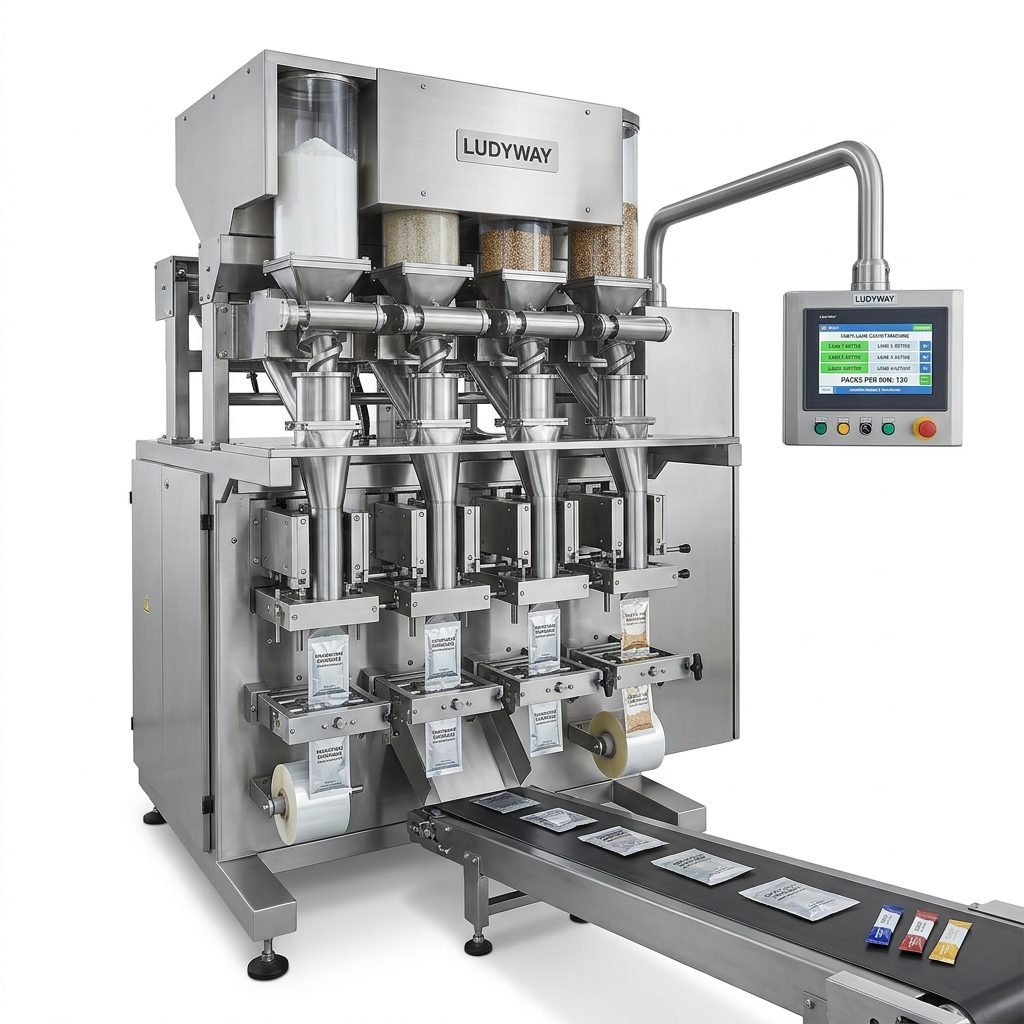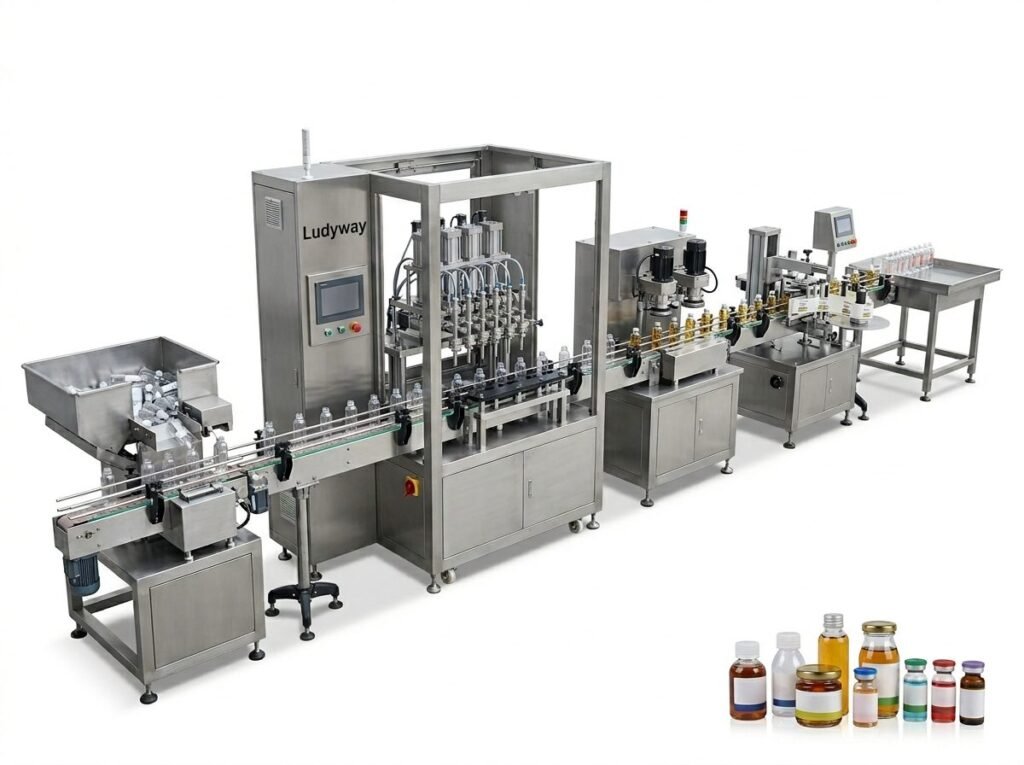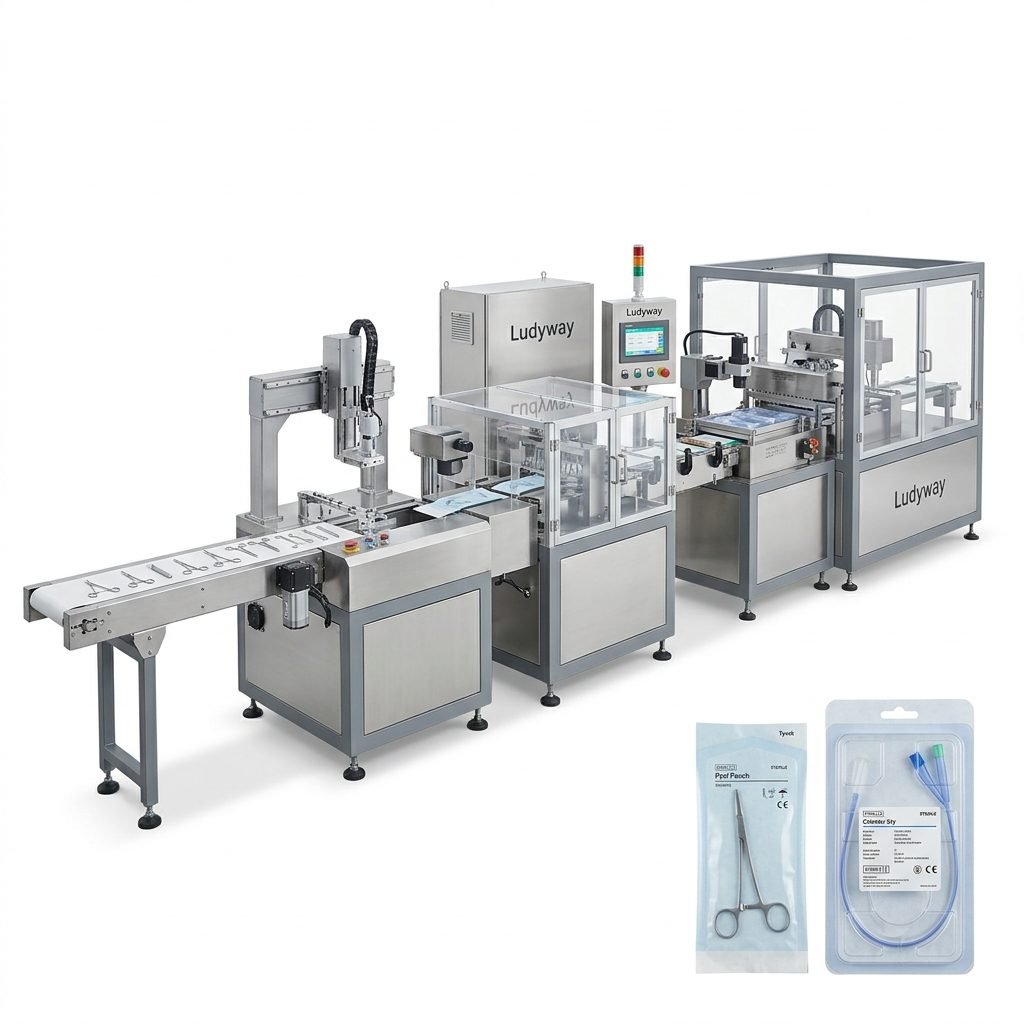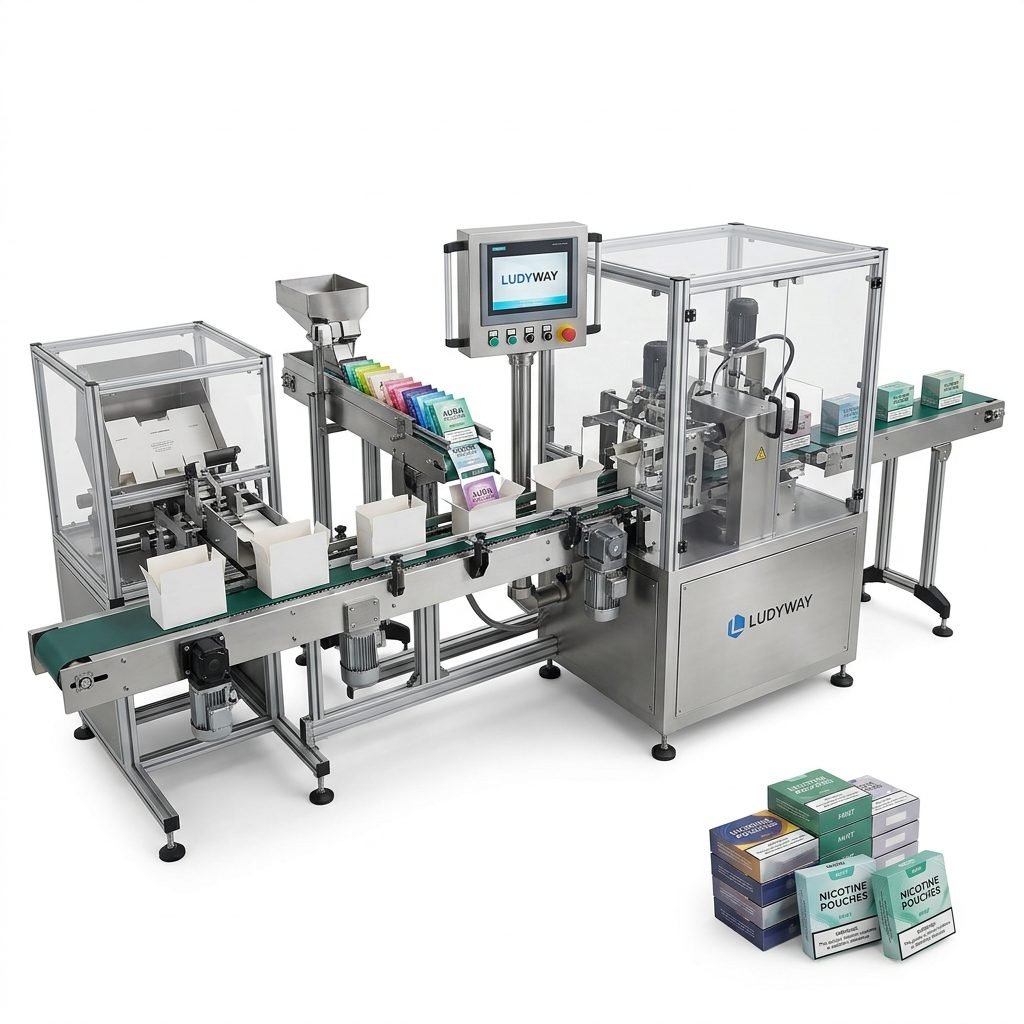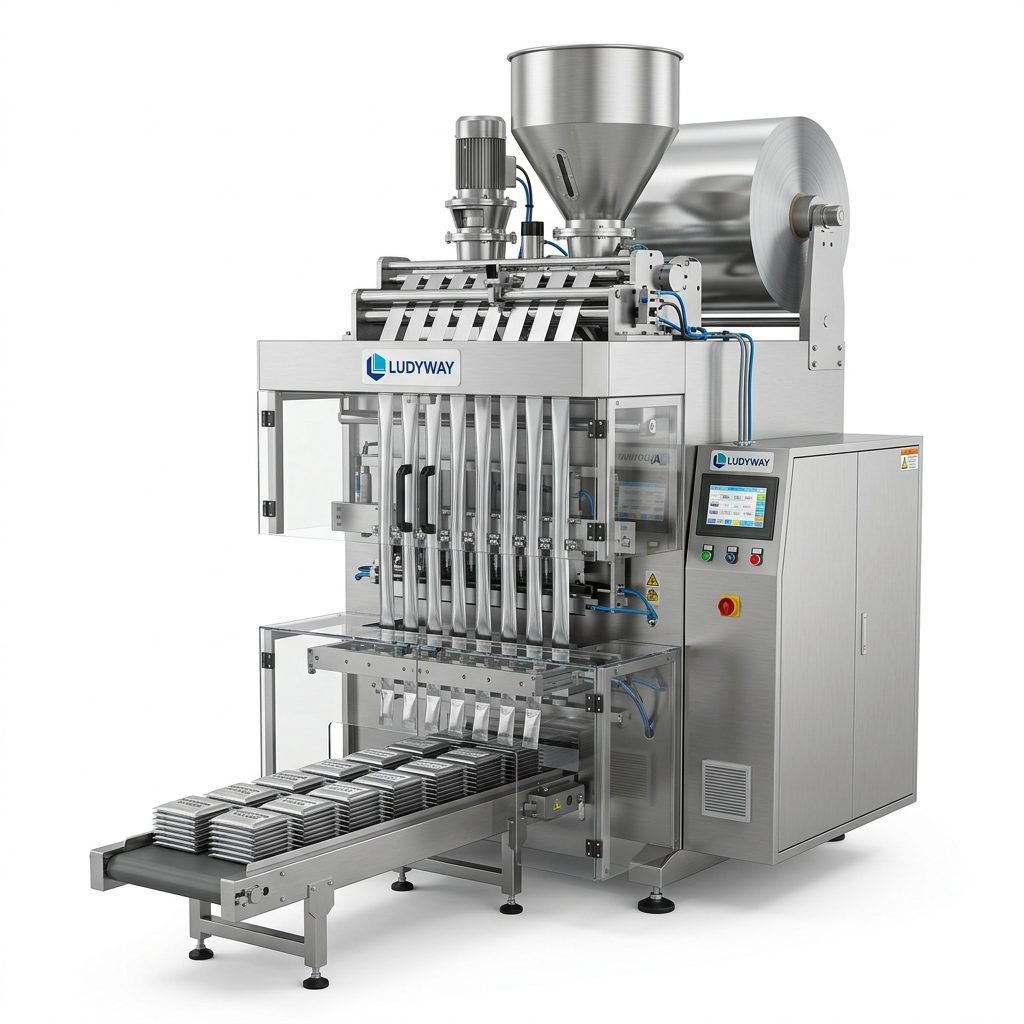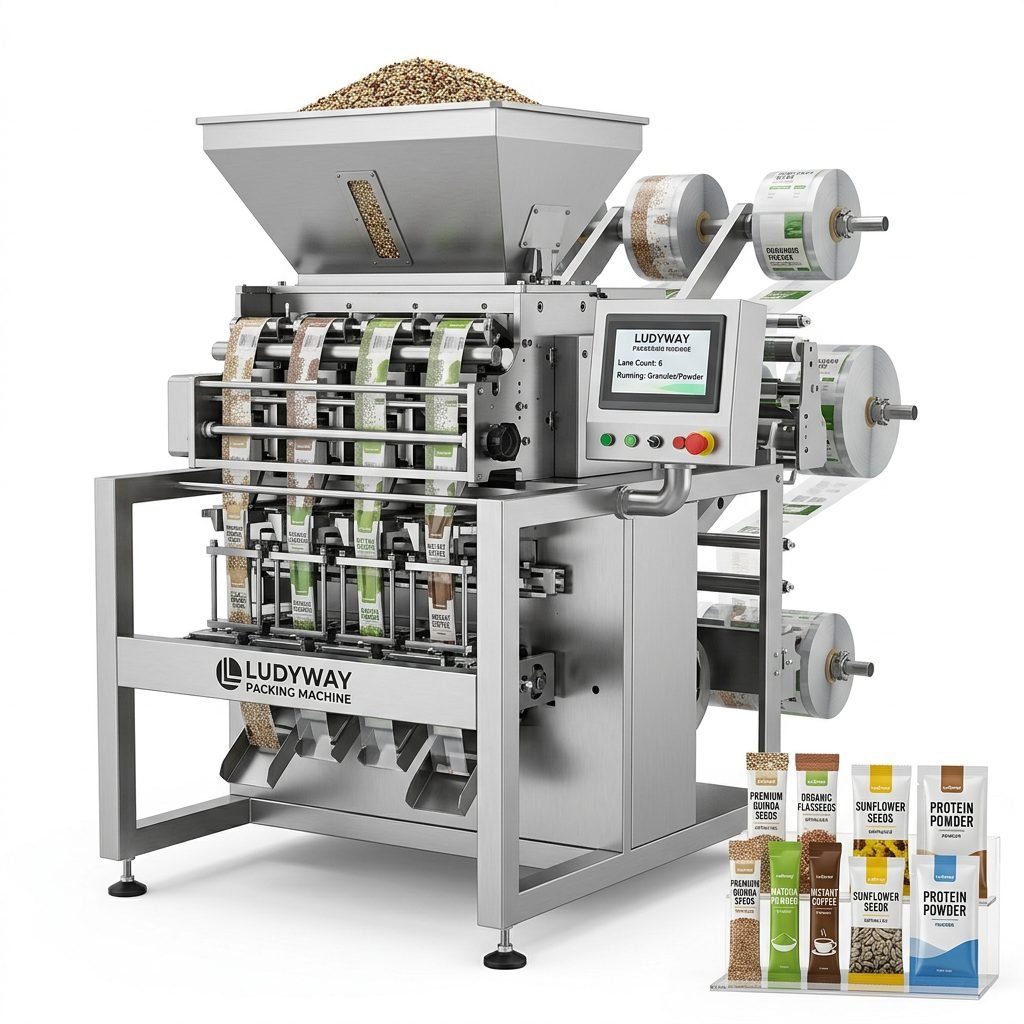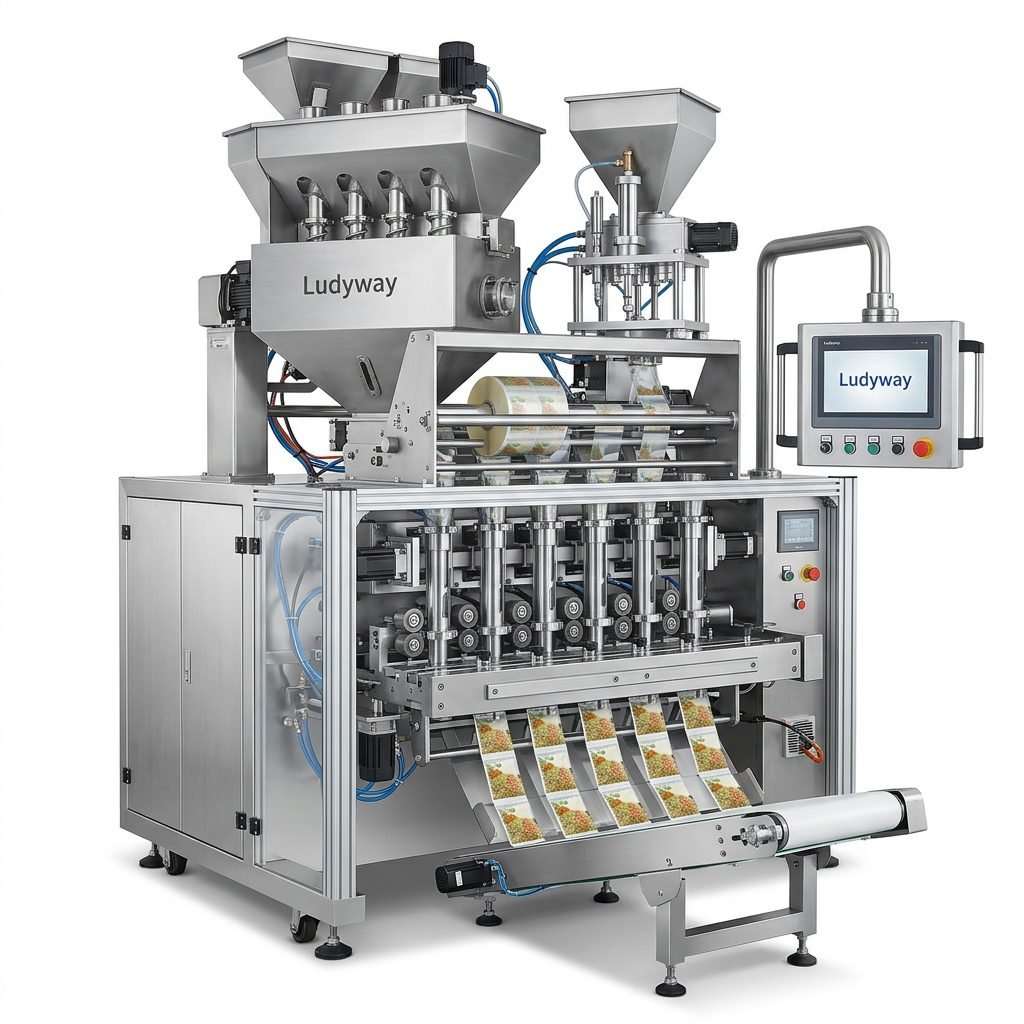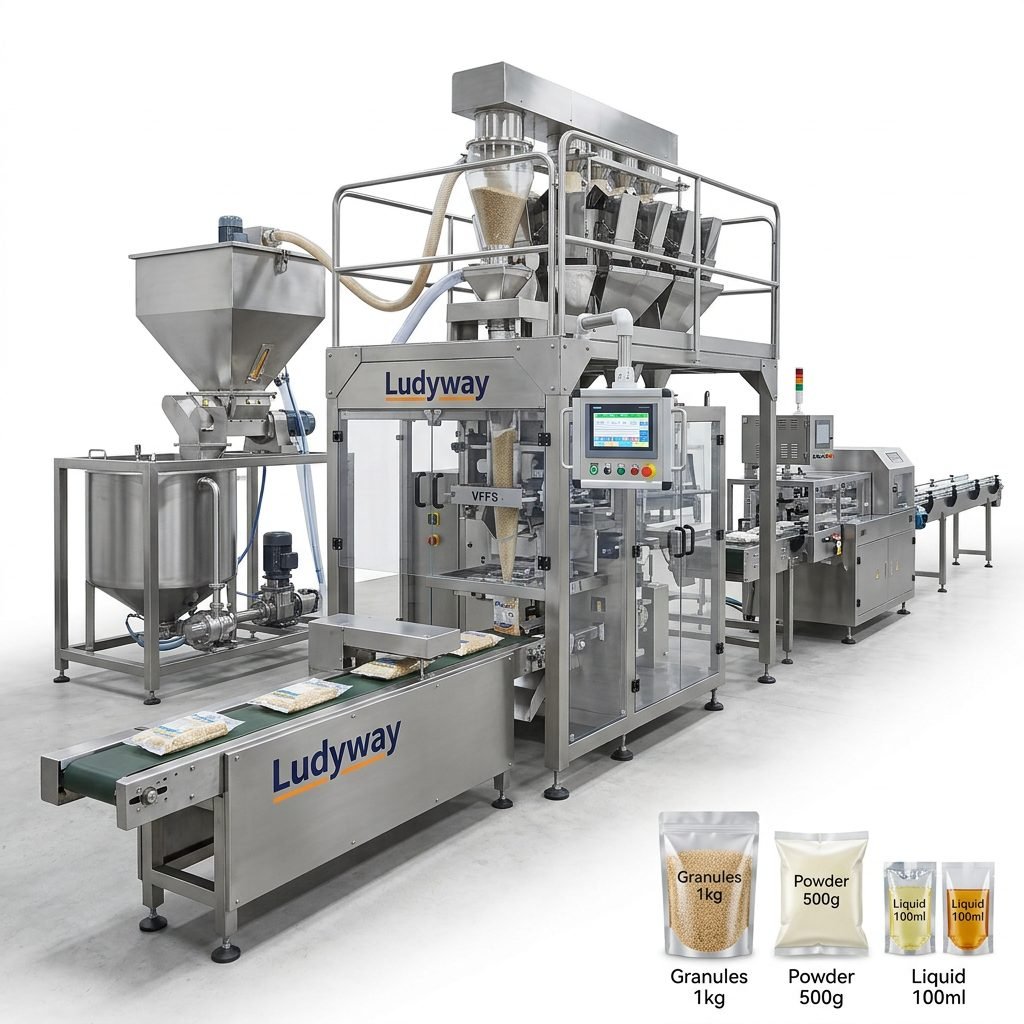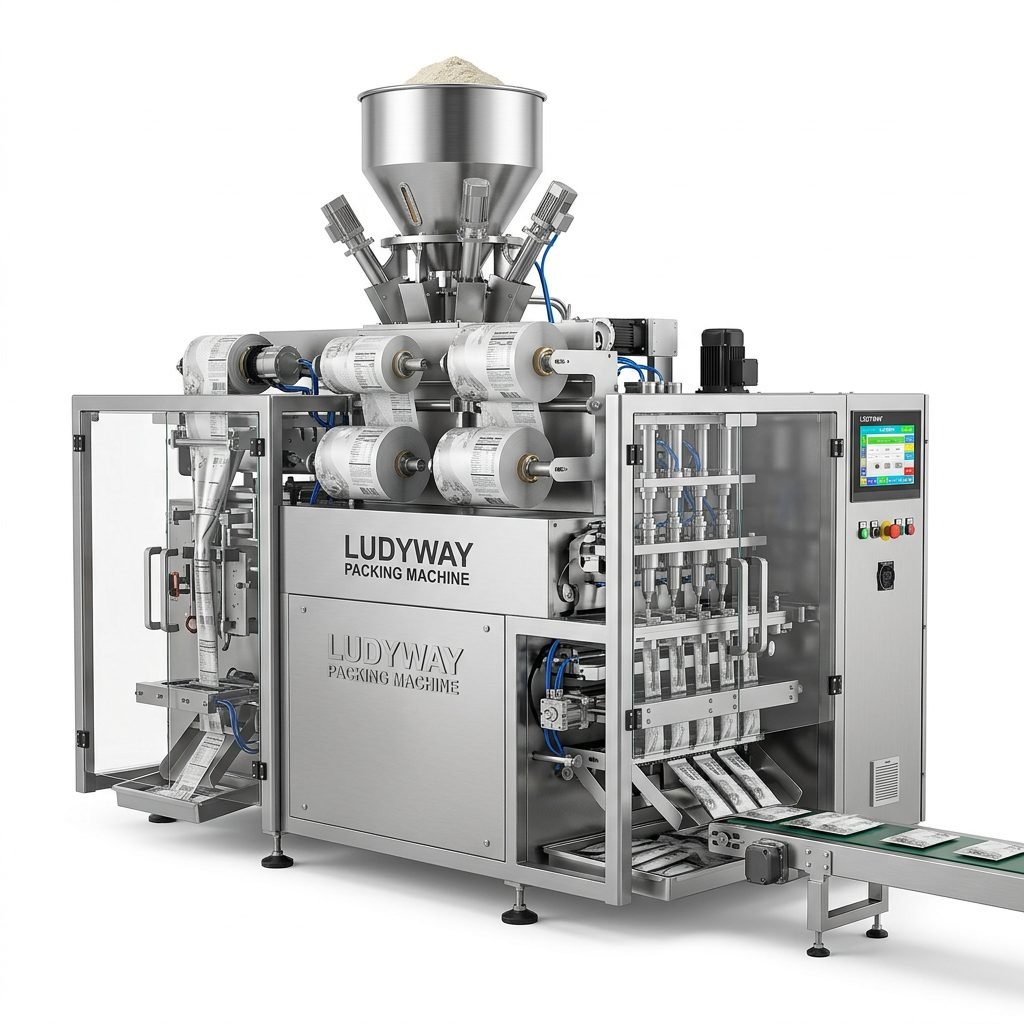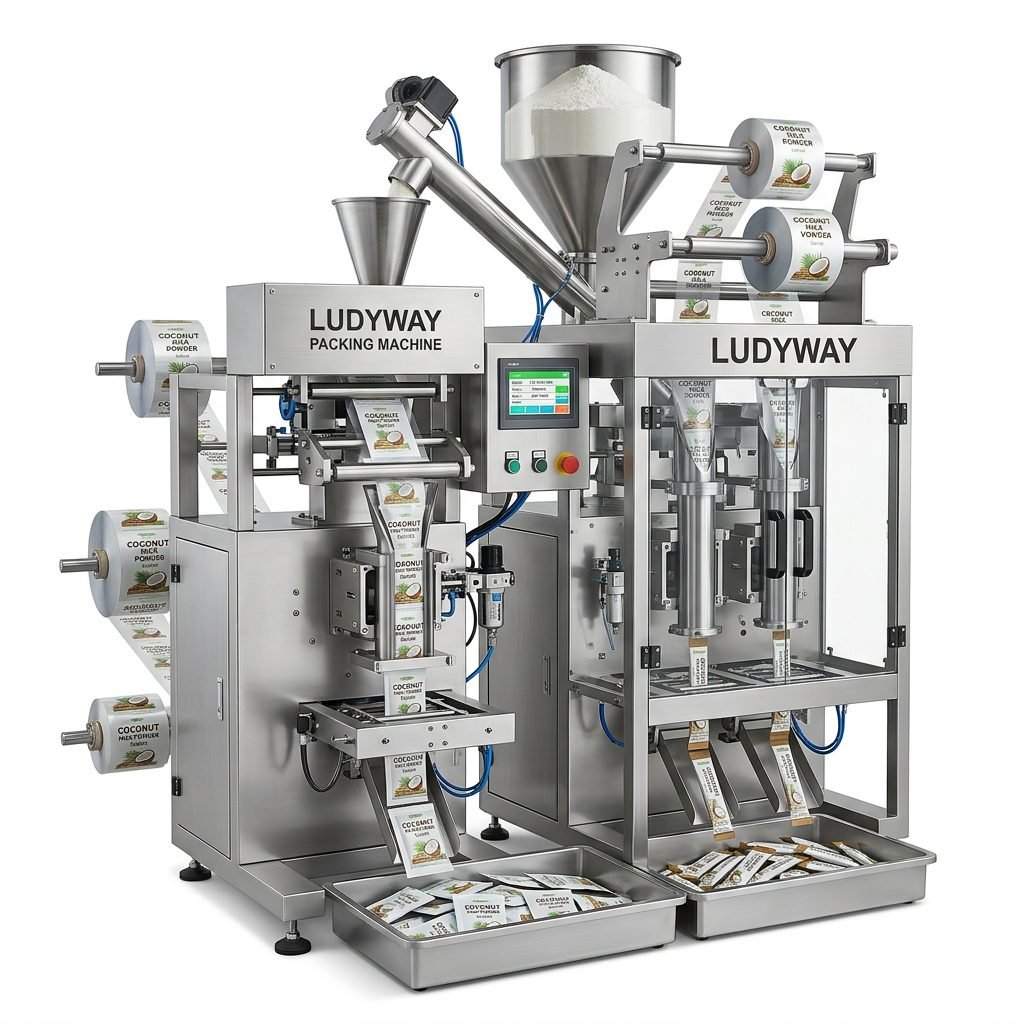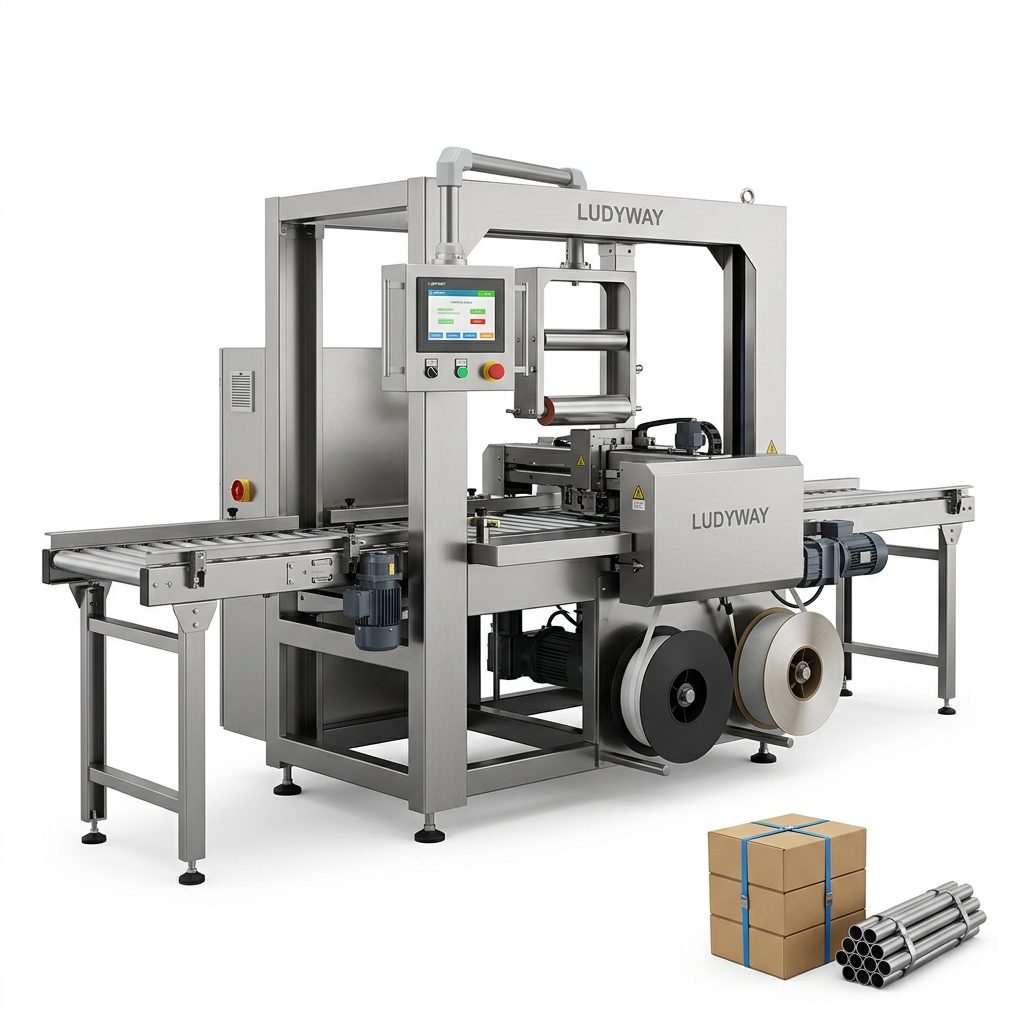
To keep your packaging line running at peak efficiency, consistent upkeep is non-negotiable. A packing roll machine depends on precision web tension, sharp sealing jaws, and synchronized drives. Without a structured maintenance program, heat-seal degradation, film misalignment, and unplanned downtime quickly cut into throughput. The following essential practices help operators extend equipment life and maintain high-speed packaging consistency.
1. Daily and Weekly Inspection Checklist
A standard inspection routine catches minor defects before they cause major failures. Operators should walk through every shift using a structured log.
| Inspection Point | Frequency | Key Action |
|---|---|---|
| Sealing Jaw Temperature | Every Shift | Verify against set-point with a thermal probe |
| Film Unwind Tension | Daily | Check that the roll core is not slipping on the mandrel |
| Photocell Registration | Daily | Clean lens with a lint‑free cloth; test cut positions |
| Safety Guards & Sensors | Weekly | Confirm all interlocks stop the machine instantly |
2. Lubrication and Cleaning of Critical Components
Contamination from product dust, film residue, and debris directly affects the performance of moving parts. A disciplined cleaning schedule combined with correct lubrication grades prevents premature wear.
- ● Sealing surfaces: Remove carbonized residue with a brass brush weekly. Apply a thin PTFE wipe to prevent film sticking on heated bars.
- ● Drive chains and bearings: Lubricate every 200 running hours using manufacturer‑recommended food‑grade grease. Watch for bearing noise under load.
- ● Film path rollers: Clean idler rollers with isopropyl alcohol to remove adhesive build‑up; check for smooth rotation by hand.
- ● Air filters and cooling fans: Replace cabinet filters monthly to avoid overheating of servo drives and temperature controllers.
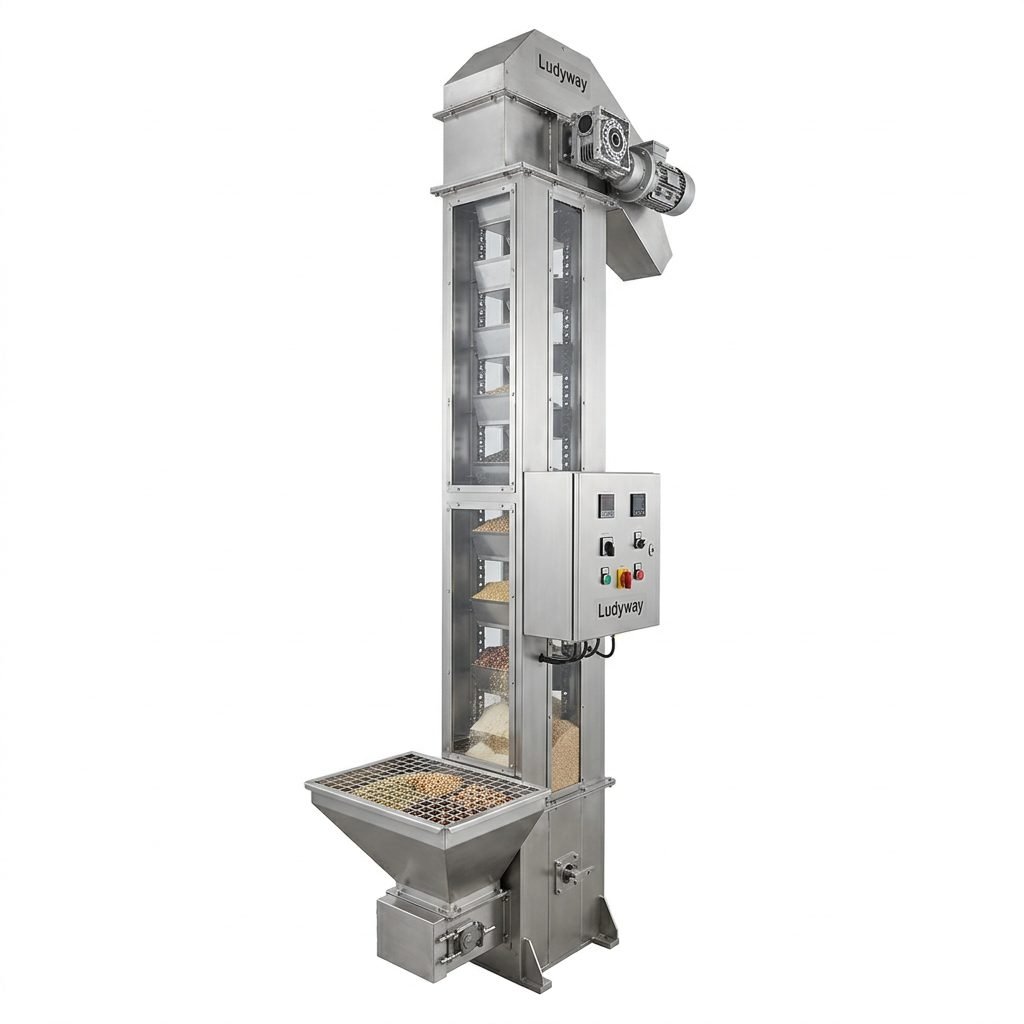
3. Common Issues and How to Troubleshoot Them
Even well-maintained machines develop intermittent problems that operators should recognize immediately. Inconsistent seal width often points to pressure variation—check the air regulator and look for worn jaw bushings. Film wandering or creasing usually traces back to a misaligned dancer arm or an unevenly wound parent roll. If the machine cuts off‑register, recalibrate the electric eye after verifying that the film splices are flat. When pack length drift appears, inspect the draw‑roll rubber for glaze and measure servo feedback signals. Quick diagnosis depends on recording baseline parameters during normal operation so deviations are easy to spot.
4. Spare Parts Inventory Management
Stocking the right parts eliminates days of waiting for replacements. Critical spares that should sit on your shelf include:
- ✓ Thermocouples and solid‑state relays for the heat‑seal circuit
- ✓ Cutting knife and Teflon‑coated sealing bands
- ✓ Draw‑roll rubber and silicone sleeves
- ✓ Proximity sensors, fuses, and drive belts
Partnering with a supplier that offers rapid after‑sales support shortens lead times when unexpected failures occur. For large‑volume production, Ludyway supplies ready‑to‑ship wear kits and engineering‑backed technical guidance for its range of multi‑lane and stick‑pack machinery.
5. The Long-Term Impact of Proper Maintenance
Consistent maintenance directly improves Overall Equipment Effectiveness (OEE). Plants that follow a documented preventive schedule report up to 30% fewer micro‑stops and longer seal‑bar life. By tracking mean‑time‑between‑failure and analyzing root causes, maintenance teams can schedule overhauls during planned production windows rather than reacting to breakdowns. Regularly calibrated temperature controllers also reduce film waste caused by burn‑through or weak seals, lowering material costs over time.
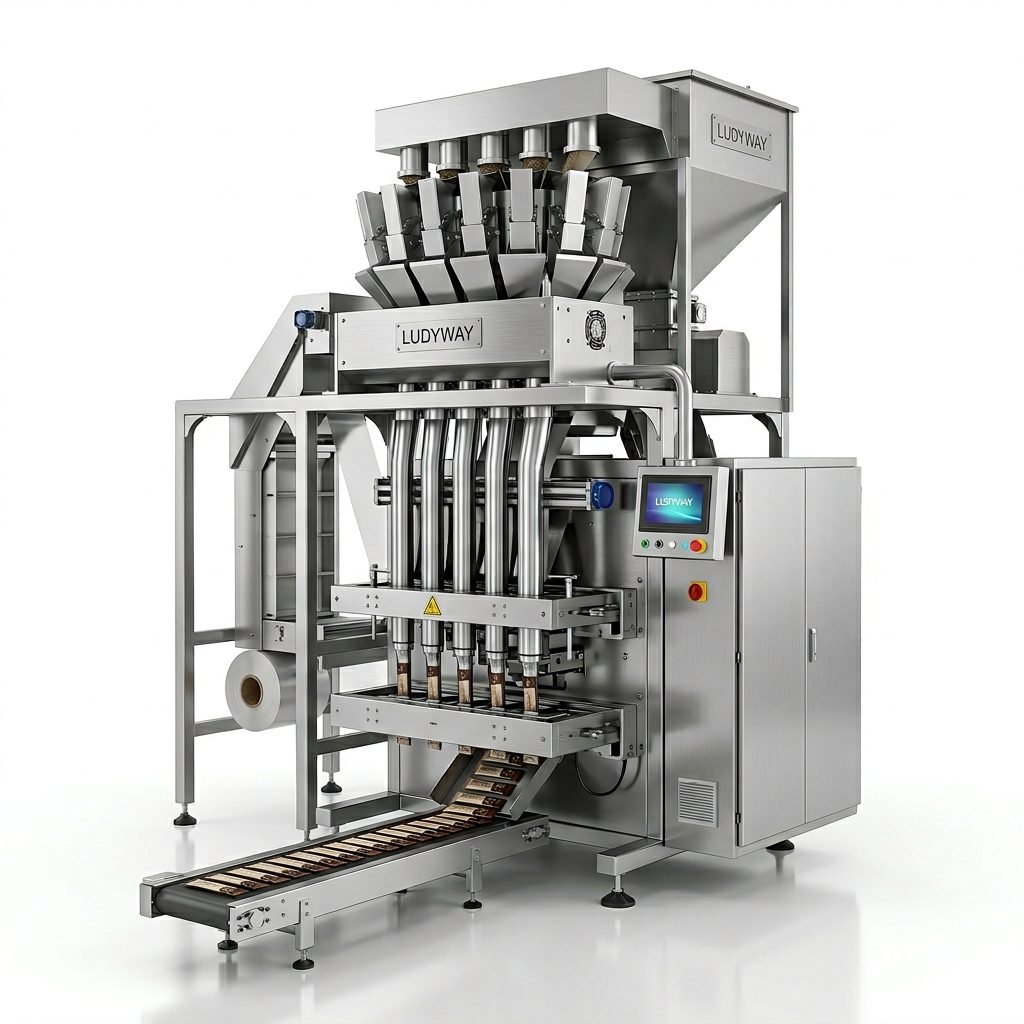
6. A Smart Investment for Sustainable Operations
A well‑maintained packing roll machine delivers stable seal integrity and accurate fill weights shift after shift. When operators, electricians, and mechanics work from a shared maintenance plan, the entire production line gains resilience. Build your weekly checklist, train your crew to recognize early warning signs, and keep the critical spares kit stocked. The result is reliable output, lower total cost of ownership, and a safer, more predictable packaging environment.