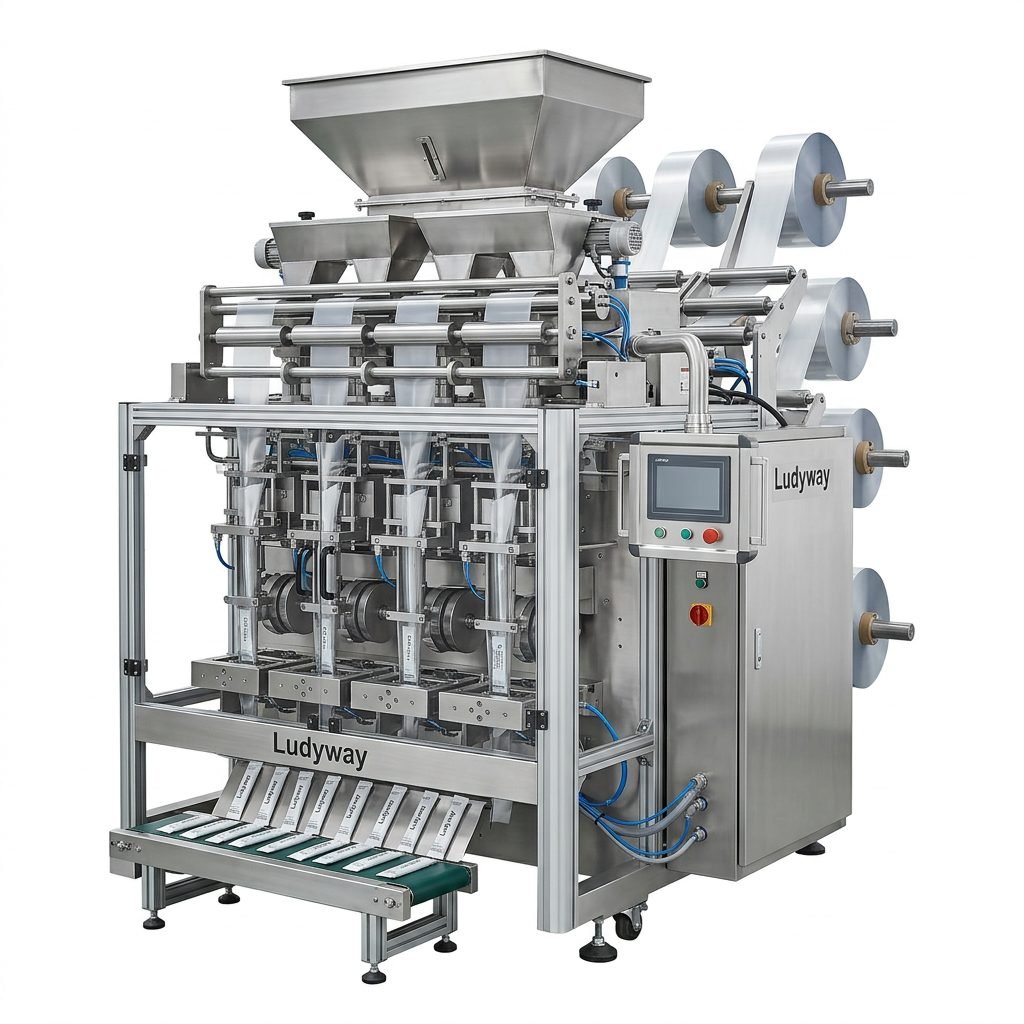
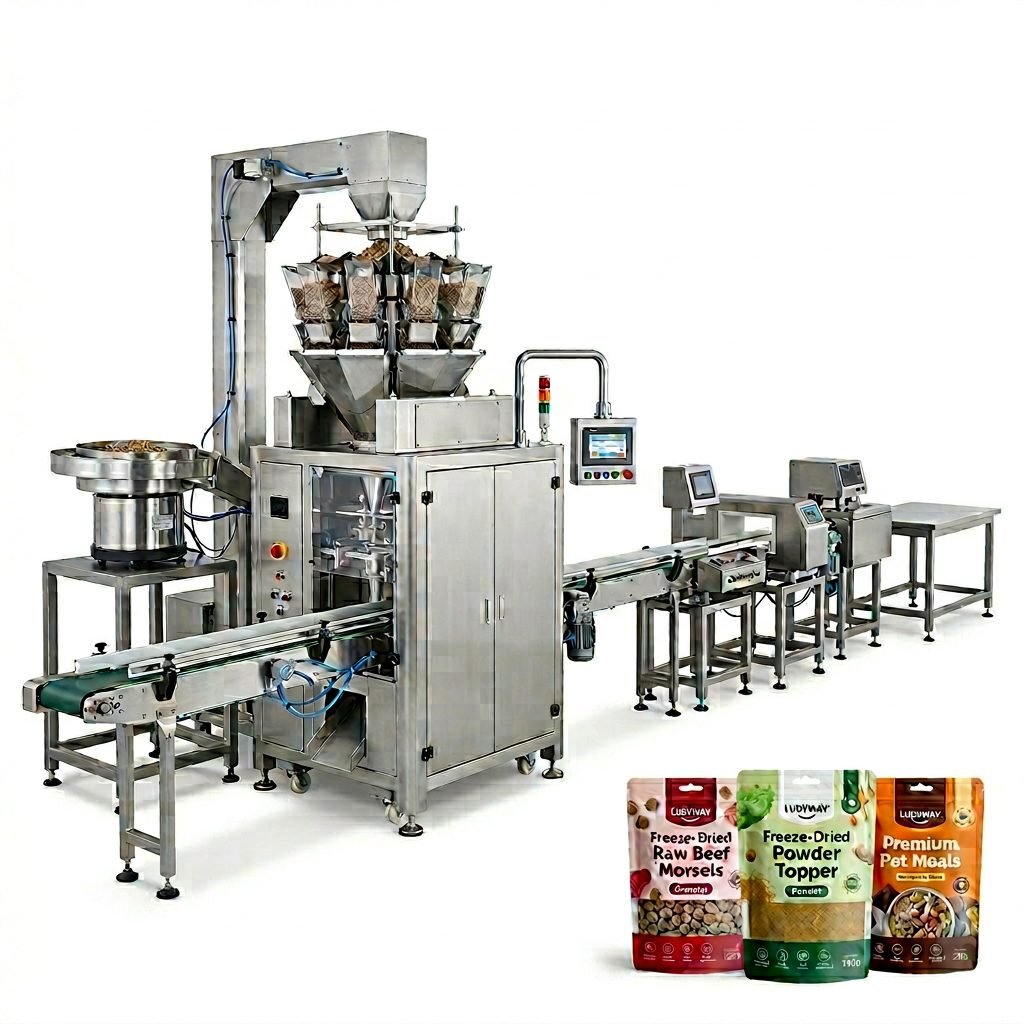
Investing in a tea packaging machine is a significant decision for any tea producer, brand owner, or contract packager. Whether you are packing loose leaf tea, herbal blends, or instant tea powder, understanding the cost structure is the first step toward making a confident purchase.
What Factors Determine the Cost of a Tea Packaging Machine?
The price of a tea packaging machine is not a single fixed number. It is influenced by a combination of technical specifications, production requirements, and optional add-ons. Key cost drivers include:
- Machine type and packaging format: Stick pack, sachet, or pouch machines each have different engineering complexities.
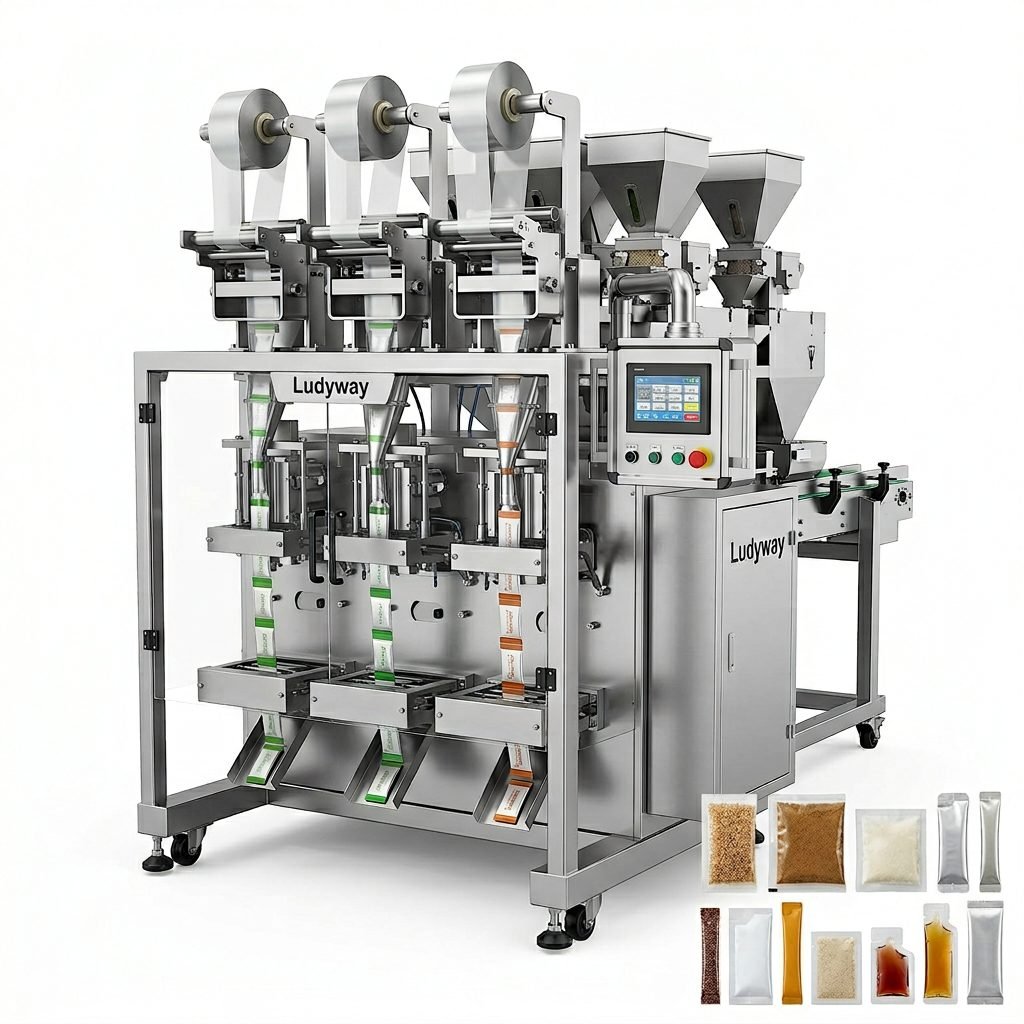
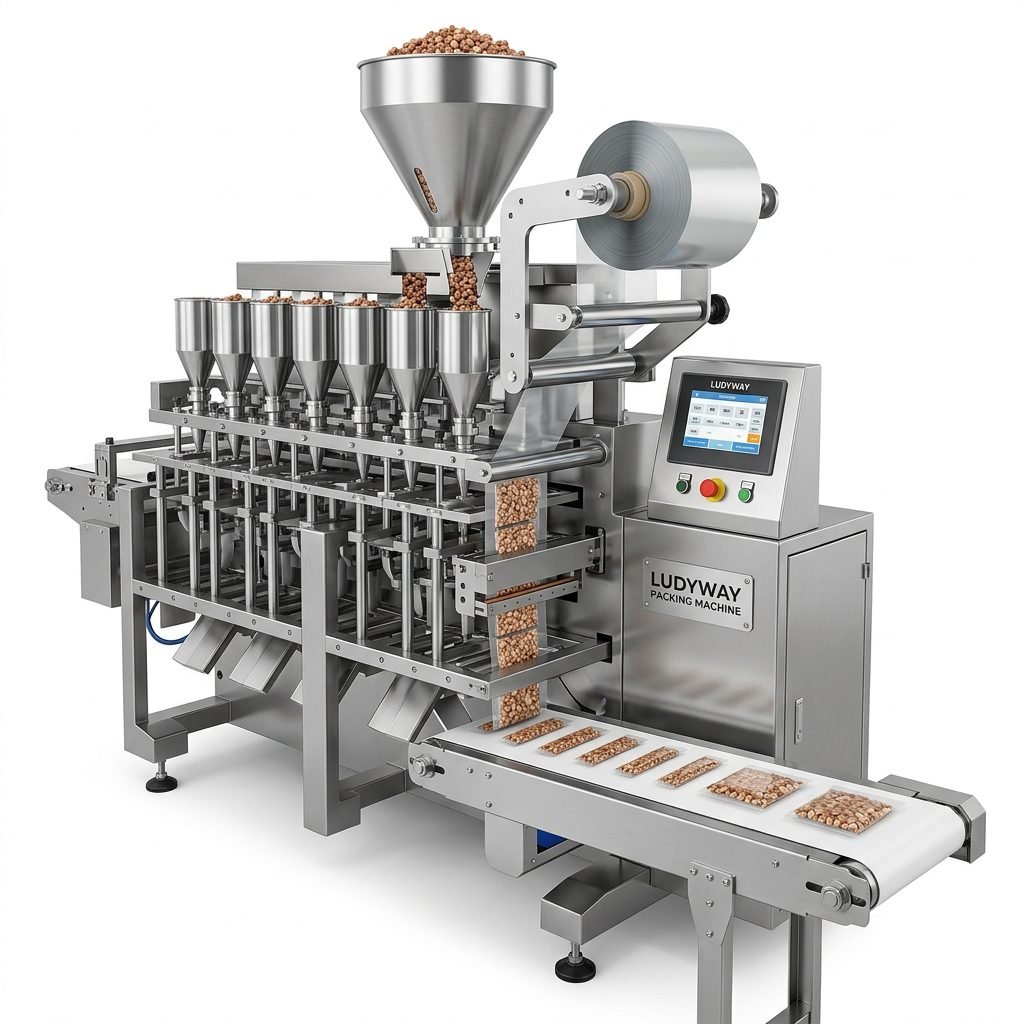
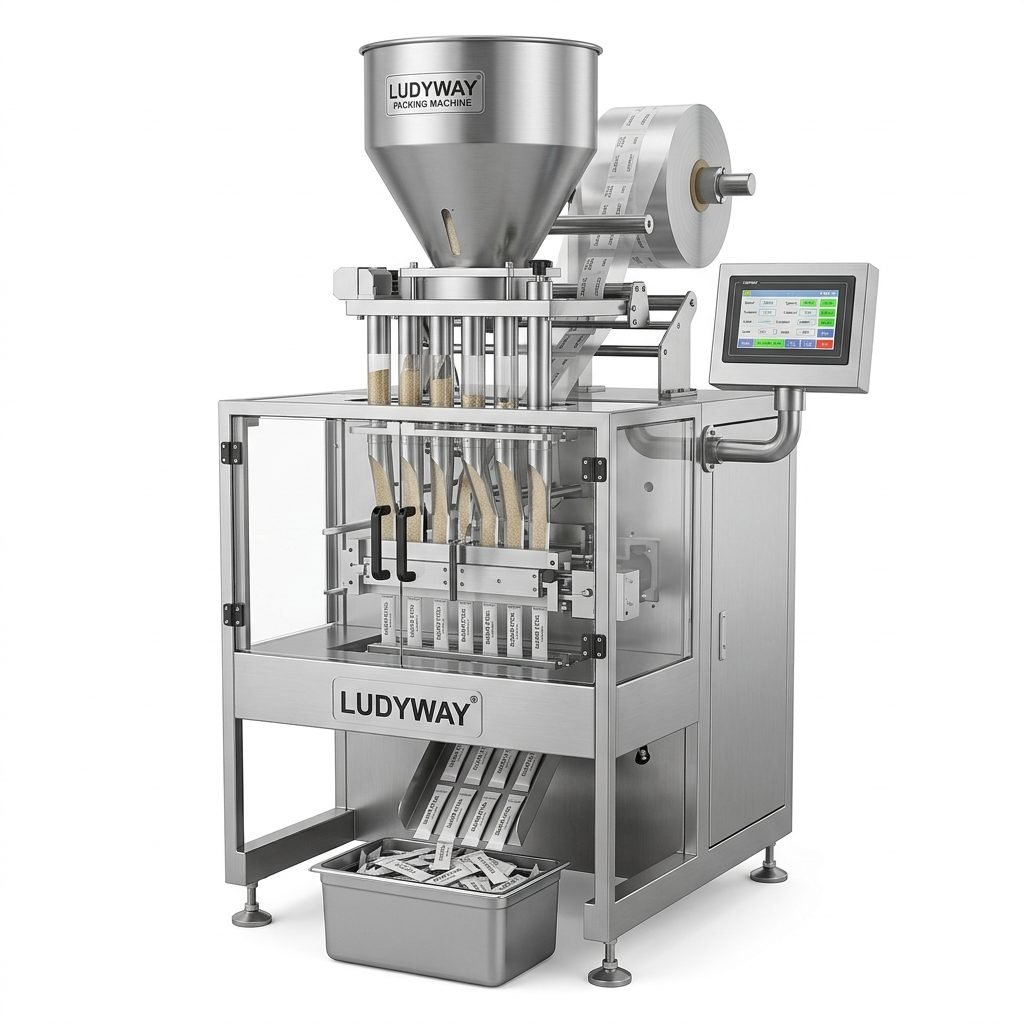
- Number of lanes: A multi-lane stick pack machine with 4 to 12 lanes costs significantly more than a single-lane model but delivers much higher output.
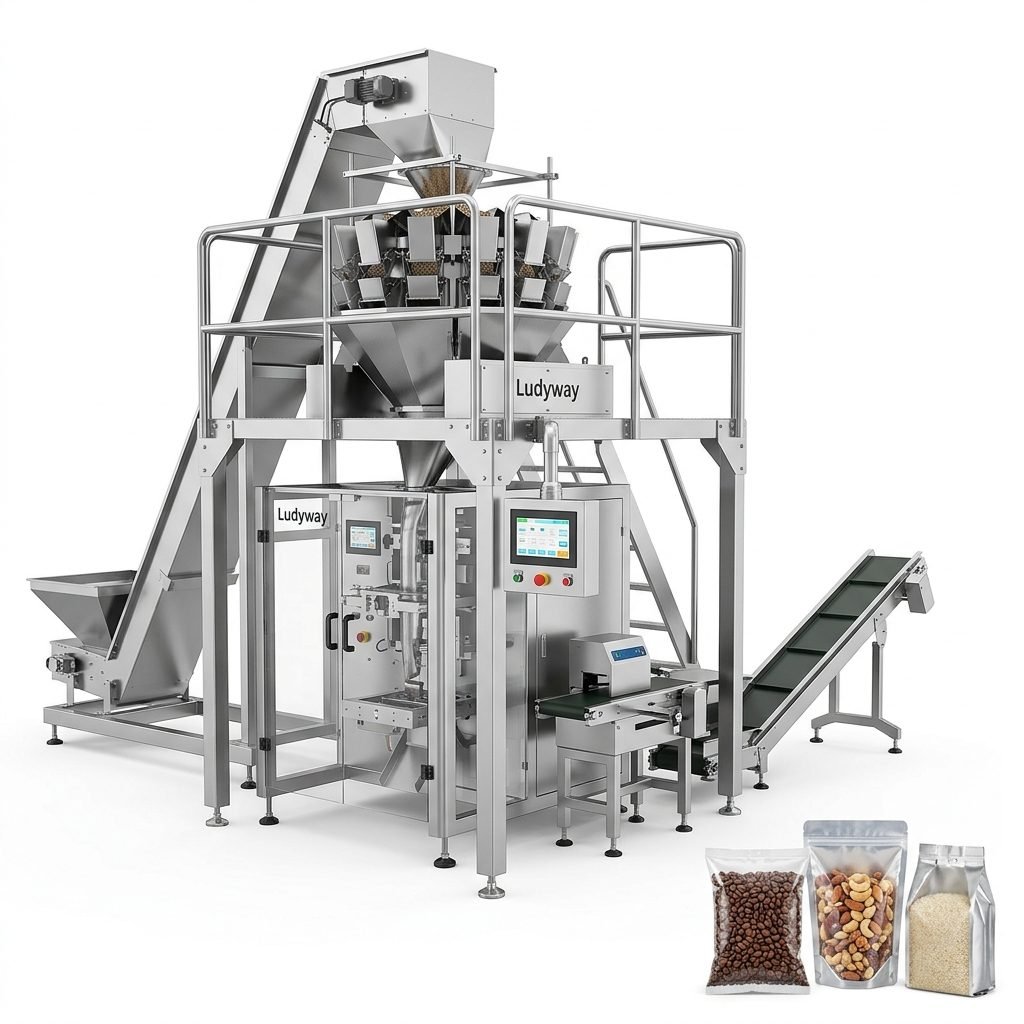
- Level of automation: Fully automatic systems with integrated weighing and filling are more expensive than semi-automatic options.
- Material compatibility: Machines designed for both granules and powders offer more flexibility and may carry a premium.
- Customization and auxiliary equipment: Features like nitrogen flushing, coding systems, and certified safety enclosures add to the total investment.

Price Ranges by Machine Type
The following table provides estimated price ranges for common tea packaging equipment. These figures are intended as general market references and can vary based on configuration and manufacturer.
| Machine Type | Estimated Price Range (USD) | Best For |
|---|---|---|
| Single-Lane Sachet Machine | $8,000 – $20,000 | Small businesses, startups |
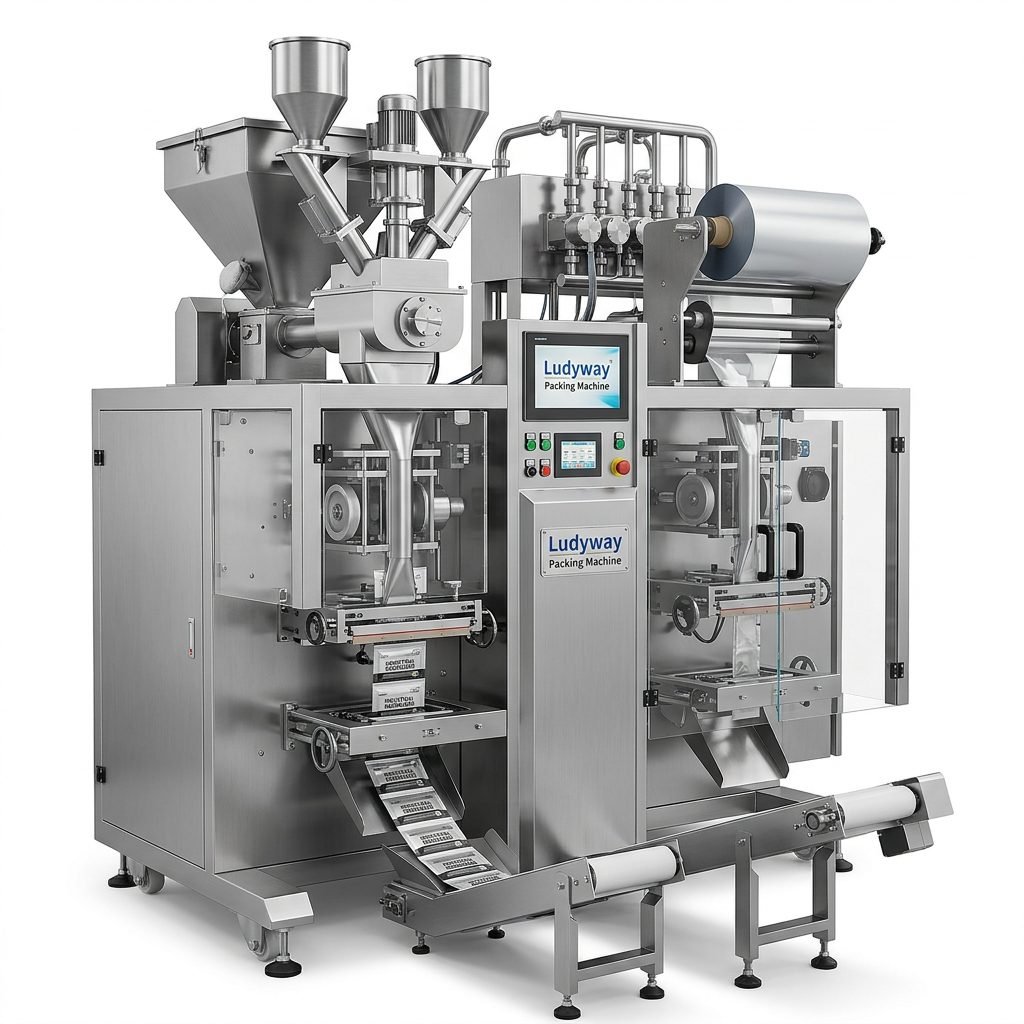
| 4-Lane Stick Pack Machine | $25,000 – $55,000 | Medium-volume producers |
| 8-Lane High-Speed Stick Pack Line | $60,000 – $120,000 | Large-scale production |
| Multi-Lane Sachet System with Weighing | $80,000 – $180,000 | High-volume tea powder packing |
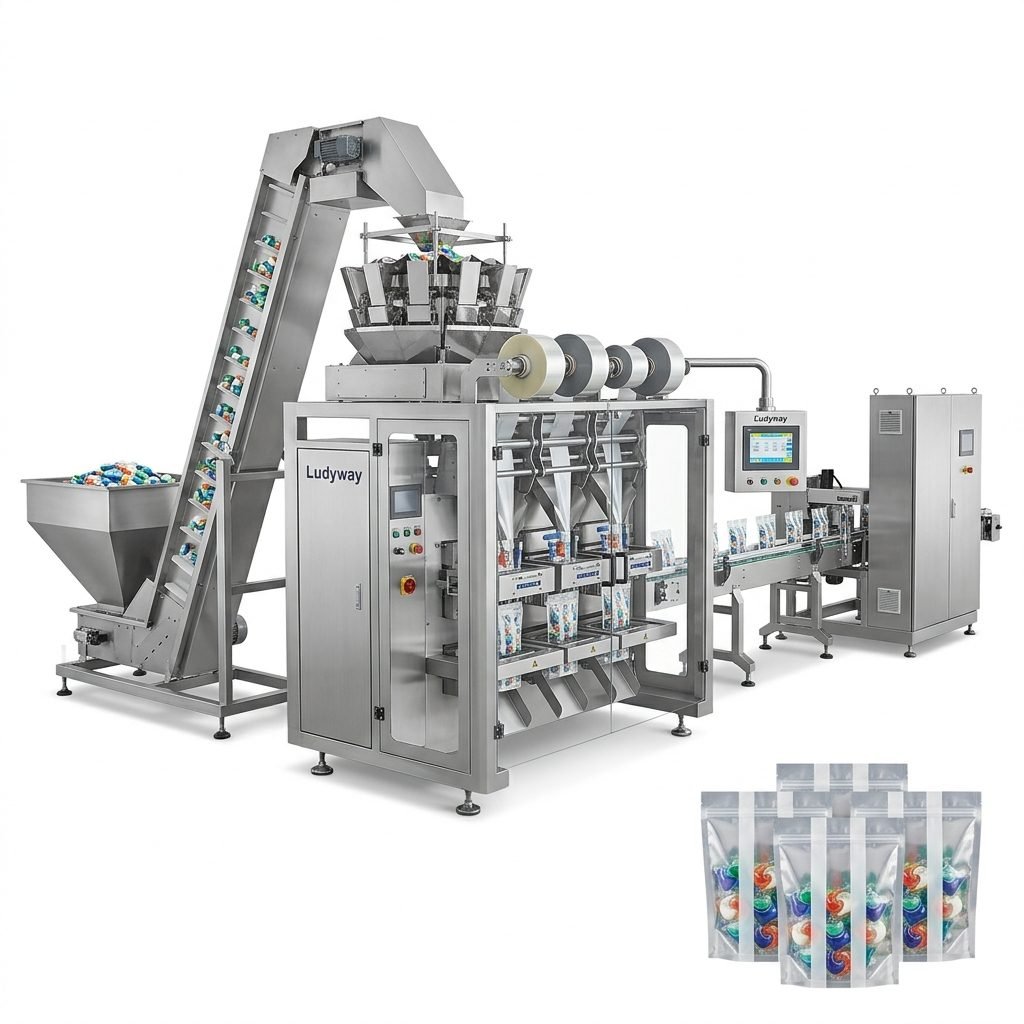
| Turnkey Production Line (Filling, Cartoning, Palletizing) | $200,000 – $500,000+ | Fully automated factories |
Stick Pack vs. Sachet: Which Format Costs More?
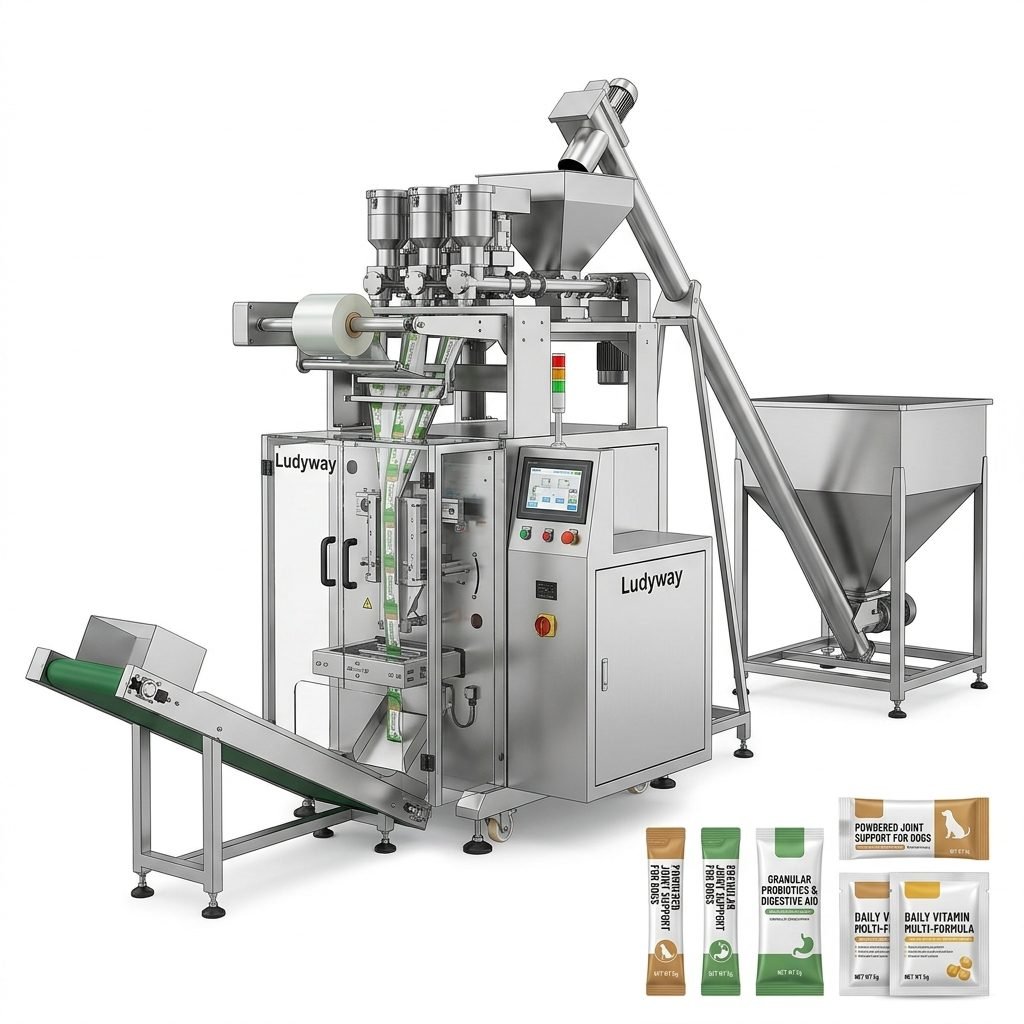
Stick pack machines are generally more compact and specialize in narrow, elongated packets ideal for single-serve tea powders. Sachet machines often handle a wider range of packet sizes and may include additional sealing features. Multi-lane stick pack systems tend to cost more on a per-unit basis because of their precision filling mechanisms and higher output capabilities. If you need to package both granule tea and fine powder tea, look for a flexible packaging solution that can switch between formats with minimal changeover time.

Key Features That Add Value
- Precision dosing systems: Ensures every tea packet contains the exact weight, reducing product giveaway.
- Nitrogen gas flushing: Extends shelf life by preserving aroma and preventing oxidation.
- Quick changeover design: Allows switching between tea varieties and packet sizes in minutes.
- Stainless steel construction: Meets food-grade and FDA packaging compliance standards.
New vs. Used Tea Packaging Equipment
A used tea packaging machine can cost 40% to 60% less than a new one. While this may seem attractive, older machines often lack modern control systems, consume more energy, and may not comply with current safety regulations. For a quickly evolving industry like tea packaging, many businesses find that new equipment from a reputable manufacturer delivers better long-term value through higher efficiency, fewer breakdowns, and access to spare parts and technical support.
Operational Costs Beyond the Machine Price
When budgeting for a tea packaging machine, consider the total cost of ownership:
- Installation and training: Professional setup and operator training can cost $2,000 to $8,000 depending on complexity.
- Maintenance and spare parts: Budget 2% to 5% of the machine cost annually for routine upkeep.
- Consumables: Packaging film rolls and ink for coding printers are ongoing expenses that vary by production volume.
- Energy consumption: High-speed multi-lane machines have higher power requirements.
- Shipping and logistics: International freight can add $3,000 to $15,000 depending on the machine size and destination.

How to Get the Best Value for Your Investment
Rather than focusing only on the lowest upfront price, consider these strategies to maximize your return:
- Define your production goals clearly: Know your target output per shift and the range of packet sizes you plan to offer.
- Choose a modular design: Machines that accept future add-ons protect your investment as your business grows.
- Evaluate total lifecycle cost: A slightly more expensive machine with lower maintenance and higher uptime often proves cheaper over five years.
- Request a detailed quotation: Ask for a breakdown of machine cost, tooling, installation, training, and warranty terms.
- Visit the manufacturer if possible: Seeing the equipment in operation at a facility like the 20,000㎡ production site of Ludyway helps verify build quality and production capability. Ludyway offers over 50 intelligent packaging machine models, serving customers in more than 100 countries with reliable and cost-effective solutions.
Common Questions About Tea Packaging Machine Costs
What is the cheapest tea packaging machine available?
Small single-lane sachet machines start around $8,000, but they are best suited for very low production volumes and limited automation.
How much output can I expect from a mid-range machine?
A 4-lane stick pack machine typically produces 120 to 200 packets per minute per lane, making it suitable for growing brands looking to scale efficiently.
Are there hidden costs I should watch for?
Be sure to confirm whether the quotation includes spare parts, tooling for your specific packet size, and the initial batch of packaging film and ink. International buyers should also clarify customs duties and local taxes.
Making the Final Decision
The cost of a tea packaging machine is an investment in product quality, brand presentation, and production efficiency. By understanding the variables that affect pricing, comparing machine types against your business needs, and partnering with an experienced packaging equipment provider, you can select a system that delivers strong performance and reliable returns. Whether you are packing premium loose tea, herbal infusions, or instant tea powder, taking the time to evaluate your options will ensure you get the right machine at a price that fits your manufacturing strategy.
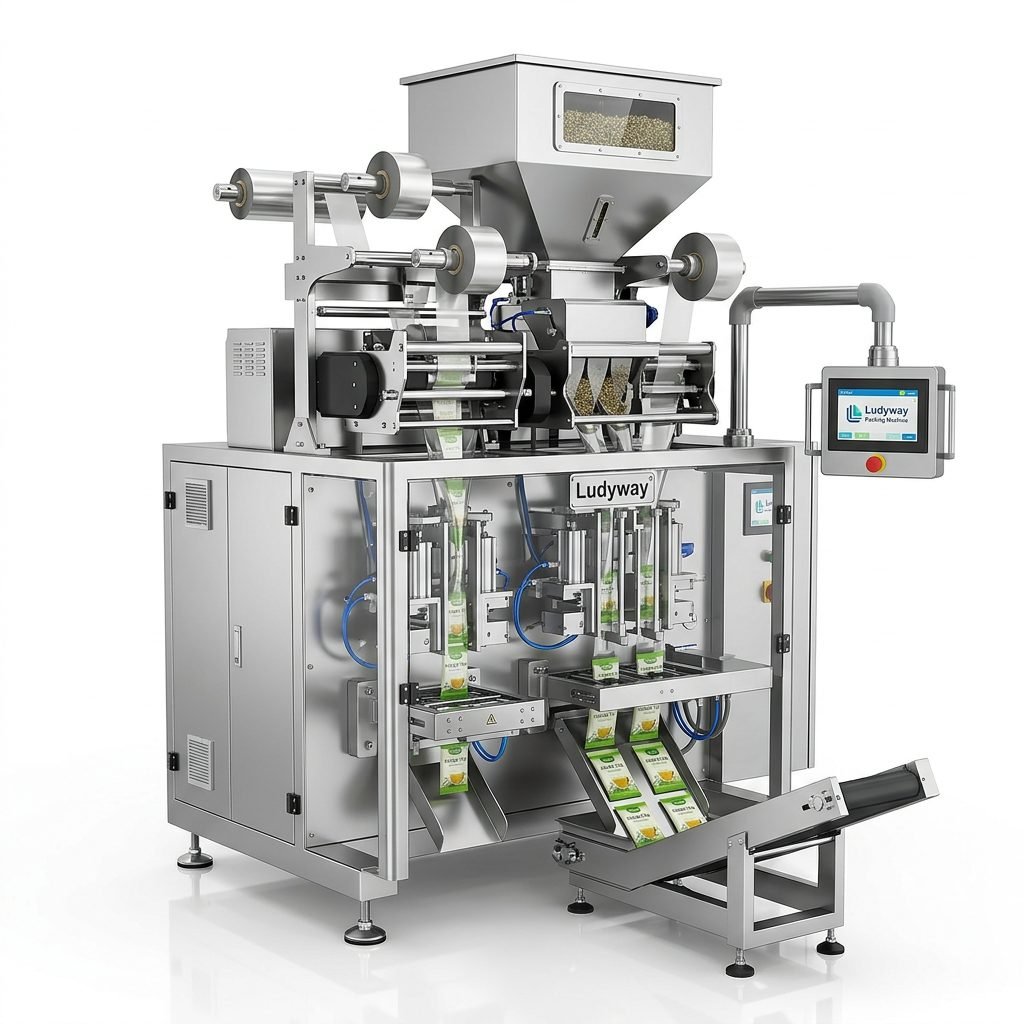
Still evaluating your options? Review detailed packaging industry reports and stay informed on the latest flexible packaging trends to make a data-driven decision for your tea production line.