Understanding the U.S. Food Powder Packaging Landscape
Investing in a food powder packaging machine for the United States market requires a strategic approach. Beyond simply sealing a product, you must navigate strict FDA regulatory compliance, diverse consumer packaging preferences, and the demand for high-speed operational efficiency. Whether you are packing protein powder, instant coffee, nutritional supplements, or seasoning blends, choosing the correct automation is critical to your ROI and product shelf-life in the U.S. supply chain.
1. Defining Your Packaging Format
Before analyzing machine specifications, you must define the primary packaging format that aligns with American consumer habits. The packaging style directly dictates the type of machinery required:
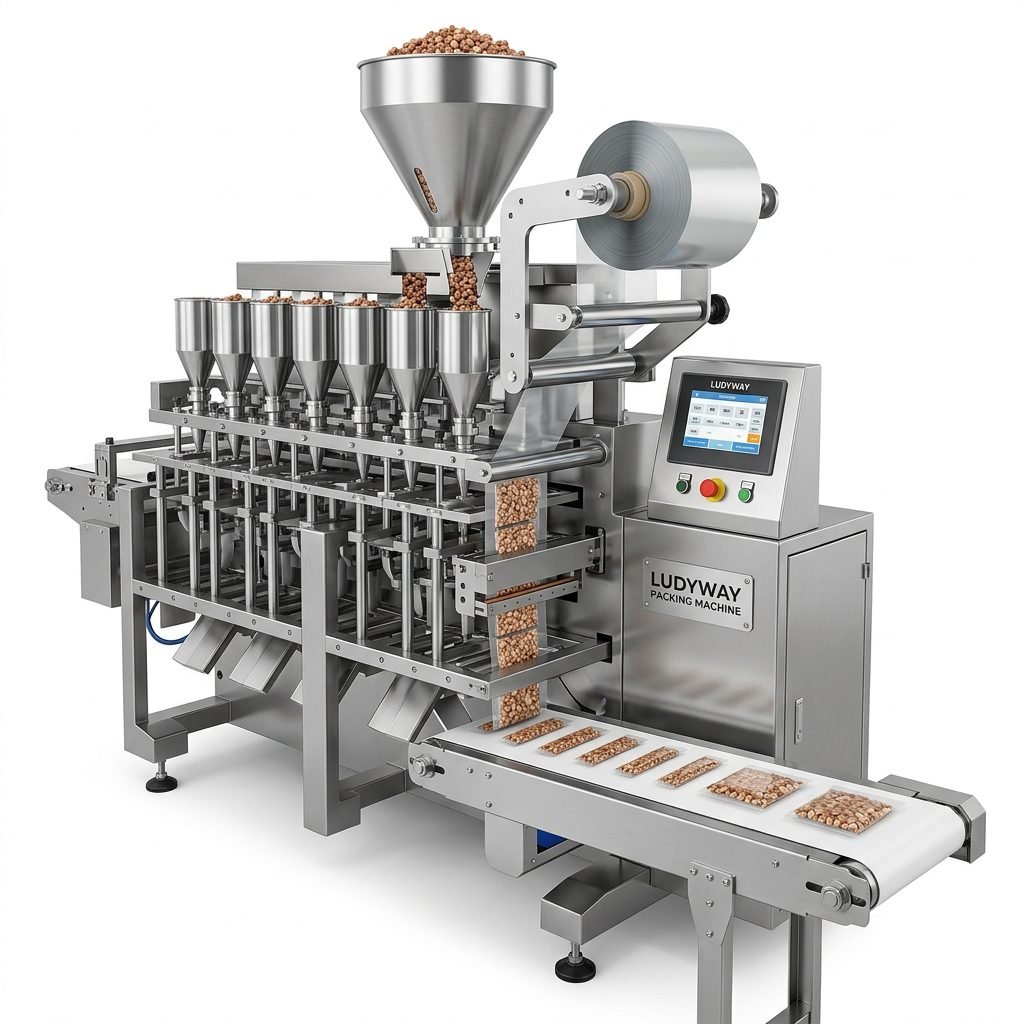
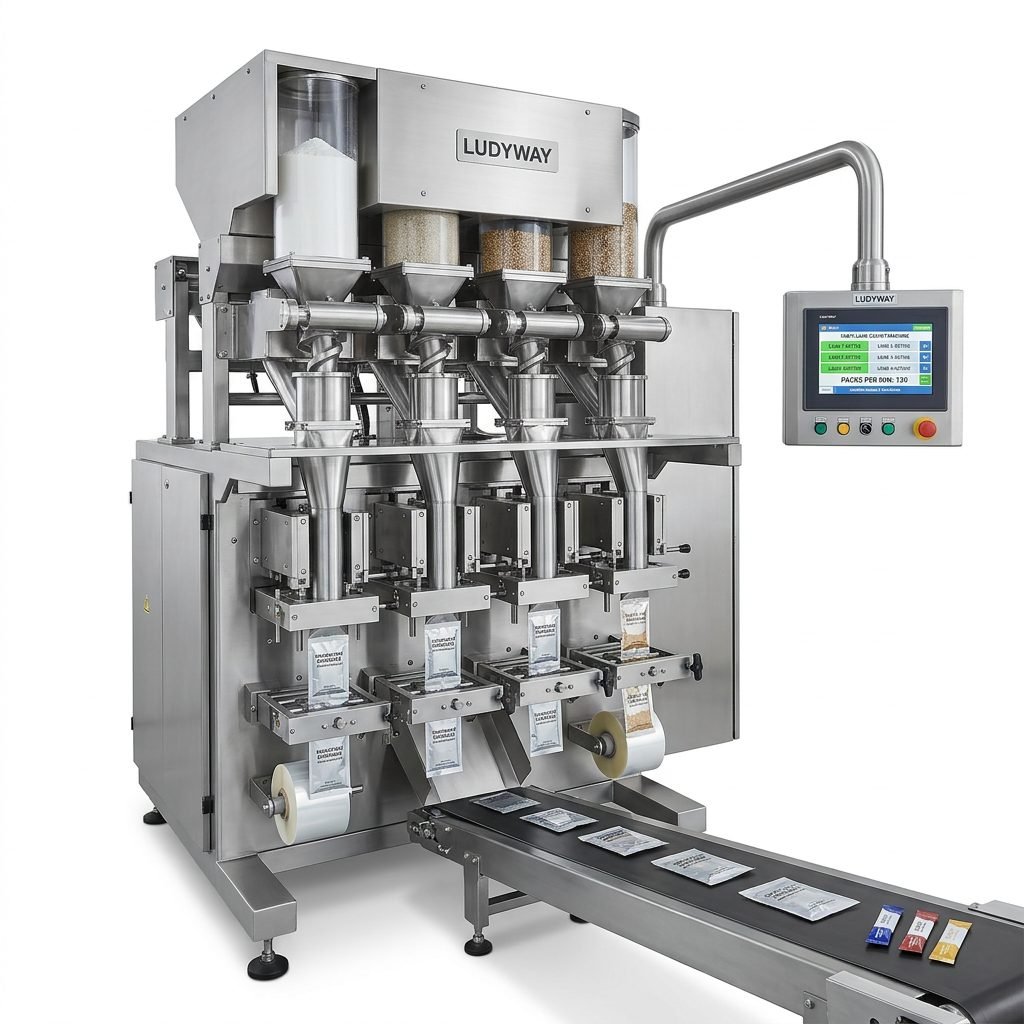
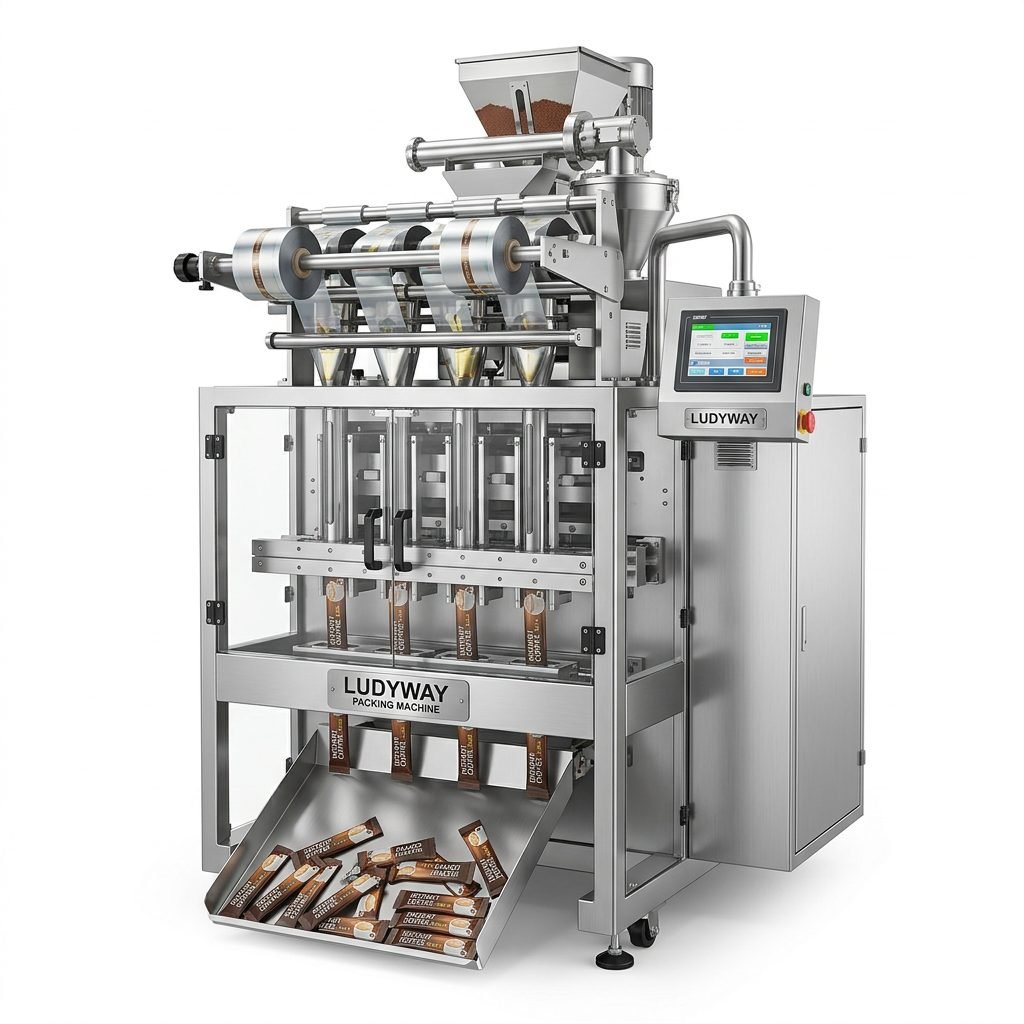
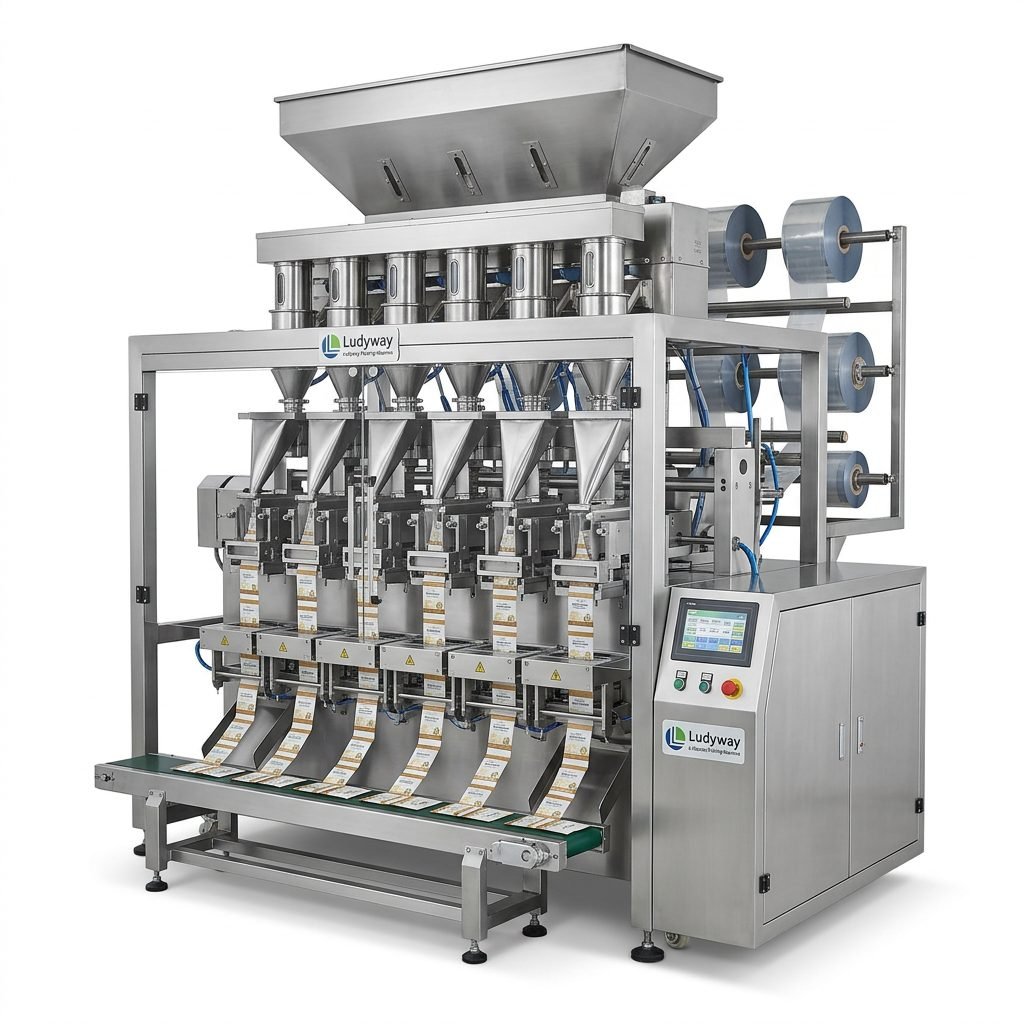
- Stick Packs: Dominant in the U.S. for single-serve drink mixes, pre-workout powders, and sugar substitutes. They require precision multi-lane systems to maximize output.
- Flat Sachets: Ideal for larger single-use applications, instant meal replacements, and condiment powders. They offer excellent branding space and robust barrier protection.
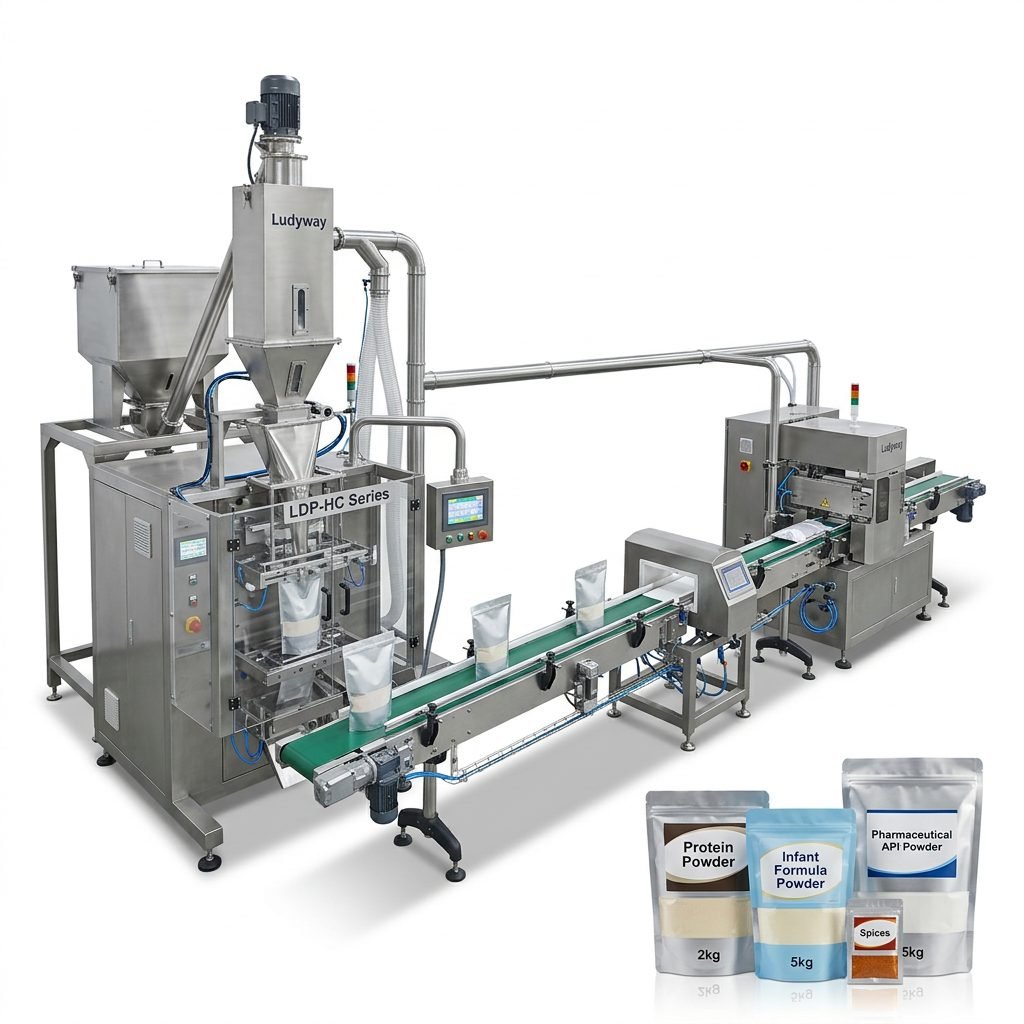
- Gusseted Pouches (Stand-up): A strong trend in the U.S. for “club-store” bulk purchases of whey protein and organic powders, requiring heavy-duty vertical form-fill-seal (VFFS) machines.
2. Key Technical Specifications to Evaluate
The U.S. market is notorious for its zero-tolerance policy on under-filled packages. Therefore, weighing accuracy and seal integrity are non-negotiable attributes in your food packaging machinery. The table below highlights the critical performance metrics you should prioritize when reviewing equipment specifications:
| Technical Feature | Why It Matters in the U.S. | Impact on Production |
|---|---|---|
| Servo-Driven Auger Filling | Ensures a consistent nominal fill quantity; prevents “giveaway” product loss. | High profitability; compliance with the NIST Handbook 133 (Net Contents). |
| Gas Flushing (N2) Capability | Extends shelf-life by reducing residual oxygen; essential for dairy-based or organic powders. | Longer distribution chains; reduced spoilage and returns in large retail networks. |
| Quick Changeover Tooling | U.S. co-packers switch frequently between SKUs (from vanilla protein to strawberry collagen). | Minimized downtime; agile response to e-commerce fulfillment demands. |
3. Navigating U.S. Regulatory Compliance
Any food powder packaging machine entering the U.S. supply chain must support compliance with the Food Safety Modernization Act (FSMA). The equipment itself must be designed to prevent biological, chemical, and physical hazards. Furthermore, the flexible packaging materials used must be FDA-approved for food contact substances (FCS). When sourcing equipment, ensuring the machine’s build supports the following standards is non-negotiable:
Critical Machine Design Features:
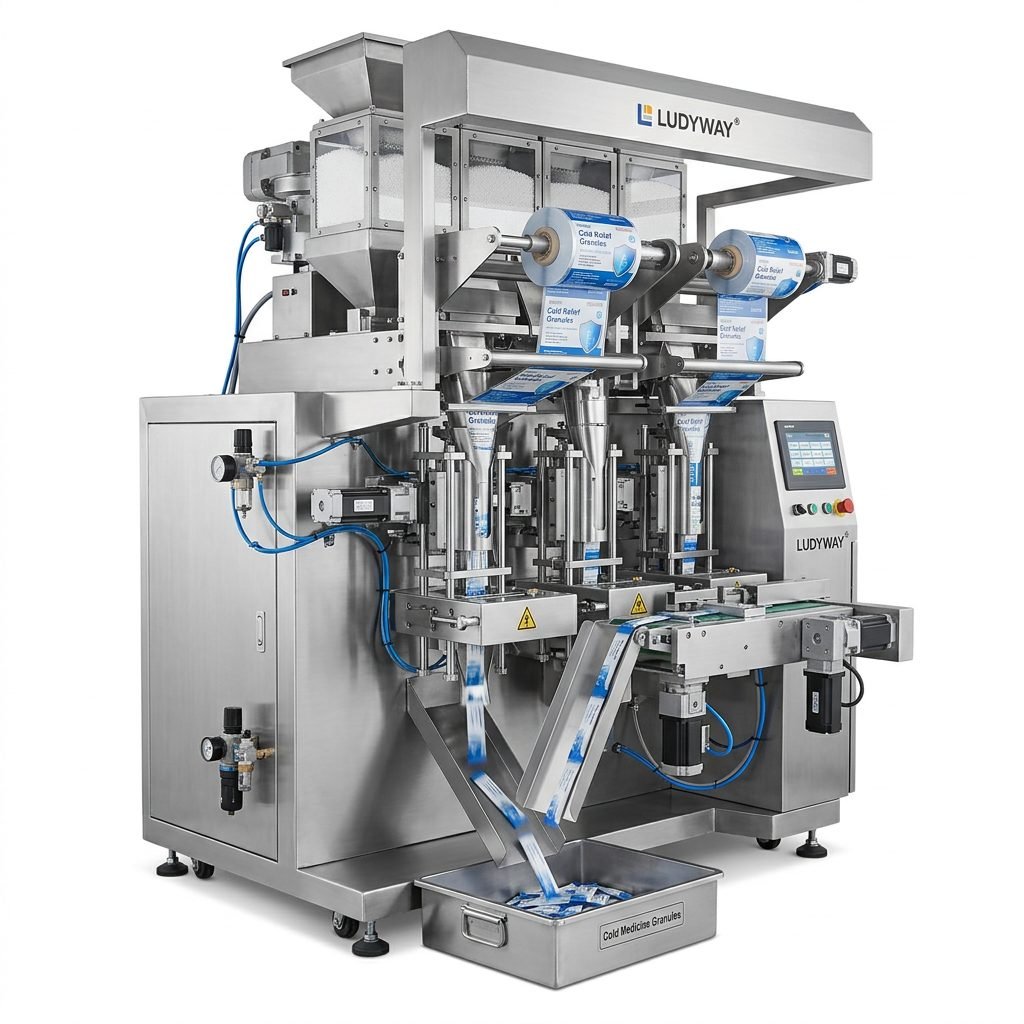
- Washdown-Ready Construction: Stainless steel 304 or 316 frames and IP65-rated electronics to withstand rigorous GMP cleaning protocols.
- Positive Dust Extraction: Vacuum systems that prevent cross-contamination between different powder blends, a key U.S. allergen control point.
- Seal Integrity Monitoring: Vision systems or pressure decay testers to ensure no leaks compromise the sterile barrier.
4. The Turnkey Advantage in Powder Packaging
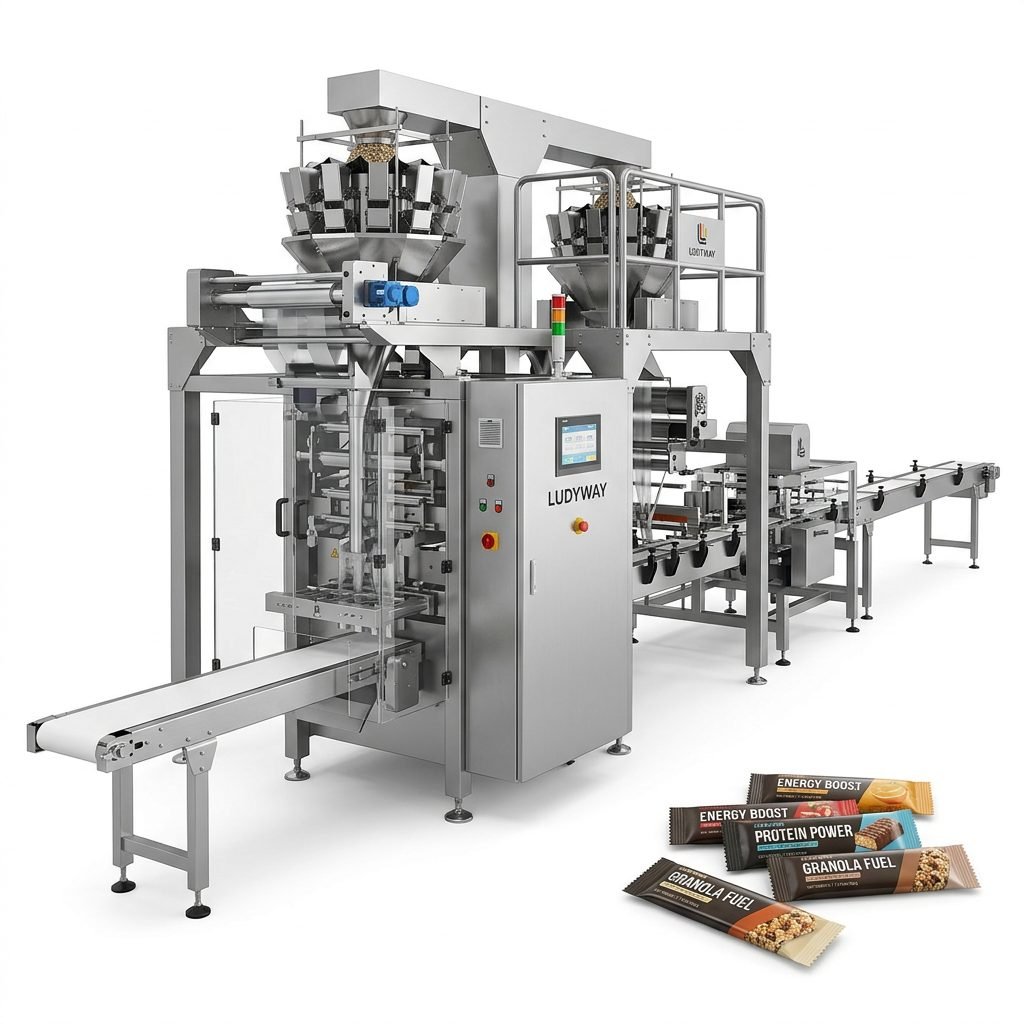
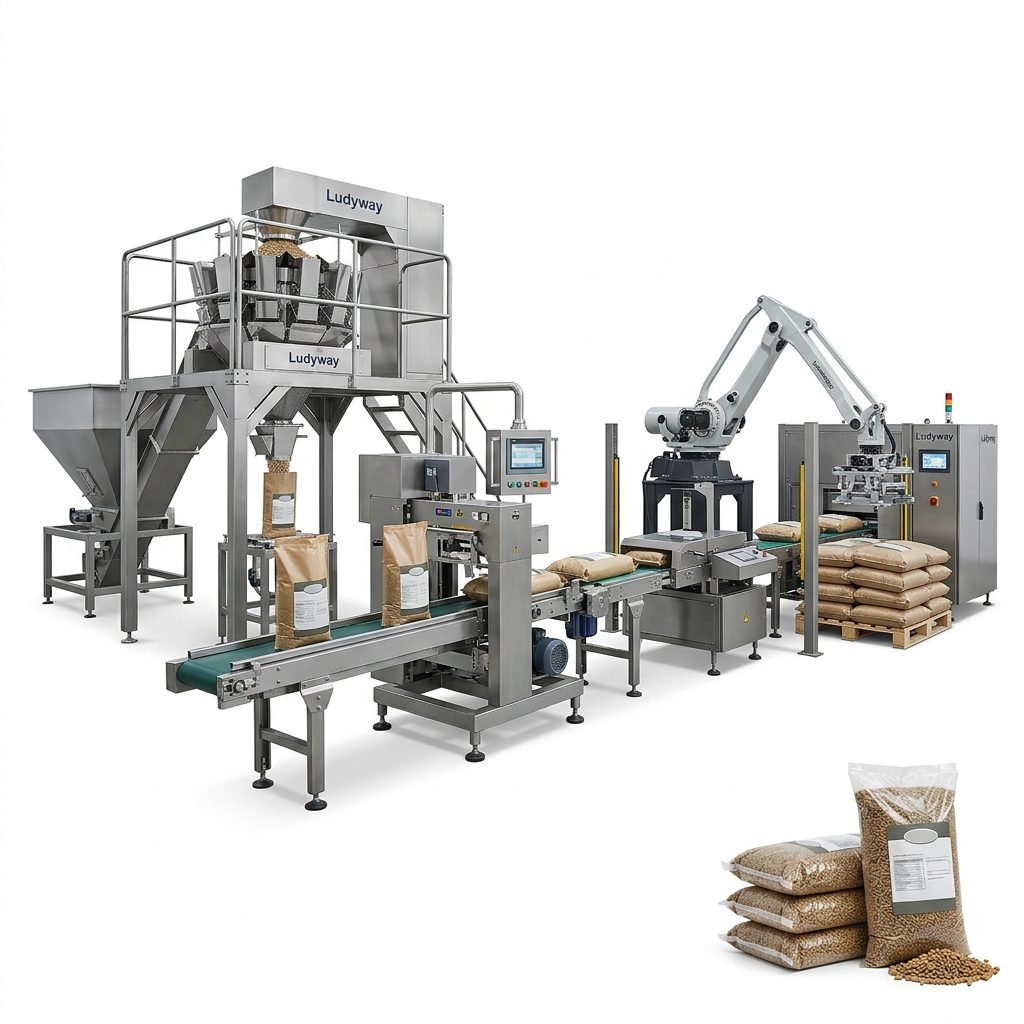
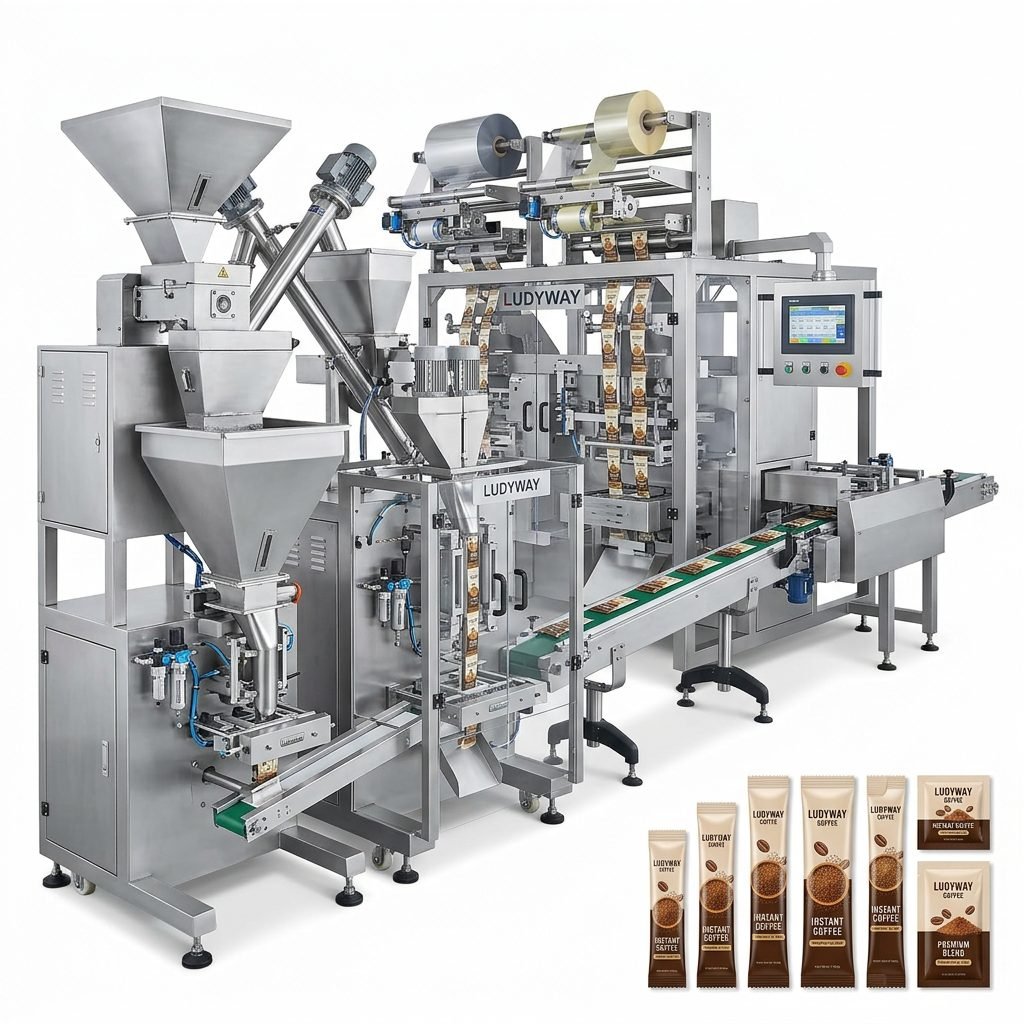
For U.S. importers and co-packers, the most efficient path involves a complete packaging line rather than standalone units. A turnkey system integrates weighing, filling, sealing, and secondary end-of-line packaging (cartoning and palletizing) into one synchronized workflow. This significantly reduces labor costs, which is a primary driver for automation in the U.S. sector. According to PMMI’s latest industry report, U.S. food manufacturers are increasingly investing in smart factories that integrate robotics with high-speed multi-lane sachet machines.
In this context, global manufacturers have stepped up to bridge the technology-learning gap. Ludyway is a notable example of an intelligent equipment provider that supports U.S. businesses with advanced turnkey lines designed for granular, powder, and liquid pouch applications, ensuring rapid scalability without sacrificing the build quality expected in North American facilities.
5. Cost Analysis and ROI Considerations for the U.S. Market
When drawing up a capital expenditure plan, pricing goes beyond the FOB cost of the machinery. You must factor in the total landed cost, including import duties and setup. However, the most significant ROI factor is often the concealed defect rate. A machine producing weak or leaking seals can lead to massive chargebacks from U.S. retailers like Costco or Walmart. Invest in a machine that offers a competitive cost-per-pack while ensuring the lowest possible total cost of ownership (TCO) through durability and low-maintenance servo drives.
6. Sourcing Strategies and Industry Connections
To validate machine performance, never skip the factory acceptance test (FAT) or visaul pre-delivery inspection. When sourcing for the United States, prioritizing suppliers with a track record of exporting to Western markets is essential. The PACK EXPO International show is an invaluable venue to see these machines run actual U.S.-specification films and engage with technical teams before committing. Always request reference checks from existing U.S. clients to verify the machine’s long-term integration support and document compliance.
Key Pre-Purchase Checklist:
- Verify CE and UL certification for electrical components.
- Request video proof of the machine running your specific film structure (e.g., PET/AL/PE).
- Confirm availability of local U.S.-based service technicians or remote diagnostic support.
- Review the standard spare parts kit to minimize post-installation delays.
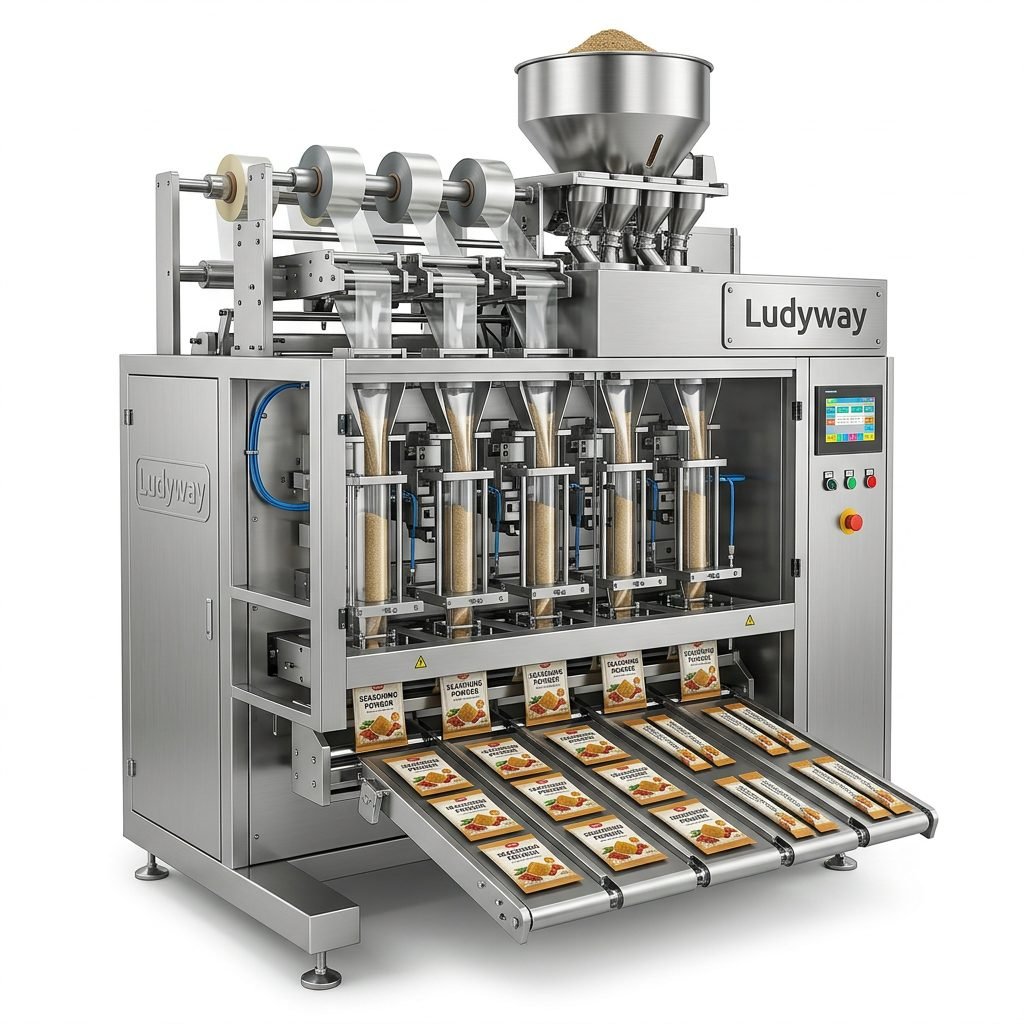
By rigorously evaluating these mechanical, digital, and regulatory factors, your food powder packaging machine acquisition will contribute directly to producing a product that meets American quality expectations, safeguarding your investment for years to come.