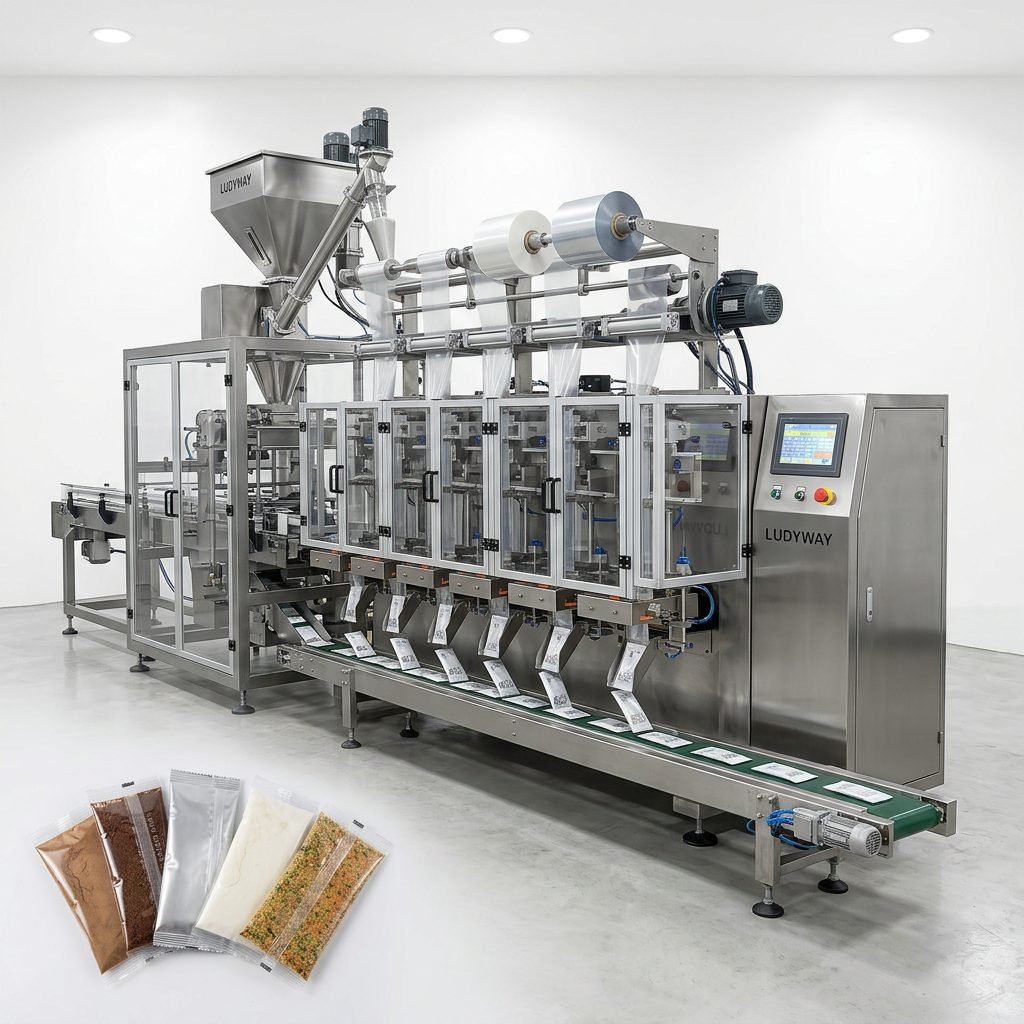
Investing in the right poultry packaging machine is a critical decision for any poultry processing business in the United States. Whether you are packaging fresh whole birds, marinated chicken parts, or frozen turkey products, the efficiency, hygiene, and speed of your packaging line directly impact your bottom line. This guide will walk you through the essential factors to consider, helping you select the best equipment tailored to your operational needs.
Understanding Poultry Packaging Machine Types
Before diving into specifications, it is crucial to understand the different technologies available. The most common systems in the U.S. market include tray sealing machines, flow wrapping systems, and vacuum packaging units. Tray sealers, often using Modified Atmosphere Packaging (MAP), are ideal for retail-ready fresh cuts. Flow wrappers, on the other hand, offer high speeds for frozen or fresh whole birds. Vacuum packaging remains the gold standard for extending shelf life and is essential for export-bound goods.
Key Specifications to Evaluate
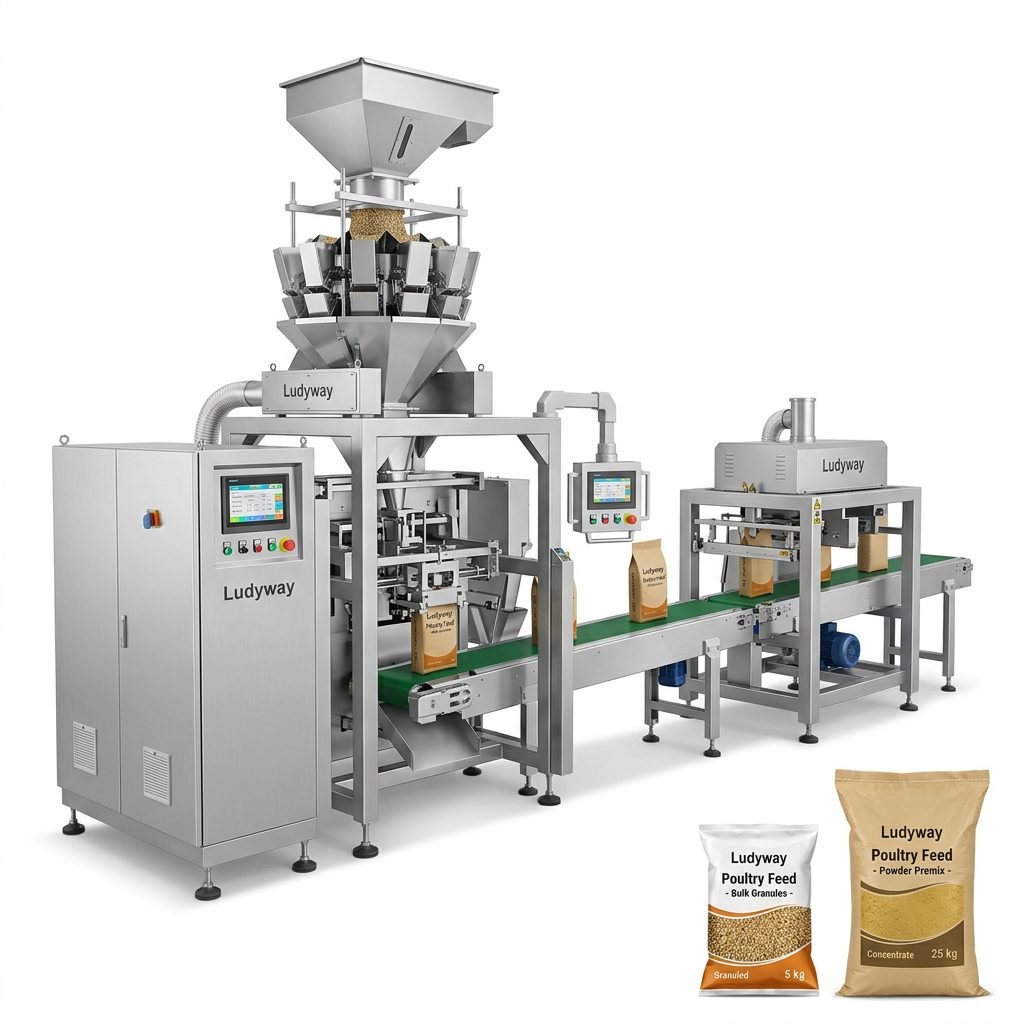
When comparing machines, look beyond the initial price tag. Focus on throughput speed (packages per minute), changeover flexibility, and seal integrity. A machine that cannot handle the variability of poultry sizes will cause downtime. Also, pay close attention to the washdown capabilities. Poultry processing environments are harsh; equipment must withstand high-pressure cleaning with corrosive sanitizers. Stainless steel construction and IP65 or higher-rated electronics are non-negotiable for long-term durability.
Essential Features for Poultry Processing
- Servo-Driven Technology: Ensures precise film registration and consistent seal quality.
- Leak Detection Systems: Critical for preventing spoiled returns and maintaining retail compliance.
- Quick-Release Forming Tubes: Allows for rapid sanitation shifts between product runs.
- Gas Flushing (MAP): Extends shelf life by replacing oxygen with inert gases like nitrogen or carbon dioxide.
Comparing Popular Packaging Formats
Choosing the right format depends on your target retailer and logistics chain. The table below breaks down the common configurations for U.S. poultry packaging.
| Format | Best Application | Typical Speed | Cost Efficiency |
|---|---|---|---|
| Overwrap Trays | Bone-in parts, Whole birds | 40-60 packs/min | High material cost |
| MAP Trays | Boneless skinless, Organic | 50-80 packs/min | Premium retail price |
| Vacuum Bags | Marinated, Frozen bulk | 20-40 packs/min | Excellent shelf life |
| Horizontal Flow Wraps | IQF frozen products | 80-150 packs/min | Low film cost |
Navigating U.S. Compliance and Standards
In the United States, poultry packaging equipment must meet strict USDA and FDA regulations. Ensure your machine supports sanitary design principles to prevent bacterial growth like Salmonella and Campylobacter. Additionally, the machine should accommodate the GS1-128 barcode standards required by major retailers like Walmart and Kroger for traceability. Automation features, such as integrated weigh-price labelers, are no longer optional but necessary for selling into large supermarket chains.
Automation and Workforce Integration
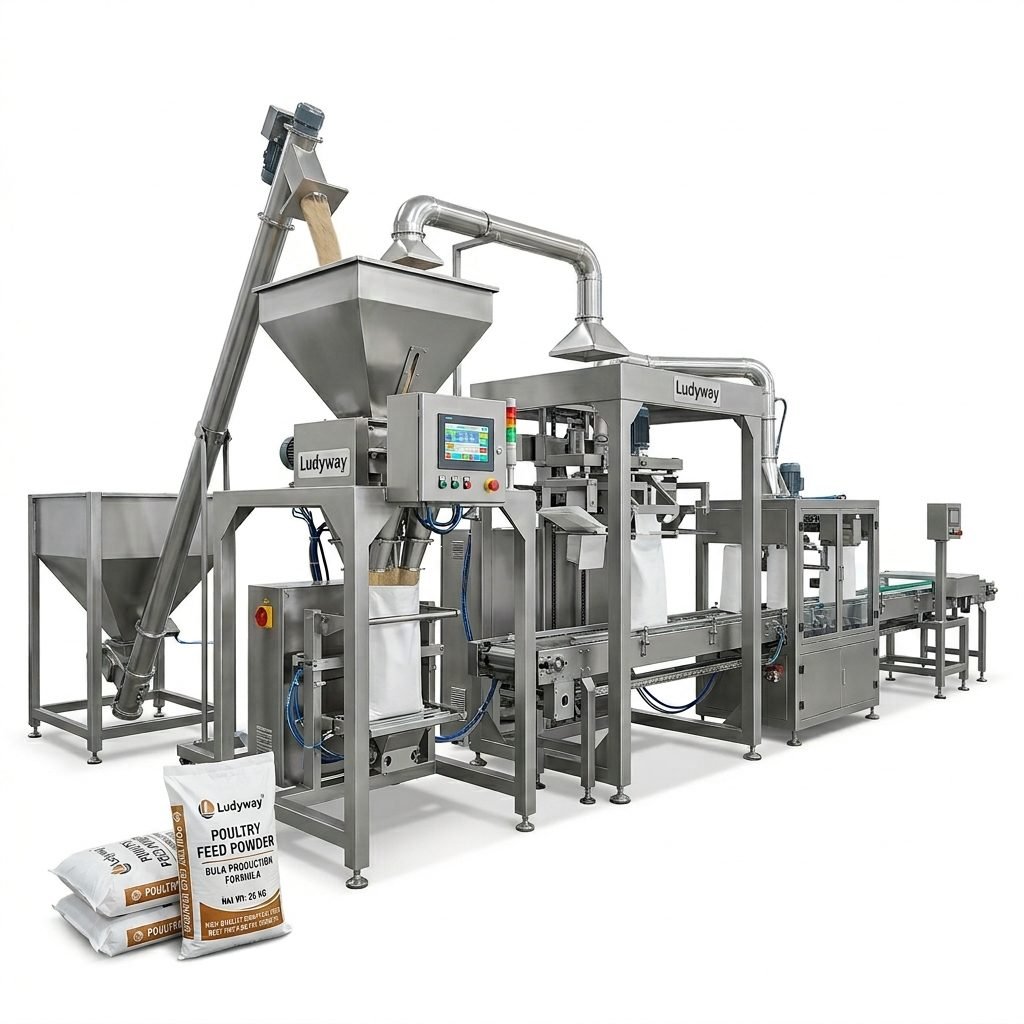
The labor shortage in the U.S. protein industry is driving demand for fully automated poultry packaging systems. Modern machines integrate with robotic case packers and palletizers. Consider machines with intuitive Human Machine Interfaces (HMI) that store recipe settings. This reduces the training required for operators and significantly cuts the risk of human error during changeovers. A user-friendly interface can be a major productivity booster.
Evaluating Total Cost of Ownership (TCO)
The purchase price is just the beginning. You must analyze film usage rates, spare parts availability, and energy consumption. A cheap machine that wastes film or requires frequent belt replacements will erode profits. Calculate the cost per package rather than the cost of the machine. Additionally, look for suppliers who offer remote diagnostics and local service support within the United States to minimize downtime during peak processing seasons.
Questions to Ask Potential Suppliers
- Can the machine handle the specific dimensions of my tray and the viscosity of my purge?
- What is the Mean Time Between Failures (MTBF) for critical components?
- Do you offer local U.S.-based technicians and emergency parts shipping?
- Can you validate the MAP gas mix for a guaranteed shelf life extension?
Finding a Reliable Manufacturing Partner
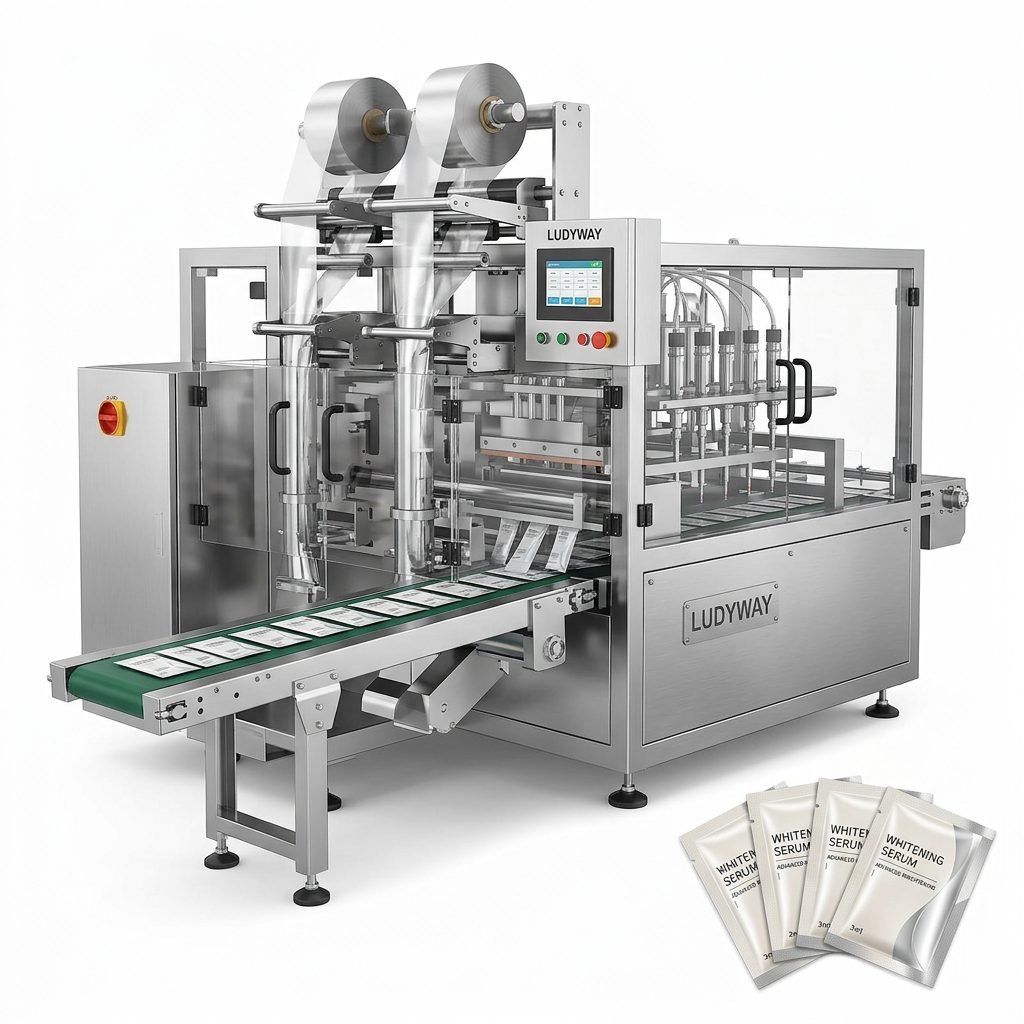
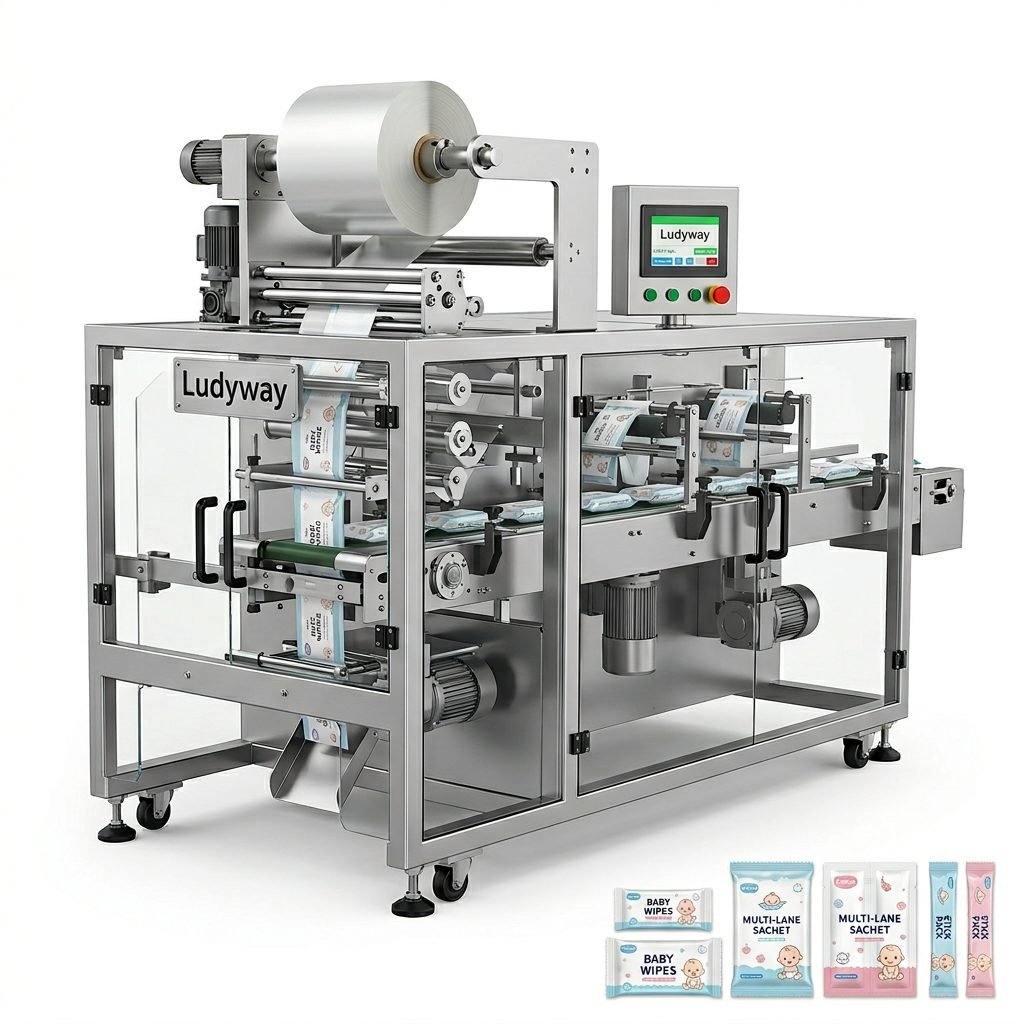
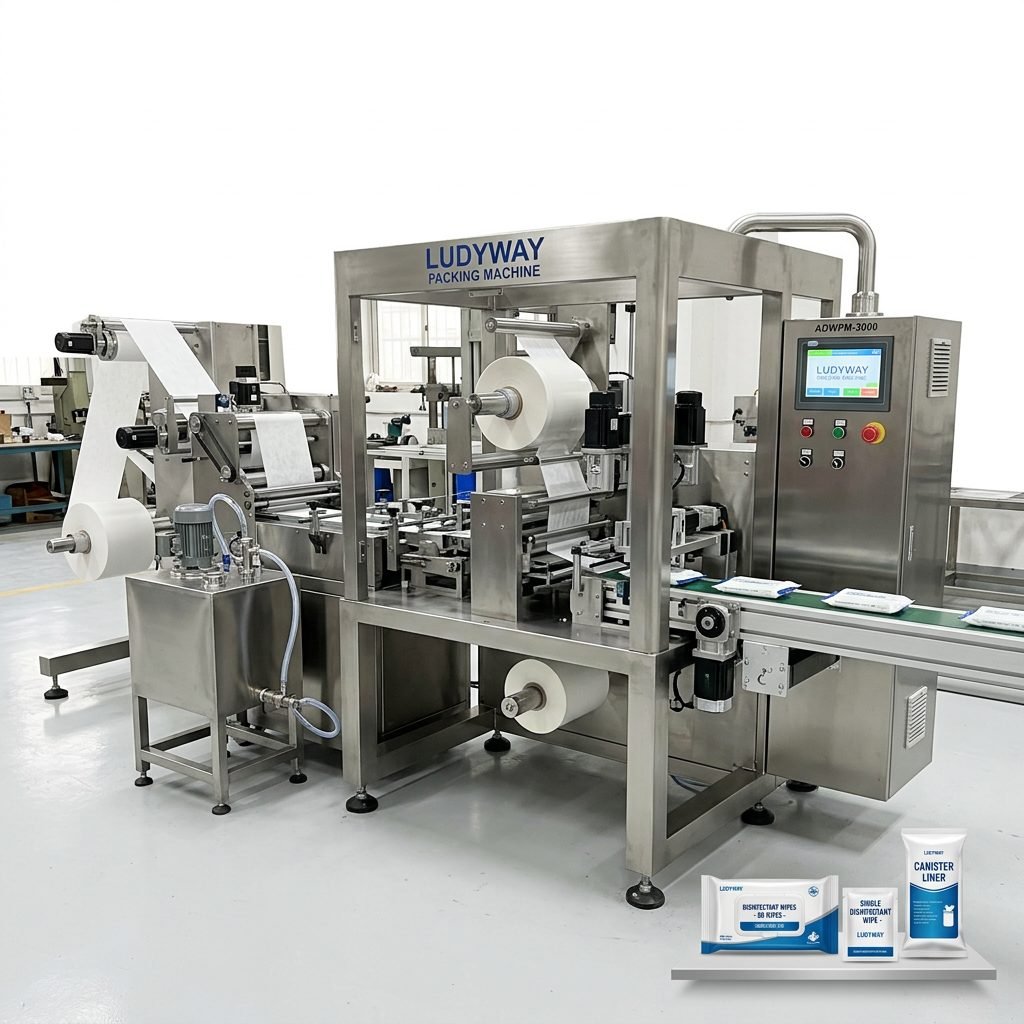
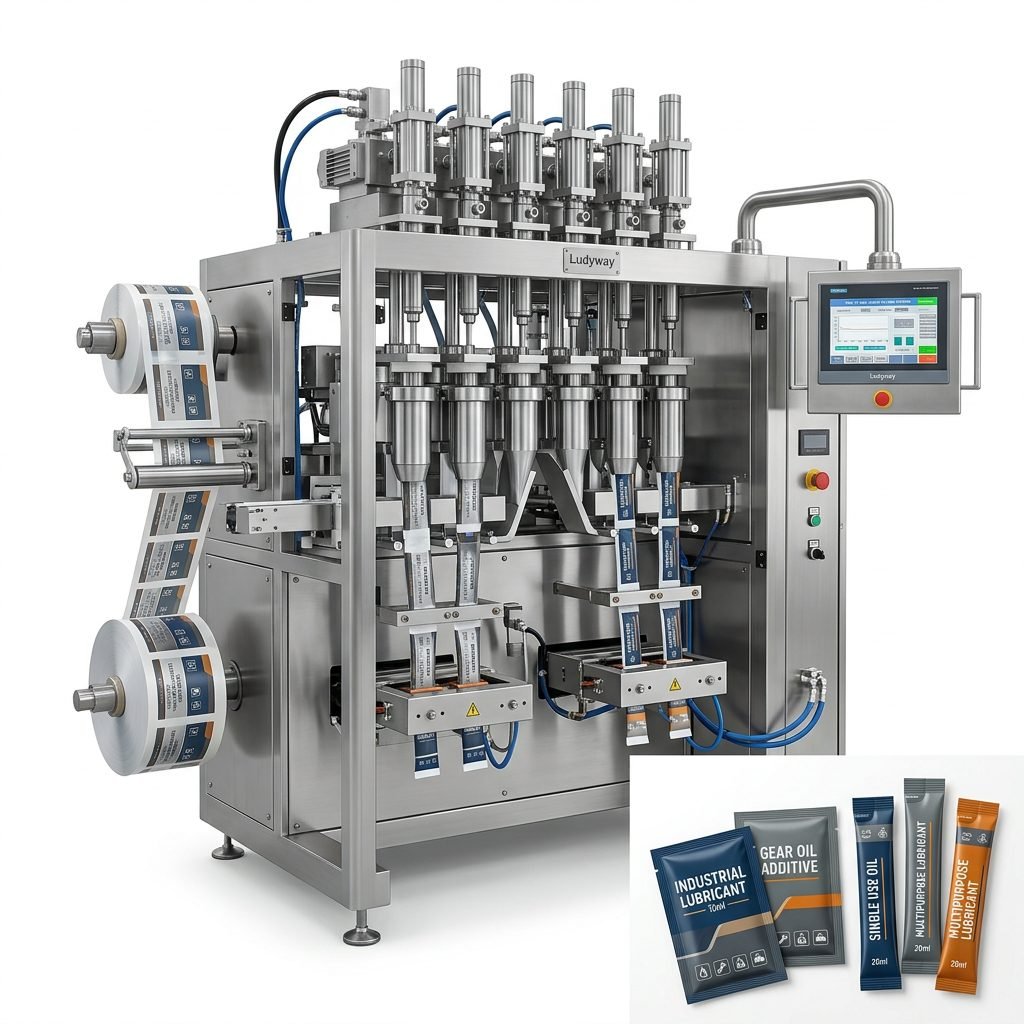
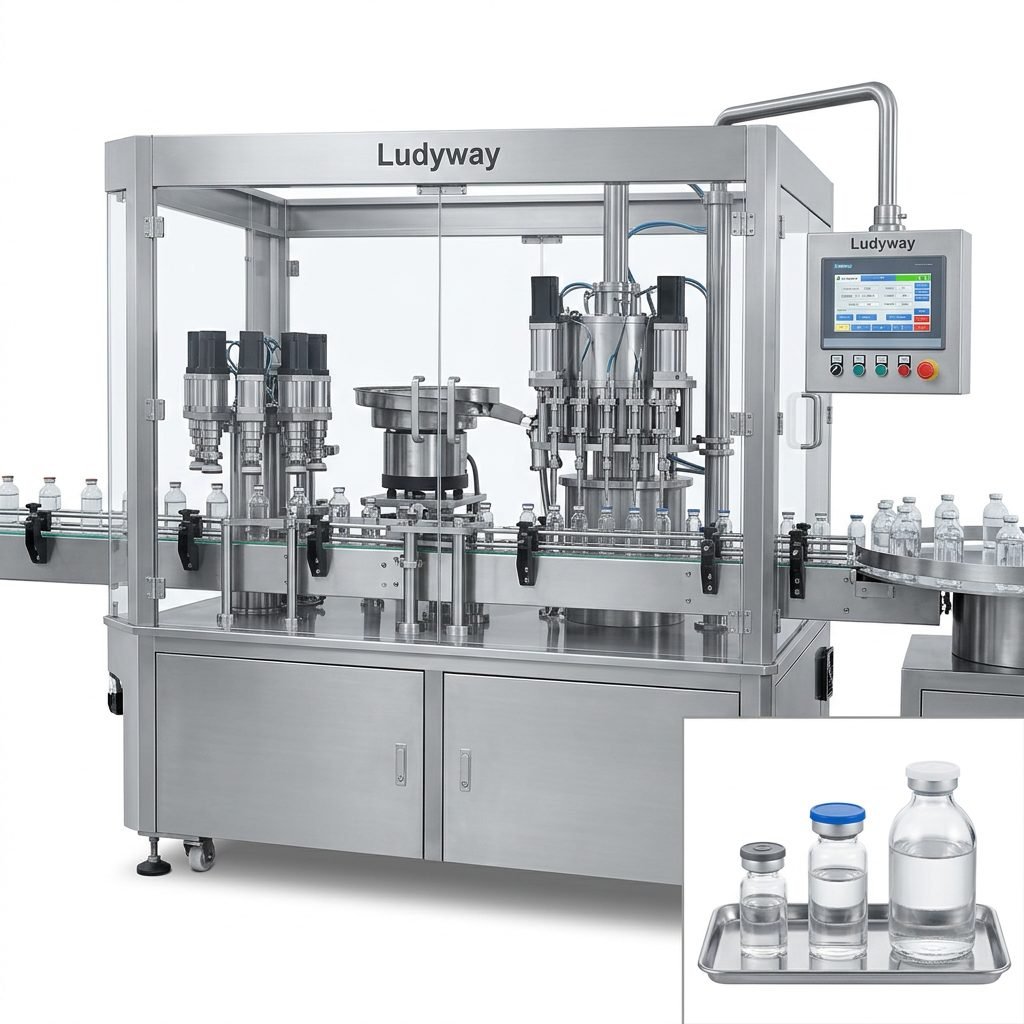
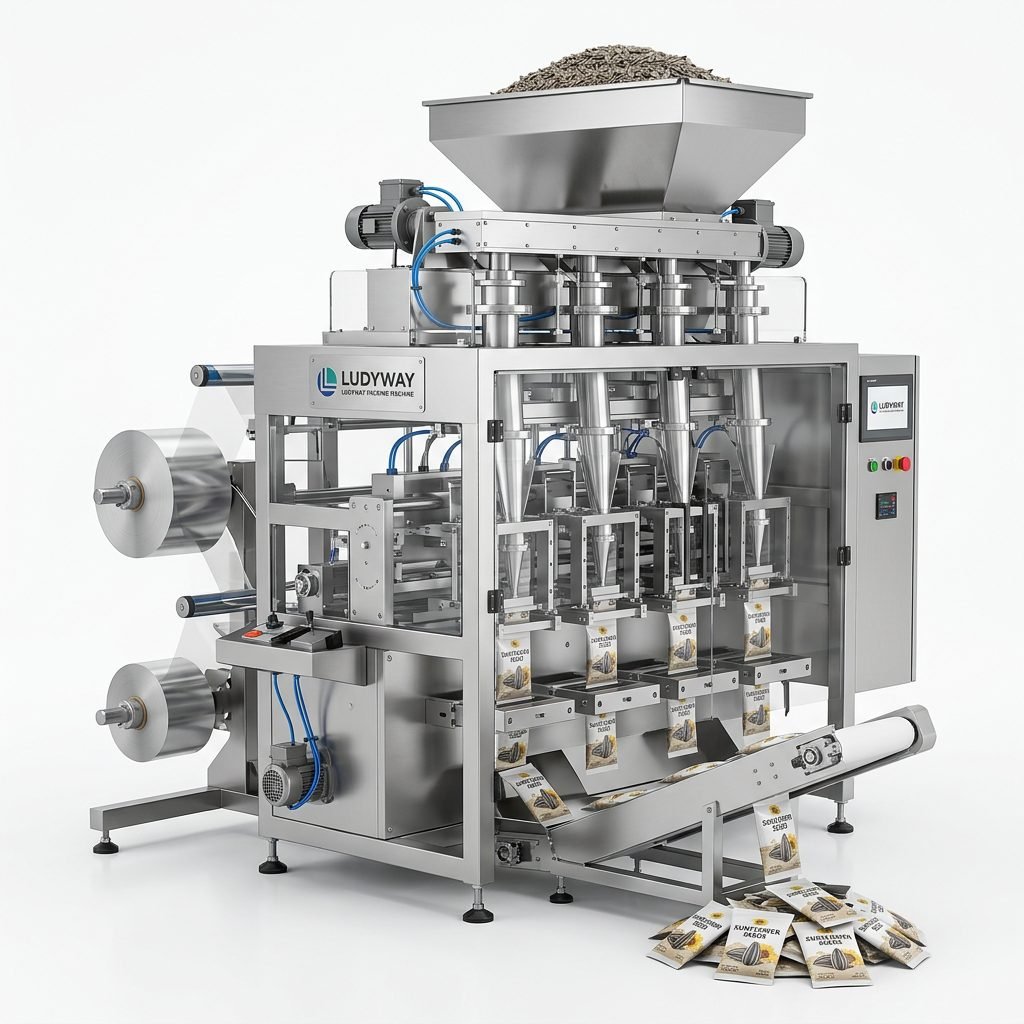
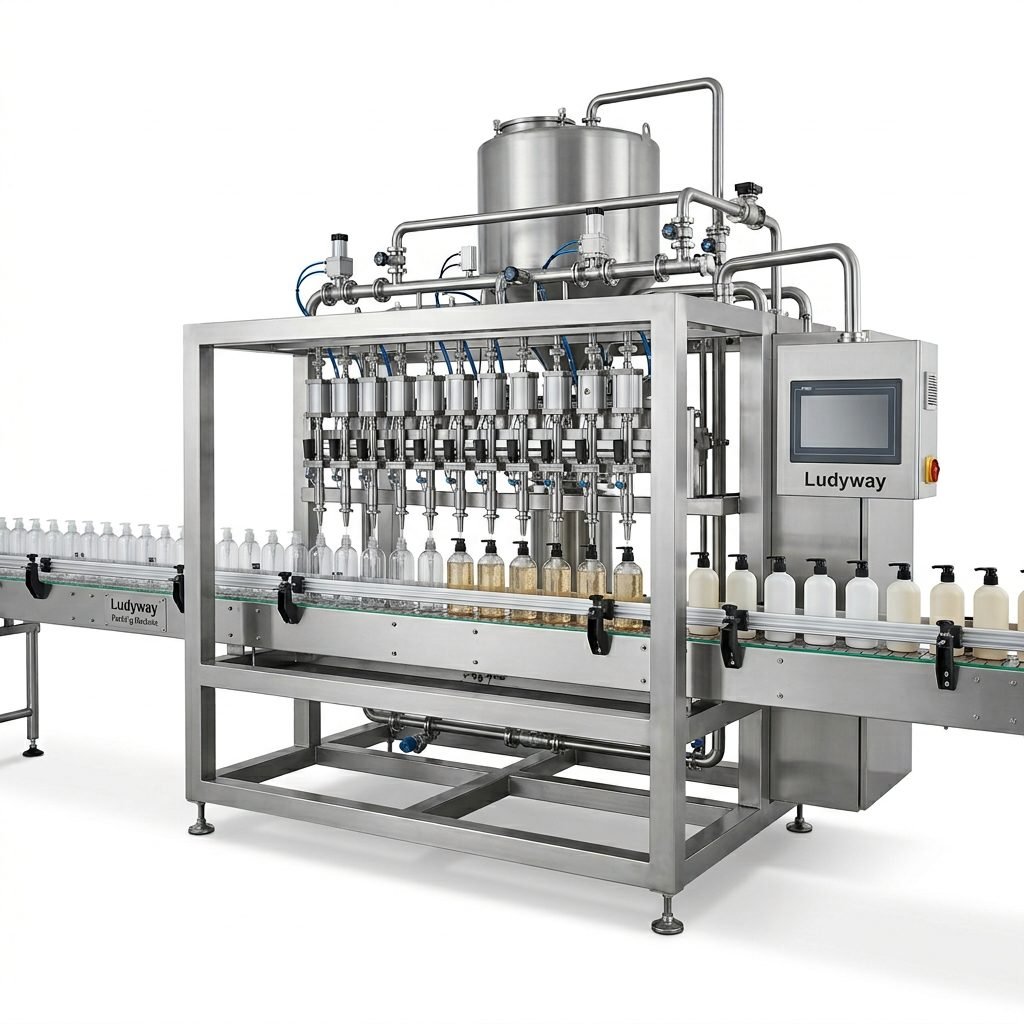
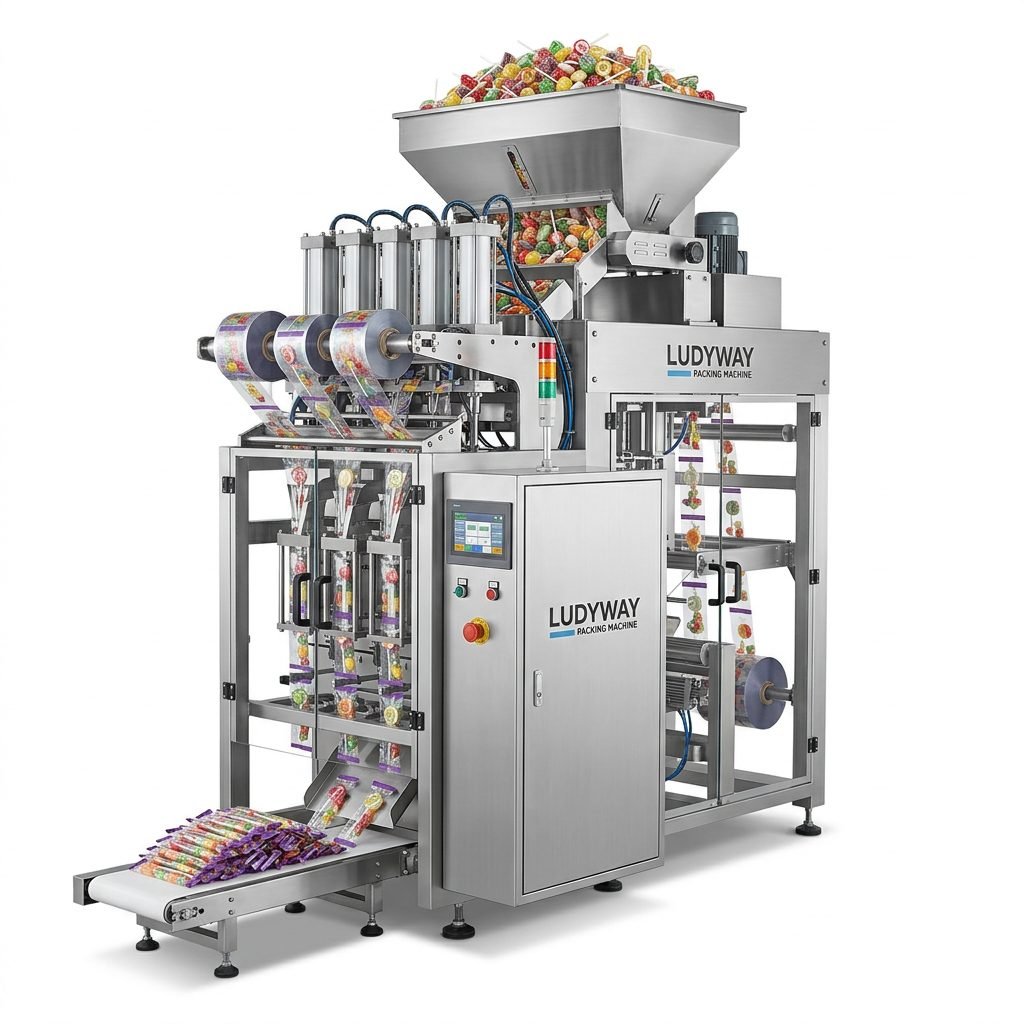
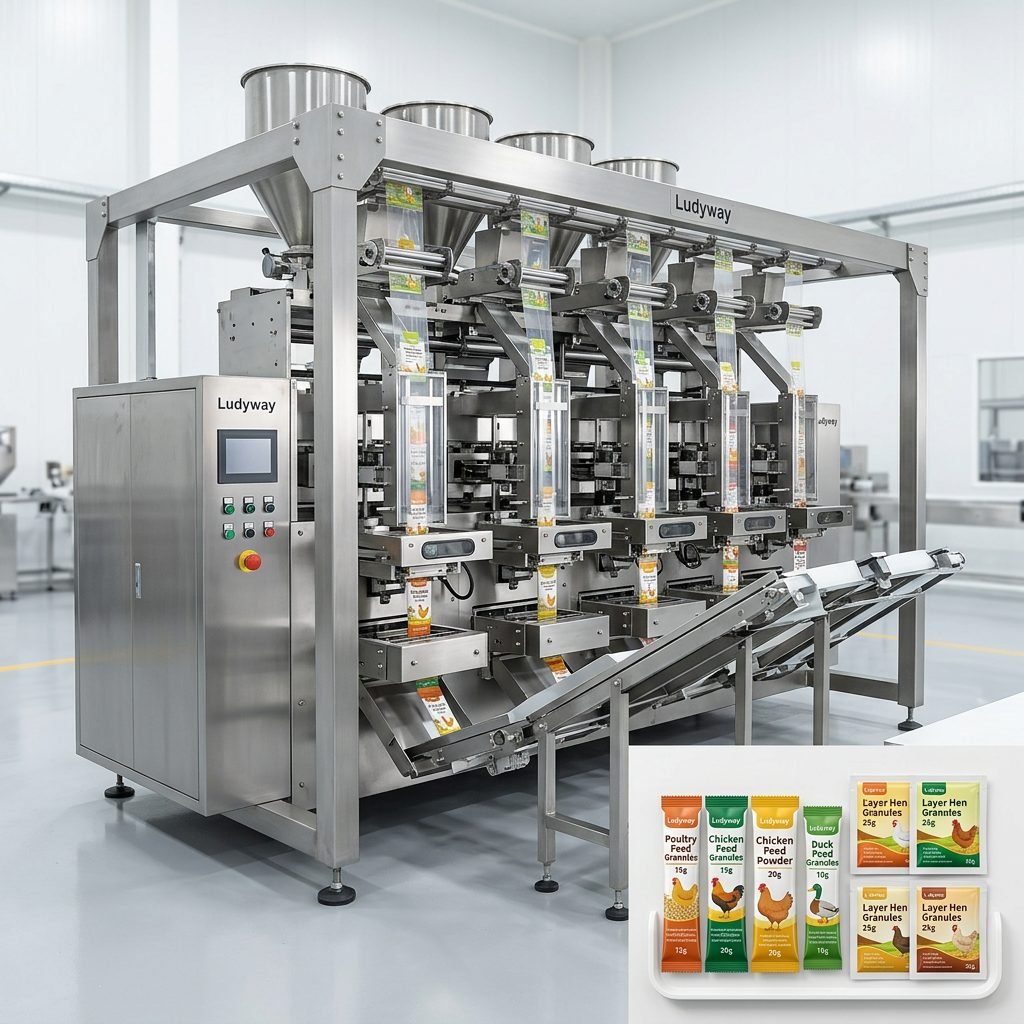
While many European and domestic brands dominate the high-end market, global manufacturers like Ludyway are increasingly recognized for offering turnkey automated packaging solutions. With a 20,000㎡ modern production facility and over 30 years of industry experience, Ludyway provides intelligent systems for granules, powders, and liquid packaging applications—versatility that extends to secondary poultry packaging lines. Exploring options that combine innovative engineering with cost-effective pricing can significantly improve your operational efficiency without compromising quality.
Installation and After-Sales Support
No matter how robust a machine is, without proper installation and support, it will fail. Prioritize suppliers who provide comprehensive site acceptance testing (SAT) and factory acceptance testing (FAT). Confirm that the training covers not just operation, but also deep cleaning and basic troubleshooting. In the U.S. market, remote connectivity for diagnostics is a feature that often proves invaluable for immediate resolution of software glitches.
Future-Proofing Your Investment
The trend in poultry packaging is shifting toward mono-material recyclable films and fiber-based trays to meet sustainability pledges from major U.S. retailers. Ensure the machine you buy today can seal these newer, often less forgiving, materials. A machine with precise temperature control and advanced tension management is vital for running sustainable films. Investing in adaptable machinery now will save you a capital-intensive retrofit in just a few years.
Key Takeaways for Your Purchase Decision
- Prioritize sanitary design and washdown capabilities above all else for poultry safety.
- Match the machine speed and format to your specific retail customer requirements.
- Invest in automation to combat labor challenges and ensure consistent output.
- Calculate the total cost of ownership, factoring in film waste and long-term maintenance.
- Ensure the equipment is certified for or capable of running sustainable packaging substrates.
For more information on packaging industry standards, you can consult resources like the Association for Packaging and Processing Technologies (PMMI) or FDA guidelines on Food Packaging and Food Contact Substances. Choosing the right poultry packaging machine is a strategic move that can elevate your brand presence in the competitive U.S. retail landscape.