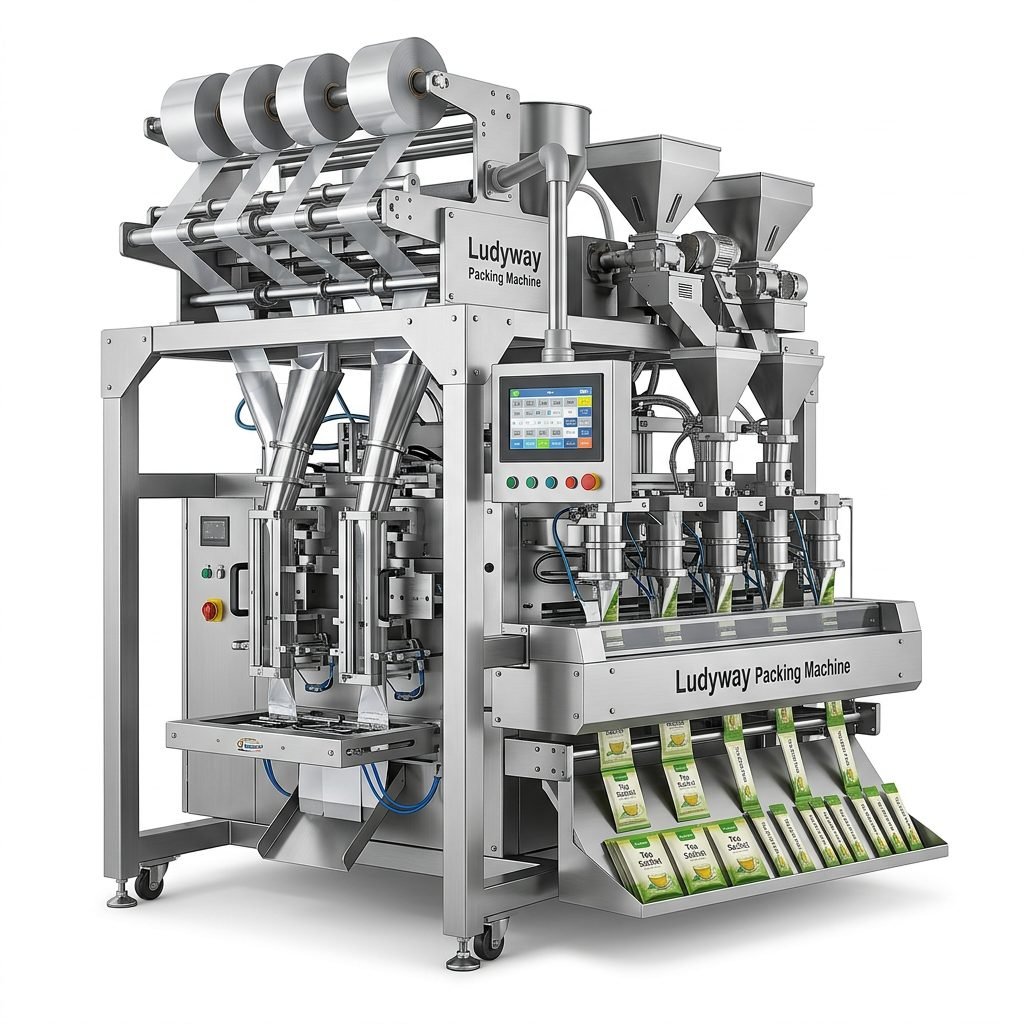
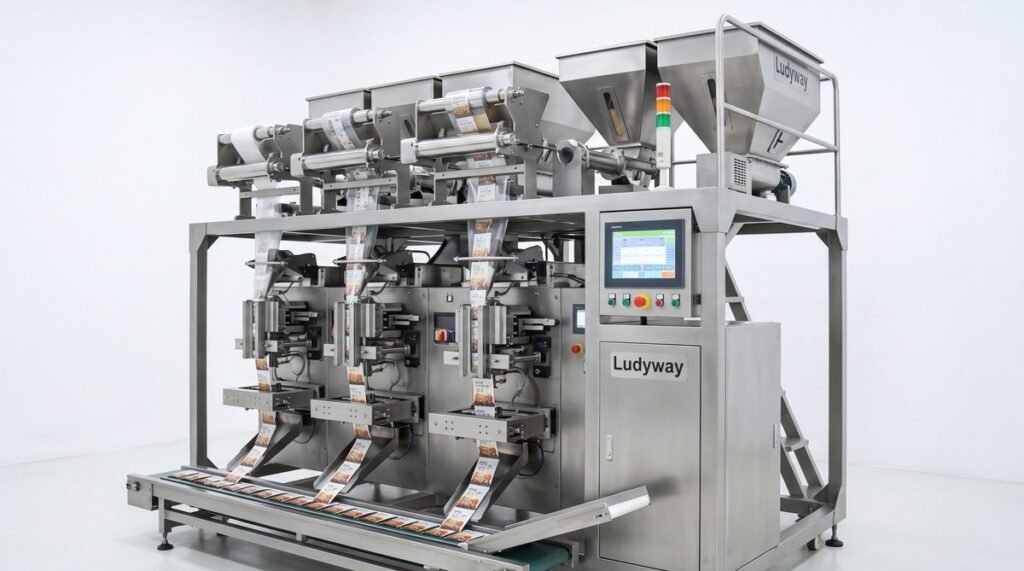
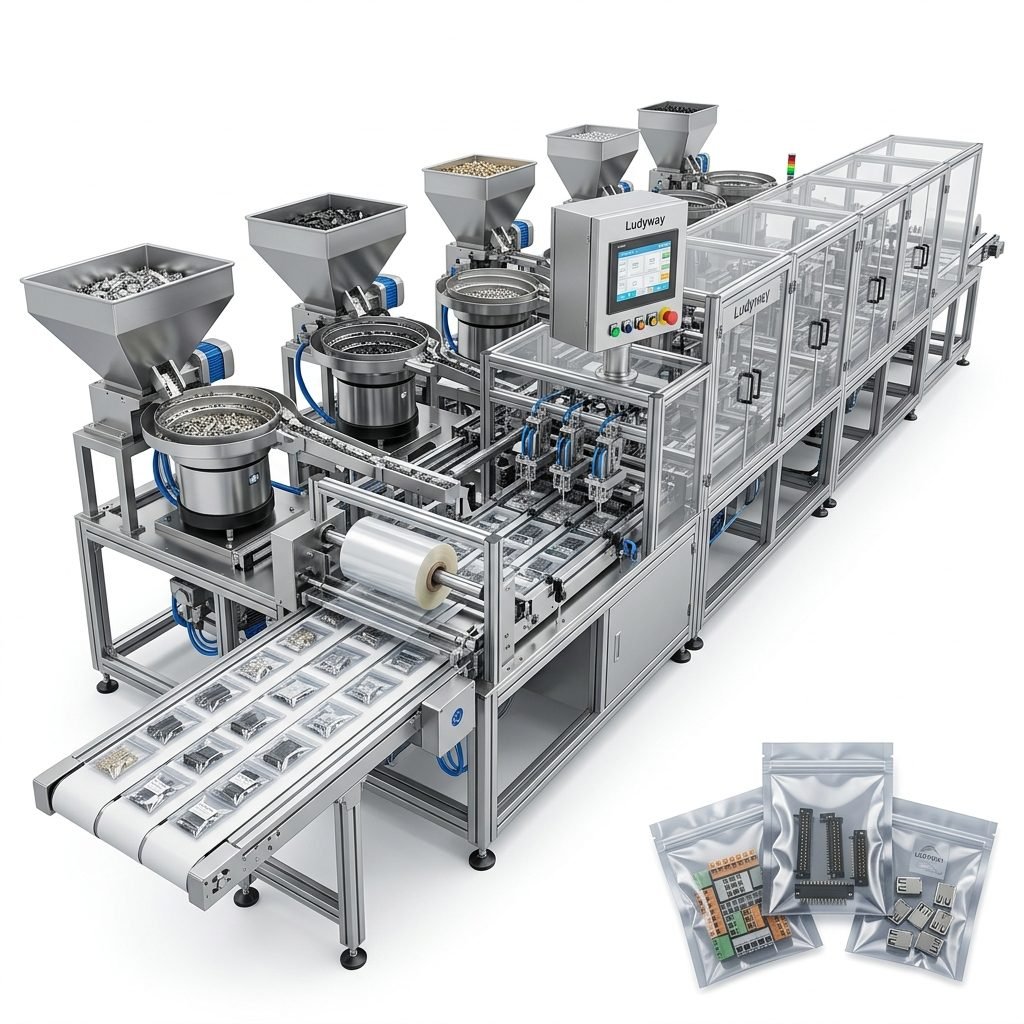
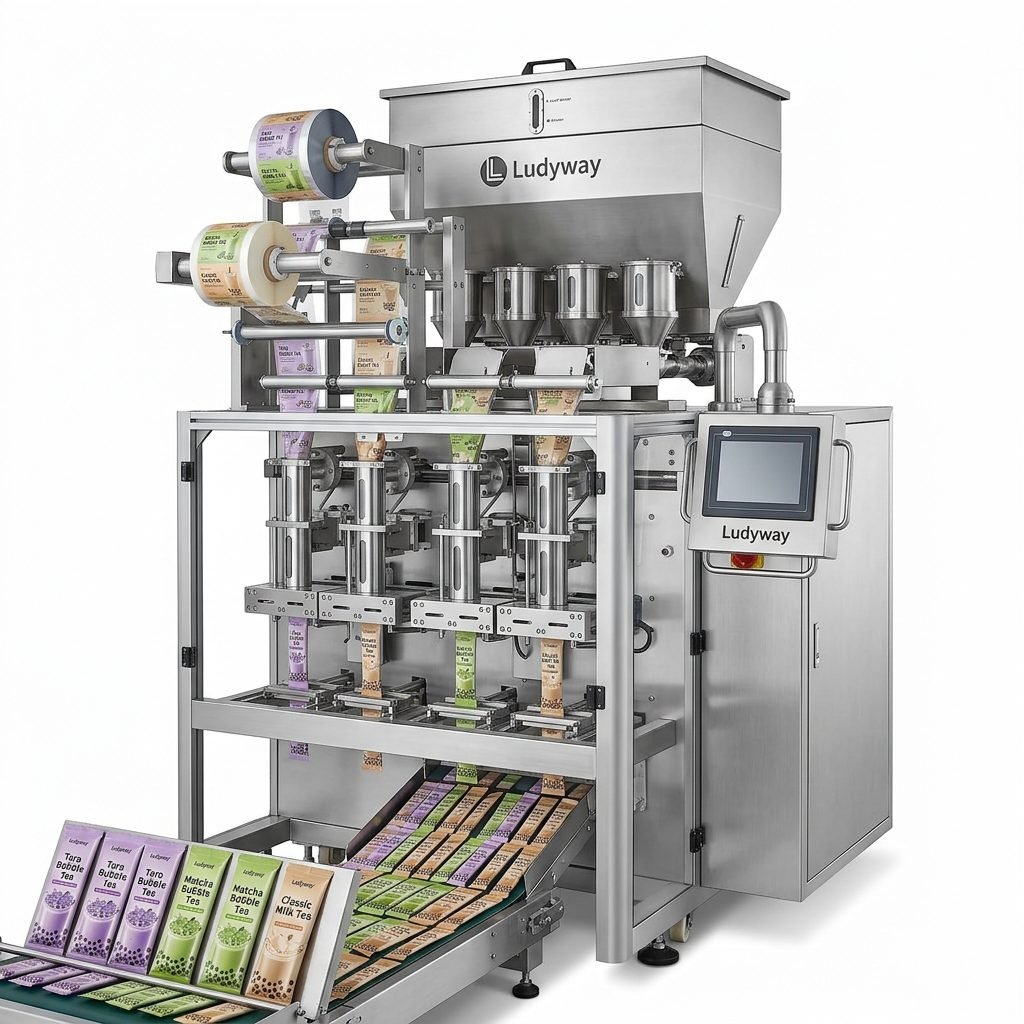
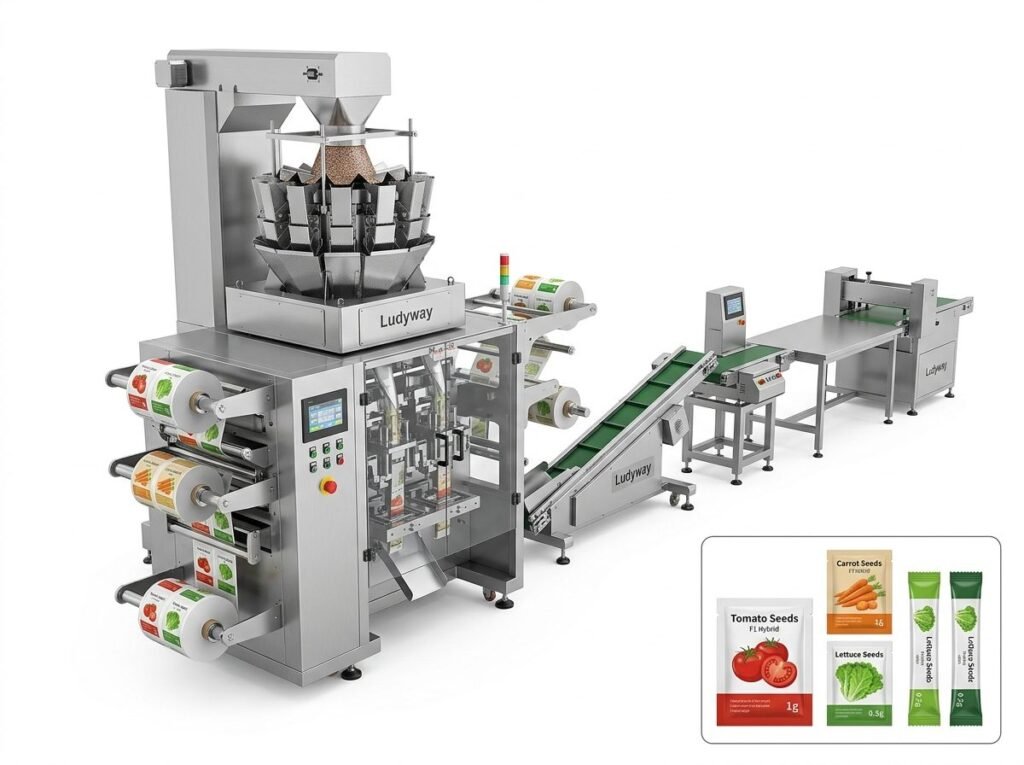
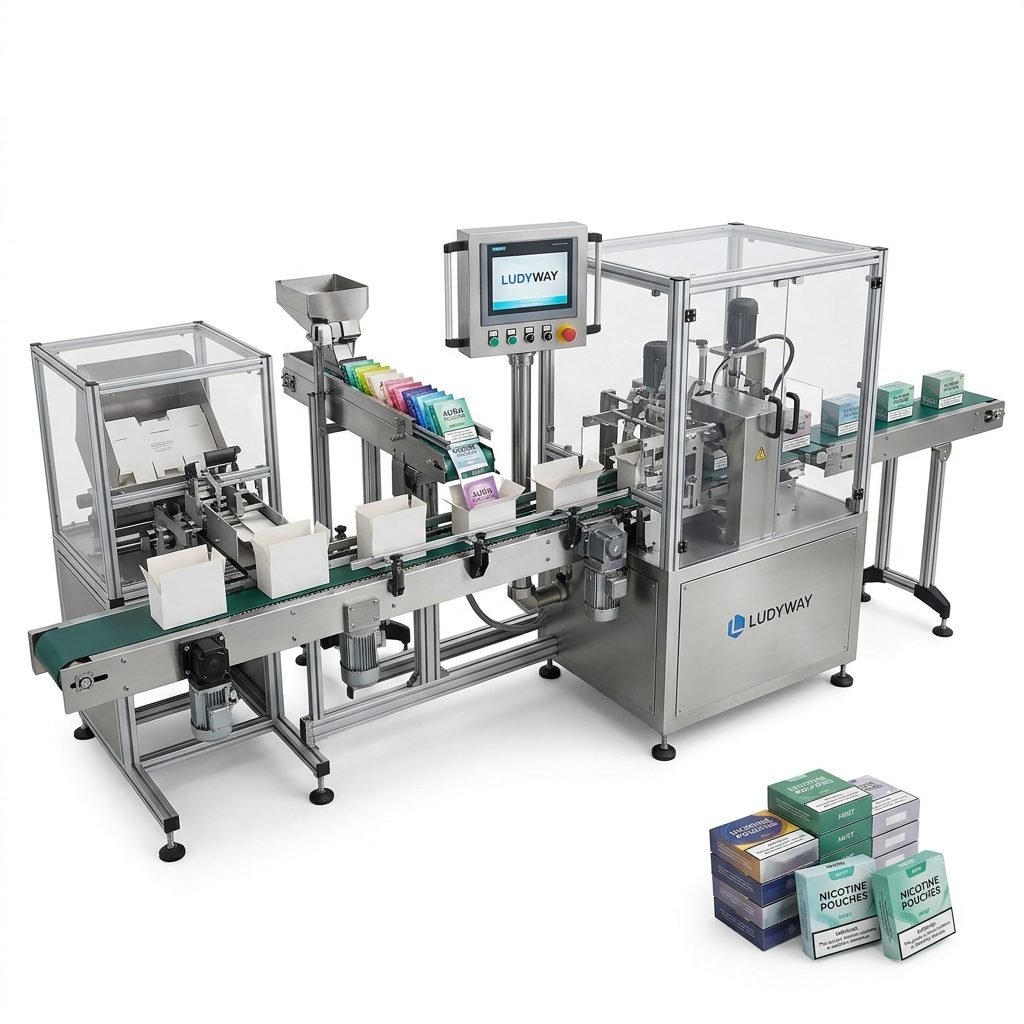
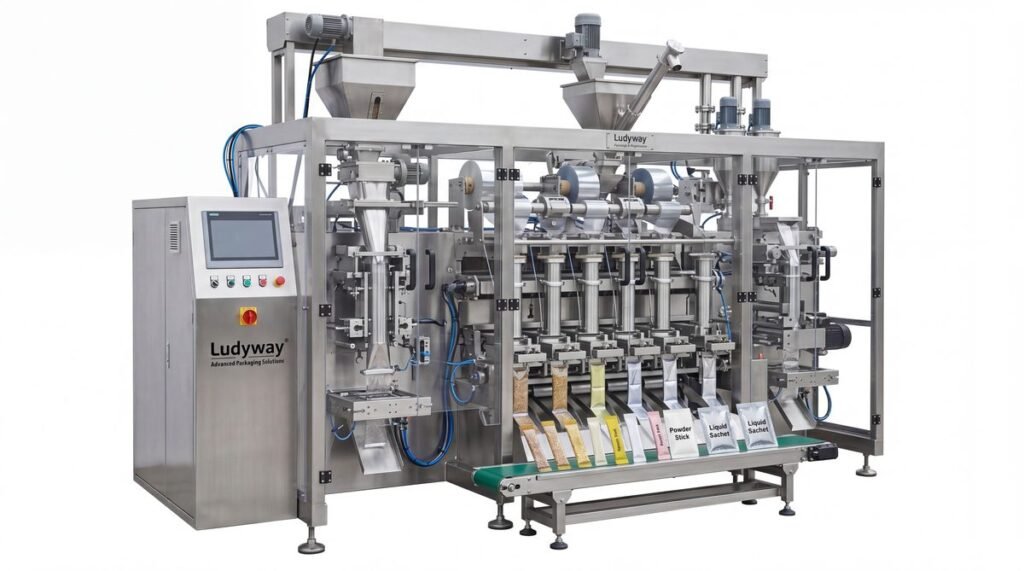
Investing in a tea packaging machine is a significant decision for any tea business, whether you’re a small artisanal producer or a large-scale manufacturer. The cost of these machines varies widely based on automation level, packaging format, production speed, and brand reputation. Understanding the pricing landscape helps you make an informed investment that balances budget with long-term operational efficiency.
Tea packaging equipment ranges from simple semi-automatic units starting around $3,000 to fully integrated multi-lane systems exceeding $150,000. This comprehensive guide breaks down the costs, factors influencing pricing, and how to evaluate the total cost of ownership for your tea packaging needs. For broader industry insights, the PMMI Business Intelligence library offers valuable packaging machinery market research and economic reports that can help benchmark your investment.
Key Factors That Influence Tea Packaging Machine Pricing
Several critical variables determine how much you’ll pay for a tea packaging machine. Evaluating these factors carefully ensures you don’t overspend on unnecessary features or underspend on essential capabilities:
- Automation Level — Manual, semi-automatic, and fully automatic systems differ dramatically in price. A fully automated line with PLC control and servo-driven components costs significantly more but reduces labor dependency.
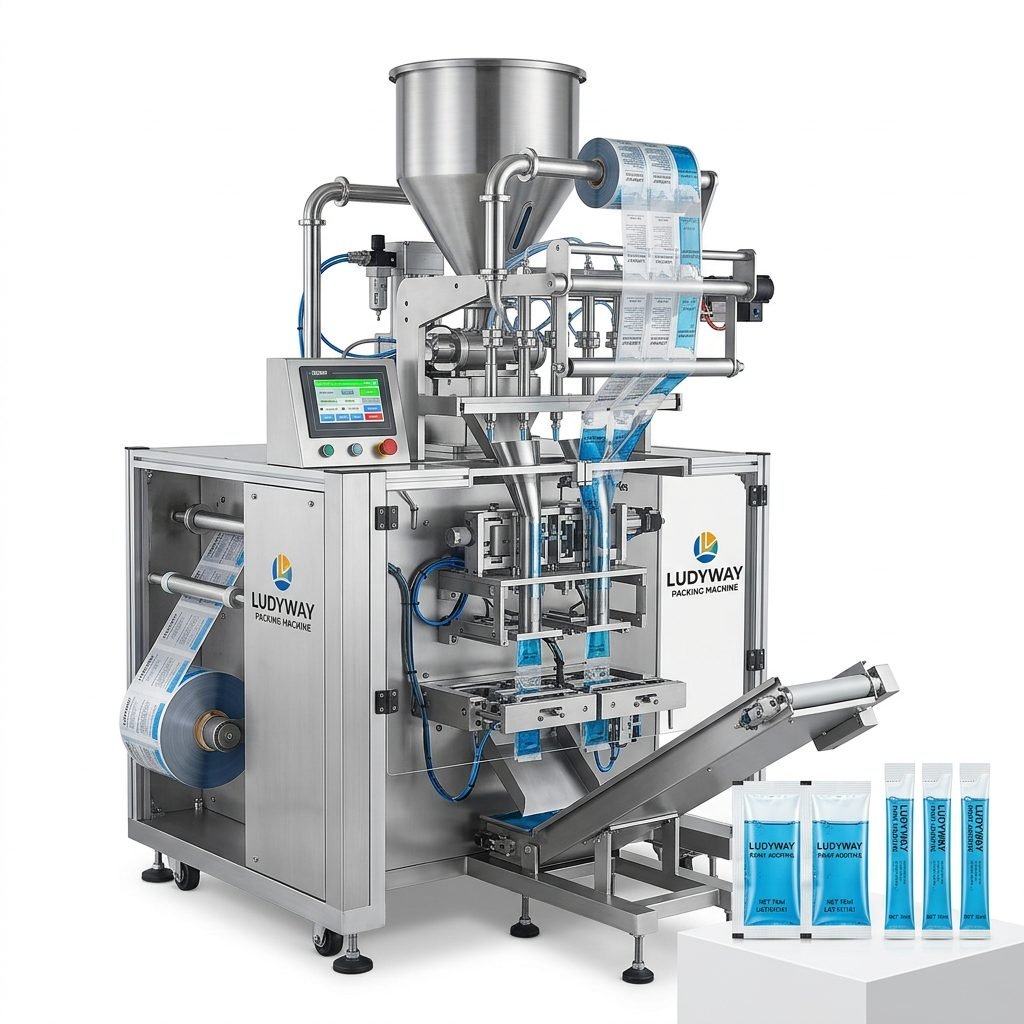
- Packaging Format — Stick packs, sachets, pouches, pyramid tea bags, and flat tea bags each require different machine configurations. Multi-format machines capable of switching between styles command a premium.
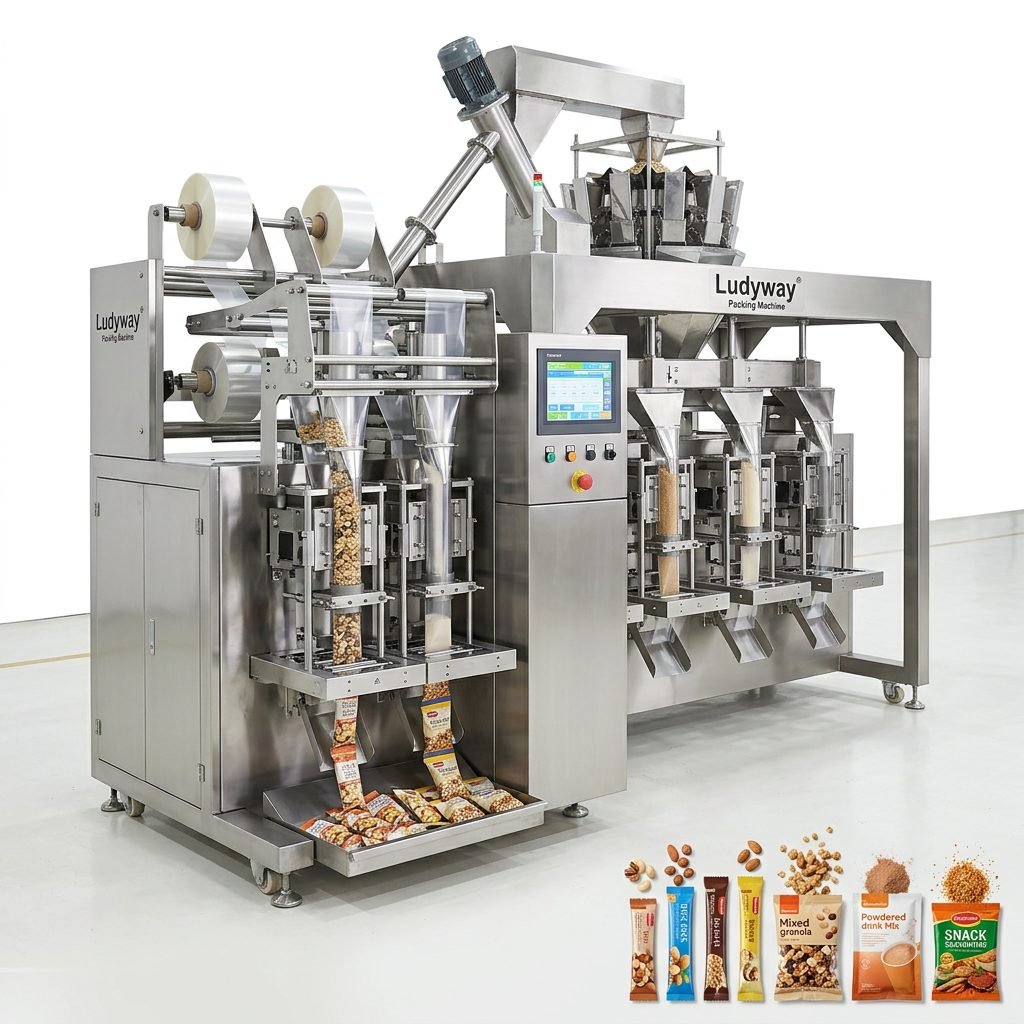
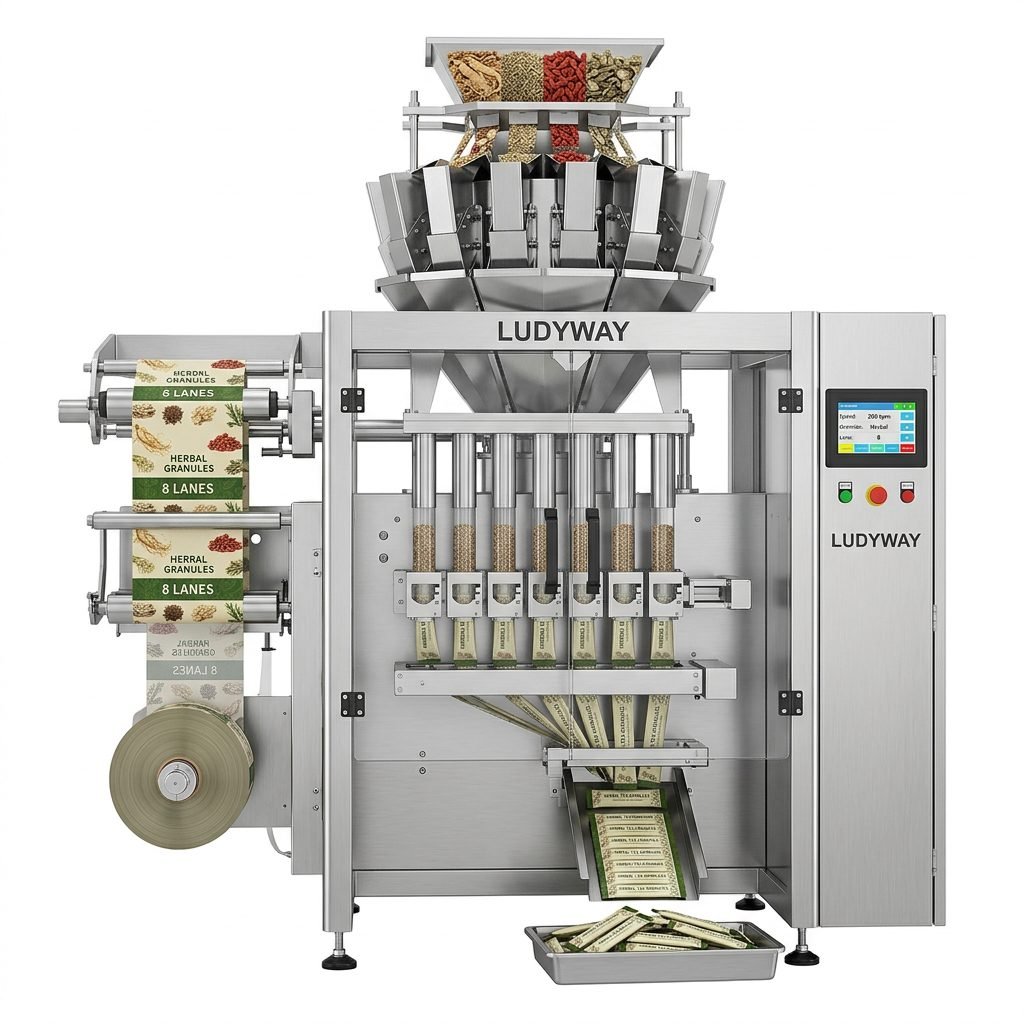
- Number of Lanes — Single-lane machines are the most affordable entry point, while multi-lane systems (4-lane, 6-lane, 8-lane, or more) multiply throughput but also the price tag, as noted in industry data from the Flexible Packaging Association.
- Production Speed — Machines rated for 30-60 packs per minute cost less than high-speed models capable of 200-400+ packs per minute.
- Material Compatibility — Equipment designed to handle multiple film types (aluminum foil, paper-based, biodegradable films) tends to be more expensive due to advanced sealing and tension control systems.
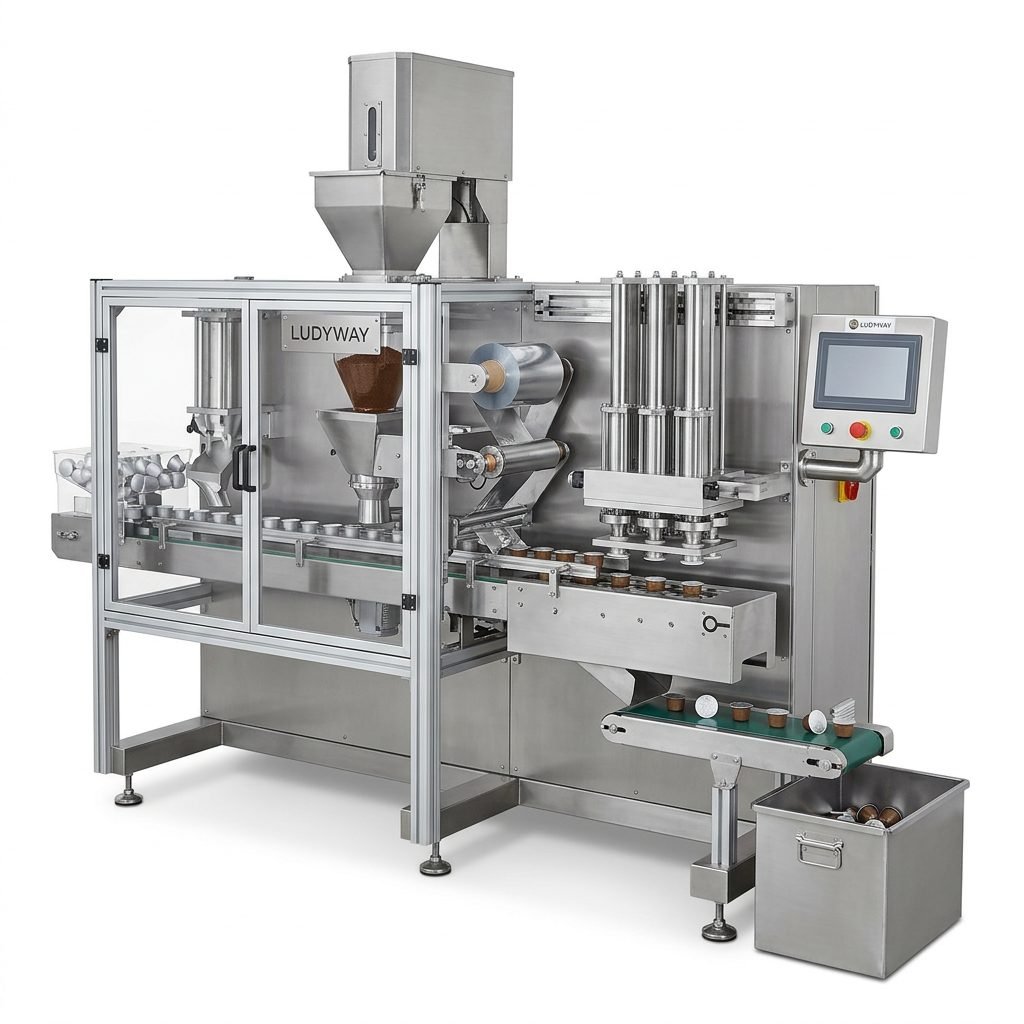
- Filling Mechanism — Volumetric cup fillers are economical for granule tea; auger fillers for powdered tea; multi-head weighers for premium blends — each with different cost implications.
Additional Cost Drivers
Beyond the core machine, auxiliary equipment such as date coders, nitrogen flushing systems, checkweighers, and cartoning machines add to the total investment. Integration complexity — connecting the packaging machine with upstream processing and downstream case packing — also influences the final price.
Tea Packaging Machine Price Ranges by Type
The following table provides a detailed breakdown of estimated price ranges for different tea packaging machine configurations. Note that these are indicative market ranges and actual quotes may vary based on customization, regional factors, and current market conditions:
| Machine Type | Typical Applications | Speed Range | Estimated Price (USD) |
|---|---|---|---|
| Entry-Level Single-Lane Stick Pack | Granule tea, herbal tea, basic powder blends | 30-60 packs/min | $3,000 – $12,000 |
| Mid-Range Multi-Lane (4-6 lanes) | High-volume stick pack and sachet production | 100-250 packs/min | $18,000 – $55,000 |
| High-Speed Multi-Lane (8-12 lanes) | Large-scale tea production with demanding throughput | 200-500+ packs/min | $50,000 – $120,000 |
| Pyramid Tea Bag Machine | Premium whole-leaf tea in nylon or biodegradable mesh | 40-120 bags/min | $15,000 – $60,000 |
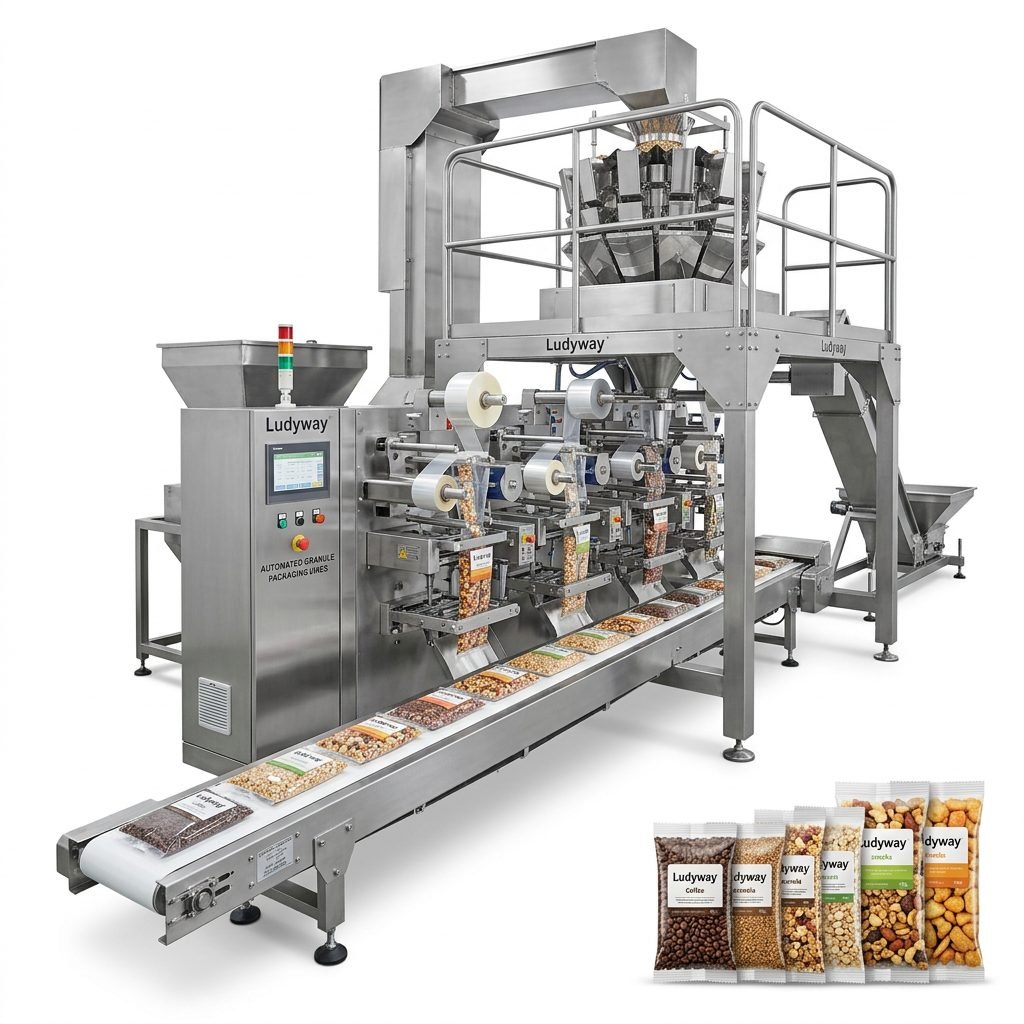
| Fully Automated Turnkey Line | Complete production from filling to cartoning and palletizing | Custom (100-600+ packs/min) | $80,000 – $250,000+ |
| Pouch Packaging Machine (Premade) | Stand-up pouches, zipper pouches for loose leaf tea | 20-80 packs/min | $8,000 – $40,000 |
Note: Prices are approximate and based on market analysis. Contact manufacturers directly for detailed quotations tailored to your specific requirements. The PMMI State of the Industry 2025 report provides additional context on packaging machinery market trends.
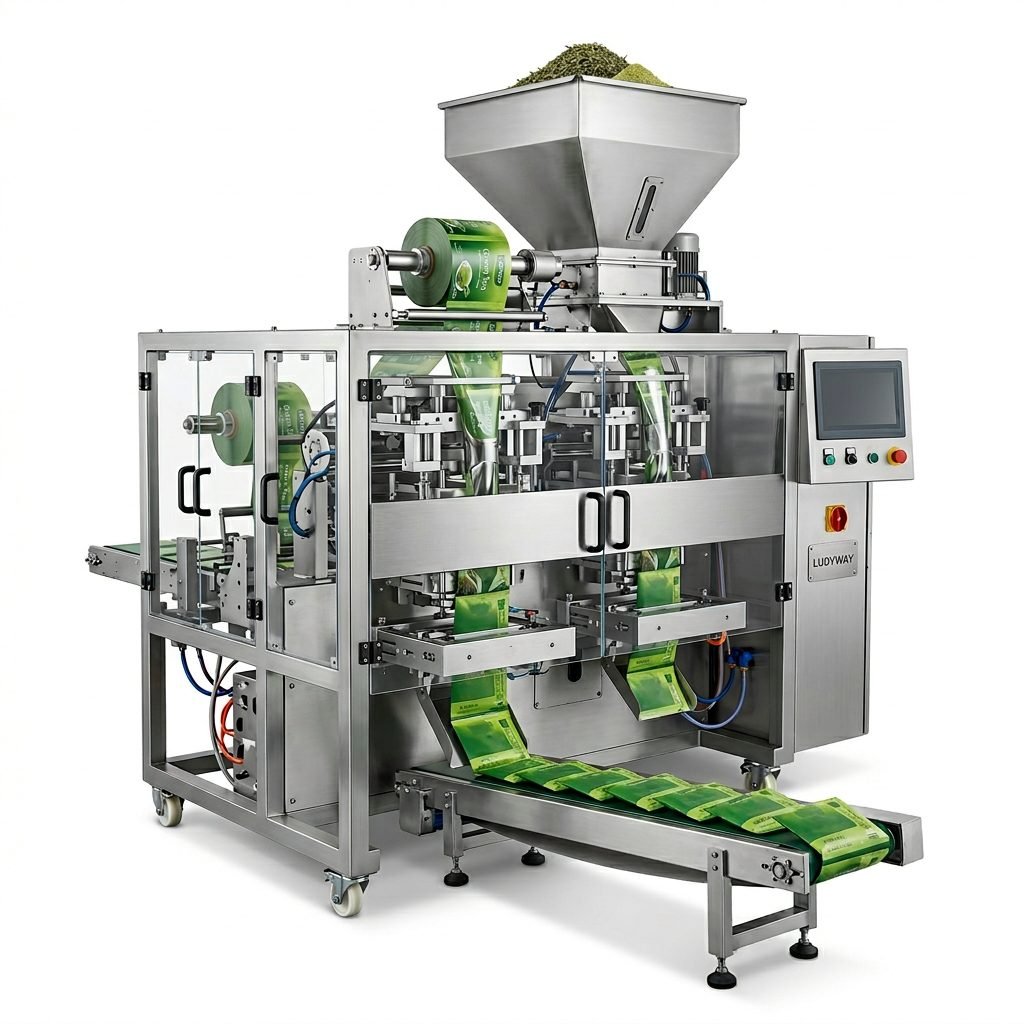
Semi-Automatic vs. Fully Automatic: Cost Comparison
One of the most impactful decisions affecting your budget is the choice between semi-automatic and fully automatic systems. Here’s how they compare in terms of initial investment and long-term operational costs:
Semi-Automatic Tea Packaging Machines
- Price range: $3,000 – $18,000
- Labor requirement: 2-4 operators per shift
- Best for: Small businesses, startups, artisanal tea brands, co-packers with varied short runs
- Limitations: Slower throughput, higher per-unit labor cost, less consistent seal quality
Fully Automatic Multi-Lane Systems
- Price range: $18,000 – $150,000+
- Labor requirement: 1 operator supervising multiple machines
- Best for: Medium to large-scale production, consistent product formats, brands scaling up
- Advantages: Higher throughput, consistent quality, lower per-unit cost, integrated quality control
For food and pharmaceutical-grade tea packaging, compliance with FDA food packaging regulations and ISO packaging standards is essential, which may require additional investment in validated systems and documentation capabilities.
Hidden Costs and Total Cost of Ownership
The purchase price is only one component of your overall investment. When budgeting for a tea packaging machine, factor in these often-overlooked costs:
| Cost Category | Estimated Annual Range (USD) | Key Considerations |
|---|---|---|
| Spare Parts & Wear Components | $500 – $5,000 | Sealing jaws, cutting blades, belts, sensors |
| Packaging Film & Materials | $5,000 – $50,000+ | Volume-dependent; film waste during setup adds up |
| Installation & Commissioning | $1,000 – $8,000 (one-time) | Includes technician travel, setup, and training |
| Operator Training | $500 – $3,000 | Initial and ongoing; reduces downtime and waste |
| Maintenance & Service Contracts | $1,000 – $6,000 | Preventive maintenance; emergency repair costs |
| Utility Costs | $800 – $4,000 | Electricity, compressed air, nitrogen (if used) |
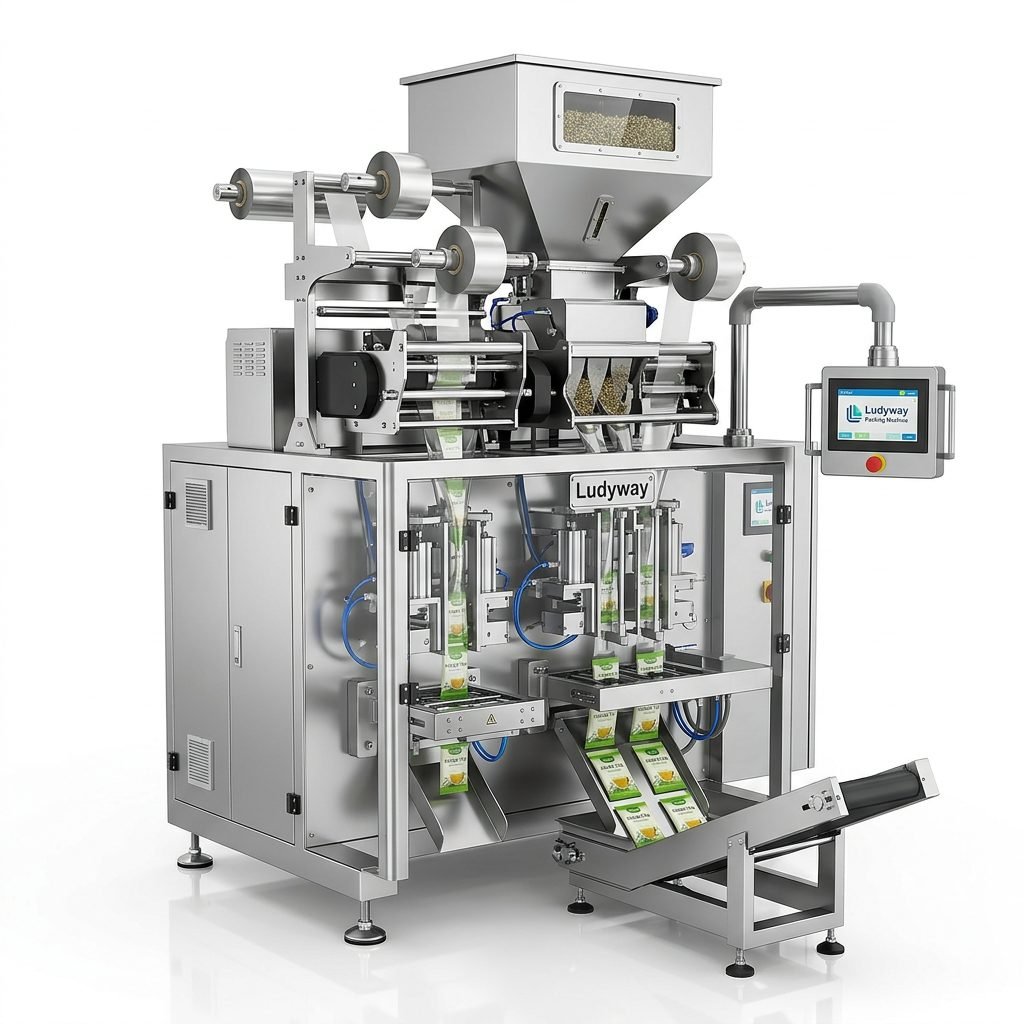
Regional Price Variations and Import Considerations
Tea packaging machine prices vary significantly by manufacturing origin. Understanding these regional differences helps you evaluate trade-offs between initial cost, build quality, and after-sales support:
- Chinese Manufacturers — Generally offer the most competitive pricing, with reliable mid-to-high-end options available. Established manufacturers with ISO-certified facilities and international export experience provide excellent value. Prices are typically 30-50% lower than comparable European equipment.
- European Manufacturers (Germany, Italy) — Premium pricing reflecting advanced engineering, precision manufacturing, and comprehensive service networks. Expect to pay $40,000 – $200,000+ for mid-to-high-end systems.
- Indian Manufacturers — Competitive pricing for basic to mid-range machines, particularly for traditional tea bag formats. Entry-level machines start around $2,500.
- North American Manufacturers — Higher price points reflecting labor costs and regulatory compliance. Best suited for specialized pharmaceutical-grade or USDA-certified organic tea packaging applications.
Import costs — including shipping, customs duties, and local certification requirements — can add 10-25% to the machine’s FOB price. The PMMI packaging machinery standards and regulations provide useful guidance on compliance requirements across different markets.
ROI Analysis: When Does a Tea Packaging Machine Pay for Itself?
Calculating return on investment helps justify the capital expenditure. Key metrics to evaluate include:
- Labor Savings — A multi-lane automatic machine can replace 3-6 manual workers per shift. At an average fully-loaded labor cost of $25,000-$40,000 per worker annually, savings accumulate quickly.
- Material Waste Reduction — Automated systems typically reduce film waste by 3-8% compared to semi-automatic operations through precise tension control and optimized sealing parameters.
- Throughput Increase — Moving from a single-lane to a 6-lane system can increase output 4-6x, enabling business growth without proportional labor increases.
- Quality Consistency — Reduced product returns and customer complaints translate to tangible cost savings and brand protection.
For most medium-scale tea producers, a mid-range multi-lane machine in the $25,000-$55,000 range achieves full ROI within 18-36 months through combined labor savings and increased throughput. The Flexible Packaging Association provides additional industry data on packaging efficiency benchmarks that can inform your ROI calculations.
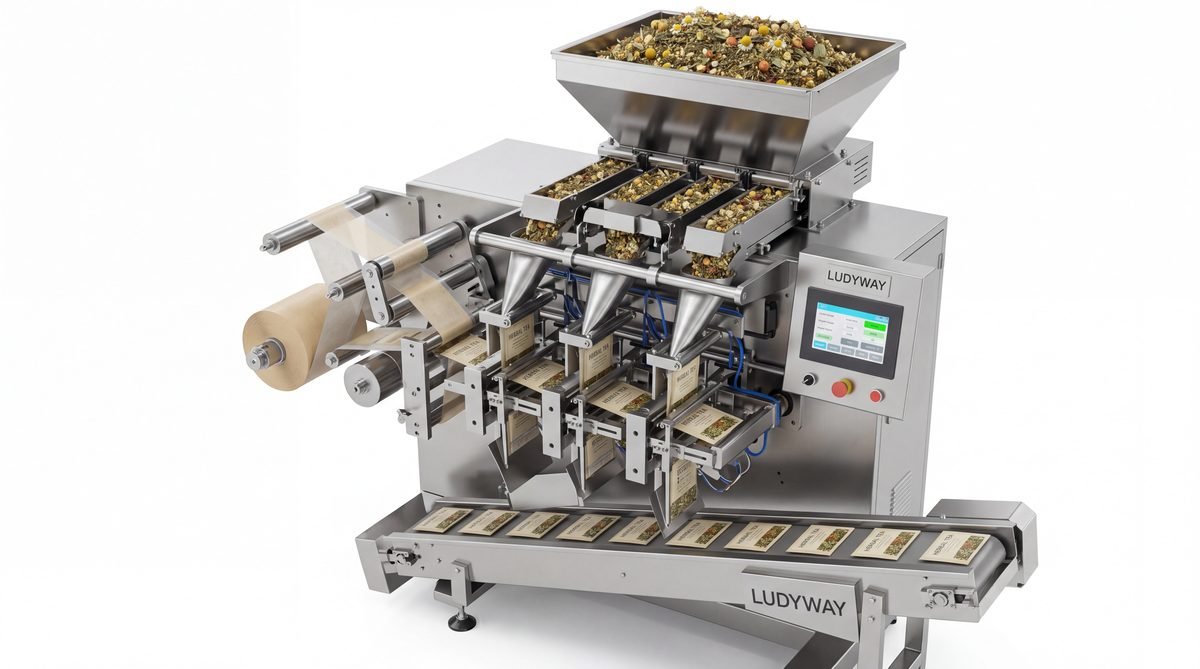
Choosing the Right Machine for Your Tea Business
Selecting the optimal tea packaging machine involves matching your current production needs and future growth plans with the right equipment specification. Follow this decision framework:
Step 1: Define Your Packaging Format
Tea products come in diverse formats — stick packs, flat sachets, pyramid bags, string-and-tag bags, stand-up pouches, and bulk bags. Each requires specific machine configurations. Consider whether you need a dedicated machine for one format or a flexible system that can switch between formats.
Step 2: Calculate Required Throughput
Determine your daily and peak production volumes. A machine rated for 60 packs/minute operating 8 hours produces approximately 28,800 packs per day at 100% efficiency. Real-world output is typically 70-85% of rated speed due to film changes, adjustments, and minor stoppages.
Step 3: Evaluate Product Characteristics
Tea types — fine powder (matcha), granular (CTC tea), whole leaf, blended with herbs and flowers — behave differently during filling. Fine powders require auger fillers and dust extraction; whole leaves need gentle handling to prevent breakage; blended teas may require multi-head weighers for accurate portion control.
Step 4: Assess Facility Requirements
Consider available floor space, power supply (single-phase vs. three-phase), compressed air availability, and cleanroom requirements for food-grade or organic certification. Some machines require significant ceiling height for hopper loading and film roll mounting.
Step 5: Partner with a Reputable Manufacturer
Working with an experienced manufacturer ensures you receive proper installation support, operator training, and ongoing technical assistance. Leading manufacturers like Ludyway offer comprehensive packaging solutions backed by decades of industry expertise and a global service network, with modern manufacturing facilities spanning 20,000㎡ and over 50 intelligent packaging machine models serving customers in 100+ countries.
New vs. Used Tea Packaging Machines: Cost-Benefit Analysis
For budget-conscious buyers, used equipment presents an alternative to new machinery. Here’s a balanced assessment:
| Factor | New Machine | Used Machine |
|---|---|---|
| Initial Cost | Full market price | 40-70% of new price |
| Warranty | 1-2 years standard | Limited or none |
| Technology | Latest controls and features | May be outdated |
| Parts Availability | Readily available | May be discontinued |
| Lead Time | 4-16 weeks | Immediate to 4 weeks |
Used equipment can be a viable option for established businesses with in-house maintenance capabilities who can thoroughly inspect machines before purchase. For startups and growing companies, the reliability and support that come with new equipment often justify the higher initial investment.

Financing and Leasing Options
Many tea businesses explore financing to manage cash flow while acquiring packaging equipment. Common approaches include:
- Equipment Leasing — Monthly payments over 24-60 months, with options to purchase at lease end. Preserves working capital and may offer tax advantages.
- Equipment Financing Loans — The machine serves as collateral, often with competitive interest rates. Ownership transfers upon final payment.
- Manufacturer Payment Plans — Some manufacturers offer staged payments: 30-40% deposit with order, 50-60% before shipment, 10% upon installation and acceptance.
- Export Credit Programs — For international buyers, government-backed export financing may be available through the manufacturer’s country of origin.
Future-Proofing Your Tea Packaging Investment
As the tea market evolves toward sustainable packaging, smart manufacturing, and personalized formats, your packaging equipment should accommodate future trends. Consider machines with:
- Modular design for adding lanes or format changes as demand grows
- IoT connectivity for remote monitoring and predictive maintenance
- Compatibility with eco-friendly films including biodegradable and recyclable materials
- Data logging capabilities for quality assurance and regulatory compliance
- Quick-change tooling to minimize downtime during format switchovers
Staying informed through industry resources like the PMMI 2026 State of the Industry report and the Flexible Packaging Association’s sustainability resources helps you align equipment investments with long-term market directions.
Final Recommendations
When purchasing a tea packaging machine, focus on total cost of ownership rather than the initial price alone. A machine priced $10,000 lower but requiring $15,000 more in maintenance and downtime costs over five years is ultimately more expensive. Prioritize:
- Manufacturer reputation and after-sales support — responsive technical assistance minimizes costly downtime
- Build quality and component sourcing — machines using internationally recognized components (Siemens, Omron, SMC, Festo) offer better long-term reliability
- Local service availability — accessible spare parts and trained technicians in your region reduce maintenance delays
- Scalability — choose a machine that can grow with your business rather than one already at capacity
A well-chosen tea packaging machine is a strategic asset that drives productivity, ensures product quality, and supports business growth for years to come. By carefully evaluating your needs against the pricing and capability landscape outlined in this guide, you can make a confident investment decision that delivers lasting value.