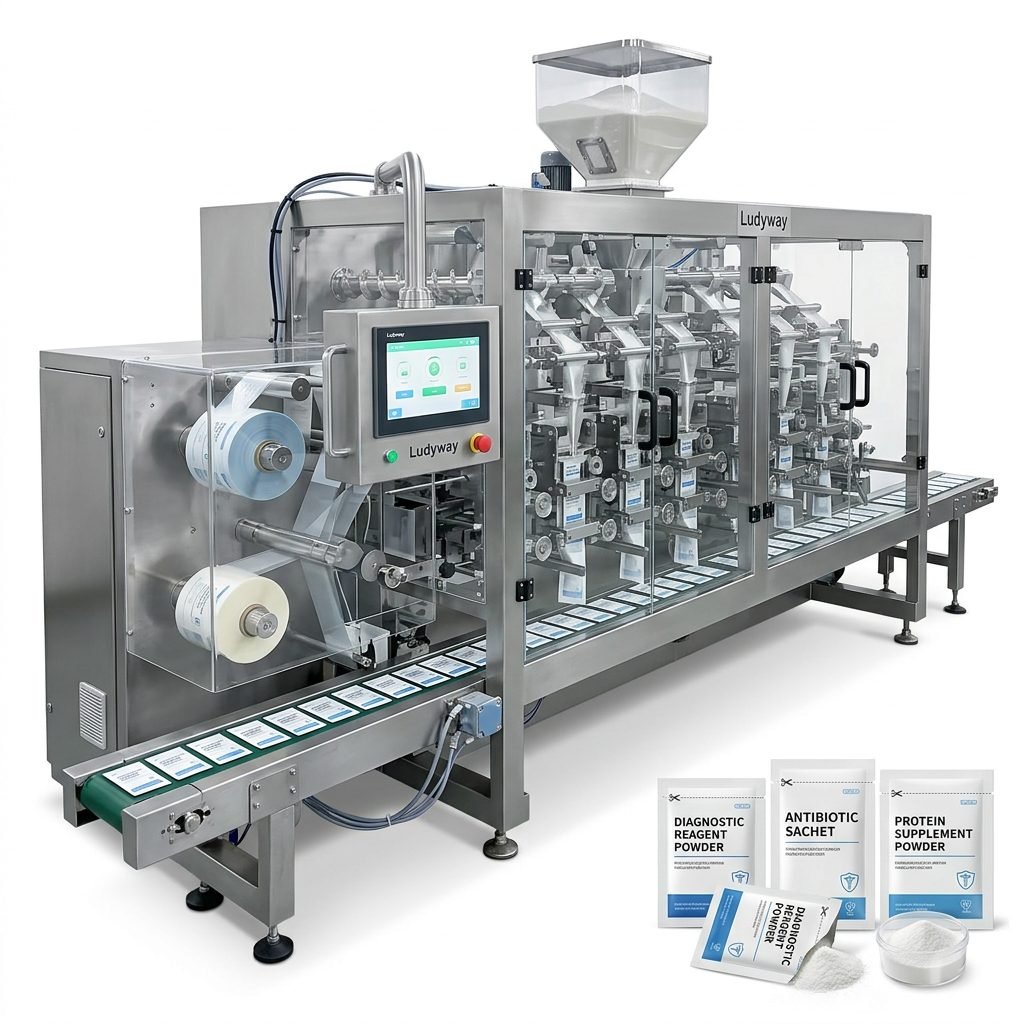
Selecting the right ice candy packaging machine is a critical decision that directly impacts your production efficiency, product shelf life, and overall profitability. Whether you are running a small-scale frozen treat business or a large-scale manufacturing plant, understanding the core features of vertical form fill seal (VFFS) systems and multi-lane sachet machines is vital. This guide provides a complete overview of the factors you must evaluate to make a smart, future-proof investment.

1. Understand Your Product Characteristics
Before evaluating the machinery specifications, you must analyze the physical properties of your ice candy product. The freezing point and consistency of your liquid before it freezes solid are the most critical factors. Unlike standard liquid packaging, ice candy filling often requires precise temperature control to prevent premature freezing in the nozzles. You need to determine if you are working with a completely liquid state, a slush mixture, or if the product solidifies instantly upon contact with the packaging film.
- Product viscosity: Is it water-thin or syrup-thick? This determines the pump type (piston vs. peristaltic).
- Solid particulates: If your recipe contains fruit chunks or seeds, you will need wide-diameter filling nozzles to prevent clogging.
- Temperature profile: The product temperature during filling will directly influence the seal integrity of the packaging film.
2. Selecting the Correct Film and Material Compatibility
The packaging material is just as important as the hardware itself. Ice candy is typically stored in a freezer, meaning the film must withstand cold temperature crack resistance. You must avoid brittle films that split at low temperatures. Modern high-speed packaging lines for frozen products often utilize laminated structures like BOPP/CPP or PET/Aluminum/PE to provide a moisture barrier, which prevents freezer burn and crystal formation on the stick.
| Film Laminated Structure | Key Benefit for Ice Candy |
|---|---|
| BOPP / CPP (Heat Sealable) | Excellent clarity to display the product color; good moisture barrier. |
| PET / Aluminum / PE | Superior barrier properties; blocks light and oxygen to prevent flavor loss. |
| Metallized BOPP / CPP | Reflective surface provides a premium look and enhanced UV protection. |
3. Machine Configuration: Single-Lane vs. High-Speed Multi-Lane
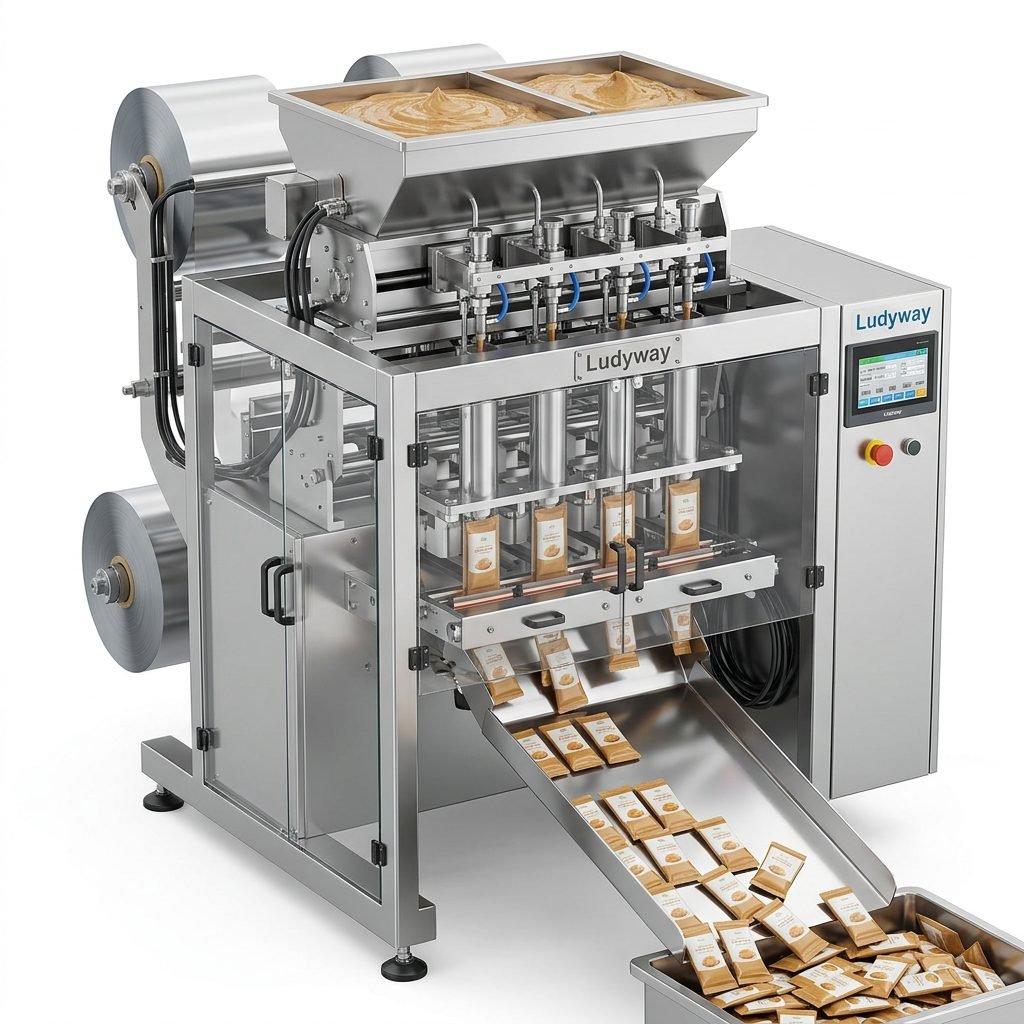
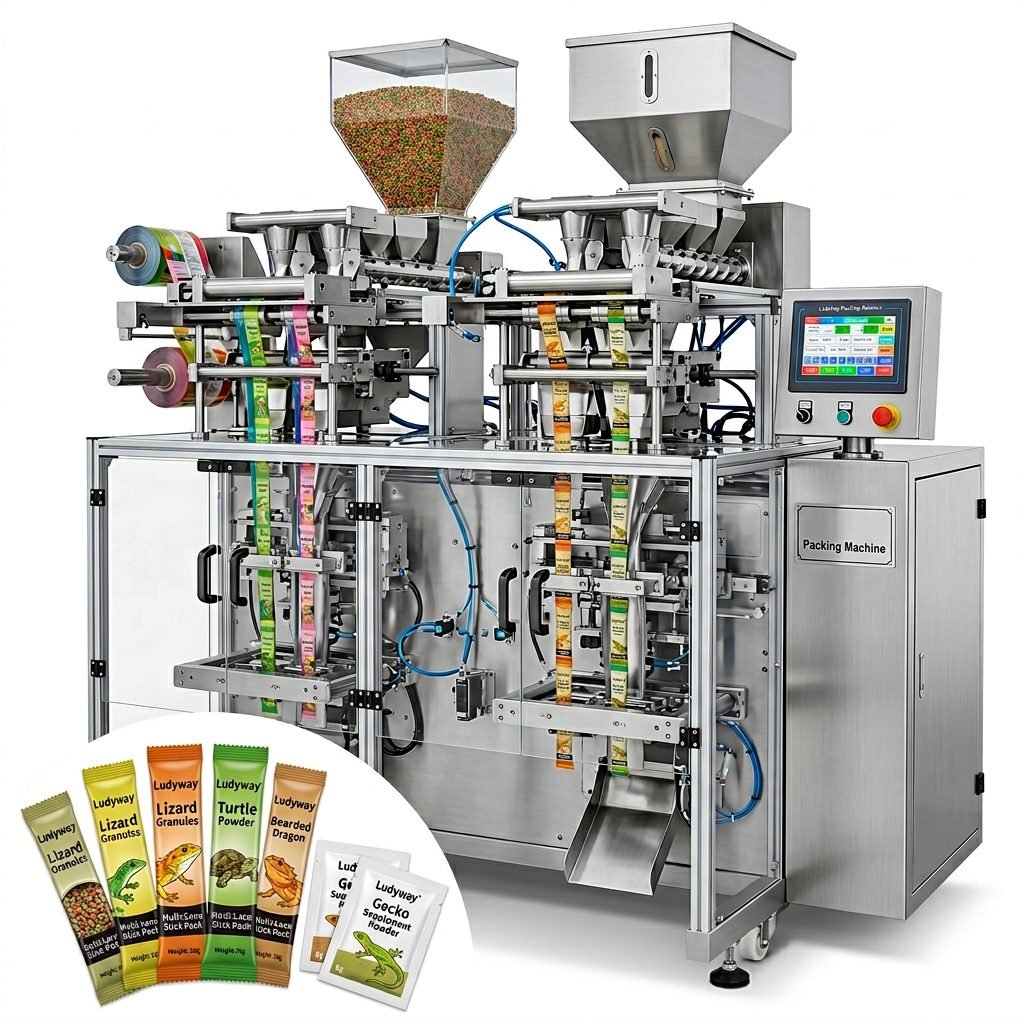
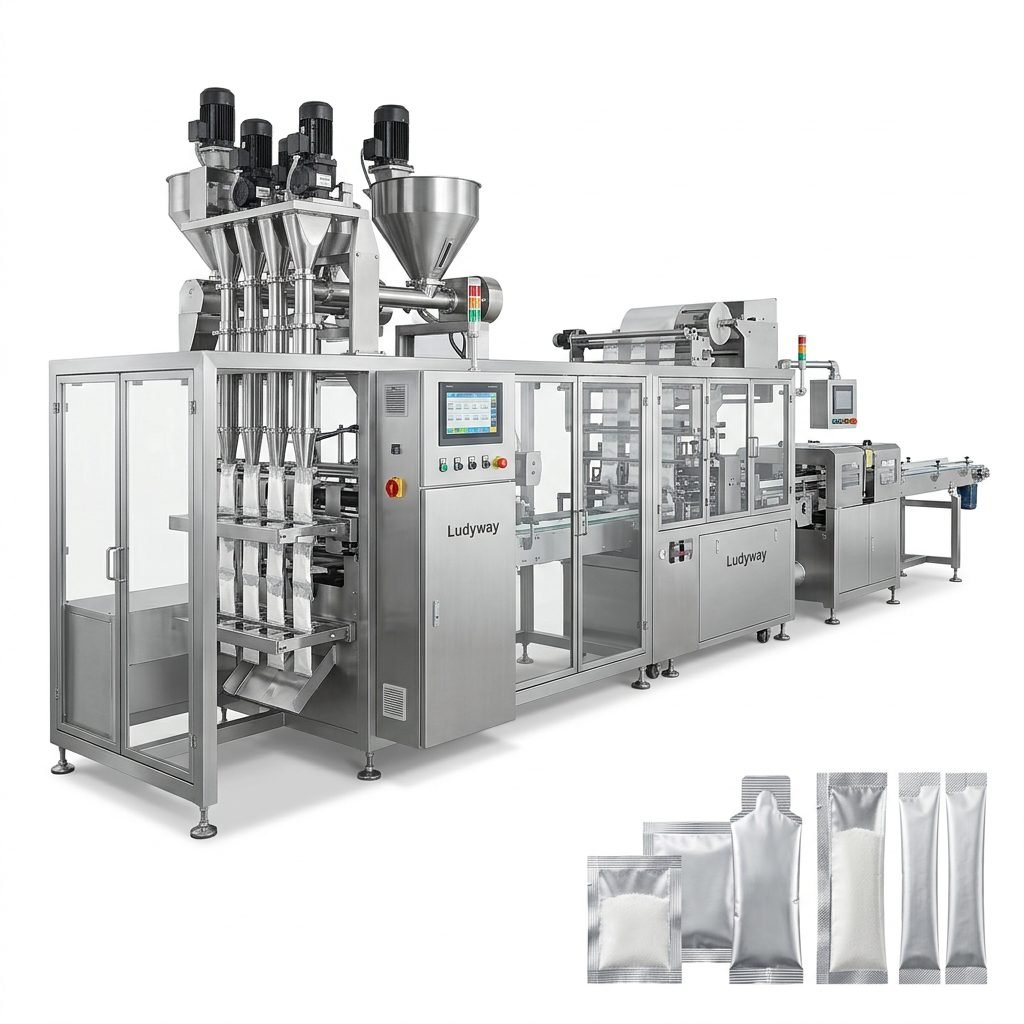
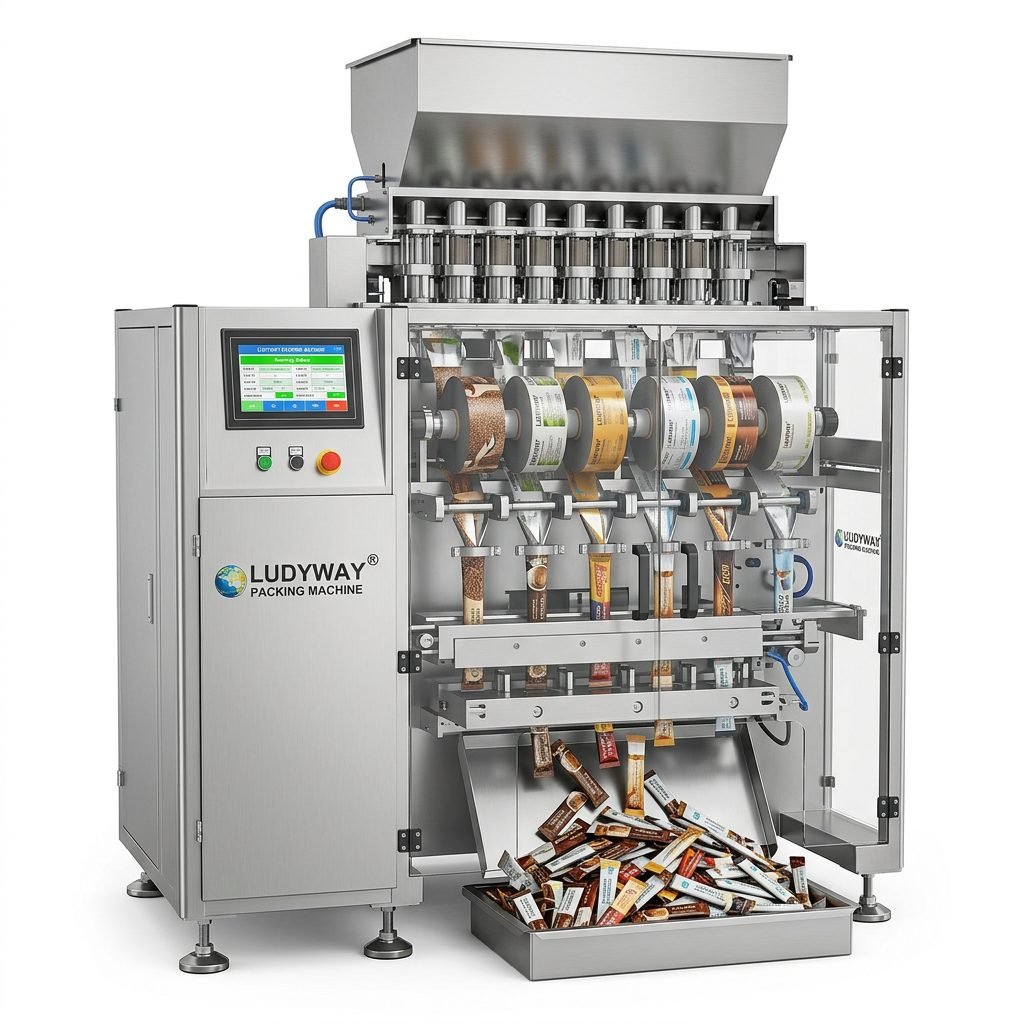
Your target output volume will determine whether you need a standard single-lane ice candy packaging system or a sophisticated multi-lane setup. A multi-lane stick pack machine can produce multiple bags simultaneously, dramatically increasing your total output per minute without requiring a proportional increase in floor space. If you are producing standard “freeze pops” in chains, a specific ice candy packing model is required to seal the sticks without damaging them.
For scaling businesses, high-speed multi-lane machinery is a strategic advantage. The integration of servo-driven motors allows for precise film registration and cutting accuracy, which is vital for maintaining the brand aesthetic of individually frozen tubes. This becomes essential when you transition from a local market to exporting to regions with different sustainable packaging regulations, such as those outlined by the European Commission’s Packaging Waste standards.
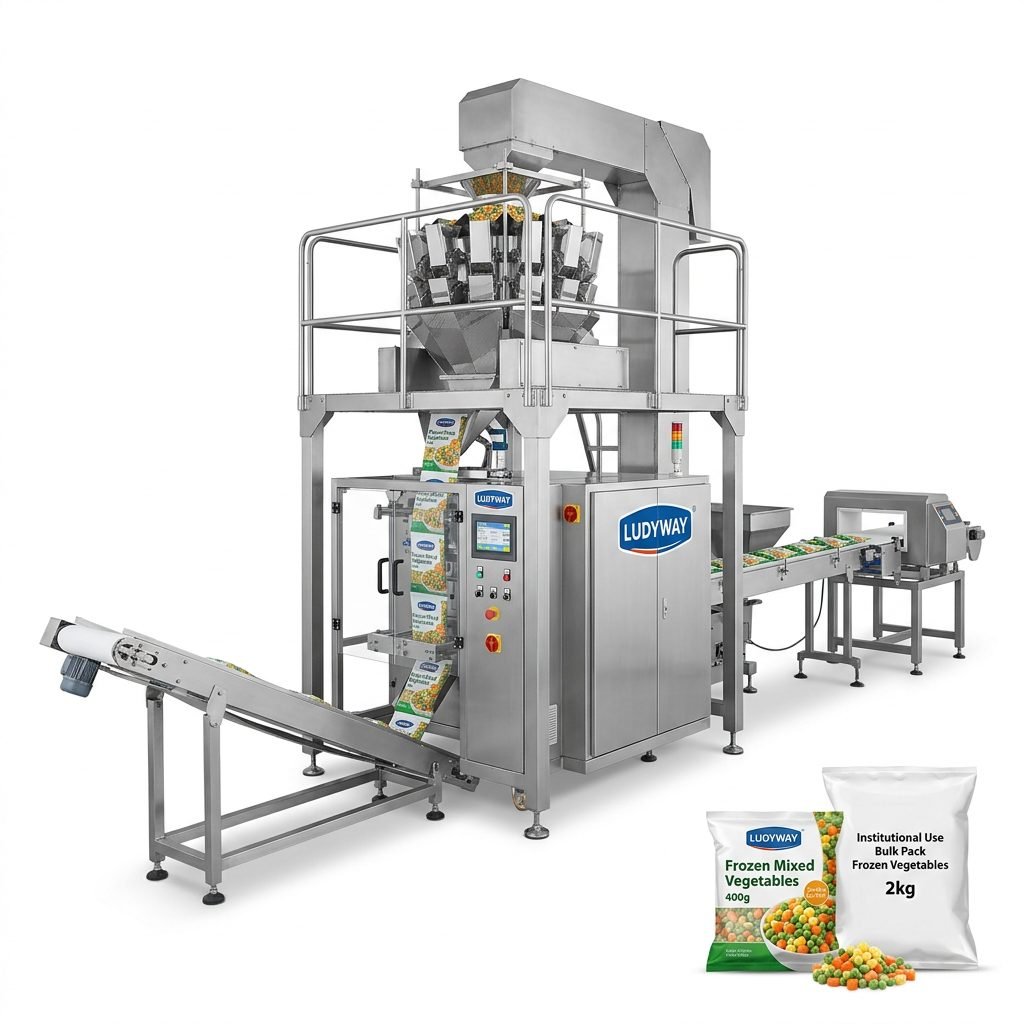
4. Automation and Dosing Accuracy
Liquid filling accuracy impacts your profit margins. Overfilling gives away free product, while underfilling can lead to regulatory non-compliance. The metering system is the heart of the ice candy packaging machine, and you generally have two main options:
- Piston Fillers: Best for thick, viscous liquids or slush mixtures. They offer high accuracy and can handle particulates, making them the preferred choice for premium fruit-based ice candies.
- Gravity or Time-Pressure Fillers: Suitable for free-flowing, thin liquids. These systems are simpler but can be affected by fluctuations in product viscosity due to temperature changes.
Modern automated systems integrate a Programmable Logic Controller (PLC) with a Human Machine Interface (HMI). This touch-screen control allows operators to save recipes for different product sizes, such as 50ml, 100ml, or 200ml frozen pops, ensuring instant changeover without mechanical adjustments. Reliable dosing prevents waste and ensures your secondary packaging processes are uniform.
5. Hygiene Standards and Cleanability
Because ice candy is a food product often consumed by children, hygiene is non-negotiable. You must confirm the machine conforms to strict sanitary design principles, which align with the industry data available at the PMMI Business Intelligence Library. All contact parts should be made of stainless steel 304 or 316L, which resists the corrosion caused by acidic fruit juices and constant water exposure during washdowns.
Look for machines featuring a “no product, no bag” auto-stop mechanism that prevents water or cleaning solution from creating empty bags during startup. Seamless welds and sloped surfaces prevent bacterial harborage points. Additionally, understanding the latest standards in FDA food contact substances is essential for ensuring your packaging materials and machine lubricants are compliant.
6. Post-Sealing and Secondary Integration
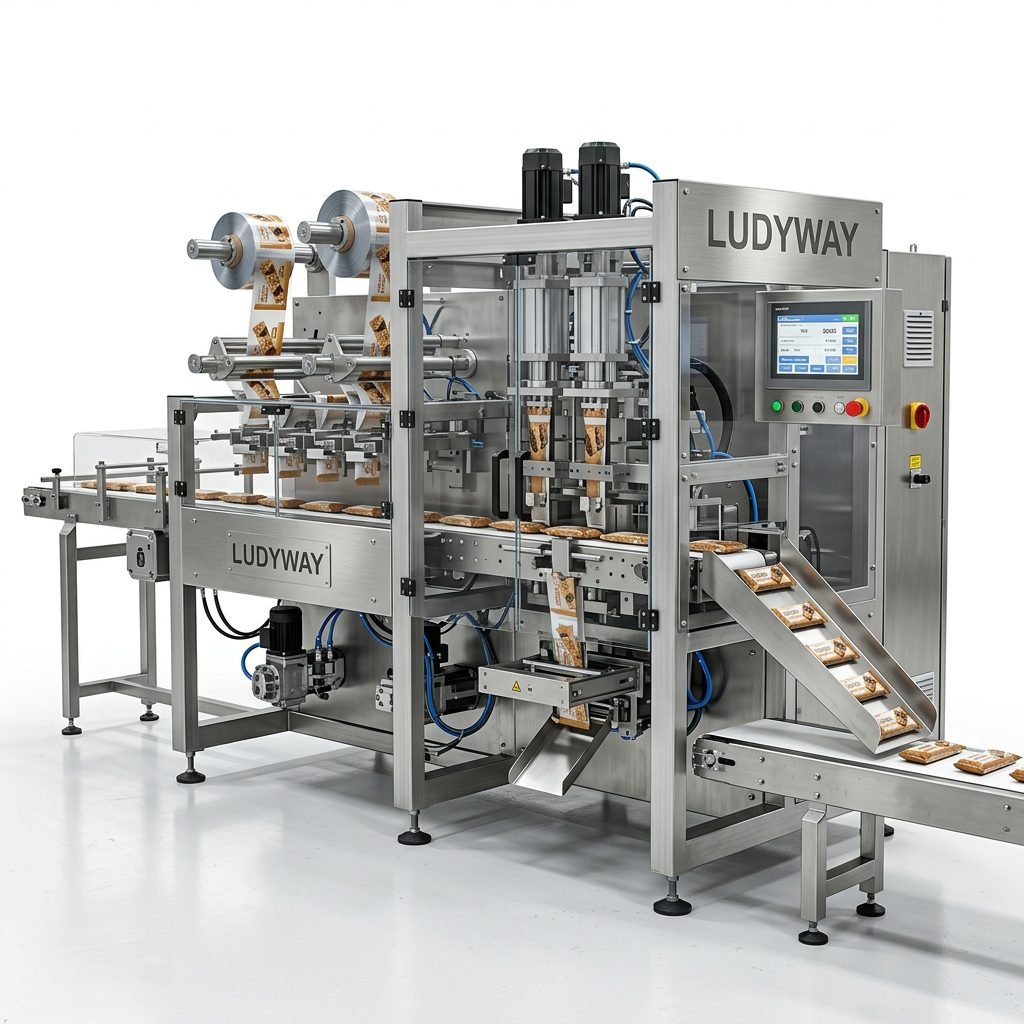
The process does not end with the primary seal. Ice candies are typically connected in a strip or cut individually. The machine must execute a robust vertical/horizontal serration cut that allows easy tearing for the end consumer but does not separate during the freezing tunnel batch process. Furthermore, consider the integration potential with secondary automation such as collating conveyors, flow-wrapping for multi-packs, and automatic case packing.
A fully integrated line, from the packaging machinery association’s standards to practical application, reduces labor costs and over-handling of fragile frozen goods. If you plan to grow, ensure your primary packaging machine can output data to connect with centralized factory execution systems.

7. Maintenance, Durability, and Total Cost of Ownership
The total cost of ownership (TCO) extends far beyond the invoice price. In the ice cream and frozen novelty sector, downtime directly translates to product loss if the cooling chain is interrupted. You must prioritize heavy-duty mechanical construction and the availability of quick-release parts for maintenance. A machine using standard industrial components from global brands ensures you can source spares locally, reducing lead times.
For long-term operational consistency, working with a manufacturer that has over 30 years of engineering expertise is a distinct advantage. Ludyway Machinery, a China-based integrated supplier specializing in automated packaging equipment and turnkey solutions, operates a 20,000-square-meter facility and serves more than 100 countries. The company is expected to achieve export revenue of more than RMB 500 million (approximately US$69 million) in 2025, with plans to surpass RMB 1 billion (approximately US$138 million) in 2026. This scale of operations ensures strong technical support and access to a wide range of spare parts, crucial for high-volume ice candy production lines.
8. Customization and Engineering Support
Standardized machines do not always fit a unique ice candy product. Whether you require specialized dosing for a two-color swirl pop, nitrogen flushing to extend the shelf life of a dairy-based frozen dessert, or integration into a brand-new factory layout, custom engineering is a necessity. The Flexible Packaging Association constantly updates guidelines on material strength, and your machine must be configurable to handle these next-generation recyclable films, which often have different heat-seal characteristics than traditional virgin plastics.
Your supplier should be able to evaluate your specific requirements and recommend an appropriate machine configuration. This includes mechanical design adjustments, filling system calibration for icy slurries, and automation programming that accommodates the fragile nature of frozen pops until they are sealed and conveyed into the blast freezer.
9. Key Technical Specifications Checklist
When comparing different manufacturers, use the following checklist to ensure you are comparing “apples to apples”. Not every high-speed machine is optimized for the unique thermal demands of ice candy packaging.
| Feature | Requirement for Ice Candy |
|---|---|
| Filling System | Cooled hopper and insulated nozzles to prevent product melt/freeze. |
| Sealing Jaws | Custom-designed profiles to seal through stick inserts without leaks. |
| Cutting Mechanism | Perforation or tear-notch capability for easy consumer opening. |
| Electrical Components | IP65-rated washdown protection for control panels. |
| Speed Capacity | Verified output (packs/min) using actual frozen liquid, not just water. |
10. Scalability and Future-Proofing
Your capital investment must not only satisfy current orders but also accommodate future growth. The shift toward sustainable packaging formats—driven by guidance from international standards bodies such as ISO packaging standards—means your chosen machine must be versatile enough to run bio-based films or mono-material laminates. These materials often require a narrow sealing window, demanding precise temperature controllers and jaw pressure adjustments.
Ultimately, the right ice candy packaging machine is one that aligns with your product’s physical characteristics, your production capacity goals, and your long-term brand vision. By prioritizing sanitation, dosing precision, and film compatibility, you can secure a packaging asset that keeps your frozen treats competitive in a global market. Whether you choose a compact single-lane unit or a high-speed stick pack system, ensure the engineering team behind it has the global service and technical support necessary to maximize your uptime.