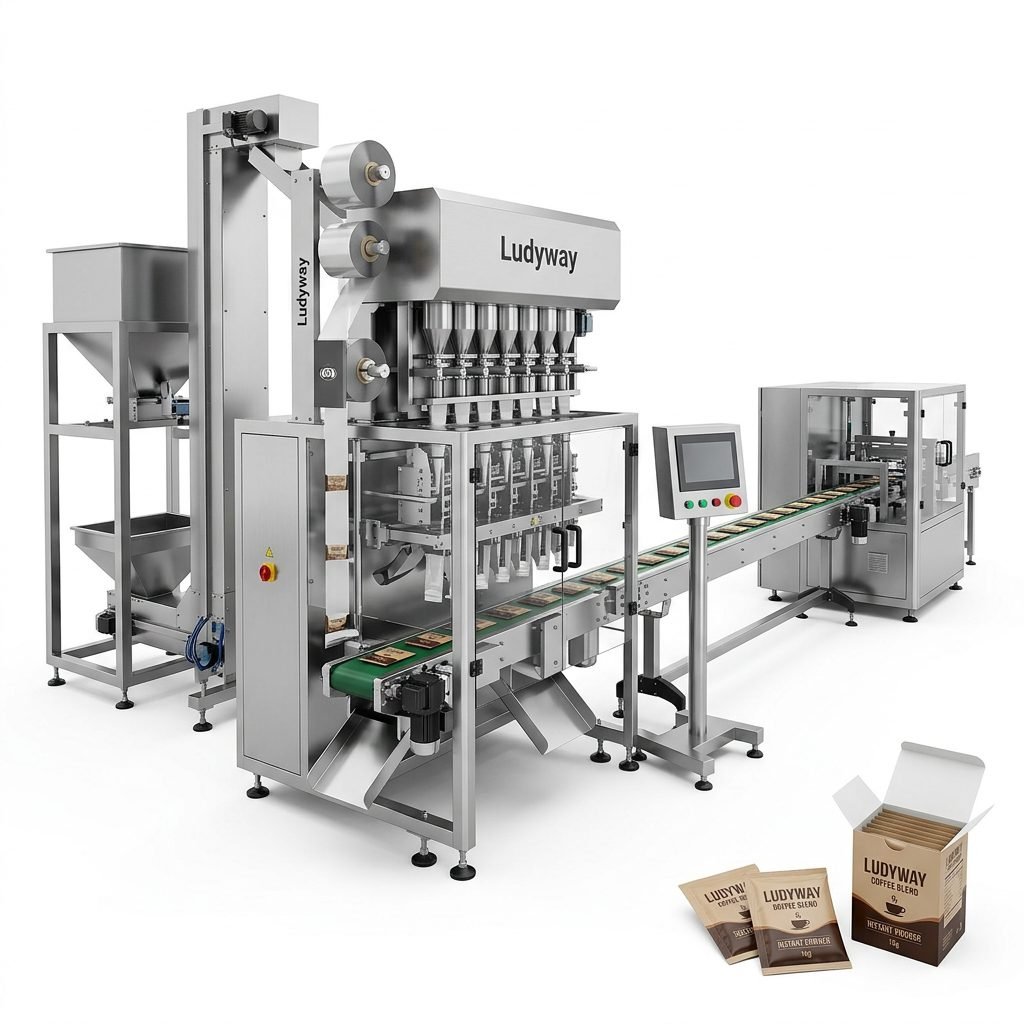
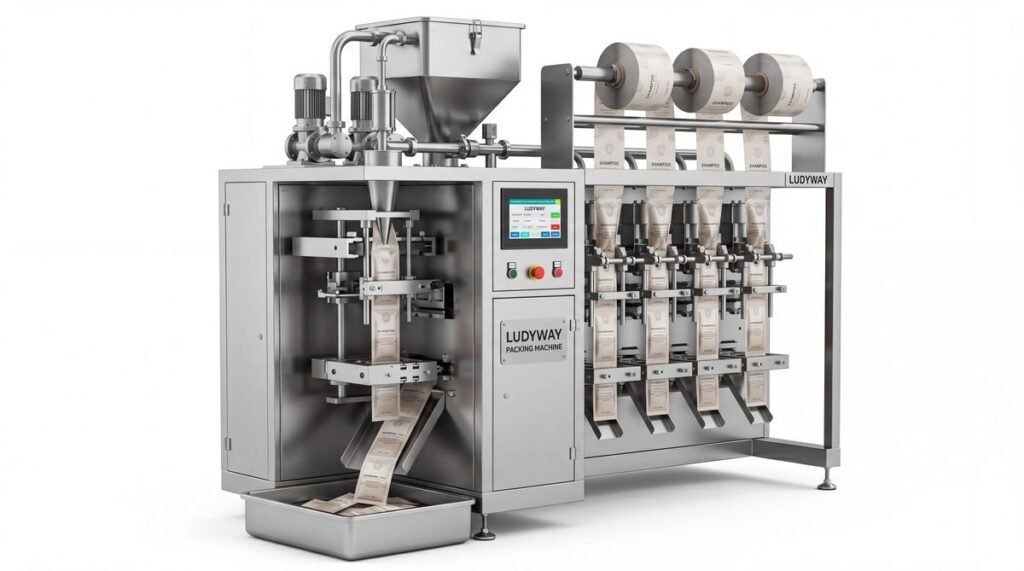
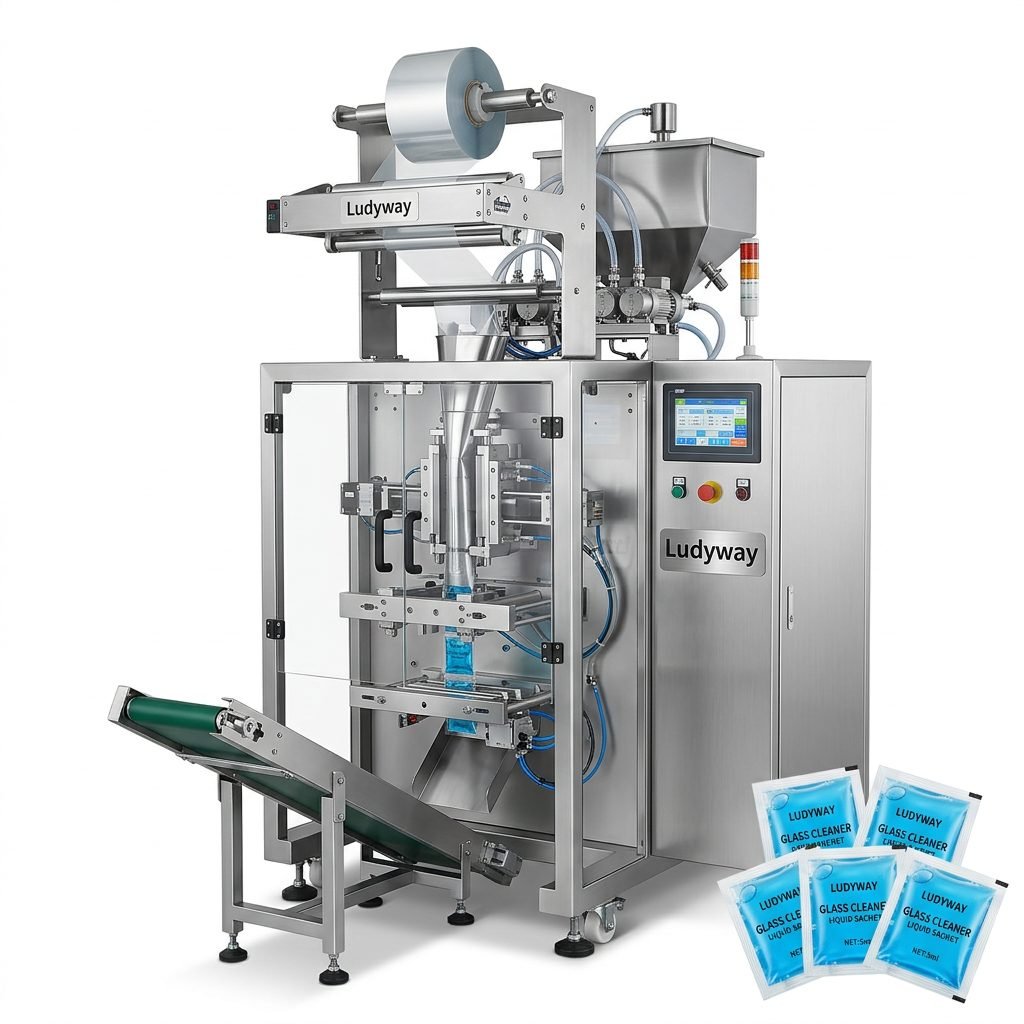
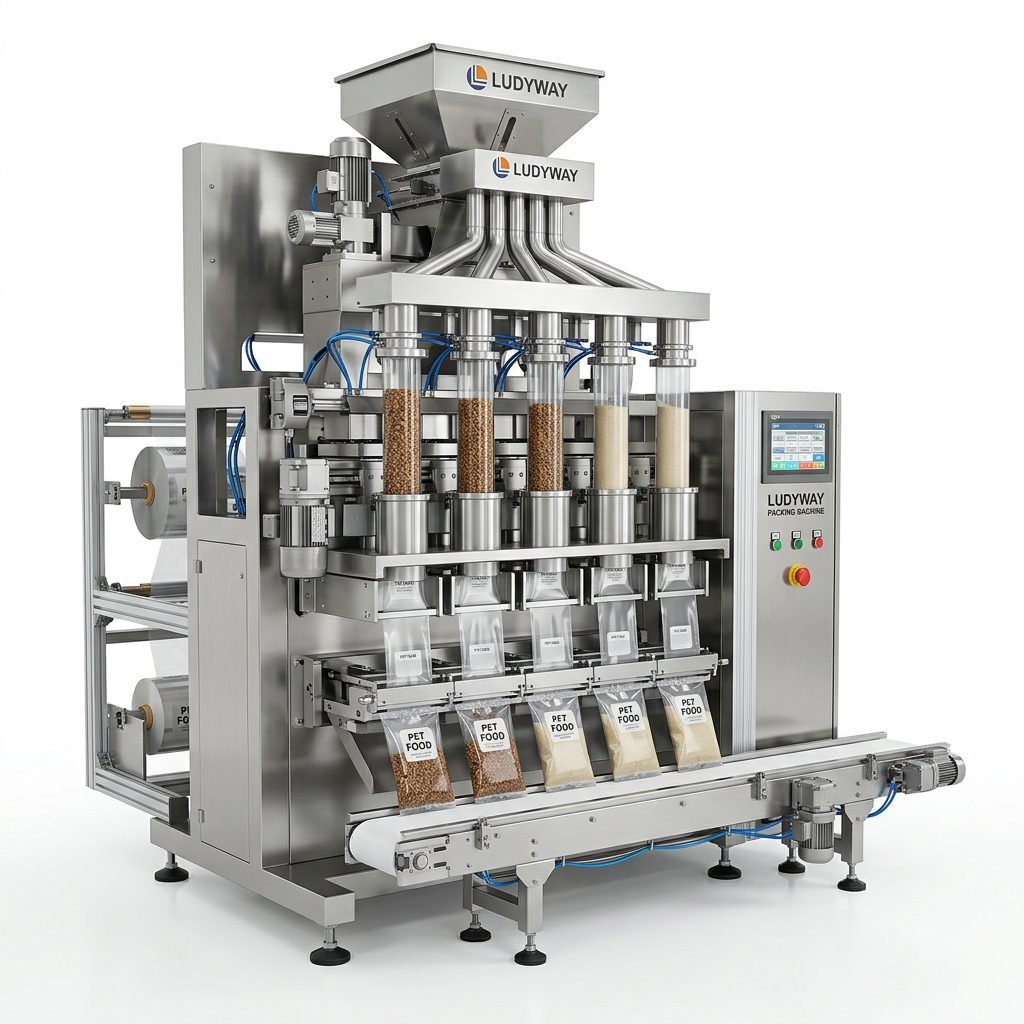
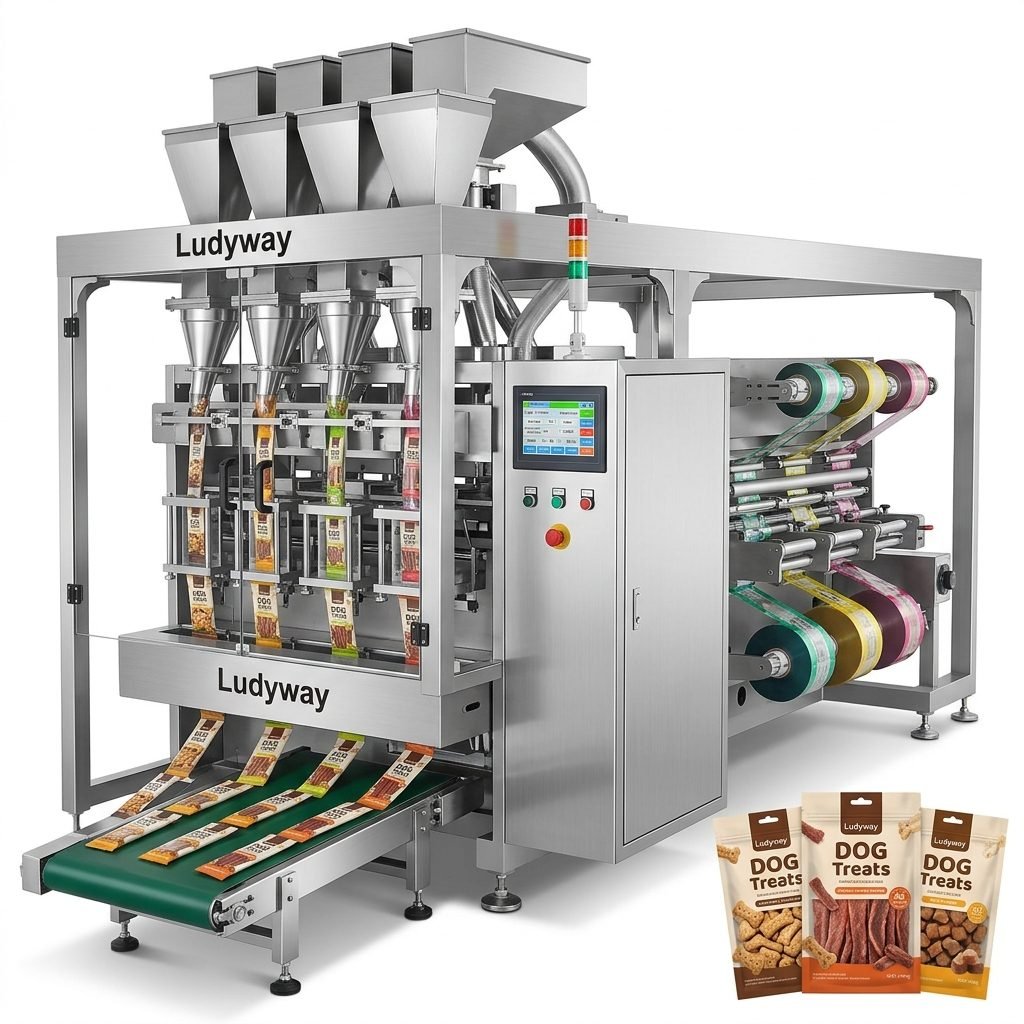
Proper maintenance is the cornerstone of maximizing the lifespan and efficiency of your liquid detergent packaging machine. Neglecting routine care can lead to unplanned downtime, costly repairs, and inconsistent fill accuracy. This guide provides a detailed walkthrough of essential maintenance practices to ensure your equipment operates at peak performance for years to come.
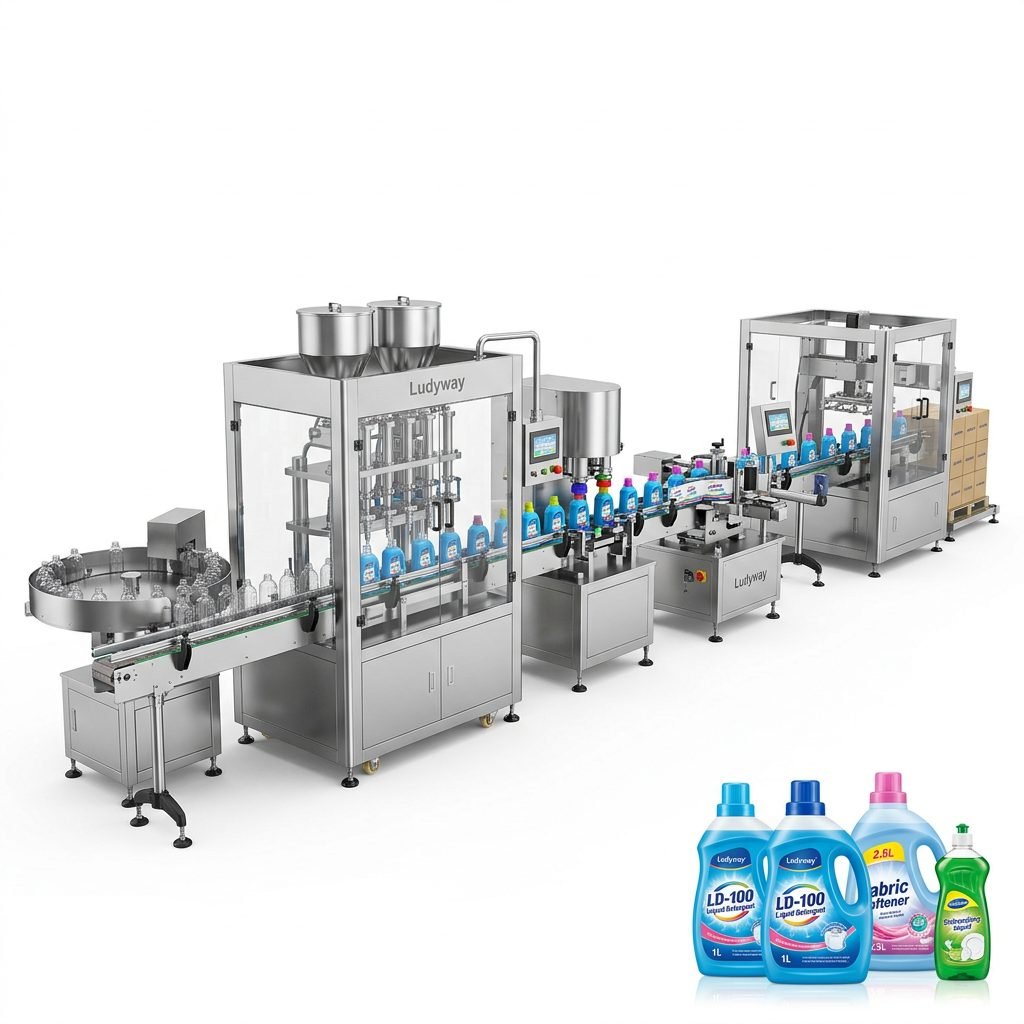
1. Daily Cleaning: The First Line of Defense
Liquid detergents are chemically complex and can leave behind corrosive residues. Establishing a strict daily cleaning protocol is non-negotiable. Focus on surfaces that come into direct contact with the product, particularly the filling nozzles, hoppers, and conveyor belts. Dried detergent can cause blockages and compromise seal integrity.
- Flush the system: Run a cleaning solution through the filling path at the end of each shift to prevent internal build-up.
- Wipe down exteriors: Use a damp cloth with a mild cleaner on stainless steel panels to remove splashes before they dry.
- Inspect the sealing area: Remove any debris from the heating elements and Teflon-coated surfaces to avoid film jams.
2. Weekly Lubrication and Mechanical Checks
Friction is the enemy of high-speed machinery. A scheduled weekly lubrication routine ensures that moving parts operate smoothly. Always refer to the manufacturer’s manual for the recommended grease types, as using incorrect lubricants can attract dust and accelerate wear on critical components like gears and chains.
During lubrication, physically check for loose bolts or unusual vibrations. Early detection of a loose chain tensioner can prevent a catastrophic system failure.
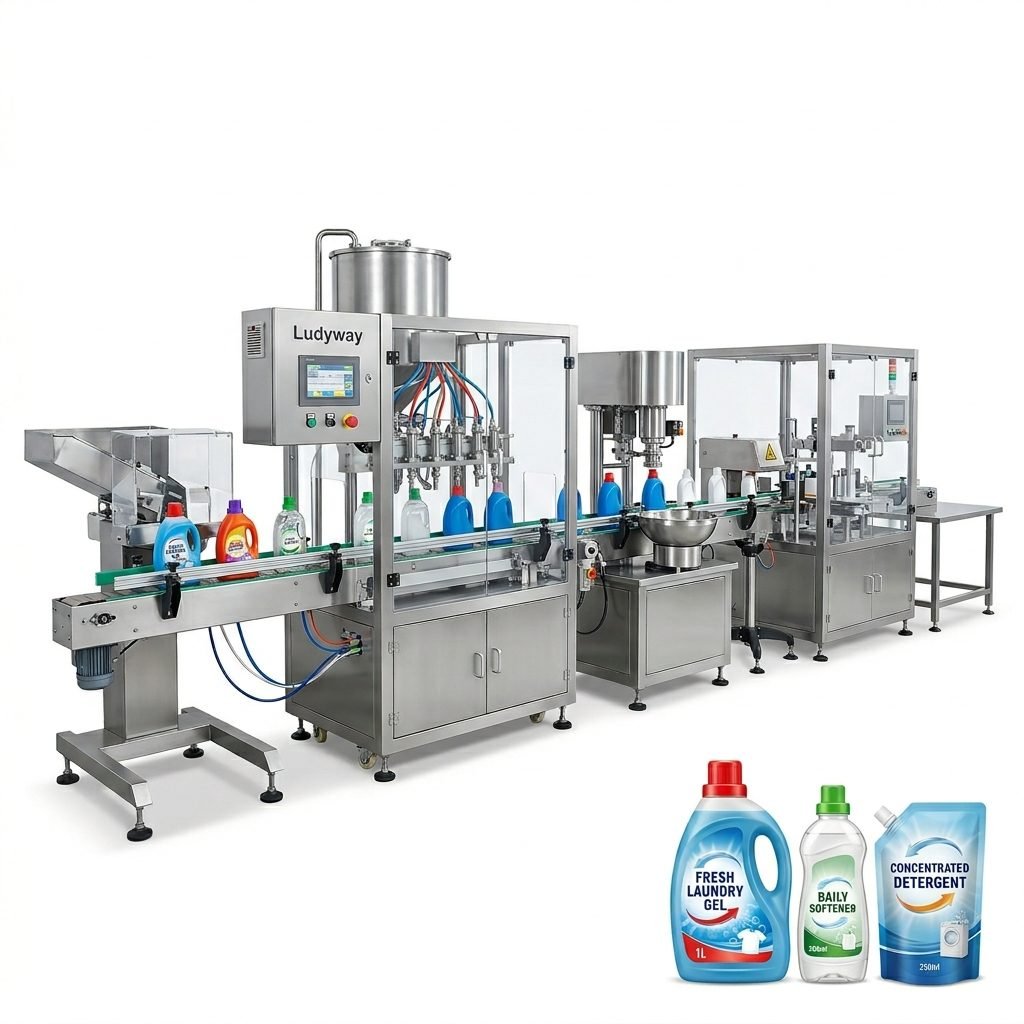
Key Mechanical Points
- Lubricate cam followers, linear bearings, and drive chains according to hour-meter readings.
- Inspect the condition of vacuum belts and timing belts.
- Verify that pneumatic air filters are draining properly and pressure is stable.
3. Monthly Sensor and Electrical System Calibration
Modern packaging machines rely heavily on photoelectric cells, temperature controllers, and servo motors. Monthly inspections should prioritize these delicate parts. Dust accumulation on sensors can cause false readings, leading to misaligned cuts or empty pouches.
| Component | Maintenance Action | Frequency |
|---|---|---|
| Thermocouples | Clean tips and verify temperature accuracy | Monthly |
| Photoelectric sensor | Wipe lens with alcohol and test registration | Monthly |
| Servo drive | Check for error codes and dust buildup on cooling fans | Monthly |
4. Quarterly Vertical Sealer and Film Path Adjustments
The vertical sealing mechanism is often the source of leaks or wrinkles. Over time, heat settings drift and Teflon tapes wear out. A quarterly deep-dive into the film tracking system ensures high-quality bag appearance and strong seals. Look for carbonized residue on the sealing jaws, as this acts as an insulator and reduces heat transfer.
Replace worn Teflon strips and knife blades proactively rather than waiting for them to fail. This keeps your liquid detergent packaging machine running with pristine cut quality.
5. Fluid Handling and Pump Overhaul
Liquid detergents, especially concentrated formulas, can degrade rubber gaskets and O-rings. Schedule a pump maintenance day every six months to replace consumable seals. For piston pumps, check the cylinder walls for scoring. For peristaltic pumps, rotate or replace the tubing to maintain ±1% fill accuracy.
- Check suction pipes for stiffness or cracks.
- Clean the product tank level sensors to avoid overflow alarms.
- Recalibrate the servo-driven dosing system if batch weight variations exceed tolerances.
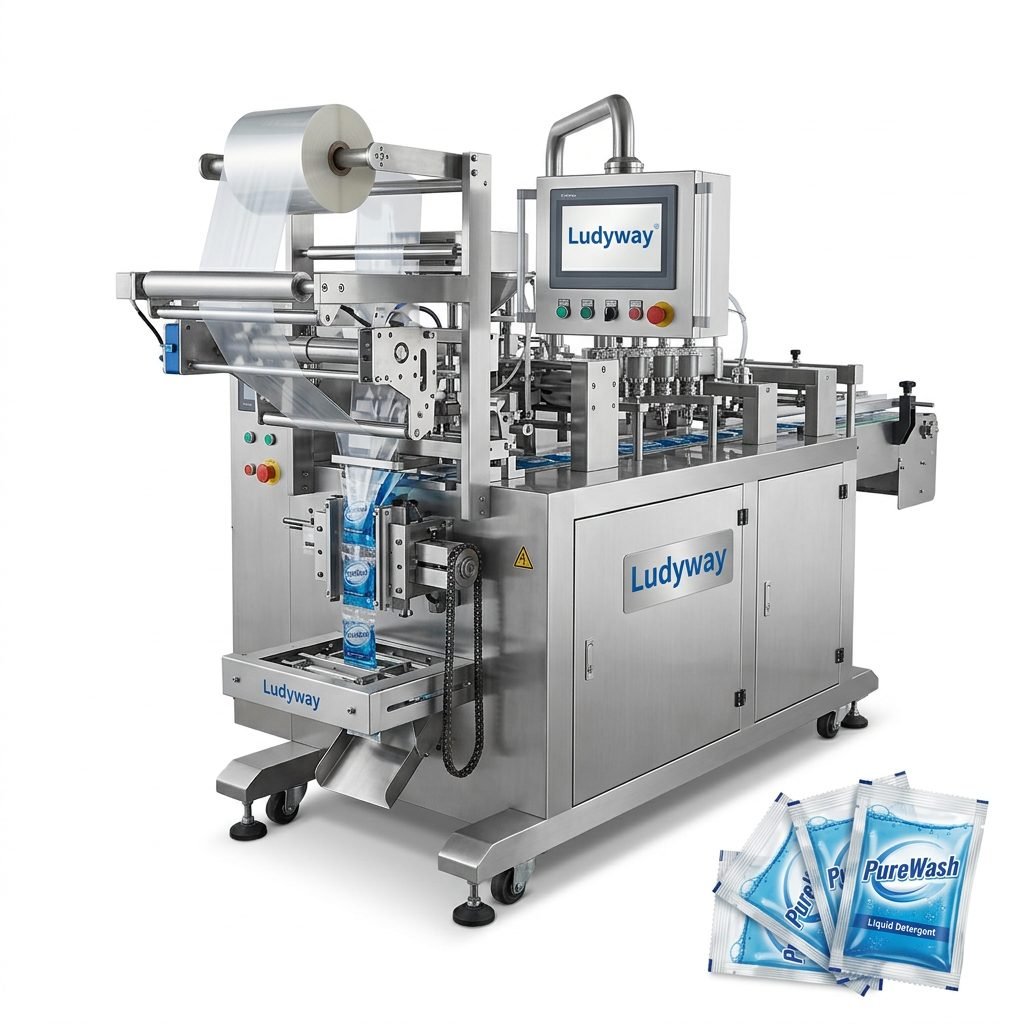
6. Software, Data Backup, and HMI Care
Do not overlook the “brain” of your operation. Humidity and vibration can corrupt files. Periodically back up machine parameters and recipes to an external drive. Clean the HMI screen with a dry microfiber cloth to prevent touch calibration drift, and ensure the control cabinet’s cooling fans are operational to prevent CPU overheating.
7. Training and Standard Operating Procedures (SOPs)
The best maintenance schedule fails if operators bypass steps. Create clear visual SOPs and train staff to recognize early warning signs like unusual noises or slight drops in packaging speed. A well-trained operator is the most valuable diagnostic tool.
Partnering with Reliable Experts
For complex electrical diagnostics or major overhauls, partnering with a qualified service provider is crucial. Established firms with deep engineering expertise, like Ludyway, which has been a leading force among packaging machine manufacturers with over 30 years of experience and a 20,000㎡ modern facility, can offer tailored maintenance contracts and genuine spare parts. Their service network ensures that your automated systems deliver high performance and operational efficiency across food, pharmaceutical, and chemical sectors globally.
Following this structured maintenance plan will safeguard your investment, ensuring that your liquid detergent packaging machine continues to deliver speed, accuracy, and reliability.