A commercial vacuum packaging machine is one of the most practical investments for businesses that need longer shelf life, better product protection, and cleaner presentation. From food processing plants and central kitchens to pharmaceutical and health supplement facilities, vacuum packaging helps reduce oxidation, control moisture exposure, and improve storage efficiency.
For buyers comparing equipment, the right choice depends on product type, packaging volume, sealing quality, automation level, and long-term operating cost. This guide explains how these machines work, their main benefits, the most important features to compare, and how to select the best model for your production goals.

What Is a Commercial Vacuum Packaging Machine?
A commercial vacuum packaging machine removes air from a package before sealing it. By lowering the oxygen level inside the bag or pouch, it helps preserve the product and protect it from external contamination. Vacuum packaging is widely used for meat, seafood, cheese, ready meals, snacks, dry ingredients, medical items, and industrial components.
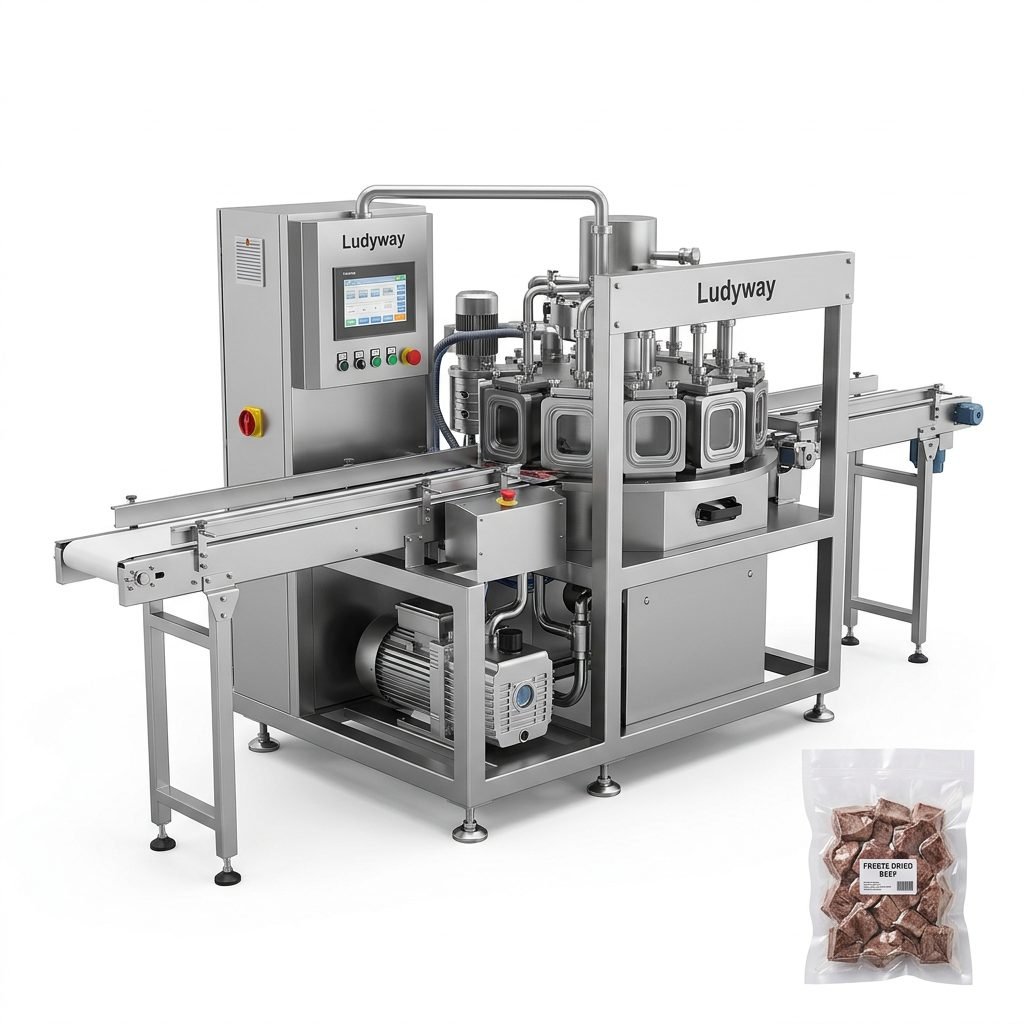
Unlike household machines, commercial units are designed for continuous production, stronger vacuum performance, more reliable seals, and larger packaging capacity. They may be built as chamber machines, external suction machines, thermoforming systems, or fully integrated packaging line solutions.
Common industries using vacuum packaging
- Food processing and prepared meals
- Frozen and freeze-dried products
- Pharmaceutical and medical supply packaging
- Health supplements and nutraceuticals
- Pet food and pet treat packaging
- Electronic and industrial component protection
How a Vacuum Packaging Machine Works
The basic process is simple, but machine precision makes a major difference in packaging quality:
- The product is placed in a vacuum bag or formed package.
- Air is extracted from the package or chamber.
- The target vacuum level is reached.
- The package is heat sealed.
- In some applications, gas flushing or modified atmosphere packaging may be added.
The result is a tightly sealed pack that looks professional and supports storage, handling, shipping, and shelf-life management more effectively than standard sealing alone.
Key Benefits of Commercial Vacuum Packaging
1. Longer shelf life
By removing oxygen, vacuum packaging slows spoilage, rancidity, and microbial growth conditions for many products. This is especially valuable for fresh food, processed meat, seafood, cheese, coffee, and powdered products.
2. Better product protection
Vacuum-sealed packs create a more stable environment against dust, moisture, and external contamination. This improves hygiene and supports stricter quality standards.
3. Improved storage and logistics
Packages with less trapped air are more compact, making them easier to stack, store, and transport. Businesses can reduce wasted warehouse space and improve carton efficiency.
4. Stronger retail appearance
A neat vacuum package gives products a cleaner and more premium look. For retail brands, this can improve shelf appeal and consumer confidence.
5. Reduced product waste
Better sealing and preservation help reduce spoilage, leakage, and returns. Over time, this can have a measurable impact on profitability.
| Benefit | Business Impact |
|---|---|
| Shelf-life extension | Lower spoilage and better inventory control |
| Tighter pack structure | Improved transport and storage efficiency |
| Reliable sealing | Fewer leaks and stronger package integrity |
| Cleaner presentation | Better branding and retail appeal |
| Protection from contaminants | Improved hygiene and product stability |
Main Types of Commercial Vacuum Packaging Machines
Chamber vacuum packaging machines
These are among the most common options for commercial use. The product is placed inside a chamber, air is removed from the chamber and package together, and then the bag is sealed. They are well suited for food plants, butcher shops, seafood processors, and industrial production environments.
External vacuum sealers
These machines keep the bag outside the unit while drawing air from the open end. They are usually more suitable for lighter-duty or lower-moisture applications.
Thermoforming vacuum packaging machines
For large-scale operations, thermoforming systems create the package from rollstock film, fill the product automatically, vacuum seal it, and cut the final packs. These systems are ideal for high-output industrial production.
Vacuum skin packaging systems
These systems tightly conform the top film around the product, offering premium product visibility and strong presentation, often used for meat, seafood, and ready-to-cook products.
Best Features to Look For Before Buying
Vacuum pump quality
The vacuum pump is the core of machine performance. A reliable pump supports faster evacuation, stable cycle times, and consistent packaging quality. Buyers should check pump brand, maintenance requirements, and expected service life.
Seal strength and seal width
A strong seal is essential for preventing leakage and maintaining package integrity. For products with moisture, oil, or powder residue, dependable sealing performance becomes even more important.
Chamber size or package range
Machine dimensions should match your product sizes and bag formats. If you package multiple SKUs, choose a machine that supports flexible changeovers.
Cycle speed
For medium- or high-volume manufacturing, packaging speed directly affects labor efficiency and throughput. Compare real cycle performance, not only theoretical capacity.
Control system and user interface
A touchscreen HMI, recipe storage, alarm display, and parameter memory can simplify operation and reduce training time.
Gas flushing option
Some products benefit from modified atmosphere packaging rather than full vacuum. If your products are delicate or require a specific gas mix, this feature may be valuable.
Material and hygiene design
For food and pharmaceutical production, stainless steel construction, smooth surfaces, and easy-clean structures support sanitation and compliance.
Integration capability
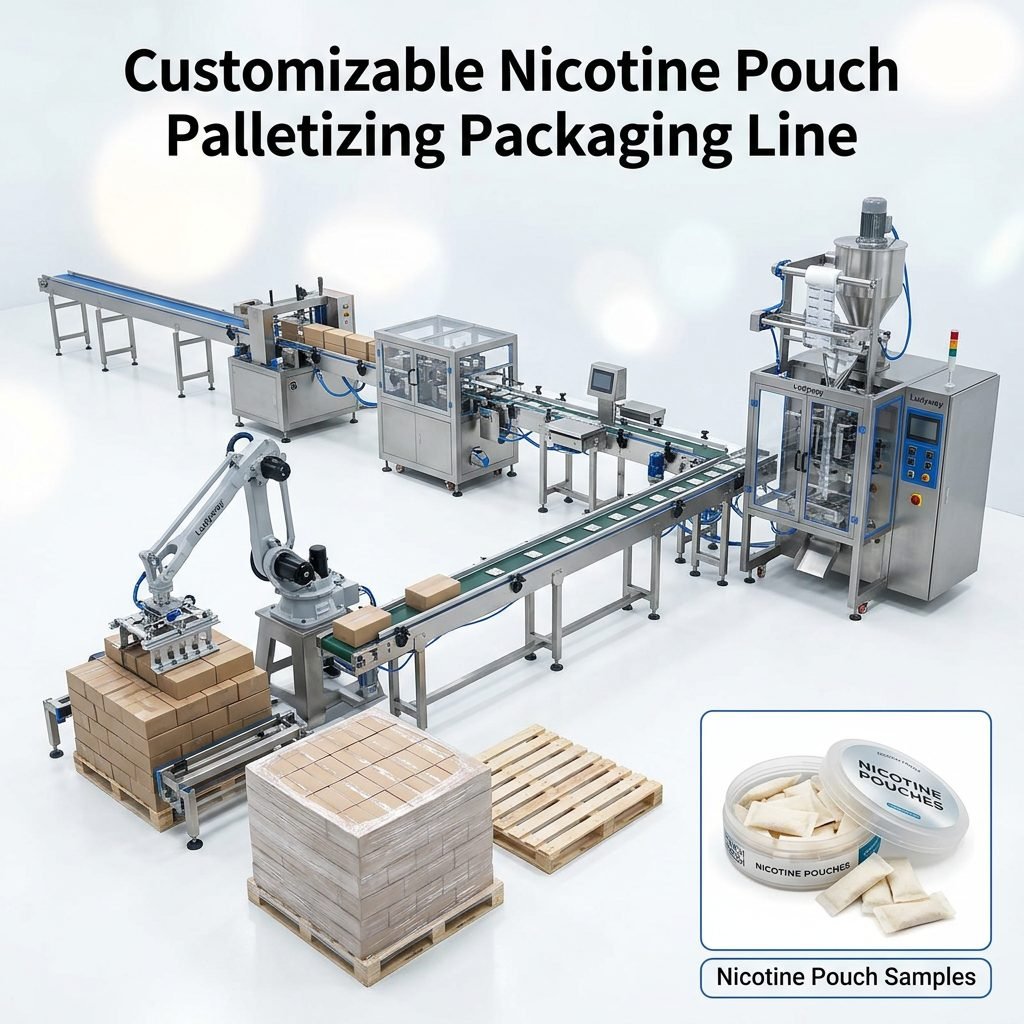
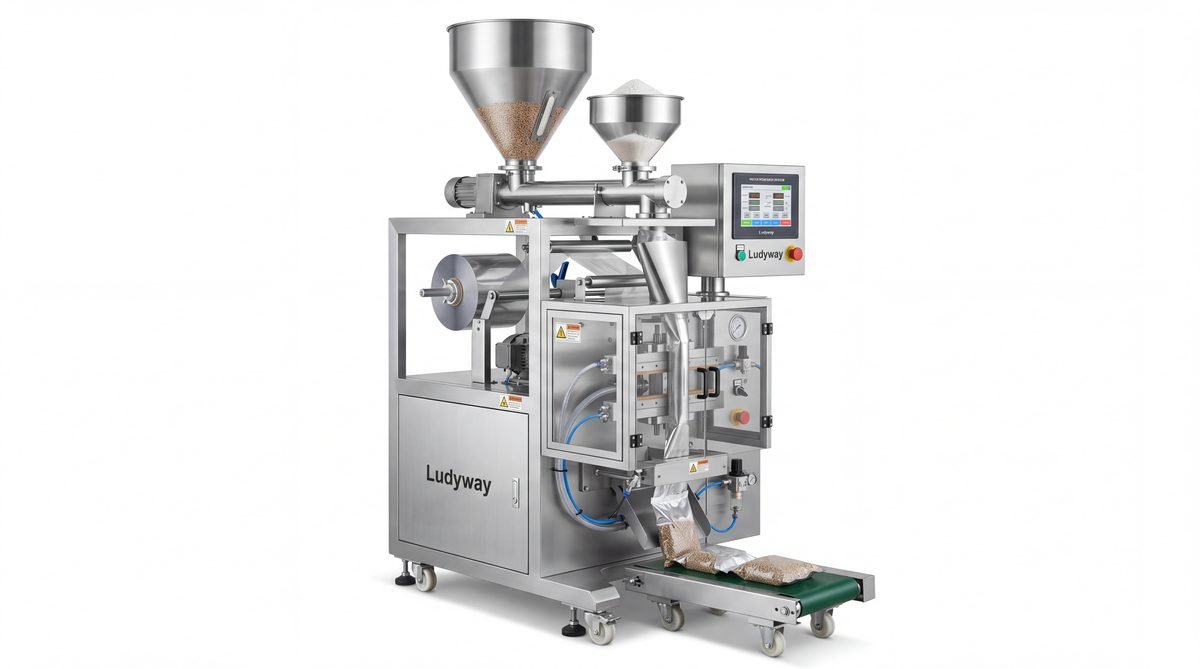
If you need a complete line, look for a machine that can connect with filling, conveying, labeling, coding, checkweighing, cartoning, or palletizing systems.
| Feature | Why It Matters | Best For |
|---|---|---|
| High-performance vacuum pump | Faster cycles and stable vacuum level | Continuous production lines |
| Wide and reliable sealing system | Reduces package failure risk | Liquid, moist, and powder products |
| Programmable controls | Easy adjustment and repeatability | Multi-product factories |
| Stainless steel hygienic build | Improves cleaning and compliance | Food and pharma applications |
| Line integration support | Supports automation growth | Expanding manufacturers |
How to Choose the Right Machine for Your Business
Understand your product characteristics
Start by reviewing whether your product is solid, powder, granule, liquid-assisted, fragile, oily, or temperature-sensitive. Different products require different bag materials, vacuum settings, and seal designs.
Estimate your production volume
A low-volume workshop may only need a single-chamber machine, while an industrial plant may require double-chamber or fully automatic systems for high throughput.
Check packaging material compatibility
Your machine should work smoothly with the bag or film structure you plan to use. Film thickness, sealing layer, barrier performance, and bag dimensions all matter.
Consider future automation needs
A machine that fits today’s order volume but cannot be upgraded may limit future growth. Buyers should think beyond short-term demand.
Evaluate maintenance and service support
Machine reliability is not only about hardware. Spare parts supply, remote support, documentation, and technical guidance all influence total ownership value.
Buyer’s Checklist
- What products will be vacuum packed?
- What bag sizes and materials will be used?
- What output per hour is required?
- Do you need gas flushing or only vacuum sealing?
- Will the machine run as standalone equipment or in a full line?
- What cleaning and hygiene standards are required?
- How easy is operation and changeover?
- What after-sales support is available?
Applications That Benefit Most from Vacuum Packaging
Some of the strongest use cases for commercial vacuum packaging include:
- Fresh and processed meat: improves shelf life and presentation
- Seafood: helps preserve freshness during cold chain transport
- Cheese and dairy: reduces exposure to air and moisture changes
- Coffee and dry foods: protects aroma and product quality
- Health supplements: supports clean, controlled packaging
- Pharmaceutical items: helps with product protection and packaging integrity
- Freeze-dried products: maintains dryness and storage stability
Common Mistakes Buyers Should Avoid
- Choosing a machine based only on price rather than long-term performance
- Ignoring seal quality when packaging moist or powdery products
- Buying a unit without enough chamber space or throughput margin
- Overlooking maintenance access and spare parts availability
- Failing to confirm compatibility with current packaging materials
- Not planning for future line integration or expansion
Why Manufacturer Experience Matters
When purchasing industrial packaging machinery, supplier capability is as important as machine specifications. An experienced manufacturer can help with machine selection, application testing, customization, layout planning, and long-term technical support.
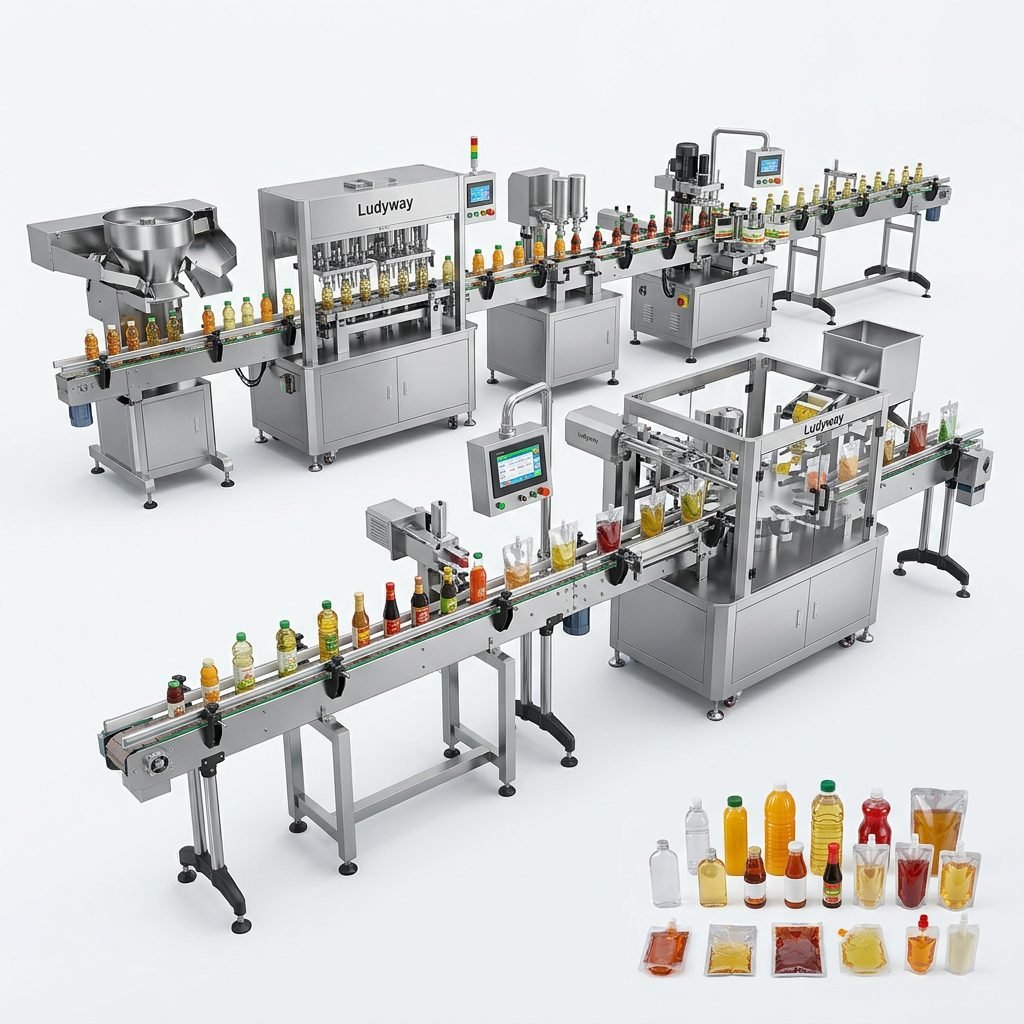
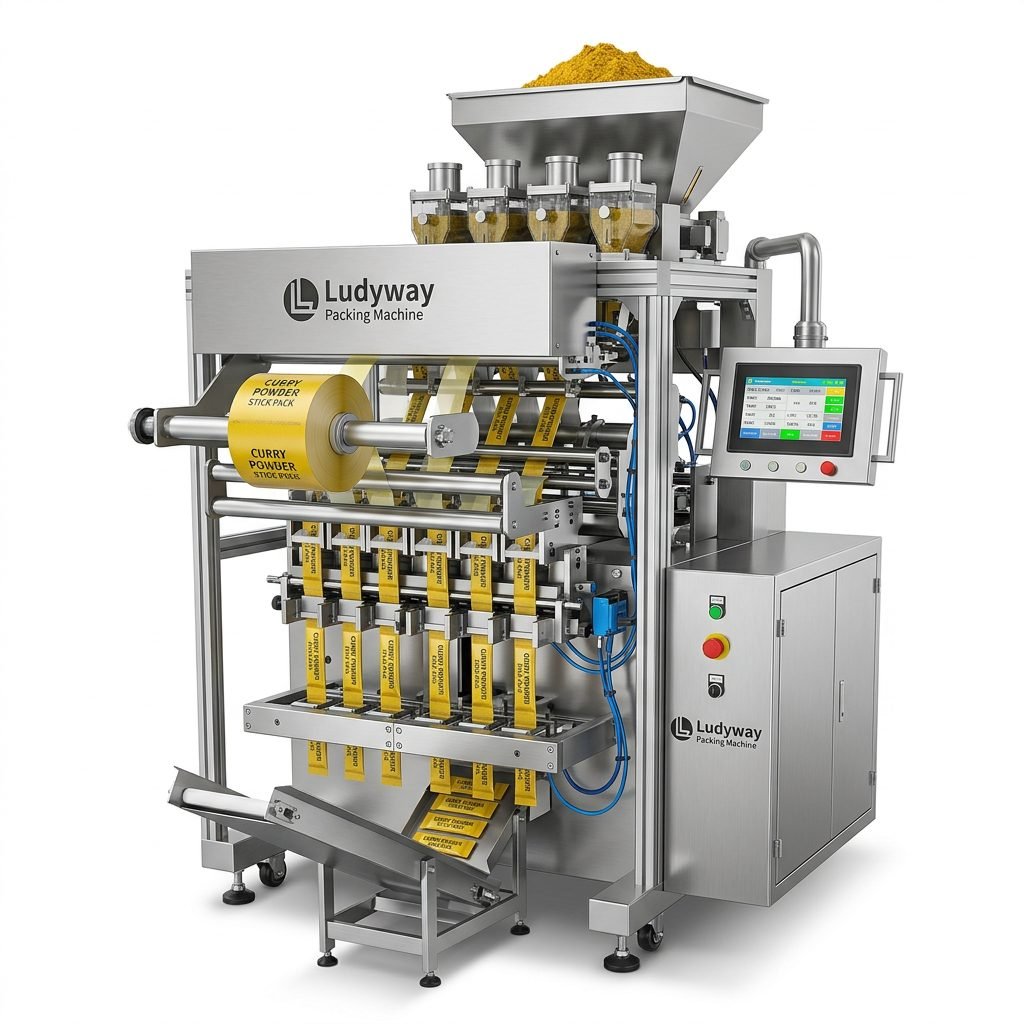
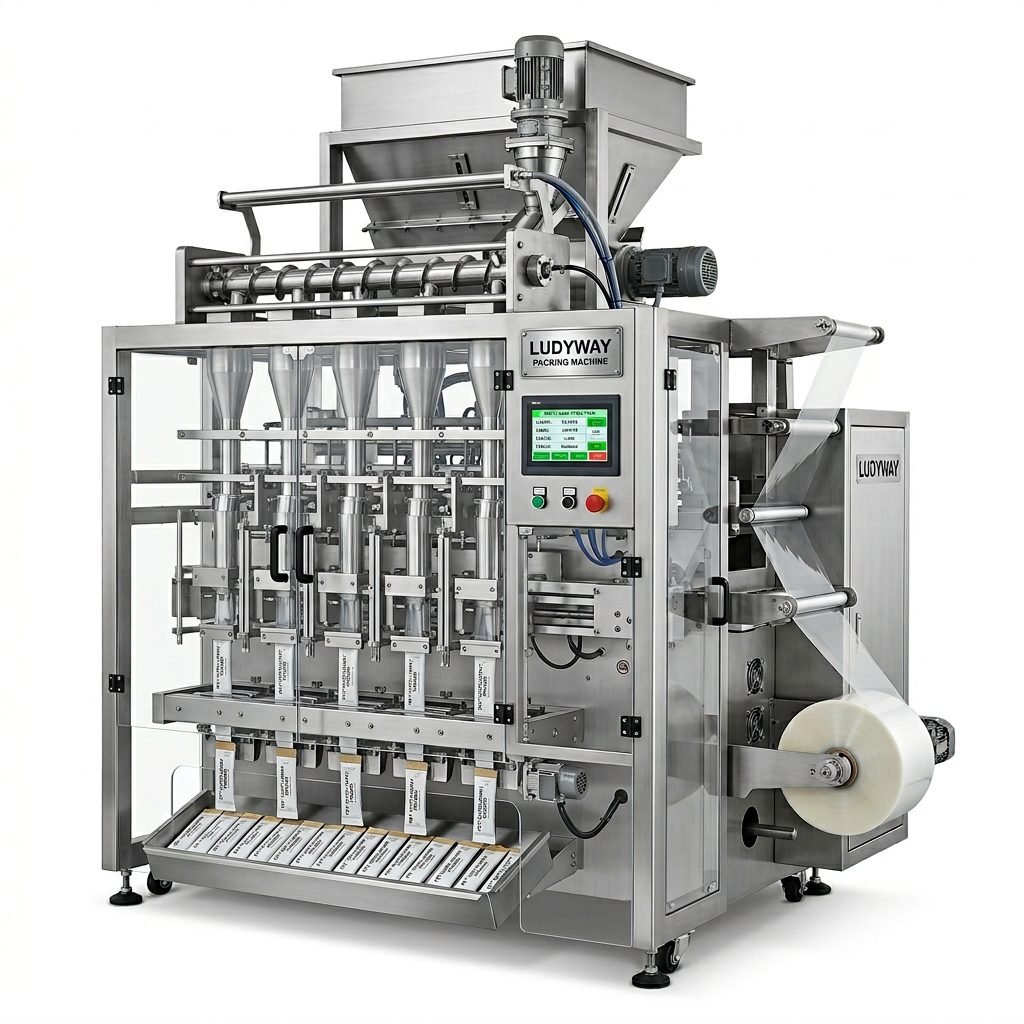
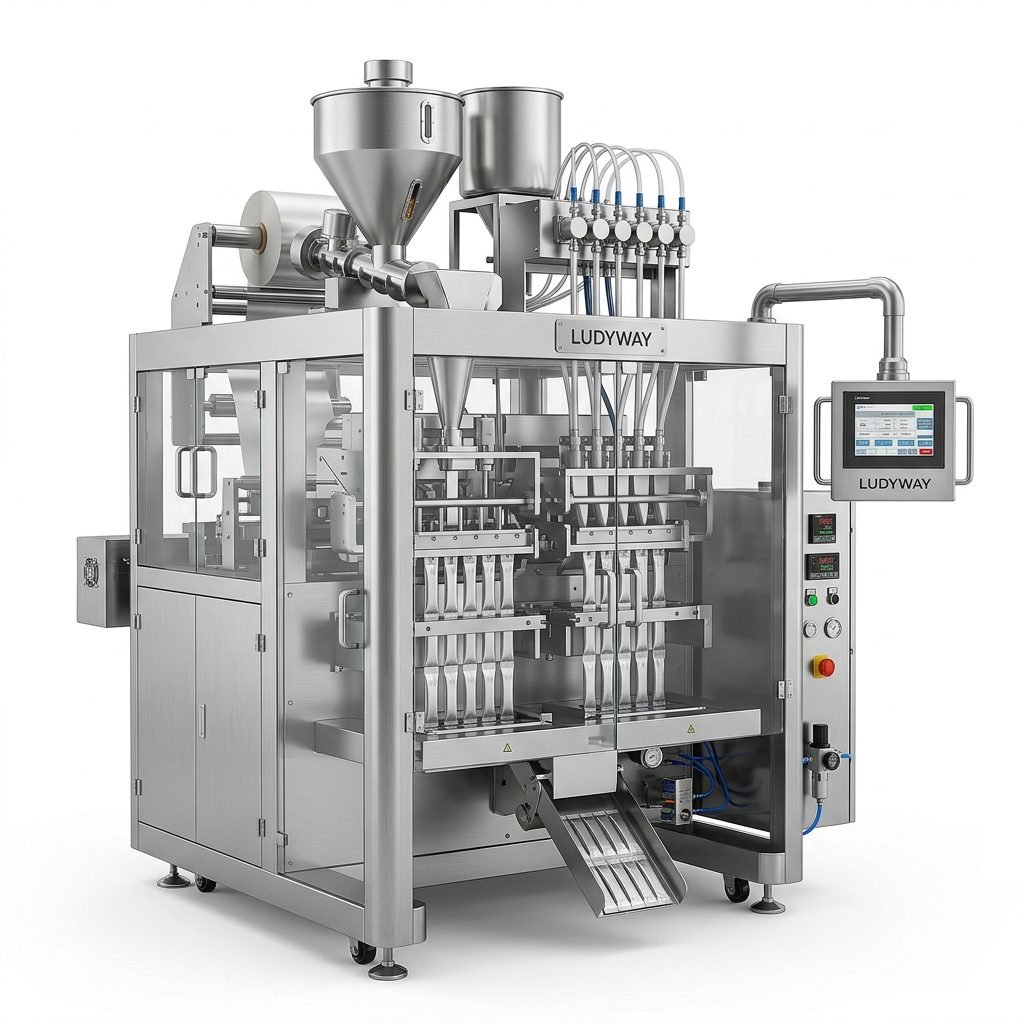
For businesses seeking dependable packaging equipment and scalable automation, Ludyway commercial vacuum packaging machine solutions are backed by more than 30 years of manufacturing experience, a factory covering over 20,000 square meters, and broad expertise in food, pharmaceutical, health supplement, and turnkey packaging line applications.
Final Buying Advice
The best commercial vacuum packaging machine is not simply the fastest or the cheapest model. It is the one that matches your product characteristics, packaging format, output target, hygiene requirements, and automation plan. A well-chosen machine can improve product quality, reduce waste, streamline operations, and deliver strong long-term ROI.
Before making a final decision, ask for sample testing, sealing validation, configuration details, and support information. A careful comparison today can prevent downtime, packaging defects, and upgrade costs later.