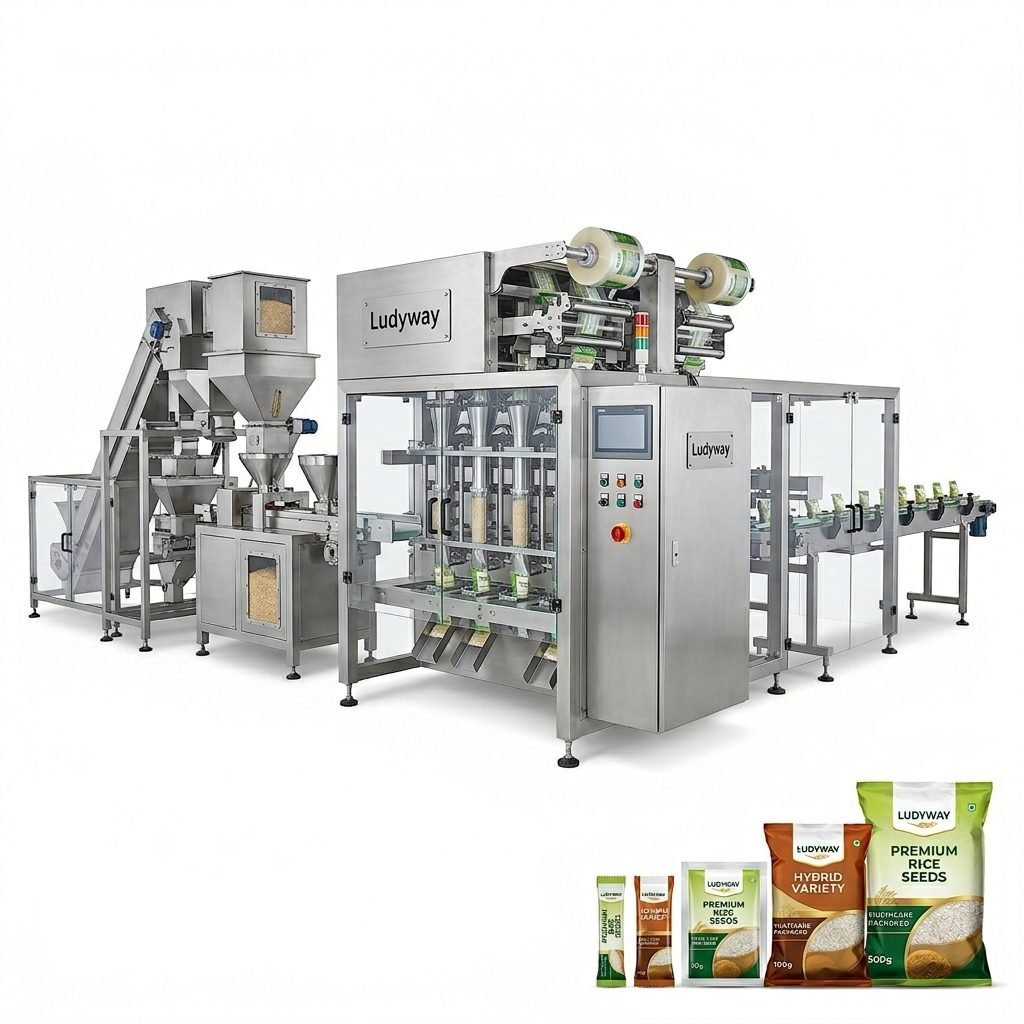
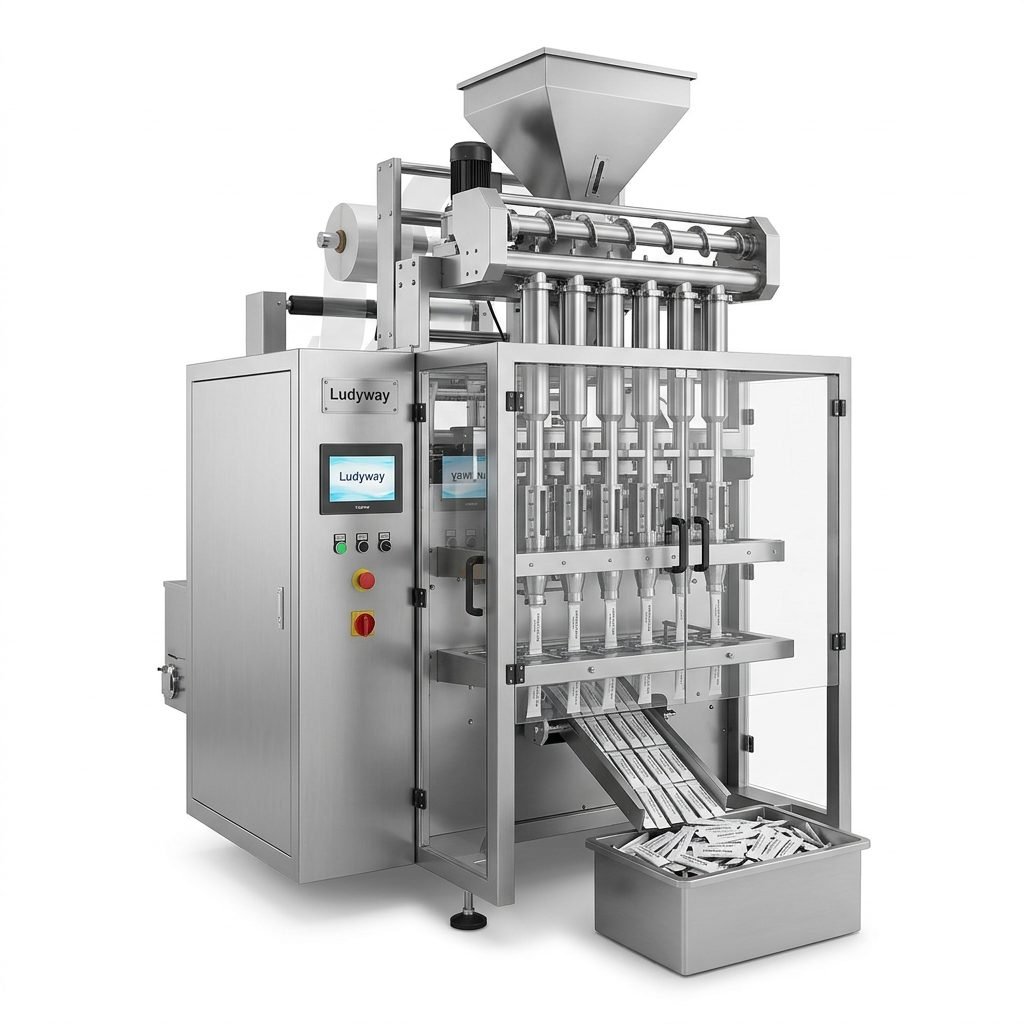
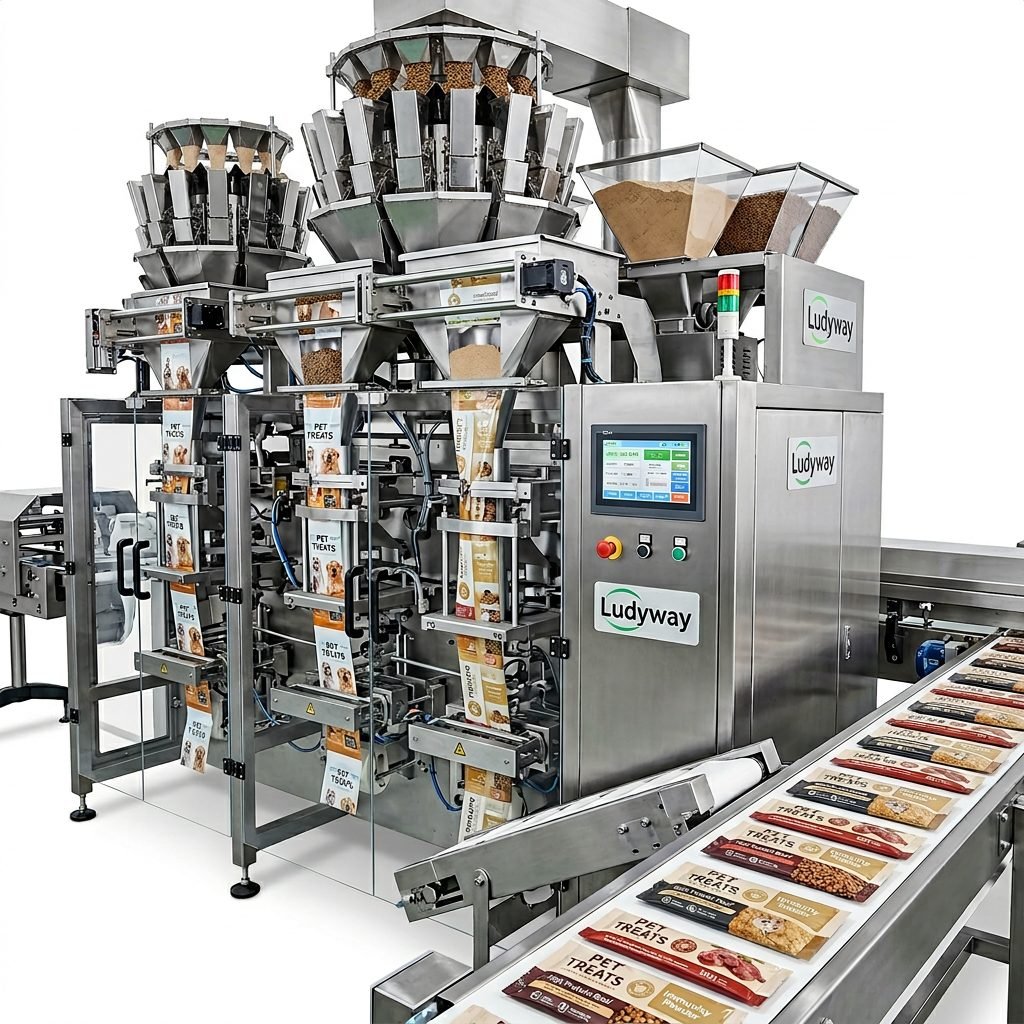
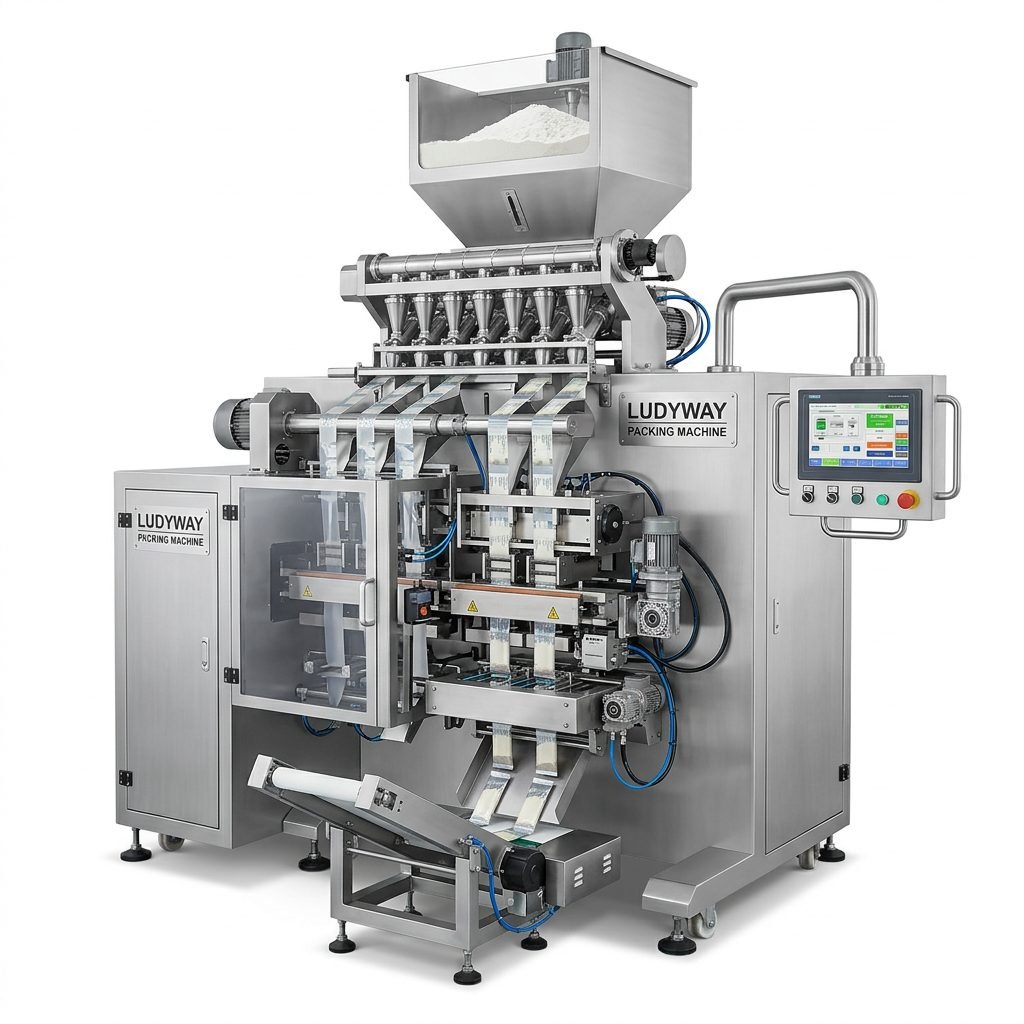
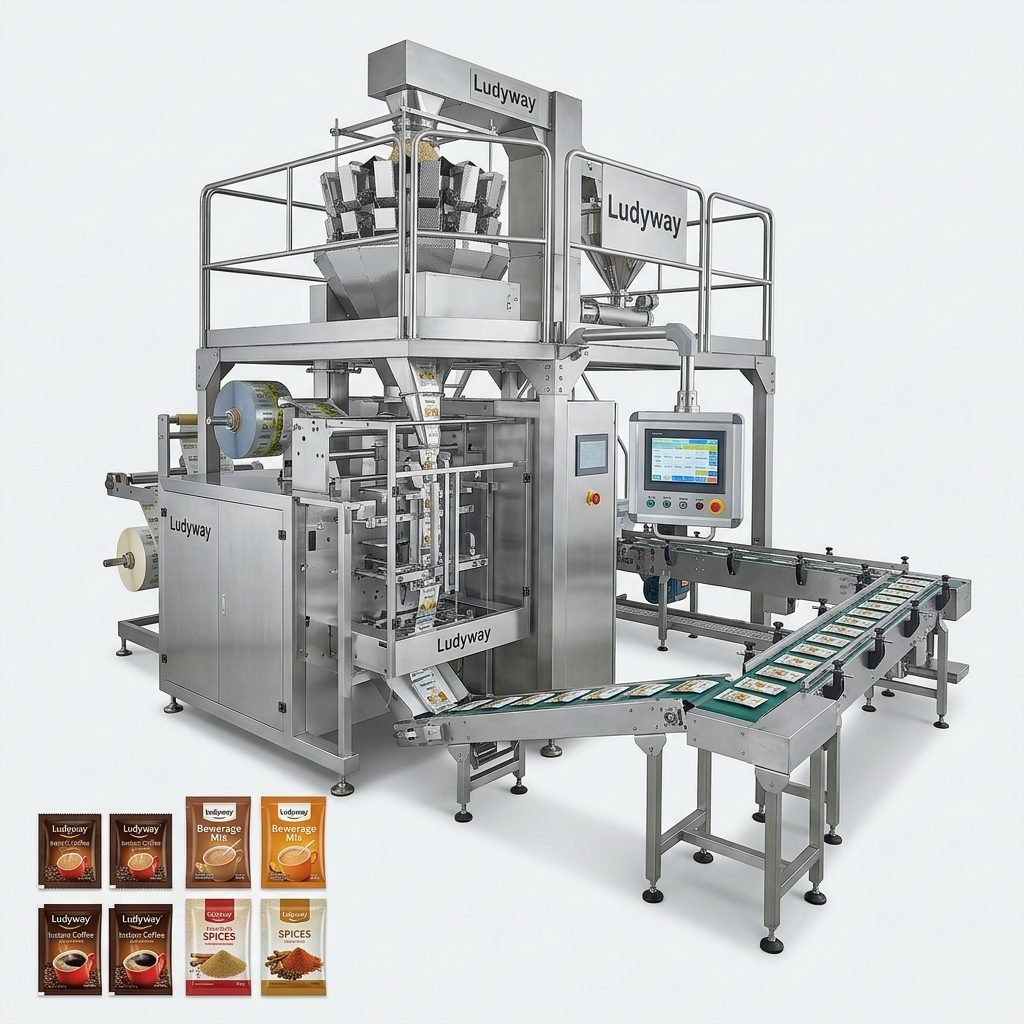
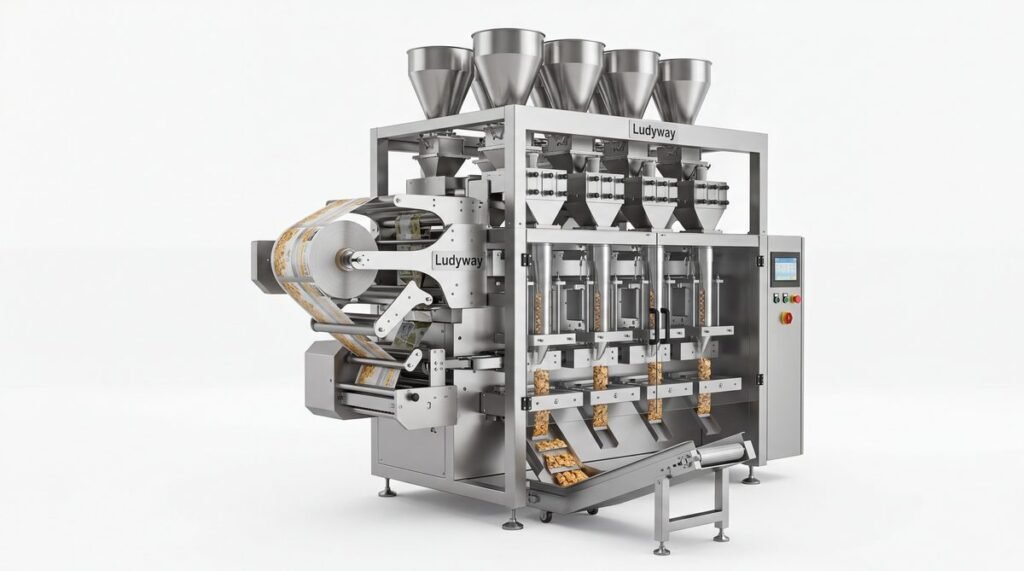
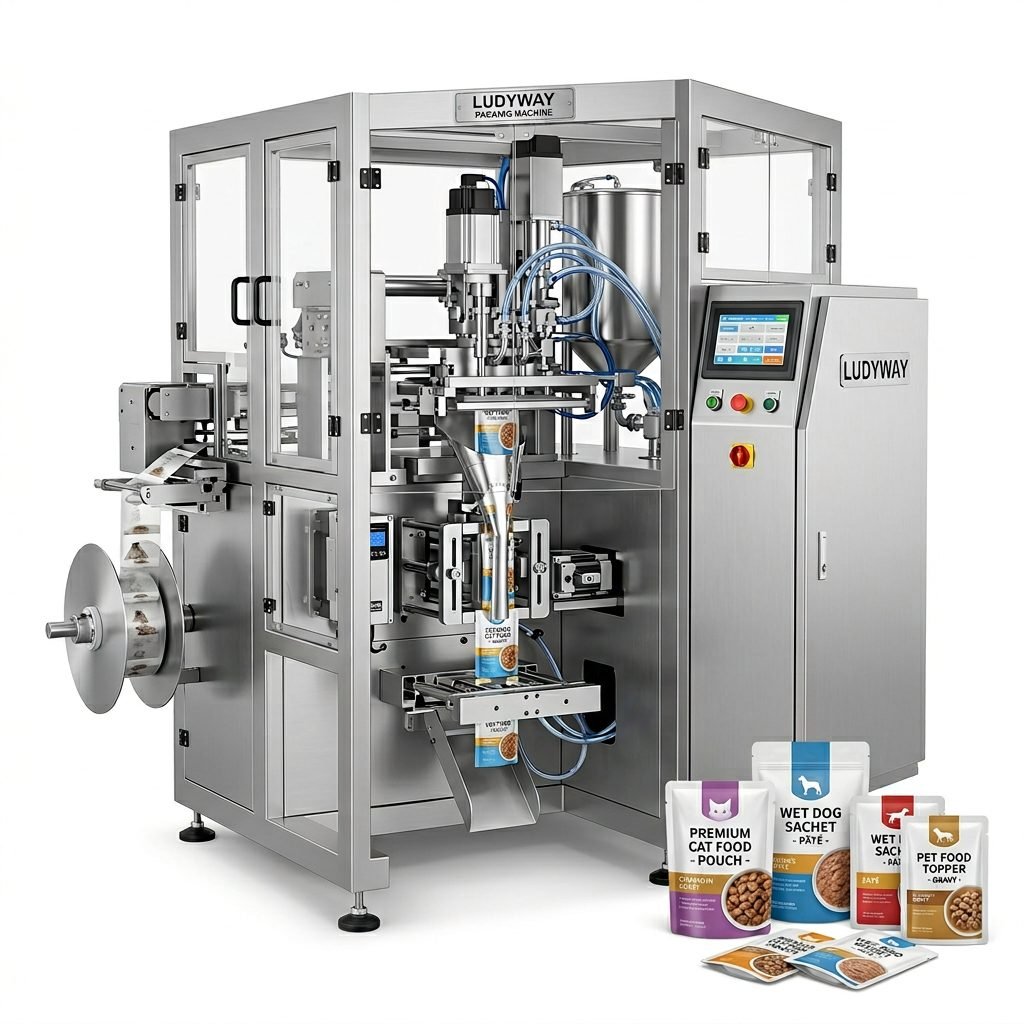
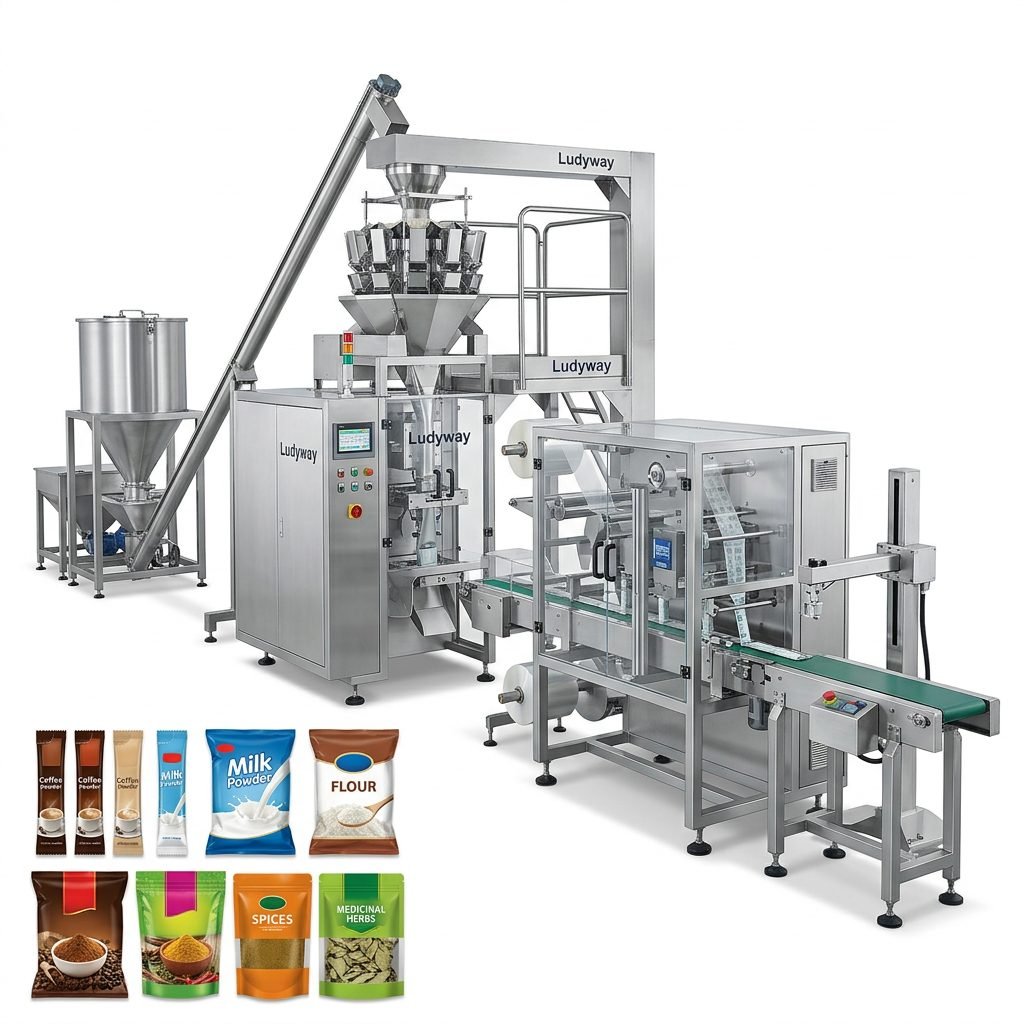
Proper maintenance of a vertical pouch packing machine is critical to ensuring consistent production output, minimizing unplanned downtime, and extending the service life of your equipment. Whether you are packaging powders, granules, or liquids, a well-structured maintenance program directly impacts packaging line efficiency and product quality. This guide covers essential daily, weekly, and monthly maintenance procedures, common troubleshooting steps, and best practices for lubrication and cleaning.
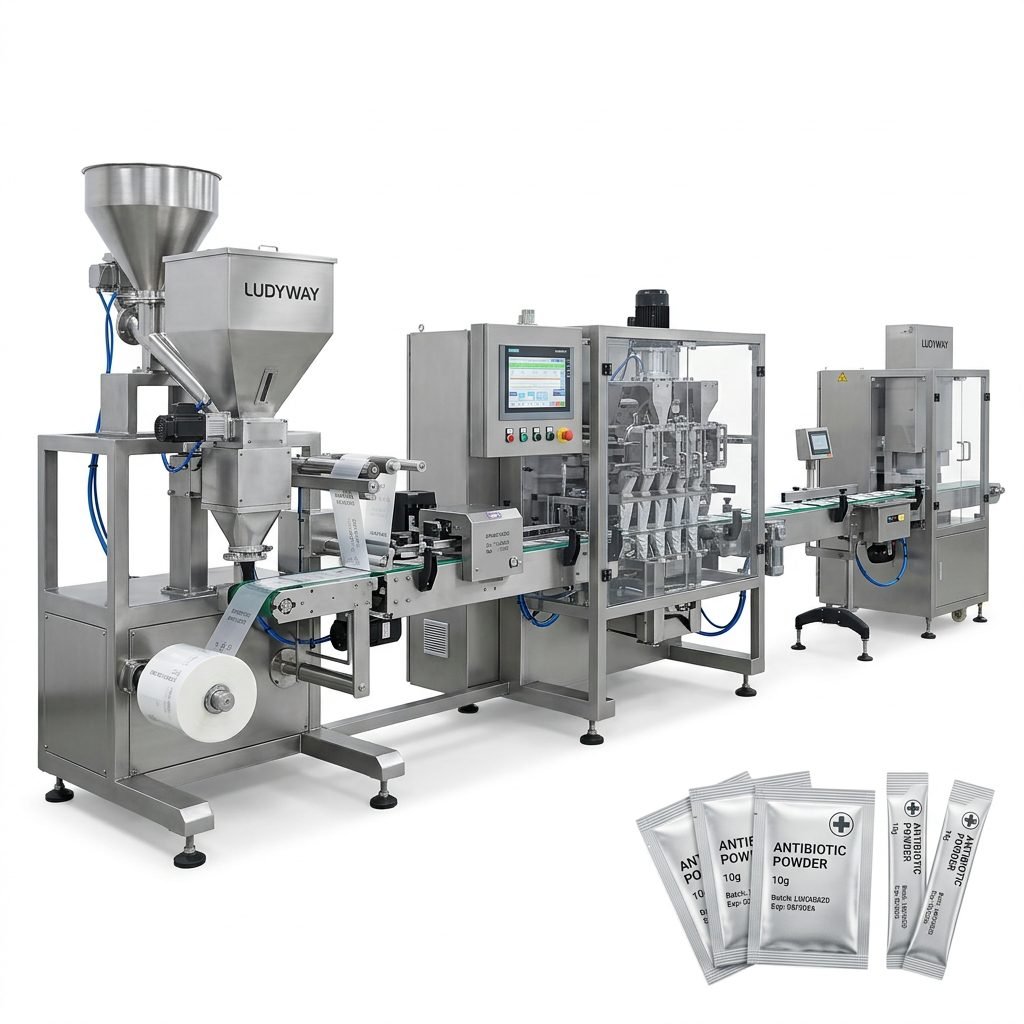
Why Routine Maintenance Matters
Vertical pouch packing machines operate under demanding conditions involving high-speed filling, sealing at elevated temperatures, and continuous mechanical motion. Without regular upkeep, minor issues can escalate into costly breakdowns. Key benefits of a structured maintenance routine include:
- Reduced downtime – Preventive maintenance identifies potential failures before they cause production stops.
- Extended machine lifespan – Proper lubrication and timely part replacement significantly increase equipment longevity.
- Consistent seal integrity – Well-maintained sealing jaws and temperature controllers ensure reliable pouch sealing.
- Improved safety – Regular inspections help prevent accidents related to electrical faults, pneumatic leaks, or worn mechanical components.
- Compliance with food and pharmaceutical standards – Adhering to maintenance schedules supports FDA packaging compliance and quality assurance requirements.
Daily Maintenance Checklist
Daily inspections and cleaning form the foundation of effective packaging machine maintenance. Operators should perform the following tasks at the beginning and end of each shift:
- Visually inspect the machine for any loose bolts, fasteners, or foreign objects.
- Check the film tension and alignment to prevent misaligned pouches or wrinkling during sealing.
- Clean the sealing jaws and remove any product residue that may have accumulated.
- Verify that all safety guards and emergency stop buttons are functioning correctly.
- Inspect the air pressure gauge and ensure the pneumatic system is operating within the recommended range.
- Wipe down external surfaces, the control panel touchscreen, and the filling area with a clean, dry cloth.
- Listen for any unusual noises or vibrations during startup and operation.
Weekly Maintenance Tasks
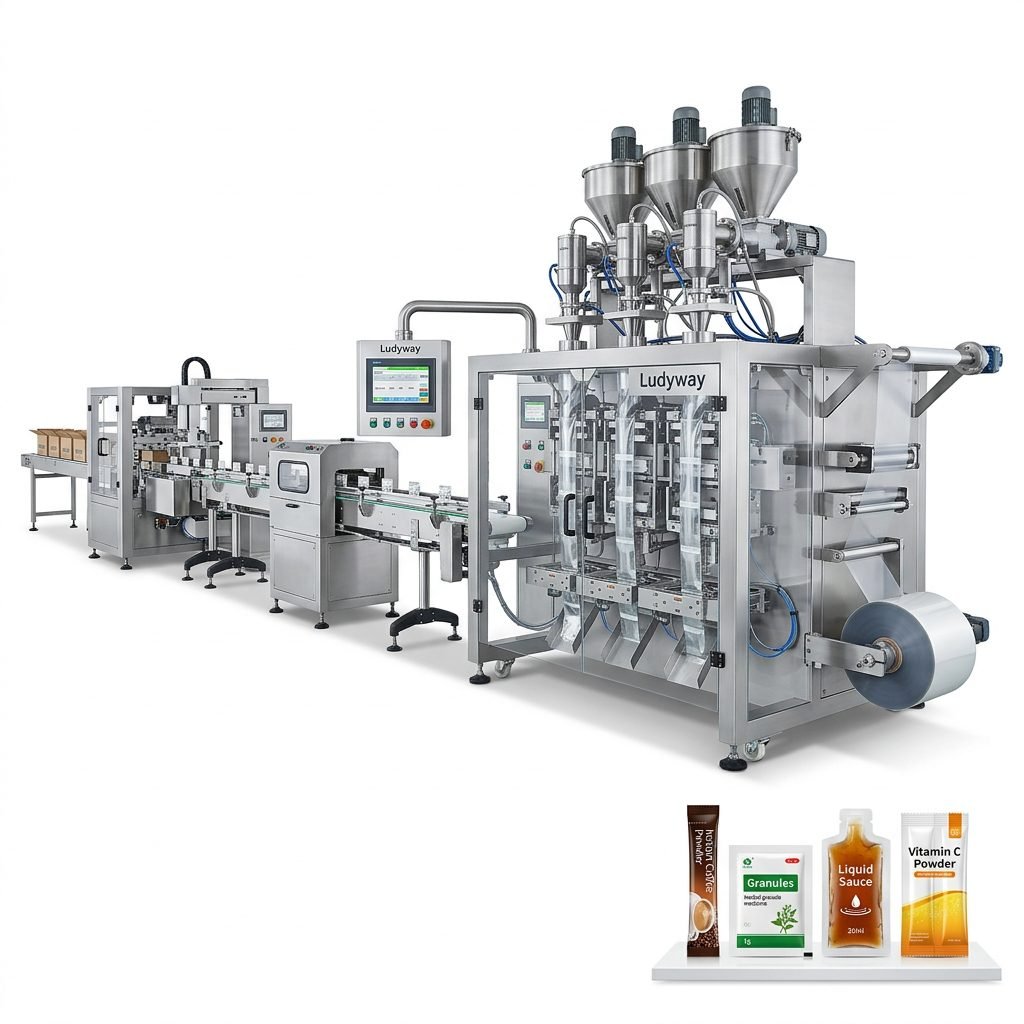
Weekly maintenance goes deeper into mechanical and electrical systems. These tasks are essential for high-speed multi-lane machines that run continuously throughout the week:
- Inspect and clean the filling nozzles and dosing augers to prevent clogging, especially when handling fine powders or sticky granules.
- Check and tighten all drive belts and chains; replace any that show signs of stretching or cracking.
- Lubricate moving parts such as cam followers, linear bearings, and guide rails according to the manufacturer’s specifications.
- Test the temperature calibration of both vertical and horizontal sealing jaws using a calibrated thermometer.
- Inspect the photoelectric sensor for film registration marks and clean the lens to ensure accurate pouch length control.
- Drain moisture from the compressed air filter and check for any leaks in pneumatic tubing and fittings.
Monthly Maintenance Procedures
Monthly maintenance involves a comprehensive inspection of all critical components. For facilities running high-output packaging operations, these checks are indispensable:
- Perform a full inspection of electrical connections, terminals, and wiring for any signs of overheating or corrosion.
- Replace worn sealing element heating cartridges and thermocouples if temperature fluctuations exceed tolerance.
- Disassemble and thoroughly clean the forming tube assembly and film path components.
- Inspect the gearbox oil level and top up or replace lubricant as needed.
- Check and recalibrate the load cell and weighing system if your machine integrates multi-head weighers or auger fillers.
- Examine all cutting blades and tear-notch mechanisms for sharpness and alignment.

Scheduled Maintenance Overview Table
| Frequency | Component / Area | Action Required | Priority |
|---|---|---|---|
| Daily | Sealing jaws | Clean residue; check temperature | High |
| Daily | Safety guards | Verify all guards and E-stops operational | Critical |
| Weekly | Filling nozzles / augers | Clean and inspect for wear | High |
| Weekly | Drive belts and chains | Tighten or replace; lubricate | Medium |
| Monthly | Electrical connections | Full inspection for heat damage | High |
| Monthly | Sealing heating cartridges | Replace if temperature fluctuates | High |
| Quarterly | Gearbox and bearings | Change oil; inspect for play | Medium |
| Annually | Complete machine overhaul | Full disassembly, deep clean, part replacement | Critical |
Sealing System Troubleshooting
The sealing system is one of the most critical and failure-prone areas of any vertical form fill seal machine. Below are common sealing problems and their likely causes:
- Weak or incomplete seals – Usually caused by insufficient temperature, inadequate dwell time, or contaminated sealing surfaces. Check the temperature controller setpoint and clean the jaws thoroughly.
- Wrinkled or distorted seals – Often results from incorrect film tension or misaligned forming tube. Verify the film path and adjust tension rollers accordingly.
- Burnt or melted film – Indicates excessive sealing temperature or dwell time that is too long. Reduce the setpoint in small increments until optimal seal strength is achieved without film damage.
- Intermittent sealing – May be caused by a faulty thermocouple, loose electrical connection, or inconsistent air pressure in the jaw actuation cylinder.
Lubrication Best Practices
Proper lubrication is essential for minimizing friction and wear on all moving components. Use only food-grade lubricants for machines operating in food and pharmaceutical environments, in accordance with ISO packaging standards. Key lubrication points include:
- Linear motion guide rails and bearing blocks
- Cam and follower assemblies on the sealing jaw mechanism
- Chain drives and sprockets
- Gearboxes and transmission units
- Pneumatic cylinder rods and seals
Over-lubrication can attract dust and product particles, creating abrasive paste that accelerates wear. Always follow the manufacturer’s recommended lubrication intervals and quantities.
Cleaning and Sanitation Protocols
For facilities adhering to flexible packaging industry standards, cleaning procedures must balance thoroughness with equipment protection. Follow these guidelines:
- Disconnect the machine from the main power supply and lock out energy sources before any cleaning procedure.
- Use non-abrasive cloths and approved cleaning solutions that will not corrode stainless steel surfaces.
- Avoid spraying water or cleaning agents directly onto electrical enclosures, sensors, or the control panel.
- After cleaning, ensure all components are completely dry before reassembly and restart.
- For powder and granule applications, use a vacuum system to remove accumulated dust from hard-to-reach areas rather than compressed air, which can force particles into sensitive components.
Common Electrical and Sensor Issues
Modern vertical pouch packing machines rely heavily on PLC controllers, servo motors, and optical sensors. Electrical faults can be challenging to diagnose but often present clear symptoms:
- Erratic pouch length – Typically indicates a dirty or faulty registration sensor. Clean the sensor lens and verify the film registration mark contrast.
- Machine stops mid-cycle – Check for triggered safety interlocks, overloaded motor drives, or communication errors between the PLC and HMI.
- Inaccurate filling weights – Recalibrate the load cells and verify that the auger or volumetric filler settings correspond to the product density.
When to Contact a Professional Service Provider
While routine maintenance can be performed by trained on-site staff, certain situations warrant professional intervention. If you encounter persistent sealing inconsistencies, major electrical malfunctions, or mechanical failures involving the main drive system, it is advisable to consult qualified technicians. For companies operating complex multi-lane stick pack and sachet systems, working with an experienced equipment manufacturer can significantly reduce long-term operational costs. Ludyway provides comprehensive technical support and after-sales service for a wide range of packaging machinery across global markets.
Spare Parts Inventory Management
Maintaining an adequate stock of critical spare parts minimizes downtime when components fail. Recommended spare parts to keep on hand include:
- Sealing jaw heating cartridges and thermocouples
- Drive belts and timing belts
- Pneumatic cylinder seals and O-rings
- Registration sensor and photoelectric switches
- Filling auger assemblies or dosing discs
- Touchscreen HMI backup module
Training and Documentation
A well-documented maintenance program supported by operator training is essential for long-term success. All maintenance activities should be logged with details including dates, parts replaced, and observations. This data enables trend analysis and helps predict component life cycles. Operators should receive hands-on training covering daily inspection procedures, basic troubleshooting, and safe machine operation. For further guidance on packaging machinery best practices, resources from the Association for Packaging and Processing Technologies (PMMI) offer valuable industry insights.
By implementing a consistent maintenance schedule, keeping accurate records, and investing in operator training, you can maximize the uptime and reliability of your vertical pouch packing machine while protecting your production investment for years to come.