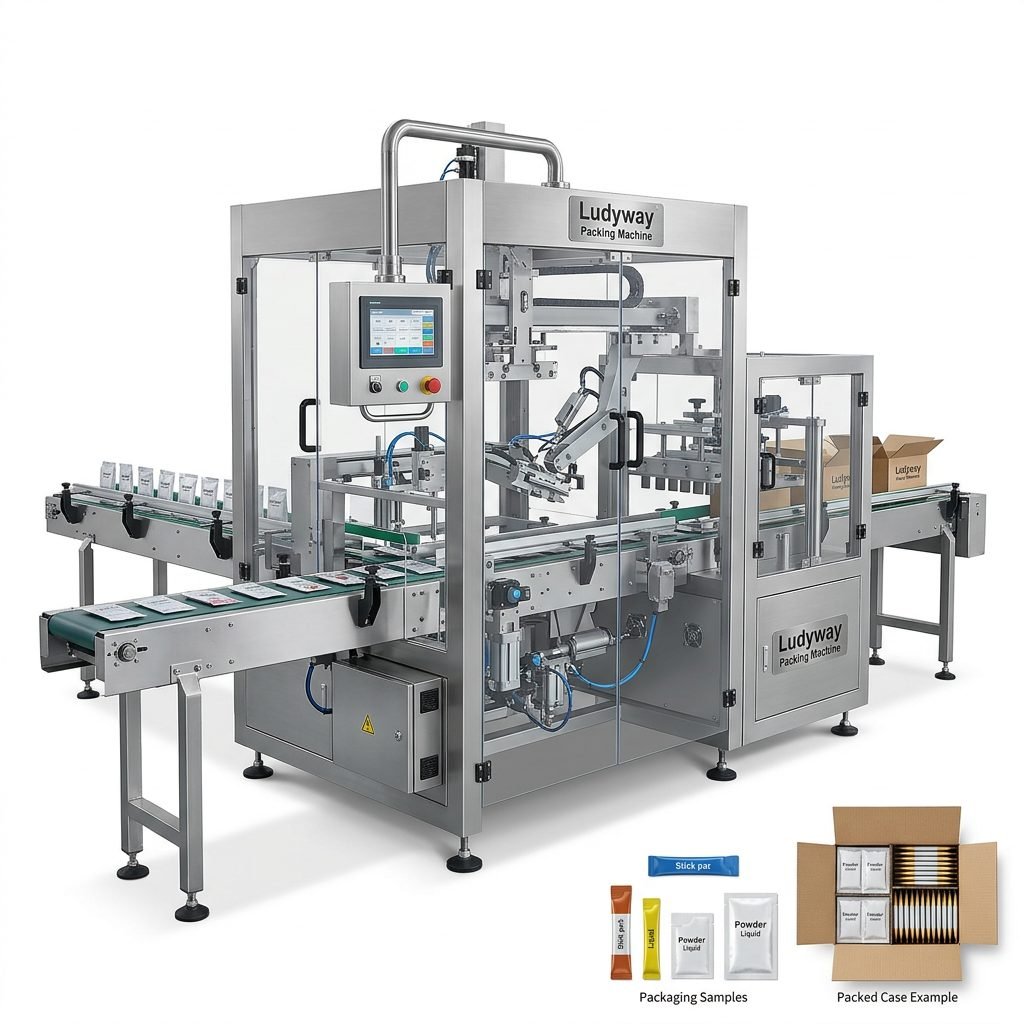
The European coffee market is witnessing unprecedented growth in the single-serve segment. Setting up a K-Cup packaging production line in Europe requires a strategic blend of high-precision engineering, strict regulatory compliance, and smart logistics. Whether you are a contract packer or a coffee brand owner, understanding the equipment landscape, operational costs, and technical requirements is crucial for a successful launch.
Understanding European K-Cup Market Demands and Regulations
Before procuring machinery, you must align with the European consumer mindset. Recyclability and plastic reduction are non-negotiable. You will need to adhere to the EU Packaging and Packaging Waste Directive and ensure materials are compliant with EU Regulation 10/2011 for food contact substances. Furthermore, CE certification is mandatory for all equipment sold and operated within the European Economic Area.
Core Equipment Required for K-Cup Production
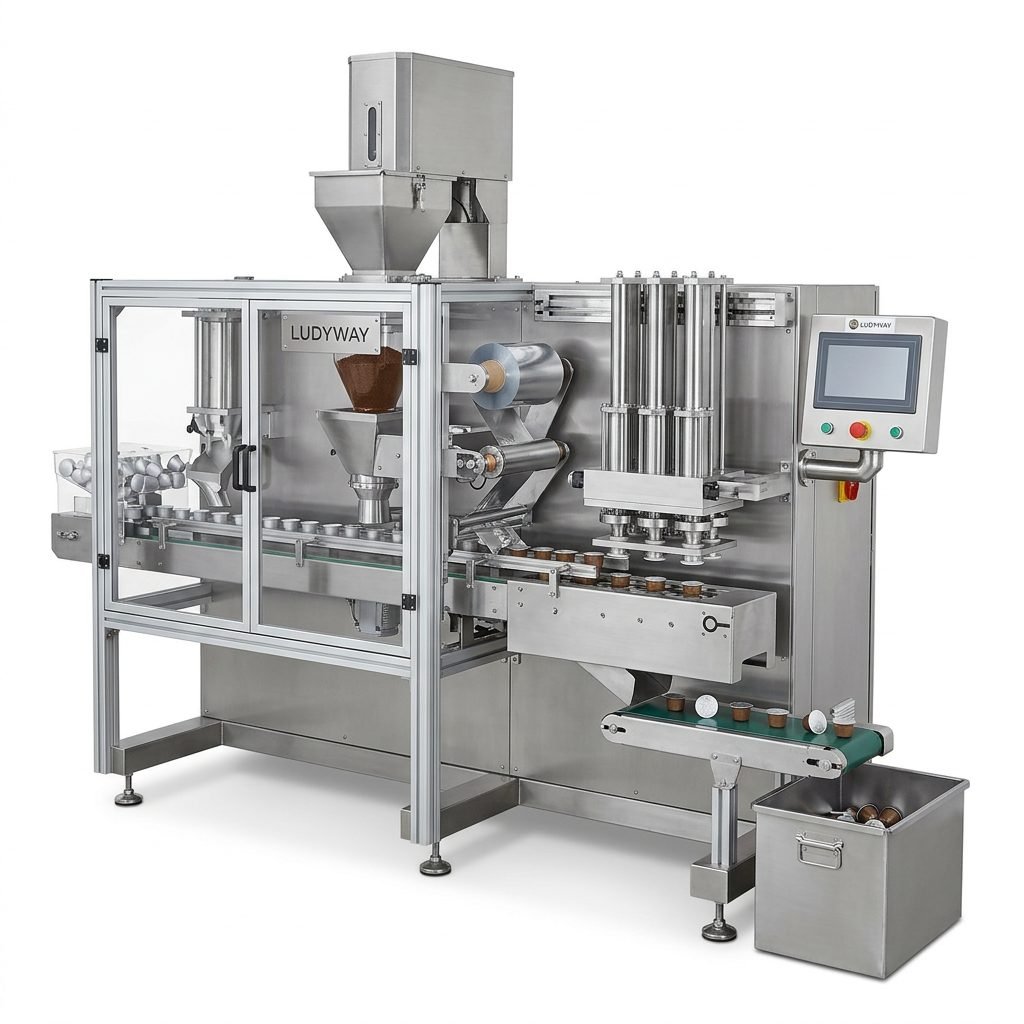
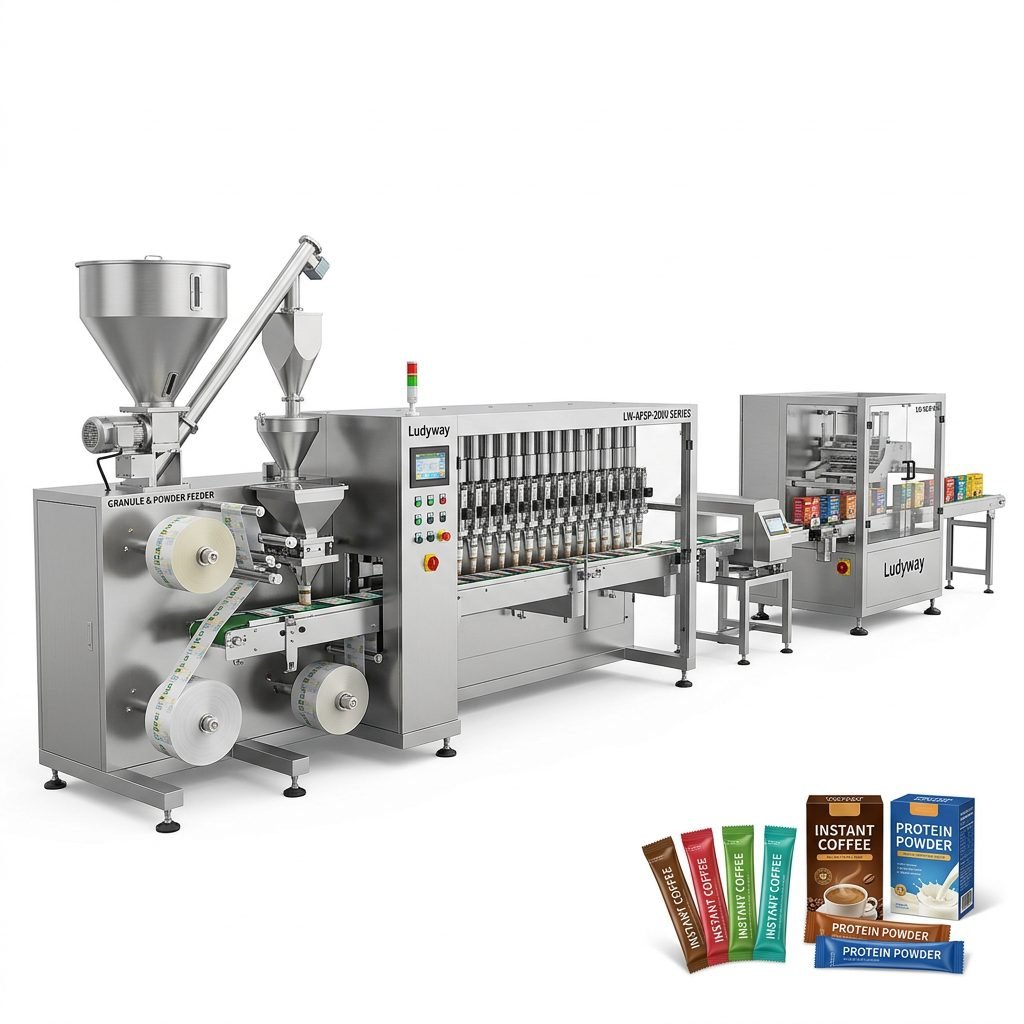
A modern automated K-Cup line integrates several synchronized stations rather than a single machine. A complete turnkey setup typically includes:
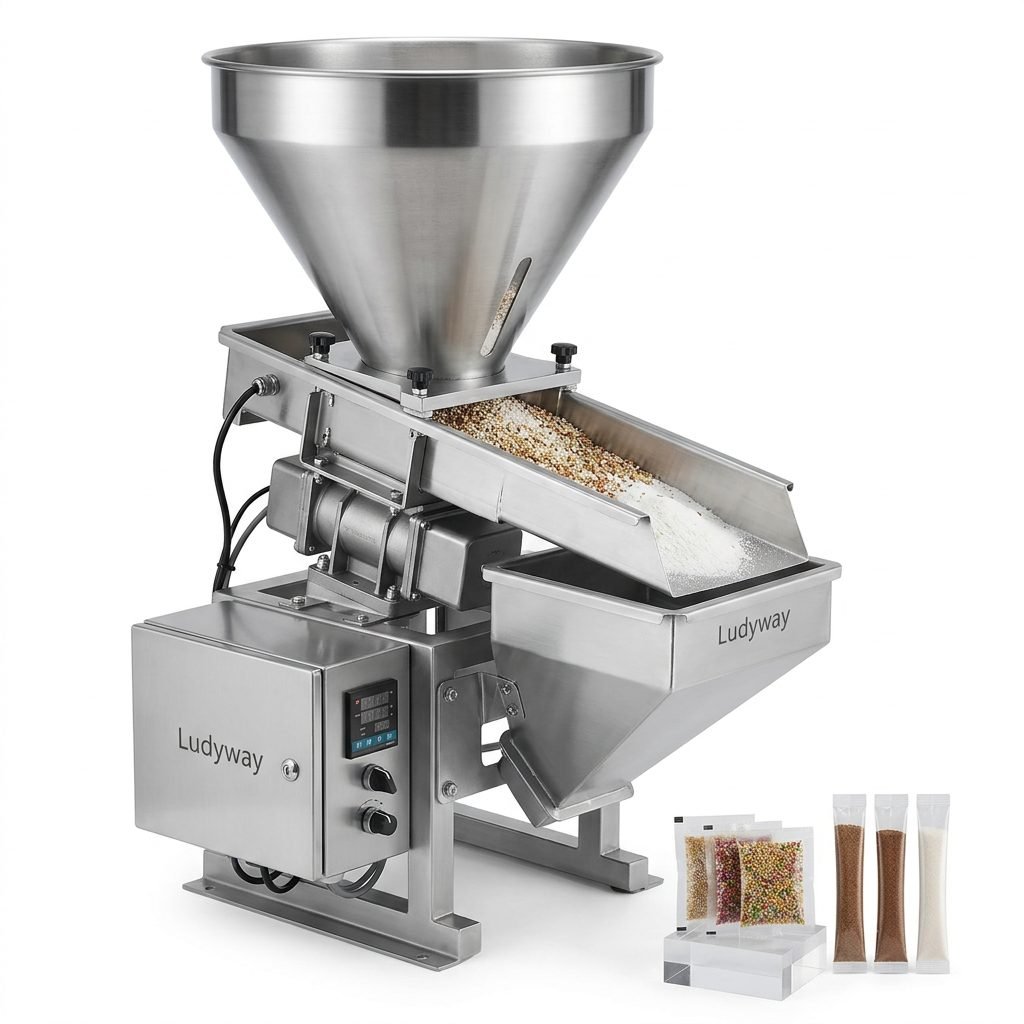
- High-Precision Dosing System: Auger or volumetric cup fillers calibrated for the exact density of ground coffee.
- K-Cup Sealing & Lid Applicator: Heat or ultrasonic sealing technology to ensure a perfect barrier against moisture and oxygen.
- Nitrogen Gas Flushing: Critical for extending shelf life by purging oxygen after filling.
- Automated Cartoning & End-of-Line: Multi-lane systems to pack the finished cups into boxes efficiently.
- Quality Control Modules: Dynamic checkweighers and X-ray inspection systems to reject under-filled cups or foreign bodies.
Integrating these modules through a centralized automated packaging system ensures maximum throughput.
Detailed Cost Breakdown and Budgeting
Investment costs for a K-Cup line in Europe vary significantly based on speed, automation levels, and the manufacturer’s origin. Below is a realistic budget estimation for a mid-to-high-speed facility:
| Cost Category | Estimated Range (EUR) | Key Variables |
|---|---|---|
| Core Filling & Sealing Machinery | €85,000 – €320,000 | Number of lanes, servo-motor precision |
| Nitrogen Flush & Gas Systems | €15,000 – €45,000 | Residual oxygen levels required |
| End-of-Line Cartoning & Palletizing | €55,000 – €210,000 | Semi-automatic vs. collaborative robots |
| Installation, CE Validation & Training | €15,000 – €35,000 | Complexity of the turnkey integration |
Sourcing machinery from global manufacturers can often reduce capital expenditure by 30-40% compared to traditional OEMs, without compromising on CE compliance.
Global Sourcing vs. Local Supply
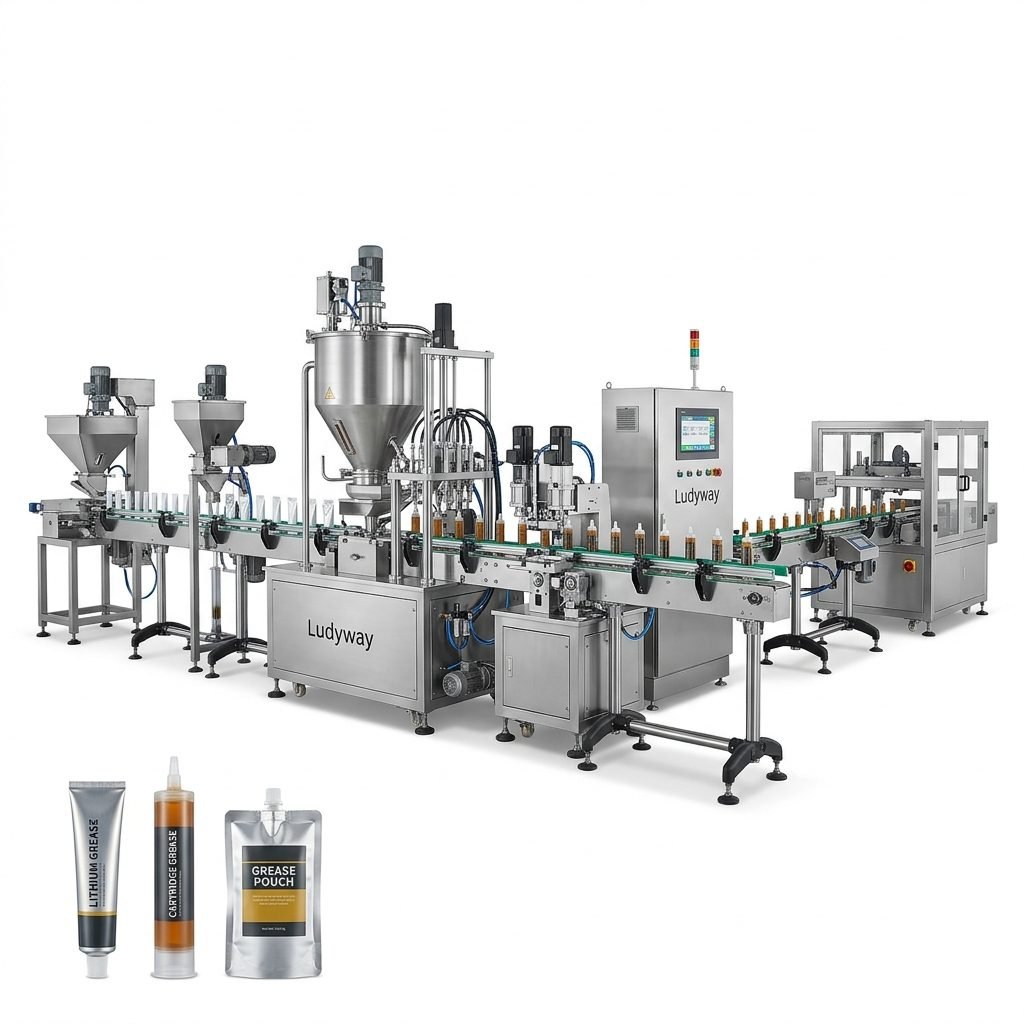
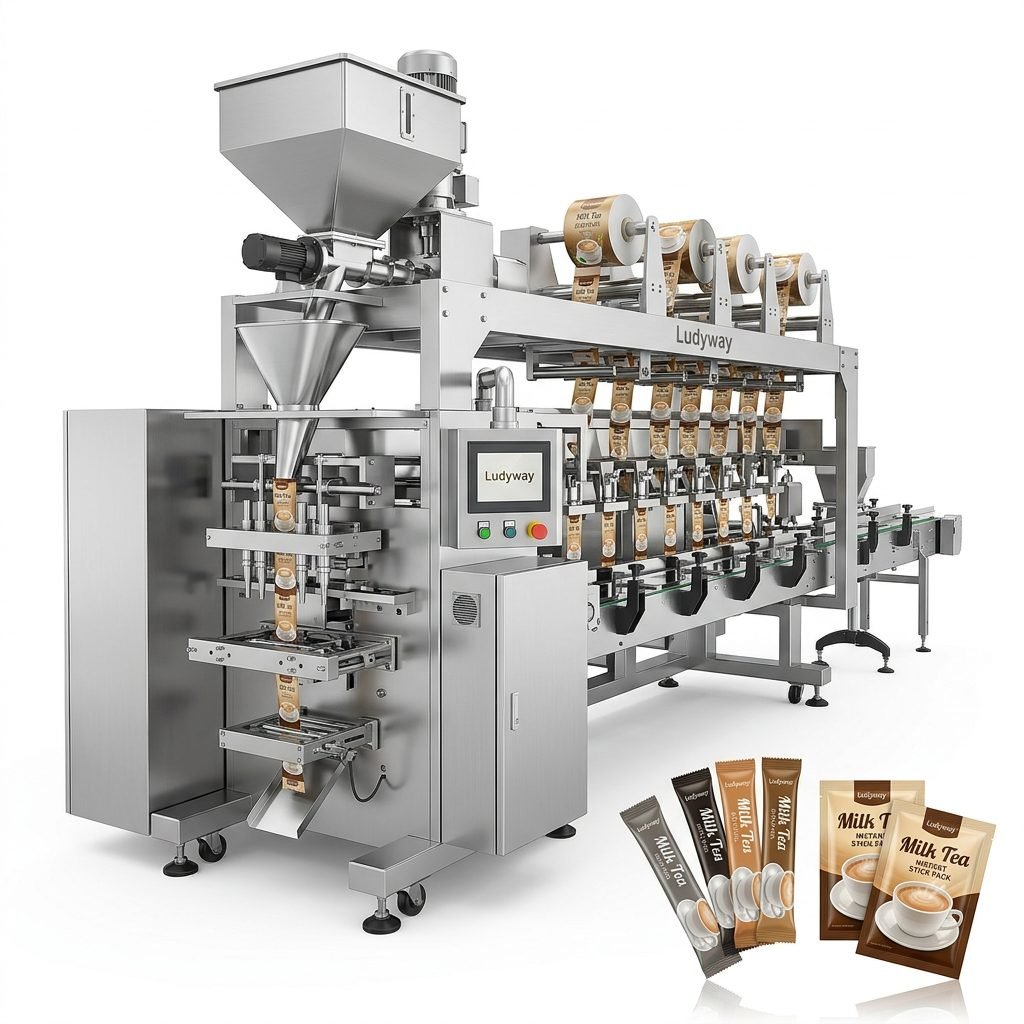
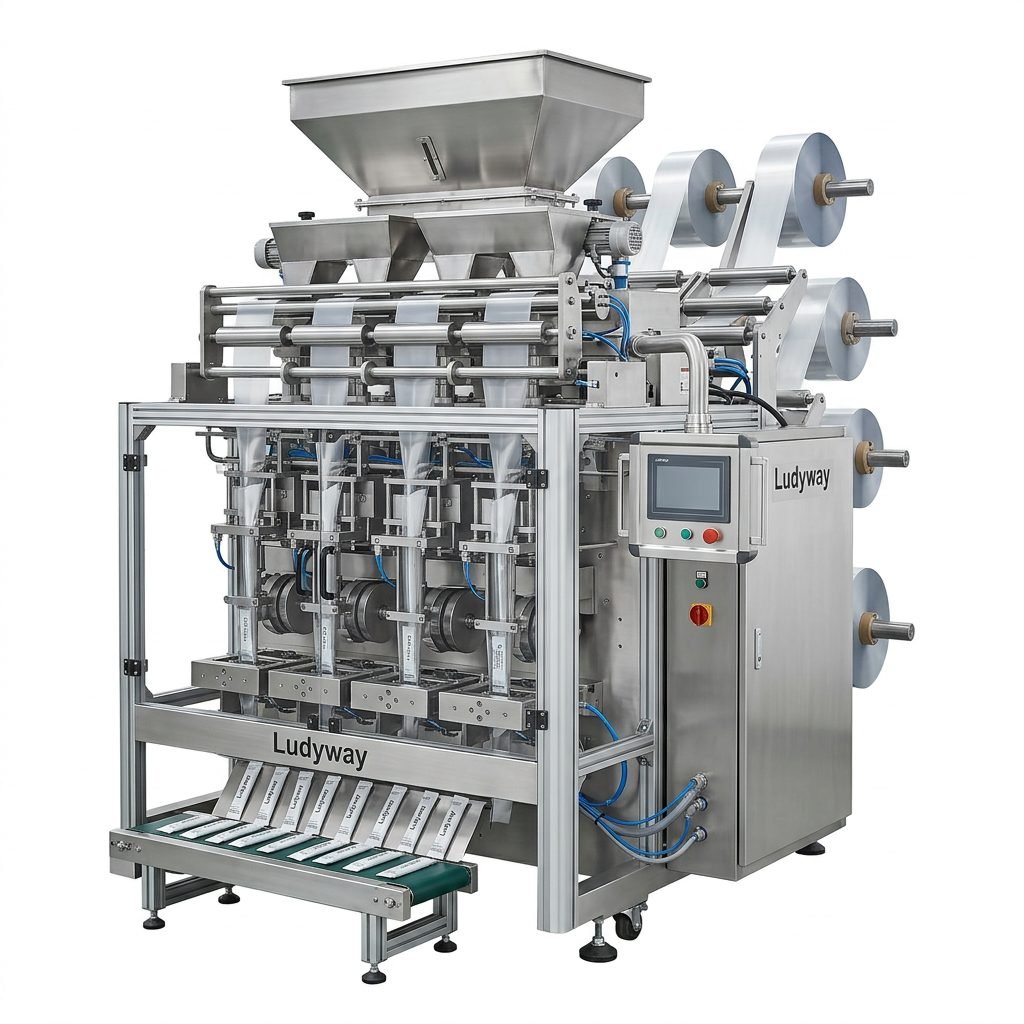
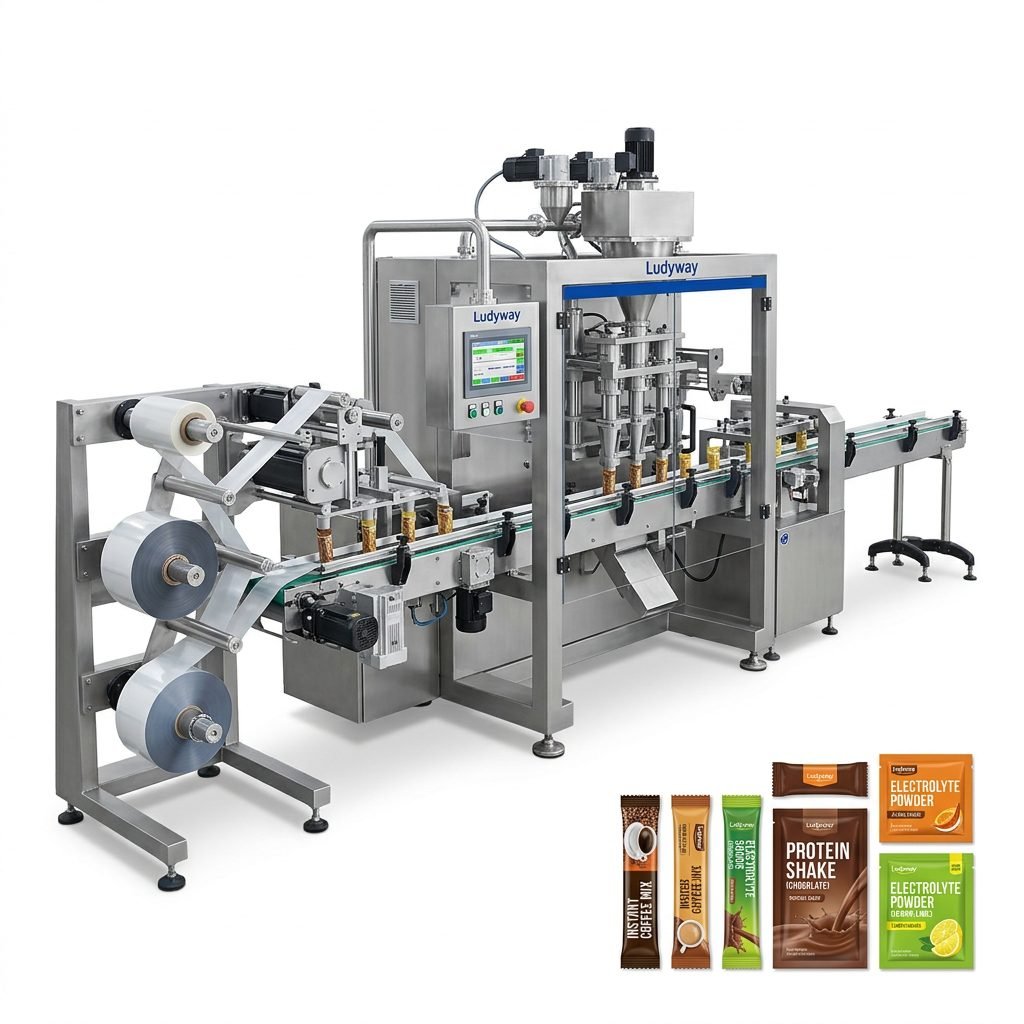
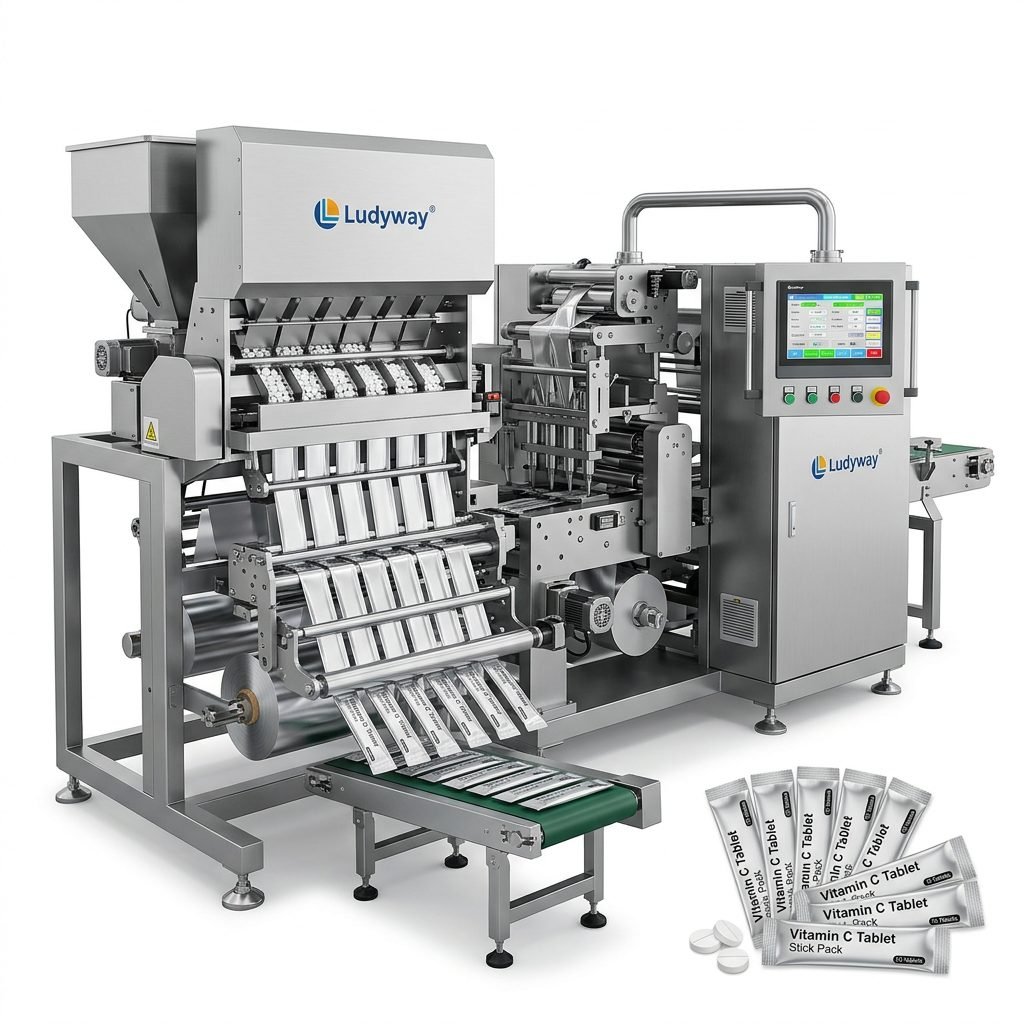
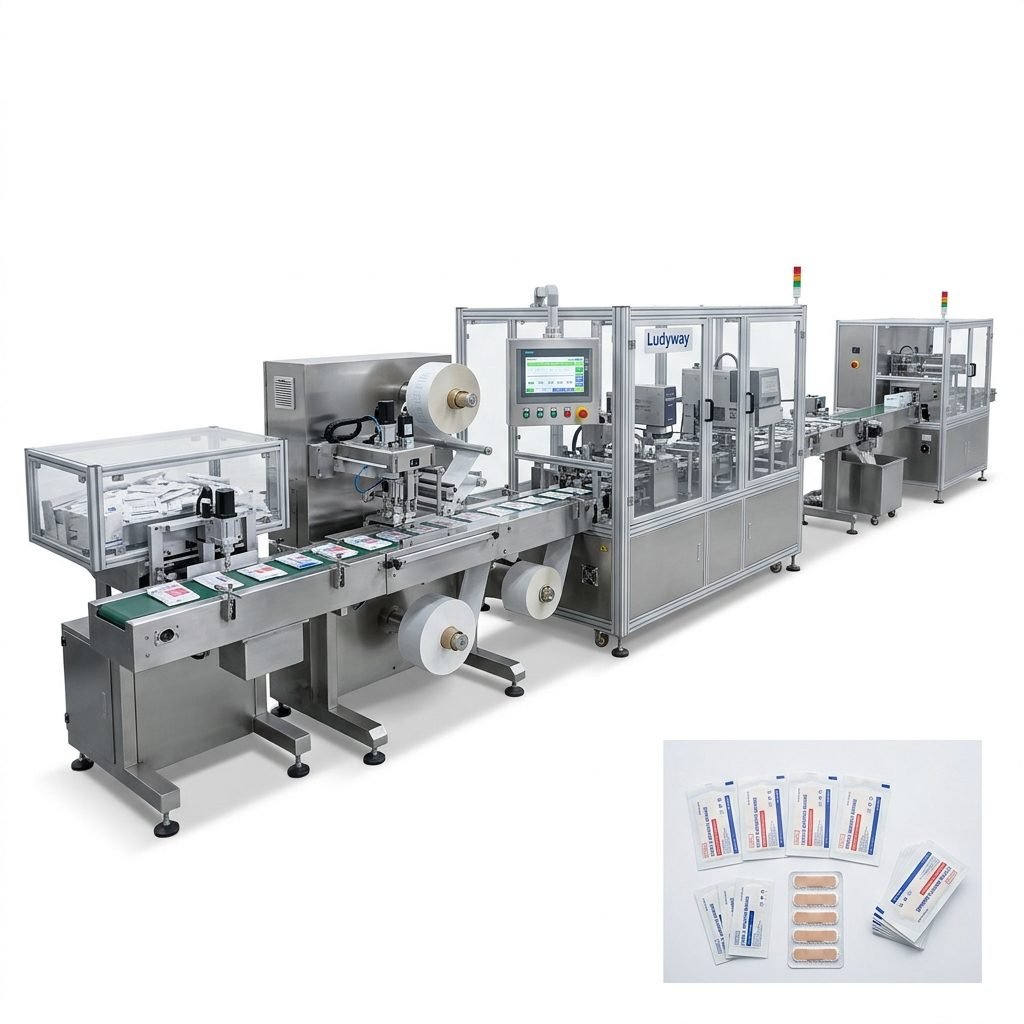
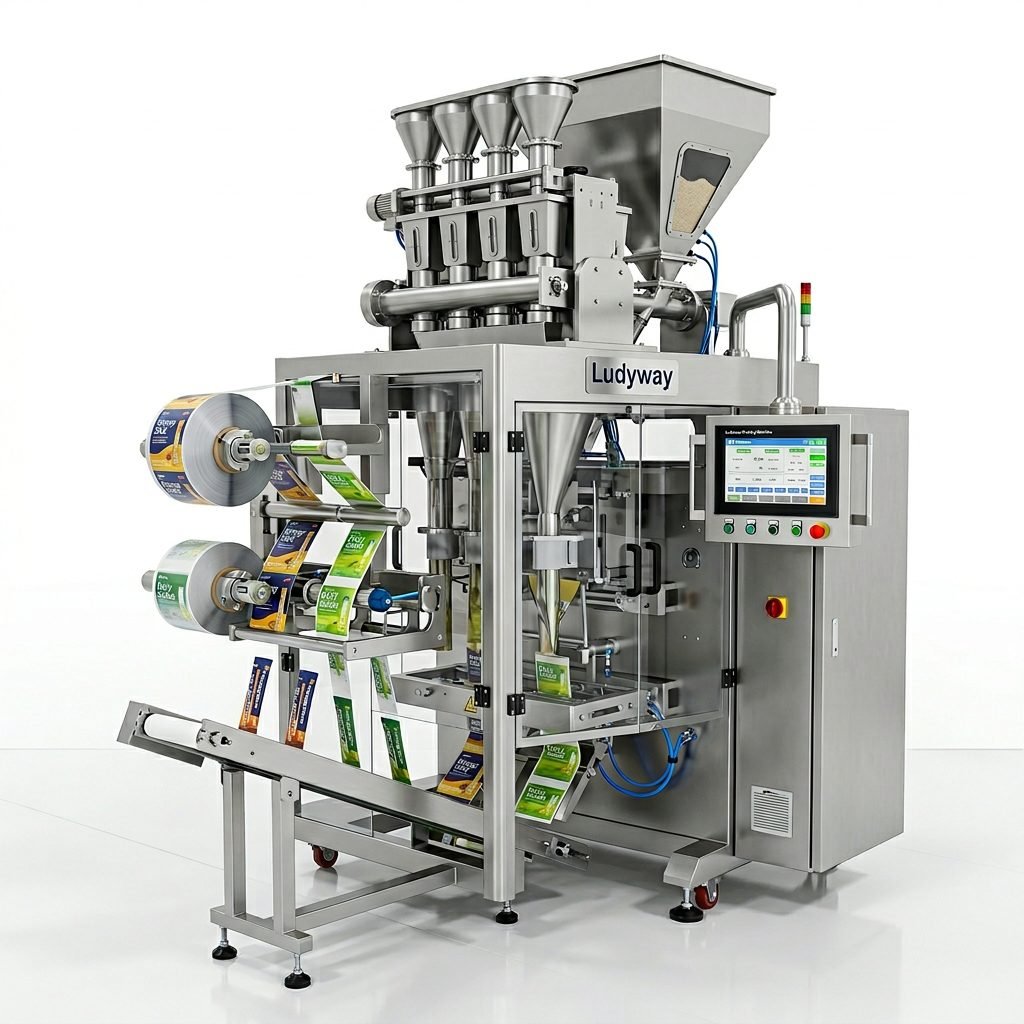
While European automation carries a significant price premium, the technical gap has closed considerably. For businesses seeking CE-certified high-performance lines at competitive prices, partnering with specialized international manufacturers is a strategic advantage. Companies like Ludyway, one of the largest packaging machine manufacturers in China, specialize in advanced packaging equipment and turnkey production solutions. With over 30 years of industry expertise and a modern 20,000㎡ manufacturing facility, they provide reliable multi-lane packaging systems tailored for the food and pharmaceutical industries, serving customers in over 100 countries.
Factory Layout, Facility and Staffing Requirements
A successful K-Cup production environment requires more than just floor space. You need a controlled environment to prevent moisture uptake in the coffee grounds. Dry compressed air and voltage stability are essential. Plan for:
- Cleanroom Classification: ISO 8 or ISO 7 certification for food-grade packaging halls.
- Utilities: Heavy-load power supply, nitrogen generators, and industrial dust extraction systems.
- Staffing: You’ll need trained PLC-programmer technicians and maintenance engineers specific to high-speed packaging lines.
Ensuring European Standards and Certification
Auditors will immediately check for the CE mark. The equipment must conform to the Machinery Directive 2006/42/EC. All food contact parts must be composed of 316L stainless steel or equivalent food-grade polymers. A comprehensive Risk Assessment and Technical File must be maintained centrally for the production line validation process.
Common Challenges and Smart Solutions
Ground coffee is abrasive and hygroscopic. Expect wear on volumetric cups and potential bridging in hoppers. Common pitfalls include poor seal integrity due to coffee dust in the seal zone, and inconsistent gas flushing. To mitigate this, implement a strict maintenance protocol for cleaning and de-dusting the sealing tooling. Investing in a dynamic checkweigher is mandatory to prevent regulatory fines for underweight packages.
Establishing a robust European K-Cup line is a journey that blends demanding food science with precision automation. By selecting the right high-precision dosing machines, ensuring CE compliance, and optimizing layout for moisture control, you can secure a significant share of this growing premium coffee market. For a deeper insight into equipment specifications or to discuss your turnkey project requirements, direct consultation with a packaging machinery specialist is the essential next step.
Further Industry Resources:
| Authority | Resource Link |
|---|---|
| Flexible Packaging Association | Flexible Packaging Industry Data |
| PMMI State of the Industry | Packaging Machinery Market Research |
| EU Packaging Waste Regulations | European Commission Packaging Policy |
Contact Details for Factory Visits & Inquiry:
E-Mail: info@ludyway.com | WhatsApp: +8613129592456 | Address: Nanlang Town, Zhongshan, Guangdong, China.