Investing in a premade bag packing machine is a significant decision for any manufacturer. Whether you are packaging food products, pharmaceuticals, chemicals, or pet food, the right equipment can dramatically improve your production efficiency, reduce labor costs, and ensure consistent package quality. However, with so many machine configurations, automation levels, and technical specifications available on the market, making the wrong choice can lead to operational bottlenecks and unnecessary expenses. This comprehensive buyer’s guide walks you through the essential factors to evaluate, helping you select the perfect premade bag packing machine for your production line.
The global packaging machinery market continues to evolve rapidly. According to recent data from the PMMI Business Intelligence library, demand for flexible packaging solutions and automated bagging systems is seeing sustained growth across multiple industries. This makes selecting a future-proof machine more critical than ever.
1. Define Your Product and Bag Specifications First
Before comparing machine models, you must have a crystal-clear understanding of the physical characteristics of your product and the type of premade bag you intend to use. This is the most critical step, as it directly determines the compatible filling system and machine configuration.
- Product State: Is your product a free-flowing granule (sugar, salt, pet food kibble), a fine powder (protein powder, flour, milk powder), a viscous liquid (shampoo, sauce, gel), or a solid component (hardware, dried fruits)? Powders often require auger fillers or dust-tight sealing, while liquids need piston pumps or gravity fillers.
- Bag Dimensions and Material: Specify the width, height, and gusset style of your premade pouches. Are you using stand-up pouches, flat bags, zipper bags, or quad-seal bags? The machine’s gripper and opening system must be compatible with these dimensions.
- Filling Volume Range: Determine the minimum and maximum fill weights or volumes. This influences the dosing mechanism’s size and precision.
2. Understand the Core Filling Technologies
The dosing unit is the heart of any premade bag packing machine. Selecting the wrong one compromises accuracy and speed. The table below outlines the most common technologies aligned with industry packaging standards.
| Filling Technology | Best For | Key Advantage |
|---|---|---|
| Auger Filler | Fine Powders (Flour, Protein, Spices) | High precision with dust control |
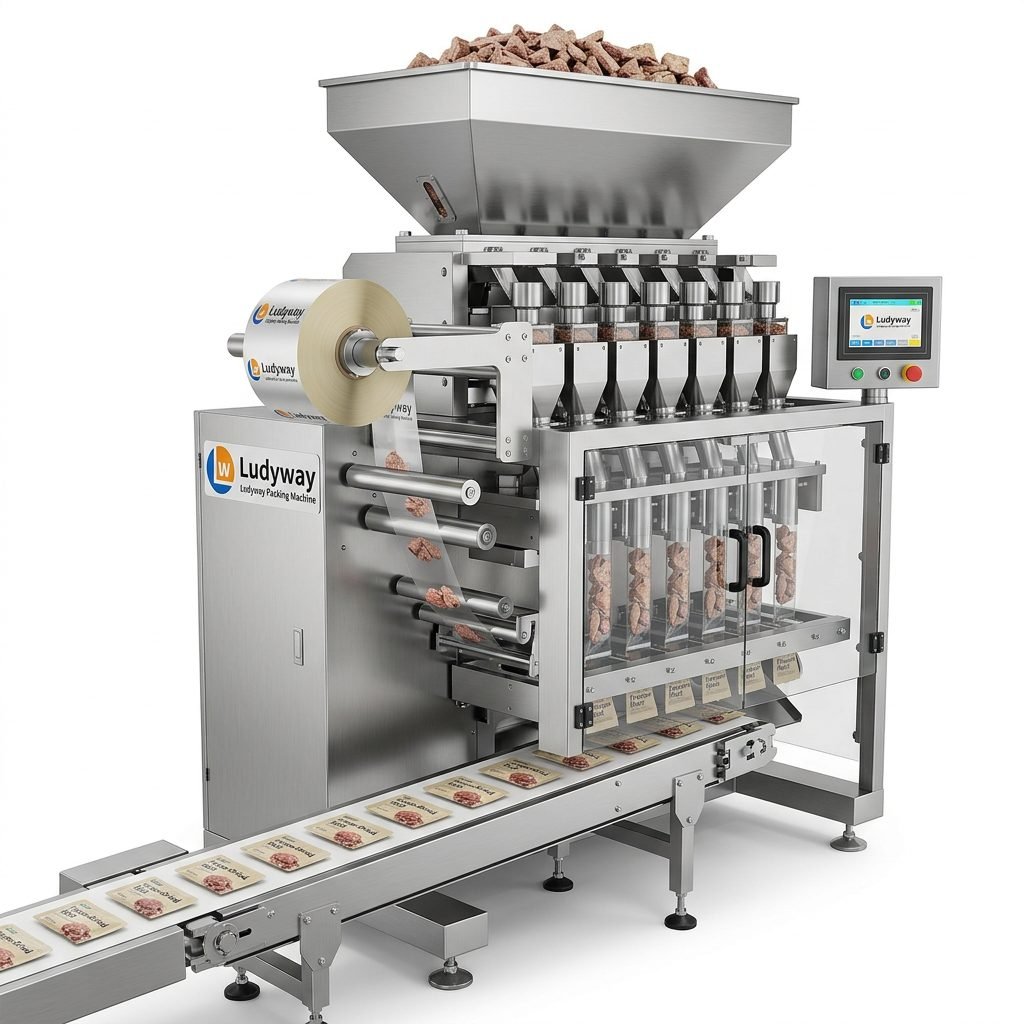
| Multi-Head Weigher | Granules (Nuts, Candies, Pet Food) | Ultra-high speed and weight accuracy |
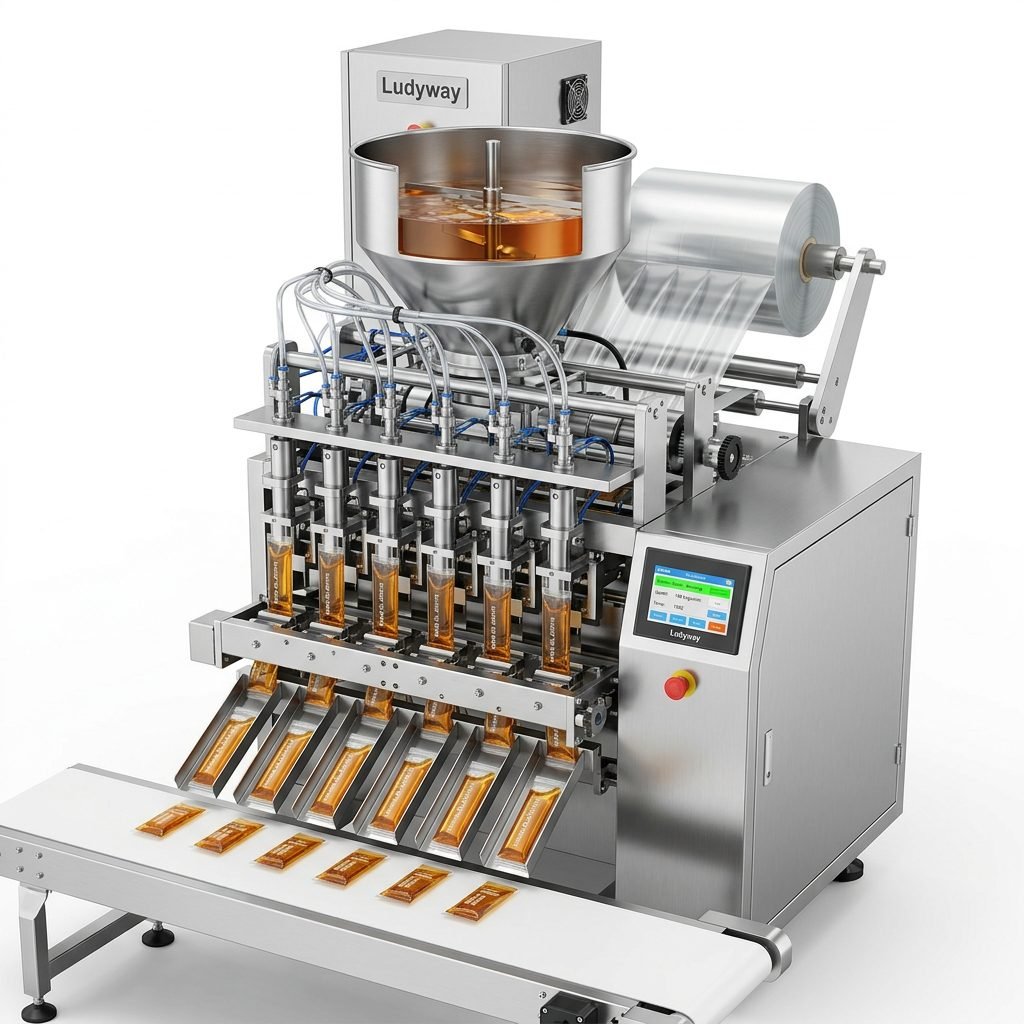
| Piston Pump | Liquids and Pastes (Sauces, Gels) | Volumetric consistency for thick products |
| Volumetric Cup | Uniform Granules (Grains, Seeds) | Simple, cost-effective for free-flowing items |
3. Evaluate Bag Opening and Sealing Mechanisms
Premade bags arrive with sealed bottoms but need to be opened efficiently for filling. Look for machines equipped with robust bag pick-off systems and reliable opening techniques. High-quality machines often use vacuum suction cups combined with air blasts to fully open gusseted bags without damaging the inner layer.
Similarly, the sealing quality defines the shelf life of your product. Multi-stage heat sealing with temperature feedback control is essential for laminated foils and thick materials. If you are packaging food, ensure the machine supports secondary sealing or vacuum/ nitrogen flushing for extended freshness, aligning with FDA food packaging requirements.

4. Production Speed and Automation Levels
How many bags per minute (BPM) do you realistically need? The required speed dictates whether you need a single-lane, twin-lane, or multi-lane configuration. While a single-lane machine might process 15-30 bags per minute, a multi-lane system can easily exceed 100 BPM.
Manual vs. Fully Automatic Features
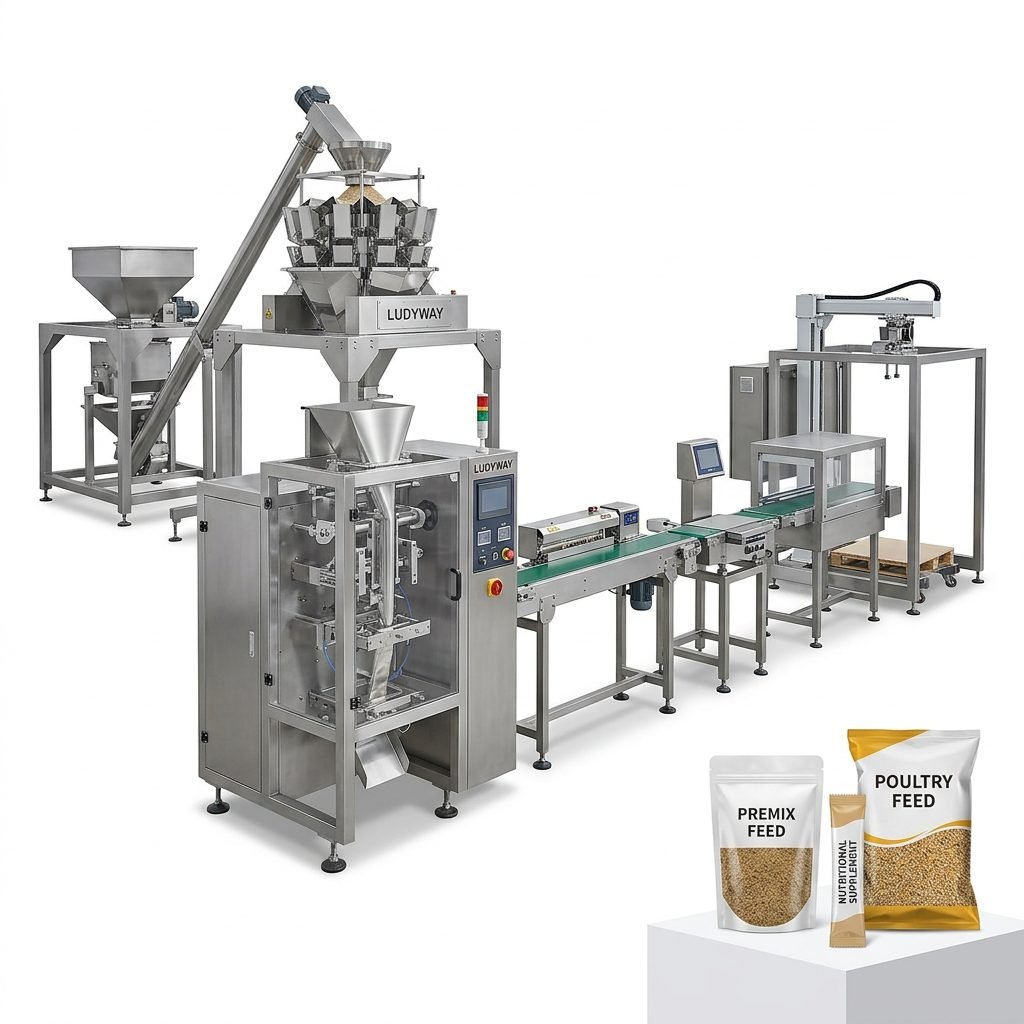
Don’t overlook the ancillary functions. A truly automated packaging line integrates several stages:
- Automatic Bag Feeding: Eliminates manual bag placement, dramatically increasing consistency.
- Zipper Opening/Closing: Essential if you use resealable zipper pouches.
- Date Coding: Integrated thermal inkjet or hot stamp printers for batch tracking, compliant with ISO packaging standards.
- Weighing and Rejection: Automated check-weighers discard underfilled or overfilled bags without stopping production.
5. The Importance of Durable Construction and Hygiene
Machine longevity depends heavily on the materials used in its construction. For standard dry goods, a carbon steel frame with powder coating might suffice. However, for food, pharmaceuticals, or corrosive chemicals, you must prioritize stainless steel 304 or 316L construction.
Washdown-ready designs with slightly sloped surfaces prevent liquid pooling, and IP65/IP66 rated electrical enclosures protect sensitive components during cleaning. Review the Flexible Packaging Association regulatory resources to ensure your machine can meet the hygiene standards of your target market.

6. Supplier Experience and Customization Capabilities
Standard machines rarely fit unique factory layouts or specific bag styles perfectly. Therefore, a supplier’s engineering capability is as vital as the hardware itself. A partner with in-house manufacturing can tailor gripper arms, hopper sizes, and discharge conveyors to your exact needs.
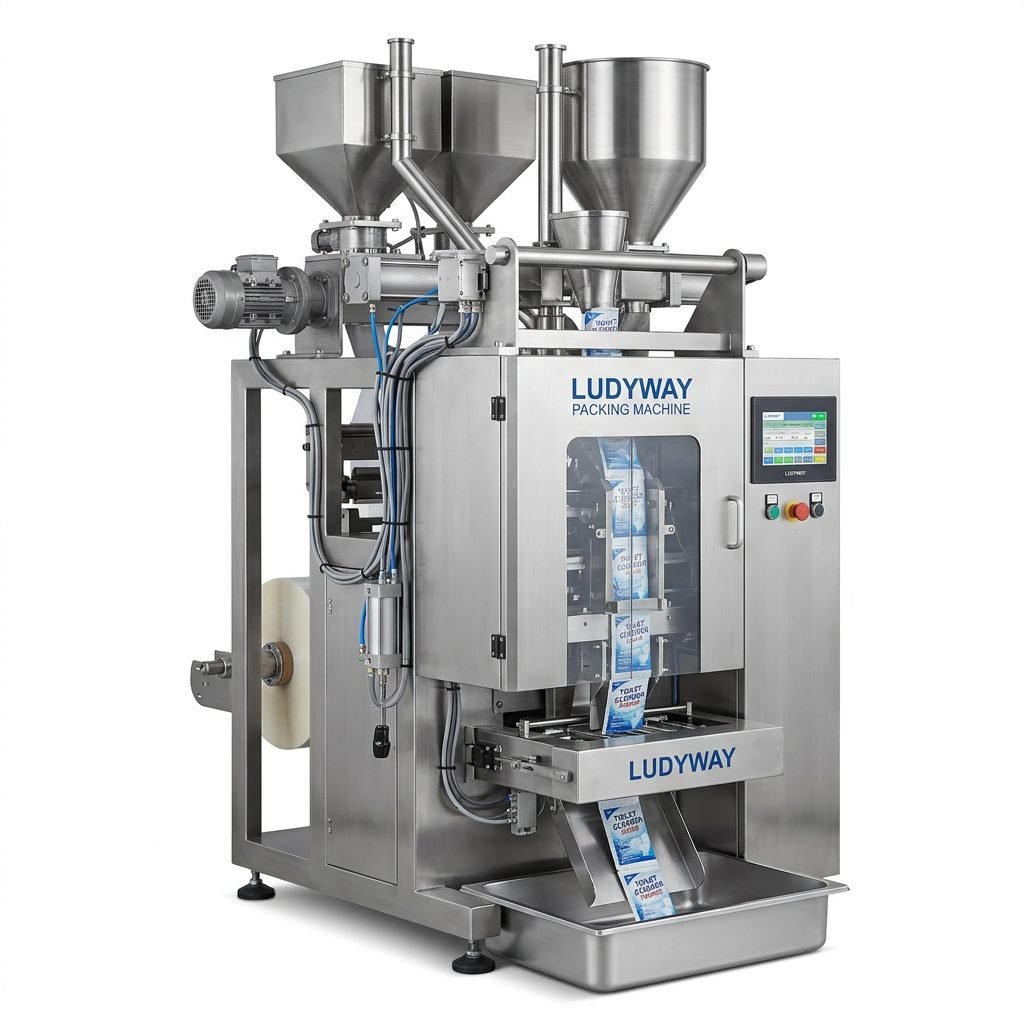
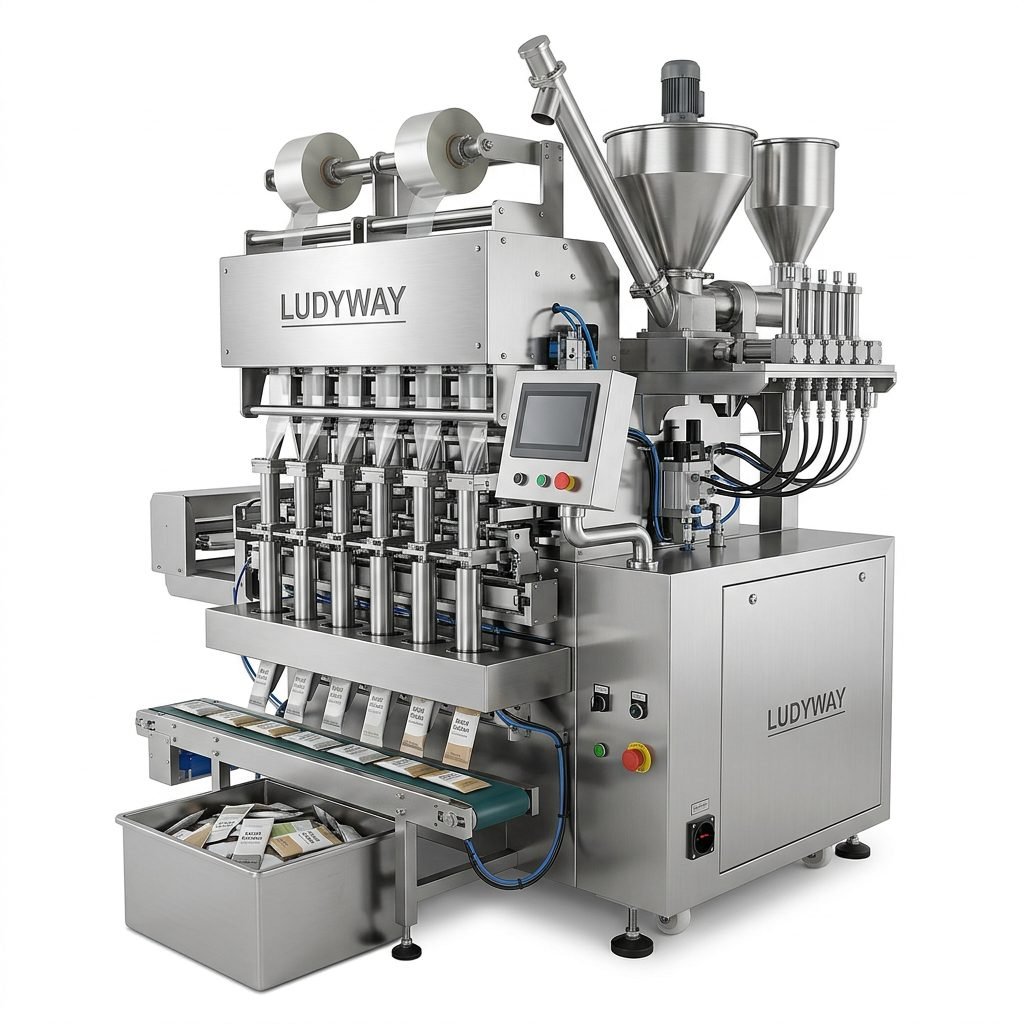
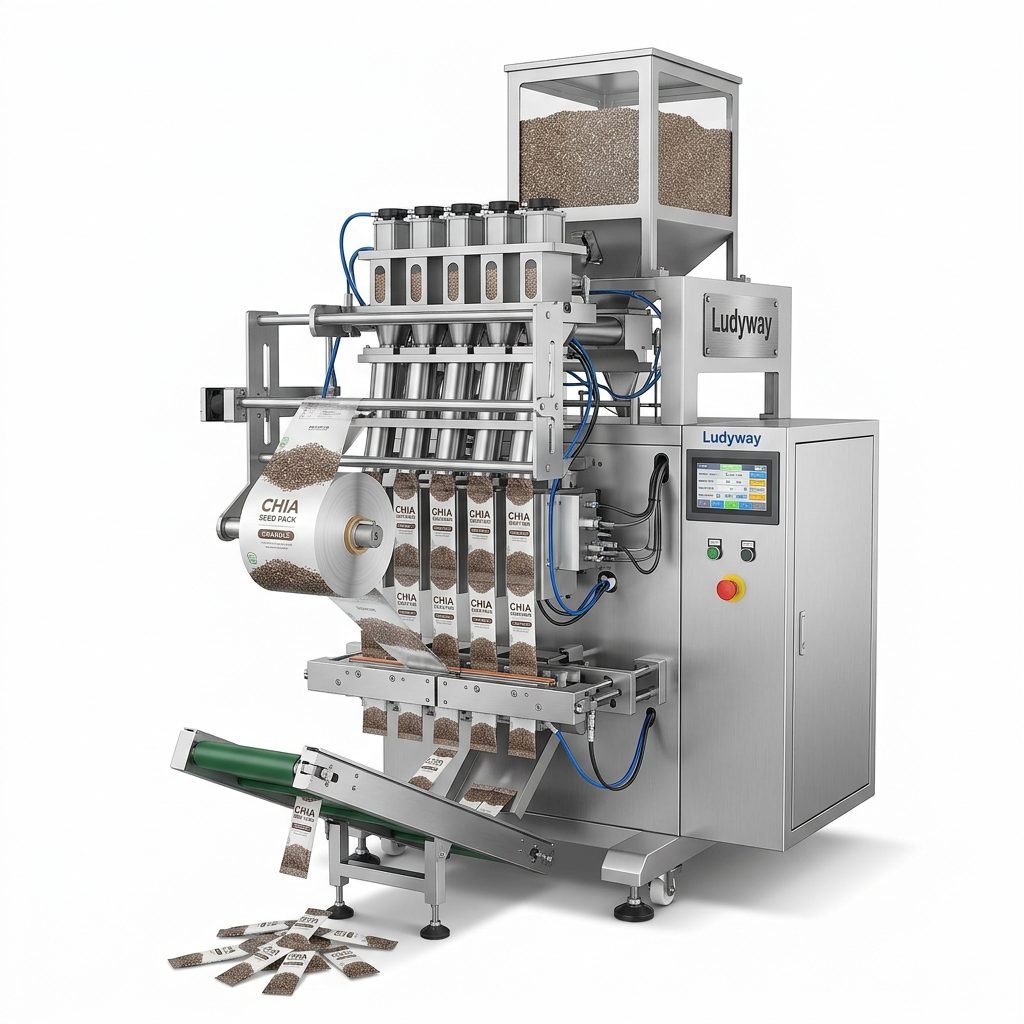
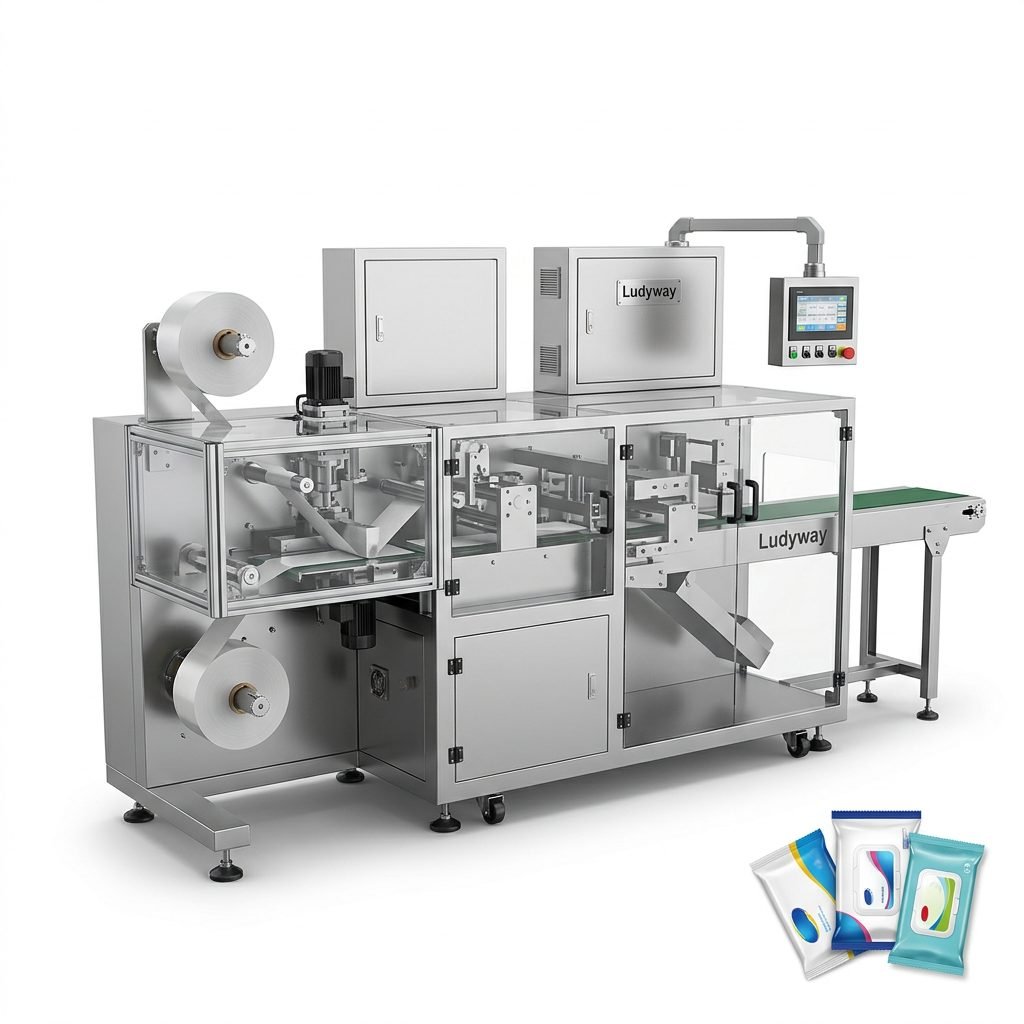
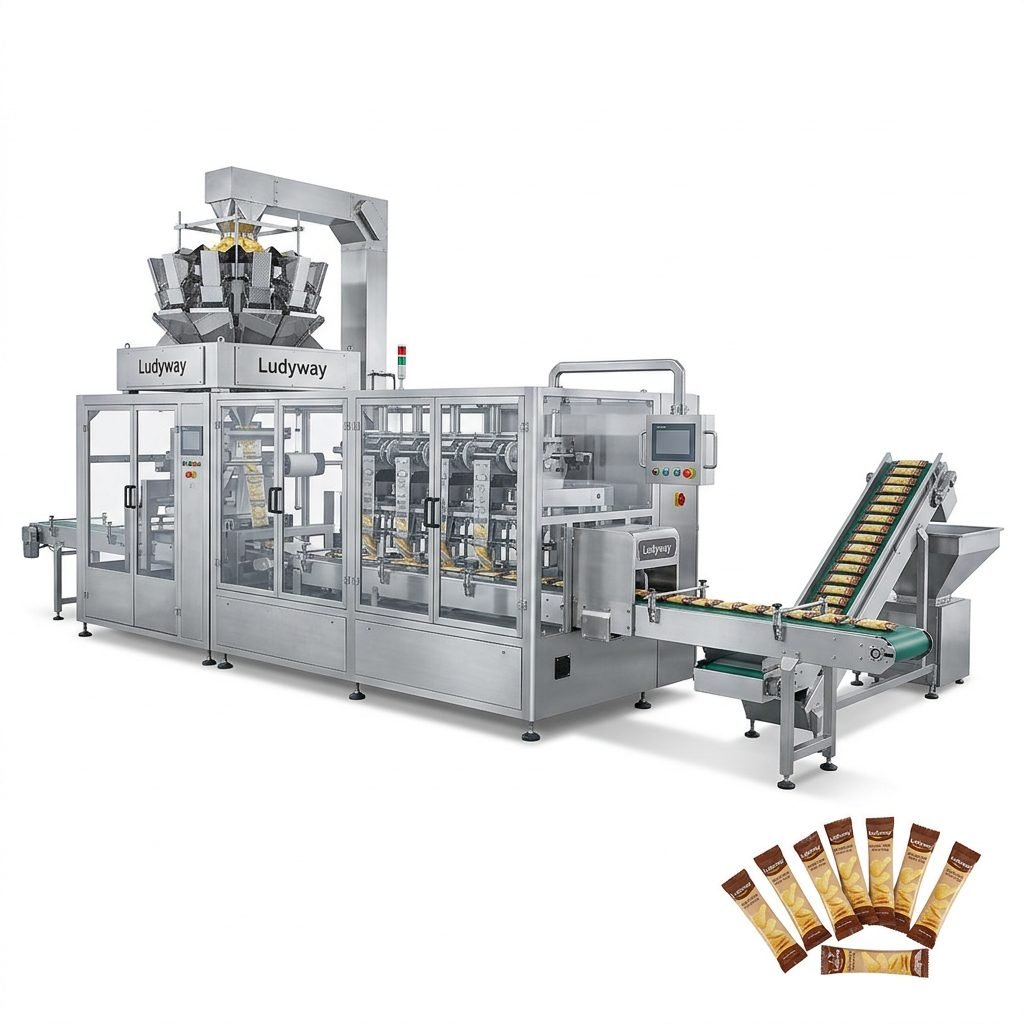
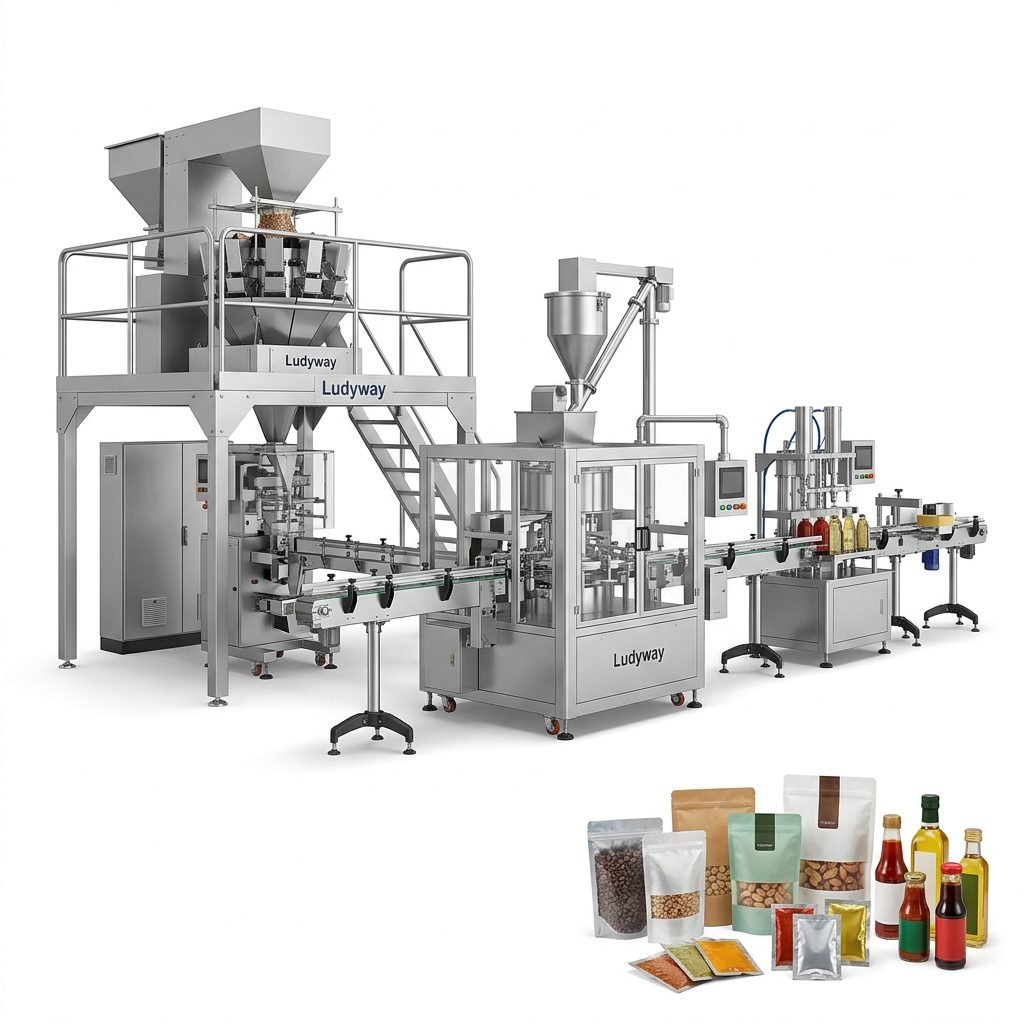
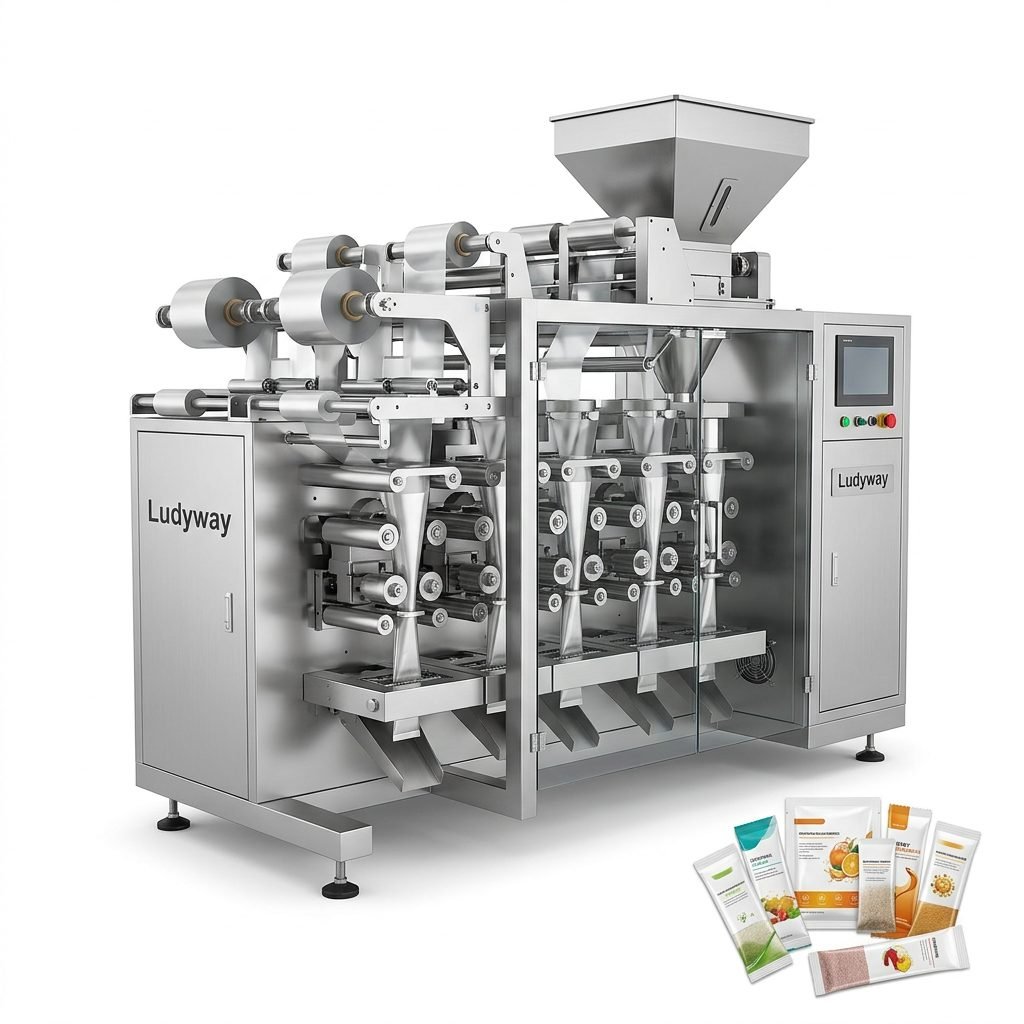
For complex projects, consider working with a professional supplier. Ludyway Machinery, a China-based packaging machinery manufacturer, exemplifies this approach with over 30 years of industry experience. With a 20,000-square-meter manufacturing facility and portfolio of more than 50 packaging machine models, they provide customized engineering solutions rather than relying solely on standardized machines, helping manufacturers develop automated, scalable packaging systems that precisely match their products and production goals.
7. After-Sales Support and Total Cost of Ownership
The purchase price is just the beginning. Calculate the Total Cost of Ownership (TCO), which includes spare parts procurement, maintenance downtime, and electricity consumption. Remote technical assistance is now a non-negotiable requirement for minimizing operational disruptions.
Before signing the contract, clarify the warranty terms and the availability of critical spare parts like sealing bands, thermocouples, and suction cups. A reliable manufacturer will also offer installation, commissioning, and operator training to get your line running at peak efficiency quickly.
8. Integration into Smart Factory Environments
Modern packing machines are not standalone islands; they are nodes in a digital ecosystem. Ensure your new premade bag packing machine supports Industry 4.0 protocols like Ethernet/IP or Modbus TCP. This allows real-time data exchange with SCADA systems, enabling predictive maintenance and performance analytics, a key investment highlighted by the 2026 Packaging State of the Industry report.
9. Case Applications Across Industries
The versatility of premade baggers allows them to be deployed in virtually any sector. Here are a few examples:
- Food & Beverage: Packaging granola, frozen fruits, coffee beans, and ready-to-drink beverages in stand-up pouches.
- Pharmaceuticals: ISO 11607 compliant filling of sterile powder medicines into medical pouches.
- Pet Food: High-speed weighing and bagging of dry kibble into various bag sizes.
- Chemicals: Safe filling of detergents and industrial salts into robust laminated bags.

Final Checklist Before You Buy
Use this quick checklist to guide your procurement process:
- Have you tested the machine with your actual product and bag samples?
- Does the filling system handle your product’s flow characteristics without bridging or dripping?
- Is the machine’s speed compatible with your upstream and downstream equipment?
- Does the supplier provide detailed factory acceptance testing (FAT) reports?
- Are you confident in the supplier’s local service and spare parts response time?
Selecting the optimal premade bag packing machine transforms your packaging floor, delivering speed, airtight seals, and attractive shelf presentation. By methodically analyzing your product specs, required automation, and supplier credentials, you secure an asset that drives profitability for years to come.