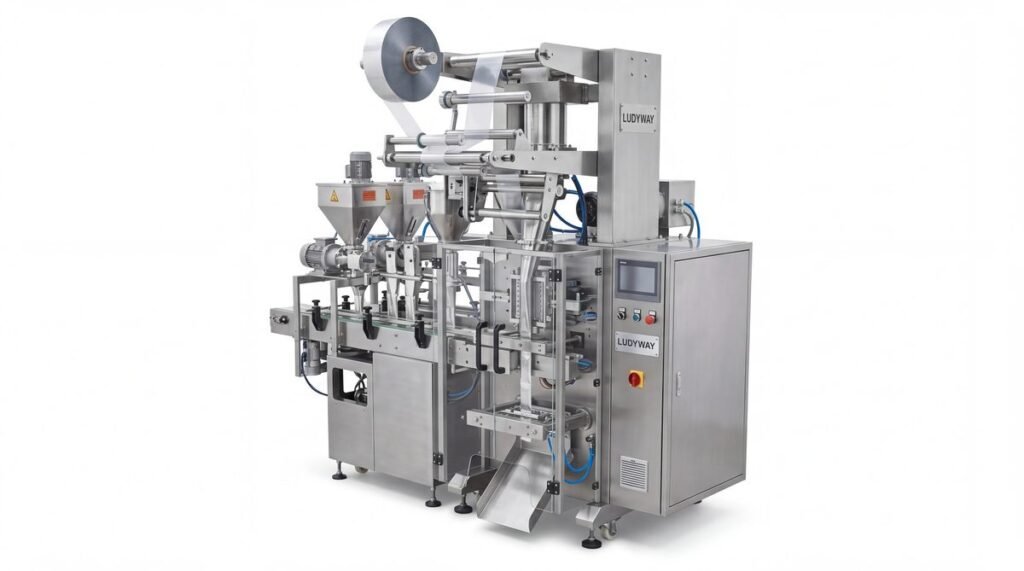
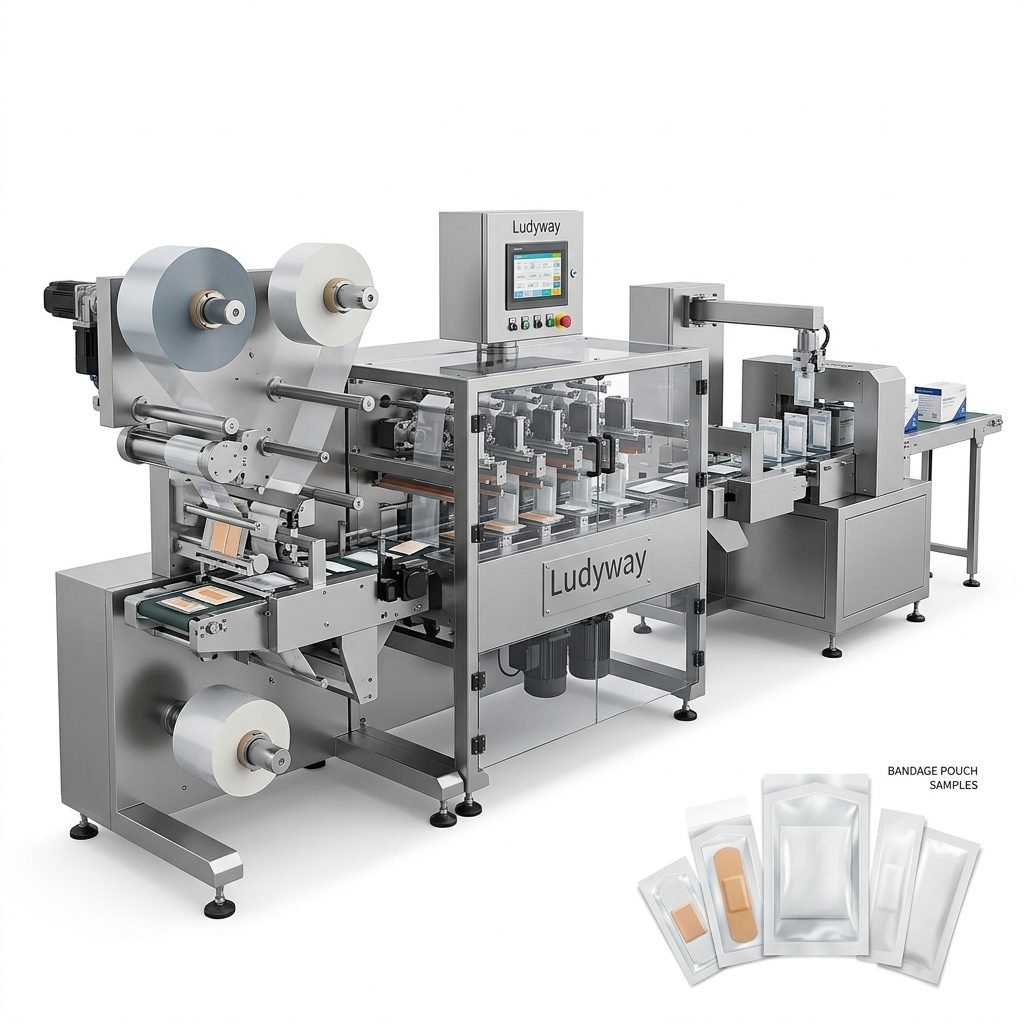
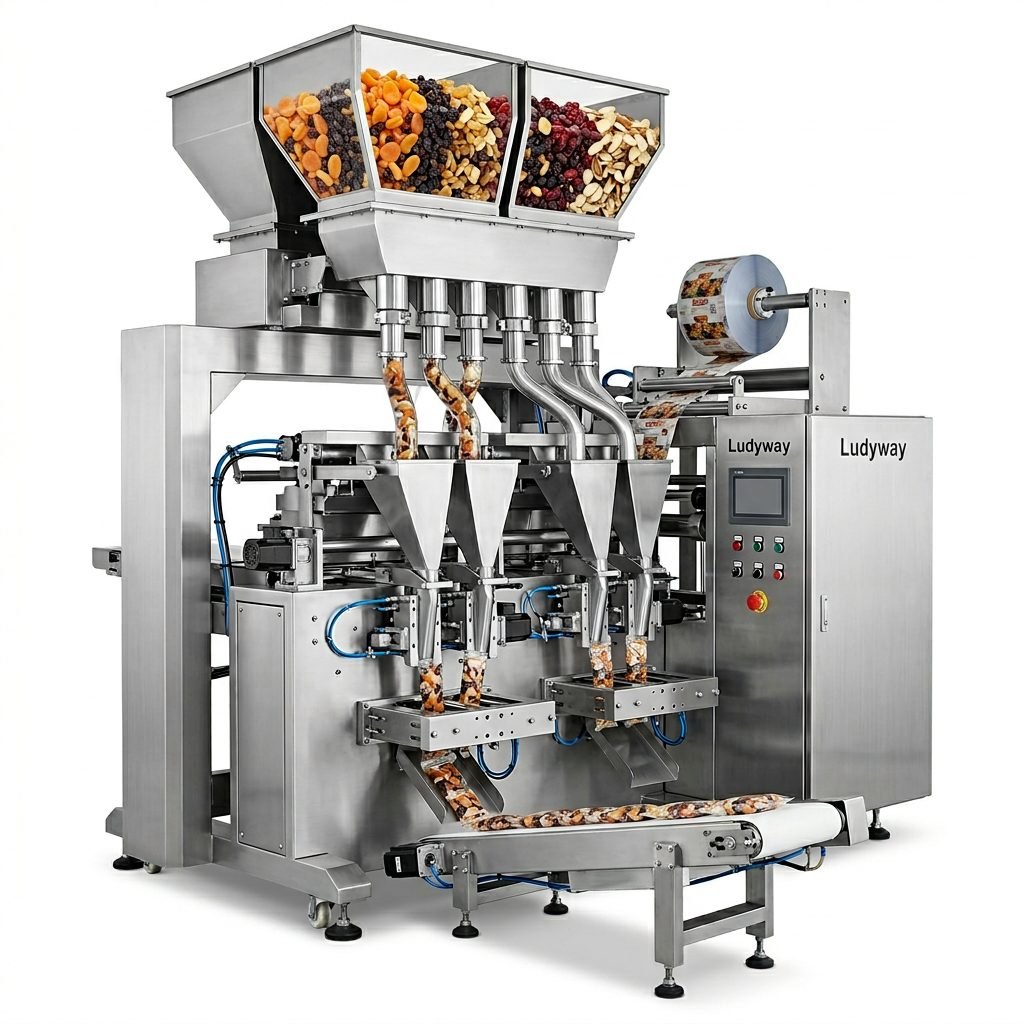
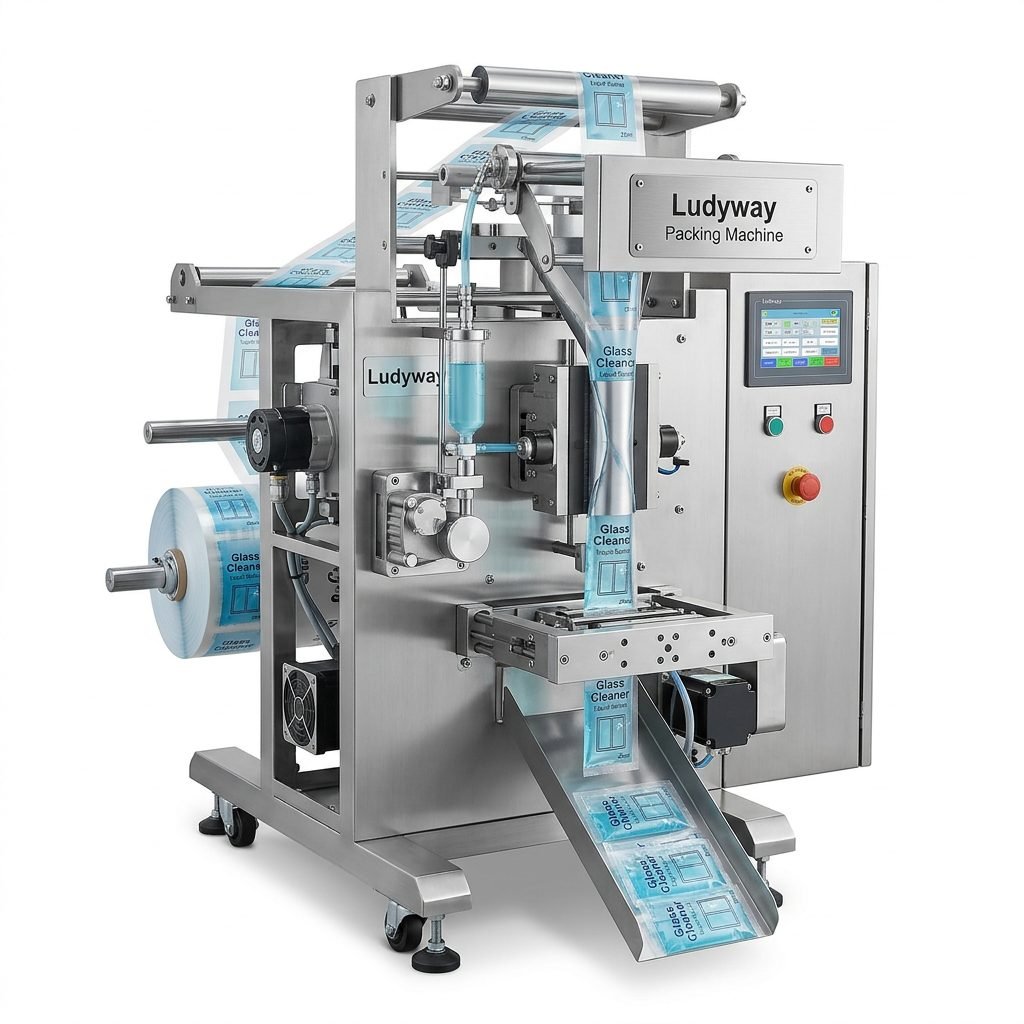
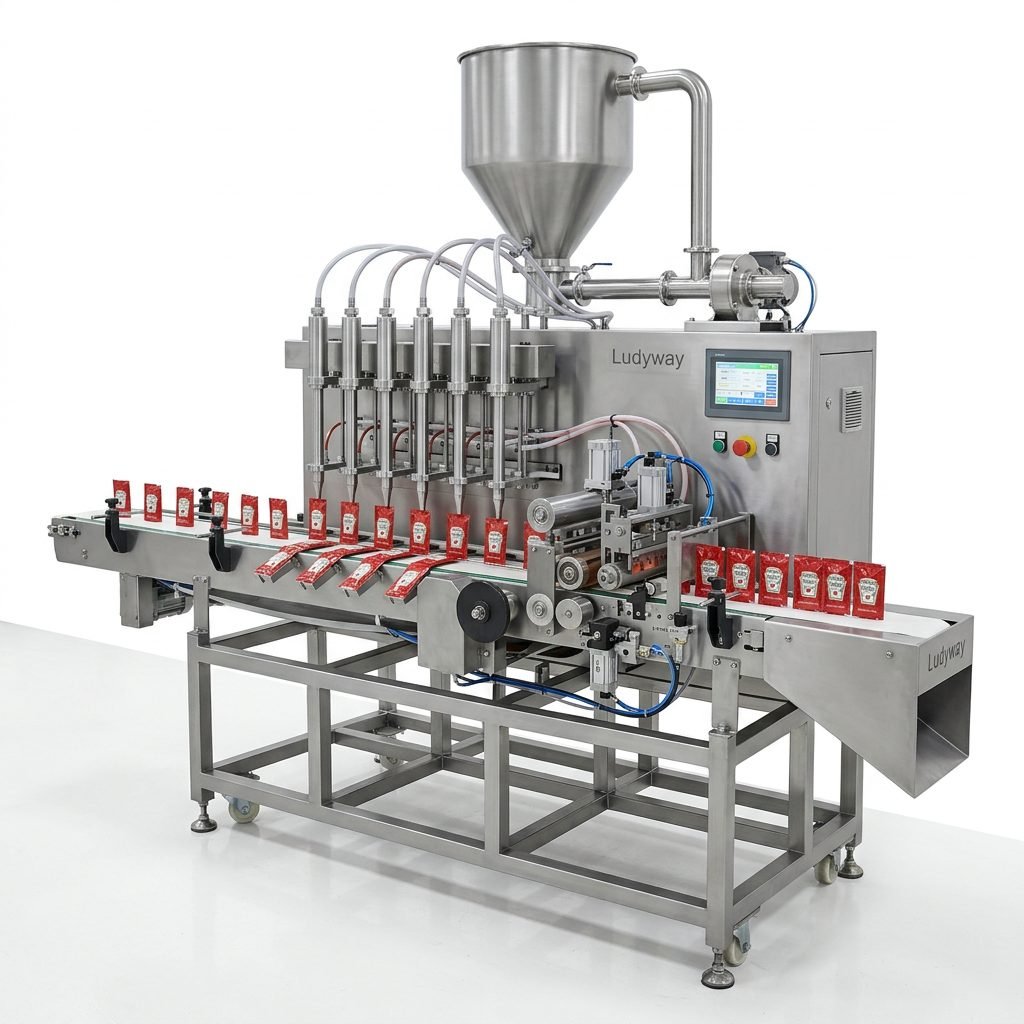
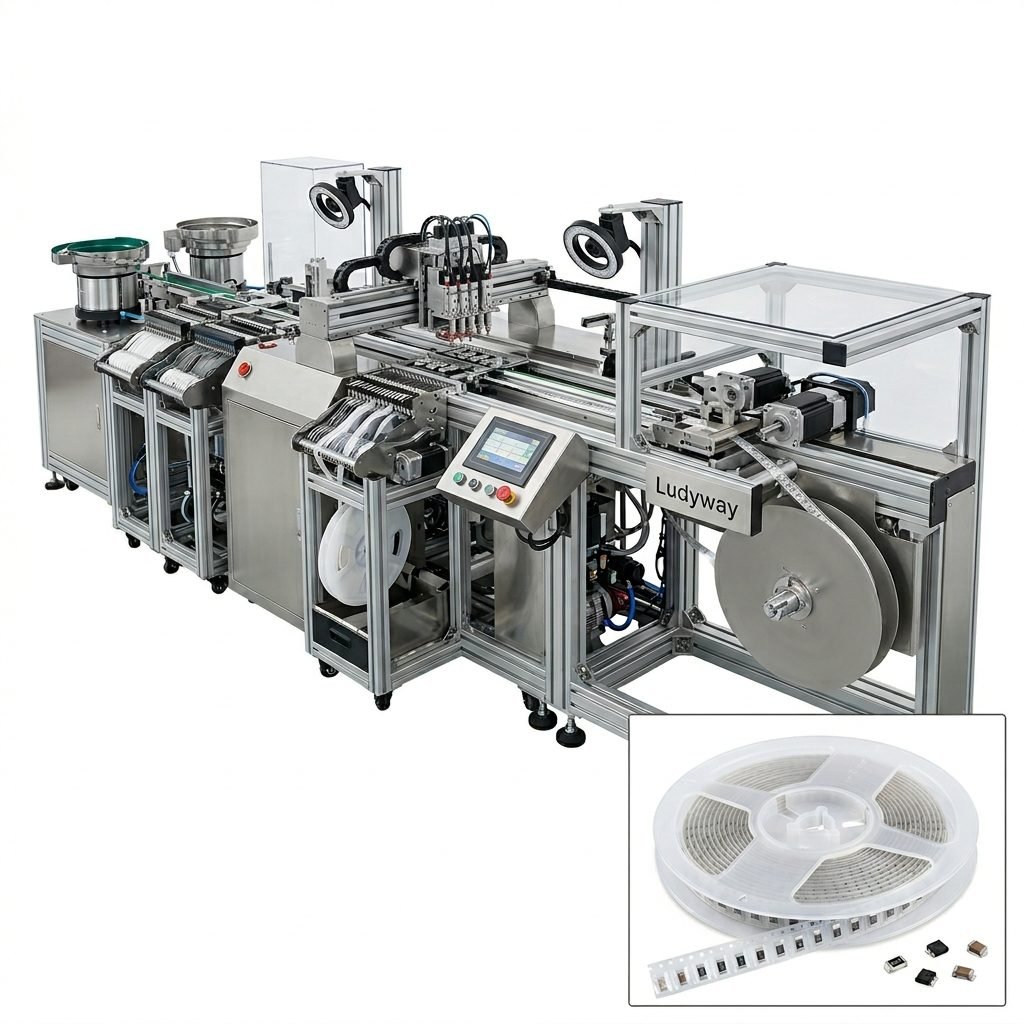
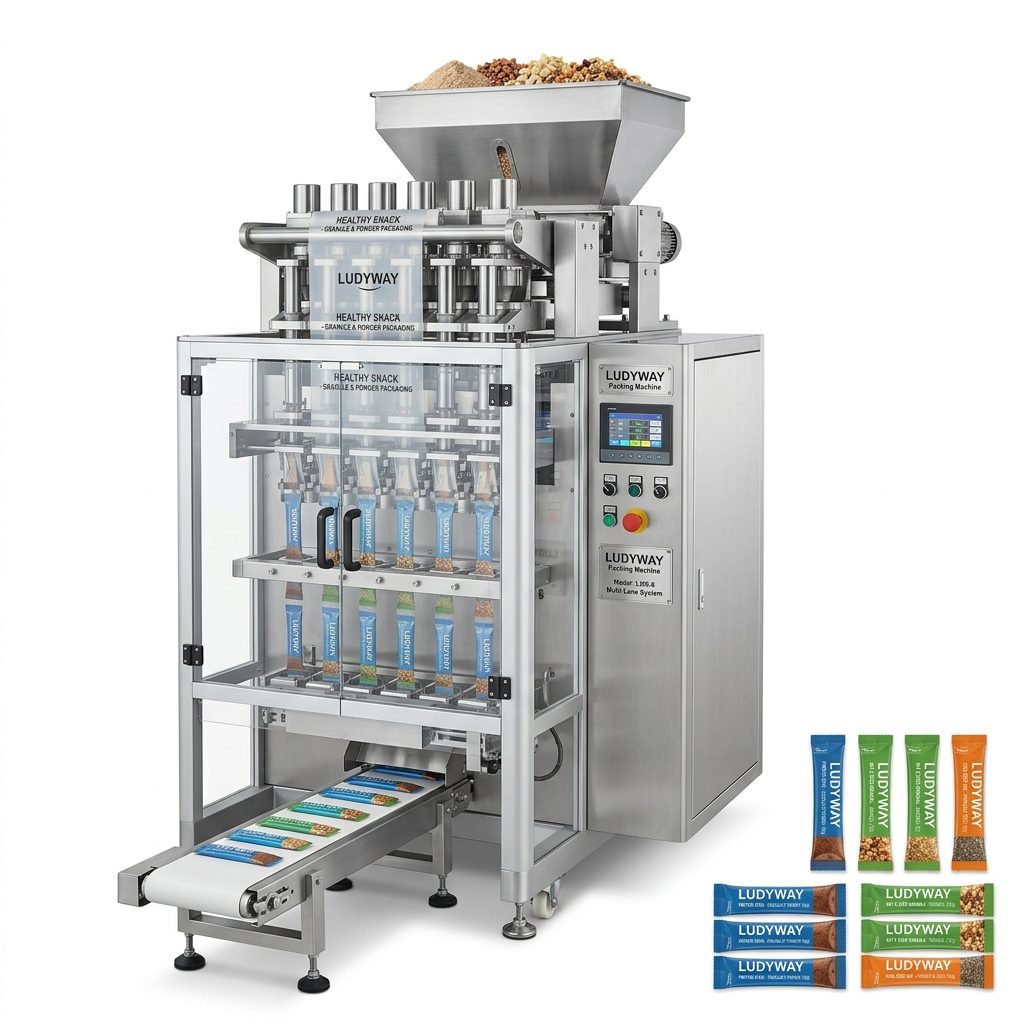
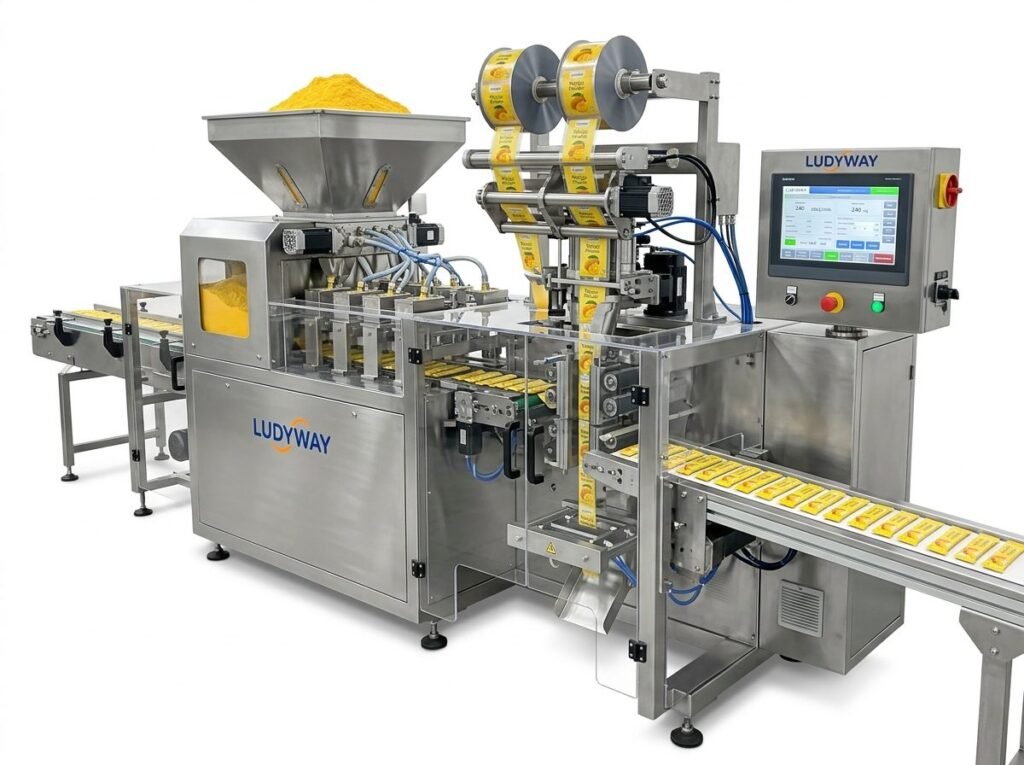
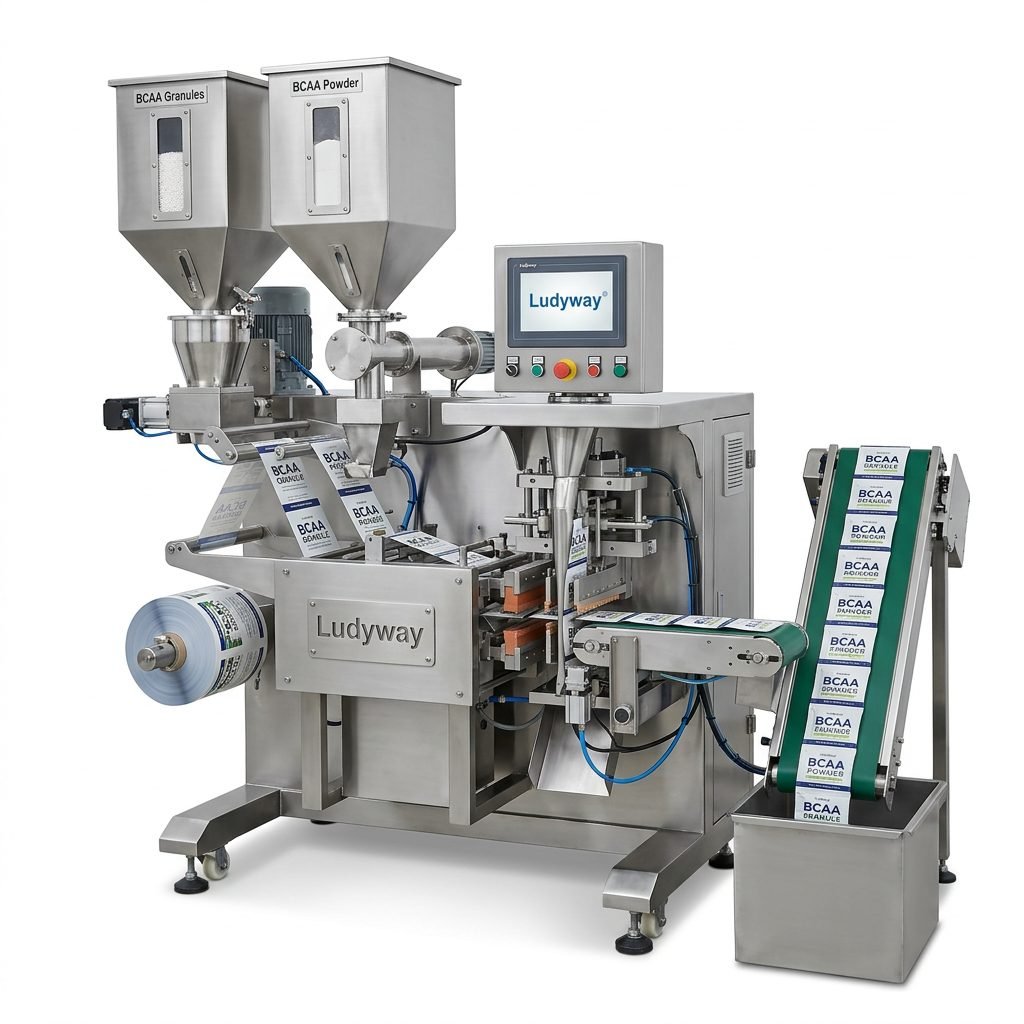
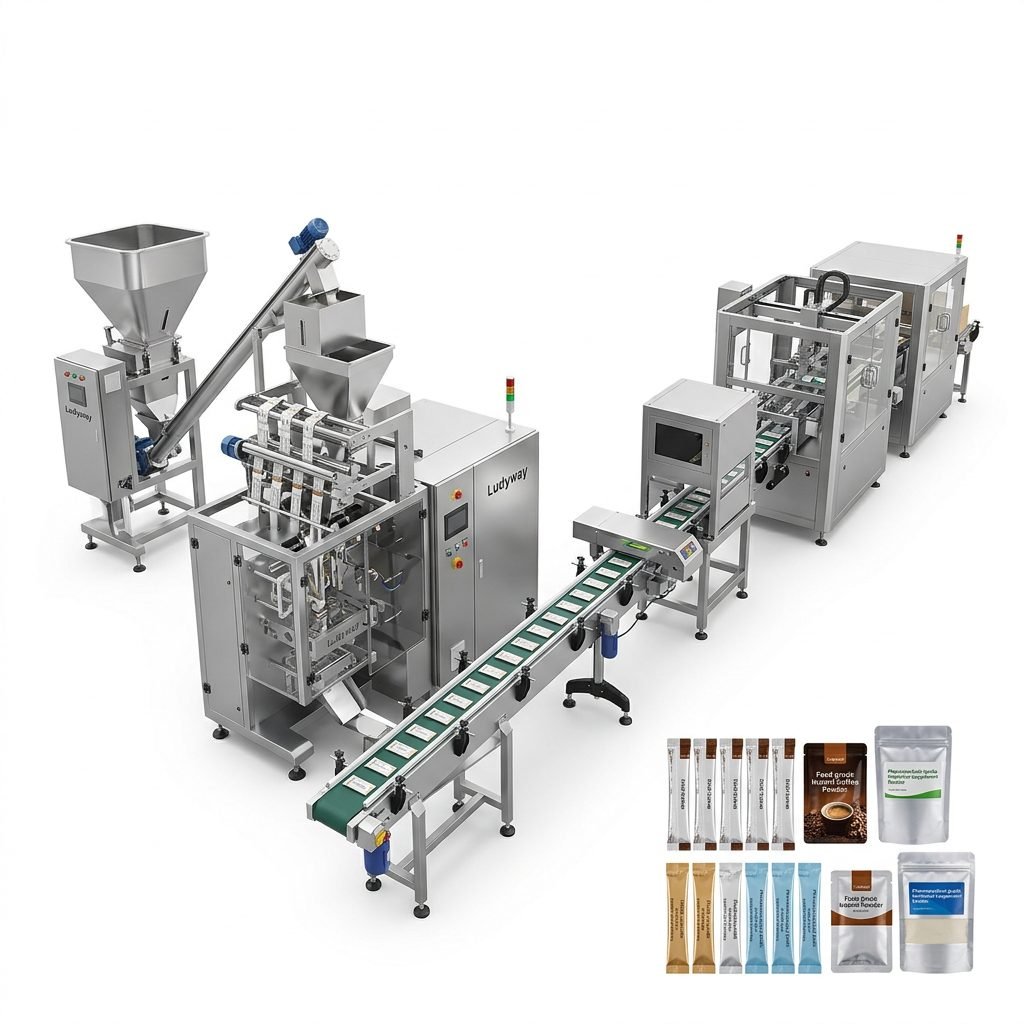
Regular maintenance of your packing and sealing machine is not just a routine task — it is a critical investment in productivity, product quality, and long-term operational reliability. By establishing a structured service schedule, you can prevent unexpected breakdowns, reduce costly repairs, and ensure consistent output. Whether you operate a high-speed multi-lane system or a compact single-lane setup, these best practices will keep your equipment running at peak condition.
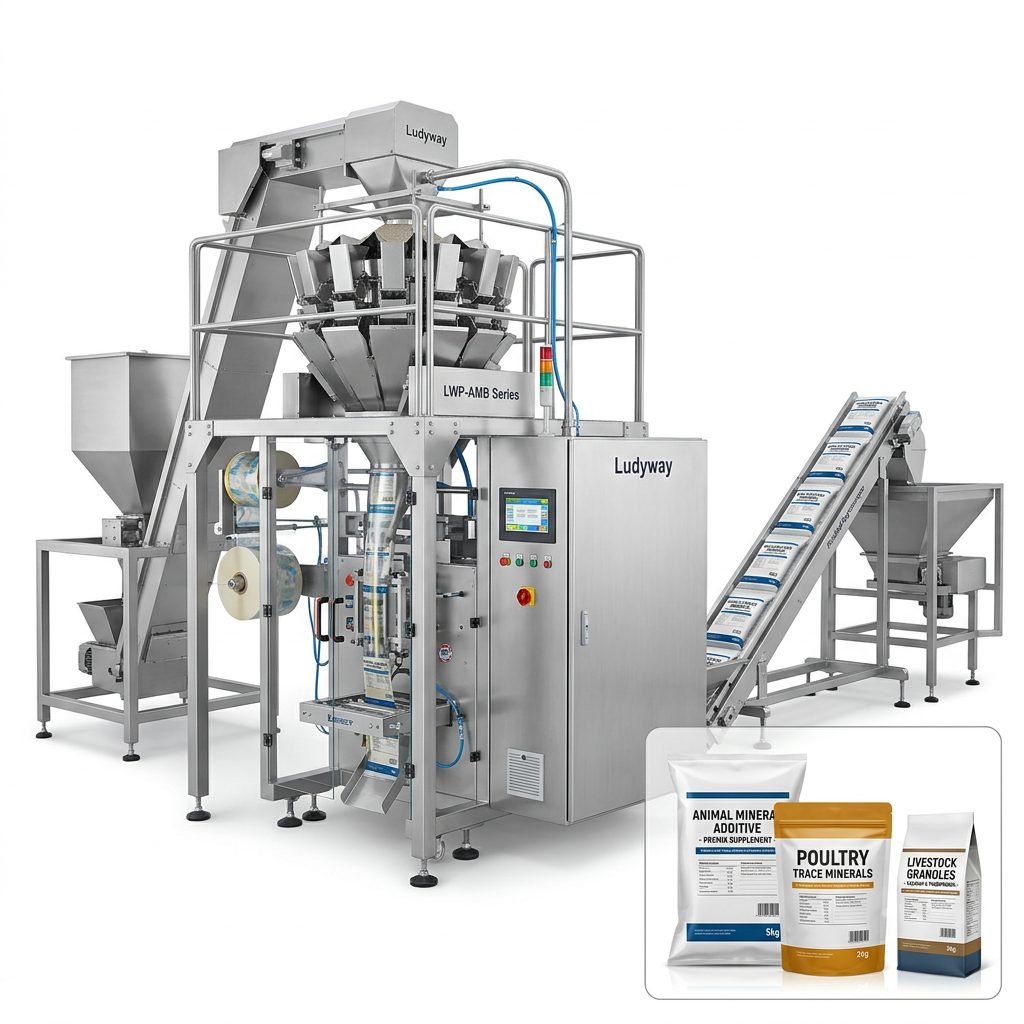
Why Preventive Maintenance is Non-Negotiable
A packing and sealing machine is a high-precision piece of equipment. Dust, friction, and thermal stress degrade its components over time. Skipping maintenance often leads to inconsistent sealing quality, product leakage, and even severe mechanical failures. A proactive maintenance approach not only extends the lifespan of the machine but also guarantees safety for your operators and end consumers. According to packaging machine efficiency best practices, regular servicing can reduce downtime by up to 30%.
Daily Cleaning and Operational Checks
The foundation of any maintenance plan starts at the end of each production cycle. Here is a simple daily protocol to integrate into your shift operations:
- Remove Residual Material: Clear all leftover powders, granules, or liquids from the hopper and filling nozzles to prevent cross-contamination and blockages.
- Clean Sealing Jaws: Wipe the heating jaws with a soft brush or non-abrasive cloth. Built-up residue on the sealing jaws is the primary cause of weak or leaky seals.
- Inspect Sensors: Check that photoelectric sensors and temperature probes are clean and unobstructed. Dust accumulation can cause false readings and misalignments.
- Visual Inspection: Walk around the machine to check for loose bolts, worn cables, or unusual lubricant leaks.
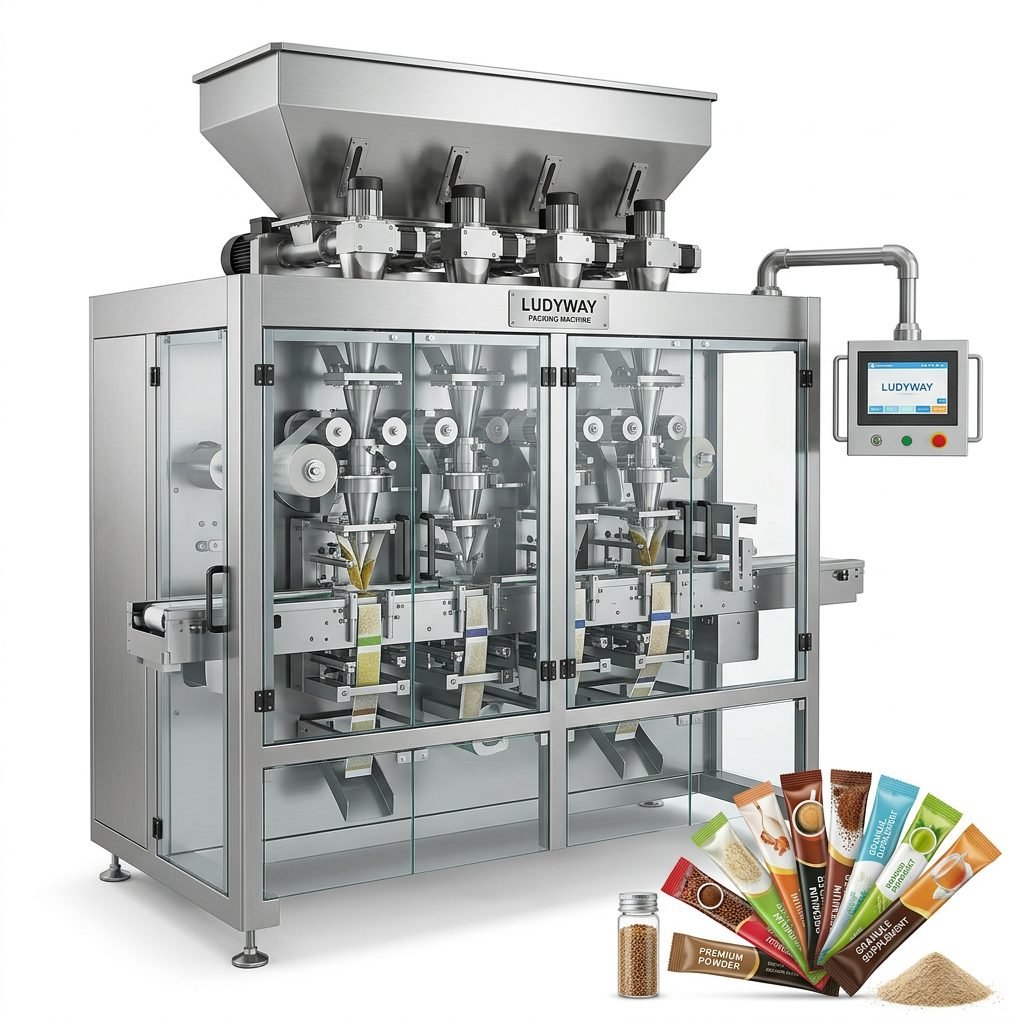
Weekly and Monthly Maintenance Schedule
Going beyond daily touch-ups, specific mechanical components require frequent attention. Use the following schedule to track your weekly and monthly responsibilities, paying special attention to lubrication and part wear.
| Frequency | Maintenance Task | Key Checkpoints |
|---|---|---|
| Weekly | Lubrication & Air Supply | Grease bearings and chains; drain water from air filter traps; check air pressure gauge. |
| Weekly | Safety Systems | Test emergency stops and safety interlocks; verify guarding integrity. |
| Monthly | Sealing Components | Inspect Teflon/PTFE coating on heat seal jaws; check heater cartridge continuity. |
| Monthly | Drive Belts & Gears | Check timing belt tension; inspect for cracks or stripped teeth; tighten set screws. |
Troubleshooting Common Sealing Issues
Even with the best care, you might encounter functional anomalies. Identifying the root cause quickly saves time and material waste. Refer to the table below for typical packing and sealing machine symptoms and their diagnoses.
| Problem | Possible Cause | Recommended Solution |
|---|---|---|
| Wrinkled Seals | Incorrect temperature or pressure | Lower the heat setting slightly and recheck the jaw alignment. |
| Product Leakage | Dirty or worn sealing jaws | Clean jaws thoroughly; replace the Teflon cover if scratched. |
| Bag Jamming | Mistimed film feed or static electricity | Reset the film registration sensor; install an ionizing bar. |
| Inconsistent Fill Weight | Worn auger or sticky hopper walls | Calibrate the scale; polish the auger surfaces to reduce friction. |
The Value of Professional Technical Support
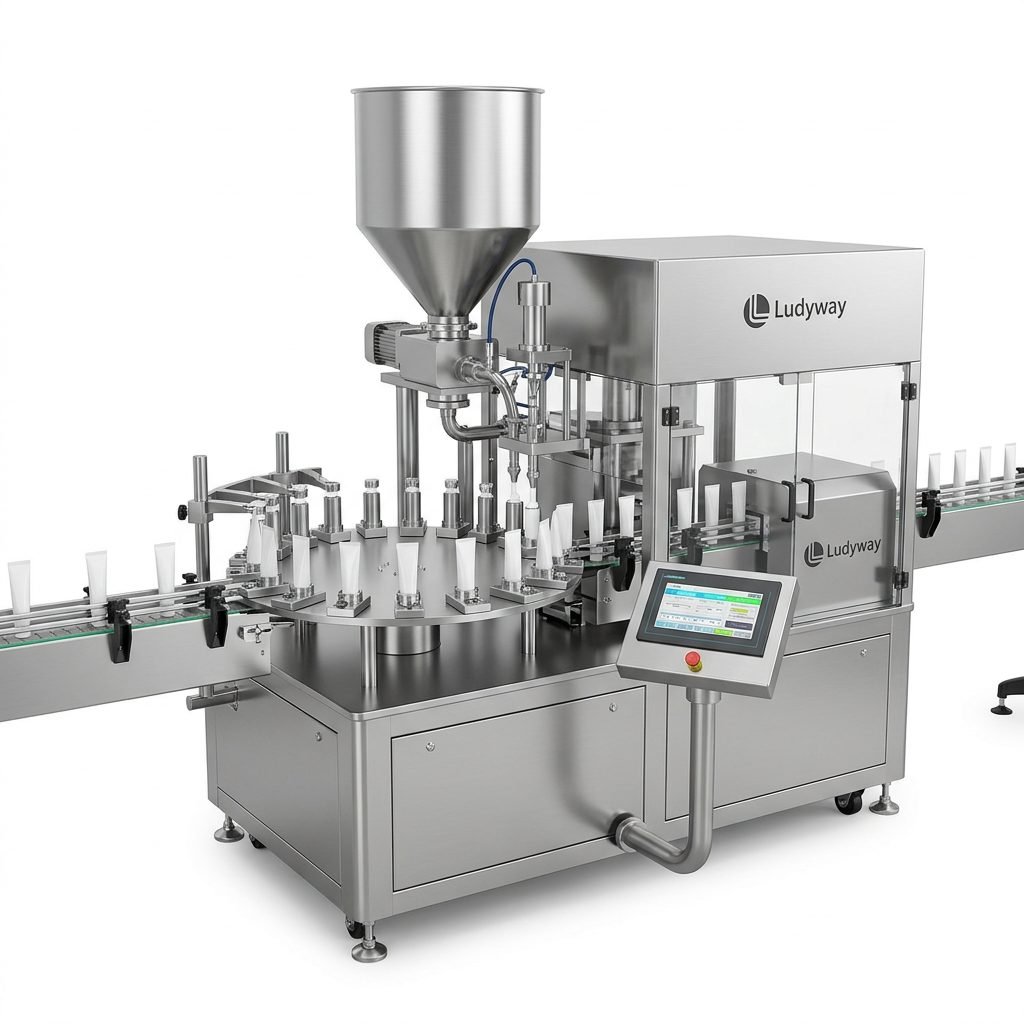
While in-house teams can manage daily cleaning and basic troubleshooting, complex calibrations and electrical diagnostics often require expert intervention. Establishing a relationship with a professional packing and sealing machine supplier ensures you have immediate access to technical remote guidance, genuine OEM spare parts, and on-site servicing. Companies like Ludyway not only design robust systems for food, pharmaceutical, and chemical sectors but also provide extensive after-sales support to keep your lines moving efficiently. Following industry safety standards during these service visits is mandatory for compliance and risk mitigation.
Long-Term Strategy: Spare Parts Management
Smart inventory management of critical spares is a cornerstone of sustainable operation. Keeping a buffer stock of wear-and-tear components prevents minor faults from escalating into week-long stoppages. We recommend having the following items readily available in your storage room:
- Heating Elements and Thermocouples: These have a finite thermal life and are the most frequently replaced electrical items.
- Teflon Strips and Silicone Pads: These protect the film and ensure a smooth release during the sealing process.
- Forming Tubes and Shoulders: Spare forming shapes allow for quick changeovers between different bag sizes without rushing to machine shops.
- Sensor and firmware upgrades: Modern machinery operates on precise electronics; you should always have a backup of the machine’s latest parameters.
Integrating these maintenance tips into your daily operations will transform the reliability and output quality of your packaging floor. Consistent care, combined with professional service partnerships, guarantees that your production targets are met safely and efficiently.