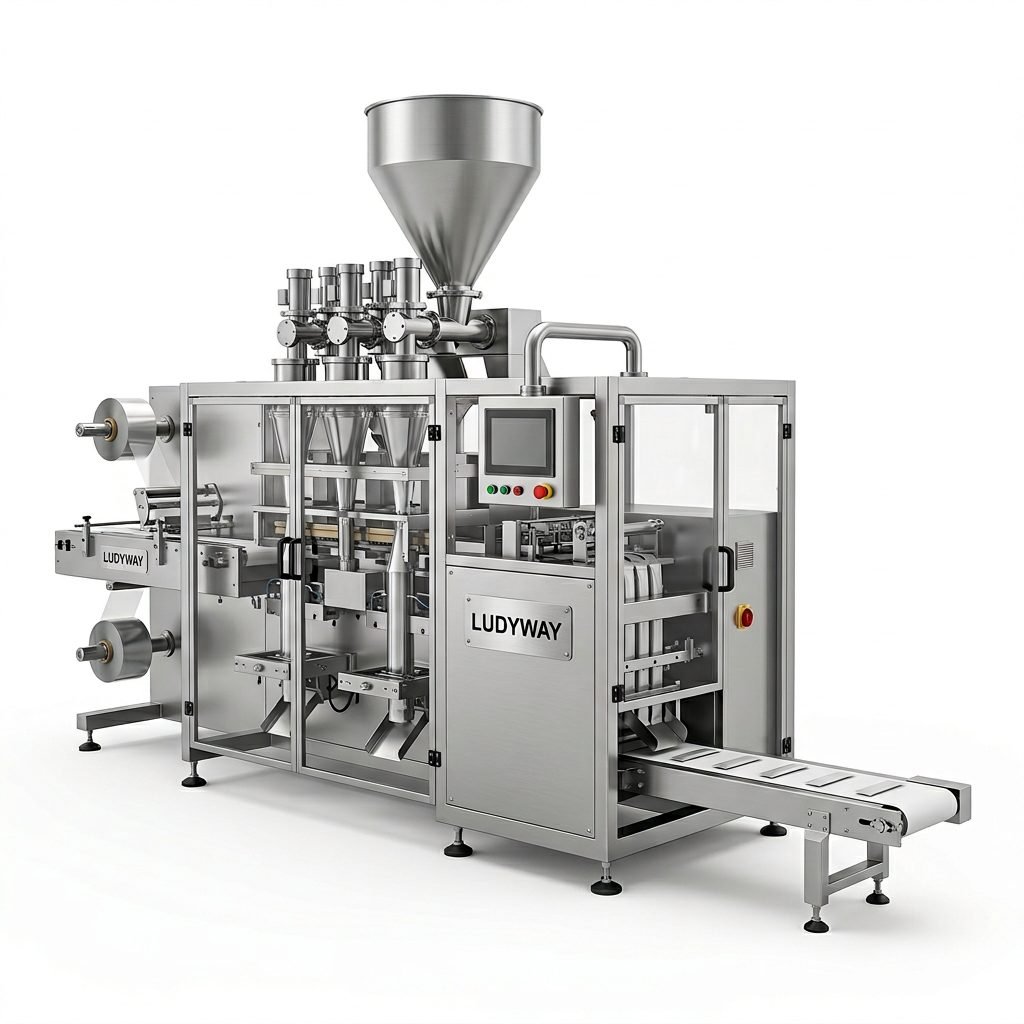
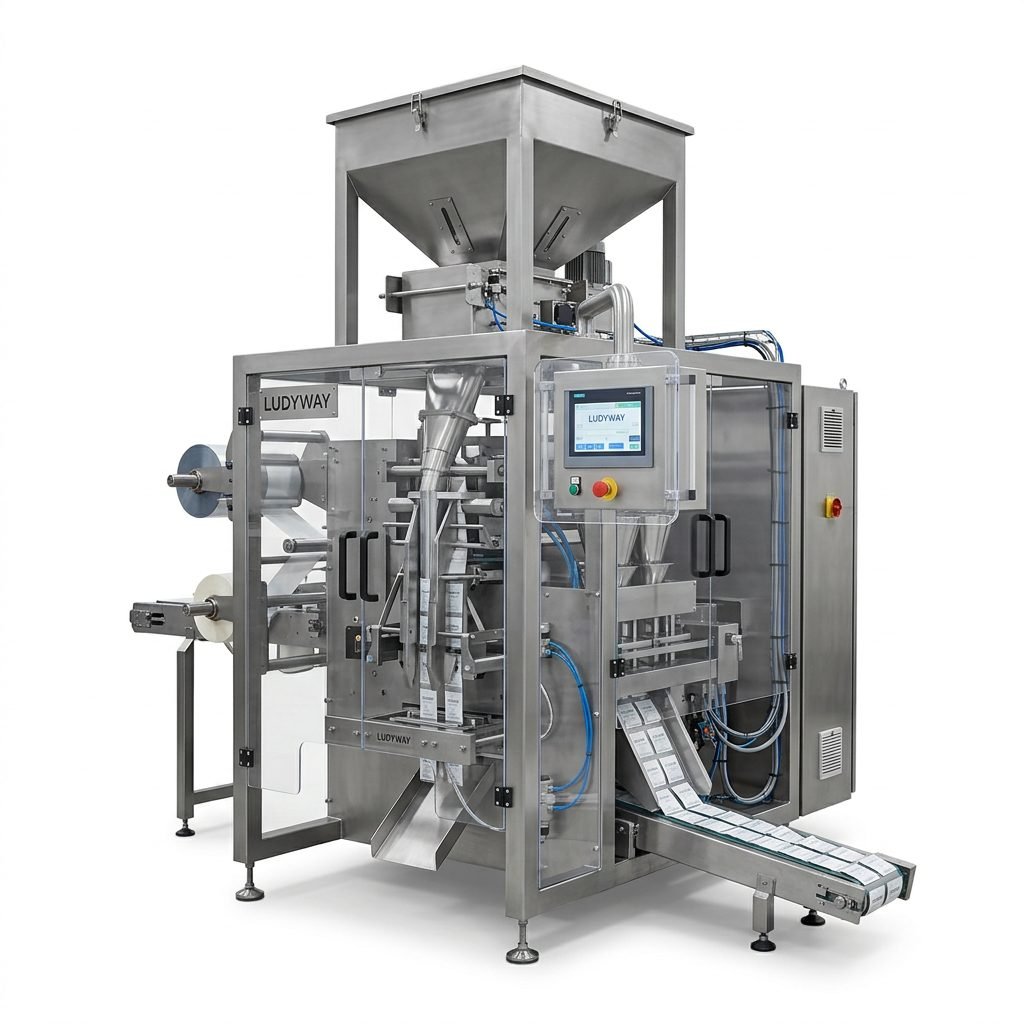
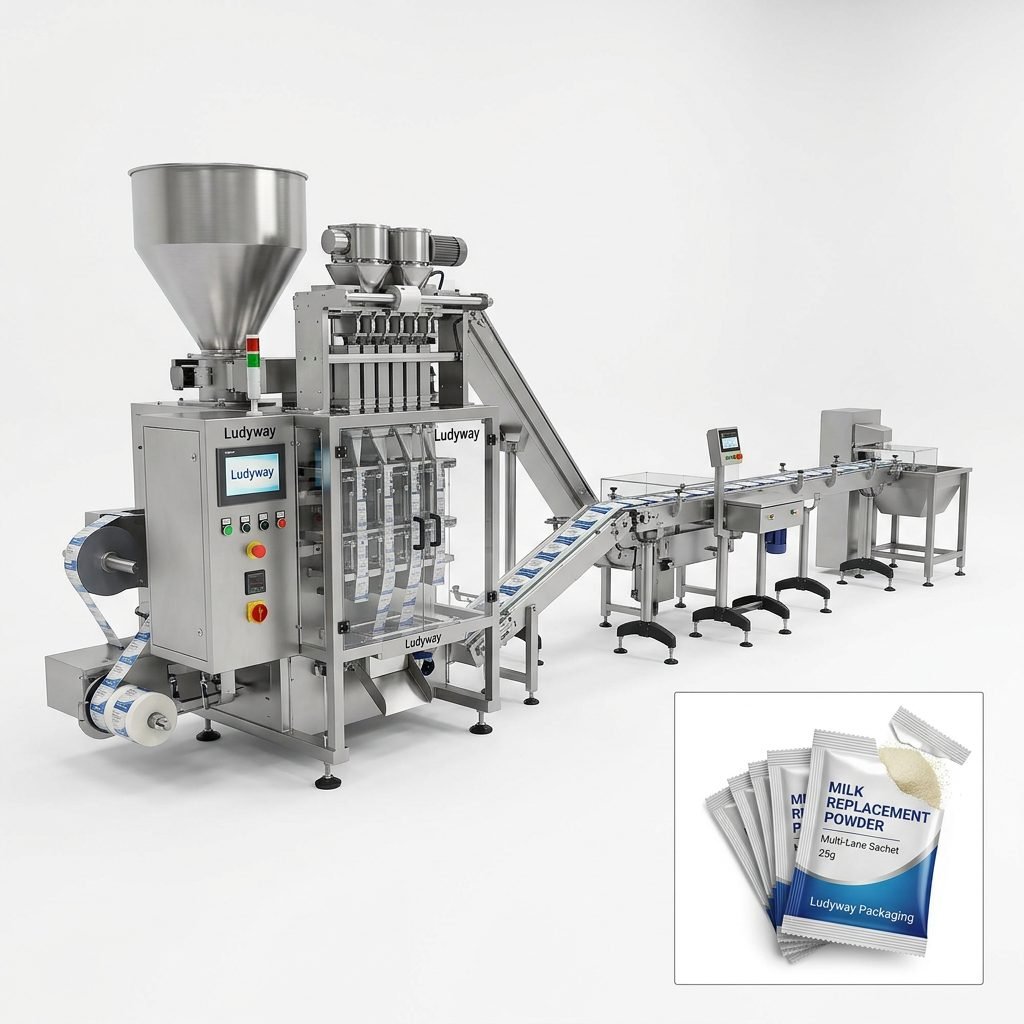
Selecting a juice pouch packing machine is a strategic decision that directly affects your production efficiency, packaging quality, and long-term operational costs. Whether you are packaging fruit juices, functional beverages, or liquid concentrates, understanding the key technical and commercial factors helps you invest in equipment that matches your production goals.
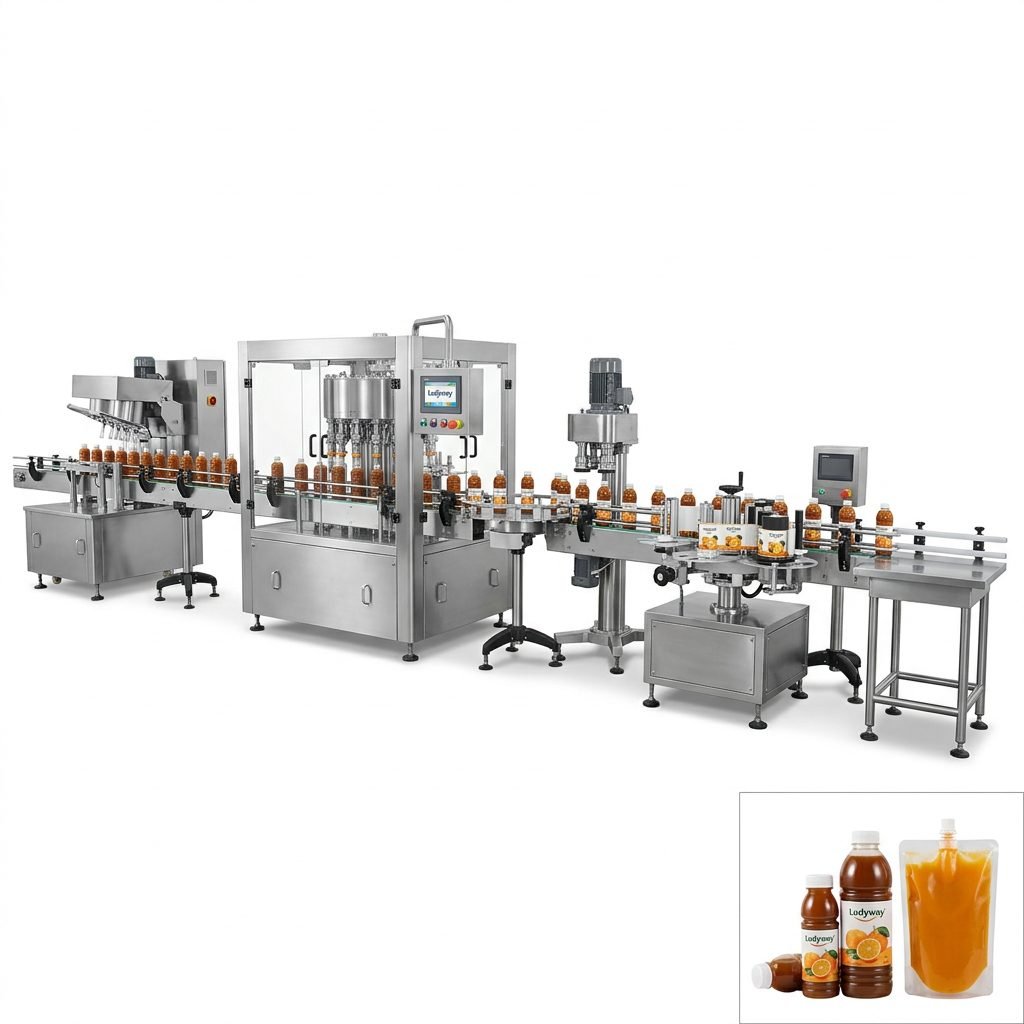
Understanding Pouch Packaging Formats for Juice Products
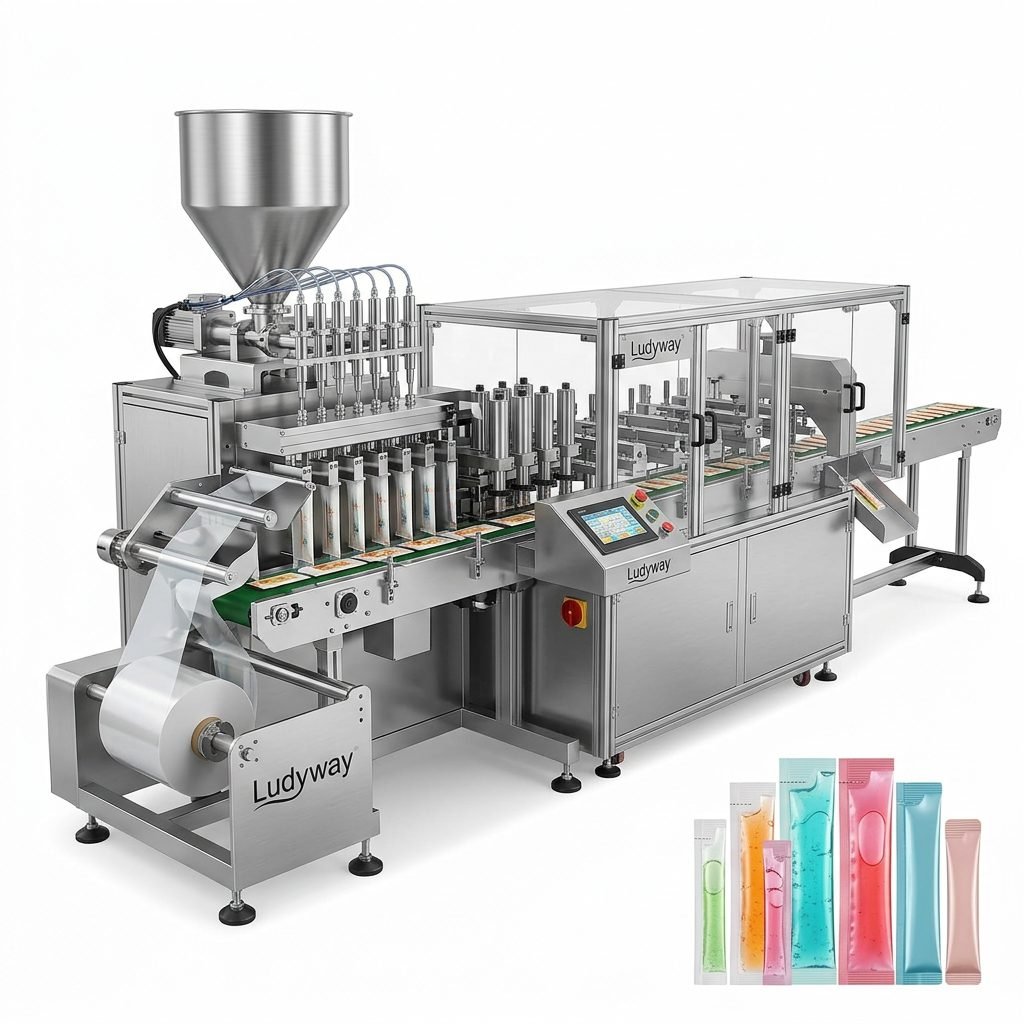
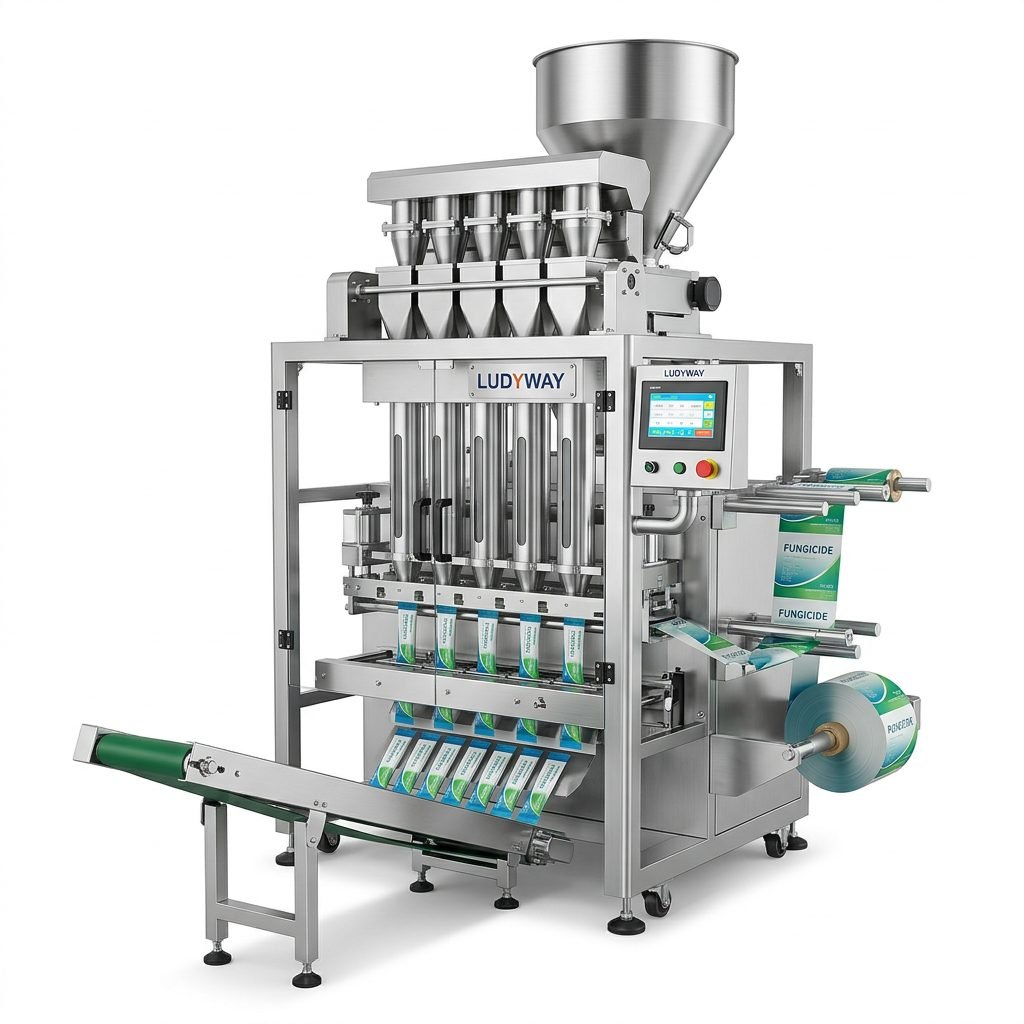
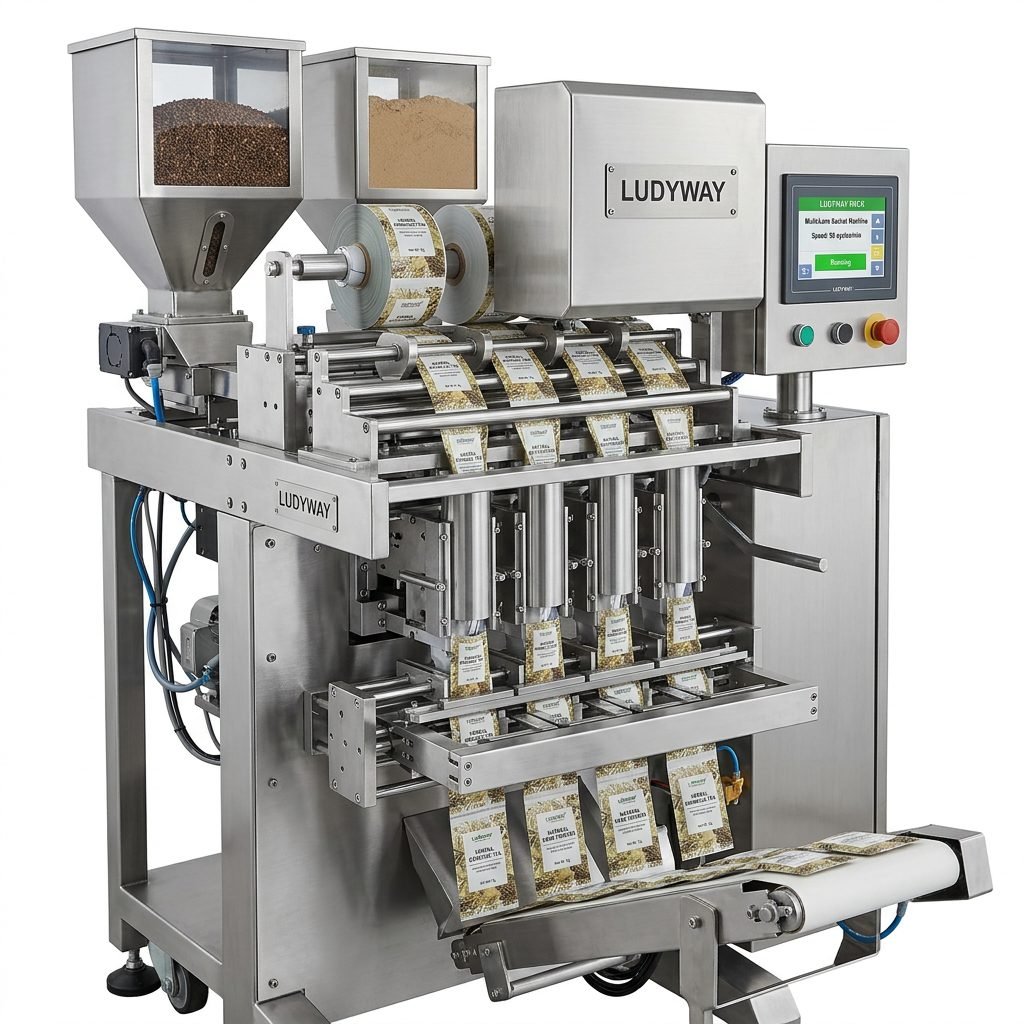
Juice products are packaged in various pouch formats, and your juice pouch packing machine must be compatible with your chosen packaging style. Common formats include stand-up pouches with spouts, flat three-side-seal sachets, and stick packs for single-serve concentrates. The selection of pouch format influences the machine’s filling mechanism, sealing technology, and overall line speed. For manufacturers producing multiple SKUs, a flexible machine that handles different pouch sizes and styles can reduce the need for multiple dedicated lines.
Key Technical Specifications to Evaluate
When comparing juice pouch packing machine models, several technical parameters determine real-world performance. Filling accuracy is critical for liquid products to avoid giveaway and maintain regulatory compliance. Production speed, measured in pouches per minute, must align with your current and projected output requirements. Other essential factors include the type of filling system—piston, peristaltic, or magnetic flow meter—and the machine’s ability to handle particulates if you process juices with pulp or fruit pieces.
Machine Specifications Comparison
| Specification | Standard Range | Why It Matters |
|---|---|---|
| Filling Volume | 5 ml to 500 ml | Determines pouch size flexibility |
| Pouches Per Minute | 40 to 120+ ppm | Matches production capacity needs |
| Filling Accuracy | ±0.5% to ±1% | Minimizes product waste |
| Pouch Formats | Stand-up, spout, flat, stick | Supports product portfolio diversity |
| Automation Level | Semi-auto to fully automatic | Aligns with labor and integration goals |
Automation and Integration Capabilities
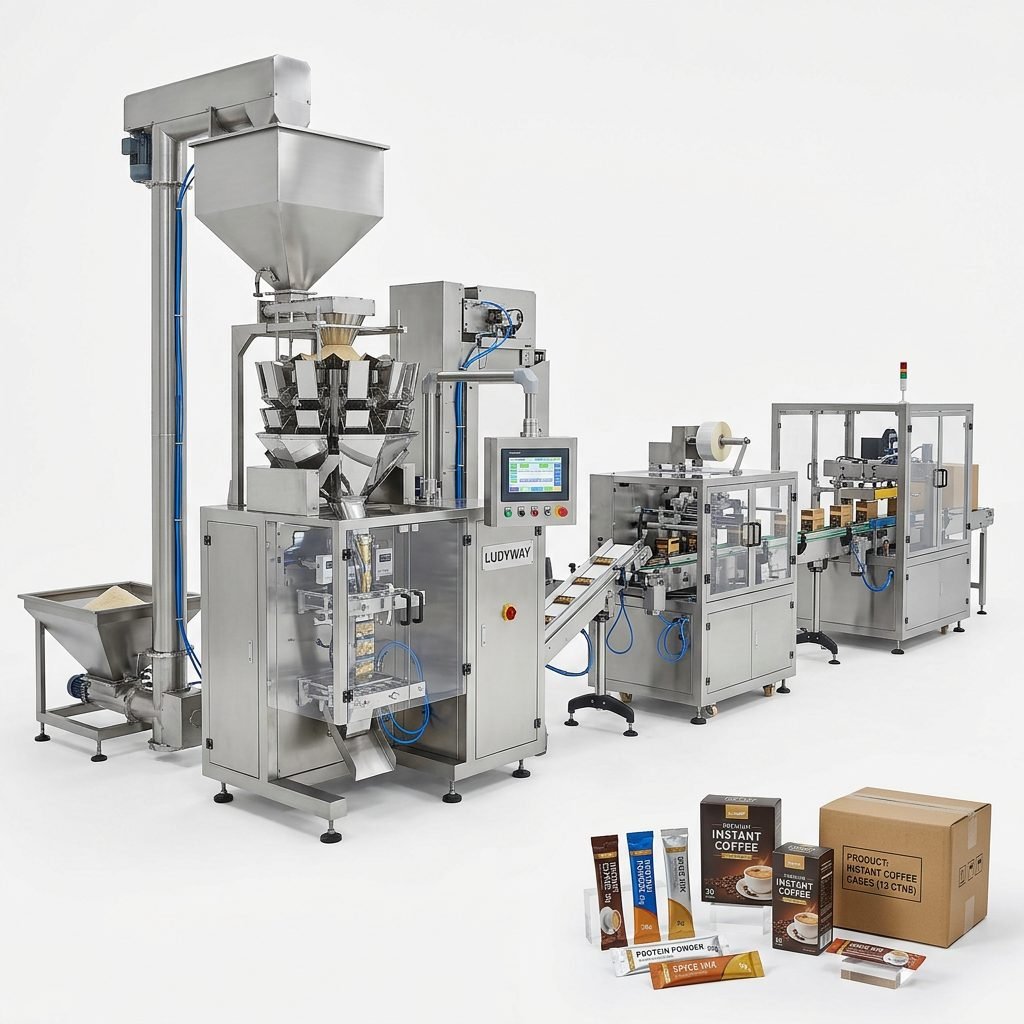
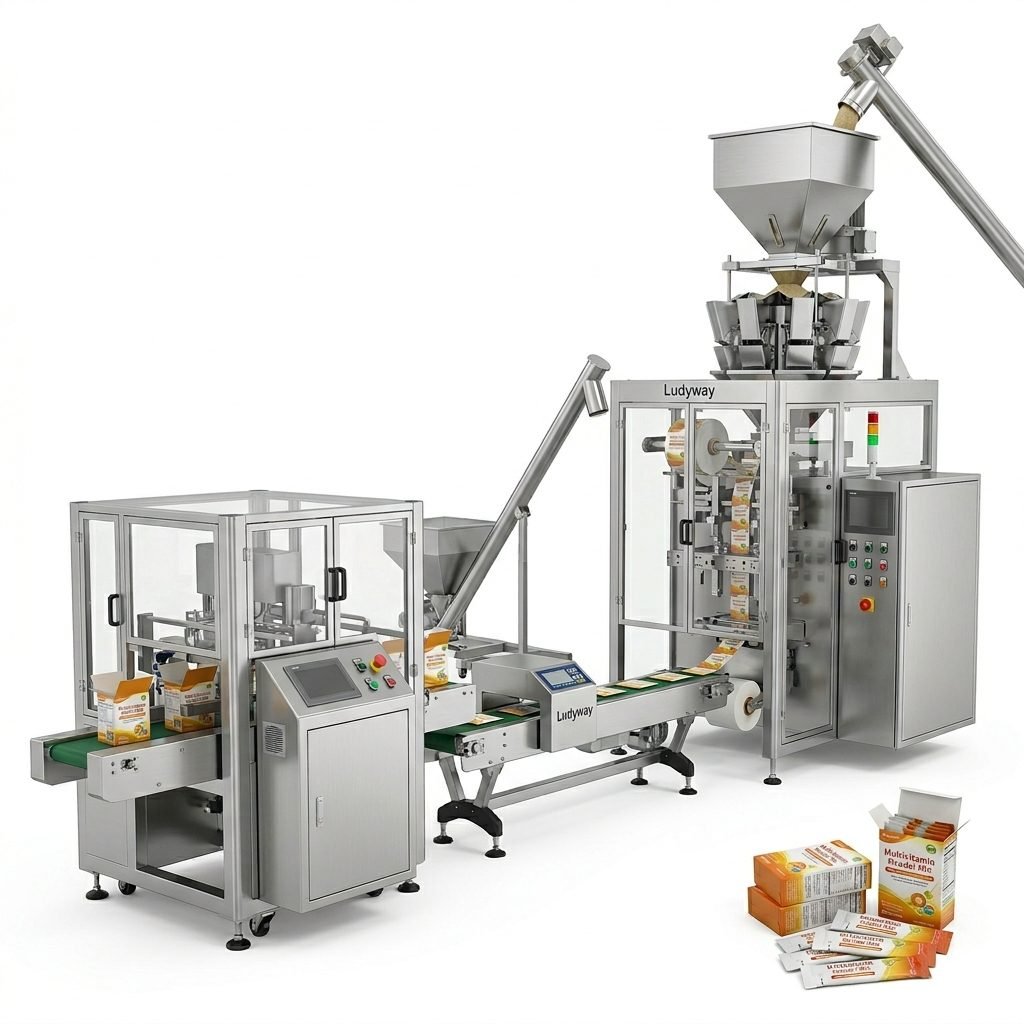
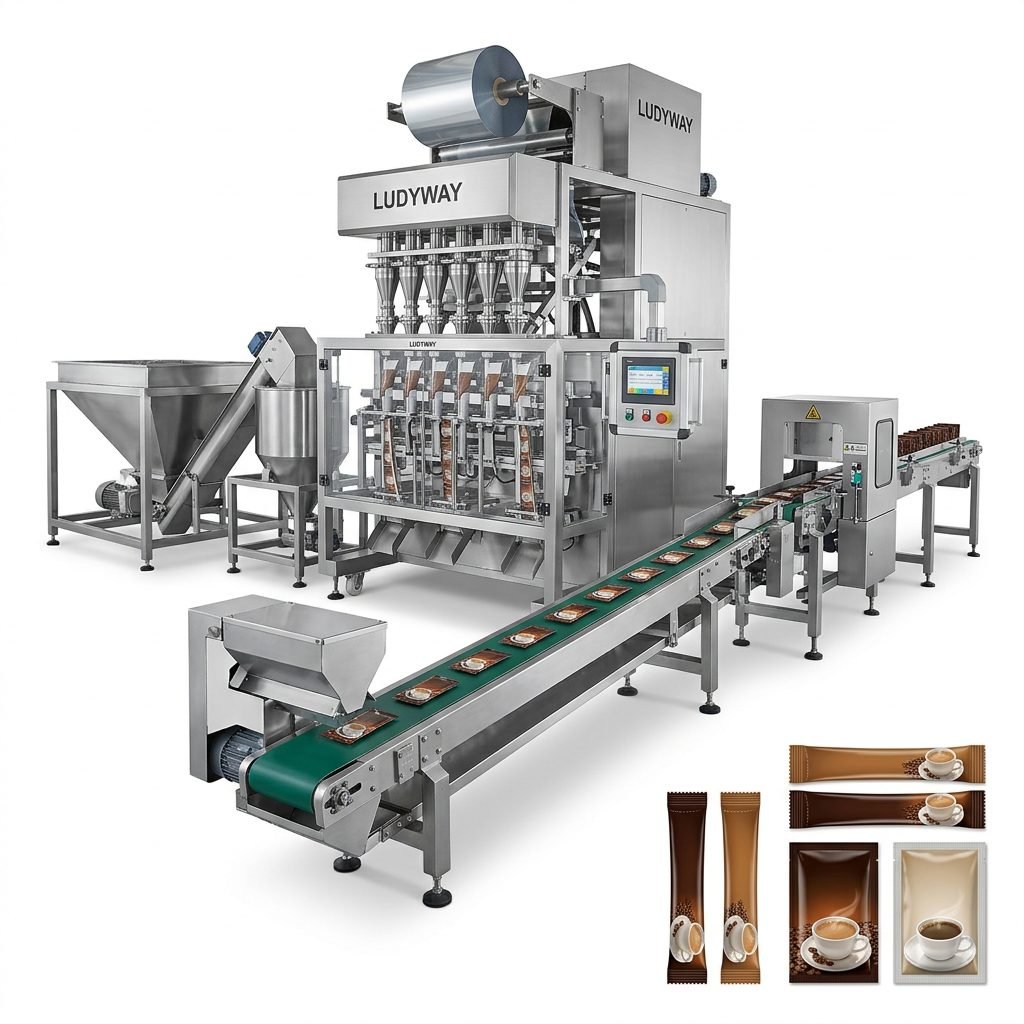
Modern juice pouch packing machine systems go beyond basic filling and sealing. Look for equipment that integrates easily with upstream and downstream processes, such as automatic bottle/pouch feeding, coding and labeling units, checkweighers, and cartoning machines. A fully integrated packaging line reduces manual handling, improves traceability, and creates a smoother production flow. When evaluating suppliers, ask about turnkey solutions that include packaging machinery manufacturer support for system design, installation, and commissioning.
Material Compatibility and Seal Integrity
Juice products require packaging materials that provide barrier properties against oxygen, light, and moisture. Your juice pouch packing machine must be compatible with laminated films, aluminum foil structures, and other high-barrier materials. Seal integrity is non-negotiable—poor sealing leads to leakage, contamination, and shelf-life reduction. Evaluate machines with precise temperature control, adjustable sealing pressure, and multiple sealing station options to ensure consistent hermetic seals across different film types.

Cleanability and Hygienic Design
For juice packaging, sanitary design is essential. A well-designed juice pouch packing machine features stainless steel construction, sloped surfaces to prevent liquid pooling, and tool-free disassembly for quick product changeovers. CIP (Clean-in-Place) compatibility and easy access to product contact parts reduce downtime between production runs. This is particularly important for manufacturers producing multiple juice varieties or switching between different liquid products on the same line.
Industry Standards and Regulatory Compliance
Depending on your target market, your packaging equipment may need to comply with various international standards. For food safety, refer to FDA food packaging requirements. The ISO packaging standards provide international benchmarks for machine safety and performance. Understanding packaging industry resources from PMMI helps you align equipment selection with broader market trends and requirements.
Market Trends and Future-Proofing Your Investment
The global flexible packaging market continues to expand, driven by consumer demand for convenient, portion-controlled, and lightweight packaging. Investing in a juice pouch packing machine today should account for future trends such as sustainable materials, smart packaging features, and increased automation. Review industry data from sources like the 2026 Packaging State of the Industry report and flexible packaging industry resources to understand where packaging technology is heading.
Key Selection Criteria Checklist
- Production capacity – Match machine speed to current and projected demand
- Filling accuracy and consistency – Minimize product giveaway and rework
- Pouch format versatility – Support multiple SKUs with one machine
- Material compatibility – Handle high-barrier and sustainable films
- Seal quality and integrity – Ensure leak-free, long-shelf-life packaging
- Automation readiness – Integrate with existing and future line equipment
- Hygienic design and cleanability – Meet food safety requirements
- After-sales support and spare parts availability – Minimize downtime risks
Supplier Evaluation and After-Sales Support
Choosing the right juice pouch packing machine involves more than comparing technical sheets. Evaluate the supplier’s experience in liquid packaging applications, their engineering capabilities, and the availability of local technical support. A reliable partner provides operator training, spare parts inventory, remote troubleshooting, and ongoing service to maintain long-term equipment performance. Manufacturers like Ludyway Machinery, with over 30 years of packaging industry experience, offer integrated solutions and global service coverage that help customers achieve consistent packaging operations worldwide.
Cost Considerations Beyond the Initial Purchase Price
Total cost of ownership for a juice pouch packing machine includes factors such as energy consumption, spare parts availability, changeover time between products, and expected service intervals. A lower upfront price can be misleading if the machine requires frequent maintenance, consumes excessive film, or lacks the flexibility to handle new pouch formats. Consider the machine’s overall equipment effectiveness (OEE) and request case studies or references from similar juice packaging applications to validate performance claims.
Testing and Validation Before Final Decision
Before finalizing your purchase, conduct factory acceptance tests (FAT) with your actual product and packaging materials. This validates the juice pouch packing machine‘s performance under real production conditions. Test fill accuracy, seal strength, production speed, and changeover procedures. A thorough validation process reduces the risk of surprises during installation and ramp-up at your facility.
Decision-Ready Summary
Selecting the optimal juice pouch packing machine requires balancing technical specifications, production requirements, packaging material characteristics, and long-term operational costs. By systematically evaluating filling technology, automation options, hygienic design, and supplier capabilities, manufacturers can invest in equipment that delivers consistent quality, scalability, and a strong return on investment. The right machine becomes a foundation for growth, supporting new product introductions and expanding production capacity without compromising packaging integrity.
For more detailed guidance on packaging machinery selection and industry trends, explore resources from the Association for Packaging and Processing Technologies and the Flexible Packaging Association.