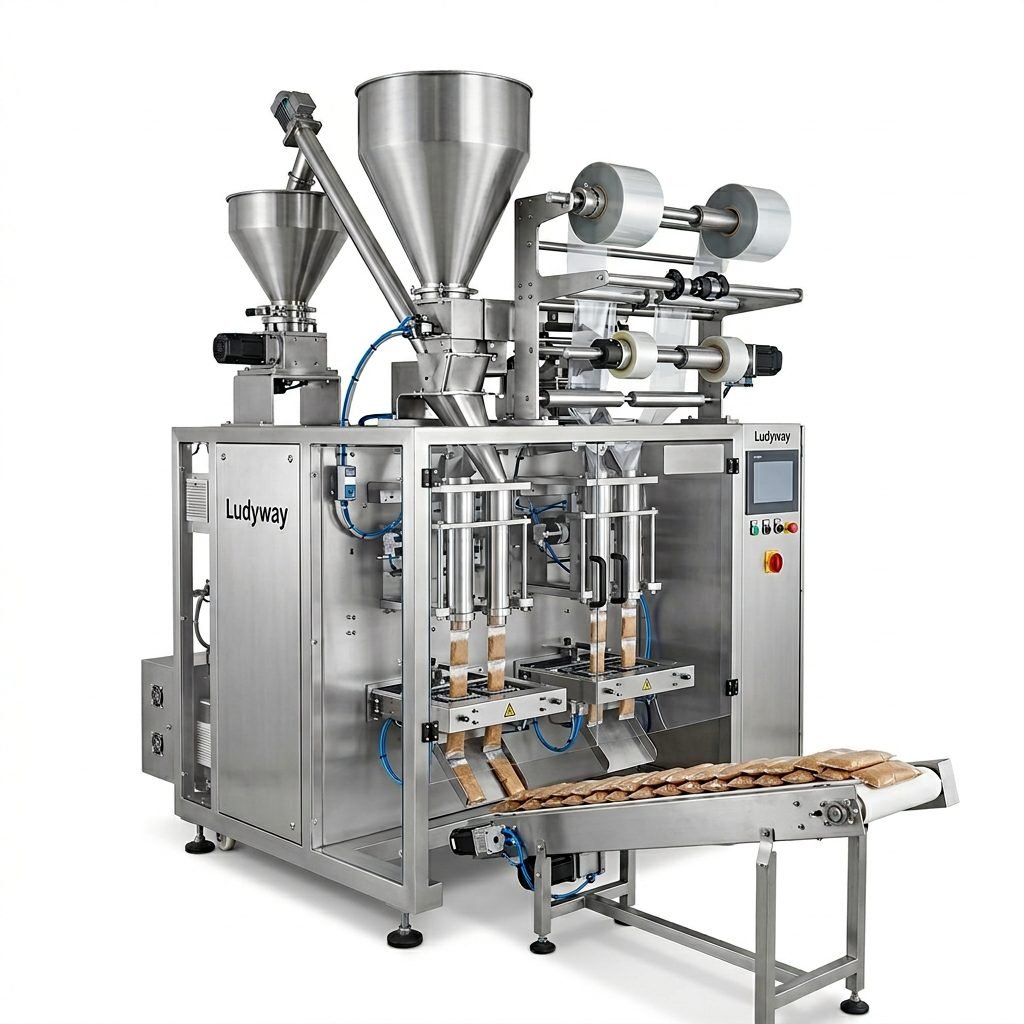
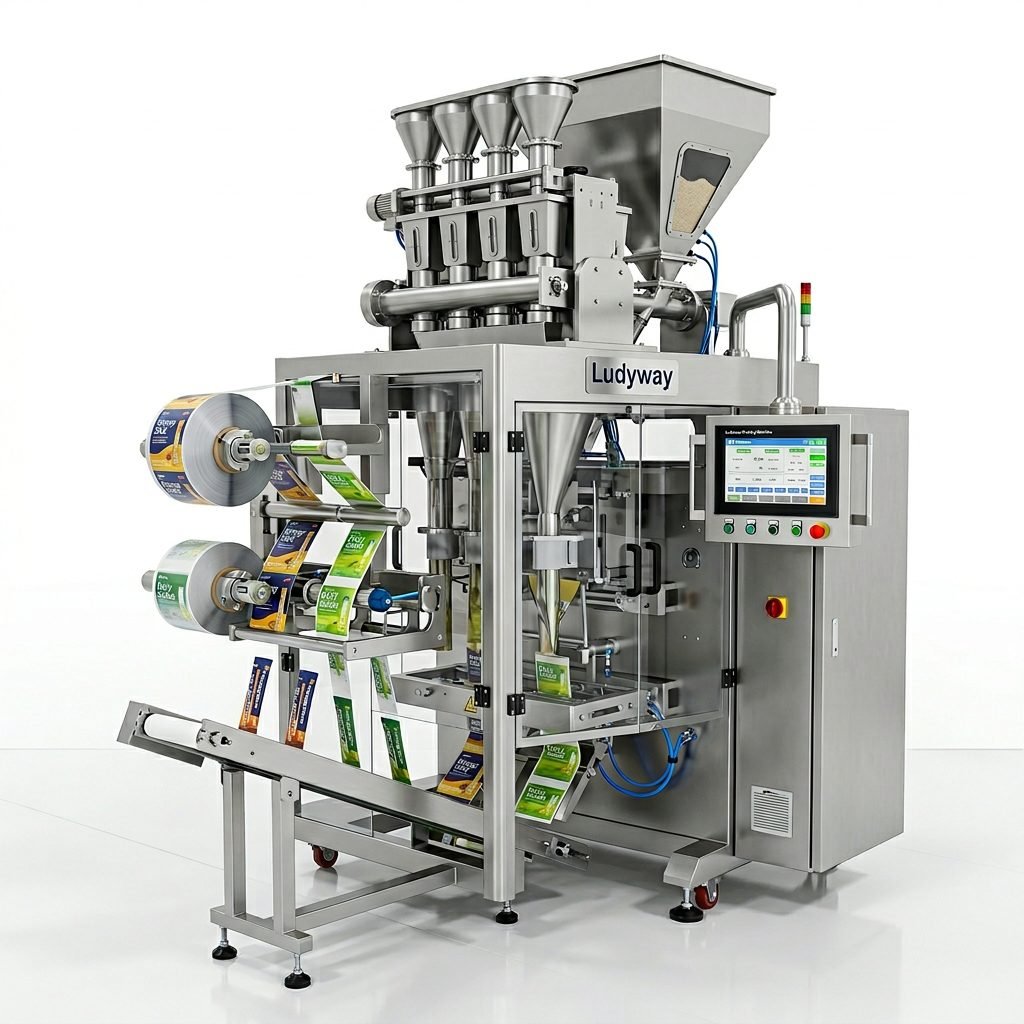
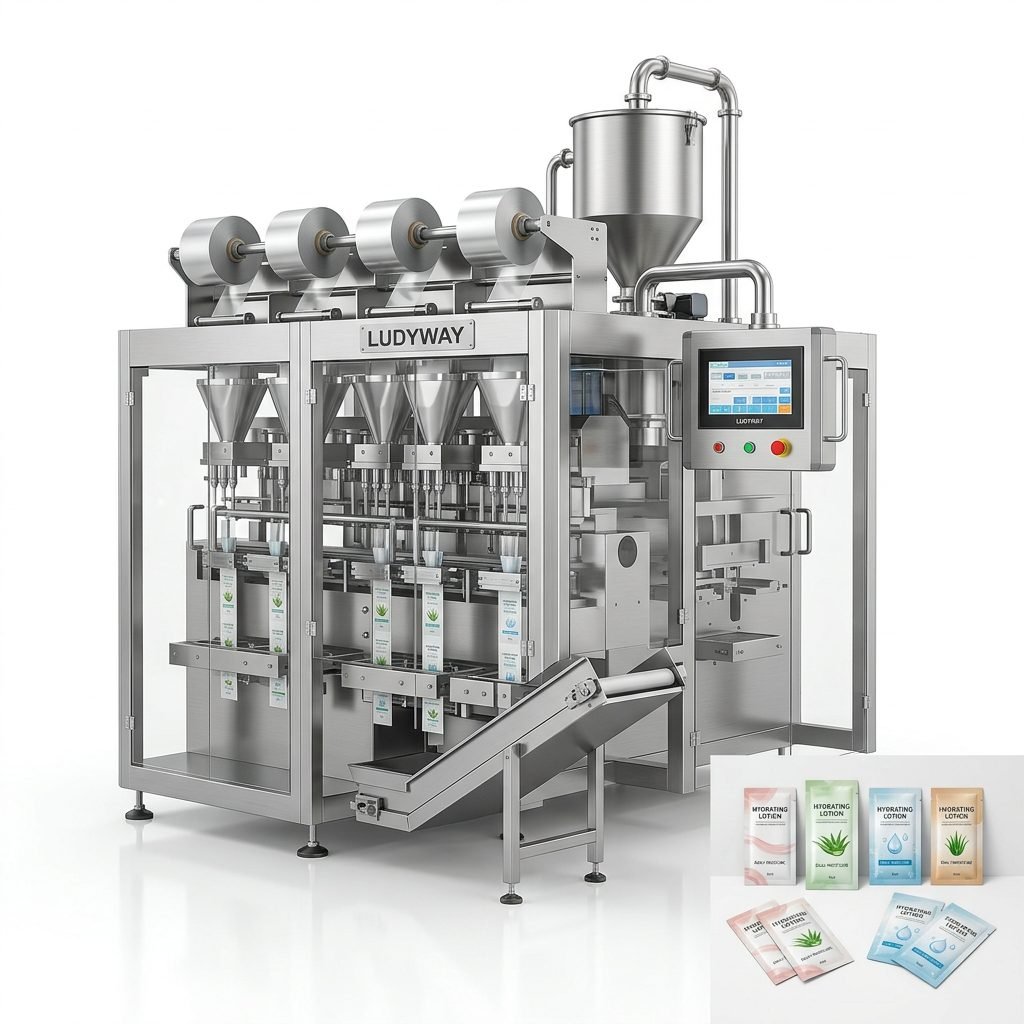
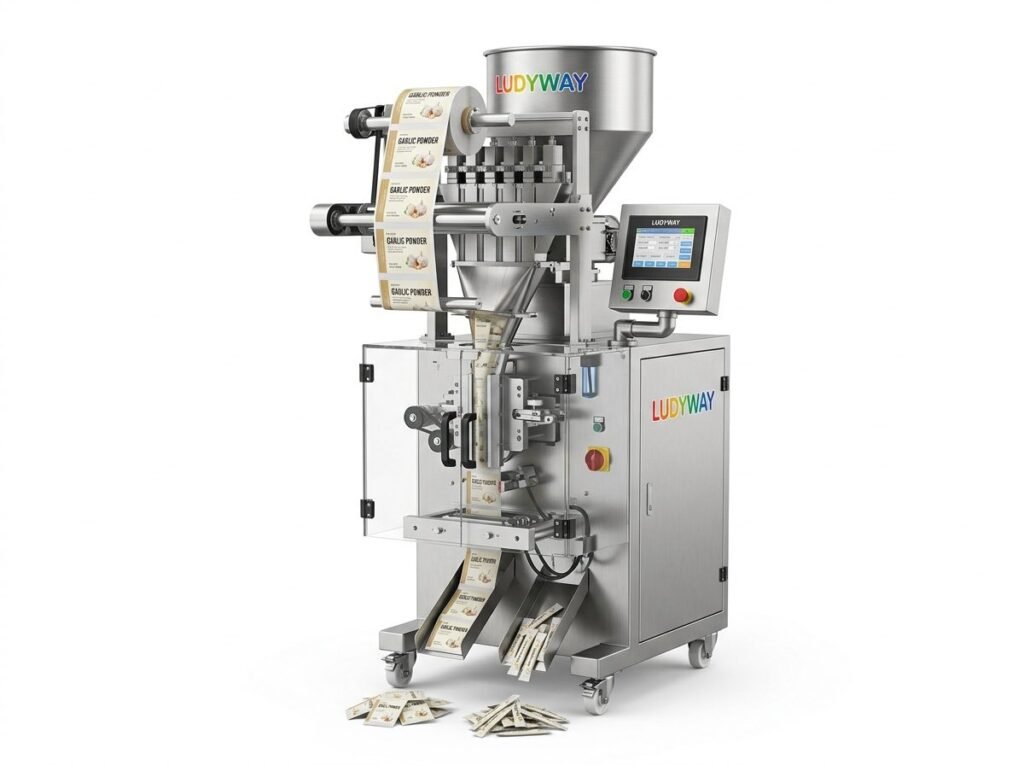
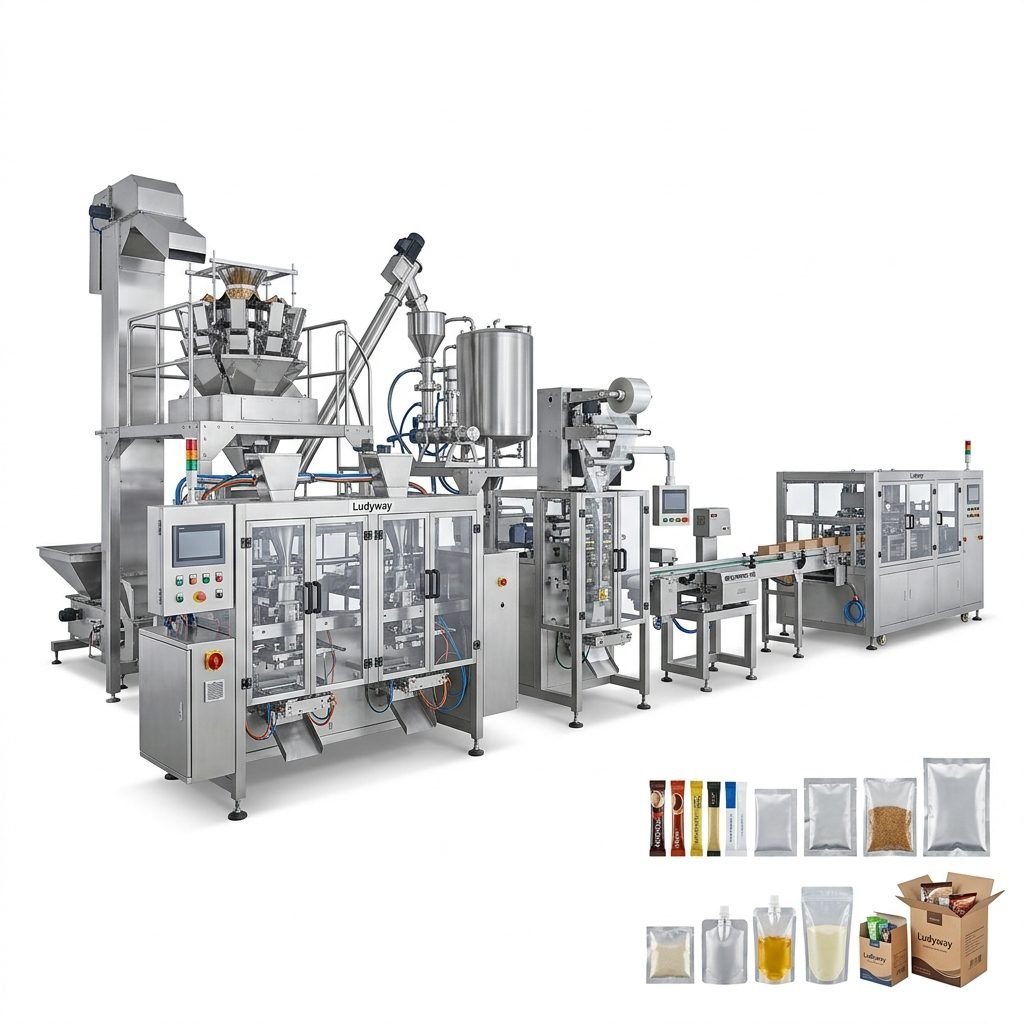
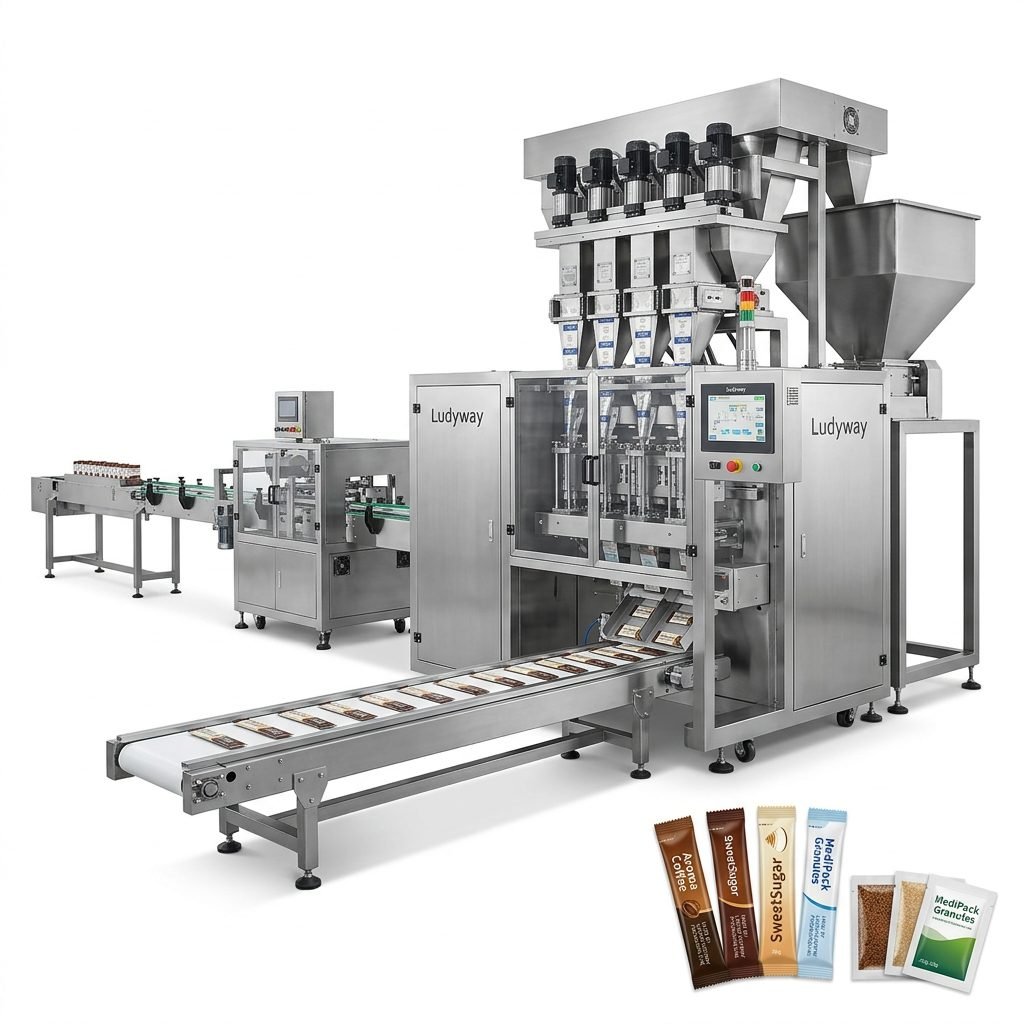
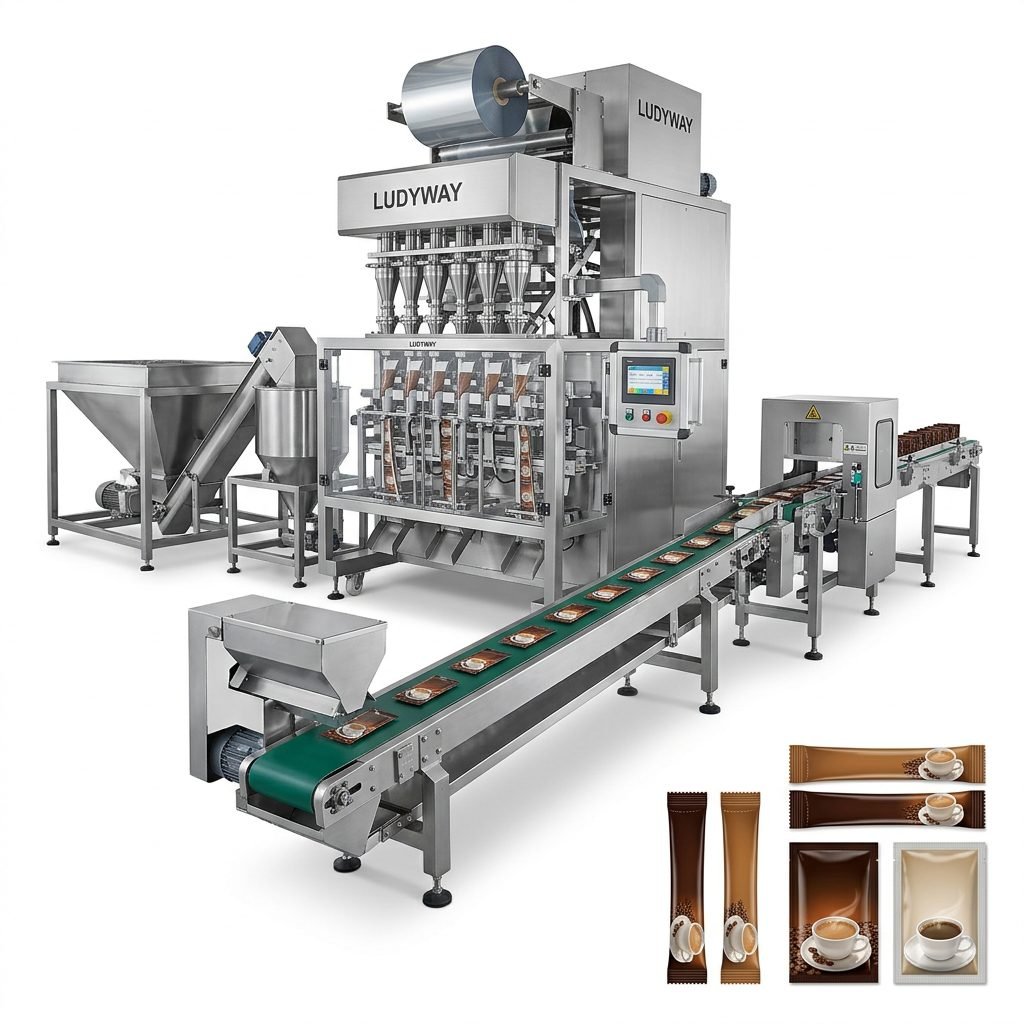
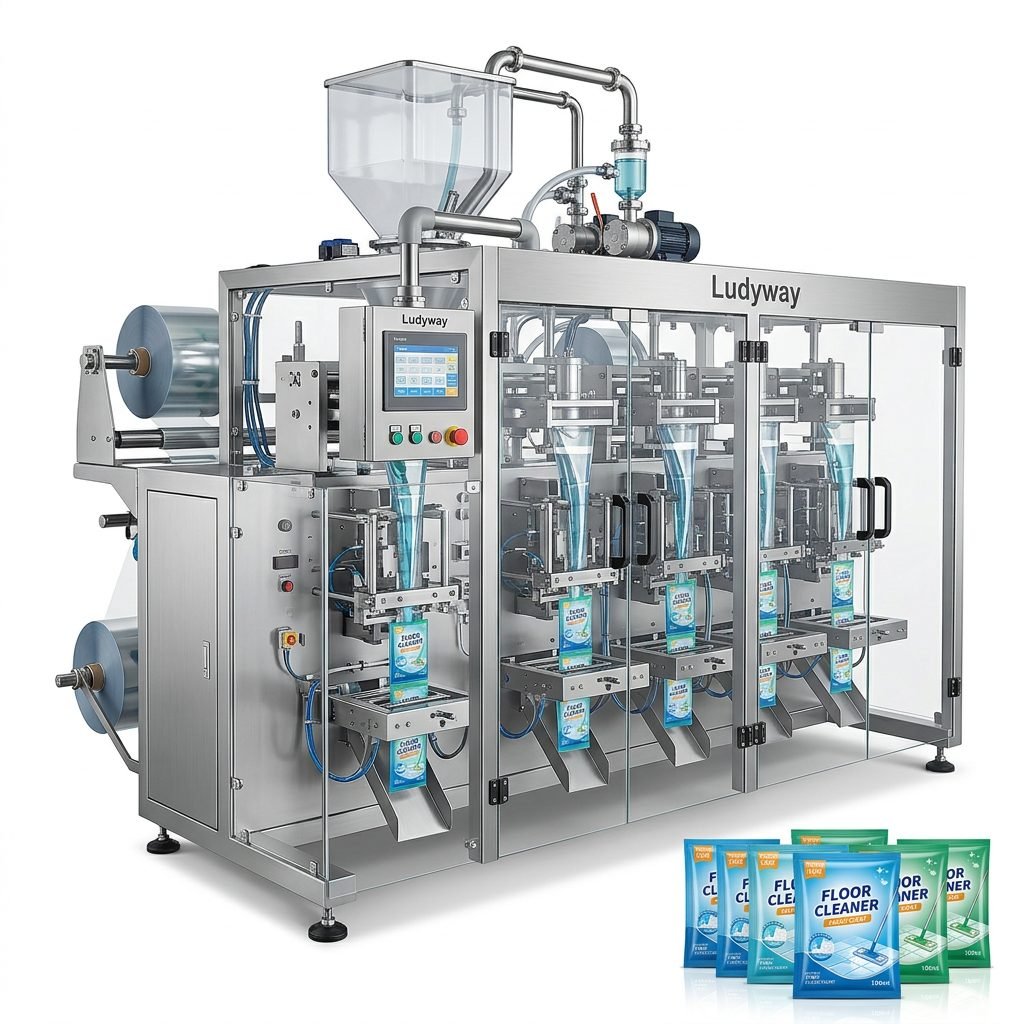
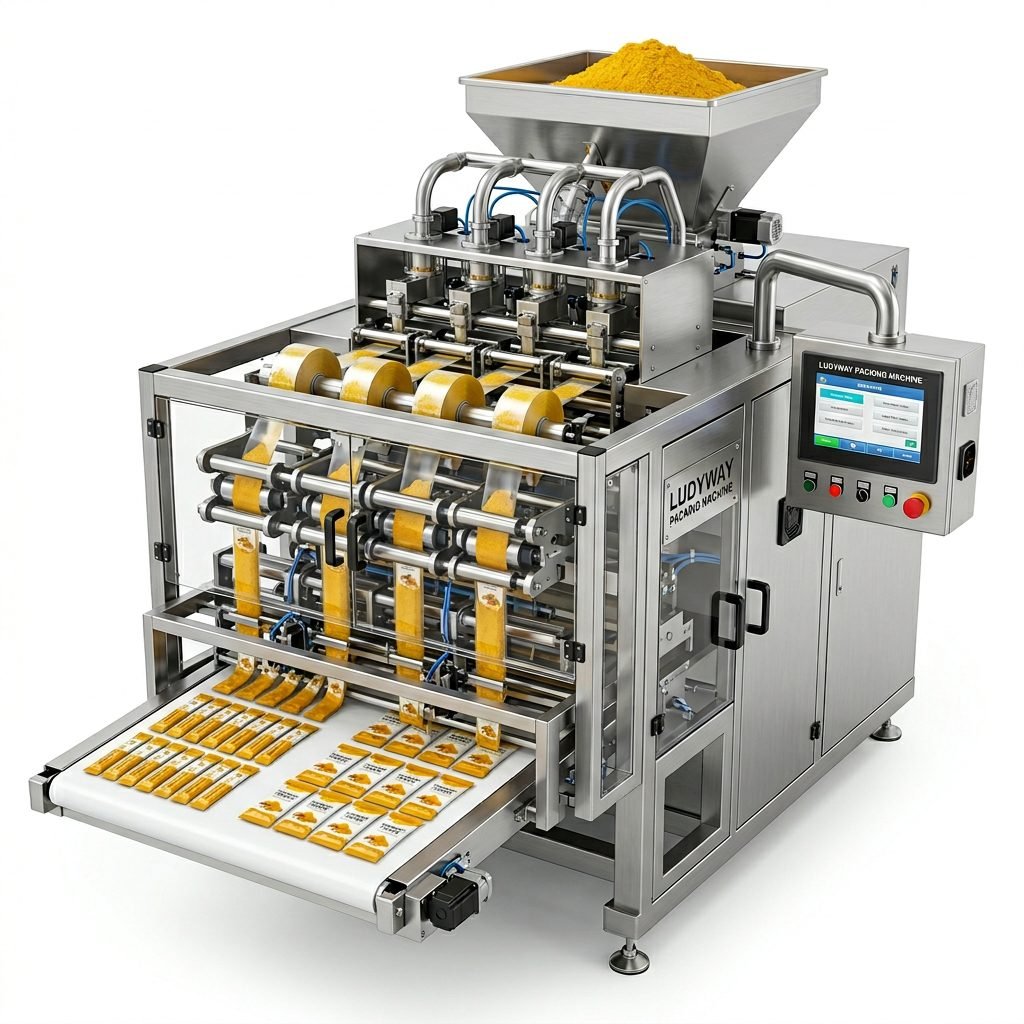
In high-speed production environments, a filling packaging machine is the backbone of your operation. Unexpected downtime can lead to significant revenue loss, product waste, and shipping delays. Whether you are running a packaging machine for powders, liquids, or granules, a proactive maintenance strategy is far more cost-effective than reactive repairs. This guide outlines the essential steps to maximize the lifespan and efficiency of your equipment.

1. Daily Cleaning Procedures
Cleanliness is the first line of defense against mechanical wear. Product residue, especially from sticky liquids or fine powders, can clog sensors and seize moving parts. At the end of each shift, operators should remove all remaining product from the hopper and filling nozzles.
- Wipe down all stainless steel surfaces with food-grade sanitizers.
- Use compressed air to blow dust and particles out of electrical cabinets and photo-eye sensors.
- Check for residual build-up on sealing jaws; carbonized product leads to weak seals.
Never use abrasive tools on polished surfaces, as scratches can trap bacteria in food-grade applications. A strict cleaning log ensures accountability.
2. Weekly Lubrication and Mechanical Checks
Friction is the enemy of a filling packaging machine. A weekly lubrication schedule prevents bearing failure and keeps cam-driven components running smoothly.
| Component | Lubricant Type | Frequency |
|---|---|---|
| Linear Guides & Rails | Food-grade grease (NLGI #2) | Weekly |
| Chain Drives | Synthetic chain oil | Weekly |
| Sealing Jaw Pivots | High-temp grease | Bi-weekly |
| Pneumatic Cylinders | Air-line lubricator (ISO VG 32) | Check levels daily |
Look out for abnormal noises like grinding or squeaking during operation. These sounds usually indicate dry bearings or misaligned shafts that require immediate attention.
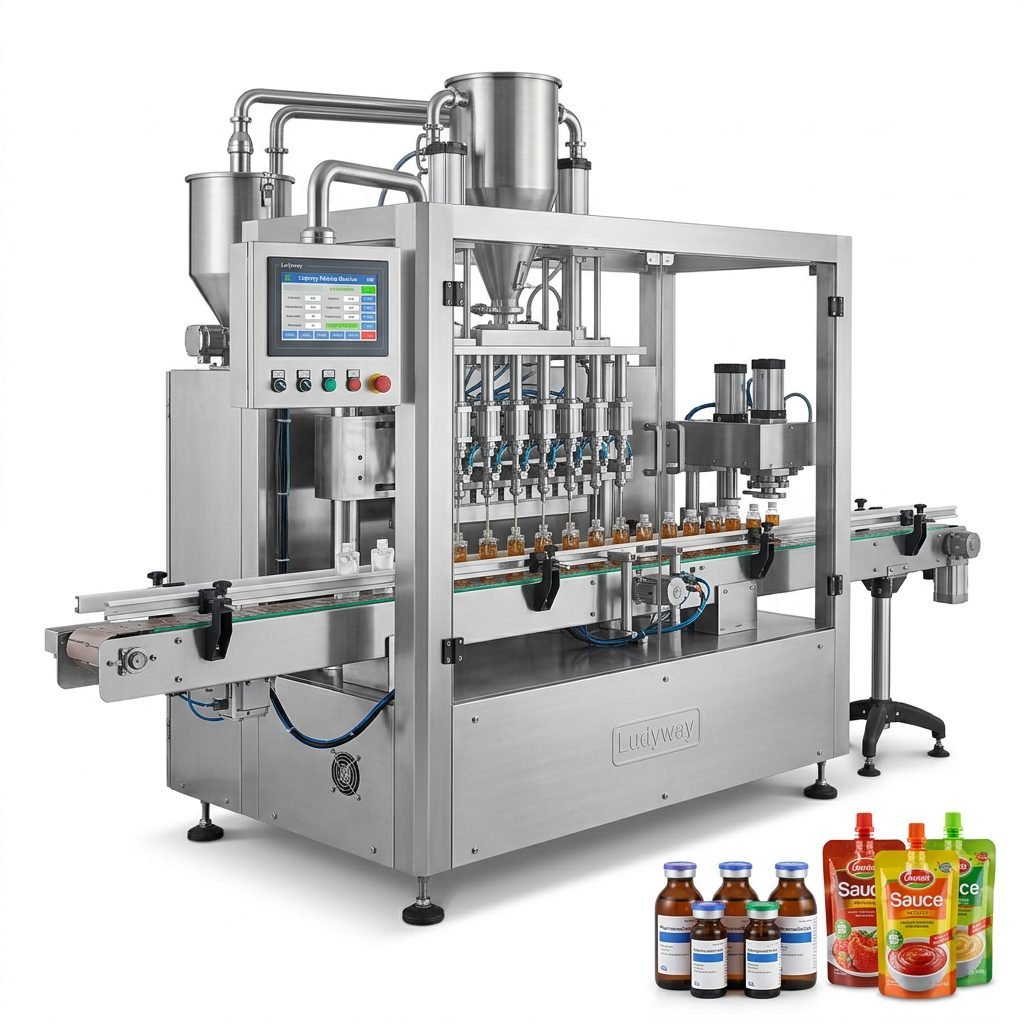
3. Inspection of Wear Parts
Sealing components and cutting blades are subject to constant thermal and mechanical stress. A preventive replacement schedule prevents seal failures that cause leaking packages.
- Heat Sealing Elements: Check Teflon coatings for scratches. A damaged Teflon tape causes film to stick, halting production.
- Forming Collars/Shoulders: Inspect for dents or rough edges that scratch the packaging film.
- O-rings and Gaskets: Replace pneumatic seals annually or at the first sign of air leakage.
Maintain a critical spares inventory. For multi-lane stick pack machines, keep spare dosing augers and sealing jaws on hand to swap out during production without long delays.
4. Electrical System and Calibration
Modern vertical form fill seal machines rely on precise temperature control and servo drives. Loose wires and thermal drift cause intermittent faults that are hard to diagnose.
Critical electrical maintenance tasks include:
- Torquing terminal blocks in control panels to prevent loose connections.
- Cleaning dust from cooling fans and heat sinks on servo drives.
- Calibrating load cells and temperature controllers monthly against certified standards.
A machine with a properly calibrated PID temperature controller will produce consistent seal strength and reduce film waste by up to 15%.
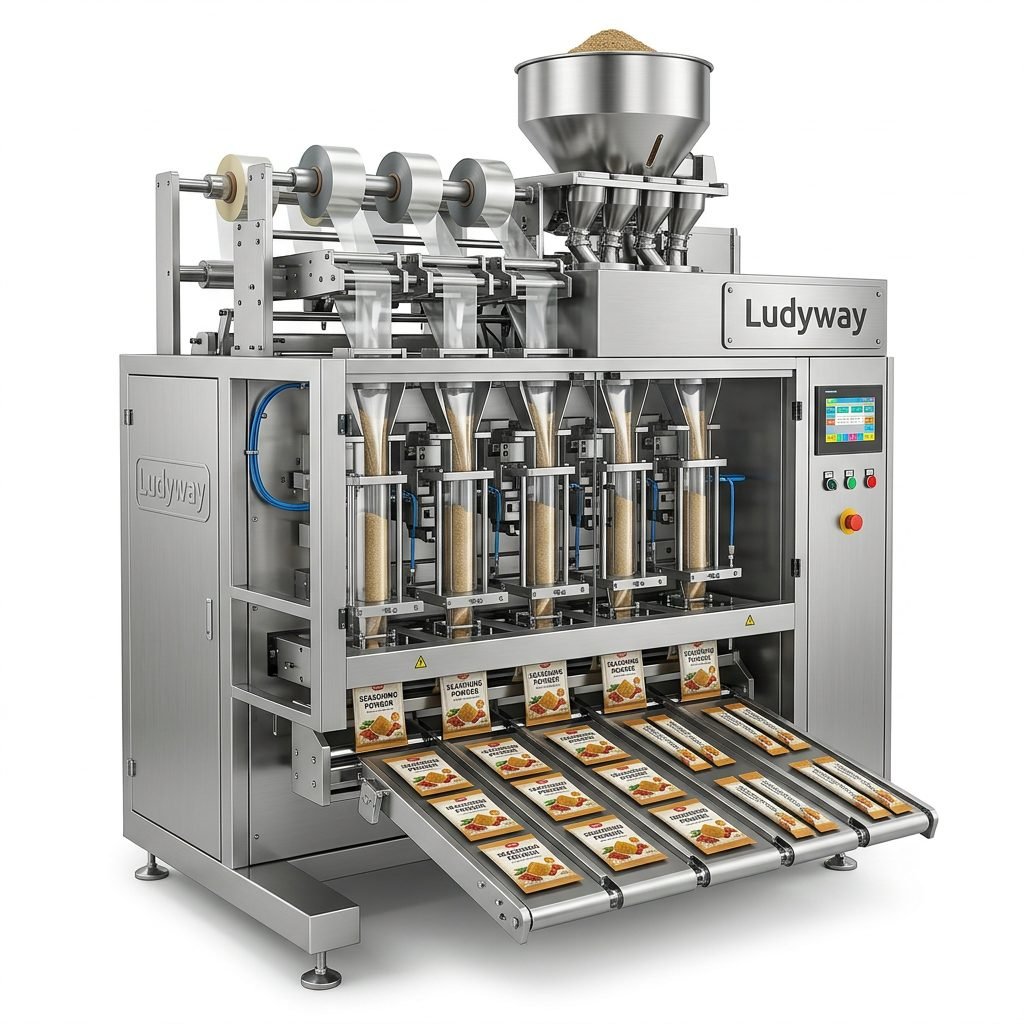
5. Operator Training and Documentation
Even the most advanced equipment cannot compensate for operator error. Structured training programs significantly reduce early-life component failures caused by incorrect set-up.
Establish a clear standard operating procedure that covers:
- Correct film threading and tracking alignment.
- Proper product hopper level management to avoid “bridging” in powder machines.
- Emergency stop procedures and start-up safety sequences.
Digital maintenance logs are preferable to paper, allowing you to track trends and predict failures using historical data. If you see a specific heater failing every 8 months, you can pre-order spares.
For businesses looking to upgrade their production lines or consolidate machinery from a single-source supplier, Ludyway offers a diverse portfolio. As one of the largest packaging machine manufacturers in China, Ludyway provides reliable granule, powder, and liquid packaging solutions backed by over 30 years of engineering expertise. Centralizing your equipment purchase simplifies the maintenance process through unified parts supply and technical support.
Key Benefits of Routine Maintenance
| Benefit | Impact on Production |
|---|---|
| Extended Machine Life | Preserves capital investment beyond standard depreciation. |
| Reduced Downtime | Increases Overall Equipment Effectiveness (OEE). |
| Consistent Seal Quality | Reduces product returns due to leaking or spoiled goods. |
| Safety Compliance | Protects operators from electrical and mechanical hazards. |
Further Reading and Industry Resources
Staying updated with packaging standards and market trends is vital for strategic planning. Below are authoritative resources for packaging professionals:
- PMMI Business Intelligence – State of the industry reports and packaging machinery market research.
- Flexible Packaging Association – Data and resources for flexible packaging converters.
- FDA Food Packaging Regulations – Guidance on food contact substances and GMP compliance.
- ISO Packaging Standards – International standards for packaging machinery and materials.
- PACK EXPO International – Leading packaging trade show for equipment demonstrations.