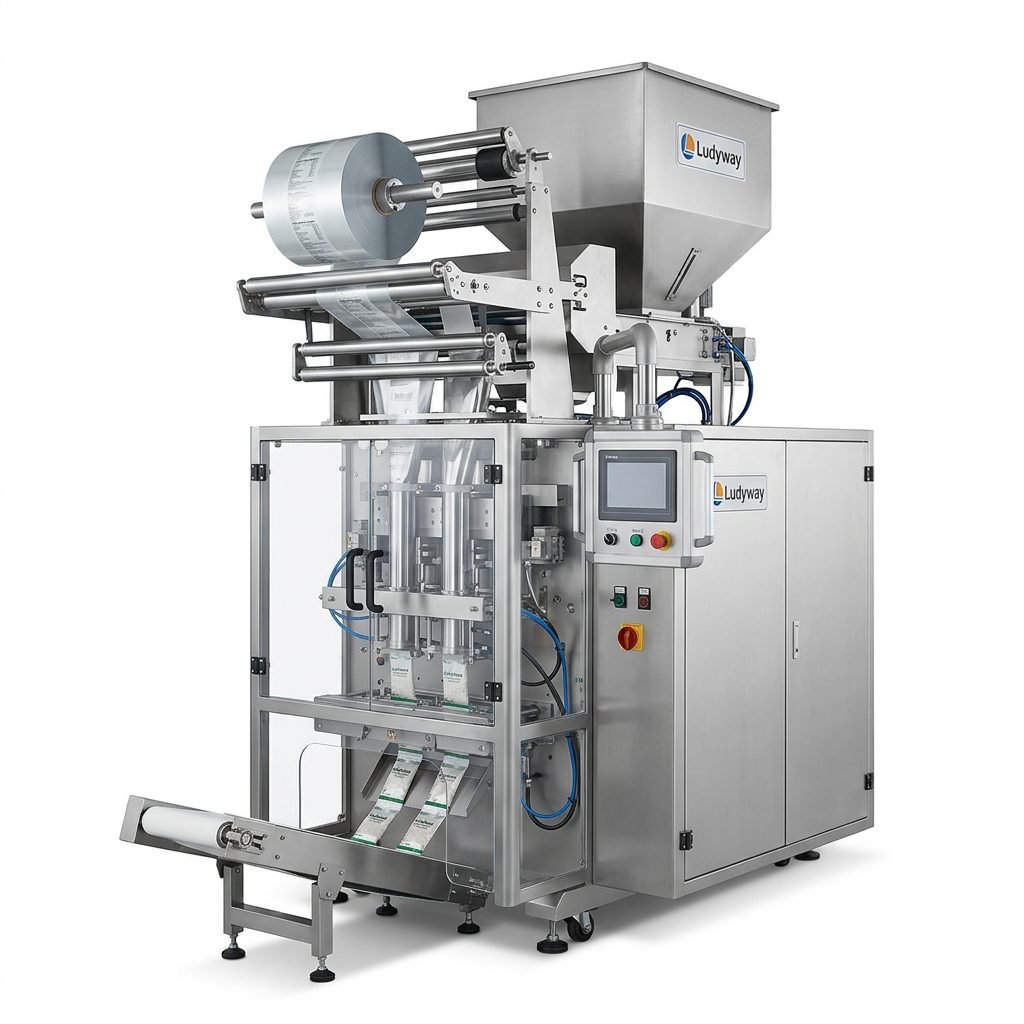
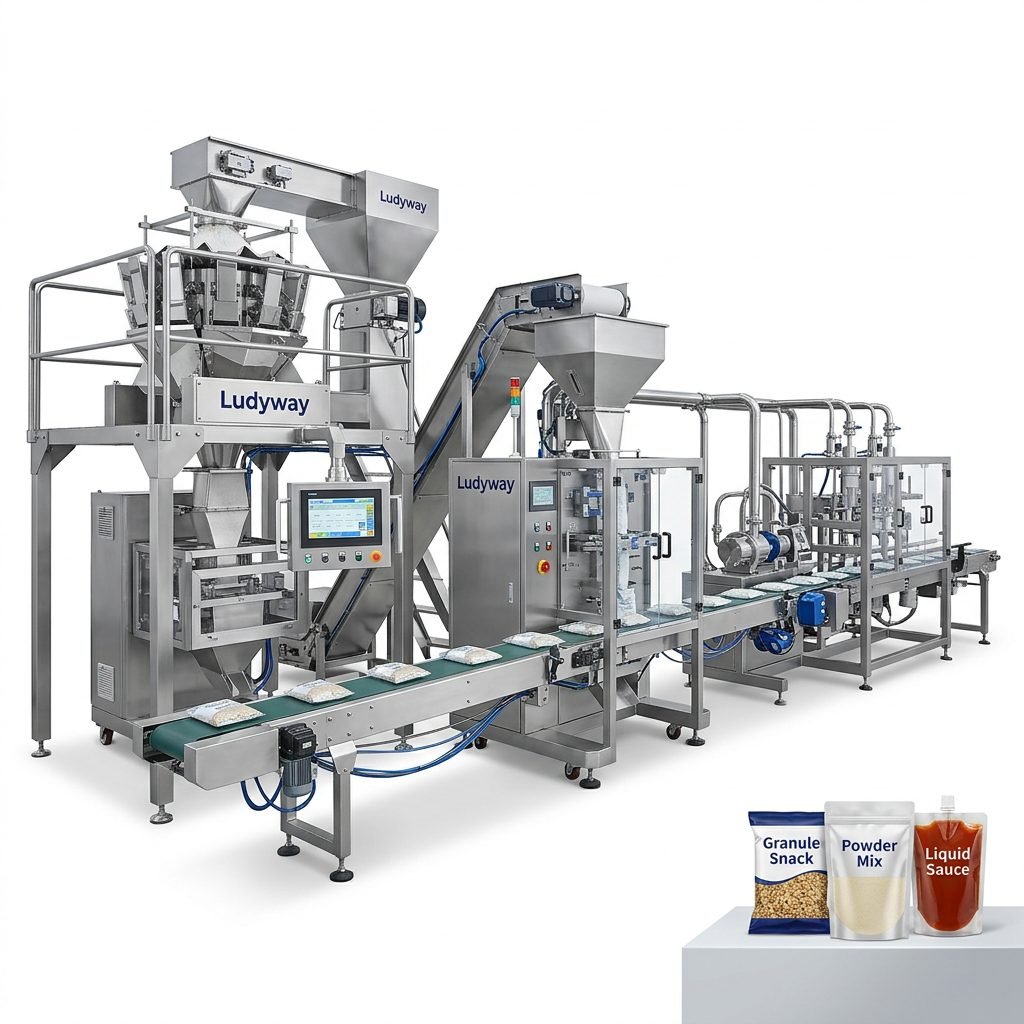
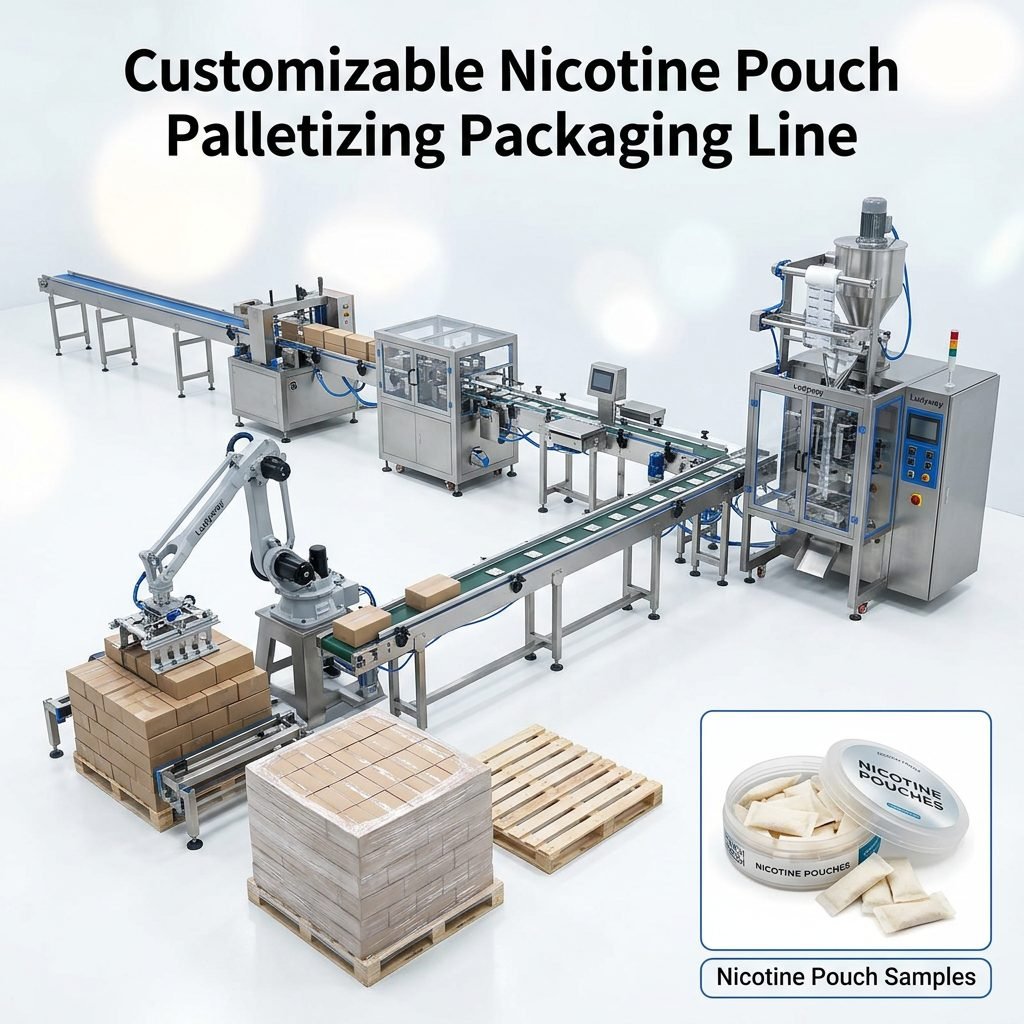
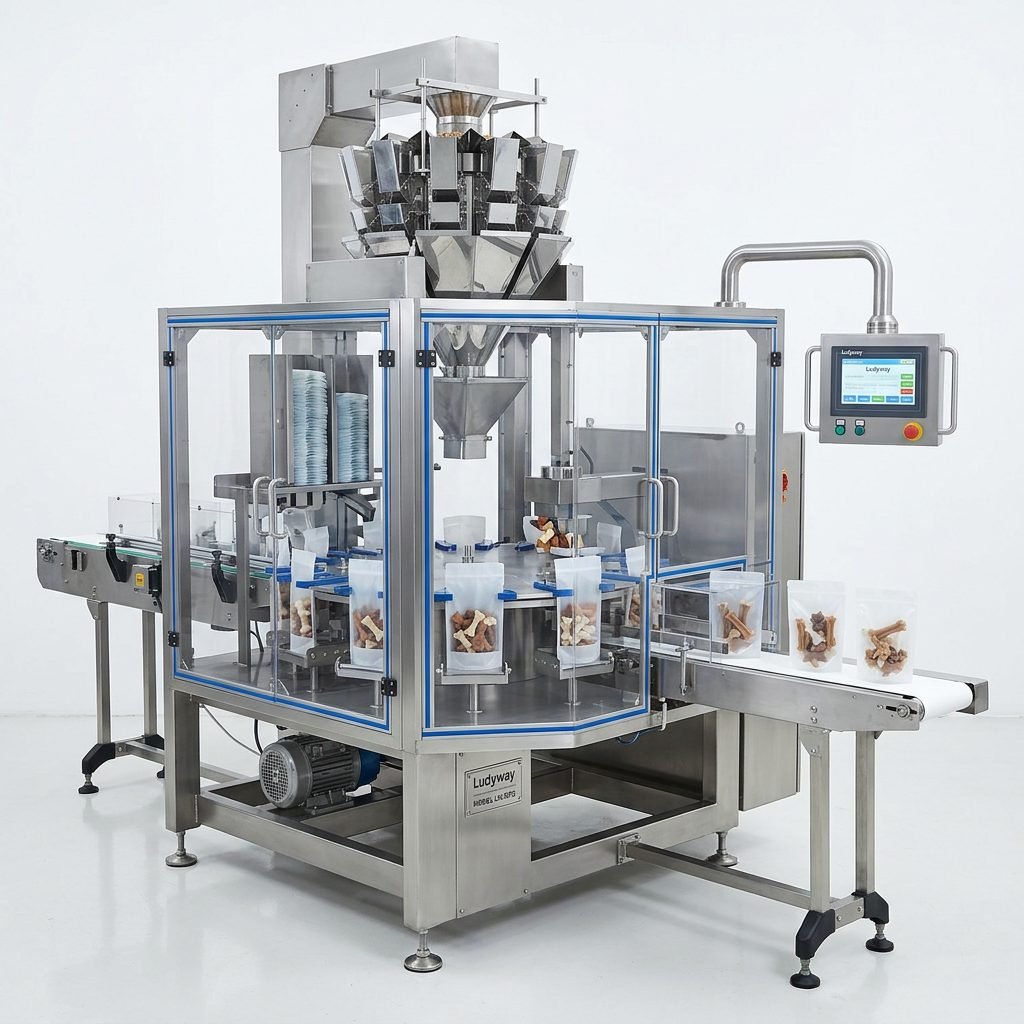
Proper maintenance is essential to keep your plastic roll packing machine operating at peak efficiency. A well-maintained machine not only extends equipment lifespan but also ensures consistent packaging quality, reduces downtime, and minimizes costly repairs. Whether you are running a high-speed production line or a small-scale operation, following a structured maintenance routine can make a significant difference in overall performance.
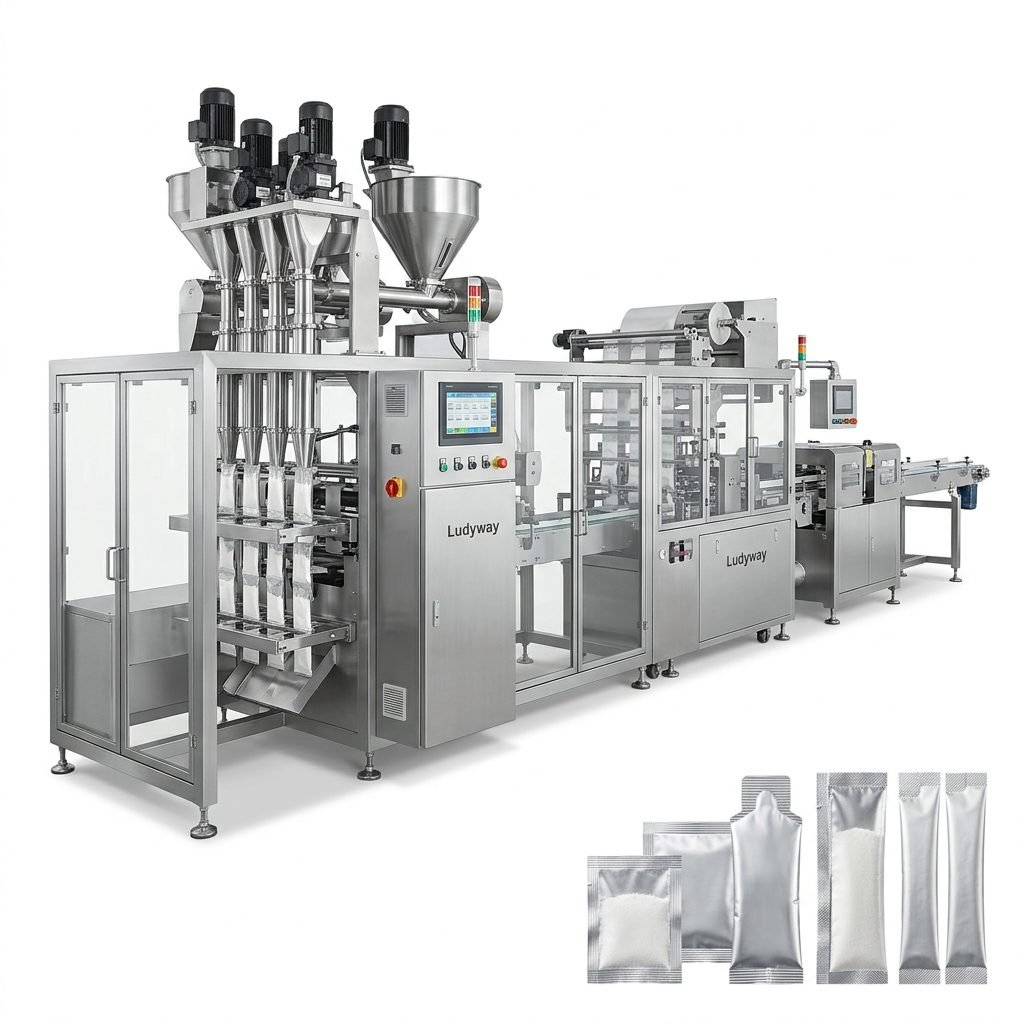
Daily Cleaning and Inspection Routine
One of the most overlooked aspects of packaging machinery maintenance is daily cleaning. Dust, product residue, and film particles can accumulate rapidly, affecting the machine’s precision and sealing quality. Operators should perform these essential tasks at the start and end of each shift:
- Remove any remaining packaging film and clean the film path thoroughly with a lint-free cloth.
- Inspect the sealing jaws and cutting blades for any residue buildup or wear.
- Wipe down all sensors and photoelectric cells to ensure accurate film registration.
- Check the machine exterior and control panel for dust or moisture accumulation.
- Verify that all safety guards and covers are properly in place and functional.
Daily attention to these areas prevents small issues from escalating into major mechanical failures. According to PMMI packaging industry resources, consistent cleaning protocols are among the top factors contributing to extended packaging equipment lifespan.
Lubrication: The Lifeblood of Your Machine
Proper lubrication is critical for any plastic roll packing machine. Moving parts such as bearings, chains, gears, and cam mechanisms require regular lubrication to reduce friction and prevent premature wear. Without adequate lubrication, components can seize, leading to costly repairs and extended downtime.
- Use only manufacturer-recommended lubricants for each specific component.
- Follow the lubrication schedule outlined in your machine’s operation manual.
- Pay special attention to high-friction areas such as sealing jaw pivots and film feed rollers.
- Avoid over-lubrication, which can attract dust and contaminate packaging materials.
- Keep a maintenance log to track lubrication dates and identify patterns of excessive wear.
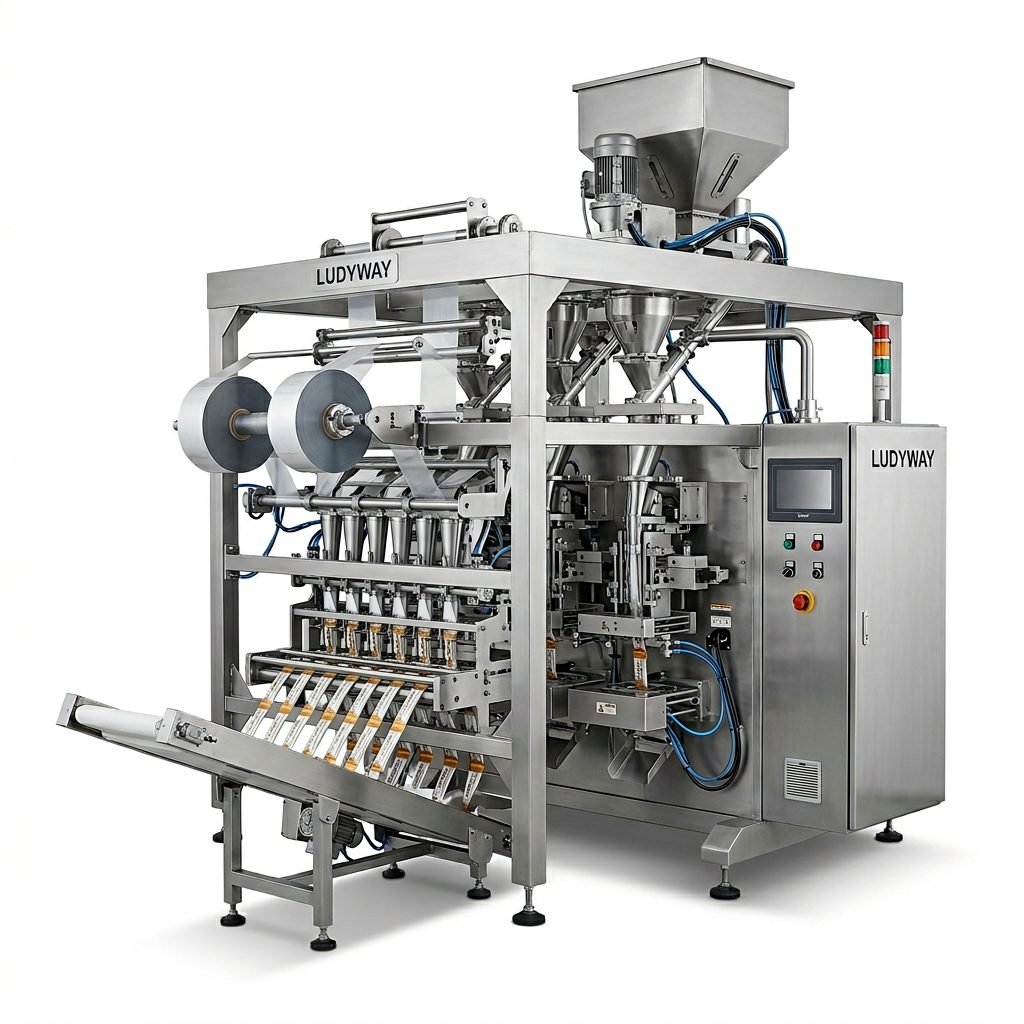
Critical Component Inspection and Replacement
Regular inspection of critical components helps identify wear before it leads to machine failure. The following areas demand particular attention during routine checks:
Sealing System
The sealing mechanism is the heart of any plastic roll packing operation. Inspect heating elements, thermocouples, and temperature controllers regularly. Uneven sealing or inconsistent temperature readings often indicate worn heating elements that require replacement. Calibrate temperature settings periodically to match the specific film material being used.
Film Feed and Tension Control
Film tracking issues can cause misaligned seals, wrinkled packaging, and material waste. Check the film tension rollers, dancer arms, and tracking sensors for smooth operation. Clean or replace worn rubber rollers that may cause film slippage. Proper tension control ensures consistent flexible packaging quality throughout production runs.
Cutting Mechanism
Dull cutting blades result in jagged edges, incomplete cuts, and increased scrap rates. Sharpen or replace blades according to the manufacturer’s recommendations, and always keep spare blades in inventory to minimize downtime during changeovers.
Preventive Maintenance Schedule
A structured preventive maintenance program is the most effective way to protect your investment. The table below outlines a recommended maintenance schedule for a typical plastic roll packing machine:
| Maintenance Task | Frequency | Key Notes |
|---|---|---|
| Clean film path and sensors | Daily | Use lint-free cloth; avoid abrasive materials |
| Lubricate moving parts | Weekly | Follow manufacturer specifications |
| Inspect sealing jaws and thermocouples | Weekly | Check for wear and temperature accuracy |
| Check and calibrate temperature controllers | Monthly | Use calibrated testing equipment |
| Replace worn belts and rollers | Quarterly | Inspect for cracks, glazing, or deformation |
| Full electrical system inspection | Every 6 Months | Check wiring, connections, and control panels |
| Complete machine overhaul | Annually | Replace all worn components; recalibrate systems |
Common Issues and Troubleshooting Tips
Even with diligent maintenance, occasional issues may arise. Here are some common problems operators encounter with plastic roll packaging machines and how to address them:
- Film Wrinkling: Check tension settings and ensure film rollers are clean and aligned properly.
- Inconsistent Seal Strength: Verify temperature settings, inspect heating elements, and check for air pressure fluctuations.
- Misaligned Cuts: Examine the cutting blade for dullness and verify film tracking alignment.
- Sensor Errors: Clean photoelectric sensors and ensure proper film registration mark contrast.
- Excessive Noise: Check for loose components, worn bearings, or insufficient lubrication in drive mechanisms.
Training and Documentation
Well-trained operators are your first line of defense against preventable machine failures. Invest in comprehensive training programs that cover proper operation, daily maintenance procedures, and basic troubleshooting techniques. Maintain detailed maintenance records, including dates of service, parts replaced, and any anomalies observed during inspections. These records provide valuable insights for predicting future maintenance needs and optimizing your packaging production efficiency.
Partnering with Reliable Equipment Providers
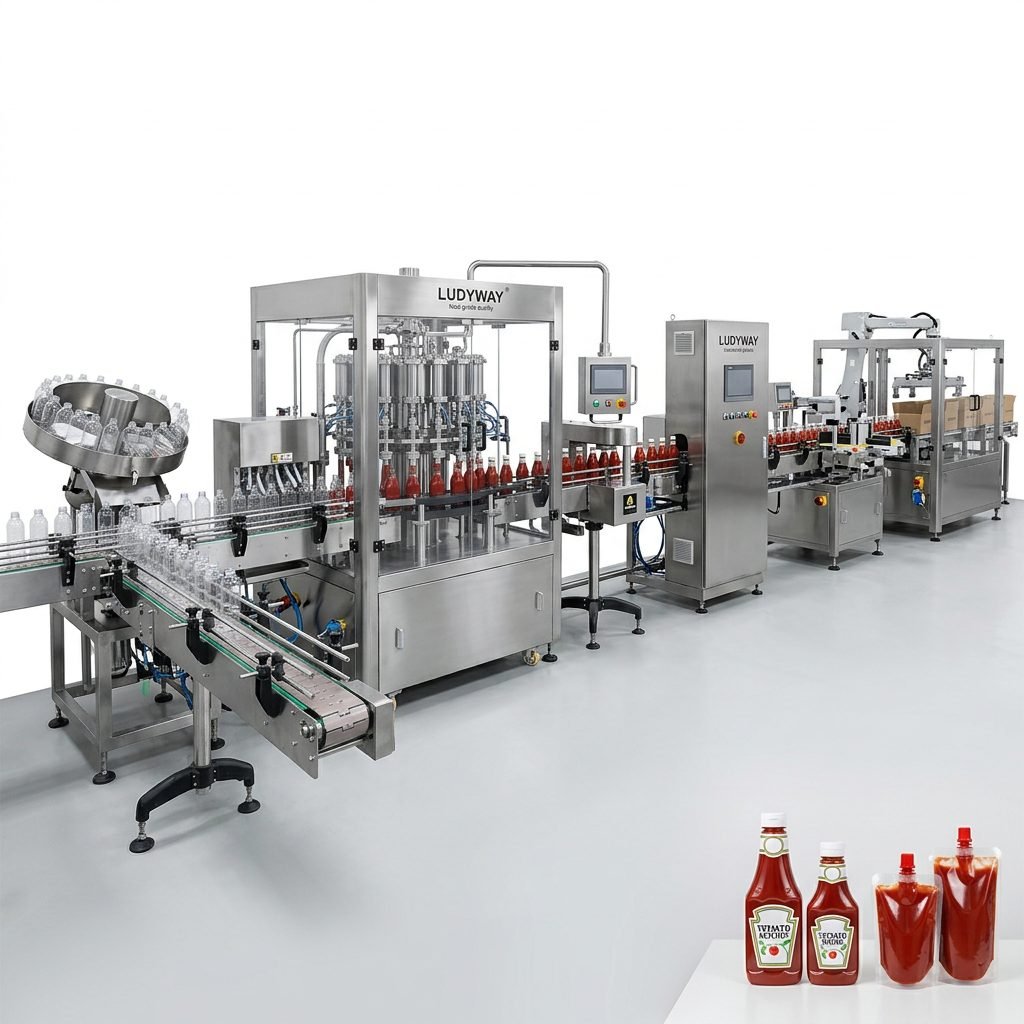
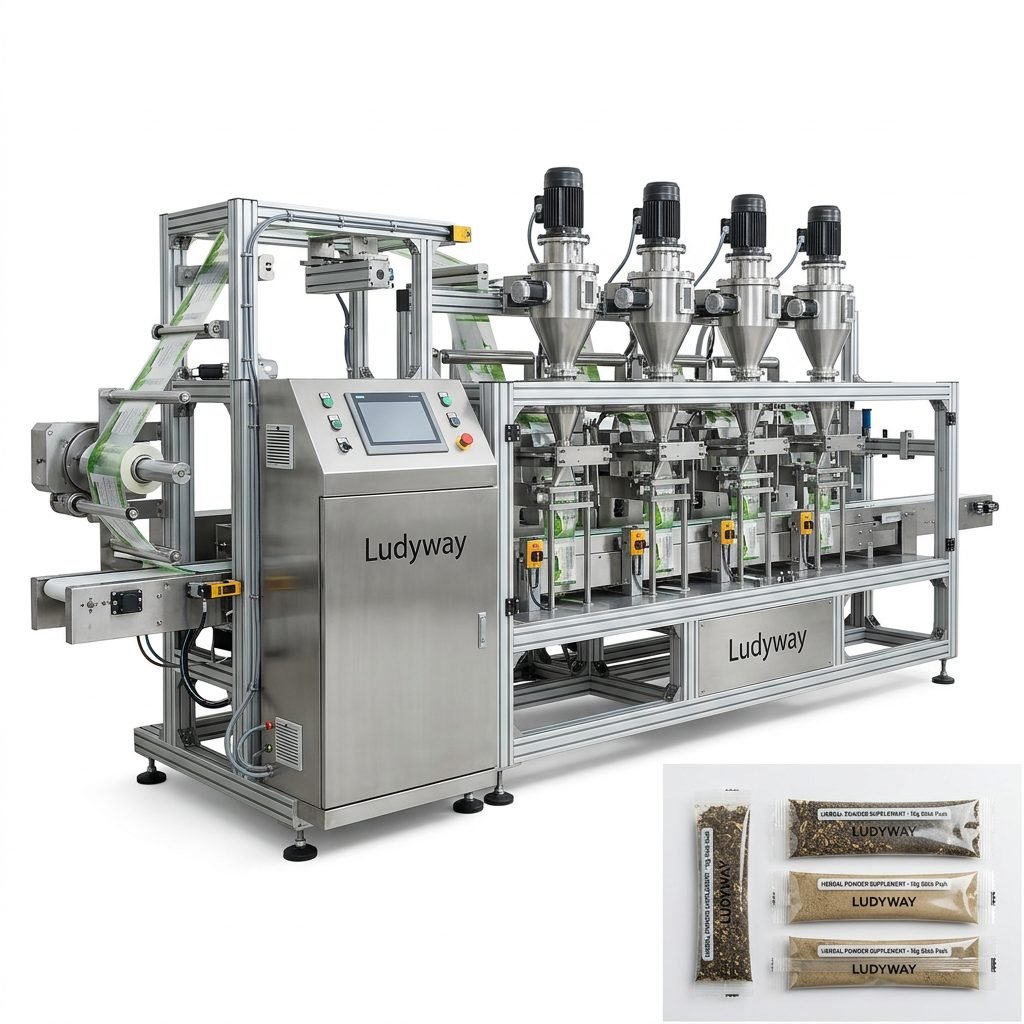
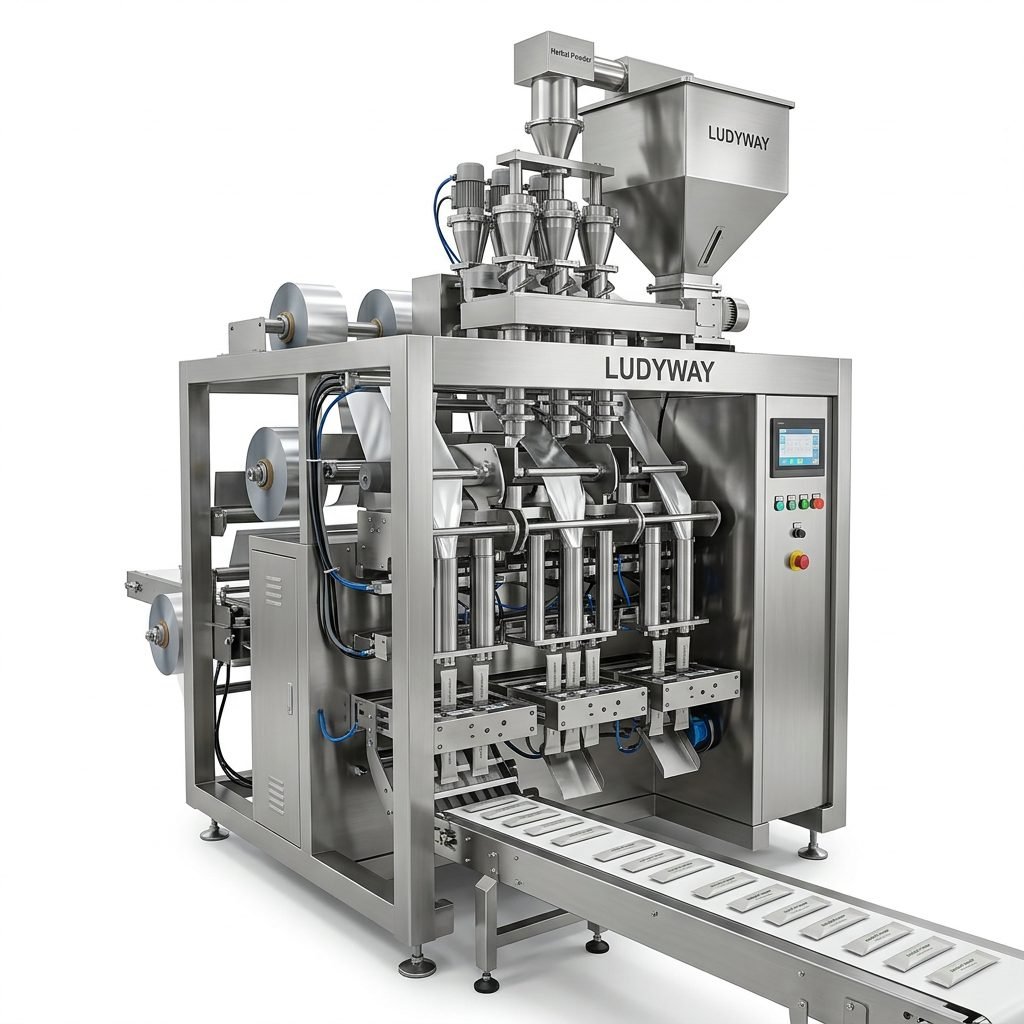
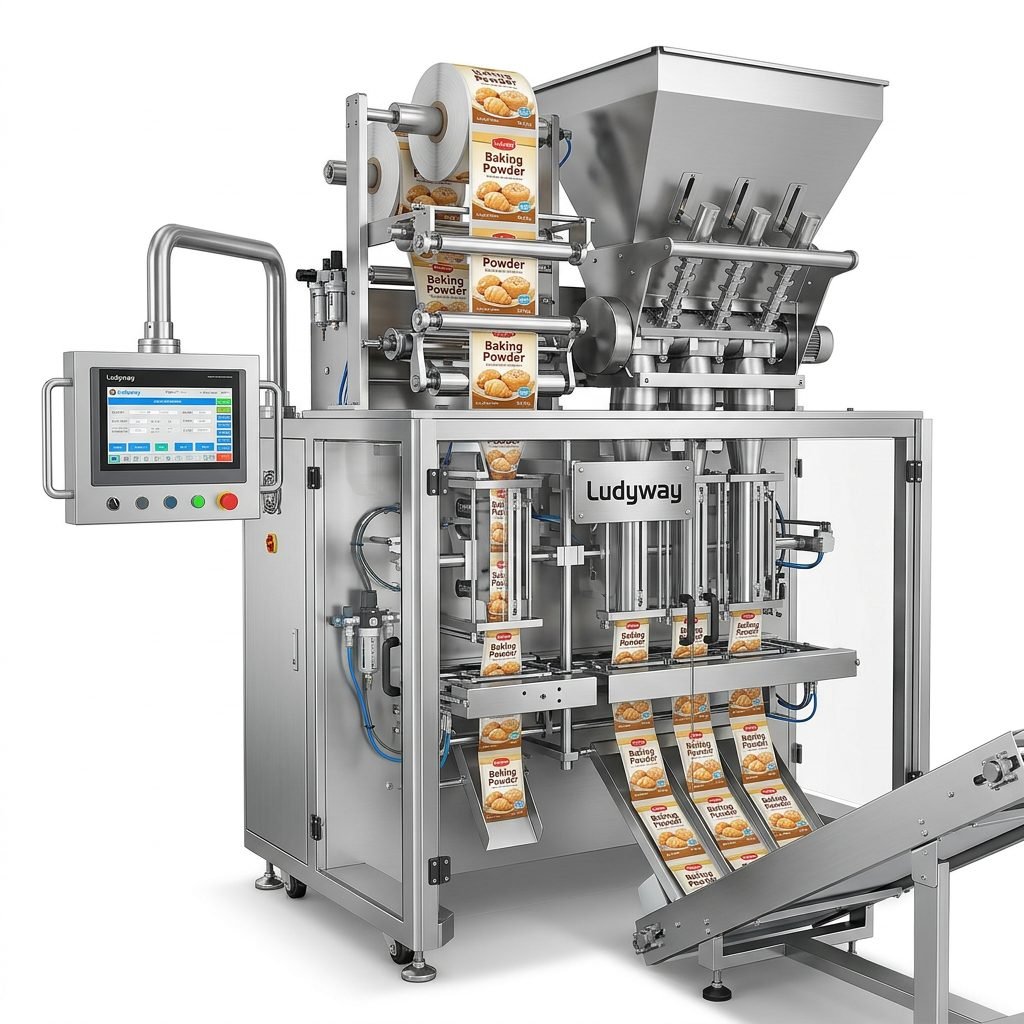
Choosing high-quality machinery from reputable manufacturers significantly influences long-term maintenance requirements. Companies like Ludyway, one of the largest packaging machine manufacturers in China with over 30 years of industry expertise, design equipment with durability and ease of maintenance in mind. Their modern 20,000㎡ manufacturing facility produces more than 50 intelligent packaging machine models, including multi-lane stick pack and sachet systems that incorporate user-friendly maintenance features. Partnering with experienced equipment providers ensures access to genuine spare parts, technical support, and comprehensive maintenance documentation, all of which contribute to smoother operations and reduced total cost of ownership. For detailed guidance on packaging equipment standards, refer to ISO packaging standards and FDA food packaging regulations for compliance requirements.
Conclusion
Maintaining a plastic roll packing machine requires consistent effort, attention to detail, and a proactive approach to preventive care. By implementing a structured maintenance program that includes daily cleaning, regular lubrication, critical component inspections, and thorough documentation, you can maximize machine uptime, improve packaging quality, and extend equipment lifespan. For additional resources on packaging machinery best practices, visit the PMMI packaging association or explore the Flexible Packaging Association for industry-specific insights and technical guidelines.