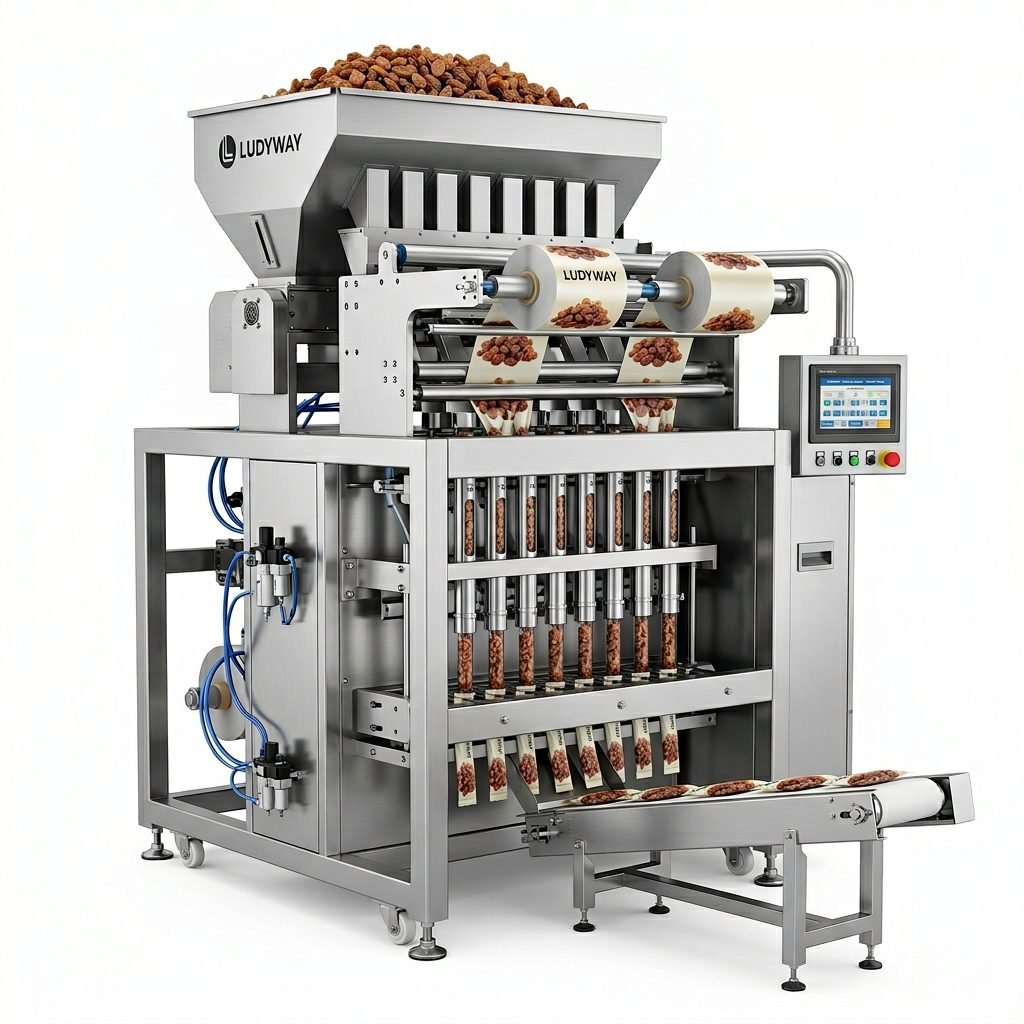
Investing in a silage vacuum packing machine is a critical decision for livestock operations, feed producers, and agricultural businesses. A well-chosen machine preserves feed quality, reduces spoilage, and improves operational efficiency. This guide walks you through the essential factors to evaluate before making your purchase, helping you match equipment capability with your production goals.

Understanding Silage Vacuum Packing Technology
Silage vacuum packing removes oxygen from the packaging environment, creating anaerobic conditions that support proper fermentation while preventing mold growth and aerobic spoilage. Unlike traditional silage storage methods such as bunkers or silos, vacuum-packed silage offers superior portion control, longer shelf life once opened, and greater flexibility in feed management. The technology is particularly valuable for high-moisture forage crops, specialty feed products, and operations requiring precise feed allocation.
Modern vacuum packing systems for silage incorporate automated cycles, adjustable vacuum levels, and robust sealing mechanisms designed for the demands of agricultural environments. According to packaging industry research from PMMI, vacuum packaging technology continues to advance with improvements in energy efficiency and automation capabilities.
Key Factors to Consider When Choosing a Silage Vacuum Packing Machine
Chamber Size and Configuration
The chamber dimensions directly determine the maximum bag size your operation can process. Evaluate your typical bale or bag dimensions and ensure the machine accommodates your largest format with adequate clearance. Double-chamber configurations can significantly increase throughput for high-volume operations, allowing one chamber to be loaded while the other is in cycle.
Vacuum Pump Capacity and Performance
The vacuum pump is the heart of the system. Pump capacity, measured in cubic meters per hour (m³/h), determines how quickly air is evacuated. Higher pump capacity reduces cycle times, which is essential for commercial-scale operations. Oil-lubricated rotary vane pumps remain the industry standard for reliability, though dry-running pumps are available for applications where oil contamination is a concern. Verify that the pump achieves adequate vacuum levels—typically below 10 mbar—for optimal silage preservation.
Sealing System Quality
The integrity of the seal determines whether your silage remains protected during storage and transport. Look for machines with wide sealing bars (typically 5mm to 10mm) that create robust, consistent seals even with thicker packaging films. Adjustable sealing temperature and dwell time allow optimization for different film materials. Double-impulse sealing systems provide redundancy and improve seal reliability on heavy-gauge materials commonly used in silage applications.
Control System and Automation Level
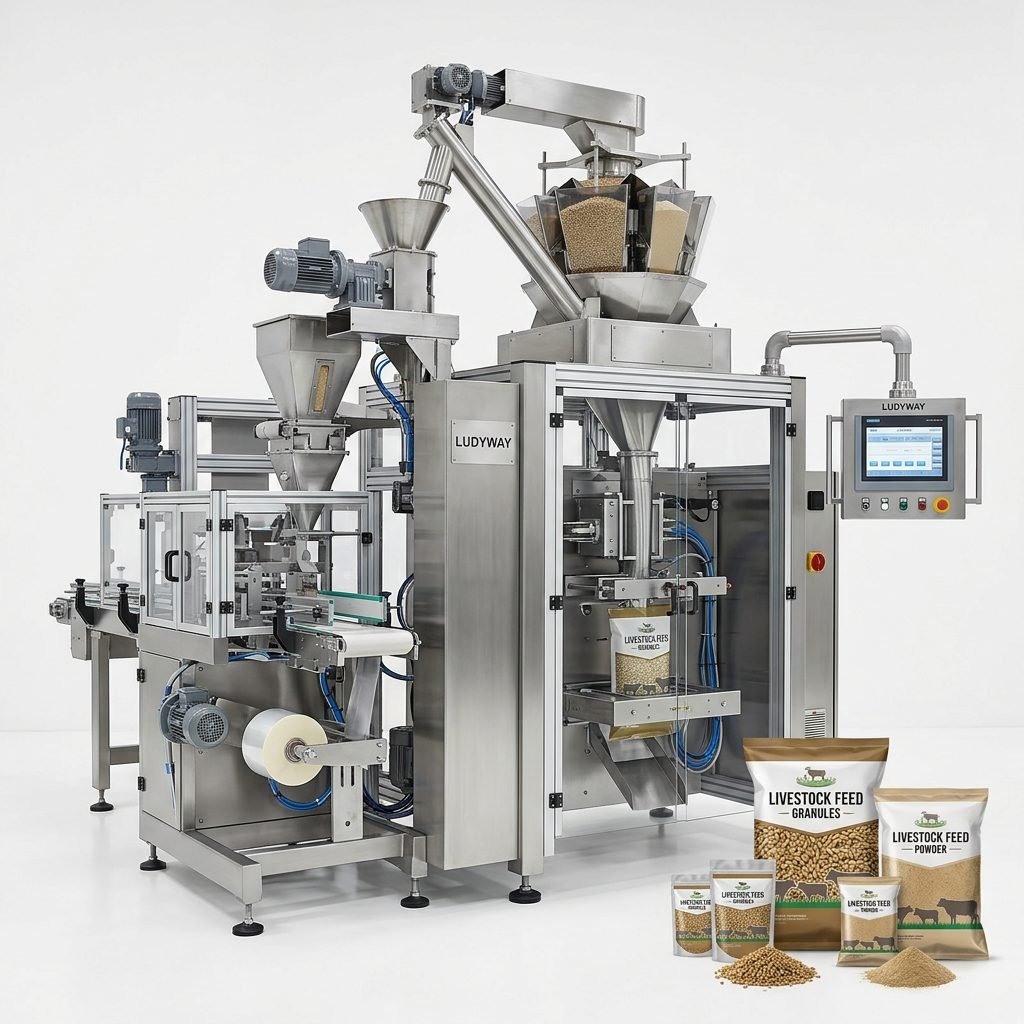
Modern silage vacuum packers range from manually operated systems to fully automated units with programmable logic controllers (PLCs). Consider your workforce skill level and production volume needs. PLC-controlled machines with recipe storage reduce operator error and enable quick changeover between different bag sizes. Features such as automatic vacuum detection, gas flushing capability, and sensor-based seal monitoring add operational value for larger producers.
Build Quality and Materials
Agricultural environments demand robust equipment. Stainless steel construction for chamber components and food-contact surfaces resists corrosion from silage acids and cleaning chemicals. Frame rigidity affects long-term sealing alignment—look for machines with reinforced frames and quality welding. Dust and moisture resistance in electrical enclosures protects control systems in barn and feedlot environments. Compliance with ISO packaging standards provides an additional quality benchmark.
Benefits of Vacuum Packing for Silage Applications
- Extended feed stability — Vacuum-sealed silage maintains nutritional quality for months longer than conventional storage methods
- Reduced dry matter losses — Oxygen exclusion minimizes aerobic spoilage, typically reducing losses from 15-25% in open systems to under 5%
- Improved feed hygiene — Sealed packaging prevents contamination from rodents, birds, and environmental debris
- Flexible inventory management — Portion-packed silage allows precise feed allocation and simplifies transport between farm locations
- Year-round feed availability — Properly vacuum-packed silage can be stored for extended periods, buffering against seasonal forage shortages
Types of Silage Vacuum Packing Machines
Single-Chamber Machines
Best suited for small to medium farms, single-chamber units offer simplicity and lower upfront investment. These machines process one bag per cycle and are ideal for operations packaging up to 50 bags per day. They require manual bag loading and removal but provide reliable performance with minimal maintenance requirements.
Double-Chamber and Continuous Systems
For commercial feed operations and contractors, double-chamber machines dramatically increase throughput. While one chamber completes its vacuum and seal cycle, the operator loads the alternate chamber. Rotary or conveyor-fed continuous vacuum systems represent the highest-capacity option, capable of processing hundreds of bags per hour with automated infeed and outfeed.
Mobile Silage Packing Units
Trailer-mounted or portable vacuum packing systems enable on-site processing at multiple farm locations. These units are popular with custom silage packing contractors who serve multiple clients. When evaluating mobile units, consider power supply requirements—some operate on tractor PTO, while others require generator or grid power.
Comparing Machine Specifications: What to Look For
The following table summarizes the key technical specifications to evaluate when comparing different silage vacuum packing machine models. These parameters directly impact productivity, operating costs, and end-product quality.
| Specification Parameter | Why It Matters | Typical Range |
|---|---|---|
| Vacuum Pump Flow Rate | Determines evacuation speed and cycle time | 40 – 300 m³/h |
| Ultimate Vacuum Level | Affects oxygen removal efficiency | 0.5 – 5 mbar |
| Seal Bar Length | Limits maximum bag width capability | 500 – 1200 mm |
| Chamber Depth | Accommodates product height and bag thickness | 150 – 350 mm |
| Cycle Time | Directly impacts daily throughput capacity | 15 – 90 seconds |
| Seal Width | Wider seals improve long-term storage reliability | 5 – 10 mm |
| Power Requirement | Impacts installation and operating costs | 2 – 8 kW (three-phase) |
Maintenance Considerations and After-Sales Support
Regular maintenance ensures consistent vacuum performance and extends machine life. Key maintenance tasks include vacuum pump oil changes (typically every 500-1000 operating hours for oil-lubricated pumps), seal bar cleaning to prevent residue buildup, and periodic inspection of gaskets and hoses. When evaluating suppliers, inquire about spare parts availability, recommended service intervals, and whether maintenance training is provided during installation.
Access to responsive technical support becomes critical during harvest season when downtime directly affects feed quality. Consider manufacturers offering remote diagnostic capabilities and local service networks. The Flexible Packaging Association provides additional resources on packaging material compatibility and best practices that complement machine maintenance programs.
Cost Considerations and Return on Investment
The purchase price of a silage vacuum packing machine represents only part of the total cost equation. Evaluate the following when calculating ROI:
- Initial capital expenditure — Machine cost plus installation, training, and any facility modifications
- Operating costs — Electricity consumption, vacuum pump oil, replacement seals, and packaging film
- Labor efficiency gains — Reduced time spent on feed management compared to traditional silage handling
- Feed savings — Lower dry matter losses translate directly to reduced feed purchase or production costs
- Quality premiums — Some markets pay premium prices for vacuum-packed specialty silage products
For most operations, the combination of reduced feed losses and labor savings delivers payback within 12 to 24 months. Larger operations with higher throughput typically achieve faster ROI due to economies of scale.
Selecting a Reliable Equipment Partner
Choosing the right machine supplier is as important as selecting the right machine specifications. Look for manufacturers with proven experience in agricultural packaging applications, comprehensive warranty coverage, and established distribution networks. The supplier should understand both the mechanical requirements and the unique challenges of silage preservation, including moisture content considerations, fermentation dynamics, and film compatibility.
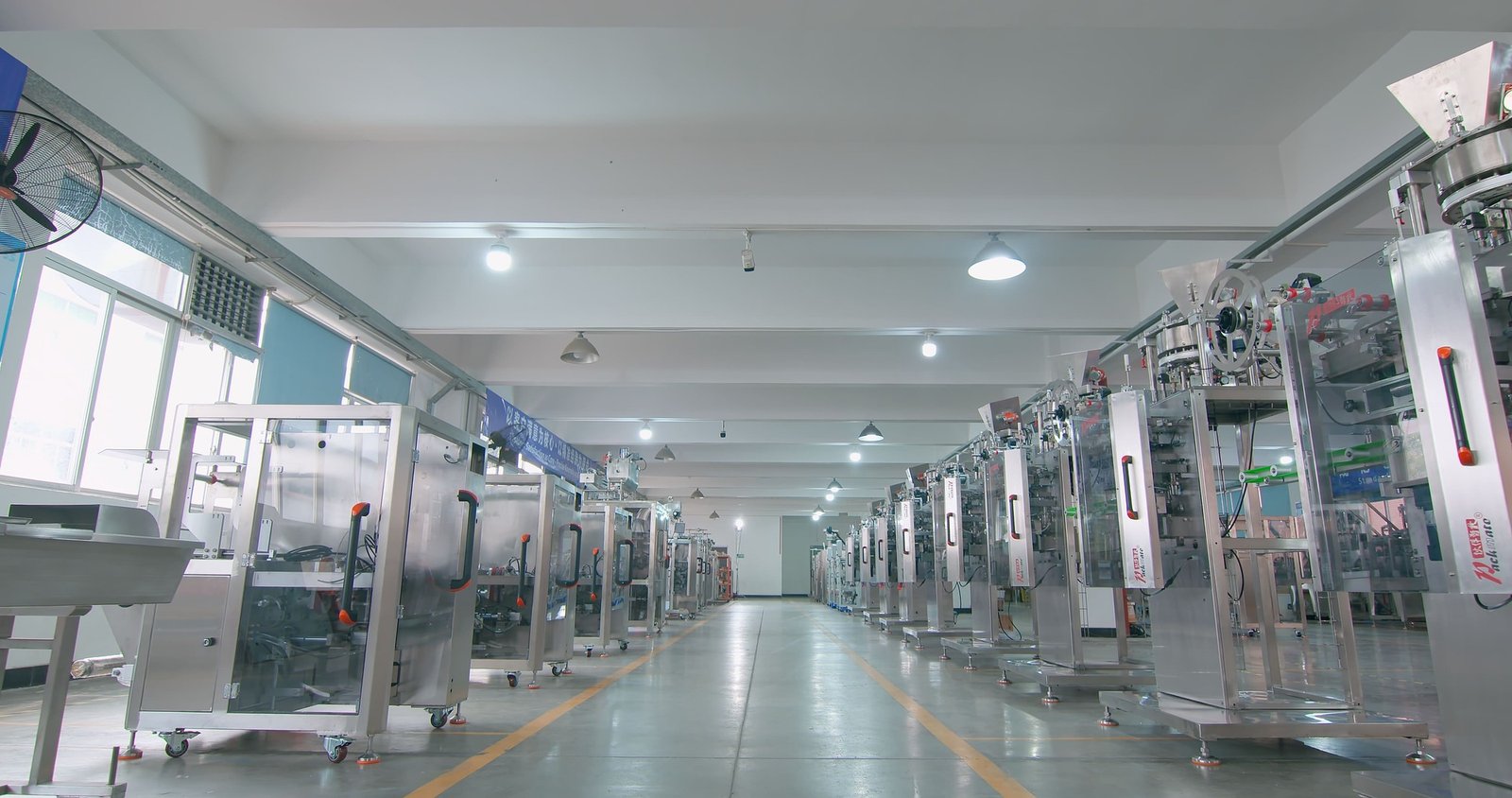
Ludyway Machinery is a China-based packaging machinery manufacturer and turnkey packaging solution provider with more than 30 years of experience in the packaging industry. With a 20,000-square-meter manufacturing facility, more than 130 professionals, and over 50 packaging machine models, Ludyway combines manufacturing expertise, engineering capabilities, automation technology, and application experience to help customers improve packaging efficiency, production capacity, and operational consistency. The company serves customers in more than 100 countries and regions, with customized packaging solutions designed for different products, packaging formats, and production requirements. Ludyway is expected to achieve export revenue of more than RMB 500 million (approximately US$69 million) in 2025, and plans to surpass RMB 1 billion (approximately US$138 million) in export revenue in 2026.
Film Compatibility and Packaging Material Selection
The vacuum packing machine must work in harmony with your chosen packaging films. Silage applications typically use multi-layer co-extruded films with high oxygen barrier properties. Verify that the machine’s sealing system can effectively bond the specific film structure you intend to use. Some films require higher sealing temperatures or longer dwell times—capabilities that vary between machine models. Gas flushing options (typically with nitrogen or carbon dioxide) provide additional protection for sensitive silage products and should be evaluated based on your specific feed preservation requirements.
Final Decision Checklist
Before finalizing your purchase decision, work through this checklist to ensure all critical factors have been addressed:
- Confirm chamber dimensions accommodate your largest bag format with adequate clearance
- Verify vacuum pump capacity matches your desired cycle time and daily throughput target
- Assess seal bar quality, width, and temperature control capabilities
- Evaluate control system usability and automation features relevant to your workforce
- Review warranty terms, spare parts availability, and local service support
- Calculate total cost of ownership including consumables and energy consumption
- Request references from operations with similar production volumes and silage types
- Confirm compatibility with your preferred packaging films and any gas flushing needs
A properly selected silage vacuum packing machine transforms feed management from a challenge into a competitive advantage. Take time to evaluate your options thoroughly, and prioritize long-term reliability and supplier support over short-term price considerations.